


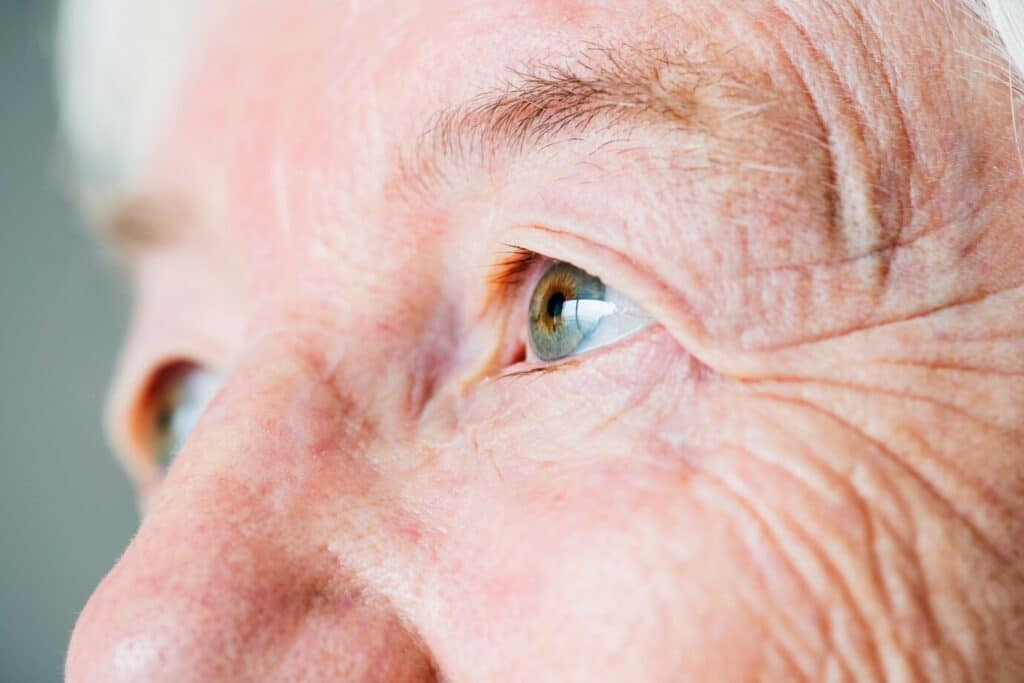
Senior eye health tips are daily habits that help protect vision as the body ages. Learning how to care for eyes daily, recognizing signs of aging eyes, and responding quickly to changes, such as sudden blurred vision, in older adults can support long-term eye health. Because the eyes depend on healthy circulation, nerves, and nutrition, overall wellness plays an important role in healthy vision.
Maintaining vision becomes more important with age, especially as natural changes begin to affect focus, comfort, and clarity. At Westmont of Encinitas, older adults and families often look for practical ways to support healthy aging, including better eye care. This guide explains how body health affects vision, what warning signs to watch for, and which daily habits can help protect eyesight over time.
How Aging and Overall Health Affect the Eyes
As people age, their eyes naturally change. Many older adults notice trouble reading small print, more sensitivity to glare, slower adjustment between bright and dim lighting, or tired eyes at the end of the day. These are common signs of aging eyes and may become more noticeable over time.
One common age-related change is presbyopia. This age-related vision impairment is called presbyopia, and it makes it harder to focus on nearby objects. Many people search for ways to reverse aging eyesight or reverse aging eyes naturally, but aging itself cannot be reversed. What can help is protecting the eyes through healthy habits, early care, and regular exams.
Overall health also affects vision. Diabetes can damage blood vessels in the retina. High blood pressure can affect the tiny vessels that nourish the eyes. Heart and circulation problems may reduce the blood flow that supports vision. According to the Centers for Disease Control and Prevention, nearly 12 million Americans age 40 and older live with vision impairment. The National Institute on Aging also emphasizes regular eye exams and healthy lifestyle habits as key parts of protecting vision with age.

How to Take Care of Your Eyes Daily
Many seniors ask how to take care of their eyes daily because small routines often make the biggest difference. People looking for how to reverse aging eyesight usually find that prevention and consistency matter more than quick fixes. Practical eye care tips at home can help reduce strain, support comfort, and protect long-term vision.
Here are 10 ways to take care of your eyes and support healthy daily routines:
- Schedule regular eye exams
- manage chronic conditions
- Eat nutrient-rich foods
- stay active
- wear sunglasses outdoors
- reduce screen strain
- stay hydrated
- avoid smoking
- Use proper lighting
- Follow simple eye care tips at home, such as keeping reading areas bright and clutter-free.
Daily habits also support the body systems the eyes rely on. Sleeping well, eating foods rich in antioxidants, staying physically active, and limiting prolonged screen use may all help protect vision. The National Eye Institute notes that healthy eating, exercise, and routine eye care are important parts of long-term vision health. For those wondering how to reverse aging eyes naturally, these steady habits are often the most helpful place to start.

Signs of Aging Eyes and When to Seek Help
Some vision changes happen gradually, but others need prompt attention. Sudden blurred vision in older adults should never be ignored, as it may indicate an urgent eye or health issue. Knowing the difference between gradual change and sudden symptoms is an important part of following senior eye health tips.
| Vision Change | What It May Be Related To |
| Blurred vision | Cataracts, diabetic retinopathy, or macular degeneration |
| Trouble seeing at night | Cataracts or other age-related retinal changes |
| Light sensitivity | Dry eye, irritation, or inflammation |
| Double vision | Muscle, nerve, or neurological concerns |
The American Academy of Ophthalmology recommends professional evaluation when vision changes are sudden, severe, or persistent. Watching for signs of aging eyes and responding early can help protect long-term vision. This is also why families often look for how to take care of eyes daily before small changes become larger concerns.

Senior Eye Health Tips Near Encinitas and Daily Support at Westmont
Families often search for senior eye health tips while helping a loved one stay healthy in Encinitas and nearby areas. Questions about sudden blurred vision in older adults, how to reverse aging eyes naturally, and practical eye care tips at home are common, as vision changes often affect confidence, mobility, and everyday comfort.
Supportive routines can make healthy habits easier to maintain. Educational resources on the Westmont of Encinitas blog can help families learn more about aging and wellness. Westmont of Encinitas, located in Encinitas, California, offers Independent Living and Assisted Living in a setting designed for comfort, convenience, and daily support.
Residents have access to approved community amenities, including the Live Your Way Wellness Program, Dine Your Way, Fitness Center, Pool, On-site Therapy Services, Movie Theater, Spacious & Comfortable Living Areas, Central Location, Outdoor Courtyard, Library, Salon & Barber Shop, 24-Hour Availability, Concierge Services, On-Site Maintenance, Resident & Guest Parking, and Scheduled Transportation. Apartment features include Apartment-Style Living, Housekeeping, Utilities Included, Month-to-Month Rentals, Cable-Ready, and Emergency Response Systems.
Families who want to explore next steps can review the care assessment, compare options with the cost comparison tool, explore the lifestyle assessment, or contact the community.

Protecting Vision Through Healthy Aging
The most practical senior eye health tips focus on steady habits, early awareness, and consistent care. Learning how to take care of eyes daily, noticing signs of aging eyes, and using realistic eye care tips at home can help older adults support vision and overall well-being. While many people ask how to reverse aging eyesight, healthy aging is usually about protecting sight rather than reversing time.
Staying proactive also means paying attention to symptoms like sudden blurred vision in elderly adults and seeking professional guidance when needed. Good nutrition, exercise, chronic disease management, and regular eye exams all work together to support healthier vision. For older adults, eye health is closely tied to independence, safety, and quality of life.
If you would like to learn more about daily wellness and supportive senior living, Westmont of Encinitas is here to help. Our community offers Independent Living and Assisted Living in a welcoming setting designed for comfort, connection, and healthy routines.
Schedule a tour, call us at (760) 452-6037, or contact us to learn more about Westmont of Encinitas.
Frequently Asked Questions
How to improve eyesight for seniors?
Improving eyesight for seniors usually starts with consistent daily habits and regular professional care. Comprehensive eye exams help identify problems early and make treatment more effective when needed. Meals with leafy greens, fish, and colorful fruits may support eye health over time. Good lighting, hydration, and reduced screen strain can also help maintain comfort and clearer vision.
Which drink is best for eyes?
Water is one of the most important drinks for eye health because it supports hydration and tear production. Some antioxidant-rich drinks, such as green tea or vegetable-based juices, may also support overall wellness. No single drink can reverse age-related vision changes on its own. A balanced diet and proper hydration are usually the best approach.
What are common eye problems for seniors?
Common eye problems in older adults include cataracts, glaucoma, age-related macular degeneration, and diabetic retinopathy. These conditions may affect clarity, side vision, or the ability to see well at night. Some symptoms develop slowly, while others may appear more suddenly. Regular eye exams are important because early detection can improve management and treatment outcomes.
What vitamins are good for the eyes for seniors?
Vitamins A, C, and E are often associated with healthy vision. Nutrients such as lutein, zeaxanthin, and zinc may also help support eye tissues and protect cells from damage. These nutrients are commonly found in leafy greens, fish, eggs, and colorful produce. A balanced eating plan is often the best way to support long-term eye health.