


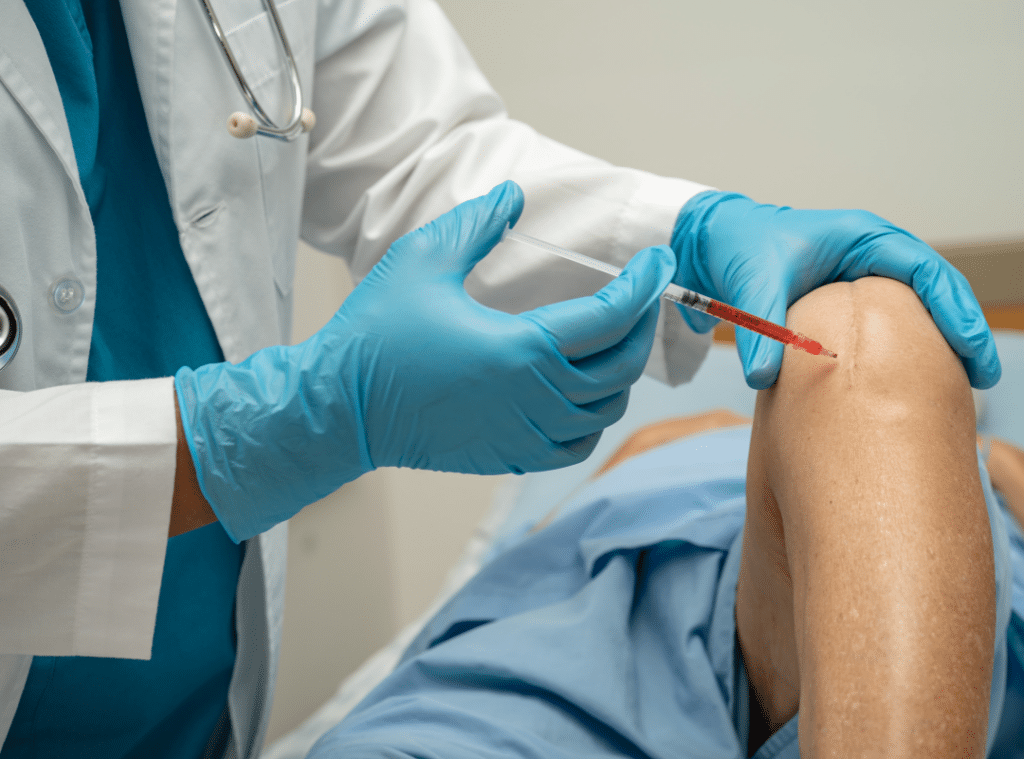
Weak legs in elderly adults often improve with the right treatment, including exercise, better nutrition, supplements, and medical support when needed. If you notice slower walking, trouble standing, or sudden weakness in the legs in elderly family members, the best next step is to identify the cause and develop a safe plan that supports strength, balance, and confidence. At Westmont of Cypress in Cypress, CA, older adults can benefit from a setting that supports wellness, mobility, and everyday independence.
This guide explains what causes leg weakness, what to eat for weak legs in elderly adults, which treatments may help most, and when professional care matters. If you are also exploring added recovery support, our related blog on rehab facility for elderly: what you need to know is a strong next read because it closely connects to therapy, recovery, and strength support for older adults.
What Causes Weak Legs in Elderly Adults?
Weak legs in older adults can result from many factors, including age-related muscle loss, inactivity, poor circulation, nerve issues, arthritis, diabetes, and certain medications. If you have asked why I am losing muscle mass in my legs, the answer may involve sarcopenia, the gradual loss of muscle that often comes with aging and reduced activity.
Another common question is what deficiency causes weakness in the legs. Low vitamin D, vitamin B12, iron, or potassium may contribute to weakness, fatigue, or poor balance. According to the National Institute on Aging, muscle mass declines by about 3% to 8% per decade after age 30, which helps explain why weakness becomes more common with age. If there is a sudden change, the causes of sudden leg weakness in older adults should be reviewed promptly, as it may indicate dehydration, infection, nerve compression, or another medical concern.
Signs you should not ignore
You may first notice weak legs when getting up from a chair, climbing a short set of stairs, or walking across the room. Shaky legs, numbness, slower walking, and a growing fear of falling can all signal the need for treatment for weak legs in elderly adults.

Treatment for Weak Legs in Elderly: What Usually Helps Most?
The most effective treatment for weak legs in elderly adults usually combines nutrition, exercise, professional evaluation, and practical daily habits. Instead of looking for one quick fix, it is often better to build a plan that supports muscle strength, mobility, and safety over time.
A doctor or therapist may review medical history, medications, balance, strength, and possible deficiencies before recommending care. In many cases, treatment for weak legs in elderly adults works best when it includes both home-based strategies and outside support such as therapy, especially if weakness affects walking, standing, or transfers.
What treatment for weak legs in the elderly may include
- Better daily nutrition and hydration
- Safe, regular lower-body exercise
- Review of medications and possible deficiencies
- Therapy or mobility support when needed
What to Eat for Weak Legs in Elderly Adults
Knowing what to eat for weak legs in older adults can make a real difference, as muscles need protein, fluids, and key nutrients to function well. Meals that include eggs, fish, chicken, beans, yogurt, leafy greens, and whole grains may support strength, recovery, and circulation.
If weakness is linked to poor appetite or under-eating, food choices become an important part of treatment. The Harvard Health guide to healthy eating for older adults notes that balanced meals can support better energy and physical function. That is why what to eat for weak legs in elderly adults should always be part of the conversation when building a safe strength plan.
Foods that can support stronger legs
- Lean protein for muscle repair
- Dairy or fortified foods for vitamin D and calcium
- Leafy greens and whole grains for circulation and overall health
- Water and hydrating foods to reduce fatigue
Supplements for Weak Legs in Elderly Adults
Some older adults may also benefit from supplements for weak legs, especially when bloodwork or a medical review indicates a deficiency. Vitamin D, magnesium, omega-3s, and B vitamins are often discussed for their potential to support muscle function, nerve health, and recovery.
Still, supplements should match the person’s needs rather than be taken at random. The original article correctly tied supplementation to clinical guidance, and that remains important because supplements for weak legs in elderly adults work best when they support a clear treatment plan rather than replace it.
Exercises for Weak Legs in Elderly Adults
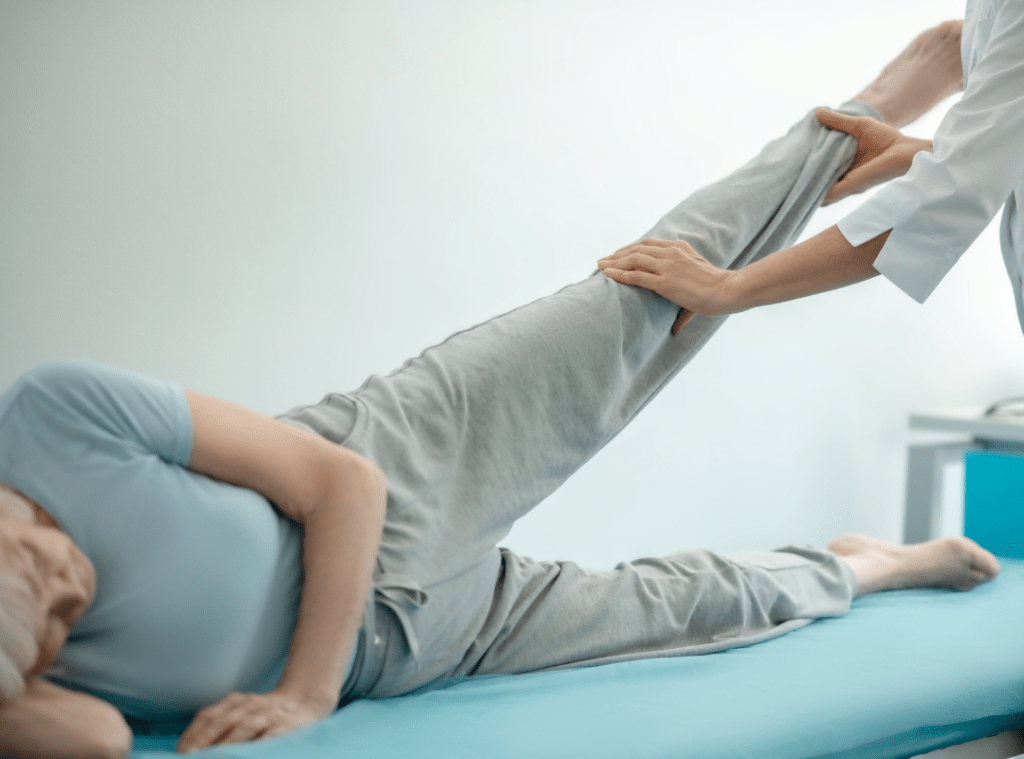
Movement is one of the most helpful ways to rebuild strength and support balance. Simple exercises such as seated leg raises, heel lifts, mini squats, supported sit-to-stands, and short daily walks can all help improve lower-body function over time.
If someone is searching for exercises for weak legs in the elderly with pictures, visual exercise guides from a therapist or senior fitness specialist can make the exercises easier to follow and safer to practice. The Mayo Clinic’s guidance on strength training supports regular exercise to improve stability and daily function, which aligns well with this approach to treating weak legs in older adults.
Start with movements like these
A simple routine might include seated marches, ankle circles, supported sit-to-stands, and short walks throughout the day. The goal is steady progress, not intensity, especially when weakness has been present for a while.
When Sudden Weak Legs in Elderly Adults Need Medical Attention
Sudden weakness in the legs in older adults should not be brushed off, especially if the change is new, severe, or accompanied by pain, numbness, confusion, or difficulty speaking. In those situations, sudden leg weakness in elderly adults may require urgent medical review.
Even when symptoms are not an emergency, it is wise to ask a clinician about medication side effects, nerve problems, circulation issues, or what deficiency causes weakness in the legs. This quick comparison shows how common causes of leg weakness may connect to the next best step.
| Possible Cause | What You May Notice | Possible Next Step |
| Muscle loss | Fatigue, slower walking | Strength exercises, nutrition support |
| Vitamin deficiency | Weakness, cramps, low energy | Lab work, food changes, supplements |
| Poor circulation | Aching, heaviness, reduced stamina | Medical review, walking plan |
| Nerve-related issue | Numbness, tingling, instability | Clinical evaluation, therapy |
Daily Support That Can Improve Mobility and Confidence
Good treatment is not only about clinical care. Daily routines and the environment around you also shape how safely and confidently you move. Standing up often, walking short distances, using supportive footwear, and staying socially engaged can all help older adults remain more active.
At Westmont of Cypress, residents have access to lifestyle options, including the Live Your Way Wellness Program, Dine Your Way, Fitness Center, Pool, On-site Therapy Services, Scheduled Transportation, 24-Hour Availability, and Emergency Response Systems. Community support may be especially helpful for older adults in Assisted Living, Independent Living, or Memory Care, as well as for those with skilled nursing needs who need consistency, safety, and encouragement as they work on leg strength and mobility.
Stronger Steps Start with the Right Support
If weak legs are making daily life harder, the next step does not have to feel overwhelming. A better plan can start with simple changes, such as improving meals, adding safe movement, reviewing symptoms, and choosing support that helps you stay active and confident.
If you want help understanding which level of support may be the best fit, our care assessment can be a helpful next step. You can also schedule a tour, Contact Us, or call us at 714-252-7144 to learn how Westmont of Cypress supports strength, comfort, and everyday independence.
Frequently Asked Questions
How can seniors strengthen their legs?
Seniors can strengthen their legs with regular movement, balanced meals, and the right level of support. Exercises such as seated leg raises, short walks, and sit-to-stands may help improve strength and balance over time. Protein, hydration, and correction of nutrient deficiencies also play a role. If weakness is severe or sudden, a doctor or therapist should help guide the plan. A steady routine usually works better than doing too much all at once.
How do you treat weak legs in the elderly?
You treat weak legs in the elderly by addressing the cause and combining exercise, nutrition, hydration, and medical support when needed. Some people also need supplements, physical therapy, or medication adjustments depending on the source of the weakness. The best plan usually combines several small strategies rather than one single fix. If symptoms are getting worse, a clinical evaluation is important. Early support can help protect mobility and lower fall risk.
Why do my legs feel weak?
Legs may feel weak because of muscle loss, inactivity, poor circulation, nerve issues, arthritis, or vitamin deficiencies. In older adults, weakness can also be linked to medication side effects or low activity levels over time. Sudden symptoms deserve extra attention because they may point to a more urgent issue. A medical review can help identify the exact cause. Once the cause is clearer, treatment becomes much more effective.
How to make legs stronger?
To strengthen your legs, start with safe lower-body exercises and repeat them consistently each week. Pair movement with enough protein, hydration, and overall healthy meals so the muscles have what they need to recover. If balance is a concern, supervised exercise or therapy may be a better place to begin. Progress may feel slow at first, but consistency matters. Most people do better when they build strength gradually and safely.