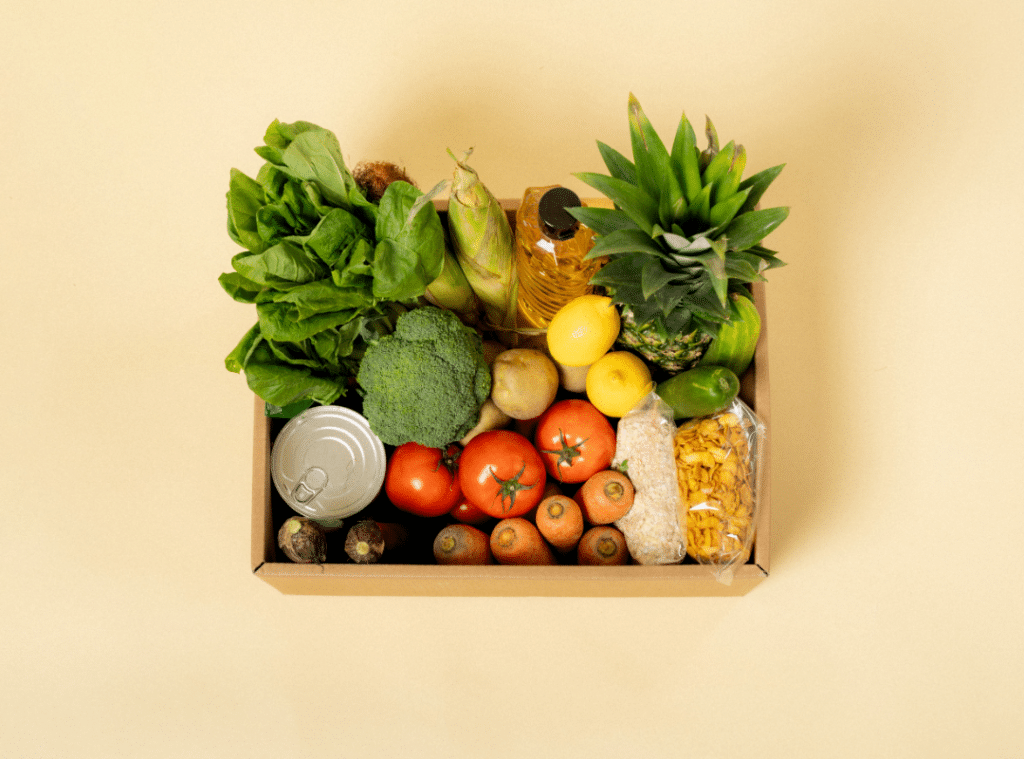



The 5 worst foods for memory loss are commonly foods high in trans fats, added sugars, excess sodium, artificial additives, and unhealthy frying oils. Over time, repeated eating habits built around these foods may be less supportive of memory, focus, and overall cognitive wellness. At Westmont of Culver City, families often look for simple ways to support healthier routines, and food choices are a practical place to start.
If you are thinking about daily nutrition for yourself or someone you love, it helps to focus on both sides of the equation: what to limit and what to choose more often. For related reading, Best Foods for Elderly Health: Nutrition Tips for Seniors is a relevant Westmont of Culver City resource listed in the related blog sheet and confirmed live.
What Are the 5 Worst Foods for Memory Loss?
The foods most often grouped among the 5 worst foods for memory loss are highly processed items that may undermine healthy aging when they become part of your routine. In simple terms, these are foods that tend to be high in unhealthy fats, added sugars, sodium, or heavy processing.
- Trans-fat-heavy packaged foods
- Sugary drinks and desserts
- Highly salted processed foods
- Fried foods cooked in unhealthy oils
- Ultra-processed foods with many artificial additives
Why Food Choices Can Affect Memory
Your brain depends on steady energy, healthy circulation, and balanced nutrition. Eating patterns centered on highly processed foods may leave less room for the nutrient-dense foods older adults need for long-term wellness.
The National Institute on Aging’s healthy eating guidance for older adults recommends food groups and eating patterns that support healthy aging over time. The CDC’s healthy aging guidance also highlights nutrition as a core part of maintaining overall health and mental function.
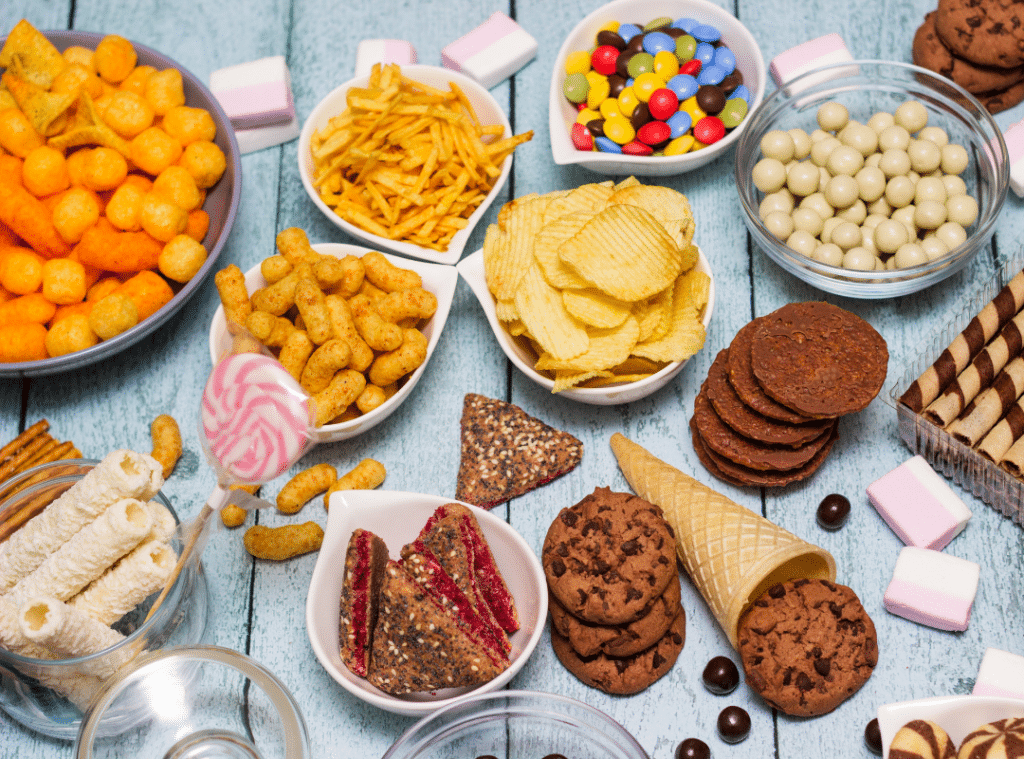
The 5 Worst Foods for Brain Health Explained
Sugary Drinks
Many people ask, “What drink is bad for memory?” Drinks high in added sugar are a common concern because they can become an everyday source of excess calories without much nutritional value. When sugary beverages are a habit, they often replace more supportive options like water or balanced meals.
Processed Snack Foods
Packaged pastries, chips, and shelf-stable snacks are often high in sodium, refined ingredients, and unhealthy fats. These foods can be convenient, but frequent use may make it harder to maintain a balanced eating pattern.
Fried Foods
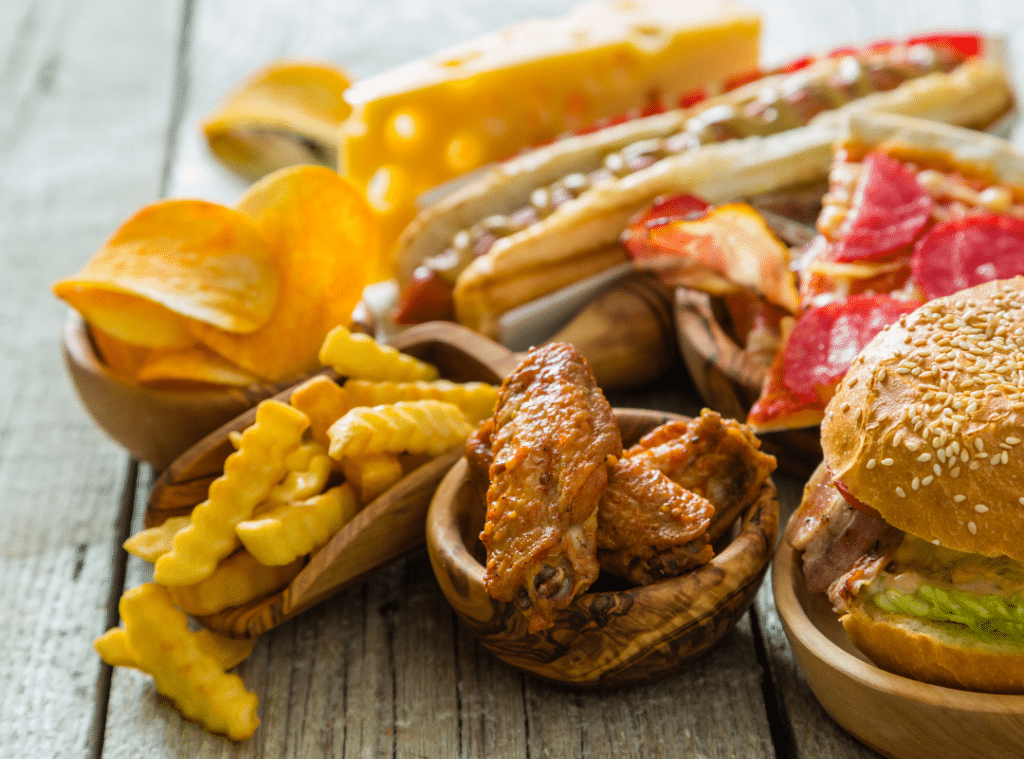
Fried foods can be heavy in unhealthy fats depending on how they are prepared and how often they are eaten. The concern is usually the long-term pattern, especially when fried items appear often in place of meals built around whole foods.
Foods With Artificial Additives
Highly processed foods with long ingredient lists may not offer the same nutritional value as simpler meals built around vegetables, lean protein, whole grains, and healthy fats. Keeping meals less processed can make healthy choices easier to repeat.
Fast-Food Eating Habits
The worst foods for brain health are often part of a broader eating pattern, not just one isolated item. A routine built around fast food and processed snacks can crowd out foods that are more supportive of memory and overall wellness.
Foods to Limit vs. Better Everyday Swaps
| Foods to Limit | Better Choices |
| Sugary soda | Water or unsweetened tea |
| Fried snacks | Nuts or seeds |
| Packaged pastries | Oatmeal or fruit |
| Salty chips | Whole-grain crackers |
| Heavy fast-food meals | Balanced meals with lean protein and vegetables |
What Are the 5 Best Foods for Memory?
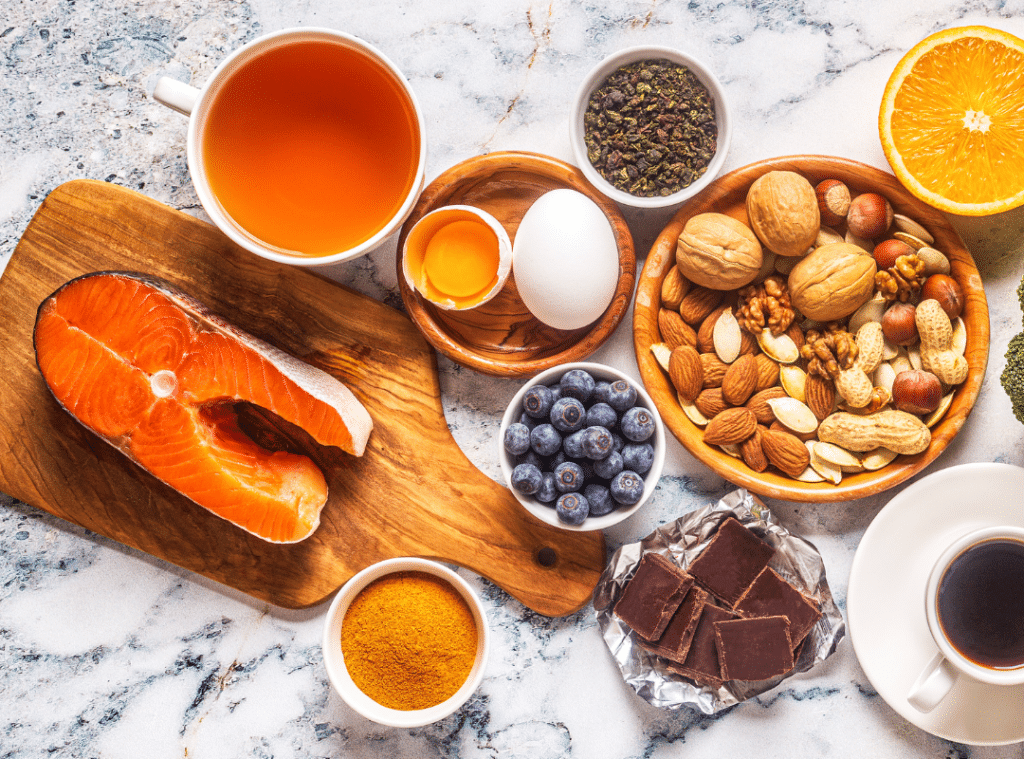
Many readers also ask what are the 5 best foods for memory. Common examples include fatty fish, berries, leafy greens, nuts, and whole grains because they fit naturally into balanced eating patterns focused on long-term health.
The Harvard Nutrition Source overview of the MIND diet notes that researchers found a 53% lower rate of Alzheimer’s disease among participants with the highest MIND diet scores, while even moderate scores were associated with a 35% lower rate in that study. That does not turn one food into a cure, but it does support a clear takeaway: long-term eating patterns matter more than one single meal.
Foods That Fight Memory Loss in Daily Life
If you want practical changes, small upgrades are often easier to sustain than dramatic restrictions. This is where foods that fight memory loss and 5 foods to prevent dementia fit naturally into daily life.
Easy Breakfast Upgrades
A simple breakfast built around eggs, oatmeal, berries, or yogurt can be more supportive than starting the day with heavily processed pastries or sugary drinks. For readers wondering, do eggs fight memory loss? Eggs can be part of a balanced diet because they provide protein and useful nutrients.
Better Snack Choices
Swapping chips and sweets for fruit, nuts, or whole-grain options can make healthy eating feel more manageable. These choices are also easier to repeat when your goal is consistency rather than perfection.
Hydration Habits
Water and unsweetened drinks support daily wellness more reliably than sugary beverages. If you are choosing one habit to improve first, changing what you drink can be a practical place to begin.
Support Healthy Living at Westmont of Culver City
Healthy eating becomes easier when it fits into a supportive lifestyle. At Westmont of Culver City, relevant community features such as the Live Your Way Wellness Program, Dine Your Way, Sweetwater Bistro, Fitness Center, Scheduled Transportation, and On-site Therapy Services can help residents maintain balanced routines in a comfortable setting. Apartment features such as Full Kitchens and Kitchenettes can also support independence with meals.
If you are exploring next steps for yourself or a loved one, you can explore community amenities, schedule a tour, or contact the team to learn more. Westmont of Culver City offers Independent Living, Assisted Living, and Memory Care in Culver City, California.
Frequently Asked Questions
What drink is bad for memory?
Drinks high in added sugar are commonly seen as less supportive for memory and focus. This includes many sodas, sweetened teas, and other sugary beverages. The bigger issue is usually repeated daily intake, not one occasional drink. Water and other low-sugar options are often better fits for long-term wellness.
What kills brain cells the most?
No single food can honestly be reduced to a simple claim like “kills brain cells the most.” Brain health is shaped by long-term habits, including nutrition, sleep, physical activity, stress management, and medical factors. A highly processed diet may be less supportive of healthy aging, but it is only one part of the picture. It is more useful to focus on consistent, healthy patterns than on a single dramatic label.
What drink improves memory?
No drink can guarantee better memory on its own. Water supports hydration, which helps concentration and day-to-day function, and unsweetened beverages may fit well into a balanced routine. What matters most is the overall pattern of eating and drinking across time. Steady hydration and balanced meals are usually the strongest foundation.
What foods stop memory loss?
No food can promise to stop memory loss. What food can do is support overall brain and body wellness when it is part of a healthy, long-term pattern. Meals built around vegetables, berries, healthy fats, whole grains, and lean protein are often viewed as more supportive choices. It helps to think in terms of habits and consistency, not miracle foods.
What is the 1 worst eating habit for memory loss?
A steady pattern of relying on ultra-processed, high-sugar, low-nutrient foods may be one of the least supportive habits for memory. This kind of routine can push healthier foods out of your day and make balanced nutrition harder to maintain. The problem is usually repetition over time, not one food once in a while. A better goal is building meals that are simple, balanced, and repeatable.