


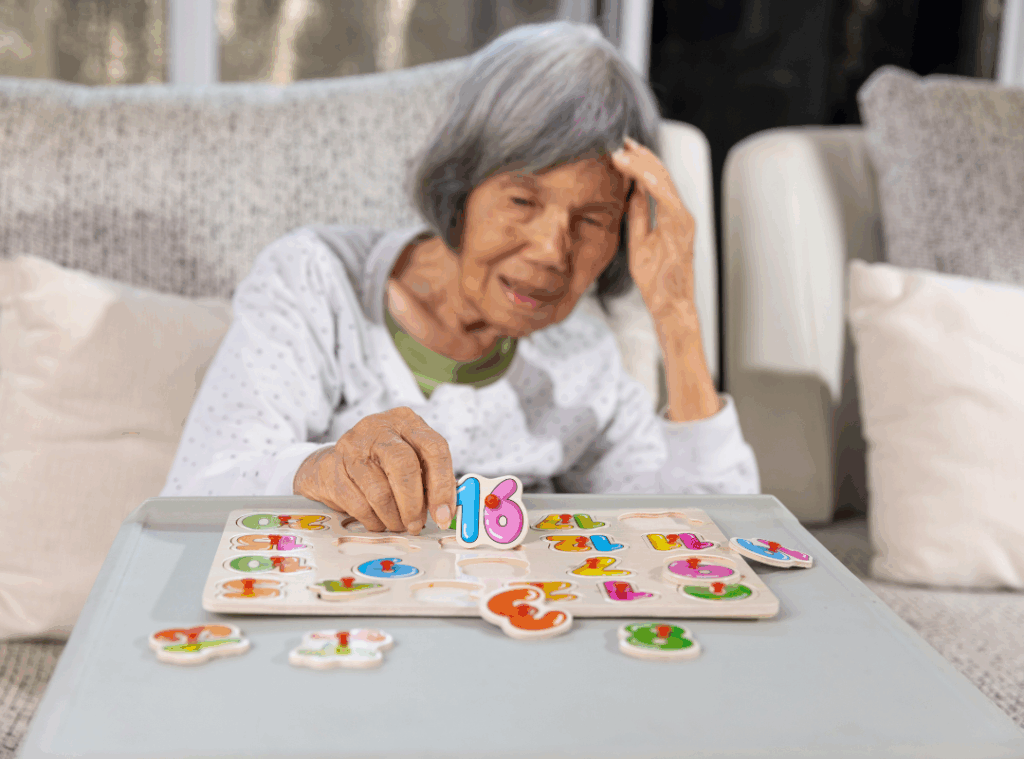
Board games for dementia patients can support memory care by encouraging calm mental stimulation, gentle conversation, and a sense of “I can still do this.” The right game can help a loved one feel more present, more connected, and less isolated, even on hard days.
If you’re exploring a supportive, engaging daily life for a loved one, connect with Westmont of Chico today—call 530-767-3886 or schedule a visit to see how meaningful activities can fit into a comforting routine.
Why board games can help people living with dementia
Dementia affects memory, language, attention, and problem-solving. While games can’t “cure” dementia, they can support quality of life by giving the brain and emotions something positive to do.
Here’s what board games may offer:
- Cognitive engagement without pressure: Simple turns, matching, counting, or naming can gently exercise attention and recall.
- Emotional comfort: Familiar games often feel safe and predictable, which can reduce frustration.
- Social connection: Shared play invites conversation and laughter, even when words are harder to find.
- Routine and structure: A game at the same time each afternoon can become a soothing “anchor” in the day.
For additional guidance on dementia and daily life support, families often find reputable resources helpful, such as the Alzheimer’s Association’s information on dementia and caregiving and the NIH’s senior health resources.
What this means for seniors
If a senior feels overwhelmed by complex tasks, board games can be a low-stress way to stay involved. The “win” isn’t the score—it’s the connection, participation, and enjoyment.
Best board games for memory and engagement
The best board games for dementia patients are usually familiar, visually clear, and easy to complete in 10–30 minutes. When in doubt, choose games with:
- Big, easy-to-hold pieces
- Simple choices (match, place, roll, count)
- Minimal reading
- A clear “end” so the game feels complete
Here are dementia-friendly favorites, including simple games for dementia patients you can adapt at home or in a community setting:
- Bingo (numbers, pictures, or themes like “Chico in spring” or “favorite foods”)
- Noughts and Crosses (Tic-Tac-Toe)
- Dominoes (matching dots, or simplified to just matching colors)
- Checkers (shortened board, fewer pieces, or cooperative play)
- Go Fish / Matching card games (use fewer cards, larger print, or photo-based decks)
You can also incorporate purpose-built options like “Call to Mind,” which is often used to encourage conversation and connection.
Free options families can start today
Looking for free games for dementia patients? You can create easy “no-cost” versions with items at home:
- Homemade Bingo (printable cards or hand-written grids)
- Picture matching (family photos, postcards, or large-print images)
- Color or shape sorting (buttons, large beads, or craft pieces)
The goal is success and comfort—no one should feel “tested.”
How to choose games by dementia stage
Dementia changes over time, so the “right” game today may not fit six months from now. Use the person’s abilities—not their age—as the guide.
Early stage
Many people can still enjoy familiar strategy games with light support.
- Bingo, dominoes, checkers (simplified), trivia with choices
- Cooperative play: “Let’s do this together,” not “You vs. me.”
Middle stage
Choose shorter games with fewer steps and more repetition.
- Matching, sorting, simple roll-and-move games
- Games with one clear action per turn
Later stage
Focus on sensory-friendly, calming play and connection.
- Large-piece matching, picture Bingo, and simple placing games
- “Parallel play” is okay: sitting together, holding cards, naming images
If you’re building a broader activity routine, this blog on group activities can help families think through social connection and comfort.
Physical games that add movement safely
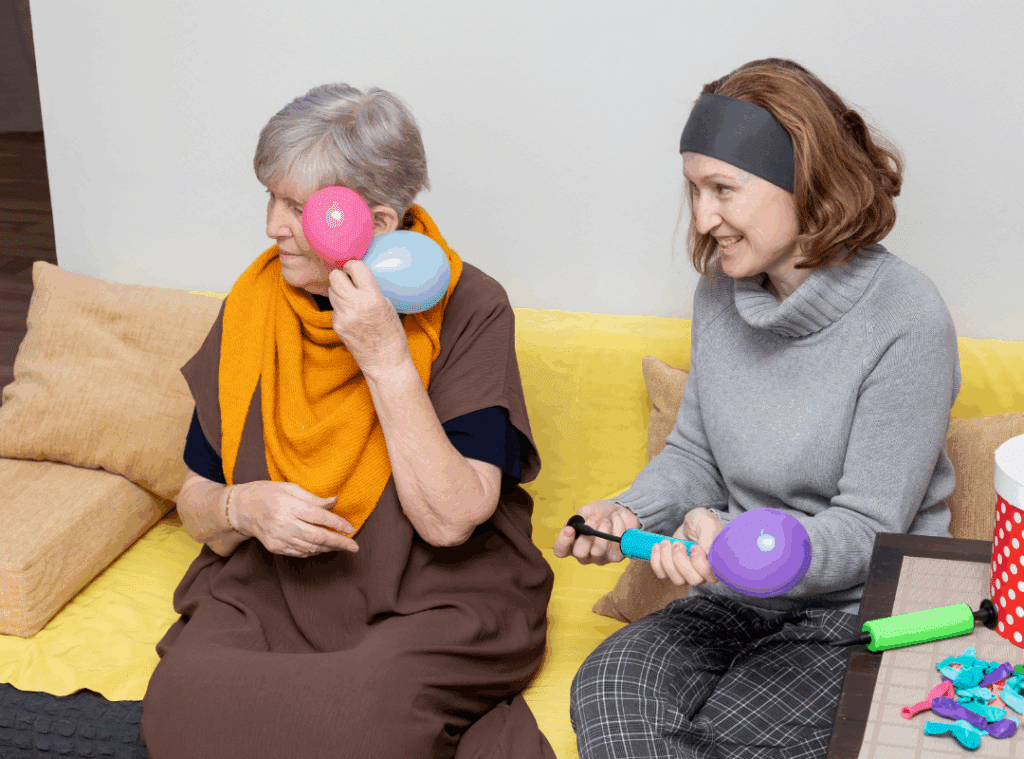
Some families also ask about physical games for dementia patients—and gentle movement can be a great mood-lifter when it’s safe and supervised.
Try movement-based games that prioritize balance and comfort:
- Balloon volley (seated or standing with support nearby)
- Bean bag toss (large target, short distance)
- Soft ring toss
- Follow-the-leader stretching with simple cues
Safety note: If your loved one has a fall risk, dizziness, or medical limitations, check with their clinician or care team before adding new physical activities. Choose stable seating, clear walkways, and calm pacing.
Easy ways to modify games for better accessibility
Small adjustments can turn “too hard” into “just right.”
Helpful modifications:
- Use larger pieces or add grips (foam, tape) for easier handling
- Reduce choices: fewer cards, fewer tiles, fewer game steps
- Use high-contrast colors and uncluttered boards
- Shorten the game: play 5 rounds instead of finishing the full set
- Replace “rules” with a simple goal: “Match these,” “Find two the same,” “Place your piece here.”
If you’re coordinating care with family, a planning approach can also help everyone stay on the same page. This article on a family-centric approach offers a helpful perspective.
Why social play matters as much as the game itself
Board games often work best when they feel warm and relational—not competitive. Social interaction can:
- Reduce loneliness
- Encourage conversation and shared memories
- Support emotional well-being during transitions
In community life, having welcoming shared spaces makes it easier to keep games part of the week. At Westmont of Chico, features like a game room, library, movie theater, art studio, and spacious & comfortable living areas can support relaxed connection and meaningful engagement. For more on why social engagement matters in senior living, this overview on the importance of social activities is a helpful read.
What this means for caregivers and adult children
If visits feel stressful because conversation is harder, a simple game can be a “bridge.” You don’t need perfect words—just a shared activity and a calm pace.
You can also explore creative engagement ideas such as art-based activities; this article on art therapy and older adults offers additional inspiration.
Bringing it home in Chico: seasonal ideas that feel familiar
Familiarity is powerful. To make games more engaging, weave in local or seasonal themes:
- Spring: garden, flowers, birds (picture Bingo or matching)
- Summer: “favorite cold treats” or “lake day” themes
- Fall: harvest, warm colors, favorite memories of holidays
- Winter: cozy movie-night trivia or simple word/picture matching
Even small local touches can help a loved one feel grounded and included.
Ready for supportive memory care with connection?
If you’re exploring memory care options and want a warm, trust-based approach to daily engagement, we’re here to help.
- Call 530-767-3886 to speak with a team member
- Or visit Westmont of Chico to learn more and schedule a tour
For extra caregiver support ideas, you may also find this essential senior help guide useful as you plan next steps.
Frequently Asked Questions
What games are good to play with dementia patients?
Simple, familiar, low-pressure games are best for dementia patients. Activities such as matching games, large-piece puzzles, card sorting, bingo, and picture memory games can encourage engagement without causing frustration. Music-based games or rhythm activities are also very effective because music often triggers positive memories. The goal is to promote enjoyment, social connection, and gentle mental stimulation rather than competition or winning.
What not to do with dementia patients?
It is important not to argue, correct, or challenge a dementia patient when they are confused or misremembering events. Avoid rushing them, asking too many questions at once, or placing them in overstimulating environments. Do not speak to them as if they are not present or treat them like a child, as this can harm their dignity and self-esteem. Instead, focus on patience, reassurance, and maintaining a calm, respectful tone.
Do board games help prevent dementia?
Board games may help support brain health by encouraging thinking, social interaction, and problem-solving, but they cannot prevent dementia entirely. Regular mental stimulation through games may help slow cognitive decline and support memory in some individuals. Games that involve strategy, matching, or word skills can be especially beneficial when played consistently. Social engagement during gameplay is equally important, as isolation is a known risk factor for cognitive decline.
What are the activities for dementia patients at home?
At-home activities for dementia patients should focus on familiarity, routine, and comfort. Simple tasks such as folding laundry, watering plants, baking, listening to music, or looking through photo albums can provide a sense of purpose. Creative activities like coloring, painting, or crafting can help express emotions and reduce anxiety. Light physical activities, such as stretching or short walks, also support overall well-being and mood.