

As we grow older, our ears change more than we realize. For many seniors, shifts in age and hearing frequency happen slowly—so slowly that the signs are often missed. Yet these changes can affect conversations, social confidence, and daily life. At Westmont at San Miguel Ranch, we believe staying informed helps you stay empowered, connected, and confident.
If you’ve ever wondered why certain pitches are harder to hear or why voices in a crowd feel muffled, understanding your hearing patterns is essential. Many adults discover that my hearing age is older than me, and the sooner this is recognized, the easier it is to take action. Whether you’re using a hearing age test online, exploring a frequency hearing test, or comparing yourself to the normal hearing range for 60-year-old adults, learning what’s typical—and what’s not—helps you stay proactive and engaged.
For additional community support and resources, visit Westmont at San Miguel Ranch.
Understanding Sound Frequency and Aging
As time passes, your ability to detect specific sound frequencies naturally changes. A big part of this shift involves how the ear perceives vibration—particularly high-pitch tones. Many people first notice the decline in their 50s when ringing doorbells, beeps, or high-pitched voices become less sharp. By then, some adults feel like my hearing age is older than me, which can be surprising.
Healthy ears typically detect a wide range of sounds between 20 Hz and 20,000 Hz. But as age and hearing frequency shifts occur, pitches above 8,000 Hz become more challenging to hear. The gap continues to widen over time, especially without early screenings such as an online hearing age test or a detailed frequency hearing test. These exams are helpful because they give a clearer picture of your hearing health compared to the normal hearing range for 60-year-old listeners.
This gradual decline can also influence how you interact socially, sometimes making conversations feel exhausting or unclear. Thankfully, routine screenings, proper nutrition, consistent wellness habits, and medical guidance can help slow the progression. Maintaining adequate nutrition for older adults also contributes to better long-term ear health, since diet affects nerve function, circulation, and overall energy levels.
For additional background in hearing science, you may explore trusted resources such as the National Institute on Deafness and Other Communication Disorders.
The Impact of Age on Hearing Sensitivity
Just as vision and balance change with age, hearing sensitivity shifts as well. These changes occur in the inner ear, where tiny hair cells gradually weaken. This can make sounds seem softer, duller, or more challenging to interpret. Many seniors discover differences when comparing test results to the normal hearing range for 60-year-old adults. With these differences, it’s not uncommon for individuals to feel like my hearing age is older than me, especially when high-frequency sounds fade first.
Below is a simplified look at how age affects sensitivity:
| Frequency Range | Typical Sensitivity Loss |
| 250 Hz – 1 kHz | Minimal loss |
| 1 kHz – 4 kHz | Moderate loss |
| 8 kHz – 16 kHz | Considerable loss |
Early detection is key. Using an online hearing age test, visiting an audiologist, or taking a frequency hearing test provides actionable information. Hearing aids, sound-enhancing devices, and communication strategies can dramatically improve quality of life.
Also, explore proven strategies for managing hearing loss to stay confident and socially connected.
For more guidance on age-related hearing changes, the American Speech-Language-Hearing Association offers excellent resources.
High-Frequency Hearing Loss in Seniors
Nearly half of all seniors experience high-frequency hearing loss, often due to cumulative effects of aging, noise exposure, and time. When age and hearing frequency shifts occur, sounds like birdsong, children’s voices, or electronic beeps may fade. Many older adults compare what they hear to their younger years and conclude, My hearing age is older than me—a normal but essential realization.
High-frequency loss is usually detected through a frequency hearing test or a hearing age test online, which evaluates how clearly you perceive different pitches. Hearing aids designed for higher-frequency amplification, sound therapy programs, and lifestyle changes can all help retrain the brain and improve listening comfort.
Stress and frustration often accompany hearing difficulties. Incorporating calming practices, such as breathing exercises for anxiety management, can support emotional well-being as you adjust to hearing changes.
Recognizing Signs of Hearing Loss
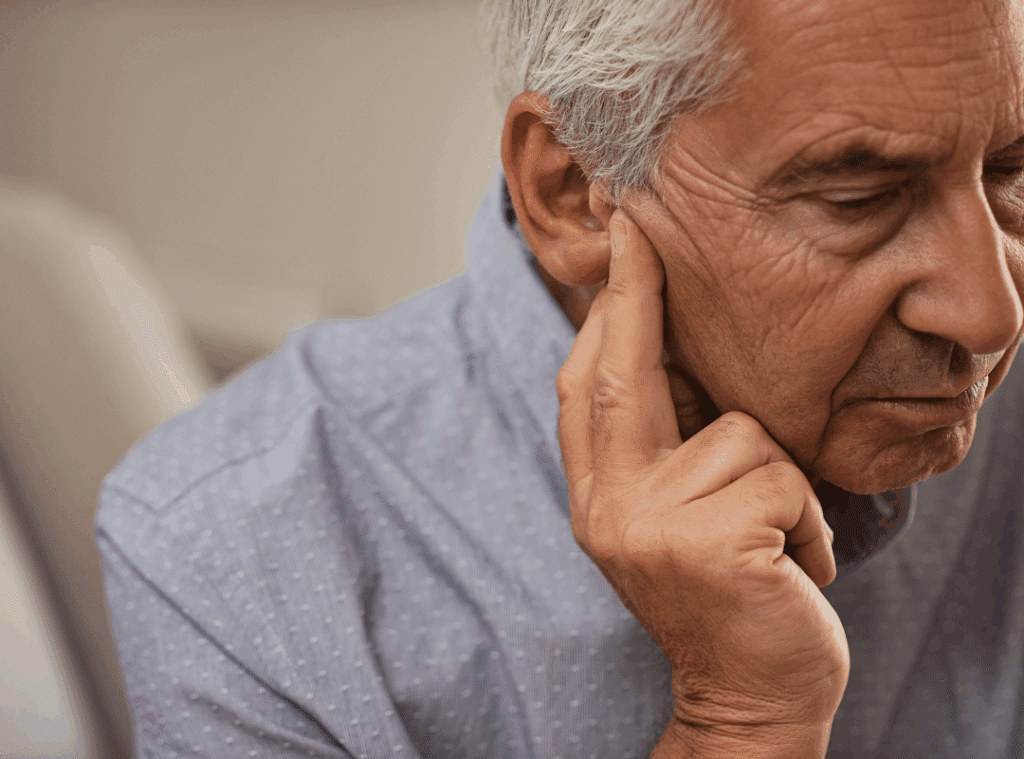
Hearing loss often creeps in gradually. You may not notice it at first, but loved ones often do. Common signs include:
- Difficulty following conversations
- Trouble hearing soft or high-pitched voices
- Feeling tired from straining to listen
- Frequent requests for repetition
These symptoms reflect the gradual shifts in age and hearing frequency. If you begin to suspect that my hearing age is older than I am, it’s time to explore an online hearing age test or schedule a frequency hearing test. These tools compare your hearing ability to the normal hearing range for 60-year-old adults, offering clarity and direction.
Promoting healthy habits can help slow these changes. Learn more from tips for common old age health problems.
Importance of Regular Hearing Assessments
Just as annual vision or dental exams are essential as we age, hearing assessments are essential as well. These tests reveal how age- and hearing-frequency patterns shift over time and whether additional support is needed.
Routine exams include:
| Assessment Type | Frequency | Importance |
| Pure Tone Audiometry | Annually | Detects early hearing decline |
| High-Frequency Testing | Every 2 years | Tracks subtle changes |
| Tympanometry | As needed | Checks the middle ear function |
| Speech Discrimination | Annually | Measures clarity |
| Hearing Aid Evaluation | As recommended | Ensures proper fit |
Vaccinations such as the influenza vaccine also support overall wellness, reducing complications that may affect auditory health.
For a deeper understanding of senior hearing patterns, review research from the Hearing Health Foundation.
Ready to Hear Life Fully Again? Let’s Make It Happen.
Hearing is one of the most important senses for connection, joy, and independence. Understanding how age and hearing frequency change over time empowers you to stay ahead of challenges, stay confident, and stay connected to the world around you. Whether you’ve noticed the early signs, feel like my hearing age is older than me, or want clarity through a hearing age test online or a frequency hearing test, now is the perfect time to take action.
Westmont at San Miguel Ranch is here to guide you every step of the way. Our team understands the needs of aging adults and is committed to helping you stay engaged, safe, and socially active. If you’re ready to explore supportive living, learn more about wellness programs, or schedule your hearing assessment, we’re here for you.
📞 Call us today at 619-271-4385
📍 Or visit:
Schedule a Tour
Your best hearing years can still be ahead—let us help you experience them.
Frequently Asked Questions
What frequency should I be able to hear at my age?
Hearing ability naturally declines with age, especially at higher frequencies. Most younger adults can hear up to 17,000–20,000 Hz, while older adults often top out at 8,000–12,000 Hz. The exact range varies depending on overall ear health, noise exposure, and genetics. If you notice difficulty hearing conversations or high-pitched sounds, a hearing test can help determine your current frequency range and any needed interventions.
What is the 1 3 6 rule in audiology?
The 1-3-6 rule is a standard guideline used for early hearing detection and intervention in newborns. It recommends that babies receive a hearing screening by 1 month of age, a diagnostic hearing evaluation by 3 months if they did not pass, and enrollment in early intervention services by 6 months if a hearing loss is confirmed. This timeline helps support speech and language development during crucial early months. Following the rule ensures that children with hearing challenges get timely support.
Do different ages hear different frequencies?
Yes, people of different ages typically hear different frequency ranges due to natural changes in the auditory system. Children and young adults can usually detect very high frequencies that older adults can no longer hear. Over time, the tiny hair cells in the inner ear become less sensitive, especially to high-pitched sounds. As a result, hearing range gradually shifts, making certain tones harder to detect with age.
How many hertz can a 70-year-old hear?
A typical 70-year-old may hear frequencies up to around 6,000–8,000 Hz, though this varies widely depending on ear health and past noise exposure. Many older adults experience presbycusis, an age-related hearing loss that first affects higher frequencies. Lower and mid-range frequencies often remain easier to hear, which is why some speech sounds are clearer than others. A professional hearing test can give a precise measurement of an individual’s frequency range at this age.