


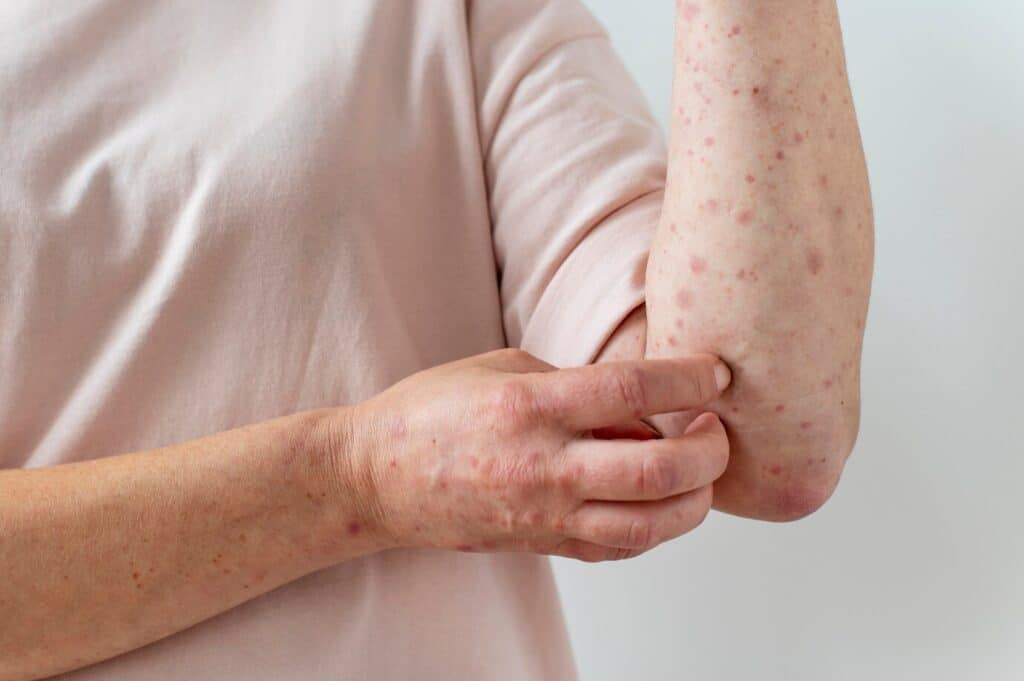
Maintaining healthy skin becomes increasingly important with age, especially when it comes to preventing and managing skin diseases. For seniors, skin can become more fragile and susceptible to both environmental damage and internal conditions, making early detection and prevention key components of long-term health.
From common skin diseases like eczema and fungal infections to more complex genetic skin conditions, knowing the signs and treatments can empower seniors to take control of their well-being. At The Oaks at Paso Robles, we promote holistic care that encompasses early diagnosis, treatment, and preventive strategies to support radiant skin and overall wellness.
Understanding Common Skin Diseases in Seniors
Aging skin often faces unique challenges, and understanding common skin diseases helps improve senior health outcomes. Some of the most frequently encountered conditions include dermatitis, eczema, psoriasis, and fungal infections. These ailments can lead to itching, inflammation, and discomfort, seriously affecting quality of life.
Eczema, one of the more common skin diseases, presents as red, itchy patches that flare up due to stress, allergens, or temperature changes. Psoriasis, on the other hand, features thick, scaly plaques that require long-term management. Seniors are also prone to fungal infections in warm, moist areas of the body, making personal hygiene and dry environments essential.
Learn more about senior skin care and conditions with regular skin checks, which remain essential for early detection and management.
Importance of Early Detection
Timely identification of skin diseases can lead to faster and more effective treatment of skin diseases treatment, particularly for seniors. By detecting changes in the skin early, interventions can begin before complications arise, potentially preventing pain, infection, or even cancer.
| Benefits of Early Detection | Diagnostic Tools | Early Intervention |
| Improved treatment outcomes | Visual examinations | Targeted therapies |
| Reduced treatment costs | Biopsies | Preventative measures |
| Enhanced quality of life | Imaging techniques | Lifestyle modifications |
| Decreased risk of complications | Blood tests | Regular skin checks |
Early diagnosis is particularly important for those with genetic skin disorders, which may manifest subtly and worsen over time without intervention. Knowing different care levels can also guide families in providing the right support.
Recognizing Symptoms of Skin Conditions
So, how can you recognize when something is wrong? Watch for signs like:
- Red, itchy patches
- Thick, silvery scales
- Lesions or moles changing shape or color
- Persistent dryness or flaking
- Itching and discomfort that doesn’t subside
Such symptoms might point to genetic skin conditions, like epidermolysis bullosa, which causes fragile skin that blisters easily, or ichthyosis, characterized by dry, scaly skin. Seniors should conduct routine self-checks and consult professionals regularly. Learn how pneumonia in seniors may compound skin issues and hinder recovery.
Preventive Measures for Healthy Skin
Prevention is just as crucial as treatment. Seniors can maintain healthy skin by following simple daily practices:
| Preventive Measure | Description |
| Sun Protection | Apply SPF 30+ sunscreen, wear hats |
| Moisturizing Techniques | Use hydrating lotions post-shower |
| Gentle Skincare Routine | Opt for fragrance-free products |
Avoiding harsh chemicals, protecting skin from UV exposure, and staying moisturized go a long way. Adequate skincare can also reduce flare-ups of common skin diseases and support the effectiveness of skin disease treatment regimens.
Learn more about nutrition and longevity, and how it supports senior skin health.
Nutrition and Lifestyle for Skin Resilience
Food is a powerful tool in preventing skin diseases. Antioxidants, omega-3 fatty acids, and vitamins A, C, and E all contribute to healthy, resilient skin. A nutrient-rich diet supports the immune system and enhances your body’s ability to combat skin inflammation.
Nutrient-Rich Diet Choices
- Berries – Full of antioxidants that reduce inflammation.
- Leafy Greens – Provide vital skin-protective nutrients.
- Nuts and Seeds – Offer essential fatty acids.
- Fatty Fish – Contain omega-3s that hydrate skin.
Stress Management Techniques
Emotional health plays a big role in skin wellness. Chronic stress can trigger common skin diseases like eczema or psoriasis. Consider adopting these habits:
| Technique | Description | Benefit |
| Deep Breathing | Calms the nervous system | Lowers cortisol levels |
| Meditation | Daily mindfulness practice | Boosts focus and mood |
| Yoga | Combines movement and breath | Improves circulation and tone |
| Nature Walks | Soothing outdoor activity | Reduces stress and boosts mood |
| Journaling | Reflective emotional outlet | Reduces anxiety, promotes clarity |
Importance of Hydration
Hydration is foundational. Drinking water regularly helps:
- Maintain elasticity
- Prevent dryness and irritation
- Promote healing
- Support the body’s detox functions
Aim for eight glasses a day and eat water-rich foods like cucumbers, melons, and oranges.
Regular Skin Checks
Genetic Skin Conditions and Disorders
Seniors dealing with genetic skin disorders face unique challenges. These inherited conditions include:
- Ichthyosis – Dry, scaly skin
- Epidermolysis Bullosa – Fragile skin prone to blistering
- Neurofibromatosis – Tumors forming under the skin
Though these are less common, proper skin disease treatment can help manage symptoms and prevent secondary complications like infections. Genetic counseling and dermatological assessments are key tools for identifying and managing these conditions.
For further reading, visit DermNet NZ and the American Academy of Dermatology for comprehensive overviews on skin disorders.
The Role of Regular Skin Checks
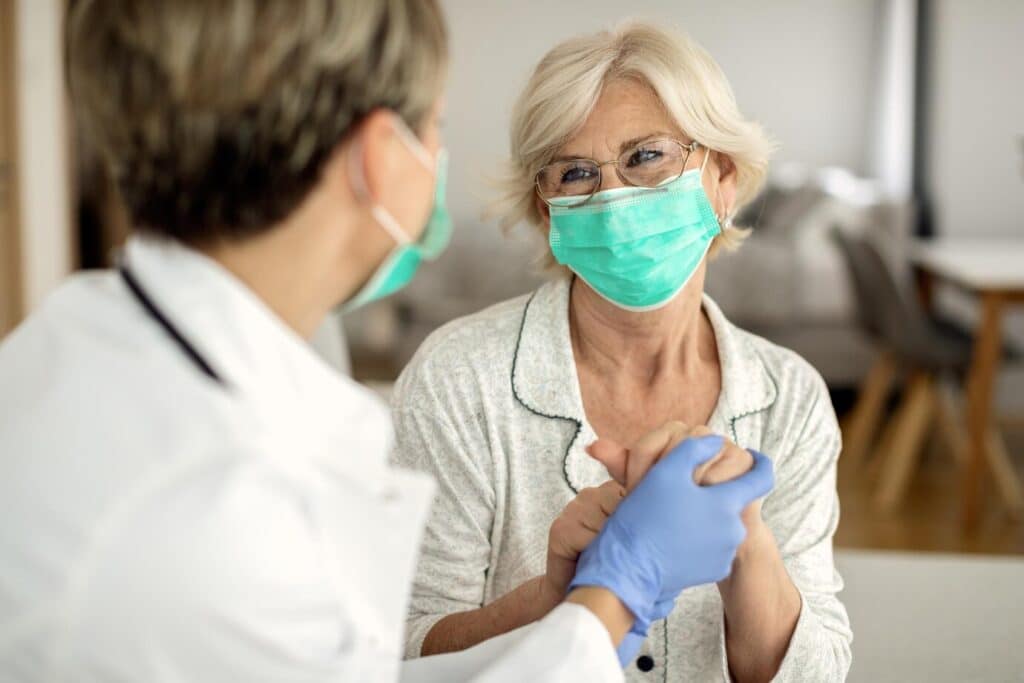
Routine skin exams are among the most effective ways to detect skin diseases early. Seniors should schedule dermatology visits at least once a year or more frequently if they have risk factors like fair skin, a history of sunburns, or a family history of genetic skin conditions.
During exams, dermatologists will:
- Check moles and lesions
- Examine skin texture and tone
- Identify signs of genetic skin disorders or cancers
- Recommend further tests if needed
These visits create a proactive approach that ensures early interventions and improves treatment outcomes for seniors.
Radiant Skin at Any Age: Take Charge of Your Skin Health
Aging skin doesn’t have to mean unhealthy skin. With proper prevention, early detection, and informed care strategies, seniors can combat skin diseases effectively. At The Oaks at Paso Robles, we champion a whole-body approach to health, encouraging regular skin checks, smart nutrition, and protective routines to foster vitality from the inside out.
Your skin is the largest organ of your body, and one of the most telling. Don’t let age define its story. Embrace wellness today by scheduling your visit at The Oaks at Paso Robles or call us at (805) 239-5851. Take the first step in achieving glowing, healthy skin—because radiant skin is always in season.
For more information or to book a visit, head over to Schedule a Tour.
Frequently Asked Questions
What are the top 10 skin diseases?
The top 10 skin diseases commonly affecting people worldwide include acne, eczema (atopic dermatitis), psoriasis, rosacea, hives, contact dermatitis, warts, fungal infections (like athlete’s foot), cold sores, and skin cancer. These conditions can range from mild and temporary to chronic and severe. Genetics, bacteria, viruses, or allergens may cause some. Early diagnosis and consistent care can help manage symptoms and prevent complications.
What is a common disease of the skin?
One of the most common skin diseases is acne. It typically occurs when hair follicles become clogged with oil and dead skin cells, leading to whiteheads, blackheads, and pimples. Acne is most common in teenagers but can affect adults as well. Proper skincare and, in some cases, medication can help control breakouts.
What is a serious skin disease?
Melanoma is considered one of the most serious skin diseases. It is a type of skin cancer that can spread rapidly to other parts of the body if not caught early. Other serious skin diseases include advanced psoriasis, severe eczema, and systemic lupus erythematosus (SLE) that affects internal organs. Prompt medical attention is vital for effective treatment and to prevent life-threatening outcomes.
Which medicine is best for the skin?
The best medicine for skin depends on the condition being treated. For acne, topical retinoids or benzoyl peroxide may be recommended. Eczema often requires corticosteroid creams or moisturizers, while fungal infections respond well to antifungal medications. It’s essential to consult a dermatologist to determine the right treatment based on your skin type and diagnosis.