

Celebrating Cinco de Mayo at Westmont Living: Culture, Community & Connection 🎉🌮💃
Cinco de Mayo is more than just a festive day filled with tacos and mariachi music—it’s a meaningful celebration of culture, community, and resilience. At Westmont Living, we’re proud to honor this holiday across our communities with joy, inclusivity, and of course, a lot of great food!
A Little History 🌎
Cinco de Mayo commemorates the Battle of Puebla in 1862, when a small Mexican army triumphed over a much larger French force. While it’s not Mexico’s Independence Day (that’s September 16), the victory has become a symbol of perseverance and pride—especially celebrated in the United States as a way to honor Mexican culture and heritage.
Community Comes Alive 🇲🇽
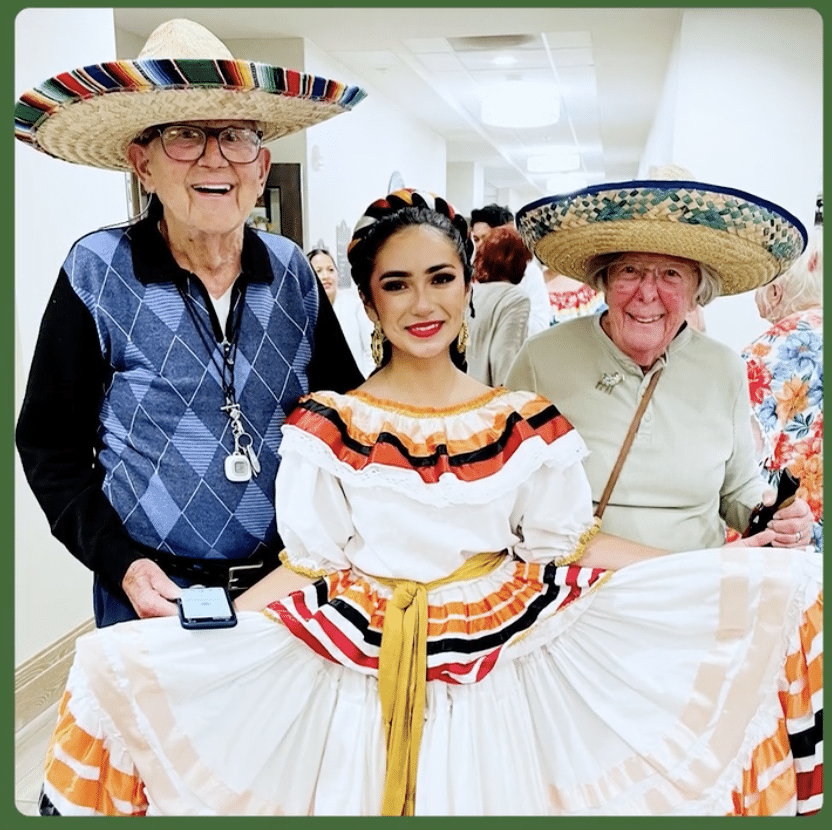
From vibrant decorations and traditional music to flavorful dishes like tacos, guacamole, and sweet treats, our residents and staff came together to celebrate in true Westmont style. Some communities enjoyed live performances, others hosted themed buffets and socials—but all shared in the spirit of togetherness.
Celebrating with Heart ❤️
At Westmont Living, we believe in creating spaces where everyone feels seen, valued, and celebrated. Cinco de Mayo gives us a chance to learn from one another, share stories, and connect through cultural traditions in meaningful (and fun!) ways.
A heartfelt thank you to all the residents, team members, and local performers who made this year’s Cinco de Mayo celebrations so memorable. Here’s to many more moments of unity, joy, and cultural appreciation! ¡Feliz Cinco de Mayo! 🎊
Discover the Benefits of Digital Literacy Programs in Independent Living
In today’s connected world, embracing digital literacy programs in independent living is no longer optional—it’s essential. Especially for seniors, having the tools and confidence to navigate the digital world can lead to stronger social connections, better health management, and enhanced independence.
At Westmont of Riverside, residents are empowered through customized technology training that enhances daily life and emotional and social well-being. These programs provide vital skills for everything from telehealth appointments to video calls with loved ones, ensuring residents stay active and informed in the modern age.
The Importance of Digital Literacy for Seniors
As the digital landscape rapidly evolves, seniors must have the skills to stay current. Through digital literacy programs in independent living, older adults can easily engage with their families via video chat, explore new hobbies online, and access healthcare services.
From monitoring your health through wellness apps to streaming educational videos, these programs expand what independent living can look like. Telemedicine, for instance, allows seniors to consult doctors without leaving home, reducing stress and increasing convenience. These initiatives don’t just benefit individuals—they create more connected, empowered communities.
Moreover, programs like those at Westmont of Riverside ensure that learning happens in a safe environment. Withadvanced security systems, residents can confidently embrace digital tools while maintaining privacy and safety.
Westmont of Riverside’s Commitment to Tech Advancement
Westmont of Riverside goes beyond basic training. Its digital literacy programs in independent living near Riverside, CA, are among California’s most inclusive and resident-centered. Whether you’re a beginner or looking to polish your skills, these sessions meet you where you are.
Residents enjoy:
Hands-on workshops tailored to various skill levels
Computer labs with fast Wi-Fi and up-to-date software
Dedicated tech support for ongoing assistance
Weekly classes cover everything from how to send an email to recognizing online scams, ensuring residents are safe and savvy. With open feedback loops and resident input, the programs constantly evolve, addressing real-world tech needs and challenges.
Residents also benefit fromhealth monitoring technology that integrates seamlessly with their digital training, reinforcing the relationship between wellness and tech literacy.
Positive Impacts of Digital Literacy on Daily Life
Enrolling in digital literacy programs in independent living California doesn’t just make life easier; it makes it more fulfilling. Many residents at Westmont of Riverside report improved self-confidence, stronger relationships, and a more vibrant social life thanks to their enhanced tech abilities.
Key benefits include:
Making video calls to family and friends across the country
Using health tracking apps to monitor conditions or medication
Accessing virtual learning platforms and interest groups
Participating in virtual celebrations and remote community events
These outcomes reflect the power of technology to enrich our lives when presented in an accessible, supportive format. Residents can also explore essential services tailored for senior wellness to enhance their well-being.
Find Where You Belong
Dive into the vibrant life our Westmont communities have to offer.
Despite the clear benefits, some seniors may feel hesitant or intimidated by new technology. That’s where peer mentorship and a culture of patience come into play. Westmont of Riverside encourages:
Group-based learning to foster camaraderie
Peer-to-peer mentorship for shared growth
Individual coaching sessions for personal pacing
These elements ensure that free digital literacy programs in independent living remain inclusive and encouraging. Residents learn new skills and gain the confidence to use them independently.
These programs reduce anxiety about technology use and empower lifelong learning by creating a community where questions are welcomed and support is abundant.
Further inspiration can be found from national initiatives likeSenior Planet from AARP, which offers free digital literacy resources tailored to older adults.
What Sets Westmont Apart
So, what makes Westmont of Riverside’s offerings among the best digital literacy programs in independent living? The answer lies in their resident-first approach and continuous improvement mindset.
Here are some standout features:
Regular tech talks led by industry professionals
Exposure to modern tools like smart speakers and tablets
Inclusion of emerging tech, such as virtual reality, for cognitive engagement
Personalized learning plans and progress tracking
The community also collaborates with local organizations to bring in volunteers and trainers, making digital literacy programs in independent living online accessible and hands-on. Whether you’re looking to write emails, manage finances, or stream your favorite show, there’s a program for you.
Future Innovations and What Lies Ahead
As independent living communities look to the future, digital literacy programs in independent living will play an even bigger role. Westmont of Riverside is exploring:
Virtual reality tools to simulate real-world scenarios and connect across distances
Voice-activated technology for those with mobility challenges
Online safety simulations to better prepare residents for digital risks
Additionally, adoptingsmart home tech in senior residences is reshaping daily tasks—from controlling lights to setting reminders with a voice command.
External programs likeCyber-Seniors further show the potential of pairing seniors with student mentors, promoting intergenerational learning and broadening access to digital knowledge.
With these innovations, digital literacy programs in independent living are not just keeping seniors informed—they’re helping redefine what aging looks like in the digital age.
Empowering Independence Through Technology
Think of digital literacy as a bridge—connecting you to family, health resources, and a world of learning. Westmont of Riverside doesn’t just teach technology; it creates an environment where independence thrives.
Whether you’re exploring digital literacy programs in independent living near Riverside, CA, or joining digital literacy programs in independent living online, know that you’re stepping into a brighter, more connected future.
Digital literacy programs are educational initiatives designed to help individuals effectively understand and use digital technology. These programs often cover basic skills such as using a computer, browsing the internet, sending emails, and staying safe online. For seniors, digital literacy programs are especially valuable as they promote independence, social connection, and access to resources. Many programs are tailored to accommodate different learning paces and comfort levels with technology.
Are there any free computer classes for seniors?
Yes, there are many free computer classes available specifically for seniors. Public libraries, senior centers, community colleges, and nonprofit organizations often host these programs in person or online. They typically cover basic computer skills, internet usage, social media, and cybersecurity. Some national initiatives offer virtual classes to help seniors stay connected and confident in the digital world.
What are the 7 skills of digital literacy?
The seven core digital literacy skills generally include critical thinking, online communication, collaboration, digital content creation, information evaluation, online safety, and functional technology use. These skills help individuals navigate the digital world responsibly and efficiently. Developing these areas can significantly enhance seniors’ ability to engage with technology and reduce the risk of digital exclusion. Many programs break these skills down into simple, easy-to-follow lessons.
How to improve digital literacy in the elderly?
Improving digital literacy in the elderly starts with patient, step-by-step instruction and hands-on practice. Simple language, visual aids, and repetitive exercises can boost confidence and understanding. Tailoring lessons to their interests, such as learning to video call family or access online health resources, is also helpful. Encouraging regular use and offering ongoing support helps seniors stay engaged and continue learning.
Your Guide to Westmont of Riverside Living Experience
Nestled in a scenic location at 17050 Arnold Drive, Riverside, CA 92518, Westmont of Riverside offers more than just a residence—it offers a lifestyle. This comprehensive guide to Westmont of Riverside introduces you to a community that prioritizes independence, care, and a sense of belonging.
Whether searching for top-quality senior care or simply curious about Senior living Riverside, CA, this guide gives you everything you need to understand why so many trust Westmont. From glowing Westmont Village reviews to its reputation as a leading skilled nursing facility in Riverside, it’s time to discover what sets this community apart.
Key Features and Accommodation Options
Comfort and flexibility are key when choosing a residence. At Westmont of Riverside, options range from cozy studios to spacious one-bedroom apartments. Each unit includes private bathrooms, ample natural light, and routine maintenance. Common areas foster social interaction and serve as hubs for daily engagement.
This supportive environment is designed to help residents thrive with the right blend of independence and care. Residents benefit from personalized care options that align with their health goals and preferences, reinforcing why Westmont of Riverside is a preferred choice in Senior living in Riverside, CA.
Dining Experience and Culinary Offerings
Westmont of Riverside features a dining experience that delights the palate while nourishing the body. Its culinary team offers seasonal menus tailored to diverse dietary preferences. Meals are a cornerstone of community life, often sparking meaningful conversations and shared joy.
Diverse Menu Options
Expect fresh ingredients and thoughtfully prepared dishes that support balanced nutrition. The menu rotates regularly, offering variety and flavorful options, including vegetarian, gluten-free, and low-sodium selections. This attention to detail promotes wellness while enhancing the dining experience. Visit theirpersonalized nutrition page to see how individual needs are met through customized meal planning.
Inviting Dining Atmosphere
Dining at Westmont is more than a meal—it’s a celebration of life. Residents enjoy:
Warm, inviting communal spaces for every meal.
Friendly staff trained to provide attentive and caring service.
Special events and themed dinners to celebrate holidays and milestones.
These elements create an atmosphere where meals are cherished. The emphasis on shared experiences aligns withsocial dining experiences that support emotional and mental health in senior living.
Westmont of Riverside offers various wellness initiatives to support residents’ holistic health. Physical activities such as yoga, tai chi, and walking groups are available, and they are designed for all ability levels.
Mindfulness classes and educational seminars help improve emotional resilience. These offerings align withsenior wellness programs that promote active and joyful aging.
Outdoor excursions, gardening, and creative arts classes ensure there’s always something to look forward to, all from the heart of 17050 Arnold Drive, Riverside, CA 92518.
Personalized Care Plans and Staff Commitment
Each resident at Westmont of Riverside receives a care plan tailored to their specific needs. The staff’s dedication is evident in how they:
Regularly assess resident needs
Adapt care plans as health requirements evolve
Provide 24/7 support with compassion and respect
As a top-rated skilled nursing facility, Riverside residents trust that Westmont ensures a dignified and supportive experience for everyone.
Community Engagement and Impact
Residents thrive through community connections. Westmont of Riverside encourages participation in volunteer projects, local outreach, and shared cultural celebrations.
Volunteer Opportunities Available
Residents engage in meaningful service such as:
Hosting charity events
Mentoring other residents or youth groups
Organizing drives for local causes
These initiatives build a sense of purpose and unity across the Westmont community.
Resident Testimonials and Stories
A significant part of this guide to Westmont of Riverside includes authentic resident stories. Many share how they found lasting friendships and rekindled passions after moving to Westmont.
Resident Story
Outcome
Participating in painting classes
Rediscovered love for art
Hosting book clubs
Fostered new friendships
Volunteering in outreach
Felt renewed purpose
These heartfelt testimonials echo the positive sentiments expressed in Westmont Village reviews, reinforcing its community-first values.
Community Outreach Initiatives
Outreach goes beyond the gates of 17050 Arnold Drive, Riverside, CA 92518. Key events include:
Health and wellness fairs
Intergenerational learning projects
Cultural heritage festivals are open to the public
This level of engagement solidifies Westmont’s reputation as a hub of compassion and activity in Senior living in Riverside, CA.
Resident Testimonials and Experiences
Residents often speak about the deep sense of belonging and respect they experience here. Staff members are described as attentive and genuinely invested in residents’ well-being. Many mention how community outreach enhances their purpose and quality of life.
With the attention and care characteristic of a trusted skilled nursing facility in Riverside, this nurturing environment makes it easy to transition into a rewarding new chapter of life.
How to Schedule a Tour and Explore Facilities
Ready to visit? Here’s how to explore Westmont of Riverside:
Call or visit the website to connect with a community specialist.
Choose a time for an in-person or virtual tour.
Discuss care preferences and explore amenity offerings.
Learn how the staff can tailor your living experience.
For more details, schedule a tour directly fromthis link.
Why Westmont of Riverside Is the Right Choice for You
From the serene location at 17050 Arnold Drive, Riverside, CA 92518, to its reputation for exceptional care, this guide to Westmont of Riverside highlights everything needed for a confident and informed decision.
Combining the charm of Senior living Riverside, CA, with modern wellness programs, dedicated staff, and glowing Westmont Village reviews, Westmont delivers quality living every step of the way. It stands tall among the best skilled nursing facilities in Riverside.
For additional information on choosing senior living communities, check out these helpful resources:
What amenities and services are available to residents at Westmont of Riverside?
Westmont of Riverside offers many amenities that support comfort, convenience, and quality of life. Residents can enjoy chef-prepared meals, housekeeping, transportation services, and access to fitness and wellness programs. The community also features beautifully landscaped outdoor spaces, common areas for socializing, and on-site salon services. These offerings are tailored to help residents maintain independence while receiving their needed support.
How does Westmont of Riverside ensure the safety and security of its residents?
Resident safety is a top priority at Westmont of Riverside. The community is equipped with 24/7 staff availability, emergency call systems, and secure entrances to help ensure peace of mind. Regular wellness checks and personalized care plans are also in place to monitor residents’ health and safety. In addition, staff members are trained in safety protocols and emergency response procedures to address any urgent situations promptly.
What types of accommodations are offered at Westmont of Riverside?
Westmont of Riverside provides a variety of living options to suit different preferences and care needs. Accommodations include private and companion suites with thoughtful layouts and accessible designs. Each unit is designed with comfort in mind and includes essential features such as kitchenettes and private bathrooms. Residents are encouraged to personalize their space to feel at home.
Are there specific programs for social activities and wellness at Westmont of Riverside?
Yes, Westmont of Riverside offers a robust calendar of social activities and wellness programs tailored to residents interests. These include fitness classes, art workshops, educational lectures, group outings, and social gatherings. The goal is to foster a vibrant community atmosphere and promote physical, emotional, and mental well-being. Programs are thoughtfully curated to engage residents at all levels of activity and interest.
Senior Help Resources Near Riverside | Westmont of Riverside
As you explore the next phase of life, having the right support and guidance can make all the difference. That’s why senior help has become more essential than ever, especially for those living in or near Riverside, California. At Westmont of Riverside, we understand the evolving needs of older adults and are here to provide helpful resources to empower your journey.
From free services for senior citizens to practical caregiving strategies, transportation access, and even government resources, our mission is to equip you with everything you need to live confidently and independently. Read on to discover how Westmont of Riverside and other community programs can enrich your daily life.
Health and Wellness Strategies for Seniors
Embracing healthy habits is the first step toward long-term wellness. Balanced nutrition, daily exercise, and regular health checkups are key to maintaining vitality as you age. Prioritize nutrient-rich meals that include fruits, vegetables, whole grains, and lean proteins. For guidance, explore our tips for abalanced diet for seniors.
Exercise options like walking, water aerobics, and yoga promote flexibility and boost mood. Many senior help organizations offer wellness classes that are low-cost or part of free services for senior citizens. Staying physically and mentally active can improve both your independence and your sense of purpose.
Financial Planning and Legal Resources
Finances become even more crucial during your senior years. Start by evaluating your retirement plan, understanding your income streams, and budgeting effectively. Consulting a financial advisor or using a $3,000 senior assistance program benefit (available in some states) can help bridge financial gaps.
Make sure to research long-term care options and explore tools for budgeting senior care costs. Here’s a guide onvariations in senior care costs to help you plan appropriately.
In addition, legal planning through estate documents like wills, trusts, and powers of attorney is crucial. Several government-free services for senior citizens provide legal aid through local nonprofits or state agencies.
Caregiving Support and Resources
Caregivers play a critical role in seniors’ lives. At Westmont of Riverside, we understand that caregivers also need help. Whether you’re a professional or family caregiver, tapping into local support groups can reduce burnout and offer emotional balance.
Find helpful insights on how toovercome burnout. Many community centers near Riverside offer respite care and counseling as part of their senior help near Riverside, CA services.
You don’t have to go it alone. Look for programs offering free in-home help for seniors, such as meal delivery, home care aides, or health checks.
Home Safety Tips for a Secure Living Environment
Ensuring your living space is safe can prevent accidents and improve peace of mind. Install grab bars in the bathroom, improve lighting, and remove trip hazards. These small changes make a significant impact.
Use our guide oninstability in older people to understand how balance and fall prevention play a major role in home safety.
Some senior help programs offer free in-home help for seniors through home assessments and modifications. These services may include ramps, railings, or medical alert devices.
Transportation Options for Seniors
Independence means being able to move freely. Accessible transportation solutions help seniors keep doctor’s appointments, socialize, and run errands.
Accessible Community Shuttles
Local senior help near Riverside, CA includes shuttle services specifically designed for seniors. These programs are typically funded by cities or counties and often count as government-free services for senior citizens. With wheelchair access, courteous drivers, and scheduled stops, community shuttles remove transportation barriers and help seniors stay mobile.
Ride-Sharing Services Benefits
Apps like Lyft and Uber also offer senior-specific options. Many of these ride-sharing platforms partner with senior assistance programs $3,000 grants, and Medicare Advantage plans to provide free services for senior citizens in select areas.
Don’t know where to start? Check out AARP’s transportation guide for an overview of services available to older adults.
Enhancing Social Engagement and Mental Health
Connection is key to emotional well-being. Loneliness and isolation can lead to depression, so staying socially active is essential. Community centers, libraries, and local churches offer programs like book clubs, coffee meetups, or educational workshops.
For seniors who can’t leave home easily, free in-home help for seniors may include friendly visitor programs or virtual companionship opportunities. This kind of senior help is a lifeline for emotional resilience.
Digital tools can keep you informed, entertained, and connected. Tablets and smartphones allow easy video calls with loved ones, online grocery shopping, and even telehealth appointments.
Senior centers often offer digital literacy classes as part of free services for senior citizens. Learning how to use email, manage apps, or avoid online scams empowers seniors to stay independent.
Programs likeSenior Planet offer online classes and tech tutorials created specifically for older adults. Embrace tech—it’s a part of today’s most effective senior help systems.
Westmont of Riverside: Your Partner in Senior Help
Westmont of Riverside proudly supports seniors with wellness tools, caregiver resources, and community connections. Our team is here for you, whether you’re seeking health tips, legal advice, or senior help near Riverside, CA.
Our community provides a compassionate environment, enriched with amenities and services that cater to your lifestyle and health needs. Plus, we stay informed about government free services for senior citizensto help you access benefits you may qualify for.
Contact us to explore how you or your loved one can receive support, or visit us to experience our warm and welcoming community firsthand.
Navigating senior life doesn’t have to feel overwhelming. With trusted resources, supportive programs, and compassionate care, you can confidently move forward.
Whether you need financial guidance, emotional support, or senior help near Riverside, CA, we’re committed to helping you live fully. From free services for senior citizens to innovative programs like the $3,000 Senior Assistance Program, there’s help available to meet your needs.
Let Westmont of Riverside and community programs work together for your benefit. Everyone deserves a safe, vibrant, and fulfilling senior experience.
What Level of Care Do You Need?
Discover the level of care you or your family member requires.
What types of senior care services are available at Westmont of Riverside?
Westmont of Riverside offers a range of senior care services designed to support varying levels of independence and wellness. These include Independent Living, Assisted Living, and Memory Care options. Each service is tailored to meet the specific needs of residents, whether they require minimal support or specialized care for cognitive conditions. The goal is to provide comfort, safety, and a fulfilling lifestyle for every resident.
How does Westmont of Riverside address the unique healthcare needs of seniors?
Westmont of Riverside takes a personalized approach to senior healthcare, starting with individual assessments upon move-in. Care plans are developed with healthcare professionals to address medical, emotional, and physical needs. On-site licensed staff can assist with daily living activities and medication management. Regular wellness checks help ensure ongoing health and quality of life for all residents.
What evidence-based practices are used at Westmont to ensure quality care for seniors?
Westmont of Riverside incorporates evidence-based practices to promote high-quality, consistent care. These include person-centered care models, fall prevention strategies, and cognitive therapies for residents with memory loss. Staff are trained in best practices grounded in gerontology and clinical research. Continuous training and outcome monitoring ensure that care remains effective and up to date.
How does social interaction impact the mental health of seniors at Westmont of Riverside?
Social interaction plays a key role in enhancing the mental well-being of residents at Westmont of Riverside. Regular group activities, events, and communal dining experiences foster connection and reduce feelings of isolation. Residents are encouraged to engage in clubs, classes, and outings that match their interests. This active lifestyle helps support cognitive function, emotional health, and overall happiness.
Discover the Best Assisted Living Riverside Communities
Finding the right assisted living community can feel overwhelming, but assisted living in Riverside offers diverse and exceptional options to suit a variety of needs and preferences. From personalized care plans to vibrant community experiences, Riverside is home to several facilities that support seniors in living a fulfilling, independent lifestyle.
In this guide, we’ll explore four top-rated communities—including Westmont of Riverside—prioritizing comfort, connection, and well-being. If you’re looking for options like Westmont Village assisted living or communities near 17050 Arnold Drive, Riverside, CA 92518, you’re in the right place.
Luxury Living Senior Residence
If luxury and comfort top your list, then Luxury Living Senior Residence is worth exploring. This facility has elegant amenities and services that make it feel more like a boutique hotel than a traditional care home. Each resident enjoys spacious private rooms, gourmet meals crafted by in-house chefs, and a focus on personalized wellness.
Beyond the basics, residents can access concierge-level services, including housekeeping, fitness programs, and transportation. There’s also an emphasis on building social connections through curated experiences that foster friendships and active lifestyles. Every activity, from art classes to wine tastings, promotes a sense of purpose and belonging.
Most importantly, the team at Luxury Living is dedicated to making every resident feel seen and valued, which is essential in a supportive assisted living in Riverside environment. The facility also promotessocial engagement opportunities as a core component of daily life, which helps seniors thrive physically and emotionally.
Riverside Gardens Assisted Living
Located conveniently in the city’s heart, Riverside Gardens Assisted Living offers a warm and inclusive atmosphere ideal for those who crave community and comfort. The grounds are beautifully landscaped with walking paths and shaded seating, inviting residents to enjoy the Southern California sun and fresh air.
The team here takes a holistic approach to senior wellness, incorporating physical, emotional, and social care into each resident’s plan. Activities, from book clubs to fitness classes, encourage active living, and personalized care ensures that each individual feels safe and supported.
If you’re searching for a facility that mirrors the warmth of home while delivering excellent care, Riverside Gardens is a standout in the assisted living in Riverside landscape. Their services reflect aholistic approach to wellness, making them a popular choice among families looking for compassionate support and an uplifting environment.
Serenity Springs Senior Community
As the name implies, Serenity Springs offers a peaceful retreat for seniors who value tranquility and balance. However, calm doesn’t mean boring—this vibrant community is full of life, with scheduled events ranging from movie nights to gardening workshops. Wellness remains a core priority, with programming that includes tai chi, guided meditation, and healthy cooking classes.
Serenity Springs’ art and culture sessions help build skills and connections for seniors who are passionate about creativity and self-expression. Their calendar of events promotes physical activity and emotional resilience, pillars of strong assisted living Riverside care.
One of the standout features of this community is its dedication to cognitive health through mind-stimulating games and educational seminars. Research emphasizing the vital role of cultural and recreational activities in senior living supports these efforts, which Serenity Springs seamlessly integrates into everyday life.
Westmont of Riverside
The most notable option in the area is Westmont of Riverside, located near 17050 Arnold Drive, Riverside, CA 92518. This community offers a perfect balance of support and independence. Known for its warm, welcoming culture, Westmont empowers residents to live active, engaged lives while having access to the care they need.
The highly trained staff delivers care with compassion and respect, whether it’s help with medications, daily activities, or just a friendly face to check in. What sets Westmont of Riverside apart is the personalized care plans, ensuring every resident receives the right amount of assistance without sacrificing autonomy.
Residents enjoy a robust selection of events, classes, and excursions, all designed to keep them physically, mentally, and socially engaged. And with frequent opportunities for family involvement, Westmont Village assisted living is as much about building a community as it is about providing high-quality care.
Plus, the facility is ideally situated for families searching for assisted living Riverside options close to home or work. If you’re considering transitioning to senior living, this community offers the ideal blend of comfort, luxury, and peace of mind. Families can learn more about the benefits of senior care by exploring howassisted living communities support aging adults through comprehensive services and nurturing environments.
Why Choose Assisted Living in Riverside?
Riverside is ideal for seniors due to its mild climate, welcoming community, and proximity to top-tier medical facilities. Assisted living here combines the charm of suburban life with the conveniences of city access. Whether you’re drawn to the serene setting of Westmont of Riverside or the energetic lifestyle of Riverside Gardens, there’s truly something for everyone.
Choosing a facility like Westmont Village assisted living provides more than just support—it offers a vibrant community where seniors can continue learning, growing, and connecting. And with many locations conveniently located near 17050 Arnold Drive, Riverside, CA 92518, families have easy access to their loved ones and can remain closely involved.
For an in-depth look at what to expect from top-tier assisted living, check out these expert senior living insights and caregiver support resources, which provide valuable information for families navigating this vital decision.
A New Chapter Begins with Confidence
Finding the right senior living arrangement isn’t just about amenities—it’s about building a lifestyle that nurtures independence, dignity, and joy. Whether you’re looking into Westmont Village assisted living, a peaceful setting near 17050 Arnold Drive, Riverside, CA 92518, or the vibrant offerings of Westmont of Riverside, there’s a place to call home.
These top assisted living Riverside communities go beyond basic care. They deliver tailored support, meaningful engagement, and peace of mind for both residents and families. One call or visit can start your journey toward a happier, more fulfilling future.
To schedule a tour or learn more about Westmont of Riverside, please call 951-697-2100 or visitSchedule a Tour.
Compare The Costs of Senior Living vs Staying at Home
How Do The Costs Of Moving Into A Quality Senior Care Community Compare With The Costs Of Staying At Home?
The average cost of assisted living in Riverside is around $4,500 per month, but this can vary depending on the community, services, and apartment size. Some communities may offer lower rates starting at around $3,500, while luxury options can exceed $5,500. Pricing typically includes meals, housekeeping, personal care, and activities. Touring and comparing communities is important to understand what’s included in the monthly rate.
How do you pay for assisted living when you have no money?
If you have limited funds, options like Medicaid, veterans’ benefits, and state-specific programs may help cover the cost of assisted living. In California, the Assisted Living Waiver (ALW) provides financial assistance for eligible seniors in certain communities. Some families also explore long-term care insurance or sell assets like a home to help with expenses. It’s best to speak with a senior living advisor or financial planner to explore all your options.
How much does assisted living cost per month in California?
Assisted living in California generally costs between $4,000 and $6,000 per month, depending on the region and level of care required. Coastal and urban areas tend to have higher rates than inland or rural locations. This monthly fee usually includes housing, meals, help with daily activities, and access to community amenities. Keep in mind that extra care services can increase the total cost.
Games for Seniors: Enhancing Mental Health & Well-being
Many seniors overlook the significant impact that games for seniors can have on their mental health. Engaging in different types of games sharpens cognitive skills, fosters emotional connections, and builds resilience. At Westmont of Riverside, we recognize how these benefits combat feelings of loneliness and anxiety. Exploring different sit-down games for senior citizens or interactive options may reveal surprising ways to enrich your life and enhance overall well-being.
Cognitive Benefits of Gaming for Seniors
Playing games for seniors provides significant cognitive benefits, improving mental acuity and memory retention. Many games require strategic thinking, which strengthens memory recall and sharpens focus. Whether solving puzzles or playing easy games, these activities challenge the brain and enhance problem-solving skills. By making gaming a routine, you actively combat cognitive decline and maintain mental agility. Studies also show that engaging inmentally stimulating activities promotes neuroplasticity, keeping your mind active and resilient.
Emotional and Social Advantages of Playing Games
More than just entertainment, games for seniors create opportunities for social interaction and emotional well-being. Participating in party games for senior citizens fosters friendships, strengthens connections, and boosts self-esteem. Engaging with others in lighthearted competitions helps combat loneliness while encouraging social engagement. Sharing experiences, overcoming challenges, and celebrating victories through games provide a sense of belonging and improve overall emotional health. Additionally, incorporatingsimple board games enhances cognitive function while promoting enjoyable social interactions.
Games as a Tool for Coping With Depression and Anxiety
For seniors dealing with depression or anxiety, games for seniors offer an effective coping mechanism by providing therapeutic relief. Participating in sit-down games for senior citizens or interactive digital games diverts attention from stress and promotes a sense of accomplishment. Shifting focus from negative thoughts to engaging activities fosters emotional resilience, helping individuals feel more in control of their emotions. Regular participation in gaming can provide structure to daily routines, an essential aspect of maintaining mental well-being. Research suggests thatthe therapeutic power of play significantly improves emotional stability in older adults.
Compare The Costs of Senior Living vs Staying at Home
How Do The Costs Of Moving Into A Quality Senior Care Community Compare With The Costs Of Staying At Home?
Seniors have access to various gaming options tailored to their preferences and abilities. Easy games for seniors, such as board games, puzzles, and trivia challenges, offer low-stress mental stimulation. Meanwhile, physical games for seniors, like indoor bowling or bean bag toss, promote gentle movement and coordination. For those looking to enjoy nature, outdoor games for seniors, such as bocce ball and croquet, provide excellent opportunities for physical activity and social interaction. With many options available, seniors can explore games that align with their comfort levels while reaping the associated mental and physical benefits.
The Role of Community Engagement in Senior Gaming Activities
Participating in gaming activities within a community setting enhances the experience for seniors. Being part of a game club fosters strong connections and encourages seniors to interact with like-minded peers. Party games for senior citizens in group settings strengthen friendships and offer a fun way to stay mentally engaged. These interactions create an environment where seniors feel valued, supported, and motivated to participate regularly. By encouraging community involvement, gaming can become a meaningful tool in promoting a fulfilling and socially connected lifestyle.
As you explore different games for seniors, you might discover more than just entertainment—you could find a powerful tool for mental stimulation, emotional support, and social engagement. Whether it’s sit-down games for senior citizens, physical games for seniors, or outdoor games for seniors, the right match can provide joy, companionship, and cognitive benefits. Try incorporating games into your routine and experience their positive impact on your well-being. For more details, call us at 951-697-2100.
Frequently asked questions
What games do older people play?
Older people often enjoy a wide range of games, including card games like Bridge and Rummy, board games such as Scrabble and Chess, and puzzle games like Sudoku and crosswords. Group games such as Bingo and trivia are also popular as they provide opportunities for social interaction. Additionally, some seniors enjoy online and video games designed to improve cognitive skills or offer entertainment.
Why is playing games good for the elderly?
Playing games benefits the elderly as it helps stimulate cognitive functions, improving memory and problem-solving abilities. Games also provide opportunities for social engagement, reducing feelings of isolation and loneliness. Physical games like bocce or Wii Sports can encourage light physical activity, which is vital for maintaining overall health and well-being.
Are there free games for seniors?
Many free games are available for seniors, both online and offline. Websites like AARP and Senior Planet offer free digital games, including puzzles, trivia, and brain-training games. Libraries, senior centers, and community groups often host free game events or provide resources like board games at no cost.
What is the mind game for seniors?
Mind games are designed for seniors to stimulate brain activity and enhance cognitive health. Examples include Sudoku, memory games, crossword puzzles, and brain-training apps like Lumosity. These games are great for improving memory, focus, and problem-solving skills, and they can be tailored to different levels of difficulty to suit individual needs.
Senior Care Planning Made Easy: Practical Tips to Follow
When it comes to senior care planning, you might feel overwhelmed by the many factors to consider. It’s essential to assess the medical needs and the emotional and daily living aspects that can impact your loved one’s well-being. Developing a thorough checklist can streamline this process, but it’s just the beginning. At Westmont of Riverside, we emphasize the importance of establishing strong communication among family members and keeping your care plan adaptable to any changes. What other key elements should you explore to guarantee a balanced approach? Let’s take a closer look.
Senior Care Planning
When faced with caring for a senior loved one, having a clear and thoughtful senior care plan can make all the difference.
This plan identifies your loved one’s needs and coordinates their care, guaranteeing everyone knows their roles. It outlines necessary services, health conditions, and treatments while also allowing seniors to express their preferences.
The plan enhances collaboration and guarantees that everyone stays informed by fostering open communication among family members and caregivers.
Regularly reevaluating and updating the plan keeps it relevant, making it an essential tool for effective caregiving. Additionally, understanding financial planning and resources can further support your loved one’s care needs and enhance their quality of life.
With a well-structured care plan, you can provide the support and attention your loved one deserves while also easing your caregiving responsibilities.
Elder Care Planning Checklist
Creating an elder care planning checklist can simplify ensuring your loved one receives the best possible support. Start by listing their medical needs, including medications and doctor appointments.
Next, evaluate daily living activities—do they need personal care, meals, or transportation assistance? Identify potential caregivers, whether family members or professionals, and outline their roles.
Don’t forget to explore financial resources; understanding benefits can ease the burden. Include legal considerations, like power of attorney or advance directives, to protect their rights. Additionally, ensure the plan includes regular assessments to adapt to changing needs.
Finally, regular check-ins should be scheduled to reassess needs and adjust the plan. This checklist guides you and fosters a collaborative approach, ensuring your loved one feels valued and supported throughout the care journey.
Care Plan for Elderly at Home
After you’ve developed an extensive elder care planning checklist, it’s time to focus on crafting a care plan for your loved one at home.
Review their daily needs, including medical, emotional, and social support. Collaborate with family members to identify roles and responsibilities, ensuring everyone feels included.
Set clear communication channels, using technology like video calls to stay connected. Create a schedule incorporating regular check-ins and activities, keeping your loved one engaged and active.
Don’t forget to evaluate the plan periodically, adjusting it as their needs change. This personalized approach enhances their quality of life and fosters a supportive environment for you and your loved one. Additionally, consider exploring supportive housing options that may provide additional care and assistance.
Steering senior care planning can feel overwhelming, but with a clear checklist and open communication, you can transform chaos into calm. At Westmont of Riverside, we understand the importance of balancing medical needs with emotional support to create a nurturing environment that fosters independence while ensuring safety. Remember, it’s not just about managing care; it’s about enhancing the quality of life. Regularly updating the plan and involving family will give you a supportive rhythm that honors your loved one’s dignity and well-being. You’re not alone in this journey. For assistance, please reach out to us at 951-697-2100.
Compare The Costs of Senior Living vs Staying at Home
How Do The Costs Of Moving Into A Quality Senior Care Community Compare With The Costs Of Staying At Home?
Senior care planning involves creating a comprehensive strategy to address older adults’ current and future care needs. It considers factors such as health, finances, living arrangements, and personal preferences to ensure a high quality of life as individuals age. The process often includes evaluating medical conditions, arranging care services, and making legal and financial preparations. Professional support, such as geriatric care managers or eldercare specialists, can guide families through complex decisions and coordinate care effectively. Senior care planning aims to provide peace of mind for seniors and their loved ones.
How much does a geriatric care manager cost?
A geriatric care manager typically costs $100 to $250 per hour, depending on location and the complexity of services provided. Some care managers charge flat fees for assessments or package services. These professionals help families navigate eldercare options, including medical, legal, and financial. While the cost may seem high, many families find the guidance invaluable in creating a well-coordinated care plan and avoiding costly mistakes. Discussing fees upfront and comparing rates before hiring a geriatric care manager is always a good idea.
What is in a care plan for the elderly?
A care plan for the elderly is a personalized document outlining the individual’s health, care, and support needs. It typically includes assessing medical conditions, medication management, and daily living assistance requirements. The plan may also address social needs, such as opportunities for interaction and hobbies, and safety considerations, like home modifications or emergency contacts. Care plans are often created collaboratively by healthcare providers, caregivers, and family members to ensure a holistic approach. Regular updates are essential to adapt to the evolving needs of the individual.
Does the state of California pay for elderly care?
California offers several programs to help pay for elderly care, depending on an individual’s income, assets, and care needs. Medi-Cal, California’s Medicaid program, can cover long-term care services, including nursing homes, in-home care, and adult day care for eligible individuals. The state also assists in programs like In-Home Supportive Services (IHSS), which pays for caregivers to assist seniors at home. However, eligibility requirements can be complex, and not all services are covered. It’s recommended to consult a benefits specialist or a geriatric care manager to understand available options and application processes.
Just as a well-tended garden thrives, so can seniors flourish with proper nutrition at Westmont of Riverside. As we age, our bodies require tailored dietary approaches to address unique health needs and preferences. Understanding these special dietary needs can enhance the quality of life by ensuring balanced meals that cater to individual requirements. But how can you adjust meals to meet special dietary requirements for elderly individuals while making them enjoyable?
Understanding Nutritional Needs in Aging Adults
Your body’s nutritional needs change as you age, making focusing on high-quality, nutrient-dense foods essential. Nutrient absorption declines over time, making it crucial to incorporate a variety of fruits, vegetables, whole grains, and lean proteins to support overall health. Recognizing dietary restrictions such as allergies, intolerances, and chronic conditions allows for better meal planning. Proper hydration is equally crucial since thirst perception diminishes with age. Addressing these factors ensures seniors receive the nutrients they need to stay strong and active. Aholistic approach to nutrition can provide well-rounded meal options for seniors.
Managing Chronic Health Conditions Through Diet
Managing chronic health conditions requires a thoughtful approach to meal planning. Proper nutrition can support heart health, diabetes management, and overall well-being. Adjusting meals to meet special dietary needs ensures seniors maintain a balanced intake of vitamins and minerals. Prioritizing dietary preferences and adapting recipes to accommodate restrictions can significantly affect health outcomes. A heart-healthy diet with fiber-rich foods, lean proteins, and healthy fats can also aid in disease prevention and longevity.
The Role of Supplements in Senior Nutrition
Many seniors struggle to meet their nutritional needs through food alone, making supplements a valuable addition to their diet. These can help fill gaps in essential nutrients, ensuring that special dietary requirements for elderly individuals are met. Common supplements include multivitamins, vitamin D, calcium, and omega-3 fatty acids. However, consulting with a healthcare provider is essential before introducing any supplements. A well-balanced diet, proper supplementation, and diverse dietary requirements ensure seniors receive comprehensive nutritional support.
Long-Term Living Menu Planning for Seniors
Thoughtful long-term living menu planning helps maintain health while catering to individual preferences. Seniors often require modified textures or portion sizes to aid digestion and nutrient absorption. Balanced meal plans should accommodate dietary restrictions while offering a variety of flavors and ingredients. Planning meals that align with special nutritional needs helps create a fulfilling and enjoyable dining experience. By considering health and taste, seniors can enthusiastically look forward to each meal. Learn more about effectivehealthy meal prep techniques to simplify nutrition management.
Variety and Flexibility
Importance of Hydration for Seniors
Proper hydration is vital for maintaining good health and preventing common issues like dehydration and cognitive decline. Adjusting beverages to align with special dietary requirements for elderly individuals ensures they remain hydrated without excess sugar or sodium intake. Infusing water with fruits or herbal teas can make hydration more appealing. Encouraging fluid intake through soups, broths, and hydrating foods like cucumbers and melons supports overall well-being and complements long-term living menu planning strategies.
Encouraging Healthy Eating Habits in Older Adults
Meal routines that emphasize nutritional variety and enjoyment benefit seniors greatly. Accommodating dietary preferences and making dining a social experience can improve appetite and happiness. Providing opportunities for seniors to have a say in their meal planning fosters a sense of control and independence. Engaging in meal experiences and meeting special dietary needs can significantly impact their daily lives. Simple adjustments, such as modifying meal textures or flavors, can help seniors maintain a well-balanced and satisfying diet.
As you navigate the special dietary needs of older adults at Westmont of Riverside, remember that meal planning is about more than just nutrition—it is about creating meaningful dining experiences. With a thoughtful approach to dietary restrictions, chronic condition management, and long-term living menu planning, you can ensure that every meal contributes to better health and greater enjoyment.
Involving seniors in meal planning might reveal a new world of flavors and joy—so why not take that first step today? For more information, feel free to contact us at 951-697-2100.
Find Where You Belong
Dive into the vibrant life our Westmont communities have to offer.
Elderly individuals need a balanced diet of nutrients to support overall health and prevent chronic diseases. Their diet should include lean proteins, fiber-rich foods, healthy fats, and plenty of vitamins and minerals for bone health, such as calcium and vitamin D. Staying hydrated and limiting processed foods. Excessive salt and sugar intake is essential for maintaining good health.
What is the special diet for aging people?
Aging individuals benefit from a diet emphasizing whole foods, including fruits, vegetables, whole grains, and lean proteins. Diets like the Mediterranean or DASH diet, which focuses on heart health and reducing inflammation, are often recommended. Nutrient-dense meals with adequate hydration help maintain energy levels and support healthy aging.
What are the dietary restrictions for seniors?
Dietary restrictions for seniors vary based on health conditions such as diabetes, high blood pressure, or heart disease. Common restrictions include reducing sodium intake to manage blood pressure, limiting added sugars to control diabetes, and avoiding unhealthy fats to maintain heart health. Some seniors may also need to avoid certain foods due to digestive issues or medication interactions.
What is the recommended dietary allowance for the elderly?
The recommended dietary allowance (RDA) for seniors includes increased protein intake to preserve muscle mass, sufficient calcium and vitamin D for bone health, and fiber for digestive health. Daily recommendations vary, but general guidelines suggest 1,000-1,200 mg of calcium, 600-800 IU of vitamin D, and 25-30 grams of fiber daily. Consulting a healthcare provider can help determine specific nutritional needs based on individual health conditions.
Assisted Living Facilities in Riverside: What You Should Know
Much like a well-composed symphony, assisted living facilities in Riverside, such as Westmont of Riverside, harmonize independence with vital support for seniors. If you’re considering this option for yourself or a loved one, it’s essential to understand what these communities truly offer. From personalized care plans to engaging social activities, the environment at Westmont of Riverside is designed to enhance quality of life. However, the nuances of choosing the right facility can be overwhelming, and knowing where to start could make all the difference in ensuring a comfortable shift. What factors should you prioritize in this crucial decision?
Assisted Living Facilities in Riverside
When considering options for senior care, assisted living facilities in Riverside offer a blend of independence and support tailored to meet individual needs.
These facilities typically provide services, including personal care assistance, medication management, and social activities, ensuring residents maintain a fulfilling lifestyle. You’ll find that the environment is designed to foster community engagement while allowing for personal freedom.
Additionally, many facilities focus on creating a safe and comfortable atmosphere, with trained staff available around the clock to address any emergencies. This includes access to 24/7 trained staff who ensure immediate assistance during emergencies, promoting safety and security for all residents.
This balance of support and autonomy can significantly enhance the quality of life for seniors. It’s essential to evaluate each facility’s offerings and consider how they align with the unique preferences and requirements of your loved ones.
Westmont of Riverside
If you’re exploring assisted living options, Westmont of Riverside stands out for its commitment to personalized care and community engagement.
This facility offers tailored services to meet each resident’s unique needs, ensuring that everyone feels valued and supported. With a focus on holistic well-being, Westmont promotes not only physical health but also emotional and social wellness. Additionally, the facility incorporates social engagement activities that promote mental and physical health, reducing isolation and enhancing overall well-being through community activities.
Residents can participate in activities that foster connections and maintain an active lifestyle. The staff is trained to provide compassionate care and prioritize creating a warm, welcoming environment.
Westmont Village Assisted Living
Westmont Village Assisted Living offers a vibrant community tailored to seniors seeking both independence and support. Here, you’ll find a welcoming environment that encourages social interaction while providing essential care services. This facility stands out for several reasons:
Personalized Care Plans: Each resident receives a tailored plan that meets their unique needs.
Engaging Activities: Various programs promote physical, mental, and emotional well-being.
Dedicated Staff: Trained professionals are available around the clock to guarantee safety and assistance. Additionally, they provide personalized care services that emphasize empathy and attentiveness to ensure every resident’s dignity and independence.
In conclusion, assisted living facilities in Riverside, such as Westmont of Riverside, offer a wonderful blend of support and independence, allowing you to thrive in a nurturing environment. With dedicated staff and a vibrant community, you can enjoy engaging activities while receiving personalized care tailored to your needs. These facilities provide a reassuring solution for seniors, ensuring safety and companionship. By choosing assisted living at Westmont of Riverside, you’re not just finding a place to stay but embracing a fulfilling lifestyle that enhances your overall well-being. For more information, you can reach Westmont of Riverside at 951-697-2100.
Find Where You Belong
Dive into the vibrant life our Westmont communities have to offer.
The cost of assisted living in Riverside varies depending on the community, services offered, and level of care required. On average, assisted living in Riverside can range from $3,000 to $5,500 per month. Some communities may charge additional fees for specialized care, amenities, or enhanced services. It’s a good idea to tour communities, compare pricing, and understand what’s included to find an option that fits your needs and budget.
Is it cheaper to live in an assisted living or nursing home?
Assisted living is typically more affordable than a nursing home. Assisted living communities are designed for individuals who need help with daily activities but do not require the intensive medical care provided in nursing homes. Nursing homes generally cost more because they offer round-the-clock skilled nursing care and medical services. The choice between the two depends on the level of care required and personal preferences.
Does the state of California pay for assisted living?
California offers financial assistance for assisted living through programs like Medi-Cal’s Assisted Living Waiver (ALW). This program helps eligible low-income seniors cover assisted living costs in approved communities. However, not all assisted living facilities participate in the program, and there may be waiting lists. Individuals must meet specific health, financial, and residency requirements to qualify.
How is most assisted living care usually paid for?
Most assisted living care is paid for through personal funds, long-term care insurance, and government programs. Personal savings and retirement income are familiar sources, while some may also use long-term care insurance policies to offset costs. Sometimes, Medicaid programs like California’s Assisted Living Waiver can help cover expenses for eligible individuals. It’s also worth exploring veterans’ benefits or other financial assistance programs that may be available.
How an Extended Care Facility Supports Aging With Dignity
Imagine a sturdy oak tree, its roots deep and branches wide, providing shelter and support for those beneath it. In much the same way, Westmont of Riverside serves as an extended care facility that offers a foundation for older adults, ensuring they age with dignity and grace. With personalized care plans and engaging activities, Westmont of Riverside creates an environment that nurtures both physical and emotional well-being. Yet, there’s more to this story—what truly happens when individuals find themselves in such a supportive community? Exploring that dynamic can reveal profound insights into the experience of aging.
Extended Care Facility
An extended care facility (ECF) is an important resource for individuals who need ongoing support due to chronic illnesses or disabilities. You might find that these facilities bridge the gap between acute hospital care and independent living, offering a safe space for recovery and rehabilitation.
Residents benefit from continuous medical care and assistance with daily activities, ensuring they maintain dignity and comfort. In an ECF, skilled nursing services are available for individuals with complex conditions, and rehabilitation therapies, such as physical and occupational therapy, are provided to help them regain independence.
You’ll notice that the focus isn’t just on medical needs; emotional and psychological well-being is prioritized, promoting a holistic approach to care. Regular health assessments allow for personalized care plans that adapt to each resident’s unique situation. Additionally, a qualified healthcare team ensures high standards of care, prioritizing physical, mental, and emotional well-being.
Moreover, ECFs foster a sense of community, encouraging social interaction through organized programs and activities. This engagement not only enhances residents’ quality of life but also supports their overall health.
Caring for Residents in an Assisted Living Facility
Caring for residents in an assisted living facility requires a compassionate and attentive approach to meet their diverse needs. You’ll find that these residents often seek support with daily activities like bathing, dressing, and medication management. By focusing on their individual preferences and routines, you can foster a sense of independence and dignity.
Creating a warm, welcoming environment that encourages social interaction and engagement is vital. Organizing recreational activities and communal events promotes physical well-being and nurtures emotional health. Additionally, incorporating health and wellness programs into daily schedules can significantly enhance residents’ overall quality of life.
Regular assessments and personalized care plans help guarantee that each resident receives the right level of support, allowing for adjustments as their needs evolve.
Your role involves building meaningful relationships, actively listening to their concerns, and advocating for their choices. You’ll also collaborate with a multidisciplinary team, including nurses and therapists, to provide holistic care.
Prioritizing safety and comfort in the facility’s design further enhances their quality of life.
Ultimately, your dedication to serving these individuals will considerably impact their well-being, affirming their right to age with dignity and respect in a supportive community.
What are the 3 Main types of Long-term Care Facilities?
When considering long-term care options for individuals requiring ongoing support, it’s important to understand the main types of facilities available.
The first type is nursing homes, also known as skilled nursing facilities. These offer 24-hour supervision, nursing care, and rehabilitation services for those with complex health needs. They provide a structured environment where residents receive assistance with daily activities.
Next, assisted living facilities cater to individuals needing help with daily tasks but not as much medical care. These facilities often have private apartments, allowing residents to maintain some independence while receiving support with meals, personal care, and medication management. Additionally, assisted living facilities provide personalized attention through tailored care plans that cater to the specific needs of each resident.
Lastly, board and care homes are smaller, private facilities typically house fewer than 20 residents. They focus on personal care and meals, with staff available around the clock. While they don’t provide extensive medical care, they create a more intimate environment for those who need essential assistance.
Understanding these options can help you make informed decisions that align with the needs of your loved ones, ensuring they receive the support and dignity they deserve.
Choosing an extended care facility like Westmont of Riverside might seem intimidating, but it’s a compassionate choice that prioritizes your loved one’s dignity and well-being. With personalized care plans, skilled staff, and engaging activities, Westmont of Riverside creates a supportive environment where residents can thrive. You’re not just placing someone in a facility; you’re ensuring they receive the respect, care, and community they deserve. Trust that these environments can enhance their quality of life while maintaining their independence and individuality. For more information, you can reach Westmont of Riverside at 951-697-2100.
Compare The Costs of Senior Living vs Staying at Home
How Do The Costs Of Moving Into A Quality Senior Care Community Compare With The Costs Of Staying At Home?
What does an extended care facility (ECF) mean? An extended care facility (ECF) provides long-term medical and personal care for individuals who need assistance with daily activities or ongoing health management. These facilities often support patients recovering from surgery, illness, or those with chronic conditions requiring continuous care.
What is the difference between a skilled nursing facility (SNF) and an extended care facility (ECF)? A skilled nursing facility (SNF) offers short-term, intensive medical care and rehabilitation provided by licensed nurses and therapists, often after hospitalization. On the other hand, an extended care facility (ECF) focuses on long-term care, assisting residents with daily living and managing chronic health needs over an extended period.
What is the difference between assisted living and extended care? Assisted living provides support with daily activities like bathing, dressing, and medication management in a residential setting, promoting independence. Extended care facilities offer more comprehensive medical services designed for individuals with more significant health needs or those requiring continuous nursing care.
What’s another name for a long-term care facility? Another name for a long-term care facility is a nursing home. Other terms include convalescent home, rehabilitation center, or residential care facility, depending on the level of care and services provided.
Your next chapter begins here
Pick a Westmont community to explore and schedule your personal walkthrough!