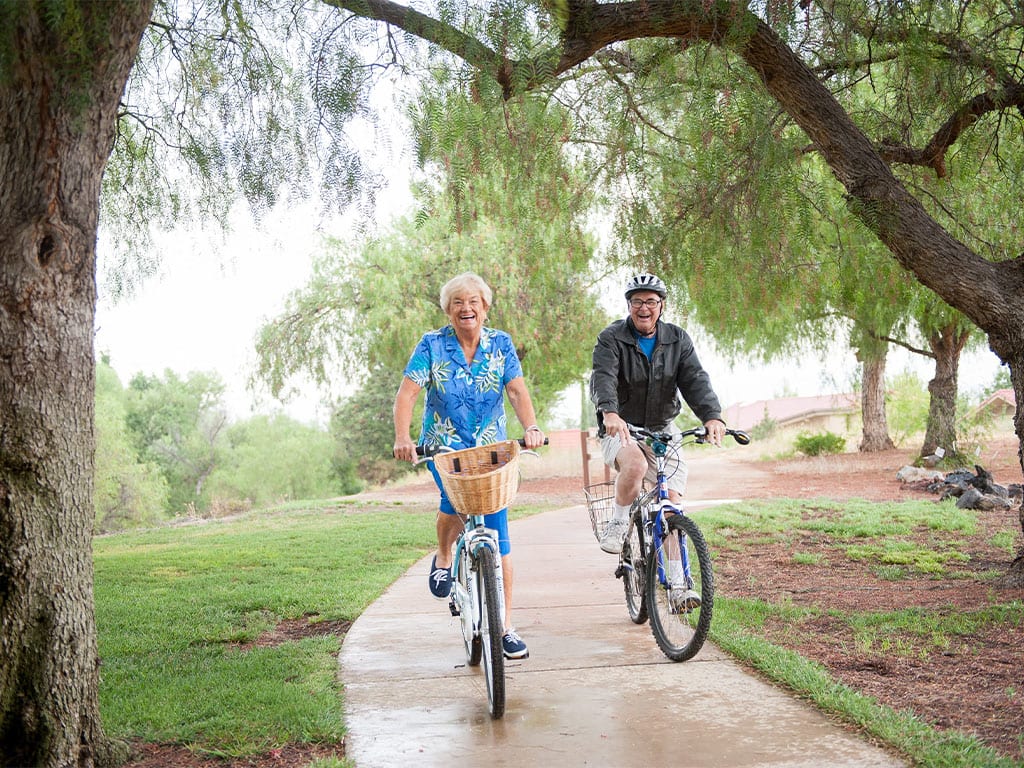
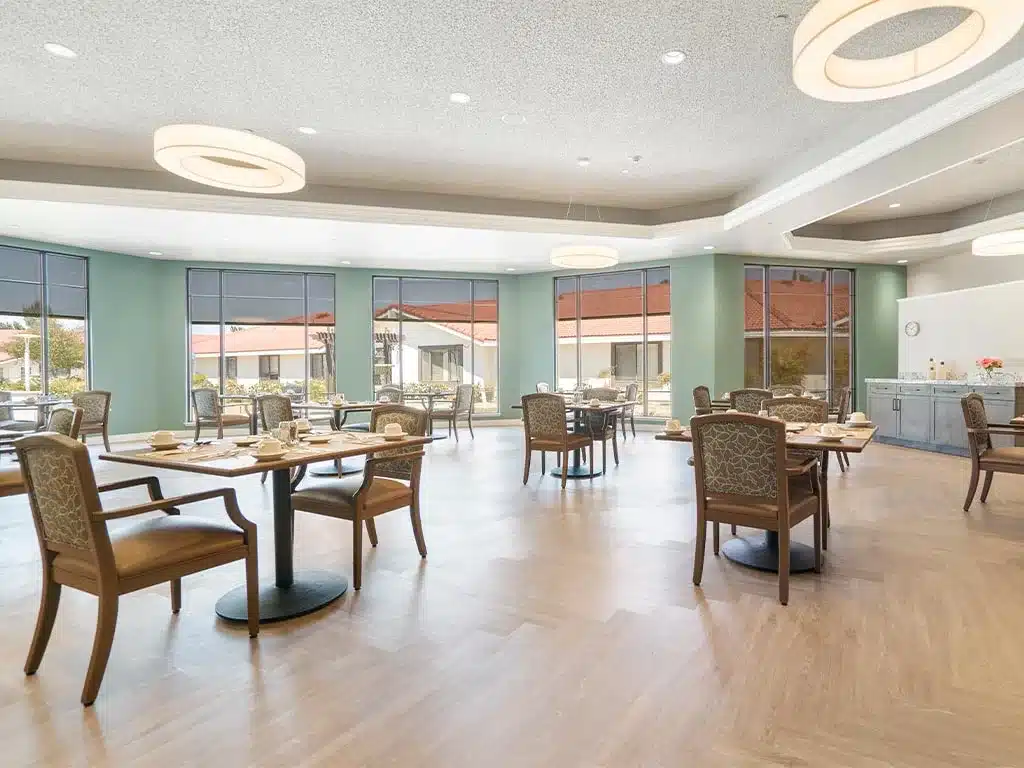
Step Into Westmont Living®

Choosing Independent Living Riverside: Why You Should Consider It

Exploring Independent Living Riverside opens the door to a life of independence, vitality, and community. Nestled in the heart of Southern California, Westmont of Riverside offers seniors a balanced lifestyle filled with enrichment opportunities. From dynamic fitness programs to engaging social events and supportive services, this community is designed for those who wish to maintain their independence while enjoying the benefits of a vibrant, active environment.

Whether you’re looking for comfortable Senior Apartments Riverside, opportunities to grow socially and physically, or a peaceful yet energizing place to call home, Westmont of Riverside provides it all. Located at 17050 Arnold Drive, Riverside, CA 92518, this community encourages seniors to live fully, connect deeply, and age gracefully—with the support they need and the freedom they desire.

The Value of an Active Lifestyle

Staying active is essential at every age, but it’s essential in your senior years. An active lifestyle supports mental clarity, boosts energy levels, and maintains physical strength. At Westmont of Riverside, residents are encouraged to participate in group activities like walking clubs, gardening, and dancing—activities that enrich both the body and soul.

Whether through scheduled programs or spontaneous fun, movement is a daily part of life. And with the support of experienced staff and a like-minded community, seniors here thrive in an atmosphere built around wellness. For further reading, check out the CDC’s guide on physical activity for older adults.

Fitness Programs That Promote Independence

At the core of independent living, Riverside is the belief that staying fit supports freedom. Structured fitness programs are designed to meet individual needs, with classes like tai chi, yoga, and strength training. These programs are tailored to help residents stay physically capable and mentally engaged.

Benefit Improvement Area Example Program
Increased Mobility Joint and muscle health Tai Chi for Seniors
Lower Stress Mental relaxation Senior Yoga
Strengthened Core Fall prevention Balance & Stability Class

These offerings align with the community’s goal of keeping seniors independent, mobile, and strong. Explore more evidence-backed practices in NIH’s senior exercise guide.

Why Balance and Flexibility Matter

Improving balance and flexibility is key to preventing falls and ensuring long-term mobility. These exercises, often integrated into daily classes at Westmont of Riverside, are more than just stretching—they are tools for longevity and autonomy.

By following routines like standing leg lifts or gentle chair yoga, seniors can enhance coordination, reduce joint stiffness, and feel more confident in their movements. Learn more balance tips in this Westmont Living article.

Community Living That Enhances Life

Living in a strong community is one of the best aspects of Senior Apartments Riverside. Residents at Westmont aren’t just neighbors—they become friends and support systems. The environment fosters a sense of belonging through organized events, educational talks, and shared meals.

  • Community Resources: Residents have access to local organizations, health workshops, and outings that promote both learning and leisure.
  • Social Clubs: Whether it’s a book club or a walking group, there’s a way for everyone to connect.
  • Volunteer Programs: Giving back is encouraged, with ample opportunities to get involved and make a difference.

These aspects make independent living in Riverside not just a place to live, but a place to thrive.


independent living riverside


Specialized Wellness Programs

Holistic wellness is a key component at Westmont of Riverside, where the focus isn’t just on physical health but also mental and emotional balance. Wellness programs combine physical activity, mindfulness practices, and therapeutic services to help residents feel their best.

Activities such as guided meditation sessions, creative arts workshops, and group discussions foster emotional clarity and personal growth. These programs are especially valuable for residents looking for comprehensive support as they age gracefully.

Learn how these programs aid mobility and prevent injury in this article about geriatric physical therapy.

The Power of Social Interaction

Isolation can be a challenge for older adults, but independent living Riverside creates a nurturing space where connections flourish. Social interaction has a direct impact on mental health, reducing anxiety, boosting mood, and enhancing brain function.

Emotional Benefits

  1. Reduce Loneliness – Daily group activities ensure no one feels left out.
  2. Boost Confidence – Positive relationships help residents maintain emotional resilience.
  3. Enhance Cognition – Regular conversation and shared experiences stimulate the mind.

Building a Supportive Network

At Westmont of Riverside, social calendars are packed with events, mixers, hobby groups, and off-campus excursions—all designed to deepen relationships and strengthen bonds.

Interested in learning how community interaction improves health? Visit this guide on senior social wellness.

Premium Living with Practical Benefits

Choosing Senior Apartments Riverside means enjoying comfort, security, and affordability. Each apartment at Westmont of Riverside is designed with seniors in mind, featuring accessible layouts, emergency call systems, and modern amenities.

Located at 17050 Arnold Drive, Riverside, CA 92518, the campus combines scenic beauty with convenient access to local healthcare, parks, and shops. It’s the perfect blend of independence and support, all in one place.

Improve Mind and Body Daily

Well-being isn’t just physical. Cognitive health, nutrition, and emotional support are equally important. At Westmont of Riverside, residents benefit from:

  • Nutritious Dining: Healthy, chef-prepared meals fuel the body.
  • Lifelong Learning: Classes and lectures stimulate intellectual curiosity.
  • Creative Outlets: Art, music, and writing workshops offer therapeutic release.

Each program is designed to empower seniors, encourage daily enrichment, and provide meaningful engagement.

Start Your New Chapter with Confidence

If you’re seeking a vibrant, supportive community that fosters freedom, connection, and personal growth, independent living at Riverside at Westmont in Riverside is your ideal destination. Here, your golden years are celebrated with purpose, filled with opportunities to grow, stay active, and build lasting friendships.

With thoughtfully designed Senior Apartments Riverside, robust wellness programs, and a location at 17050 Arnold Drive, Riverside, CA 92518, Westmont offers a lifestyle tailored to your goals. Ready to embrace a richer, more fulfilling life?

Don’t wait— schedule your tour today or call 951-697-2100 to learn more and take the first step toward joyful, independent living.


Compare The Costs of Senior Living vs Staying at Home

How Do The Costs Of Moving Into A Quality Senior Care Community Compare With The Costs Of Staying At Home?


Frequently Asked Questions

What is the average cost of independent living in California?

The average cost of independent living in California ranges from $3,000 to $4,500 per month, depending on the location and amenities offered. Urban areas like Los Angeles or San Francisco typically have higher rates. Costs generally include housing, utilities, housekeeping, and access to community amenities. However, personal care services are usually an additional cost.

How do you qualify for independent living?

To qualify for independent living, seniors typically need to be 55 years or older and able to live safely without daily assistance. Residents should be mobile and capable of managing their own medications and personal care. Financial qualifications may also apply, especially in low-income or subsidized communities. A basic health assessment is sometimes required during the application process.

What is the average monthly cost for independent living?

The average monthly cost for independent living in the U.S. is about $3,000 to $3,500, though this varies widely by state and community type. Premium or luxury independent living communities may charge upwards of $5,000 per month. This typically includes rent, meals, housekeeping, and recreational activities. Medical care is not usually included in these costs.

What are the disadvantages of independent living?

One key disadvantage is that independent living does not provide medical or personal care services, which can be challenging as health needs change. It can also be costly, especially in areas with high housing prices. Additionally, some seniors may feel socially isolated if they don’t actively participate in community activities. Lastly, there may be fewer staff on-site compared to assisted living communities.


What are the Top Protein Supplements for Elderly Health?

Top Protein Supplements for the Elderly: Best Choices Today

As we age, nutrition becomes increasingly important in maintaining strength, mobility, and overall well-being. One essential nutrient that can often be challenging to obtain in sufficient amounts is protein. That’s where protein supplements for elderly individuals become a valuable tool to support aging bodies.

Whether you’re caring for a loved one or seeking to improve your own nutrition, adding the right supplement can have a significant impact. From protein powder for elderly women to specialized blends for muscle recovery, knowing the best options empowers you to make informed decisions.


Why Protein Matters for Seniors

Protein is essential for repairing tissues, building and maintaining muscle, and supporting immune function. However, seniors often face challenges that lead to insufficient protein intake, such as reduced appetite, dental issues, or digestive concerns. This is where protein supplements for the elderly can fill the nutritional gap.

According to the National Council on Aging, older adults should aim for 1.2 to 2.0 grams of protein per kilogram of body weight daily. Proper intake can help prevent falls, support recovery, and promote vitality.

Meeting Protein Needs: Common Barriers

Reduced Appetite and Interest in Food

Aging often accompanies a decline in appetite, making it difficult to get enough protein. Eating smaller, more frequent meals and including protein powder for elderly weight gain can help combat this issue.

Health Conditions and Dietary Restrictions

Conditions like lactose intolerance or diabetes can limit traditional protein sources. In these cases, using plant-based protein supplements or hypoallergenic options may be more suitable.

Digestive Challenges

Aging digestive systems may absorb nutrients less efficiently. This makes easily digestible products like whey protein or pea protein excellent choices for seniors.

Learn more about nutrition challenges in seniors in this guide to elderly malnutrition.

Choosing the Best Protein Powder for Senior Citizens

Choosing the best protein powder for senior citizens depends on individual needs, digestibility, dietary restrictions, and health goals.

Protein Type Benefits Ideal For
Whey Protein Fast-digesting, high in leucine Post-exercise recovery
Casein Protein Slow-digesting, night-time use Muscle preservation overnight
Soy Protein Plant-based, complete amino acid profile Vegetarians/vegans
Pea Protein Hypoallergenic, gentle digestion Digestive sensitivity
Collagen Protein Supports joints and skin Seniors with arthritis or aging skin

These options represent the best protein powder for seniors over 70 and can also be used effectively by those over 60.

Protein Powder for Elderly Woman

Women in their senior years face unique challenges, including hormonal changes and bone density loss. A protein powder for an elderly woman should include not just protein, but also calcium and vitamin D.

Look for blends that are specifically marketed for women or contain ingredients supporting post-menopausal health. For example, a collagen-infused whey powder could aid both joint and skin health.

Learn more about nutritional support for women from reputable health sources like the NIH.

Protein Powder for Elderly Weight Gain

Some seniors struggle with maintaining a healthy weight due to medical conditions or medications. In such cases, protein powder for elderly weight gain becomes an essential addition.

Weight-gain-focused protein powders often contain extra calories, carbohydrates, and fats in addition to high protein content. Brands like Ensure Max Protein or Orgain’s High-Protein Nutrition Shakes are excellent for helping elderly individuals gain weight safely.

These options also double as the best protein powder for seniors over 60 due to their balanced nutritional profiles.


Incorporating Protein Supplements into Daily Life

Timing and Tips for Maximum Benefit

Timing your supplements correctly enhances absorption and benefit. Here are a few suggestions:

  • Take protein supplements for the elderly between meals to help regulate blood sugar and prevent muscle wasting.
  • After physical therapy or light exercise, consume whey protein to assist muscle recovery.
  • Before bedtime, casein protein offers a slow-release option for overnight muscle support.

Always consult with a healthcare provider before adding supplements to a senior’s routine, especially if they are managing chronic conditions or medications.

Best Protein Powder for Seniors Over 70

As people move into their 70s, muscle mass tends to decline more rapidly, making high-quality protein crucial. The best protein powder for seniors over 70 often contains not only complete protein but also added B vitamins and minerals.

Options like Garden of Life Organic Protein or Muscle Milk 100% Whey are popular for their balance of nutrients, digestibility, and muscle maintenance support.


Safety First: What to Look for in Supplements

To ensure you’re using only the best products:

  • Look for third-party testing certifications (e.g., NSF, USP).
  • Avoid artificial additives and high sugar content.
  • Check for allergens or ingredients that conflict with medications.

You can read more about supplement safety in this article on how to read labels.

At Westmont of Riverside, we guide families through making safe, informed choices about senior health, including nutrition.

Power Your Golden Years with Protein

Understanding and using the right protein supplements for the elderly can be the key to staying strong, active, and independent. Whether you’re considering the best protein powder for seniors over 70 or helping a loved one find the right protein powder for an elderly woman, supplements offer an accessible and practical solution.

From boosting muscle strength to aiding in weight maintenance and supporting digestion, today’s options are more tailored than ever to senior needs. Don’t let nutrition be an afterthought—make it a pillar of wellness.

To learn more about personalized senior health and nutrition, or to explore a community that prioritizes vitality, visit Westmont of Riverside or schedule a tour here. You can also call 951-697-2100 to speak with a team member.


Compare The Costs of Senior Living vs Staying at Home

How Do The Costs Of Moving Into A Quality Senior Care Community Compare With The Costs Of Staying At Home?


Frequently Asked Questions

What is the best protein supplement for elderly people?

The best protein supplement for elderly people is one that is easy to digest, low in sugar, and contains high-quality protein such as whey, casein, or pea protein. Whey protein isolate is especially beneficial due to its rapid absorption and high leucine content, which helps stimulate muscle growth. Look for products fortified with vitamins like D and B12, which are often needed in older adults. Always choose a supplement that suits your individual dietary restrictions and consult a healthcare provider if you are unsure.

What is the best form of protein for seniors?

Seniors benefit most from complete proteins that include all essential amino acids. High-quality sources include lean meats, eggs, dairy products like Greek yogurt, and whey protein. Plant-based proteins like soy and pea are also great, especially when paired with other foods to ensure a full amino acid profile. Easy-to-prepare options are particularly important for seniors with chewing or digestive issues.

Who should not drink protein shakes?

Protein shakes may not be suitable for individuals with kidney disease, unless directed by a physician. People with allergies to dairy or specific protein sources like soy or whey should also avoid certain types of shakes. Additionally, individuals taking medications or those with medical conditions should consult their doctor, as the addition of certain ingredients or excessive protein intake could interfere with their health. Always check the nutrition label and ingredient list before starting any supplement.

How much protein does an 80-year-old need?

An 80-year-old typically needs about 1.0 to 1.2 grams of protein per kilogram of body weight per day to maintain muscle mass and overall health. This means a 150-pound person would need roughly 68–82 grams of protein daily. Factors like physical activity, illness, or muscle loss may increase protein needs. A dietitian or doctor can help determine the best intake based on individual health conditions.

Riverside Memory Care: What Families Should Know

Riverside Memory Care: A Family Guide to Quality Support

Memory loss can be a life-altering challenge for individuals and their families. Whether it stems from Alzheimer’s, dementia, or another cognitive disorder, finding the right care environment is critical. This is where Riverside Memory Care becomes invaluable. At Westmont of Riverside, memory care goes beyond traditional assistance by creating a tailored approach grounded in compassion, expertise, and community support.

Families navigating this difficult journey often feel overwhelmed by questions and uncertainty. With a focus on personalization, Westmont of Riverside offers tools and guidance to not only help patients live more comfortably but also empower families to become active participants in their loved ones’ care. The integration of comprehensive care and emotional support makes this community a cornerstone for effective memory care services.

Understanding Memory Disorders and Their Impact

Conditions such as Alzheimer’s and other forms of dementia disrupt more than memory. They interfere with everyday functioning, emotional well-being, and relationships. Early symptoms may include difficulty with language, misplacing items, or disorientation—issues that escalate over time without proper intervention.

The importance of early diagnosis and proactive care cannot be overstated. At Westmont of Riverside, staff use specialized tools to assess cognitive health and provide appropriate support. A compassionate understanding of how memory disorders affect both individuals and families sets the foundation for effective care planning.

The Collaborative Care Approach at Riverside

Team-Based Treatment Strategy

At Westmont of Riverside, a collaborative, team-based treatment model brings together experts from neurology, primary care, and geriatric medicine. Each resident’s care plan is uniquely tailored to their cognitive and physical needs. Open communication among these specialists ensures no aspect of care is overlooked, and families are kept in the loop every step of the way.

By building a care team that understands the nuances of memory loss, Riverside maximizes the effectiveness of treatment strategies. The goal is to manage symptoms and improve quality of life through a multi-disciplinary approach. This model aligns with broader practices seen in Riverside senior living communities that emphasize collaboration.

Personalized Patient Care

Residents benefit from personalized evaluations and care plans that reflect their needs, preferences, and life stories. Riverside believes that memory care must respect dignity and promote independence whenever possible. Services include:

  1. Thorough health evaluations
  2. Customized care goals
  3. Constant family engagement

Westmont of Riverside also places a strong emphasis on encouraging independence, enabling residents to take part in daily routines that match their abilities and interests.


riverside memory care


Comprehensive Services Offered for Patients and Families

Riverside’s care model extends to every family member. Beyond standard caregiving, services include caregiver education, emotional support programs, and regular progress updates. These services form the backbone of memory care services that cater to the complexity of cognitive disorders.

Westmont of Riverside also collaborates with Riverside Adult Day Care programs, offering flexible support for those not ready for full-time care. This integration helps families bridge the gap between early-stage dementia and long-term memory care.

Residents and families receive:

  • Mental and physical assessments
  • Supportive caregiver workshops
  • Community resource navigation

More on the different types of memory care can be found in this guide.

Innovative Memory Care Practices

Innovation is key to success in treating memory disorders. Westmont of Riverside implements forward-thinking techniques to enhance cognitive functioning, including:

  1. Custom Memory Profiles: Built with family input to create effective engagement routines.
  2. Cognitive Stimulation Therapy: Uses activities like music and storytelling to reinforce memory.
  3. Environmental Enhancements: Designs that promote calmness and reduce anxiety.

These features are complemented by professional staff trained in the latest dementia care practices, setting a high standard in Riverside memory care.

The Importance of Community and Support

Building Strong Connections

Community is central to the Riverside philosophy. Social isolation can worsen symptoms of memory loss, so efforts to build strong resident networks are prioritized. From group outings to communal meals and art therapy sessions, socialization becomes part of the healing process.

Joining a supportive environment benefits residents and eases the emotional burden on caregivers. Peer interactions offer shared experiences, while trained staff provide a structured and nurturing space. This mirrors initiatives commonly seen in broader Riverside senior living communities.

Enhancing Emotional Well-being

Mental health is closely linked to memory retention. A robust support system that includes peer groups, family counseling, and compassionate staff helps to reinforce emotional stability. Regular engagement in recreational activities such as gardening, music, and puzzles allows residents to find joy, even in the face of cognitive challenges.

This comprehensive community-based model is inspired by some of the best practices in memory care, like those discussed by the Alzheimer’s Association.

Getting Started With Riverside Memory Care Services

Beginning the journey into memory care can feel daunting. Westmont of Riverside makes it manageable with a clear, supportive process:

  1. Referral & Evaluation: Start with a referral to the Memory and Alzheimer’s Treatment Center.
  2. Schedule a Consultation: Call Riverside Neurology Specialists at 757-637-7500.
  3. Use MyChart: Access online scheduling, medical history, and test results.

By simplifying the onboarding process, Riverside ensures families can quickly access the right level of care.

Guiding Light: Choosing Riverside Memory Care With Confidence

Choosing Riverside Memory Care is more than a health decision—it’s a commitment to dignity, quality, and compassionate support. With a foundation built on personalized care, innovative practices, and a strong sense of community, Westmont of Riverside offers a comprehensive solution to the complex needs of memory loss.

From Riverside Adult Day Care to long-term residency, Westmont provides flexible care options at every stage. Their blend of empathy, experience, and clinical excellence positions them as a leader in memory care services and Riverside senior living.

To take the next step or schedule a tour, call 951-697-2100 or visit Schedule a tour.


What Level of Care Do You Need?

Discover the level of care you or your family member requires. 


Frequently Asked Questions

Will Medicare pay for memory care?

Medicare does not typically cover the cost of long-term memory care, including room and board in a memory care facility. However, it may pay for some related services like doctor visits, hospital stays, and certain medications. Medicare Advantage plans might offer limited additional benefits. Families often need to consider Medicaid, long-term care insurance, or private pay options for complete coverage.

What is the average cost of a memory care unit?

The average cost of a memory care unit in the U.S. typically ranges from $4,000 to $7,000 per month, depending on location, services, and facility amenities. Due to the specialized care provided, memory care is generally 20-30% more expensive than standard assisted living. Urban areas and luxury communities tend to cost more. It’s crucial to compare several facilities and ask about what’s included in the base rate.

What is the average life expectancy in memory care facilities?

The average life expectancy of individuals in memory care facilities can range from 2 to 10 years, depending mainly on the type and stage of dementia at the time of admission. Other factors such as age, general health, and quality of care also influence longevity. Early intervention and proper care can contribute to longer, more comfortable lives. Every person’s experience with memory care is unique.

Does California Medicaid pay for memory care?

Yes, California Medicaid—Medi-Cal—can help pay for memory care, but it doesn’t cover everything. Through programs like Assisted Living Waiver (ALW), qualified individuals may receive support for care services in approved memory care communities. However, not all facilities accept Medi-Cal, and there may be waiting lists. Eligibility requirements and availability vary by county.


Senior Living in Riverside CA: Top Tips for Seniors

Your Guide to Senior Living in Riverside, CA: Top Tips

Finding the right senior living in Riverside, CA, can be the key to a vibrant and fulfilling retirement. Whether you’re seeking a quiet, cozy setting or an active community full of engaging activities, Riverside offers a range of living options tailored to fit different lifestyles and budgets.

From affordable senior living in Riverside, CA, to upscale residences in 55 and older communities in Riverside, CA, you’ll find choices that support independence, health, and social connection. In this guide, we’ll walk you through everything you need to know—from choosing the right location to prioritizing wellness, all while highlighting great local options like 8537 Magnolia Ave, Riverside, CA 92504, and 17050 Arnold Dr, Riverside, CA 92518.

Choosing the Right Community

When searching for the right senior living in Riverside, CA, your first step is identifying communities that align with your personal preferences and values. This means considering your budget and factoring in lifestyle needs, proximity to family, and medical care options. Whether you’re exploring senior living in Riverside, CA, for rent or investing in ownership within a 55+ neighborhood, Riverside offers something for everyone.

Look for communities that promote engagement through amenities such as fitness centers, cultural events, and social clubs. For instance, Westmont of Riverside is well-regarded for its warm community atmosphere and diverse programming. Visit multiple locations and ask questions—your comfort and happiness are worth the time.

Explore options like this comprehensive overview of 55+ benefits to help make your decision easier.

Embracing an Active Lifestyle

Riverside’s senior communities are known for encouraging an active, enriching lifestyle. Choosing senior living in Riverside, CA, means more than finding a place to stay—it’s about choosing a life filled with purpose and activity.

Engage in Social Activities

55 and older communities in Riverside, CA, thrive on social engagement. Residents can enjoy book clubs, volunteer groups, and art classes that stimulate the mind and build deep social connections. Active social participation is known to improve mental health and even boost longevity.

At Westmont of Riverside and other top-rated communities, activities like nature walks, craft sessions, and group outings are part of everyday life. Residents have even enjoyed watching Quail eggs hatch—a joyful but straightforward community bonding moment.

Explore Local Attractions

The wealth of nearby attractions sets senior living in Riverside, CA apart. From the scenic Mount Rubidoux Trail to arts and food festivals downtown, there’s always something to do. Whether you’re living at 8537 Magnolia Ave, Riverside, CA 92504, or a newer development at 17050 Arnold Dr, Riverside, CA 92518, you’re never far from great experiences.

Maintaining social connections through local events and group excursions is just one of many ways seniors can stay engaged and fulfilled.
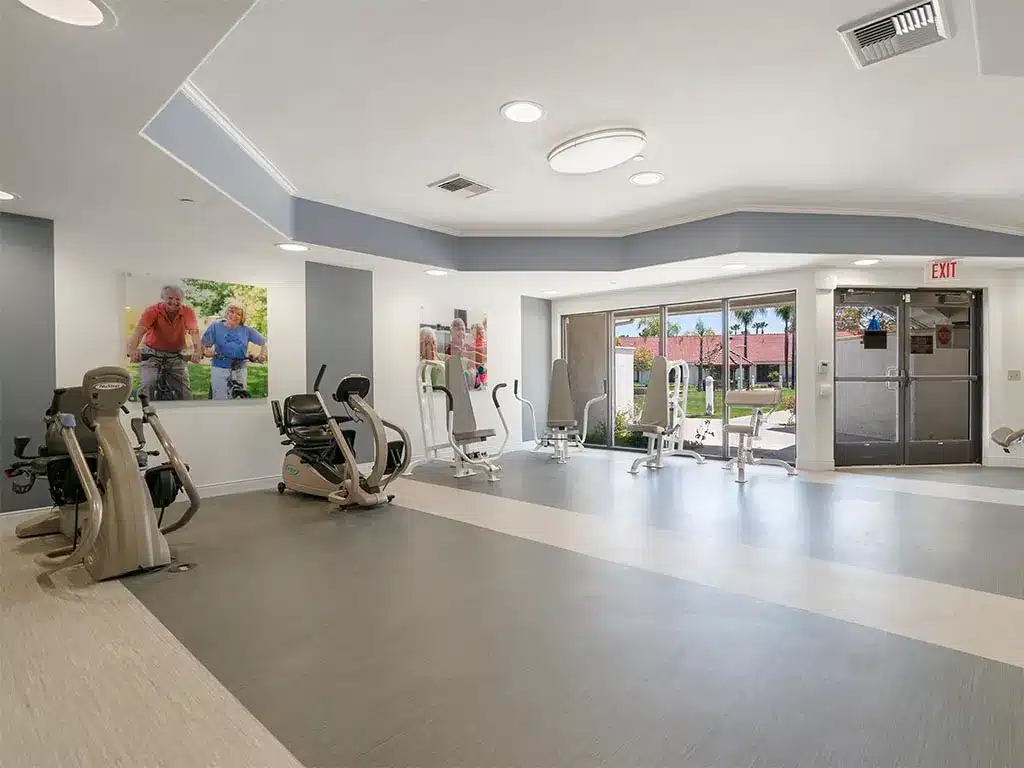
 

senior living in riverside ca


Exploring Local Amenities and Attractions

Whether you’re looking for affordable senior living in Riverside, CA, or a luxurious retreat, access to quality amenities matters. Here are just a few of the community’s local perks:

Local Dining Recreational Parks
Tio’s Tacos (Unique eats) Fairmount Park
Simple Simon’s Bakery Sycamore Canyon Wilderness Park
The Salted Pig (Gastropub) Andulka Park

Nearby shops and cafes offer excellent convenience for those at 8537 Magnolia Ave, Riverside, CA 92504. Meanwhile, 17050 Arnold Dr, Riverside, CA 92518 boasts proximity to walking trails and golf courses—perfect for active retirees.

Looking for even more options? Check out Seniorly’s Riverside listings for a deeper comparison of communities.

Prioritizing Health and Wellness

Whether settling into senior living in Riverside, CA, for rent or purchasing a home, keeping your health at the forefront is key.

Balanced Nutrition Choices

Riverside communities often provide healthy meal plans tailored to seniors. Balanced nutrition, with an emphasis on whole foods, lean proteins, and fiber, supports physical and cognitive wellness. Many dining programs include locally sourced options and even cater to specific dietary needs.

Regular Physical Activity

Physical health is a cornerstone of a happy retirement. In places like Westmont of Riverside and other 55 and older communities in Riverside, CA, residents enjoy walking groups, tai chi, yoga, and water aerobics. Even gentle movement like stretching or dance therapy can dramatically improve mobility and mood.

Building Strong Relationships With Staff and Residents

One of the most fulfilling aspects of senior living in Riverside, CA, is the strong sense of community. Whether you’re at 17050 Arnold Dr, Riverside, CA 92518, or another senior community, the relationships you build will define your experience.

  • Start Small: Say hello during meals or in the hallway.
  • Be Involved: Join community committees or help organize activities.
  • Show Appreciation: A simple thank-you to staff can go a long way.

Building relationships fosters a sense of belonging and promotes emotional well-being—something all seniors deserve.

Cost Considerations and Affordability

Understanding the cost of senior living in Riverside CA for rent is a critical step in planning. Riverside offers a spectrum from affordable senior living in Riverside CA to premium options. Typically, monthly rent for independent living ranges between $2,000 and $4,000 depending on the level of service, amenities, and location.

Those seeking affordable senior living in Riverside, CA, will find budget-friendly options near 8537 Magnolia Ave, Riverside, CA 92504, which include access to public transit, medical facilities, and retail centers. Communities near 17050 Arnold Dr, Riverside, CA 92518 may be slightly higher in price due to newer construction and premium amenities.

Compelling Closing: Your Riverside Retirement Awaits

Your journey toward exceptional senior living in Riverside, CA, starts with one decision: choosing a lifestyle that matches your goals. Whether it’s comfort, community, or affordability that drives you, Riverside has it all. From peaceful surroundings at 17050 Arnold Dr, Riverside, CA 92518, to the convenient access of 8537 Magnolia Ave, Riverside, CA 92504, this region offers tailored options for every stage of retirement.

Now is the time to explore, engage, and embrace a lifestyle built for you. Let Westmont of Riverside be your guide to thriving in a dynamic and supportive community.

Ready to see for yourself? Schedule a tour today by visiting Westmont of Riverside or calling 951-697-2100.


Compare The Costs of Senior Living vs Staying at Home

How Do The Costs Of Moving Into A Quality Senior Care Community Compare With The Costs Of Staying At Home?


Frequently Asked Questions

What is the average cost of senior living in California?

The average cost of senior living in California varies based on the level of care and location. Independent living communities typically cost around $3,000 per month, while assisted living averages $4,500 per month. Memory care and nursing homes can range from $5,000 to $10,000 per month. Urban areas like Los Angeles or San Francisco usually come with higher price tags than smaller cities.

What is the safest place to live in Riverside, CA?

Some of Riverside’s safest neighborhoods include Orangecrest, Canyon Crest, and Mission Grove. These areas are known for low crime rates, family-friendly environments, and strong community involvement. Safety can also depend on factors like walkability, lighting, and neighborhood watch programs. Always check current crime maps and talk to locals when evaluating an area.

How do you qualify for senior housing in CA?

To qualify for senior housing in California, individuals typically must be at least 55 or 62 years old, depending on the community’s policy. Some communities also have income restrictions, especially for low-income senior housing options. Residents must usually be able to live independently, unless applying for assisted living or nursing care. The application process may require proof of age, income, and medical condition.

How much does it cost to live in Riverside?

The cost of living in Riverside, CA, is generally lower than coastal California cities but higher than the national average. Housing is the biggest factor, with the median home price around $600,000 and rent averaging $2,200 for a one-bedroom apartment. Utilities, transportation, and healthcare also add to the monthly expenses. Senior living costs in Riverside align closely with California’s state average, depending on the type of care needed.




Fitness and Wellness Programs in Senior Living Communities

Fitness and Wellness Programs for Seniors at Westmont

Maintaining fitness and wellness in senior years isn’t just about staying active—it’s about enhancing every aspect of life, from physical strength to mental clarity and emotional connection. At Westmont of Riverside, a thoughtful approach to senior fitness and wellness supports residents in living vibrant, fulfilling lives tailored to their unique needs.

Whether through movement, community involvement, or cognitive engagement, seniors can discover activities that make them feel strong, independent, and connected. Senior fitness and wellness programs offer more than routine exercises—they deliver personalized care, friendship, and purpose that help residents thrive at every stage of aging.

Explore how these dynamic offerings can elevate your daily experience at Westmont of Riverside.

The Importance of Fitness and Wellness in Aging

As we age, maintaining wellness takes on new meaning. It’s about preserving mobility, preventing illness, and maintaining mental and social engagement. That’s why senior fitness and wellness programs are vital. These offerings promote strength, balance, heart health, and overall happiness. Even low-impact activities like tai chi or walking can dramatically improve energy levels and mobility while reducing the risk of falls.

Participating in group fitness classes builds more than muscle—it builds friendships. Many seniors find that joining these programs gives them a new sense of belonging and boosts their mental well-being. Westmont encourages all residents to participate in these supportive environments, where every movement contributes to long-term health and well-being.

Programs like sports and fitness programs make it easy for seniors to take that first step toward a healthier, more connected lifestyle.

Personalized Exercise Plans That Fit Every Level

Westmont’s senior fitness and wellness exercises are designed with everybody in mind. Some residents may be ready for strength training, while others benefit most from chair yoga or aqua therapy. Regardless of ability, each plan supports independence and mobility.

These tailored programs offer:

  • Balance training to reduce fall risk
  • Light resistance workouts to preserve muscle mass
  • Stretching to improve flexibility
  • Cardiovascular options for heart health

Professionally led classes ensure safe execution, and adaptive tools make participation possible for all. Feedback from residents is incorporated into evolving routines to ensure progress and enjoyment. Explore how senior fitness and wellness near you can accommodate personal goals and transform everyday energy.

For more insight into adaptive programming, refer to this article on customized fitness plans for seniors.

Mental Clarity Through Cognitive Fitness and Nutrition

Cognitive stimulation and proper nutrition are two of the most potent tools for senior well-being. At Westmont, fitness and wellness include daily practices to boost memory, focus, and overall brain health.

Residents engage in:

  • Brain-training games and puzzles
  • Music and memory therapy
  • Nutrient-rich meal planning

The link between food and cognitive performance is clear. Diets rich in leafy greens, fish, whole grains, and healthy fats can help slow mental decline. These habits complement physical activities and reinforce total wellness.

Westmont also integrates creative activities, like art classes and journaling, to stimulate the mind. Learn more about the role of food and memory in this brain-healthy diet guide.

Aerobics and Strength Training

Aerobics and Strength Training

Creating a Culture of Wellness

The true power of senior fitness and wellness courses lies in their community-based structure. Residents are encouraged to connect, support one another, and build lasting friendships.

Community Engagement and Group Activities

Whether you’re joining a walking club, stretching together during a morning yoga class, or playing low-impact sports, each moment presents an opportunity to engage and grow. These shared experiences combat isolation and improve emotional health.

Group involvement nurtures motivation and routine. Many seniors find it easier to stick to a fitness schedule when surrounded by encouraging peers. Plus, shared laughter and goal-setting promote a more profound sense of joy and purpose.

Explore Westmont’s approach to essential senior living amenities that support active lifestyles.

Meaning Through Volunteering

Volunteering opportunities are a key part of Westmont’s holistic approach. Seniors contribute to community gardening, mentoring, or supporting local charities—all of which enhance their sense of worth and keep them physically and mentally active.

By giving back, residents build strong connections with others and derive satisfaction from living a purposeful life. These volunteer roles are just another form of wellness, nurturing the soul while strengthening the community.

Continuous Improvement Through Expert Oversight

Westmont’s programs are never static. Senior fitness and wellness offerings evolve based on expert evaluations and resident input. Regular check-ins ensure each participant gets what they need—whether that’s adjusting intensity levels, introducing new exercises, or improving accessibility.

Element Description Benefit
Expert Evaluations Ongoing professional assessments Safe and personalized programs
Resident Feedback Incorporated into course design Increased engagement and results
Educational Add-ons Optional wellness education sessions Cognitive and emotional growth

This constant fine-tuning guarantees that each course remains relevant, enjoyable, and effective.

Supporting Seniors on Their Unique Wellness Path

Every individual’s journey through aging is unique, which is why it’s essential to customize care.

Personal Health Assessments

At Westmont, health evaluations take into account chronic conditions, emotional needs, and lifestyle goals. These assessments guide participation in senior fitness and wellness programs and help identify the best plan for you.

This might mean emphasizing mobility and balance, or integrating support tools for arthritis or other conditions. Regardless of the path, the outcome is the same: greater independence and happiness.

Encouraging Independence and Movement

Understanding your mobility level is the key to staying active longer. Westmont offers tools and assistance to help residents move safely, including walkers, adaptive fitness equipment, and personalized movement plans.

Through movement, you’ll reclaim confidence and rediscover the joy of everyday life. Independence is empowering, and movement is the first step.

Social Support Networks

Lastly, connection is at the heart of the journey. Social bonds formed in senior fitness and wellness near you enhance motivation, reduce stress, and improve mental health. Whether in a course or over coffee, these interactions are just as vital as any workout.

Explore more on how social connection supports aging in independent living communities.

Ready to Embrace a Life of Strength and Joy?

Aging doesn’t mean slowing down—it means growing into a life rich with opportunity. At Westmont of Riverside, Fitness and Wellness isn’t a program. It’s a way of life. Through tailored senior fitness and wellness exercises, engaging senior fitness and wellness courses, and a welcoming community, you’re empowered to live well.

Whether you’re looking for low-impact workouts or exciting new ways to stay sharp and connected, senior fitness and wellness near you starts here.

To learn more or join our thriving community, call us at 951-697-2100. Schedule a visit today: Schedule a Tour at Westmont of Riverside. Your journey to strength, vitality, and joy is just beginning.


Compare The Costs of Senior Living vs Staying at Home

How Do The Costs Of Moving Into A Quality Senior Care Community Compare With The Costs Of Staying At Home?


Frequently Asked Questions

What is the best fitness program for seniors?

The best fitness program for seniors combines balance, strength, flexibility, and cardiovascular exercises. Programs like SilverSneakers, yoga, water aerobics, and walking groups are great low-impact options. It’s essential to select a program that aligns with your current fitness level and medical requirements. Always consult your doctor before starting a new routine.

Does Medicare automatically include SilverSneakers?

Original Medicare (Parts A and B) does not automatically include SilverSneakers. However, many Medicare Advantage plans (Part C) offer SilverSneakers as a benefit. Availability varies by provider and location, so check with your plan to see if it’s included. If it’s not, some fitness programs still offer senior discounts.

Are gyms free for seniors?

Gyms are not universally free for seniors, but many offer discounted memberships or access through senior fitness programs. Programs like SilverSneakers, Silver&Fit, and Renew Active can provide free or low-cost gym access through certain insurance plans. Local community centers may also offer free fitness options. It’s best to contact gyms in your area for pricing information specific to seniors.

How many times a week should a 70-year-old go to the gym?

A 70-year-old individual should aim to visit the gym at least 2 to 3 times a week, focusing on a mix of strength, balance, and aerobic activities. The CDC recommends 150 minutes of moderate-intensity exercise per week for older adults. It’s essential to listen to your body and adjust intensity and frequency as needed. Rest and recovery days are just as crucial for maintaining overall health.


Factors Influencing Seniors’ Housing Decisions

Seniors’ Housing Decisions: Planning the Right Move for You

Making thoughtful decisions about your future living arrangements is one of the most essential steps in your retirement journey. The path differs for everyone, but it becomes more manageable with the correct information and support. At Westmont of Riverside, we help seniors navigate their housing choices with care, compassion, and clarity.

From housing options for seniors on Social Security to independent living arrangements, it’s essential to consider what works best for your lifestyle, budget, and long-term well-being. Whether you’re considering downsizing, relocating, or seeking a supportive community, understanding the many aspects involved in Seniors’ Housing Decisions is essential.

The Appeal of Riverside Senior Housing

Riverside, California, stands out as a retirement destination, offering natural charm, vibrant culture, and access to high-quality care. For those considering Seniors’ Housing Decisions California, Westmont of Riverside offers proximity to parks, shopping, cultural venues, and healthcare services—all within a supportive and inclusive community.

Residents can enjoy activities such as gardening, outings, or social events that enhance their quality of life. Whether you’re exploring independent living options for seniors or looking for more assisted services, Riverside’s varied offerings allow you to maintain your independence while receiving the support you need. Discover personalized care plans that evolve with your needs.

Health and Mobility Considerations

Health is a foundational factor in Seniors’ Housing Decisions. For those managing conditions such as arthritis, balance issues, or memory loss, choosing housing that accommodates these needs is vital.

  1. Mobility-friendly Design: Seek homes with wide doorways, no-step entries, and accessible bathrooms.
  2. Supportive Technology: From fall detection to voice assistants, modern tech enhances safety.
  3. Wellness Programs: Participate in preventive wellness programs tailored for seniors.

Understanding mobility needs—like weak legs in elderly adults—can shape your choice of community.

Financial Planning and Affordability

One of the biggest hurdles in housing decisions is affordability. Many seniors rely heavily on fixed incomes. For those researching housing for seniors based on income, or living options for the elderly with no money, financial planning is critical.

  • Government Support: Options like Section 202 Supportive Housing and Medicaid waivers can assist.
  • Affordable Programs: Some communities offer housing for seniors on Social Security with tiered rent structures.
  • Budgeting Tools: Use tools or financial counselors to project future living expenses.

Explore programs like BenefitsCheckUp and Senior Housing Net, which offer guidance and access to low-cost senior living solutions.

Social Connections and Shared Spaces

Social interaction plays a huge role in physical and emotional well-being. Choosing housing that promotes connection and interaction is key.

Community Engagement Opportunities

Seniors thrive in environments with vibrant social calendars. At Westmont, you’ll find:

  • Group fitness classes
  • Local outings
  • Book clubs and lectures
  • Volunteering opportunities

Explore safe, accessible activities that fit your interests and abilities.

Shared Spaces Benefits

Shared dining, lounge areas, and gardens provide more than convenience—they foster community. As you evaluate independent living options for seniors, prioritize those with shared spaces designed to encourage relationships.

Discover the significance of social interaction and how it helps alleviate loneliness and enhance cognitive function.

Emotional Aspects of the Transition

Relocating isn’t just a logistical shift—it’s deeply emotional. Memories, anxiety, and fear of change often influence seniors’ Housing Decisions.

  1. Honor Your Journey: Recognize and validate your feelings about leaving your home.
  2. Involve Loved Ones: Share your thoughts with family or a trusted advisor.
  3. Embrace the New: Focus on the positive opportunities ahead.

Facing these emotional dynamics head-on helps ensure a healthier and more empowered transition.


Social Connection


The Role of Family in Housing Decisions

Families are often vital in helping seniors transition. For those researching Seniors housing decisions in California, involving family early in the process ensures better outcomes.

  • Collaborative Planning: Host open conversations.
  • Help with Research: Let family assist in evaluating options.
  • Emotional Anchoring: Keep strong emotional ties even if geography changes.

Housing Types at Westmont of Riverside

Westmont offers a tiered approach to senior living that grows with your needs:

Housing Option Description
Independent Living Perfect for active seniors who want freedom in a supportive setting.
Assisted Living Ideal for those who need help with daily activities.
Memory Care Specialized environments for residents with cognitive challenges.

This flexible model accommodates both housing for seniors based on income and those seeking premium services.

Your Choices, Your Future: Making Informed Decisions

Navigating Seniors’ Housing Decisions doesn’t mean sacrificing autonomy. From living options for the elderly with no money to luxury independent living, there are choices for every circumstance.

With the right support and information, you can find a solution that balances affordability, community, and quality of life. Don’t hesitate to consult professionals or explore housing tours to find the right fit.

To explore how Westmont of Riverside can support your journey, visit: Schedule a tour.

Ready to Choose What’s Best for You?

Choosing the right housing is more than a move—it’s a statement about how you want to live. Whether you need housing for seniors on Social Security or are weighing independent living options for seniors, Westmont of Riverside offers clarity and compassion every step of the way.

The journey might be personal, but you don’t have to walk it alone. Let Westmont guide you toward a life of connection, care, and confidence.

Frequently Asked Questions

How long is the waiting list for senior housing?

The waiting list for senior housing can vary widely depending on location, demand, and the type of housing. The wait can be several months to a few years in many urban areas or popular retirement communities. Subsidized housing typically has the longest wait times. It’s best to apply early and stay in contact with housing offices for updates.

What is the outlook for senior housing?

The outlook for senior housing is strong, with increasing demand driven by an aging population. Developers are expanding options from affordable housing to luxury senior communities. Innovations in healthcare and wellness are shaping facilities to better support aging in place. As a result, the industry is expected to continue growing steadily over the next decade.

What type of housing is best for seniors?

The best housing option for seniors depends on individual needs, preferences, and budget. Independent living is ideal for active seniors, while assisted living offers support with daily tasks. Nursing homes or memory care units may be better for those needing medical care. Location, safety, social opportunities, and access to healthcare should guide the decision.

Who is eligible for the supportive housing for the elderly program?

Eligibility for the Supportive Housing for the Elderly Program (Section 202) generally includes seniors aged 62 or older with low income. Applicants must meet income limits set by HUD and demonstrate a need for housing assistance. U.S. citizenship or eligible immigration status is also required. Local housing authorities or HUD offices can provide detailed application guidance.


Riverside Skilled Nursing Facility: Expert Elderly Care

Riverside Skilled Nursing Facility: Expert Senior Care

At Westmont of Riverside Skilled Nursing Facility, you’ll find expert senior care tailored to meet individual needs. A dedicated team provides 24-hour nursing support and specialized therapies, ensuring residents receive the assistance they deserve. The warm atmosphere and community-oriented activities enhance their quality of life. But what truly sets Westmont of Riverside Skilled Nursing Facility apart? Explore how personalized care plans and engaging amenities create an environment where seniors can thrive.

Comprehensive Skilled Nursing Services

Regarding senior care, the Skilled Nursing Facility in Riverside, CA, stands out for its commitment to individualized care. You’ll find a team dedicated to providing exceptional elder care tailored to each resident’s needs. From 24-hour nursing support to specialized therapy options, every aspect of care is designed to enhance the quality of life for your loved ones. The staff fosters a comfortable environment, ensuring residents feel at home while receiving the required skilled nursing.

With a full range of services, including medication management and personal assistance, you can trust that your loved ones are in compassionate and capable hands. Additionally, the facility emphasizes improving strength and flexibility through tailored physical therapy programs to further support residents’ mobility and independence. Skilled nursing facility Riverside, CA, truly prioritizes the well-being and dignity of every resident.

Rehabilitation and Therapy Options

You’ll find extensive therapy services tailored to your needs at Westmont of Riverside Skilled Nursing Facility. Our team works with you to create personalized rehabilitation plans focusing on your recovery goals. Whether you need physical, occupational, or speech therapy, we support your journey to regain strength and independence. Our state-of-the-art equipment also ensures you receive the most effective therapeutic interventions available.

Comprehensive Therapy Services

A skilled nursing facility in Riverside, CA, understands the importance of personalized rehabilitation and therapy options, ensuring you receive thorough care tailored to your unique needs. Our extensive therapy services utilize various therapy modalities, including physical, occupational, and speech therapy, to help you regain independence and enhance your quality of life.

With skilled professionals dedicated to applying effective recovery techniques, you’ll benefit from targeted interventions designed to address your specific challenges. Whether you’re recovering from surgery, illness, or injury, our supportive environment fosters healing and growth. Additionally, our programs include strategies for pain management that can further improve your comfort and functionality during rehabilitation.

Personalized Care Plans

At Westmont of Riverside Skilled Nursing Facility, you’ll receive a personalized care plan tailored to your unique needs and preferences. Our team continuously monitors your progress, adjusting strategies to guarantee you achieve the best possible outcomes. You’re not just a resident; you’re an individual with specific goals, and we’re here to support you every step of the way.

Individualized Treatment Strategies

When it comes to personalized care plans, understanding each resident’s unique needs is essential for effective treatment. Westmont of Riverside Skilled Nursing Facility focuses on customized care that prioritizes patient involvement in their treatment strategies. Your loved one will benefit from a tailored approach that includes:

  • Thorough assessments to identify specific health needs.
  • Collaborative goal-setting that encourages active participation from both residents and families.
  • Targeted therapies are designed to improve physical and emotional well-being.
  • Regular updates to care plans, ensuring they remain aligned with changing needs.

Continuous Progress Monitoring

While you focus on your loved one’s recovery, continuous progress monitoring guarantees that their personalized care plan remains practical and relevant. Regular progress assessments allow caregivers to track improvements and identify areas needing attention. This proactive approach supports continuous improvement in your loved one’s care journey.

By adapting the care plan based on real-time feedback, you can help guarantee that your loved one’s needs are met, promoting ideal recovery and well-being. Collaboration between the care team and family members is vital, as your insights can enhance the assessment process. Continuous progress monitoring makes you confident that your loved one receives the best support tailored to their unique circumstances.

Resident Amenities and Environment

Westmont of Riverside Skilled Nursing Facility creates a warm and inviting atmosphere for residents, where comfort meets functionality. Our engaging spaces cater to both social interaction and personal relaxation, enhancing resident comfort throughout their stay.

Some key amenities that make our community care nursing home stand out include beautifully landscaped courtyards, private and semi-private rooms, and activity programs to encourage engagement and well-being. Our dedicated team ensures every resident enjoys a fulfilling and comfortable lifestyle, enriching their stay at Westmont of Riverside Skilled Nursing Facility.

riverside skilled nursing facility

Staff Expertise and Support

At Westmont of Riverside, you’ll find a dedicated team of professionals committed to providing exceptional care and support tailored to each resident’s needs. Our staff undergoes thorough training, guaranteeing they possess the skills and knowledge to deliver high-quality care. This commitment to staff training enhances their ability to respond effectively to residents’ diverse needs.

Team collaboration is at the core of our approach, fostering an environment where caregivers work together seamlessly to ensure every resident feels valued and supported. You can trust that our experienced staff will prioritize your loved one’s well-being, combining their expertise with a compassionate touch. Nursing facility care at Westmont of Riverside ensures that residents receive the best support in a nurturing and secure setting.

Community Engagement and Activities

Engaging with the community is essential to life at Westmont of Riverside, as it enriches residents’ experiences and fosters connections. Various community events and social activities promote interaction and joy. From weekly game nights to local outings, our activities are designed to create a sense of belonging and fulfillment for every resident.

These experiences enhance daily life and strengthen relationships, creating a vibrant community where residents feel valued and engaged. Your involvement helps build a supportive environment that benefits everyone.

At Westmont of Riverside, you’ll find a nurturing haven where expert care and personalized attention come together like a well-tuned symphony. Your loved ones will benefit from extensive services, tailored support, and a vibrant community encouraging engagement. With a dedicated team, they’ll receive exceptional medical care and experience a fulfilling quality of life. Trust Westmont of Riverside to be the compassionate partner in their journey to wellness and happiness. For more information, please call us at 951-697-2100.


Compare The Costs of Senior Living vs Staying at Home

How Do The Costs Of Moving Into A Quality Senior Care Community Compare With The Costs Of Staying At Home?


Frequently Asked Questions

What is the difference between a skilled nursing facility and a nursing home?

A skilled nursing facility (SNF) provides short-term, specialized medical care and rehabilitation services, typically for individuals recovering from surgery, illness, or injury. On the other hand, a nursing home offers long-term custodial care for individuals who need ongoing assistance with daily activities, such as bathing, dressing, and medication management. While both offer 24/7 care, SNFs focus on rehabilitation, whereas nursing homes provide extended residential support.

How long can someone stay at an SNF?

The length of stay at a skilled nursing facility depends on the individual’s medical needs and insurance coverage. Medicare typically covers up to 100 days per benefit period for qualifying stays, but many individuals stay for a shorter period based on their recovery progress. Long-term stays may be possible for those needing extended care, but these are usually funded through private pay or Medicaid.

How to get admitted to a skilled nursing facility?

Admission to a skilled nursing facility usually requires a doctor’s referral, often following a hospital stay. The facility assesses the patient’s medical needs to determine eligibility for skilled nursing care. Insurance, including Medicare and Medicaid, may cover the remainder if the individual meets specific criteria for professional care services.

When should I go to a skilled nursing facility?

A skilled nursing facility is appropriate when a person needs short-term medical care and rehabilitation after hospitalization due to surgery, injury, or a serious illness. It is also suitable for those requiring ongoing medical supervision, such as wound care, physical therapy, or IV therapy. If a person cannot safely recover at home but does not need long-term nursing home care, a skilled nursing facility may be the best option.


Assisted Living Riverside: Compassionate Care & Community

Assisted Living Riverside: Comfort, Care & Community

Have you ever wondered if assisted living in Riverside can genuinely provide the comfort and community your loved one deserves? At Westmont of Riverside, the answer lies in personalized care and a nurturing environment that fosters genuine connections. With specialized memory care and engaging activities, our facilities aim to enhance well-being.

But what does it mean for your family member’s daily life? Let’s explore the essential aspects that make Westmont of Riverside a supportive haven for residents.

Understanding Assisted Living Options in Riverside

You’re not alone when considering assisted living near Riverside, CA; many families face this vital decision. It’s crucial to explore facilities that offer specialized memory care services designed for your loved one’s unique needs. A welcoming environment, like those with tranquil courtyard settings, can ease anxiety and create a sense of familiarity. Reviews and resident testimonials, such as those from individuals like Margaret, highlight the positive experiences within these communities. They often emphasize the dedication of caregivers and the engaging activities that foster connection.

By taking the time to research and visit different options, you empower yourself to make a compassionate choice for your family, ensuring that your loved one receives the care and support they truly deserve. A structured environment can significantly enhance the quality of life, providing stability and reducing anxiety for residents.

The Importance of Personalized Care

Personalized care is essential for ensuring that each resident feels valued and understood, directly impacting their overall well-being. You create an environment where residents thrive by offering customized support tailored to individual preferences. This approach fosters meaningful connections as caregivers take the time to learn about each person’s unique history, interests, and needs. When you focus on personalized care, you’re not just meeting basic requirements but enhancing the quality of life and promoting a sense of belonging. This thoughtful attention makes residents feel more comfortable, confident, and engaged in daily activities. Investing in personalized care reflects a commitment to compassion and respect, ensuring every resident experiences the dignity they deserve in their golden years. Additionally, the continuous assessment of resident needs ensures timely adjustments in care to enhance individual satisfaction.

Engaging Community Activities for Residents

Community activities enrich residents’ lives and foster connections that enhance their well-being. Whether participating in creative workshops or enjoying social outings, these activities provide opportunities for growth and friendship. Residents thrive in an environment where they can explore their interests and share experiences with others. Regular participation in these activities can improve cognitive function and emotional well-being.

Activity Type Description
Creative Workshops Art, music, and crafting sessions
Social Outings Visits to local parks and events
Fitness Classes Gentle exercise and movement groups
Game Nights Fun competitions and board games

These activities build a sense of community, allowing residents to engage actively and enjoy life to the fullest.

Financial Assistance and Planning Resources

Steering through the financial aspects of assisted living in Riverside can feel overwhelming, especially when considering the unique needs of your loved ones. Fortunately, there are resources available to help you navigate this journey. Start by exploring various financial planning options tailored to assisted living costs. Many facilities offer payment plans that can ease the burden. Additionally, check your loved one’s insurance coverage; some policies may cover assisted living services. Don’t hesitate to consult with financial advisors who specialize in elder care to guarantee you’re making informed decisions. 

By understanding these financial aspects, you can create a sustainable plan prioritizing comfort and care for your family while fostering peace of mind during this change. Additionally, consider looking into government assistance programs that may support covering assisted living expenses.

Family Involvement in the Care Process

Maneuvering financial assistance is just one piece of the puzzle to ensure your loved one receives the best care. Family involvement is vital for fostering a supportive environment, enhancing the overall quality of life, and building trust among caregivers. Here are three ways you can engage:

  1. Participate in Care Plans: Collaborate with caregivers to create personalized care strategies that reflect your loved one’s needs.
  2. Regular Visits: Spend time with your family to provide emotional support, reinforcing their sense of community.
  3. Open Communication: Maintain a dialogue with caregivers, sharing insights and concerns to enhance caregiver collaboration.

Family support can make a difference in the care process, ensuring your loved one feels valued and understood.

 assisted living riverside

Discover Comfort at Westmont of Riverside

At Westmont of Riverside, you’ll discover a delightful blend of comfort, care, and community. Residents thrive in this nurturing haven by embracing personalized care and participating in engaging activities. With financial support options and family involvement, you’ll find a supportive sanctuary that feels like home. As you explore this vibrant environment, remember that every moment spent here is a step towards serenity, connection, and a fulfilling life filled with laughter and love. For more information, visit us at 17050 Arnold Dr, Riverside, CA 92518, or call 951-697-2100.


Find Where You Belong

Dive into the vibrant life our Westmont communities have to offer.


Frequently Asked Questions

How much does assisted living cost in Riverside County?

Assisted living costs in Riverside County vary depending on the facility and services provided. On average, seniors can expect to pay approximately $4,385 per month for assisted living services in this region. However, prices can range from $3,500 to over $5,000 monthly, influenced by factors such as location, amenities, and level of care required. 

How do you pay for assisted living when you have no money?

Several options may help cover assisted living costs for individuals with limited financial resources. Medi-Cal, California’s Medicaid program, offers the Assisted Living Waiver (ALW) to eligible seniors, which assists with personal care and household tasks in an assisted living setting. Additionally, veterans may qualify for benefits through the Department of Veterans Affairs to help offset expenses. Exploring community programs and non-profit organizations and discussing payment plans with facilities can provide financial relief.​

Will Medicare pay for assisted living?

Medicare does not cover assisted living costs, primarily focusing on medical services rather than custodial care. However, it may cover certain medical expenses incurred while residing in an assisted living facility, such as physician visits or therapy services. Individuals may need to explore other funding sources like Medicaid, long-term care insurance, or personal funds to assist with daily living activities and associated costs.​

Does Medi-Cal cover an assisted living facility?

Yes, Medi-Cal offers the Assisted Living Waiver (ALW) program, which provides assisted living services for eligible seniors who require a nursing home level of care but prefer to reside in an assisted living environment. To qualify, individuals must have full-scope Medi-Cal eligibility with zero share of cost and meet specific health criteria. It’s important to note that while the ALW covers services like personal care and homemaker assistance, participants are responsible for room and board expenses.


Ultimate Guide to Adult Day Care Services: Everything You Need to Know

Discovering Adult Care Services for Loved Ones’ Daily Needs

When caring for an aging loved one, adult care services can provide a critical lifeline for both the caregiver and the senior. These programs offer structured support in a safe, engaging environment, giving family members peace of mind while enabling seniors to thrive socially and emotionally.

At Westmont of Riverside, our adult day care services prioritize community, wellness, and dignity. We understand that caregiving is both a labor of love and a challenging responsibility. That’s why our services are designed to relieve stress, combat isolation, and enhance quality of life through professionally guided care, all while offering essential elderly care services at home for those who need it.

Understanding Adult Day Care

Adult day care is a specialized service that allows seniors to spend their day in a nurturing and structured environment. Unlike full-time residential care, adult day care operates during daytime hours and supports older adults with mild to moderate care needs. Participants benefit from a variety of activities, including exercise, games, social interaction, and even music or art therapy.

This approach allows caregivers to attend to work or personal matters during the day while trusting their loved one is safe and supported. Whether you’re seeking free senior services for low-income families or premium adult programs, the goal remains the same—holistic support for emotional, cognitive, and physical health. Services like these also provide a stepping stone for families exploring elderly care services at home or full-time care solutions.

These programs act as a buffer against isolation for seniors struggling with loneliness. They also offer much-needed respite for caregivers, which is a vital part of maintaining a sustainable caregiving relationship. See how adult day programs support emotional well-being through social activities.

What’s Included in Adult Care Services?

Adult care services offer more than just supervision—they deliver purpose, connection, and safety. Programs typically include:

  • Nutritious meals tailored to health needs
  • Medication management and wellness monitoring
  • Exercise and rehabilitation support
  • Educational, creative, and recreational activities
  • Personal care assistance, like toileting or grooming
  • Transportation to and from the facility

Many also offer in-home care services for seniors near you, giving families flexible options based on their loved one’s specific needs. Whether it’s a few hours of care daily or weekly attendance, this level of support significantly contributes to independence and dignity.

Programs like those at Westmont of Riverside provide holistic services aimed at enriching seniors’ lives while offering an affordable option to families who can’t afford full-time care. Explore the benefits of independent living communities and their connection to adult day care models.

Evaluating Your Options

Choosing the right adult care services begins with evaluating what your loved one needs physically, emotionally, and socially. Important considerations include:

  • Activity offerings: Are they engaging and appropriate for different levels of mobility and cognition?
  • Medical support: Does the center offer basic health monitoring or medication administration?
  • Trained staff: Are staff certified in CPR, dementia care, and senior health protocols?
  • Cleanliness and safety: Is the facility well-maintained and secure?

Transparency is key. Ask how the facility handles feedback and complaints. An open, communicative environment promotes trust and safety. Learn how a facility can foster a harmonious community atmosphere.

History of Adult Day Care

Financial Aid and Free Senior Services

Worried about cost? Don’t assume adult day care is out of reach. There are a number of government-free services for senior citizens designed to alleviate financial strain. Many programs offer:

  • Sliding scale fees based on income
  • Access to free services for senior citizens through state-funded resources
  • Support from non-profit organizations
  • Discounts for veterans or low-income households
Service Type Assistance Option
Medicaid Covers adult day services in many states
VA Benefits May include adult day health care
Area Agencies on Aging Local support and referrals
Community Grants Often offer free senior services for low-income groups

Organizations like Eldercare Locator and BenefitsCheckUp are great starting points to explore eligibility for government-free services for senior citizens.

Elderly Care Services at Home: A Hybrid Approach

For those not quite ready to participate in daily programming, elderly care services at home provide similar benefits. Depending on your plan, in-home care might include a caregiver visiting for companionship, meal prep, light housekeeping, or even skilled nursing.

Combining part-time day care with in-home care services for seniors near you creates a hybrid solution that balances social enrichment and comfort. You can customize this care according to your loved one’s evolving needs.

Even if you’re only exploring options, having both day services and home-based care on your radar ensures flexibility as care needs change.


Benefits of Adult Day Care

Benefits of Adult Day Care

Westmont of Riverside: Your Local Adult Care Partner

Westmont of Riverside offers compassionate, customized adult care services for families looking for dependable support. Our goal is simple: to create a vibrant space where seniors feel empowered and connected.

Need information tailored to your family? Call us at 951-697-2100 or schedule a tour. Our team is ready to walk you through your options and help you access free senior services for low-income households or connect you with trusted professionals offering in-home care services for seniors near you.

You can also refer to external resources such as:

These provide insight into national care standards, financial aid, and caregiver self-care tips.

Assessing the Level of Support Needed

Every senior’s situation is different. It’s important to do a care assessment before deciding on any service. This helps determine whether they need full-time supervision, daily check-ins, or a blend of adult care services and home-based support.

Ask these questions:

  • Can they manage daily hygiene and meals independently?
  • Are there any memory or mobility issues?
  • Do they need companionship to maintain emotional health?
  • Would they benefit from structured routines?

Whether the answer leads you to full adult day care or elderly care services at home, the key is matching support to your loved one’s personal circumstances.

Social Benefits

Social Benefits

Care That Connects: A New Chapter Awaits

Finding the right support for an aging loved one doesn’t have to be overwhelming. Adult care services bridge the gap between independence and safety, offering social enrichment, medical support, and caregiver relief in one inclusive setting.

At Westmont of Riverside, our programs offer more than just care—they provide community, connection, and confidence for seniors and families alike. Whether you’re looking for free services for senior citizens, exploring in-home care services for seniors near you, or trying to understand your options under government free services for senior citizens, know that support is closer than you think.

Take the first step toward peace of mind—contact us today to learn how our services can enhance your family’s caregiving journey.


Compare The Costs of Senior Living vs Staying at Home

How Do The Costs Of Moving Into A Quality Senior Care Community Compare With The Costs Of Staying At Home?


Frequently Asked Questions

What are examples of adult care services?

Adult care services include a wide range of support options for seniors and individuals with disabilities. Examples include in-home personal care, adult day care programs, meal delivery, transportation services, and respite care for family caregivers. These services help individuals maintain independence while receiving necessary support for daily living. Some also offer medical supervision, physical therapy, and social engagement activities.

How much does adult day care cost per day?

The cost of adult day care can vary by location and the level of care provided, but the national average is around $75 per day. In California and other high-cost states, prices may range from $80 to $120 daily. Factors like medical services, meal options, and activity programs can influence the total cost. Many centers offer sliding scale fees or accept insurance to help with affordability.

Does the state of California pay for elderly care?

Yes, California offers financial support for elderly care through several programs such as Medi-Cal, In-Home Supportive Services (IHSS), and the Multipurpose Senior Services Program (MSSP). These programs may cover in-home care, adult day health care, and other community-based services. Eligibility is based on income, assets, and the level of care needed. Applying through the local county social services office is usually required.
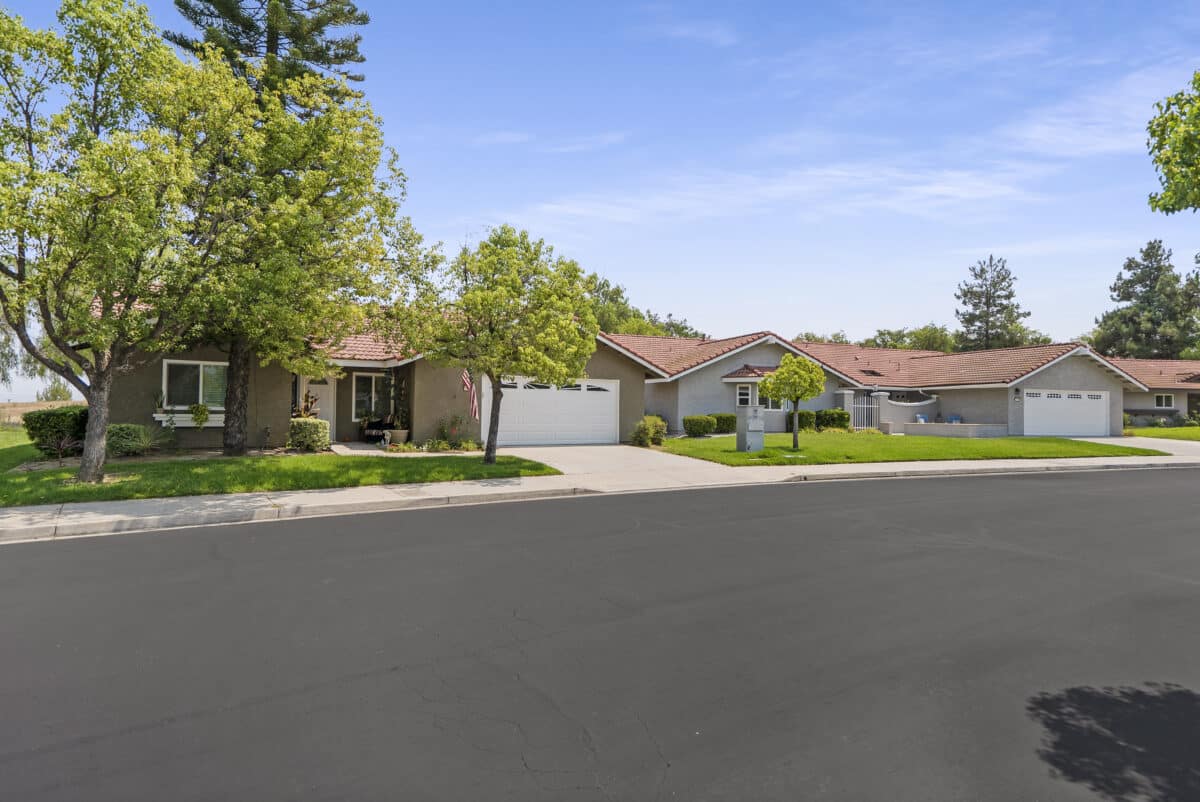
Does Medicare pay for adult day care services?

Medicare does not typically cover adult day care services unless they are part of a broader medical care plan, such as through Medicare Advantage. However, some programs under Medicaid or long-term care insurance may help cover costs. Veterans may also qualify for assistance through the VA. Reviewing individual plans or consulting with a benefits advisor to explore all available options is essential.


The Power of Aroma: Exploring Aromatherapy in Memory Care

Aromatherapy in Memory Care: Healing Through Scent

Aromatherapy in Memory Care is not just a wellness trend – it’s a transformative tool that nurtures emotional well-being and supports cognitive function in seniors with memory-related conditions. At Westmont of Riverside, this practice blends science and compassion, creating calming, scent-infused spaces designed to comfort and stimulate residents.

Seniors facing memory challenges often experience anxiety, agitation, or confusion. Aromatherapy in memory care introduces a gentle yet powerful approach to help mitigate these symptoms. Through the intentional use of essential oils, particularly those known to aid memory and concentration, caregivers can provide sensory stimulation that soothes the mind and sparks familiar memories.

The Historical Roots of Aromatherapy in Memory Care

Aromatherapy has existed for centuries, with its roots in ancient healing practices across Egyptian, Greek, and Chinese cultures. Oils from aromatic plants were once used in spiritual rituals, medicine, and daily hygiene. Fast-forward to today, and these same botanicals have found a home in memory care programs where traditions of healing meet modern science.

These therapeutic practices, like those discussed in this health-monitoring technology article, now work in synergy with innovations in elder care. Integrating essential oils for sundowning syndrome and other dementia-related symptoms into daily routines reflects how age-old traditions can be repurposed to meet modern memory care challenges.

How Scents Activate the Brain

Scent is directly tied to the limbic system, the part of the brain responsible for emotion and memory. When someone with memory loss encounters a familiar aroma, it can ignite mental clarity or bring comfort.

Here are three ways scent influences memory care:

  1. Limbic Activation: Smells like rosemary stimulate brain areas responsible for cognition and emotional balance.
  2. Memory Triggers: The right aroma can retrieve long-lost memories, providing emotional relief or joy.
  3. Mood Stabilization: Scents like lavender help lower agitation levels, a common issue in dementia care.

This is why Westmont incorporates sensory therapies into memory care – it helps build stronger connections between mind and environment.

Powerful Oils in Memory Support

Among the hundreds of essential oils, a select few have demonstrated particular effectiveness in aiding memory, reducing anxiety, and promoting cognitive clarity. Let’s explore some standouts.

Lavender: The Comforting Calm

Lavender is a staple in aromatherapy in memory care due to its calming effects. It reduces stress, enhances sleep, and supports emotional balance. Its gentle scent can immediately shift a resident’s mood from agitation to peace.

Benefits of lavender in memory care:

  • Reduces anxiety and restlessness.
  • Improves the quality of sleep.
  • Soothes irritability and promotes calm interactions.

Lavender is also ideal for hand massage for dementia patients, as the gentle physical contact paired with scent offers dual sensory engagement. Consider pairing it with mindfulness practices for deeper relaxation.

Rosemary: Boosting Mental Clarity

Rosemary is widely recognized as the best essential oil for memory and concentration. Its invigorating scent supports attention span, clarity, and recall.

When incorporated during therapy or reading sessions, rosemary helps residents stay focused and present. Studies show that rosemary inhalation may improve memory task performance and decrease mental fatigue.

Use this oil in diffuser recipes for essential oils for dementia to gently awaken cognitive function during morning routines.


Aromatherapy and Memory Care

Practical Uses of Aromatherapy in Memory Care Settings

Aromatherapy is most effective when applied consistently and thoughtfully. Here are three key methods used in care settings:

  1. Diffusers: Disperse calming oils into shared spaces to set a relaxing tone.
  2. Personal Scent Pouches or Inhalers: Customized with each resident’s preferred scent to carry throughout the day.
  3. Massage Therapy: Use essential oils during hand massage for dementia patients to provide calming physical and emotional support.

These applications are easily personalized and scalable across care communities, bringing serenity and stimulation directly to residents’ daily lives.

Safety Measures and Quality Assurance in Aromatherapy

Quality matters. Using pure essential oils without additives is critical in medical-grade aromatherapy, especially in vulnerable populations.

Sourcing Quality Oils

Ensure your oils come from trusted suppliers. Brands like Young Living essential oils for memory and concentration are known for their transparency and high purity standards. While multiple options exist, oils must be:

  • Third-party tested for purity.
  • Labeled clearly with full ingredient disclosures.
  • Free from synthetic fillers that can irritate or harm.

Monitoring Reactions and Adjustments

Not every scent works for every person. That’s why Westmont caregivers pay close attention to how residents react, both verbally and physically.

Look for signs such as:

  • Calmness or agitation.
  • Increased engagement or withdrawal.
  • Verbal feedback about preferences.

Adjusting based on this feedback ensures aromatherapy in memory care is both safe and personalized.

Safety and Considerations

Advanced Blending: Diffuser Recipes for Essential Oils for Dementia

Creating custom blends for memory care can amplify aromatherapy’s benefits. Here are two simple diffuser recipes for essential oils for dementia support:

Recipe 1 – Evening Calm for Sundowning:

  • 3 drops of Lavender
  • 2 drops Frankincense
  • 2 drops Cedarwood

Recipe 2 – Morning Mental Boost:

  • 3 drops Rosemary
  • 2 drops of Peppermint
  • 2 drops of Lemon

Both blends can ease symptoms of essential oils for sundowning syndrome or prepare residents for therapy or social activities.

For more ideas, explore this essential oil blend guide from the National Institutes of Health (NIH), which breaks down evidence-based uses of aromatherapy in dementia care.

Building Community Around Aromatherapy

Aromatherapy in memory care is more than an individual experience – it helps build stronger community connections. Here’s how:

  • Group scent activities like potpourri-making or massage workshops build friendships.
  • Family engagement increases when relatives learn about the oils and even participate.
  • Staff morale improves when soothing scents reduce environmental stress.

It turns caregiving from routine into ritual, and routine spaces into sanctuaries.

Memory Care Experience

Scents That Heal: A Fragrant Path to Better Memory Care

Incorporating aromatherapy in memory care is more than just adding scent to a space – it’s a research-backed, compassionate intervention that touches each resident’s emotional and mental layers. By understanding the uses of hand massage for dementia patients, crafting safe diffuser recipes for essential oils for dementia, and utilizing trusted products like Young Living essential oils for memory and concentration, caregivers can profoundly enhance daily life.

From battling sundowning with essential oils for sundowners syndrome to stimulating focus with the best essential oil for memory and concentration, this approach invites dignity, joy, and presence into the lives of those in memory care.

To learn more about how Westmont of Riverside uses these techniques, call us at 951-697-2100 or schedule a tour and experience a space designed for comfort, clarity, and care.

Frequently Asked Questions

How does aromatherapy help dementia patients?

Aromatherapy can help dementia patients by reducing agitation, anxiety, and restlessness through calming scents like lavender and lemon balm. These essential oils can promote a sense of peace and improve overall mood. Studies suggest aromatherapy may also improve sleep and reduce behavioral issues in patients with Alzheimer’s and other forms of dementia. It’s a non-invasive, natural way to enhance quality of life.

How does aromatherapy improve memory?

Aromatherapy may stimulate parts of the brain linked to memory and emotion, particularly the limbic system. Scents like rosemary and peppermint are believed to enhance alertness and cognitive function. In some studies, participants exposed to certain essential oils performed better on memory-related tasks. While not a cure, aromatherapy can be a supportive tool for boosting short-term memory and concentration.

What calms dementia patients?

To calm dementia patients, creating a peaceful and familiar environment is key. Techniques include soft music, gentle conversation, touch therapy, and aromatherapy with calming oils like lavender. Routine and reassurance also help reduce confusion and fear. Engaging patients with sensory activities and avoiding overstimulation can further support emotional stability.

What aromatherapy is good for memory?

Essential oils such as rosemary, peppermint, and sage are commonly used to support memory and cognitive clarity. Rosemary, in particular, is often linked to improved recall and alertness. These oils can be diffused, applied topically with a carrier oil, or inhaled directly under professional guidance. Consistent use as part of a wellness routine may help promote sharper mental function.


Floor Plans & Pricing

Make yourself at home where a happy, healthy lifestyle goes hand-in-hand with your personal fulfillment, enrichment, and growth.

Answer a few quick questions to unlock the exciting future senior living can offer!

Resident Login