

Step Into Westmont Living®

Supporting a Grieving Loved One in Assisted Living

Helping a Grieving Loved One in Assisted Living Care

Supporting a grieving loved one in an assisted living setting, like Westmont of La Mesa, is a deeply personal and emotional journey. This experience is often marked by a series of complex emotions, especially for seniors who may already be dealing with significant life transitions. Understanding how to deal with a grieving loved one takes patience, empathy, and intentional care.

Grief manifests differently for everyone. Recognizing the signs of a grieving loved one and being ready to provide meaningful support is key to their healing. Whether you’re a family, a friend, or a caregiver, this guide offers compassionate insights and resources that can help you provide comfort and connection during this time.

Understanding the Grieving Process in Assisted Living

When someone close to a resident passes away, the grief they experience can be intensified by the setting of assisted living. Recognizing the signs of a grieving loved one—such as withdrawal from social activities, changes in eating habits, sleep disturbances, or frequent expressions of sadness—is the first step to helping.

Grief often moves through emotional stages: denial, anger, bargaining, depression, and acceptance. However, not everyone will experience these in the same order—or at all. For those learning how to deal with a grieving loved one, it’s crucial to honor their individual process without pressure.

Caregivers and family members can make a profound impact by simply being present. Providing space for open conversations and listening without judgment helps validate their emotions. Learn more about supporting seniors through grief and the positive effects of compassionate care.


Creating a Supportive Environment for Emotional Healing

Healing from loss requires a stable and supportive environment. When supporting a grieving loved one, consider how the physical and emotional atmosphere affects their journey. Offer them privacy when needed, but also extend consistent emotional availability.

Training staff and caregivers to recognize subtle behavioral shifts is essential. A once active resident may suddenly withdraw or become irritable. These are potential signs of a grieving loved one, signaling that further support is needed.

Encourage community involvement and peer connection, which can create new emotional anchors. Participating in group activities or support circles helps promote shared experiences and allows seniors to express themselves collectively. For more on the benefits of social ties, explore this resource on family engagement and its impact on senior mental health.

Personalized Grief Support Strategies for Residents

No two grief journeys are alike. When supporting a grieving loved one, personalized care strategies are essential. Encourage residents to channel their emotions through creative outlets like writing, storytelling, music, or painting.

For residents in memory care, it’s important to provide adjusted support that meets their cognitive and emotional needs. Using familiar routines and sensory activities can be particularly soothing in these cases.

Art, journaling, and memory sharing offer healing and a reconnection with lost loved ones. By tailoring your approach, you demonstrate that their grief is recognized and respected. Incorporating art therapy into daily routines can unlock hidden emotions and foster resilience.

Encouraging Healthy Coping Mechanisms

Promoting healthy outlets is one of the most effective ways to support a grieving loved one. Mindfulness practices, such as guided breathing or light meditation, can provide seniors with tools to manage anxiety and sadness.

Simple techniques like a morning gratitude practice or an evening reflection can be grounding. Help your loved one find comfort in small, meaningful rituals. Creative activities—be it coloring, knitting, or playing music—also offer both distraction and emotional release.

It’s also helpful to share comforting sayings for grief, such as: “Grief is love with no place to go,” or “Although it’s difficult today, tomorrow brings healing.” These affirmations remind your grieving loved one that their pain is acknowledged and valid.

For additional suggestions on daily enrichment, this guide to meaningful activities offers inspiration for integrating emotional wellness into routine care.

Long-Term Support and Resources for Grieving Seniors

Providing long-term emotional support is critical in navigating the loss of a loved one. Learning how to deal with a grieving loved one means understanding that grief doesn’t have a deadline—it can linger and evolve for months or years.

Strategies for sustainable support include:

  • Holding regular wellness check-ins
  • Offering therapeutic workshops on coping with loss
  • Organizing memorial events for shared remembrance
  • Encouraging spiritual support or pastoral counseling
  • Sharing external resources like grief hotlines and local support groups

Resources such as GriefShare and the National Institute on Aging provide valuable tools for families and seniors alike.

Family members should also be involved in grief care planning. Participating in open discussions with caregivers helps ensure that the emotional needs of your grieving loved one are met. Westmont of La Mesa encourages this kind of collaboration, as seen in their focus on family involvement.

Personalized Grief Support Strategies 

Using Words to Provide Comfort and Connection

One of the most powerful ways of supporting a grieving loved one is through words. Offering words of encouragement in grief can lift their spirits and remind them they are not alone.

Some comforting things you can say include:

  • “I’m here for you, and I always will be.”
  • “It’s okay to feel what you’re feeling.”
  • “Your memories matter, and so do you.”

Using comforting sayings for grief allows your loved one to feel supported, especially during emotional lows. Even a handwritten note can become a treasured reminder of love and solidarity.

Consistency is key. Follow up regularly and reaffirm your support through meaningful conversations. Each interaction is an opportunity to bring comfort, connection, and peace.

Guiding Light in Their Healing Journey

Helping a grieving loved one through the pain of loss requires more than sympathy—it calls for sustained compassion and mindful engagement. At Westmont of La Mesa, we believe in meeting every resident where they are, offering tailored care plans, professional support, and empathetic listening.

Recognizing the signs of a grieving loved one helps you act early and with purpose. Whether through shared memories, comforting sayings for grief, or ongoing participation in community life, you can make their grief journey less lonely.

Continue learning how to deal with a grieving loved one by exploring resources, staying involved, and showing up with both patience and presence. For more information or to schedule a visit, call us at 619-369-9700 or go to Westmont of La Mesa.

Let your compassion be the light that helps your loved one find peace after loss.


Find Where You Belong

Dive into the vibrant life our Westmont communities have to offer.


Frequently Asked Questions

What to say to someone who is grieving?

Offer sincere and simple words like “I’m so sorry for your loss” or “I’m here for you.” Let them lead the conversation if they wish to talk, and avoid trying to fix their pain with clichés. Your presence and willingness to listen can mean more than perfect words. Show compassion without pressuring them to feel better.

What does grieving a loved one mean?

Grieving a loved one means processing the deep emotional pain and loss that follows their death. It’s a highly personal journey that can include sadness, anger, confusion, or even numbness. Grief can affect someone mentally, physically, and emotionally over time. It’s not about “getting over” the loss, but learning to live with it.

How to accept the death of a loved one?

Acceptance doesn’t mean forgetting—it means finding a way to live with the loss. This often involves allowing yourself to feel pain, seeking support, and honoring your loved one’s memory in meaningful ways. Healing is gradual and looks different for everyone. Give yourself permission to grieve at your own pace.

What to expect from someone who is grieving?

People who are grieving may experience mood swings, fatigue, or social withdrawal. Their emotions can be unpredictable, and they might need both space and support. Grief can come in waves, triggered by memories or milestones. Patience and nonjudgmental support are essential during this time.




Celebrating National Senior Health and Fitness Day – Movement, Vitality, and Joy!

Celebrating National Senior Health and Fitness Day – Movement, Vitality, and Joy!
May 28th, 2025, marks National Senior Health and Fitness Day, a time to celebrate the power of movement and the importance of maintaining an active, balanced lifestyle at every stage of life. At Westmont Living, we believe wellness is more than just exercise — it’s a commitment to optimal physical health through fitness, proper nutrition, rest, and relaxation.

This year, we’re honoring the Health & Fitness dimension of our wellness philosophy by showcasing our vibrant community in action. From cardio drumming and water aerobics to gentle mind-body practices and energizing group workouts, our seniors continue to inspire us with their strength, enthusiasm, and dedication to well-being. Join us in celebrating the movement, momentum, and meaningful moments that shape a healthier tomorrow.

The Role of Physical Therapy in Assisted Living Facilities

Physical Therapy in Assisted Living: Supporting Wellness

At Westmont of La Mesa, Physical Therapy is more than just rehabilitation—it’s a gateway to renewed independence, confidence, and vitality for seniors. In assisted living communities, the integration of tailored therapy improves physical function and enriches mental and emotional well-being.

Many families wonder, does Medicare cover physical therapy in assisted living? This is a key question, as coverage details can determine access to essential medicines. Fortunately, Medicare Part B may help cover outpatient Physical Therapy in assisted living facility settings if deemed medically necessary and provided by licensed professionals. With that understanding, it becomes clear how valuable and accessible these services can be in supporting senior health.

Understanding the Importance of Senior Physical Therapy

Aging brings natural changes in mobility and balance, but with senior physical therapy, many of these challenges can be managed or even reversed. Physical therapy uses proven rehabilitation strategies to ease pain, increase strength, and restore movement.

The benefits of physical therapy for seniors extend far beyond physical improvement. Seniors engaging in therapy report increased mental alertness, social interaction, and emotional stability. At Westmont of La Mesa, programs are designed to offer consistent support that promotes dignity and independence. By addressing conditions like arthritis, post-surgical recovery, and balance disorders, physical therapists help reduce the risk of long-term disabilities.

Learn more about geriatric physical therapy benefits.

Tailored Therapy Programs That Make a Difference

Every senior has a unique story—and a unique body. That’s why physical therapy in assisted living facility environments must be personalized. Westmont of La Mesa offers tailored programs based on thorough assessments that consider both physical and emotional health.

Therapists work closely with residents to build trust and develop an adaptable therapy plan that evolves with progress. These personalized approaches ensure that exercises are both safe and effective. Notably, physical therapy exercises for seniors are gentle yet impactful, often focusing on balance, joint flexibility, and strength to aid daily functions like walking or getting out of bed.

Westmont leverages advanced equipment and therapy tools to maximize outcomes that enhance comfort and accelerate recovery.

Preventing Falls and Improving Mobility

Falls are among seniors’ most significant risks, but physical therapy directly combats this threat. Through targeted mobility routines and strength-building practices, seniors can regain stability and confidence in their everyday activities.

The benefits of physical therapy for seniors go beyond preventing injury. Improved balance and mobility lead to greater freedom, encouraging seniors to engage in community events and outings. Group sessions also foster socialization, further improving emotional well-being.

Custom physical therapy exercises for seniors, like heel raises, side leg lifts, and seated stretches, can be practiced routinely with guidance, offering a clear path to regaining control over one’s body and lifestyle.

Discover more about senior mobility and therapy support.

Mental and Emotional Benefits of Therapy

One of the most overlooked aspects of senior physical therapy is its effect on mental well-being. Exercise stimulates endorphin production, which naturally improves mood and reduces symptoms of anxiety and depression.

Engaging in physical activity in a supportive environment can significantly reduce feelings of loneliness and isolation. Whether in group sessions or one-on-one therapy, seniors benefit from emotional connection and mental stimulation. These benefits are significant in assisted living communities, where a sense of purpose is vital.

Structured physical therapy exercises for seniors also help maintain cognitive sharpness, contributing to overall quality of life. Regular participation in these routines aligns perfectly with Westmont’s broader health and wellness goals, which are outlined in their program overview.

Enhancing Mobility

Choosing an Assisted Living Community With Strong Therapy Services

One of the most critical factors when exploring assisted living options is the availability of qualified therapy services. The facility should offer licensed therapists and certified programs, as well as the tools and environment conducive to long-term success.

Families frequently ask, does Medicare cover physical therapy in assisted living? While coverage depends on several factors, including the type of therapy and provider qualifications, Westmont of La Mesa works diligently to ensure that therapy services align with what Medicare may approve, offering peace of mind for families and residents alike.

Facilities like Westmont prioritize continuous staff development, ensuring therapists stay up-to-date with best practices. With an emphasis on compassionate care, the team is prepared to support everything from routine physical therapy in assisted living facility care to advanced rehabilitation.

Learn how therapy services improve senior engagement.

A Look Into Common Physical Therapy Exercises for Seniors

Seniors benefit most from exercises tailored to their abilities and goals. Common physical therapy exercises for seniors include:

  • Seated marches to strengthen hips and legs
  • Heel-to-toe walking for balance
  • Arm raises using light weights for upper body strength

Each movement is low-impact yet instrumental in restoring confidence and preventing muscle deterioration. Integrating these exercises into daily life helps make them second nature again. Whether recovering from surgery or managing chronic conditions, these routines provide long-term value.

For additional tips, the American Physical Therapy Association offers resources tailored to seniors and caregivers.

Medicare and Physical Therapy: What You Need to Know

Understanding how Medicare interacts with physical therapy is crucial for planning long-term care. One frequent concern is: does Medicare cover physical therapy in assisted living? Medicare Part B typically covers outpatient physical therapy if it’s deemed medically necessary and provided by a licensed therapist.

However, coverage in assisted living depends on the arrangement between the facility and healthcare providers. That’s why it’s essential to ask how therapy services are billed and if residents can access in-house or external therapists who accept Medicare.

Additionally, the Medicare.gov website provides clear guidelines on therapy coverage, helping families make informed decisions.

Empowering Seniors Through Movement and Care

Incorporating physical therapy in assisted living facility environments means giving seniors tools for longevity, independence, and vitality. Whether it’s addressing chronic pain, improving mobility, or preventing injury, therapy offers a proactive route to wellness. The benefits of physical therapy for seniors are extensive, encompassing physical, emotional, and cognitive health.

If you or your loved one is considering a community like Westmont of La Mesa, exploring their comprehensive approach to senior physical therapy is a wise first step. You’ll find not only the care you need but also the compassion and support that make a difference.

For more information, call us at 619-369-9700 or schedule a tour here.

Invest in Health, Invest in a Fuller Life

At Westmont of La Mesa, physical therapy is not just an add-on—it’s a core part of the resident experience. With structured routines, professional oversight, and a focus on body and mind, residents can thrive. Explore the possibilities and discover how movement, care, and community can transform the aging journey for the better.


What Level of Care Do You Need?

Discover the level of care you or your family member requires. 


Frequently Asked Questions

What is physical therapy for old people called?

Physical therapy for older adults is commonly referred to as geriatric physical therapy. This type of therapy focuses on the unique needs of aging individuals, helping them maintain or improve mobility, balance, strength, and overall physical function. It often addresses age-related conditions like arthritis, osteoporosis, and recovery from surgeries or falls. The goal is to enhance independence and reduce the risk of injury.

What kind of therapy is best for the elderly?

The best type of therapy for the elderly depends on their specific health needs. Geriatric physical therapy, occupational therapy, and speech therapy are commonly recommended to support mobility, daily living skills, and communication. For emotional well-being, cognitive behavioral therapy (CBT) and reminiscence therapy can be beneficial. A combination of therapies is often the most effective approach.

Should the elderly do physical therapy?

Yes, physical therapy can be highly beneficial for elderly individuals. It helps improve strength, flexibility, balance, and coordination, which are crucial for preventing falls and maintaining independence. Physical therapy also aids in recovering from injuries or surgeries and managing chronic conditions. A tailored therapy plan ensures that exercises are safe and effective for their age and health status.

What are the four main types of physical therapy?

The four main types of physical therapy include orthopedic, neurological, cardiopulmonary, and pediatric physical therapy. Orthopedic therapy treats conditions affecting muscles and bones, while neurological therapy focuses on disorders like stroke or Parkinson’s disease. Cardiopulmonary therapy helps those with heart and lung conditions, and pediatric therapy is designed for children’s development and injuries. Geriatric therapy, though not one of the “big four,” is also essential for older adults.

What is the highest level of physical therapy?

A Doctor of Physical Therapy (DPT) typically holds the highest level of physical therapy. This doctoral degree prepares therapists to evaluate, diagnose, and treat complex physical conditions independently. Some physical therapists may also pursue board certifications in specialties like geriatrics, orthopedics, or neurology. These credentials signify advanced expertise and dedication to high-quality patient care.


The Ultimate Guide To Understanding Senior Whole Health Plans

The Ultimate Guide to Understanding Senior Whole Health Plans

Steering through the complexities of senior health plans can feel like trying to find your way through a dense fog; without the right guide, it’s easy to get lost. At Westmont of La Mesa, we understand that Senior Whole Health offers a tailored approach for older adults, blending the benefits of Medicare and Medicaid. From senior whole health eligibility to covered services, understanding the specifics can significantly impact your health and financial well-being.

So, how do you determine which plan best suits your unique needs?

What is Senior Whole Health?

Senior Whole Health is a specialized healthcare program for older adults, particularly those who qualify for Medicare and Medicaid. These plans focus on providing comprehensive coverage that integrates physical, mental, and social well-being. By addressing all aspects of senior health, these plans ensure that seniors receive the necessary care, including preventive services, mental health support, and personal care assistance.

Senior Whole Health Plans offer an essential solution for those navigating complex healthcare needs. They go beyond traditional Medicare coverage, ensuring a holistic approach that enhances overall well-being. Additionally, these plans provide comprehensive medical care tailored to support seniors in every aspect of their health journey.

Key Benefits of Senior Whole Health Plans

When considering a senior health plan, the key benefits of Senior Whole Health Plans stand out as vital features that enhance overall well-being. These plans emphasize preventive care, allowing access to routine screenings and wellness checks to detect health issues early. This proactive approach fosters better health outcomes and provides financial security by minimizing unexpected medical expenses.

Beyond financial relief, Senior Whole Health ensures access to quality healthcare services, from prescription coverage to in-home assistance. These benefits work together to create a holistic approach to health, offering seniors the stability they need. Furthermore, tailored care plans help customize healthcare solutions to meet individual needs.


Traditional Medicare?

Senior Whole Health Eligibility: Who Qualifies?

To enroll in a senior whole health plan, individuals must meet specific senior whole health eligibility criteria. Typically, enrollees must be 65 or older, though some plans accept younger individuals with qualifying disabilities. Residency in a covered service area and eligibility for both Medicare and Medicaid are required.

The enrollment process occurs during designated periods, such as the Annual or Special Enrollment Periods, triggered by life changes. Applicants may need to provide documentation to verify eligibility. Ensuring you meet these requirements grants access to the benefits designed to support senior health and well-being. Understanding levels of care for seniors can further guide you in making informed healthcare choices.

What Services Do Senior Whole Health Plans Cover?

A senior whole health plan provides a broad range of healthcare services tailored to meet the needs of older adults. These plans prioritize physical and mental health while ensuring accessibility to vital care services.

Standard services covered include:

  • Preventive Care: Routine check-ups, screenings, and vaccinations to detect and prevent health issues.
  • Mental Health Services: Counseling and emotional support to promote overall well-being.
  • Prescription Drug Coverage: Assistance with medication costs to ensure timely and effective treatment.
  • Home Health Care: Nursing and therapy services to help seniors maintain independence.

Additionally, these plans emphasize proper nutrition and nutrient-rich foods to enhance overall health.


PFFS (Private Fee-for-Service) Plans

Choosing the Right Senior Whole Health Plan

Selecting the best senior health plan requires assessing your healthcare needs and financial situation. Comparing coverage options and costs can help you make an informed decision.

Plan Name Monthly Cost Coverage Options
Plan A $150 Doctor visits, prescriptions
Plan B $200 Doctor visits, dental, vision
Plan C $180 Doctor visits, mental health
Plan D $220 Full coverage, additional services
Plan E $170 Doctor visits, rehabilitation

This breakdown allows you to compare options and choose the best senior whole health plan that aligns with your needs and budget.

Navigating the world of senior whole health can feel overwhelming, but understanding your options can empower you to make informed decisions about your healthcare. At Westmont of La Mesa, we are committed to helping you explore the benefits, senior whole health eligibility, and services available through these specialized plans.

The right senior health plan can lead to a healthier and more secure future. Are you ready to take control of your healthcare journey? For more information, feel free to call us at 619-369-9700.


Compare The Costs of Senior Living vs Staying at Home

How Do The Costs Of Moving Into A Quality Senior Care Community Compare With The Costs Of Staying At Home?


Frequently Asked Questions

What is a Senior Whole Health Plan?

A Senior Whole Health Plan is a health insurance plan designed for seniors. It covers medical services, prescription drugs, and other healthcare needs.

What is covered under a Senior Whole Health Plan?

Whole Health Plans typically cover a range of services, including doctor visits, hospital stays, preventive care, and prescription drugs. They may also include benefits such as dental and vision care.

Who is eligible for a Senior Whole Health Plan?

Eligibility for Whole Health Plans is usually limited to Medicare beneficiaries 65 or older. Some plans may have additional eligibility criteria based on health conditions.

How do I enroll in a Senior Whole Health Plan?

You can typically enroll in a  Whole Health Plan during the Medicare Annual Enrollment Period or if you have a qualifying special enrollment event. Contact the plan provider directly or work with a licensed insurance agent to explore your options.

Can I change my Senior Whole Health Plan?

You can change your Whole Health Plan during the Medicare Annual Enrollment Period or if you qualify for a special enrollment event. Consider your healthcare needs and compare different plans to make an informed decision.


Cinco de Mayo

Celebrating Cinco de Mayo at Westmont Living: Culture, Community & Connection 🎉🌮💃

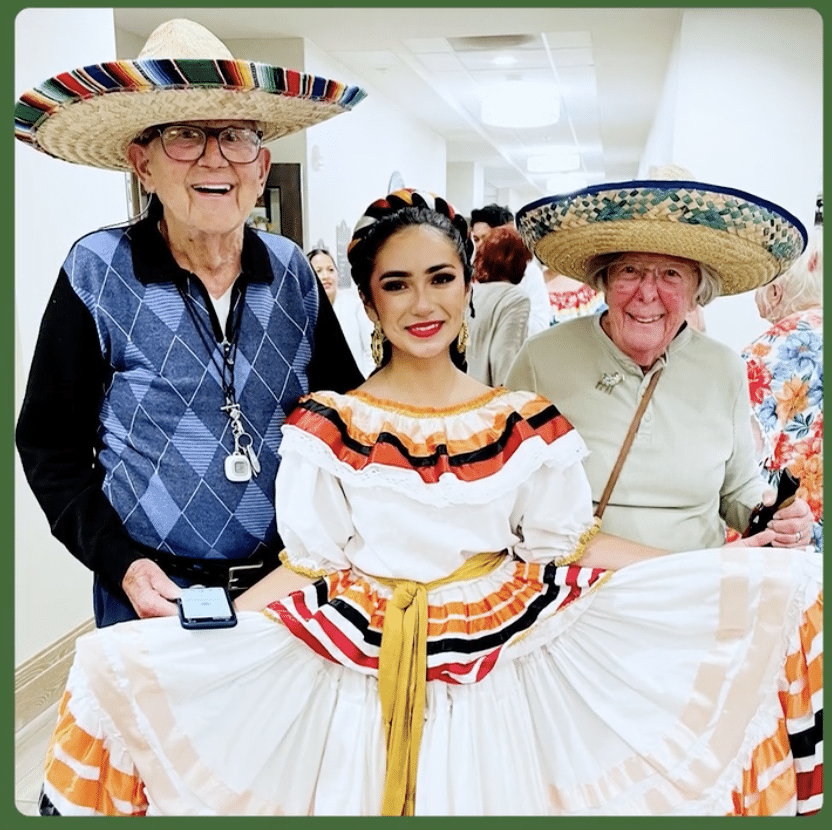
Cinco de Mayo is more than just a festive day filled with tacos and mariachi music—it’s a meaningful celebration of culture, community, and resilience. At Westmont Living, we’re proud to honor this holiday across our communities with joy, inclusivity, and of course, a lot of great food!

A Little History 🌎
Cinco de Mayo commemorates the Battle of Puebla in 1862, when a small Mexican army triumphed over a much larger French force. While it’s not Mexico’s Independence Day (that’s September 16), the victory has become a symbol of perseverance and pride—especially celebrated in the United States as a way to honor Mexican culture and heritage.

Community Comes Alive 🇲🇽
From vibrant decorations and traditional music to flavorful dishes like tacos, guacamole, and sweet treats, our residents and staff came together to celebrate in true Westmont style. Some communities enjoyed live performances, others hosted themed buffets and socials—but all shared in the spirit of togetherness.

Celebrating with Heart ❤️
At Westmont Living, we believe in creating spaces where everyone feels seen, valued, and celebrated. Cinco de Mayo gives us a chance to learn from one another, share stories, and connect through cultural traditions in meaningful (and fun!) ways.

A heartfelt thank you to all the residents, team members, and local performers who made this year’s Cinco de Mayo celebrations so memorable. Here’s to many more moments of unity, joy, and cultural appreciation! ¡Feliz Cinco de Mayo! 🎊

The Realities of Average American Life Expectancy

The Realities of Average American Life Expectancy

You might be surprised to learn that average life expectancy in the U.S. varies markedly based on factors like income, education, and geography. While advancements in healthcare promise to improve outcomes, stark inequalities persist, particularly in low-income regions. The choices you make regarding diet and exercise can significantly influence your longevity.

Understanding these complex factors is essential to grasp the broader implications for America’s future health landscape. At Westmont of La Mesa, we are committed to addressing these disparities and promoting healthier lifestyles in our community.

Understanding Life Expectancy Trends in the U.S.

As average American life expectancy by age continues to shift, it is crucial to understand the factors influencing these changes. Socioeconomic status, healthcare access, and education create disparities in health outcomes. Lifestyle choices—diet, exercise, and smoking—directly impact longevity. For example, communities with limited access to healthy foods often experience higher rates of obesity and related health issues, leading to shorter life spans. Furthermore, individuals who engage in regular physical activity tend to enjoy better health and a longer life. Addressing these inequalities through health education and initiatives can improve the average life expectancy in the U.S. male and female populations. The rise in overweight and obesity among seniors highlights the need for targeted health initiatives to support healthy aging.

Factors Influencing Average Life Expectancy

While various factors shape average life expectancy in assisted living, U.S. female and male demographics, health behaviors, socioeconomic status, and healthcare access are primary influences. Your lifestyle choices significantly impact longevity, with healthier habits leading to longer, more fulfilling lives. Higher income levels typically provide better access to nutritious food, quality healthcare, and safe living environments. Additionally, education level influences health literacy, affecting choices that can extend life. Understanding these dynamics empowers individuals and communities to advocate for better policies that support longevity. Moreover, personalized care plans can enhance the quality of life for seniors, ensuring their unique needs are met.


Regional Variations in Life Expectancy Across America

Regional differences in life expectancy in the U.S. reveal significant disparities influenced by socioeconomic and environmental factors. The Northeast generally reports higher life expectancies than Southern states due to better healthcare access and economic stability. In contrast, areas with higher poverty rates and limited healthcare resources face shorter life spans. Addressing these disparities requires targeted policies that improve access to quality medical services and promote healthy lifestyles. Healthy meal prep can also enhance nutrition and well-being in communities with shorter life expectancies.

The Impact of Healthcare on Longevity

Access to quality healthcare is among the strongest predictors of life expectancy in assisted living communities and the general population. Preventive care plays a crucial role in identifying health issues early, reducing the incidence of chronic diseases, and promoting healthier lifestyles. Studies show regions with well-developed healthcare infrastructure tend to have higher life expectancies. Investing in comprehensive healthcare initiatives ensures individuals receive timely medical attention, ultimately enhancing longevity. Regular screenings and early detection of diseases are essential for improving health outcomes, particularly for seniors. Preventive health screenings significantly manage health risks and improve quality of life.


Compare The Costs of Senior Living vs Staying at Home

How Do The Costs Of Moving Into A Quality Senior Care Community Compare With The Costs Of Staying At Home?


Future Predictions for American Life Expectancy

As medical technology and healthcare access improve, average American life expectancy by age is expected to rise. However, disparities in socioeconomic conditions and healthcare availability will continue to shape longevity trends. Several factors will influence future life expectancy projections:

  • Lifestyle Choices: Maintaining a healthy diet, exercising regularly, and prioritizing mental well-being contribute to increased longevity.
  • Healthcare Access: Expansion of medical services and preventive care will likely improve life expectancy.
  • Socioeconomic Factors: Economic stability and education levels are critical determinants of long-term health outcomes.

Despite living in a nation renowned for medical advancements and wealth, average life expectancy U.S. male and average life expectancy U.S. female statistics reveal stark disparities influenced by socioeconomic status and geography. While healthier choices and access to quality healthcare are within reach for many, countless Americans face barriers that threaten their longevity. Addressing these issues requires collective efforts to promote better healthcare access, education, and healthier living conditions. We understand these challenges at Westmont of La Mesa and strive to provide support and resources to enhance well-being. If you have questions or need assistance, please contact us at 619-369-9700.


Lifestyle Choices and Longevity

Frequently Asked Questions

How long should a 70-year-old expect to live?

On average, a 70-year-old in the United States can expect to live an additional 14 to 18 years. Life expectancy varies based on overall health, lifestyle choices, genetics, and access to medical care. Regular exercise, a balanced diet, and routine medical check-ups can significantly influence longevity. Individual life expectancy can vary widely, but improvements in healthcare and preventive measures continue to increase the average lifespan.

What is the leading cause of death in U.S. adults aged 65-74?

The leading cause of death among U.S. adults aged 65 to 74 is heart disease. This age group faces increased risks due to factors like hypertension, high cholesterol, obesity, and sedentary lifestyles. Preventive measures such as maintaining a heart-healthy diet, engaging in regular physical activity, and managing medical conditions like diabetes and hypertension can reduce these risks. Routine screenings and consistent medical care are crucial for early detection and treatment of heart disease.

How many 80-year-olds live to 90?

Approximately one in three 80-year-olds in the U.S. will live to the age of 90, reflecting increased life expectancy in recent decades. Women have slightly higher odds than men due to differences in longevity patterns. Factors such as good health, active lifestyles, strong social connections, and regular healthcare significantly enhance the likelihood of reaching age 90 and beyond. Advances in medical treatments and greater emphasis on preventive care continue to improve the odds of living into one’s 90s.

What is the life expectancy of a 60-year-old male in the U.S.?

A 60-year-old male in the United States currently has an average life expectancy of around 21 more years, living approximately to age 81. This expectancy can vary based on individual health, lifestyle, genetics, and socio-economic factors. Adopting a healthy lifestyle, including regular physical activity, balanced nutrition, avoiding smoking, and managing chronic conditions, can notably increase this expectancy. Continued improvements in healthcare and preventive practices further contribute to extending life expectancy.


Elderly Sleep Problems: Solutions & Tips

Solutions And Tips: Elderly Sleep Problems

It’s interesting how many people overlook sleep issues among the elderly, yet it’s a common struggle. Many factors contribute to these challenges, from lifestyle choices to underlying health conditions.

Understanding these elements is vital for finding practical solutions. At Westmont of La Mesa, we recognize that simple adjustments can significantly improve sleep quality.

What if a few minor changes could transform nightly rest into a more restorative experience? Let’s explore some practical tips and solutions that can make a difference.

Elderly Sleep Problems: Causes, Effects, and Solutions

Sleep problems often become a common concern as you age, stemming from various factors that can disrupt your nightly rest. Understanding your sleep habits is essential for maintaining ideal sleep health. Fragmented sleep and increased awakenings can occur due to medical conditions, medication side effects, or poor lifestyle choices, such as irregular sleep schedules or excessive daytime naps. These disruptions can lead to considerable daytime sleepiness, affecting mood and cognitive function. To address these issues, establish a relaxing bedtime routine, create a comfortable sleep environment, and prioritize consistent sleep patterns. Additionally, identifying underlying triggers of insomnia is crucial for effective management. By being mindful of your sleep health and making necessary adjustments, you can significantly improve your overall well-being and help those around you achieve better sleep.

Why Do the Elderly Have Trouble Sleeping at Night? Common Causes & Solutions

Understanding why the elderly often struggle with sleep at night can shed light on the complexities of aging and its impact on rest. Various factors contribute to these challenges, including disrupted circadian rhythms and poor sleep hygiene. Your body may not require as much deep sleep as you age, leading to more fragmented rest. Chronic pain, medications, and health conditions can further exacerbate sleep issues. To improve sleep, maintain a consistent sleep schedule and create a relaxing bedtime routine. Limit caffeine and avoid large meals before sleep. Encourage exposure to natural light during the day, as this can help regulate your circadian rhythm, promoting healthier sleep patterns and enhancing overall well-being. Additionally, the importance of restful sleep cannot be overstated, as it is crucial for seniors’ physical and mental well-being.

Consequences of Lack of Sleep in Elderly: How Sleep Deprivation Affects Health

Sleep deprivation in the elderly doesn’t just lead to grogginess; it can have profound health implications. Lack of sleep can accelerate cognitive decline, making it difficult to think clearly or remember essential details. This decline can impact daily functioning, leading to increased confusion and frustration. Additionally, sleep deprivation weakens your immune function, leaving you more susceptible to infections and illnesses. When you don’t get enough restorative sleep, your body struggles to heal and fend off diseases. It’s essential to recognize these consequences and take steps to improve sleep quality. Understanding the link between sleep and health can better support your well-being and maintain a more vibrant, active lifestyle as you age. Moreover, changes in internal timekeeping systems can significantly affect your ability to fall and stay asleep, further exacerbating sleep-related issues.

How to Increase Deep Sleep in the Elderly: Tips for Restorative Rest

To enhance deep sleep in the elderly, it’s crucial to implement specific strategies that promote restorative rest. Start by creating a calming bedtime routine and maintaining a consistent sleep schedule. Encourage regular physical activity and limit caffeine intake, especially in the afternoon. Design a sleep-friendly environment by reducing noise and light.

Here’s a breakdown of helpful strategies:

Strategy Purpose Additional Tips
Consistent Sleep Schedule Regulates circadian rhythm Go to bed and wake up at the same time daily
Relaxation Techniques Reduces anxiety Try deep breathing or meditation
Comfortable Environment Promotes better sleep Use comfortable bedding and pillows
Limit Screen Time Reduces stimulation Avoid screens at least an hour before bed

These restorative practices can significantly improve deep sleep quality. Additionally, incorporating physical activity into daily routines can significantly enhance overall mental health and promote better sleep patterns.

elderly sleep problems

Remedy for Insomnia for Elderly: Natural and Medical Treatments for Better Sleep

Improving deep sleep is just one part of addressing insomnia in the elderly. You can explore natural remedies like herbal teas, melatonin supplements, and relaxation techniques that promote better sleep hygiene. Creating a calming bedtime routine and a comfortable sleep environment can enhance sleep quality. However, if these methods don’t suffice, discussing sleep medications with a healthcare provider may be necessary. While medications can offer relief, weighing their benefits against potential side effects is vital, especially in older adults. Regularly reviewing medications is essential to avoid disruptions caused by certain drugs. Combining natural remedies and medical guidance can help the elderly achieve a more restful night, improving their overall well-being.

In facing sleep challenges, the elderly often find themselves between the desire for restful nights and the reality of restless ones. At Westmont of La Mesa, we understand this struggle and encourage embracing consistent sleep schedules and calming routines to bridge this gap. While the lure of caffeine and screens can disrupt tranquility, the rewards of a peaceful slumber far outweigh the temptations. With a blend of natural remedies and healthy habits, you can transform sleepless nights into rejuvenating sleep, fostering physical and emotional well-being. For more support and guidance, feel free to contact us at 619-369-9700.


Find Where You Belong

Dive into the vibrant life our Westmont communities have to offer.


Frequently Asked Questions

Why is it so hard to sleep when you get older?

As people age, sleep patterns and overall sleep quality changes are common. Older adults may experience lighter sleep, more frequent awakenings during the night, and a shift in their internal body clock, making them feel sleepy earlier in the evening and wake up earlier in the morning. Medical conditions, medications, and reduced physical activity can also contribute to sleep difficulties. Additionally, lower levels of melatonin, a hormone that regulates sleep, can make it harder to fall and stay asleep.

How do you treat insomnia in the elderly?

Treating insomnia in older adults often involves a combination of lifestyle changes, behavioral therapy, and, in some cases, medication. Cognitive Behavioral Therapy for Insomnia (CBT-I) is a highly effective approach that helps individuals change negative sleep habits and thoughts. Maintaining a consistent sleep schedule, limiting naps, and avoiding caffeine or heavy meals before bedtime can also help. In some cases, healthcare providers may recommend short-term use of sleep aids, but these should be used with caution due to potential side effects and dependency risks.

How to improve sleep in old age?

Improving sleep in old age requires good sleep hygiene and healthy lifestyle choices. Establishing a consistent bedtime routine, keeping the bedroom dark and cool, and avoiding screens before sleep can promote better rest. Regular physical activity and exposure to natural sunlight during the day help regulate the sleep-wake cycle. Reducing stress through relaxation techniques, such as deep breathing or meditation, can also improve sleep quality. If sleep problems persist, consulting a doctor to rule out underlying health conditions is recommended.

How much sleep does an 85-year-old need?

An 85-year-old generally needs around 7 to 8 hours of sleep per night, though individual needs may vary. While some older adults may feel rested with slightly less sleep, others may require more to feel fully refreshed. Sleep quality is just as important as quantity, so uninterrupted, deep sleep is essential for overall health and well-being. Daytime naps can be beneficial if they are short (20-30 minutes) and do not interfere with nighttime rest. If an older adult is consistently struggling with sleep, seeking medical advice to address any underlying issues may be helpful.


Senior Retirement Apartments: What to Look For

What to Look For Senior Retirement Apartments

Finding the perfect senior retirement apartment at Westmont of La Mesa is like searching for a needle in a haystack. You want comfort, community, and modern amenities, but how do you sift through the options?

It’s essential to prioritize safety, social activities, and maintenance-free living. The right choice at Westmont of La Mesa can significantly enhance your quality of life.

So, what key features should you seek to guarantee you make the best decision?

Senior Retirement Apartments with Modern Amenities & Community Living

When exploring senior retirement apartments, you’ll find that modern amenities and community living can significantly enhance your quality of life. You’ll want to contemplate options prioritizing community engagement, as this fosters a sense of belonging and mutual support among residents. Look for apartments offering wellness programs to promote physical and mental health through activities like yoga, fitness classes, and social events. These programs encourage active lifestyles and create opportunities to forge new friendships. By choosing a community that values engagement and wellness, you’re not just finding a place to live; you’re opening the door to a vibrant, fulfilling lifestyle that nurtures your spirit and well-being. Furthermore, communities that emphasize personalized care tailored to residents’ unique needs can significantly improve overall satisfaction and quality of life.

Find Senior Retirement Apartments for Rent That Fit Your Lifestyle

Finding the right senior retirement apartment for rent that aligns with your lifestyle can feel overwhelming, but it’s also an opportunity to discover a community that truly suits your needs. Look for affordable options that prioritize both comfort and community engagement.

Feature Importance
Social Activities Fosters connections
Safety & Security Peace of mind
Proximity to Amenities Enhances daily convenience

Explore various neighborhoods and visit potential apartments to gauge the community vibe. Engage with residents to understand their experiences. The right apartment will meet your daily needs and enrich your life through shared activities and supportive neighbors. A supportive environment can be a place where you thrive!

Government-Assisted Housing for Seniors Based on Income

Steering through the landscape of government-assisted housing for seniors based on income can feel intimidating, but it’s essential to ensure you find a suitable living arrangement. Government assistance programs offer valuable options, helping seniors secure affordable housing based on income eligibility. You’ll want to explore various programs like Section 8 or low-income housing tax credits, which can significantly reduce your rental costs. When applying, gather the necessary documentation to prove your income and eligibility. This process may take time, but available support can ease your financial burden. Connecting with local agencies or senior services can provide additional guidance. With patience and research, you can find a community that meets your needs and enhances your quality of life. Additionally, understanding the differences between assisted living and memory care can help you make informed decisions about the right living arrangement for your needs.

Enjoy Stress-Free Living in Senior Retirement Apartments

As you consider your next chapter, embracing the comfort of senior retirement apartments can significantly reduce daily stressors and enhance your quality of life. These communities often offer maintenance-free living, allowing you to focus on what truly matters – enjoying an active lifestyle. With amenities like fitness centers, pools, and social clubs, you can engage with your neighbors and explore new interests without the burden of home upkeep. This supportive environment fosters connections and encourages a sense of belonging. Plus, readily available services and resources mean you can seek help quickly, should you need it. Choosing a senior retirement apartment means embracing a fulfilling, stress-free life where you can prioritize your happiness and well-being. Additionally, emphasizing social connection helps combat loneliness and promotes overall well-being.

senior retirement apartments

The Benefits of Choosing Senior Retirement Apartments for Rent

Renting a senior retirement apartment can significantly enhance your lifestyle, especially if you seek flexibility and convenience. These affordable options allow you to enjoy a comfortable living space without the long-term commitment of purchasing. You’ll benefit from amenities that promote community engagement and foster connections with neighbors with similar interests. Many retirement apartments offer organized activities, fitness programs, and social events, ensuring you stay active and involved. Additionally, renting provides the freedom to relocate quickly if your needs change. By choosing a rental, you can focus on enjoying life and serving others in your community, knowing you have support and resources at your fingertips. This lifestyle can genuinely enrich your golden years.

Choosing the right senior retirement apartment at Westmont of La Mesa is like finding the perfect key for a cherished lock; it opens the door to a fulfilling, vibrant life. By prioritizing modern amenities, community engagement, and safety, you’re not just securing a place to live—you’re embracing a new chapter filled with connection and comfort. So, take your time, explore your options, and remember that this journey is about nurturing your well-being and finding a home that reflects your lifestyle. For more information, feel free to call us at 619-369-9700.


What Level of Care Do You Need?

Discover the level of care you or your family member requires.


Frequently Asked Questions

Where is the best place for poor seniors to live?

The best place for low-income seniors to live depends on their financial situation, care needs, and available resources. Affordable housing options include subsidized senior apartments, low-income housing tax credit (LIHTC) properties, and government-assisted programs like HUD’s Section 202. Many seniors also find affordable options or shared housing arrangements in senior mobile home communities. Local Area Agencies on Aging (AAA) can help seniors find suitable housing options and financial assistance in their region.

Are senior apartments cheaper than regular apartments?

Senior apartments can be more affordable than regular apartments, especially those that receive government subsidies or are designated for low-income seniors. These communities may offer lower rent due to programs like Section 202 or LIHTC, which provide financial assistance. However, market-rate senior apartments without subsidies can cost similarly to regular apartments, sometimes offering added amenities that affect pricing. Costs also vary depending on the location, amenities, and service level.

Does Medicare help seniors with housing?

Medicare primarily covers healthcare costs and does not directly pay for housing or long-term living expenses. However, if medically necessary, it may cover short-term stays in skilled nursing facilities or rehabilitation centers. Seniors typically rely on Medicaid, HUD programs, or state-funded initiatives for housing assistance. Seniors seeking housing support should explore programs like Section 8 housing vouchers, assisted living waivers under Medicaid, or local nonprofit resources.


Board and Care Homes: A Guide for Families

Understanding Board and Care Homes: A Family Guide

Finding a nurturing environment for your loved one can be challenging.

Westmont of La Mesa offers board and care homes that provide a warm alternative, delivering personalized support in a cozy setting. These small-scale facilities prioritize comfort and community, ensuring residents thrive with dignity.

As you explore your options, it’s essential to understand the unique advantages of Westmont of La Mesa and how they might be the perfect fit for your family’s needs.

What should you consider next?

What Are Board and Care Homes? A Guide to Small-Scale Senior Living

When exploring options for senior living, board and care homes often stand out as a warm and inviting choice. These small-scale facilities typically accommodate 2 to 10 residents, providing a cozy, homelike environment. This intimate setting fosters close relationships between residents and caregivers, allowing for personalized attention that more extensive facilities may lack. You’ll find that board and care homes focus on non-medical assistance with daily living activities, such as bathing, dressing, and meal preparation. They’re especially suited for seniors who value a relaxed atmosphere and desire more privacy without the responsibilities of an apartment. Choosing a board and care home ensures your loved one receives compassionate care tailored to their needs. Additionally, understanding levels of care can help families make informed decisions about the best fit for their loved ones.

Board and Care Homes for Disabled Adults: Safe, Supportive, and Accessible Living

Board and care homes for disabled adults provide a safe, nurturing environment that prioritizes accessibility and support. These homes focus on creating a comfortable space where residents can thrive. Here are some key benefits you can expect:

  1. Personalized Care: With fewer residents, staff can offer tailored support to meet individual needs.
  2. Home-Like Atmosphere: Residents enjoy a cozy setting, fostering a sense of belonging.
  3. Community Engagement: Opportunities for social interaction enhance the well-being of residents.
  4. Accessibility Features: Homes are designed to accommodate mobility challenges, ensuring everyone feels at ease.

Choosing a board and care home means choosing a compassionate, supportive community where disabled adults can live safely and independently. Many facilities also offer personalized care services emphasizing empathy and attentiveness to residents’ unique needs.

Board and Care vs. Nursing Home: Key Differences in Care and Cost

Choosing between a board and care home and a nursing home can feel overwhelming, but understanding their key differences in care and cost can simplify the decision. Board and care homes typically provide a more intimate, home-like environment with 2-10 residents, allowing for personalized attention. In contrast, nursing homes cater to individuals needing more extensive medical care, often accommodating larger groups and offering around-the-clock nursing services. Board and care homes cost about $4,500 monthly, while nursing homes can reach $7,000 or more. This distinction is essential as you consider your loved one’s needs. Memory care options may also be considered if your loved one has cognitive impairments. By weighing the care required and the financial implications, you’ll be better equipped to make a compassionate choice for your family member.

Board and Care Homes for Seniors: A Personalized Approach to Assisted Living

For seniors seeking a more personalized living arrangement, board and care homes offer a warm, intimate environment that feels like home. Here, you’ll find a unique approach to assisted living that focuses on individual needs. Consider these benefits:

  1. Personalized Attention: With fewer residents, caregivers can provide tailored support.
  2. Home-Like Atmosphere: Enjoy a cozy setting that fosters community and connection.
  3. Flexible Living: Experience a relaxed schedule, allowing for privacy and freedom.
  4. Supportive Staff: Trained professionals are available to assist with daily activities.

Additionally, residents in board and care homes can benefit from supportive care services that enhance their overall well-being. Choosing a board and care home means prioritizing your loved one’s comfort and happiness. It’s a compassionate choice that guarantees they receive the care they deserve in an inviting space.

board and care homes

Board and Care Homes for the Mentally Ill: Providing Stability and Compassionate Support

While maneuvering the challenges of mental illness can be overwhelming, board and care homes offer a haven where individuals can find stability and compassionate support. These homes provide a nurturing environment tailored to the unique needs of residents, ensuring they feel valued and understood. With a small resident-to-staff ratio, caregivers can offer personalized attention, fostering strong relationships that promote emotional well-being. Residents benefit from structured routines and engaging activities to enhance their quality of life. By creating a warm, home-like atmosphere, board and care homes help individuals manage their mental health and empower them to thrive. Choosing this path means embracing a supportive community dedicated to healing and growth.

To summarize, board and care homes, such as Westmont of La Mesa, offer a unique and compassionate alternative to traditional nursing facilities, with an average resident-to-caregiver ratio of just 3:1. This means your loved one receives more personalized attention, fostering a sense of community and belonging. As you explore options for supportive living, remember that these small-scale homes prioritize emotional well-being and independence, making them an ideal choice for many families. Together, you can find a place where your loved one truly feels at home. For more information, you can contact Westmont of La Mesa at 619-369-970.


Compare The Costs of Senior Living vs Staying at Home

How Do The Costs Of Moving Into A Quality Senior Care Community Compare With The Costs Of Staying At Home?


Frequently Asked Questions

What is the difference between board and care and assisted living?

Board and care homes are small, residential facilities that provide personal care services in a home-like setting, typically for a handful of residents. Assisted living communities offer more extensive facilities, such as social activities, dining options, and specialized care services. While both provide assistance with daily activities, assisted living often has more staff and medical resources on-site. The choice between the two depends on the level of care needed, personal preferences, and budget considerations.

How much does a board and care cost in California?

The cost of a board and care home in California varies based on location, level of care, and amenities provided. On average, monthly fees range from $3,500 to $7,000, with some high-end facilities charging even more. These costs include room, meals, personal care assistance, and housekeeping. While board and care homes can be more affordable than assisted living communities, they may not offer the same range of amenities. Financial assistance options, such as Medi-Cal or veterans’ benefits, may help cover some costs for eligible individuals.

Does Medicare pay for room and board in a nursing home?

Medicare does not cover long-term room and board costs in a nursing home. It only pays for short-term skilled nursing care following a hospital stay, typically up to 100 days under specific conditions. Individuals must rely on personal funds, Medicaid (for those who qualify), or long-term care insurance for long-term stays. Medicaid may cover room and board in a nursing home for low-income individuals who meet the financial and medical eligibility requirements.

How do you pay for assisted living when you have no money?

If you cannot afford assisted living, there are financial assistance programs that may help cover costs. Through programs like Assisted Living Waivers, Medicaid may help eligible individuals pay for care services. Veterans and their spouses may qualify for benefits such as Aid and Attendance to help with living expenses. Some nonprofit organizations and local agencies offer grants or low-income housing options for seniors. Families often explore options like long-term care insurance, selling assets, or setting up payment plans with assisted living facilities.


Geriatric Therapy Options: Providing Pain Relief and Better Mobility

Geriatric therapy supports older adults who want to manage pain, move more comfortably, and stay as independent as possible. At Westmont of La Mesa, families often ask about the therapy options available and what each can help with. This guide explains common therapy approaches, how to choose the right fit, what to ask a provider, and how community support can make therapy easier to maintain.


Compare The Costs of Senior Living vs Staying at Home

How Do The Costs Of Moving Into A Quality Senior Care Community Compare With The Costs Of Staying At Home?


Geriatric Therapy at Westmont of La Mesa: What It Can Help With

Pain and mobility concerns can show up in small daily moments, like standing from a chair, walking longer distances, or sleeping comfortably. The goal of geriatric therapy is not to push through pain. It is to find safer ways to move, build confidence, and improve daily function in a way that respects each person’s abilities and limits.

Many older adults find therapy most helpful when it focuses on practical goals. This might include steadier walking, improved balance, greater strength, and reduced stiffness during daily activities. Therapy can also support emotional well-being when pain affects mood, sleep, or motivation.

If you want a helpful example of how movement-focused care is used with older adults, this article on physical therapy for seniors shares common mobility goals and strategies.

Understanding Pain Management in Older Adults

Pain can affect more than the body. It can change sleep, energy, mood, and willingness to stay active. In geriatric therapy, providers often look at the full picture to understand what may be driving discomfort and what supports are realistic.

A plan may include gentle strengthening and stretching, posture and balance work, and day-to-day habit changes that reduce strain. Some people also benefit from learning calming routines, such as breathing or relaxation strategies, especially when stress makes pain feel worse. When medical guidance is needed, therapy is often most effective when it aligns with a healthcare provider’s recommendations.

Types of Therapy for Elderly Adults

When families ask about types of therapy for older adults, it helps to think in terms of “goal areas.” Some therapies focus on movement. Others support daily tasks or communication. Many people use more than one type of therapy, depending on needs and priorities.

Therapy type Best for What it may include
Physical therapy (PT) Strength, balance, walking, safer movement Stretching, strengthening, balance practice, walking routines
Occupational therapy (OT) Everyday tasks and energy-saving strategies Safer ways to dress, bathe, cook, and use helpful tools
Speech therapy (SLP) Communication support and swallowing guidance Voice exercises, language strategies, and education when appropriate
Counseling and CBT Stress, grief, anxiety, and coping with chronic pain Talk therapy, coping skills, and routine building

For medical-system resources, many families also review information from specialists such as the UCSF Center for Geriatric Care and expert teams, such as the UCSF Geriatrics Faculty, to better understand geriatric-focused services.

The Role of Physical Therapy in Geriatric Therapy

Physical therapy is a key part of geriatric therapy because it helps older adults move more safely and comfortably. A therapist typically checks strength, flexibility, balance, and walking patterns. Then they create a plan that matches the person’s comfort level, safety needs, and daily goals.

Physical therapy often supports steadier balance, stronger legs and core muscles, and safer movement for daily routines like getting in and out of bed or standing from a chair. Progress usually comes from small steps that build confidence over time, not from intense workouts.

For families exploring support in a community setting, this resource on the role of physical therapy offers helpful context.

Occupational Therapy: Making Daily Life Easier

Occupational therapy is not about jobs. It focuses on the activities that make up daily living. OT can help people complete everyday tasks more easily by teaching safer methods and offering practical tools.

For example, an occupational therapist may suggest easier ways to dress, bathe, or prepare simple meals while reducing fatigue. They may also recommend small changes in setup or routines that help someone feel steadier and more confident.

geriatric therapy

Speech Therapy and Communication Support

Speech therapy can support more than speech. It may help with communication challenges and, in some cases, swallowing concerns. This can be especially important if someone feels frustrated when trying to express needs clearly.

Speech-language support may include clear-speech strategies, conversation tools, and memory-friendly communication routines. When swallowing support is needed, education and safety strategies may also be included, as recommended by professionals.

Mental Health Support and the Role of a Geriatric Therapist

Pain and mobility limits can affect emotional health. A Geriatric therapist can help older adults cope with stress, grief, anxiety, or the emotional weight of living with discomfort and change. This type of support is practical and respectful. It focuses on coping skills, routine-building, and helping people feel steadier and supported.

This is not about “being weak.” It is about having the right support while working toward physical and day-to-day goals.

Alternative Approaches That May Support Comfort

Some older adults explore gentle complementary approaches alongside traditional therapy. Options such as mindful breathing, light stretching, or massage may help some people relax and feel more comfortable. It is always smart to discuss new approaches with a qualified professional, especially if health conditions or medications are involved.

If you want ideas for building safe activity into a weekly routine, exercise programs for seniors can offer a helpful starting point.

Questions to Ask Before Starting Therapy

Starting therapy feels easier when expectations are clear. Here are a few questions worth asking so you understand the plan and how progress will be measured:

  • Which therapy type best matches my main goal right now?
  • How will we measure progress week-to-week?
  • What can I safely do between sessions?
  • What should I avoid if it increases pain or feels unsafe?
  • How will the plan change if my needs change?

Community Support Makes Therapy Easier to Maintain

Therapy is easier to stick with when it fits into real life. Many older adults do better with steady routines, access to supportive services, and an encouraging environment.

At Westmont of La Mesa, supportive features that can help older adults stay consistent include On-site Therapy Services, the Live Your Way Wellness Program, a Fitness Center, and Scheduled Transportation. Daily convenience also matters. Services such as Concierge Services, On-Site Maintenance, and Housekeeping can reduce stress and help residents focus on wellness goals. Comfortable shared spaces like the Outdoor Courtyard and Spacious and Comfortable Living Areas can also support a more active routine.

If you are exploring geriatric therapy options for yourself or a loved one, the team at Westmont of La Mesa is here to help you talk through goals and next steps. Schedule a tour to see our community in person, or call us with questions about everyday support, wellness, and care options.


Find Where You Belong

Dive into the vibrant life our Westmont communities have to offer.


Frequently Asked Questions

What programs are available for seniors in California?

California offers a mix of local, county, and statewide programs that may support older adults with meals, transportation, caregiver support, and wellness services. Many services are coordinated through Area Agencies on Aging, which can help families find resources based on location. Some seniors also qualify for community-based programs tied to insurance coverage or income. Because offerings vary by county, it helps to start with local senior resource listings and ask what is available in the area.

At what age are you considered a geriatric patient in California?

In many healthcare settings, “geriatric” is often used for adults aged 65 and older, but it is not a strict rule. Some providers may use the term earlier if a person has multiple health concerns or needs extra support with daily activities. In other cases, someone over 65 may not need geriatric-focused care at all. The best guide is functional need, not just age.

Is there free therapy in California?

Free or low-cost therapy may be available through community mental health clinics, nonprofit programs, university training clinics, and some county services. Some seniors may also have coverage for certain therapy services through insurance plans, depending on eligibility and benefits. Waitlists can occur, and availability varies by location. If cost is a concern, it helps to ask about sliding-scale fees and community support options.

What kind of therapy is best for the elderly?

The best therapy depends on the person’s main goal. For mobility, balance, and strength, physical therapy is often a strong starting point. For help with daily tasks like dressing or bathing, occupational therapy may be a better fit. If stress, grief, or anxiety is part of the picture, a geriatric therapist can provide emotional support and coping tools that complement physical progress.


Floor Plans & Pricing

Make yourself at home where a happy, healthy lifestyle goes hand-in-hand with your personal fulfillment, enrichment, and growth.

Answer a few quick questions to unlock the exciting future senior living can offer!

Resident Login