

For Residents who are deaf, hard of hearing, or have speech disabilities – dial 711 to connect to a free Telecommunications Relay Service (TRS) operator who helps facilitate phone conversations with our Community and staff. This nationwide service provides an accessible way to communicate using text telephone (TTY), voice, or video relay assistance.

Step Into Westmont Living®

The Ultimate Guide To Understanding Senior Whole Health Plans

The Ultimate Guide to Understanding Senior Whole Health Plans

Steering through the complexities of senior health plans can feel like trying to find your way through a dense fog; without the right guide, it’s easy to get lost. At Westmont of La Mesa, we understand that Senior Whole Health offers a tailored approach for older adults, blending the benefits of Medicare and Medicaid. From senior whole health eligibility to covered services, understanding the specifics can significantly impact your health and financial well-being.

So, how do you determine which plan best suits your unique needs?

What is Senior Whole Health?

Senior Whole Health is a specialized healthcare program for older adults, particularly those who qualify for Medicare and Medicaid. These plans focus on providing comprehensive coverage that integrates physical, mental, and social well-being. By addressing all aspects of senior health, these plans ensure that seniors receive the necessary care, including preventive services, mental health support, and personal care assistance.

Senior Whole Health Plans offer an essential solution for those navigating complex healthcare needs. They go beyond traditional Medicare coverage, ensuring a holistic approach that enhances overall well-being. Additionally, these plans provide comprehensive medical care tailored to support seniors in every aspect of their health journey.

Key Benefits of Senior Whole Health Plans

When considering a senior health plan, the key benefits of Senior Whole Health Plans stand out as vital features that enhance overall well-being. These plans emphasize preventive care, allowing access to routine screenings and wellness checks to detect health issues early. This proactive approach fosters better health outcomes and provides financial security by minimizing unexpected medical expenses.

Beyond financial relief, Senior Whole Health ensures access to quality healthcare services, from prescription coverage to in-home assistance. These benefits work together to create a holistic approach to health, offering seniors the stability they need. Furthermore, tailored care plans help customize healthcare solutions to meet individual needs.


Traditional Medicare?

Senior Whole Health Eligibility: Who Qualifies?

To enroll in a senior whole health plan, individuals must meet specific senior whole health eligibility criteria. Typically, enrollees must be 65 or older, though some plans accept younger individuals with qualifying disabilities. Residency in a covered service area and eligibility for both Medicare and Medicaid are required.

The enrollment process occurs during designated periods, such as the Annual or Special Enrollment Periods, triggered by life changes. Applicants may need to provide documentation to verify eligibility. Ensuring you meet these requirements grants access to the benefits designed to support senior health and well-being. Understanding levels of care for seniors can further guide you in making informed healthcare choices.

What Services Do Senior Whole Health Plans Cover?

A senior whole health plan provides a broad range of healthcare services tailored to meet the needs of older adults. These plans prioritize physical and mental health while ensuring accessibility to vital care services.

Standard services covered include:

  • Preventive Care: Routine check-ups, screenings, and vaccinations to detect and prevent health issues.
  • Mental Health Services: Counseling and emotional support to promote overall well-being.
  • Prescription Drug Coverage: Assistance with medication costs to ensure timely and effective treatment.
  • Home Health Care: Nursing and therapy services to help seniors maintain independence.

Additionally, these plans emphasize proper nutrition and nutrient-rich foods to enhance overall health.


PFFS (Private Fee-for-Service) Plans

Choosing the Right Senior Whole Health Plan

Selecting the best senior health plan requires assessing your healthcare needs and financial situation. Comparing coverage options and costs can help you make an informed decision.

Plan Name Monthly Cost Coverage Options
Plan A $150 Doctor visits, prescriptions
Plan B $200 Doctor visits, dental, vision
Plan C $180 Doctor visits, mental health
Plan D $220 Full coverage, additional services
Plan E $170 Doctor visits, rehabilitation

This breakdown allows you to compare options and choose the best senior whole health plan that aligns with your needs and budget.

Navigating the world of senior whole health can feel overwhelming, but understanding your options can empower you to make informed decisions about your healthcare. At Westmont of La Mesa, we are committed to helping you explore the benefits, senior whole health eligibility, and services available through these specialized plans.

The right senior health plan can lead to a healthier and more secure future. Are you ready to take control of your healthcare journey? For more information, feel free to call us at 619-369-9700.


Compare The Costs of Senior Living vs Staying at Home

How Do The Costs Of Moving Into A Quality Senior Care Community Compare With The Costs Of Staying At Home?


Frequently Asked Questions

What is a Senior Whole Health Plan?

A Senior Whole Health Plan is a health insurance plan designed for seniors. It covers medical services, prescription drugs, and other healthcare needs.

What is covered under a Senior Whole Health Plan?

Whole Health Plans typically cover a range of services, including doctor visits, hospital stays, preventive care, and prescription drugs. They may also include benefits such as dental and vision care.

Who is eligible for a Senior Whole Health Plan?

Eligibility for Whole Health Plans is usually limited to Medicare beneficiaries 65 or older. Some plans may have additional eligibility criteria based on health conditions.

How do I enroll in a Senior Whole Health Plan?

You can typically enroll in a  Whole Health Plan during the Medicare Annual Enrollment Period or if you have a qualifying special enrollment event. Contact the plan provider directly or work with a licensed insurance agent to explore your options.

Can I change my Senior Whole Health Plan?

You can change your Whole Health Plan during the Medicare Annual Enrollment Period or if you qualify for a special enrollment event. Consider your healthcare needs and compare different plans to make an informed decision.


Cinco de Mayo

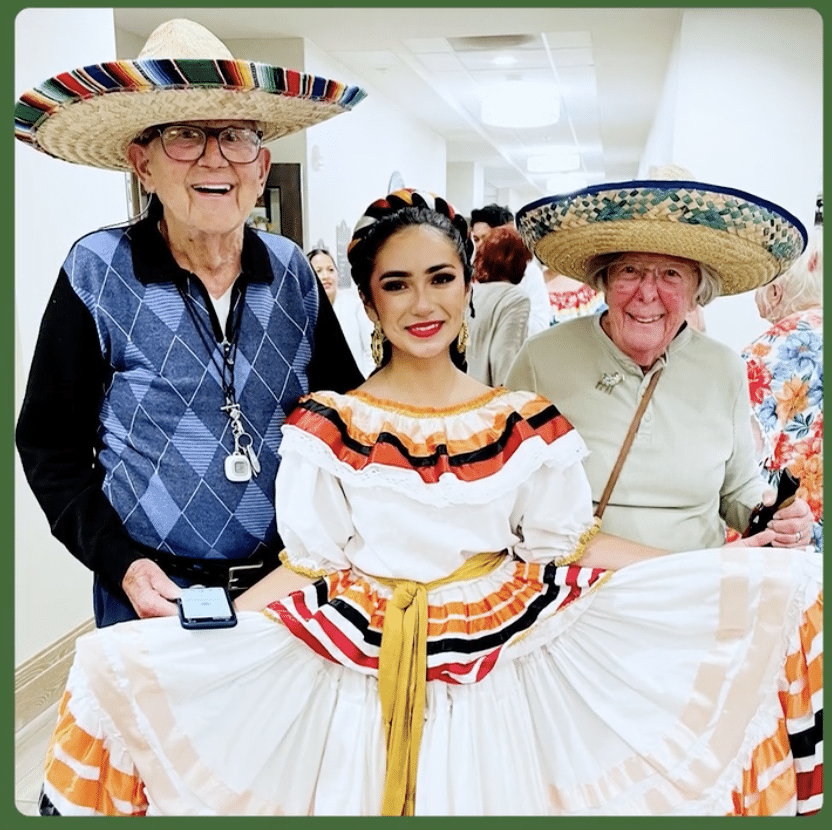
Celebrating Cinco de Mayo at Westmont Living: Culture, Community & Connection 🎉🌮💃

Cinco de Mayo is more than just a festive day filled with tacos and mariachi music—it’s a meaningful celebration of culture, community, and resilience. At Westmont Living, we’re proud to honor this holiday across our communities with joy, inclusivity, and of course, a lot of great food!

A Little History 🌎
Cinco de Mayo commemorates the Battle of Puebla in 1862, when a small Mexican army triumphed over a much larger French force. While it’s not Mexico’s Independence Day (that’s September 16), the victory has become a symbol of perseverance and pride—especially celebrated in the United States as a way to honor Mexican culture and heritage.

Community Comes Alive 🇲🇽
From vibrant decorations and traditional music to flavorful dishes like tacos, guacamole, and sweet treats, our residents and staff came together to celebrate in true Westmont style. Some communities enjoyed live performances, others hosted themed buffets and socials—but all shared in the spirit of togetherness.

Celebrating with Heart ❤️
At Westmont Living, we believe in creating spaces where everyone feels seen, valued, and celebrated. Cinco de Mayo gives us a chance to learn from one another, share stories, and connect through cultural traditions in meaningful (and fun!) ways.

A heartfelt thank you to all the residents, team members, and local performers who made this year’s Cinco de Mayo celebrations so memorable. Here’s to many more moments of unity, joy, and cultural appreciation! ¡Feliz Cinco de Mayo! 🎊

The Realities of Average American Life Expectancy

The Realities of Average American Life Expectancy

You might be surprised to learn that average life expectancy in the U.S. varies markedly based on factors like income, education, and geography. While advancements in healthcare promise to improve outcomes, stark inequalities persist, particularly in low-income regions. The choices you make regarding diet and exercise can significantly influence your longevity.

Understanding these complex factors is essential to grasp the broader implications for America’s future health landscape. At Westmont of La Mesa, we are committed to addressing these disparities and promoting healthier lifestyles in our community.

Understanding Life Expectancy Trends in the U.S.

As average American life expectancy by age continues to shift, it is crucial to understand the factors influencing these changes. Socioeconomic status, healthcare access, and education create disparities in health outcomes. Lifestyle choices—diet, exercise, and smoking—directly impact longevity. For example, communities with limited access to healthy foods often experience higher rates of obesity and related health issues, leading to shorter life spans. Furthermore, individuals who engage in regular physical activity tend to enjoy better health and a longer life. Addressing these inequalities through health education and initiatives can improve the average life expectancy in the U.S. male and female populations. The rise in overweight and obesity among seniors highlights the need for targeted health initiatives to support healthy aging.

Factors Influencing Average Life Expectancy

While various factors shape average life expectancy in assisted living, U.S. female and male demographics, health behaviors, socioeconomic status, and healthcare access are primary influences. Your lifestyle choices significantly impact longevity, with healthier habits leading to longer, more fulfilling lives. Higher income levels typically provide better access to nutritious food, quality healthcare, and safe living environments. Additionally, education level influences health literacy, affecting choices that can extend life. Understanding these dynamics empowers individuals and communities to advocate for better policies that support longevity. Moreover, personalized care plans can enhance the quality of life for seniors, ensuring their unique needs are met.


Regional Variations in Life Expectancy Across America

Regional differences in life expectancy in the U.S. reveal significant disparities influenced by socioeconomic and environmental factors. The Northeast generally reports higher life expectancies than Southern states due to better healthcare access and economic stability. In contrast, areas with higher poverty rates and limited healthcare resources face shorter life spans. Addressing these disparities requires targeted policies that improve access to quality medical services and promote healthy lifestyles. Healthy meal prep can also enhance nutrition and well-being in communities with shorter life expectancies.

The Impact of Healthcare on Longevity

Access to quality healthcare is among the strongest predictors of life expectancy in assisted living communities and the general population. Preventive care plays a crucial role in identifying health issues early, reducing the incidence of chronic diseases, and promoting healthier lifestyles. Studies show regions with well-developed healthcare infrastructure tend to have higher life expectancies. Investing in comprehensive healthcare initiatives ensures individuals receive timely medical attention, ultimately enhancing longevity. Regular screenings and early detection of diseases are essential for improving health outcomes, particularly for seniors. Preventive health screenings significantly manage health risks and improve quality of life.


Compare The Costs of Senior Living vs Staying at Home

How Do The Costs Of Moving Into A Quality Senior Care Community Compare With The Costs Of Staying At Home?


Future Predictions for American Life Expectancy

As medical technology and healthcare access improve, average American life expectancy by age is expected to rise. However, disparities in socioeconomic conditions and healthcare availability will continue to shape longevity trends. Several factors will influence future life expectancy projections:

  • Lifestyle Choices: Maintaining a healthy diet, exercising regularly, and prioritizing mental well-being contribute to increased longevity.
  • Healthcare Access: Expansion of medical services and preventive care will likely improve life expectancy.
  • Socioeconomic Factors: Economic stability and education levels are critical determinants of long-term health outcomes.

Despite living in a nation renowned for medical advancements and wealth, average life expectancy U.S. male and average life expectancy U.S. female statistics reveal stark disparities influenced by socioeconomic status and geography. While healthier choices and access to quality healthcare are within reach for many, countless Americans face barriers that threaten their longevity. Addressing these issues requires collective efforts to promote better healthcare access, education, and healthier living conditions. We understand these challenges at Westmont of La Mesa and strive to provide support and resources to enhance well-being. If you have questions or need assistance, please contact us at 619-369-9700.


Lifestyle Choices and Longevity

Frequently Asked Questions

How long should a 70-year-old expect to live?

On average, a 70-year-old in the United States can expect to live an additional 14 to 18 years. Life expectancy varies based on overall health, lifestyle choices, genetics, and access to medical care. Regular exercise, a balanced diet, and routine medical check-ups can significantly influence longevity. Individual life expectancy can vary widely, but improvements in healthcare and preventive measures continue to increase the average lifespan.

What is the leading cause of death in U.S. adults aged 65-74?

The leading cause of death among U.S. adults aged 65 to 74 is heart disease. This age group faces increased risks due to factors like hypertension, high cholesterol, obesity, and sedentary lifestyles. Preventive measures such as maintaining a heart-healthy diet, engaging in regular physical activity, and managing medical conditions like diabetes and hypertension can reduce these risks. Routine screenings and consistent medical care are crucial for early detection and treatment of heart disease.

How many 80-year-olds live to 90?

Approximately one in three 80-year-olds in the U.S. will live to the age of 90, reflecting increased life expectancy in recent decades. Women have slightly higher odds than men due to differences in longevity patterns. Factors such as good health, active lifestyles, strong social connections, and regular healthcare significantly enhance the likelihood of reaching age 90 and beyond. Advances in medical treatments and greater emphasis on preventive care continue to improve the odds of living into one’s 90s.

What is the life expectancy of a 60-year-old male in the U.S.?

A 60-year-old male in the United States currently has an average life expectancy of around 21 more years, living approximately to age 81. This expectancy can vary based on individual health, lifestyle, genetics, and socio-economic factors. Adopting a healthy lifestyle, including regular physical activity, balanced nutrition, avoiding smoking, and managing chronic conditions, can notably increase this expectancy. Continued improvements in healthcare and preventive practices further contribute to extending life expectancy.


Senior Retirement Apartments: What to Look For

What to Look For Senior Retirement Apartments

Finding the perfect senior retirement apartment at Westmont of La Mesa is like searching for a needle in a haystack. You want comfort, community, and modern amenities, but how do you sift through the options?

It’s essential to prioritize safety, social activities, and maintenance-free living. The right choice at Westmont of La Mesa can significantly enhance your quality of life.

So, what key features should you seek to guarantee you make the best decision?

Senior Retirement Apartments with Modern Amenities & Community Living

When exploring senior retirement apartments, you’ll find that modern amenities and community living can significantly enhance your quality of life. You’ll want to contemplate options prioritizing community engagement, as this fosters a sense of belonging and mutual support among residents. Look for apartments offering wellness programs to promote physical and mental health through activities like yoga, fitness classes, and social events. These programs encourage active lifestyles and create opportunities to forge new friendships. By choosing a community that values engagement and wellness, you’re not just finding a place to live; you’re opening the door to a vibrant, fulfilling lifestyle that nurtures your spirit and well-being. Furthermore, communities that emphasize personalized care tailored to residents’ unique needs can significantly improve overall satisfaction and quality of life.

Find Senior Retirement Apartments for Rent That Fit Your Lifestyle

Finding the right senior retirement apartment for rent that aligns with your lifestyle can feel overwhelming, but it’s also an opportunity to discover a community that truly suits your needs. Look for affordable options that prioritize both comfort and community engagement.

Feature Importance
Social Activities Fosters connections
Safety & Security Peace of mind
Proximity to Amenities Enhances daily convenience

Explore various neighborhoods and visit potential apartments to gauge the community vibe. Engage with residents to understand their experiences. The right apartment will meet your daily needs and enrich your life through shared activities and supportive neighbors. A supportive environment can be a place where you thrive!

Government-Assisted Housing for Seniors Based on Income

Steering through the landscape of government-assisted housing for seniors based on income can feel intimidating, but it’s essential to ensure you find a suitable living arrangement. Government assistance programs offer valuable options, helping seniors secure affordable housing based on income eligibility. You’ll want to explore various programs like Section 8 or low-income housing tax credits, which can significantly reduce your rental costs. When applying, gather the necessary documentation to prove your income and eligibility. This process may take time, but available support can ease your financial burden. Connecting with local agencies or senior services can provide additional guidance. With patience and research, you can find a community that meets your needs and enhances your quality of life. Additionally, understanding the differences between assisted living and memory care can help you make informed decisions about the right living arrangement for your needs.

Enjoy Stress-Free Living in Senior Retirement Apartments

As you consider your next chapter, embracing the comfort of senior retirement apartments can significantly reduce daily stressors and enhance your quality of life. These communities often offer maintenance-free living, allowing you to focus on what truly matters – enjoying an active lifestyle. With amenities like fitness centers, pools, and social clubs, you can engage with your neighbors and explore new interests without the burden of home upkeep. This supportive environment fosters connections and encourages a sense of belonging. Plus, readily available services and resources mean you can seek help quickly, should you need it. Choosing a senior retirement apartment means embracing a fulfilling, stress-free life where you can prioritize your happiness and well-being. Additionally, emphasizing social connection helps combat loneliness and promotes overall well-being.

senior retirement apartments

The Benefits of Choosing Senior Retirement Apartments for Rent

Renting a senior retirement apartment can significantly enhance your lifestyle, especially if you seek flexibility and convenience. These affordable options allow you to enjoy a comfortable living space without the long-term commitment of purchasing. You’ll benefit from amenities that promote community engagement and foster connections with neighbors with similar interests. Many retirement apartments offer organized activities, fitness programs, and social events, ensuring you stay active and involved. Additionally, renting provides the freedom to relocate quickly if your needs change. By choosing a rental, you can focus on enjoying life and serving others in your community, knowing you have support and resources at your fingertips. This lifestyle can genuinely enrich your golden years.

Choosing the right senior retirement apartment at Westmont of La Mesa is like finding the perfect key for a cherished lock; it opens the door to a fulfilling, vibrant life. By prioritizing modern amenities, community engagement, and safety, you’re not just securing a place to live—you’re embracing a new chapter filled with connection and comfort. So, take your time, explore your options, and remember that this journey is about nurturing your well-being and finding a home that reflects your lifestyle. For more information, feel free to call us at 619-369-9700.


What Level of Care Do You Need?

Discover the level of care you or your family member requires.


Frequently Asked Questions

Where is the best place for poor seniors to live?

The best place for low-income seniors to live depends on their financial situation, care needs, and available resources. Affordable housing options include subsidized senior apartments, low-income housing tax credit (LIHTC) properties, and government-assisted programs like HUD’s Section 202. Many seniors also find affordable options or shared housing arrangements in senior mobile home communities. Local Area Agencies on Aging (AAA) can help seniors find suitable housing options and financial assistance in their region.

Are senior apartments cheaper than regular apartments?

Senior apartments can be more affordable than regular apartments, especially those that receive government subsidies or are designated for low-income seniors. These communities may offer lower rent due to programs like Section 202 or LIHTC, which provide financial assistance. However, market-rate senior apartments without subsidies can cost similarly to regular apartments, sometimes offering added amenities that affect pricing. Costs also vary depending on the location, amenities, and service level.

Does Medicare help seniors with housing?

Medicare primarily covers healthcare costs and does not directly pay for housing or long-term living expenses. However, if medically necessary, it may cover short-term stays in skilled nursing facilities or rehabilitation centers. Seniors typically rely on Medicaid, HUD programs, or state-funded initiatives for housing assistance. Seniors seeking housing support should explore programs like Section 8 housing vouchers, assisted living waivers under Medicaid, or local nonprofit resources.


Geriatric Therapy Options: Providing Pain Relief and Better Mobility

Geriatric therapy supports older adults who want to manage pain, move more comfortably, and stay as independent as possible. At Westmont of La Mesa, families often ask about the therapy options available and what each can help with. This guide explains common therapy approaches, how to choose the right fit, what to ask a provider, and how community support can make therapy easier to maintain.


Compare The Costs of Senior Living vs Staying at Home

How Do The Costs Of Moving Into A Quality Senior Care Community Compare With The Costs Of Staying At Home?


Geriatric Therapy at Westmont of La Mesa: What It Can Help With

Pain and mobility concerns can show up in small daily moments, like standing from a chair, walking longer distances, or sleeping comfortably. The goal of geriatric therapy is not to push through pain. It is to find safer ways to move, build confidence, and improve daily function in a way that respects each person’s abilities and limits.

Many older adults find therapy most helpful when it focuses on practical goals. This might include steadier walking, improved balance, greater strength, and reduced stiffness during daily activities. Therapy can also support emotional well-being when pain affects mood, sleep, or motivation.

If you want a helpful example of how movement-focused care is used with older adults, this article on physical therapy for seniors shares common mobility goals and strategies.

Understanding Pain Management in Older Adults

Pain can affect more than the body. It can change sleep, energy, mood, and willingness to stay active. In geriatric therapy, providers often look at the full picture to understand what may be driving discomfort and what supports are realistic.

A plan may include gentle strengthening and stretching, posture and balance work, and day-to-day habit changes that reduce strain. Some people also benefit from learning calming routines, such as breathing or relaxation strategies, especially when stress makes pain feel worse. When medical guidance is needed, therapy is often most effective when it aligns with a healthcare provider’s recommendations.

Types of Therapy for Elderly Adults

When families ask about types of therapy for older adults, it helps to think in terms of “goal areas.” Some therapies focus on movement. Others support daily tasks or communication. Many people use more than one type of therapy, depending on needs and priorities.

Therapy type Best for What it may include
Physical therapy (PT) Strength, balance, walking, safer movement Stretching, strengthening, balance practice, walking routines
Occupational therapy (OT) Everyday tasks and energy-saving strategies Safer ways to dress, bathe, cook, and use helpful tools
Speech therapy (SLP) Communication support and swallowing guidance Voice exercises, language strategies, and education when appropriate
Counseling and CBT Stress, grief, anxiety, and coping with chronic pain Talk therapy, coping skills, and routine building

For medical-system resources, many families also review information from specialists such as the UCSF Center for Geriatric Care and expert teams, such as the UCSF Geriatrics Faculty, to better understand geriatric-focused services.

The Role of Physical Therapy in Geriatric Therapy

Physical therapy is a key part of geriatric therapy because it helps older adults move more safely and comfortably. A therapist typically checks strength, flexibility, balance, and walking patterns. Then they create a plan that matches the person’s comfort level, safety needs, and daily goals.

Physical therapy often supports steadier balance, stronger legs and core muscles, and safer movement for daily routines like getting in and out of bed or standing from a chair. Progress usually comes from small steps that build confidence over time, not from intense workouts.

For families exploring support in a community setting, this resource on the role of physical therapy offers helpful context.

Occupational Therapy: Making Daily Life Easier

Occupational therapy is not about jobs. It focuses on the activities that make up daily living. OT can help people complete everyday tasks more easily by teaching safer methods and offering practical tools.

For example, an occupational therapist may suggest easier ways to dress, bathe, or prepare simple meals while reducing fatigue. They may also recommend small changes in setup or routines that help someone feel steadier and more confident.

geriatric therapy

Speech Therapy and Communication Support

Speech therapy can support more than speech. It may help with communication challenges and, in some cases, swallowing concerns. This can be especially important if someone feels frustrated when trying to express needs clearly.

Speech-language support may include clear-speech strategies, conversation tools, and memory-friendly communication routines. When swallowing support is needed, education and safety strategies may also be included, as recommended by professionals.

Mental Health Support and the Role of a Geriatric Therapist

Pain and mobility limits can affect emotional health. A Geriatric therapist can help older adults cope with stress, grief, anxiety, or the emotional weight of living with discomfort and change. This type of support is practical and respectful. It focuses on coping skills, routine-building, and helping people feel steadier and supported.

This is not about “being weak.” It is about having the right support while working toward physical and day-to-day goals.

Alternative Approaches That May Support Comfort

Some older adults explore gentle complementary approaches alongside traditional therapy. Options such as mindful breathing, light stretching, or massage may help some people relax and feel more comfortable. It is always smart to discuss new approaches with a qualified professional, especially if health conditions or medications are involved.

If you want ideas for building safe activity into a weekly routine, exercise programs for seniors can offer a helpful starting point.

Questions to Ask Before Starting Therapy

Starting therapy feels easier when expectations are clear. Here are a few questions worth asking so you understand the plan and how progress will be measured:

  • Which therapy type best matches my main goal right now?
  • How will we measure progress week-to-week?
  • What can I safely do between sessions?
  • What should I avoid if it increases pain or feels unsafe?
  • How will the plan change if my needs change?

Community Support Makes Therapy Easier to Maintain

Therapy is easier to stick with when it fits into real life. Many older adults do better with steady routines, access to supportive services, and an encouraging environment.

At Westmont of La Mesa, supportive features that can help older adults stay consistent include On-site Therapy Services, the Live Your Way Wellness Program, a Fitness Center, and Scheduled Transportation. Daily convenience also matters. Services such as Concierge Services, On-Site Maintenance, and Housekeeping can reduce stress and help residents focus on wellness goals. Comfortable shared spaces like the Outdoor Courtyard and Spacious and Comfortable Living Areas can also support a more active routine.

If you are exploring geriatric therapy options for yourself or a loved one, the team at Westmont of La Mesa is here to help you talk through goals and next steps. Schedule a tour to see our community in person, or call us with questions about everyday support, wellness, and care options.


Find Where You Belong

Dive into the vibrant life our Westmont communities have to offer.


Frequently Asked Questions

What programs are available for seniors in California?

California offers a mix of local, county, and statewide programs that may support older adults with meals, transportation, caregiver support, and wellness services. Many services are coordinated through Area Agencies on Aging, which can help families find resources based on location. Some seniors also qualify for community-based programs tied to insurance coverage or income. Because offerings vary by county, it helps to start with local senior resource listings and ask what is available in the area.

At what age are you considered a geriatric patient in California?

In many healthcare settings, “geriatric” is often used for adults aged 65 and older, but it is not a strict rule. Some providers may use the term earlier if a person has multiple health concerns or needs extra support with daily activities. In other cases, someone over 65 may not need geriatric-focused care at all. The best guide is functional need, not just age.

Is there free therapy in California?

Free or low-cost therapy may be available through community mental health clinics, nonprofit programs, university training clinics, and some county services. Some seniors may also have coverage for certain therapy services through insurance plans, depending on eligibility and benefits. Waitlists can occur, and availability varies by location. If cost is a concern, it helps to ask about sliding-scale fees and community support options.

What kind of therapy is best for the elderly?

The best therapy depends on the person’s main goal. For mobility, balance, and strength, physical therapy is often a strong starting point. For help with daily tasks like dressing or bathing, occupational therapy may be a better fit. If stress, grief, or anxiety is part of the picture, a geriatric therapist can provide emotional support and coping tools that complement physical progress.


LTC Nursing Explained: Understanding Long-Term Care Services

LTC Nursing Explained: Insights on Long-Term Care Services

Imagine a skilled gardener nurturing a diverse array of plants, each with unique needs for sunlight and water—this mirrors the role of LTC nurses at Westmont of La Mesa who care for individuals facing long-term health challenges. You’ll find that their work goes beyond just medical tasks; it’s about fostering a supportive environment that enhances quality of life. But what does it take to thrive in this demanding field? As we explore the intricacies of LTC nursing at Westmont of La Mesa, you’ll discover essential insights that could reshape your understanding of long-term care services.


Find Where You Belong

Dive into the vibrant life our Westmont communities have to offer.


LTC Nursing

When you think about long-term care (LTC) nursing, it’s essential to recognize its important role in supporting individuals who need assistance due to health conditions or aging. LTC nursing focuses on compassionate care for those with chronic illnesses, disabilities, or age-related challenges.

Depending on their specific needs, you’ll often find yourself working in various settings, including nursing homes, assisted living facilities, or even patients’ homes.

Your responsibilities may include administering medications, monitoring critical signs, and assisting with daily activities.

You’ll also need to develop strong relationships with your patients and their families, offering emotional support and guidance during difficult times.

Communication is key, as you’ll regularly collaborate with other healthcare professionals to create thorough care plans tailored to each patient.


ltc nursing​


LTC nursing requirements

LTC nursing requirements encompass a range of educational and certification criteria necessary for providing effective care in long-term care settings.

To start, you’ll typically need a nursing degree, whether an Associate’s or Bachelor’s in Nursing. Following your education, passing the NCLEX-RN exam is essential for obtaining your Registered Nurse (RN) license, which is critical for practicing in any healthcare environment, including long-term care.

In addition to licensure, specific certifications may enhance your qualifications. For instance, pursuing certifications in gerontological nursing or palliative care can set you apart in the job market and prepare you for the unique challenges of LTC.

Experience in long-term care environments is also essential. Many employers prefer candidates who’ve completed clinical rotations in such settings or possess prior work experience as a nursing assistant.

Lastly, ongoing education is a must. You should stay updated with the latest best practices and regulatory changes in long-term care. This commitment benefits your career and greatly enhances the quality of care you provide to those who need it most.


ltc nursing​


Long-term care nursing tips

Once you’ve met the requirements for long-term care nursing, it’s important to equip yourself with practical tips to excel in this rewarding field. Here are some key strategies to enhance your effectiveness and compassion in patient care:

  1. Prioritize Communication: Establish open lines of communication with your patients and their families. Active listening can help build trust and understand their needs better.
  2. Stay Organized: Keep track of each patient’s care plan and progress. Use checklists and documentation tools to manage tasks efficiently, ensuring no detail is overlooked.
  3. Practice Empathy: Always approach your patients with kindness and patience. Understanding their emotions and experiences can greatly improve their comfort and satisfaction.
  4. Continue Learning: Stay updated on the latest practices and developments in long-term care. Attend workshops and conferences to enhance your skills and knowledge.


In the world of LTC nursing at Westmont of La Mesa, you’re not just a caregiver but a beacon of hope for those in need. By embracing the requirements and tips outlined, you can enhance your skills and profoundly impact your patients’ lives. Remember, every small act of kindness can light up someone’s darkest days. As you continue your journey in long-term care, your compassion and dedication will shape a better tomorrow for those who rely on your support. For more information or assistance, feel free to contact us at 619-369-9700.


Find Where You Belong

Dive into the vibrant life our Westmont communities have to offer.


FAQs About LTC Nursing

  1. What does LTC mean in nursing?
    LTC stands for Long-Term Care in nursing. It involves providing continuous care to patients who have chronic illnesses disabilities, or need assistance with daily activities over an extended period, often in nursing homes or assisted living facilities.
  2. Is LTC nursing hard?
    LTC nursing can be challenging because it requires managing patients with complex medical needs and providing emotional support. However, many nurses find it rewarding due to the long-term relationships they build with patients and the opportunity to make a meaningful difference in their lives.
  3. What does a long-term care nurse do?
    A long-term care nurse monitors patients’ health, administers medications, assists with daily tasks, and provides rehabilitation support. They also coordinate with families and other healthcare professionals to ensure comprehensive care for patients.
  4. How to be a LTC nurse?
    To become a long-term care nurse, you must earn a nursing degree (LPN or RN) and obtain state licensure. Gaining experience in geriatric care, completing specialized training, or earning certifications in long-term or elder care can enhance your qualifications.


What Is Assisted Living for Seniors? Key Facts to Consider

Like a bridge connecting independence and care, assisted living for seniors at Westmont of La Mesa provides a vital support system for those traversing the later stages of life. You might wonder what services are offered and how they can enhance comfort and freedom. Understanding the nuances of this living arrangement can help you make informed decisions for yourself or a loved one. Considering the various options at Westmont of La Mesa, it’s important to explore the amenities and the essential factors that influence this choice.

What is assisted living for seniors

Assisted living for seniors is a supportive option designed to help individuals maintain their independence while receiving the care they need. It’s tailored for those who may require some assistance with daily activities but don’t need the intensive care offered by nursing homes.

Here, you’ll find a community that fosters a sense of belonging and offers services like meal preparation, personal care assistance, and engaging social activities.

Most residents are typically between 75 and 84 and often seek a safe environment that promotes dignity and autonomy.

In assisted living, residents enjoy private or semi-private accommodations with shared common areas, encouraging interaction and friendship. The goal is to enhance the quality of life through meaningful engagement and personalized care plans.


what is assisted living for seniors


Physical requirements for assisted living

When considering assisted living, it’s crucial to understand the physical requirements that help determine if this option suits an individual. Assisted living typically assists seniors who can still perform some daily activities but may need help with others, such as bathing or taking medications.

Here’s a simple table to help clarify the physical capabilities often required for assisted living:

Requirement Description Importance
Mobility Ability to move independently or with a walker Safety and independence
Daily Activities Ability to manage basic personal care tasks Promotes self-sufficiency
Cognitive Function Ability to understand and follow instructions Guarantees safety and compliance

Assisted living may be a viable option if you or a loved one can maintain some independence while requiring minimal assistance. Remember that each facility may have different requirements, so evaluating individual needs and preferences is vital. Ultimately, the goal is to enhance quality of life while providing a supportive environment tailored to personal capabilities.


what is assisted living for seniors


When to move from assisted living to a nursing home

Often, families face the challenging decision of moving a loved one from assisted living to a nursing home as care needs change. It’s important to recognize when this change becomes necessary. Suppose your loved one is experiencing significant health declines, such as chronic illness or mobility issues that exceed the assistance provided in assisted living. In that case, a nursing home may be the right choice.

Look for signs that daily activities, like bathing, eating, or taking medications, are becoming overwhelming. If you notice frequent hospitalizations or emergency room visits, this could indicate a need for more specialized medical care.

Additionally, if your loved one’s cognitive abilities are deteriorating, leading to confusion or wandering, a nursing home can offer the supervision and safety they require.

Ultimately, the decision should prioritize your loved one’s well-being. Open conversations with care providers, family members, and your loved one will help clarify the best path forward.

As you weigh your options, consider the balance between independence and the support you or your loved one might need at Westmont of La Mesa. Picture a vibrant community where friendships blossom and assistance is always within reach, yet envision when those needs might change. It’s a journey, and understanding when to shift to a nursing home is essential. Trust your instincts and stay attuned to the signs because every step forward can lead to a more fulfilling life. For more information, feel free to call us at 619-369-9700.


What Level of Care Do You Need?

Discover the level of care you or your family member requires. 


FAQs About Assisted Living

What services do most assisted living facilities provide?

Most assisted living facilities offer help with daily activities such as bathing, dressing, medication management, and meal preparation. They also provide social activities, housekeeping, transportation, and 24-hour staff support to promote independence and safety.

What is the disadvantage of an assisted living facility?

A potential disadvantage of assisted living is the cost, which can be high and is often not covered by insurance. Additionally, some residents may find the level of care inadequate for advanced medical needs, requiring a transition to a more specialized facility.

How is most assisted living care usually paid for?

Assisted living care is typically paid for out-of-pocket by residents or their families. Long-term care insurance, veterans’ benefits, and Medicaid waivers can help cover costs, but Medicare generally does not pay for assisted living.

Does the state of California pay for assisted living?

California offers limited financial assistance for assisted living through Medi-Cal’s Assisted Living Waiver (ALW) program. This program helps eligible low-income seniors by covering some costs, but availability is limited to specific facilities and regions.

Who qualifies for assisted living?

Seniors who need help with daily activities but do not require constant medical care typically qualify for assisted living. Facilities may assess physical and cognitive health to determine eligibility, ensuring residents can benefit from a supportive but semi-independent environment.

What is assisted living vs. nursing home?

Assisted living focuses on supporting daily living while promoting independence, offering social engagement and minimal medical supervision. Nursing homes provide more intensive medical care and round-the-clock supervision for individuals with serious health conditions or those recovering from hospital stays.


Westmont Living Communities Offer Technology Training

Technology training isn’t just for the young, as many senior living residents have a desire to keep up with the new tech gadgets so that they can communicate with extended family members. Some residents just crave life-long learning. Either way, both groups are benefitting from an ongoing technology program which is a part of Westmont’s Live Your Way® program–Westmont’s holistic approach to whole-body wellness. The weekly dose of technology training uses Epylog, a research-backed, video storytelling program that intentionally uses answer videos to offer optimal learning and cognitive retention for active adults and seniors. At Westmont, it is taught by activity professionals who customize the sessions based upon those who attend the classes. Finally, it’s never too late to be reminded of the importance of technology for all ages by remembering National Technology Day in January!

Westmont Living Cares: Southern California Strong!

Southern Californians know the devastation that firestorms create and the stressful impact this has on families. We have compiled some options and resources to help during this time and when you need to plan ahead. Together, we can navigate these challenges and support one another. Stay safe.


Housing for Seniors:

If you have a senior who needs temporary housing:  Westmont of Culver City, Westmont of Riverside and Westmont of Cypress may have short-term apartment availability. San Diego Communities that have short term, rental furnished apartments are Westmont of Escondido, Westmont of Carmel Valley, Westmont of Encinitas, Westmont of La Mesa and Westmont at San Miguel Ranch  Please contact the Community Relations Director within these communities directly.


Resources During an Emergency

  • Los Angeles Fire Department (LAFD): lafd.org for fire updates and resources.
  • American Red Cross: Find local shelters and assistance: redcross.org.
  • Air Quality Updates: Check airnow.gov for real-time air quality levels in your area.
  • Local Assistance Centers: Contact your local emergency services for temporary housing and support options.


Volunteering and Donation Opportunities

  1. Donate: Contribute to reputable organizations who are also first responders such as California Fire Foundation and The Salvation Army 
  2. Volunteer: Offer your time at local shelters or distribution centers.
  3. Support Local First Responders: Send snacks, water, or thank-you notes to fire stations.
  4. Check on Neighbors: Ensure seniors, those with disabilities, and pets are safe and have transportation in case of evacuation.


Emergency Preparedness: Ahead of an Emergency 

  1. Create an Evacuation Plan:
    • Identify multiple exit routes from your home and community.
    • Have a designated meeting spot for your family.
    • Ensure everyone knows how to safely evacuate, including seniors and pets.
  2. Pack an Emergency Kit:
    • Include essentials like water, non-perishable food, medications, copies of important documents, flashlights, batteries, and a first-aid kit.
    • Don’t forget personal hygiene items and face masks for smoke protection.
  3. Protect Your Home:
    • Clear dry vegetation and debris at least 30 feet from your home.
    • Close windows and doors and set your home’s HVAC system to recirculate air if smoke levels rise.


Most important is to stay informed by signing up for local emergency alerts through Cal Fire or your county’s alert system. And, following local news and social media sites for real-time updates.

Levels of Care for Seniors: Insights for Informed Decisions

When considering care options for a senior loved one, it’s crucial to understand the different levels available. Westmont of La Mesa offers a range of choices, from independent living that encourages social connections to nursing homes that provide varying degrees of medical support. Each option dramatically impacts their quality of life. You might find that the right level of care at Westmont of La Mesa addresses immediate needs and fosters a sense of independence and well-being. So, what factors should you weigh to guarantee the best decision? The answer could transform your approach to their care journey.


Levels of care for seniors

Considering the various levels of care for seniors, it’s essential to recognize that each option is designed to meet different needs and preferences.

Many seniors wish to age in place, receiving in-home care that allows them to stay in familiar surroundings while getting the assistance they need. This option often involves modifications to the home for safety and comfort, along with support from professional caregivers, family, or friends.

For those who require temporary support, respite care provides valuable relief for primary caregivers. This flexible arrangement can last from a few hours to several days, ensuring that your loved one continues to receive quality care while you take a much-needed break.

Independent living suits seniors who desire a community atmosphere without the burdens of home maintenance. It encourages social interaction while offering assistance with daily activities when needed.

Finally, assisted living is ideal for individuals who need help with daily tasks but still want to maintain independence.


levels of care for seniors


5 levels of care in assisted living

Assisted living offers a spectrum of care tailored to meet the diverse needs of seniors. If you’re exploring options for yourself or a loved one, it’s crucial to understand that assisted living isn’t one-size-fits-all. Each resident’s care plan is personalized based on their specific requirements.

Typically, you’ll find assistance with daily activities, such as bathing, dressing, meal preparation, and medication management. The level of support can vary from minimal help to more extensive care, depending on individual health conditions. For seniors who value independence yet need assistance, assisted living strikes a balance, allowing them to thrive in a community setting.

Many facilities also offer enriching programs, promoting social interaction and engagement, which can significantly enhance quality of life. Additionally, staff members are trained to monitor health changes, ensuring that residents receive appropriate care as their needs evolve.

Assisted living means selecting a supportive environment that respects personal preferences while providing necessary care. By understanding these levels of care, you can make informed decisions that positively impact the lives of seniors, fostering dignity and comfort in their daily routines.


levels of care for seniors


4 levels of care in nursing home

Maneuvering the landscape of nursing home care can be overwhelming, yet understanding the various levels of care available is vital for ensuring the best environment for seniors.

Nursing homes typically provide three primary levels of care: skilled nursing, intermediate care, and custodial care.

Skilled nursing care is for individuals with complex medical needs requiring 24-hour supervision by healthcare professionals. This includes services like wound care, medication management, and rehabilitation therapies.

It’s essential for those recovering from surgery or serious illness.

Intermediate care supports seniors who need assistance with daily activities but don’t require constant medical attention. This level includes help with bathing, dressing, and meal preparation, allowing residents to maintain some independence.

Custodial care focuses on personal care and companionship, ensuring seniors have a safe and supportive environment. This level is ideal for those with minimal medical needs who may struggle with daily tasks.

Navigating the senior care landscape can feel overwhelming, but it’s all about finding the right fit for you or your loved one. At Westmont of La Mesa, we understand that each level of care, from independent living to the nurturing environment of nursing homes, offers unique benefits tailored to specific needs. Embracing these options guarantees that seniors can flourish in a supportive setting, allowing them to enjoy life to the fullest while receiving the gentle guidance they deserve. Your informed choices can truly make a difference. For more information, please call us at 619-369-9700.

Compare The Costs of Senior Living vs Staying at Home

How Do The Costs Of Moving Into A Quality Senior Care Community Compare With The Costs Of Staying At Home?

FAQs on Senior Care Levels

What is the highest level of senior care?

The highest level of senior care is skilled nursing care, often provided in nursing homes. This type of care includes 24/7 medical supervision, assistance with daily activities, and specialized healthcare services for individuals with complex medical needs.

How do you determine the level of care?

The level of care is determined through assessments by healthcare professionals, considering factors like mobility, cognitive function, medical needs, and ability to perform daily tasks. Family input and medical history also play a role in deciding the appropriate care level.

What is level 2 care for seniors in NB?

In New Brunswick (NB), Level 2 care is for seniors who need moderate assistance with daily living activities but do not require constant medical supervision. This includes help with meals, bathing, dressing, and light medical care.

What are the 4 levels of care in nursing?

The four nursing care levels are independent living, assisted living, skilled nursing care, and long-term care. Each level provides increasing support, from minimal assistance to full-time medical and personal care.

What are the 6 levels of care in assisted living?

The six levels of care in assisted living generally range from minimal assistance (like medication reminders) to advanced care involving help with all daily activities, memory care, and medical supervision. The levels reflect the growing complexity of care required by the resident.

What is level 3 care in assisted living?

Level 3 care in assisted living is for seniors needing substantial help with multiple daily activities and more regular medical attention. This level may involve assistance with mobility, incontinence care, and frequent health monitoring.


Floor Plans & Pricing

Make yourself at home where a happy, healthy lifestyle goes hand-in-hand with your personal fulfillment, enrichment, and growth.

Answer a few quick questions to unlock the exciting future senior living can offer!

Resident Login