

For Residents who are deaf, hard of hearing, or have speech disabilities – dial 711 to connect to a free Telecommunications Relay Service (TRS) operator who helps facilitate phone conversations with our Community and staff. This nationwide service provides an accessible way to communicate using text telephone (TTY), voice, or video relay assistance.

Step Into Westmont Living®

How Home Health in Assisted Living Facilities Works

Navigating senior care options can feel overwhelming, especially when trying to find the perfect blend of independence, support, and medical care. That’s where home health in assisted living facilities becomes an ideal solution. At Westmont of La Mesa, this model provides personalized services that elevate the quality of life for residents.

Whether your loved one needs help with bathing, medication management, or regular wellness assessments, integrating home health into assisted living brings expert care right to their doorstep. Let’s explore how these services operate, who they’re designed for, and how they compare with other senior care options.

The Role of Home Health Services in Assisted Living

When considering care options, many families overlook how impactful home health in assisted living facilities can be. These services allow residents to receive medical and non-medical care within a familiar, comfortable environment. Skilled professionals manage daily needs such as medication, hygiene, and health monitoring—all within the supportive framework of the community.

Caregivers undergo specialized training to deliver both clinical assistance and compassionate companionship. This emotional and physical support builds trust, strengthens resident morale, and enhances mental well-being. A holistic approach ensures not only health care but also meaningful engagement and dignity. Learn more about how Westmont of La Mesa delivers these benefits daily.

Personalized Care Plans for Residents

No two seniors have the same medical history, preferences, or emotional needs. That’s why personalized care plans are a cornerstone of assisted living. Each resident receives a full assessment upon admission, which then guides their custom care strategy. This plan may include medication schedules, exercise routines, or dietary preferences tailored to their condition.

These plans are reviewed regularly to reflect evolving needs. Emotional and social aspects are also considered—something often missing in traditional nursing care. In this environment, residents are not just patients but valued individuals. Having a detailed plan is one of the biggest differences in the long-term care vs assisted living debate, with assisted living offering greater adaptability and independence. See how personalized care plans play out in real-world settings.

Levels of Care Available in Assisted Living Facilities

Understanding the levels of care available helps you choose the right service at the right time. Assisted living communities usually offer:

  • Independent Living: Ideal for seniors who require minimal help but want a maintenance-free lifestyle.
  • Personal Assistance: Includes daily living support like grooming, medication, or bathing services for seniors near you.
  • Skilled Nursing Care: For residents who need 24-hour medical attention due to chronic illnesses or complex health conditions. 

This tiered approach allows seniors to age in place without frequent, disruptive moves. What sets assisted living apart in the memory care vs skilled nursing discussion is its flexibility and personalization. To understand how these care types are layered, visit different care levels.

Cost Comparison: Assisted Living vs. Nursing Homes

Cost is often the deciding factor for families choosing between long-term care and assisted living. Assisted living tends to be more cost-effective, especially when medical supervision isn’t required full-time. Monthly fees typically cover housing, meals, housekeeping, and activities.

In contrast, nursing homes incur higher costs due to round-the-clock medical services. Keep in mind that Medicare coverage is limited when it comes to assisted living; financial planning is key. Learn how pricing factors can vary and affect affordability.


home health in assisted living facilities​

What Home Health Services Include

So, what does home health in assisted living facilities actually look like day-to-day? It typically includes:

  • Medication administration and reminders
  • Wound care and mobility support
  • Vital signs monitoring
  • Occupational or physical therapy
  • Help with personal hygiene, like bathing services for seniors near you 

This level of support means residents can receive professional medical attention without relocating to a nursing home. It offers peace of mind for families while preserving the resident’s comfort and dignity.

Who Benefits Most from These Services?

Assisted living facilities are for seniors who value independence but need occasional support. Home health services further enhance this setting by addressing medical or mobility challenges.

These facilities are also suitable for individuals recovering from surgery, managing chronic illness, or those in the early stages of dementia. In situations where memory care vs skilled nursing becomes a question, assisted living with home health is often the middle ground, offering structure without the clinical atmosphere.

For additional information on who qualifies, check out the National Institute on Aging’s assisted living resource.

Choosing the Right Home Care for Your Loved Ones

Start your search by identifying your loved one’s specific needs—medical, emotional, and social. Visit potential communities and speak directly with staff to assess their training and resident interaction style. Ask about services like hygiene support, mobility aid, and therapy options.

You can also talk with other families and read testimonials to get an honest picture of the care environment. For many families, deciding when it’s time comes down to noticing changes in your loved one’s ability to manage day-to-day activities. These signs may be a time to help you assess.

Emotional and Social Benefits of Assisted Living with Home Health

Beyond physical care, seniors in assisted living with integrated home health services benefit from social engagement and emotional support. Group activities, wellness programs, and meaningful connections with peers create a community where seniors can thrive. Maintaining a social life and having access to bathing services for seniors near you helps preserve dignity and improves overall mood.

A critical aspect of long-term care vs assisted living is this emphasis on life quality. While nursing homes focus primarily on health maintenance, assisted living aims for holistic well-being.

Integrated Memory Support in Assisted Living

For seniors experiencing early to moderate memory loss, some facilities offer specialized memory care within the assisted living setting. This hybrid model addresses the challenges discussed in memory care vs skilled nursing by delivering cognitive therapies and structured routines in a more relaxed, less clinical atmosphere.

This supportive, familiar environment can slow memory decline and improve daily functioning without the need to transition into full-scale nursing care.

Empowering Seniors Through Compassionate Care

Choosing home health in assisted living facilities gives your loved one the chance to enjoy comfort, connection, and independence, without compromising their medical needs. From personalized care plans and hygiene services to cognitive support and companionship, this holistic approach can dramatically improve quality of life.

Whether you’re comparing long-term care vs assisted living, exploring bathing services for seniors near you, or wondering about memory care vs skilled nursing, Westmont of La Mesa offers thoughtful, adaptable solutions. Discover the difference compassionate home health can make. For more information, call us at 619-369-9700 or schedule a tour.


What Level of Care Do You Need?

Discover the level of care you or your family member requires. 


Frequently Asked Questions

What is the most common service used in a home health service?

The most common service used in home health care is skilled nursing. This includes tasks like medication management, wound care, monitoring of vital signs, and chronic disease management. Skilled nurses play a crucial role in supporting patients recovering from surgery, managing long-term illnesses, or transitioning from hospital care. Their expertise allows patients to receive high-quality medical care while remaining in the comfort of their homes.

What is the most commonly used home service?

Personal care assistance is one of the most commonly used home services. This includes help with activities of daily living such as bathing, grooming, dressing, and meal preparation. These services are especially important for elderly individuals or those with physical limitations. By receiving this type of care at home, individuals can maintain independence and improve their quality of life.

Which patients most frequently require home health services?

Patients who are recovering from surgery, managing chronic conditions like diabetes or heart disease, or those with mobility challenges most frequently require home health services. Seniors with age-related health issues also commonly use these services. Additionally, individuals transitioning from hospital to home care often rely on home health to ensure a smooth recovery. These services help reduce hospital readmissions and promote better overall health outcomes.

What is the most important benefit of home health care?

The most important benefit of home health care is that it allows patients to receive professional medical support in a familiar and comfortable environment. This often leads to faster recovery, improved emotional well-being, and greater independence. Home care also reduces the risk of infections compared to hospital stays. Overall, it offers a personalized and cost-effective solution for managing health at home.


Energy Foods for the Elderly to Help Maintain Their Strength

As we age, maintaining consistent energy levels becomes essential to enjoying daily life and staying independent. Thankfully, choosing the right energy foods for the elderly can significantly improve strength, vitality, and overall well-being. From nutrient-packed meals to smart hydration and supplementation, there are many natural ways to stay energized without relying on caffeine or sugar.

This guide offers practical food and lifestyle choices that help seniors—and their caregivers—fuel up for the day. Whether you’re looking to add the best energy booster for seniors, discover instant energy food for old age, or explore energy drink fruit juice options, this article is packed with helpful tips and insights.

Learn more about maintaining energy and wellness at Westmont of La Mesa.


Nutrient-Dense Foods for Sustained Energy

One of the best ways to support vitality is through high-energy foods for the elderly. These options help provide sustained fuel without the spikes and crashes that come with sugar and processed snacks.

Whole grains such as brown rice, quinoa, and oatmeal are excellent sources of complex carbohydrates, providing steady energy throughout the day. Add a handful of nuts like almonds or walnuts for healthy fats and proteins. Beans and lentils are also superb for seniors—they’re rich in fiber and plant-based proteins, keeping blood sugar levels balanced.

Don’t forget colorful vegetables like spinach, bell peppers, and carrots, which supply essential vitamins. Sweet potatoes are another fantastic addition, offering complex carbs and antioxidants. And for a quick, natural boost, snack on bananas or berries, which are packed with energy-enhancing nutrients.

Read more about maintaining a balanced senior diet here: How to Ensure a Balanced Diet for Seniors in Assisted Living.

The Role of Hydration in Energy Levels

Water might not be the first thing you think of when boosting energy, but it’s foundational to good health. Dehydration can sap your strength and leave you feeling sluggish.

Aim for at least eight cups of water a day—more if you’re active or live in a warm climate. Hydrating foods like watermelon, cucumbers, and oranges can also help you meet your fluid needs.

For variety, you might try energy drink fruit juice options made from natural sources like beetroot juice, coconut water, or mixed berry blends with added electrolytes. Just be sure to read labels and avoid high-sugar or artificially sweetened versions.

Staying hydrated is especially vital in aging populations, where the sensation of thirst might not be as strong. Learn how hydration can help reduce chronic disease risks in seniors here: Can Food Boost Longevity? Nutrition for Older Adults.

Essential Vitamins and Minerals for Vitality

No matter your age, your body relies on key nutrients to produce energy efficiently. For seniors, certain vitamins and minerals take center stage.

  • Vitamin B12: Supports red blood cell formation and energy metabolism. Found in eggs, lean meats, fish, and fortified cereals.
  • Iron: Vital for oxygen transport and energy. Good sources include spinach, lentils, and organ meats.
  • Magnesium: Crucial for muscle and nerve function. Add almonds, pumpkin seeds, and whole grains to your meals.

These vitamins are especially important when choosing instant energy food for older adults. Supplements may help, but getting nutrients from whole foods is always preferred. Complementing your diet with light exercise can further support energy production—read more: Parent Care Tips: Managing Arthritis in Seniors.


energy foods for the elderly

Foods to Avoid for Optimal Energy

Just as certain foods can support your energy levels, others can drag them down.

Here’s what to avoid:

  • Sugary snacks and sodas: These spike blood sugar and leave you feeling more tired later.
  • Refined carbohydrates: White bread, pastries, and processed cereals offer little nutrition.
  • Salty snacks: Can cause dehydration, especially in hot weather or after exercise.
  • Fried foods and heavy meals: They take more effort to digest and may lead to sluggishness.

By avoiding these, you’re making space in your diet for high-energy foods for the elderly that nourish your body and keep you alert. Balanced, inclusive diets are also better for long-term wellness—explore more in this resource: Cultural Sensitivity in Assisted Living.

Simple Meal Ideas for Increased Strength

Wondering how to turn these insights into real meals? Here are some simple, nutritious ideas that double as the best energy boosters for seniors:

  • Breakfast: Oatmeal topped with walnuts and sliced bananas. Add a boiled egg or Greek yogurt for protein.
  • Lunch: Quinoa and black bean salad with chopped vegetables and olive oil dressing.
  • Dinner: Grilled salmon with a side of sweet potato mash and steamed broccoli.
  • Snacks: Hummus with carrot sticks, cottage cheese with pineapple, or a smoothie with spinach, berries, and protein powder. 

For a refreshing drink, blend coconut water with mixed berries to create a delicious energy drink fruit juice that hydrates and energizes. These meals can be easily adapted for varying dietary needs.

Don’t forget foods rich in calcium and vitamin D, such as dairy products and fortified almond milk, to support bone health as well: The Best Foods to Combat Osteoporosis in Seniors.

These expert sources provide more ideas and science-backed guidance on energy foods for the elderly and help you or your loved one make informed dietary choices.

energy foods for the elderly

Fuel Your Life with Energy-Rich Nutrition

Prioritizing energy foods for the elderly is one of the most empowering steps you can take toward long-term strength and independence. When you combine high-energy foods for the elderly with proper hydration, essential nutrients, and smart meal planning, you’re laying the groundwork for a more active and fulfilling lifestyle.

Whether you’re preparing meals for yourself or caring for an older loved one, understanding the value of instant energy food for old age and the best energy booster for seniors makes all the difference. Even small changes—like swapping soda for a natural energy drink, fruit juice, or choosing quinoa over white rice—can have lasting impacts on energy, mood, and overall wellness.

At Westmont of La Mesa, we believe nutrition is central to aging well. Interested in learning how we can help support your lifestyle goals? Give us a call at 619-369-9700 or schedule a Tour today to explore how we integrate energy-boosting nutrition into everyday life.

Let’s make every day vibrant, starting with what’s on your plate.


Find Where You Belong

Dive into the vibrant life our Westmont communities have to offer.


Frequently Asked Questions

What foods are good for energy for seniors?

Foods rich in complex carbohydrates, fiber, protein, and healthy fats are excellent for boosting energy in seniors. Examples include whole grains like oatmeal and brown rice, fruits such as bananas and berries, and lean proteins like eggs, chicken, and legumes. Nuts and seeds also offer long-lasting energy and essential nutrients. These options help maintain stable blood sugar levels, preventing energy crashes throughout the day.

How can I increase my energy levels in old age?

To increase energy levels in old age, focus on a nutrient-rich diet, regular physical activity, and quality sleep. Staying hydrated and managing chronic conditions like diabetes or anemia also play a big role. Light exercises such as walking, stretching, or yoga improve circulation and boost energy. Mental stimulation and staying socially connected can further enhance overall vitality.

What are five foods that seniors should eat?

Seniors should include leafy green vegetables, fatty fish, berries, whole grains, and yogurt in their diets. Leafy greens like spinach and kale are packed with vitamins and fiber. Fatty fish such as salmon provide heart-healthy omega-3s. Berries are rich in antioxidants that support brain health, while whole grains aid digestion. Yogurt supports gut health and is a good source of calcium and protein.

What is good for an 80-year-old for energy naturally?

For natural energy at age 80, focus on easily digestible and nutrient-dense foods like oatmeal, bananas, nuts, and boiled eggs. Hydration is also critical—drinking enough water or herbal teas can prevent fatigue. Gentle daily movement, such as stretching or short walks, boosts circulation and energy levels. Balanced meals and snacks spaced throughout the day help maintain stamina without overwhelming the digestive system.


Celebrating Centenarians Day: Honoring Our Remarkable Residents Across Our Communities

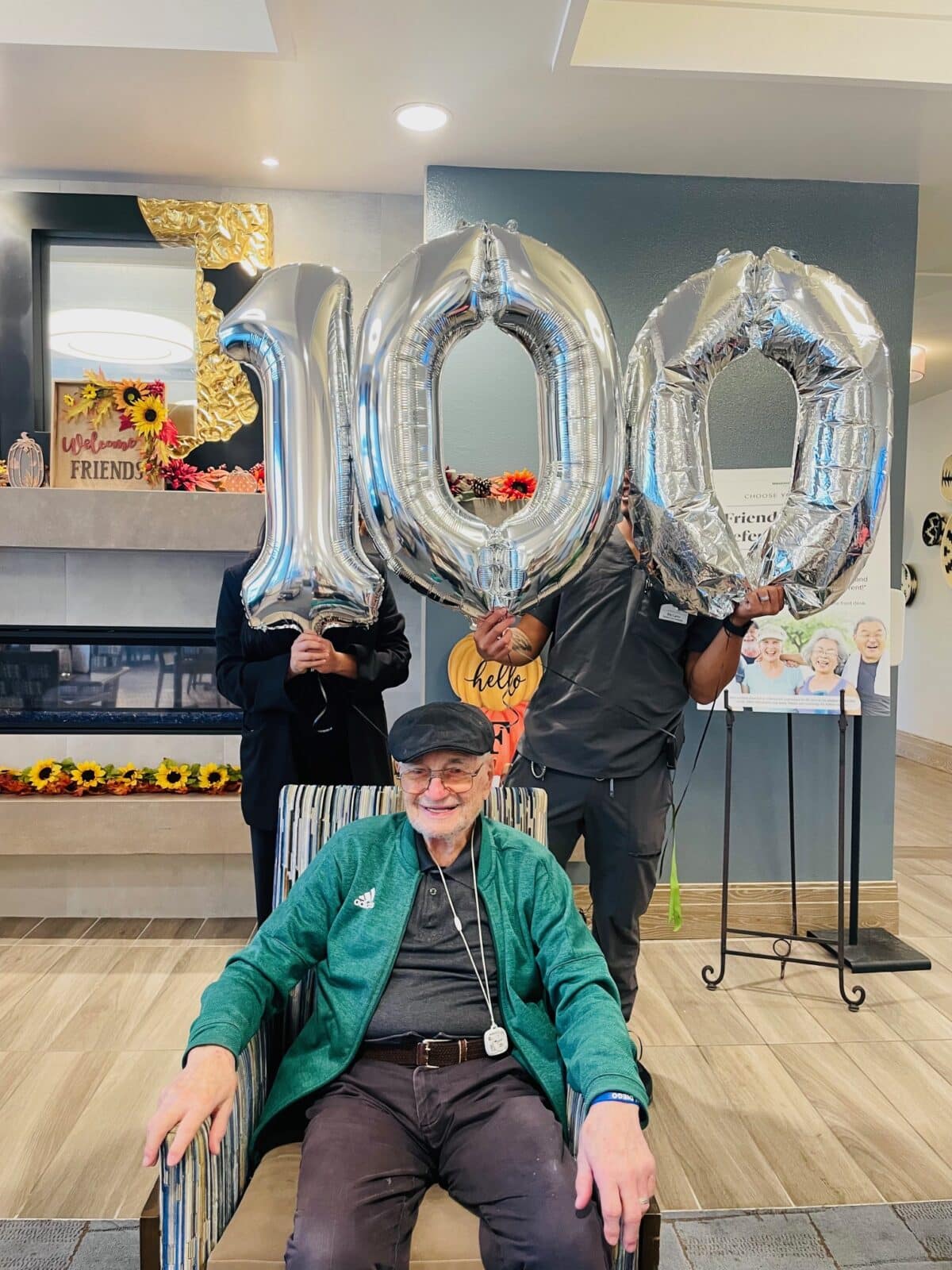
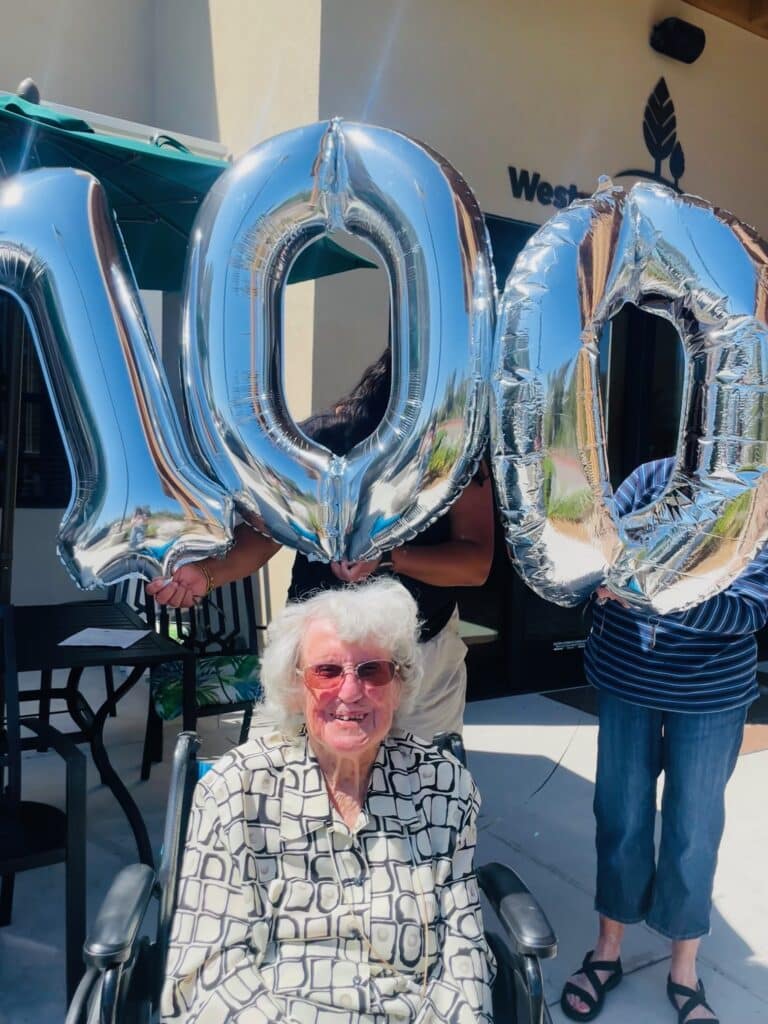
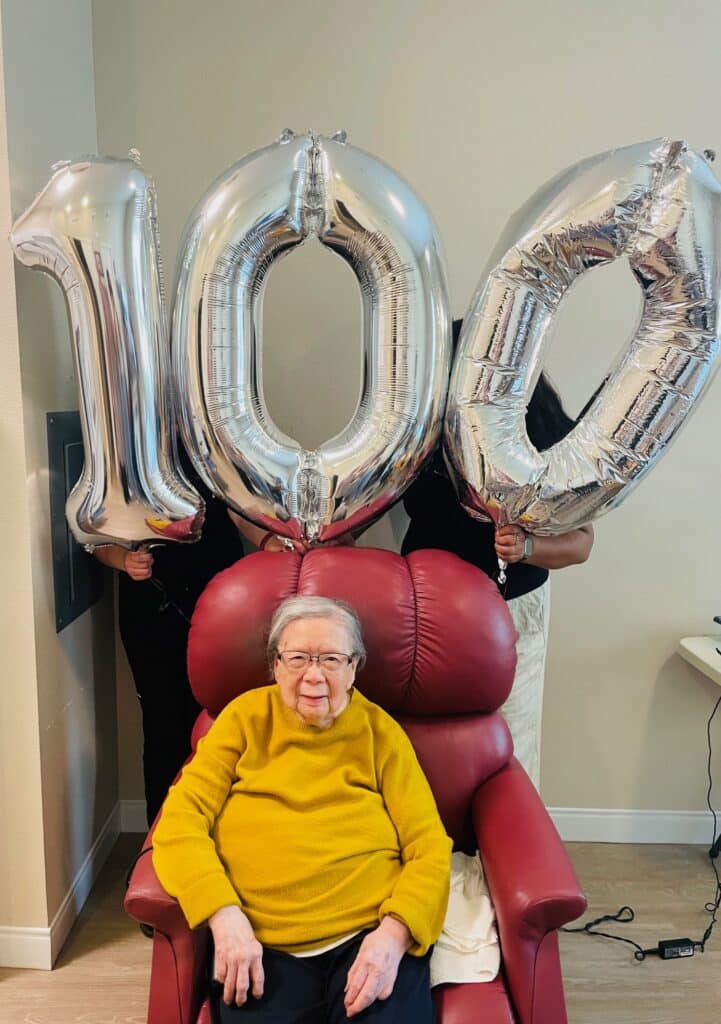
On September 22nd, we celebrate the first day of fall along with joining people around the world in celebrating Centenarians Day. It’s a special occasion dedicated to honoring those who have reached the incredible milestone of 100 years or more. This day is not only about celebrating longevity, but it’s about cherishing the wisdom, history, and enduring presence of centenarians in our lives.

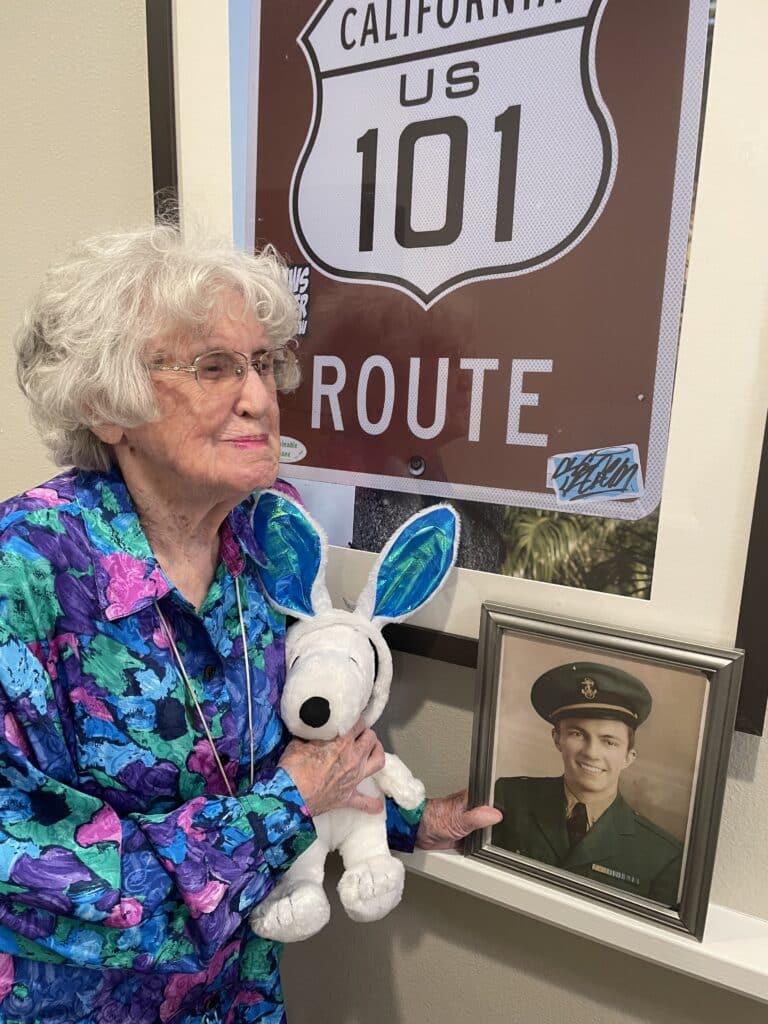
Across all of our Communities, we are honored to have 24 extraordinary residents who are 100 years young and beyond, including 13 who have surpassed the century mark. Each one of them is a living connection to history, carrying with them stories that span a century of experiences, triumphs, and memories. Their journeys remind us of the resilience of the human spirit and the beauty of a life well-lived.

What Centenarians Day Means

  • Celebrating Longevity: Reaching 100 years is a remarkable achievement, a testament to strength, perseverance, and vitality.
  • Honoring Wisdom and History: Our centenarians are storytellers of times past, offering invaluable lessons, insights, and a bridge between generations.
  • Gratitude for Contributions: We celebrate not just their years, but their lifelong contributions, impacting families, communities, and the world in meaningful ways.

On this day, we encourage our centenarians, along with all our Residents, to continue to Live Your Way®. At Westmont Living, Live Your Way® means embracing life on your terms—with your style, your choices, and your passions. The legacies of our centenarians inspire us to live with gratitude, purpose, and joy each day.

To our 24 centenarian residents, thank you for your wisdom, your stories, and your shining example of resilience. Today and every day, we celebrate you.


Centenarians 2025

Lakeview Senior Living
William Walton – Born 1924 – Age 101
Westmont of Chico
Hope Heintz – Born 1924 – Age 101
Evelyn Penick – Born 1925 – Age 100
Dave Elliotte – Born 1924 – Age 101
Barbara Carney – Born 1923 – Age 102
Westmont of Escondido
Iris Wicks – Born 1923 – Age 101
The Oaks at Nipomo
Erving Morlee – Born 1924 – Age 100
Westmont at San Miguel Ranch
Maria Escarcega – Born 1925 – Age 100
Walter “Walt” Travis – Born 1924 – Age 101
Gracie Hill – Born 1925 – Age 100
Westmont of Brentwood
Bettye Sturla – Born 1925 – Age 100
Geraldine Baker – Born 1923 – Age 102
Constance Daniels-Idle – Born 1921 – Age 103
Westmont of Carmel Valley
Dorothy Goo – Born 1924 – Age 101
Westmont of Culver City
Betty Kronick – Born 1921 – Age 103
Westmont of Cypress
Terri Tamaru – Born 1925 – Age 100
Westmont of Encinitas
Beverly Evans – Born 1924 – Age 101
Rose Chang – Born 1924 – Age 100
Peter Sanzo – Born 1922 – Age 103
Westmont of Fresno
Vicki Coughlin – Born 1924 – Age 101
Georgia Hobson – Born 1925 – Age 100
Westmont of Morgan Hill
Florence Boyce – Born 1925 – Age 100
Westmont of Riverside
Inez-Blanche Holmes – Born 1922 – Age 102
Lois Wurschinger – Born 1925 – Age 100
Marina Gabus – Born 1920 – Age 105
Harold Platt – Born 1925 – Age 100


What is an Effective Treatment for Loss of Appetite in the Elderly?

As people age, treatment for loss of appetite in elderly individuals becomes increasingly vital for maintaining health and well-being. Whether you’re a caregiver, a concerned family member, or an older adult yourself, recognizing and addressing appetite loss can make a major difference in quality of life.

Changes in taste, medication side effects, chronic illnesses, and social isolation can all contribute to loss of appetite in the elderly. Fortunately, there are simple yet effective strategies that can help seniors rekindle their interest in food and enjoy mealtimes again.

To learn more about our supportive senior care programs, visit Westmont of La Mesa.

Understanding the Causes of Appetite Loss in Older Adults

Appetite loss in seniors is not always about food preferences. Instead, it often stems from age-related physiological changes, such as slower digestion, reduced hormone levels, and decreased physical activity. Medical conditions like dementia and weight loss frequently go hand in hand, as cognitive decline can impair recognition of hunger cues or lead to meal avoidance.

Medications play a significant role, too. Some prescriptions suppress appetite, while others—like stimulants causing weight gain in adults—can create fluctuations that disrupt normal eating patterns. Even simple issues like dry mouth or difficulty chewing may make meals less appealing.

Fortunately, by identifying these root causes, caregivers can better tailor nutritional interventions. Providing nutritious dining options and mealtime support makes it easier for older adults to stay nourished and energized.

The Impact of Environmental and Social Factors

The emotional environment surrounding meals has a profound impact on appetite. Seniors who eat alone are more likely to skip meals or eat less. Conversely, a lively and friendly dining atmosphere can do wonders for engagement and enjoyment.

Participating in social activities also encourages seniors to be more involved in their routines, including regular eating habits. In short, creating a welcoming mealtime environment is a key part of any treatment for loss of appetite in elderly adults.

Loneliness and Appetite Decline

Loneliness leads many older adults to neglect meals. When emotional well-being declines, so does the desire to eat. Individuals with loss of appetite in the elderly often eat less because there’s no one around to share the experience.

Simple gestures—like organizing family meals, weekly potlucks, or joining community dining—can uplift spirits and stimulate hunger. Loneliness is a serious health risk, and combating it is one of the most effective ways to support better nutrition.

Check out how independent living communities foster connection and improve residents’ dining habits.

Social Meals Benefits

Mealtimes are about more than just eating—they’re about connection. In assisted living communities, shared meals bring residents together, encouraging both emotional support and increased food intake.

Benefits of social dining:

  • Encourages routine and regular meals
  • Reduces isolation and depression
  • Sparks conversation and joy
  • Reinforces healthy eating habits

Learn more about the value of social dining in creating meaningful community engagement.

Effective Strategies to Stimulate Appetite

Stimulating appetite in seniors requires creativity and flexibility. One effective method is offering elderly snacks that are easy to eat, nutrient-dense, and appealing. Snacks like cheese cubes, fruit slices, trail mix, and mini sandwiches are excellent between meals.

Other proven techniques include:

Strategy Benefit
Small, frequent meals Easier digestion and improved intake
Finger foods Encourages independence and ease of eating
Meal scheduling Builds structure and mealtime anticipation

For broader support, consider a nourishing senior diet plan that prioritizes calories and enjoyment.

Enhancing Mealtime Experience for Better Nutrition

Eating should be enjoyable, not a chore. Enhancing mealtime with visual appeal, flavor variety, and sensory stimulation can make a remarkable difference in appetite.

Social Meal Engagement

Incorporating fun, themed meals, or cultural cuisine nights adds excitement and engagement. Encouraging guests or volunteers to join meals can create lively, communal atmospheres that enhance dining satisfaction.

Ideas include:

  • Holiday-themed dinners
  • Music and mealtime pairings
  • Interactive “build your plate” meals

Nutrient-Dense Meal Options

Nutrition must remain a top priority, especially for older adults with poor appetites. Incorporate foods rich in protein and vitamins, like eggs, legumes, lean meats, nuts, and dairy.

Smoothies, soups, and snacks for older people like fortified puddings or protein bars offer a good mix of calories and ease of consumption. Balance is key, so make sure each meal contains a blend of carbs, fats, and protein.

Creative Food Presentation

When food looks good, people are more inclined to eat it. Here are a few tips for visual appeal:

  • Serve brightly colored fruits and vegetables
  • Plate food neatly in small portions
  • Use garnishes like herbs or citrus slices
  • Offer contrasting textures for interest

The way food is served sends a message—make it inviting, and seniors will likely respond positively.


treatment for loss of appetite in elderly


Addressing Dysphagia and Its Effects on Eating

Many older adults experience dysphagia, or difficulty swallowing. This condition can lead to malnutrition if not properly managed. Adjusting food texture—like offering pureed or soft foods—and working with healthcare providers can help maintain nutritional intake.

Thickened liquids and proper posture during meals also reduce aspiration risk. Keeping track of the individual’s preferences and symptoms allows caregivers to provide safe, personalized care.

When to Seek Medical Advice for Appetite Issues

Some appetite changes are temporary, but others may signal underlying health concerns. Watch for red flags like:

  • Sudden appetite loss
  • Significant dementia and weight loss
  • Constant fatigue
  • Drastic changes in taste or smell

These signs could indicate serious health issues requiring immediate medical evaluation. If appetite loss is persistent, seek professional input for personalized treatment for loss of appetite in elderly individuals.

Sometimes, medications themselves are the culprits. A review of prescriptions—especially those known as stimulants causing weight gain in adults—may uncover solutions to manage side effects.

Supportive Solutions for Your Loved One

Helping your loved one overcome loss of appetite in the elderly requires more than just meal planning—it takes empathy, creativity, and the right environment. Whether it’s using vibrant old people snacks, adjusting for dementia and weight loss, or managing medications like stimulants causing weight gain in adults, tailored solutions exist.

At Westmont of La Mesa, we specialize in providing holistic care that supports every aspect of senior wellness, including nutrition. If you’re concerned about your loved one’s appetite or health, we invite you to call 619-369-9700 or schedule a tour to see how our community can help.

Let’s nourish lives—one meal at a time.


Compare The Costs of Senior Living vs Staying at Home

How Do The Costs Of Moving Into A Quality Senior Care Community Compare With The Costs Of Staying At Home?


Frequently Asked Questions

What foods are good for a low appetite?

Foods that are nutrient-dense and easy to digest are ideal for those with a low appetite. Options include smoothies, soups, avocados, eggs, nut butters, and full-fat yogurt. These provide calories and essential nutrients in smaller portions. Soft, moist foods are often more appealing, especially for older adults or those with digestive issues. Flavorful herbs and spices can also help stimulate interest in eating.

Should I force myself to eat if I have no appetite?

It’s not advisable to force yourself to eat large meals, but you should try to consume small, frequent meals or snacks to maintain energy and nutrition. Eating even a little bit regularly can prevent nutrient deficiencies and muscle loss. Focus on foods you enjoy and experiment with textures or flavors that are easier to tolerate. Consulting a healthcare provider is wise if appetite loss continues for several days.

How to deal with loss of appetite due to medication?

If you suspect medication is affecting your appetite, talk to your doctor before making any changes. They may adjust the dosage, switch medications, or recommend taking it with food to reduce side effects. In the meantime, eat small, appealing meals throughout the day and stay hydrated. Ginger tea, light exercise, and a calm eating environment can also help improve appetite.

How to restore appetite in the elderly?

Restoring appetite in the elderly involves addressing physical, emotional, and environmental factors. Ensure regular meals with nutrient-dense, easy-to-chew foods, and create a pleasant mealtime atmosphere. Encourage light physical activity, as it can naturally stimulate hunger. If poor appetite persists, a healthcare provider might suggest appetite-stimulating supplements or investigate underlying health conditions.


Problem-Solving in Assisted Living: Strategies That Work

Navigating the daily dynamics of an assisted living community requires skill, compassion, and a strong commitment to problem-solving in assisted living. From managing resident health to addressing family concerns, caregivers and staff must apply thoughtful strategies to foster a secure and supportive environment.

At Westmont Living, we believe in proactive care, constant communication, and ongoing training to meet evolving needs. This article explores essential tools and practices that help staff resolve challenges efficiently and enhance the overall resident experience.

The Significance of Proactive Problem-Solving

Proactive problem-solving in assisted living is the foundation of a well-run community. By identifying potential concerns early—such as medication mix-ups or safety risks—staff can respond before issues escalate. When families and residents feel heard, they are more likely to trust care providers and feel at home.

A tailored approach makes all the difference. Custom care plans, frequent health checks, and transparent communication help residents thrive. Westmont Living prioritizes listening and responsiveness, encouraging feedback through decision-making processes to empower residents. This helps foster community engagement and shared ownership—two essential ingredients for a positive experience.

Key Challenges in Assisted Living Environments

Healthcare Management Issues

Among the most pressing assisted living problems are those related to healthcare coordination. Medication mismanagement, delayed diagnoses, or inconsistent care can negatively affect residents’ well-being.

To counter these challenges, assisted living teams must work closely with healthcare professionals. Effective problem-solving in nursing involves real-time updates, clear record-keeping, and person-centered care. Westmont Living takes this seriously, offering tailored services through personalized care plans that ensure every resident gets precisely what they need.

Safety and Security Concerns

Security is vital to residents’ emotional and physical well-being. Here’s a quick breakdown of safeguards that create peace of mind:

Security Measure Effect on Residents Emotional Impact
Secure entry systems Controlled visitor access Reduced anxiety
Regular safety drills Emergency preparedness Greater confidence
Staff training programs Skilled crisis response Trust in caregivers
Surveillance cameras Environmental monitoring Comfort and safety
Emergency response plans Rapid reaction capabilities Sense of security

Westmont also boosts safety with on-site medical care, ensuring residents receive support quickly when needed.

Family Communication Challenges

Families often have concerns about how their loved ones are treated, which can cause stress if communication is poor. Open, consistent dialogue is the antidote. Staff should provide regular updates and schedule structured conversations to discuss care plans and address questions.

Westmont Living encourages families to participate through inclusive care planning. This collaboration creates a united front and contributes to better outcomes. It also helps families feel like valued members of their loved ones’ support team.

Communication and Collaboration Strategies

Communication isn’t just a best practice—it’s essential. Regular team huddles, suggestion boxes, and digital platforms help ensure everyone stays informed. These tools are key to effective problem-solving in assisted living.

Staff should actively listen to both residents and colleagues. This creates a culture of transparency where issues are addressed collaboratively. When employees work as a unit, their ability to deliver personalized, responsive care improves.

Using technology also streamlines operations. For example, tools like Slack, CareSmartz360, or MyChart allow for fast sharing of updates among care teams and families alike.


Navigating Mental and Emotional Well-being

Health and Safety Protocols for Residents

Emergency Response Procedures

Fast, effective responses during emergencies save lives. Staff must be trained and well-versed in crisis protocols—from fire evacuation to severe weather responses.

Routine drills enhance readiness and confidence. Everyone, including residents, should know what to do. Discussing concerns openly builds trust and ensures that everyone understands the protocols.

Regular Health Assessments

Early detection prevents major complications. Routine assessments let staff monitor changes in health, spot red flags, and respond quickly. These check-ups help customize care plans and allow residents to be proactive about their well-being.

Westmont Living ensures health assessments are not only scheduled regularly but also include discussions with residents so they stay engaged in their care.

Safety Training Protocols

Ongoing training equips staff to handle the unexpected. Sessions should include fall prevention, medication safety, CPR certification, and infection control.

A team well-versed in safety protocols can respond with confidence. It’s also helpful to empower staff to report hazards or suggest improvements—everyone plays a part in creating a safe space.

The Role of Technology in Enhancing Care

Technology enhances care delivery and resident independence. Remote monitoring tools like wearables can track vitals, detect falls, or alert staff to irregular activity.

Virtual doctor visits via telehealth reduce transportation issues and increase access to medical care. For example, Teladoc Health provides virtual consultations tailored for seniors.

Electronic health records (EHR) streamline staff workflows and improve documentation accuracy, which is essential for addressing common assisted living problems efficiently.

Ongoing Training and Development for Staff

Training builds confidence, reduces burnout, and improves outcomes. Westmont Living invests in continuing education so staff stay current on best practices.

This commitment addresses questions such as how to work in assisted living and why you’re interested in the field. People choose this career because they want to make a difference. Ongoing learning helps them do that while maintaining excellence.

Training should cover both soft skills—such as empathy and communication—and technical skills like medication management and dementia care. Evaluating and updating training programs ensures they stay relevant and effective.

Why People Choose to Work in Assisted Living

If you’re wondering, why do you want to work in assisted living? Consider this: it’s an opportunity to make a lasting impact every day. Caregivers become trusted allies for residents and their families, providing emotional support and practical assistance.

It’s also a profession with growth opportunities. By learning how to work in assisted living, individuals can gain experience in a field that is in high demand and incredibly rewarding.

At Westmont Living, we value compassionate people who are committed to learning and helping others thrive. Whether you’re a nurse, caregiver, or support staff member, your contributions matter deeply.

Building a Compassionate and Responsive Community

At Westmont Living, problem-solving in assisted living is more than a process—it’s a mindset rooted in empathy, communication, and professionalism. When challenges arise, we meet them with proactive strategies and compassionate care.

By applying effective problem-solving in nursing, addressing assisted living problems, and guiding new professionals on how to work in assisted living, we continue to build a resilient and supportive environment.

To learn more or get involved, contact us at 858-456-1233 or visit our contact page. We’re here to help you or your loved ones live fully and confidently in our caring communities.


Compare The Costs of Senior Living vs Staying at Home

How Do The Costs Of Moving Into A Quality Senior Care Community Compare With The Costs Of Staying At Home?


Frequently Asked Questions

What is an example of problem-solving in healthcare?

A common example of problem-solving in healthcare is when a care team addresses a patient’s medication non-compliance. The healthcare providers collaborate to identify why the patient is not taking medications, perhaps due to side effects, cost, or confusion about the schedule. Once identified, they might simplify the regimen, offer generics, or provide reminders. This approach ensures the patient receives effective treatment while minimizing risks.

What is problem-solving in health and social care?

Problem-solving in health and social care involves identifying challenges that impact a person’s well-being and developing effective strategies to address them. This might include finding safe housing for a vulnerable senior, resolving conflicts between care staff and family, or managing chronic conditions through coordinated services. The goal is to enhance the individual’s quality of life. Professionals often collaborate across disciplines to find the best solutions.

How to ease the transition to assisted living?

To ease the transition to assisted living, start by involving your loved one in the decision-making process to give them a sense of control. Visit the new facility together, meet staff members, and personalize their space with familiar items. Maintain regular contact through visits and calls to help them adjust emotionally. Encouraging participation in community activities also fosters connection and reduces feelings of isolation.

How to deal with putting a parent in assisted living?

Dealing with the emotional challenges of placing a parent in assisted living starts with acknowledging your feelings and understanding that the decision is based on their safety and care needs. Open, compassionate communication with your parent can help ease their fears and yours. Support groups or counseling may also be helpful during this transition. Remember, assisted living often enhances a senior’s quality of life by offering social interaction and daily support.


Aging in Place: Empowering Seniors to Live Independently

For many older adults, aging in place offers a comforting and empowering alternative to traditional senior care. Rather than relocating to a facility, seniors can remain in the homes they know and love—surrounded by familiar settings, close to friends and family, and in full control of their daily routines.

This lifestyle choice is gaining momentum, especially among those prioritizing autonomy, emotional well-being, and financial flexibility. With the right tools, services, and community support, seniors living independently can maintain a high quality of life while meeting their health and safety needs. At Westmont of La Mesa, we’re proud to support this empowering journey and ensure that seniors have every opportunity to thrive at home.

The Shift in Senior Living Perspectives

As the population ages, traditional views on retirement and elder care are evolving. Instead of automatically transitioning into institutional facilities, more seniors are embracing aging in place as a sustainable and fulfilling option. In fact, studies show that when asked where the elderly generally prefer to live, most seniors respond that they would rather stay in their current homes than move elsewhere.

This shift is about more than convenience—it’s about dignity. By remaining in familiar spaces, seniors retain autonomy and reduce the stress associated with relocation. It also allows them to stay close to their communities and family networks, a critical element of long-term mental and emotional health. Supporting this trend with regular health check-ups ensures ongoing wellness and helps prevent larger issues.

Emotional and Financial Benefits of Aging in Place

There are undeniable benefits of aging in place—many of which positively impact both emotional and financial well-being. Emotionally, staying at home reduces stress, enhances confidence, and promotes a sense of normalcy. Financially, it avoids the high monthly fees tied to assisted living or nursing home facilities.

Seniors can choose specific services based on their needs and budgets, offering much more flexibility. The presence of pets, the ability to host family, and the freedom to maintain one’s lifestyle make seniors living independently not just possible, but preferable. Further emotional comfort can be supported by programs like assisted living with pets, reinforcing a feeling of home.

Benefit Emotional Impact Financial Impact
Familiar home environment Boosts comfort & reduces anxiety No facility moving expenses
Personalized care Feels more secure & in control Tailored services, no waste
Daily routine control Enhances dignity & identity Avoids long-term contracts
Emotional connections Less loneliness, more joy Saves on dining & amenities
Flexibility Encourages happier aging Pay only for what you need

Westmont of La Mesa: A Leader in Aging-in-Place Support

At Westmont of La Mesa, we support aging in place not just as an idea, but as a lifestyle. Our services are designed to empower seniors with independence, flexibility, and safety in their own homes. From personalized care plans to educational resources for families, we are dedicated to nurturing both individual freedom and community involvement.

Our partnerships with local providers ensure that seniors can access services like transportation, meal delivery, and health support, without leaving home. We believe that by equipping our residents with the things elderly people need to thrive—supportive technologies, social engagement, and emotional care—we enable lasting independence. Our approach also focuses heavily on social wellness, a key factor in aging gracefully.

Essential Modifications for Safe Aging at Home

Ensuring a safe environment is central to successfully aging in place. Common modifications include grab bars in bathrooms, stair railings, widened doorways for mobility devices, and motion-sensor lighting. These changes address some of the most common risks for seniors, like falls and limited mobility.

Making these improvements may feel overwhelming, but there are numerous resources and services available to help. For example, bathroom safety equipment can be installed to enhance independence and comfort. Creating an environment tailored to mobility needs ensures safety while preserving independence, making seniors’ lives more sustainable and enjoyable.

The Role of Technology in Enhancing Independence

Modern tools can be lifesaving when it comes to aging in place. From smart home technologies to wearable health devices, innovations make it easier than ever for seniors to live alone safely and confidently.

  • Emergency alert systems, like those outlined here, can call for help instantly during a fall or health emergency. 
  • Smart speakers assist with medication reminders, calling family, and setting appointments—all by voice command. 
  • Health-monitoring wearables track vitals and provide real-time data to caregivers or physicians. 

These tools not only meet some of the things elderly people need most—safety, connection, and independence—but also give families peace of mind that their loved ones are protected and empowered.

For even more options, explore AARP’s guide to technology for aging in place.

Community Engagement: A Cornerstone of Healthy Aging

Social isolation is one of the most pressing concerns for older adults living at home. That’s why maintaining connections is vital for emotional well-being. Whether it’s through technology, hobbies, or neighborhood programs, building relationships is critical for healthy aging in place.

Strengthening Social Networks

Building and maintaining friendships reduces loneliness and improves mental and physical health. For those living alone, community support is especially vital. Local classes, senior centers, and neighborhood events can help keep seniors connected.

Participating in Engaging Activities

From book clubs and walking groups to gardening and community service, the range of activities that support seniors living independently is vast. These opportunities provide meaning, routine, and purpose—key factors in thriving while aging in place.

Embracing Digital Connection

Maintaining relationships has never been easier thanks to video calls and social media. Seniors can stay in touch with family, access online learning, and even participate in virtual fitness classes. These tools are part of the broader network of support that makes aging in place more viable than ever.


Personalized Care

When Aging in Place Isn’t Enough: Exploring Elderly Shelters

Although aging in place is ideal for many, not all seniors have the resources, safety, or support to remain at home. In such cases, alternatives like elderly shelter programs provide interim support while permanent solutions are explored. These programs ensure that no senior is left without care or housing. Communities must recognize and support these vital services to protect vulnerable older adults.

If you’re seeking support for an aging loved one without financial means, check out Benefits.gov for housing and shelter programs.

Your Home, Your Future: Thrive While Aging in Place

The decision to age in place is not just a practical one—it’s a declaration of independence, dignity, and control. With thoughtful planning, innovative technology, essential home modifications, and a strong community network, you can thrive in the place that matters most: home.

Whether you want to make small adjustments or need comprehensive support, Westmont of La Mesa is here to help. We specialize in offering the things elderly people need to remain empowered, supported, and connected. Discover how our services align with your goals for independence and fulfillment.

Call us today at 619-369-9700 or schedule a tour to learn how we can help you live fully while aging in place. Your future is your choice—let’s make it exceptional.


Compare The Costs of Senior Living vs Staying at Home

How Do The Costs Of Moving Into A Quality Senior Care Community Compare With The Costs Of Staying At Home?


Frequently Asked Questions

What does aging in place mean?

Aging in place refers to the ability of older adults to live safely, independently, and comfortably in their own homes and communities as they age. It emphasizes the use of supportive services, home modifications, and assistive technologies. The goal is to maintain familiar surroundings while receiving necessary care. This option often supports emotional well-being and personal autonomy.

What is the best example of aging in place?

A great example of aging in place is a senior who continues living in their lifelong home with added safety features like grab bars, a walk-in shower, and a medical alert system. They may receive help from home care providers or adult children for daily tasks. This allows them to remain in a familiar environment while getting the needed support. It balances independence with security.

Is aging in place a good idea?

Yes, for many, aging in place offers emotional comfort, greater control, and reduced living costs compared to care facilities. It works best when a safe environment and support system are in place. It allows seniors to remain close to friends, family, and their community. However, it may not suit everyone, especially those with complex medical needs.

What are the disadvantages of aging in place?

While aging in place can be empowering, it may lead to challenges like isolation, lack of 24/7 medical care, or difficulty maintaining the home. Not all homes are built for aging safely, and modifications can be costly. If care needs increase, it might become harder for family or caregivers to provide adequate support. In such cases, assisted living may be a better fit.


Managing Cough in the Elderly: Key Causes and Treatments

A cough in elderly individuals isn’t just a passing symptom—it can be a sign of underlying health issues that require careful attention. Whether it’s a dry cough in elderly woman, elderly coughing at night, or persistent phlegm production, managing these symptoms appropriately is essential for comfort and quality of life.

At Westmont of La Mesa, we recognize how critical it is to understand why the elderly cough so much and to explore effective solutions. From common respiratory infections to chronic conditions and environmental factors, coughing can significantly impact seniors’ health. This guide explores symptoms, causes, and elderly cough treatment options to help you support your loved ones with informed care.

Understanding Different Types of Cough in Seniors

A persistent cough in elderly adults can present in many forms. Identifying the type of cough—whether it’s dry, wet, or occurs predominantly at night—is the first step toward effective treatment. A dry cough in an elderly woman might stem from allergies or medication side effects, while an elderly person coughing up phlegm could point to infections or chronic bronchitis.

Understanding whether your loved one is elderly, coughing at night or during the day helps determine whether postnasal drip, GERD, or even heart failure could be contributing factors. Early identification aids in tailored elderly cough treatment that can restore comfort and ease breathing difficulties.

For further guidance, read this in-depth look at coughing in seniors.

Why Do the Elderly Cough So Much?

So, why do the elderly cough so much? As people age, the lungs lose elasticity, making it harder to clear mucus and respond to irritants. Seniors are also more likely to suffer from chronic illnesses, reduced immunity, and side effects from medications—all of which can lead to increased coughing.

Environmental triggers like dry air or pollutants can cause a dry cough in an elderly woman, while long-term smoking, acid reflux, or postnasal drip can cause an elderly person to cough up phlegm frequently. Knowing the underlying causes of why elderly people cough at night is key to offering relief and seeking medical help when necessary.

For additional context, you might also explore this guide on recognizing pneumonia signs in seniors.

Causes of Cough in Elderly Adults

Respiratory Infections and Conditions

Respiratory infections remain one of the top causes of cough in elderly individuals. Influenza, bronchitis, and pneumonia can all cause persistent coughing. Often, infections present as a dry cough in elderly women initially and progress into a more productive cough.

These conditions may require antibiotics, antivirals, or other prescription medications. Alongside treatment, supportive care such as hydration and rest is crucial. It’s essential to monitor elderly people coughing up phlegm, which could signify an infection worsening or not responding to initial treatment.

Check out this article on common cold symptoms in seniors to learn more.

Chronic Health Conditions

Conditions like COPD, asthma, GERD, and heart failure frequently lead to elderly cough treatment needs. These illnesses can cause the elderly to cough at night, particularly when lying down, worsen acid reflux, or fluid retention in the lungs. Chronic dry or wet coughs are not unusual for seniors with these diagnoses.

Additionally, medication side effects—particularly ACE inhibitors—can lead to a dry cough in elderly woman. If your loved one is coughing after a medication change, consult their provider to discuss alternatives.

When to Seek Medical Attention

If a cough in elderly adults persists for more than three weeks, involves fever, fatigue, or trouble breathing, seek medical evaluation immediately. These symptoms may signal pneumonia, chronic bronchitis, or even lung cancer.

When you notice elderly coughing at night consistently, especially with additional symptoms like coughing up phlegm, weight loss, or wheezing, don’t delay care. These could indicate serious complications that are better treated early.

To learn more, visit this helpful guide on persistent cough and chronic disease impacts.

Home Remedies for Cough in the Elderly

There are several home strategies you can implement for elderly cough treatment:

  • Use warm honey-lemon water or ginger tea to soothe a dry cough in an elderly woman.
  • Employ humidifiers to moisten airways and reduce elderly coughing at night.
  • Encourage frequent fluid intake to thin mucus and help with elderly coughing up phlegm.
  • Elevate the head during sleep to reduce coughing at night.

Consistent use of these remedies can alleviate mild symptoms and prevent escalation.

Over-the-Counter and Natural Treatments

Many OTC remedies are effective for elderly cough treatment:

  • Dextromethorphan: A common suppressant for dry coughs.
  • Guaifenesin: Helps loosen mucus for the elderly coughing up phlegm.
  • Saline nasal sprays: Beneficial when postnasal drip is causing an elderly person to cough at night.

Natural treatments such as thyme tea or marshmallow root may offer gentle alternatives with fewer side effects. Always consult a healthcare provider before starting any treatment.


cough in elderly


Importance of Using Humidifiers and Steam

Dry air is often an overlooked cause of cough in elderly individuals. Humidifiers and steam inhalation provide moisture that soothes irritated airways, reduces nighttime coughing, and helps break up mucus.

To alleviate elderly coughing at night, place a humidifier in the bedroom and consider adding essential oils like eucalyptus. Steam therapy—such as inhaling vapor from a hot shower—can ease both dry and wet cough symptoms and help loosen mucus, supporting overall respiratory health.

Why Regular Medical Check-Ups Matter

Ongoing medical monitoring is essential for seniors experiencing a persistent cough in elderly cases. Routine check-ups allow for early detection of conditions like COPD, heart disease, or pneumonia.

Here are a few reasons why it matters:

  • Track cough duration and type (dry vs wet).
  • Assess medication side effects (e.g., a dry cough in an elderly woman caused by prescriptions).
  • Identify trends like elderly coughing up phlegm or consistent elderly coughing at night, which can indicate new health issues.

A Compassionate Approach to Cough Management

Understanding why the elderly cough so much means going beyond symptoms to provide comprehensive support. Whether it’s managing a dry cough in an elderly woman, dealing with an elderly coughing up phlegm, or addressing concerns about an elderly coughing at night, your attentiveness matters.

Be proactive. Keep records, share updates with healthcare providers, and maintain an environment that minimizes irritants. The key to successful elderly cough treatment is a blend of medical care, home remedies, and consistent observation.

Let Westmont Help You Support Your Loved Ones

Persistent cough in elderly loved ones can be managed with the right care and timely action. At Westmont of La Mesa, we specialize in senior well-being and offer supportive environments for health challenges like coughing and respiratory issues.

If you’re concerned about elderly coughing up phlegm, a dry cough in elderly woman, or just wondering why do the elderly cough so much, let us help. Our team is here to assist you.

Schedule a visit today: Schedule a Tour
Call us at 619-369-9700 to speak with our team directly.

Let’s ensure your loved ones receive the comfort and care they deserve.


Compare The Costs of Senior Living vs Staying at Home

How Do The Costs Of Moving Into A Quality Senior Care Community Compare With The Costs Of Staying At Home?


Frequently Asked Questions

When should I worry about a cough in the elderly?

A cough in the elderly becomes concerning when it lasts over a few weeks, worsens over time, or is accompanied by symptoms like shortness of breath, chest pain, fever, or weight loss. These could indicate underlying conditions such as pneumonia, chronic obstructive pulmonary disease (COPD), or even heart issues. If the cough disrupts sleep or daily activities, it’s best to consult a healthcare provider. Early intervention can help prevent complications.

What does a heart failure cough sound like?

A heart failure cough often sounds dry and persistent, but it can sometimes be wet or produce frothy, pink-tinged mucus. This type of cough worsens when lying down due to fluid buildup in the lungs. It may also be accompanied by wheezing or shortness of breath. If you suspect heart failure, seek medical evaluation promptly.

How do you stop an elderly cough?

To stop a cough in an elderly person, identify the underlying cause first, such as allergies, infections, or medications. Use remedies like staying hydrated, using a humidifier, or taking doctor-recommended cough suppressants. In some cases, treating acid reflux or changing medications may help. Always check with a healthcare provider before starting treatment.

When is a cough concerning?

A cough is concerning when it lasts longer than three weeks, becomes progressively worse, or is associated with red-flag symptoms like blood, chest pain, high fever, or breathing difficulty. These signs could point to severe conditions like infections, lung disease, or even cancer. Sudden changes in the cough’s character are also significant to note. Don’t delay medical care if symptoms escalate.


Discovering Easy Meals for Dementia Patients

Exploring Easy Meals for Dementia Patients

Supporting a loved one with dementia involves many daily decisions, and mealtime is one of the most important. Offering easy meals for dementia patients helps reduce stress, encourages independence, and ensures they receive proper nutrition. By choosing the right foods and presenting them in manageable ways, caregivers can create a positive dining experience that enhances quality of life.

At Westmont of La Mesa, we understand that dementia and eating issues vary from person to person. Some seniors struggle with utensils, others may forget to eat, and many experience changes in appetite or taste. This guide offers practical solutions, like soft food ideas for dementia patients, a helpful list of finger foods for dementia patients, and tips to avoid common mealtime pitfalls.

Why Finger Foods Work So Well

Finger foods offer autonomy for those struggling with coordination. A carefully selected list of finger foods for dementia patients allows them to eat without utensils, promoting dignity and reducing mealtime frustration. Great options include:

  • Soft chicken strips or nuggets
  • Mini sandwiches or sliders
  • Cubes of cheese or cheese sticks
  • Boiled egg halves
  • Mini quiches and soft fruits like bananas or melons

According to the Alzheimer’s Association, creating a familiar and manageable eating routine can help reduce confusion. Offering finger foods is a smart way to do just that, while also making it easier for caregivers to provide support.

Additionally, a comfortable dining setting can enhance the entire mealtime experience.

Breakfast Options That Start the Day Right

Breakfast is a great opportunity to introduce nourishing, manageable food. For easy meals for dementia patients, consider familiar textures and simple-to-hold items. Here are some caregiver-friendly options:

  • Yogurt with soft granola
  • Soft scrambled eggs
  • Mini pancakes or waffles with syrup for dipping
  • Smoothies made with berries and protein powder
  • Fruit cups or unsweetened applesauce

These soft food ideas for dementia patients balance taste, nutrition, and ease of use. Creating a structured environment helps minimize anxiety and encourages better food intake at the start of the day.

Satisfying and Nutritious Lunch and Dinner Recipes

Lunch and dinner should feel enjoyable while being easy to eat. The best dinner recipes for dementia patients focus on flavor, softness, and simplicity. Here are a few options to try:

  • Baked fish with mashed sweet potatoes
  • Soft tacos with ground beef, cheese, and avocado
  • Grilled cheese sandwich and tomato soup
  • Casseroles with noodles and tender vegetables
  • Meatballs with rice or soft pasta

Choosing foods that are both nutritious and easy to chew is key. You can also explore nutritional counseling services to ensure your loved one’s meals meet their unique dietary needs.

The National Institute on Aging also provides useful advice on eating well for older adults, especially those living with chronic conditions like dementia.

Snacks and Sweet Treats That Encourage Eating

Snacks are great for boosting calorie intake and mood. Easy-to-grab and easy-to-chew options can encourage your loved one to eat throughout the day. Popular snacks include:

  • Pudding or gelatin cups
  • Cookies or mini muffins
  • Yogurt or custard
  • Soft fruit like banana slices
  • Ice cream bars or frozen yogurt

While offering treats, avoid sugary items that can interfere with medications or cause agitation—common concerns on the dementia foods to avoid list. The Family Caregiver Alliance also suggests experimenting with temperature and flavor to increase interest in food.

Also, incorporating nature-based activities into daily routines can improve appetite and create more positive associations with food.


easy meals for dementia patients​


Making Fruits and Vegetables Appealing

Incorporating produce in a dementia-friendly way requires a little creativity. The goal is to keep textures soft and pieces small. Here are a few soft food ideas for dementia patients using fruits and vegetables:

  • Steamed carrots or broccoli florets
  • Mashed avocado on soft toast
  • Banana slices with yogurt
  • Baked sweet potato wedges
  • Fruit smoothies or purees

These options offer key nutrients while remaining easy to chew and swallow. For added benefit, try foods rich in antioxidants—these support brain function and reduce inflammation. For more insights, see our article on nutrition for older adults.

Creative Presentation Ideas

Presentation plays a big role in appetite. Here are some fun ways to make fruits and vegetables more enticing:

  • Fruit kabobs with soft fruits like melon and grapes
  • Veggie boats using hollowed-out cucumbers filled with soft dips
  • Rainbow platters of steamed vegetables
  • Mini fruit cups served in colorful bowls

These engaging displays make food more approachable and exciting for those with dementia and eating issues.

What to Avoid: Dementia Foods to Avoid

Certain foods can create risks or increase confusion. It’s important to avoid:

  • Dry, crumbly foods like crackers or rice cakes
  • Hard fruits and vegetables, unless steamed
  • Foods with skins, like sausages or apples
  • Large chunks of meat
  • Sticky foods like peanut butter

The Alzheimer’s Association notes that choking risks increase with dementia progression, so keep portions small and textures soft.

Mealtime Challenges and How to Overcome Them

When it comes to dementia and eating issues, common challenges include forgetting to eat, food refusal, or difficulty using utensils. Here are some proven strategies:

Challenge Strategy
Won’t eat Offer finger foods and familiar favorites
Distracted during meals Use quiet, simple settings
Difficulty chewing Offer soft or pureed versions of favorite foods
Forgetting meals Set consistent mealtime routines

Your patient approach can turn mealtimes into comforting routines. If needed, seek professional dietary advice to customize your approach.

Sample Daily Meal Plan

Here’s a sample day using easy meals for dementia patients with plenty of soft food ideas for dementia patients and finger foods:

  • Breakfast: Yogurt with soft berries, scrambled eggs
  • Snack: Pudding cup, sliced bananas
  • Lunch: Grilled cheese sandwich, tomato soup
  • Snack: Mini muffin, soft fruit
  • Dinner: Soft taco, mashed sweet potatoes
  • Dessert: Ice cream bar or custard

Each meal is designed to be manageable, flavorful, and comforting.

Mealtimes That Bring Comfort and Connection

Creating easy meals for dementia patients is about more than food—it’s about connection. With thoughtful planning and the use of soft food ideas for dementia patients, along with a reliable list of finger foods for dementia patients, you can reduce stress and increase satisfaction at every meal.

Avoid common dementia foods, and instead, lean into comforting dinner recipes for dementia patients that restore joy to the table. Even simple efforts, like cutting fruit into bite-sized pieces or offering a warm bowl of soup, can profoundly impact someone’s day.

To explore how Westmont of La Mesa can support your loved one’s memory care and dining needs, schedule a visit or speak with our compassionate team. Call us at 619-369-9700 or schedule a Tour today.


Find Where You Belong

Dive into the vibrant life our Westmont communities have to offer.


Frequently Asked Questions

What is a good dinner for someone with dementia?

A good dinner for someone with dementia should be simple, nutritious, and easy to chew and swallow. Soft foods like baked fish, mashed potatoes, steamed vegetables, or scrambled eggs work well. Finger foods can also be helpful if using utensils becomes difficult. Avoid too spicy, hard, or unfamiliar foods, as these may cause confusion or discomfort.

What foods are easy to eat for the elderly with dementia?

Soft fruits (like bananas), yogurt, oatmeal, scrambled eggs, and cooked vegetables are easy-to-eat foods for seniors with dementia. Finger foods such as sandwiches, cheese cubes, or sliced chicken can promote independence. Avoid dry or tough textures that may be hard to chew or swallow. Small, bite-sized portions also help reduce frustration during meals.

What are the signs that dementia is getting worse?

Signs of worsening dementia may include increased memory loss, confusion about time or place, and difficulty recognizing loved ones. You might also notice mood changes, withdrawal from social situations, or trouble with basic tasks like dressing or bathing. Wandering, hallucinations, and language problems may also occur. Tracking changes and consulting a doctor for proper care adjustments is essential.

What do you do when a dementia patient doesn’t want to eat?

When someone with dementia refuses to eat, try offering smaller, more frequent meals or favorite foods in a calm, quiet setting. Avoid pressuring them, and instead, create a relaxed mealtime routine. You can also try offering finger foods or nutritional shakes if chewing is challenging. If the issue continues, consult a healthcare provider to rule out medical causes.


Criteria for Nursing Home vs Assisted Living: How to Decide

Criteria for Nursing Home vs Assisted Living: Choosing the Right Care

Making care decisions for a loved one can be emotionally overwhelming, especially when choosing between assisted living and nursing home options. The choice involves more than location or convenience—finding a setting supporting medical needs, independence, memory care, and overall quality of life.

By understanding the criteria for nursing home vs assisted living, families can make informed choices that balance healthcare needs, personal preferences, and financial considerations. Whether the question is “Does my mom need assisted living or a nursing home?” or when to start planning the next step, the guidance below can help you navigate this important decision.

Evaluating Health and Support Needs

The first step in identifying the appropriate care environment is to assess medical and physical needs. Nursing homes are ideal for individuals requiring 24/7 medical care or rehabilitation, while assisted living suits those needing help with daily tasks but who can live more independently.

If you’re unsure when to move from assisted living to a nursing home, consult your healthcare provider and review signs like frequent falls, worsening memory, or unmanaged chronic conditions. You can also use the National Institute on Aging evaluation tools to guide your decision.

For those facing cognitive challenges, understanding options like memory care is essential. This specialized type of care provides structured routines and cognitive therapies that can benefit individuals with dementia or Alzheimer’s.

Understanding Financial Differences

Budgeting for care is one of the most practical elements of decision-making. Nursing homes cost nearly $10,000 per month, while assisted living facilities average just under $5,000. The disparity in cost makes it crucial to compare services and available financial support.

Programs like Medicaid offer coverage for nursing homes and, in some states, limited assisted living support. Veterans may also qualify for VA Aid and Attendance benefits to help offset costs.

Learn more about what’s included in the monthly assisted living cost to make a fully informed decision. Financial planners can also help families determine eligibility for support programs and long-term care insurance.

Matching Care to Ability: The 5 Levels of Assisted Living

The five levels of care in assisted living are a helpful framework for determining whether a resident’s needs match what a facility can offer. These levels range from minimal assistance to advanced support for those nearing skilled nursing care requirements.

Level Support Provided
Level 1 Occasional help with daily tasks
Level 2 Routine assistance with grooming or medication
Level 3 Frequent help with mobility and hygiene
Level 4 Significant supervision, including mild cognitive support
Level 5 Full-time care approaching skilled nursing

If a resident exceeds level 5, it may be time to move from assisted living to a nursing home, especially when needs include tube feeding, ventilator care, or mobility loss.

Explore detailed guidance from A Place for Mom to learn how different levels influence your care decision.

Cognitive Decline and Dementia-Specific Considerations

When dementia enters the picture, the decision-making process becomes more complex. Many families wonder about assisted living or a nursing home for dementia care. In early stages, memory care within assisted living can offer a supportive setting focused on security and structured routines.

As symptoms progress, families may need to consider transitioning to nursing homes with medical staff trained in handling advanced dementia and behavioral complications. According to the Alzheimer’s Association, 6 in 10 people with dementia will wander, making secure environments critical.

You can also find valuable family resources from the National Institute on Aging’s dementia care guide.

Social Connection and Emotional Well-being

Social engagement plays a powerful role in seniors’ emotional and cognitive health. Assisted living communities typically provide more structured social opportunities like outings, game nights, or wellness classes. These environments encourage connection and independence.

In contrast, nursing homes often prioritize medical care over activities, limiting opportunities for interaction. However, many are now investing in social programming, recognizing the positive effect on resident outcomes.

Ask about resident engagement in both settings when deciding whether my mom needs assisted living or nursing home care. A strong social environment can combat loneliness and improve life satisfaction.

Safety, Supervision, and Monitoring

As you evaluate care options, consider the frequency and type of health monitoring required. Assisted living typically supports medication reminders and periodic wellness checks, while nursing homes offer skilled nursing and clinical oversight.

Refer to a care assessment plan to determine what level of supervision is appropriate. For loved ones with chronic conditions, worsening mobility, or complex medical needs, increased supervision can be a determining factor for transitioning to nursing care.

Planning for Transitions

Future-proofing your care decision involves anticipating changing health conditions. Discuss options for transitioning between care levels with community staff. Understanding the criteria for nursing home vs assisted living helps families avoid unnecessary stress when needs evolve quickly.

Trigger for Transition Suggested Action
Frequent hospital visits Evaluate nursing home care
Cognitive decline Consider memory care or skilled care
Family caregiver burnout Explore full-time facility support
Inability to complete ADLs Upgrade to a higher care level

Talk with your physician or care coordinator about developing an advanced care plan that outlines the circumstances under which care should escalate.

Family Involvement in Care

No matter the setting, family involvement is vital. Facilities prioritizing transparent communication and family engagement generally deliver better resident outcomes. When comparing assisted living versus nursing homes, ask how family members are included in care planning and updates.

Westmont Living communities emphasize family visits, digital communication tools, and collaborative care plans. Technology such as video calls can help you stay connected, particularly when long distances make in-person visits difficult.

Making the Right Care Decision

Choosing between assisted living and nursing home care is deeply personal and requires careful evaluation of physical, emotional, and financial needs. Whether you’re asking, “Does my mom need assisted living or a nursing home?” or planning for assisted living or a nursing home for dementia, the right choice promotes dignity, independence, and peace of mind.

At Westmont of La Mesa, we’re here to help you through this journey. To learn more or schedule a tour, visit our community page or call us directly at 619-369-9700.


What Level of Care Do You Need?

Discover the level of care you or your family member requires. 


Frequently Asked Questions

Is memory care considered skilled nursing?

Memory care is not considered skilled nursing, although both offer specialized support. Memory care focuses on individuals with Alzheimer’s, dementia, or other cognitive impairments, providing structured routines and safety features. Skilled nursing, conversely, delivers medical care by licensed nurses for individuals recovering from illness or surgery. While both involve professional support, memory care emphasizes supervision and daily assistance rather than complex medical treatment.

What is the difference between skilled nursing and assisted living?

Skilled nursing provides 24/7 medical care and rehabilitation services that licensed healthcare professionals administer. It is typically for individuals with severe health conditions or those recovering from surgery or hospitalization. Assisted living offers help with daily activities like bathing, dressing, and meals, but does not include intensive medical care. Essentially, skilled nursing is more clinical, while assisted living focuses on promoting independence with personal support.

What is a retirement home?

A retirement home is a residential facility for generally independent older adults who may benefit from community living and minor assistance. These homes offer private or shared accommodations, meal services, recreational activities, and basic support. Retirement homes do not typically provide medical care but may coordinate it if needed. They offer a secure, social environment tailored to the lifestyle needs of seniors.

Is assisted living covered by Medicare?

Medicare does not cover assisted living costs, including room and board or personal care services. However, it may pay for certain medical services provided within an assisted living community, such as physical therapy or doctor visits. Most assisted living costs are paid out-of-pocket, through long-term care insurance, or Medicaid if the individual qualifies. Understanding coverage limitations is crucial when planning for senior living expenses.


Unlock the Secrets of Facility Assisted Living for Seniors

Facility Assisted Living Options for Seniors Explained Clearly

Deciding on a senior care option can be complex. Families are often torn between ensuring safety, maintaining independence, and managing costs. Fortunately, facility-assisted living offers a middle ground that blends freedom with essential care, making it an increasingly popular choice for aging loved ones. At communities like Westmont of La Mesa, these facilities provide the supportive environment many seniors need to thrive while still enjoying autonomy.

In this article, we’ll explore the types of facility-assisted living options available, who qualifies, how it compares to other care types, and when it might be time to consider a higher level of care. With a comprehensive understanding, you’ll be equipped to make the best decision for your family.

Understanding Facility Assisted Living: Types and Comparisons

What Is Assisted Living vs Nursing Home?

When choosing between senior care options, it’s essential to understand what is assisted living vs nursing home. Assisted living is ideal for those who need help with daily activities like bathing, dressing, or medication management but don’t require intensive medical care. Nursing homes, in contrast, offer 24-hour medical supervision and are more appropriate for those with chronic illnesses or severe disabilities.

Communities like Westmont of La Mesa blend support and independence—hallmarks of facility-assisted living—but knowing when to transition to a nursing home is vital as needs increase.

The 5 Levels of Care in Assisted Living

Many families are surprised to learn there are five levels of care in assisted living, each offering different degrees of support:

  1. Minimal Assistance – Help with housekeeping and meals.
  2. Moderate Support – Daily help with personal care tasks.
  3. Comprehensive Personal Care – Supervised medication and mobility assistance.
  4. Memory Care Support – Specialized programs for cognitive impairment.
  5. Advanced Health Care – Onsite nursing and rehabilitation services.

At Westmont of La Mesa, these levels ensure residents only pay for the services they truly need, offering both flexibility and cost-efficiency.

Residential Care Facility Requirements

All senior communities must meet state-defined residential care facility requirements to operate. These include:

  • Proper staff-to-resident ratios
  • Safety measures like emergency alert systems
  • Regular inspections and licensing
  • Staff training in elder care and emergency response

Always verify that a facility is fully licensed and compliant. Sites like the California Department of Social Services provide lookup tools to confirm a facility’s compliance and credentials.

Board and Care Homes

Who Qualifies for Assisted Living?

Physical and Cognitive Criteria

So, who qualifies for assisted living? Typically, candidates:

  • Can walk (with or without assistance)
  • Need help with 1-3 daily activities
  • Don’t need 24/7 medical care
  • Are cognitively aware or have mild cognitive issues

Facilities like Westmont of La Mesa perform detailed assessments to determine eligibility and appropriate care level. This ensures residents receive personalized, supportive services that evolve with their needs.

Financial Considerations

Cost is another factor in who qualifies for assisted living. While Medicare doesn’t cover long-term stays, some Medicaid programs and long-term care insurance plans do. Be sure to evaluate your financial options and discuss them with facility advisors.

You can also use resources like Paying for Senior Care to assess benefits, grants, or veterans’ programs.

Benefits of Choosing Facility Assisted Living

Socialization and Daily Engagement

One standout feature of facility-assisted living is built-in socialization. Group dining, recreational activities, and community outings help residents stay mentally and emotionally healthy.

Residents benefit from:

  • Reduced loneliness
  • Opportunities to make new friends
  • Engagement in purposeful activities

Personalized Support Plans

Each resident has a custom plan based on their unique needs. Staff regularly assess and adjust services to ensure the right level of care is provided. This aligns directly with the 5 levels of care in assisted living, ensuring flexibility as care needs evolve.

Onsite Safety and Emergency Protocols

Facilities include secured entries, fire safety protocols, and on-call staff 24/7. These protocols meet all residential care facility requirements and protect residents and provide families with peace of mind.

Assisted Living

When to Move from Assisted Living to a Nursing Home

Recognizing when to move from assisted living to a nursing home is crucial. Key indicators include:

  • Frequent hospitalizations
  • Need for 24-hour medical monitoring
  • Rapid cognitive decline
  • Inability to participate in community activities

Families should consult with care managers and physicians to assess readiness. Many facility-assisted living centers also provide transitional support or referrals.

Transitioning Smoothly Into Facility Assisted Living

Preparing the Resident Emotionally

Moving can be overwhelming. Helping seniors embrace the shift requires empathy. Emphasize new opportunities, reassure them about support, and involve them in decorating their new space.

Planning the Logistics

Use a checklist to manage moving tasks:

  1. Pack essentials and familiar items
  2. Label belongings for easy access
  3. Set up a tour and pre-move meetups with staff

Visit frequently after the move to ease the emotional transition and reinforce family connection.

Family Involvement and Support

Involving family in decision-making and daily life fosters a smoother transition. Attend events with your loved one and stay engaged in their care plan reviews.

Continuing Care Retirement Communities

Limitations of Facility Assisted Living

Despite its many advantages, facility-assisted living isn’t ideal for everyone. Limitations include:

  • Lack of intensive medical care
  • Higher costs than in-home care
  • Less personalized attention than smaller board and care homes

That’s why understanding what assisted living and nursing homes are so important when evaluating options.

Resources for Families Exploring Facility-Assisted Living

  • Eldercare Locator
  • LongTermCare.gov
  • AARP’s Assisted Living Checklist

These tools help families compare facilities, review care levels, and check licensing—essential steps before choosing a long-term residence.

Final Thoughts: A New Chapter of Safe, Supportive Living

Choosing facility-assisted living is more than just finding a place for your loved one to stay—it’s about giving them a life of dignity, independence, and compassionate care. With a structured support system that includes social engagement, safety, and personalized care, residents can truly thrive.

As you explore options like Westmont of La Mesa, remember that the goal is safety and an enriched lifestyle. From understanding residential care facility requirements to knowing when to move from assisted living to a nursing home, informed decisions will improve your family’s outcomes.

To schedule a visit and see if Westmont is the right fit, call 619-369-9700 or schedule a tour today.


Compare The Costs of Senior Living vs Staying at Home

How Do The Costs Of Moving Into A Quality Senior Care Community Compare With The Costs Of Staying At Home?


Frequently Asked Questions

What is the purpose of assisted living facilities?

Assisted living facilities are designed to support seniors who need help with daily activities like bathing, dressing, medication management, and meal preparation, while still maintaining a level of independence. These communities offer a blend of housing, personal care, and health services tailored to individual needs. Social engagement, safety, and access to trained staff are also key components. The goal is to improve the quality of life without the clinical setting of a nursing home.

How much does Medicare pay for an assisted living facility?

Medicare generally does not cover the cost of assisted living facilities, as it only pays for medical care and not custodial services like help with daily tasks. However, Medicare may cover short-term care within a skilled nursing facility or specific medical services received while living in an assisted living community. Seniors often need to rely on personal funds, long-term care insurance, or Medicaid (if eligible) to pay for assisted living. It’s essential to check your state’s Medicaid program, as some states offer waivers that help with assisted living costs.


Floor Plans & Pricing

Make yourself at home where a happy, healthy lifestyle goes hand-in-hand with your personal fulfillment, enrichment, and growth.

Answer a few quick questions to unlock the exciting future senior living can offer!

Resident Login