

For Residents who are deaf, hard of hearing, or have speech disabilities – dial 711 to connect to a free Telecommunications Relay Service (TRS) operator who helps facilitate phone conversations with our Community and staff. This nationwide service provides an accessible way to communicate using text telephone (TTY), voice, or video relay assistance.

Step Into Westmont Living®

Get Connected

Assisted Living Services in Encinitas

When considering assisted living services in Encinitas, Westmont of Encinitas offers diverse options tailored to meet individual needs. From personalized care plans to engaging activities, this community works hard to create a supportive and welcoming environment for residents.

The amenities and services provided go beyond just basic assistance, aiming to enhance the quality of life for those seeking a fulfilling lifestyle. Discovering the right fit for yourself or a loved one involves exploring the various aspects of Westmont of Encinitas, including staff qualifications, costs, and available financial assistance.

Key Takeaways

  • Encinitas Assisted Living Services assists with daily living activities like bathing, grooming, and medication management.
  • Residents enjoy delicious and nutritious meals tailored to their dietary needs and preferences.
  • Amenities include communal dining areas, wellness programs, and recreational activities for a lively and social environment.
  • Caregivers have certifications, ongoing training, and specialized memory care and medication management knowledge.
  • Financial assistance options like Medicaid waivers, Veterans Affairs benefits, and long-term care insurance help cover costs for quality care.

What Level of Care Do You Need?

Discover the level of care you or your family member requires.


Types of Assisted Living Communities

When pondering assisted living services in Encinitas, it’s significant to comprehend the various types of assisted living communities available to you or your loved ones. The community atmosphere plays a pivotal role in the overall well-being of residents.

Some communities focus on creating a lively and social environment, encouraging residents to participate in various activities and events, and fostering a sense of belonging and companionship.

Conversely, some communities offer a more tranquil and calm atmosphere, ideal for individuals who prefer a quieter lifestyle.

Resident care is another crucial aspect when choosing an assisted living community. Each community may have a slightly different approach to resident care, ranging from medication management to assistance with daily living activities.

It’s crucial to inquire about the level of care provided, the qualifications of the staff members, and the personalized care plans offered to guarantee that you or your loved one receives the necessary support and attention.

Services Offered for Daily Living

Understanding the ins and outs of assisted living services in Encinitas naturally leads you to ponder the vital aspects of the services offered for daily living. When it comes to personal care, assisted living facilities in Encinitas assist with activities of daily living such as bathing, grooming, dressing, and medication management. The compassionate staff members support you in maintaining your hygiene and overall well-being, ensuring you feel comfortable and cared for.

Meal assistance is another essential service offered in assisted living communities. You can enjoy delicious and nutritious meals tailored to your preferences. Whether you need help with meal preparation, feeding assistance, or special dietary accommodations, the dedicated kitchen staff is ready to provide you with satisfying dining experiences.

Amenities and Activities Available

Explore many amenities and engaging activities available at assisted living facilities in Encinitas. These facilities prioritize social opportunities to foster connections among residents. There are numerous ways to engage and interact with others, from communal dining areas for shared meals to organized group outings. Wellness programs are also a key component, offering fitness classes, health seminars, and access to trained professionals who can assist with individual health needs.

Residents can enjoy various amenities designed to enhance their quality of life. Common areas for socializing, such as lounges or gardens, provide spaces for relaxation and camaraderie.

Many facilities also offer recreational activities like:

  • Arts and crafts
  • Book clubs
  • Game nights

These activities keep residents entertained and stimulated. Wellness programs promote physical and mental well-being through exercise classes, meditation sessions, and nutritional guidance.

Staff Qualifications and Training

To ensure residents’ highest level of care and support, assisted living facilities in Encinitas prioritize staff qualifications and training. This guarantees that the team assisting is knowledgeable, skilled, and compassionate. Here are some key points to take into account regarding staff qualifications and training:

  • Caregiver Certifications: All staff members are required to obtain caregiver certifications to ensure they have the necessary skills to assist residents effectively.
  • Ongoing Education: Staff participate in ongoing education programs to stay up-to-date with the latest caregiving techniques and best practices, including specialized training in memory care to cater to specific resident needs.
  • Specialized Training: Some staff may receive specialized training in memory care or medication management to cater to specific resident needs.
  • CPR and First Aid: Staff members are trained in CPR and First Aid to handle emergencies promptly and effectively.
  • Person-Centered Care: The training emphasizes the importance of person-centered care, which focuses on each resident’s individual needs and preferences.

Cost Considerations and Financial Assistance

Considering the exceptional care provided by well-trained staff at assisted living facilities in Encinitas, it is important to address the financial aspect of accessing these services. When exploring assisted living options, affordability plays a significant role in decision-making. Fortunately, various affordability options and funding resources are available to assist you in covering the costs associated with assisted living in Encinitas.

To make assisted living more financially feasible, you can look into Medicaid waivers, which may cover some services in assisted living facilities for those who qualify based on income and needs.

Veterans Affairs benefits could also provide financial assistance to veterans and their spouses.

Long-term care insurance is another avenue worth exploring, as it can help offset the expenses of assisted living services.

It’s crucial to thoroughly research and inquire about these funding resources and affordability options to ensure you can access the high-quality care offered in Encinitas without undue financial strain. By understanding and utilizing these financial assistance avenues, you can make informed decisions that prioritize your well-being and financial stability.


Frequently Asked Questions

Are Pets Allowed in the Assisted Living Community?

Yes, pets are allowed in the community. Pet policies cater to resident preferences, promoting a welcoming environment. You’ll find comfort in knowing your furry companion can join you in your new home, enriching your experience.

Can Residents Have Their Own Furniture and Decorations?

Personalizing spaces is essential for resident autonomy. You can bring your furniture and decorations to make your new home cozy and familiar. Our community values your comfort and individuality.

Is There a Specific Visiting Hour for Family and Friends?

Visiting hours for family and friends are flexible, promoting family involvement. Communication protocols guarantee you’re informed about any changes. Your loved one’s well-being is a top priority, fostering a supportive environment.

Are There Transportation Services for Medical Appointments?

Yes, there are transportation options available for medical needs. The facility provides a convenient shuttle service that guarantees you can easily attend medical appointments. This service is designed to support your healthcare needs and well-being.

How Are Medical Emergencies Handled in the Facility?

During medical emergencies, our facility’s trained staff swiftly responds with our detailed emergency response plan. Your well-being is our priority, and we ensure immediate assistance and coordination with medical professionals. Rest assured, you are in capable hands.


Find Where You Belong

Dive into the vibrant life our Westmont communities have to offer.


Final Thoughts

As you consider assisted living services in Encinitas, remember that Westmont of Encinitas offers residents a supportive and engaging environment. From personalized care to enriching activities, you can rest assured that your loved one will receive the attention and assistance they need. With a dedicated staff and a focus on individual needs, Westmont of Encinitas provides a safe and vibrant place for seniors to thrive. Explore the options available and find the perfect fit for your loved one’s needs. Contact Westmont of Encinitas at 760-452-6037 for more information.




Why Westmont of Encinitas Is the Ideal Senior Living Community

Looking for the ultimate senior living experience? At Westmont of Encinitas, you’ll discover unmatched amenities, empathetic staff, a lively community vibe, gourmet dining, fun activities, tailored care, and a vibrant lifestyle.

From luxurious living spaces to personalized services, every detail at Westmont of Encinitas is crafted to enhance your well-being and comfort.

The professional and compassionate staff at Westmont of Encinitas guarantee you feel valued and supported, while the engaging activities and chef-prepared meals cater to your preferences and interests.

Westmont of Encinitas is where you can thrive and make the most of your golden years.


Key Takeaways

  • Luxurious accommodations and exceptional services are provided.
  • Tailored care plans and personalized services.
  • Vibrant community atmosphere with engaging activities.
  • Gourmet dining options support health and preferences.
  • Varied lifestyle and wellness programs for residents.


Unmatched Amenities

One key aspect that stands out when seeking the ideal senior living community is the array of unmatched amenities available to residents. At Westmont of Encinitas, residents are met with luxurious accommodations and exceptional services that cater to their every need.

From elegantly designed living spaces to various recreational facilities, every detail is carefully crafted to provide the utmost comfort and convenience.

Imagine waking up in a beautifully appointed apartment with modern amenities and tasteful decor. Step outside to explore lush gardens or engage in fitness activities tailored to your preferences. Enjoy gourmet meals prepared by skilled chefs in a restaurant-style dining room, where every dish is a culinary delight.

Whether you prefer relaxing spa treatments, stimulating social events, or personalized care services, Westmont of Encinitas offers diverse amenities to enrich your daily life.

Embrace a sophisticated and easy lifestyle where every moment is filled with possibilities for joy and fulfillment.


What Level of Care Do You Need?

Discover the level of care you or your family member requires.


Compassionate Staff

At Westmont of Encinitas, our compassionate staff is the heart of our senior living community. Our dedicated team creates a supportive environment where residents feel valued and cared for. Each staff member is carefully selected for their qualifications and genuine desire to impact our seniors’ lives positively.

Here is a glimpse of the qualities that define our caring team:

Empathy Professionalism Kindness
Our staff listens attentively to your needs. They handle every situation with expertise. Residents experience warmth and compassion daily.
They provide emotional support during challenging times. Your well-being is their top priority. Acts of kindness are a regular occurrence.
Understanding your feelings is their strength. They approach every task with diligence. Their smiles brighten your day.

Our staff members go above and beyond to guarantee you feel at home and part of a close-knit community. With their unwavering dedication, you can trust that you are in good hands at Westmont of Encinitas.


Vibrant Community Atmosphere

With a vibrant community atmosphere, Westmont of Encinitas thrives as a place where every resident is encouraged to engage, connect, and flourish. The active residents at Westmont of Encinitas create a lively environment where something exciting always happens. Whether it’s participating in group exercise classes, joining a book club, or enjoying social events, there are endless opportunities to stay engaged and connected with fellow residents.

The supportive environment at Westmont of Encinitas fosters a sense of belonging and camaraderie among residents. The staff is dedicated to ensuring that each individual feels valued and supported in their journey. Whether offering a listening ear, organizing community activities, or providing assistance when needed, residents can always count on the caring team at Westmont of Encinitas.

In this vibrant and supportive community, residents are empowered to live life to the fullest, surrounded by like-minded individuals who share their passion for active living and social connection.


Chef-Prepared Meals

When considering senior living options, the quality of meals can greatly impact your daily life. Chef-prepared meals offer gourmet options and nutritious choices tailored to your dietary needs. A well-planned dining experience can enhance your overall well-being and bring enjoyment to your day.


Gourmet Meal Options

Indulge in the culinary delights of our gourmet meal options, meticulously crafted by our talented chefs, to tantalize your taste buds and nourish your body. At Westmont of Encinitas, we pride ourselves on offering customized menus catering to your preferences and dietary needs. Our culinary experiences are designed to elevate your dining experience, providing a variety of delectable dishes prepared with the finest ingredients and culinary expertise.

Each meal is a masterpiece, carefully planned to bring a fusion of flavors to your table. From savory entrees to delightful desserts, our gourmet meal options showcase a blend of creativity and nutritional balance.

Whether you have a penchant for classic comfort foods or crave adventurous culinary explorations, our chefs are dedicated to satisfying your palate and exceeding your expectations.

Experience the joy of dining with us, where every bite tells a story of passion and dedication. Let our gourmet meal options highlight your day as you savor the essence of fine dining in the comfort of our community.


Nutritious Dining Choices

Enhance your dining experience at Westmont of Encinitas with our nutritious dining choices, expertly prepared by our talented chefs, to support your health and well-being. Our culinary experiences are designed to cater to various dietary preferences, ensuring that every meal isn’t only delicious and meets your specific nutritional needs.

At Westmont of Encinitas, acknowledging the importance of enjoying flavorful meals that also contribute to your overall wellness is evident. Our chefs take pride in crafting both nourishing and satisfying dishes, using fresh, high-quality ingredients to create a menu that reflects a commitment to excellence.

Whether you have dietary restrictions or prefer certain flavors, our team is dedicated to providing a dining experience that exceeds your expectations.

Experience the pleasure of chef-prepared meals that prioritize your health and culinary enjoyment at Westmont of Encinitas. Your well-being is our top priority, and we invite you to savor the nutritious dining choices in our vibrant community.


Engaging Activities

Engaging activities play an essential role in selecting a senior living community. Varied activity options guarantee there’s always something of interest for you, catering to your unique preferences and hobbies. These activities also offer valuable opportunities for social connections, fostering community, and companionship among residents.

Group exercise classes tailored for older adults and aquatic exercises for low-impact fitness are excellent choices to promote mobility and health source.


Varied Activity Options

A key aspect to consider when creating an enriching living experience for seniors is the availability of a wide range of engaging activities within the community. At Westmont of Encinitas, recognizing the significance of activity diversity and wellness programs for our residents is vital. We provide various options, including fitness classes and hobby groups, to cater to different interests and abilities.

Our fitness classes are crafted to promote physical health and overall well-being. From gentle yoga sessions to invigorating dance workouts, there’s something for everyone to enjoy and stay active.

Additionally, our hobby groups offer seniors opportunities to explore new passions, connect with others who share similar interests, and continue learning and growing.


Social Connection Opportunities

Looking for opportunities to connect with others and engage in meaningful activities is essential for fostering a sense of community and well-being among seniors. At Westmont of Encinitas, grasping the significance of social connection for overall happiness and fulfillment.

Here are some ways we encourage social engagement:

  • Friendship Circles: Join groups of like-minded individuals to share hobbies and experiences.
  • Social Events: Participate in exciting gatherings and outings to meet new friends and create lasting memories.
  • Exercise Classes: Stay active while socializing with peers in fun fitness sessions.
  • Arts and Crafts Workshops: Express your creativity alongside others who share your passion for artistic expression.
  • Game Nights: Enjoy friendly competition and laughter during game nights that bring everyone together.


Personalized Care Options

As you consider senior living options, one essential aspect to consider is the availability of personalized care options.

At Westmont of Encinitas, we value the significance of tailored services and individualized support to meet your unique needs and preferences. Our personalized care options are designed to provide the assistance and attention you require while promoting your independence and well-being.

Whether you need help with daily tasks, medication management, or specialized care for specific health conditions, our team is dedicated to creating a customized care plan that aligns with your requirements.

With compassionate caregivers and a person-centered approach, you can feel confident you’re receiving the support you need to thrive in our community.


Fulfilling Lifestyle

Elevating your senior living experience at Westmont of Encinitas is our commitment to providing a fulfilling lifestyle that enriches your days with purpose and enjoyment. At our community, we recognize the significance of staying active and engaged, which is why we offer a range of activities and programs designed to enhance your overall well-being.

Here are five ways we cultivate a fulfilling lifestyle for our residents:

  • Active Living: Enjoy a variety of exercise classes and recreational opportunities to keep you moving and energized.
  • Wellness Programs: To support your physical and mental health, participate in wellness workshops, health screenings, and nutritional guidance.
  • Social Events: Connect with fellow residents through social gatherings, cultural outings, and community celebrations.
  • Educational Workshops: Stimulate your mind with educational seminars, book clubs, and lifelong learning opportunities.
  • Hobbies and Interests: Explore your passions and discover new hobbies with our diverse range of hobby groups and creative classes.


Find Where You Belong

Dive into the vibrant life our Westmont communities have to offer.


Final Thoughts

As you consider your options for senior living communities, keep in mind the unmatched amenities, compassionate staff, vibrant atmosphere, chef-prepared meals, engaging activities, personalized care options, and fulfilling lifestyle offered at Westmont of Encinitas. With a focus on providing high-quality care and creating a supportive community environment, Westmont of Encinitas stands out as the ideal choice for seniors looking for a place to call home. Contact us at 760-452-6037 to learn more about our exceptional senior living community.


Assisted Care Facilities Services

At Westmont of Encinitas assisted care facilities services, a dedicated team of professionals guarantees your medical needs are met through tailored care plans and rigorous training.

Personal care support includes hygiene maintenance and emotional well-being, enhancing your daily well-being. Engage in group exercises, games, and crafts for physical and mental stimulation.

Enjoy nutritious meals prepared to suit your dietary requirements and medication managed for safety and efficacy. Socialization programs promote social connection, cognitive benefits, and emotional well-being, which are fulfilling each day.

Further services like transportation assistance await you at Westmont of Encinitas assisted care facilities, which offer a holistic approach to your well-being.


Key Takeaways

  • Dedicated medical professionals for personalized care plans.
  • Personalized hygiene and emotional support for well-being.
  • Recreational activities for physical and mental stimulation.
  • Nutritional meal preparation with dietary considerations.
  • Medication management for proper dosage and storage protocols.

Healthcare Assistance

Regarding healthcare assistance at assisted care facilities, residents can rely on a dedicated team of professionals to provide thorough medical support. Caregiver training is paramount in ensuring that residents receive the highest quality of care, with personalized care plans tailored to individual needs. Understanding Elderly Care Essentials.

From basic first aid to specialized medical procedures, caregivers undergo rigorous training to meet the diverse needs of residents. This training equips them with the skills and knowledge to address various health concerns effectively.


What Level of Care Do You Need?

Discover the level of care you or your family member requires.


Personal Care Support

For assisted-care facility residents, receiving personalized personal care support is essential to their daily well-being. Here’s how assisted care facilities provide detailed personal care support:

  1. Hygiene Maintenance: Ensuring residents receive regular assistance with bathing, grooming, and dressing, maintaining their hygiene and dignity.
  2. Emotional Support: Offering compassionate care and a listening ear to residents, fostering a sense of belonging and emotional well-being.
  3. Individualized Care Plans: Tailoring personal care support to each resident’s specific needs, preferences, and abilities.
  4. Ongoing Communication: Regularly engage with residents to understand their changing requirements and provide the necessary support to enhance their quality of life.


Recreational Activities

Residents at assisted care facilities benefit greatly from engaging in a variety of recreational activities that promote social interaction, physical well-being, and mental stimulation. These activities offer therapeutic benefits by enhancing residents’ emotional well-being and providing a sense of purpose.

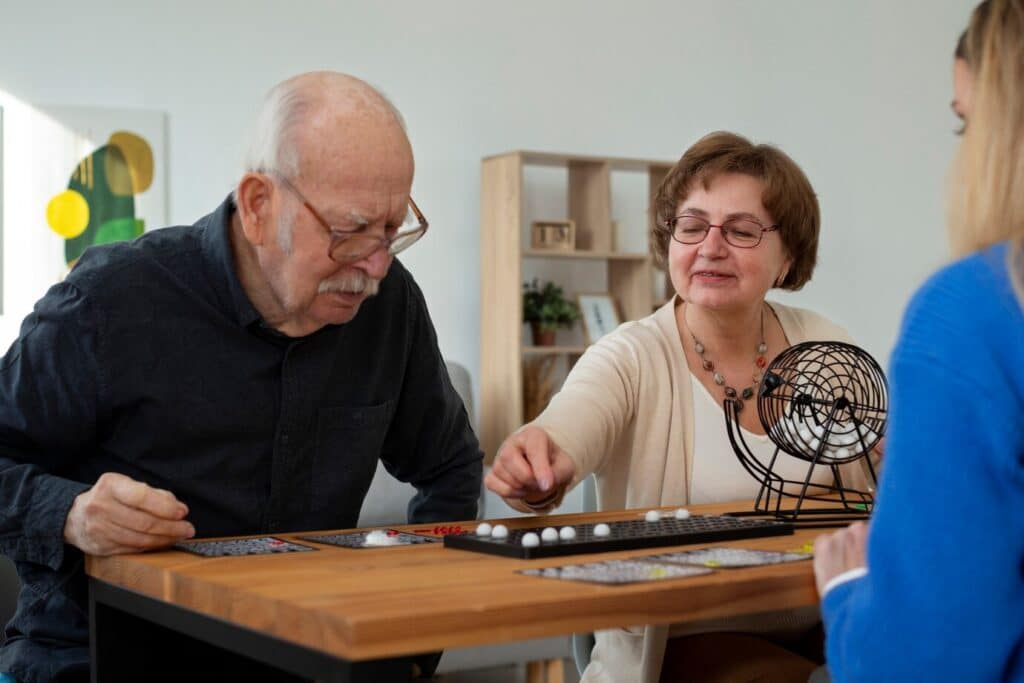
Participating in group exercises, such as chair yoga or light aerobics, improves physical health and fosters a sense of community and support among residents. Board games promote cognitive stimulation and memory improvement, making them popular for recreational activities in such facilities.

Engaging in arts and crafts sessions or gardening activities can provide mental stimulation and cognitive benefits. These activities help residents maintain dexterity and hand-eye coordination while encouraging creativity and self-expression.

Additionally, games like bingo or trivia nights offer residents a fun way to stay mentally sharp and engaged.


Meal Preparation Services

Meal preparation services at assisted care facilities ensure residents receive nutritious and well-balanced meals tailored to their dietary needs and preferences. Here’s how these services cater to the well-being of residents:

  1. Nutritional Planning: Dedicated staff work closely with residents and dietitians to create meal plans that meet specific dietary requirements, ensuring each meal is packed with essential vitamins and minerals.
  2. Personalized Menus: Residents with dietary restrictions or preferences benefit from personalized menus that accommodate their needs without compromising on taste or variety.
  3. Fresh Ingredients: Ingredients are carefully selected to guarantee freshness and quality, enhancing each dish’s flavor and nutritional value.
  4. Mealtime Assistance: Beyond just cooking, staff members provide compassionate assistance during meal times, fostering a warm and inclusive dining experience for residents.

These meticulous approaches to meal preparation support residents’ physical health and contribute to their overall well-being and satisfaction.


Medication Management

Proper dosage administration is essential for residents’ well-being in medication management in assisted care facilities. Staff members are trained to follow strict protocols to store medications safely and maintain effectiveness. Your loved ones can rest assured that their medications are handled carefully, promoting their health and peace of mind.


Proper Dosage Administration

Administering medication dosage correctly is essential to providing high-quality care in assisted living facilities. Proper dosage administration involves meticulous attention to detail and a deep commitment to medication safety. Here are some key practices to follow:

  1. Dosage Monitoring: Regularly check and document the administration of medications to ensure accuracy and consistency. A system for tracking medication intake is vital to prevent errors.
  2. Medication Safety: Prioritize the safety of residents by verifying prescriptions, double-checking dosages, and confirming medication schedules.
  3. Individualized Care Plans: Tailor dosage administration based on each resident’s unique needs and medical history.
  4. Staff Training: Thoroughly train staff members on dosage calculations, medication administration techniques, and the importance of protocol adherence.


Medication Storage Protocols

With a focus on maintaining the integrity and efficacy of medications, proper storage protocols are fundamental in ensuring the safety and well-being of residents in assisted care facilities. Medication safety is a top priority, and following specific storage guidelines is vital to prevent potential risks or errors.

When storing medications, always keep them in their original containers with labels intact. This helps identify the medication correctly and ensure proper usage—store medications in a cool, dry place away from direct sunlight and moisture. Avoid storing them in bathrooms or kitchens where humidity levels can fluctuate.

Additionally, medications should be stored securely, out of reach of residents to prevent accidental ingestion. It’s imperative to regularly check medication expiration dates and properly dispose of any expired or unused medications following facility protocols.


Transportation Assistance

At our assisted care facilities, we acknowledge the importance of providing reliable and safe transportation support to our residents. Maintaining mobility is essential for independence and overall well-being. Our transportation services are crafted with your comfort and safety in mind.

Here are some key aspects of our transportation support:

  1. Transportation Organization: We manage all the details, scheduling, and organization to ensure you arrive at your appointments on time.
  2. Mobility Support: Our trained staff offers hands-on assistance to help you transition in and out of vehicles comfortably and securely.
  3. Accessible Vehicles: Our fleet of vehicles is equipped with ramps and lifts to accommodate different mobility requirements.
  4. Door-to-Door Service: We provide pick-up and drop-off services at your doorstep, eliminating the inconvenience of waiting or finding your way through parking areas.

With our thorough transportation support, you can have peace of mind that your transportation needs are attended to, allowing you to concentrate on enjoying your day without worries.


Socialization Programs

When considering socialization programs at assisted care facilities, it’s important to understand the significance of group activities. These programs provide opportunities for interaction and offer numerous benefits, such as reducing feelings of isolation and promoting mental stimulation. Engaging in community initiatives fosters a sense of belonging and contributes to overall well-being among residents.


Group Activities Importance

Engaging in group activities in assisted care facilities is important to residents’ well-being. These activities foster social engagement and provide mental stimulation, contributing to a higher quality of life for residents.

Here are some key reasons why group activities are crucial in assisted care facilities:

  1. Social Connection: Group activities allow residents to connect with others, form friendships, and combat feelings of isolation.
  2. Sense of Belonging: Participating in group activities helps residents feel part of a community, fostering a sense of belonging and support.
  3. Cognitive Benefits: Engaging in group activities such as puzzles, trivia, or discussions stimulates residents’ minds, promoting cognitive health and mental acuity.
  4. Emotional Well-being: Group activities often lead to moments of joy, laughter, and shared experiences, which can uplift residents’ spirits and improve their emotional well-being.


Benefits of Interactions

Residents in assisted care facilities greatly benefit from participating in socialization programs. Social engagement is crucial in enhancing the overall well-being of individuals residing in these facilities. Through interactions with peers and staff, residents experience a sense of belonging and companionship, reducing loneliness and isolation. These socialization programs provide opportunities for residents to engage in meaningful conversations, share experiences, and build lasting friendships, fostering a supportive community environment.

Benefits of Interactions
1. Enhanced social engagement 2. Improved mental stimulation 3. Reduced feelings of loneliness

Furthermore, engaging in group activities and discussions can lead to mental stimulation, promoting cognitive function and memory retention. Residents are encouraged to participate in various recreational and educational activities that challenge their minds and keep them mentally sharp. The positive effects of these interactions extend beyond just socialization, contributing to the overall quality of life for residents in assisted care facilities.


Community Engagement Initiatives

As individuals residing in assisted care facilities benefit greatly from social interaction, Community Engagement Initiatives play an important role in fostering a sense of connection and belonging among residents. Here are four ways these initiatives enhance the lives of residents:

  1. Volunteer opportunities: Encouraging residents to participate in volunteer programs not only gives them a sense of purpose but also allows them to give back to the community, boosting self-esteem and overall well-being.
  2. Community partnerships: Collaborating with local organizations and businesses for events, workshops, or outings creates a diverse and stimulating environment for residents, promoting socialization and a sense of community.
  3. Interactive group activities: Organizing group activities such as art classes, book clubs, or gardening sessions provides residents with meaningful ways to engage with peers, fostering friendships and camaraderie.
  4. Intergenerational programs: Partnering with schools or youth organizations for intergenerational activities promotes mutual learning and understanding between different age groups, enriching residents’ lives and fostering a sense of legacy and connection within the community.

Find Where You Belong

Dive into the vibrant life our Westmont communities have to offer.


Final Thoughts

To sum up, Westmont of Encinitas offers various essential services to support your loved ones’ physical, emotional, and social well-being. From healthcare assistance and personal care support to recreational activities and meal preparation, these facilities provide residents a compassionate and knowledgeable environment. With medication management, transportation assistance, and socialization programs available, you can rest assured that your loved ones receive the care and attention they deserve. Choose Westmont of Encinitas today for peace of mind and quality care. Contact us at 760-452-6037.


The Importance of Health Literacy According to CDC Guidelines

As you navigate the complex world of healthcare, have you ever stopped to think about how well you understand the information being presented? The ability to find, understand, and use health information is crucial for making informed decisions about your health, and precisely this ability defines health literacy. According to the Centers for Disease Control and Prevention (CDC), Understanding Health Literacy is vital for achieving better health outcomes. In this article, we’ll explore the importance of it, and its impact on health disparities, and what you can do to improve it. As a resident of Encinitas, CA, you have access to quality healthcare services at Westmont of Encinitas. However, it’s equally important to take charge of your health by being health literate. By the end of this article, you’ll better understand the significance of it and how it can empower you to make well-informed decisions about your health. So, let’s get started!


What Is Health Literacy?

Understanding health literacy is crucial for individuals and organizations in making informed health-related decisions and actions.


What Level of Care Do You Need?

Discover the level of care you or your family member requires.


Definition and Evolution

Defining health literacy has undergone significant changes over the years. The updated definition, released in August 2020 as part of the U.S. government’s Healthy People 2030 initiative, emphasizes the importance of personal and organizational health literacy. This shift acknowledges that individuals and organizations are critical in enabling people to find, understand, and use health information and services effectively.


Personal and Organizational Health Literacy

Evolving from the traditional understanding of it, the new definitions focus on the ability to make well-informed decisions rather than just appropriate ones. Personal health literacy refers to an individual’s capacity to find, understand, and use health information and services. In contrast, organizational health literacy refers to an organization’s ability to enable individuals to do the same equitably.


A key aspect of personal and organizational health literacy is the recognition that it is connected to health equity. By acknowledging this connection, we can work towards achieving the highest level of health for all people, regardless of their background or circumstances. As you explore the importance of it, remember that it is a critical component of building trust and advancing health equity in our communities.


Why Is Health Literacy Important?

You may wonder why it’s is crucial in today’s healthcare landscape. The answer lies in its far-reaching impact on individuals, communities, and organizations. It is imperative for building trust, advancing health equity, and improving overall health outcomes.


Building Trust and Health Equity

Trust between healthcare providers and patients is vital to achieving better health outcomes. Health literacy best practices, such as plain language, culturally and linguistically appropriate communication, and preferred language and communication channels, can build trust and advance health equity. According to the National Academies of Science, Engineering, and Medicine, trust is critical to a person’s willingness to engage in care and behaviors that promote health.

Building Trust and Health Equity

Building Trust and Health Equity

Historical Perspective and Research Findings

Perspective is everything when it comes to understanding the importance of it. Dr. Rima Rudd, a renowned health literacy expert at the Harvard T.H. Chan School of Public Health, provides a historical perspective on the field, highlighting its impact on health disparities, barriers to and facilitators of personal and organizational change, and health literacy research evaluation.


The significance of it cannot be overstated. As you explore its importance, you’ll discover it’s closely tied to health equity. By acknowledging the role of organizations in addressing it, you can work towards achieving the highest level of health for all people. For more information on communication strategies that support it, visit the CDC’s website at Communication Strategies | Health Literacy.

I hope this meets your requirements! Let me know if you need any further assistance.


Improving Health Literacy

Some organizations and individuals are already taking steps to improve it. According to the National Institutes of Health (NIH), “Health literacy is the degree to which individuals can access, understand, and use information to make informed health decisions” (Health Literacy | National Institutes of Health (NIH). Adopting it and it’s best practices can build trust and advance health equity.


Action Steps for Organizations and Individuals

Organizations and individuals can take action to improve it by using plain language, culturally and linguistically appropriate language, and preferred communication channels. They can also develop a plan, create health literate materials, and collaborate with other organizations to improve it.

Action Steps for Organizations and Individuals

Action Steps for Organizations and Individuals

National Action Plan and Resources

The National Action Plan to Improve Health Literacy provides a framework for improving it. The plan outlines goals and strategies for improving it, including developing and disseminating health literate materials, providing training and education, and promoting research and evaluation.


With the National Action Plan, you can access resources and tools to improve it, such as the CDC’s Health Literacy Action Plan, attributes of a health literate organization, and guidance on developing a plan in your organization. Additionally, you can find training and education resources, including non-CDC training programs, to improve your skills and knowledge in it.


At Westmont of Encinitas, we understand the importance of it. We are committed to providing our residents with the resources and support they need to make informed health decisions. If you have any questions or concerns about it, please don’t hesitate to contact us at 760-452-6037.


Find Where You Belong

Dive into the vibrant life our Westmont communities have to offer.


Summing up

To wrap up, exploring the importance of it according to CDC guidelines is crucial in today’s healthcare landscape. By understanding the updated definitions of personal and organizational health literacy, you can take action to improve it in your community, organization, or as an individual. It is not just about understanding health information but also about using it to make well-informed decisions. As a resident of Encinitas, CA, you can trust Westmont of Encinitas to provide you with the necessary resources and support to achieve optimal. Call us at 760-452-6037 to learn more about our it’s initiatives. By prioritizing it, we can work together to achieve health equity and better health outcomes.


Understanding The Connection – Is Dementia Fatal?

Fatal—When faced with the complexities of dementia, one common question emerges: Is dementia fatal? This crucial inquiry explores the intricate web of cognitive decline and its ultimate consequences. Through a lens of empathy and knowledge, we aim to explore this question with clarity and compassion, shedding light on the intricate connection between dementia and mortality. Join us with Westmont of Encinitas on this journey of understanding as we navigate the delicate terrain of dementia and its potential outcome.


Key Takeaways:

  • Understanding the Progression: Dementia is a progressive condition that affects the brain’s ability to function correctly.
  • Impact on Lifespan: While dementia itself is not directly fatal, it can lead to complications that may shorten a person’s lifespan.
  • Importance of Care and Support: Proper care and support for individuals with dementia are crucial in maintaining their quality of life and managing potential health risks.


What Level of Care Do You Need?

Discover the level of care you or your family member requires.


Defining Dementia

What is Dementia?

Your loved one’s memory, thinking, and reasoning may be impaired due to the progressive decline caused by dementia.


Types of Dementia

The diagnosis of dementia can be further classified into various types, each with distinct characteristics and impacts. The most common types include Alzheimer’s disease, vascular dementia, Lewy body dementia, frontotemporal dementia, and mixed dementia. Understanding these variations is vital in providing appropriate care and support.

To research deeper, here is a breakdown of the different types of dementia:

  • Alzheimer’s disease
  • Vascular dementia
  • Lewy body dementia
  • Frontotemporal dementia
  • Mixed dementia

Each type’s nuances and specific symptoms can bring unique challenges in the caregiving journey. By recognizing and addressing these differences, tailored care plans can be developed to enhance the quality of life for individuals with dementia.

Types of Dementia

Types of Dementia

The Progression of Dementia

Early Stages: Mild Cognitive Impairment

Even in the early stages of dementia, such as mild cognitive impairment, individuals may experience subtle changes in memory and thinking abilities. These changes may not significantly impact daily function. However, they can be noticeable to those affected and their close family members.


Middle Stages: Moderate Dementia

On the journey through moderate dementia, the challenges become more pronounced. The individual may struggle with everyday tasks, experience heightened confusion, and show communication difficulties. For instance, they may have trouble remembering recent events or people’s names, leading to frustrating moments for the person with dementia and their caregivers.


Late Stages: Severe Dementia

Late stages of severe dementia bring profound cognitive decline and a notable impact on physical abilities. Late-stage dementia individuals may lose the ability to communicate, require assistance with basic activities like eating and toileting, and experience personality changes. This stage can be incredibly challenging for the individual and their care team.

Progression of Dementia

Progression of Dementia

Causes and Risk Factors

Keep in mind that dementia is a complex condition influenced by various causes and risk factors.


Genetic Predisposition

Causes of dementia can include genetic predisposition, where specific genes inherited from family members may increase the likelihood of developing the condition. Assume that individuals with a family history of dementia may have a higher risk of developing the condition themselves.


Lifestyle and Environmental Factors

Causes of dementia can also be linked to lifestyle and environmental factors such as high blood pressure, smoking, lack of exercise, and poor diet. Perceiving these factors as potential risks for dementia emphasizes the importance of adopting a healthy lifestyle to reduce the chances of developing the condition.

Risk Factors

Risk Factors

Managing Dementia

Medical Treatment Options

Treatment for dementia at Westmont of Encinitas, located in Encinitas, CA, is personalized and comprehensive. Call 760-452-6037 to learn more about our medical treatment options.


Non-Pharmacological Interventions

A crucial aspect of managing dementia is through non-pharmacological interventions, such as cognitive therapy and sensory stimulation. At Westmont of Encinitas, we offer a range of programs tailored to the individual needs of our residents to improve their quality of life and well-being.

Managing Dementia

Managing Dementia

Conclusion

Now that we have explored the topic of dementia and its potential fatality, it is essential to continue educating ourselves and spreading awareness about this critical issue. By understanding the connection between dementia and mortality, we can work towards better care and support for individuals and families affected by this condition. Let’s continue the conversation and take action to improve the lives of those with dementia.

FAQ

Q: What is dementia?

A: Dementia is a general term for a decline in mental ability severe enough to interfere with daily life. It is not a specific disease but rather a group of symptoms associated with decreased memory or other thinking skills.

Q: Is dementia fatal?

A: Dementia itself is not classified as a fatal condition, but complications arising from dementia, such as infections or swallowing difficulties, can lead to life-threatening situations.

Q: How does dementia affect life expectancy?

A: Individuals diagnosed with dementia typically have a shorter life expectancy than those without the condition. The exact impact on life expectancy can vary depending on the type of dementia and other health factors.

Q: What are common causes of death in individuals with dementia?

A: Common causes of death in individuals with dementia include pneumonia, infections, and complications related to immobility and swallowing difficulties. These conditions often arise due to the progression of dementia.

Q: How can families prepare for end-of-life care for a loved one with dementia?

A: Families can prepare for end-of-life care by discussing their loved one’s wishes, creating advance directives, and establishing a support network of healthcare providers and caregivers. It is necessary to have open and honest conversations about end-of-life care preferences.


Understanding 10 Signs That Death Is Near In Dementia Patients

With the progression of dementia, it’s crucial to be aware of the signs that indicate the end of life may be approaching for patients. Recognizing these signs can help caregivers and family members provide the best care and support during this challenging time. This comprehensive guide by Westmont of Encinitas explores the top 10 signs of death near dementia patients, shedding light on this critical aspect of end-of-life care.

Key Takeaways:

  • Recognizing the Signs: It is crucial to know the 10 signs of death near dementia patients, such as increased sleep, difficulty swallowing, and withdrawal from social activities.
  • Understanding the Process: Knowing these signs can help family members and caretakers prepare emotionally and practically for the inevitable outcome.
  • Seeking Support: If you have a loved one with dementia, do not hesitate to seek guidance, assistance, and emotional support during this challenging time.


Reduced Physical Mobility

Less Movement

Physical mobility is often one of the first areas to decline in dementia patients nearing the end of life. Less movement may be evident through decreased ability to walk or perform daily activities independently.

Difficulty Sitting

Even sitting for extended periods can become a challenge for dementia patients in the advanced stages. Discomfort, restlessness, and agitation may accompany this difficulty, so providing adequate support and comfort measures is crucial.

Monitoring changes in sitting behavior is essential as it can impact the patient’s overall comfort and quality of life. Consult with healthcare professionals to ensure appropriate care and support for the individual’s needs.

Decreased Food Intake

Eating Less

Even a slight decrease in food intake can be a concerning sign in dementia patients nearing the end of life. Their reduced desire to eat may be attributed to various factors, including changes in metabolism, medication side effects, or simply a decreased appetite due to the progression of the disease. It’s essential to monitor their eating habits and consult with healthcare professionals if significant changes occur.

Weight Loss

Assuming that weight loss is a common occurrence in elderly individuals with dementia is a misconception. While some weight loss is expected due to various factors, significant and rapid weight loss can be a red flag, signaling that the body is shutting down. This is often accompanied by a decline in overall health and functionality, indicating that the end of life may be approaching.

Weight Loss

Weight Loss

Increased Sleep

Noticing an increase in the amount of sleep your loved one with dementia is getting can be a sign that death may be near. This increase in sleep can result from the body naturally slowing down and preparing for the final stages of life.

More Napping

An increase in napping during the day can also be a sign of the body tiring and preparing for the end. As the body’s energy levels decrease, this can be a normal part of the dying process in dementia patients.

Less Alertness

To family members and caregivers, the reduced alertness in dementia patients nearing death can be alarming. It is essential to understand that alertness and awareness are often decreased as the body prepares for the end. This does not necessarily mean the individual is in pain or distress but that the body is naturally shutting down.

This decreased alertness can provide some comfort as it signals that the individual may be in a peaceful state near the end of their life.

Changed Communication

Less Talking

As a dementia patient nears the end of life, you may notice a decrease in verbal communication. This can be due to the deterioration of cognitive functions and the increasing difficulty in finding the right words. It is essential to remain patient and understanding as a caregiver or loved one during this stage.

Non-verbal Expressions

You’ll observe that non-verbal expressions become more prominent in communication with dementia patients at the end of life. Facial expressions, body language, and gestures may convey emotions and needs more effectively than words. Please pay close attention to these cues and respond accordingly to ensure their comfort and well-being.

To support non-verbal communication, consider using touch, gentle reassurance, and maintaining eye contact to establish a connection with the dementia patient. Be mindful that your presence and understanding play a crucial role in helping them feel safe and cared for during this challenging time.

Social Withdrawal

Less Interaction

Interaction with others tends to decrease as dementia progresses. Unlike in the past, when the individual was actively engaged in conversations and activities, they may now show signs of withdrawing from social situations. This decreased interaction can be one of the first signs indicating that death may be approaching for a dementia patient.

Isolation Preference

Withdrawal from social activities may result from cognitive decline and a preference for isolation. As dementia progresses, the individual may start to prefer spending time alone, disengaging from activities they once found enjoyable. This isolation preference can lead to increased social withdrawal and further decreased interaction with others.

With the preference for isolation, dementia patients may start avoiding social gatherings, conversations, and even interactions with close family members. This heightened desire for solitude can indicate that death may be nearing for the individual as they begin to detach themselves from the world around them.

Altered Breathing Patterns

Irregular Breathing

Notice irregular breathing patterns in a loved one with dementia. It can be a sign that they are approaching the end stage of the illness. These irregular breathing patterns may include long pauses between breaths, rapid or shallow breathing, or periods of hyperventilation.

Senior Irregular Breathing

Irregular Breathing

Periods of Apnea

Even more concerning than irregular breathing, periods of apnea or temporary cessation of breathing can occur in dementia patients close to the end of life. These pauses in breathing may last from a few seconds to a minute and can be distressing to witness.

The presence of periods of apnea can indicate that the body is beginning to shut down, and the person may be nearing their final days. Comforting the individual during this time and consulting with their healthcare team for further guidance on end-of-life care is essential.

Decreased Urination

Less Frequent

Some individuals with dementia may begin to experience decreased urination, which can manifest as urinating less frequently than usual. This change in urination pattern could indicate a decline in kidney function or hydration levels. It is vital to monitor the frequency of urination to ensure adequate hydration and proper kidney function.

Darker Urine

Darker urine in dementia patients could be a sign of dehydration or other underlying health issues. Monitoring the color of the urine is crucial, as darker urine may indicate a lack of proper hydration. Ensure that the individual drinks enough fluids to maintain hydration, and consult a healthcare professional if the issue persists.

Swelling in Extremities

Swollen Feet

Even in the advanced stages of dementia, caregivers must remain vigilant for physical signs that could indicate a patient’s health is declining. Swollen feet can be one such indication. This swelling, which can be caused by various factors, including poor circulation, heart failure, or kidney issues, can be uncomfortable for the patient and require medical attention. Suppose you notice your loved one’s feet becoming swollen. In that case, it is essential to consult their healthcare provider for further evaluation and management.

Puffy Hands

Some dementia patients may also experience swelling or puffiness in their hands. This could be due to tissue fluid buildup, a common occurrence in individuals with limited mobility, or other underlying health conditions. Gentle massage and elevation can be beneficial in reducing discomfort and improving circulation to address puffy hands. However, if the swelling persists or worsens, it is imperative to seek guidance from a healthcare professional to rule out any serious underlying issues.

Skin Temperature Fluctuations

 For a dementia caregiver, understanding the signs of impending death in patients is crucial. Skin temperature fluctuations can indicate significant changes in the patient’s condition. Here is a breakdown of the signs to watch for: 

Cold Touch

Even in a warm environment, a dementia patient may feel cold to the touch. This could indicate that their circulation is decreasing as their body begins to conserve energy.

Hot Spots

Temperature irregularities may also manifest as hot spots on the body, indicating a sudden surge in body temperature. This could be a sign of worsening internal imbalances in the patient’s system.

To better understand hot spots, caregivers should pay attention to any localized areas of increased warmth on the body. This could signal the body’s struggle to regulate temperature effectively during this crucial time.

Restlessness or Agitation

Many individuals in the late stages of dementia may display signs of restlessness or agitation. This behavior can manifest in various ways, indicating inner discomfort or distress that the patient may be unable to verbalize.

Physical Fidgeting

Little movements, such as fidgeting, pacing, or constantly changing positions, can indicate physical discomfort or agitation in dementia patients. Paying close attention to these subtle cues can help caregivers provide comfort and support to alleviate the patient’s distress.

Emotional Discomfort

Even in the absence of physical discomfort, dementia patients may exhibit signs of emotional distress through their restlessness or agitation. It is vital to understand and address the underlying emotional needs of the individual to alleviate their discomfort effectively.

With a compassionate and proactive approach, caregivers can help ease the restlessness and agitation experienced by dementia patients in the final stages of their journey, providing them with the comfort and support they require.

Senior Restlessness

Senior Restlessness

Final Words

Conclusively, recognizing the ten signs that death is near in dementia patients is vital for providing the best care and support during this critical time. By understanding these indicators, caregivers and healthcare professionals can anticipate and plan for the end-of-life needs of those with dementia. It is essential to prioritize comfort, dignity, and respect for the individual throughout this process. If you have any concerns or questions about the 10 signs death is near dementia patients, please do not hesitate to contact Westmont of Encinitas at 760-452-6037 for guidance and support.


FAQ

Q: What are the ten signs that death is near in dementia patients?

A: The ten signs that death is near in dementia patients may include increased weakness, decreased appetite, difficulty swallowing, changes in breathing patterns, increased sleeping, confusion and disorientation, changes in circulation, restlessness, decreased urine output, and changes in skin color.

Q: How can I prepare for the final stages of dementia in a loved one?

A: To prepare for the final stages of dementia in a loved one, it is essential to communicate with healthcare providers, ensure comfort measures are in place, seek support from hospice or palliative care services, discuss end-of-life wishes with the individual, and provide emotional support for both the patient and family members.

Q: What can I do to support someone with dementia who is nearing the end of life?

A: To support someone with dementia who is nearing the end of life, you can offer comfort through soothing presence, gentle touch, familiar music, and familiar scents. Communicating calmly, reassuring, and ensuring that the individual is as comfortable as possible is also essential.


5 Essential Senior Care Plans


Welcome to Westmont of Encinitas, where aging should be filled with vitality and joy. As seniors, it’s crucial to have a plan in place to ensure your health, wellbeing, and overall quality of life. This article will explore five essential senior care plans designed to help you thrive during your golden years. Whether you’re seeking ways to maintain your independence or assistance with daily activities, we’ve got you covered. Let’s embark on this journey together and discover the keys to aging gracefully.


1. Physical Wellness Plan

Maintaining physical health is essential for seniors to enjoy a high quality of life. This plan focuses on activities and practices that promote physical wellbeing, such as regular exercise, balanced nutrition, and preventive healthcare. At Westmont of Encinitas, our dedicated staff can help you create a personalized fitness routine tailored to your needs and abilities. From yoga classes to gentle strength training, we offer various options to keep you active and healthy.

  • Engage in regular exercise, such as walking, swimming, or tai chi, to improve mobility and strength.
  • Eat a balanced diet of fruits, vegetables, lean proteins, and whole grains to support overall health and vitality.
  • Schedule regular check-ups with your healthcare provider to monitor your health and address any concerns promptly.


2. Emotional Wellbeing Plan

Emotional wellbeing is just as important as physical health for seniors. This plan focuses on activities and strategies to promote mental and emotional wellness, such as social engagement, stress management, and mindfulness practices. At Westmont of Encinitas, we offer a supportive community where you can connect with others, participate in group activities, and access counseling services as needed.

  • Stay connected with friends and loved ones through regular social activities, phone calls, or video chats.
  • Practice relaxation techniques such as deep breathing, meditation, or progressive muscle relaxation to reduce stress and anxiety.
  • Explore hobbies and interests that bring you joy and fulfillment, whether gardening, painting, or playing music.


3. Financial Security Plan

Financial security is a crucial aspect of senior care planning, ensuring you have the resources to support yourself now and in the future. This plan focuses on budgeting, retirement, and estate planning to help you achieve your financial goals and protect your assets. At Westmont of Encinitas, we offer guidance and support to help you make informed financial decisions and plan for a secure retirement.

  • Create a budget that outlines your monthly expenses and income sources, including retirement savings, Social Security, and pensions.
  • Consult with a financial advisor to develop a retirement plan that aligns with your goals, risk tolerance, and timeline.
  • Review and update your estate plan regularly to ensure your assets are protected and distributed according to your wishes.
Financial Security Plan

Financial Security Plan

4. Healthcare Management Plan

Managing healthcare needs is critical to senior care planning, ensuring you receive the medical care and support you need to stay healthy and independent. This plan focuses on coordinating healthcare services, managing chronic conditions, and advocating for your health and wellness. Westmont of Encinitas offers personalized care plans tailored to your needs, preferences, and goals.

  • Keep track of your medical appointments, medications, and treatments to stay on top of your healthcare needs.
  • Communicate openly and regularly with your healthcare providers to address any concerns or changes in your health.
  • Stay informed about healthcare resources and services available in your community, such as senior centers, support groups, and home healthcare agencies.


5. Long-Term Care Plan

Planning for long-term care is essential for seniors who may need assistance with daily activities or require specialized care as they age. This plan focuses on exploring long-term care options, such as assisted living communities, memory care facilities, and skilled nursing facilities, and making informed decisions about your future care needs. Westmont of Encinitas offers various care services and accommodations to meet your needs and preferences.

  • Research and visit different long-term care facilities to find the right fit for your needs, preferences, and budget.
  • Discuss your long-term care preferences and wishes with your loved ones and healthcare providers to ensure that your wishes are honored.
  • Explore options for financing long-term care, such as long-term care insurance, veterans benefits, and Medicaid, to help cover care costs.


Conclusion:

As you embark on your journey into the golden years, remember that you’re not alone. At Westmont of Encinitas, we’re here to support you every step of the way. You can enjoy a vibrant and fulfilling retirement by creating a comprehensive senior care plan that addresses your physical, emotional, financial, healthcare, and long-term care needs. Contact us today at 760-452-6037 to learn how we can help you unlock the secret to aging gracefully.


FAQs:

  • What is the difference between assisted living and memory care?
  • Assisted living communities provide support with activities of daily living, such as bathing, dressing, and medication management. At the same time, memory care facilities offer specialized care for individuals with Alzheimer’s disease or other forms of dementia.
  • How do I know if I need long-term care?
  • If you’re having difficulty with activities of daily living, such as bathing, dressing, eating, or mobility, or if you require frequent medical supervision or assistance, consider long-term care options.
  • What is the cost of senior care plans?
  • The cost of senior care plans varies depending on the level of care needed, location, and amenities. Researching and comparing different options is essential to find one that fits your budget and meets your needs.

Takeaways:

  • Prioritize physical, emotional, and financial wellbeing in your senior care planning.
  • Stay proactive about managing your healthcare needs and exploring long-term care options.
  • Seek support and guidance from trusted professionals, such as healthcare providers and financial advisors, to create a comprehensive senior care plan that meets your needs and preferences.


Senior Health Alert: Addressing the Effects of Brain Injury

Brain injuries, often considered a silent epidemic in the senior population, pose significant health challenges. At Westmont of Encinitas, we recognize the importance of addressing this critical issue. Understanding the effects of brain injury is the first step toward effective management and prevention.


The Prevalence and Impact of Brain Injuries Among Older Adults

Brain injuries in older adults frequently result from falls, strokes, or other health complications. These injuries can lead to long-term cognitive and physical impairments, profoundly affecting seniors’ quality of life. Our focus at Westmont of Encinitas is on providing exceptional care and educating and empowering our community about these risks.


The Effects of Brain Injury on Senior Health

Cognitive Changes and Memory Loss Post-Brain Injury

One of the most profound effects of brain injury in seniors is cognitive impairment. Memory loss, difficulty processing information, and challenges in decision-making are common. Our team at Westmont of Encinitas is skilled in providing support and therapies to enhance cognitive function and compensate for these changes.


Physical Challenges and Rehabilitation Post-Injury

Physical repercussions, such as impaired mobility or coordination, are also significant effects of brain injury. At Westmont of Encinitas, our rehabilitation programs are tailored to help seniors regain their strength and independence, ensuring a focus on holistic recovery.

Physical Challenges and Rehabilitation Post-Injury

Physical Challenges and Rehabilitation Post-Injury

Proactive Measures for Brain Health

Preventive Strategies to Mitigate Risks of Brain Injury

Prevention is crucial when it comes to brain injuries. At Westmont of Encinitas, we emphasize the importance of preventive measures like regular health check-ups, maintaining a safe living environment, and engaging in brain-stimulating activities to reduce the risk of injury.


The Role of Nutrition and Lifestyle in Brain Health

Nutrition and lifestyle play pivotal roles in maintaining brain health. Our dietary plans are designed to cater to the specific needs of seniors, focusing on brain-healthy foods rich in antioxidants and essential nutrients. We also encourage an active lifestyle, integrating exercises that enhance cognitive and physical health.


Empowering Seniors: Knowledge and Support Post Brain Injury

Educational Programs and Support Groups at Westmont of Encinitas

At Westmont of Encinitas, we believe in empowering our residents through education. Offering seminars and support groups focused on the effects of brain injury creates a platform for seniors and their families to understand and manage these challenges more effectively.


Tailoring Care to Individual Needs Post-Brain Injury

Each senior’s experience with brain injury is unique. Our approach at Westmont of Encinitas involves personalized care plans tailored to address each individual’s specific needs and challenges, ensuring a path to recovery that is as comfortable and effective as possible.


Integrating Technology and Therapy for Brain Health

Innovative Therapies and Technologies in Brain Injury Care

Leveraging the latest technologies and therapeutic methods, Westmont of Encinitas stands at the forefront of brain injury care. From cognitive therapy sessions to physical rehabilitation technologies, we ensure our residents can access the best resources for their recovery journey.


The Importance of Regular Monitoring and Assessment

Regular monitoring and assessment are key to managing the effects of brain injury. Our team conducts periodic evaluations to track progress and adjust care plans, ensuring each resident receives the most beneficial and responsive treatment.

Building a Supportive Community

Fostering a Supportive Environment for Seniors with Brain Injuries

Creating a supportive community environment is crucial for seniors recovering from brain injuries. Westmont of Encinitas prides itself on cultivating a sense of belonging and mutual support among residents, enhancing their emotional and psychological well-being.


Engaging Families in the Care Process

Family involvement plays a vital role in the recovery process. We encourage families to actively participate in their loved ones’ care, offering guidance and support to navigate this challenging journey together.


Embracing a Future of Health and Wellness Post-Brain Injury

At Westmont of Encinitas, our commitment to addressing the effects of brain injury in seniors is unwavering. We strive to provide a nurturing and knowledgeable environment where seniors can recover and thrive.


Westmont of Encinitas: Your Partner in Senior Brain Health

If you or a loved one are navigating the complexities of a brain injury, remember that you are not alone. Westmont of Encinitas is here to offer expert care, support, and guidance. For more information or to discuss how we can assist in your unique situation, please call us at 760-452-6037.


Essential Tips for Choosing Medicare Assisted Living Services

Medicare Assisted Living Services at Westmont of Encinitas

When finding the right Medicare assisted living services, seniors and their families face a crucial decision. Westmont of Encinitas, located in the heart of Encinitas, CA, stands as a beacon of expertise and compassion in this field. Our guide aims to provide comprehensive tips and insights to help you navigate this important choice.

Understanding Medicare Assisted Living

The Role of Medicare in Assisted Living

As a health insurance program primarily for people aged 65 and older, Medicare plays a significant role in covering various health-related expenses. However, understanding the specifics of how Medicare intersects with assisted living is crucial for making informed decisions.

What Medicare Covers in Assisted Living

While Medicare doesn’t typically cover long-term assisted living costs, it contributes to certain health services in these settings. Knowing these details is vital for financial planning and choosing the right facility.

Evaluating Assisted Living Facilities

Key Factors to Consider

Selecting an assisted living facility involves evaluating multiple factors, such as the quality of care, staff qualifications, and the range of services offered. At Westmont of Encinitas, we pride ourselves on exceeding standards in all these areas.

Westmont of Encinitas: A Benchmark of Excellence

As a leading provider of Medicare assisted living services, Westmont of Encinitas is committed to offering top-tier care. Our facilities, staff, and programs are designed to meet and surpass the needs and expectations of our residents.

Personalized Care Approach

Tailoring Services to Individual Needs

Each senior has unique needs and preferences. At Westmont of Encinitas, we emphasize personalized care plans to ensure every resident receives the attention and services that best suit their individual requirements.

The Importance of Personalized Care in Assisted Living

Personalized care is not just about comfort; it’s about providing a level of service that enhances the quality of life and promotes independence for as long as possible.

Community and Social Engagement

Building a Supportive Community

Assisted living is not just about health care; it’s about community. At Westmont of Encinitas, we foster an environment of social engagement and support, encouraging residents to lead fulfilling lives.

Activities and Social Programs at Westmont of Encinitas

Our robust schedule of activities and social programs is designed to keep our residents engaged, active, and connected with each other and the broader Encinitas community.

Health and Wellness Programs

Comprehensive Health Services

Our comprehensive health and wellness programs ensure that all medical needs are met with the highest standards of care. We collaborate closely with healthcare providers to integrate our services seamlessly with Medicare-covered treatments.

Wellness Beyond Medical Care

At Westmont of Encinitas, wellness extends beyond medical care. We offer various activities and programs to promote overall well-being, including physical, mental, and emotional health.

Choosing the Right Room and Amenities

Comfort and Convenience in Living Spaces

When exploring Medicare assisted living options, the choice of living space is paramount. At Westmont of Encinitas, our rooms are designed with comfort, safety, and convenience in mind, ensuring a homelike atmosphere for all our residents.

Amenities That Enhance Living Experience

Our range of amenities, from on-site dining to recreational areas, is thoughtfully curated to enhance the daily living experience of our residents, promoting both independence and community engagement.

Safety and Security Measures

Prioritizing Resident Safety

Safety is a non-negotiable aspect of quality assisted living. At Westmont of Encinitas, we implement advanced safety and security measures to ensure the well-being of every resident, giving families peace of mind.

Cutting-Edge Security Technology

Utilizing the latest in security technology, from emergency response systems to 24/7 monitoring, we ensure a secure environment where residents can live comfortably and with dignity.

Family Involvement and Communication

Encouraging Family Participation

Choosing a Medicare assisted living facility is often a family decision. At Westmont of Encinitas, we encourage family involvement and open communication to ensure that the needs and preferences of both the residents and their loved ones are met.

Encouraging Family Participation

Encouraging Family Participation

Transparent and Continuous Communication

Maintaining transparent and continuous communication with families is a cornerstone of our philosophy. We keep families informed about their loved ones’ care and well-being, fostering trust and collaboration.

Financial Planning and Medicare Assistance

Navigating Financial Options

Understanding the financial aspects of assisted living, including how Medicare plays a role, can be complex. Our knowledgeable staff at Westmont of Encinitas is equipped to assist families in navigating these financial waters, ensuring a clear understanding of all options available.

Assistance with Medicare and More

Beyond just providing top-notch care, we assist our residents and their families in maximizing their Medicare benefits and exploring other financial options to cover assisted living costs.

Continuous Care and Transitioning

Seamless Transition into Assisted Living

The transition to assisted living can be challenging for many seniors. At Westmont of Encinitas, we strive to make this transition as smooth and comfortable as possible, offering support every step of the way.

Adapting to Changing Care Needs

Our commitment to our residents extends to adapting our care plans as their needs evolve. This continuous care approach ensures that residents always receive the care they need as their situations change.

Your Partner in Medicare Assisted Living

Choosing the right Medicare assisted living service is a significant decision that impacts the quality of life for seniors. Westmont of Encinitas stands as a trusted partner in this journey, offering expert care, a supportive community, and a commitment to the well-being of each resident.

We are here to help

Suppose you or your loved one is considering Medicare assisted living options. In that case, we invite you to explore what Westmont of Encinitas has to offer. Our team is here to guide you, answer your questions, and help you choose your unique situation. Feel free to contact us at 760-452-6037 for a friendly, no-obligation conversation about your assisted living needs.


Assessing Resident Needs in Memory Care Facilities

At Westmont of Encinitas, we understand that each resident in our memory care facilities has unique needs and challenges. The journey of memory loss, whether due to Alzheimer’s, dementia, or other cognitive impairments, is deeply personal. Our approach to care is centered around recognizing and respecting these individual experiences.


Personalized Care Plans: The Core of Effective Memory Care

Creating personalized care plans is crucial in addressing the specific needs of each resident. These plans are not just medical prescriptions but holistic strategies encompassing physical, emotional, and social wellness.

The Role of Skilled Caregivers in Memory Care

Our team of skilled caregivers is trained to recognize the subtle changes in a resident’s behavior or health, ensuring a responsive and adaptive care environment. Their expertise is not just in providing medical care but also in offering emotional support and understanding.


What Level of Care Do You Need?

Discover the level of care you or your family member requires.


Engaging Activities: More Than Just Pastimes

Cognitive Stimulation: Keeping the Mind Active

At Westmont of Encinitas, we believe in the power of cognitive stimulation. Activities like memory games, puzzles, and creative arts are enjoyable and essential in maintaining cognitive functions.

Tailoring Activities to Individual Preferences

Understanding each resident’s history, hobbies, and preferences is key to designing engaging and beneficial activities. Personalized activities help in creating a sense of accomplishment and joy, which is vital for the well-being of our residents.

Engaging Activities: More Than Just Pastimes

Engaging Activities: More Than Just Pastimes

The Importance of a Safe and Comfortable Environment

Designing Memory Care Spaces: Safety and Familiarity

A well-designed memory care facility is more than just a living space; it’s a place that feels like home. Our facilities are designed with safety and comfort in mind, incorporating familiar and soothing elements for our residents.

Navigating the Challenges of Spatial Orientation

Memory impairments can often lead to difficulties in spatial orientation. Our facility layout is intuitive and straightforward, helping residents navigate their surroundings with ease and confidence.


Building a Community: The Heart of Memory Care

Fostering Social Connections in Memory Care Facilities

Social interactions play a crucial role in the well-being of our residents. At Westmont of Encinitas, we strive to create a sense of community where residents can form meaningful connections with peers and staff. Group activities, social events, and communal dining are just a few ways we encourage these connections.

The Power of Familiarity and Routine

Consistency and routine are comforting for individuals with memory impairments. Our daily schedule includes familiar activities that help residents feel secure and oriented.


Communication: Bridging the Gap with Families

Keeping Families Involved and Informed

We believe in maintaining open and ongoing communication with the families of our residents. Regular updates, family meetings, and accessible staff ensure that families are always informed and involved in the care of their loved ones.

Understanding and Empathy in Communication

Our staff is trained not only in caregiving but also in compassionate communication. Empathy and understanding are at the core of our interactions with both residents and their families.


Nutritional Care: Essential for Memory Care Residents

Tailored Nutrition Plans for Optimal Health

Proper nutrition is vital for the health and well-being of memory care residents. At Westmont of Encinitas, we provide nutrition plans tailored to each resident’s individual needs and preferences, ensuring they receive the nourishment necessary for their overall health.

Addressing Dietary Needs and Preferences

Our culinary team is skilled in creating delicious meals that cater to various dietary requirements and preferences. We understand the importance of a balanced diet and its role in our residents’ cognitive and physical health.


Training and Development: Ensuring Quality Care

Continuous Learning for Memory Care Staff

Providing top-quality care in memory care facilities requires continuous learning and development. Our staff undergoes regular training to stay updated on the latest in memory care and to refine their caregiving skills.

Empathy and Professionalism in Caregiving

The combination of empathy and professionalism is what sets our staff apart. They are not just caregivers; they are compassionate individuals dedicated to making a difference in the lives of our residents.


A Commitment to Excellence in Memory Care

At Westmont of Encinitas, we are committed to providing the highest standard of care for residents with memory impairments. Our approach is holistic, personalized, and centered on the unique needs of each individual. We understand that choosing a memory care facility is an important decision, and we are here to support you every step of the way.

Experience Compassionate Care at Westmont of Encinitas

If you or a loved one is in need of memory care, we invite you to experience the compassionate and expert care at Westmont of Encinitas. Call us today at 760-452-6037 to learn more about our services and how we can help meet your memory care needs.


Floor Plans & Pricing

Make yourself at home where a happy, healthy lifestyle goes hand-in-hand with your personal fulfillment, enrichment, and growth.

Answer a few quick questions to unlock the exciting future senior living can offer!

Resident Login