

Step Into Westmont Living®

Exploring Assisted Living Floor Plans – Westmont of Encinitas

Exploring Assisted Living Floor Plans for Every Lifestyle

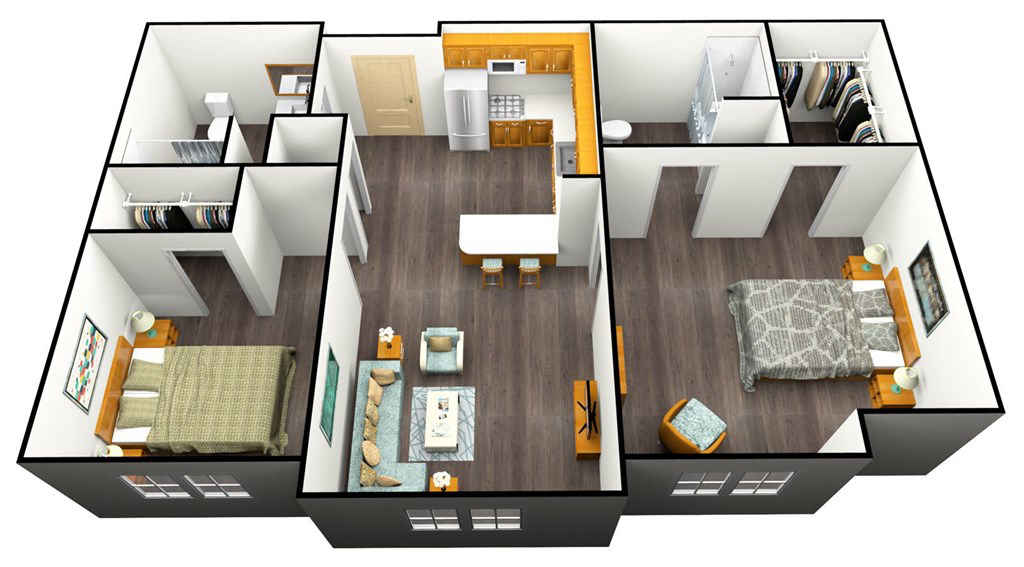
You might be surprised to learn that assisted living floor plans at Westmont of Encinitas can greatly affect your comfort and overall well-being. With various layouts available, each designed to cater to different lifestyles and preferences, choosing the right one can feel overwhelming. From spacious communal areas to private retreats, these spaces are crafted with functionality and accessibility in mind. To make an informed choice, reflecting on how these features align with your needs and aspirations is crucial. What options at Westmont of Encinitas might best suit your lifestyle?
Types of Assisted Living Floor Plans

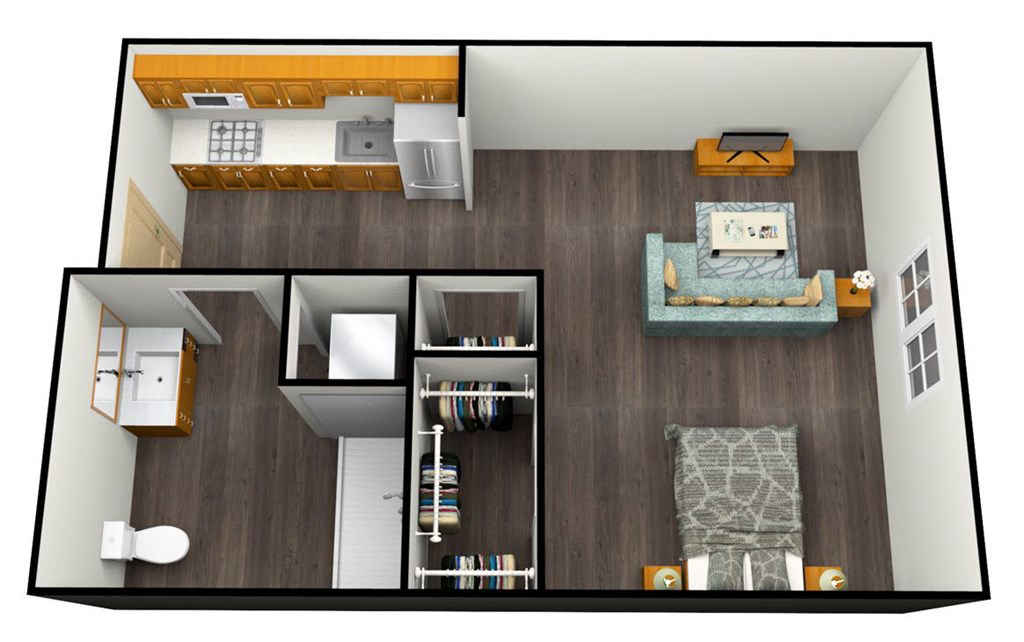
When exploring assisted living options, you’ll find a variety of floor plans designed to meet diverse needs and preferences. Assisted living floor plans for seniors typically include studio apartments, one-bedroom, and two-bedroom units, allowing residents to choose a space that feels like home.

Studio apartments provide an efficient layout, combining living and sleeping areas, while one-bedroom units offer additional privacy and space for personal belongings.

Many facilities feature shared communal areas, promoting social interaction and fostering community among residents. You might also encounter layouts with easy access to dining rooms, activity spaces, and outdoor areas, which enhance the overall living experience.

Accessibility is vital to these floor plans, ensuring that mobility aids can be utilized comfortably. Safety features, such as handrails and emergency call systems, are often integrated into the design, providing peace of mind for both residents and their families. Additionally, many facilities incorporate personalized care services, ensuring that individual needs are met within the living environment.

In selecting the right assisted living floor plan, consider individual preferences, lifestyle, and the level of care required. This thoughtful approach can greatly enhance the quality of life for seniors as they evolve into these supportive environments.

Customization Options for Residents

Residents of assisted living facilities often have the opportunity to customize their living spaces, making it feel more like home. This personalization is crucial for enhancing comfort and fostering a sense of belonging.

You can choose from various customization options that align with your lifestyle and preferences while maintaining the essential features of assisted living floor plans.

Here are three popular customization options:

  1. Color Schemes: Select from a palette that resonates with your personality, creating a soothing atmosphere or a vibrant space.
  2. Furniture Layout: Arrange your furniture to maximize space and promote functionality, ensuring your home meets your daily needs and lifestyle.
  3. Decorative Touches: Add personal items like family photos, cherished artwork, or favorite books, allowing your unique story to shine through.

These customization options enhance the aesthetic of your living space and improve your overall well-being, as social connection plays a vital role in fostering a sense of community and belonging.

Accessibility Features to Consider

Accessibility features are fundamental in assisted living floor plans, guaranteeing that all residents can navigate their environment safely and comfortably. When considering these features, think about wider doorways, which accommodate wheelchairs and mobility aids. Level flooring without thresholds can prevent tripping hazards and make movement easier.

Incorporating grab bars in bathrooms and hallways is vital for safety and independence. You’ll also want to verify that light switches and outlets are within easy reach, promoting usability for everyone.

When reviewing assisted living design guidelines, consider the layout of kitchens and bathrooms. Open floor plans can enhance accessibility, allowing for smoother shifts between spaces. Adequate lighting, including natural light sources, plays a notable role in helping residents feel secure and at ease. Additionally, incorporating advanced healthcare technologies can further enhance the safety and comfort of residents in their living spaces.

Don’t forget about emergency features, such as call systems that residents can access easily.

assisted living floor plans

Communal Spaces and Social Areas

Communal spaces and social areas play a crucial role in the well-being of those living in assisted living facilities.

These thoughtfully designed areas encourage interaction, foster friendships, and create a sense of community among residents. When you explore assisted living facility floor plans, you’ll notice how communal spaces are strategically integrated to enhance social engagement.

Consider these key features:

  1. Activity Rooms: Versatile spaces for games, crafts, and exercise classes, promoting physical and mental wellness.
  2. Dining Areas: Shared dining experiences that allow residents to enjoy meals together, strengthening bonds and enhancing mealtime enjoyment.
  3. Outdoor Patios or Gardens: Beautifully landscaped areas provide a serene environment for relaxation and social gatherings.

These communal spaces are crucial in reducing feelings of isolation and loneliness.

They allow residents to connect, share experiences, and participate in group activities. As you look at assisted living facility floor plans, remember that these social areas are more than just physical spaces; they’re fundamental to creating a vibrant, supportive community that enriches the lives of all residents. Additionally, the community thrives on companionship and creates lasting connections among residents, enhancing their quality of life.

Safety Considerations in Design

When designing assisted living spaces, prioritizing safety is vital for guaranteeing a comfortable and secure environment for all occupants. Thoughtful safety considerations can make a significant difference in residents’ lives.

Start by evaluating assisted living room layouts to guarantee they promote easy navigation and accommodate mobility aids. Wider doorways and hallways can help prevent accidents, while non-slip flooring minimizes the risk of falls.

Incorporate grab bars and handrails in strategic locations, especially in bathrooms and along stairways. Adequate lighting is essential, so consider natural light sources and install bright, even lighting to help residents see clearly at all times. Emergency call systems should be easily accessible, allowing residents to summon help quickly if needed.

In addition, make sure that furniture arrangements encourage safe movement and foster a sense of community. Open spaces can facilitate social interactions, while cozy nooks provide opportunities for quiet moments.

Technology Integration in Floor Plans

Incorporating technology into assisted living floor plans can greatly enhance residents’ quality of life.

Smart home features, health monitoring systems, and improved connectivity foster independence while ensuring safety and well-being.

As you explore these options, consider how they can create a more supportive and engaging environment for everyone involved.

Smart Home Features

Smart home features are reshaping the landscape of assisted living floor plans, making daily life smoother and more connected for residents. By integrating technology into your assisted living apartment, you can enhance comfort, safety, and convenience.

Consider these three smart home innovations that can transform your living experience:

  1. Voice-Activated Assistants: You can control lighting, temperature, and entertainment systems with simple voice commands, making everyday tasks easier and more enjoyable.
  2. Smart Security Systems: These systems provide peace of mind with features like video doorbells and motion sensors, ensuring you’re safe and secure within your space.
  3. Automated Lighting: Smart lighting can adjust automatically based on the time of day or your preferences, creating a warm and inviting atmosphere while helping to prevent accidents.

Integrating these smart home features into your assisted living apartment will promote independence and connect you with loved ones.

Embracing this technology can help you lead a vibrant, engaged life while ensuring your comfort and safety—because you deserve a living space that truly caters to your needs.

Health Monitoring Systems

Health monitoring systems greatly enhance the well-being of residents in assisted living facilities by providing real-time data on essential signs and health metrics.

These systems integrate seamlessly into assisted living floor plans, ensuring that caregivers can monitor crucial health information without intruding on residents’ privacy. Many floor plans, available in assisted living floor plans pdf format, incorporate dedicated spaces for health technology, allowing for easy access and functionality.

With wearable devices, smart sensors, and remote monitoring capabilities, residents can enjoy greater safety and independence.

These technologies alert staff to any concerning changes, enabling prompt intervention when necessary. It’s reassuring for families to know that their loved ones are being monitored closely, which empowers them to focus on building meaningful relationships rather than worrying about health concerns.

Moreover, integrating health monitoring systems fosters a proactive approach to wellness, encouraging residents to engage in healthier lifestyles.

This technology enhances individual care and supports the overall community well-being, making assisted living a truly enriching experience for everyone involved.

Connectivity and Communication

As health monitoring systems enhance residents’ safety and independence, the integration of connectivity and communication technologies becomes equally important in assisted living floor plans.

These technologies create a seamless experience for small assisted living floor plans, fostering connections among residents, staff, and families.

Imagine how these features can transform daily life:

  1. Wi-Fi Access: Ensuring residents stay connected with loved ones through video calls or social media, alleviating feelings of isolation.
  2. Emergency Response Systems: Installing user-friendly devices that allow residents to communicate with staff instantly, ensuring timely assistance when needed.
  3. Smart Home Features: Integrating voice-activated devices enables residents to control their environment with ease, enhancing convenience and promoting independence.

assisted living floor plans

Choosing the Right Layout for You

When choosing the right layout for your assisted living space, consider how much personal space you need to feel comfortable and at home.

Accessibility features play a vital role in ensuring you can move around safely and confidently. By prioritizing these elements, you can create an environment that supports both your independence and well-being.

Personal Space Considerations

Choosing the right layout for your personal space in an assisted living facility is essential to ensuring comfort and independence. When contemplating assisted living house plans, think about how the layout can reflect your lifestyle and preferences.

Here are three key aspects to reflect on:

  1. Privacy: Choose a floor plan that offers enough separation from common areas, allowing you to enjoy your personal time without disturbances.
  2. Functionality: Look for a layout that accommodates your daily routines. Ponder how the kitchen, bathroom, and living spaces are arranged to best suit your needs.
  3. Personalization: Select a design that allows you to infuse your personality into the space, whether through décor or the arrangement of furniture.

These factors can greatly impact your overall satisfaction and sense of belonging.

A well-chosen layout enhances personal comfort and fosters a warm and inviting atmosphere. By prioritizing your preferences, you can create a space that feels like home, allowing you to thrive in your new community while maintaining your independence.

Accessibility Features Importance

Selecting a layout that prioritizes accessibility features can greatly enhance your experience in an assisted living facility. When you’re looking at assisted living floor plans for sale, consider how each layout accommodates mobility aids, such as wheelchairs or walkers. Wider doorways and hallways can make a significant difference in your daily life, allowing for easier movement and independence.

Additionally, think about the placement of essential fixtures. Grab bars in bathrooms, walk-in showers, and non-slip flooring are vital safety elements that can prevent accidents. Ample lighting and clear pathways also contribute to a secure environment, helping to alleviate concerns about falls.

Communal spaces should also be accessible, encouraging social interaction and engagement among residents. A thoughtfully designed layout fosters a sense of community, making it easier to participate in activities and build relationships.

Ultimately, choosing the right assisted living floor plan with accessibility features not only supports your physical needs but also enhances your overall quality of life. By prioritizing accessibility, you’re setting the stage for a fulfilling and independent lifestyle.


Choosing the right assisted living floor plan can greatly enhance your quality of life at Westmont of Encinitas. For instance, consider Sarah, who opted for a spacious one-bedroom unit with easy access to communal areas. This layout not only provides her with the privacy she values but also encourages social interactions through shared activities. By carefully evaluating your needs and preferences, you can find a space that feels like home while ensuring comfort, safety, and a vibrant community atmosphere. For more information, feel free to reach out to us at 760-452-6037.


Compare The Costs of Senior Living vs Staying at Home

How Do The Costs Of Moving Into A Quality Senior Care Community Compare With The Costs Of Staying At Home?


Frequently Asked Questions on Assisted Living Facilities

What is the best flooring for assisted living facilities?
The best flooring for assisted living facilities prioritizes safety, durability, and ease of maintenance. Options like luxury vinyl tile (LVT) or slip-resistant carpet are popular because they reduce the risk of falls and are easy to clean. Flooring should also absorb noise to create a calm environment and accommodate wheelchairs and walkers without resistance. It’s important to consult professionals to select flooring that meets both safety standards and aesthetic preferences.

What is one of the biggest drawbacks of assisted living?
One of the biggest drawbacks of assisted living is the cost, which can be a significant financial burden for families. Additionally, some residents may experience emotional challenges, such as feelings of isolation or loss of independence, particularly during the initial adjustment period. It’s essential to evaluate the facility’s culture, staff, and activities to ensure it aligns with the resident’s needs. Regular visits and open communication can help mitigate these challenges and enhance the overall experience.

How to find floor plans for free?
Many assisted living communities offer free access to floor plans on their websites to help families visualize their living spaces. Additionally, online real estate and senior living platforms often feature sample layouts for different apartment styles. Visiting the facility in person can also provide access to brochures or virtual tours with detailed floor plans. For custom options, working directly with the community’s admissions team can yield more personalized resources.

How is most assisted living care usually paid for?
Most assisted living care is paid for through a combination of personal savings, family contributions, and long-term care insurance. Medicaid may cover some costs for eligible residents, although it varies by state and often excludes room and board. Veterans may also access specific benefits to help offset expenses. It’s advisable to work with a financial planner or consult with the facility to explore all available funding options.




Independent Living Specialists: Who They Are and How They Support Seniors

As you ponder the complexities of aging and the challenges that come with it, you may find yourself curious about the pivotal role Independent Living Specialists at Westmont of Encinitas play in the lives of seniors. These professionals navigate a domain where compassion meets expertise, offering support and empowerment to those in their care. But what specific skills and qualities define these specialists at Westmont of Encinitas, and how do they truly make a difference in the lives of older adults? Let’s explore the intricacies of their work and the profound impact they have on fostering independence and well-being among seniors.


Roles and Responsibilities

As an Independent Living Specialist, your roles and responsibilities encompass a wide range of important tasks that directly impact the lives of individuals seeking to maintain their independence. You play a pivotal role in providing support services to seniors, ensuring they receive the care and assistance needed to live independently and comfortably. One of your primary duties is care coordination, which involves working with healthcare providers, social workers, and family members to create personalized care plans tailored to each individual’s unique needs. 

By coordinating these services effectively, you help seniors access the resources necessary to enhance their quality of life and promote independence. In addition to care coordination, you provide emotional support and guidance to seniors, helping them navigate challenges and overcome obstacles they may face. Your compassionate approach and attention to detail make a significant difference in the lives of those you serve, fostering a sense of trust and security in the support you provide. 

Through your dedication and expertise, you make a meaningful impact on the well-being of seniors in your care. Regular check-ins with seniors and providing various options for staying active and healthy are essential to your support plan.

Qualifications and Training

Moving forward in your journey as an Independent Living Specialist, the qualifications and training you possess are essential to effectively fulfilling your roles and responsibilities. Obtaining certifications in caregiving, first aid, and dementia care equips you with the necessary skills to provide quality care to seniors. Your experience in working with older adults, whether in a professional setting or through volunteer work, adds valuable insights and empathy to your practice.

Continuous training and education help you stay updated on the latest trends and best practices in senior care, ensuring you can offer support to those you serve. Combining your certifications and experience can create a supportive and enriching environment for seniors to thrive in. Your dedication to ongoing learning and improvement reflects your commitment to providing personalized care that meets the unique needs of each individual under your guidance. A solid foundation in senior well-being is crucial for your success in this role.

Personalized Care Plans

As an independent living specialist, creating personalized care plans tailored to each individual’s unique needs is crucial to providing seniors with the highest level of care. By offering individualized support and tailored assistance, seniors can receive the specific help they require to maintain their independence and quality of life. These personalized care plans are carefully crafted to address every aspect of a senior’s well-being, from physical health to emotional support. Additionally, including trained staff in developing and implementing these plans ensures that seniors receive expert care and attention.

Benefits of Personalized Care Plans Description Importance
1. Holistic Approach Considers physical, emotional, and social needs Ensures thorough care
2. Customized Services Tailored assistance based on individual requirements Enhances the effectiveness of support
3. Regular Monitoring Ongoing evaluation and adjustments Ensures care remains current and beneficial
4. Enhanced Quality of Life Promotes independence and well-being Fosters a satisfying lifestyle

With these personalized care plans, seniors can receive the attention and support they need to thrive independently while feeling valued and cared for.

brain fitness for seniors

Community Resource Connections

Fostering strong connections with community resources is essential to further enriching the support system for seniors seeking independent living. Independent living specialists play a pivotal role in linking seniors to various referral networks, ensuring access to essential services. Through these connections, seniors can engage in social activities that promote mental well-being and combat feelings of isolation. 

Additionally, community resource connections offer opportunities for health education, empowering seniors to make informed decisions about their well-being, such as managing chronic health conditions effectively. Specialists can facilitate workshops and seminars on topics such as nutrition, preventive care, and chronic disease management.

Moreover, transportation assistance is a critical component of independent living support. Seniors can maintain their independence by coordinating transportation services by accessing medical appointments, social outings, and other necessary activities.

Advocacy and Support Services

Advocacy and support services are essential pillars in the independent living framework for seniors. These services provide a safety net for seniors, ensuring that their rights are protected and their emotional well-being is supported. Independent living specialists offer legal assistance to navigate complex issues such as estate planning, health care directives, and housing rights. Through this support, seniors can make informed decisions and safeguard their interests. Additionally, recognizing signs of stress and burnout is crucial for caregivers to ensure they can provide the best care for elderly parents.

In addition to legal assistance, emotional support plays a pivotal role in enhancing the quality of life for seniors. Independent living specialists provide a listening ear, empathy, and guidance to help seniors cope with the challenges they may face.

Whether it’s dealing with loss, loneliness, or adjusting to a new living situation, having someone to lean on can make a significant difference in a senior’s life.

Enhancing Quality of Life

Enhancing the quality of life for seniors is a multi-faceted effort that demands a personalized approach tailored to each individual’s unique needs and preferences. Independent living experts play a vital role in this process by focusing on promoting social interaction and emotional wellness among seniors. Through various activities and programs, these experts aim to foster connections and relationships that counteract feelings of loneliness and isolation. 

Arranging group outings, social gatherings, and community events creates opportunities for seniors to interact, exchange experiences, and cultivate meaningful friendships. Additionally, independent living experts offer emotional support and counseling to address any mental health concerns and ensure the overall well-being of seniors. 

Furthermore, these experts collaborate closely with seniors to comprehend their interests, hobbies, and personal preferences, enabling them to create customized plans that cater to individual needs. By prioritizing social interaction and emotional wellness, independent living experts contribute significantly to improving the quality of life for seniors and fostering a sense of fulfillment, joy, and emotional well-being in their daily lives.

Impact on Seniors’ Well-being

Improving the well-being of seniors is a fundamental goal for independent living specialists, as they focus on addressing various aspects that directly impact their quality of life. Social engagement plays a pivotal role in enhancing seniors’ overall well-being. Independent living specialists facilitate opportunities for seniors to connect with others, fostering a sense of belonging and reducing feelings of isolation. Specialists encourage social interaction by organizing group activities, outings, and community events, which can significantly enhance mental and emotional health. In addition, providing emotional support is another key aspect of improving seniors’ well-being. Independent living specialists offer a listening ear, empathy, and companionship, creating a safe space for seniors to express their feelings and concerns and fostering a sense of community and belonging.

Independent Living Specialists Locations and Their Reach

One key aspect of Independent Living Specialists is their widespread availability. At Westmont of Encinitas, residents have access to specialists who understand the unique needs of the local community. These professionals ensure that seniors receive personalized care while connecting to essential services and resources within the area. The accessibility of these specialists at various locations highlights their commitment to supporting seniors wherever they may be.

As you reflect on the vital role of Independent Living Specialists in supporting seniors, remember that Westmont of Encinitas is home to these unsung heroes who work tirelessly behind the scenes to guarantee the well-being and independence of our loved ones. Just like the guiding light that leads sailors safely to shore, these specialists at Westmont of Encinitas navigate the complexities of aging with compassion and expertise, shining a beacon of hope for seniors and their families alike. Contact Westmont of Encinitas at 760-452-6037 for more information on how they can support you and your loved ones.


Find Where You Belong

Dive into the vibrant life our Westmont communities have to offer.


FAQs About Independent Living Specialists

What are Independent Living Specialists’ locations, and how do they vary?

Independent Living Specialists are available in diverse locations, including communities like Westmont of Encinitas. Each location tailors its services to meet the needs of the local population, ensuring that seniors receive personalized care and access to nearby resources.

What types of equipment do Independent Living Specialists recommend?

Specialists often recommend mobility aids, emergency alert systems, and adaptive tools for daily living. These devices promote safety and independence, making daily tasks easier and enhancing seniors’ quality of life.

How does the Independent Living catalog help seniors?

The Independent Living catalog offers a comprehensive list of tools, programs, and resources catering to seniors’ needs. It helps specialists provide tailored solutions, enabling seniors to select the best options for maintaining their independence.


Assisted Living Pets Allowed: Benefits for Senior Living

Assisted Living Pets Allowed: Benefits of Pet-Friendly Senior Living

In the domain of senior living, the presence of pets in assisted living facilities, such as Westmont of Encinitas, significantly impacts the residents’ lives. The companionship and support offered by these furry friends go beyond mere interaction; they become integral to seniors’ emotional and physical well-being. Pets in senior living spaces create a unique environment that promotes joy and fulfillment by fostering a sense of purpose and connection. But how exactly do these four-legged companions contribute to such a transformative experience for residents?


Mental Health Benefits

Discover the profound impact that having pets in assisted living facilities can have on the mental well-being of residents. The cognitive stimulation and emotional bonding that pets provide offer a sense of mental stimulation and psychological comfort to those in senior living communities. Interacting with animals has decreased loneliness and depression while also boosting overall mood and morale. Additionally, engaging with pets can serve as an effective coping mechanism for seniors, helping combat depression and anxiety and promoting a sense of emotional well-being.

Physical Health Improvements

Having pets in assisted living can greatly improve your physical health. Caring for a pet can promote physical activity, such as walking a dog or playing with a cat, which can help increase your mobility and strength.

Additionally, pet companionship can reduce stress levels and contribute to lower blood pressure, benefiting overall physical well-being.

Mental Health Benefits

Exploring the mental health benefits and physical health improvements from having pets in assisted living can shed light on the profound impact these furry companions can have on residents’ overall well-being.

  1. Emotional Support: Pets provide unconditional love and companionship, offering a source of comfort and reducing feelings of loneliness or isolation.
  2. Mental Stimulation: Interacting with pets can keep the mind active and engaged, promoting cognitive function and mental agility.
  3. Stress Reduction: Petting a dog or cat can lower stress levels, decrease anxiety, and contribute to a sense of calm and well-being.
  4. Incorporating innovative therapies like animal-assisted intervention in pet-friendly senior living communities can further enhance residents’ mental well-being.

Having a pet in assisted living can bring immense joy and purpose to residents’ lives. The bond formed with a pet can create a sense of routine, responsibility, and connection, all essential for mental health.

Pets can uplift spirits, provide a listening ear, and offer unwavering companionship, making them invaluable members of any senior living community.

Increased Social Interaction

Amidst the tranquil setting of assisted living communities, the presence of pets not only fosters emotional well-being but also plays an important role in enhancing physical health through increased social interaction. Pet therapy has been proven to have numerous benefits, including reducing stress, lowering blood pressure, and improving overall physical health. When seniors interact with pets, they experience a boost in mood and a reduction in loneliness and isolation. Additionally, the companionship of pets encourages physical activity among seniors, leading to improved cardiovascular health and overall well-being.

Sense of Purpose and Routine

Residents in assisted living facilities who are allowed to have pets often experience a renewed sense of purpose and routine. Having a furry companion by your side can bring structure to your day and a fulfilling sense of responsibility. Here are three ways pets can enhance your sense of purpose and routine:

  1. Daily Routine: Caring for a pet creates a daily structure that can be comforting and grounding. From feeding and walking your pet to grooming and playtime, these activities provide a sense of order and purpose to your day. Pets also offer companionship, independence, and compassionate care.
  2. Responsibility: Owning a pet comes with responsibilities that can give you a sense of accomplishment. Knowing that your pet relies on you for their care can motivate you to stick to a routine and prioritize their well-being.
  3. Purposeful Interactions: Pets offer constant companionship and opportunities for meaningful interactions. Whether it’s a gentle pat on the head or a playful game, these moments can fill your day with joy and purpose.

Embracing the companionship of a pet in assisted living can bring a renewed sense of purpose and structure to your life, enriching your overall well-being.


assisted living pets allowed​


Social Connections and Companionship

With the companionship of pets in assisted living facilities, residents often find solace and comfort in the social connections and companionship these furry friends provide. Pets have a remarkable way of improving communication among residents. Whether it’s sharing stories about their pets, discussing pet care tips, or simply admiring each other’s furry companions, pets act as conversation starters and help residents connect on a deeper level. Building relationships becomes easier with pets around.

The shared responsibility of caring for a pet fosters teamwork and collaboration among residents, forming strong bonds based on a common love for animals. Loneliness is reduced as residents come together to interact with their pets and each other, creating a sense of community within the assisted living facility. The joy and laughter pets bring into residents’ lives create a warm, inviting atmosphere where relationships flourish and communication flows freely. Companionship with pets enhances social connections and fosters a sense of community, empowering residents.


assisted living pets allowed​


Reduced Stress and Anxiety

Having pets in assisted living can greatly reduce your stress and anxiety levels. Their calming companionship can offer a sense of security and comfort during challenging times. Additionally, studies have shown that animal interactions can improve mental well-being and emotional support.

Calming Companionship Benefits

Feeling stressed or anxious can be overwhelming, but the presence of a calming companion can make a significant difference in your daily life. Pets in assisted living offer more than just emotional bonding; they provide tangible relaxation benefits that can ease your worries and bring peace to your heart.

Here are three ways in which the calming companionship of pets can reduce stress and anxiety:

  1. Physical Touch: Simply petting a furry friend can trigger the release of oxytocin, the “cuddle hormone,” which promotes feelings of trust and reduces stress levels.
  2. Routine and Structure: Caring for a pet can establish a sense of routine in your day, adding predictability and stability that can alleviate anxiety.
  3. Distraction and Play: Engaging with a pet through play and interaction can redirect your focus away from worries, offering moments of joy and lightness in your day.

Emotional Support Benefits

Pet therapy in assisted living facilities has been shown to provide significant emotional support benefits for residents, effectively reducing stress and anxiety levels. The comforting presence of a furry friend can work wonders in alleviating the feelings of loneliness and isolation that often accompany aging. Pets offer unconditional love, creating a bond that brings joy and a sense of purpose to seniors in assisted living. Their soothing presence can help calm your mind, lower blood pressure, and reduce feelings of anxiety.

Petting a dog or cat can release feel-good hormones like oxytocin and serotonin, promoting well-being. This emotional connection with a pet can distract you from worries and daily stresses, allowing you to focus on the present moment and find solace in their companionship. Having a pet around can bring smiles, laughter, and a sense of fulfillment to your days, making the assisted living environment feel more like a true home filled with love and understanding. Music therapy sessions with pets foster community and well-being through shared experiences.

Therapeutic Interactions Benefits

Amidst the challenges of everyday life in an assisted living facility, therapeutic interactions with pets can serve as a beacon of comfort and support for residents, particularly in reducing stress and anxiety levels. Pets can forge deep emotional connections with humans, offering unconditional love and companionship that greatly alleviate feelings of loneliness and isolation in seniors. Interacting with pets can stimulate cognitive functions in seniors, from recalling feeding schedules to engaging in playful activities; these interactions help keep the mind active and sharp, ultimately contributing to enhancing cognitive functions like memory and problem-solving.

Enhanced Overall Well-being

Experience a profound transformation in your overall well-being through the enriching presence of pets in assisted living facilities. The emotional comfort pets provide can offer solace during challenging times, easing loneliness and providing a sense of companionship. A furry friend’s unconditional love and friendship can brighten your days and uplift your spirits, fostering a deep sense of emotional well-being. Engaging with pets can also provide mental stimulation through interactive activities such as playing, grooming, and training, similar to the Quail foraging activities at Oceanview Senior Living. These interactions with pets can help keep your mind active, improve cognitive function, and boost your overall mental well-being. Engaging with pets can provide a sense of purpose and responsibility, enhancing your quality of life and overall fulfillment.


To sum up, having pets in assisted living facilities at Westmont of Encinitas is like having sunshine on a cloudy day. They bring residents warmth, comfort, and a sense of purpose, promoting mental and physical well-being. The companionship and joy pets provide create a sense of community and connection, reducing loneliness and anxiety. Embrace the benefits of pet-friendly senior living at Westmont of Encinitas and experience the love and happiness that furry friends bring into your life. Contact us at 760-452-6037 to learn more.


Find Where You Belong

Dive into the vibrant life our Westmont communities have to offer.


FAQs

Are cats allowed in care homes?
Yes, many care homes and assisted living facilities welcome cats. Cats are low-maintenance companions that provide emotional comfort and reduce stress levels for residents. However, each facility may have specific pet policies, so it’s best to inquire about their guidelines.

What three key challenges should be considered when looking at an assisted living facility?
When choosing an assisted living facility, consider these three challenges:

  1. Pet Policies: Ensure the facility allows pets if bringing one is a priority.
  2. Cost and Affordability: Review pricing structures and financial assistance options.
  3. Social and Medical Support: Assess the facility’s level of care and community engagement.

How long does it take for the elderly to adjust to assisted living?
Adjustment periods vary but typically take between 1 to 3 months. Seniors may need time to adapt to new routines, form social connections, and feel comfortable in their surroundings. Facilities that emphasize personal preferences and offer pet-friendly options can significantly ease this transition.


Touring a Memory Care Facility: Essential Questions to Ask

Finding the right memory care facility can be an emotional and overwhelming journey. Families often face uncertainty about what to look for, how much care is needed, and what questions to ask. Suppose you’re wondering when to move from assisted living to memory care. In that case, it usually starts when your loved one needs more supervision, structured support, or safety than a traditional assisted living setting can provide.

By touring a memory care facility, like Westmont of Encinitas, and asking the right questions, you can gain peace of mind and ensure your loved one is placed in a setting that values their safety, dignity, and quality of life. This guide helps you navigate what matters most—from care plans to amenities—and includes a helpful dementia care checklist to support your decision-making process.

For more information, visit Westmont of Encinitas.

Staff Qualifications and Experience

An essential part of touring a memory care facility is asking about the staff’s credentials. What training do they have in managing Alzheimer’s or dementia behaviors? Are they trained in compassionate communication and de-escalation?

At Westmont of Encinitas, you can also inquire about their approach to residents with coexisting conditions like diabetes or heart disease. Understanding how staff handle these complexities will help you determine whether the facility is fully equipped for your loved one’s unique needs.

Facility Safety and Security Measures

Safety is a primary concern when you begin touring a memory care community. Look for secure entrances, emergency alert systems, and structured supervision.

You should also ask about the presence of a dementia care specialist, who can provide specialized oversight and ensure personalized care plans are continuously adapted as conditions progress.

Emergency Response Procedures

Ask these questions to a dementia care home during your visit:

  • How are staff trained to respond to medical emergencies?
  • How often are safety drills conducted?
  • What are the evacuation protocols?

A breakdown of typical safety drills:

Emergency Type Procedure Drill Frequency
Fire Evacuation plans & alarms Quarterly
Medical CPR and first aid Monthly
Natural Disaster Shelter-in-place protocols Annually
Security Threat Lockdown procedures Biannually

Understanding these plans helps ensure your loved one will be protected and secure.

Personalized Care Plans and Support

A personalized approach is essential in dementia care. Ask how assessments are conducted and how often care plans are reviewed.

At Westmont, individualized health plans adapt to a resident’s changing physical and cognitive abilities. This ensures care remains both proactive and responsive.

Touring a memory care facility gives you a firsthand look at how care plans are implemented day-to-day.

Family Involvement and Communication

Your ongoing role in your loved one’s care shouldn’t end when they move into memory care. Ask how often the facility communicates updates and how families are involved in care planning.

Open communication channels and family inclusion are key indicators of a quality care environment—especially when you’re using a dementia care checklist to guide your decision.

Amenities and Recreational Activities

Engaging activities and serene environments help memory care residents thrive. During your tour, look beyond the basics. Ask about the programs that foster creativity, mobility, and social connection.

Types of Activities Offered

Look for enrichment options such as:

  • Music and art therapy 
  • Gardening and cooking clubs 
  • Gentle fitness and walking programs 

These can significantly enhance emotional well-being and cognitive function.

Social Engagement Opportunities

Social interaction supports brain health and reduces isolation. A good facility offers both structured and spontaneous group activities.

Activity Type Description Frequency
Music Therapy Singing and instruments Bi-weekly
Arts & Crafts Creative self-expression Weekly
Game Nights Trivia and card games Monthly
Exercise Classes Balance and strength activities Ongoing

Outdoor Spaces and Gardens

Nature has a calming effect on those with memory loss. Ask about safe outdoor access, sensory gardens, and walking paths.

Spending time outdoors can improve mood and reduce agitation—especially in dementia care environments. Discover the benefits of therapeutic gardens in memory care settings.

What is Memory Care?

Costs and Financial Assistance Options

One of the most important yet difficult questions to address is: What is the average monthly cost for memory care?

The answer varies based on location, room type, and services provided. Below is a basic guide:

Accommodation Monthly Cost Estimate Financial Assistance Options
Private Room $5,000–$8,000 Medicaid, Veterans Affairs, LTCI
Shared Room $4,000–$6,500 State programs, nonprofit grants
Specialized Services Varies Sliding-scale and donor-funded aid

Always ask about additional fees, payment structures, and what’s included in the base rate. Websites like A Place for Mom can provide national averages and financial planning resources.

Key Questions to Ask on Your Tour

Use this dementia care checklist as a guide when touring a memory care facility:

  • What is your staff-to-resident ratio?
  • Are caregivers trained in dementia-specific techniques?
  • What activities are offered, and how are they personalized?
  • What are your protocols during emergencies?
  • How do you handle medical care and medication management?
  • What is included in your pricing, and are there extra fees?
  • Do you accept long-term care insurance or government programs?

Bringing these questions to a dementia care home will help you compare options with clarity and confidence.

Ready to Make the Right Move? Here’s What to Do Next

Choosing memory care is a significant milestone. It’s not just about finding a place—it’s about finding peace of mind.

If you’re unsure when to move from assisted living to memory care, start by observing changes in behavior, safety concerns, and daily functioning. When the need for supervision, structured routines, and dementia-specific care increases, memory care becomes a necessity—not just an option.

Use your visit to Westmont of Encinitas to observe firsthand how their team creates a supportive, enriching environment where residents are treated with dignity and compassion.

📞 Ready to see for yourself? Schedule a visit at Westmont of Encinitas or call 760-452-6037.

Let this be the beginning of a safer, happier chapter for your loved one.


Find Where You Belong

Dive into the vibrant life our Westmont communities have to offer.


Frequently Asked Questions

How do you tell someone they are going to memory care?

Telling a loved one they are going to memory care should be approached with compassion and patience. It’s best to use simple, reassuring language and focus on the positive aspects, such as safety, support, and opportunities for social interaction. Avoid overwhelming details—share only what feels necessary for their comfort. Involve them in small decisions where possible so they feel included and respected.

What should I ask on a memory care facility tour?

When touring a memory care facility, ask about staff-to-resident ratios, safety measures, and specialized dementia training for caregivers. It’s also helpful to learn about daily activities, meal plans, and medical support options available. Don’t forget to ask about visitation policies and how the community communicates with families. Observing the environment’s cleanliness, staff interactions, and resident engagement can give you valuable insights.

How to move a loved one into memory care?

Moving a loved one into memory care takes thoughtful planning and emotional support. Start by preparing them gently with conversations about comfort, safety, and new opportunities. Pack familiar belongings, photos, or personal items to make their new space feel like home. On move-in day, keep the transition calm and positive, and allow staff to guide the adjustment process. Regular visits and ongoing communication can help ease the transition for both you and your loved one.

When to put a dementia patient in memory care?

It may be time to consider memory care when a dementia patient’s needs surpass what can be safely managed at home. Signs include frequent wandering, increased aggression, difficulty with daily tasks, or unsafe behaviors. Memory care communities provide trained staff, structured routines, and secure environments tailored to dementia care. Placing a loved one in memory care can help protect their well-being while giving families peace of mind.


Choosing Encinitas Senior Living: What are the Benefits?

Benefits of Choosing Encinitas Senior Living: From Care to Coastal Views

When selecting a place to call home in your golden years, think of Westmont of Encinitas as a canvas painted with care and framed by the calming hues of coastal views. From the meticulous attention to your well-being to the serenity of gazing upon the ocean’s horizon, each day offers a blend of support and scenery that meld into a sanctuary for your soul. But there’s more to uncover beyond the surface – a tapestry of enriching experiences awaits those who seek a harmonious balance of comfort and connection in this unique senior living community.


Personalized Care Services

When choosing Encinitas Senior Living, you’re welcomed with various personalized care services designed to cater to your unique needs and preferences. The team at Encinitas understands that each resident is different, so they prioritize individualized attention and tailored assistance to ensure your comfort and well-being. From aid with daily activities to medication management, the staff is dedicated to supporting you while respecting your independence and dignity. Personalized care plans at Encinitas Senior Living are carefully crafted to meet your specific needs, evolving with your changing requirements.

Stunning Coastal Views

Indulge in the breathtaking scenery surrounding Encinitas Senior Living. Every glance out your window reveals stunning coastal views that soothe the soul and invigorate the spirit.

Imagine waking up to the gentle sounds of the waves crashing against the shore and the sun casting a golden glow over the horizon. This relaxation retreat offers the perfect opportunity to immerse yourself in nature therapy without leaving the comfort of your home.

The panoramic views of the Pacific Ocean provide peace and tranquility, creating a serene atmosphere that promotes overall well-being.

Whether you prefer to start your day with coffee while watching the sunrise or unwind in the evening with a colorful sunset painting the sky, these coastal views offer a constant source of beauty and inspiration.

At Encinitas Senior Living, the stunning coastal views remind residents to appreciate the simple joys in life and find solace in the natural world around them.

Engaging Community Activities

Immerse yourself in a vibrant community filled with engaging activities at Encinitas Senior Living. In our community, recognizing the significance of social connections and mental stimulation to lead a fulfilling life is essential. That’s why we offer various activities designed to keep you engaged and connected with others. Whether you enjoy outdoor excursions, exercise classes, or educational seminars, there’s something for everyone. Engage in stimulating discussions during book clubs or challenge your mind with trivia nights. Our community activities are tailored to cater to various interests and abilities, ensuring there’s always something exciting happening. Through these captivating activities, you’ll be able to forge new friendships, strengthen existing relationships, and stay mentally sharp. The sense of community that emerges from participating in these activities is invaluable, fostering a supportive and inclusive environment where everyone feels welcome. Join us at Encinitas Senior Living and experience the joy of being part of a community that values social connections and mental stimulation.

Gourmet Dining Options

Delight your taste buds and elevate your dining experience with the gourmet options available at Encinitas Senior Living. Our culinary experiences are designed to cater to various dietary preferences, ensuring that every meal is delicious and meets your specific needs.

Wellness Programs and Amenities

Improve your overall well-being and quality of life at Encinitas Senior Living through our extensive wellness programs and range of amenities. Stay active and engaged with our diverse fitness classes tailored to different interests and fitness levels. From yoga to water aerobics, there’s something for everyone to enjoy while promoting physical health and vitality. Engage in artistic hobbies like painting and drawing, which enhance cognitive function and provide mental stimulation.

In addition to our fitness offerings, we also provide various therapy options to support your mental and emotional well-being. Our professional therapists are dedicated to helping you navigate life’s challenges and cultivate a sense of inner peace and resilience.

Whether seeking individual counseling or group therapy sessions, we support you.

Encinitas Senior Living Cost: Understanding Your Investment

Choosing senior living is a significant decision, and understanding the costs involved is essential. Encinitas senior living costs can vary based on factors such as the type of care required, the size of the living space, and additional amenities. At Westmont of Encinitas, transparent pricing ensures you know exactly what you’re paying for, with no hidden fees. While the initial costs might seem like an investment, they include a wide range of services, from personalized care plans to gourmet dining and wellness programs. Encinitas Senior Living offers remarkable value when you factor in the quality of life, peace of mind, and exceptional services.

Encinitas Senior Living Floor Plans: Tailored to Your Lifestyle

One of the standout features of Encinitas Senior Living is the variety of floor plans available. Whether you prefer a cozy studio, a spacious one-bedroom, or a deluxe suite, there’s a layout to match your needs and preferences. Each unit is thoughtfully designed with comfort, accessibility, and style. Features like walk-in showers, ample storage, and modern kitchenettes ensure convenience and ease. Additionally, the stunning coastal views visible from many units create an ambiance of tranquility and relaxation. With so many options, you’ll find a space that feels like home.

Encinitas Senior Living Reviews: A Community Loved by Many

The true measure of a senior living community is in the experiences of its residents and their families. Encinitas senior living reviews consistently highlight the exceptional care, friendly staff, and vibrant community. Residents often feel valued and supported, while families express peace of mind knowing their loved ones are in a nurturing environment. Reviews also praise the variety of activities, wellness programs, and dining options that make every day enjoyable. These testimonials reflect the community’s commitment to exceeding expectations and creating a place where seniors thrive.

Encinitas 55 Plus Communities: Designed for Active Lifestyles

Encinitas is home to 55-plus communities, perfect for those seeking an active and social lifestyle. At Westmont of Encinitas, residents can enjoy a community that fosters independence while offering support when needed. The community is designed to keep you connected, with plenty of opportunities to engage in group activities, fitness classes, and social events. Whether walking along the beach, participating in a book club, or attending a local event, Encinitas offers a vibrant setting for those enthusiastically embracing their golden years.

Low-Income Senior Housing in Encinitas, CA: Options for Affordability

For those seeking low-income senior housing in Encinitas, CA, options are available to help make quality living more accessible. Programs and resources such as government-subsidized housing and nonprofit organizations aim to provide affordable solutions for seniors. Westmont of Encinitas is dedicated to assisting families in finding the best options for their needs, whether through direct services or by connecting them with external resources. Affordable housing ensures that seniors can enjoy the benefits of a supportive community without financial strain.


To sum up, choosing Westmont of Encinitas Senior Living means experiencing the best of both worlds – exceptional care services tailored to your needs and breathtaking coastal views that will leave you feeling rejuvenated. So why settle for anything less? Embrace the AARP (American Association of Retired Persons) lifestyle and elevate your golden years with the perfect blend of comfort, luxury, and stunning scenery at Westmont of Encinitas Senior Living. You deserve nothing but the best! Contact us at 760-452-6037.


What Level of Care Do You Need?

Discover the level of care you or your family member requires. 


FAQs

What is the average cost of senior living in Encinitas, CA?
The cost of senior living in Encinitas varies depending on the type of care and amenities provided. On average, prices range from $3,500 to $6,000 per month. Communities like Westmont of Encinitas include services such as meals, wellness programs, and personal care, making the investment worthwhile for the quality of life offered.

What floor plan options are available at Encinitas senior living communities?
Encinitas senior living communities typically offer a variety of floor plans, including studios, one-bedroom apartments, and larger suites. These options cater to different preferences and needs, with accessible bathrooms, modern kitchenettes, and scenic views enhancing the living experience.

How can I find reviews for Encinitas senior living communities?
Reviews for Encinitas senior living communities can be found on platforms like Google, Yelp, and senior living directories. These reviews provide insights into residents’ experiences, the quality of care, and the overall environment. Visiting the community and speaking with current residents can also offer valuable perspectives.

What makes Encinitas 55 plus communities unique?
Encinitas 55 plus communities stand out for their focus on fostering active and social lifestyles. They offer amenities and programs designed for independent living, such as fitness classes, cultural events, and social clubs. The coastal location adds to the appeal, providing a picturesque setting for an enriching lifestyle.

Are there affordable senior housing options in Encinitas, CA?
Yes, affordable senior housing options are available in Encinitas, including government-subsidized programs and nonprofit organizations that assist seniors with limited incomes. Contacting local housing authorities or senior living advisors can help you explore these options and find a solution that fits your budget.


Assisted Living Care Levels for Every Stage of Aging

Assisted Living Care Levels: Tailored Support for Every Stage of Aging

Are you looking for a holistic approach to senior care that adapts to the changing needs of aging individuals? Westmont of Encinitas offers assisted living care levels that provide a continuum of support, but what exactly do these levels entail, and how can they cater to the diverse requirements of seniors at different stages of life? Let’s explore the intricacies of each care level and how Westmont of Encinitas provides a personalized and all-encompassing approach to aging gracefully.

Independent Living

Choosing independent living at an assisted care facility allows you to maintain your autonomy while receiving support as needed. In a senior community focused on aging well, independent living offers a balance of freedom and assistance tailored to your needs. This option provides a vibrant environment where you can continue to lead an active lifestyle while accessing amenities and services that promote well-being.

Independent living within a senior community encourages social engagement, fostering a sense of belonging and camaraderie among residents. Living independently allows you to enjoy the benefits of a supportive environment while maintaining your independence and individuality. Aging well in this setting involves a holistic approach that addresses your physical, emotional, and social needs, ensuring a fulfilling and enriching experience.


Assisted Living

As you shift into discussing Assisted Living in the context of care levels, you’ll explore the essential care services offered to residents in these communities. Understanding the array of care options available can help you make informed decisions for yourself or a loved one. Furthermore, the lifestyle amenities provided in assisted living settings play a crucial role in enhancing the quality of life for residents, ensuring a comfortable and supportive environment for seniors needing ongoing assistance.

Care Services Offered

When considering assisted living facilities, understanding the range of care services offered to residents is essential. At these facilities, care planning is personalized to meet individual needs, guaranteeing that every resident receives the specific support they require. Wellness programs are also a fundamental part of the care services provided, promoting healthy living and enhancing the overall well-being of residents. Here is a breakdown of some common care services offered at assisted living facilities:

Care Services Description
Personal Assistance Support with daily activities such as bathing, dressing, and grooming.
Medication Support Aid in managing medications to make sure they are taken correctly and on time.
Meal Services Nutritious meals are prepared and served to meet dietary requirements and preferences.
Housekeeping Assistance with household tasks to maintain a clean and comfortable living environment.

These services are designed to support residents in their daily lives, providing the assistance they need while promoting independence and well-being. Additionally, specialized memory support services are available to residents with memory impairments.

Resident Lifestyle Amenities

With a diverse array of lifestyle amenities available in assisted living communities, residents can experience a rich and fulfilling daily life. Community engagement lies at the heart of these amenities, fostering connections and meaningful relationships among residents. Through organized social events, group outings, and shared activities, individuals can enjoy a sense of belonging and camaraderie within the community. Wellness programs further enhance the resident experience, promoting physical, mental, and emotional well-being. 

Memory Care

When considering memory care for your loved one, understanding the importance of specialized dementia support is crucial. These programs offer personalized cognitive activities tailored to meet the unique needs of individuals living with memory loss. By providing a safe and supportive environment, memory care facilities can enhance the quality of life and promote overall well-being for residents. Additionally, the collaborative approach to care planning ensures that residents’ unique needs and preferences are at the forefront of their personalized care plans.

Memory Care Importance

Understanding the significant role of Memory Care in assisted living facilities is vital for providing the best support and environment for individuals with memory impairments. Memory Care programs focus on enhancing cognitive stimulation and emotional well-being for residents. These specialized programs offer activities and therapies designed to engage memory functions and promote a sense of familiarity and security. 

Specialized Dementia Support

Considering the specialized dementia support provided in Memory Care programs, it becomes evident that these services are pivotal in enhancing the quality of life for individuals with memory impairments. Memory improvement techniques within these programs aim to stimulate cognitive abilities, helping residents maintain connections with their past and present. Through tailored activities and personalized care, individuals are supported in preserving their memories and cognitive function, promoting a sense of identity and purpose. Cognitive stimulation exercises, such as puzzles, reminiscing sessions, and music therapy, are carefully designed to engage and challenge residents, fostering mental acuity and emotional well-being.

Personalized Cognitive Activities

Engaging in personalized cognitive activities is essential to Memory Care programs designed to stimulate and support residents with memory impairments. Cognitive stimulation is pivotal in maintaining cognitive function, memory retention, and overall mental well-being. These activities are tailored to each individual, focusing on their unique needs, strengths, and preferences. Through individualized therapy, residents can engage in tasks challenging their cognitive abilities, such as memory games, puzzles, and storytelling sessions. This personalized approach helps improve memory and cognitive function and boosts self-esteem and confidence, promoting cognitive agility in seniors.

Respite Care

During times when caregivers need a temporary break or individuals require short-term assistance, respite care offers an essential solution. This service provides short-term relief and caregiver support, ensuring that both the caregiver and the individual receiving care have the opportunity to recharge and regroup. Here are some key points to take into account about respite care:

Palliative Care

When facing serious illness or chronic conditions, individuals may benefit from the specialized care provided through palliative care services. Palliative care focuses on providing comfort and improving the quality of life for those dealing with end-of-life support needs. This type of care aims to alleviate pain and manage symptoms, offering both physical and emotional support to individuals and their families during difficult times. 

Skilled Nursing Care

Amid challenging health circumstances, individuals may find essential support through skilled nursing care services. Skilled nursing care offers a holistic approach to meeting seniors’ medical and rehabilitative needs. Here are some key aspects to ponder:

Understanding the 5 Levels of Care in Assisted Living

Assisted living facilities often define care levels based on the complexity of the services required. The five levels of care in assisted living typically include:

  1. Independent Living: Seniors live autonomously with access to amenities and optional support.
  2. Level 1 (Basic Care): Minimal assistance with daily tasks like bathing or dressing.
  3. Level 2: Moderate help with activities of daily living (ADLs), including medication management.
  4. Level 3: Comprehensive support with ADLs, mobility, and additional health monitoring.
  5. Memory Care or Advanced Needs: Tailored programs for residents with dementia or chronic illnesses requiring specialized attention.

By offering these levels, assisted living ensures care adapts as residents’ needs evolve, creating a supportive and empowering environment.


assisted living care levels


What Are the Three Levels of Care in Assisted Living?

For those looking to simplify assisted living care, it’s often categorized into three primary levels:

  • Basic Care: Ideal for seniors needing minimal support, such as help with medication or reminders.
  • Intermediate Care: For those requiring hands-on assistance with ADLs, mobility, and regular check-ins.
  • Advanced Care: Tailored for individuals with complex medical or cognitive needs, offering round-the-clock support.

Each level ensures seniors receive the right balance of independence and care, fostering dignity and quality of life.


As you navigate the different levels of assisted living care, remember that each aging stage deserves personalized support and attention. From independent living to skilled nursing care, tailored services are available to meet your unique needs. So, why settle for less than the compassionate and knowledgeable care you deserve? Let Westmont of Encinitas help you find the perfect support for your journey. Contact us at 760-452-6037.


Find Where You Belong

Dive into the vibrant life our Westmont communities have to offer.


FAQs About Assisted Living Levels of Care

What is Level 3 care in assisted living?

Level 3 care refers to a higher degree of assistance with daily living activities, including dressing, bathing, medication management, and mobility support. It’s designed for residents requiring more hands-on care and monitoring while maintaining independence.

What is Level 2 care in assisted living?

Level 2 care involves moderate assistance, including help with ADLs such as dressing and meal preparation. It’s a step above basic care, often catering to seniors who need more support but still maintain significant independence.

What is Level 1 care in assisted living?

Level 1 care provides basic support, focusing on minimal assistance with daily tasks like medication reminders or light housekeeping. It’s ideal for seniors transitioning from independent living who need occasional help.

What is the lowest level of assisted living?

The lowest level of assisted living is typically Level 1 or basic care. It offers minimal support while prioritizing independence, with services like medication reminders, social activities, and light personal care.

How do you determine the level of care?

Determining the level of care involves a comprehensive assessment of the resident’s physical, cognitive, and emotional needs. Tools like interviews, health evaluations, and family input help identify the necessary support level, ensuring a personalized care plan.

What is Level 4 care for seniors in NB?

In New Brunswick (NB), Level 4 care typically includes extensive medical and personal support for seniors with significant health challenges. It’s similar to skilled nursing, focusing on comprehensive care in a facility that handles complex needs.


Residential Care Vs Assisted Living: Guide to Pros and Cons

Residential Care Vs Assisted Living: Pros, Cons, and What to Expect

When considering the choice between residential care and assisted living, you may traverse a landscape of unique benefits and challenges. The decision-making process can be complex, as each option offers distinct advantages and drawbacks to weigh carefully. As you explore the intricacies of residential care versus assisted living at Westmont of Encinitas, you’ll uncover a wealth of considerations that could impact your or your loved one’s future well-being and quality of life.

Residential Care Facility for the Elderly: A Safe Haven for Seniors

Residential care facilities for the elderly (RCFEs) are designed to provide a nurturing and supportive environment for older adults. These facilities cater to individuals who require assistance with daily living activities but do not need the intensive medical care offered in nursing homes. Services often include help with bathing, dressing, medication management, and mobility support. RCFEs also prioritize residents’ social and emotional well-being through community activities, fostering meaningful connections, and maintaining a high quality of life.


residential care vs assisted living


Key Differences Between Residential Care and Assisted Living

When considering the key differences between residential care and assisted living, it’s important to understand the unique aspects that define each option. Cost comparison-wise, residential care tends to be more expensive than assisted living due to the higher level of medical care and assistance. Residential care facilities offer around-the-clock medical care and supervision, leading to higher costs than assisted living, where residents have more independence and may only require help with specific tasks. Additionally, financial planning is essential to cover the cost of care and balance care needs with financial considerations.

Pros of Residential Care

When considering residential care, you can look forward to enhanced personalized care tailored to your specific needs and preferences, ensuring you receive the attention and assistance you require. Additionally, residential care facilities often offer a variety of social activities and programs designed to enhance your overall well-being and promote a sense of community among residents. Residents in these facilities forge meaningful connections with fellow residents, fostering a vibrant and enriching community.


Increased Personalized Care

Residential care facilities excel in providing increased personalized care for their residents. One key benefit is the individualized attention each resident receives. Staff members in these facilities take the time to learn the unique preferences, needs, and personalities of each individual under their care. This personalized approach allows for tailored assistance in daily activities, healthcare needs, and social interactions. Additionally, the care plans in these facilities evolve with residents’ changing needs, ensuring that each resident’s unique requirements are continuously met.

Enhanced Social Activities

Social activities are essential to the well-being and overall quality of life of residents in care facilities. In residential care settings, enhanced social activities foster community, combat loneliness, and promote mental stimulation. Group outings and social events are integral to these programs, providing residents with opportunities to engage with others, build friendships, and create lasting memories. Participating in group outings allows residents to connect with their peers outside the facility, breaking the routine and providing a change of scenery. 

Cons of Residential Care

Given the challenges in residential care settings, it’s essential to acknowledge the drawbacks associated with this type of care for older adults. One significant concern is staffing ratios. In some residential care facilities, the staff-to-resident ratio may be lower than in assisted living communities, impacting each resident’s individualized attention and care. This can lead to longer response times to calls for assistance and potentially affect the quality of personal interactions. Research shows that higher staff-to-resident ratios are crucial for providing quality care in senior living facilities.

Residential Care Facility Requirements

Residential care facilities operate under strict regulations to ensure their residents’ safety, health, and well-being. These requirements often include licensing and certifications, detailed care plans tailored to each resident, and adherence to state and federal health codes. Additionally, facilities must maintain adequate staff-to-resident ratios to ensure personalized attention and support. Regular inspections are conducted to verify compliance with these standards, ensuring the facility meets the required level of care.

What to Expect in Residential Care

When considering residential care, you can expect a structured daily care routine tailored to your needs. These facilities often offer a variety of community activities to keep residents engaged and socializing. Additionally, personalized support services are provided to guarantee each resident receives the necessary assistance for their well-being, including trained staff for dementia care.

Daily Care Routines

During your stay in residential care, you can expect a structured daily routine designed to meet your individual needs and safeguard your well-being. Caregivers in residential care facilities undergo extensive caregiver training to ensure they provide the best possible care for you. This training equips them with the skills and knowledge to assist you with daily activities, medication management, and any specialized care you may require. Meal planning is an essential component of your daily care routine in residential care.

Community Activities Schedule

In residential care, beyond the structured daily routines centered on your well-being, you can also anticipate a diverse and engaging schedule of community activities. This schedule is designed to provide you with opportunities for social interaction, entertainment, and personal enrichment. The activities may include outings to local parks, museums, or shopping centers, allowing you to explore the community and enjoy new experiences. Additionally, there will be entertainment events such as movie nights, live music performances, and game nights to keep you engaged and entertained. 

Personalized Support Services

Upon entering a residential care facility, you can expect personalized support services catering to your individual needs and preferences. This customized care guarantees that you receive the specific assistance you require, whether with daily activities, medication management, or mobility support. Care customization is at the forefront of residential care, with trained staff providing individual attention to each resident. Residents often have the opportunity to participate in creating their care plans, ensuring that their preferences and choices are considered, promoting a sense of autonomy and empowerment.

Pros of Assisted Living

Moving to an assisted living facility can be an important decision for you and your loved ones. One of the key advantages of assisted living is the emphasis on promoting independence. Residents have the freedom to live on their terms while receiving the necessary support. Assisted living facilities also foster socialization among residents, providing numerous opportunities for companionship and community engagement. Safety is paramount in assisted living facilities, with staff available around the clock to assist residents with any needs or emergencies.

Cons of Assisted Living

As discussed in the previous section, moving to an assisted living facility can offer numerous benefits. However, it’s important to be aware of some of the cons of this living arrangement.

One challenge that residents may encounter is staff turnover. High turnover rates can disrupt the continuity of care and essential relationships in assisted living settings. It can be unsettling for residents to constantly adjust to new caregivers, impacting their quality of care and comfort.

What to Expect in Assisted Living

Arriving at an assisted living facility can bring a mix of emotions and uncertainties as you navigate this new chapter of life. Here’s what you can expect:

  1. Individualized Care: Assisted living facilities prioritize personalized care plans tailored to residents’ needs and preferences. From assistance with daily activities to medication management, the staff is dedicated to supporting residents while promoting their independence.
  2. Engaging Programs: Get ready for various activities and programs designed to keep you mentally, physically, and socially active. Whether it’s arts and crafts, fitness classes, or group outings, there’s something for everyone to enjoy and participate in.
  3. Community Support: Assisted living fosters a sense of community where you can build meaningful relationships with fellow residents and staff. You’ll find comfort in knowing you’re surrounded by a caring and supportive environment that encourages social connections and a fulfilling lifestyle.


residential care vs assisted living


Board and Care vs. Assisted Living: Which Is Right for You?

Understanding the differences between board and care homes and assisted living facilities can help you make an informed decision. Board and care homes are typically smaller and offer a more intimate setting, with personalized care tailored to residents who may need assistance with daily tasks. On the other hand, assisted living facilities are larger communities that promote independence while providing access to necessary services such as meal preparation, housekeeping, and medical monitoring. Both options cater to older adults, but the choice depends on individual needs, preferences, and the level of care required.

Final Thoughts

As you weigh the options of residential care and assisted living, remember that choosing the right path is like selecting the perfect pair of shoes. Residential care at Westmont of Encinitas may be like a sturdy pair of boots, offering a solid foundation and personalized support. Meanwhile, assisted living at Westmont of Encinitas could be compared to comfortable sneakers, promoting independence and convenience. Whatever path you choose, may it lead you to a place where you can walk easily and with peace of mind. For more information, contact Westmont of Encinitas at 760-452-6037.


What Level of Care Do You Need?

Discover the level of care you or your family member requires. 


FAQs

What is a residential care facility?

A residential care facility is a housing option for individuals who need assistance with daily activities but do not require the intensive medical care of a nursing home. These facilities offer personalized care in a community setting, including help with bathing, dressing, and medication management. Residents also benefit from structured routines, social activities, and professional supervision to ensure their well-being.

What is residential care for youth?

Residential youth care refers to specialized facilities that provide support for young individuals facing challenges such as behavioral issues, emotional distress, or developmental needs. These facilities offer a safe and structured environment with therapeutic programs, educational support, and skilled staff to address the unique needs of young residents. The goal is to foster personal growth, emotional regulation, and well-being.

What is residential assisted living?

Residential assisted living is a senior care option that combines housing with personalized support services. These facilities help with daily activities, such as bathing, dressing, and meal preparation, while allowing residents to maintain as much independence as possible. Assisted living communities also promote socialization through group activities and events, creating a supportive and engaging environment for older adults.


Benefits of Senior Homes for Older Adults | Westmont of Encinitas

Senior Homes: Benefits for Older Adults

Westmont of Encinitas senior homes offer a multitude of advantages for older adults, catering to their varying needs and promoting a sense of community and well-being.

The social interactions and support systems available in these facilities can greatly impact mental health and overall happiness.

Additionally, the amenities and services provided by Westmont of Encinitas can streamline daily tasks and guarantee a comfortable living environment.

With a focus on enhancing the quality of life and promoting independence, Westmont of Encinitas senior homes offer a unique blend of support and freedom that can immensely benefit older adults.


Key Takeaways

  • Social interaction opportunities foster friendships and camaraderie.
  • On-site medical care ensures prompt attention and specialized services.
  • Assistance with daily activities for enhanced quality of life.
  • Maintenance of independence with personalized care plans.
  • Enhanced overall well-being through community support and tailored activities.

Social Interaction Opportunities

When considering senior homes, one significant benefit for older adults is the abundance of social interaction opportunities available. Living in a senior home provides a rich environment where you can engage in various community events tailored to your interests and hobbies. These events offer a chance to connect with others, share experiences, and create lasting friendships.

Moreover, peer support is a valuable aspect of senior homes. Being surrounded by individuals who are in a similar stage of life can be incredibly comforting and empowering. You have the opportunity to share stories, offer advice, and receive encouragement from your peers.

This sense of camaraderie fosters a supportive atmosphere where everyone looks out for one another.

In these communities, you aren’t alone. You have a network of individuals who understand and appreciate your journey. Embrace the social interaction opportunities available in senior homes, as they can enrich your life in ways you may not have imagined.

On-Site Medical Care Access

For older adults considering senior homes, one crucial aspect to explore is the availability of on-site medical care. Making sure that preventive healthcare and specialized services are readily accessible can provide peace of mind and prompt attention when needed. Senior homes that offer on-site medical care can greatly improve the quality of life for residents by promoting proactive wellness and addressing health concerns promptly.

Here is a table showcasing the benefits of on-site medical care access in senior homes:

Benefits of On-Site Medical Care Access
1. Immediate medical attention
2. Regular health check-ups
3. Access to specialized services

Having on-site medical care means that you can receive immediate attention in case of emergencies, have regular health check-ups to monitor your well-being, and access specialized services tailored to your specific health needs. This all-encompassing approach to healthcare within senior homes guarantees that you receive the support and assistance necessary to lead a healthy and rewarding life.

Assistance With Daily Activities

Considering senior homes with on-site medical care that can provide immediate attention and specialized services, it’s crucial to also look into the support available for daily activities. Personalized care in senior homes ensures that your unique needs are met, including assistance with daily routines such as dressing, grooming, and medication management. Trained staff members are there to provide the support you require while promoting independence and dignity.

Having help with daily activities can greatly improve your quality of life, allowing you to focus on enjoying your day-to-day experiences without worry. Senior homes offer a range of services tailored to your preferences and abilities, making sure you feel comfortable and well-cared for at all times.

From meal preparation to mobility assistance, the staff is dedicated to creating a nurturing environment where you can thrive.

Maintenance of Independence

Opting for senior homes equipped to assist with the maintenance of your independence is a wise decision for older adults seeking a supportive environment that values their autonomy and self-sufficiency. These communities foster personal growth and emotional well-being by providing the necessary support while encouraging you to remain independent. Here are some ways these senior homes can help you maintain your independence:

  • Tailored Care Plans: Individualized care plans are designed to meet your specific needs while respecting your independence.
  • Accessible Amenities: Senior homes offer amenities that make daily tasks easier, promoting self-sufficiency.
  • Engaging Activities: Participation in activities tailored to your interests and abilities fosters personal growth and a sense of independence.
  • Supportive Community: Being part of a community that values your autonomy enhances emotional well-being and encourages independence.
  • Emotional Support: Access to trained staff who provide emotional support can help you navigate challenges while maintaining your independence.

Enhanced Quality of Life

As you settle into a senior home designed to support your independence, you’ll find that an improved quality of life naturally unfolds. Being surrounded by a community that caters to your needs and preferences can greatly boost your emotional well-being. The sense of belonging and companionship that senior homes offer can alleviate feelings of loneliness and isolation, promoting a more positive outlook on life.

Engaging in recreational activities tailored to your interests can bring joy and excitement to your daily routine. Whether it’s participating in group exercise classes, arts and crafts sessions, or social gatherings, these activities can enhance your overall well-being and provide a sense of fulfillment.

Additionally, having access to amenities such as gardens, walking paths, and communal spaces can encourage you to stay active and enjoy the outdoors.

To wrap up, senior homes like Westmont of Encinitas offer older adults a multitude of benefits that contribute to their overall well-being and quality of life. From social interaction opportunities to on-site medical care access and assistance with daily activities, these communities provide a supportive and nurturing environment for seniors to thrive. By prioritizing individual needs and promoting independence, Westmont of Encinitas empowers older adults to live fulfilling and fulfilling lives with dignity and companionship.

For more information, please contact Westmont of Encinitas at 760-452-6037.

Find Where You Belong

Dive into the vibrant life our Westmont communities have to offer.

Frequently Asked Questions

Can Pets Be Accommodated in Senior Homes?

Yes, pets can be accommodated in senior homes. They provide pet therapy and emotional support to residents. These homes offer pet-friendly amenities and have policies in place to guarantee the well-being of both seniors and their furry companions.

Are There Transportation Services Available for Residents?

Yes, transportation services like shuttle services are available for residents. These services facilitate community outings, enabling you to stay connected and engaged. You can easily access various activities and events, enhancing your social interactions and overall well-being.

What Security Measures Are in Place for Residents’ Safety?

In senior homes, emergency response systems like call buttons and trained staff guarantee quick assistance. Surveillance cameras monitor common areas for added security. These measures provide peace of mind, promoting a safe and supportive environment for residents.

How Are Dietary Restrictions and Preferences Managed?

When handling dietary restrictions and preferences, senior homes prioritize personalized meal planning and nutrition counseling. Your needs are carefully considered to guarantee balanced and enjoyable meals that cater to your health and taste preferences.

Is There a Trial Period or Short-Term Stay Option Available?

Yes, there are options like respite care or vacation stays for short-term periods. These provide a chance for a trial period to experience the senior home’s atmosphere and services before making a long-term commitment.


A Comprehensive Guide to Navigating Assisted Living Costs

Navigating Assisted Living Costs: A Comprehensive Guide

As you consider the possibility of assisted living for yourself or a loved one, the complex web of costs involved may seem intimidating. From basic services to specialized care, each aspect plays an essential role in shaping your decision-making process. But fear not, for within the pages of this guide lies a roadmap to navigate the complexities of assisted living expenses with clarity and confidence.

Understanding the intricacies of these costs is just the beginning; the real key to making informed choices awaits as you explore deeper into the domain of financial planning and payment options. Stay tuned to uncover the secrets of securing quality care without breaking the bank with Westmont of Encinitas.

Key Takeaways

  • Break down expenses: accommodation, meals, care services, and amenities.
  • Assess payment options: monthly plans, insurance coverage, and financial assistance.
  • Evaluate long-term financial planning: adjust savings, explore investments, and consult advisors.
  • Compare costs: assisted living vs home care expenses and quality of care.
  • Consider government assistance: Medicaid, Veterans Benefits, and financial aid programs.

Understanding Assisted Living Cost Components

Understanding assisted living cost components is fundamental for individuals and families contemplating this option for senior care. A clear cost breakdown and expense analysis are vital in making informed decisions. When examining the cost breakdown of assisted living, it typically includes accommodation, meals, personal care services, medication management, housekeeping, transportation, and recreational activities. These expenses vary based on the level of care needed and the amenities provided by each facility. Additionally, needs-based assessments play a significant role in developing personalized care plans tailored to the resident’s specific requirements.

In an expense analysis, it’s important to take into account additional costs such as initial move-in fees, monthly rent, care services fees, and any potential extra charges for specialized care. Some facilities may offer all-inclusive pricing, while others may have a fee structure where additional services incur extra costs. Understanding these details can help you budget effectively and choose a facility that aligns with your financial capabilities and care needs.

Exploring Different Payment Options

Now let’s delve into the various payment options available for assisted living costs. You can explore payment plans that cater to different financial situations, insurance coverage options that may help offset expenses, and financial assistance programs designed to provide support based on specific eligibility criteria. Understanding these options, such as Government Support Programs like Medicaid, can help you make informed decisions when it comes to financing assisted living care.

Payment Plans Overview

When considering the costs associated with assisted living, it’s important to explore the various payment options available to guarantee a smooth financial shift. Here is a breakdown of payment plans that offer payment flexibility and affordability options:

  • Monthly Payment Plans: Many assisted living facilities offer monthly payment plans, allowing you to spread out the cost over time. This can provide a more manageable way to cover the expenses without a large upfront payment. Additionally, some facilities offer financial assistance options for those in need.
  • Combination of Savings and Income: Some individuals choose to fund their assisted living expenses through a combination of personal savings, retirement funds, and income sources. By strategically using these resources, you can tailor a payment plan that suits your financial situation.
  • Family Contribution: In some cases, family members may contribute to the cost of assisted living. This collaborative approach can help ease the financial burden and guarantee your loved one receives the care they need.

Exploring these payment options can help you find a suitable plan that aligns with your financial capabilities while guaranteeing quality care for your loved one.

Insurance Coverage Options

To further explore various payment options for assisted living costs, it’s essential to take into consideration the potential coverage provided by insurance policies. Understanding insurance coverage options, such as Medicaid coverage, can significantly impact the financial aspects of shifting to assisted living.

Medicaid is a government program that can assist with the costs of long-term care, including assisted living facilities, for those who qualify based on income and other criteria. It’s important to research the specific requirements and limitations of Medicaid coverage in your state to determine if it can help offset some of the expenses associated with assisted living.

Private insurance is another option to explore when looking into coverage for assisted living costs. Some private insurance policies may offer benefits that could help cover a portion of the expenses related to assisted living, depending on the terms of the policy.

It’s advisable to review your insurance policy details or consult with your insurance provider to understand what coverage, if any, is available for assisted living services.

Financial Assistance Programs

Exploring Financial Assistance Programs to navigate the complexities of paying for assisted living can be an important step in securing the necessary funds for this type of care. When contemplating financial assistance options, it’s essential to delve into government assistance programs and engage in thorough financial planning. Here are three key points to keep in mind:

  • Medicaid: This government program can provide financial aid for individuals with limited income and assets. Eligibility criteria vary by state, so researching your state’s specific requirements is vital.
  • Veterans Benefits: Veterans and their spouses may be eligible for financial assistance through programs like Aid and Attendance, which can help cover the costs of assisted living.
  • Long-Term Care Insurance: Investing in long-term care insurance early on can help offset the expenses of assisted living in the future. It’s important to carefully review policy details and coverage options to make sure they align with your needs.

Evaluating Long-Term Financial Planning

Amidst the myriad considerations that come with planning for assisted living costs, evaluating long-term financial planning stands as an important component.

When appraising your long-term financial readiness for assisted living, it’s vital to first review your retirement savings. Calculate your current savings and determine if they align with the potential costs of assisted living. If necessary, consider adjusting your savings contributions to make sure they adequately cover future needs.

Additionally, explore different investment strategies to grow your funds effectively. Diversifying your investments can help mitigate risks and potentially increase your returns over time.

Consult with a financial advisor to discuss suitable investment options based on your risk tolerance and financial goals. They can provide personalized guidance on building a robust investment portfolio tailored to support your long-term financial plan for assisted living.

Comparing Assisted Living vs. Home Care Costs

When comparing assisted living versus home care costs, it’s essential to conduct a detailed cost comparison analysis. By evaluating the expenses associated with each option, you can make informed decisions when budgeting for care. Understanding the financial implications of both choices will help you plan effectively for your or your loved one’s long-term care needs.

Cost Comparison Analysis

To accurately assess the financial implications of choosing between assisted living and home care, a thorough cost comparison analysis is essential. When evaluating the costs associated with each option, consider the following:

  • Cost Breakdown: Break down the expenses involved in both assisted living and home care. Consider factors such as rent/utilities, medical care, meals, transportation, and other services provided.
  • Pricing Trends: Research the current pricing trends in your area for assisted living facilities and home care services. Understanding how costs have changed over time can help you make a more informed decision.
  • Quality of Care: While cost is important, also evaluate the quality of care provided in assisted living facilities versus home care. Sometimes, paying a bit more for better care can result in improved overall well-being for your loved one.

Budgeting for Care

As you navigate the decision-making process between assisted living and home care for your loved one, an important aspect to take into account is budgeting for care. When comparing the costs of assisted living versus home care, it’s essential to contemplate the financial implications of each option.

Assisted living facilities typically provide a detailed package that includes accommodation, meals, personal care services, and social activities. On the other hand, home care services offer the flexibility of receiving care in the comfort of one’s own home. When budgeting for care, take into account the costs associated with caregiver support in both scenarios.

Additionally, family contributions play a significant role in determining the overall cost of care. Assess how much financial assistance family members can provide to supplement the expenses of assisted living or home care.

Understanding the financial commitments required for each option will help you make an informed decision that aligns with your budget and the level of care needed for your loved one.

Investigating Insurance Coverage Options

Exploring insurance coverage options is an important step in planning for assisted living costs. Understanding the ins and outs of your insurance policy can greatly impact your financial planning. Here are some key points to keep in mind:

  • Deductibles and Copays: Review your policy to understand how deductibles and copays apply to assisted living services. Knowing these costs upfront can help you budget effectively.
  • Coverage Limitations: Be aware of any restrictions that may exist for assisted living care. Some policies may have limits on certain services or may only cover a portion of the expenses.
  • Exclusions: Familiarize yourself with any exceptions in your insurance policy related to assisted living. Certain treatments or facilities may not be covered, so it’s important to know what to expect.


Applying for Government Assistance Programs

Exploring the complexities of assisted living costs can be overwhelming, but applying for government assistance programs can provide significant relief. To qualify for government assistance, individuals must meet specific eligibility requirements such as age, income level, and disability status. The application process typically involves submitting detailed financial information, medical records, and other supporting documents to prove eligibility.

Eligibility requirements vary depending on the program, so it’s vital to research and comprehend the specific criteria for each. Some common government assistance programs for assisted living include Medicaid, Supplemental Security Income (SSI), and Veterans Affairs (VA) benefits. Each program has its own set of requirements and benefits, so it’s necessary to determine which ones you may qualify for based on your circumstances.

When applying for government assistance, it’s important to gather all necessary documentation and complete the application accurately to avoid delays or denials. Seeking assistance from a social worker or financial advisor can also help navigate the application process and increase the chances of approval.

Budgeting Strategies for Affordability

To effectively manage the costs associated with assisted living, implementing strategic budgeting techniques is essential. Here are some practical strategies to help make assisted living more affordable for you or your loved one:

  • Savings Strategies
  • Consider setting up automatic transfers to a dedicated savings account each month to guarantee you’re consistently putting money aside for future expenses.
  • Explore tax-advantaged accounts like Health Savings Accounts (HSAs) or Flexible Spending Accounts (FSAs) to save on healthcare costs.
  • Cost Cutting Tips
  • Review your current expenses and identify areas where you can cut back, such as dining out less frequently or canceling unnecessary subscriptions.
  • Shop around for the best deals on necessary items like medications or medical supplies to make sure you’re getting the most cost-effective options available.

Negotiating Fees and Agreements

As you navigate the world of assisted living costs, one key aspect to ponder is negotiating fees and agreements. When considering a facility, don’t hesitate to engage in fee discussion negotiations. Some assisted living communities may be open to adjusting their fees based on individual circumstances. Here are some tips to keep in mind when negotiating fees and agreements:

Negotiating Fees and Agreements Tips
1. Do Your Research 2. Be Clear on Services 3. Consider Long-Term Costs
Research typical costs in your area to have a benchmark for negotiations. Make sure you understand what services are included in the fees. Take into account potential fee increases over time and how they align with your budget.

When reviewing contract terms, pay close attention to the fine print. Understand cancellation policies, payment schedules, and any potential additional charges. Negotiating fees and agreements can help you find a balance between quality care and affordability in assisted living.


To sum up, maneuvering assisted living costs necessitates a comprehensive grasp of the different expenses involved and careful contemplation of payment options, insurance coverage, and financial assistance programs. By assessing long-term financial planning strategies and comparing costs between assisted living and home care options, you can make informed choices about the quality of care and budgeting for future care needs. Remember to negotiate fees and agreements to guarantee affordability and peace of mind in your decision-making process.

For more information on assisted living costs and options, please contact Westmont of Encinitas at 760-452-6037.


What Level of Care Do You Need?

Discover the level of care you or your family member requires. 


Frequently Asked Questions

How Can I Ensure My Loved One’s Emotional Well-Being in Assisted Living?

To guarantee your loved one’s emotional well-being in assisted living, focus on ensuring social connections through group activities and family involvement. Manage anxiety and depression by encouraging open communication with staff, providing emotional support, and seeking professional help if needed.

Are There Any Hidden Fees or Costs I Should Be Aware Of?

Be mindful of unexpected expenses in assisted living. Guarantee financial transparency by asking for a breakdown of all costs. Hidden fees for amenities, medication management, or extra care services can impact your budget greatly.

What Happens if My Financial Situation Changes While in Assisted Living?

If your financial situation changes in assisted living, seek financial assistance options. Adjust your budget accordingly. Communicate with family for support. Prioritize emotional health. Stay informed about available resources. Plan for contingencies to guarantee continued care and well-being.

Can I Bring My Own Furniture and Personal Belongings to Assisted Living?

Yes, you can personalize your living space in assisted living by bringing your own furniture and personal belongings. To do so, coordinate with the facility for any moving logistics and guarantee items comply with safety regulations.

How Do I Address Concerns About Quality of Care and Staff Turnover?

Address concerns about care quality and staff turnover by inquiring about staff training programs and retention strategies. Secure care consistency by discussing staffing ratios, routines, and communication practices. Engage in open dialogue with management to advocate for resident well-being.


Assisted Living Services in Encinitas

When considering assisted living services in Encinitas, Westmont of Encinitas offers diverse options tailored to meet individual needs. From personalized care plans to engaging activities, this community works hard to create a supportive and welcoming environment for residents.

The amenities and services provided go beyond just basic assistance, aiming to enhance the quality of life for those seeking a fulfilling lifestyle. Discovering the right fit for yourself or a loved one involves exploring the various aspects of Westmont of Encinitas, including staff qualifications, costs, and available financial assistance.

Key Takeaways

  • Encinitas Assisted Living Services assists with daily living activities like bathing, grooming, and medication management.
  • Residents enjoy delicious and nutritious meals tailored to their dietary needs and preferences.
  • Amenities include communal dining areas, wellness programs, and recreational activities for a lively and social environment.
  • Caregivers have certifications, ongoing training, and specialized memory care and medication management knowledge.
  • Financial assistance options like Medicaid waivers, Veterans Affairs benefits, and long-term care insurance help cover costs for quality care.

What Level of Care Do You Need?

Discover the level of care you or your family member requires.


Types of Assisted Living Communities

When pondering assisted living services in Encinitas, it’s significant to comprehend the various types of assisted living communities available to you or your loved ones. The community atmosphere plays a pivotal role in the overall well-being of residents.

Some communities focus on creating a lively and social environment, encouraging residents to participate in various activities and events, and fostering a sense of belonging and companionship.

Conversely, some communities offer a more tranquil and calm atmosphere, ideal for individuals who prefer a quieter lifestyle.

Resident care is another crucial aspect when choosing an assisted living community. Each community may have a slightly different approach to resident care, ranging from medication management to assistance with daily living activities.

It’s crucial to inquire about the level of care provided, the qualifications of the staff members, and the personalized care plans offered to guarantee that you or your loved one receives the necessary support and attention.

Services Offered for Daily Living

Understanding the ins and outs of assisted living services in Encinitas naturally leads you to ponder the vital aspects of the services offered for daily living. When it comes to personal care, assisted living facilities in Encinitas assist with activities of daily living such as bathing, grooming, dressing, and medication management. The compassionate staff members support you in maintaining your hygiene and overall well-being, ensuring you feel comfortable and cared for.

Meal assistance is another essential service offered in assisted living communities. You can enjoy delicious and nutritious meals tailored to your preferences. Whether you need help with meal preparation, feeding assistance, or special dietary accommodations, the dedicated kitchen staff is ready to provide you with satisfying dining experiences.

Amenities and Activities Available

Explore many amenities and engaging activities available at assisted living facilities in Encinitas. These facilities prioritize social opportunities to foster connections among residents. There are numerous ways to engage and interact with others, from communal dining areas for shared meals to organized group outings. Wellness programs are also a key component, offering fitness classes, health seminars, and access to trained professionals who can assist with individual health needs.

Residents can enjoy various amenities designed to enhance their quality of life. Common areas for socializing, such as lounges or gardens, provide spaces for relaxation and camaraderie.

Many facilities also offer recreational activities like:

  • Arts and crafts
  • Book clubs
  • Game nights

These activities keep residents entertained and stimulated. Wellness programs promote physical and mental well-being through exercise classes, meditation sessions, and nutritional guidance.

Staff Qualifications and Training

To ensure residents’ highest level of care and support, assisted living facilities in Encinitas prioritize staff qualifications and training. This guarantees that the team assisting is knowledgeable, skilled, and compassionate. Here are some key points to take into account regarding staff qualifications and training:

  • Caregiver Certifications: All staff members are required to obtain caregiver certifications to ensure they have the necessary skills to assist residents effectively.
  • Ongoing Education: Staff participate in ongoing education programs to stay up-to-date with the latest caregiving techniques and best practices, including specialized training in memory care to cater to specific resident needs.
  • Specialized Training: Some staff may receive specialized training in memory care or medication management to cater to specific resident needs.
  • CPR and First Aid: Staff members are trained in CPR and First Aid to handle emergencies promptly and effectively.
  • Person-Centered Care: The training emphasizes the importance of person-centered care, which focuses on each resident’s individual needs and preferences.

Cost Considerations and Financial Assistance

Considering the exceptional care provided by well-trained staff at assisted living facilities in Encinitas, it is important to address the financial aspect of accessing these services. When exploring assisted living options, affordability plays a significant role in decision-making. Fortunately, various affordability options and funding resources are available to assist you in covering the costs associated with assisted living in Encinitas.

To make assisted living more financially feasible, you can look into Medicaid waivers, which may cover some services in assisted living facilities for those who qualify based on income and needs.

Veterans Affairs benefits could also provide financial assistance to veterans and their spouses.

Long-term care insurance is another avenue worth exploring, as it can help offset the expenses of assisted living services.

It’s crucial to thoroughly research and inquire about these funding resources and affordability options to ensure you can access the high-quality care offered in Encinitas without undue financial strain. By understanding and utilizing these financial assistance avenues, you can make informed decisions that prioritize your well-being and financial stability.


Frequently Asked Questions

Are Pets Allowed in the Assisted Living Community?

Yes, pets are allowed in the community. Pet policies cater to resident preferences, promoting a welcoming environment. You’ll find comfort in knowing your furry companion can join you in your new home, enriching your experience.

Can Residents Have Their Own Furniture and Decorations?

Personalizing spaces is essential for resident autonomy. You can bring your furniture and decorations to make your new home cozy and familiar. Our community values your comfort and individuality.

Is There a Specific Visiting Hour for Family and Friends?

Visiting hours for family and friends are flexible, promoting family involvement. Communication protocols guarantee you’re informed about any changes. Your loved one’s well-being is a top priority, fostering a supportive environment.

Are There Transportation Services for Medical Appointments?

Yes, there are transportation options available for medical needs. The facility provides a convenient shuttle service that guarantees you can easily attend medical appointments. This service is designed to support your healthcare needs and well-being.

How Are Medical Emergencies Handled in the Facility?

During medical emergencies, our facility’s trained staff swiftly responds with our detailed emergency response plan. Your well-being is our priority, and we ensure immediate assistance and coordination with medical professionals. Rest assured, you are in capable hands.


Find Where You Belong

Dive into the vibrant life our Westmont communities have to offer.


Final Thoughts

As you consider assisted living services in Encinitas, remember that Westmont of Encinitas offers residents a supportive and engaging environment. From personalized care to enriching activities, you can rest assured that your loved one will receive the attention and assistance they need. With a dedicated staff and a focus on individual needs, Westmont of Encinitas provides a safe and vibrant place for seniors to thrive. Explore the options available and find the perfect fit for your loved one’s needs. Contact Westmont of Encinitas at 760-452-6037 for more information.


Floor Plans & Pricing

Make yourself at home where a happy, healthy lifestyle goes hand-in-hand with your personal fulfillment, enrichment, and growth.

Answer a few quick questions to unlock the exciting future senior living can offer!

Resident Login