

Step Into Westmont Living®

Social Activities and Their Role in Enhancing Cognitive Function in Seniors

Senior Social Activities To Enhance Cognitive Function

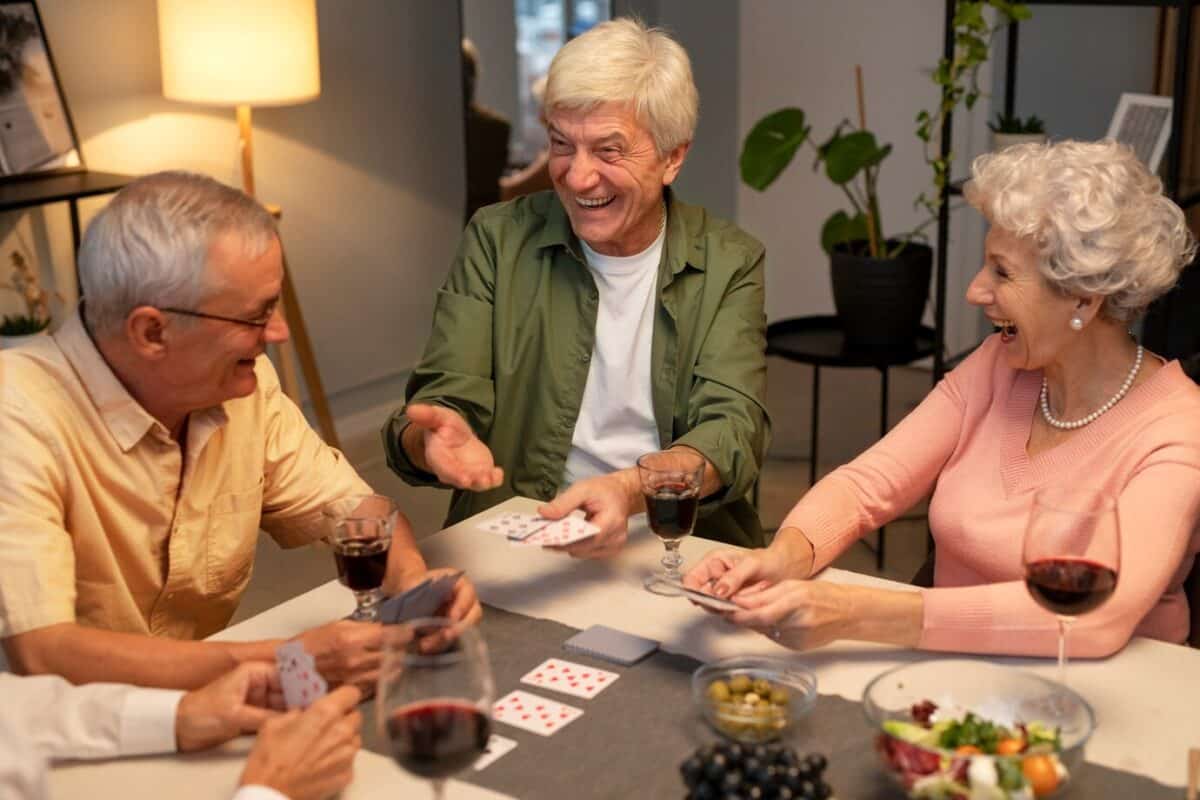
Social interaction is a powerful tool in promoting mental sharpness and emotional well-being for seniors. At Westmont of Encinitas, engaging in senior social activities goes beyond fun and games—it plays a vital role in preserving cognitive function and improving quality of life. Whether through group games, creative classes, or shared meals, staying socially active is key to maintaining a vibrant mind.

These interactions become especially impactful in a supportive environment, where every connection contributes to a sense of belonging and purpose. From senior social activities near you to therapeutic programs, there are countless ways to stay mentally active and emotionally fulfilled. Let’s explore how seniors can enhance their brain health and happiness through meaningful social engagement.

The Link Between Social Activity and Brain Health

When older adults participate in senior social activities, they engage multiple areas of the brain, which helps reduce the risk of cognitive decline. Research consistently shows that social engagement helps maintain memory, attention span, and decision-making abilities. Activities such as storytelling, sharing meals, or playing trivia games strengthen neural pathways and reduce feelings of isolation.

At Westmont of Encinitas, residents benefit from various group activities designed to enhance mental agility and emotional well-being. From daily fitness classes to arts and crafts, every moment spent socializing brings mental stimulation and joy. These positive interactions contribute to a holistic approach to healthy aging.

For even more ideas, this article on group recreation and games outlines creative ways to stay socially active.

Fun and Free Ways to Stimulate the Mind

Stimulating the mind doesn’t require expensive memberships or complex schedules. In fact, many free activity ideas for seniors offer just as many cognitive benefits as structured programs. Simple games like crossword puzzles or storytelling circles promote memory retention. Gardening groups, neighborhood walking clubs, and local library meet-ups also provide enriching experiences at no cost.

Communities that offer fun activities for the elderly in nursing homes, like Westmont, often include sing-alongs, bingo, or movie nights—each with a layer of cognitive engagement. These events combine enjoyment and brain stimulation in a relaxed, welcoming environment. Staying mentally active doesn’t have to be formal; everyday conversation and laughter go a long way.

Continuous Learning Keeps the Mind Young

Lifelong learning is one of the most effective ways to support brain health. Whether it’s picking up a new hobby, attending a guest lecture, or joining a computer class, senior social activities for adults that involve learning introduce novelty, challenge, and focus—three crucial components of cognitive stimulation.

Westmont offers programs encouraging residents to explore new topics and skills, including language classes and art workshops. This emphasis on continuous learning provides a sense of purpose and growth, improving mental sharpness and emotional satisfaction. According to this article on continuing education, structured learning environments can even delay cognitive decline.

The Importance of Regular Social Interaction

Unique Social Activities That Enrich Life

Adding variety to your daily routine can bring excitement and energy. Unique activities for seniors, such as interactive cooking classes, pet therapy sessions, or cultural exchange events, offer new sensory experiences that strengthen the brain. These activities encourage creative thinking, emotional connection, and hands-on engagement.

At Westmont, events like intergenerational storytelling sessions or themed game nights create opportunities for deeper connection. Engaging in out-of-the-ordinary senior social activities near you can also reignite passion and purpose, reminding seniors that discovery doesn’t end with age. For inspiration, check out these educational topics for seniors.

Creative Hobbies to Sharpen the Mind

Creative outlets such as painting, knitting, or journaling can significantly impact memory and concentration. These hobbies are more than pastimes—they are brain workouts. Whether enjoyed individually or in a group, they promote problem-solving, patience, and fine motor skills.

Free activity ideas for seniors often include group painting classes or poetry clubs that encourage both introspection and social connection. These artistic pursuits have been shown to improve mood and reduce symptoms of anxiety or depression, while also nurturing friendships among residents.

Building a Supportive Social Environment

The setting in which seniors engage socially can influence the benefits of those interactions. A safe, welcoming environment fosters trust, participation, and comfort. At Westmont, the design of communal areas—such as libraries, patios, and lounges—invites spontaneous and structured socialization.

Programs tailored to various interests make it easier for newcomers to join in. Whether it’s game time, group meals, or themed events, each interaction strengthens the bonds that make up a community. Creating an environment that encourages senior social activities for adults is a crucial step in promoting cognitive and emotional wellness.

Activities Designed for Nursing Home Residents

Fun activities for the elderly in nursing homes must be stimulating and accessible. Westmont incorporates sensory activities, music therapy, and modified fitness routines that meet all ability levels. These programs not only help reduce boredom but also promote mental alertness.

Residents are often invited to contribute to planning, ensuring that activities remain meaningful and diverse. Every experience is designed with enrichment in mind, from community choirs to reminiscing groups. Even small group interactions, such as tea socials or storytelling circles, significantly affect brain function.

Tech-Supported Cognitive Engagement

Technology can enhance traditional senior social activities by offering virtual tours, brain games, or video chats with family. Seniors are increasingly comfortable with tablets and smart devices, which opens up even more ways to engage socially and mentally.

Westmont’s tech-friendly environment supports digital hobbies like online learning, eBooks, and memory apps. Even virtual reality experiences are being explored to offer immersive trips around the world—all from the safety of a senior living community.

Local and Accessible Social Options

Sometimes the best social experiences are the ones that are close to home. Many seniors benefit from senior social activities near you offered by local libraries, senior centers, and religious organizations. These community-based events provide free or low-cost opportunities for engagement and connection.

Participating in local events, whether it’s a morning yoga class, a knitting group, or a community lunch, fosters inclusion and enhances well-being. These activities are often intergenerational, offering unique bonding experiences with people of all ages.

For a national guide to local options, visit Eldercare Locator or Senior Planet. Both offer searchable tools for finding programs in your area.

Socializing Is Self-Care

Participating in senior social activities is not just about being busy—it’s a form of self-care that strengthens the brain, boosts mood, and builds community. Whether through fun activities for the elderly in nursing homes or unique activities for seniors at local events, the benefits are both immediate and long-lasting.

Engagement combats loneliness, promotes independence, and enhances quality of life. At Westmont of Encinitas, we prioritize these meaningful experiences so each resident can thrive mentally, emotionally, and socially. We invite you to explore our community and discover how vibrant life can be when connection is at the center.

To learn more or to schedule a visit, click here or call us at 760-452-6037.


Compare The Costs of Senior Living vs Staying at Home

How Do The Costs Of Moving Into A Quality Senior Care Community Compare With The Costs Of Staying At Home?


Frequently Asked Questions

What are social activities for seniors?

Social activities for seniors include a wide range of events and interactions that promote connection, engagement, and well-being. These may involve group games, hobby clubs, dance classes, community outings, or even virtual meetups. Staying socially active can reduce loneliness and support mental and emotional health. Many senior centers and assisted living communities offer structured social programs tailored to different interests.

Is there really a $900 grocery stimulus for seniors?

There have been online rumors and misleading ads about a $900 grocery stimulus for seniors, but no official federal program currently provides this specific benefit. However, low-income seniors may qualify for food assistance through programs like SNAP (Supplemental Nutrition Assistance Program) or state-run senior nutrition initiatives. Always verify benefits through official government websites like Benefits.gov. Be cautious of scams that ask for personal information in exchange for false stimulus claims.

What are the 4 types of social activities?

The four main types of social activities are physical, cognitive, recreational, and volunteer-based. Physical activities include group walks or fitness classes; cognitive ones involve games or discussions that stimulate the mind. Recreational activities cover hobbies like arts, music, or gardening, while volunteer-based activities allow seniors to give back through mentoring or community service. Each type supports different aspects of a senior’s health and happiness.

How do I keep my 70-year-old busy?

Keeping a 70-year-old engaged involves offering a mix of physical, mental, and social activities tailored to their interests and energy level. Encourage hobbies such as reading, puzzles, gardening, or crafting, and consider exercise like walking or yoga. Social interaction is key—community groups, senior centers, or regular family visits can provide meaningful engagement. Volunteering or learning new skills online can also offer a sense of purpose and connection.


Creating a Comfortable Environment: Memory Care Facility Design Principles

Optimizing Comfort: Memory Care Facility Design

Did you know that a memory care facility design, like Westmont of Encinitas, directly impacts residents’ emotional well-being and cognitive function? Thoughtful design elements such as safety features, natural light, and personalization foster independence and connection while enhancing overall quality of life.

Understanding key dementia care design standards ensures a supportive and engaging atmosphere tailored to the needs of individuals with memory impairments.

Safety Considerations in Design

Prioritizing safety in memory care facility design is essential for fostering a secure and nurturing environment. Complementing safety features such as rounded furniture edges, secured handrails, and memory care room design innovations minimize risks and promote independence. Clear emergency protocols and designated evacuation routes prepare residents and staff for crises. Non-slip flooring further enhances mobility and reduces fall risks, reinforcing a sense of security. Fall prevention devices can also empower residents to navigate their environment confidently.

The Importance of Natural Lighting

Natural lighting is a fundamental component of memory care facility design, influencing mood and well-being. Exposure to sunlight helps regulate sleep patterns, enhances visual comfort, and supports cognitive function. A well-lit environment significantly contributes to enhancing quality of life, reducing anxiety, and promoting emotional well-being.

Mood Enhancement and Cognitive Benefits

Proper exposure to natural light is crucial in memory care design trends. It fosters an uplifting atmosphere, enhances serotonin levels, improves alertness, and encourages social interaction. Thoughtfully placed windows and skylights optimize daylight, making spaces feel more welcoming and engaging.

Supporting Sleep Regulation

Incorporating natural light into the memory care room design helps maintain circadian rhythms, which are vital for sleep quality. Exposure to morning sunlight supports better rest and promotes relaxation. Integrating wellness programs further enhances emotional and physical well-being.

Enhancing Visual Comfort

Maximizing daylight within interior design for dementia creates inviting, sensory-rich spaces. Large windows, soft lighting, and nature-inspired decor create a calming and familiar atmosphere. Strategic use of color-coded pathways aids navigation, reducing confusion and fostering independence.

Senior Homes

The Role of Therapeutic Colors

Color selection in Memory Care Facility Design significantly impacts mood and wayfinding. Soft blues and greens evoke tranquility, while warm neutrals enhance comfort. Bright yet soothing hues can highlight key functional areas, guiding residents effortlessly through their surroundings.

Calming Color Palettes

By incorporating dementia care design standards, facilities can create an environment that reduces anxiety. A cohesive color scheme reinforces familiarity, memory recall, and a sense of security.

Highlighting Functional Areas

Strategic use of therapeutic colors aids in spatial orientation within memory care design trends. Soft hues define quiet areas, while brighter tones energize activity spaces. This intuitive design approach promotes engagement and emotional well-being, helping residents feel at ease in their daily routines.

Role of nature in memory care

Personalization for Comfort

Personalization enhances emotional well-being within memory care facility design by fostering a sense of belonging. Residents benefit from familiar items such as cherished photos, favorite blankets, and memorabilia reflecting their interests. This thoughtful approach transforms living spaces into comforting, personalized havens.

Enhancing Socialization in Community Spaces

A well-designed memory care room design encourages social interaction through flexible seating arrangements and dedicated activity areas. Comfortable gathering spaces create opportunities for shared experiences, promoting friendships and reducing isolation. Thoughtful interaction design ensures an inclusive and engaging environment where residents feel connected and valued.

Memory Care Designs

Navigational Simplicity and Consistency

Clear pathways and consistent layouts are crucial components of interior design for dementia. Simple corridors, visual cues, and predictable spatial arrangements prevent disorientation and instill confidence in residents. Gradual transitions in design elements help maintain familiarity, reinforcing a safe and welcoming atmosphere.

Memory Care Facility Design prioritizes safety, comfort, and connection in crafting a compassionate and engaging environment at Westmont of Encinitas. By integrating elements like natural light, therapeutic colors, and personal touches, you can create a space where residents thrive. Thoughtful design fosters independence and enhances daily life, ensuring a meaningful and supportive community experience. For more information, please contact us at 760-452-6037.


Compare The Costs of Senior Living vs Staying at Home

How Do The Costs Of Moving Into A Quality Senior Care Community Compare With The Costs Of Staying At Home?


Frequently Asked Questions

How to design a dementia-friendly care environment?

Designing a dementia-friendly care environment involves creating a space that supports safety, comfort, and independence for individuals with memory loss. Key features include clear signage, good lighting, non-slip flooring, calming colors, and familiar furniture. The layout should reduce confusion with clear pathways and minimize clutter or distractions. Spaces should also promote engagement and social interaction while reducing anxiety.

What is the difference between memory care and dementia care?

Memory care is a specialized type of senior living specifically designed to support individuals with Alzheimer’s and other forms of dementia. Dementia care, on the other hand, is a broader term that may refer to services provided in various settings, including in-home care, assisted living, or skilled nursing. Memory care communities offer structured environments, trained staff, and secure layouts tailored to those with memory impairments.

How to decorate a memory care unit?

Decorating a memory care unit should prioritize familiarity, comfort, and sensory support. To promote recognition, use warm, soothing colors, personal items like family photos, and clearly labeled areas. Avoid patterns or mirrors that might confuse residents, and incorporate memory boxes or shadow boxes outside each room to help with wayfinding. Decorations should encourage calmness while also stimulating positive memories.

How do you market a memory care facility?

Marketing a memory care facility involves highlighting your expertise in dementia care and showcasing staff training, safety measures, and personalized programming. Use testimonials, virtual tours, and educational content to build trust with families. Partnering with local healthcare providers, hosting informational events, and maintaining a strong online presence can also help attract families seeking the right care for their loved ones.

Celebrating National Senior Health and Fitness Day – Movement, Vitality, and Joy!

Celebrating National Senior Health and Fitness Day – Movement, Vitality, and Joy!
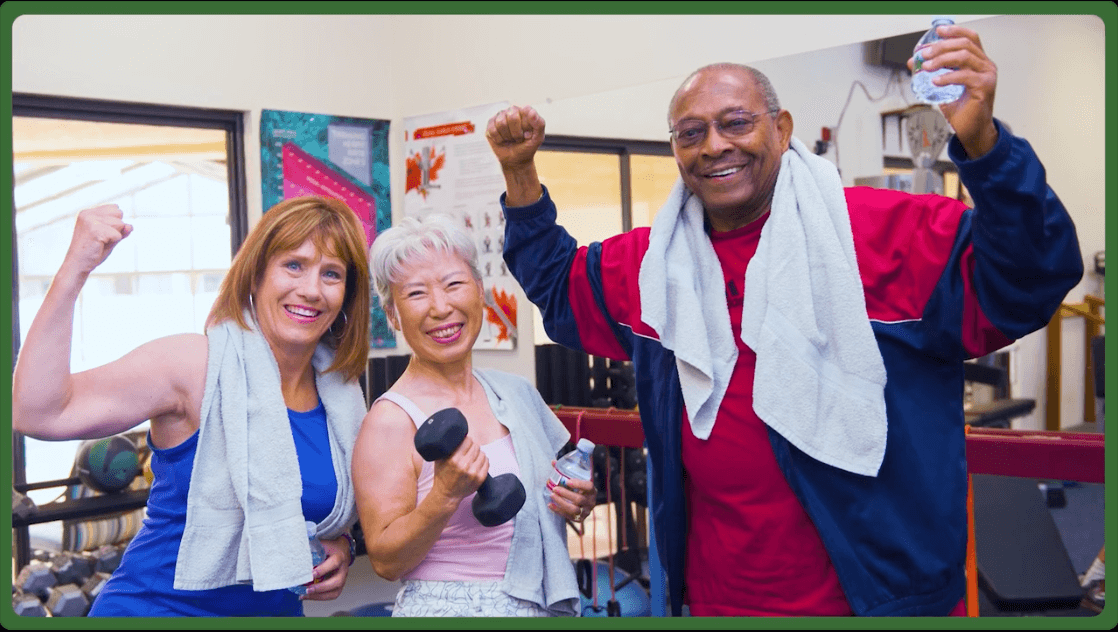
May 28th, 2025, marks National Senior Health and Fitness Day, a time to celebrate the power of movement and the importance of maintaining an active, balanced lifestyle at every stage of life. At Westmont Living, we believe wellness is more than just exercise — it’s a commitment to optimal physical health through fitness, proper nutrition, rest, and relaxation.

This year, we’re honoring the Health & Fitness dimension of our wellness philosophy by showcasing our vibrant community in action. From cardio drumming and water aerobics to gentle mind-body practices and energizing group workouts, our seniors continue to inspire us with their strength, enthusiasm, and dedication to well-being. Join us in celebrating the movement, momentum, and meaningful moments that shape a healthier tomorrow.

The Essence of Elderly Care Facilities

Discovering the Essence of Elderly Care Facilities

When considering elderly care facilities, it’s essential to recognize that they provide more than just housing; they offer a supportive environment that enhances seniors’ quality of life. Westmont of Encinitas focuses on creating a residential care facility for the elderly that prioritizes well-being, companionship, and comprehensive care.

This residential care facility for the elderly caters to individual needs through tailored services, social engagement, and a welcoming atmosphere. Understanding their impact can help families make informed decisions about long-term care.

The Importance of Tailored Care Plans

Each resident has unique needs, so elderly care facilities develop personalized care plans. These plans ensure seniors receive the appropriate level of support, from daily assistance to specialized medical care.

Whether private homes for elderly care or more extensive facilities, customized plans enhance physical, emotional, and social well-being. Medication management, mobility assistance, and cognitive support foster independence while ensuring safety and comfort. Moreover, these plans are adaptable, evolving with each resident’s changing health conditions to provide consistent, high-quality care. Learn more about the unique needs of residents.


Creating a Warm and Inviting Atmosphere

A welcoming environment plays a crucial role in elderly care facilities. Residents thrive in spaces that feel like home, with thoughtful design and engaging activities that foster community.

Cozy Living Spaces

Transitioning into residential care facilities for the elderly can be daunting. However, a warm ambiance and comfortable surroundings make the change smoother. Features such as:

  • Personalized rooms with cherished belongings
  • Shared lounges for social interaction
  • Safe outdoor spaces for relaxation and recreation

These elements provide a homelike setting where residents feel secure and connected. Socialization is also key—community events encourage friendships and reduce isolation.

Engaging Activities for Fulfillment

Beyond basic care, elderly care facilities enrich seniors’ lives with various recreational opportunities. Activities such as painting, music therapy, fitness classes, and group outings promote active lifestyles and cognitive engagement.

  • Fitness programs. Yoga, stretching exercises, and walking clubs improve mobility and overall health.
  • Creative pursuits. Art and craft workshops allow self-expression and skill-building.

Seasonal events and themed celebrations enhance residents’ experiences, fostering a lively and engaging community. Explore the joy of holiday celebrations within elderly care settings.

What Do Nursing Homes Provide? Ensuring Safety and Security

Security is a top priority in elderly care facilities. Whether in a private home for elderly care or a larger facility, safety measures ensure the well-being and peace of mind of residents.

Comprehensive Security Measures

Implementing thorough security measures creates a safe living environment. Features include:

  • 24/7 surveillance to monitor activity and prevent unauthorized access
  • Emergency response systems for immediate assistance
  • Staff trained in crisis management to handle emergencies efficiently

Routine safety checks and health assessments help maintain a secure, comfortable space for all residents.


Embracing Active Aging


Reasons Elderly Go to Nursing Homes: The Role of Compassionate Staff

Compassionate caregivers form the foundation of elderly care facilities, ensuring residents feel valued and supported.

Professional and Empathetic Care

Caregivers provide personalized attention, fostering meaningful relationships with residents. Training in empathy, active listening, and crisis intervention equips staff to address emotional and medical needs effectively.

  • Compassionate Communication. Staff engage with residents respectfully, ensuring they feel heard and understood.
  • Specialized Support. Training in dementia care and managing chronic conditions enhances the quality of life.

A dedicated and caring team fosters a nurturing atmosphere where seniors feel comfortable and appreciated.

Promoting Social Connections and a Purposeful Life After Retirement

One of the key aspects of elderly care facilities is fostering meaningful relationships. Social interactions contribute to emotional well-being and a purposeful life after retirement.

Community Engagement

Regular social gatherings, group games, and shared meals encourage camaraderie among residents. Friendships formed in these settings combat loneliness and create a sense of belonging. Activities designed to promote social interaction include:

  • Game nights and storytelling sessions. Strengthen cognitive skills while enhancing social bonds.
  • Music and dance events. Create moments of joy and self-expression.

By cultivating a socially enriching environment, elderly care facilities ensure residents lead fulfilling lives filled with companionship and support.

Enhancing Quality of Life for Seniors

Providing exceptional care means going beyond basic needs—elderly care facilities strive to enhance every aspect of residents’ lives.

  • Nutritious meals. Well-balanced, customized diets cater to specific dietary needs, promoting health and vitality.
  • Mental wellness programs. Meditation, music therapy, and book clubs stimulate cognitive functions.

By focusing on holistic well-being, these facilities ensure seniors thrive in a nurturing, engaging environment.

In the heart of elderly care facilities, like Westmont of Encinitas, lies a commitment to dignity, happiness, and connection. From tailored care plans to compassionate staff, every element contributes to a supportive and enriching lifestyle. For more information, call us at 760-452-6037.


Find Where You Belong

Dive into the vibrant life our Westmont communities have to offer.


Frequently Asked Questions

How do you take care of the elderly?

Taking care of the elderly involves meeting their physical, emotional, and social needs to ensure their well-being. This includes assisting with daily activities such as bathing, dressing, managing medication, and preparing meals. Providing companionship, encouraging social interactions, and ensuring a safe living environment are also important aspects of elderly care.

What is the meaning of elderly care?

Elderly care refers to the support and services provided to older adults to help them maintain their quality of life. This can include medical assistance, personal care, and emotional support, whether at home, in assisted living, or in specialized care facilities. The goal is to promote independence while ensuring safety, health, and comfort.

What is an elderly care unit?

An elderly care unit is a specialized healthcare facility or department dedicated to treating and supporting older adults. These units are often found in hospitals or nursing homes and provide medical care, rehabilitation, and assistance with daily activities. They cater to seniors with chronic illnesses, mobility challenges, or other age-related conditions requiring professional care.

What kind of care does an elderly person need?

The type of care an elderly person needs depends on their health, mobility, and level of independence. Some may require minimal assistance with daily tasks, while others need full-time care, including medical supervision, personal hygiene support, and mobility assistance. Social engagement, emotional support, and a safe living environment are also essential aspects of elderly care.


5 Key Personal Care Plans for Seniors at Westmont of Encinitas

5 Essential Personal Care Plans for Seniors at Westmont of Encinitas

Imagine a vibrant garden where each flower thrives under careful attention and nurturing. At Westmont of Encinitas, seniors receive personal care plans designed to help them flourish in their golden years. These customized strategies focus on health, fitness, emotional well-being, daily assistance, and adaptive care, ensuring every resident feels supported and engaged. Let’s explore how these personal care plans for the elderly can make a meaningful difference.

Tailored Health and Wellness Strategies

Understanding individual needs is crucial when developing personal care plans for nursing. Customized health plans address specific conditions, preferences, and lifestyles. Engaging in proactive discussions with seniors allows caregivers to craft wellness strategies that truly resonate. These plans enhance the overall quality of life by incorporating favorite activities and dietary preferences. Regular assessments ensure care evolves with changing needs, creating a nurturing and adaptive environment. Additionally, health and wellness programs support a holistic approach to senior well-being.


Encouraging Physical Fitness and Proper Nutrition

Promoting physical fitness and nutrition requires a supportive environment where seniors feel encouraged to stay active. A well-rounded personal care plan example includes customized exercise programs and dietary plans tailored to individual needs. Seniors benefit from various activities, such as yoga, strength training, and aquatic exercises, which help them remain engaged and physically active. Nutritional guidance from specialists ensures well-balanced meals that promote overall health. Implementing holistic wellness strategies fosters physical and mental well-being, creating a thriving community dedicated to senior health.

Enhancing Mental and Emotional Well-being

Prioritizing mental and emotional well-being is essential in personal care plans for the elderly. At Westmont of Encinitas, mindfulness practices such as meditation and yoga promote relaxation and stress reduction. Strong social connections help combat loneliness, offering seniors opportunities to engage in community events, clubs, and art classes. Compassionate staff members provide counseling and therapy services, ensuring emotional support is always available. Creating meaningful social interactions through community connections helps seniors feel valued and supported throughout their journey.

Personalized Daily Assistance for Comfort and Independence

Daily routines can become challenging as seniors age, making personal care plans and nursing vital for maintaining independence. At Westmont of Encinitas, personalized assistance ensures seniors receive compassionate support tailored to their unique needs. Ensuring seniors receive well-balanced meals rich in essential nutrients is a key part of senior nutrition. These personalized services empower seniors to enjoy their day with peace of mind and confidence.

  • Daily grooming and hygiene needs
  • Medication management for peace of mind
  • Mobility support to enhance your movement
  • Meal preparation that adheres to dietary preferences
  • Engagement in social activities to foster connections

With this personalized support, you can focus on enjoying your day, knowing that your needs are met with care. We aim to empower you to live your best life, feeling secure and cherished in your environment. Additionally, we prioritize senior nutrition by ensuring your meals are well-balanced and rich in essential nutrients.

Adaptive Technologies and Aids

Ongoing Care Evaluation and Adaptation

A successful personal-centered care plan example adapts as needs evolve. Westmont of Encinitas prioritizes continuous evaluation, ensuring every resident receives the best care. Routine health assessments monitor physical health, cognitive function, and emotional well-being, allowing caregivers to adjust care plans. Family involvement is encouraged to maintain open communication and ensure loved ones stay informed. This collaborative approach ensures that care remains effective, supportive, and tailored to each resident’s needs, providing long-term comfort and well-being.

At Westmont of Encinitas, every senior is treated with the care and attention they deserve. Research shows that nearly 80% of seniors experience better health outcomes when using tailored personal care plan examples. Westmont of Encinitas empowers seniors to lead fulfilling lives in a warm and supportive environment by focusing on individualized care in areas such as fitness, nutrition, and emotional well-being. For more information, call Westmont of Encinitas at 760-452-6037.


Compare The Costs of Senior Living vs Staying at Home

How Do The Costs Of Moving Into A Quality Senior Care Community Compare With The Costs Of Staying At Home?


Frequently Asked Questions

What is included in a care plan for the elderly?

A care plan for the elderly typically includes an assessment of the individual’s medical needs, daily living assistance, medications, dietary requirements, and safety measures. It may also outline support services like physical therapy, social activities, and transportation. The plan is personalized to address the senior’s physical, emotional, and social well-being. It’s often created with input from healthcare providers, caregivers, and family members.

What are the personal care needs of the elderly?

Personal care needs for the elderly often include assistance with bathing, dressing, grooming, toileting, and mobility. Some seniors may also need help with eating, medication reminders, and maintaining personal hygiene. These needs can vary depending on health conditions, physical ability, and cognitive function. Regular monitoring ensures that their care evolves with their changing needs.

What are examples of personal care? 

Examples of personal care include brushing teeth, shaving, helping with toileting, bathing, dressing, and assisting with meals. It can also involve mobility support, such as helping someone move from a bed to a chair or walk safely. Personal care focuses on maintaining the individual’s dignity, comfort, and independence in daily routines.

What is a plan of care for an older adult?

A plan of care for an older adult is a detailed document that outlines their specific health, personal, and social care needs. It includes goals, services to be provided, responsible caregivers, and timelines for review. The plan helps ensure consistent and coordinated care, whether in a home setting, assisted living, or a skilled nursing facility. It serves as a guide for caregivers and family members to support the senior’s quality of life.


How to Choose the Best Retirement Homes for You

Finding the Best Retirement Homes for a Comfortable Lifestyle

Choosing the best retirement homes near you ensures a fulfilling and secure future. With many options available, you must consider your healthcare needs, social preferences, and financial situation when deciding.

At Westmont of Encinitas, we understand the importance of finding a community that supports your lifestyle while providing the care and comfort you deserve. Whether you’re looking for retirement homes near Encinitas, CA, or exploring retirement homes for rent, knowing what to evaluate can help you make the right choice.

Understanding Your Retirement Needs

How do you ensure your retirement is tailored to your personal goals? Start by evaluating your healthcare requirements and lifestyle preferences. Consider whether you need assistance with daily tasks or prefer an active environment where you can engage in social activities.

Amenities play a crucial role in your retirement lifestyle. Features like fitness centers, wellness programs, and communal spaces can create an engaging experience. Additionally, if you or a loved one requires specialized memory care, understanding the value of trained staff can provide peace of mind.

Exploring Different Types of Retirement Communities

What type of American retirement homes best aligns with your lifestyle? There are several options to consider:

  • Independent Living: Ideal for those who desire an active, maintenance-free lifestyle with access to social events and recreational activities.
  • Assisted Living: Provides support with daily tasks while promoting independence.
  • Memory Care: Specialized communities designed for individuals with Alzheimer’s or dementia.

Each type of community offers unique benefits, and evaluating your current and future needs will help determine the best fit. Additionally, having on-site medical care can enhance your overall well-being.

Financial Considerations When Choosing Retirement Homes

Understanding the financial aspects of American retirement homes for rent is crucial. From initial costs to ongoing expenses, financial planning ensures a stress-free transition.

Assessing Buy-In Costs and Monthly Fees

When moving into an American retirement home, some communities require an initial buy-in fee ranging from $100,000 to $500,000, while others offer rental options with no upfront costs. Review the monthly fee structure and what it includes—such as meals, utilities, housekeeping, and recreational activities.

A comprehensive evaluation of potential hidden costs ensures transparency in budgeting.

Funding Options for Retirement Communities

Planning your financial future requires exploring different funding options. Here are some common ways to finance your retirement living:

  • Selling Your Home: Using home equity to fund your next chapter.
  • Social Security Benefits: A reliable income source for covering monthly expenses.
  • Reverse Mortgages: Utilizing your home’s value to finance retirement living.
  • Housing Assistance Programs: Government support for eligible seniors.

For those seeking retirement homes near Encinitas, CA, researching local financial aid options can help manage expenses effectively. Government assistance programs may also be available to support your transition.

Retirement homes

Choosing the Right Location for Your Retirement Home

Location is a critical factor when selecting Retirement communities. Consider proximity to family, medical facilities, and recreational activities. The climate can also influence your comfort—some prefer warm coastal areas, while others thrive in cooler environments.

If you’re considering retirement homes near Encinitas, CA, you’ll benefit from a mild climate, top-rated healthcare, and a vibrant senior community.

Touring and Researching Retirement Homes

Visiting potential retirement communities is essential in making an informed decision. When touring, assess the overall environment, staff interactions, and resident satisfaction.

Virtual vs. In-Person Tours

Both virtual and in-person tours provide valuable insights:

  • Virtual Tours: Convenient for exploring multiple communities remotely.
  • In-Person Visits: Essential for experiencing the atmosphere and meeting residents.
  • Resident Engagement: Observe daily activities and interactions.
  • Amenities Assessment: Ensure the community offers the facilities you desire.

Taking advantage of both tour methods can help you comprehensively understand each community.

Evaluating Community Amenities

Well-rounded retirement communities should offer amenities that align with your interests and well-being. Look for:

  • Wellness programs and fitness centers
  • Social activities and hobby clubs
  • Dining options and nutrition services
  • On-site medical and emergency response services

Amenities directly impact the quality of life, making them an essential consideration in your decision.

Engaging with Current Residents

Speaking with current residents can provide firsthand insights into daily life. Ask about:

  • Social Environment: How welcoming is the community?
  • Activity Involvement: Are there engaging programs and events?
  • Staff Interaction: How responsive and caring is the team?
  • Overall Satisfaction: Would they recommend the community?

Hearing personal experiences can help determine if the community meets your expectations.

Choosing the right retirement community is about more than just finding a place to live—it’s about embracing a lifestyle that enhances your well-being. By evaluating your healthcare needs, financial options, and preferred location, you can make an informed decision that supports a vibrant future.

At Westmont of Encinitas, we are committed to helping you find a place where you feel comfortable, engaged, and supported. For more information, please call us at 760-452-6037.


Find Where You Belong

Dive into the vibrant life our Westmont communities have to offer.


Frequently Asked Questions

How much does it cost to be in a retirement home?

The cost of living in a retirement home varies based on location, amenities, and level of care. On average, independent living communities range from $1,500 to $4,000 per month, while assisted living can cost between $3,000 and $7,000 per month. Additional services, such as personal care or medical assistance, may increase the price.

What is the difference between a retirement home and an elderly home?

A retirement home, also known as an independent living community, is designed for active seniors who need minimal assistance with daily tasks. An elderly home, often called a nursing home or skilled nursing facility, provides 24/7 medical care and support for seniors with significant health issues. The main difference is the level of care, with retirement homes focusing on independent living and elderly homes offering medical supervision and assistance.

What is the cheapest way for a senior to live?

The most affordable living option for seniors depends on their needs and available resources. Many choose to stay at home with the help of family, use government programs like subsidized senior housing, or join a shared living arrangement with other seniors. Low-income seniors may also qualify for Medicaid-funded care services, which can help cover costs for assisted living or home care.

Does Medicare cover retirement homes?

Medicare does not cover living costs in a retirement home or assisted living facility. However, it may cover certain medical services received while living in these communities, such as doctor visits, hospital care, and home health services. Seniors who need financial assistance for long-term care may need to explore Medicaid, long-term care insurance, or other state and federal aid programs.


Cinco de Mayo

Celebrating Cinco de Mayo at Westmont Living: Culture, Community & Connection 🎉🌮💃

Cinco de Mayo is more than just a festive day filled with tacos and mariachi music—it’s a meaningful celebration of culture, community, and resilience. At Westmont Living, we’re proud to honor this holiday across our communities with joy, inclusivity, and of course, a lot of great food!

A Little History 🌎
Cinco de Mayo commemorates the Battle of Puebla in 1862, when a small Mexican army triumphed over a much larger French force. While it’s not Mexico’s Independence Day (that’s September 16), the victory has become a symbol of perseverance and pride—especially celebrated in the United States as a way to honor Mexican culture and heritage.

Community Comes Alive 🇲🇽
From vibrant decorations and traditional music to flavorful dishes like tacos, guacamole, and sweet treats, our residents and staff came together to celebrate in true Westmont style. Some communities enjoyed live performances, others hosted themed buffets and socials—but all shared in the spirit of togetherness.

Celebrating with Heart ❤️
At Westmont Living, we believe in creating spaces where everyone feels seen, valued, and celebrated. Cinco de Mayo gives us a chance to learn from one another, share stories, and connect through cultural traditions in meaningful (and fun!) ways.

A heartfelt thank you to all the residents, team members, and local performers who made this year’s Cinco de Mayo celebrations so memorable. Here’s to many more moments of unity, joy, and cultural appreciation! ¡Feliz Cinco de Mayo! 🎊

Assisted Living for Specialized Conditions at Westmont of Encinitas

Assisted Living for Specialized Conditions at Westmont

Imagine your loved one struggling with mobility issues, finding comfort and support in a community specifically for their needs. At Westmont of Encinitas, you’ll discover a compassionate approach to assisted living facilities for specialized conditions, prioritizing individualized care. With tailored strategies and a commitment to holistic health, residents receive the attention they deserve.

Who Qualifies for Assisted Living?

As the demand for assisted living facilities for specialized conditions grows, families seek options catering to unique health needs. At Westmont of Encinitas, we recognize the importance of personalized attention. Our approach involves deep family involvement, ensuring individual health, preferences, and personality shape each care plan.

Our trained caregivers possess the skills to provide tailored support, enhancing comfort and dignity. Whether addressing mobility limitations or cognitive conditions, our staff adapts to evolving needs, ensuring a nurturing environment that prioritizes well-being. Additionally, we focus on personalized care services to meet each resident’s specific requirements.

Comprehensive Dementia Care

Navigating the complexities of dementia can be challenging for families. Westmont of Encinitas provides specialized dementia care tailored to each resident’s needs. Our trained staff uses dementia communication strategies to foster meaningful interactions and enhance well-being.

Daily routines include memory care activities such as puzzles and storytelling, stimulating cognitive function. By promoting a supportive environment, we help residents maintain dignity and joy. Our cognitive games and creative outlets further enrich our residents’ experiences.

When should I move from assisted living to a nursing home?

Many families must decide when to move from assisted living to a nursing home. As needs evolve, Westmont of Encinitas provides guidance to help determine the best course of action. Signs that a transition may be necessary include:

  • Increased medical care needs beyond assisted living support.
  • A decline in mobility requires 24/7 skilled nursing care.

Our team helps families assess care options, ensuring that loved ones receive the most suitable support for their well-being.

Addressing Mobility Issues with Expertise

Expert Mobility Support

Proper support is essential for maintaining independence and safety when facing mobility challenges. At Westmont of Encinitas, we prioritize accessibility and conduct personalized mobility assessments to tailor solutions to each resident’s needs. Our staff ensures that every individual feels comfortable and empowered in their environment.

We integrate personalized treatment plans that enhance strength and flexibility, ensuring residents receive the most effective support possible.

Residential Care Facility Requirements

Understanding residential care facility requirements is key when selecting the right community for your loved one. At Westmont of Encinitas, we exceed regulatory standards by implementing advanced safety measures, emergency protocols, and caregiver training programs.

Our facility features include:

  • 24/7 monitoring to ensure prompt response to emergencies.
  • Trained security personnel who provide immediate assistance.
  • Emergency alert systems that offer residents quick access to help.

We create a secure, welcoming environment that supports a fulfilling and independent lifestyle.

Commitment to Holistic Care

At Westmont of Encinitas, we take a holistic approach to care by addressing physical, emotional, and social well-being. Our commitment to assisted living for specialized conditions includes:

  • Personalized Support: Care plans tailored to individual needs.
  • Emotional Engagement: Activities that encourage social interaction and mental stimulation.
  • Comprehensive Resources: Guidance for families navigating care options.

Tailored Solutions for Your Loved Ones

Finding the proper care requires considering individual needs and preferences. At Westmont of Encinitas, you’ll find a compassionate community dedicated to your loved one’s unique needs. For instance, consider a resident named Mary, who thrives thanks to customized dementia care and engaging activities that spark her joy. With trained caregivers focused on her comfort and dignity, Mary enjoys a fulfilling life while her family feels assured of her safety and well-being. 

Together, you can discover tailored solutions that empower your loved ones to age gracefully in a supportive environment. For more information, please contact Westmont of Encinitas at 760-452-6037. You can also book a tour to personally survey our facility. 


Compare The Costs of Senior Living vs Staying at Home

How Do The Costs Of Moving Into A Quality Senior Care Community Compare With The Costs Of Staying At Home?


Frequently Asked Questions

What services is an assisted living setting most likely to provide?

Assisted living communities typically help with daily activities such as bathing, dressing, medication management, and meal preparation. They also provide housekeeping, transportation, and social activities to support residents’ well-being. While medical care is not the primary focus, staff can assist with health-related needs and coordinate care with outside providers.

What is the meaning of assisted living experience?

The assisted living experience refers to the overall lifestyle and care residents receive in an assisted living community. This includes support with daily tasks, access to meals and activities, opportunities for social engagement, and a safe living environment. It emphasizes maintaining independence while receiving the help needed to enjoy daily life comfortably.

What is the meaning of assisted living complex?

An assisted living complex is a residential facility designed for seniors or individuals who need some support with daily living activities but do not require 24-hour medical care. These complexes typically offer private apartments or rooms, shared common areas, and access to caregiving staff. Services often include meals, housekeeping, personal care assistance, and organized social activities.

How long do most people stay in assisted living?

The average length of stay in assisted living is around 22 to 28 months. However, this can vary depending on an individual’s health, level of independence, and care needs. Some residents stay only temporarily due to changing health conditions, while others may live in assisted living for several years.


Assisted Living Seniors: Addressing Emotional and Social Needs

Assisted Living Seniors: Enhancing Emotional and Social Well-Being

Did you know that social isolation can significantly impact the emotional health of seniors in assisted living? At Westmont of Encinitas, we prioritize our residents’ emotional and social needs, ensuring they lead fulfilling lives and understanding the benefits of assisted living for the elderly and how these communities foster connection, which can highlight the actual value of this lifestyle.

Understanding the Emotional Challenges of Assisted Living Seniors

As you or a loved one navigate aging, emotional challenges can arise, including grief and loneliness. Managing these emotions is essential for maintaining a purposeful life after retirement. Seniors in assisted living often experience loss—whether it’s loved ones, independence, or physical abilities.

  • Coping Strategies. Mindfulness, journaling, and creative activities help process emotions.
  • Support Systems. Counseling, group therapy, and social connections improve emotional well-being.

By addressing these challenges, assisted living communities create supportive environments that foster resilience and personal growth.

What Is Assisted Living vs. Nursing Home? Understanding the Difference

Many people wonder, “What is assisted living vs. nursing home?” While both offer support, they cater to different needs:

  • Assisted Living. Ideal for seniors who need help with daily activities but want independence.
  • Nursing Home. Provides 24/7 medical care for those with severe health conditions.

Understanding these differences helps families choose the best care option for their loved ones.

The Importance of Social Connections in Assisted Living

Strong social connections are crucial for seniors’ mental and emotional well-being. Assisted living near Encinitas, CA, offers numerous programs to encourage interaction and engagement:

Benefits of Social Connections Examples of Programs Impact on Well-being
Improved mental health Group activities Enhanced happiness
Increased physical activity Buddy systems Better mobility
Emotional support Shared hobbies Reduced anxiety
Sense of belonging Volunteer visits Greater fulfillment

These programs create a nurturing environment where seniors feel valued and connected.

Activities that Foster Emotional Well-being

Activities that Foster Emotional Well-being

Who Qualifies for Assisted Living?

If you’re considering assisted living, you might ask, “who qualifies for assisted living?” Generally, candidates include:

  • Seniors need help with daily tasks like dressing and medication management.
  • Individuals who desire social engagement but require assistance with mobility.
  • Those who are relatively healthy but benefit from a structured, supportive environment.

Determining eligibility ensures seniors receive the right level of care while maintaining their independence.

Strategies to Combat Loneliness Among Seniors

Loneliness can be a significant issue in aging communities, but assisted living offers structured programs to foster connection:

  1. Engagement Activities. Art classes, music therapy, and mindfulness workshops encourage creativity and emotional expression.
  2. Group Outings. Nature walks, and intergenerational programs allow for new friendships and shared experiences.

Additionally, virtual connections and pet therapy bring joy and companionship, reducing feelings of isolation.

Creating a Vibrant Community Through Engagement

A thriving assisted living community prioritizes interaction. Programs such as volunteer initiatives and technology integration allow seniors to stay connected with loved ones. Activities like book clubs, fitness classes, and cultural events contribute to a well-rounded lifestyle, ensuring every resident feels a sense of belonging.

The Role of Staff in Emotional Support

Staff play a vital role in fostering emotional well-being among residents. Their training and emotional intelligence enable them to provide personalized care:

  • Active Listening. Staff validates residents’ emotions by offering genuine conversations and attention.
  • Personalized Activities. Tailoring events to residents’ interests ensures meaningful engagement.
  • Emotional Support Training. Empowers staff to recognize signs of distress and respond compassionately.

A well-trained team ensures residents feel supported, understood, and valued.

Family Involvement: Strengthening Bonds and Providing Support

Family engagement enhances the retirement lifestyle of seniors in assisted living. Encouraging frequent visits and participation in community events ensures emotional fulfillment.

Why Family Visits Matter

Frequent visits from loved ones provide significant benefits, including:

  • Emotional Stability. Alleviates feelings of loneliness and boosts happiness.
  • Cognitive Engagement. Encourages mental stimulation through conversations and activities.
  • Strengthened Relationships. Reinforces a sense of belonging and support.

Shared Activities for Stronger Bonds

Families can engage in various activities with their loved ones, such as:

  • Gardening Projects. Encourages teamwork and relaxation.
  • Cooking Classes. Strengthens bonds through shared experiences.
  • Game Nights. Provides fun interactions that bring joy and laughter.

These activities ensure quality time is spent together, making assisted living a fulfilling experience.

Fostering a Sense of Community in Assisted Living

A strong sense of community enhances the benefits of assisted living for the elderly. Encouraging participation in group activities promotes inclusion and connection.

Social Events and Community Engagement

Activities such as:

  • Creative Workshops. Encourage artistic expression and storytelling.
  • Fitness and Wellness Programs. Support physical health while fostering friendships.
  • Cultural Celebrations. Provide opportunities for residents to bond over shared traditions.

These events contribute to a warm, lively atmosphere where residents feel at home.

Embracing a Fulfilling Retirement Lifestyle in Assisted Living

In assisted living near Encinitas, CA, seniors can enjoy a purposeful life after retirement with enriching activities, supportive staff, and a strong community. By fostering connections and prioritizing emotional well-being, these communities provide a fulfilling and engaging lifestyle where every resident thrives.

For more information, contact us at 760-452-6037. To see our retirement facility in person, feel free to schedule a tour today. 


Find Where You Belong

Dive into the vibrant life our Westmont communities have to offer.


Frequently Asked Questions

At what age do most seniors go into assisted living?

Most seniors move into assisted living between the ages of 75 and 85. This transition typically happens when they need help with daily activities such as bathing, dressing, medication management, or mobility. However, the decision to move varies based on individual health, family support, and personal preferences.

How is most assisted living care usually paid for?

Assisted living is usually paid for through private funds, including personal savings, retirement income, or long-term care insurance. Some seniors may qualify for financial assistance programs like Medicaid, veterans’ benefits, or specific state-funded programs. Medicare does not typically cover assisted living costs, so planning for expenses is essential.


28-Day Chair Workout for Seniors: Simple Daily Exercises

28-Day Chair Workout for Seniors: Easy Exercises for Every Day

If you’re looking for a way to stay active and improve your strength, the 28-Day Chair Workout for Seniors from Westmont of Encinitas is designed just for you.

These easy exercises enhance flexibility and balance, all from the comfort of your chair. You don’t need to be a fitness expert to benefit.

Each day’s routine encourages consistency and independence, making it a perfect fit for your lifestyle.

Discover how simple movements can transform your daily life with Westmont of Encinitas.

Stay Active with This 28-Day Chair Workout for Seniors – Gentle & Effective

If you want to stay active while enjoying the comfort of your chair, this 28-day chair workout is perfect for you! These gentle and effective exercises designed specifically for seniors can improve strength, flexibility, and overall well-being. Each day, you’ll engage in simple movements that target different muscle groups, helping you maintain independence and liveliness. You’ll find that even small actions can make a big difference in your daily life. Plus, working out in a chair reduces the risk of falls, making it safer for everyone. Remember, consistency is key, so commit to these daily sessions. By doing so, you’re not just taking care of yourself; you’re setting a positive example for those around you! Additionally, chair workouts can help reduce the risk of falls and promote better balance and mobility in everyday activities.

28 day chair workout for seniors​

Boost Muscle Tone with a Chair Workout for Seniors Using Weights

A chair workout using weights can be a fantastic way to boost muscle tone for seniors looking to enhance their strength and overall fitness. You can build strength and improve your functional abilities by incorporating light weights into your seated routine. Here’s a simple table to guide your exercises:

Exercise Repetitions Weights (lbs)
Seated Bicep Curl 10-15 1-3
Seated Leg Extension 10-15 1-3
Overhead Press 10-15 1-3

Remember to start with lighter weights and focus on proper form. This way, you’ll boost muscle tone and increase your confidence in performing daily activities. Enjoy your workout! Additionally, incorporating these exercises can significantly enhance the overall quality of life for seniors.

Seated Strength Training: A Chair Workout for Seniors

While seated strength training may seem simple, it offers significant benefits for seniors looking to enhance their muscle strength and overall fitness. This type of workout can be easily integrated into daily routines, helping you stay active and engaged. Here are three key benefits of seated strength training:

  1. Improved Muscle Tone: Regular exercises can help maintain and build muscle mass, essential for daily activities.
  2. Enhanced Stability: Strengthening your core and lower body can improve balance, reducing the risk of falls.
  3. Increased Independence: As you gain strength, you’ll find it easier to perform everyday tasks, promoting a sense of autonomy.

Additionally, seated strength training promotes a higher level of wellness, contributing to overall health and quality of life. Incorporate these exercises into your routine, and you’ll notice positive changes in your strength and overall well-being.

By committing to this 28-day chair workout at Westmont of Encinitas, you’re not just exercising; you’re building your sturdy bridge to independence. Just like a well-constructed bridge, each workout strengthens your foundation, enhancing balance and flexibility. Research shows that regular physical activity can reduce the risk of falls by up to 30%. So, take this journey one day at a time, and watch your confidence and strength grow, allowing you to easily cross over life’s challenges. For more information, please call us at 760-452-6037.


What Level of Care Do You Need?

Discover the level of care you or your family member requires. 


Frequently Asked Questions

Does 28-day chair yoga for seniors work?

Yes, a 28-day chair yoga program can be highly effective for seniors. Regular participation can improve flexibility, strength, and balance while reducing joint pain and stiffness. Chair yoga also promotes relaxation, mental clarity, and overall well-being. Since it is low-impact, it is suitable for seniors with mobility challenges or those recovering from injuries. Consistency is key to experiencing the full benefits of the program.

Is there a free chair exercise app for seniors?

Yes, there are several free chair exercise apps available for seniors. Apps like “Eldergym Senior Fitness,” “Daily Yoga,” and “SilverSneakers GO” offer guided chair workouts designed for older adults. These apps provide accessible, low-impact routines that help improve strength, flexibility, and cardiovascular health. Many of them also include instructional videos and progress tracking. Checking app stores for updated options is a good way to find the best fit for individual needs.

Do chair workouts work for seniors?

Yes, chair workouts can be highly effective for seniors, providing a safe and accessible way to stay active. They help improve muscle strength, flexibility, circulation, and coordination without putting strain on the joints. Chair exercises are especially beneficial for individuals with limited mobility or balance concerns. When done consistently, they can enhance overall physical health and promote independence. Even short daily sessions can lead to noticeable improvements in strength and energy levels.

Do seated exercisers work for seniors?

Yes, seated exercisers, such as pedal exercisers and resistance bands, can benefit seniors. They provide a low-impact way to strengthen muscles, improve circulation, and enhance joint flexibility. These devices allow individuals to engage in physical activity from a seated position, making exercise accessible for those with mobility challenges. Many seniors find that using seated exercisers regularly helps maintain their overall fitness and reduces stiffness. They can also be an excellent option for staying active while watching TV or reading.


Floor Plans & Pricing

Make yourself at home where a happy, healthy lifestyle goes hand-in-hand with your personal fulfillment, enrichment, and growth.

Answer a few quick questions to unlock the exciting future senior living can offer!

Resident Login