

Step Into Westmont Living®

Facts and Benefits of Skilled Nursing Facility Speech Therapy

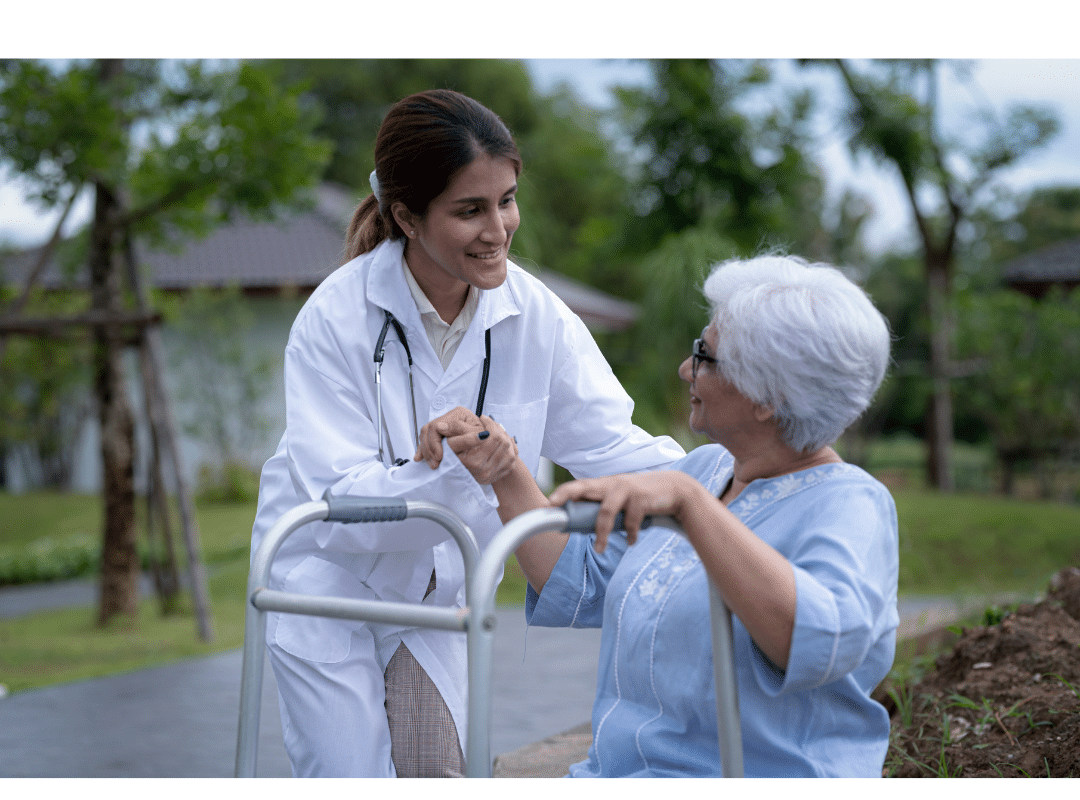
When recovering from a medical event, challenges with communication or swallowing can drastically impact your quality of life. Fortunately, skilled nursing facility speech therapy offers a proven path to regain these essential abilities—supporting not just your recovery but your confidence and independence as well.

Whether you or your loved one is navigating post-stroke care, cognitive decline, or age-related speech difficulties, personalized therapy within a skilled nursing setting ensures that healing goes beyond the physical. Through targeted interventions and emotionally supportive environments, you’ll discover powerful tools to reclaim your voice and restore joyful connection.

What Is a Skilled Nursing Facility?

Before diving into the benefits of speech therapy, it’s important to understand what a skilled nursing facility is. A skilled nursing facility (SNF) provides 24/7 medical care and rehabilitation services by licensed professionals such as nurses, therapists, and aides. These facilities are often designed for individuals who require short- or long-term medical assistance after hospitalization or due to chronic illness.

Services provided in an SNF include physical therapy, occupational therapy, wound care, and, of course, speech therapy in long-term care. The goal is to support recovery and daily functioning, allowing residents to regain independence or comfortably maintain their health long-term. Learn more about what an SNF offers through resources like Medicare.gov or the American Health Care Association.

Westmont of Encinitas is one such skilled nursing facility that offers compassionate care tailored to your unique needs. Discover more at Westmont of Encinitas.

The Importance of Speech Therapy in Skilled Nursing Settings

After a stroke, surgery, or progressive condition such as Parkinson’s or dementia, many seniors struggle with speaking, understanding language, or swallowing safely. In these cases, skilled nursing facility speech therapy becomes an essential component of care.

How SNF Speech Therapy Helps

Speech therapy in long-term care improves more than just talking. It addresses:

  • Communication impairments (e.g., aphasia, apraxia)
  • Cognitive deficits affecting memory and problem-solving
  • Swallowing disorders (dysphagia)
  • Voice strength and clarity

The result? Residents regain the ability to express themselves, connect with others, and eat safely—critical aspects of both health and emotional well-being.

Interactive SNF Speech Therapy Activities

SNF speech therapy activities are designed to engage and motivate. These may include:

  • Word-recall games and memory puzzles
  • Role-playing scenarios
  • Storytelling sessions
  • Safe swallowing exercises with food texture management
  • Music therapy for rhythm and memory support

For an added layer of emotional healing, music therapy has been shown to promote memory recall and reduce anxiety. Read more in Music and Memory: The Therapeutic Power of Melodies.

Role of Speech-Language Pathologists in SNFs

Speech therapy in a skilled nursing facility is led by Speech-Language Pathologists (SLPs). These professionals are licensed experts who evaluate and treat speech, cognitive, and swallowing disorders.

Creating Personalized Treatment Plans

SLPs conduct detailed assessments to identify the resident’s unique needs. They then develop a therapy plan tailored to improve communication, swallowing, and cognitive functioning. Plans are continually updated based on progress and response.

Learn how therapy services at Westmont communities are crafted with care to match each resident’s goals.

Collaborating With the Full Care Team

SLPs do not work in isolation. Their insights are shared with nurses, occupational and physical therapists, dietitians, and family members to provide a well-rounded care plan.

Role Responsibility
Speech-Language Pathologists Evaluate and treat speech/swallowing
Nurses Monitor health status and support care plans
Occupational Therapists Integrate speech with daily routines
Dietitians Recommend appropriate meal plans for dysphagia
Family Members Encourage practice and emotional support

This interdisciplinary model ensures that each resident gets the full benefit of a coordinated, customized approach.


skilled nursing facility speech therapy

Benefits of Skilled Nursing Facility Speech Therapy

The benefits of speech therapy within an SNF setting are wide-reaching and affect nearly every aspect of a resident’s life.

1. Restored Communication Abilities

Through repetition, cognitive exercises, and real-world practice, residents build stronger language and comprehension skills. They can re-engage with loved ones, express preferences, and feel seen and heard.

Speech therapy also supports residents with memory impairments by using visual aids, labeling systems, and routine-building exercises.

2. Safe Swallowing and Improved Nutrition

Swallowing disorders can lead to malnutrition, choking, or aspiration pneumonia. SLPs work with residents to strengthen muscles, use safer swallowing techniques, and adjust food textures—improving nutritional intake and overall health.

3. Boosted Mental and Emotional Wellness

Improved communication leads to increased confidence and social interaction. SNF speech therapy activities, such as group storytelling or music engagement, can reduce anxiety, stimulate joy, and create meaningful connections. This sense of progress combats feelings of isolation and depression, which are common among long-term care residents.

Explore how managing anxiety can complement therapy for holistic healing.

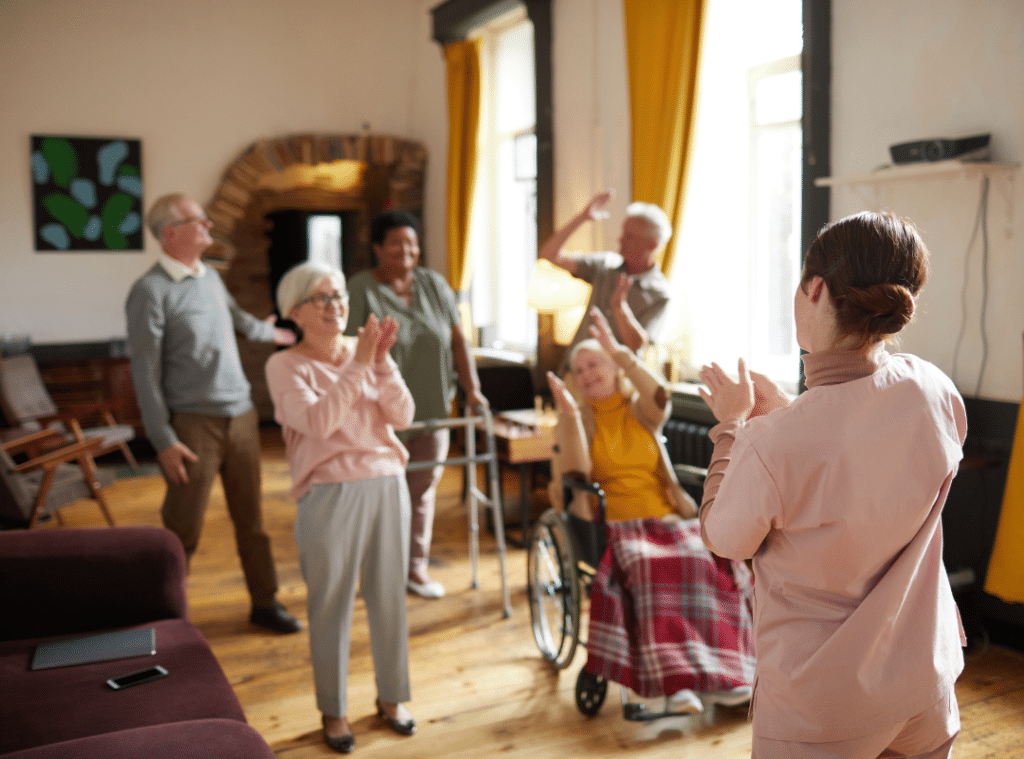
Group Speech Therapy Activities in SNFs

Group-based SNF speech therapy activities provide social reinforcement and peer encouragement. These may include:

  • Group games like trivia or bingo using speech prompts
  • Singing familiar songs to support word recall
  • Sharing personal stories to encourage confidence
  • Practicing conversation starters in a safe setting

Group activities are especially effective in building camaraderie, supporting mental health, and reducing emotional isolation.

Long-Term Benefits of Therapy in SNFs

Speech therapy in long-term care doesn’t just address short-term problems—it sets residents up for lasting success. Over time, therapy can:

  • Delay cognitive decline
  • Preserve independence in daily activities
  • Improve caregiver communication
  • Reduce hospital readmissions due to swallowing complications

As shown in this article on health care technology in assisted living, integrating advanced techniques can significantly improve outcomes in skilled care environments.

Real Support, Real Progress at Westmont of Encinitas

At Westmont of Encinitas, skilled nursing facility speech therapy is more than a clinical service—it’s a path to a fuller, more expressive life. From engaging activities to team-based care planning, every element is focused on helping you or your loved one thrive.

To explore more, check out:

And don’t forget to learn more from external resources like:

Take the Next Step Toward Recovery

If your loved one is struggling with speech or swallowing issues, don’t wait to get the care they deserve. Skilled nursing facility speech therapy can dramatically improve communication, safety, and emotional well-being.

Let our expert Speech-Language Pathologists guide the way at Westmont of Encinitas. Call us today at 760-452-6037 or schedule a personalized tour. Experience compassionate care designed to help you speak, connect, and thrive again.

Frequently Asked Questions

What is a skilled nursing facility in the USA?

A skilled nursing facility (SNF) in the USA is a licensed healthcare setting that provides 24/7 nursing care and rehabilitation services. It is designed for patients who require more medical attention than an assisted living community can provide, but who don’t need the intensive care of a hospital. Services typically include physical therapy, occupational therapy, and speech therapy in long-term care. Many people transition to an SNF after hospitalization to recover before returning home.

How to become an SNF SLP?

To become a Speech-Language Pathologist (SLP) in a skilled nursing facility, you must first earn a master’s degree in Speech-Language Pathology. After graduation, you need to complete a Clinical Fellowship under supervision and pass the Praxis exam. Licensure is required in the state where you plan to practice, along with certification from the American Speech-Language-Hearing Association (ASHA). Once certified, you can apply for roles in skilled nursing facility speech therapy, focusing on older adults and rehabilitation needs.

How many skilled nursing facilities are there in the USA?

There are over 15,000 skilled nursing facilities currently operating in the USA, according to federal health data. These facilities vary in size, services, and specialization, but all are regulated to meet Medicare and Medicaid standards. They provide both short-term rehab and long-term care for seniors and individuals with chronic conditions. With the aging population, the demand for SNFs continues to grow, highlighting their essential role in the healthcare system.

What field of SLP makes the most money?

Among speech-language pathology specialties, medical SLPs often earn the highest salaries, particularly those working in hospitals and skilled nursing facilities. This is due to the complexity of treating patients with neurological conditions, swallowing disorders, and post-stroke recovery needs. Private practice and travel SLP roles can also offer competitive pay, depending on demand and location. While pay varies, SNF speech therapy activities and hospital-based care tend to provide strong earning potential within the field.


Independent Living Services Termination Notice: What to Know

Receiving an independent living services termination notice can be emotionally and logistically overwhelming. For residents and families connected with communities like Westmont of Encinitas, understanding the implications of this notice is critical to navigating next steps with clarity and confidence.

Whether due to policy changes, care reassessments, or eligibility updates, such a notice doesn’t mean the end of support—it’s a signal to take action. This guide explores your rights, appeal options, and practical strategies, including how to handle a 245D service termination, how to pursue an assisted living termination appeal, and what to know about service termination DHS guidelines.


Understanding the Independent Living Services Termination Notice

When a resident receives an independent living services termination notice, the first step is to stay calm and review the details. These notices often outline specific reasons for service discontinuation, which may include medical changes, non-compliance with terms, or transitions to higher levels of care.

Take note of the effective date of termination and any appeal deadlines. You’ll want to understand whether the reason for termination falls under service termination DHS rules or if it qualifies for a 245D service termination process, particularly in states like Minnesota.

Learn more about how anxiety can impact seniors’ well-being in this helpful article on memory loss in seniors.

Reviewing Your Rights and Entitlements

Understanding your rights can shift the power back into your hands. This includes knowing if your service termination complies with state regulations and whether you’re entitled to an assisted living termination appeal.

Understanding Your Agreement

Review the lease and care service agreements thoroughly. These documents contain critical information, including:

Key Components Importance
Lease Agreements Defines your living space and terms
Service Obligations State’s expectations and services covered
Termination Clauses List the grounds for ending services
Appeal Process Outlines your right to dispute

In this step, referencing a qualified care team and assisted living health care options is valuable, especially when reassessing ongoing care needs.

Identifying Your Rights

Residents may be protected under disability rights laws, Medicaid program policies, or service termination DHS guidelines. Knowing what safeguards are in place allows you to evaluate whether your notice was issued properly. Many states require providers to follow specific timelines and documentation standards for a 245D service termination, giving you a legal window to respond.

Explore advanced care planning and prepare proactively.

Seeking Legal Guidance

Legal guidance is often necessary in cases involving disputed service termination. Advocacy groups and elder law attorneys can:

  1. Help you review contracts and identify legal concerns.
  2. Represent you during an assisted living termination appeal.
  3. Advocate for a fair resolution or reinstatement of services.

This may also be a good time to evaluate the financial advantages of senior living, especially if you’re navigating a shift in housing or care level.

Seeking Legal Assistance When Necessary

For many, a termination notice may not feel justified. When in doubt, consult a legal expert or elder advocate. They can determine whether the termination aligns with the service termination DHS regulations and whether you have a case under the 245D service termination appeal process.

If your appeal qualifies, seek help from local legal aid organizations such as:

  • National Center on Law & Elder Rights
  • Disability Rights California

These experts can assist in writing appeal letters, gathering evidence, and representing your voice during negotiations.

Communicating Effectively With Service Providers

Communication plays a key role during this period. If you’re unsure why your services are ending, reach out to Westmont of Encinitas or your community service provider to ask for clarification.

Here are three communication tips:

  1. Listen actively – Let the provider explain their position without interruption.
  2. Ask direct questions – Request documentation that supports their decision.
  3. Collaborate – Propose reasonable alternatives or adjustments.

Exploring Alternative Support Options

As difficult as it may feel, losing services doesn’t mean losing support altogether. Independent living residents have a variety of alternative options, including:

  • Senior support networks
  • Case managers through Medicaid
  • Local nonprofits
  • Mental health and social service agencies

Some programs even offer transition support for those affected by 245D service termination decisions or other regulatory service cuts. Emotional support and counseling can also help you process this change and adjust accordingly.

independent living services termination notice

Navigating the Appeals Process

If you feel the termination is unwarranted, you may qualify for an assisted living termination appeal. Most appeals need to be filed within 10 to 30 days of the notice.

Understand Appeals Procedures

Steps in the appeals process include:

  1. Check the timeline – Missing the appeal deadline could forfeit your rights.
  2. Read state regulations – DHS or local authority websites often provide step-by-step instructions.
  3. Follow up – Keep written records of all interactions.

Gather Supporting Documentation

Collect the following:

  • Copies of the termination notice
  • Health evaluations or care plans
  • Communications with providers
  • Witness statements, if applicable

These documents will support your case and ensure your appeal meets 245D service termination requirements.

Communicate Timely and Clearly

As you build your appeal:

  • Submit all forms on time
  • Call your service provider or DHS office to confirm receipt
  • Respond quickly to follow-up questions

Appeals are often successful when residents present a clear and organized argument with proper documentation.

Regain Control: Your Next Steps After Service Termination

Facing an independent living services termination notice is undoubtedly challenging, but you have the power to respond. Whether you’re challenging the decision through a 245D service termination appeal, seeking advice under service termination DHS rules, or communicating directly with Westmont of Encinitas, the key is to stay informed.

You’re not alone—many individuals face similar transitions. Empower yourself by taking advantage of all available resources, including housing support programs, legal assistance, and community-based solutions.

If you’re ready to explore your options, contact Westmont of Encinitas at 760-452-6037 or schedule a tour today. With the right tools, support, and determination, you can move forward confidently.


Compare The Costs of Senior Living vs Staying at Home

How Do The Costs Of Moving Into A Quality Senior Care Community Compare With The Costs Of Staying At Home?


Frequently Asked Questions

What is an independent living services termination notice?

An independent living services termination notice is a formal document issued by a care facility or service provider indicating the end of services for a resident. This notice outlines the reasons for termination, the effective date, and any steps the resident can take to appeal or transition. It’s important to review the notice carefully and understand your rights.

Why might someone receive a termination notice from an independent living facility?

Termination notices can be issued for various reasons, such as non-payment, behavioral concerns, health and safety issues, or a resident’s changing care needs. Facilities must follow legal guidelines and provide proper documentation. If unclear, residents or families should ask for clarification or consult with a legal advisor.

Can I appeal an independent living services termination notice?

Yes, in many cases you can file an appeal, especially if you believe the termination is unjust or there were procedural errors. Check with your facility’s grievance process or contact a local ombudsman or elder law attorney for help. Prompt action is critical, as appeal windows are often short.

What should I do after receiving a termination notice?

Start by reviewing the notice thoroughly and documenting everything. Contact the facility’s management to discuss the reason for termination and explore possible solutions. You should also begin researching alternative housing options and consider legal support if needed.


What Vitamin Stops Age-Related Muscle Loss in the Elderly?

Maintaining muscle strength is essential for independent and healthy aging. But many adults unknowingly face a gradual loss of strength and vitality as the years go by. So, what vitamin stops age-related muscle loss? The answer lies in a key nutrient that supports muscle integrity, mobility, and overall wellness—vitamin D.

In this blog, we explore the role of vitamin D in preventing age-related muscle loss, the signs and causes of muscle decline, and proactive strategies for preserving your strength. If you’re concerned about the sudden loss of muscle mass or noticing muscle loss in your legs and buttocks, this guide is for you.

For personalized wellness solutions, visit Westmont of Encinitas and discover how we support healthier aging.

Understanding Vitamin D’s Role in Preventing Muscle Loss

Vitamin D plays a critical role in muscle maintenance and function. It supports muscle protein synthesis and helps regulate calcium and phosphate, which are essential for muscle contraction. A deficiency in vitamin D often leads to signs of losing muscle mass, including weakness and fatigue.

Older adults are especially vulnerable to low vitamin D levels due to reduced sun exposure, dietary changes, or absorption issues. Without enough vitamin D, the muscle loss with age chart accelerates, leading to a decline in mobility, independence, and quality of life.

Explore more strategies to maintain strength with senior fitness workouts designed for aging adults.

Best Natural Sources of Vitamin D

Although supplements are widely used, it’s important to know natural ways to get your daily dose of vitamin D:

  • Sunlight – The body naturally synthesizes vitamin D when exposed to sunlight. Aim for 10–30 minutes a few times per week.
  • Fatty fish – Salmon, tuna, and mackerel are excellent dietary sources.
  • Fortified foods – Milk, cereals, and orange juice often contain added vitamin D.
  • Egg yolks and cheese – These foods provide small yet valuable amounts of vitamin D.

For seniors in assisted living, ensuring a balanced diet with these sources can help prevent vitamin deficiencies and related muscle loss.

Spotting the Signs of Muscle Loss

Noticing changes in your physical strength? These are common signs of losing muscle mass:

  • Trouble lifting everyday objects
  • Feeling tired after minimal activity
  • Unintended weight loss
  • Poor balance or increased falls
  • Muscle loss in legs and buttocks, leading to difficulty standing or walking

When these symptoms appear, it’s time to take action. Integrate senior leg exercises into your routine to regain lower body strength and function.

Muscle Loss With Age: Chart and Timeline

Muscle loss, or sarcopenia, is a natural part of aging, but it can be managed. Here’s a basic muscle loss with age chart for reference:

Age Range Muscle Mass Loss (%) Risk Level
30–40 3–5% (slow decline) Low
40–50 5–10% Moderate
50–60 10–15% Moderate
60–70 15–20% High
70+ 20–30% or more Very High

Understanding this decline helps you prepare in advance. Start early with muscle-strengthening habits to slow this progression.

What Causes Sudden Muscle Loss?

Experiencing a sudden loss of muscle mass is often more than just aging—it may signal an underlying health issue. Key contributors include:

  • Vitamin D deficiency – Weakens muscles and increases the risk of falls.
  • Chronic illness – Diabetes, kidney disease, and cancer can accelerate muscle breakdown.
  • Poor nutrition – Lack of protein, calories, and key vitamins impacts muscle repair.
  • Inactivity – A sedentary lifestyle worsens age-related muscle loss.

Regularly monitor vitamin D levels and discuss changes with your healthcare provider.

For more insights, check out this helpful resource from the Cleveland Clinic on vitamin D deficiency.

Nutrition’s Impact on Muscle Health

When addressing muscle loss in legs and buttocks, nutrition plays a central role. Focus on:

  • Lean proteins – Such as chicken, legumes, and tofu
  • Vitamin D-rich foods – Like mushrooms and fortified milk
  • Omega-3 fatty acids – From walnuts and flaxseeds, which reduce inflammation
  • Hydration – Water supports metabolic function and nutrient absorption

These choices support muscle recovery and growth while reducing the effects of aging.

what vitamin stops age-related muscle loss

Strength Training and Muscle Retention

Combining strength training with good nutrition is one of the best ways to counter muscle loss. Here’s how resistance training can help:

  • Enhances muscle fiber density
  • Improves balance and mobility
  • Boosts metabolism and bone health

Start with light resistance bands or bodyweight exercises. Focus on consistency and proper form. For best results, aim for two to three sessions per week.

Track your strength progress with a simple workout journal to stay motivated.

How to Monitor and Supplement Vitamin D

To determine what vitamin stops age-related muscle loss, regular testing is essential. Blood tests can reveal whether your vitamin D levels are optimal (usually 30 ng/mL or higher).

When to Supplement

  • If you’re deficient, Supplement with 600–800 IU of vitamin D daily (or as prescribed).
  • If you live in low-sunlight areas, consider a higher daily intake.
  • If you’re 65 or older, you may need more due to reduced skin synthesis.

Consult your physician before starting any supplement routine. Read this Harvard Health article to better understand dosage needs.

Lifestyle Tips to Preserve Muscle Mass

In addition to diet and exercise, here are more tips to manage muscle loss as you age:

  • Stay socially active – Isolation can reduce physical activity levels
  • Get outdoors – Combining vitamin D absorption and movement
  • Stretch regularly – Maintains mobility and prevents injury
  • Track your weight – Unexplained loss may signal muscle deterioration

It’s also important to educate caregivers and loved ones on how to recognize early signs of decline, especially in seniors with limited mobility.

Reclaiming Strength and Living Independently

By understanding what vitamin stops age-related muscle loss, you’re already taking a powerful first step toward preserving your strength and independence.

At Westmont of Encinitas, we emphasize proactive wellness, fitness, and nutrition programs that support seniors through every stage of aging. Call us at 760-452-6037 or schedule a tour to explore how we can help you thrive.

Stay Strong: Your Future Depends On It

Muscle loss doesn’t have to define your aging journey. With the right knowledge, consistent action, and smart supplementation, you can combat muscle loss in legs and buttocks, spot early signs of losing muscle mass, and prevent the sudden loss of muscle mass.

Make vitamin D your ally, track your progress, and surround yourself with wellness-focused support. Prioritize movement, mindful eating, and connection—because aging should never mean losing your strength.

Ready to reclaim your vitality? Let Westmont of Encinitas guide you every step of the way.


Find Where You Belong

Dive into the vibrant life our Westmont communities have to offer.


Frequently Asked Questions

What is the best supplement for muscle loss?

The best supplement for muscle loss often includes protein powders like whey or plant-based options, which help rebuild and maintain muscle tissue. Creatine is also effective, especially in older adults, as it supports energy production and muscle strength. Vitamin D and omega-3 fatty acids have been shown to aid in muscle health and reduce inflammation. Always consult with a healthcare provider before starting any supplement, especially for older adults with medical conditions.

How to prevent muscle loss in old age?

Preventing muscle loss in old age involves a mix of strength training exercises, adequate protein intake, and healthy lifestyle habits. Resistance training at least 2-3 times per week helps maintain muscle mass and strength. A diet rich in lean proteins, vitamin D, and omega-3s also supports muscle preservation. Staying physically active and getting regular health checkups are essential to detect and address deficiencies early.

Can a 70-year-old regain muscle mass?

Yes, a 70-year-old can regain muscle mass through a combination of resistance training and proper nutrition. Studies show that seniors respond well to strength training, even if they’ve never exercised before. Eating enough high-quality protein and possibly supplementing with creatine or vitamin D can further support muscle recovery. It’s important to consult a doctor or physical therapist to design a safe, age-appropriate exercise plan.

Does vitamin B12 limit muscle loss?

Vitamin B12 plays an important role in nerve function and energy production, both of which are crucial for maintaining muscle health. While it may not directly build muscle, a deficiency in B12 can lead to muscle weakness, fatigue, and even muscle wasting in severe cases. Ensuring adequate B12 intake—either through diet or supplements—can help prevent these issues. Older adults are more prone to B12 deficiency, so regular monitoring is recommended.


Art Projects for Elderly: Sparking Creativity and Joy

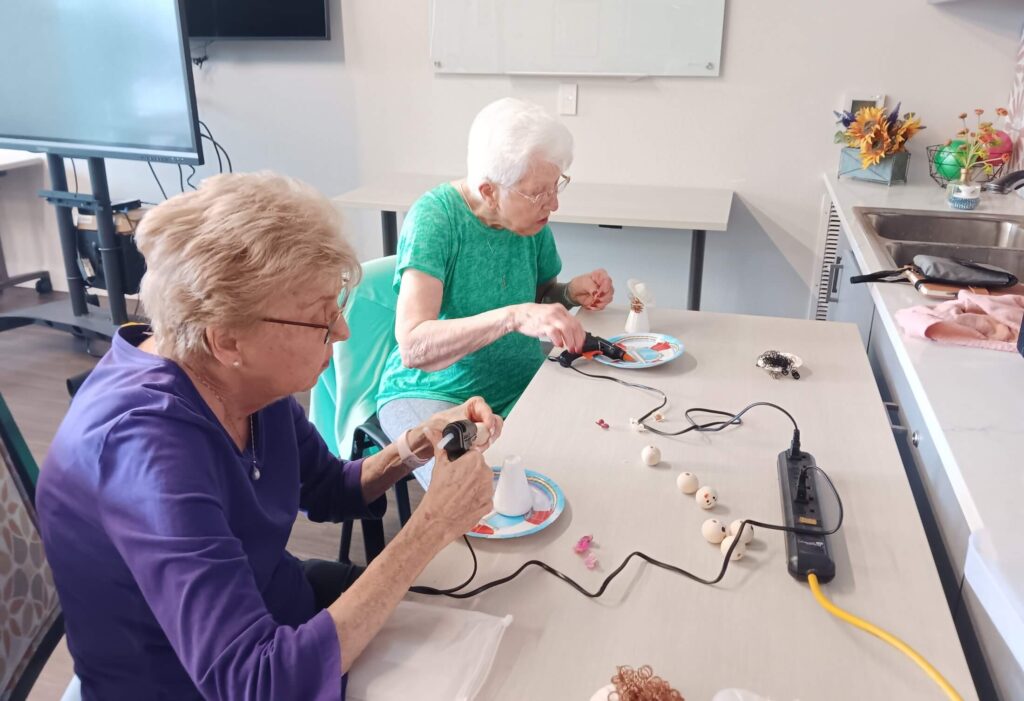
At Westmont of Encinitas, art projects for elderly residents are more than just enjoyable pastimes – they are pathways to healing, memory support, and self-expression. From watercolors to crafts using simple household materials, creative activities can empower seniors to reconnect with themselves and others in meaningful ways.

Whether you’re exploring simple art projects for elderly individuals or looking for easy crafts for seniors in nursing homes, each project brings opportunities for joy, connection, and accomplishment. Through accessible and enjoyable activities, seniors can rediscover purpose and unleash their creative spirit, regardless of ability or cognitive stage.

For more ideas and to explore our vibrant community, visit our website at Westmont of Encinitas.

The Emotional and Cognitive Benefits of Art

Engaging in art projects for elderly adults provides more than a creative outlet – it’s a form of therapy that nurtures the mind and spirit. Art stimulates neural pathways and supports emotional well-being, especially for those facing cognitive challenges like dementia. Participating in creative activities can:

  • Reduce anxiety and depression
  • Improve motor skills and coordination
  • Encourage communication without relying on language

Art therapy has been shown to support seniors’ mental health, making it a valuable part of daily life. And because many of these activities are simple art projects for elderly individuals, they’re easy to implement at home or in senior living communities.

For more research on the cognitive benefits of art, visit Verywell Mind’s guide to art therapy.

Simple Art Projects for Elderly to Boost Creativity

Incorporating simple art projects for elderly adults can be an enriching experience. These activities are designed to be accessible, engaging, and therapeutic. Some great options include:

  • Watercolor painting: Relaxing and easy to start
  • Collage making: Using old magazines to tell a visual story
  • Nature crafts: Pressing flowers or painting leaves

Such projects are efficient for crafts for seniors with limited mobility, since they can be done seated, with minimal supplies, and little setup. Not only do these projects boost creativity, but they also promote relaxation and a sense of accomplishment.

Crafts for seniors can be easily adapted to individual needs, ensuring every participant enjoys the experience regardless of ability.

Easy Crafts for Seniors in Nursing Homes

For residents in care settings, easy crafts for seniors in nursing homes can be both fun and therapeutic. These group-based or individual projects help improve focus, build social skills, and stimulate memory. Some popular activities include:

  • Decorative jars or containers: Great for storing keepsakes or treats
  • Tissue paper art: A colorful and tactile way to express creativity
  • Seasonal décor crafts: From pumpkins to snowflakes, these help seniors stay connected to the time of year

By offering structure and freedom simultaneously, easy crafts for seniors in nursing homes help participants feel more engaged in their environment. Additionally, these projects serve as lovely décor for personal spaces or make great gifts for loved ones.

Easy Crafts for Seniors with Dementia

When planning easy crafts for seniors with dementia, it’s important to focus on simplicity, repetition, and sensory engagement. Here are some dementia-friendly options:

  • Finger painting: Mess-free versions are available with sponges or gloves
  • Sensory art boards: Include various textures like felt, cotton, and sandpaper
  • Coloring pages: Large-print images of flowers, animals, or holidays are ideal

These activities promote mindfulness and offer soothing routines that support mental well-being. According to Alzheimer’s Association, sensory-based crafts can also stimulate memory and bring back comforting emotions.

By keeping tasks straightforward and enjoyable, easy crafts for seniors with dementia support daily engagement while reducing stress.

Crafts for Seniors with Limited Mobility

Mobility limitations don’t need to stop the fun. Crafts for seniors with limited mobility can be designed to require minimal movement while still providing maximum creativity. Try these:

  • Button sorting and gluing: A tactile and visual experience
  • Pom-pom wreaths: Created with easy-grip tools and pre-cut materials
  • Clay modeling: Great for hand strength and creativity

Providing proper seating, adaptive tools like easy-grip scissors, and supportive instruction ensures that everyone can participate fully. Whether in community workshops or home settings, crafts for seniors with limited mobility promote inclusivity and self-worth.

Memory-Boosting Art Projects That Engage the Mind

Beyond fun, art projects for elderly adults can support memory recall. These memory-boosting activities are designed to engage the brain while fostering emotional connections:

  • Photo collage boards: Use family photos and captions to prompt storytelling
  • Timeline scrapbooks: Create a visual journey through significant life events
  • Memory jars: Fill with handwritten memories or inspiring quotes

These memory-based activities are especially effective for residents facing memory loss. Visit The Oaks at Paso Robles for more creative memory-enhancing ideas.


art projects for elderly


Intergenerational Craft Activities

Art brings people together, especially across generations. Intergenerational art projects for the elderly and their loved ones offer a unique way to bond through creativity. Ideas include:

  • Handprint art projects: Share memories with grandchildren
  • Recipe book crafting: Pass down family recipes in a handmade keepsake
  • Holiday-themed crafts: Make ornaments or greeting cards as a family

These projects are ideal for simple art projects for elderly adults and create joyful moments that deepen family connections. According to Generations United, such shared activities help reduce ageism and promote understanding between youth and elders.

Group Workshops and Community Engagement

At Westmont of Encinitas, our group workshops offer residents the opportunity to explore their creative potential together. These gatherings foster community, promote peer learning, and encourage consistent engagement in art projects for elderly adults.

  • Weekly themed craft nights
  • Art contests and gallery showings
  • Collaborative murals and mosaics

Such community workshops not only highlight the joy of creativity but also combat isolation, offering a safe space to connect and grow. Learn more about these programs on our creative arts blog.

Creativity as a Path to Connection and Wellness

Each project – from simple art projects for the elderly to easy crafts for seniors with dementia – tells a story, sparks a memory, or invites a conversation. Whether you’re coloring, gluing, or painting, these moments of expression become gateways to deeper connections and emotional growth.

For those interested in learning more or seeing the Westmont difference in person, schedule a tour or call us at 760-452-6037.

Let Creativity Bloom: Your Artistic Journey Starts Here

Creativity doesn’t fade with age—it transforms. At Westmont of Encinitas, we believe that every senior has a masterpiece within them, just waiting to emerge. Whether through easy crafts for seniors in nursing homes, memory-boosting projects, or crafts for seniors with limited mobility, art allows for healing, connection, and endless discovery.

So gather your tools, invite a loved one, and begin your creative journey today. With the right support and environment, the joy of making art can be a lifelong adventure.

For more details on our senior living activities and support services, visit Westmont of Encinitas.


Find Where You Belong

Dive into the vibrant life our Westmont communities have to offer.


Frequently Asked Questions

What crafts are good for seniors?

Crafts that are good for seniors include knitting, scrapbooking, painting, adult coloring books, and simple DIY home decor projects. These activities help improve motor skills, reduce stress, and provide a creative outlet. Many seniors also enjoy group crafting sessions, which promote social interaction. The key is to choose crafts that match their skill level and interests.

What kind of art do older people like?

Older adults often enjoy art forms that offer relaxation and self-expression, such as watercolor painting, pottery, and drawing. Many also appreciate nostalgic or nature-inspired art themes. Art projects that allow them to reflect on their life experiences or preserve memories, like collage making or photo journaling, are also popular. Adaptable tools and techniques can help accommodate any physical limitations.

What is the hottest craft right now for adults?

One of the hottest crafts for adults right now is diamond painting, which combines the relaxation of paint-by-numbers with the sparkle of rhinestones. Other trending crafts include resin art, tufting, and creating personalized home decor using Cricut machines. These crafts are popular because they’re fun, customizable, and often easy to learn. Many also enjoy sharing their creations on social media or at craft fairs.

What are good activities for elderly people?

Good activities for elderly people include walking, gardening, puzzles, crafts, and chair exercises. These activities promote physical health, mental stimulation, and emotional well-being. Group games, book clubs, and music therapy also encourage social engagement. The best activities are those that match their abilities while keeping them active and connected.


Celebrating Centenarians Day: Honoring Our Remarkable Residents Across Our Communities

On September 22nd, we celebrate the first day of fall along with joining people around the world in celebrating Centenarians Day. It’s a special occasion dedicated to honoring those who have reached the incredible milestone of 100 years or more. This day is not only about celebrating longevity, but it’s about cherishing the wisdom, history, and enduring presence of centenarians in our lives.

Across all of our Communities, we are honored to have 24 extraordinary residents who are 100 years young and beyond, including 13 who have surpassed the century mark. Each one of them is a living connection to history, carrying with them stories that span a century of experiences, triumphs, and memories. Their journeys remind us of the resilience of the human spirit and the beauty of a life well-lived.

What Centenarians Day Means

  • Celebrating Longevity: Reaching 100 years is a remarkable achievement, a testament to strength, perseverance, and vitality.
  • Honoring Wisdom and History: Our centenarians are storytellers of times past, offering invaluable lessons, insights, and a bridge between generations.
  • Gratitude for Contributions: We celebrate not just their years, but their lifelong contributions, impacting families, communities, and the world in meaningful ways.

On this day, we encourage our centenarians, along with all our Residents, to continue to Live Your Way®. At Westmont Living, Live Your Way® means embracing life on your terms—with your style, your choices, and your passions. The legacies of our centenarians inspire us to live with gratitude, purpose, and joy each day.

To our 24 centenarian residents, thank you for your wisdom, your stories, and your shining example of resilience. Today and every day, we celebrate you.


Centenarians 2025

Lakeview Senior Living
William Walton – Born 1924 – Age 101
Westmont of Chico
Hope Heintz – Born 1924 – Age 101
Evelyn Penick – Born 1925 – Age 100
Dave Elliotte – Born 1924 – Age 101
Barbara Carney – Born 1923 – Age 102
Westmont of Escondido
Iris Wicks – Born 1923 – Age 101
The Oaks at Nipomo
Erving Morlee – Born 1924 – Age 100
Westmont at San Miguel Ranch
Maria Escarcega – Born 1925 – Age 100
Walter “Walt” Travis – Born 1924 – Age 101
Gracie Hill – Born 1925 – Age 100
Westmont of Brentwood
Bettye Sturla – Born 1925 – Age 100
Geraldine Baker – Born 1923 – Age 102
Constance Daniels-Idle – Born 1921 – Age 103
Westmont of Carmel Valley
Dorothy Goo – Born 1924 – Age 101
Westmont of Culver City
Betty Kronick – Born 1921 – Age 103
Westmont of Cypress
Terri Tamaru – Born 1925 – Age 100
Westmont of Encinitas
Beverly Evans – Born 1924 – Age 101
Rose Chang – Born 1924 – Age 100
Peter Sanzo – Born 1922 – Age 103
Westmont of Fresno
Vicki Coughlin – Born 1924 – Age 101
Georgia Hobson – Born 1925 – Age 100
Westmont of Morgan Hill
Florence Boyce – Born 1925 – Age 100
Westmont of Riverside
Inez-Blanche Holmes – Born 1922 – Age 102
Lois Wurschinger – Born 1925 – Age 100
Marina Gabus – Born 1920 – Age 105
Harold Platt – Born 1925 – Age 100


Luxury Senior Living Facilities: Safe, Stylish, and Supportive Features

As we age, choosing the right living arrangement becomes more than just a necessity—it’s a gateway to a fulfilling lifestyle. Luxury senior living facilities are designed to offer safety and care, elegance, amenities, and opportunities for meaningful social engagement. Whether you’re an active senior seeking independence or someone needing supportive care, these communities provide top-tier living experiences tailored to individual preferences.

Communities like Westmont of Encinitas exemplify this high standard of living. With sophisticated surroundings, compassionate staff, and state-of-the-art amenities, they reflect what many consider the best luxury senior living facilities available today. These communities allow seniors to maintain their independence while enjoying comfort, companionship, and convenience in one beautiful setting.

Types of Luxury Senior Living Options

The first step to finding the right fit is understanding the available options. Luxury senior living facilities near you may offer several lifestyle choices based on your health, preferences, and needs:

  • Independent Living: Ideal for active seniors who want maintenance-free living with access to community events, fitness centers, and fine dining.
  • Assisted Living: For those who need help with daily activities but still value independence. These include the most luxurious assisted living facilities with private suites, gourmet meals, and concierge services.
  • Memory Care: Tailored for individuals with Alzheimer’s or dementia, providing structured routines and therapeutic activities in a secure setting.

Facilities like Riverside Gardens Assisted Living highlight how quality and compassion go hand in hand in luxury senior living facilities in California. These options accommodate varying needs while ensuring elegance and quality across all levels of care.

Amenities That Enhance the Living Experience

What truly sets luxury communities apart are their expansive amenities designed to support wellness and enjoyment:

Amenities Lifestyle Benefits Activities
Gourmet Dining Culinary excellence and nutrition Chef-led cooking classes
Fitness Centers Enhance mobility and vitality Yoga, aerobics, walking clubs
Spas & Salons Pampering and personal care Spa days, massage therapy
Arts & Learning Spaces Creativity and cognitive engagement Painting, book clubs

Beyond basics, many best luxury retirement communities in the United States now offer wine tastings, nature excursions, and even university-led lectures. The personalized care plans ensure that each resident’s needs are understood and met with compassion and professionalism.


luxury senior living facilities​


Understanding the Costs of Luxury Senior Living

Investing in your well-being is important, but understanding the financial commitment’s just as critical. Luxury senior living facilities can range from $6,000 to over $20,000 per month depending on location, services, and apartment size.

Be sure to:

  • Compare costs across communities
  • Review what’s included (e.g., meals, housekeeping, wellness services)
  • Inquire about entrance fees or deposits

Costs can also vary by region. For example, California’s cost of living tends to be higher, but luxury senior living facilities in California offer unmatched coastal views and outdoor lifestyle perks. Always request a detailed cost breakdown so you can weigh value against expense.

Community Environment and Resident Interaction

A sense of community is key to making your new residence feel like home. At luxury senior living facilities near you, social connection is not just encouraged—it’s built into the experience. These communities create vibrant atmospheres through:

  • Organized social events
  • Shared spaces like lounges, libraries, and art studios
  • On-site chapels or meditation gardens

Visit Westmont at San Miguel Ranch to explore how carefully crafted programming leads to richer, more joyful resident lives. A welcoming atmosphere directly enhances emotional health, reduces isolation, and promotes lifelong friendships.

Social Engagement Opportunities

From film nights and wine tastings to guest lectures and hobby groups, engaging social opportunities are essential in the most luxurious assisted living facilities. These events are designed around resident interests, helping everyone stay connected and involved. The value of daily interaction cannot be overstated—it can improve cognitive function and elevate mood.

Check out why social wellness matters to understand how emotional engagement plays a critical role in senior health.

Community Atmosphere Evaluation

How do you evaluate if a facility offers a warm atmosphere? Start by reading resident testimonials, attending a few events during a tour, and observing how staff and residents interact. Communities with happy, engaged residents are often the best luxury senior living facilities. Warm greetings, spontaneous laughter, and shared routines all signal a supportive, home-like environment.

Staff Qualifications and Care Standards

The foundation of any great senior living community is its team. Ask about:

  • Certifications of caregivers
  • Training for dementia or mobility care
  • Staff-to-resident ratio
  • On-site medical support

When staff members are well-trained and compassionate, residents enjoy peace of mind and better daily experiences. Choosing luxury senior living facilities means prioritizing those with high hiring standards, consistent training, and a culture of kindness.

Health and Safety Compliance in Senior Living

Luxury doesn’t mean compromising on safety—it means enhancing it. High-end senior communities often exceed state regulations with:

  • Emergency call systems in every unit
  • 24/7 onsite staff
  • Infection prevention measures
  • Secured entrances for memory care wings
  • Frequent health screenings and medication management

Facilities that go above and beyond create secure environments that empower independence while ensuring peace of mind.

Finding the Right Luxury Senior Living Community

So, how do you find your perfect match among the best luxury retirement communities in the United States? Here’s a guide to help you start:

  1. Make a list of priorities – Do you want ocean views, pet-friendly apartments, or advanced memory care?
  2. Tour multiple locations – In-person visits provide critical insight into the daily lifestyle and atmosphere.
  3. Compare amenities and services – Create a checklist to determine which location checks the most boxes.
  4. Read reviews and testimonials – Resident and family feedback is a powerful indicator of quality.
  5. Speak with current residents – Get real-life impressions from those already living there.

The decision isn’t just about a place to live—it’s about where you will thrive.

A Lifestyle That Reflects You: Make Your Next Move Count

Choosing among the luxury senior living facilities available today isn’t just about selecting a new address—it’s about securing a joyful, healthy, and enriched future. Communities like Westmont of Encinitas blend personal attention, elegant surroundings, and exceptional care to create an environment where every resident feels seen, supported, and inspired.

Whether you’re searching for the most luxurious assisted living facilities, exploring luxury senior living facilities near you, or looking for the best luxury retirement communities in the United States, your journey begins with curiosity—and ends with comfort, community, and peace of mind.

To learn more, call 760-452-6037 or schedule a tour today and experience one of California’s leading luxury senior living facilities.


What Level of Care Do You Need?

Discover the level of care you or your family member requires. 


Frequently Asked Questions

What is the most luxurious nursing home in the world?

The most luxurious nursing home in the world is often considered to be The Green House Residences at Stadium Place in Baltimore, Maryland, or The Peninsula Beverly Hills’ affiliated elder care residences in California. These communities offer five-star amenities like gourmet meals, spa services, private suites, and personalized care. Some international contenders include luxury senior facilities in Switzerland and Japan, offering top-tier healthcare, scenic views, and world-class hospitality. However, rankings can vary based on amenities, service quality, and location.

What is the downside of 55+ communities?

While 55+ communities offer social opportunities and age-appropriate amenities, they may feel restrictive to some residents. Rules about age limits, visitors, or home modifications can limit freedom and flexibility. Additionally, monthly HOA fees and limited access to multigenerational interaction may not appeal to everyone. It’s important to weigh lifestyle preferences before making a move.

Does Medicare pay for assisted living for seniors?

Medicare does not cover assisted living costs, including room, board, or personal care. It may, however, pay for certain medical services provided within an assisted living facility, such as skilled nursing or physical therapy. Seniors often rely on personal savings, long-term care insurance, or Medicaid (if eligible) to cover assisted living costs. Each state has different Medicaid rules, so it’s worth checking local programs for assistance.


Security in Independent Living: What Seniors Should Know

Choosing an independent living community isn’t just about lifestyle—it’s also about safety. As older adults seek freedom with support, security in independent living becomes a top concern for both residents and their families. This includes a mix of physical safety, community support, and access to emergency help when needed.

From well-lit hallways and gated entries to digital monitoring and strong community bonds, understanding the features that ensure security in independent living can help you make informed choices. Whether you’re searching for security in independent living near you or specifically looking into security in independent living in California, this guide explores everything you need to know for safe and confident aging.

For more details, visit Westmont of Encinitas.

Key Safety Features That Ensure Resident Security

When evaluating security in independent living, the physical infrastructure plays a huge role. At communities like Westmont of Encinitas, several important features stand out:

Non-slip flooring and wide corridors: These reduce fall risk, improving mobility safety.

Secure entry points and gated access: These prevent unauthorized entry, enhancing security in independent living near you.

Elevators and ramps: Essential for accessibility, ensuring residents can navigate freely.

Emergency response systems: From wearable alert buttons to intercoms, these tools are lifesavers in critical moments.

Routine fire and safety inspections: These ensure compliance and preparedness.

For added context, managing seniors’ health also contributes to overall safety. Learn more here: 7 Vital Tips for Senior Medical Care.

How Community Culture Promotes Safety

Security in independent living isn’t just about physical structures—it’s also about the people. A strong, engaged community leads to better safety outcomes.

  • Residents who bond through activities are more likely to watch out for each other.

  • Open communication and social events strengthen relationships and make safety a shared responsibility.

  • A well-connected community creates an environment where suspicious activity or emergencies are noticed more quickly.

Hosting events like 7 Fun Social Activities for Seniors can significantly increase engagement and improve the overall sense of security.

Leveraging Technology to Boost Independent Living Security

Advancements in smart home technology and community systems play a major role in improving security in independent living. Communities are adopting tools that protect residents without intruding on their independence.

Technology Tool Benefit Examples
Smart Surveillance Deters and detects intrusions Cameras in public and entrance areas
Wearable Alert Devices Fast response to falls/emergencies Smart wristbands and pendants
Digital Notifications Keep families in the loop Text/email alerts about safety events
Real-Time Monitoring Staff intervention within minutes Motion sensors, app-based alerts
Community Platforms Share safety updates and feedback Mobile community message boards

These innovations are especially valuable for security in independent living in California, where many modern communities are tech-forward. Learn more about medical response tools here.


Social Engagement

Creating Safety Plans That Work

An effective security plan is proactive, not reactive. A blend of preparation, communication, and staff readiness ensures that security in independent living near you meets today’s standards.

Emergency Preparedness Drills

Regular emergency drills prepare residents to respond calmly and efficiently during crises.

  • Practice real-world scenarios like fire, earthquake, or medical emergencies.
  • Host debrief sessions to collect resident feedback.
  • Offer fall prevention workshops like those at Westmont of Escondido.

These drills are especially critical in security in independent living in California, where natural disasters like earthquakes are more likely.

Security Protocols Overview

Comprehensive safety protocols include:

  • Staff training on emergency responses
  • 24/7 surveillance and staffing
  • Locked building access during non-visiting hours
  • Resident access logs

A secure facility doesn’t just reduce risk—it builds resident confidence.

Communication Strategies

Clear communication is the backbone of safety.

  • Monthly resident safety meetings
  • Access to updated emergency contact lists
  • Easy-to-use communication channels like resident apps or bulletin boards
  • Educational sessions on how to report issues or use safety tools

These strategies help maintain security in independent living near you, especially in larger communities where oversight can be more challenging.


Comprehensive Safety Culture

Evaluating Communities for Security Before You Move

Not all communities offer the same level of safety. Before making a move, consider these three key areas.

Physical Security Measures

Ask these questions:

  • Is there 24/7 staffed security?
  • Do cameras monitor common areas and entrances?
  • Are there accessible emergency call systems in apartments?
  • Is there controlled access to buildings?

All these contribute to security in independent living in California, where large properties require layered protections.

Community Culture and Safety

A positive, connected community helps people feel secure.

  • Do residents seem engaged in social life?
  • Are there feedback systems in place for concerns?
  • How responsive is management to resident safety needs?

Safety improves when residents participate in making the community better.

Staff Training and Credentials

Well-trained staff can make or break security in independent living. Ask:

  • How often is staff trained in safety and emergency care?
  • Are there outside accreditations or partnerships for safety programs?
  • Is there a system to evaluate performance and adapt?

Knowing your safety is backed by professional, well-prepared staff offers peace of mind.

Support Tools and Resources for Families

Families also play a role in promoting security in independent living.

  • Request regular updates through emails, newsletters, or dashboards.
  • Attend family safety workshops and tours.
  • Share emergency contact details with management.
  • Use tech like resident monitoring apps (e.g., CarePredict or QuietCare) to stay connected without being intrusive.

Resources like these make security in independent living near you a family-inclusive effort.

See the Security for Yourself

If you’re considering a safe, independent lifestyle, Westmont of Encinitas offers a blend of modern safety features, supportive staff, and strong community engagement. Their focus on security in independent living in California ensures residents thrive while families stay confident in their loved ones’ safety.

Schedule a visit to see the safety features in person or call 760-452-6037 for more details.

Choose Security Without Compromising Independence

Your golden years should be defined by freedom, not fear. That’s why security in independent living must go beyond locked doors—it should include responsive technology, well-trained staff, a caring community, and open communication. Whether you’re exploring security options in independent living near you or researching options across the state, including those in California, make safety your top priority.

Communities like Westmont of Encinitas are setting a high standard, helping seniors stay independent while feeling protected every day. When you choose wisely, you’re not just selecting a place to live—you’re choosing peace of mind.


Find Where You Belong

Dive into the vibrant life our Westmont communities have to offer.


Frequently Asked Questions

What are the negatives of independent living?

While independent living offers freedom and social opportunities, it may not provide medical support or daily assistance. Seniors with increasing health needs may find it challenging to keep up without additional help. It can also be isolating if the community lacks robust social programming. Additionally, costs can be high, especially in luxury senior communities.

Do assisted living facilities have security?

Yes, most assisted living facilities have security measures in place, including secured entrances, surveillance cameras, and trained staff available 24/7. These features help protect residents from both internal and external threats. Some communities also use emergency alert systems and secure memory care units. The level of security may vary based on location and facility type.

What are the requirements for independent living?

Independent living typically requires that seniors be able to manage daily activities without regular medical or personal care support. Most communities have a minimum age requirement, often 55 or older. Some may conduct a basic health assessment or financial screening. The goal is to ensure residents can safely live on their own while enjoying community amenities.

Is independent living covered by insurance?

Generally, independent living is not covered by health insurance or Medicare because it is not considered medical care. Seniors pay out-of-pocket for rent, meals, and other services. However, long-term care insurance may help cover certain services if assistance is needed later. Always check with your insurance provider for specific coverage details.

Benefits, Risks, & Smart Picks: Supplements for Elderly to Support Healthy Aging

As we age, our bodies undergo numerous changes that impact nutritional needs. Maintaining proper nutrition becomes increasingly important with age-related declines in appetite, nutrient absorption, and physical activity. That’s where supplements for the elderly come in—they can help bridge the gap between what we eat and what our bodies need.

While a healthy diet remains the foundation of senior health, supplements offer targeted support for areas like bone strength, energy, cognition, and immunity. Whether you’re looking for the best multivitamin for seniors over 70, or you’re considering the best supplements for old age woman or man, understanding what your body needs is the first step to aging with vitality and strength.

What Are Supplements for the Elderly and Why Are They Important?

Supplements for the elderly refer to vitamins, minerals, and other nutrients taken to support aging bodies that may not absorb or retain nutrients as efficiently. These can include pills, powders, liquids, or chewable nutrients often lacking in senior diets. Commonly supplemented nutrients include calcium, vitamin D, vitamin B12, and omega-3 fatty acids.

Many seniors struggle with reduced appetite or dietary restrictions, which makes it harder to get all essential nutrients from food alone. That’s why the best nutritional supplements for the elderly often contain high doses of essential vitamins and minerals tailored to meet the unique needs of aging bodies.

At Westmont of Encinitas, we help residents strike the right balance between food and supplements, ensuring they enjoy both optimal nutrition and a high quality of life.

Choosing the Best Multivitamin for Seniors Over 70

One of the most frequently asked questions is: What is the best multivitamin for seniors over 70? The answer depends on individual needs, but good multivitamins for seniors typically include:

  • Vitamin D and calcium for bone strength.
  • Vitamin B12 supports nerve and brain health.
  • Magnesium and potassium for heart health.
  • Folic acid for cellular repair and energy.

Multivitamins can provide a convenient way to support immune function, cognition, and mobility. Always choose a product that is specifically designed for your age group and gender—there are distinct formulations for both the best supplements for old age man and woman.

Essential Vitamins for Seniors Over 70

Meeting the body’s nutrient needs becomes more challenging after 70, but it is also more important than ever. Here are some vitamins for seniors over 70 that should be prioritized:

  1. Vitamin B12 – Seniors often have difficulty absorbing this vitamin from food. A supplement can help prevent fatigue, confusion, and neurological issues.
  2. Vitamin D – Crucial for maintaining strong bones and preventing falls.
  3. Calcium – Essential for post-menopausal women to prevent osteoporosis.
  4. Vitamin E – Supports immunity and eye health.
  5. Omega-3 Fatty Acids – Beneficial for brain and heart health.

Combining food and supplementation ensures these essential nutrients are adequately supplied, helping seniors maintain their independence and well-being.

The Best Supplements for Older Women

For women, nutritional needs change significantly after menopause. The best supplements for an older woman include:

  • Calcium and Vitamin D are needed to maintain bone density.
  • Iron (if deficient), especially in cases of fatigue or anemia.
  • Omega-3s for heart and cognitive health.
  • Magnesium for muscle function and blood pressure control.

Many women also benefit from supplements that support skin, joint, and hormone health. Collagen, biotin, and evening primrose oil are additional supplements that might be considered based on individual goals.

Read more about common nutrient deficiencies in aging women through this guide from the National Institute on Aging.

The Best Supplements for an Old Man

The best supplements for an old age man include a similar foundation of calcium, vitamin D, and B12, but may also place a greater emphasis on:

  • Zinc and selenium for prostate and immune health.
  • Coenzyme Q10 (CoQ10) for heart function and energy.
  • Lutein for eye health.
  • Turmeric or curcumin for joint support and inflammation.

Men often experience age-related muscle loss and cardiovascular changes, making it important to tailor supplementation accordingly. Selecting high-quality, third-party tested supplements ensures purity and effectiveness.

Explore Mayo Clinic’s suggestions for men’s vitamins and minerals.


supplements for elderly


Best Nutritional Supplements for the Elderly: How to Choose

The best nutritional supplements for the elderly combine science-backed ingredients, transparency in labeling, and alignment with your health conditions. When selecting a supplement:

  • Look for products certified by USP, NSF, or ConsumerLab.
  • Choose age-appropriate formulations.
  • Avoid mega-doses unless directed by a doctor.
  • Talk to a healthcare professional to avoid drug interactions.

Whole-food-based supplements are often easier on the stomach and may offer better absorption. Whether you’re looking for a general multivitamin for seniors over 70 or a targeted solution for a specific concern, ensure it aligns with your health history.

The Importance of Personalized Supplement Plans

Personalization is key when it comes to supplements for the elderly. Not everyone needs the same nutrients, and taking the wrong supplement can sometimes do more harm than good. If you’re already taking prescription medications or managing chronic conditions, it’s even more important to consult with a physician or registered dietitian.

At Westmont Living, we promote a wellness model that blends professional guidance with informed choices to help residents enjoy longer, healthier lives.

You may also benefit from participating in a local senior nutrition program, which can complement your supplement regimen.

Avoiding Risks: The Smart Way to Supplement

While supplements can be beneficial, they are not without risks. Over-supplementation can lead to toxicity, especially with fat-soluble vitamins like A, D, E, and K. Interactions with medications such as blood thinners, diuretics, and thyroid medications are common.

Some tips for avoiding risks:

  • Always read the label and check for interactions.
  • Stick to recommended dosages.
  • Inform your healthcare provider about all supplements you’re taking.
  • Monitor for side effects like nausea, dizziness, or irregular heartbeat.

Routine health checks and regular screenings are vital in ensuring your supplement choices remain safe and effective.

A Better You, One Capsule at a Time

Your health journey doesn’t end with age—it evolves. Whether you’re interested in boosting energy, improving bone strength, or supporting cognitive health, supplements for the elderly can be a practical and effective addition to your routine. From the best multivitamin for seniors over 70 to gender-specific supplements for men and women, today’s options are smarter and more targeted.

At Westmont of Encinitas, we help residents make informed choices about their wellness, including nutrition, supplements, and beyond. Call us at 760-452-6037 or schedule a Tour to learn more about how we support healthy aging with personalized care.

Choose wisely, supplement smartly, and embrace every year with energy and vitality.


Find Where You Belong

Dive into the vibrant life our Westmont communities have to offer.


Frequently Asked Questions

What are the best supplements for old age?

The best supplements for old age typically include vitamin D, calcium, vitamin B12, magnesium, and omega-3 fatty acids. As the body ages, these nutrients help support bone health, brain function, and heart health. A multivitamin tailored for seniors can also fill nutritional gaps. Always consult a healthcare provider before starting any supplement.

What supplements are good for elderly people who are not eating?

For elderly individuals with poor appetite or eating difficulties, nutritional shakes and supplements like protein powders, vitamin D, calcium, and B-complex vitamins can be beneficial. These help maintain muscle mass, energy, and overall health. Products like Ensure or Boost offer balanced nutrition in a drinkable form. It’s essential to address the root cause of the poor appetite alongside supplementation.

What is the number one anti-aging supplement?

Collagen peptides and Coenzyme Q10 (CoQ10) are often regarded as top anti-aging supplements for skin health and cellular energy production. Resveratrol and omega-3 fatty acids also show strong anti-aging potential by reducing inflammation and oxidative stress. While there is no single “magic pill,” these supplements may help slow visible and internal signs of aging. Consistency and healthy lifestyle habits play a key role as well.

What is the most common vitamin deficiency in the elderly?

Vitamin B12 deficiency is most common in older adults due to decreased absorption with age. Low levels can lead to fatigue, memory issues, and even nerve damage. Vitamin D is also frequently deficient, especially in those with limited sun exposure. Regular blood tests can help monitor and correct these deficiencies.


Trends and Innovations: The Evolving Landscape of Memory Care

Memory Care Trends and Innovations Shaping the Future

The memory care industry is undergoing a profound transformation as new trends and innovations redefine how we support individuals with cognitive impairments. From advanced therapies to cutting-edge technologies, today’s solutions prioritize not only safety and support but also emotional fulfillment and personalized care.

At Westmont of Encinitas, these innovations are integrated into daily life, enhancing resident well-being and reinforcing the value of human connection. Whether through immersive environments, modern tools, or deeply customized approaches, the community embodies a forward-thinking mindset essential for today’s evolving care landscape.

For more information, visit Westmont of Encinitas.

Understanding the Demand for Enhanced Memory Care

As the aging population grows, so does the demand for specialized cognitive support. With nearly 6 million Americans living with Alzheimer’s, the need for person-centered care has become urgent. A strong modern industry innovation guide ensures caregivers are equipped with the skills and tools to support this demographic effectively. At the forefront of these efforts is Westmont’s commitment to staff training, which emphasizes emotional intelligence, tailored communication, and proactive support systems.

These innovations represent a departure from traditional institutional care, leaning into flexible, adaptable environments that promote dignity and engagement at every stage.

Designing Therapeutic Spaces for Cognitive Wellness

Incorporating therapeutic elements into the physical design of memory care communities significantly enhances cognitive outcomes. Multi-sensory rooms and sensory gardens are no longer luxuries—they are essential parts of compassionate memory care.

The Power of Sensory Gardens

Sensory gardens use color, texture, and scent to provide emotional and cognitive stimulation. This natural engagement fosters relaxation, aids memory recall, and encourages social interaction, particularly vital for seniors with dementia or Alzheimer’s.

Element Cognitive Benefit
Colorful Plantings Visual stimulation and joy
Aromatic Herbs Triggers memory through scent
Textured Walkways Enhances sensory motor engagement

These gardens align with personalized care plans and are key examples of innovations in food and nature therapy combined, using herbs like lavender and rosemary to evoke sensory memories while also benefiting nutrition and digestion.

The Role of Multi-Sensory Rooms

Computing innovation examples also shine in the form of interactive multi-sensory rooms. These environments use music, projected visuals, calming vibrations, and tactile experiences to reduce agitation and encourage emotional expression. This holistic approach complements music therapy, which has been shown to spark emotional and autobiographical memories, providing comfort and reducing cognitive decline.

Memory Care Communities

Technological Advances in Cognitive Support

Technology is revolutionizing memory care, delivering innovative solutions that enhance safety, communication, and cognitive engagement. These trends in information technology not only improve operations but also enrich the lives of residents.

Virtual Reality (VR)

One of the most impactful computing innovation examples is the use of virtual reality. Through immersive storytelling, seniors can revisit meaningful places or events, triggering emotions and memories. VR reduces isolation and supports mental health by promoting relaxation and joy. Its use in memory care represents the fusion of neuroscience and empathy—a hallmark of forward-thinking elder care.

Wearable Health Devices

Wearables are another leap forward in trends and innovations for senior care. These devices track vitals, detect falls, and alert caregivers to sudden changes. Real-time data allows for faster response times and more accurate care plan adjustments.

Key benefits of wearables:

  • Location tracking to prevent wandering 
  • Daily activity logs to monitor engagement 
  • Health analytics to support personalized interventions 

Such technologies are featured in Westmont’s health-monitoring toolkit, ensuring a safety-first environment for every resident.

Interactive Cognitive Tools

Gamified brain-training apps and memory exercises have become staples in modern memory care. These tools target executive functions, memory recall, and attention, making them a go-to in any modern industry innovations guide. They’re not just digital gadgets—they represent the shift toward fun, engaging therapeutic solutions that meet seniors where they are.

Personalized, Person-Centered Approaches

Customization lies at the heart of effective memory care. Residents benefit from structured routines that reflect their past routines, hobbies, and preferences.

Person-centered strategies include:

  • Customized Activities like puzzles, art, and music based on past interests 
  • Emotional Validation through one-on-one conversations and narrative therapy 
  • Ongoing Evaluations to keep care plans current and relevant 

These methods exemplify designer trend reports in action, where lifestyle personalization becomes a guiding principle for care quality and satisfaction.

The Role of Families in Modern Memory Care

Involving families in the caregiving journey enhances emotional resilience for both residents and their loved ones. Family members provide valuable insights into personal histories, preferences, and daily rhythms, enriching the overall care plan.

Regular family engagement:

  • Reinforces emotional bonds 
  • Helps reduce resident anxiety 
  • Builds trust between caregivers and families 

Whether participating in care planning or attending events, families play a critical role in sustaining the compassionate atmosphere promoted at Westmont of Encinitas.

Looking Ahead: What the Future Holds

Memory care is poised for continued growth and innovation. As industry professionals explore designer trend reports and new research, three major directions are emerging:

  1. AI-Powered Tools – Leveraging predictive analytics to adjust care before symptoms escalate. 
  2. Sustainable Nutrition – Integrating innovations in food to support both physical health and brain function. 
  3. Smart Living Communities – Fully integrated spaces using IoT devices to track everything from hydration to mood. 

These trends are already reshaping the care landscape. Resources like Senior Housing News and McKnight’s Senior Living offer valuable insights into how these breakthroughs are influencing care strategies worldwide.

A Vision for Better Memory Care

By embracing trends and innovations in design, technology, and care delivery, memory care communities can offer more than just support—they can deliver joy, purpose, and dignity. Westmont of Encinitas exemplifies this mission through its commitment to forward-thinking practices and compassionate service.

Whether you’re researching for a loved one or preparing for the future, understanding trends in information technology, computing innovation examples, and modern industry innovations guides can help you make empowered, informed choices. From personalized care to therapeutic environments, the future of memory care is bright and full of promise.

Discover What’s Possible in Memory Care

Memory care is no longer a one-size-fits-all approach. At Westmont of Encinitas, it’s a dynamic, evolving experience rooted in compassion and supported by the latest trends and innovations. With tools like VR, wearables, and sensory design, care becomes proactive rather than reactive, empowering residents to thrive.

To explore these advancements firsthand, call 760-452-6037 or schedule a tour today and experience the future of memory care.


Compare The Costs of Senior Living vs Staying at Home

How Do The Costs Of Moving Into A Quality Senior Care Community Compare With The Costs Of Staying At Home?


Frequently Asked Questions

What are the innovations for seniors?

Innovations for seniors include smart home devices, wearable health trackers, and AI-powered companionship tools that support safety and independence. Technologies such as fall detection systems, voice-activated assistants, and telehealth platforms have significantly enhanced daily living for older adults. Additionally, apps for medication reminders and digital cognitive games are helping improve mental wellness and overall quality of life.

How do you stay on top of current trends and innovations in interview questions?

When asked this in an interview, highlight your proactive habits, such as following industry publications, subscribing to newsletters, or attending webinars and conferences. Mention how you network with professionals and participate in training to keep your knowledge current and up-to-date. Sharing specific tools or recent examples of how you applied new trends in your work can make your answer more impactful.

What are some innovations in health and social care?

Key innovations in health and social care include telemedicine, remote patient monitoring, and electronic health records that streamline communication between providers. In social care, digital platforms now connect caregivers with families, improving transparency and coordination. Robotics and AI are also emerging, assisting with repetitive tasks and enhancing personalized care for the elderly.

What are the future trends in aged care?

Future trends in aged care are focused on personalization, technology integration, and aging in place. Expect to see more smart home modifications, AI-driven care planning, and virtual reality used for therapy and engagement. Additionally, intergenerational housing models and community-based care solutions are gaining popularity to support social inclusion and independence.


Top 10 Trends in Senior Care Services for 2025

Future of Senior Care Services: 2025 Trends You Should Know

In 2025, personalized care, smart technologies, and expanded access to both public and private support will redefine the future of senior care services. At Westmont Living, these emerging practices aren’t just trends—they’re fundamental improvements in how care is delivered to older adults.

This shift focuses not only on medical care, but also on social, emotional, and lifestyle support. Whether through in-home care services for seniors near you or elderly care services at home, the goal is to empower seniors to age with dignity, independence, and a high quality of life. Let’s explore how these changes are shaping senior care in 2025 and beyond.

Personalized and Smart Senior Care

Customizing Care Plans for Individual Needs

Every senior deserves care tailored to their unique physical, emotional, and social needs. Today’s leading senior care services prioritize individualized assessments and bespoke wellness plans that address chronic conditions, mental health, and personal goals. These plans often incorporate nutrition counseling, mobility exercises, and mental wellness checks to ensure a balanced lifestyle.

For seniors aging in place, private care for the elderly at home offers a flexible solution that allows care providers to adapt services based on each individual’s changing needs. From part-time help with meals and medication to full-time medical oversight, care plans can be scaled accordingly. Read more on personalized wellness plans.

Smart Technology Integration

From wearable health trackers to AI-powered medication reminders, technology is redefining how care is delivered. These tools support elderly care services at home by offering real-time monitoring, emergency alerts, and virtual consultations. This tech-forward approach not only supports independence but also ensures that help is always within reach. Explore how smart technology enhances safety.

Expanding Home-Based Senior Services

Meeting the Demand for In-Home Options

More families are turning to in-home care services for seniors near you as an alternative to facility-based care. These services offer the same quality of care in a familiar setting and may include help with activities of daily living (ADLs), companionship, and even skilled nursing care.

Flexibility is key: whether through agency-based caregivers or private care for the elderly at home, families can select the provider type and schedule that best suits their needs. This has proven especially helpful for seniors with mobility issues or those recovering from surgery.

Government and Free Senior Services

Navigating the financial side of care can be overwhelming. Fortunately, government-funded services for senior citizens have expanded, offering relief for families in need. Programs now support meals, transportation, home modifications, and even temporary respite care.

Additionally, elderly care assistance from the government can come in the form of Medicaid-funded home care or local senior support programs. These services are essential in ensuring equitable care access, regardless of income.

The Eldercare Locator is a great resource for finding local options. It connects families to in-home care services for seniors near them and other support systems.

Holistic Wellness and Preventive Health

A Whole-Person Approach

Modern senior care services emphasize a holistic view of wellness. This includes not just treating illness, but also promoting lifestyle changes that support physical, mental, and emotional health.

Programs often feature:

  • Nutrient-dense meal plans
  • Exercise classes tailored to aging bodies
  • Social activities to reduce isolation
  • Therapy services for grief, anxiety, and depression

Wellness-focused care has shown promising results in improving the quality of life and reducing hospital visits among older adults.

Preventive Screenings and Health Education

Preventive health remains a major pillar of modern care. Providers are incorporating routine screenings, vaccinations, and wellness checks into both facility and elderly care services at home.

For instance, fall-risk assessments and cognitive screenings are increasingly available through in-home care services for seniors near you, allowing early interventions that maintain independence and safety.

Wellness and Prevention: A Focus on Holistic Health

Innovations in Memory and Dementia Care

Dementia-Specific Therapies

Advancements in memory care are making a real difference in the lives of seniors living with Alzheimer’s or other forms of dementia. Techniques like reminiscence therapy, sensory stimulation, and personalized music therapy are just a few of the strategies being used.

These services can be delivered within facilities or through private care for the elderly at home, allowing families to support their loved ones in familiar environments. Learn about memory care technology tools.

Supporting Caregivers: Training and Tools

Continuous Education for Better Outcomes

Providers must invest in their staff to keep up with growing care demands. Continuous education and certification programs enhance the skills and confidence of caregivers. These include:

  • First aid and emergency response
  • Dementia care best practices
  • Emotional intelligence training

Such initiatives are critical to maintaining the high standards that senior care services promise.

Family Involvement and Support

Family caregivers are vital partners in senior care. Recognizing this, more agencies now offer training and respite programs for family members. Elderly care assistance from the government sometimes includes vouchers or tax credits for family caregivers who provide daily support.

Social Connections and Community Engagement

Isolation remains a serious risk for many seniors, particularly those living at home. To combat this, elderly care services at home are increasingly integrating social wellness into care routines. Virtual meetups, mobile activity coordinators, and community engagement apps all help keep seniors connected.

Nutrition: Blending Health With Enjoyment

The Power of Diet

A balanced diet plays a central role in maintaining senior health. Care providers are moving beyond basic nutrition to include culturally relevant foods, allergy-friendly menus, and even cooking classes for seniors.

These nutritional services are available in senior living communities and also as part of in-home care services for seniors near you, helping promote wellness no matter where seniors live.

Emotional and Mental Health Support

Addressing the Whole Person

Emotional well-being is no longer a secondary focus. Modern care providers are building environments that nurture both body and mind through counseling, mindfulness programs, and group therapy.

Programs like these can be offered through elderly care services at home, particularly for individuals dealing with isolation, grief, or cognitive decline.

A Brighter Future for Senior Care

As we look ahead, it’s clear that senior care services are evolving meaningfully and inclusively. With personalized plans, enhanced technology, and expanded access to government-free services for senior citizens, seniors can now age in place with confidence, comfort, and dignity.

Whether you’re exploring in-home care services for seniors near you, seeking private care for the elderly at home, or researching elderly care assistance from the government, 2025 offers more options than ever to create a customized, compassionate support system.

To learn more about Westmont Living’s communities and care offerings, call 858-456-1233 or visit our website: Contact Westmont Living.


What Level of Care Do You Need?

Discover the level of care you or your family member requires.


Frequently Asked Questions

How much does it cost to have a caregiver come to your home?

The cost of having a caregiver come to your home typically ranges from $20 to $40 per hour, depending on the level of care needed, location, and provider. For full-time care, monthly costs can reach $4,000 to $6,000 or more. Factors such as weekend or overnight care and specialized medical needs may increase pricing. It’s important to get a detailed quote based on your unique situation.

What are senior care services?

Senior care services include a range of support options designed to help older adults maintain their independence and well-being. These services include personal care assistance, housekeeping, meal preparation, transportation, and health monitoring. Some services are offered in the senior’s home, while others may be provided in assisted living or nursing facilities. The goal is to enhance quality of life while supporting safety and comfort.

Does Medicare pay for caregivers for seniors?

Medicare does not typically pay for long-term care or personal care if those are the only needed services. However, it may cover short-term home health care prescribed by a doctor, such as skilled nursing or therapy services. For help with activities of daily living like bathing or dressing, other programs like Medicaid or long-term care insurance may be required. It’s important to check eligibility and coverage details based on your specific plan.


Floor Plans & Pricing

Make yourself at home where a happy, healthy lifestyle goes hand-in-hand with your personal fulfillment, enrichment, and growth.

Answer a few quick questions to unlock the exciting future senior living can offer!

Resident Login