

Step Into Westmont Living®

Memory Care for Early Onset Dementia: Specific Needs and Approaches

Onset Dementia Support: Personalized Care That Matters

Understanding the onset dementia is critical when it affects loved ones at a younger age. This condition, typically diagnosed before the age of 65, introduces a distinct set of challenges. From disrupted careers to shifts in family dynamics, the journey can be overwhelming, but personalized memory care can offer clarity and comfort.

At Westmont of Chico, we offer specialized support that meets the unique needs of those living with onset dementia, helping them maintain independence, dignity, and connection. Read on to discover how early detection, holistic therapies, and emotional support make all the difference.

Understanding Early Onset Dementia

Understanding onset dementia involves more than recognizing memory loss—it means identifying how the condition interferes with daily life well before the age-related expectations of cognitive decline. Individuals may struggle with work responsibilities, childcare, and managing household tasks. Emotional changes and behavioral symptoms, such as mood swings or confusion, may surface.

It’s important to know that freezing is a symptom of Alzheimer’s, often appearing in later stages, and can be mistaken for other neurological conditions. Identifying these early warning signs helps families seek diagnosis and care quickly. Another crucial fact is knowing which condition causes reversible dementia—such as a vitamin B12 deficiency or thyroid disorder—so misdiagnoses can be avoided. Tools like early detection through eye exams also help identify the onset of cognitive decline.

The Importance of Early Diagnosis

Timely diagnosis of onset dementia creates a pathway toward meaningful planning, treatment, and emotional preparation. Many families delay seeking help, which limits the impact of early interventions.

Understanding questions like “Is dementia a disability? is vital when seeking benefits and accommodations. The Social Security Administration considers dementia a disability, offering financial and care support options. Additionally, when symptoms are identified early, families can proactively explore therapies, support networks, and long-term living arrangements.

Timely Intervention Benefits

Early intervention doesn’t just slow progression—it enhances life. By catching symptoms quickly, individuals may participate in creating care plans, understanding the realities of what stage of dementia is sleeping all the time, and working with providers who understand these nuanced symptoms.

Individualized attention is another benefit of early diagnosis. The sooner families act, the sooner they can adjust to evolving needs—emotionally, financially, and medically.

Planning for Future Needs

Once the onset of dementia is diagnosed, planning for future stages becomes essential. From organizing financial documents to establishing legal guardianship, preparing in advance eases future stress. Family engagement helps ensure that everyone is aligned with the care vision.

It’s also the right time to ask critical questions like can diabetic dementia be reversed? While dementia associated with diabetes may improve with blood sugar regulation, long-term damage may not be fully reversible, making early control vital.

Personalized Care Plans for Residents

Westmont of Chico embraces person-centered planning for all stages of onset dementia. Each resident undergoes a full assessment considering medical history, emotional state, and preferred routines.

We tailor our strategies to meet evolving needs with a focus on:

  • Building trust through consistent caregiver relationships
  • Monitoring progression—such as recognizing what stage of dementia is sleeping all the time
  • Making dynamic care adjustments as needed
  • Addressing whether dementia is a disability to guide benefits applications

These efforts are part of our commitment to personalized care plans and quality of life.

Activities and Engagement

Engaging Activities for Cognitive Stimulation

Cognitive stimulation is a cornerstone of our onset dementia care approach. Through interactive activities, we help residents retain memory, engage socially, and feel emotionally supported.

Interactive Group Activities

Team-based games and conversation groups allow residents to share stories, laugh, and form bonds. Activities that address spatial awareness and verbal skills are also tailored to prevent isolation and stagnation.

Frequent mental engagement may help delay severe symptoms like freezing, a symptom of Alzheimer’s, which impairs physical mobility.

Creative Arts and Crafts

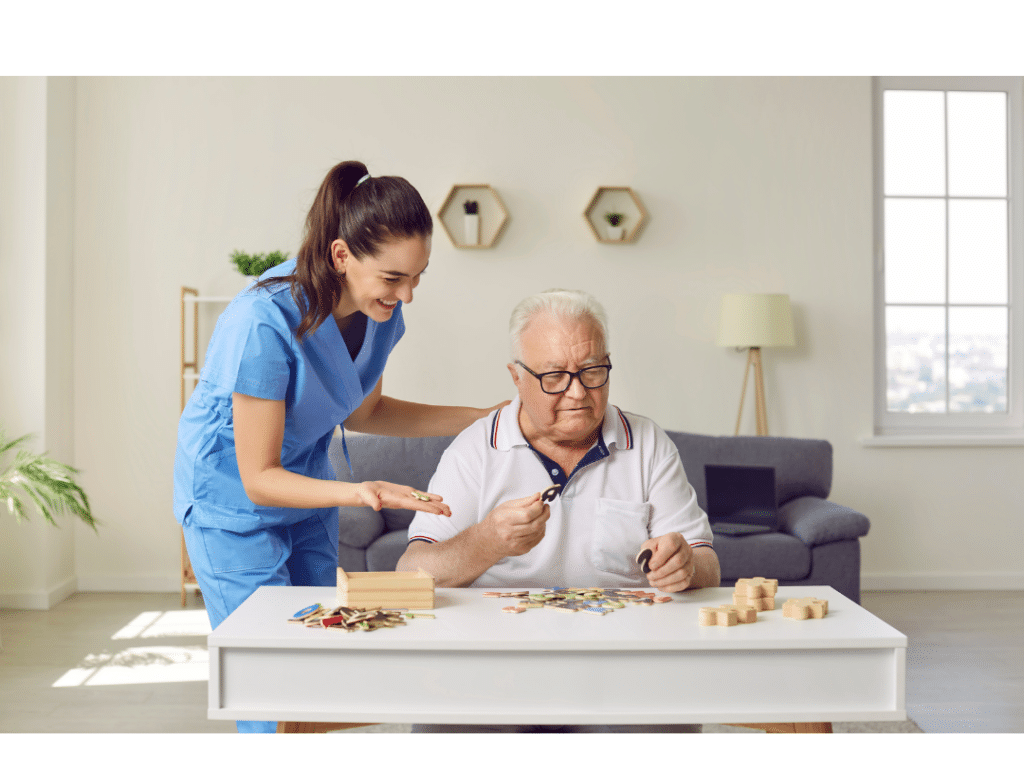
Art is more than just expression—it’s a lifeline. Craft projects help individuals connect memories with tactile experiences. These activities promote social bonding and can counter feelings of purposelessness.

Simple projects not only boost mental agility but also provide a therapeutic outlet for emotions associated with early diagnosis and the uncertainty of onset dementia.

Addressing Nutritional Needs for Cognitive Health

Healthy eating supports both cognitive and physical wellness. Our care teams emphasize:

  • Antioxidants to reduce oxidative stress
  • Omega-3 fatty acids for brain function
  • Hydration and balance for overall clarity

In cases where patients experience comorbidities, like diabetes, diet can impact whether symptoms of diabetic dementia can be reversed or managed through better health habits.

Emotional and Psychological Support for Residents

The onset of Dementia can be emotionally devastating, especially for individuals still active in their careers or parenting. That’s why emotional and psychological support is woven into our care philosophy.

Support Type Description
Counseling Both one-on-one and group therapy sessions
Community Peer support groups to foster social connection
Education Family workshops on dementia symptoms and care
Recreation Joyful programs to boost self-worth
Accessibility Resources that support mental health

Understanding is dementia a disability can help normalize these struggles and encourage residents and families to seek emotional support early and often.

Innovative Therapies and Approaches to Care

We believe in going beyond traditional care by integrating holistic and cutting-edge therapies:

  • Music Therapy. Stimulates emotions and memories
  • Pet Therapy. Eases loneliness and improves mood
  • Cognitive Exercises. Targets memory, logic, and attention
  • Nature Therapy. Offers peace and sensory engagement

Families should also be educated on which condition is a cause of reversible dementia, such as brain tumors, infections, or medication side effects—ensuring no stone is left unturned in care.

External Resources for Support

For families seeking guidance and education, we recommend the following:

These resources offer clinical insights, community support, and research updates to empower families at every step.

Embracing Every Stage with Compassion and Purpose

Onset of dementia does not mean the end of purpose—it’s a shift toward a new chapter that can still be fulfilling, enriching, and connected. At Westmont of Chico, we aim to guide each resident through this journey with tailored support, engaging activities, and unwavering compassion.

Whether you’re just noticing changes or managing a confirmed diagnosis, now is the time to ask questions, plan ahead, and explore supportive living options. The earlier care begins, the better equipped your loved one will be to maintain independence, connection, and dignity.

For more information, please call us at 530-767-3886 or schedule a tour. We’re here to walk beside you on this journey.


Compare The Costs of Senior Living vs Staying at Home

How Do The Costs Of Moving Into A Quality Senior Care Community Compare With The Costs Of Staying At Home?


Frequently Asked Questions

What is early-onset dementia?

Early-onset dementia refers to dementia that begins before the age of 65. It involves declining cognitive abilities such as memory, reasoning, and communication skills. This condition can be caused by various diseases, including Alzheimer’s and frontotemporal dementia. Diagnosis can be challenging, as symptoms may be mistaken for stress or other medical conditions.

How to deal with the onset of dementia?

Dealing with the onset of dementia involves early diagnosis, medical support, and lifestyle adjustments. Creating a structured routine, engaging in brain-stimulating activities, and maintaining a healthy diet is important. Emotional support through counseling or support groups can also help both the individual and caregivers. Working closely with a healthcare provider ensures appropriate care planning.

Can you stop early-onset dementia?

There is currently no way to stop early-onset dementia entirely, but some interventions may help slow its progression. These include medications, physical activity, cognitive exercises, and a heart-healthy lifestyle. Managing underlying conditions like high blood pressure or diabetes can also be beneficial. Early medical attention offers the best chance at preserving cognitive function longer.

Can dementia be cured if caught early?

Dementia, including early-onset dementia, cannot be cured—even when detected early. However, early detection can lead to better symptom management and slower progression. Treatment often involves medication, therapy, and supportive care. The goal is to improve the quality of life and maintain independence for as long as possible.

Empowering Seniors: Practical Diabetes Prevention Strategies

Diabetes Prevention Tips for Seniors to Stay Healthy

Taking proactive steps in your golden years can significantly reduce your risk of developing type 2 diabetes. This is especially important since seniors are susceptible to age-related metabolism and activity level changes. Embracing a comprehensive approach to diabetes prevention safeguards your health and enhances your quality of life.

At Westmont of Chico, we’re committed to guiding residents through these preventive strategies with compassion and expertise. From healthy eating to physical activity and stress management, seniors can take control of their well-being in many ways.

Understanding Diabetes and Its Risk Factors for Seniors

Understanding diabetes begins with identifying its major risk factors. Seniors often overlook subtle symptoms until the condition progresses, so routine screenings and awareness are vital.

Several factors can contribute to type 2 diabetes in older adults: genetic predisposition, being overweight, high blood pressure, and a sedentary lifestyle. Symptoms may include frequent urination, unexplained fatigue, or blurred vision.

Enrolling in a diabetes prevention programme is a proactive way to learn about risk management while gaining community support. If you’re wondering which helps prevent type 2 diabetes, the answer lies in regular physical activity, dietary changes, and consistent medical check-ups. These pillars can form a strong defense against the onset of diabetes.

Engaging in regular physical activity is a proven strategy to decrease risk and improve overall well-being.


Importance of a Healthy Diet in Diabetes Prevention

Nutrition is a powerful tool in any diabetes prevention plan. Seniors benefit from diets high in fiber and low in added sugars and saturated fats.

A heart-healthy diet rich in whole foods helps maintain a healthy weight and supports blood sugar control. Eating nutrient-dense meals can dramatically reduce the risk of chronic diseases, including diabetes.

Whole Foods Focus

Choosing whole foods over processed ones is a cornerstone of the medicare diabetes prevention program, which offers nutritional education and lifestyle coaching. Prioritizing foods such as leafy greens, fruits, legumes, and whole grains ensures your body receives the necessary nutrients.

Food Group Examples Benefits
Fruits and Vegetables Berries, Spinach High in fiber, low in calories
Lean Proteins Chicken, Beans Supports muscle health and satiety
Whole Grains Quinoa, Brown Rice Provides sustained energy and fiber

Balanced eating habits promote stable blood sugar and general vitality.

Limit Processed Sugars

Reducing your intake of processed sugars is vital. Seniors with a family history of diabetes or who are overweight should pay particular attention. Avoid sugary drinks, pastries, and candies, and opt for natural sweeteners and whole fruit instead. This simple adjustment supports both weight management and blood glucose regulation.

Choosing low-glycemic foods also aligns with the tertiary prevention of diabetes, which focuses on minimizing complications in at-risk individuals. Antioxidant-rich foods further promote healthy aging.

Fiber-Rich Choices

Fiber slows down glucose absorption, helping you maintain consistent blood sugar levels. Here are excellent sources of dietary fiber:

  1. Legumes – Lentils, black beans, and chickpeas
  2. Whole Grains – Brown rice, barley, and oats
  3. Vegetables – Carrots, broccoli, and leafy greens

Incorporating these into daily meals supports digestion and aligns with diabetes prevention program goals. Explore foods supporting gut health, which play a role in overall metabolic health.

Benefits of Regular Physical Activity

Exercise isn’t just about staying limber; it’s a key element in diabetes prevention. Walking, swimming, or dancing boost cardiovascular health and help regulate blood sugar.

Improved Insulin Sensitivity

Physical activity improves how your cells respond to insulin. This effect is essential for preventing insulin resistance, a major cause of type 2 diabetes. Here’s how staying active helps:

  • Weight Control. Reduces fat tissue linked to insulin resistance
  • Muscle Strength. Enhances glucose uptake by muscles
  • Blood Sugar Regulation. Reduces fasting glucose levels

These improvements are central to both primary and tertiary prevention of diabetes.

Enhanced Overall Wellbeing

Exercise benefits more than just your body—it boosts your mood and enhances mental clarity. Seniors who engage in group classes or outdoor activities often report less stress and a stronger sense of belonging.

Social activities are also emphasized in many medicare diabetes prevention program sessions, helping older adults stay connected while getting healthy.

Regular Physical Activity

Regular Physical Activity

Monitoring Blood Sugar Levels Effectively

Monitoring your blood glucose is one of the most effective ways to catch early signs of imbalance. With easy-to-use at-home meters and digital health tools, it’s simpler than ever.

  • Choose the Right Tool. Look for a glucometer with a clear display and memory tracking
  • Record Consistently. Note meals and physical activity along with glucose levels
  • Share with Your Doctor. Use your data to adjust medication or nutrition plans

This empowers you to tailor your diabetes prevention efforts based on your unique patterns.

Stress Management Techniques for Better Health

Emotional health is closely linked to physical health. Chronic stress raises cortisol levels, which can affect insulin sensitivity.

Try these stress-reduction techniques:

  • Mindfulness Meditation
  • Deep Breathing Exercises
  • Creative Hobbies like music or crafts

Practicing these daily supports your broader diabetes prevention programme goals. Seniors who manage stress effectively often find it easier to stick with lifestyle changes.

Community Resources and Support for Seniors

Support from your community plays a significant role in sustaining lifestyle changes. Westmont of Chico offers wellness initiatives, educational seminars, and social activities that support diabetes prevention.

Additionally, national and local organizations like the CDC’s National Diabetes Prevention Program offer helpful resources for seniors. Seniors enrolled in a medicare diabetes prevention program receive access to trained lifestyle coaches and personalized goals.

Engaging Activities for Enhanced Well-Being

Whether it’s gardening, painting, or group walks, staying engaged fuels a sense of purpose. These activities promote mental health and reduce feelings of isolation, which are key risk factors in chronic disease development.

Volunteering or mentoring others can also have a significant impact. According to AARP, staying socially and physically active is one of the best ways to reduce your diabetes risk.

A Healthier Future Begins Today

Preventing diabetes in your senior years is not only possible—it’s empowering. Adopting a balanced diet, staying active, monitoring your health, and reducing stress are all powerful steps you can take right now.

Just ask Mary, a 68-year-old resident who joined our wellness group. After enrolling in a medicare diabetes prevention program, she added more vegetables to her diet and started walking 30 minutes daily. Within three months, she saw her blood sugar levels stabilize, and her energy returned.

If you’re curious which of the following helps prevent type 2 diabetes, it’s clear: consistency in your healthy habits. Whether through the diabetes prevention programme or engaging community support, the tools are available—you just need to take the first step.

We’re here to walk that path with you at Westmont of Chico. To learn more, call us at 530-767-3886 or schedule a tour by visiting this link.


Compare The Costs of Senior Living vs Staying at Home

How Do The Costs Of Moving Into A Quality Senior Care Community Compare With The Costs Of Staying At Home?


Frequently Asked Questions

How can we prevent diabetes?

Preventing diabetes involves maintaining a healthy lifestyle through regular physical activity, a balanced diet, and weight management. Avoiding sugary drinks and processed foods, while focusing on whole grains, lean proteins, and fresh vegetables, can help regulate blood sugar levels. Regular health check-ups and monitoring blood glucose are also important, especially for those with a family history of diabetes.

How to effectively manage diabetes?

Effective diabetes management includes consistently monitoring blood sugar levels and taking prescribed medications or insulin as directed by your healthcare provider. A healthy diet, regular exercise, stress management, and proper sleep all play a key role. Keeping routine medical appointments to track progress and prevent complications is also essential.

What is the #1 cause of diabetes?

The primary cause of type 2 diabetes is insulin resistance, often linked to being overweight or obese, especially with excess fat around the abdomen. Genetics and lifestyle factors like poor diet and inactivity can also contribute significantly. For type 1 diabetes, the cause is usually autoimmune, where the immune system attacks insulin-producing cells in the pancreas.

What are the food habits to prevent diabetes?

To prevent diabetes, focus on a fiber-rich diet, whole grains, fresh fruits, vegetables, and lean proteins. Limit sugary snacks, sweetened beverages, and refined carbohydrates like white bread and pasta. Eating smaller, balanced meals throughout the day can help stabilize blood sugar and improve insulin sensitivity.


Navigating Social Dynamics in Independent Living Communities

Social Dynamics in Independent Living Communities

In an independent living community like Westmont of Chico, every resident contributes to the rhythm of daily life. These contributions shape a shared social atmosphere where individual stories and personalities converge to form something bigger than themselves. Recognizing and nurturing these social dynamics in independent living fosters an inclusive and empowering space supporting independence and emotional well-being.

What Are Social Dynamics in Sociology?

To understand social dynamics in independent living, we must first ask, what are social dynamics in sociology? These patterns and processes govern social interactions, group behavior, and collective relationships. In senior communities, these dynamics influence how residents form friendships, resolve disagreements, and feel a sense of belonging. By cultivating positive relationships and shared understanding, residents create a supportive space where everyone feels included. This synergy is the cornerstone of a healthy, independent living environment. Moreover, social activity can prolong life and improve cognitive health, especially in aging adults.

What Is Independent Living Services Support?

What is independent living services support exactly? These services are designed to help older adults maintain their autonomy while enjoying the benefits of a community setting. From housing and dining to social programs and wellness options, independent living services remove daily stressors while encouraging meaningful interaction. These structured yet flexible services create the foundation where social independence flourishes. Residents can enjoy privacy while still being part of something larger—a space where they can thrive socially, emotionally, and physically.


How Social Independence Shapes Community Life

At Westmont of Chico, social independence is more than a concept—it’s a way of life. Residents make their own choices, set their routines, and engage in ways that reflect their identity. Individuals form authentic bonds with the freedom to participate in communal events, lead peer activities, or simply share stories over meals. This self-directed involvement nurtures a sense of purpose and promotes confidence. Encouraging autonomy while providing opportunities for interaction helps residents feel free and supported—a delicate balance defining the success of independent living.

Social Dynamics Examples Within the Community

So, what do social dynamics examples look like in a place like Westmont of Chico? They appear in everyday moments: shared laughter during a group walk, spontaneous conversations at breakfast, or creative collaboration in an art class. Even moments of disagreement contribute to the community’s social fabric when resolved with empathy and communication. These examples show that healthy social dynamics are not always perfect but resilient and adaptive. They reveal how small interactions can affect residents’ mental health and emotional fulfillment. Participating in community events supports these dynamics and builds lasting relationships.

What Is Supported Independent Living at Westmont?

If you’re curious, what is supported independent living? While similar to independent living, this model provides additional support—ideal for residents who desire assistance while still maintaining their autonomy. At Westmont of Chico, this might mean help with daily tasks or access to on-site wellness services. Supported independent living creates a safety net that allows residents to stay engaged and active without compromising their independence. By removing specific stressors, individuals can focus on connecting with peers, exploring hobbies, and investing in community life—making it a seamless blend of care and connection.

Encouraging Communication and Understanding

Communication is crucial to maintaining strong social dynamics in independent living. From casual chats to structured forums, every conversation matters. Encouraging honest, respectful dialogue ensures that residents feel seen and heard. When individuals express their thoughts and actively listen to others, they help foster an environment of trust. This communication contributes to emotional well-being, especially in seniors who may otherwise feel isolated. In fact, consistent social connection has been linked to reduced loneliness, proving that a single heartfelt conversation can improve quality of life.

Handling Conflict Through Respectful Dialogue

In any shared space, occasional disagreements are natural. However, strong social dynamics in independent living communities depend on how those disagreements are handled. Westmont encourages open communication, respectful listening, and mediation support if needed. Residents are empowered to address issues directly or with assistance from staff trained to facilitate healthy resolution. These constructive approaches resolve conflicts and deepen mutual understanding and respect. Maintaining open dialogue during challenging moments shows the strength of the community’s foundation.

Building Connections

Building Connections

Activities That Strengthen Social Ties

At the heart of Westmont’s approach is the belief that shared experiences build strong bonds. Whether it’s fitness sessions, storytelling nights, or art workshops, activities are curated to reflect the interests and strengths of the residents. Every event is a chance for connection, and every shared moment reinforces the positive social dynamics in independent living communities. By gathering regular feedback and tailoring events accordingly, residents stay actively involved and feel a sense of ownership over their community. These efforts ensure social life is not only active but meaningful.

Embracing Cultural Diversity and Shared Traditions

Social connection also means embracing the unique backgrounds of every resident. Events that celebrate diverse heritages—through food, music, or storytelling—foster inclusivity and understanding. These gatherings allow one to reflect on each resident’s journey and build mutual appreciation. Encouraging participation in cross-cultural experiences creates a space where differences are not just respected—they are honored. This intentional celebration of diversity deepens the community’s richness and strengthens the social dynamics in independent living settings.

Why Understanding Social Dynamics Matters

Ultimately, answering what social dynamics are in sociology helps us recognize the subtle forces that shape everyday life. In an independent living setting, these dynamics influence everything from friendship to emotional health. They impact how residents navigate change, celebrate milestones, and support each other in need. At Westmont of Chico, the focus on fostering strong interpersonal relationships isn’t accidental—it’s essential. When people connect authentically, the community becomes more than just a place to live. It becomes a space where life is shared.

Whether you’re exploring what is independent living services for yourself or a loved one, understanding and supporting the social dynamics in independent living is vital. It shapes the resident experience and the very heart of the community itself.

For more information, contact us at Westmont of Chico by calling 530-767-3886.


Find Where You Belong

Dive into the vibrant life our Westmont communities have to offer.


Frequently Asked Questions

Why do people leave assisted living?

People leave assisted living for various reasons, including needing a higher level of care, such as skilled nursing or memory care. Some may choose to move closer to family, experience financial difficulties, or find that their health has improved enough to live more independently. In some cases, residents may transition out due to personal preferences or changes in their living situation.

What is an independent living thing?

An independent living thing is any organism that can survive and function without relying on another organism for direct support. This includes plants, animals, and microorganisms, which have the biological ability to grow, reproduce, and sustain life independently. Each species adapts to its environment using its own survival mechanisms.

When should a person go into assisted living? 

A person should consider assisted living when they need help with daily activities such as bathing, dressing, medication management, or meal preparation. It may also be the right choice if they experience frequent falls, memory issues, or social isolation. Consulting with a healthcare provider and assessing their ability to live safely and independently can help determine the best time for this transition.

How to pay for parents’ assisted living? 

Paying for assisted living can be done through personal savings, retirement funds, long-term care insurance, or government programs like Medicaid, depending on eligibility. Some families use the sale of a home, life insurance policies, or veterans’ benefits to help cover costs. Exploring financial assistance options and planning ahead can help make assisted living more affordable.


Celebrating National Senior Health and Fitness Day – Movement, Vitality, and Joy!

Celebrating National Senior Health and Fitness Day – Movement, Vitality, and Joy!
May 28th, 2025, marks National Senior Health and Fitness Day, a time to celebrate the power of movement and the importance of maintaining an active, balanced lifestyle at every stage of life. At Westmont Living, we believe wellness is more than just exercise — it’s a commitment to optimal physical health through fitness, proper nutrition, rest, and relaxation.

This year, we’re honoring the Health & Fitness dimension of our wellness philosophy by showcasing our vibrant community in action. From cardio drumming and water aerobics to gentle mind-body practices and energizing group workouts, our seniors continue to inspire us with their strength, enthusiasm, and dedication to well-being. Join us in celebrating the movement, momentum, and meaningful moments that shape a healthier tomorrow.

7 Common Causes of Balance Problems in Seniors

Understanding Balance Problems in Seniors: Causes and Treatments

Imagine walking a tightrope where each step requires careful balance—this is what many seniors experience daily at Westmont of Chico. Balance problems in seniors are common and can significantly affect their daily lives. From sudden balance issues in the elderly to long-term challenges, understanding the causes and solutions can help prevent falls and promote stability.

Age-Related Changes and Balance Issues

As you age, your body naturally changes, which can impact your stability. Reduced muscle coordination and weakened sensory perception make it harder to move confidently. An 80-year-old losing balance may experience a decline in muscle strength, making daily activities riskier. Engaging in physical therapy for seniors can help strengthen muscles and improve coordination. Learn more about mobility exercises here.

Inner Ear Disorders and Their Impact

Your inner ear plays a crucial role in maintaining balance. Disorders such as Meniere’s disease and benign paroxysmal positional vertigo (BPPV) can disrupt the signals between the ear and the brain, causing dizziness and unsteadiness. Sudden balance issues in the elderly can often be traced back to inner ear dysfunction. Seeking medical advice and treatment can significantly improve symptoms. Read more about balance problems related to ear disorders.

Muscle Weakness and Stability Concerns

Weak muscles can make it difficult to walk safely. Treatment for loss of balance in the elderly includes exercises to strengthen muscles and improve coordination. Balance-focused routines, such as standing balance exercises, can help rebuild strength and prevent falls. Resistance training is highly beneficial for seniors experiencing instability. Explore effective mobility exercises.

Neurological Conditions That Affect Balance

Many neurological conditions, including Parkinson’s, affect coordination, making balance more difficult. Stiffness, tremors, and impaired motor control contribute to sudden balance issues in the elderly. Regular balance training and tailored physical therapy exercises can help seniors regain confidence. Read more about tailored physical therapy for balance improvement.

Medication Side Effects and Balance Problems

Many seniors do not realize that certain medications can impact balance. What is the best treatment for balance problems? One crucial step is reviewing medications with a doctor. Common medications that may cause instability include:

  • Blood pressure medications – Can lead to dizziness and lightheadedness.
  • Sedatives – May cause drowsiness and reduced coordination.
  • Muscle relaxants – Can contribute to weakness and instability.
  • Antidepressants – sometimes lead to dizziness or vertigo.

The Importance of Medication Review

Regular balance assessments help identify whether medications contribute to instability. Your doctor can provide treatment for loss of balance in elderly patients by adjusting dosages or recommending alternatives. If you or a loved one experiences sudden balance issues in the elderly, discussing concerns with a healthcare provider is crucial.


Balance Problems in Seniors


Vision Impairments and Balance Challenges

Poor vision makes it harder to navigate surroundings safely. Vision problems contribute to falls by making it difficult to judge distances and avoid hazards. Steps to improve vision-related balance problems include:

  • Regular eye exams to detect and correct vision impairments.
  • Using visual aids such as prescription glasses or magnifiers.
  • Ensuring adequate lighting in home environments.

Chronic Health Conditions and Balance

Chronic conditions like arthritis, diabetes, and heart disease can affect movement and coordination. Diabetes management is critical, as fluctuating blood sugar levels can cause dizziness. Medication management and physical activity can help reduce balance problems by addressing these conditions. What is the best treatment for balance problems? The answer often lies in lifestyle adjustments and tailored therapies.

How Westmont Communities Support Senior Healthcare Checks

Westmont Living prioritizes senior well-being by offering regular health assessments and balance screenings. We also provide tailored treatment for elderly residents who have lost their balance through specialized programs focusing on fall prevention, strength training, and personalized therapy. We aim to help seniors maintain mobility and independence for as long as possible.

Maintaining Stability and Confidence

While aging may bring balance challenges, proactive steps can help manage these issues effectively. From neurological care to medication adjustments, addressing the root causes of balance problems ensures a safer and healthier lifestyle. At Westmont of Chico, we understand the importance of comprehensive care and encourage seniors to seek support and solutions that enhance their mobility.

For more information on balance treatments or to schedule a senior health assessment, contact us at 530-767-3886.


Compare The Costs of Senior Living vs Staying at Home

How Do The Costs Of Moving Into A Quality Senior Care Community Compare With The Costs Of Staying At Home?


Frequently Asked Questions

Why do I feel off balance but not dizzy?

Feeling off balance without dizziness can be caused by issues such as muscle weakness, joint problems, changes in vision, or inner ear conditions. It may also result from neurological conditions, medication side effects, or low blood pressure. If the sensation persists, it’s important to consult a healthcare provider to determine the underlying cause and receive appropriate treatment.

Why do I feel unsteady when I walk?

Unsteadiness while walking can be due to several factors, including muscle weakness, nerve damage, poor circulation, or balance disorders. It can also be linked to aging-related changes, such as reduced coordination or vision problems. A doctor can help identify the cause and recommend treatments like physical therapy, strength training, or assistive devices to improve stability.

How do you treat balance problems in the elderly?

Treatment for balance problems in the elderly depends on the cause but may include physical therapy, balance exercises, or assistive devices like canes or walkers. Managing underlying health conditions, such as low blood pressure or diabetes, can also help. Additionally, home modifications, such as better lighting and handrails, can reduce fall risks and improve safety.

What neurological disorders cause balance problems?

Several neurological disorders can affect balance, including Parkinson’s disease, multiple sclerosis, and peripheral neuropathy. Conditions like stroke, vestibular disorders, and cerebellar ataxia can also impact coordination and stability. A neurologist can diagnose the specific cause and recommend treatments to manage symptoms and improve mobility.


Maximizing Comfort: Is 24-Hour Care Best for the Elderly?

Ensuring Quality Care: The Value of 24-Hour Elderly Care

When considering 24-hour elderly care, families often worry about maintaining independence while ensuring safety and well-being. At Westmont of Chico, our commitment to senior healthcare checks and round-the-clock assistance provides peace of mind for families seeking the best care solutions for their loved ones.

What is 24-hour Elderly Care?

Understanding how to get 24-hour care for the elderly at home is crucial when evaluating care options. This service ensures continuous support from professional caregivers, assisting with daily routines, medical needs, and emotional well-being. Whether it helps with dressing, meal preparation, or mobility, 24-hour in-home care near Chico, CA, provides comprehensive and personalized attention.

Personalized care services ensure each senior’s unique needs are met, enhancing their quality of life.

Key Benefits of 24-Hour Elderly Care

Opting for 24-hour elderly care offers numerous advantages that significantly improve a senior’s daily experience.

Benefit Description
Health Monitoring Regular senior healthcare checks ensure well-being.
Safety Immediate response in case of emergencies.
Emotional Support Caregivers provide companionship and encouragement.
Social Interaction It helps maintain cognitive and emotional health.
Personalized Assistance Tailored support based on individual needs.

Continuous care fosters independence while reducing risks, making it a beneficial option for seniors. Learn more about the available levels of care and know how to get 24-hour care for the elderly at home at Westmont Living.

Evaluating Individual Needs and Preferences

Choosing the right retirement lifestyle involves assessing medical history, social preferences, and daily routines to ensure the most suitable care plan.

Essential Considerations

  • Medical Needs: Regular health evaluations and medication management.
  • Daily Routines: Adapting care to personal schedules and preferences.
  • Social Engagement: Opportunities for interaction to prevent isolation.
  • Dietary Requirements: Tailored nutrition plans for optimal health.

Integrating meal prep techniques can enhance a senior’s well-being by ensuring access to nutritious, convenient meals.


Mental and Emotional Well-being

Financial Considerations: How Much Does 24/7 In-Home Care Cost Per Month?

Cost is a significant factor when considering how much does 24/7 in-home care costs per month. Pricing depends on location, level of care, and specific needs. Here’s a general breakdown:

Type of Care Estimated Monthly Cost
In-Home Care $4,000 – $8,000
Assisted Living $3,000 – $6,000
Nursing Home $7,000 – $10,000

Understanding these costs helps families plan effectively, ensuring long-term support without financial strain.

Alternatives to 24 Hour Home Care locations

For those exploring different options, several alternatives to 24-hour in-home care near Chico, CA, exist:

  • Home health services: Professional assistance without full-time caregiving.
  • Adult daycare centers: Social activities and supervision during the day.
  • Short-term respite care: Temporary support to relieve primary caregivers.

Each option provides varying levels of support, depending on a senior’s needs and family preferences.

Choosing the Best Care for Your Loved One

Deciding on 24-hour home care locations for your elderly care involves understanding personal preferences, medical requirements, and financial considerations. At Westmont of Chico, our tailored senior healthcare checks and compassionate caregivers ensure a fulfilling, safe, and purposeful life after retirement.

For more information, contact us at 530-767-3886 to discuss the best care plan for your loved one.


Find Where You Belong

Dive into the vibrant life our Westmont communities have to offer.


Frequently Asked Questions

How much does 24-hour care for the elderly cost?

The cost of 24-hour care for the elderly varies depending on location, level of care needed, and whether care is provided at home or in a facility. On average, in-home 24-hour care can range from $200 to $600 per day, while residential care facilities may charge a monthly fee between $5,000 and $15,000. Costs can also increase if specialized medical care or additional support is required.

What conditions require 24-hour care?

24-hour care is often necessary for individuals with severe mobility limitations, advanced dementia or Alzheimer’s disease, or severe medical conditions requiring constant monitoring. Those recovering from major surgeries or suffering from chronic illnesses like Parkinson’s or stroke-related impairments may also need continuous care. In some cases, individuals with high fall risk or behavioral concerns benefit from round-the-clock supervision for their safety.

Does Medicare pay for 24-hour home health care?

Medicare does not typically cover 24-hour home health care, as it primarily provides coverage for intermittent skilled nursing care or therapy services. However, Medicare may cover part-time nursing or rehabilitation services if deemed medically necessary. Long-term care or personal care assistance, such as help with bathing, dressing, and daily tasks, is usually not covered under Medicare.

What are the disadvantages of 24-hour care?

While 24-hour care provides continuous support, it can be costly, primarily in-home services. Some individuals may struggle with privacy concerns or discomfort with having caregivers always present. Also, managing multiple caregivers or adjusting to life in a care facility can be challenging for seniors and their families.


Why Families Trust Memory Care Chico for Loved Ones

Why Families Trust Memory Care Chico for Loved Ones

When a loved one begins experiencing memory loss, families naturally seek a place where compassionate care and a sense of belonging come together. Memory Care Chico offers peace of mind by providing a secure, personalized environment that nurtures each resident’s unique needs. Families appreciate the balance of professional support, safety, and warmth that defines this community. Residents receive assistance with daily routines and are encouraged to engage in activities that bring joy and preserve their identity. In Chico, California memory care options are growing, but the dedication to dignity and family-centered care makes Westmont of Chico stand out. With trained caregivers and evidence-based approaches, loved ones receive the care they deserve in a place that feels like home. For many, it’s not just about care—it’s about connection, trust, and peace of mind.

Why Alzheimer’s and Dementia Require Specialized Attention

Understanding the realities of Alzheimer’s and dementia in Chico helps us grasp the growing need for thoughtful solutions. The senior population has expanded significantly in recent years, and with that growth comes a rise in memory-related illnesses. These changes make the role of Chico memory care facilities more vital than ever. Local statistics show that the rate of Alzheimer s-related deaths is higher than the national average, underlining the importance of tailored, local solutions. Awareness is the first step toward support, and the more we know, the better we can advocate for our loved ones. Educating yourself through resources like this guide on anxiety in older adults is a great place to start.

What Sets Memory Care Chico Apart

The commitment to holistic, resident-centered care makes Memory Care Chico exceptional. Staff members are trained to support each resident’s cognitive and emotional well-being. In communities like Compass Rose Memory Care, Chico, CA, the environment is purposefully designed to reduce confusion, promote calm, and encourage engagement. With secured surroundings and structured routines, families can rest easy knowing their loved one is safe. Meanwhile, the compassionate interactions and personalized activities make every day feel meaningful. Discover the benefits of specialized care environments for seniors in this blog on memory care advantages.

Tailored Programs for Cognitive and Emotional Support

At the heart of assisted living with memory care in Chico, CA, is the belief that personalized care transforms lives. Residents participate in tailored programs that promote mental stimulation, emotional stability, and social interaction. Music therapy, storytelling, and art can trigger fond memories, improving mood and cognition. These programs are built around each resident’s life history and preferences, creating a routine that is both familiar and comforting. The community also supports families, recognizing that caregivers benefit from education and emotional resources. Read more about personalized care planning and its importance in the care journey.

Memory Care chico

Key Features in Chico Memory Care Facilities

Compassionate and Adaptive Care

In Chico memory care facilities, residents are treated with the empathy and respect they deserve. Care plans adapt as needs change, allowing for flexibility as conditions progress. Every detail is managed with diligence and heart, from medication management to mobility assistance. Team members form bonds with residents, fostering trust and comfort that help improve quality of life. This level of attention is a cornerstone of the best memory care communities.

A Safe and Comfortable Environment

The safety and well-being of residents are paramount in Chico, California memory care homes. Environments are thoughtfully designed to minimize fall risks and reduce confusion, with clearly marked pathways, calming color schemes, and secure outdoor spaces. These intentional design choices help residents maintain independence while offering families peace of mind. Security features allow loved ones to explore their surroundings safely, contributing to their sense of freedom and dignity.

Finding the Right Fit for Your Loved One

Choosing the right community involves more than comparing features—finding a place that resonates with your family’s values. Begin by identifying what matters most: Does your loved one value routine? Are they soothed by nature or energized by music? Asking these questions will help narrow down your options. Touring facilities is essential to understanding the feel and philosophy of a community. Consider also the proximity to home, the level of family involvement encouraged, and the scope of services provided. Facilities offering assisted living with memory care in Chico, CA, often provide support and independence that enhances safety and quality of life.

The Power of Community and Family Engagement

Community support plays a pivotal role in the caregiving journey. Local workshops, caregiver meetups, and educational sessions empower families to make informed decisions and reduce feelings of isolation. Many families find strength and insight by connecting with others on a similar path. Sharing stories and strategies helps normalize the challenges of caregiving, fostering a sense of unity. Explore this internal guide to discover how personalized care transforms memory care living.

A Place Where Memories Are Honored

At Westmont of Chico, memory care is more than a service—it’s a calling. Residents are seen as individuals with rich histories, not defined by their diagnosis. The environment is crafted to evoke familiarity and joy, and staff members are trained to celebrate each person’s life story. Families often remark on the transformation they see in their loved ones, from anxiety to calm, from isolation to connection. In the heart of Chico, care becomes community, and residents thrive in an atmosphere of dignity and respect.

To learn more about Westmont of Chico’s memory care services and schedule a personalized tour, visit Schedule a tour or call 530-767-3886 today.


What Level of Care Do You Need?

Discover the level of care you or your family member requires. 


Frequently Asked Questions

What is the average monthly cost for memory care?
The average monthly cost for memory care in the United States ranges between $4,000 and $7,000. This cost typically includes housing, meals, 24/7 supervision, and specialized care services tailored to individuals with memory loss. The final amount can vary depending on location, level of care needed, and the amenities offered by the community. Some communities may charge additional fees for extra services or medical care.

What is the difference between memory care and dementia care?
Memory care is a specialized type of senior living designed to support individuals with memory-related conditions like Alzheimer’s and other forms of dementia. Dementia care, on the other hand, is a broader term that refers to any care provided to individuals with dementia, whether in memory care units, at home, or in nursing facilities. Memory care communities often offer secure environments, structured routines, and trained staff specifically equipped to manage the challenges of memory loss. Dementia care may not always include the same level of environmental and programmatic specialization as memory care.


Cinco de Mayo

Celebrating Cinco de Mayo at Westmont Living: Culture, Community & Connection 🎉🌮💃

Cinco de Mayo is more than just a festive day filled with tacos and mariachi music—it’s a meaningful celebration of culture, community, and resilience. At Westmont Living, we’re proud to honor this holiday across our communities with joy, inclusivity, and of course, a lot of great food!

A Little History 🌎
Cinco de Mayo commemorates the Battle of Puebla in 1862, when a small Mexican army triumphed over a much larger French force. While it’s not Mexico’s Independence Day (that’s September 16), the victory has become a symbol of perseverance and pride—especially celebrated in the United States as a way to honor Mexican culture and heritage.

Community Comes Alive 🇲🇽
From vibrant decorations and traditional music to flavorful dishes like tacos, guacamole, and sweet treats, our residents and staff came together to celebrate in true Westmont style. Some communities enjoyed live performances, others hosted themed buffets and socials—but all shared in the spirit of togetherness.

Celebrating with Heart ❤️
At Westmont Living, we believe in creating spaces where everyone feels seen, valued, and celebrated. Cinco de Mayo gives us a chance to learn from one another, share stories, and connect through cultural traditions in meaningful (and fun!) ways.

A heartfelt thank you to all the residents, team members, and local performers who made this year’s Cinco de Mayo celebrations so memorable. Here’s to many more moments of unity, joy, and cultural appreciation! ¡Feliz Cinco de Mayo! 🎊

Discovering Normal A1C Levels for Seniors

Understanding Normal A1C Levels for Seniors

Managing diabetes in seniors requires close attention to Normal A1C Levels for Seniors to ensure optimal health and well-being. At Westmont communities, regular senior healthcare checks are conducted to monitor A1C levels and promote effective diabetes management.

At Westmont of Chico, we recognize that acceptable A1C levels by age typically range from 7% to 8% for older adults. This range accounts for age-related changes in insulin response and helps reduce the risk of complications like heart disease and nerve damage. However, several factors can influence A1C in the normal range, requiring personalized management strategies.

What is a Normal A1C Level for a Senior?

Understanding what defines A1C in the normal range is essential in senior healthcare. The A1C test measures the average blood sugar levels over the past two to three months, offering insight into how to enjoy life after retirement without health complications.

A normal A1C level typically falls between 7% and 8% for seniors, though individual targets may vary based on overall health and diabetes management goals. Regular monitoring and adjustments in lifestyle and medication can help maintain blood sugar control. At Westmont communities, our health programs prioritize personalized senior care, offering guidance on retirement lifestyle ideas to support well-being. Learn more about senior wellness programs.

What is a Dangerous Level of A1C?

High A1C levels can pose serious risks, particularly for seniors managing diabetes. What is a dangerous level of A1C? A level above 8% in seniors can significantly increase the chances of cardiovascular disease, kidney dysfunction, and neuropathy. Conversely, too low A1C levels, particularly below 6%, can result in hypoglycemia, causing dizziness, confusion, or fainting.

To mitigate risks, Westmont communities focus on preventive care and balanced senior nutrition plans aligning with a purposeful retirement life. Learn more about fiber-rich foods for seniors.

What is a Normal A1C Level for a Woman?

A common question among senior women is, what is a normal A1C level for a woman? Generally, the target remains within 7% to 8%, depending on age, lifestyle, and preexisting conditions. Women with a history of gestational diabetes or other metabolic concerns may require a different range, as determined by their healthcare provider.

At Westmont Communities, we emphasize comprehensive healthcare services, ensuring that all seniors receive proper guidance to maintain their A1C normal range through medical check-ups, dietary recommendations, and lifestyle coaching. Explore meal prep tips for seniors.

Factors Affecting A1C Normal Range in Seniors

Several factors can impact the A1C normal range in seniors, influencing diabetes control:

  • Diet and Nutrition: Consuming high-fiber, low-glycemic foods can stabilize blood sugar levels.
  • Physical Activity: Regular movement improves insulin sensitivity.
  • Medication Management: Proper adherence to prescriptions ensures stable glucose levels.
  • Stress and Sleep: Mental and emotional well-being directly impact blood sugar levels.

Incorporating a healthy retirement lifestyle with structured wellness programs at Westmont communities supports overall health. Discover brain-healthy diets for seniors.

Optimal A1C Levels

Strategies for Maintaining Normal A1C Levels

Seniors can adopt several strategies to maintain an optimal A1C normal range and enhance their retirement lifestyle:

  • Healthy Diet Choices: Prioritize whole grains, lean proteins, and vegetables.
  • Regular Exercise: Engage in walking, swimming, or senior-friendly fitness activities.
  • Routine Blood Sugar Monitoring: Track glucose levels consistently.
  • Hydration and Sleep: Drink adequate water and maintain restful sleep cycles.

By incorporating these strategies, seniors at Westmont communities can enjoy a purposeful life after retirement, promoting longevity and independence.

Maintaining normal A1C levels for seniors is key to managing diabetes and preventing complications. Westmont communities prioritize senior healthcare checks to ensure proactive monitoring and personalized care. Seniors can achieve a healthy and fulfilling retirement lifestyle through balanced nutrition, exercise, and medical support.

Contact 530-767-3886 for more information on healthcare programs and to learn about the acceptable A1C levels by age at Westmont of Chico.


What Level of Care Do You Need?

Discover the level of care you or your family member requires. 


Frequently Asked Questions

What is a normal A1C level for a 70-year-old person?

A normal A1C level for a healthy 70-year-old is typically below 5.7%, which indicates no diabetes. For those with diabetes, an A1C target may vary based on overall health, but it is often recommended to stay below 7.0% to maintain reasonable blood sugar control. However, individual targets should be discussed with a healthcare provider based on personal health conditions.

What are the new A1C guidelines for seniors?

Recent A1C guidelines for seniors consider overall health and life expectancy when setting targets. For healthy older adults, an A1C below 7.0% is usually recommended. In comparison, those with multiple chronic conditions or a higher risk of low blood sugar may have a more relaxed target of 7.5% to 8.5%. The goal is to balance blood sugar control with minimizing risks like hypoglycemia.

What is a good A1C for senior diabetics?

A good A1C level for senior diabetics depends on their overall health and risk factors. Generally, an A1C between 7.0% and 8.0% is considered reasonable for most older adults with diabetes. Those with fewer health concerns may aim for a lower A1C, while those with significant health issues may have a higher target to avoid complications from low blood sugar.

What is the target HbA1c for a 70-year-old?

The target HbA1c for a 70-year-old varies based on their overall health and diabetes management plan. For most older adults, a reasonable goal is between 7.0% and 8.0%, with adjustments made for individual health risks. It is important to work with a doctor to determine the best target based on personal health needs and lifestyle.


Retirement Lifestyle Ideas for Seniors & Families

Embracing a Purposeful Retirement Lifestyle: Ideas for Seniors & Families

Retirement is an exciting new chapter that offers a fresh opportunity to design a purposeful life after retirement. Whether you seek adventure, relaxation, or a mix of both, crafting the right retirement lifestyle is essential to long-term happiness and well-being.

At Westmont of Chico, we encourage staying socially active, maintaining healthy routines, and exploring new passions. But how to enjoy life after retirement varies for everyone. Here, we provide practical strategies tailored to help you embrace this phase with enthusiasm and fulfillment and answer questions about how to enjoy life after retirement.

Embrace Social Connections for a Fulfilling Retirement

While retirement grants you more freedom, maintaining strong social bonds is crucial for emotional and mental well-being. Engaging in family gatherings, community activities, and social groups strengthens your retirement lifestyle and reduces feelings of loneliness.

Research highlights that regular social interaction enhances life satisfaction and cognitive health. Attend local events, join clubs, or host family dinners—these interactions create a sense of belonging and joy. Additionally, fostering supportive relationships can significantly enhance your quality of life.

Establish a Daily Routine for a Purposeful Life After Retirement

Creating a daily routine provides structure, making retirement more productive and fulfilling. A well-organized schedule helps maintain energy levels, improves mental clarity, and enhances overall well-being.

Simple habits like waking up simultaneously, setting mealtimes, and incorporating leisure activities can make a significant difference. Including regular exercise, hobbies, and social engagements in your routine fosters a more purposeful life after retirement. Regular movement further contributes to improved physical and mental health, allowing you to enjoy life to the fullest.

Stay Physically Active to Enhance Your Retirement Lifestyle

A well-rounded alternative retirement lifestyle includes prioritizing physical activity to maintain independence and vitality. Regular exercise boosts physical strength and improves mood and cognitive function.

Exercise for a Healthier, More Enjoyable Retirement

Physical activity plays a vital role in ensuring a purposeful life after retirement. To stay active and mobile, incorporate strength training, cardiovascular workouts, and flexibility exercises into your routine. Balance-focused activities like yoga or tai chi help prevent falls and enhance stability.

Outdoor activities like hiking, biking, or gardening provide excellent ways to stay fit while connecting with nature. Participating in structured wellness programs ensures motivation and accountability. Engaging in activities like gardening fosters relaxation while encouraging social connections.

Join Local Fitness Classes for Social and Physical Benefits

Looking for an engaging way to stay active while making new friends? Fitness classes provide the perfect opportunity!

  1. Diverse Workouts – Whether it’s yoga, dance, or strength training, there’s a class to match your interest.
  2. Encouraging Atmosphere – Exercising with peers increases motivation and accountability.
  3. Stronger Social Bonds – Make meaningful friendships with others pursuing a healthy lifestyle.
  4. Professional Guidance – Instructors offer expert tips to help maximize workout benefits.

retirement lifestyle

Prioritize Healthy Eating for a Thriving Retirement Lifestyle

Nutrition plays a pivotal role in maintaining energy and well-being throughout retirement. A well-balanced diet fuels your body, sharpens your mind, and prevents age-related illnesses.

To support long-term health, focus on whole foods—fruits, vegetables, lean proteins, and whole grains. Enjoying life after retirement starts with fueling your body the right way. Meal prepping makes it easier to maintain a nutritious diet, allowing more time for relaxation and meaningful activities. Good eating habits benefit you and your loved ones, promoting overall wellness in your retirement years.

Explore New Hobbies to Cultivate Joy and Passion

Exploring new hobbies and passions is one of the best ways to create exciting alternative retirement lifestyles. Different interests and retirement lifestyle ideas keep your mind engaged and foster creativity.

Consider these fulfilling hobby ideas:

  1. Gardening – Enjoy the therapeutic benefits of growing plants while beautifying your space.
  2. Painting or Drawing – Express emotions through art, a great way to unwind.
  3. Cooking or Baking – Experimenting with new recipes brings joy and connection with loved ones.
  4. Writing – Journaling or storytelling allows you to share experiences and reflections.

Embracing these activities ensures that your retirement lifestyle ideas remain engaging and fulfilling!

Volunteer and Give Back for a Meaningful Purpose

Retirement is the perfect time to engage in meaningful community service. Volunteering enhances alternative retirement lifestyles and fosters a sense of purpose and social connection.

Helping others—mentoring youth, assisting at food banks, or supporting healthcare initiatives—has boosted mental well-being and life satisfaction. Acts of kindness uplift both the giver and the receiver, making retirement an enriching experience.

Create an Alternative Retirement Lifestyle That Enriches Your Life

You can craft a purposeful life after retirement by prioritizing social connections, establishing routines, staying active, eating well, exploring new passions, and giving back. Embrace each day with joy and intention, ensuring your retirement is not just a phase of rest but a period of growth, adventure, and connection.

For more information, feel free to contact us at 530-767-3886.


Compare The Costs of Senior Living vs Staying at Home

How Do The Costs Of Moving Into A Quality Senior Care Community Compare With The Costs Of Staying At Home?


Frequently Asked Questions

What is an ideal retirement lifestyle?

An ideal retirement lifestyle balances relaxation, social engagement, and meaningful activities. Many retirees pursue hobbies, travel, volunteer in their communities, or spend quality time with family and friends. Ultimately, an ideal lifestyle reflects personal interests, financial stability, and physical and emotional well-being.

What is the $ 1,000-a-month rule for retirement?

The $ 1,000-a-month rule suggests that you should aim to have around $240,000 in retirement savings for every $1,000 of monthly income you wish to generate, assuming a 5% annual withdrawal rate. For instance, if you want $3,000 monthly, you’d need roughly $720,000 saved. This guideline helps retirees estimate the savings required for financial security during retirement.

What does the average retiree do all day?

The average retiree engages in leisure activities, socializing, hobbies, and errands. Typical daily routines include exercising, reading, gardening, or participating in social groups and clubs. Many retirees also dedicate time to volunteering, traveling, and maintaining connections with friends and family.

What is the hardest part of retirement?

For many, the most challenging part of retirement is adjusting to a new routine and finding a sense of purpose without the structure and social interactions provided by employment. Some retirees face challenges related to loneliness, boredom, or financial uncertainty. Successfully navigating retirement often involves actively seeking meaningful activities and maintaining social connections.


Floor Plans & Pricing

Make yourself at home where a happy, healthy lifestyle goes hand-in-hand with your personal fulfillment, enrichment, and growth.

Answer a few quick questions to unlock the exciting future senior living can offer!

Resident Login