

For Residents who are deaf, hard of hearing, or have speech disabilities – dial 711 to connect to a free Telecommunications Relay Service (TRS) operator who helps facilitate phone conversations with our Community and staff. This nationwide service provides an accessible way to communicate using text telephone (TTY), voice, or video relay assistance.

Step Into Westmont Living®

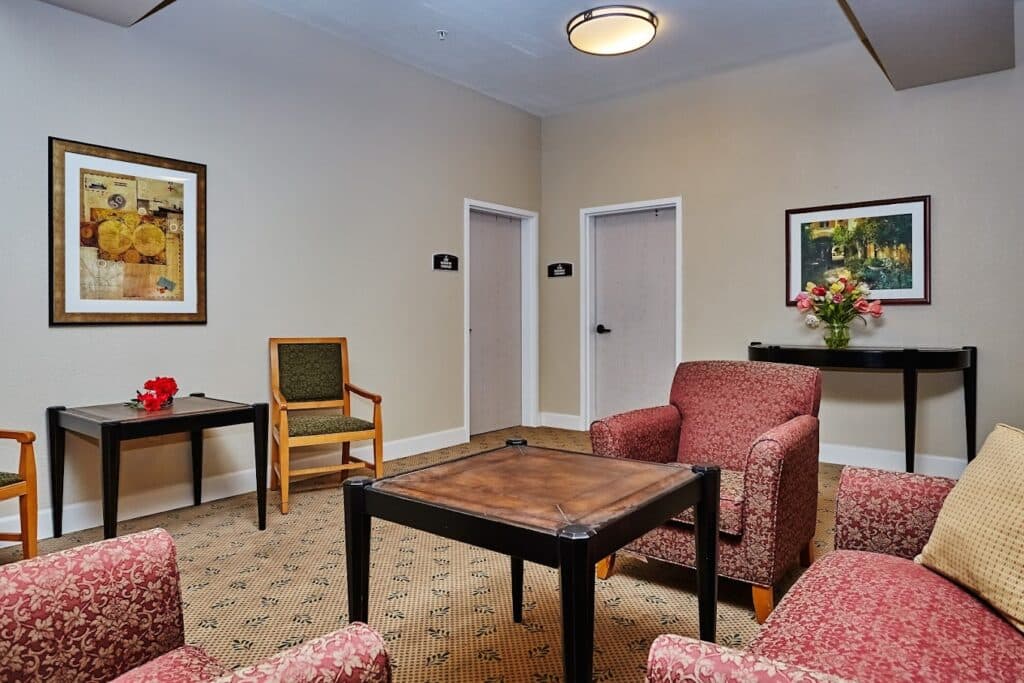
Can Residents Customize the Living Spaces in Senior Living?

Creating a sense of home is essential in senior living—and it begins with how residents personalize their living spaces in senior living communities. From selecting colors to showcasing cherished memories, making a space feel uniquely yours plays a critical role in emotional well-being and comfort.

At Westmont of Chico, residents are empowered to bring their personalities into their homes, whether they’re enjoying small living spaces in senior living or larger accommodations. This article will walk you through the importance of customization, how to create a healthy, vibrant home environment, and why more seniors are looking for living spaces in senior living near Chico, CA that offer both flexibility and support.

Learn how these personalized environments are more than aesthetics—they’re about identity, independence, and well-being.

Visit our website for more info

The Power of Personal Space in Senior Living

In any living space in a senior living environment, especially for older adults transitioning into a new phase of life, personal space offers far more than just privacy. It provides emotional comfort, helps maintain identity, and supports mental health. At Westmont of Chico, every resident has the opportunity to transform their apartment into a haven filled with personal treasures, warm colors, and meaningful decor.

By integrating family photos, favorite furnishings, and familiar scents, seniors can create continuity between past and present. This is especially impactful for those moving into small living spaces in senior living, where every detail matters.

Learn more about how personalization promotes well-being and makes transitions easier.

Creative Ways to Customize Your Senior Living Space

Customization helps residents feel ownership and pride in their living environment. Whether you live in a studio or a larger suite, here are several meaningful ways to make your home uniquely yours:

  1. Decorate with Personal Artifacts – Fill your space with photos, mementos, and travel souvenirs that reflect your life story.
  2. Incorporate Favorite Colors – A splash of your favorite hue—through throw pillows or wall art—can dramatically boost mood and comfort.
  3. Bring Your Own Furniture – That well-loved rocking chair or your custom nightstand can be part of your new home.

Communities like Westmont of Escondido encourage blending independence with community support, which means residents have more freedom to express themselves.

Living as an Individual Within a Community

Living spaces in senior living near Chico, CA, are designed with both individuality and community in mind. Residents at Westmont of Chico are encouraged to personalize their homes while also engaging in shared spaces that foster social connection.

When living in small living spaces in senior living, it becomes even more important to strike a balance between personal comfort and communal interaction. You might hang a wreath on your door or share decorative crafts in the common room—small gestures that invite community while still being personal.

Community guidelines ensure everyone’s safety and comfort, allowing for creativity without compromise. Plus, contributing to shared decor can build friendships and a sense of belonging.

Explore the importance of independent living and connection in senior living communities.


Adapting Spaces for Accessibility

Adapting Spaces for Accessibility


Wellness Through Personalized Environments

Incorporating health and wellness into your living spaces in senior living goes beyond comfort—it enhances your quality of life. At Westmont of Chico, residents are encouraged to personalize their surroundings to support their physical and emotional needs.

Here’s how to do that:

  • Create a Wellness Corner – Dedicate a space for yoga, light stretching, or meditation.
  • Display Affirmation Cards or Inspirational Quotes – Boost positivity and mindfulness.
  • Keep It Functional – Add task lighting, non-slip rugs, and ergonomic furniture that fits within small living spaces in senior living.

Dining areas also play a crucial role. Personalized dining settings or even your own favorite mug can make meals more enjoyable and routine.

See how nutritious dining options play a vital part in the senior wellness journey.

For more tips on enhancing your home for wellness, check out this AARP article on aging-friendly design.

Support and Tools to Make It Easy

Not everyone knows how to turn an empty apartment into a meaningful home. That’s why Westmont of Chico offers:

  • Design Consultations – Work with experts to blend safety with style.
  • Personalization Workshops – Learn how to decorate in fun group settings.
  • Community Resources – Staff members assist with setup and adjustments, particularly for those adapting to small living spaces in senior living.

Whether you need advice on layout, lighting, or simply want to share ideas with fellow residents, these resources help ensure that every corner of your home serves a purpose.

In fact, lifestyle benefits of personalization extend beyond aesthetics—they build a foundation for social engagement and daily satisfaction.

Interested in senior-friendly space planning? Visit SeniorLiving.org for more external tips on creating a safe, personalized environment.

Discover Your Style, Feel at Home

At Westmont of Chico, we understand that creating a true home goes far beyond four walls—it’s about infusing your personality into the space. Whether you’re customizing small living spaces in senior living or designing a larger suite, each choice you make contributes to your comfort, identity, and sense of peace.

From nostalgic photo frames to custom color palettes and wellness features, your environment becomes a reflection of you—and that makes all the difference. Plus, with expert support and beautiful living spaces in senior living near Chico, CA, you have everything you need to feel empowered and at ease.

To learn more about how Westmont of Chico helps residents create truly personalized homes, visit our main page or go ahead and schedule a tour.

Ready to Personalize Your New Home?

Your next chapter should begin with comfort, dignity, and joy—and that starts with the right space. Whether you’re exploring living spaces in senior living near Chico, CA,or helping a loved one adjust to their new environment, Westmont of Chico is here to guide you through every step.

From design consultations to community workshops, we make it easy to settle in and feel right at home—especially for those in small living spaces in senior living. Don’t settle for cookie-cutter. Choose a community that encourages self-expression and supports your wellness journey.

Call us at 530-767-3886 or schedule a visit today. Let’s make your space truly yours.


What Level of Care Do You Need?

Discover the level of care you or your family member requires. 


Frequently Asked Questions

What is the ideal living arrangement for older adults?

The ideal living arrangement for older adults depends on their health, independence, and personal preferences. Many seniors prefer independent living communities where they can enjoy privacy with access to support services when needed. Others may benefit from assisted living, which provides daily care assistance, or memory care facilities for those with dementia. Ultimately, the best option balances safety, comfort, and opportunities for social engagement.

What is a place for the elderly to live called?

A place for the elderly to live is commonly called a senior living community or retirement home. Depending on the level of care provided, it may also be referred to as assisted living, nursing home, or independent living community. These residences are designed to meet the unique needs of older adults, from daily support to specialized medical care. Each type of facility caters to different levels of independence and health conditions.

How to design for senior living?

Designing for senior living requires creating spaces that prioritize safety, accessibility, and comfort. Features like wider hallways, non-slip flooring, grab bars, and good lighting make environments safer for seniors. It’s also important to include social areas, outdoor spaces, and wellness amenities to encourage community interaction and physical activity. The goal is to blend functionality with a homelike atmosphere that enhances quality of life.

How to make a senior living community?

Creating a senior living community involves careful planning of location, services, and design to meet older adults’ needs. Developers must consider housing layouts, healthcare partnerships, and amenities such as dining, fitness, and social programs. Regulatory compliance and staffing are also crucial to ensure safety and high-quality care. A successful community offers both independence and support, giving seniors a secure and engaging place to thrive.

Dietitians in Assisted Living: Crafting Nutritional Plans

Dietitians in Assisted Living play a vital role in supporting resident health and vitality through personalized nutrition plans. At Westmont of Chico, these professionals are more than just menu planners – they’re wellness advocates.

With aging comes unique dietary needs, and assisted living communities like Westmont of Chico recognize this by employing trained dietitians who understand how to promote well-being through food. Whether managing chronic conditions, boosting immunity, or enhancing emotional health, the involvement of a registered dietitian is essential.

Explore how our team supports residents by visiting Westmont of Chico.

The Importance of Nutrition in Assisted Living

When thinking about senior care, nutrition should be a top priority. A dietitian’s role is pivotal in promoting both physical and emotional health in older adults. A nutritious diet contributes to energy, cognitive clarity, mood regulation, and longevity. In fact, good nutrition is closely linked to reduced risk of chronic diseases such as heart disease and diabetes.

Dietitians in assisted living ensure meals are not only nourishing but also socially engaging, as shared meals offer residents a chance to build relationships and reduce feelings of isolation. With tailored meal plans, seniors experience a better quality of life.

Expertise of Dietitians in Creating Personalized Plans

Personalized nutrition is a cornerstone of effective senior care. Every resident has unique needs—ranging from diabetes management to heart-healthy diets—and Westmont of Chico’s dietitians customize meal plans accordingly.

This process aligns closely with the long-term care dietitian job description, which emphasizes individualized assessments, plan development, and monitoring outcomes. Dietitians collaborate with nursing staff to tailor diets that align with medical care and resident preferences.

At Westmont, dietitians also draw on long-term care dietitian resources, including professional guidelines and continuing education, to ensure the highest standards of care. Nutritional programs reduce malnutrition risk and support vibrant aging.

Key Components of Nutritional Plans for Residents

Nutrient-Dense Food Options

For residents to thrive, meals must include ingredients that provide maximum nutritional value. Some core nutrient-dense food choices include:

  • Leafy greens like kale and spinach
  • Fresh fruits such as berries and apples
  • Whole grains like brown rice and quinoa
  • Lean proteins including poultry and legumes

These options deliver essential vitamins, fiber, and protein, which are key to muscle maintenance and immune function. To accommodate a variety of preferences and restrictions, Contract Dietitian services may be utilized to design menus that are both compliant and appealing.

You can explore additional insights from the Academy of Nutrition and Dietetics on nutrient-rich meal planning.

Personalized Dietary Adjustments

A one-size-fits-all diet doesn’t work in assisted living. Residents have varying needs: gluten-free, vegetarian, low-sodium, or diabetic-friendly. Personalizing meals is where dietitians in assisted living shine.

Dietary Preference Sample Meal Customization
Gluten-Free Quinoa salad with mixed veggies
Vegetarian Lentil and vegetable stew
Low-Sodium Grilled fish with lemon and herbs
Diabetic-Friendly Baked chicken with steamed broccoli
High-Fiber Chia pudding with berries

Resources such as simple and nutritious meals ensure that taste never takes a back seat to health.


Crafting Individualized Plans

Strategies for Meeting Special Dietary Needs

Managing specific dietary needs requires creativity, empathy, and education. To support residents, dietitians use strategies like:

  • Utilizing herbs and spices to avoid sodium or sugar
  • Offering vibrant meal presentations to enhance the appetite
  • Gathering regular resident feedback to adjust menus
  • Ensuring food texture is safe for those with swallowing difficulties

Such methods are rooted in best practices outlined in long-term care dietitian resources, ensuring seniors receive appropriate, dignified care. This is especially important in long-term care settings where residents may have complex medical needs.

Dietitian Staffing Ratios in Long-Term Care

Effective care depends on appropriate staffing. According to industry benchmarks, dietitian staffing ratios in long-term care settings should allow for personalized care, compliance, and timely assessments.

Understaffing can lead to missed opportunities for nutritional interventions, while optimal staffing enables better meal monitoring, food safety assurance, and resident satisfaction. At Westmont of Chico, the dietitian-to-resident ratio supports regular reviews and high-touch service, key to successful aging.

Benefits of Quality Nutrition for Overall Well-Being

Quality nutrition offers a ripple effect across all areas of life:

  • Improved cognition – B vitamins and omega-3s support brain function
  • Enhanced immunity – Antioxidant-rich foods reduce illness risk
  • Stronger muscles – Adequate protein intake prevents frailty
  • Better mental health – Balanced meals can stabilize mood

For many seniors, food becomes a source of joy and independence. Empowering residents through nourishing choices supports their autonomy and well-being.

Social Benefits

The Role of Mealtime in Social Engagement

At Westmont of Chico, meals are more than sustenance—they’re social events. A warm, welcoming dining experience encourages:

  • Laughter and conversation at the table
  • Special events like holiday-themed dinners
  • Group cooking demos and nutrition workshops

These moments enrich the community atmosphere and contribute to emotional wellness. Dining together helps combat loneliness and promotes feelings of belonging.

The Value of Contract Dietitian Services

Some facilities choose to work with a Contract Dietitian to access specialized expertise or supplement staff during high-need periods. Contract dietitians can:

  • Lead nutritional audits
  • Develop specialized menus (e.g., renal, oncology diets)
  • Educate staff on updated best practices
  • Fill staffing gaps to maintain compliance

This flexible model ensures continuity of care and leverages outside expertise when needed. For communities like Westmont of Chico, it’s another way to deliver excellence in nutritional care.

Innovations in Nutritional Care at Westmont of Chico

Westmont of Chico stays at the forefront of senior nutrition with forward-thinking initiatives such as:

Innovation Benefit
Digital Nutrient Tracking Real-time adjustments to diet plans
Interactive Resident Education Boosts meal participation and informed choices
Sustainable Sourcing Fresh local ingredients enhance flavor and nutrition
Resident Feedback Tools Improves satisfaction with dining services

As the demand for specialized senior care grows, these innovations ensure that dietitians in assisted living can continue to provide high-quality service. You can learn more about sustainable food service trends in senior care via Meals on Wheels America.

Nourishment That Transforms Lives

While nutrition might seem routine, its impact is profound—especially in an assisted living setting. At Westmont of Chico, dietitians in assisted living go beyond basic meal planning. They design experiences that nourish the body, uplift the spirit, and cultivate connection.

Whether it’s a comforting bowl of soup or a carefully crafted diabetic-friendly entrée, every meal is an opportunity for better health and joyful living. From understanding the long-term care dietitian job description to implementing ideal dietitian staffing ratios in long-term care, Westmont is committed to excellence at every level.

To explore our dietary program or to schedule a tour, visit Schedule a Tour or call us at 530-767-3886.


Compare The Costs of Senior Living vs Staying at Home

How Do The Costs Of Moving Into A Quality Senior Care Community Compare With The Costs Of Staying At Home?


Frequently Asked Questions

What is the role of a dietitian in the elderly?

A dietician plays a key role in supporting the health and well-being of older adults. They assess nutritional needs, manage chronic conditions like diabetes or heart disease, and ensure seniors are getting balanced meals. Dieticians also help address age-related issues such as poor appetite, difficulty chewing, or nutrient deficiencies. Their guidance can lead to improved energy, better immune function, and enhanced quality of life in the elderly.

What is the role of a dietitian in patient care?

In patient care, a dietitian evaluates nutritional needs and creates personalized meal plans to support recovery and overall health. They work with medical teams to manage conditions like malnutrition, obesity, and food allergies. Dieticians also educate patients and caregivers on proper nutrition and healthy eating habits. Their input ensures patients receive the right nutrients to aid healing and maintain strength during treatment.

What is the role of a dietitian in end-of-life care?

In end-of-life care, a dietitian focuses on comfort and quality of life rather than nutritional correction. They work closely with hospice teams to honor the patient’s wishes while managing symptoms such as nausea, loss of appetite, or swallowing difficulties. Their role includes offering compassionate guidance to families about food choices during this sensitive time. The goal is to reduce stress around eating and ensure dignity and comfort for the patient.

What does a dietitian do for a living?

A dietitian helps people improve their health through nutrition education, meal planning, and dietary management. They work in various settings such as hospitals, nursing homes, clinics, schools, and private practice. Their responsibilities may include assessing nutritional needs, developing food programs, and promoting healthy eating habits. Dietitians play an important role in preventing and managing diseases through food and lifestyle interventions.


Discover the Advantages of a Memory Care Community

When caring for a loved one with dementia or Alzheimer’s, finding the right environment that prioritizes their well-being is essential. Understanding the advantages of a memory care community can help families make an informed and compassionate choice. These specialized settings are designed to provide safety, engagement, and individualized care that improves quality of life.

Communities like Westmont of Chico offer a unique blend of expertise, structure, and empathy. Whether your family is just beginning to explore options or actively seeking the next step in your loved one’s care journey, learning more about the benefits of memory care can offer clarity and peace of mind.

Specialized Care and Expertise

The foundation of any successful memory care facility lies in its specialized care and expertly trained staff. At Westmont of Chico, caregivers receive ongoing training in dementia care and related conditions. This ensures that they understand the complexities of memory loss and know how to adapt to each resident’s changing needs with patience and compassion.

Unlike general assisted living environments, memory care communities offer tailored support throughout every stage of cognitive decline. Staff members are trained to manage behaviors such as wandering or aggression while preserving residents’ dignity. This specialized approach not only improves safety but also enhances emotional stability.

Additionally, Westmont’s robust memory-care program provides comprehensive services for Alzheimer’s and dementia, supporting both residents and their families through educational resources and consistent care.

Enhanced Safety Features

One of the leading advantages of a memory care community is the prioritization of safety. These communities are designed with specific features to reduce the risk of accidents and enhance peace of mind for families.

  • Non-slip flooring throughout the community
  • Strategically placed grab bars and handrails
  • 24/7 on-site staff monitoring
  • Emergency call systems in every room

Communities like Westmont of Chico also utilize secured entrances and exits to prevent wandering, a common challenge for individuals with memory loss. These secure designs make it easier for residents to navigate their surroundings without feeling overwhelmed or unsafe.

With emergency protocols in place, caregivers are always prepared to act swiftly, ensuring the highest levels of care at all times. Such thoughtful environmental planning is one of the most powerful benefits of memory care for those dealing with Alzheimer’s or other forms of dementia.

Structured Daily Routines for Consistency

Familiar routines bring comfort and reduce confusion, making them another core component in a memory care facility. Daily structure helps residents feel grounded, improves sleep, and promotes emotional balance.

Residents at Westmont of Chico benefit from:

  • Scheduled meals and hydration times
  • Group social activities tailored to cognitive abilities
  • Gentle fitness and movement classes
  • Restorative personal care is delivered at regular intervals

By minimizing surprises and keeping activities predictable, residents experience less stress. This consistency is especially important for memory-impaired individuals who rely on familiarity to feel safe. Moreover, these structured routines contribute to better physical and emotional health across the board.

Learn more about the value of predictable schedules in memory care services and how they help support individuals with cognitive decline.

Engaging Cognitive Activities

Cognitive engagement is one of the defining benefits of memory care. Stimulating the brain through meaningful activities enhances mental clarity, supports emotional well-being, and slows cognitive decline.

At Westmont of Chico, residents enjoy a wide range of enriching experiences, such as:

Activity Type Purpose Benefits
Memory Games Challenge and recall skills Enhances focus and memory retention
Art Therapy Creative expression Reduces anxiety, boosts self-esteem
Sensory Activities Stimulate smell, touch, and sound Promotes relaxation and sensory recall
Reminiscence Therapy Share past stories and photos Deepens emotional connection
Occupational Therapy Preserve life skills Encourages independence and self-worth

Therapeutic programming is more than just busywork. It’s a carefully crafted element of memory care that makes each day meaningful and joyful. Westmont offers activities that are not only fun but also rooted in evidence-based practices for individuals with dementia.

External resources like the Alzheimer’s Association provide additional guidance on meaningful engagement for memory-impaired individuals.

Personalized Care Plans That Adapt

Perhaps one of the most valuable advantages of a memory care community is the use of personalized care plans. Every resident is unique, and memory care professionals know that a one-size-fits-all approach won’t work.

At Westmont of Chico, caregivers conduct comprehensive assessments upon move-in and update them regularly. These assessments inform an individualized care plan that includes:

  • Customized activity and wellness routines
  • Detailed dietary needs and preferences
  • Medication schedules and monitoring
  • Behavioral strategies that fit the resident’s needs

This person-centered approach ensures that each individual receives the exact level of care they require. Whether it’s creating a safe space for self-expression or providing additional physical assistance, these plans are designed to evolve as the resident’s condition changes.

Holistic strategies are also incorporated to care for the resident’s emotional, social, and spiritual well-being.

Family Support and Peace of Mind

One often overlooked benefit of memory care is the emotional relief it brings to family members. When your loved one is in a safe, structured, and supportive environment, it frees you from the constant worry about their well-being.

Families are encouraged to remain involved through:

  • Family education nights
  • Support groups
  • Regular updates and meetings with care staff

Many families find that placing a loved one in memory care actually strengthens their relationship, allowing them to shift from the role of caregiver to that of supportive companion.

If you’re unsure about when it’s time to consider this step, the National Institute on Aging offers helpful guidance for families evaluating care options for dementia.


advantages of a memory care community


A Place to Call Home

Memory care communities like Westmont of Chico are more than just residences – they are vibrant communities where residents can thrive with dignity and compassion. From personalized care and therapeutic programming to safe environments and cognitive enrichment, the advantages of a memory care community are far-reaching.

Choosing a memory care facility is a significant decision, but it can also be a life-changing one for your loved one’s happiness and safety. The peace of mind, the expert support, and the improved quality of life make it an invaluable investment in your family’s future.

For more information about the services offered at Westmont of Chico, call 530-767-3886 or schedule a tour to see how your loved one can benefit.

Why Memory Care Can Make All the Difference

The transition to memory care may feel overwhelming, but when you explore the advantages of a memory care community, it becomes clear how impactful this environment can be. Specialized staff, structured routines, and engaging therapies contribute to a higher quality of life for your loved one, while offering you the confidence and reassurance that they’re in the best possible hands.

By choosing a trusted provider like Westmont of Chico, you’re creating a brighter, safer, and more connected path forward for your loved one. Take the next step today by reaching out to learn more about how memory care can transform lives.


Compare The Costs of Senior Living vs Staying at Home

How Do The Costs Of Moving Into A Quality Senior Care Community Compare With The Costs Of Staying At Home?


Frequently Asked Questions

What are the benefits of memory care?

Memory care provides a secure and structured environment designed specifically for individuals with Alzheimer’s or other forms of dementia. Residents receive 24/7 supervision, personalized care plans, and support with daily activities. Staff are specially trained to manage memory-related conditions, which helps reduce anxiety and confusion. These communities also offer cognitive stimulation programs and social activities to enhance quality of life.

What are the benefits of a dementia-friendly community?

A dementia-friendly community promotes safety, inclusion, and understanding for individuals living with dementia. These communities offer specially designed environments with clear signage, calming spaces, and trained staff to support residents. They reduce stigma and foster compassion among neighbors, caregivers, and service providers. Ultimately, they help people with dementia live more independently and with dignity for as long as possible.

What are the advantages of memory?

Memory plays a vital role in learning, decision-making, and maintaining personal identity. It allows individuals to retain skills, recall important life events, and build relationships. Strong memory function contributes to emotional well-being and daily independence. In aging adults, maintaining cognitive health through activities and routines can improve memory and overall quality of life.

What is the purpose of a memory care facility?

The primary purpose of a memory care facility is to provide specialized support for individuals with memory impairments such as dementia or Alzheimer’s disease. These facilities offer tailored care plans, cognitive therapy, and structured routines to ensure safety and comfort. They are designed to reduce confusion and stress while promoting engagement and well-being. The goal is to enhance residents’ quality of life in a secure, nurturing environment.

Celebrating Centenarians Day: Honoring Our Remarkable Residents Across Our Communities

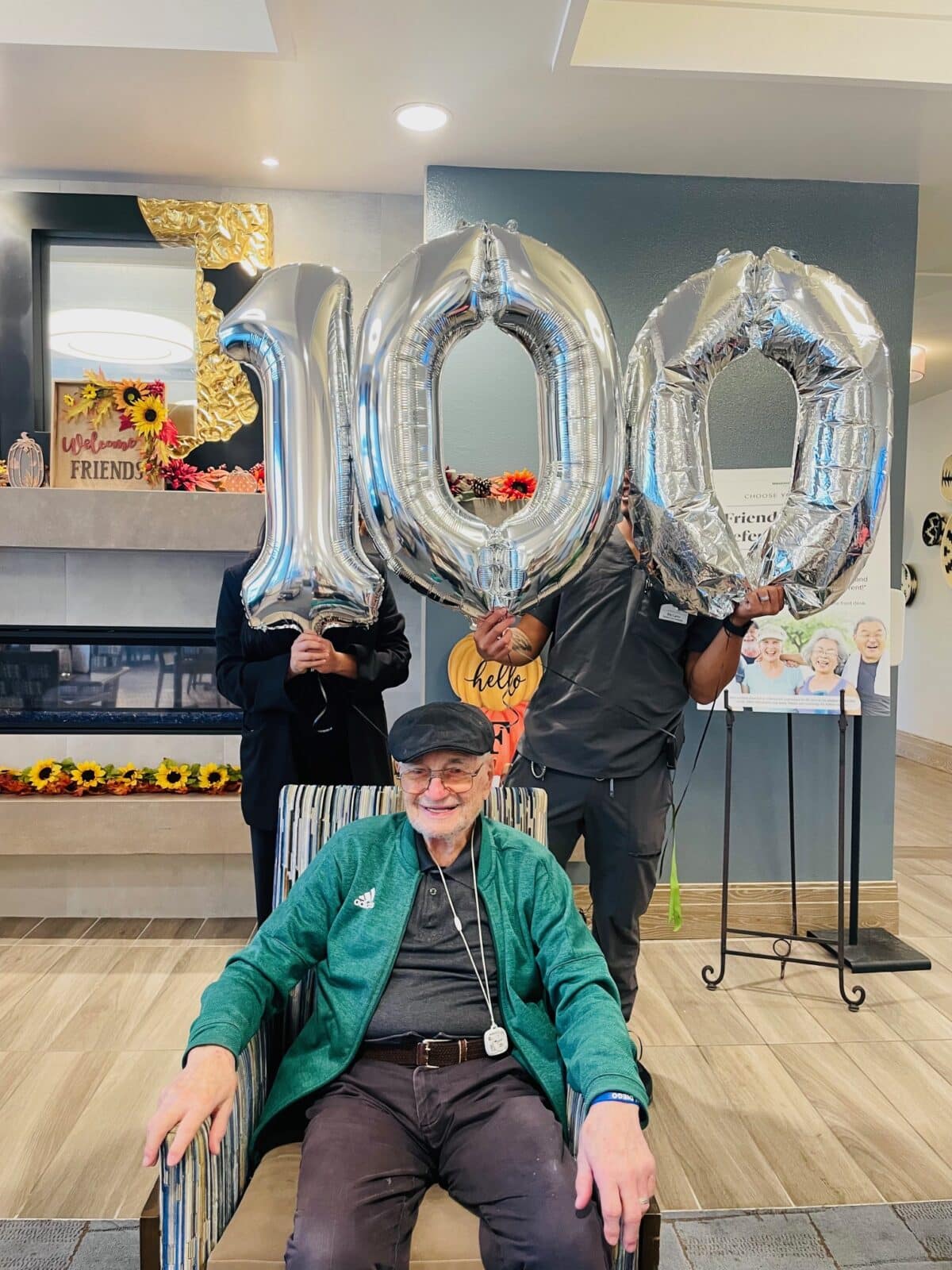
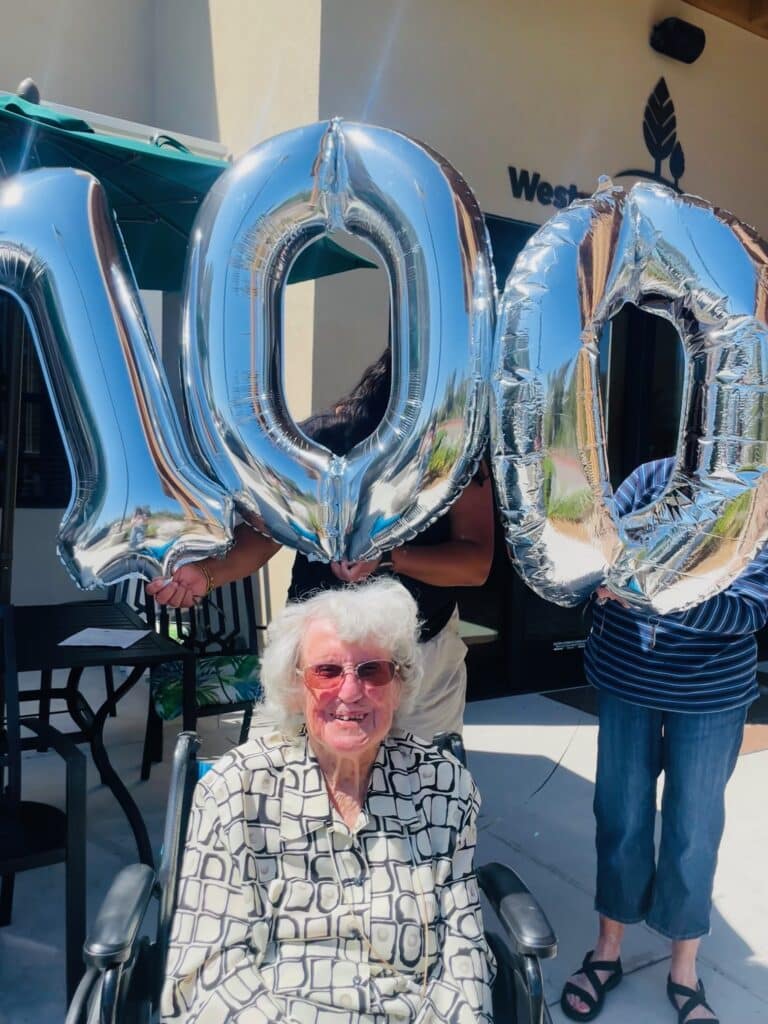
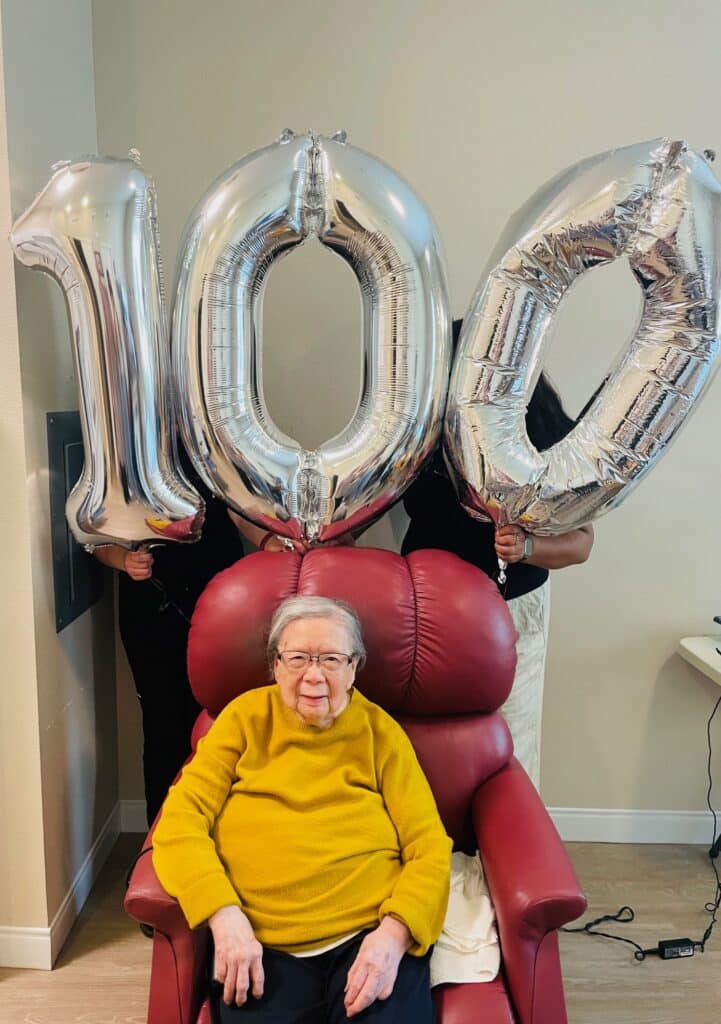
On September 22nd, we celebrate the first day of fall along with joining people around the world in celebrating Centenarians Day. It’s a special occasion dedicated to honoring those who have reached the incredible milestone of 100 years or more. This day is not only about celebrating longevity, but it’s about cherishing the wisdom, history, and enduring presence of centenarians in our lives.

Across all of our Communities, we are honored to have 24 extraordinary residents who are 100 years young and beyond, including 13 who have surpassed the century mark. Each one of them is a living connection to history, carrying with them stories that span a century of experiences, triumphs, and memories. Their journeys remind us of the resilience of the human spirit and the beauty of a life well-lived.

What Centenarians Day Means

  • Celebrating Longevity: Reaching 100 years is a remarkable achievement, a testament to strength, perseverance, and vitality.
  • Honoring Wisdom and History: Our centenarians are storytellers of times past, offering invaluable lessons, insights, and a bridge between generations.
  • Gratitude for Contributions: We celebrate not just their years, but their lifelong contributions, impacting families, communities, and the world in meaningful ways.

On this day, we encourage our centenarians, along with all our Residents, to continue to Live Your Way®. At Westmont Living, Live Your Way® means embracing life on your terms—with your style, your choices, and your passions. The legacies of our centenarians inspire us to live with gratitude, purpose, and joy each day.

To our 24 centenarian residents, thank you for your wisdom, your stories, and your shining example of resilience. Today and every day, we celebrate you.


Centenarians 2025

Lakeview Senior Living
William Walton – Born 1924 – Age 101
Westmont of Chico
Hope Heintz – Born 1924 – Age 101
Evelyn Penick – Born 1925 – Age 100
Dave Elliotte – Born 1924 – Age 101
Barbara Carney – Born 1923 – Age 102
Westmont of Escondido
Iris Wicks – Born 1923 – Age 101
The Oaks at Nipomo
Erving Morlee – Born 1924 – Age 100
Westmont at San Miguel Ranch
Maria Escarcega – Born 1925 – Age 100
Walter “Walt” Travis – Born 1924 – Age 101
Gracie Hill – Born 1925 – Age 100
Westmont of Brentwood
Bettye Sturla – Born 1925 – Age 100
Geraldine Baker – Born 1923 – Age 102
Constance Daniels-Idle – Born 1921 – Age 103
Westmont of Carmel Valley
Dorothy Goo – Born 1924 – Age 101
Westmont of Culver City
Betty Kronick – Born 1921 – Age 103
Westmont of Cypress
Terri Tamaru – Born 1925 – Age 100
Westmont of Encinitas
Beverly Evans – Born 1924 – Age 101
Rose Chang – Born 1924 – Age 100
Peter Sanzo – Born 1922 – Age 103
Westmont of Fresno
Vicki Coughlin – Born 1924 – Age 101
Georgia Hobson – Born 1925 – Age 100
Westmont of Morgan Hill
Florence Boyce – Born 1925 – Age 100
Westmont of Riverside
Inez-Blanche Holmes – Born 1922 – Age 102
Lois Wurschinger – Born 1925 – Age 100
Marina Gabus – Born 1920 – Age 105
Harold Platt – Born 1925 – Age 100


Pneumonia in Seniors: Why It’s So Dangerous Now?

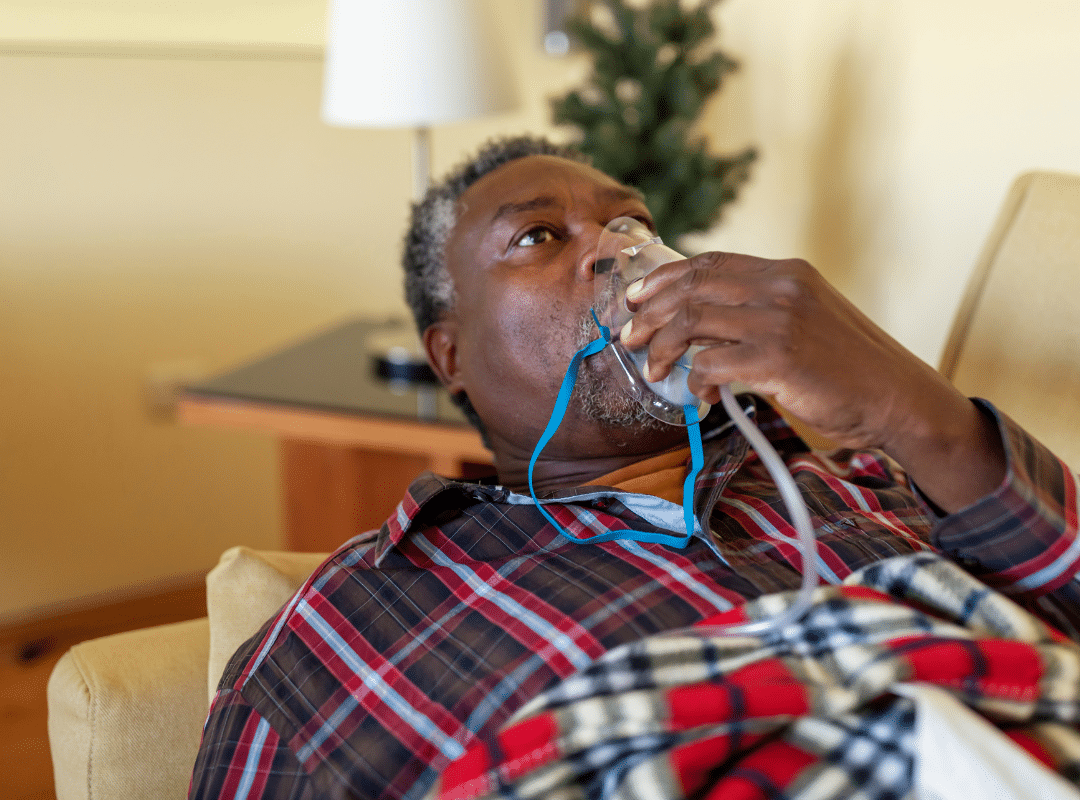
Pneumonia in seniors is a growing concern due to age-related immune decline, chronic conditions, and increased vulnerability to complications. As we age, our bodies become less equipped to fight off infections, making pneumonia especially dangerous for those over 70.

Recognizing early signs and understanding the progression of pneumonia in elderly adults can drastically impact outcomes. Whether you’re concerned about the survival rate of a 70-year-old with pneumonia or the outlook for someone in their 80s or 90s, early detection and proper care are critical to improving quality of life and survival chances.

Subtle Symptoms of Pneumonia in Older Adults

Identifying the subtle signs of pneumonia in older adults can be the first step in preventing a serious health decline. Unlike younger individuals, seniors may not experience fever or a deep cough. Instead, look for signs like:

  • Sudden confusion or delirium
  • Weakness or fatigue
  • Loss of appetite
  • Rapid breathing or shortness of breath
  • Unsteadiness or dizziness

These non-classic symptoms can often lead to delayed diagnosis. It’s also important to monitor for changes in daily habits or physical condition. Even urinary incontinence or changes in speech can indicate an early onset. Additionally, overweight and obesity are risk factors that can worsen pneumonia recovery outcomes.

Increased Risk Factors for Pneumonia in Seniors

As seniors age, their risk for developing pneumonia increases for several reasons. These include not only age-related immune decline but also existing health conditions and medication use.

Age-Related Immune Decline

The natural weakening of the immune system with age leaves older adults more susceptible to infections. Reduced white blood cell production, poor antibody response, and chronic inflammation contribute to this vulnerability. These changes make pneumonia in seniors more likely to result in hospitalization or worse.

A diminished vaccine response can also affect outcomes. This is why healthcare providers stress the importance of early and consistent vaccinations to bolster the defense against pneumonia.

Chronic Health Conditions

Conditions like heart disease, diabetes, and COPD can impair lung function and immune response. In seniors, managing these chronic illnesses is a critical strategy to prevent pneumonia. Regular health screenings, proper medication adherence, and lifestyle adjustments are crucial for reducing risk.

Don’t overlook preventive measures like the annual influenza vaccination, which can significantly lower the chance of developing complications from the flu that can lead to pneumonia.

Weakened Immunity and Nutrition

Poor nutrition is another significant contributor to immune decline in older adults. Inadequate intake of protein, vitamins, and minerals can impair the body’s natural defenses. A heart-healthy lifestyle that includes nutrient-rich meals and physical activity is essential for immune strength.

Challenges in Diagnosis and Early Detection

Detecting pneumonia in the elderly requires vigilance from caregivers and healthcare providers. Seniors may not display typical symptoms, and a delay in treatment can result in severe complications.

Symptoms Clinical Indicators
Weakness or fatigue Loss of appetite
Confusion Low/high body temperature
Shortness of breath Chest pain during breathing

These signs can also be mistaken for other conditions. That’s why it’s critical to treat common respiratory issues with care. Even common cold symptoms can quickly escalate to pneumonia in seniors if not monitored closely.


pneumonia in seniors


Understanding Survival Rates and Progression in the Elderly

The impact of pneumonia increases dramatically with age. Factors such as the presence of chronic disease, access to care, and timely treatment all affect survival.

  • The survival rate of a 70-year-old with pneumonia depends on overall health and whether treatment is started early.
  • The survival rate of an 80-year-old with pneumonia declines due to frailty and reduced physiological reserves.
  • The survival rate of a 90-year-old with pneumonia is significantly lower, especially if compounded by dementia or mobility limitations.
  • Understanding the end-stage of pneumonia in the elderly can help families make informed decisions. It often involves respiratory failure, decreased consciousness, and a need for palliative care.

Johns Hopkins Medicine and CDC resources offer more data on pneumonia outcomes and prevention for older adults.

Treatment Considerations for Seniors

Treating pneumonia in seniors involves more than just antibiotics. It requires a comprehensive approach tailored to age, mobility, nutrition, and co-existing conditions.

Antibiotic Resistance Challenges

Elderly patients often have a history of prior antibiotic use, which can create resistance. Choosing the right antibiotics may require cultures and sensitivity tests to ensure effectiveness. Adjusting for slower metabolism and renal function is also essential to avoid drug toxicity.

When Hospitalization Becomes Necessary

Seniors with pneumonia may require hospitalization under certain conditions, such as:

  • Severe confusion or altered mental state
  • Inability to maintain hydration or nutrition
  • Low oxygen saturation
  • High respiratory rate

For those over 70, hospital care may also help prevent the worsening of chronic conditions during pneumonia episodes. Evaluating the need for hospital admission is critical, particularly for patients with mobility challenges or cognitive decline.

Effective Symptom Management

Good symptom control supports better recovery outcomes. This may include:

  • Oxygen therapy for respiratory distress
  • IV fluids for dehydration
  • Fever management with appropriate medications
  • Encouraging movement and breathing exercises

Care plans should be individualized, with careful monitoring of progress. Involving physical therapists and nutritionists often enhances recovery in senior patients.

Complications and Severe Outcomes

Pneumonia is not always easily cured in seniors and can result in:

  • Respiratory failure
  • Sepsis
  • Pleural effusion or lung abscess
  • Worsening of heart failure or kidney disease

These complications can be fatal without proper care. Many seniors experience functional decline post-pneumonia, leading to long-term rehabilitation needs or changes in living arrangements.

This is where the risk of the end-stage of pneumonia in the elderly becomes very real. It’s not just about lung infection anymore – it’s about managing total body systems and maintaining dignity and comfort.

Proactive Prevention Strategies

Preventing pneumonia requires a multi-faceted approach:

  • Vaccinations: Pneumococcal and flu vaccines should be part of every senior’s healthcare plan.
  • Hand hygiene: Frequent handwashing and sanitizing reduce infection spread.
  • Lifestyle: Regular exercise, good sleep, and a nutritious diet all contribute to immune health.
  • Environmental safety: Avoiding exposure to cigarette smoke and poor air quality helps protect the lungs.

Caregivers play a vital role in reinforcing these habits. Preventive healthcare services, routine screenings, and wellness programs are key in reducing pneumonia cases in older populations.

Take Charge of Your Health and Stay Ahead of Pneumonia

Being proactive is the best defense against pneumonia in seniors. Recognizing early symptoms, understanding personal risk factors, and adhering to treatment plans can save lives. From knowing the survival rate of an 80-year-old with pneumonia to anticipating the end-stage of pneumonia in the elderly, knowledge is power.

At Westmont of Chico, we are dedicated to helping seniors and families take control of their health journey. If you’re looking for more guidance or senior living solutions, call us at 530-767-3886 or schedule a Tour.

Let’s work together to safeguard your loved one’s health and support a stronger, healthier future.


Find Where You Belong

Dive into the vibrant life our Westmont communities have to offer.


Frequently Asked Questions

What is the survival rate for pneumonia in the elderly?

The survival rate for pneumonia in the elderly varies depending on factors such as age, overall health, and timely medical treatment. In general, the mortality rate is higher among seniors, especially those with weakened immune systems or chronic illnesses. Hospitalized elderly patients may have a survival rate of around 85%, while those in nursing homes or with severe complications may face higher risks. Early diagnosis and appropriate antibiotic therapy can significantly improve outcomes.

Can the elderly recover from pneumonia?

Yes, many elderly individuals can recover from pneumonia, especially with prompt and proper medical care. Recovery may take longer than in younger adults and could involve hospital stays, antibiotics, and supportive treatments like oxygen therapy. Rehabilitation may also be necessary to regain strength and lung function. Caregivers need to monitor symptoms closely and ensure follow-up care for full recovery.

What are the final stages of pneumonia in the elderly?

In the final stages of pneumonia, elderly patients may experience severe symptoms such as difficulty breathing, low blood pressure, confusion, and unresponsiveness. The lungs may become filled with fluid, leading to respiratory failure. Other signs can include bluish lips or fingers, extreme fatigue, and reduced oxygen levels. At this stage, palliative care is often recommended to manage symptoms and provide comfort.

How serious is pneumonia in adults?

Pneumonia can be very serious in adults, particularly for those over age 65 or with underlying health conditions. It can cause complications such as respiratory failure, sepsis, or lung abscesses. While many healthy adults recover with antibiotics and rest, high-risk individuals may require hospitalization. Early treatment is crucial to prevent the illness from progressing to a life-threatening stage.


Elder Health Care at Home: The Essential Role of a Family

Caring for aging loved ones is more than a responsibility – it’s a meaningful journey rooted in love, commitment, and connection. As the need for quality elder health care grows, families are discovering that their involvement makes all the difference in improving both emotional and physical well-being. Whether you’re planning care at home or working with a senior living community, your presence ensures seniors feel valued and secure.

This blog explores how family support, advocacy, and collaboration enhance the quality of elder health care. From emotional bonding to navigating complex health decisions, your role as a caregiver matters deeply. Learn how to create an enriching, connected experience for your loved one at Westmont of Chico.

Visit us at Westmont of Chico to explore our supportive community.

The Importance of Family Support in Elder Care

When considering how to take care of the elderly at home, family support is often the foundation. From companionship to helping with daily tasks, your involvement provides comfort and security. Many seniors suffer from loneliness, which can negatively affect their mental and physical health. A supportive home atmosphere that includes regular visits, shared meals, and attentive listening fosters emotional stability.

Your support helps seniors retain their sense of purpose and dignity. In fact, the importance of elderly care cannot be overstated—it strengthens relationships, encourages positive routines, and maintains quality of life. Learn more about the role of family in elevating elder care experiences.

Advocacy: Families as Champions for Seniors

Advocacy allows you to be the voice for your loved one’s care needs. Whether they’re in a senior living community or receiving private care for the elderly at home, speaking up ensures personalized and respectful treatment. As an advocate, you work with healthcare professionals, track medications, and monitor care plans.

Effective advocacy begins with being well-informed. Knowing your loved one’s health conditions, preferences, and routines allows for better communication with caregivers and doctors. Your active involvement leads to improved health outcomes and increased satisfaction.

Incorporating insights from personalized care will further empower you to make informed decisions about the well-being of your family member.

Collaborative Care Planning for Tailored Solutions

Creating a care plan is not a one-size-fits-all process. A collaborative approach ensures that every detail—from medical needs to daily routines—is personalized. Involving multiple family members in care planning creates balance and avoids caregiver burnout.

Westmont of Chico emphasizes collaboration by offering resources and meetings for families. These planning sessions are particularly helpful for those considering elderly care assistance from the government, as navigating benefits can be confusing without support.

Family Involvement Benefits of Collaboration Personalized Care Elements
Regular Meetings Improved Communication Individual Health Goals
Shared Decision-Making Holistic Care Approach Customized Activities
Caregiver Support Enhanced Emotional Well-being Dietary Preferences
Continuous Feedback Better Health Outcomes Adapted Care Strategies

If your loved one prefers to stay home, coordinated planning is just as important for private care for the elderly at home, ensuring professional caregivers are aligned with family expectations.

Enhancing Mental Health Through Family Connections

One of the most beautiful aspects of family involvement is the ability to uplift your loved one emotionally. Positive interactions reduce anxiety, depression, and confusion in seniors. Regular quality time can involve storytelling, hobbies, or simply enjoying a meal together.

Combating Loneliness Together

Many older adults silently endure loneliness. Addressing this begins with simple, consistent gestures. Video calls, letters, shared gardening, or puzzles offer seniors the comfort of connection. Including your loved one in daily conversations or decisions gives them a sense of inclusion.

Connecting seniors with local support groups can also be incredibly impactful. These groups build friendships and provide a space for shared experiences, especially valuable for those not receiving daily visits.

Strengthening Emotional Bonds

Strong emotional ties foster resilience. Whether you live nearby or far away, intentional communication builds trust and reduces feelings of abandonment.

  • Host weekly family calls
  • Share photos and family updates
  • Celebrate birthdays and milestones together

You don’t need grand gestures—simple consistency shows care.

Fostering a Sense of Belonging

The importance of elderly care includes emotional fulfillment. Seniors thrive when they feel needed and included. Inviting them to participate in family events, volunteer efforts, or group meals can be life-affirming.

Shared activities such as cooking, reminiscing over photo albums, or watching old movies help seniors stay mentally sharp and emotionally grounded.

To further support emotional health, explore social wellness in active adult communities and how those practices can also be applied at home.


A United Front Against Health Challenges

Navigating Health Challenges Together

As health conditions become more complex with age, the need for consistent and compassionate care grows. Families play a critical role in managing doctor appointments, medications, mobility needs, and dietary changes.

Building Medical Communication Skills

Communicate openly with healthcare professionals and learn how to advocate in clinical settings. Write down questions in advance, keep updated health records, and attend appointments when possible.

This also includes understanding options for elderly care assistance from the government. Programs like Medicaid, VA benefits, and local aging departments offer financial support for both in-home and residential care. The National Council on Aging provides up-to-date resources to explore these benefits.

Family-Inclusive Care at Westmont of Chico

Westmont of Chico believes that family is central to quality elder health care. We offer family workshops, educational resources, and care meetings to ensure you’re never alone in the process. Whether you’re coordinating private care for the elderly at home or seeking the support of a community like ours, we encourage ongoing family involvement.

Your insights and emotional support enrich the care process and empower our team to offer more personalized services. Together, we aim to create a compassionate, connected care experience.

To explore our services, visit Westmont of Chico or schedule a tour.

Empowering Families to Lead in Elder Care

Caring for elderly loved ones is a lifelong gift. Whether you’re learning how to take care of the elderly at home or seeking professional assistance, your commitment matters. Advocate fiercely, plan collaboratively, and nurture your relationship daily.

By staying informed, involved, and emotionally present, you become a powerful part of your loved one’s well-being. From accessing elderly care assistance from the government to selecting the best private care for the elderly at home, every step you take adds value to their life.

For more insights and resources, consider checking:

Let your love and dedication lead the way in creating a joyful and dignified life for the seniors who raised you.


Compare The Costs of Senior Living vs Staying at Home

How Do The Costs Of Moving Into A Quality Senior Care Community Compare With The Costs Of Staying At Home?


Frequently Asked Questions

What is the definition of elderly in health care?

In health care, the term “elderly” generally refers to individuals aged 65 and older. This age group often requires specialized medical attention due to age-related conditions such as chronic illnesses, reduced mobility, or cognitive decline. Health care providers may also use terms like “geriatric” or “older adults” when addressing this population. The definition can vary slightly depending on the context, such as in public health or insurance policies.

How do you take care of elderly people?

Caring for elderly people involves meeting their physical, emotional, and social needs. This may include assistance with daily activities like bathing, dressing, and meal preparation, as well as managing medications and medical appointments. Emotional support, companionship, and encouraging social engagement are also important for their mental well-being. It’s crucial to respect their independence while providing a safe and supportive environment.

What is the best health care for seniors?

The best health care for seniors is often a combination of preventive care, chronic disease management, and access to specialists such as geriatricians. Services like Medicare, senior health clinics, and home health care can provide personalized support. Wellness programs that promote mobility, nutrition, and mental health are also beneficial. The ideal approach is one that prioritizes quality of life, independence, and holistic well-being.

What are the three types of elderly care?

The three main types of elderly care are in-home care, assisted living, and nursing home care. In-home care allows seniors to receive support while staying in their own homes, which is often ideal for those with mild to moderate needs. Assisted living provides housing and personal care in a community setting, suited for seniors who need help with daily tasks but not constant medical supervision. Nursing homes offer 24/7 medical care for individuals with serious health conditions or disabilities.


Health Emergencies in Assisted Living: How Are They Managed?

In assisted living communities like Westmont of Chico, health emergencies can arise at any time. Whether it’s a fall, a cardiac event, or a sudden change in a resident’s condition, being ready to respond effectively is key to ensuring safety and well-being. That’s why facilities must invest in proactive strategies such as personalized care plans, staff training, and advanced technology.

Understanding how assisted living communities manage health emergencies helps families feel confident about their loved ones’ care. From prevention to immediate response, having a comprehensive approach ensures that no situation is left unaddressed.

Explore more about these essential elements for effective emergency management at Westmont of Chico.

Understanding Health Emergency Management in Assisted Living

Managing health emergencies in assisted living requires a combination of awareness, training, and ongoing preparation. Each resident presents a unique set of challenges, especially in crisis situations. Taking a proactive approach by understanding individual medical histories and communicating regularly with families can dramatically improve emergency responses.

Real-world examples of health emergencies in assisted living include strokes, severe allergic reactions, diabetic complications, and respiratory distress. Proper training and communication protocols help ensure that when such incidents occur, staff act swiftly and effectively.

Furthermore, the integration of on-site medical care guarantees residents access to immediate care, reducing the risks associated with delays.

The Role of Trained Staff in Crisis Situations

Trained staff members are the backbone of emergency response in assisted living. They are equipped with the knowledge to act promptly during emergencies in a care home, such as seizures, falls, or cardiac arrest.

These team members complete courses in first aid, CPR, and emergency preparedness. Additionally, regular drills and refreshers help them maintain readiness. During crises, trained staff can stabilize residents, contact emergency services, and communicate with families without hesitation.

Their readiness aligns with emergency management planning criteria for assisted living, ensuring compliance with safety standards while delivering compassionate care. You can learn more about staff preparedness and emergency support through the Red Cross emergency training programs.

Access to emergency medical care is also a crucial part of the staff’s toolkit, allowing them to escalate care as needed.

Importance of Personalized Care Plans

What care is given in assisted living is highly influenced by a resident’s individual care plan. Personalized care plans ensure that medical needs, health history, and preferences are factored into emergency responses.

Key aspects of personalized care plans include:

  1. Emergency Protocols for known health conditions.
  2. Medication Management tailored to individual regimens.
  3. Real-Time Updates to accommodate changing health needs.
  4. Collaboration between family members, physicians, and caregivers.

These care plans help staff act faster and with more precision during health emergencies. For instance, residents with chronic illnesses like heart disease or diabetes are managed with customized interventions. Learn more about chronic condition support at diabetes management in assisted living.

Leveraging Technology for Enhanced Response

Modern assisted living facilities use technology to strengthen emergency preparedness. Smart devices, wearable monitors, and automated alert systems are vital tools during health emergencies.

Medical Alert Systems

Medical alert systems are one of the best tools for handling emergencies in a care home. Their features include:

  • 24/7 Emergency Monitoring
  • Wearable Pendants and Wristbands
  • GPS Location Tracking
  • Two-Way Voice Communication

These systems ensure that residents never feel alone during an emergency. With just the push of a button, help is on the way. This technology aligns with community-wide safety protocols, ensuring prompt medical attention.

Vital Signs Monitoring

Real-time monitoring of vital signs enables early detection of examples of health emergencies such as sudden blood pressure spikes, arrhythmias, or low oxygen levels. Monitoring devices track:

Vital Sign Normal Range Why It Matters
Heart Rate 60–100 bpm Detects irregular heartbeats
Blood Pressure 120/80 mmHg Tracks cardiovascular health
Oxygen Saturation 95–100% Assesses respiratory status

By tracking these signs, caregivers can react before minor symptoms become critical. Systems like CarePredict provide predictive health insights through AI-driven wearables.

Comprehensive Emergency Plans and Preparedness

Creating a comprehensive plan is a major component of emergency management planning criteria for assisted living. These plans cover everything from risk assessment to community coordination.

Emergency Plan Overview

Key components of a thorough emergency plan include:

  1. Risk Identification: Evaluating medical risks for each resident.
  2. Clear Communication: Assigning roles during a crisis.
  3. Resource Inventory: Ensuring that emergency equipment is accessible.
  4. Collaboration: Working with local hospitals and EMS teams.

Facilities like Westmont of Chico follow this structure to deliver consistent and reliable care during all emergencies.

Staff Training Drills

Training is not a one-time event. Staff members engage in ongoing drills that simulate examples of health emergencies such as choking, fainting, and diabetic episodes. These drills improve timing, decision-making, and team coordination.

When real emergencies happen, these rehearsed protocols ensure calm and efficient execution.

Family Communication Strategies

Transparent communication with families during emergencies is vital. Here’s how assisted living communities ensure family involvement:

  • Designated Emergency Contacts
  • Real-Time Health Updates
  • Clear Emergency Guidelines
  • Open Feedback Channels

Providing families with these resources fosters trust and peace of mind during critical moments.

Technology and Health Emergency Management

Community Involvement in Health Emergency Management

Community support plays an important role in handling health emergencies. Volunteers, local agencies, and healthcare providers can offer backup services, equipment, and manpower.

Examples of emergencies in a care home where community support makes a difference include natural disasters, infectious disease outbreaks, and power outages.

Public workshops and preparedness seminars not only educate families but also strengthen emergency response capabilities. Platforms like Ready.gov offer valuable resources for community-based planning and drills.

What Care Is Given in Assisted Living During Emergencies?

Many people wonder, what care is given in assisted living during an emergency? The answer includes a combination of:

  • Immediate On-Site Medical Attention
  • Medication Review and Adjustment
  • Post-Emergency Monitoring
  • Hospital Coordination
  • Emotional and Family Support

Assisted living communities are prepared to handle both minor and severe examples of health emergencies, ensuring residents remain safe, monitored, and cared for throughout the crisis and recovery.

Strengthening Emergency Response: Your Role as a Family Member

Families play a key role in preparedness by understanding care plans, participating in emergency meetings, and staying informed. Knowing the emergency policies in place and ensuring your contact information is updated helps improve the overall effectiveness of the response system.

Staying engaged with the community and asking about emergency management planning criteria for assisted living gives you peace of mind and reinforces a resident-first approach.

Your Safety Net in Times of Crisis

Health emergencies don’t have to lead to panic or poor outcomes. At Westmont of Chico, a strong safety net composed of trained staff, smart technologies, and personalized care ensures every resident receives prompt, appropriate treatment.

By understanding the intricacies of emergency preparedness—from examples of health emergencies to response plans—you can trust that your loved one is in caring, capable hands.

To learn more, contact Westmont of Chico at 530-767-3886 or schedule a Tour to see the community in action.


Find Where You Belong

Dive into the vibrant life our Westmont communities have to offer.


Frequently Asked Questions

What are five examples of emergency situations?

Five common emergencies include fires, medical emergencies, natural disasters (such as earthquakes or floods), power outages, and security threats. Each of these situations poses a safety risk and requires immediate action. Being prepared can help minimize harm and ensure a faster response. For elderly individuals, these emergencies can be hazardous, making planning and quick communication essential.

What are the five emergency procedures?

The five key emergency procedures are: stay calm, assess the situation, call for help (such as dialing 911), provide assistance if safe to do so, and follow the established emergency plan. These steps help ensure that everyone knows what to do and how to act efficiently. Emergency drills and training can improve response times. For caregivers and family members, understanding these procedures is crucial, especially when caring for seniors.

What is the emergency plan for elderly people?

An emergency plan for elderly individuals includes identifying potential risks, creating a contact list, preparing a go-bag with medications and essentials, planning evacuation routes, and sharing the plan with caregivers. Seniors may have mobility issues, so accessibility and medical needs should be prioritized. Coordination with neighbors, family, or senior care facilities adds another layer of support. Regularly reviewing and updating the plan ensures it remains effective.

What are the seven steps in the emergency action plan?

The seven steps in an emergency action plan are: 1) assess the risk, 2) identify emergency scenarios, 3) define roles and responsibilities, 4) establish communication protocols, 5) outline evacuation procedures, 6) provide emergency training, and 7) review and update the plan regularly. These steps form a clear framework to handle emergencies effectively. For elderly care, the plan should also consider medical needs, mobility support, and accessible exits. Practicing these steps through drills can improve preparedness.


Top Supplements for Nervous System Support in Seniors

As we age, maintaining a strong and responsive nervous system becomes increasingly vital to our health and quality of life. The brain and nerve cells rely heavily on proper nutrition and targeted supplementation to stay sharp, manage stress, and repair daily wear and tear. That’s why supplements for nervous system support are gaining more attention, particularly in senior health routines.

At Westmont of Chico, we recognize the vital importance of nerve health in achieving a graceful aging process. From enhancing memory and mood to supporting mobility, the right nutrients can help you feel more energized and balanced. In this article, we’ll explore the top supplements for nervous system repair, the best vitamins for nervous system support, and practical steps to incorporate these into your routine for long-term benefits.

Why Nervous System Health Matters in Aging

The nervous system governs nearly every function in the body, from memory and coordination to digestion and emotional health. As you age, nerve function can decline due to chronic disease, lifestyle habits, and nutrient deficiencies. That’s why supplements for nervous system recovery play a critical role in keeping both brain and body performing at their best.

If you’re unsure how to start optimizing your nerve health, Westmont of Chico provides wellness programs that include nutrition-focused solutions tailored for older adults. Learn more by visiting Westmont of Chico.

Key Nutrients and the Best Supplements for Nervous System Support

Let’s break down the most beneficial supplements for nervous system health and why they matter in senior wellness:

Vitamin B12

One of the most recommended vitamins for nervous system repair, B12 supports the production of myelin—the protective sheath around nerves. It also helps reduce the risk of cognitive decline and neuropathy.

Vitamin B1 (Thiamine)

Thiamine helps convert nutrients into energy and supports the proper transmission of nerve signals. Deficiency may lead to confusion, irritability, and muscle weakness.

Vitamin B6

Essential for neurotransmitter function, vitamin B6 plays a role in mood regulation and helps prevent age-related memory issues.

Omega-3 Fatty Acids

Known for reducing inflammation, omega-3 fatty acids also protect neurons and improve cognitive function. Many experts on supplements for the nervous system, in Reddit forums, praise Omega-3s as foundational for mental sharpness and nerve health.

Magnesium

Often recommended as one of the best supplements for stress and anxiety, magnesium calms the nervous system and supports sleep and muscle relaxation.

For more insights on specialized nutrition, visit our blog for nutritional strategies on diabetes management.

Consequences of Poor Nervous System Nutrition

Lack of proper nutrients can have significant effects on the nervous system. Symptoms like tingling, numbness, forgetfulness, and anxiety can be early warning signs of deficiencies. These are all areas where supplements for nervous system recovery can make a big difference.

Deficiency Risks

Without key vitamins like B1, B6, and B12, you may experience slower nerve transmission, difficulty concentrating, and even mental health challenges. Low B12 levels are also linked to increased risk of Alzheimer’s disease and dementia. If you’re dealing with symptoms like fatigue or cognitive fog, it may be time to explore vitamins for nervous system repair.

Explore how dietary choices also play a role in brain health in our post on brain-healthy diets for dementia prevention.


supplements for nervous system


Smart Food Choices That Boost Nerve Health

While supplements are crucial, don’t underestimate the power of food. A balanced diet rich in whole grains, lean proteins, and colorful vegetables provides the foundation for a healthy nervous system.

Dietary Sources of Key Vitamins

  • Vitamin B12: Eggs, dairy, fish, and meat.
  • Vitamin B6: Bananas, chickpeas, potatoes, and fortified cereals.
  • Vitamin B1: Whole grains, sunflower seeds, and beans.
  • Magnesium: Spinach, almonds, and avocados.
  • Omega-3s: Fatty fish like salmon and flaxseeds.

For a more holistic approach to senior nutrition, consider this helpful guide on longevity through diet.

Monitoring Your Vitamin and Supplement Intake

To ensure your body is getting what it needs, it’s essential to assess your vitamin intake and supplement regimen regularly. Here are a few best practices:

Blood Tests and Assessments

  • Schedule annual blood tests to detect deficiencies early.
  • Use food diaries or diet-tracking apps to evaluate your daily nutrient intake.
  • Work with a healthcare professional to interpret lab results and adjust your supplement routine.

Professional Consultations

Meeting with a registered dietitian or physician ensures your supplement choices are safe, effective, and personalized. They can help you choose the best vitamins for nervous system support and identify any interactions with medications.

Insights from the Online Community

Looking for peer-tested advice? Many individuals turn to platforms like Supplements for Nervous System Reddit threads, where users share personal experiences, supplement stacks, and recovery stories. While it’s essential to consult medical professionals first, these forums can provide valuable real-world insights into what works and what to avoid.

Stress and Anxiety: A Key Consideration for Nerve Health

Chronic stress and anxiety can wreak havoc on the nervous system. That’s why it’s essential to include the best supplements for stress and anxiety in your daily wellness plan.

These might include:

  • Ashwagandha: Adaptogen known to lower cortisol.
  • L-Theanine: Helps promote calm without drowsiness.
  • Magnesium Glycinate: Highly bioavailable and excellent for calming nerves.

Reducing stress not only improves mental health but also enhances nerve regeneration and resilience.

When to Consider Supplements for Nervous System Recovery

If you’ve experienced nerve damage due to injury, illness, or chronic conditions such as diabetes, supplements for nervous system recovery can support healing and enhance function.

Common signs that you may benefit from supplementation include:

  • Persistent tingling or numbness
  • Muscle weakness
  • Poor concentration or memory
  • Fatigue and mood changes

In such cases, combining high-quality supplements with a nutrient-dense diet and regular medical care provides a comprehensive approach to recovery.

Seek Expert Help for Your Wellness Journey

Taking care of your nervous system isn’t something you should leave to guesswork. Whether you’re proactively protecting your health or dealing with existing issues, the right strategy can make all the difference.

At Westmont of Chico, our holistic wellness philosophy includes nutritional counseling, fitness programs, and supportive services to help residents thrive. We understand the science behind supplements for nervous system care and are here to help guide you on the path to optimal well-being.

Unlock a Healthier Mind and Body with the Right Support

Your nervous system deserves your attention. Investing in the right supplements for nervous system recovery can restore energy, improve memory, and protect your brain for years to come. Pair that with a balanced diet, regular checkups, and expert support, and you’ve got a recipe for vibrant, healthy aging.

If you’re ready to take the next step, reach out to Westmont of Chico at 530-767-3886 or schedule a tour of our community. Let’s build a future focused on brain health, balanced living, and joyful aging—one smart choice at a time.


Compare The Costs of Senior Living vs Staying at Home

How Do The Costs Of Moving Into A Quality Senior Care Community Compare With The Costs Of Staying At Home?


Frequently Asked Questions

What is the best supplement for your nervous system?

The best supplement for your nervous system typically includes B vitamins (especially B1, B6, and B12), omega-3 fatty acids, and magnesium. These nutrients help support nerve repair, reduce inflammation, and improve communication between nerve cells. Supplements like alpha-lipoic acid and acetyl-L-carnitine are also known to boost nerve function. Always consult your healthcare provider before starting any new supplement.

How can I rebuild my nervous system?

Rebuilding your nervous system involves a combination of nutrient-rich foods, exercise, and stress management. A diet high in antioxidants, healthy fats, and B vitamins can aid nerve regeneration. Practices such as meditation, gentle movement (like yoga), and sleep hygiene are key to supporting neurological recovery. In some cases, physical therapy and targeted supplements may also help.

What are the symptoms of a weak nervous system?

Common symptoms of a weak nervous system include chronic fatigue, numbness or tingling, poor coordination, and muscle weakness. You may also experience mood swings, memory problems, or a decrease in reflexes. These signs often indicate that your nerves aren’t functioning optimally. If symptoms persist, a medical evaluation is essential.

What is the best nerve control supplement?

Top-rated nerve control supplements often contain ingredients like benfotiamine, B-complex vitamins, magnesium, and alpha-lipoic acid. These support nerve health by reducing oxidative stress and improving nerve signaling. Products like Nerve Control 911 or Nerve Renew are popular, but effectiveness may vary by individual. Select clinically supported formulas and consult your doctor before use.


Practical Pain Management Strategies in Elderly Care

Effective Pain Management Strategies for Senior Care

Navigating pain in older adults can be challenging, but using effective pain management strategies ensures a better quality of life and emotional well-being for seniors in care environments like Westmont of Chico. These strategies go beyond just treating physical symptoms—they encompass emotional support, mental strength, and non-invasive interventions that reflect the unique needs of every resident.

Whether you’re a caregiver, a family member, or a healthcare professional, understanding how to use comprehensive pain management strategies can transform the care experience. From holistic methods to clinical practices, this guide will help you explore ways to alleviate suffering, promote comfort, and support the dignity of seniors at every stage of aging.

Learn more about our compassionate approach to care at Westmont of Chico.

Why Pain Management Matters in Elderly Healthcare

Pain, when unmanaged, can silently diminish a senior’s ability to engage in everyday activities and relationships. Prioritizing pain management strategies helps restore not only physical comfort but also emotional peace. In healthcare settings, it is essential to combine empathy with action—listening carefully, responding quickly, and adjusting care as needed.

Effective pain control reduces the risk of depression, social withdrawal, and cognitive decline. Providers who learn how to reduce pain and discomfort help seniors regain their independence and experience a higher quality of life. For example, these approaches empower caregivers to create personalized solutions that cater to each resident’s unique needs.

Recognizing and Interpreting Pain in Older Adults

Not all pain is easily visible, and many seniors don’t report discomfort unless asked directly. That’s why recognizing both verbal and non-verbal signals is key. Understanding the 3 different types of pain management—physical, emotional, and psychological—can help caregivers identify the right course of action.

Explore more on individualized care through these vital tips.

Communication Barriers in Assessing Pain

Dementia, language differences, or cultural factors can mask pain expression. Emotional distress, like anxiety or depression, may also influence a senior’s ability to express discomfort. Knowing how to control pain mentally means recognizing these subtleties and building trust through compassionate dialogue.

Visit our resource on senior vaccinations to support overall health in conjunction with pain relief.

Barrier Type Impact on Pain Expression
Cognitive Impairment Difficulty communicating pain accurately
Cultural Differences Varied beliefs in expressing pain
Depression Suppressed communication of suffering
Language Barriers Misunderstandings or underreporting

Acute vs. Chronic Pain

One major distinction in senior care is whether pain is acute or chronic. What are 3 different types of pain management? First, acute pain stems from injuries or surgeries and is short-term. Chronic pain, on the other hand, can persist for months or years and often demands ongoing care. A third type—neuropathic pain—is nerve-related and may require different interventions.

  • Acute Pain: Short-duration, usually has an identifiable cause.
  • Chronic Pain: Lasts beyond normal healing time and can affect mood, sleep, and function.
  • Neuropathic Pain: Result of nerve damage or disease.

Personalized nursing care can address each category effectively. Learn more about how assisted living nurses improve pain care.

Tailored Assessment Methods

Tailoring pain assessments helps uncover hidden pain and discomfort. Combining verbal and observational tools ensures no signs are missed. Understanding how to relieve pain without pills starts by identifying when and where the discomfort occurs.

Assessment Tool Use Case
Visual Analogue Scale Rate pain on a scale from 0 to 10
Behavioral Observations Monitor changes in facial expressions or mobility
Family Input Adds depth to resident self-reports
Daily Logs Track patterns in pain over time

Review more about individualized strategies tailored to seniors’ unique experiences.

Physical Therapy

Designing a Personalized Pain Management Plan

Creating a custom plan begins with knowing what matters most to the individual. Collaboration between the resident, family, and care team ensures all aspects—emotional, physical, and social—are addressed. This person-centered approach aligns with how to control pain mentally, by empowering seniors to take part in their own healing.

  • Set clear pain management goals.
  • Track what methods work best.
  • Stay flexible and adaptive.

When chronic pain becomes too much, this individualized attention becomes even more essential.

Non-Medication Options for Pain Relief

Non-drug methods can often be as powerful as medication. Learning how to relieve pain without pills opens up many possibilities that support overall wellness.

  • Mindfulness Meditation: Helps manage emotional response to pain.
  • Therapeutic Massage: Increases blood flow and reduces tension.
  • Art and Music Therapy: Offers emotional expression and distraction.
  • Gentle Movement: Tai Chi and chair yoga are safe and effective.

Non-pharmacological interventions also teach seniors how to reduce pain and discomfort through regular activity, healthy sleep routines, and hydration. For further reading, check out this guide to holistic care for chronic pain from the NCBI.

Medications and Monitoring

When medication is necessary, it should be used carefully. Starting with the lowest effective dose and avoiding overuse is essential, especially for older adults who may already take multiple prescriptions.

  • Use non-opioid options when possible.
  • Avoid sedatives that increase fall risk.
  • Regularly monitor for side effects.

Always include family in conversations about medication to catch changes in behavior or function. Remember, combining medications with emotional support is often the best route when chronic pain becomes too much to handle alone.

Ongoing Adjustments and Evaluations

Care plans should evolve. Seniors’ pain levels, tolerance, and preferences change over time. Continuous evaluation is part of understanding how to reduce pain and discomfort over the long term.

  • Reassess every month or after any medical change.
  • Adjust medications as needed.
  • Keep open lines of communication.

This proactive approach builds trust and gives caregivers the insight to prevent suffering before it escalates.

Knowing When Chronic Pain Becomes Too Much

There are signs that indicate when chronic pain becomes too much to manage with current methods:

  • Persistent sadness or frustration.
  • Withdrawal from social life.
  • Sleep disruption or appetite loss.
  • Escalating use of pain medications.

When these symptoms arise, it’s time to reevaluate the entire care plan and consider alternatives like integrative medicine or specialist referrals. Mental resilience plays a key role in this stage—understanding how to control pain mentally helps seniors cope with even long-term conditions.

Empowering Seniors Through Pain Relief

Pain doesn’t have to define aging. With comprehensive pain management strategies, seniors at Westmont of Chico can rediscover comfort, confidence, and joy in their daily lives. From knowing how to relieve pain without pills to identifying the three different types of pain management, these approaches help caregivers provide the compassionate care every older adult deserves.

Let’s work together to ensure that when chronic pain becomes too much, seniors are met with understanding, options, and ongoing support. Whether through medication, mindfulness, or tailored interventions, the journey toward relief is one we walk side by side.

Ready to learn more? Call us at 530-767-3886 or schedule a personal tour at this link.


What Level of Care Do You Need?

Discover the level of care you or your family member requires. 


Frequently Asked Questions

What are the pain management strategies?

Pain management strategies encompass a combination of physical, psychological, and pharmacological approaches aimed at reducing discomfort and enhancing quality of life. Common methods include medication, physical therapy, cognitive behavioral therapy, acupuncture, and lifestyle changes such as regular exercise and stress reduction. Personalizing treatment to the patient’s condition and pain level is essential for effective relief. Holistic approaches often lead to better long-term outcomes.

What are the 4 A’s of pain management?

The 4 A’s of pain management are Analgesia, Activities of daily living, Adverse effects, and Aberrant drug-related behaviors. These help clinicians evaluate pain treatment by balancing effective relief with functional improvement and safety. Monitoring these aspects ensures both adequate pain control and responsible medication use. It also helps detect any signs of medication misuse early.

What are five measures to reduce pain?

Five effective measures to reduce pain include medication, physical therapy, hot or cold compresses, mind-body techniques like meditation, and massage therapy. These can be used individually or in combination, depending on the type and severity of the pain. Non-drug approaches are particularly practical for managing chronic conditions. Regular reassessment helps adjust the approach as needed.

What are the 6 P’s of pain management?

The 6 P’s of pain management are Prevention, Pharmacological, Physical, Psychological, Procedural, and Patient education. These categories guide a comprehensive approach to addressing pain from multiple angles. Integrating these strategies leads to better outcomes and reduces reliance on any single method. Educating patients empowers them to participate in their pain relief plan actively.


Health and Wellness Programs for Seniors Support Longevity

Health and Wellness Programs for Seniors That Enrich Life

Living a long, vibrant life requires more than just good luck—it demands intentional daily habits and support systems. At Westmont of Chico, embracing Health and Wellness Programs for Seniors helps older adults thrive physically, mentally, and socially. These programs are carefully designed to boost quality of life by integrating activities that nourish both the body and mind.

From senior wellness program options that focus on strength and balance to engaging brain games and stress-relief strategies, Westmont of Chico provides tools and opportunities that promote holistic health. Whether you’re just starting or looking for senior exercise classes near you for beginners, these programs meet you where you are and help guide you to where you want to be. Discover how integrating wellness into your routine can transform your senior years into your best years.

Visit Westmont of Chico to explore all the wellness programs available.


Why Physical Activity Is the Cornerstone of Senior Health

Physical wellness is a fundamental part of aging gracefully. Incorporating movement through senior wellness program offerings strengthens muscles, improves flexibility, and helps reduce the risk of falls. Whether you’re walking, stretching, or lifting light weights, physical activity supports heart health, balance, and even mental clarity.

Many seniors wonder where to start. Free exercise classes for seniors and free senior exercise classes near you are often offered through local senior centers, libraries, or community recreation programs. Additionally, the YMCA free programs for seniors near you provide excellent, no-cost fitness opportunities that are tailored to different ability levels. From chair yoga to water aerobics, there’s something for everyone.

Westmont of Chico also offers strength and balance workouts designed specifically for older adults. These help maintain independence and mobility, critical components of healthy aging.

Boosting Brain Power Through Mental Fitness

Just as we train our bodies, it’s equally important to train our minds. Cognitive decline can be slowed—and even improved—with the right approach. Brain-training exercises like word puzzles, Sudoku, memory cards, or strategy games can keep your mind sharp and alert. Daily cognitive challenges can be fun and empowering.

Health and Wellness Programs for Seniors include brain-focused activities that promote mental agility. For beginners, senior wellness program schedules may include gentle memory exercises and guided discussions that stimulate thinking. Westmont of Chico enhances this with brain game suggestions that are both enjoyable and enriching.

Additionally, combining mental fitness with physical movement—like learning a new dance or practicing tai chi—can offer powerful cross-training for the mind and body. Research shows that active minds tend to lead to longer, more fulfilling lives.

The Importance of Social Connection for Senior Wellness

Staying socially active is one of the most impactful ways to support mental and emotional health. Seniors who consistently engage with others experience reduced rates of depression, improved cognitive health, and even longer lifespans. That’s why social engagement is a key part of every senior wellness program.

Group activities such as book clubs, gardening classes, and hobby circles allow seniors to bond over shared interests. Participating in senior exercise classes near you for beginners not only supports physical health but also fosters friendships. Many free senior exercise classes near you integrate social elements like group walks or partner stretches, further enhancing engagement.

Westmont of Chico offers a strong sense of community where relationships flourish. Regular interaction is encouraged through group meals, events, and outings. In fact, studies show that maintaining a robust social network can help reduce the risk of Alzheimer’s and other forms of dementia.

Managing Stress Through Daily Mindfulness Practices

Stress doesn’t just affect the mind—it impacts your entire body. Seniors dealing with chronic stress may experience sleep issues, high blood pressure, and reduced immune function. Managing stress is essential to any health and wellness program for seniors.

Mindfulness techniques like deep breathing, meditation, and gentle stretching can lower cortisol levels and increase emotional resilience. For those new to these practices, many YMCA free programs for seniors near you include beginner-friendly mindfulness and yoga classes. Some programs even offer virtual or hybrid classes to make participation easier.

At Westmont of Chico, daily routines often incorporate calming activities such as guided meditation, journaling, and nature walks. Progressive muscle relaxation is another technique used to help seniors relax both mentally and physically.

Leveraging Community Resources and Local Support

Access to reliable resources is crucial in maintaining independence and wellness in later life. Community programs provide affordable and often free exercise classes for seniors to encourage active participation in wellness. These programs are vital for seniors who may be on fixed incomes or unsure where to start.

Local centers and non-profits frequently organize senior exercise classes near you for beginners, where trained instructors provide modifications tailored to mobility levels. YMCA free programs for seniors near you are also widely accessible and include not only fitness but educational workshops, health screenings, and social mixers.

Westmont of Chico builds upon these resources by offering additional support through its emotional and social wellness programs. Residents benefit from a collaborative care approach that integrates emotional, physical, and social health strategies in one location.

Start Your Journey to Better Health Today

Aging well isn’t about luck—it’s about making consistent, informed choices. With Health and Wellness Programs for Seniors at Westmont of Chico, you’re not just participating in activities; you’re investing in a lifestyle that prioritizes vitality, connection, and joy. From accessible free senior exercise classes near you to targeted programs like the senior wellness program, these offerings empower you to live fully and independently.

Whether you’re exploring your first senior exercise classes near you for beginners or looking for ways to stay sharp and connected, there’s a supportive community ready to help you succeed. Take the first step by scheduling a tour or calling 530-767-3886 to learn more about how Westmont of Chico can be part of your wellness journey.


Compare The Costs of Senior Living vs Staying at Home

How Do The Costs Of Moving Into A Quality Senior Care Community Compare With The Costs Of Staying At Home?


Frequently Asked Questions

What is a senior wellness program?

A senior wellness program is a structured set of activities and services designed to support the physical, mental, and emotional health of older adults. These programs often include exercise classes, nutrition education, social engagement opportunities, and regular health screenings. The goal is to help seniors maintain independence, manage chronic conditions, and enhance overall quality of life. Senior centers, assisted living communities, and healthcare organizations commonly offer wellness programs.

What is a program that provides health benefits to senior citizens?

Programs like Medicare, Medicaid, and local senior services often provide essential health benefits to older adults. These benefits can include doctor visits, prescription drug coverage, preventive care, and wellness initiatives like screenings or fitness classes. Some senior living communities also offer in-house health programs tailored to the needs of their residents. Eligibility is determined by age, income, and specific health conditions.

What are examples of health promotion for older adults?

Health promotion for older adults can include activities like balance training, chronic disease management workshops, and preventive health screenings. Educational seminars on nutrition, stress reduction, and medication safety are also common. Programs often focus on preventing falls, maintaining mobility, and promoting social interaction. Community health fairs and wellness challenges are great examples of engaging promotion strategies.

Are there any free exercise programs for seniors?

Yes, many communities offer free exercise programs specifically for seniors. Organizations like SilverSneakers and local senior centers provide access to group fitness classes, walking clubs, and yoga sessions. Some healthcare providers also partner with community groups to deliver free or low-cost fitness options. These programs help improve mobility, strength, and cardiovascular health without added financial strain.


Floor Plans & Pricing

Make yourself at home where a happy, healthy lifestyle goes hand-in-hand with your personal fulfillment, enrichment, and growth.

Answer a few quick questions to unlock the exciting future senior living can offer!

Resident Login