

Step Into Westmont Living®

Enhancing Family Support for Memory Care Residents

Enhancing Family Support and Counseling for Memory Care Residents

Imagine a daughter struggling to understand her mother’s sudden outbursts due to dementia. This situation isn’t uncommon, highlighting the need for enhanced family support and counseling in memory care at Westmont of Chico.

When equipped with knowledge and resources, families can foster a more compassionate environment for their loved ones.

So, how can we guarantee that families feel supported while maneuvering through these complex emotions and challenges?

When should someone with dementia go into a care home?

Deciding when someone with dementia should move into a care home can be a challenging and emotional process. Begin by considering the results of a dementia assessment, which will help you understand the individual’s current needs. Look for care home criteria, such as safety concerns, the ability to perform daily activities, and emotional well-being. If your loved one struggles with self-care, experiences wandering, or exhibits behavioral changes, it might be time to explore care options. Remember, this decision isn’t just about their physical safety; it’s also about enhancing their quality of life. Engaging in open conversations with healthcare professionals and family members can provide the necessary support, ensuring your loved one receives compassionate care tailored to their unique circumstances. Additionally, respite care services can offer temporary relief for caregivers and ensure that individuals with dementia receive the needed attention.


Tips for Dementia Caregivers

How can you best support a loved one living with dementia? Start by practicing effective communication techniques. Speak clearly and calmly, using simple language. Encourage them to express their feelings and listen actively to their needs. It’s also essential to implement self-care strategies for yourself. Make time for breaks and seek support from others, as caregiving can be overwhelming. Prioritize your emotional well-being; it helps you remain patient and engaged. Establish a routine that provides stability for your loved one. Engage in activities they enjoy, fostering moments of joy and connection. Remember, it’s okay to ask for help when you need it. You’re not alone on this journey; every effort you make counts. Fostering meaningful social connections can significantly enhance your and your loved one’s emotional wellness during this challenging time.

Individualized Counseling Sessions

How to deal with aggressive dementia patients

Caring for a loved one with dementia can sometimes lead to unexpected behaviors, including aggression. Understanding aggression triggers, like frustration or confusion, is essential in these moments. Try to remain calm and avoid escalating the situation. Effective communication strategies can make a significant difference: speak softly, maintain eye contact, and offer reassurance. Redirect their attention to a favorite activity or memory to calm them. It’s essential to validate their feelings without arguing or reasoning. When aggression arises, take a moment for yourself if needed. Remember, you’re not alone in this journey—seek support from professionals or caregiver groups who understand your challenges. You can create a more peaceful environment for you and your loved one. Additionally, managing anxiety is crucial for reducing its impact on memory loss, which can help in addressing aggressive behaviors.

How to deal with angry dementia parent

When your parent with dementia expresses anger, it can be overwhelming, but understanding their feelings is essential. Managing anger requires patience and empathy. Here are some strategies to provide emotional support:

Strategy Description Benefits
Stay Calm Maintain a composed demeanor during outbursts. Reduces tension in the environment.
Listen Actively Show that you value their feelings by listening. Helps them feel heard and understood.
Validate Their Emotions Acknowledge their feelings, even if you disagree. Builds trust and connection.
Redirect Attention Gently shift focus to a different activity or topic. Can diffuse anger quickly.
Seek Professional Help Consider counseling or support groups for extra guidance. Provides additional coping strategies.

Additionally, recognizing the impact of senior sundowning can help you anticipate and manage these emotional outbursts more effectively.

How to deal with a family member with dementia

Dealing with a family member with dementia can be both challenging and heart-wrenching, especially after experiencing moments of anger or frustration. It’s essential to understand that memory loss can lead to confusion and anxiety for your loved one. Approach them with empathy, patience, and a calm demeanor. Offer emotional support by validating their feelings and reassuring them of your presence. Use simple language and clear communication to ease their confusion. Engage in activities they enjoy, fostering a sense of connection and joy. Additionally, educate yourself about dementia to better understand their experiences. Connecting with support groups can also provide valuable insights and encouragement, reminding you that you’re not alone.

Steering the journey of dementia care can be overwhelming, but remember, you’re not alone. At Westmont of Chico, we are here to support you. By seeking support, sharing experiences, and staying informed, you can create a compassionate environment for your loved one. Research shows that families engaging in care often experience less stress and improved relationships. Embrace the resources available, connect with others, and trust that your efforts are making a meaningful difference in both your life and the life of your loved one. For more information, please call us at 530-767-3886.


Find Where You Belong

Dive into the vibrant life our Westmont communities have to offer.


Frequently Asked Questions

What is the meaning of family support?

Family support refers to the emotional, financial, and practical assistance that family members provide to one another. It includes encouragement, care, and guidance during challenging and prosperous times. Family support strengthens relationships and promotes well-being by fostering a sense of security and belonging. It is crucial in personal development and mental health, ensuring individuals feel valued and understood within their family unit.

What is the importance of family support?

Family support is essential for emotional stability, personal growth, and well-being. It helps individuals navigate life’s challenges by providing comfort, encouragement, and practical assistance. A strong support system within a family fosters resilience, reduces stress, and enhances mental and physical health. Additionally, family support strengthens relationships and promotes a nurturing environment where all members can thrive.

What are the types of family support?

Family support can be categorized into several types, including emotional, financial, informational, and practical support. Emotional support involves providing love, encouragement, and understanding during difficult times. When needed, financial support includes helping with expenses, such as education or medical bills. Informational support involves sharing advice, guidance, and knowledge, while practical support involves assisting with everyday tasks like childcare, household chores, or transportation.

How do we support family?

Supporting family involves being present, listening, and offering help when needed. It can include emotional encouragement, assisting with financial needs, or spending quality time together. Adequate family support also means being empathetic and understanding and recognizing the struggles and achievements of family members. Small gestures, such as checking in regularly, celebrating milestones, and providing a safe space for open communication, help strengthen family bonds.


Medical Care in Memory Care Facilities: Essential Questions to Ask

Asking the right questions is essential when considering medical care in memory care facilities like Westmont of Chico. You want to ensure that your loved one receives the best support possible.

Inquire about staff qualifications, medication management, and engagement activities. Understanding these aspects can significantly influence the quality of care.

But what else should you consider to assure their safety and well-being? Let’s explore some key factors that can make a significant difference.

Understanding Medical Care: Finding the Right Support

How do you guarantee your loved one receives the best medical care in a memory care facility? Start by verifying the facility prioritizes healthcare accessibility and embraces patient-centered care. Research the facility’s services and staff qualifications, focusing on their ability to cater to your loved one’s unique needs. Engage with caregivers and medical professionals to understand their approach and commitment to individualized care. Ask about their protocols for monitoring health conditions and how they incorporate family feedback into care plans. Visiting the facility, observing interactions, and assessing the environment is crucial. Additionally, inquire about their memory care services to ensure they provide specialized support for cognitive impairments. By actively participating in this process, you’ll help guarantee your loved one thrives in a supportive and nurturing atmosphere, allowing them to receive the best medical care available.


Finding the Best Medi-Cal Memory Care Facilities for Your Needs

When searching for the best Medi-Cal memory care facilities for your loved one, what should you prioritize to guarantee their well-being? Start by evaluating the facility’s approach to memory care and how it fosters senior wellness. Look for a place that offers personalized care plans, trained staff, and engaging activities tailored to individual needs. Safety features, including secure environments and emergency response protocols, are essential in preserving your loved one’s well-being. Additionally, consider the facility’s nutrition and health services, as proper diet and medical oversight greatly influence overall health. Finally, visiting potential facilities can help you gauge the atmosphere and interactions with staff, ensuring your loved one will thrive in a compassionate, supportive environment. A facility that emphasizes personalized care plans can significantly enhance the quality of life for residents.

Essential Questions to Ask When Choosing Assisted Living Memory Care

Choosing the right assisted living memory care facility for your loved one can feel overwhelming, but asking the right questions can ease your concerns and guide you toward the best decision. Here are some essential questions to contemplate:

Question Importance
How often do caregivers communicate? Guarantees consistent updates on care.
What is the medication management plan? Secures safe and timely medication.
What activities promote engagement? Supports mental and emotional well-being.
How are emergencies handled? Assures safety and preparedness.

Additionally, it is essential to inquire about trained staff as they are crucial in providing specialized care and support for residents.

On-Site Medical Services

On-Site Medical Services

Memory Care Facilities in San Diego That Accept Medi-Cal: Your Guide

Finding the right memory care facility in San Diego that accepts Medi-Cal can be challenging, but knowing what to look for makes the process easier. Start by confirming Medi-Cal eligibility for your loved one, as this will determine their options. Look for facilities that offer extensive memory care services tailored to individual needs. It is crucial to ask about staff training and the types of activities provided to engage residents. Inquire about the facility’s safety measures and medical support, ensuring they align with your expectations. Remember, visiting potential facilities can give you a better sense of the environment and how they care for residents. Additionally, consider how the facility promotes meaningful activities that enhance the quality of life for memory care residents. Your loved one deserves the best care possible, so take the time to find the right fit.

Exploring Medical Memory Care Facilities: What to Consider

How do you guarantee your loved one receives the best medical memory care facility care? Evaluating several key factors guarantees they get the proper medical support in a nurturing environment. Here are four essential aspects to assess:

  1. Staff Qualifications: Check for trained professionals specializing in memory care.
  2. Medical Services Offered: Verify extensive medical support is available, including regular health assessments.
  3. Safety Features: Look for secure environments that minimize fall risks.
  4. Activity Programs: Confirm engaging activities that promote cognitive function and social interaction.

Memory Care in Chico: Top Options for Quality Senior Support

When seeking quality memory care in Chico, it is essential to evaluate options, prioritizing medical support and a nurturing environment. Explore various memory care options that offer personalized care, skilled staff, and engaging activities tailored to residents’ needs. Facilities like Westmont of Chico focus on providing extensive senior support while fostering a sense of community. Look for programs that promote cognitive engagement and physical well-being, ensuring your loved one remains active and involved. Additionally, consider the availability of on-site medical services, which can significantly enhance care quality. By thoughtfully evaluating these elements, you can find a memory care facility that truly meets the needs of your loved one, ensuring their comfort and dignity.

Choosing the right memory care facility is essential in ensuring your loved one receives the support they deserve. At Westmont of Chico, we understand the importance of finding a nurturing environment that fosters dignity, engagement, and peace of mind. You can feel confident in your decision by asking the right questions about staff qualifications, medication management, activities, and safety protocols. Remember, you’re not just seeking a place to stay; you’re looking for a community that prioritizes your loved one’s well-being every step. For more information, feel free to contact us at 530-767-3886. Trust your instincts, gather information, and let us help you find the best care for your loved one.


What Level of Care Do You Need?

Discover the level of care you or your family member requires. 


Frequently Asked Questions

What is the meaning of medical care?

Medical care refers to the services provided by healthcare professionals to diagnose, treat, and prevent illnesses, injuries, and other health conditions. It includes many services, such as doctor visits, hospital treatments, surgeries, and medication management. Depending on the patient’s needs, medical care can be provided in hospitals, clinics, nursing homes, or at home. Its main goal is to improve and maintain overall health and well-being.

What are the two types of medical care?

The two main types of medical care are primary care and specialized care. Primary care involves general health services provided by family doctors, pediatricians, and internists, focusing on routine check-ups, vaccinations, and early disease detection. Specialized care is provided by medical professionals with expertise in specific fields, such as cardiology, oncology, or orthopedics, addressing complex medical conditions. Both types work together to ensure patients receive comprehensive and effective healthcare.

What is the meaning of medical caring?

Medical caring is the compassionate and supportive aspect of healthcare that focuses on a patient’s emotional, mental, and physical well-being. It involves the kindness, empathy, and personal attention healthcare providers give to make patients feel safe and valued. This approach helps build trust between patients and medical professionals, improving overall treatment experiences. Medical caring ensures that patients receive the necessary medical treatments and the emotional support needed for healing.

Why is medical care necessary?

Medical care is essential because it helps prevent and treat illnesses, ensuring people live healthier and longer lives. Regular medical check-ups allow for early detection of diseases, making treatment more effective and improving recovery chances. It also provides emergency and specialized services that save lives in critical situations. Access to quality medical care improves public health, reduces healthcare costs in the long run, and enhances overall quality of life.


Assisted Living Apartment: A Comfortable Home for Older Adults

Assisted Living Apartment: A Comfortable Home for Older Adults

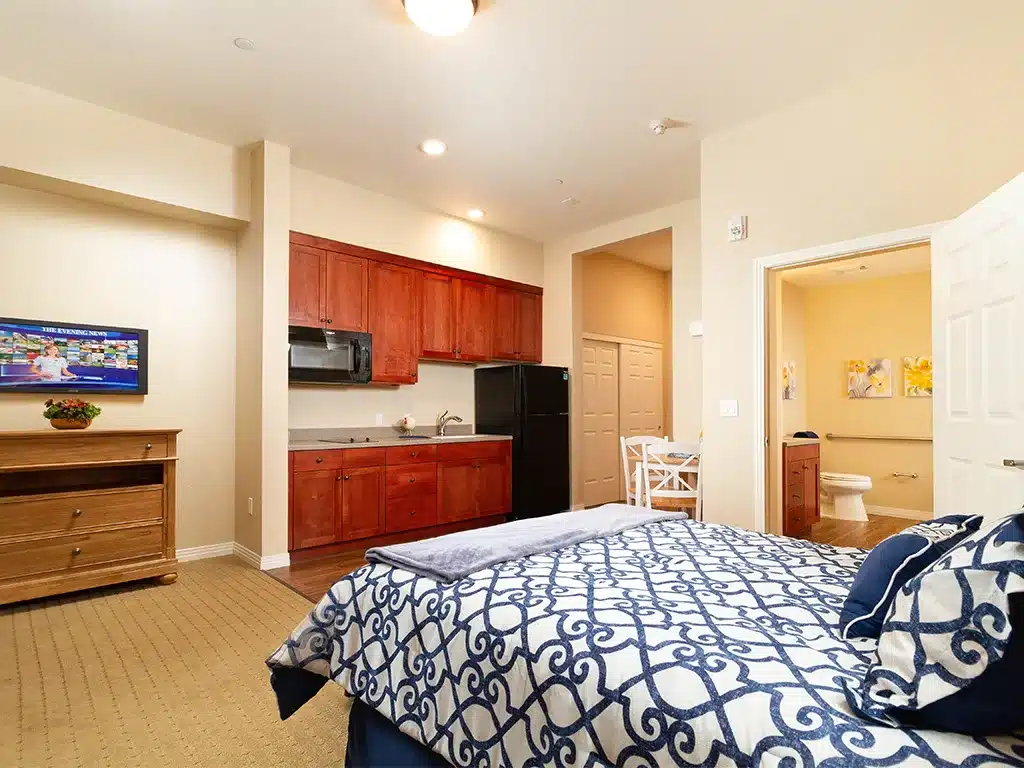
An assisted living apartment at Westmont of Chico is a cozy, supportive space where you can enjoy independence while receiving personalized care.

With 24/7 caregivers, you’ll know that help is always available.

You’ll find a welcoming community with social activities to keep you engaged.

Safety features guarantee your well-being, allowing you to live comfortably.

If you want to know more about costs and options, there’s plenty more to explore at Westmont of Chico!

Assisted Living Apartment: A Comfortable and Supportive Living Option

When considering the shift to an assisted living apartment, you’ll find a comfortable and supportive environment designed to enhance your quality of life. These spaces cater to your needs while promoting independence, allowing you to enjoy a fulfilling lifestyle. With 24/7 caregivers available, you’ll have peace of mind knowing assistance is just a call away. The community fosters social engagement through various activities and events, helping you build connections and friendships. Safety features, like wheelchair access and emergency systems, guarantee you feel secure in your new home. By choosing assisted living, you’re opting for a place where your well-being is prioritized, allowing you to thrive in a nurturing environment that respects your individuality and autonomy. Additionally, personalized care plans ensure that your specific health and wellness needs are met, enhancing your overall experience in assisted living.

Assisted Living Apartment Cost

Assisted Living Apartment Cost

Choosing an assisted living apartment is a significant decision; understanding the associated costs can help you plan effectively. Here are some key points to evaluate:

  1. Base Fees: Most facilities have a base fee that includes rent, utilities, meals, and housekeeping.
  2. Personal Care: Additional costs for medication management or personal assistance may arise.
  3. Location Matters: Prices can vary widely based on the location and size of the apartment.
  4. Payment Options: Some facilities offer all-inclusive pricing, while others charge based on specific services. Additionally, exploring government assistance programs can provide valuable financial support for those in need.

What Determines the Cost of an Assisted Living Apartment?

Several factors determine the cost of an assisted living apartment, making it essential to understand what influences pricing. Location plays a significant role; urban areas typically have higher costs than rural settings. The size and type of apartment also affect the price—larger units or those with extra amenities may come with a premium. Additionally, the level of care your loved one requires can increase expenses, as personalized services often incur additional fees. It’s essential to evaluate what services are included in the base price, such as meals and housekeeping. Finally, some facilities offer all-inclusive packages, while others charge separately for specific services. Understanding these factors helps you make informed decisions for your loved one’s care and comfort. Moreover, reviewing potential fee increases can provide insights into future budget management.

Average Monthly Costs Across Different States

Understanding the average monthly costs of assisted living apartments across different states can significantly impact your decision-making process. These costs can vary considerably, so evaluating your options carefully is crucial. Here are some insights to guide you:

  1. Northeast States: Expect higher costs, averaging around $4,500 to $6,000.
  2. Southeast States: More affordable options range from $3,000 to $4,500.
  3. Midwest States: Average monthly costs fall between $3,500 and $4,500.
  4. West Coast States: Be prepared for higher prices, typically $5,000 to $7,000. Additionally, it’s essential to consider that hidden fees may significantly impact these facilities’ overall cost of living.

assisted living apartment

Can You Buy an Assisted Living Apartment?

When considering the average monthly costs of assisted living apartments, you might wonder if purchasing one is viable. Assisted living apartments are typically rented rather than sold because they’re part of a broader care community. However, some facilities may offer ownership opportunities. Here’s a quick overview:

Option Description
Ownership Limited; check specific communities
Long-term Lease Most common arrangement
Shared Ownership Sometimes available in co-ops
Buy-in Programs Rare, often with care fees
Resale Options Varies by Community

Understanding your options helps guarantee you find the right fit for your needs or those of your loved ones. Always research specific communities for the best information.

Ownership vs. Renting in Assisted Living Communities

While ownership and renting in assisted living communities offer unique advantages, choosing the right option for you or your loved one can significantly impact comfort and financial stability. Here are some points to evaluate:

  1. Ownership can provide a sense of permanence and investment in your space, allowing you to personalize it.
  2. Renting often allows for more flexibility, making relocating more effortless if necessary changes occur.
  3. Financial implications vary, with ownership usually requiring a more significant upfront cost, while renting may offer lower initial expenses.
  4. Maintenance responsibilities differ, as ownership typically involves more upkeep, whereas renting often includes maintenance services.

Ultimately, consider these factors to find the best fit for your lifestyle and needs, ensuring a comfortable and supportive living environment.

In the grand tapestry of life, choosing an assisted living apartment at Westmont of Chico can be the golden thread that weaves comfort and care into your daily routine. Imagine waking up daily in a vibrant community where support is just a heartbeat away, and your independence is celebrated like a festival! With countless activities at your fingertips and compassionate caregivers ready to lend a hand, you or your loved one can thrive in a nurturing environment that feels like home. For more information, please call us at 530-767-3886.


Compare The Costs of Senior Living vs Staying at Home

How Do The Costs Of Moving Into A Quality Senior Care Community Compare With The Costs Of Staying At Home?


Frequently Asked Questions

How is most assisted living care usually paid for?

Most assisted living care is paid for through private funds, including personal savings, pensions, and retirement income. Some residents use long-term care insurance to help cover costs, while others may qualify for Medicaid assistance, depending on their state’s program and eligibility requirements. Veterans and their spouses might receive aid through VA benefits, such as the Aid and Attendance program. While Medicare generally does not cover assisted living costs, it may help with certain medical services provided within the community.

When should a person go into assisted living?

People should consider assisted living when they need help with daily activities such as bathing, dressing, medication management, or mobility. Other signs include increasing forgetfulness, frequent falls, or difficulty managing household tasks. Social isolation and loneliness can also be indicators that a supportive community environment would be beneficial. Families often decide on assisted living when safety and quality of life become concerns that can no longer be managed at home.

Can you buy an apartment in an assisted living facility?

Most assisted living communities do not offer units for purchase; instead, they operate on a rental model with monthly fees covering housing, meals, and care services. The rental structure allows flexibility for residents as their needs change over time. Some high-end or continuing care retirement communities (CCRCs) may require an upfront entrance fee, but this does not typically grant ownership of an apartment. It’s best to check with individual communities about their payment models and long-term care options.


Assisted Living Chico: Finding Comfort and Care for Seniors

Assisted Living Chico: Finding Comfort and Care for Seniors

If you’re searching for assisted living in Chico, Westmont of Chico offers a warm, caring environment that prioritizes comfort and well-being.

With dedicated staff providing personalized support, you or your loved one can enjoy independence and engaging activities like arts and crafts and fitness classes.

The inviting common areas and cozy private rooms create a sense of belonging.

There’s much more to explore about what makes Westmont of Chico an excellent choice for seniors seeking care.

Assisted Living Chico – A Warm and Caring Place to Call Home

When considering a place that feels like home, Assisted Living Chico stands out as a warm and caring environment designed just for you. Here, you’ll find a community that prioritizes your comfort and well-being. The dedicated staff is trained to provide personalized support, ensuring your daily needs are met while encouraging independence.

You’ll enjoy engaging in activities that foster social connections and stimulate your mind. Whether it’s group outings, arts and crafts, or fitness classes, there’s something to suit every interest. Plus, the inviting common areas and cozy private rooms create an atmosphere of belonging. Assisted Living Chico isn’t just a facility; it’s a community that embraces you, making every moment feel meaningful and cherished. Additionally, you can benefit from health and wellness programs tailored to enhance your overall well-being.

Memory Care Chico, CA – Compassionate Support for Your Loved Ones

For families seeking specialized care for loved ones facing memory challenges, Memory Care Chico, CA, offers a compassionate and supportive environment tailored to their unique needs. Here, trained professionals understand the complexities of memory loss and provide personalized assistance to guarantee your loved one feels safe and valued. They create meaningful connections through engaging activities, enhancing cognitive function and emotional well-being. You’ll find that the staff is dedicated to fostering a sense of belonging, allowing residents to thrive in a nurturing atmosphere. By choosing Memory Care Chico, you’re not just providing care; you’re assuring your loved one experiences dignity, respect, and compassion every day. This choice can bring peace of mind to your family during a challenging time. Additionally, personalized care plans ensure that each resident’s preferences and needs are consistently addressed, allowing for a truly tailored experience.

How Memory Care in Chico, CA Meets Unique Needs

Understanding the unique needs of individuals with memory challenges is essential for their well-being, and Memory Care in Chico, CA, excels in providing tailored support. Here, you’ll find a compassionate environment where the staff truly understands the complexities of Alzheimer’s and dementia. They prioritize personalized care plans that adapt to each resident’s changing needs, ensuring comfort and security. Engaging activities stimulate cognitive function while fostering social connections, helping residents maintain a sense of purpose. With round-the-clock supervision, families can have peace of mind knowing their loved ones are safe and cared for. Ultimately, Memory Care in Chico honors the dignity of each individual, providing a nurturing space for growth and connection. Additionally, the structured environment promotes emotional well-being, contributing to a more fulfilling life for residents.

assisted living chico

55 Plus Communities in Chico, CA – Vibrant Living for Active Adults

Discovering vibrant communities in Chico, CA, can transform how active adults experience their golden years. These Plus Communities offer a rich tapestry of activities and social opportunities to keep you engaged and fulfilled. You’ll find diverse clubs, fitness classes, and cultural events that cater to your interests, fostering friendships while promoting a healthy lifestyle. Living in these communities means being surrounded by like-minded individuals who share your passion for life. You can enjoy peace of mind knowing support is readily available should you need it. Plus, Communities prioritize your comfort and independence, ensuring you thrive in an environment that values your contributions and experiences. Embrace this exciting chapter of life where connection and liveliness intertwine! Social connection promotes overall well-being, enhancing your knowledge in these vibrant communities.

The Benefits of 55+ Communities

While you may be considering your options for vibrant living, 55+ communities offer a unique blend of benefits that cater to your lifestyle and needs. These communities foster a strong sense of belonging, allowing you to connect with like-minded individuals who share your interests and values. You’ll enjoy various social activities, from fitness classes to book clubs, ensuring an active and fulfilling life.

Safety and convenience are also paramount, with many communities providing maintenance-free living, allowing you to focus on what truly matters. Plus, the support services available can help ease your mind, knowing assistance is nearby if needed. Embracing this lifestyle enhances your well-being and allows you to thrive in a nurturing environment designed just for you.

Senior Living Chico – A Lifestyle of Comfort and Care

As you explore senior living options in Chico, you’ll find a welcoming atmosphere prioritizing comfort and care. Senior living communities here are designed to enhance your quality of life, offering personalized support tailored to your unique needs. Enjoy a vibrant lifestyle with engaging activities, social connections, and growth opportunities.

The compassionate staff ensures you feel safe and valued, assisting with daily tasks while respecting your independence. Here, you can savor delicious meals, participate in wellness programs, and build friendships that enrich your days. Choosing senior living in Chico means embracing a lifestyle filled with support, companionship, and peace of mind from knowing you’re in good hands.

Exploring Senior Living Options in Chico

Have you considered what makes a senior living community truly feel like home? In Chico, various options are tailored to meet diverse needs and preferences. From independent living to assisted living, each community offers unique amenities and personalized care. You want your loved one to thrive, and choosing the right environment can make all the difference. Look for communities emphasizing social engagement, wellness programs, and a nurturing atmosphere. Visiting facilities can help you gauge their warmth and responsiveness. Remember, it’s about finding a place that provides care and fosters connections and joy. With the right choice, your loved one can enjoy comfort, security, and a vibrant lifestyle in their golden years.

In the heart of Chico, a vibrant tapestry of care and community awaits you or your loved ones at Westmont of Chico. Whether it’s the nurturing embrace of assisted living, the specialized support of memory care, or the spirited lifestyle of 55+ communities, there’s a perfect fit for every senior. Embrace this new chapter, where comfort and companionship intertwine, creating a sanctuary that feels like home. Remember, you don’t have to navigate this journey alone—there’s a warm community ready to welcome you. For more information, call us at 530-767-3886.


What Level of Care Do You Need?

Discover the level of care you or your family member requires. 


Frequently Asked Questions About Assisted Living

How do you pay for assisted living when you have no money?

If you have limited financial resources, several options exist to help pay for assisted living. Depending on your state’s program, many individuals qualify for Medicaid, which may cover some or all costs. Veterans and their spouses might also be eligible for Aid and Attendance benefits through the VA. Nonprofit organizations and local programs can sometimes offer seniors financial assistance or subsidized housing. Additionally, you could explore options like selling assets, long-term care insurance, or family contributions to help cover the costs.

How is most assisted living care usually paid for?

Residents and their families pay for Most assisted living care privately using personal savings, retirement funds, or proceeds from selling assets like a home. Long-term care insurance can also help cover costs, provided the policy includes assisted living benefits. Some states offer Medicaid programs that cover assisted living expenses for eligible individuals. Other options include Veterans Affairs benefits for veterans and their spouses and life insurance policies that allow accelerated benefits or cash value withdrawals.

What is the average cost of assisted living in California?

The average cost of assisted living in California is approximately $5,000 per month, though this can vary based on location, amenities, and care needs. Urban areas like Los Angeles or San Francisco tend to have higher costs, while smaller towns or rural regions are typically more affordable. Additional fees for specialized services, such as memory care or advanced personal assistance, may apply. Researching different communities and options is essential to find one that fits your budget and care requirements.

Is it cheaper to live in assisted living or a nursing home?

Assisted living is generally less expensive than a nursing home because it provides a lower level of care. The national average for assisted living is around $4,500 per month, while nursing homes can cost $7,000–$10,000 or more per month, depending on the room type and location. Nursing homes are designed for individuals who need 24/7 medical care and supervision, contributing to the higher cost. If your care needs are moderate, assisted living may be a more cost-effective option.


How to Find Ideal Places for Elderly Loved Ones to Thrive

How to Find Ideal Places for Elderly Loved Ones to Thrive

Finding the right place for your elderly loved ones is essential for their happiness and well-being. At Westmont of Chico, we understand the importance of this decision.

Start by evaluating their needs, whether independent living, assisted care, or skilled nursing. Explore community centers for social engagement and consider affordable housing options.

Look into locations known for good healthcare and a supportive environment, like Westmont of Chico, where we prioritize care and community.

Remember, the proper choice balances autonomy and assistance. There’s much more to explore about ideal living arrangements that can enhance their quality of life at Westmont of Chico.

Places for Elderly: Discover Ideal Living Options for Seniors

When considering living options for your elderly loved ones, it’s essential to prioritize their comfort and well-being. Start by exploring independent living communities, which balance privacy and social engagement. These places often include amenities like meal services and recreational activities, fostering a sense of community. Assisted living facilities can also be a great choice, supporting daily tasks while maintaining independence. For those needing more specialized care, skilled nursing facilities can guarantee medical needs are met around the clock. Don’t forget about in-home care options, allowing seniors to stay in familiar surroundings while receiving necessary support. Continuous nursing care ensures peace of mind for families, and evaluating each option based on your loved one’s needs and preferences will lead to a more fulfilling living arrangement.

Living Options for the Elderly with No Money

Finding affordable living options for elderly loved ones can be challenging, especially if financial resources are limited. However, there are several avenues you can explore to guarantee they thrive:

  1. Family Support: Consider creating a multi-generational living arrangement where elderly family members can stay with relatives.
  2. Shared Housing: Look for senior co-housing arrangements, allowing individuals to share expenses and companionship.
  3. Local Nonprofits: Reach out to local charities or nonprofit organizations that may offer assistance or housing options for seniors in need.
  4. Government Programs: Investigate government-funded programs that provide resources and housing for low-income elderly individuals. Additionally, exploring government assistance programs can provide crucial financial support for those who qualify.

Affordable Housing Programs for Seniors

Although steering through affordable housing programs for seniors can feel overwhelming, understanding the options available can make the process manageable. Start by researching federal programs like Section 202, which offers rental assistance for low-income seniors. Many states also have local initiatives designed to support elderly residents. Assessing your loved one’s needs and financial situation is essential, as some programs may require income verification or other documentation. Contact local non-profits and senior centers, who often provide valuable resources and guidance.

Additionally, watch for housing developments specifically designed for seniors, which can offer both affordability and community support. Your commitment to finding the right housing solution can enhance their quality of life. Furthermore, exploring personalized care plans can help ensure your loved one’s needs are met within their new living environment.

places for elderly

Best Places for Elderly to Live in the United States

As you explore the best places for seniors to live in the United States, consider factors like climate, healthcare access, and social activities that can significantly enhance their well-being. Here are four top locations that cater to these needs:

  1. Sarasota, Florida – Known for its warm climate and vibrant arts scene, it also offers excellent healthcare facilities.
  2. Portland, Oregon – This city boasts beautiful parks and a strong community focus, perfect for social engagement.
  3. Austin, Texas – With its live music culture and diverse activities, Austin encourages an active lifestyle.
  4. Charleston, South Carolina – Rich in history and charm, it provides a welcoming atmosphere and quality healthcare options.

Choosing the right place can foster a fulfilling and enjoyable life for your loved ones, especially in communities emphasizing social connection and engagement opportunities.

Independent Living Options for Seniors

How can you guarantee your elderly loved ones maintain their independence while enjoying a supportive environment? Independent living options are designed to empower seniors, allowing them to manage their daily lives while having access to essential services. Look for places that offer assistance with chores, meal preparation, and transportation, allowing your loved ones to engage in social activities and maintain their routines.

Consider community centers that promote interaction and wellness through classes and events. Finding a setting that balances autonomy and support is vital, ensuring your loved ones feel secure yet free. By prioritizing their needs and preferences, you’ll help them thrive in an environment that respects their independence while fostering a sense of belonging.

Senior Apartments and Retirement Communities

Many seniors find that senior apartments and retirement communities offer a perfect blend of independence and community support. These living arrangements create an environment where your loved ones can thrive. Here are four key benefits to evaluate:

  1. Social Interaction: Opportunities for friendships help combat loneliness.
  2. Maintenance-Free Living: Housing staff handles repairs and upkeep, allowing residents to focus on enjoying life.
  3. Access to Care Services: Many communities provide on-site health services for added peace of mind.
  4. Amenities: Fitness centers, libraries, and social events cater to varied interests, encouraging an active lifestyle.

Finding the right place for your elderly loved ones is like planting a seed in fertile soil; they can blossom and thrive in the right environment. Westmont of Chico offers various options, including affordable housing, independent living, and a supportive community. The choices are vast, so focusing on their needs and preferences is essential, ensuring they feel secure and engaged. By exploring these options with us, you’re not just providing a home—nurturing their well-being and happiness in their golden years. For more information, please call us at 530-767-3886.


Compare The Costs of Senior Living vs Staying at Home

How Do The Costs Of Moving Into A Quality Senior Care Community Compare With The Costs Of Staying At Home?


Frequently asked questions

Where to go with the elderly?

When planning outings with the elderly, consider places that are accessible, safe, and enjoyable for their interests and mobility level. Parks with walking paths, museums, botanical gardens, and community centers are great options for a relaxing day out. If mobility is limited, indoor activities like movie theaters or senior-friendly cafes can be enjoyable. The key is to choose a destination that accommodates their physical needs while offering opportunities for engagement and enjoyment.

Which is a housing option for older persons who cannot care for themselves?

Assisted living communities are a popular housing option for older adults who need help with daily activities like bathing, dressing, or medication management. These communities provide a supportive environment with trained staff, meal services, housekeeping, and social activities while maintaining some level of independence for residents. Nursing homes may better fit those with more complex medical needs, offering round-the-clock medical care. Memory care communities are also available for individuals with Alzheimer’s or dementia, providing specialized support and safety.

Where is the best place for 70-year-olds to live?

The best place for 70-year-olds to live depends on their lifestyle, health, and preferences. Many older adults choose active senior living communities, offering amenities like fitness centers, social clubs, and maintenance-free housing. Others may prefer to age in place, staying in their homes with modifications for safety and convenience. Warmer climates or areas with good healthcare services and senior-friendly infrastructure are also appealing options for this age group.

Where is the best place for old people to visit?

The best places for older adults are destinations that prioritize accessibility and offer enjoyable experiences without strenuous physical demands. Scenic locations like national parks with accessible trails, beach resorts, or river cruises provide relaxing environments. Historical landmarks, cultural attractions, and guided tours balance education and leisure. Look for destinations with amenities designed for seniors, such as easy transportation, nearby healthcare, and senior discounts.


What Is a Life Plan Community? Everything You Need to Know

What Is a Life Plan Community? Everything You Need to Know

A Life Plan Community (LPC) at Westmont of Chico is a residential option tailored for older adults, offering a blend of independence and care.

With maintenance-free living and various housing arrangements, you can enjoy a vibrant lifestyle without the hassles of upkeep.

LPCs foster social connections and lifelong learning while allowing seamless changes to higher levels of care as your needs change.

If you’re curious about the costs and benefits of LPCs, there’s much more to explore at Westmont of Chico.

What Is a Life Plan Community? Everything You Need to Know

A Life Plan Community (LPC) is a unique residential option designed to provide older adults with a seamless living experience that prioritizes independence and care. In an LPC, you’ll find various living arrangements, allowing you to enjoy maintenance-free living while focusing on wellness and personal growth. These communities foster connections, helping to reduce isolation through social activities and lifelong learning opportunities. Significantly, if your health needs change, you can shift to higher levels of care right on the same campus, ensuring continuity. Nonprofit LPCs also offer peace of mind by guaranteeing your residency, even if financial resources diminish. This holistic approach makes LPCs an empowering choice for you and your loved ones. Additionally, residents benefit from access to amenities that enhance quality of life and promote overall well-being.

Life Plan Communities: Pros and Cons to Consider

Choosing to move into a Life Plan Community (LPC) comes with a blend of benefits and challenges that deserve careful evaluation. LPCs offer a supportive environment with access to diverse care levels, promoting peace of mind as health needs change. You’ll enjoy maintenance-free living and opportunities for social engagement, enhancing your overall well-being. Additionally, 24/7 support from trained staff ensures that residents receive assistance whenever needed, further contributing to a sense of security. However, it’s essential to weigh potential downsides, such as the cost of entry and ongoing fees, which can be significant. Additionally, adjusting to community life may take time as you navigate new relationships and routines. Weighing these pros and cons will help you make an informed decision that aligns with your values and care preferences.

life plan community

Understanding Life Plan Community Costs

Understanding the costs involved is vital for making informed decisions. Entrance fees vary considerably, depending on the community and services offered, while monthly fees typically cover maintenance, utilities, and security. You’ll encounter different contract options tailored to your financial situation. Type A Contracts offer predictable monthly fees for all care levels, while Modified Life Care Contracts and Fee-for-Service Contracts adjust based on care needs. Rental-only contracts focus solely on residential expenses. Discussing these fee structures and potential future costs with community representatives is essential. This open dialogue can provide both emotional and financial reassurance as you plan for a fulfilling life in an LPC. Additionally, being aware of available financial assistance options can significantly ease the burden of these costs.

Life Plan Community vs. CCRC: Key Differences Explained

While both Life Plan Communities (LPCs) and Continuing Care Retirement Communities (CCRCs) aim to provide a thorough living experience for older adults, there are key distinctions that can significantly impact your decision. LPCs offer a seamless shift between independent living and various levels of care, all on one campus, emphasizing wellness and social engagement. CCRCs, on the other hand, often have more rigid care structures and may not provide the same level of community-focused amenities. Additionally, LPCs, especially non-profit ones, guarantee residency even if financial resources are exhausted, offering peace of mind. Understanding these differences can help you choose a community that aligns with your values and future needs, securing a supportive environment for yourself or those you serve. The emphasis on holistic wellness in LPCs further distinguishes them, promoting a proactive approach to health and well-being.

Are Life Plan Communities Worth It? Factors to Evaluate

Are Life Plan Communities genuinely worth the investment? To evaluate, consider your current and future care needs. These communities offer peace of mind with on-site services, ensuring you won’t need to move as your health changes. Think about the financial aspects, including entrance and monthly fees, which often cover a range of amenities and services. Reflect on the lifestyle benefits, such as maintenance-free living, social opportunities, and wellness programs that promote a fulfilling life. Additionally, assess how the community’s culture aligns with your values and preferences. Investing in a Life Plan Community can provide security and connection, benefiting you and your loved ones as you navigate this important chapter of life.

In conclusion, Life Plan Communities, such as Westmont of Chico, offer a unique blend of independence and support tailored to your evolving needs. Did you know that nearly 90% of residents report increased happiness and social engagement after moving to an LPC? This statistic underscores these communities’ value in enhancing your quality of life. As you consider this important decision, remember that Westmont of Chico can be a fulfilling, secure option for your future, allowing you to thrive in a vibrant environment. For more information, feel free to reach out to us at 530-767-3886.


Find Where You Belong

Dive into the vibrant life our Westmont communities have to offer.


Frequently asked questions

What is the definition of a life-plan community?

A life plan community, also known as a Continuing Care Retirement Community (CCRC), is a residential option for older adults that provides a continuum of care. It typically includes Independent Living, Assisted Living, Memory Care, and Skilled Nursing on one campus. This setup allows residents to transition between care levels as their needs change without relocating. Life plan communities promote an active, vibrant lifestyle while offering peace of mind for future healthcare needs.

What is the downside of a CCRC?

The primary downside of a Continuing Care Retirement Community (CCRC) is the high upfront cost and ongoing monthly fees, which can be expensive. Additionally, committing to a CCRC requires careful financial planning, as residents may feel restricted by long-term contracts. Some individuals may also find it challenging to adapt to community living or the regulations and rules of the facility. Lastly, CCRCs vary in quality, so choosing the wrong one could lead to dissatisfaction with care and services.

What happens if you run out of money in a CCRC?

Suppose a resident runs out of money in a CCRC. In that case, many communities have policies to support them as long as the financial shortfall is unforeseen and not due to mismanagement. Some CCRCs have benevolent funds or financial assistance programs to help residents who experience economic hardship. However, this policy varies by community, and clarifying this during the contract review process is essential. Planning and understanding the financial terms can help prevent this situation.

Is a life plan community the same as a CCRC?

A life plan community is essentially the same as a Continuing Care Retirement Community (CCRC). The term “life plan community” is a modern rebranding that emphasizes these communities’ proactive, wellness-focused lifestyle rather than solely focusing on healthcare. Both terms refer to residential settings that provide a continuum of care, allowing residents to age in place while receiving the services they need. The shift in terminology reflects a more holistic approach to senior living.


How Can Active Adults Maintain a Balanced and Fun Lifestyle?

How Active Adults Can Maintain a Balanced and Fun Lifestyle

As an active adult, you know that balancing fun and responsibility is key to a fulfilling lifestyle. At Westmont of Chico, we understand that you might find joy in community events or trying out new fitness classes, but how do you guarantee these activities truly enhance your well-being? Exploring hobbies, connecting with like-minded individuals, and setting aside time for relaxation can make a significant difference. However, there’s more to it than just keeping busy. What strategies can you adopt to stay active and cultivate a deeper sense of satisfaction in your daily life?

Active adults

Active adults are redefining what it means to enjoy life after 55, embracing a lifestyle filled with opportunities for social engagement, fitness, and personal growth.

You’re not just aging; you’re thriving, creating a rich tapestry of experiences that inspire you and those around you. Engaging in community activities, whether it’s group fitness classes or volunteering, fosters connections that enhance your well-being.

You’ve likely noticed that many active adults seek vibrant communities that offer more than just a place to live. These environments encourage you to pursue hobbies, meet like-minded individuals, and challenge yourself physically and mentally.

Imagine starting your day with a morning yoga class and a community potluck where you share your favorite recipes and stories with friends. This lifestyle promotes social connection, which is essential for overall well-being.

active adults

What is an active adult community?

Imagine living in a community designed specifically for your lifestyle after 55, focusing on independence and social interaction.

Active adult communities satisfy your desire for a vibrant, engaging environment, allowing you to thrive alongside like-minded peers. Here, you’ll find various housing options, from cozy condos to spacious single-family homes, all designed for low-maintenance living.

These communities often feature resort-style amenities, such as clubhouses, fitness centers, and recreational spaces, encouraging you to pursue hobbies and stay active.

Regular social events and fitness programs foster connections, helping you build meaningful relationships while promoting health and wellness.

You’ll enjoy the freedom to explore your interests without the burden of upkeep responsibilities.

With proximity to shopping, dining, and cultural attractions, your community becomes a hub for both adventure and relaxation.

Choosing an active adult community means embracing a lifestyle prioritizing companionship, fun, and personal growth. Personalized care plans ensure that those needing assistance can also thrive in such environments.

It’s a chance to serve others and engage in community initiatives, ensuring that your golden years are filled with purpose and joy.

Active adult vs independent living

When comparing active adult communities and independent living options, it’s essential to recognize that both cater to the needs of older adults seeking a fulfilling lifestyle.

However, the two differ in focus and offerings. Active adult communities emphasize social engagement and an active lifestyle, providing a vibrant atmosphere where you can participate in fitness programs, hobbies, and community events with peers who share your interests. You’ll often find resort-style amenities that encourage a balanced and enjoyable life. Additionally, many active adult communities, such as Carmel Valley’s newest senior living community, feature modern and luxurious amenities that enhance residents’ quality of life.

On the other hand, independent living primarily focuses on providing a maintenance-free environment. While it still offers social opportunities, it may not have the same level of engagement and activity as an active adult community. Instead, you’ll likely enjoy a quieter lifestyle with essential services, making it suitable for those who prefer less social stimulation.

Ultimately, the choice between active adult living and independent living depends on your lifestyle preferences and needs.

In your journey as an active adult at Westmont of Chico, you’re not just living; you’re thriving. Picture yourself surrounded by vibrant peers, exploring new hobbies, and embracing every moment. With each community event and fitness class, you’re crafting a life full of joy and connection. But what if you could take it further? Imagine the possibilities that await beyond your current routine. Embrace the adventure, and you might just discover a whole new world of fun and fulfillment you never knew existed! For more information, call us at 530-767-3886.


Compare The Costs of Senior Living vs Staying at Home

How Do The Costs Of Moving Into A Quality Senior Care Community Compare With The Costs Of Staying At Home?


Frequently asked questions

What does it mean to be an active adult?

An active adult is typically someone aged 55 or older who leads an independent and engaging lifestyle. They often prioritize physical activity, social interactions, and pursuing hobbies or travel to stay mentally and physically fit.

What does active adult living mean?

Active adult living is a lifestyle that promotes independence, community engagement, and wellness for older adults. It often involves living in age-restricted communities offering amenities like fitness centers, social events, and maintenance-free living to support an active and vibrant lifestyle.


Types of Senior Living: Which Is Best for Your Loved One?

Types of Senior Living: Which Is Best for Your Family?

When choosing the right type of senior living for your family, it’s essential to evaluate various options tailored to different needs. At Westmont of Chico, you might find that independent living offers the community vibe your loved one craves, while assisted living provides the necessary support. On the other hand, memory care and nursing homes cater to those requiring specialized attention. Understanding these choices can feel overwhelming, but getting a clearer picture of your family’s situation could make all the difference. So, what factors should you assess to make the best decision?

Types of Senior Living

When exploring the various types of senior living options, you’ll find five primary categories designed to meet different needs and preferences: independent living, assisted living, memory care, nursing homes, and continuing care retirement communities (CCRCs).

Each option offers unique benefits, ensuring seniors find a community suited to their lifestyle and care requirements.

Independent living is perfect for those who want to maintain independence while enjoying a supportive environment. It provides a maintenance-free lifestyle with social and recreational activities. Social connection is a significant benefit of independent living, as it promotes overall well-being and reduces feelings of loneliness among residents.

Assisted living caters to seniors who need help with daily tasks, allowing them to retain their privacy while accessing necessary support.

Memory care facilities specialize in providing safety and cognitive assistance for individuals facing memory challenges.

Nursing homes offer extensive medical care for seniors with significant health issues, ensuring they receive the needed attention.

Finally, CCRCs allow for a seamless shift between different levels of care as health needs change, all within the same community.

Types of Care for Seniors

In traversing the landscape of senior care, understanding the different types of care available is fundamental for guaranteeing that you or your loved ones receive the proper support tailored to individual needs.

Independent living is ideal for self-sufficient seniors who want to enjoy a maintenance-free lifestyle within a vibrant community.

If assistance with daily activities is necessary, assisted living offers a supportive environment without needing full-time medical care.

For those facing memory challenges, specialized memory care focuses on safety and cognitive support, catering to individuals with dementia or Alzheimer’s.

Nursing homes provide extensive medical care and assistance with daily living, perfect for seniors with significant health challenges or those recovering from surgery.

Finally, continuing care retirement communities (CCRC) combine various levels of care, allowing residents to adapt as their needs change.

Choosing the right type of care is vital. Personalized care services are often crucial in ensuring residents receive tailored support that aligns with their unique needs.

Consider the level of independence, the need for social interaction, and any medical requirements.

How to Find Senior Living Options

Finding the right senior living options can feel overwhelming, but you don’t have to navigate this journey alone. Start by evaluating your loved one’s needs, considering their health, mobility, and social preferences. This analysis will help you determine which type of community—like independent living, assisted living, or memory care—best suits their lifestyle.

Next, visit multiple communities to gather firsthand experiences. During these visits, take note of the atmosphere, amenities, and staff interactions. This will give you a clearer picture of what each community offers and how it aligns with your loved one’s preferences.

Don’t forget to review each facility’s services, including any medical care, activities, and dining options. Understanding the pricing structures is essential, too; ask about hidden fees to avoid any financial surprises later. Additionally, consider looking for affordable senior living residences that offer personalized care plans and socialization activities.

Lastly, reading reviews and testimonials from current residents and their families can shed light on the overall satisfaction within each community.

Choosing the right senior living option is essential for your loved one’s well-being. Imagine your active parent, Jane, thriving in an independent living community at Westmont of Chico, making new friends and participating in activities while you enjoy peace of mind knowing she’s safe and engaged. Assess her needs and preferences and explore various options together. Doing so guarantees her the support she deserves, allowing her to live her best life in a nurturing environment. For more information, feel free to call us at 530-767-3886.


What Level of Care Do You Need?

Discover the level of care you or your family member requires. 


FAQs About Senior Living

What is the cheapest way for a senior to live?

The cheapest way for a senior to live is often to remain in their own home while accessing local community resources, such as meal delivery programs or in-home care services. Shared housing with family members or roommates can also significantly reduce living expenses.

What is the most common living arrangement for older adults?

Older adults’ most common living arrangement is aging in place, where they continue living in their own homes with necessary modifications or assistance. For those who need more support, options like independent living communities or moving in with family are also prevalent.

What are the levels of senior living?

Senior living typically includes three levels: Independent Living for active seniors, Assisted Living for those who need help with daily activities, and Memory Care for individuals with cognitive impairments like dementia. Some communities also offer skilled nursing care for medical needs or Continuing Care Retirement Communities (CCRCs) that provide a combination of all levels.

What is the best type of home for seniors?

The best type of home for seniors depends on their needs, preferences, and health status. Single-story homes or independent living communities are ideal for active and independent seniors, while those requiring assistance may benefit more from assisted living or memory care facilities.


Activities for Memory Care Patients: Boosting Mood & Cognition

Isn’t it fascinating how a simple activity can reveal hidden memories and brighten a day? At Westmont of Chico, we understand that the diverse needs of memory care patients require thoughtfully chosen activities to enhance their mood and cognition greatly. From engaging music therapy to the soothing effects of gardening, every option offers unique benefits. However, the challenge lies in tailoring these activities to individual preferences. What strategies can Westmont of Chico implement to create a more enriching environment that genuinely resonates with each patient’s experiences?

Activities for memory care patients

When caring for individuals with memory challenges, engaging them in meaningful activities is essential for enhancing their quality of life. Personalizing activities can greatly improve their experience. Consider incorporating family involvement to create a tailored activity plan that resonates with their unique interests and histories. This personalization not only fosters connection but also enriches the emotional experience.

Research shows that therapeutic activities can stimulate cognitive function and enhance communication skills while promoting a sense of self-worth. For instance, simple tasks like reminiscing over photo albums or listening to familiar music can evoke cherished memories and spark conversations. Activities like light gardening or cooking can provide sensory stimulation and a sense of accomplishment. Engaging in meaningful activities is key to enhancing the quality of life for memory care residents.

It’s essential to maintain flexibility and adapt activities based on mood and ability. Regular assessments guarantee that the chosen activities continue to meet evolving needs. Safety should always be a priority when introducing new activities.

Group activities for memory care patients

How can group activities transform the lives of memory care patients? Engaging in group activities fosters socialization, essential for combatting feelings of isolation and anxiety. When you participate together, you create a supportive environment that encourages communication and connection. This shared experience can enhance self-worth and promote positive attitudes among residents.

Research shows that group activities, like game nights or cooking classes, stimulate cognitive function and evoke cherished memories. They offer an opportunity to reminisce, sparking conversations that strengthen relationships with peers and caregivers. Activities like art projects or music sessions stimulate creativity and provide a therapeutic outlet, reducing common dementia symptoms. Additionally, these activities can lead to improved mental well-being, promoting a sense of community and support among participants.

Furthermore, group settings encourage teamwork and collaboration, making everyone feel included and valued. Whether sharing stories during reminiscence therapy or gardening, these activities promote a sense of belonging.

activities for memory care patients

Activities for dementia patients

Engaging in activities specifically designed for dementia patients can significantly enhance their quality of life. Tailoring activities to individual preferences and abilities is essential, fostering a sense of accomplishment and joy. Simple tasks like sorting objects, gardening, or cooking can stimulate cognitive engagement and promote social interaction.

Social activities, such as game nights or reminiscence sessions, combat feelings of isolation and anxiety. These gatherings create opportunities for meaningful connections, helping to boost self-worth and reduce depression. Music therapy, which includes sing-alongs and listening to familiar tunes, is particularly effective in evoking cherished memories and lifting spirits.

Incorporating physical activities, like chair yoga or nature walks, also benefits brain health and encourages mobility. Additionally, using technology, such as virtual reality experiences or video calls with family, can provide immersive engagement that keeps residents connected and active. Respite care services offer professional care assurance to enhance the overall experience for both patients and caregivers.

Ultimately, the key is maintaining flexibility and adapting activities based on mood and ability. By carefully selecting and personalizing these experiences, you can considerably improve the overall well-being of dementia patients, making each moment more fulfilling and enriching.

Incorporating engaging experiences into memory care at Westmont of Chico nurtures nostalgia and fosters connections. Whether through music, movement, or meaningful moments shared in group settings, these activities can significantly spark smiles and stimulate the senses. Embracing technology further bridges gaps, fostering feelings of familiarity and friendship. Remember, every small step contributes to a more extensive journey of joy and cognitive clarity, helping your loved ones navigate their days with dignity and delight. For more information, please call us at 530-767-3886.


Compare The Costs of Senior Living vs Staying at Home

How Do The Costs Of Moving Into A Quality Senior Care Community Compare With The Costs Of Staying At Home?


Frequently asked questions

How do you keep dementia patients entertained?

Engaging dementia patients involves activities that are familiar, enjoyable, and tailored to their abilities and interests. Options like music therapy, simple crafts, gardening, or reminiscing with photos can be both stimulating and comforting. These activities help maintain a sense of purpose while reducing anxiety.

What are creative activities for people with dementia?

Creative activities for dementia patients include painting, coloring, crafting, and baking simple recipes. These tasks encourage self-expression and cognitive engagement, even for individuals in advanced stages of dementia. It’s important to keep activities flexible and without pressure to achieve perfection.

What table activities are good for dementia patients?

Table activities like puzzles, sorting objects, or organizing cards can be excellent for dementia patients. These activities promote fine motor skills and cognitive stimulation while allowing them to work independently. Games with simple rules or sensory-focused tasks, like touching textured materials, are also beneficial.

What are passive activities for dementia patients?

Passive activities involve minimal effort but still provide sensory or emotional stimulation, such as listening to music, watching nature videos, or enjoying aromatherapy. Reading aloud or storytelling sessions can also be soothing and meaningful. These activities help create a calm and comforting environment.


Why Retirement Living in California Is Ideal for Seniors

Why Retirement Living in California Is Ideal for Active Seniors

If you’re considering retirement, California might just be the perfect destination for your next chapter. With its mild climate and abundant outdoor activities, you can stay active while enjoying stunning landscapes and vibrant communities. At Westmont of Chico, you’ll find a variety of recreational opportunities, from hiking in the mountains to relaxing on the beach, all while being part of a welcoming senior living environment. But what sets California apart are the unique benefits that come with this lifestyle, and those might surprise you…

Overview of California’s Retirement Appeal

Retirement living in California for seniors offers a blend of sunshine, diverse landscapes, and a vibrant community atmosphere that appeals to many. With a mild climate year-round, you can enjoy outdoor activities like hiking, golfing, and beach outings, promoting a healthy, active lifestyle.

Access to excellent healthcare is another compelling reason. California boasts renowned medical facilities and specialists, ensuring your health needs are well managed.

Plus, the booming job market allows you to stay engaged, whether through part-time work or consulting opportunities, keeping your mind sharp and your social connections strong.

The state’s diverse regions provide various options to suit your preferences—whether you crave the beach, the mountains, or urban excitement.

You’ll find many senior living communities tailored to your lifestyle, offering social activities that foster a sense of belonging. Social connection is a vital aspect of well-being, and these communities actively promote it through engaging events.

Ultimately, California’s unique blend of health resources, recreational opportunities, and community engagement makes it an ideal choice for active seniors looking for a fulfilling retirement.

Regional Retirement Highlights

When it comes to choosing the right place to retire in California, each region offers its own unique charm and advantages. For those considering retirement living in Southern California, the stunning beaches and vibrant landscapes are hard to resist. However, if you’re looking for more budget-friendly options, Central California boasts charming small towns with access to natural wonders like Yosemite National Park. Additionally, outdoor activities can significantly improve mood and enhance overall well-being.

Here’s a quick overview of the regional highlights:

Region Key Features Ideal For
Southern California Beachfront living, diverse senior communities Active lifestyles
Central California Lower cost of living, proximity to nature Nature enthusiasts
Bay Area Urban vibrancy, job opportunities Socially active retirees

Each region caters to different preferences, whether you crave beach relaxation, rural charm, or urban excitement. Embrace the opportunity to serve and connect with others in your community, regardless of where you choose to settle. California’s diverse landscapes and cultures are waiting to enrich your retirement experience!

Premier Senior Living Communities

Premier senior living communities offer beautiful surroundings and focus on fostering connections among residents.

Here are three key features that set these communities apart:

  • Engaging Activities: From fitness classes to art workshops, there’s always something happening, encouraging you to stay active and involved.
  • Wellness Resources: Access to on-site health services and wellness programs guarantees you maintain a healthy lifestyle without the stress of home maintenance.
  • Social Opportunities: With various social events, you’ll have endless chances to meet new friends and build meaningful relationships.

These premier communities are designed with your needs in mind, providing a supportive environment that enhances your quality of life. Additionally, they prioritize personalized care plans, ensuring every resident receives tailored support that meets their unique needs.

Key Benefits of Community Living

Living in a senior community offers countless benefits that can greatly enhance your retirement experience. When you choose retirement living in California, you’re not just finding a place to live; you’re entering a vibrant community filled with opportunities for connection and engagement.

One key benefit is the strong sense of community. You’ll meet like-minded peers, share experiences, and foster friendships that can enrich your life. Many communities offer organized activities, from fitness classes to social events, ensuring you stay active and involved.

Additionally, community living provides access to essential resources that support your well-being. You’ll find wellness programs designed to promote healthy lifestyles, helping you maintain independence. Engaging in social interaction is crucial for improving cognitive function and enhancing overall quality of life.

With maintenance-free living, you can focus on what truly matters: enjoying your retirement.

Safety is another advantage. Senior communities often have enhanced security features, giving residents peace of mind while they explore their surroundings.

Ultimately, these benefits create a fulfilling lifestyle that encourages you to thrive. Embracing retirement living in California means embracing a vibrant, supportive, and engaging community where you can truly make the most of your golden years.

Resources for Active Seniors

Active seniors in California can tap into a wealth of resources designed to enhance their lifestyle and well-being.

Whether you’re enjoying retirement living in Northern California or elsewhere in the state, you’ll find countless opportunities to connect and thrive.

Consider these valuable resources:

  • Community Centers: These hubs offer various programs and activities tailored to active seniors, from fitness classes to art workshops.
  • Health and Wellness Programs: Many local organizations provide free or low-cost health screenings, exercise sessions, and nutrition workshops to keep you feeling your best.
  • Volunteer Opportunities: Engaging with your community through volunteer work enriches your life and allows you to share your skills and passions with others.


In California, retirement living isn’t just a phase; it’s a vibrant chapter filled with sun-soaked adventures and new friendships. At Westmont of Chico, you’ll find a treasure trove of activities, from beach strolls to mountain hikes, all while surrounded by a community that feels like family. With its rich resources and health-focused lifestyle, California invites you to embrace this exciting journey. So, grab your walking shoes and plunge into the golden opportunities that await you in the Golden State! For more information, call us at 530-767-3886.


Compare The Costs of Senior Living vs Staying at Home

How Do The Costs Of Moving Into A Quality Senior Care Community Compare With The Costs Of Staying At Home?


Frequently asked questions

Where is the best place to live in California for retirees?
The best place for retirees to live in California depends on personal preferences and lifestyle. Popular areas include Palm Springs, known for its warm climate, San Diego, for its beaches and healthcare facilities, and Sonoma County, known for its serene wine country vibes. These locations offer excellent amenities, recreational opportunities, and vibrant retirement communities.

How much does it cost to live in a retirement home in California?
The cost of living in a retirement home in California varies based on location, amenities, and the level of care needed. On average, Assisted Living costs range from $4,500 to $6,000 per month, while more comprehensive care, like Memory Care or Nursing Homes, can be significantly higher. Independent Living communities typically cost less, with prices starting around $3,000 per month.

Is California a good place to retire financially?
California can be a good place to retire if you have sufficient financial resources to manage its high cost of living. While it offers excellent weather, healthcare, and recreational options, the state has relatively high taxes and housing costs. Many retirees find it worthwhile for the quality of life and active lifestyle opportunities it provides.

What is the law for 55+ communities in California?
California’s 55+ communities are governed by the federal Housing for Older Persons Act (HOPA), which allows age-restricted housing for individuals aged 55 and older. These communities must have at least 80% of their homes occupied by someone aged 55 or older and must comply with specific rules to maintain their age-restricted status. The state also enforces regulations to ensure fair treatment and accessibility.


Floor Plans & Pricing

Make yourself at home where a happy, healthy lifestyle goes hand-in-hand with your personal fulfillment, enrichment, and growth.

Answer a few quick questions to unlock the exciting future senior living can offer!

Resident Login