


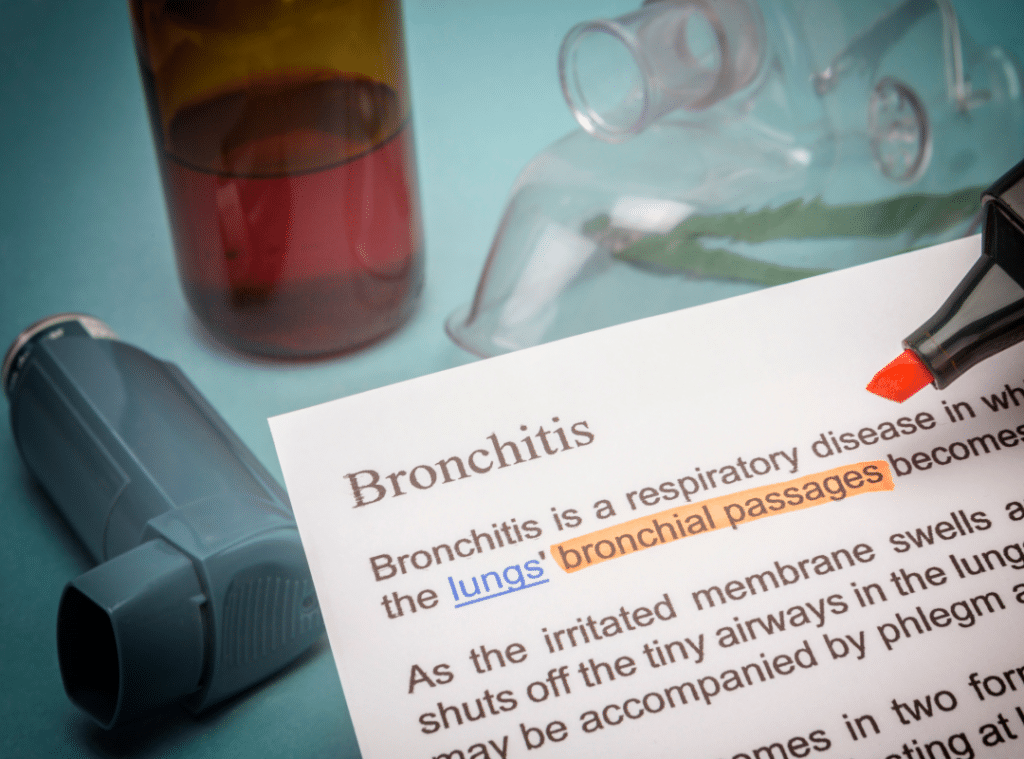
Caring for a loved one with bronchitis in old people can feel overwhelming, especially when symptoms appear suddenly or linger longer than expected. Older adults often experience bronchitis differently from younger people, and even mild symptoms can quickly become serious without proper attention. Understanding what to watch for and how to respond can make a huge difference in recovery and peace of mind.
This guide explains symptoms, recovery timelines, and treatment options for bronchitis, while helping families recognize when it’s time to seek medical help. With the right knowledge and support, seniors can breathe easier and stay healthier longer.
Key Symptoms of Bronchitis in Old People
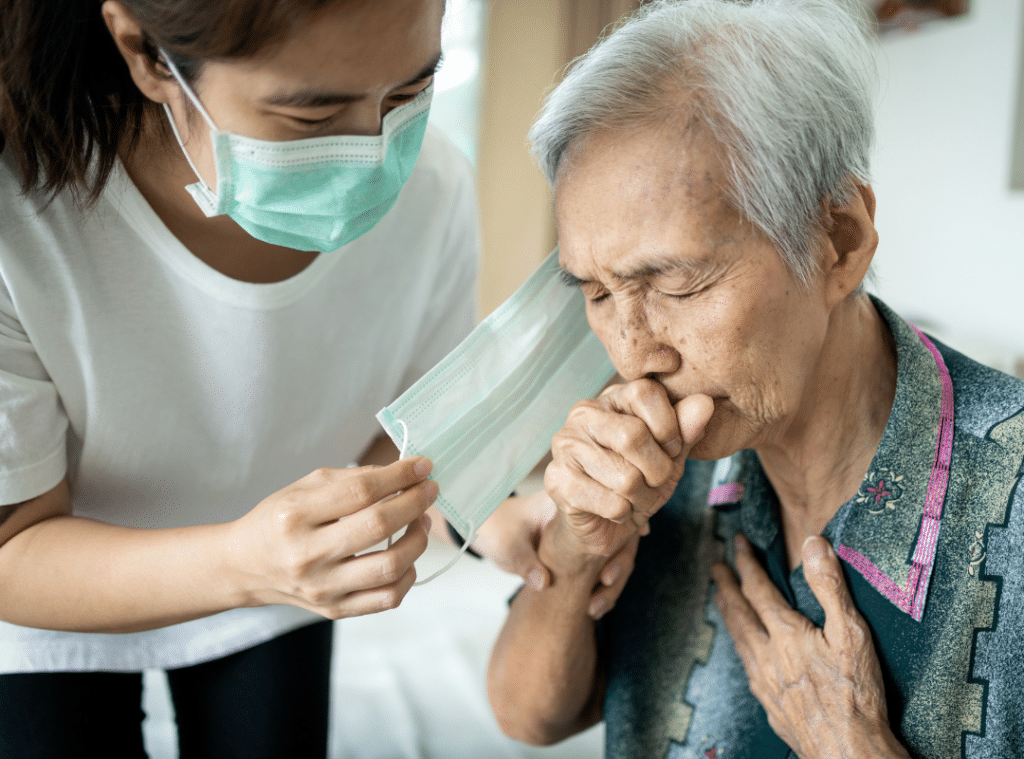
Bronchitis in old people often begins with a persistent cough that doesn’t seem to go away. This cough may be dry or productive, meaning it brings up mucus. In many seniors, mucus can appear yellow or green, which may indicate a bacterial rather than a viral infection.
Other common symptoms include shortness of breath, wheezing, chest tightness, and increased fatigue. Older adults may also feel weaker than usual or struggle with everyday tasks. In some cases, seniors may experience confusion or disorientation instead of classic respiratory symptoms, making careful observation extremely important. Monitoring these early signs helps prevent complications like pneumonia and supports faster recovery.

Common Bronchitis Causes in Seniors
Understanding the cause of bronchitis is essential when caring for older adults. The most frequent cause of acute bronchitis is a viral infection, often following a cold or flu. However, bacterial infections can also be a cause of bronchitis, especially when symptoms persist or worsen.
Other contributors include long-term exposure to cigarette smoke, air pollution, dust, or chemical fumes. Seniors with weakened immune systems or chronic conditions like heart disease, asthma, or COPD face higher risks. Identifying the correct cause of bronchitis allows healthcare providers to tailor care plans and choose the most effective bronchitis treatment.

Is Bronchitis Contagious for Older Adults?
A prevalent question families ask is: Is bronchitis contagious? The answer depends on the type. Acute viral bronchitis is infectious, especially during the first few days of illness. Seniors can catch it from close contact with others who are sick.
On the other hand, chronic bronchitis is not infectious and develops over time due to lung irritation. Knowing whether bronchitis is contagious helps caregivers protect both the patient and others. Frequent handwashing, avoiding close contact during illness, and disinfecting shared surfaces can reduce the risk of spreading infections. For more details, the Centers for Disease Control and Prevention provides clear guidance on preventing respiratory illness.
Understanding Recovery Time and Lung Health
Recovery from acute bronchitis in seniors usually takes about 10 to 14 days, though coughing and fatigue may linger longer. In older people with bronchitis, healing can be slower due to age-related changes in lung function and immunity.
Chronic bronchitis often requires ongoing management rather than a quick recovery. Without proper treatment for chronic bronchitis, long-term lung damage and reduced breathing capacity can occur. Pulmonary rehabilitation, breathing exercises, and regular medical monitoring are essential for protecting lung health. Early recognition of symptoms and prompt care can significantly improve outcomes for elderly individuals.
Effective Bronchitis Treatment Options
Choosing the right bronchitis treatment depends on symptoms, severity, and overall health. Many cases improve with supportive care such as rest, hydration, and humidified air. Drinking warm fluids helps thin mucus and ease coughing.
Medical bronchitis treatment options may include expectorants to loosen mucus, bronchodilators to open airways, and anti-inflammatory medications. Natural remedies like honey or ginger tea can soothe irritated throats, but seniors should always consult healthcare providers before trying new remedies. According to the Mayo Clinic, most viral cases resolve without antibiotics, but monitoring is crucial in older adults.
Chronic Bronchitis Treatment and Long-Term Care
For seniors with recurring symptoms, chronic bronchitis treatment focuses on long-term management. This may include daily inhalers, pulmonary therapy, and lifestyle changes to reduce exposure to lung irritants. In advanced cases, oxygen therapy may be recommended.
Consistent treatment for chronic bronchitis helps reduce flare-ups, improve breathing, and enhance quality of life. Vaccinations for flu and pneumonia are often part of preventive care, especially for seniors with existing lung conditions. Resources from the American Lung Association offer valuable information for families managing chronic lung disease.
When Are Antibiotics Necessary?
Many families wonder when antibiotics are appropriate. Most cases of bronchitis are viral, so antibiotics won’t help and may even cause harm by fostering antibiotic resistance. However, if a senior has a persistent cough with colored mucus, fever, or worsening symptoms, a bacterial infection may be present.
In these cases, antibiotics such as amoxicillin or doxycycline may be prescribed. A healthcare provider should continually evaluate the situation before starting antibiotics, especially for older adults who may have medication interactions. Supporting overall health with good nutrition also helps the immune system recover more effectively. Learn more about nutrition and aging from the National Institute on Aging.
Recognizing When to Seek Medical Help
Knowing when to seek help is critical in bronchitis in old people. Contact a healthcare provider if a cough lasts more than 2 weeks, breathing becomes difficult, or symptoms worsen rather than improve. Emergency care is needed if there is chest pain, high fever, blood in mucus, bluish lips, or sudden confusion.
Caregiver support is essential for spotting these warning signs early. Timely medical intervention can prevent serious complications and improve recovery outcomes.
Supportive Living and Respiratory Care
Communities like Westmont of Carmel Valley provide an added layer of support for seniors managing respiratory conditions. Trained staff can monitor symptoms, assist with medications, and coordinate care with healthcare providers. This proactive approach helps families feel confident that their loved ones are safe and supported.
Ready to Help Your Loved One Breathe Easier? Call Us Today
Managing bronchitis in old people doesn’t have to be stressful or confusing. With the right care, education, and support, seniors can recover more comfortably and avoid complications.
At Westmont of Carmel Valley, we are committed to supporting the health and well-being of our residents every day. Call us at 858-465-7356 to talk with our caring team or learn more about how we can help. You’re also welcome to schedule a tour and see our community for yourself.
FAQs About Bronchitis in the Elderly
-
Is bronchitis serious in the elderly?
Bronchitis can be more serious in elderly adults because aging weakens the immune system and lung function. Older adults are also more likely to have chronic conditions like heart disease, COPD, or diabetes that can worsen symptoms. What may start as mild bronchitis can progress to pneumonia if left untreated. Early medical attention helps reduce complications and supports a smoother recovery.
How do you treat bronchitis in adults?
Treatment for bronchitis in adults depends on whether it is viral or bacterial. Most cases are viral and managed with rest, fluids, cough suppressants, and anti-inflammatory medications. Doctors may prescribe antibiotics only if a bacterial infection is suspected. For older adults, treatment often includes close monitoring to prevent breathing difficulties or secondary infections.
How long does bronchitis last in the elderly?
Acute bronchitis in elderly adults typically lasts one to three weeks, though the cough may linger longer. Recovery can take longer than in younger adults due to a slower immune response. Chronic bronchitis may cause ongoing symptoms that persist for months or recur frequently. Proper treatment and follow-up care help shorten recovery time and prevent flare-ups.
How severe is bronchitis?
The severity of bronchitis ranges from mild discomfort to severe respiratory distress. In healthy individuals, symptoms are usually manageable, but severity increases with age and existing lung or heart conditions. Severe cases may include shortness of breath, chest pain, or low oxygen levels. Prompt medical evaluation helps determine severity and ensures appropriate care.