

Step Into Westmont Living®

Explore Joy: 7 Art Activities for Seniors – The Oaks at Paso Robles

7 Creative And Therapeutic Art Activities For Seniors

Engaging in art activities for seniors isn’t just a hobby—it’s a gateway to emotional expression, cognitive stimulation, and community connection. Art becomes a medium for storytelling, therapeutic support, and joyful creation at The Oaks at Paso Robles. Seniors can explore their inner worlds through brush strokes, sculpting, or collages, and celebrate their unique voices.

This guide explores enriching and diverse forms of art engagement, including easy crafts for seniors in nursing homes, simple art activities for seniors, and free art activities for seniors. It focuses on how these experiences promote wellness and connection. Read on to uncover creative ideas that bring joy, purpose, and beauty to everyday life.

1. Guided Painting Sessions

Guided painting sessions at The Oaks at Paso Robles provide more than just artistic lessons—they create immersive, therapeutic experiences. Participants learn color theory and brush techniques while exploring their emotions in a supportive environment. Painting together also nurtures friendships, encouraging laughter and shared stories.

These art activities for seniors are proven to enhance mental clarity and elevate mood. Art therapy significantly boosts emotional health and cognitive functions. Seniors can embrace their creativity and discover the joy of expression in a warm, welcoming community.

2. Memory Collage Creation

Creating memory collages allows seniors to revisit cherished life events and weave those memories into visual storytelling. This form of simple art activities for seniors supports cognitive health and invites emotional release through personal reflection.

Consider these creative steps:

  • Collect photographs and memorabilia that bring joy.
  • Use vibrant textures to add visual depth.
  • Incorporate handwritten notes or quotes for personal meaning.

These collages celebrate individual life stories while enhancing confidence. Self-expression through art uplifts the spirit and fosters a stronger sense of identity.

3. Clay Sculpting Activities

Clay sculpting is a hands-on way to engage seniors in meaningful creation. Molding clay stimulates fine motor skills and provides a meditative focus. As you shape your project, you’re building confidence and unlocking new levels of expression.

Tactile Engagement Benefits

This form of art activities for seniors strengthens dexterity, enhances coordination, and reduces anxiety through sensory stimulation. It’s also among the most therapeutic, easy crafts for seniors with dementia. The tactile feedback from sculpting can trigger calming effects and foster emotional resilience.

Read more about how clay sculpting supports motor skill development.

Creative Expression Opportunities

Every sculpture tells a story. With each press and shape, seniors explore creativity and gain emotional clarity. These sessions also encourage socialization; participants often share ideas and showcase their creations.

Explore how combining recreational therapy with art promotes holistic well-being.

Making Art Accessible

Making Art Accessible

4. Mindful Mandala Making

Mandala creation is a form of meditative art that centers the mind. As seniors engage in detailed patterns and choose calming colors, they enter a peaceful flow state. This is an excellent free art activity for seniors to practice mindfulness and reduce stress.

Simple steps to enhance your practice:

  • Choose patterns that inspire calm.
  • Use soft, harmonious colors.
  • Focus on deep breathing during creation.

The meditative rhythm of mandalas brings clarity and peace to both group and solo sessions.

5. Collaborative Group Art Projects

Group projects offer powerful opportunities for art activities for seniors to foster community and joy. By working together, seniors develop artistic friendships and shared experiences that enhance social well-being.

Enhancing Social Connections

Projects like team murals and themed art days allow for individual expression within a shared vision. Participants enjoy the camaraderie, the creative discussions, and the joy of making something together.

Some ideas include:

  • Team murals that highlight each artist’s unique style.
  • Themed workshops encourage idea exchange.
  • Group critiques that celebrate and support.

Shared Creative Expression

These activities create safe, collaborative spaces that allow seniors to tell their stories through art. Sharing artistic expression promotes belonging, reduces loneliness, and sparks laughter.

Group creativity fosters memories that last a lifetime.

Building Community Spirit

These group sessions also build a culture of appreciation and pride. Seniors celebrate milestones by hosting exhibitions and storytelling events to share the meaning behind their artwork.

Celebrate unity through creativity, and watch your community grow stronger.

6. Personalized Art Exploration

Tailoring activities to personal interests makes every session more meaningful. Whether exploring painting, sculpting, or collaging, seniors can discover passions they may never have realized. These art activities for seniors offer individualized expression and promote autonomy.

Encourage participants to explore different media and styles until they find what resonates. With the right support and resources, anyone can grow as an artist.

Therapeutic Activities

Therapeutic Activities

7. Displaying and Celebrating Artwork

Recognizing artistic achievements fosters self-worth. Exhibiting artwork in shared spaces builds pride and encourages conversations. These moments allow seniors to be seen and celebrated.

Consider:

  • Hosting seasonal exhibits for family and friends.
  • Creating rotating gallery walls in community spaces.
  • Inviting residents to share the inspiration behind their work.

These celebrations are vital parts of art activities for seniors, affirming creativity and reinforcing self-confidence.

Outdoor Art Activities for Seniors

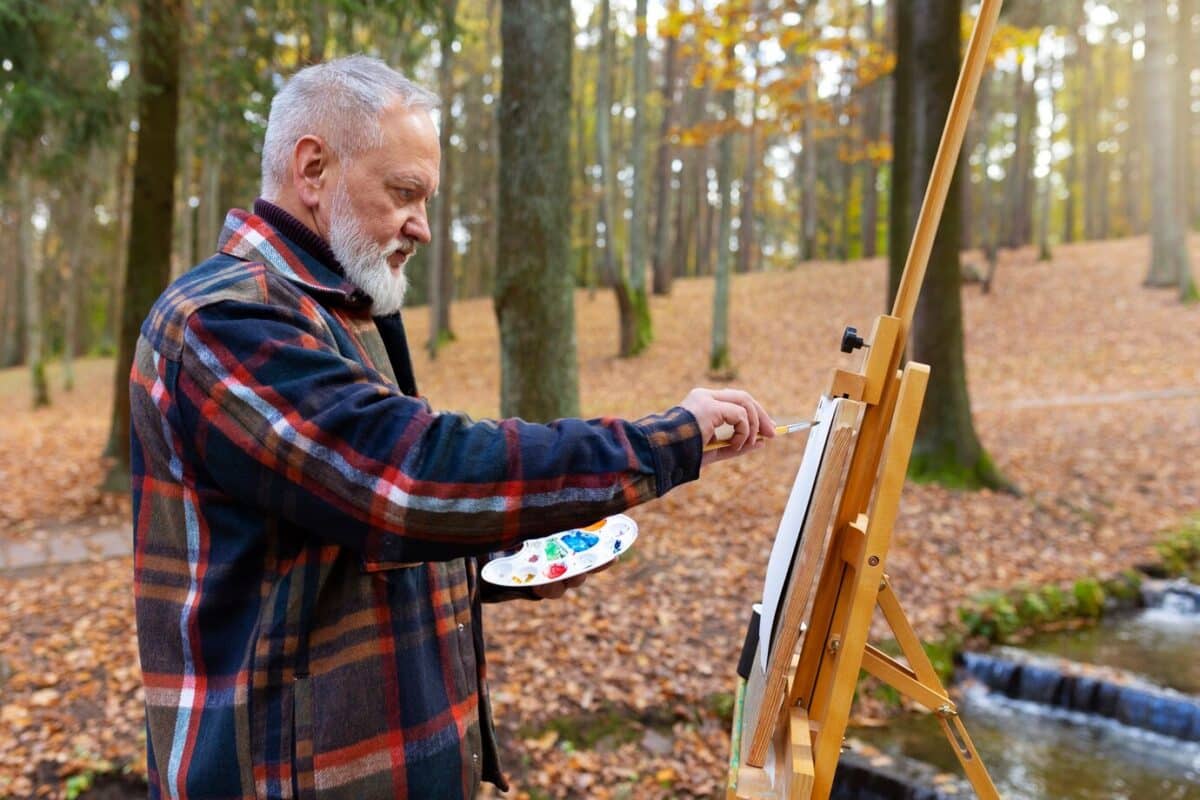
Taking creativity outdoors brings a fresh dimension to artistic engagement. Nature-based art sessions are among the most rewarding outdoor art activities for seniors and can include sketching gardens, painting landscapes, or even creating nature collages.

Benefits of outdoor sessions include:

  • Natural light that enhances mood.
  • Inspiration drawn from trees, flowers, and animals.
  • A change of scenery that invigorates creativity.

Encouraging outdoor art promotes wellness and stimulates the senses, making it a valuable addition to any senior art program. Check out Senior Planet for more ideas.

Free Art Activities for Seniors

Art doesn’t have to be costly to be impactful. Free art activities for seniors, such as coloring pages, recycled crafts, and nature drawing, offer creative outlets with minimal resources.

Popular low-cost ideas include:

  • Watercolor sessions with shared materials.
  • Paper crafting from recyclable goods.
  • Sketching using natural scenery.

You can find more inspiration from DailyCaring’s list of senior art activities, which supports seniors of all abilities.

Displaying Masterpieces

Displaying Masterpieces

A Canvas of Connection and Creativity

Engaging in art activities for seniors at The Oaks at Paso Robles brings color and joy to everyday living. Whether you’re exploring easy crafts for seniors in nursing homes, enjoying outdoor art activities for seniors, or embracing easy crafts for seniors with dementia, each moment spent creating builds connection, confidence, and calm.

From solitary exploration to collaborative masterpieces, these activities give voice to memory, emotion, and imagination. Ready to join a vibrant, creative community? Schedule a tour here or call us at (805) 239-5851 to learn how art can inspire every day.


Compare The Costs of Senior Living vs Staying at Home

How Do The Costs Of Moving Into A Quality Senior Care Community Compare With The Costs Of Staying At Home?


Frequently Asked Questions

What are the best crafts for seniors?

The best crafts for seniors are enjoyable, easy to do, and cater to various ability levels. Popular options include painting, knitting, scrapbooking, jewelry making, and simple DIY home décor. These activities help improve hand-eye coordination and keep the mind engaged. Many seniors also enjoy seasonal crafts that allow them to decorate or share handmade gifts with loved ones.

What are creative activities for old people?

Creative activities for older adults include storytelling, music sessions, adult coloring books, pottery, and photography. These hobbies stimulate the brain, encourage emotional expression, and can be easily adapted for different mobility or cognitive needs. Group activities also provide a social outlet and build a sense of community. Whether it’s journaling or learning a new craft, creativity promotes joy and purpose in daily life.

What is art therapy for the elderly?

Art therapy for the elderly is a therapeutic approach that uses creative processes like drawing, painting, or sculpting to enhance mental and emotional well-being. It’s especially beneficial for seniors coping with memory loss, anxiety, or depression. The goal isn’t artistic skill, but rather self-expression and emotional healing. Trained professionals often guide sessions and can improve cognitive function and social connection.

What are good crafts for adults?

Good crafts for adults range from relaxing to skill-building, such as candle making, embroidery, woodworking, and resin art. These projects offer a rewarding sense of accomplishment and can be done solo or in a group. Many adults also enjoy upcycling items or personalizing home décor through creative projects. Crafts serve as both a stress reliever and a fun way to express personal style.


Celebrating National Senior Health and Fitness Day – Movement, Vitality, and Joy!

Celebrating National Senior Health and Fitness Day – Movement, Vitality, and Joy!
May 28th, 2025, marks National Senior Health and Fitness Day, a time to celebrate the power of movement and the importance of maintaining an active, balanced lifestyle at every stage of life. At Westmont Living, we believe wellness is more than just exercise — it’s a commitment to optimal physical health through fitness, proper nutrition, rest, and relaxation.

This year, we’re honoring the Health & Fitness dimension of our wellness philosophy by showcasing our vibrant community in action. From cardio drumming and water aerobics to gentle mind-body practices and energizing group workouts, our seniors continue to inspire us with their strength, enthusiasm, and dedication to well-being. Join us in celebrating the movement, momentum, and meaningful moments that shape a healthier tomorrow.

Exploring the Perks of Luxury Senior Assisted Living

Discover the Best in Luxury Senior Assisted Living

At The Oaks at Paso Robles, residents enjoy more than just daily care—they experience an elevated lifestyle that blends support, independence, and elegance. From fine dining to personalized wellness programs, luxury senior assisted living redefines what retirement living can look like. Every moment is designed to uplift your well-being, offering peace of mind and purpose in a secure, engaging environment.

Luxury Senior Assisted Living Near Paso Robles, CA

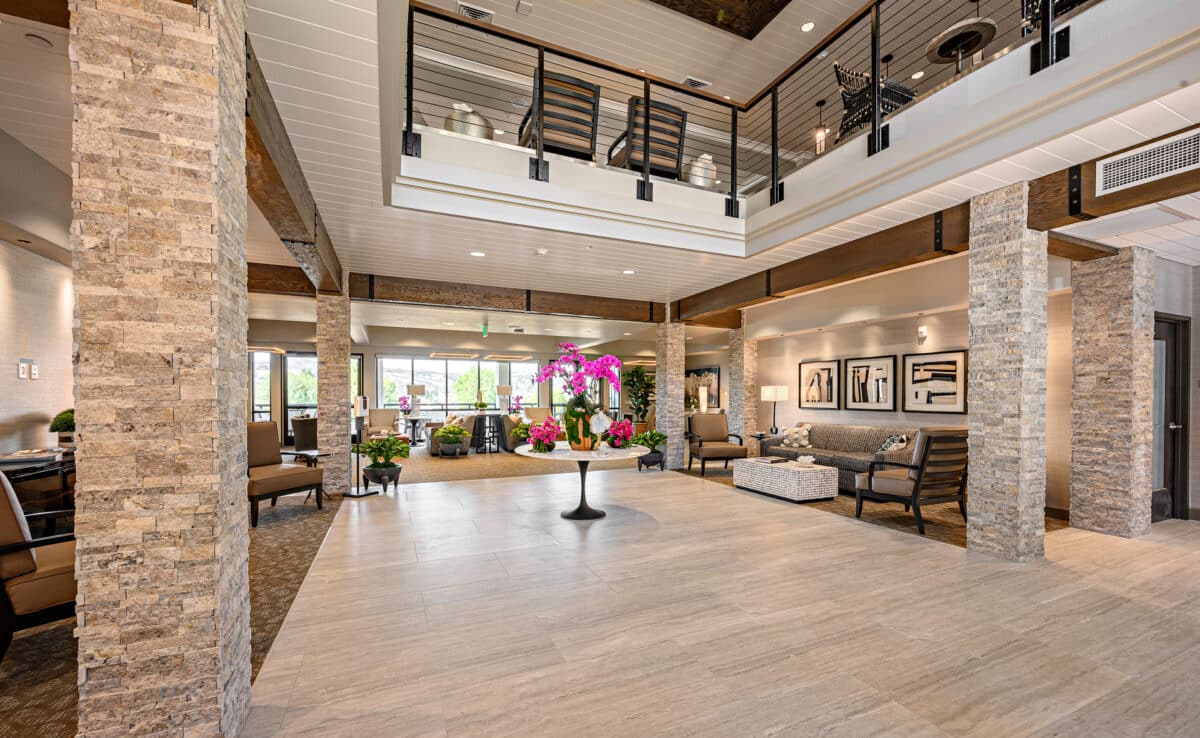
Choosing luxury senior assisted living near Paso Robles, CA, means embracing a community that values comfort, beauty, and quality in daily life. Nestled in California’s scenic wine country, The Oaks offers a tranquil environment with elegant living spaces and breathtaking views. Residents can enjoy serene morning walks, wine-tasting outings, and fresh air that uplifts the spirit.

Life here balances personalized care with luxurious living. From the warm staff to the finely crafted interiors, the atmosphere radiates comfort and sophistication. Whether seeking vibrant social interaction or quiet relaxation, this place is designed to meet your unique lifestyle.

Amenities That Set the Standard for Senior Living

Every aspect of luxury senior assisted living is designed to provide an unmatched standard of comfort. Life feels indulgent yet familiar, from daily social events and outings to gourmet meals crafted with fresh ingredients. Wellness programs tailored to individual needs create a nurturing environment where health and joy go hand in hand.

On-site beauty salons, fitness studios, and private dining rooms enrich daily life. Residents also have access to concierge services, chauffeured transportation, and a calendar full of cultural events and community-led activities.

Smart home integrations, like motion-sensor lighting and temperature control, add a layer of safety and ease. For more insight into these must-have features, visit Essential Senior Living Amenities.

These touches make a real difference—ensuring residents live well and thrive.

Luxury Senior Assisted Living Reviews Reflect Resident Joy

Positive experiences shine through in the many luxury senior assisted living reviews from families and residents. These stories often highlight attentive staff, beautifully maintained spaces, and a strong sense of community. Whether it’s the joy of rediscovering a favorite hobby or the comfort of consistent care, reviews offer a glimpse into the fulfilling lives led within The Oaks.

One resident describes the environment as “a place where I feel at home, yet pampered.” Another praises the vibrant atmosphere, saying, “There’s always something to do and someone to share it with.”

It’s common to see praise for the welcoming environment and the personalized attention that goes above and beyond. These first-hand accounts are a valuable resource when researching your next step—and they reflect a commitment to excellence that’s hard to match.

Tailored Wellness and Dining Experiences

No two residents are alike—that’s why luxury senior assisted living takes a customized approach to care. Nutrition plans are developed to accommodate health needs while still offering delicious meals. Dining becomes an experience, not just a routine, with multiple courses in restaurant-style settings and seasonal menus featuring locally sourced ingredients.

The importance of nutrition in senior health can’t be overstated. Learn more about how communities prioritize dietary care at Senior Dietary Programs.

Beyond the table, activity calendars are filled with options that spark both body and mind—from yoga and art to outings and celebrations. Residents are encouraged to pursue hobbies, learn new skills, and find purpose in each day. This holistic approach supports emotional balance, physical strength, and cognitive stimulation.

luxury senior assisted living

The Real Cost of Luxury Senior Assisted Living

Understanding the luxury senior assisted living cost is key when considering this lifestyle. While the price point is higher than traditional senior housing, it reflects the elevated level of service, accommodations, and amenities provided.

The cost often includes premium services like 24/7 professional care, curated meal plans, personalized health and wellness programs, and access to high-end facilities. At The Oaks, families appreciate the transparency in pricing and the exceptional value that comes with it.

Costs typically include housing, meals, housekeeping, activities, and 24/7 care support. At The Oaks, this comprehensive model removes the stress of managing multiple expenses and brings everything under one beautifully maintained roof.

For many families, the investment in well-being, safety, and quality of life is well worth it. Residents receive exceptional value—where every dollar goes toward enhancing their experience, health, and happiness.

Building Meaningful Connections Every Day

Social life doesn’t stop in retirement—it flourishes. Luxury senior assisted living encourages engagement through curated events that match residents’ interests. Think wine tastings, musical evenings, garden clubs, and book circles.

Social involvement is more than fun—it improves emotional health. Learn about the benefits of the Role of Social Events in Assisted Living.

Daily interaction helps reduce loneliness, boosts mood, and fosters a strong sense of belonging. Whether enjoying a group fitness class or attending an art showcase, residents often find new friendships and rekindle old passions. At The Oaks, connection is a cornerstone of community life.

Safety and Personalized Attention Around the Clock

Living with confidence means knowing you’re safe and cared for. At The Oaks, security is integrated into every feature of the community. Everything is designed to ensure resident safety, from trained staff available 24/7 to discreet monitoring systems. Private apartments are equipped with emergency response systems, and staff are trained in senior care protocols to address health concerns quickly. This level of attention means families can rest easy knowing their loved ones are supported. Assistance is available anytime—whether it’s medication support, help with mobility, or emergency response. See more about services like these at Assisted Living Services in Culver City.

This round-the-clock support allows residents to maintain independence while enjoying peace of mind, knowing they’re never alone in facing challenges.

Life at The Oaks at Paso Robles shows what’s possible when comfort, care, and community come together. Here, you’ll find more than just a place to live—you’ll find a place to grow, thrive, and truly enjoy your golden years. Whether you’re exploring luxury senior assisted living near Paso Robles, CA, or comparing luxury senior assisted living costs, this community offers an experience beyond expectations. With consistently strong luxury senior assisted living reviews, it’s clear why so many choose to call The Oaks home.

For more information, call us at (805) 239-5851.


Compare The Costs of Senior Living vs Staying at Home

How Do The Costs Of Moving Into A Quality Senior Care Community Compare With The Costs Of Staying At Home?


Frequently Asked Questions

How do you pay for assisted living when you have no money?

Option options are still available if you have no personal funds to pay for assisted living. Many individuals qualify for Medicaid, which can help cover the cost depending on the state and level of care needed. Veterans may also access financial assistance through VA benefits. Additionally, some communities offer sliding scale fees or accept long-term care insurance.

What is the most luxurious senior living in the world?

Some of the world’s most luxurious senior living communities include Auriens in London and Vi Living communities in the U.S. These residences offer high-end amenities such as fine dining, concierge services, wellness spas, and private chauffeur service. They focus on elegance, comfort, and personalized care. Pricing in these communities reflects their premium lifestyle offerings.

What are the three levels of assisted living?

Assisted living generally includes three levels of care: low, moderate, and high. Low-level care may involve occasional help with tasks like housekeeping or medication reminders. Moderate-level care includes regular assistance with daily activities such as dressing or bathing. High-level care involves more comprehensive support, including mobility assistance and specialized health needs.

Does the state of California pay for assisted living?

California does not traditionally pay for assisted living, but some financial help is available through the Assisted Living Waiver (ALW) program. This program allows eligible Medi-Cal beneficiaries to receive care in assisted living facilities instead of nursing homes. Participation is limited to approved communities and specific counties. Applicants must meet certain health and income requirements to qualify.


Cinco de Mayo

Celebrating Cinco de Mayo at Westmont Living: Culture, Community & Connection 🎉🌮💃

Cinco de Mayo is more than just a festive day filled with tacos and mariachi music—it’s a meaningful celebration of culture, community, and resilience. At Westmont Living, we’re proud to honor this holiday across our communities with joy, inclusivity, and of course, a lot of great food!

A Little History 🌎
Cinco de Mayo commemorates the Battle of Puebla in 1862, when a small Mexican army triumphed over a much larger French force. While it’s not Mexico’s Independence Day (that’s September 16), the victory has become a symbol of perseverance and pride—especially celebrated in the United States as a way to honor Mexican culture and heritage.

Community Comes Alive 🇲🇽
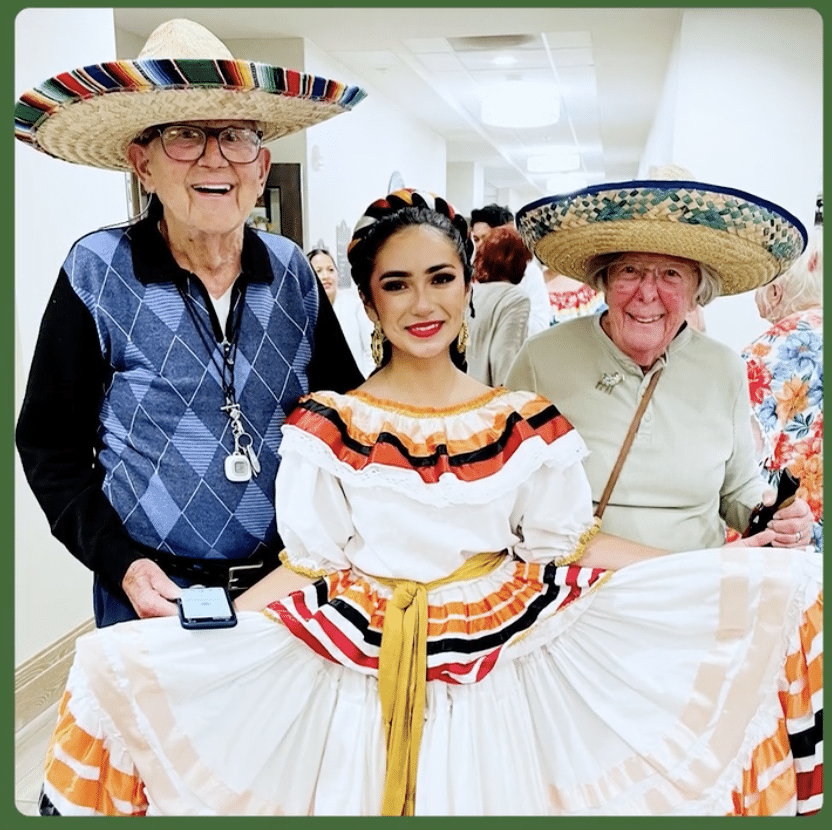
From vibrant decorations and traditional music to flavorful dishes like tacos, guacamole, and sweet treats, our residents and staff came together to celebrate in true Westmont style. Some communities enjoyed live performances, others hosted themed buffets and socials—but all shared in the spirit of togetherness.

Celebrating with Heart ❤️
At Westmont Living, we believe in creating spaces where everyone feels seen, valued, and celebrated. Cinco de Mayo gives us a chance to learn from one another, share stories, and connect through cultural traditions in meaningful (and fun!) ways.

A heartfelt thank you to all the residents, team members, and local performers who made this year’s Cinco de Mayo celebrations so memorable. Here’s to many more moments of unity, joy, and cultural appreciation! ¡Feliz Cinco de Mayo! 🎊

Assisted Living Paso Robles: A Guide to Exceptional Care

Assisted Living Paso Robles: A Guide to Exceptional Care

When you visit The Oaks at Paso Robles, you might notice how residents thrive in a community designed for their needs.

Here, personalized care plans unite safety and independence, creating an environment where seniors can flourish.

However, what sets assisted living in this region apart is the focus on enhancing quality of life through engaging activities and family involvement.

As you explore your options, you’ll find that understanding the nuances of these facilities, like The Oaks at Paso Robles, can be essential for making the right choice for your loved ones.

What should you consider next?

Assisted Living Paso Robles

If you’re considering options for assisted living in Paso Robles, you’ll find a range of choices tailored to meet various needs and preferences. These communities focus on fostering independence while providing necessary support for daily activities, ensuring residents feel both safe and valued. Many facilities offer personalized care plans, enabling you to select services that align with individual requirements.

You’ll also discover vibrant social opportunities, from engaging activities to communal dining experiences, promoting connection among residents. Staff members are trained to provide compassionate care, ensuring a nurturing environment that respects the dignity of each individual. As you explore these options, you’ll find a commitment to enhancing quality of life, making Paso Robles a welcoming place for your loved ones. Additionally, many facilities include health and wellness programs, which support residents’ overall well-being and encourage an active lifestyle.

Memory care Paso Robles

When searching for memory care options in Paso Robles, you’ll find specialized communities designed to support individuals facing cognitive challenges. These facilities offer tailored programs prioritizing safety, engagement, and emotional well-being. Personalized care aligns with residents’ personal history and abilities to ensure they receive the most appropriate support.

Features Benefits
24/7 Supervision Enhanced safety and security
Personalized Care Plans Individualized support
Therapeutic Activities Cognitive stimulation
Family Support Programs Resources for loved ones
Trained Staff Compassionate, skilled care

Choosing memory care is about ensuring your loved one receives the best attention and support. The dedicated teams in Paso Robles understand the unique needs of individuals with memory loss, providing a nurturing environment where they can thrive.

The Oaks Assisted Living Facility

The Oaks Assisted Living Facility in Paso Robles offers a warm and inviting environment for seniors seeking support with daily living activities. Here, you’ll find a dedicated team focused on enhancing residents’ quality of life. From personal care to engaging social programs, each service is tailored to individual needs, ensuring a nurturing atmosphere. The facility encourages independence while providing essential assistance, making seniors feel secure and empowered. Additionally, you’ll appreciate the beautifully landscaped grounds and comfortable living spaces that promote a sense of community. The Oaks values open communication with families, ensuring you’re always informed about your loved one’s well-being. Choosing The Oaks means choosing a compassionate partner in care for your family member’s journey. Furthermore, the facility’s emphasis on social interaction enhances residents’ emotional well-being and overall quality of life.

In choosing assisted living at The Oaks at Paso Robles, you’re not just securing a place to stay but investing in a vibrant community that prioritizes your loved one’s well-being. With personalized care and engaging activities, isn’t it comforting to know they’ll thrive in a supportive environment? The Oaks and other facilities offer a warm atmosphere where families can stay connected, ensuring peace of mind for everyone involved. Embrace this opportunity to enhance your quality of life and cherish your moments together. You can reach The Oaks at Paso Robles at (805) 239-5851 for inquiries.


Compare The Costs of Senior Living vs Staying at Home

How Do The Costs Of Moving Into A Quality Senior Care Community Compare With The Costs Of Staying At Home?


Frequently asked questions

What is the average cost of assisted living in California?

The average cost of assisted living in California is approximately $4,500 per month, but this can vary depending on the location, community size, and level of care required. Urban areas such as Los Angeles and San Francisco tend to be more expensive, while smaller or rural communities may offer lower rates. Costs typically include room and board, meals, housekeeping, and assistance with daily living activities. To get an accurate estimate, visiting specific communities or using tools to compare costs is recommended.

Is it cheaper to live in an assisted living or nursing home?

Assisted living is generally more affordable than nursing home care. On average, assisted living costs around $4,500 per month in California, while nursing homes can cost upwards of $8,000 or more for a private room. The difference lies in the level of care provided—nursing homes offer 24/7 medical care for individuals with complex health needs. In contrast, assisted living focuses on providing personal care and support with daily activities. Your choice will depend on the type of care required and budget considerations.

How is most assisted living care usually paid for?

Most assisted living care is paid for out-of-pocket using personal savings, retirement funds, or the sale of assets like a home. Long-term care insurance can also help cover costs if you have a policy. Additionally, some families pool resources to support their loved ones; in some instances, veterans’ benefits or state Medicaid programs may assist. It’s essential to explore all funding options early to plan effectively for the cost of care.

Does Social Security pay for assisted living in California?

Social Security benefits can help cover some assisted living costs, but they typically don’t cover the whole expense. Monthly Social Security payments fall short of covering the average price of assisted living in California, which is around $4,500 per month. However, programs like Supplemental Security Income (SSI) or California’s Assisted Living Waiver Program may provide additional financial aid for those who qualify. It’s advisable to contact a benefits specialist to explore all possible resources.


Elevate Life: High-End Wellness for Aging Individuals

Elevate Life: High-End Wellness for Aging Seniors

Considering the unique needs of aging seniors, luxury wellness retreats like The Oaks at Paso Robles offer a revitalizing approach to health and well-being.

These retreats blend personalized fitness, nutritious meals, and holistic therapies in serene environments.

Tailored programs enhance physical, emotional, and spiritual health, ensuring a thorough wellness experience.

Are you curious about how these retreats can specifically support active aging?

Let’s explore the essentials that make them stand out.

Essentials of Luxury Wellness Retreats for Seniors

When considering a luxury wellness retreat for seniors, it’s essential to focus on age-specific needs and preferences that truly enhance your experience. Look for retreats that offer luxury amenities tailored for comfort and ease, such as accessible accommodations and transportation. Prioritize services that promote active aging, including customized exercise plans and nutritious meal options, ensuring they cater to varying fitness levels and dietary needs. Additionally, retreats should facilitate accessibility, allowing seniors to enjoy all activities without barriers. Healthy meal prep options can also be integrated into the retreat experience, ensuring that every moment spent is enriching and meaningful. By choosing a retreat that thoughtfully integrates these elements, you provide a rejuvenating experience and foster a supportive environment that nurtures well-being, ensuring that every moment spent is enriching and meaningful.

Active Aging, Physical Fitness, and Nutritional Wellness

Active aging is all about embracing life with energy, and incorporating physical fitness and nutritional wellness plays an essential role in this journey. You can explore various fitness trends that suit your preferences and lifestyle, ensuring you stay active and engaged. Consider these key aspects:

  • Customized exercise options like yoga and Pilates.
  • Nutrition strategies tailored to your health goals.
  • Strenuous activities, such as swimming or hiking.

Proper nutrition is essential for senior health and well-being, as it strengthens the immune system and helps manage chronic diseases.

Mind-Body Wellness and Mental Health Therapy for Seniors

As you navigate the journey of aging, prioritizing mind-body wellness and mental health therapy can profoundly enhance your quality of life. Incorporating mindfulness techniques into your daily routine can help you stay present, reduce stress, and improve emotional resilience. Guided meditation sessions and breathing exercises can create a calming space for reflection and self-discovery. Engaging in brain-training workshops not only sharpens cognitive function but also fosters a sense of accomplishment and purpose. Activities focused on emotional and spiritual fulfillment can deepen connections with yourself and others, enriching your overall experience. By embracing these practices, you’ll cultivate a resilient mindset, enabling you to face life’s challenges with confidence and grace, ultimately leading to a more vibrant and fulfilling life. Additionally, incorporating relaxation techniques such as progressive muscle relaxation can significantly reduce overall muscle tension and promote a sense of calm.

Preventive Medical Services and Holistic Wellness

While many people think of wellness as simply a matter of physical fitness, preventive medical services, and holistic wellness play a crucial role in enhancing your overall health as you age. You can foster a more balanced and enriched life by prioritizing these aspects. Consider these key elements:

  • Preventive screenings to catch potential health issues early.
  • Holistic therapies that nurture both body and spirit.
  • Nutritional assessments to tailor your diet for peak health.

Integrating preventive screenings with holistic therapies creates a thorough approach to wellness, ensuring you live longer and thrive. Regular health screenings significantly contribute to the early detection of health issues, empowering you to take charge of your health. Embrace these practices to empower yourself and those around you, promoting an enduring quality of life that resonates with compassion and intention.

A Selection of Luxury Wellness Retreats for Seniors

When you’re seeking a rejuvenating getaway, luxury wellness retreats designed specifically for seniors can offer unique experiences tailored to your needs. From Canyon Ranch’s customizable fitness programs to the tranquil environment of Rancho La Puerta, these retreats blend relaxation, nutrition, and active aging. Let’s explore some top recommendations that promise both pampering and personal growth.

Top Retreat Recommendations

Discovering the perfect luxury wellness retreat can transform your approach to aging, offering relaxation and a holistic path to well-being. With luxury amenities and exclusive services designed for seniors, these retreats cater to your unique needs, ensuring an enriching experience.

  • Personalized fitness programs to keep you active
  • Nutritional guidance for ideal health
  • Spa treatments that promote relaxation and rejuvenation

Consider retreats like Canyon Ranch, where you can indulge in tailored wellness programs, or Miraval Resort & Spa, focusing on holistic health. Rancho La Puerta combines fitness and relaxation, nestled in nature. Each retreat promises not just a getaway, but a nurturing environment where you can thrive and embrace the joys of aging gracefully.

Unique Wellness Experiences

Finding the right luxury wellness retreat can lead to unique experiences that cater specifically to your needs as a senior. You’ll discover immersive experiences designed to rejuvenate both body and mind. For instance, retreats like Canyon Ranch offer tailored therapies focusing on active aging, ensuring you engage in fitness programs that suit your level. Meanwhile, Golden Door provides personalized health programs amidst a serene environment, allowing you to unwind fully. Each retreat emphasizes holistic wellness, integrating nutrition, mindfulness, and physical therapy to enhance your overall well-being. By choosing a retreat that resonates with you, you’ll invest in your health and create lasting memories that enrich your life.

high-end wellness for aging

General Benefits of Luxury Wellness Retreats for Seniors

While you seek rejuvenation and a deeper connection to your well-being, luxury wellness retreats for seniors offer a unique blend of relaxation and holistic health benefits. These retreats prioritize your needs, ensuring you leave feeling revitalized and inspired to serve others.

  • Experience personalized mindfulness practices that enhance emotional balance.
  • Engage in tailored fitness programs that promote an active lifestyle.
  • Indulge in gourmet meals designed for ideal nutrition.

With expert guidance in stress management, you’ll cultivate resilience and clarity. The serene environments foster self-care, allowing you to connect with like-minded individuals who share your commitment to well-being. Ultimately, these retreats empower you to embrace aging gracefully, fostering a renewed sense of purpose and energy.

In the aging journey, The Oaks at Paso Robles acts as your compass, guiding you toward a vibrant and fulfilling future. By embracing the luxurious wellness retreats designed specifically for seniors, you’ll enhance your physical and mental well-being and discover a community that supports your growth. Take this opportunity to invest in yourself; it’s never too late to bloom into the best version of you. Experience the joy of active aging and let your spirit soar. For more information, call us at (805) 239-5851.


Find Where You Belong

Dive into the vibrant life our Westmont communities have to offer.


Frequently Asked Questions

Is wellness the new luxury?

Yes, wellness is increasingly considered the new luxury as people prioritize health, self-care, and holistic well-being over material possessions. Modern luxury is shifting from extravagant goods to experiences that enhance mental, physical, and emotional health. High-end resorts, brands, and even workplaces are investing in wellness-focused offerings, from organic dining to mindfulness programs. This trend reflects a growing desire for longevity, balance, and overall life satisfaction rather than just wealth and status.

What is a wellness retreat?

A wellness retreat is a getaway designed to promote health, relaxation, and self-care through activities like yoga, meditation, healthy eating, and nature immersion. These retreats often take place in serene environments, such as mountains, beaches, or remote resorts, to encourage rejuvenation. Participants engage in personalized programs focusing on mental clarity, physical fitness, and emotional healing. Wellness retreats cater to different needs, from stress relief and detoxification to spiritual growth and mindfulness practices.


Best Therapeutic Memory Care Activity Ideas for Loved Ones

Engaging your loved one in meaningful memory care activity ideas can transform their daily life and emotional well-being. At The Oaks at Paso Robles, creating opportunities for connection, comfort, and joy through thoughtful activities helps residents thrive. Whether it’s a simple song that brings a smile or a calming moment with nature, every experience can spark beautiful memories.

If you’re looking for ways to help your loved one stay active, social, and mentally engaged, this guide offers effective solutions tailored to their unique needs. From fun activities for memory care residents to calming activities for dementia patients, these ideas bring comfort, purpose, and happiness to everyday.

For more information, visit our website at The Oaks at Paso Robles.

Engaging Musical Activities

Music has an extraordinary ability to reach the heart and mind, making it one of the most potent memory care activity ideas. Singing familiar songs or listening to cherished tunes can evoke deep emotions and awaken long-forgotten memories. Try organizing sing-along sessions featuring your loved one’s favorite songs or classic hits from their youth.

These fun activities for memory care residents promote joy and engagement while helping reduce stress and anxiety. Playing gentle background music during daily routines can also create a soothing environment. For more structured engagement, consider music therapy, which enhances cognitive function and emotional health through rhythm and melody.

Learn more about the benefits of music therapy for seniors from the National Institute on Aging.

Additionally, music-based programs can improve communication skills and promote relaxation, key elements of emotional wellness and memory care.

Reminiscence Through Photo Albums

Looking through photo albums is one of the simplest yet most meaningful group activities for memory care patients. As you turn the pages together, old photos can spark conversations, laughter, and stories from the past. Encourage your loved one to describe familiar faces or share the emotions behind certain moments; the goal is connection, not perfection.

These sessions also serve as calming activities for individuals with dementia, helping them feel grounded and valued. Combine this with background music or soothing scents for a full sensory experience. This comforting routine promotes social interaction, strengthens memory recall, and nurtures emotional bonds.

You can also enrich reminiscence therapy with therapeutic activities like music and art to deepen engagement and joy.

Meaningful Gardening Experiences

Gardening is both peaceful and purposeful, making it one of the most versatile activities for memory care. It provides sensory stimulation, gentle physical movement, and a strong sense of accomplishment. Invite your loved one to plant herbs, water flowers, or arrange garden pots. The textures, colors, and scents can evoke fond memories while connecting them with nature.

Try simple activities such as arranging flowers or exploring the Quail egg activity for a hands-on sensory experience. Gardening promotes mindfulness, focus, and satisfaction, all valuable benefits for individuals with memory challenges.

For additional ideas, explore the Alzheimer’s Association’s recommendations on gardening for dementia patients.

memory care activity ideas

Creative Art Therapy Options

Art therapy is an excellent way to help individuals express emotions beyond words. As one of the most fulfilling and enjoyable activities for memory care residents, painting, collage-making, and clay modeling offer both creativity and relaxation.

These group activities for memory care patients also encourage collaboration, boosting confidence and social connection. Creative outlets like painting as a therapeutic hobby promote cognitive stimulation, reduce agitation, and spark moments of happiness.

Painting for Self-Expression

Painting allows residents to explore color, emotion, and imagination freely. Abstract art, in particular, encourages creativity without the pressure of realism. Offer a range of brushes, paints, and canvases to encourage creative exploration.

This calming form of art is also one of the most effective calming activities for dementia patients, as it fosters relaxation and focus. Encourage them to mix colors, experiment with brush strokes, and discuss their artwork. Supporting this process boosts confidence and nurtures emotional healing.

Art therapy has also been shown to improve emotional and cognitive well-being, making it a key part of any memory care activity ideas plan.

Collage Creation Activity

Creating collages is another excellent way to inspire creativity and communication. Gather materials like magazines, fabrics, or nature photos, and let your loved one design a personal masterpiece.

This engaging craft can double as free printable activities for dementia patients, allowing you to use pre-made templates that make participation easier. Discuss their choices and memories as they craft, making each project an opportunity for connection.

The process enhances fine motor skills and encourages positive emotions, a rewarding and therapeutic bonding experience.

Simple Clay Modeling

Clay modeling combines tactile stimulation with creative fun. Offer simple shapes or themed projects such as flowers, animals, or ornaments. This hands-on approach is ideal for group activities with memory care patients, as it fosters teamwork and encourages gentle conversation.

Display their creations afterward to celebrate success and boost self-esteem. These activities support sensory engagement and help residents express themselves freely through touch and form.

Calming Sensory Activities

Sometimes, the most effective calming activities for dementia patients are simple sensory experiences that promote relaxation and peace. Try using familiar scents like lavender or citrus to awaken pleasant memories. Create texture baskets with soft fabrics, stones, or sponges to engage the senses.

Gentle hand massages, aromatherapy, and soft background sounds can further reduce anxiety and improve focus. These activities bring calm and comfort, turning ordinary moments into meaningful ones.

For more sensory-based ideas, you can refer to AARP’s tips for dementia-friendly home activities.

Group Interaction and Games

Social engagement is crucial for maintaining emotional well-being. Organizing group activities for memory care patients encourages laughter, collaboration, and a sense of belonging. Try these enjoyable ideas:

  1. Memory Matching – Use picture cards with familiar images to spark recognition and conversation.
  2. Cooperative Storytelling – Let each person add a sentence to build a fun and imaginative story
  3. Group Trivia – Ask questions related to music, movies, or local history.
  4. Chair Yoga Games – Light movement paired with smiles enhances physical well-being.

These fun activities for memory care residents not only entertain but also nurture relationships and strengthen mental agility.

Create Joyful Memories Together

Every small gesture, a song, a story, or a shared laugh, can become a beautiful memory. By incorporating these memory care activity ideas, you’re not just filling time; you’re enriching lives with love, meaning, and connection.

At The Oaks at Paso Robles, our compassionate team designs personalized activity programs that bring happiness and fulfillment to every resident. Whether it’s free printable activities for dementia patients, art therapy, or music sessions, we ensure each day feels purposeful and joyful.

To learn more about our memory care services or schedule a tour, call (805) 239-5851 or visit: Schedule a Tour.

Discover how meaningful activities can create comfort, connection, and joy for your loved one today.


What Level of Care Do You Need?

Discover the level of care you or your family member requires. 


FAQs About Activities for Dementia Patients

What are examples of memory care?

Memory care includes specialized programs and services designed to support individuals with Alzheimer’s disease or other forms of dementia. Examples include 24-hour supervision, structured daily routines, medication management, and personalized care plans. These communities often provide secure environments to prevent wandering and ensure the safety of their residents. Additionally, memory care offers cognitive therapies, sensory activities, and family support programs to promote well-being and maintain a sense of familiarity.

What activities can help improve people’s memory?

Activities that help improve memory include puzzles, word games, reading, and storytelling. Physical exercise, such as walking or yoga, also boosts brain function by improving blood flow to the brain. Engaging in creative tasks like painting, music, or gardening stimulates different areas of the brain. It helps maintain focus, regular social interaction, and a healthy diet, which further support cognitive health and memory retention.

What is the 20 Questions game for dementia patients?

The 20 Questions game is a simple yet effective activity where one person thinks of an object, and the other asks up to 20 yes-or-no questions to guess what it is. This game encourages logical thinking, communication, and memory recall. It helps dementia patients exercise their cognitive abilities while keeping the activity light and engaging. The game also promotes social interaction and can be adapted to suit varying levels of mental function.

What are the four main types of activities for dementia?

The four primary types of activities for individuals with dementia are cognitive, physical, sensory, and social activities. Cognitive activities, such as puzzles or memory games, help maintain mental sharpness. Engaging in physical activities, such as light exercise or dancing, can improve overall health and mood. Sensory activities involve stimulation through touch, smell, or sound, while social activities encourage interaction and emotional connection, helping to reduce isolation and anxiety.


Group Home for Elderly: A Compassionate Care Option Explained

Group Home for Elderly: A Compassionate Care Option Explained

You might not realize that group homes for the elderly, such as The Oaks at Paso Robles, can provide a more personalized alternative to traditional nursing facilities.

These homes focus on small resident groups, allowing tailored care to meet individual needs. This approach enhances emotional well-being and encourages a sense of community among residents and staff.

Considering the various options available, you may wonder how these environments truly differ in terms of cost, care, and overall quality of life for seniors.

Group Home for the Elderly

Group homes for the elderly provide a supportive alternative to more extensive assisted living facilities, accommodating typically 5 to 10 residents in a warm, homelike environment. These settings foster close relationships among residents and staff, enhancing emotional well-being. You’ll find that each resident often has a private room while sharing common spaces, which encourages social interaction. The personalized care services offered, such as assistance with daily activities and medication management, cater to individual needs, promoting independence. Additionally, regular meals and a nurturing atmosphere help create a sense of belonging. When considering options for elderly care, group homes stand out for their intimate settings and community-oriented approach, ensuring that seniors feel valued and supported daily. A holistic approach to wellness is often emphasized, incorporating various activities and programs tailored to enhance residents’ physical health and overall well-being.

Group homes for Low-Income Seniors

Group homes can provide a compassionate and practical solution for low-income seniors seeking affordable housing options. These settings foster a sense of community, allowing residents to live in a homelike environment while receiving the support they need. With smaller resident populations, group homes create opportunities for personalized care and meaningful connections. You’ll find that many group homes offer essential services, such as meal preparation, assistance with daily activities, and companionship, all tailored to individual needs. Importantly, these homes often accept various payment options like Medicaid, making them accessible for those with limited financial resources. By choosing a group home, you’re not just finding a place to live but embracing a supportive community that values dignity and respect. Additionally, group homes often provide social benefits that enhance the quality of life for their residents.

group home for elderly

Senior Group Home Cost

Understanding the costs associated with senior group homes is essential for making informed decisions about care options. These homes offer personalized care, but it’s crucial to grasp the financial implications. Here are three key factors to evaluate:

  1. Monthly Costs: The average cost ranges between $2,500 and $6,000, making it more affordable than many assisted living facilities.
  2. Included Services: Fees often cover essential services like meals, laundry, and basic care, but additional costs may arise based on individual needs.
  3. Payment Options: Various financing methods exist, including Medicaid and long-term care insurance, to help alleviate financial stress. Additionally, exploring creative financial strategies can provide further options for managing costs effectively.

Group Homes for Seniors with Dementia

Group homes for dementia care offer a nurturing, familiar environment where residents receive personalized attention. With fewer residents, typically 5 to 10, these homes foster meaningful connections among staff and seniors, enhancing emotional support. Staff trained in dementia care can assist with daily activities, ensuring safety and comfort. Amenities like tailored meal plans and engaging activities can help stimulate cognitive function. Notably, group homes offer a balance of independence and care, allowing residents to thrive while receiving the support they need. By choosing a group home, you’re prioritizing compassionate care tailored to the specific challenges of dementia. Additionally, these homes often provide a structured environment, which can significantly improve residents’ overall quality of life.

Choosing a group home for the elderly, like The Oaks at Paso Robles, can be life-changing. Did you know that 90% of residents in these homes report feeling happier and more connected than in traditional nursing facilities? This statistic highlights the profound impact of community and personalized care on seniors’ well-being. By opting for a group home, you’re not just securing essential support for your loved one; you’re fostering meaningful relationships that enhance their quality of life and preserve their dignity. You can reach The Oaks at Paso Robles at (805) 239-5851 for more information.


Compare The Costs of Senior Living vs Staying at Home

How Do The Costs Of Moving Into A Quality Senior Care Community Compare With The Costs Of Staying At Home?


FAQs About Group Homes for the Elderly

What is a group home for the elderly?

A group home for the elderly is a residential care facility that provides seniors with a more intimate and home-like living environment. Typically, these homes accommodate a small number of residents, often between 5 to 10 individuals, offering personalized care and support. Group homes assist with daily activities such as bathing, dressing, medication management, and meal preparation while fostering a sense of community. They are an alternative to more extensive senior living facilities and are often ideal for individuals who need help with basic care but don’t require intensive medical services.

What are the disadvantages of a group home?

While group homes offer a cozy, personalized environment, some potential drawbacks exist. One disadvantage is that they may lack the extensive medical staff and specialized care in larger facilities like nursing homes. The small setting may also not offer the same range of activities or social opportunities as larger senior communities. Group homes can also vary widely in quality, so families must carefully research and visit options to ensure they meet the desired standards. Finally, the close-knit nature of a group home may not suit individuals who prefer more privacy or independence.

How much does a group home cost per month?

The cost of a group home for the elderly typically ranges between $2,000 and $6,000 per month, depending on location, services offered, and the level of care required. Homes in urban areas or regions with a higher cost of living may charge more, while those in rural areas may be more affordable. The fee usually covers room and board, meals, and assistance with daily activities, though additional costs may apply for specialized care or services. It’s important to ask for a detailed breakdown of costs to understand what is included and what may incur extra charges.

What’s the difference between a nursing home and a group home?

The primary difference between a nursing home and a group home lies in the level of care and environment they provide. Nursing homes are designed for individuals who require 24/7 medical supervision and skilled nursing care, often accommodating more significant numbers of residents. Group homes, on the other hand, focus on providing a home-like setting with assistance for daily living activities but typically do not offer intensive medical care. Nursing homes tend to have a more institutional feel. In contrast, group homes are smaller and more personal, making them a good fit for seniors who want a quieter, more community-oriented environment.


Comparing Long Term Care vs Assisted Living for Seniors

Comparing Long Term Care Vs Assisted Living for Seniors

How do you decide between two seemingly similar paths when the stakes are so high?

Considering long-term care and assisted living for seniors at The Oaks at Paso Robles, it’s essential to recognize that these options serve different needs and preferences.

While long-term care offers extensive medical support, assisted living emphasizes independence and community.

Understanding which environment best aligns with your or your loved one’s unique situation can significantly impact quality of life.

But how do you weigh the benefits and drawbacks of each choice?

Long-Term Care vs Assisted Living

When considering options for senior care, it is essential to understand the distinction between long-term care and assisted living. Long-term care encompasses various services tailored for individuals with chronic health conditions, often requiring skilled nursing and 24/7 supervision. This includes nursing homes, where residents receive intensive medical attention. On the other hand, assisted living promotes independence for seniors who need help with daily activities but don’t require constant medical care. These communities offer support like meal preparation and housekeeping while fostering social engagement. Understanding these differences helps you make informed decisions that best meet the needs of your loved ones and enhance their quality of life. Assisted living facilities prioritize personalized health care plans, ensuring that each resident receives the appropriate level of support tailored to their individual needs.

long term care vs assisted living

When to move from Assisted Living to a Nursing Home

Deciding to move from assisted living to a nursing home can feel overwhelming, but understanding the signs that indicate a change is necessary can ease the shift. If you notice increased medical needs, such as frequent doctor visits or the need for daily nursing care, it’s time to reflect on a nursing home. Additionally, this alteration might be essential if safety becomes a concern—like difficulty with mobility or managing medications. Another sign is when daily activities require more assistance than your current facility can provide. Remember, the goal is to guarantee your loved one receives the appropriate level of care to maintain their health and well-being. Trusting your instincts and seeking advice from healthcare professionals can guide you through this decision. In some cases, a structured environment may be necessary to enhance their quality of life and provide the support they need.

Long-term Care Facility vs Nursing home

Understanding the differences between a long-term care facility and a nursing home is essential for making informed decisions about senior care. Long-term care facilities offer services tailored to seniors who may need assistance with daily activities but don’t require constant medical supervision. In contrast, nursing homes focus on providing 24/7 medical care for individuals with significant health issues. These environments emphasize skilled nursing and rehabilitation services, catering to those with serious health challenges. When considering options for your loved ones, evaluate their specific needs—whether they require more independence or thorough medical support. This clarity helps you select the best setting to enhance their quality of life and well-being. Additionally, understanding the levels of care available in assisted living can further guide your decision-making process.

What is Assisted Living vs Nursing home

While both assisted living and nursing homes serve the needs of seniors, they cater to different levels of care and independence. Assisted living is ideal for seniors who need help with daily activities, such as medication management and meal preparation, while still maintaining a degree of autonomy. On the other hand, nursing homes provide extensive medical care for individuals with significant health challenges, requiring 24/7 supervision and skilled nursing support. The environment in assisted living is more community-focused, promoting social interaction. At the same time, nursing homes prioritize medical needs and safety. Understanding these differences helps you choose the best option for your loved one’s needs and guarantees they receive appropriate care and support. Additionally, assisted living facilities often offer social engagement opportunities to enhance residents’ overall well-being significantly.

Choosing between long-term care and assisted living is like steering through a winding road; each path offers different support tailored to your needs. At The Oaks at Paso Robles, we understand the importance of carefully assessing your health status and personal preferences. While assisted living promotes independence and community engagement, long-term care provides thorough medical support for chronic conditions. By understanding these options, you can make an informed decision that best suits your lifestyle and guarantees you receive the care you truly deserve. For more information, please call us at (805) 239-5851.


Find Where You Belong

Dive into the vibrant life our Westmont communities have to offer.


FAQs About Long-Term Care and Assisted Care

What is the difference between assisted care and long-term care?

Assisted care typically provides support with daily activities such as bathing, dressing, and medication management while allowing residents to maintain as much independence as possible. Long-term care, however, is designed for individuals with more complex medical needs who require ongoing medical attention and skilled nursing care. Assisted care communities focus on a social, home-like environment, whereas long-term care facilities often resemble clinical settings due to their focus on healthcare. Both options provide valuable services, but the level of care and support varies significantly based on individual needs.

What is another name for a long-term care facility?

A long-term care facility is often referred to as a nursing home. Other standard terms include skilled nursing facility or extended care facility, depending on the level of care provided. These facilities are designed to support individuals with chronic illnesses, disabilities, or conditions that require 24-hour care and assistance. Regardless of the terminology, the primary goal of a long-term care facility is to ensure residents receive continuous support for their health and well-being.

What is the difference between long-term care and residential care?

Long-term care focuses on providing comprehensive medical and personal care for individuals with significant health or mobility challenges who may require round-the-clock supervision. Residential care, however, emphasizes a more home-like environment, offering assistance with daily activities such as meals, housekeeping, and personal care, but without extensive medical support. Residential care is ideal for individuals who do not require complex medical attention but benefit from assistance in their daily lives. Long-term care is more suited for individuals with chronic conditions or advanced medical needs.

Does Medicare pay for long-term care?

Medicare typically does not cover the cost of long-term care if it involves only custodial care, such as assistance with daily activities like bathing or eating. However, it may cover short-term stays in skilled nursing facilities or home health care if certain medical conditions are met, such as after hospitalization. Individuals usually rely on Medicaid, private pay, or long-term care insurance for ongoing long-term care needs. It’s important to explore all available options and understand eligibility requirements when planning for long-term care expenses.


Small Assisted Living Floor Plans to Maximize Comfort & Space

Small Assisted Living Floor Plans​: Maximizing Comfort and Space

When considering small assisted living floor plans at The Oaks at Paso Robles, consider balancing comfort with functionality. These designs can markedly enhance the quality of life for residents by prioritizing accessibility and creating inviting spaces for social interaction. Every square foot can serve a purpose by integrating thoughtful storage and essential amenities. However, there’s more to these layouts than just aesthetics; understanding the guidelines that inform these designs is vital. So, what key elements should you consider to create the perfect living environment?

Small Assisted Living Floor Plans

When it comes to small assisted living floor plans, you’ll find that every square foot is thoughtfully designed for comfort and accessibility. These layouts prioritize mobility, guaranteeing that residents can navigate their spaces easily, whether using a walker or simply enjoying a stroll.

Every corner of these apartments is optimized, featuring open living areas that invite connection and engagement.

The Ridgeview one-bedroom model, for example, provides around 500 square feet of well-planned space, incorporating essential amenities like a kitchenette and a cozy living area. You’ll discover how the design fosters a sense of home while maintaining functionality.

With careful attention to detail, even the most minor units include ample storage solutions to organize personal items.

In a two-bedroom option, like South Pointe, you’ll appreciate the clever use of space, allowing for companionship while providing individual privacy.

The focus on comfort and community guarantees that residents feel secure and supported. Additionally, these floor plans often include features that facilitate personalized care services, ensuring each resident receives tailored support to meet their unique needs. These small assisted-living floor plans create an inviting atmosphere for both residents and their families, making it easier for everyone to thrive in a nurturing environment.

Assisted living design guidelines

Small assisted-living floor plans create an intimate and supportive environment, but the design guidelines truly enhance the experience for residents. When designing these spaces, focus on creating a layout that promotes ease of movement and accessibility.

Wide doorways and hallways allow for wheelchairs and walkers, ensuring everyone can navigate their home comfortably. Incorporating natural light is essential, so prioritize large windows that brighten living areas and foster a warm atmosphere.

Use non-slip flooring to enhance safety, especially in common areas and bathrooms. Ergonomic furniture is key; select pieces that support residents’ comfort while being easy to use.

Consider the inclusion of personal touches, like customizable options for color schemes and décor. This empowers residents to express their individuality and feel at home.

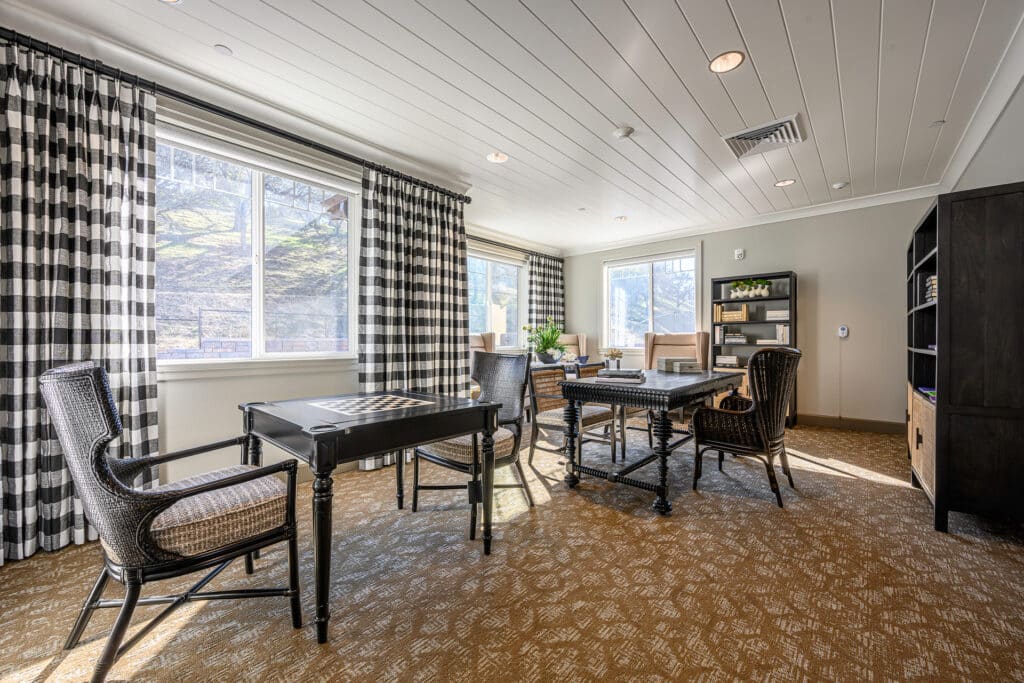
Finally, communal spaces, like cozy lounges or activity rooms, should be created that encourage social interaction. These areas foster community connections and enhance residents’ quality of life. Additionally, ensuring that the design incorporates nutritious dining options can significantly contribute to the overall well-being of residents.

4 things that are normally indicated on a long-term care facility floor plan

A well-designed long-term care facility floor plan typically includes several essential elements that enhance both functionality and comfort for residents.

You’ll want to guarantee that the layout promotes ease of movement while providing a warm, inviting atmosphere. Here are some key features often indicated on these floor plans:

  • Common Areas: Spaces for socializing, dining, and activities, encouraging community interaction.
  • Private Living Spaces: Individual rooms or apartments designed for comfort and personalization, allowing residents to feel at home.
  • Accessible Bathrooms: Features like grab bars and roll-in showers guarantee safety and independence for all residents.

These elements fulfill practical needs and foster a sense of belonging and community. Additionally, including access to amenities and services can significantly enhance residents’ overall experience and quality of life.

The thoughtful arrangement of these spaces can impact residents’ quality of life. As you explore these floor plans, consider how each area flows together, creating a harmonious environment that meets both physical and emotional needs.

Your goal is to curate a space that prioritizes care, comfort, and connection, guaranteeing that every resident feels valued and at ease in their new home.

In the heart of a cozy living space at The Oaks at Paso Robles, you find a gentle hum of laughter and freshly brewed coffee wafting from the kitchenette. Here, wide doorways invite easy movement and thoughtfully designed storage keeps everything close at hand. Glancing around, you sense a perfect balance of comfort and functionality, where every corner feels like home. Embracing independence while fostering connection, these small assisted living floor plans truly create a warm, welcoming haven. For more information, please call us at (805) 239-5851.


Floor Plans & Pricing

Make yourself at home where a happy, healthy lifestyle goes hand-in-hand with your personal fulfillment, enrichment, and growth.

Answer a few quick questions to unlock the exciting future senior living can offer!

Resident Login