

Maintaining a healthy digestive system becomes increasingly important as we age. Choosing the right foods for colon health can help reduce inflammation, prevent disease, and support a vibrant lifestyle. With the right balance of fiber, hydration, and nutrient-dense foods, aging adults can take proactive steps to care for their colon and overall wellness.
This guide highlights the best dietary practices for senior colon health, including what to eat and what to avoid, to protect your digestive tract and enhance your quality of life.
For more information on healthy living, visit Westmont Living.
The Power of Fiber: Essential for Colon Health
When it comes to the best foods for colon health, fiber tops the list. High-fiber foods not only promote regular bowel movements but also help prevent inflammation and reduce the risk of colorectal cancer. Older adults should aim for at least 30 grams of fiber daily by incorporating a variety of plant-based sources.
Whole grains, legumes, fruits, and vegetables are excellent ways to reach your daily fiber goals. Try adding lentils to soups, beans to salads, and oatmeal to your breakfast routine. Not only does this aid digestion, but it also boosts beneficial gut bacteria.
A healthy diet rich in fiber is a simple yet effective tool for reducing chronic disease risks and promoting long-term wellness.
Colorful Plates: Plant-Based Nutrition for the Colon
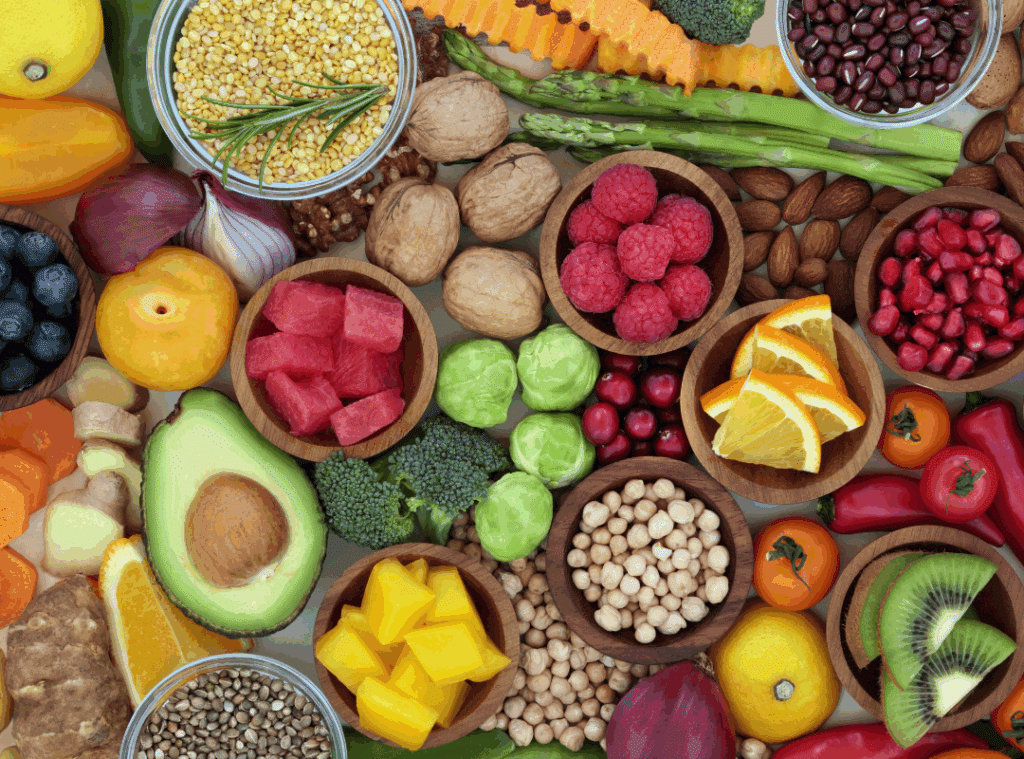
A plant-forward diet supports overall health and delivers specific benefits for the digestive tract. Legumes, nuts, seeds, vegetables, and fruits provide the essential vitamins and antioxidants necessary to keep inflammation at bay.
In particular, foods good for colon inflammation include spinach, broccoli, berries, and flaxseeds. These nutrient-dense foods help protect against harmful cellular damage and reduce the risks associated with chronic gut inflammation.
Aim to fill half your plate with vegetables and fruits, with a focus on nutrient-rich produce. Don’t forget to mix in grains like quinoa and brown rice for added fiber and protein.
Explore more fiber-rich foods to keep your colon functioning at its best.
Healthy Fats: Fuel for Digestive Health
Not all fats are created equal. In fact, certain healthy fats play a significant role in supporting colon function and reducing inflammation.
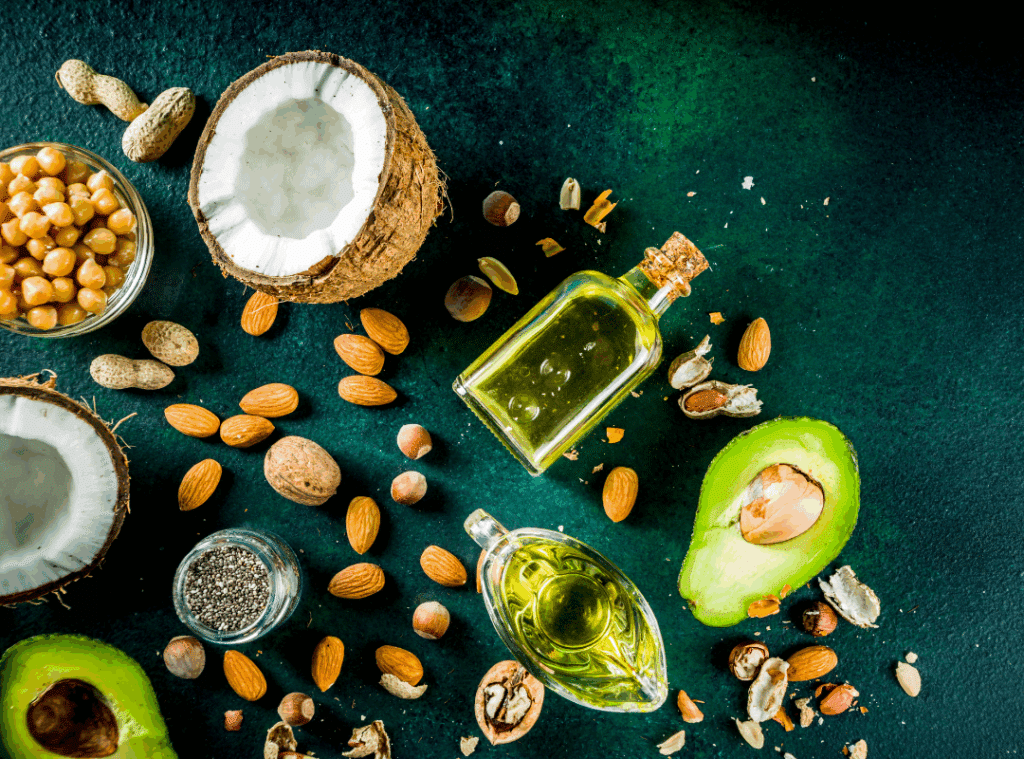
Avocados, nuts, seeds, and olive oil are loaded with anti-inflammatory properties and essential fatty acids. These support nutrient absorption and help maintain the mucosal lining of the colon, reducing irritation and inflammation.
Additionally, omega-3-rich foods like salmon, chia seeds, and walnuts have been linked to a reduced risk of colorectal cancer, making them top contenders in a diet rich in foods for colon health.
Choosing these fats over saturated or trans fats is a smart move for longevity and vitality. Plus, good nutrition reduces chronic disease risk, giving seniors an added reason to adopt these dietary changes.
Hydration’s Role in Colon Function
You can’t overlook the role of water in keeping your colon healthy. Dehydration is a common issue among older adults and can lead to constipation and digestive discomfort.
To promote regular bowel function and assist with nutrient absorption:
- Drink at least eight glasses of water per day
- Enjoy herbal teas like peppermint or chamomile
- Eat hydrating foods such as cucumbers, oranges, and watermelon
- Include soups and broths in meals
Hydration supports the fiber you consume by helping it move efficiently through the digestive tract. Personalized care, including a tailored hydration plan, is often included in personalized care plans for seniors to address these critical needs.
Worst Foods for Colon Health
Just as important as what to eat is knowing what to avoid. Certain foods can trigger inflammation, increase the risk of colorectal cancer, or cause other digestive issues. These are some of the worst foods for colon health:
| Food Type | Why to Avoid | Healthier Option |
| Processed Meats | High in preservatives and nitrates | Lean poultry, fish |
| Red Meat | Linked to colorectal cancer | Beans, lentils |
| Sugary Drinks | Increases gut inflammation | Herbal teas, water |
| Fried Foods | Difficult to digest, promotes inflammation | Grilled or baked alternatives |
| Refined Carbs | Lack of fiber causes sugar spikes | Whole grain versions |
For seniors looking to live comfortably and healthily, understanding the costs associated with senior care may also help guide dietary options available at care communities.
To learn more about cancer-preventative diets, visit the American Institute for Cancer Research and explore resources from the Colorectal Cancer Alliance.
Colon Cancer Foods to Avoid
There is a strong correlation between diet and colorectal cancer risk. Being mindful of colon cancer foods to avoid can dramatically impact your health outcomes. These foods have been scientifically linked to increased colon cancer risk:
- Processed meats like hot dogs and bacon
- High-fat fast food
- Sugary, processed snacks
- Excessive alcohol
- Foods with artificial preservatives or additives
Reducing intake of these foods and replacing them with fiber-rich, whole-food alternatives can lower your risk and support a healthier gut environment.
Best Fruits for Colon Health
Fruits are not only tasty but also vital for maintaining colon health. The best fruits for colon health include those that are high in fiber, antioxidants, and water content:
- Apples – Rich in pectin, a type of soluble fiber that aids digestion
- Berries – High in antioxidants and fiber
- Pears – Excellent source of both soluble and insoluble fiber
- Kiwi – Aids in regularity and gut function
- Bananas – Gentle on the stomach and rich in potassium
Eating a mix of these fruits daily helps improve digestion, prevent constipation, and reduce inflammation.
Pairing fruits with yogurt or a handful of nuts also adds probiotics and healthy fats to your diet, further boosting your colon’s health.
Nourish Your Colon, Enhance Your Life
Protecting your digestive system as you age doesn’t have to be complicated. By focusing on foods for colon health, avoiding harmful choices, and staying well-hydrated, you can take proactive steps to improve your well-being and longevity.
Adopt a fiber-rich, plant-based diet with healthy fats and hydrating foods. Avoid the worst foods for colon health, and be cautious with colon cancer foods to avoid. And don’t forget to include the best fruits for colon health and other foods good for colon inflammation to round out your meals.
At Westmont Living, we are committed to helping seniors thrive through smart, health-conscious living. If you or your loved one is interested in learning more about our community’s nutrition and wellness programs, please contact us at 858-456-1233 or visit our website.
Frequently Asked Questions
What foods are good for the colon?
Foods that are high in fiber are especially good for colon health. These include fruits like apples, berries, and pears, as well as vegetables like broccoli, spinach, and carrots. Whole grains such as brown rice, oats, and quinoa also support a healthy colon by aiding digestion and promoting regular bowel movements. Legumes like lentils and beans provide both fiber and protein for gut health. A diet rich in these foods helps reduce inflammation and supports a balanced gut microbiome.
What foods prevent colon polyps?
To help prevent colon polyps, include plenty of cruciferous vegetables like broccoli, cauliflower, and Brussels sprouts in your meals. These vegetables contain antioxidants and compounds that support colon health and reduce inflammation. Whole grains, fruits, and foods rich in calcium—such as low-fat dairy products—can also lower polyp risk. Reducing red and processed meats is equally important, as these have been linked to an increased risk of polyps. Maintaining a diet high in fiber and low in saturated fats offers protective benefits.
What is the best drink for the colon?
Water is the best drink for maintaining colon health, as it keeps your digestive system hydrated and functioning smoothly. In addition, herbal teas like ginger or peppermint can soothe the digestive tract and support regularity. Some studies suggest that green tea, rich in antioxidants, may also support colon health by reducing inflammation. Avoiding sugary drinks, excessive caffeine, and alcohol can further protect your colon. Consistent hydration plays a key role in preventing constipation and promoting overall gut wellness.
What foods are good for clearing your bowels?
High-fiber foods are most effective for naturally clearing your bowels. Leafy greens, apples, chia seeds, and oatmeal all help add bulk and softness to your stool, making bowel movements easier. Prunes and other dried fruits contain sorbitol, a natural laxative that promotes regularity. Staying hydrated and eating probiotic-rich foods like yogurt and kefir also support a healthy digestive flow. Combining these dietary habits can help keep your system regular and reduce bloating.