


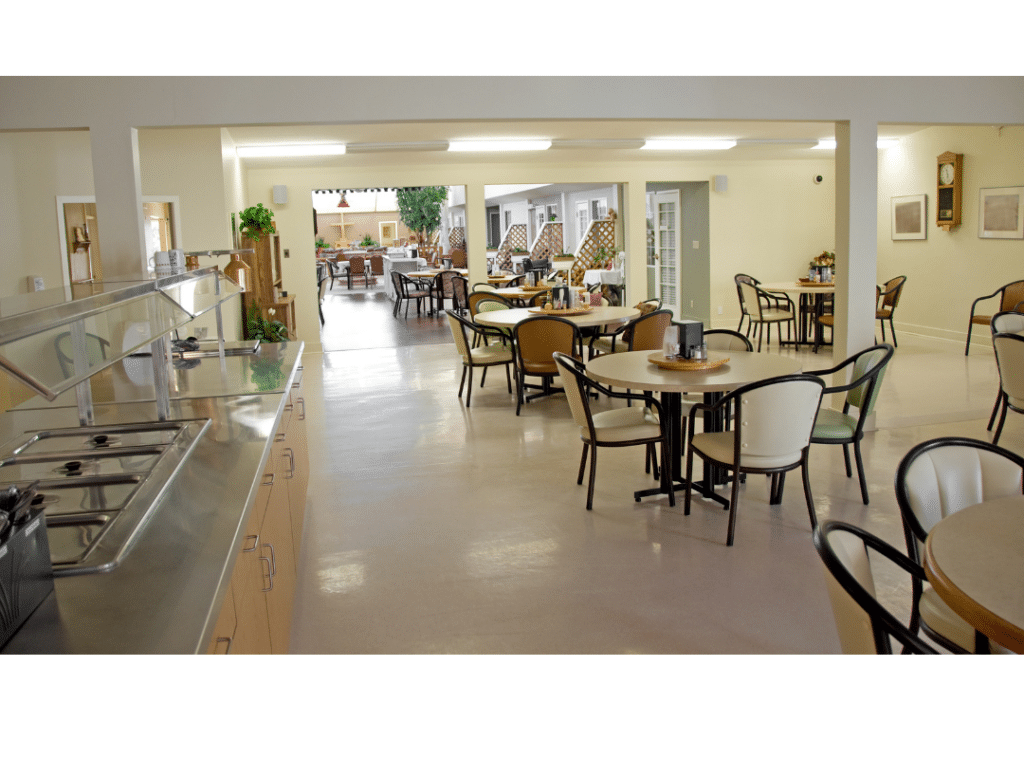
Residential care vs assisted living comes down to the level of support, lifestyle preferences, and daily routines that feel right for you or your loved one. Residential care often offers a smaller home-style setting, while assisted living usually provides more amenities, activities, and independence with support available. At The Oaks at Nipomo, families can explore senior living options designed for comfort, connection, and peace of mind.
Making this decision can feel emotional and overwhelming. The good news is that understanding the differences can help you move forward with confidence and choose the setting that best supports quality of life. If your family is also thinking through timing, this related guide on moving to assisted living with more ease may help you organize next steps.
Residential Care vs Assisted Living at a Glance
Residential care and assisted living both help older adults with daily living needs, but they often serve different preferences.
Best fit for a quieter setting
Residential care is commonly a smaller setting with a more intimate feel. Residents may receive support with meals, medication reminders, and personal care in a quieter environment.
Best fit for independence with support
Assisted living communities often provide a broader lifestyle experience with private living spaces, dining programs, wellness opportunities, transportation, and social events while still offering assistance when needed.
Quick Comparison Table: Residential Care vs Assisted Living
A side-by-side comparison can make the choice easier to understand.
| Feature | Residential Care | Assisted Living |
| Setting | Smaller, home-like environment | Larger community setting |
| Social Opportunities | Limited and intimate | More activities and events |
| Privacy | Shared or private rooms may vary | Apartment-style living options |
| Amenities | Basic daily support | Expanded services and amenities |
| Best For | Personalized support | Independence with convenience |
Who May Prefer Residential Care?
Residential care may feel like the right fit if your loved one is more comfortable in a smaller environment with fewer residents and a familiar daily rhythm.
This setting can also appeal to families who value close day-to-day attention and a quieter atmosphere. If social crowds feel overwhelming, a smaller home-style residence may offer comfort and stability.
Who May Prefer Assisted Living?
Assisted living often works well for seniors who want support without giving up independence. You may still enjoy privacy, routine, and the freedom to choose how you spend your day.
At The Oaks at Nipomo, residents can enjoy community features such as a fitness center, outdoor courtyard, library, movie theater, art studio, salon and barber shop, scheduled transportation, and pet-friendly living. Explore lifestyle options on the community lifestyle page.

Understanding Types of Senior Care
Senior care is not one-size-fits-all. Needs can change over time, so it helps to understand common long-term care options for seniors:
- Independent Living for active seniors who want convenience and community
- Assisted Living for help with daily tasks and added peace of mind
- Memory Care for individuals living with memory-related conditions
- Skilled nursing or medical care when ongoing clinical support is required
According to the Administration for Community Living, someone turning 65 today has almost a 70% chance of needing some type of long-term care services and supports in their lifetime. The National Institute on Aging also explains that long-term care may be provided at home or in residential settings such as assisted living or nursing homes.
Checking care options in California
For families comparing assisted living facility ratings in California or looking into oversight, the California Department of Social Services’ Senior Care Licensing Program is a helpful resource for understanding licensed senior care settings.
When Moving From Home May Make Sense
Staying at home works for many people, but there are times when added support can improve daily life.
You may want to explore senior living when household tasks become stressful, isolation increases, or safety concerns start to grow. Help with meals, maintenance, transportation, and personal support can reduce pressure on both seniors and families. If you’re comparing costs and lifestyle factors, the Cost Comparison Tool can help organize your options.
A Confident Next Step for Your Family
The best choice is the one that supports comfort, dignity, and the right level of care today while allowing flexibility for tomorrow. Some families choose a smaller residential setting, while others value the lifestyle and convenience of assisted living.
If you would like to see what daily life looks like in person, you can Schedule a Tour, Contact Us, or Call Us at 805-723-5206. A conversation can often make the decision feel much clearer.
Frequently Asked Questions
Which is more expensive, home care or assisted living?
It depends on how much support is needed. Part-time help at home may cost less in some cases, but multiple weekly visits, home upkeep, meals, and transportation can add up quickly. Assisted living often combines housing, dining, support, and amenities into a single monthly package. Comparing total lifestyle costs is usually more helpful than comparing one line item.
How long do people stay in residential care?
Length of stay varies based on health, mobility, and changing care needs. Some people stay for a short period after a life change, while others remain for several years. A comfortable environment and consistent support often influence long-term satisfaction. Families usually review needs over time.
What are the four types of care?
A simple way to group senior care options includes independent living, assisted living, memory care, and skilled nursing care. Each option supports different levels of independence and health needs. Some communities offer multiple options in one location. That can make future transitions easier.
What is one of the biggest drawbacks of assisted living?
One challenge can be adjusting to change. Moving from a longtime home into a community setting may take time, emotionally and practically. Many residents settle in well once routines, friendships, and activities begin. Visiting beforehand can help ease the transition.