

Keeping the mind sharp is just as important as maintaining physical health, especially for older adults. At Lakeview Senior Living in Lincoln City, OR, we understand that memory loss can impact independence and quality of life. Fortunately, incorporating memory exercises for the elderly can help improve focus, recall, and confidence.
Whether you prefer memory exercises for the elderly at home, enjoy participating in group games, or are looking for free memory exercises for the elderly, there are countless ways to stay mentally active. These fun and simple techniques can strengthen the brain, foster social connection, and bring joy to your daily routine. Explore these proven strategies and discover how to protect your cognitive health for years to come.
The Importance of Memory Exercises for Seniors
Engaging in regular memory exercises for the elderly promotes mental alertness and helps reduce the risk of cognitive decline. Incorporating daily brain exercises, such as puzzles, reading, or storytelling, can enhance memory retention and improve problem-solving skills.
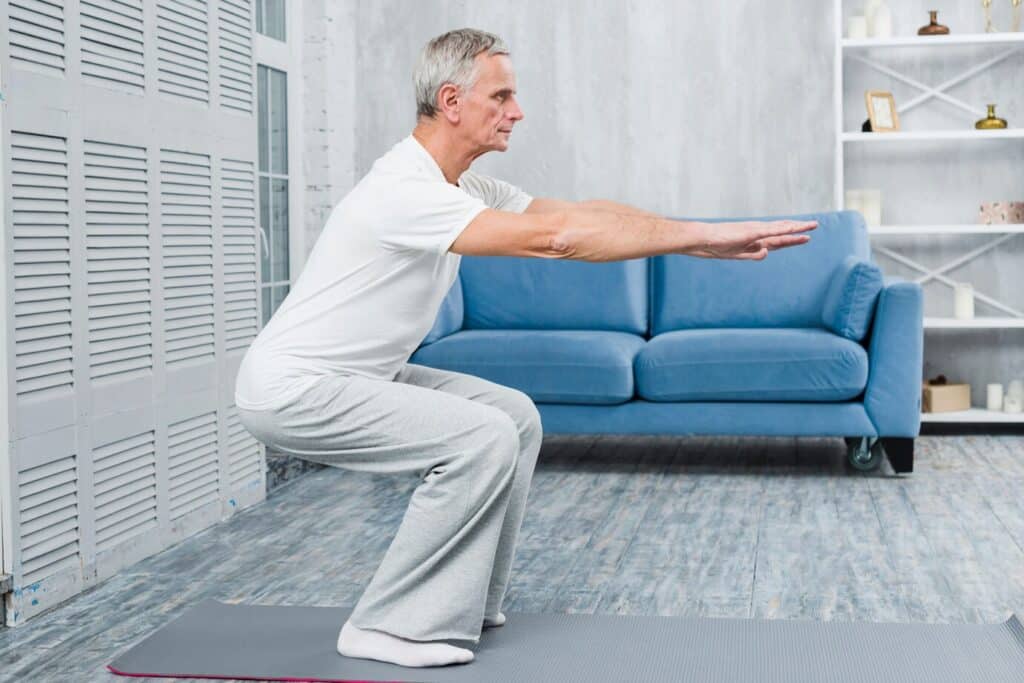
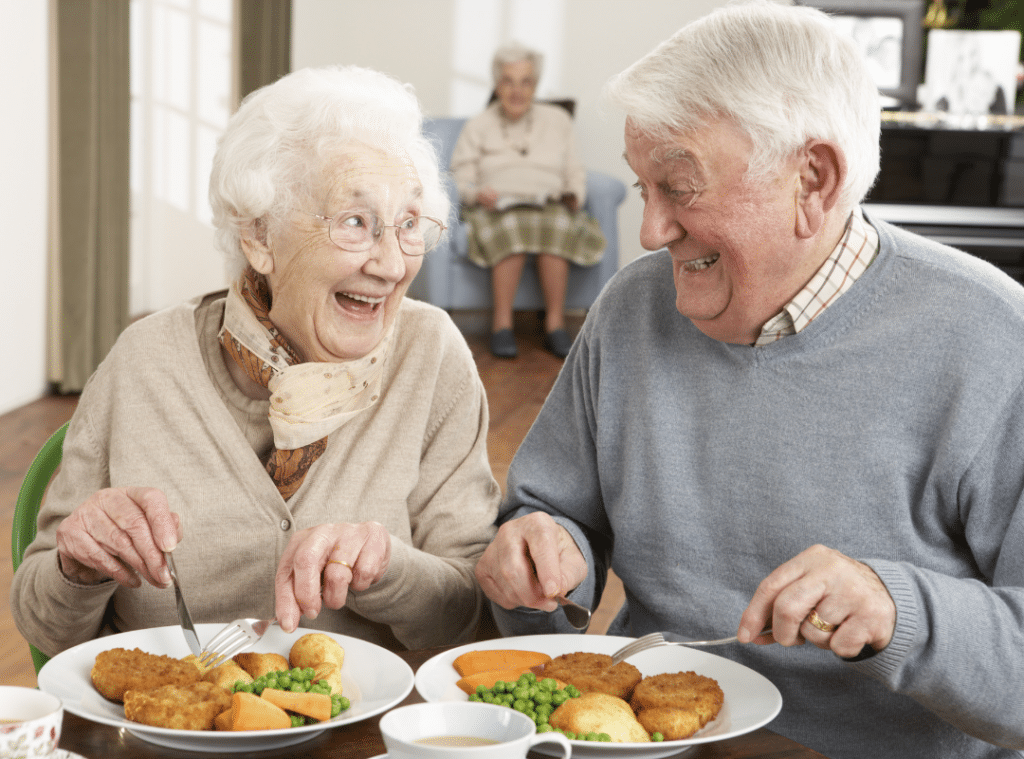
Cognitive activities enhance brain plasticity, keeping your mind flexible and capable of learning new things. They also encourage social engagement, which plays a key role in emotional well-being. Combine mental activities with nutritious meals and light physical exercise for a holistic approach to cognitive health.
For inspiration, try brain-boosting games like Sudoku challenges, which are both stimulating and enjoyable. You can also explore 10 ways to improve your memory, including maintaining consistent sleep, staying hydrated, and practicing mindfulness.
Engaging Brain Games to Enhance Recall
Fun brain games can transform memory improvement into an enjoyable experience. Activities like memory cards or puzzles stimulate cognitive functions while promoting social connection. They’re among the best memory exercises for the elderly at home since they can be done solo or with friends and family.
Fun Memory Card Games
Memory card games are an entertaining way to practice recall. Try:
- Classic Memory Match – Flip cards to find pairs and strengthen focus.
- Picture Matching – Use personal photos to stimulate emotional memories.
- Timed Challenges – Add a time limit for extra excitement and quick recall.
- Group Games – Invite loved ones for friendly competition and a great time filled with laughter.
Regular play sharpens mental agility, enabling you to think more quickly and remember information more effectively. Incorporating entertaining mental exercises into your weekly routine can make cognitive training enjoyable and rewarding.
Interactive Group Activities
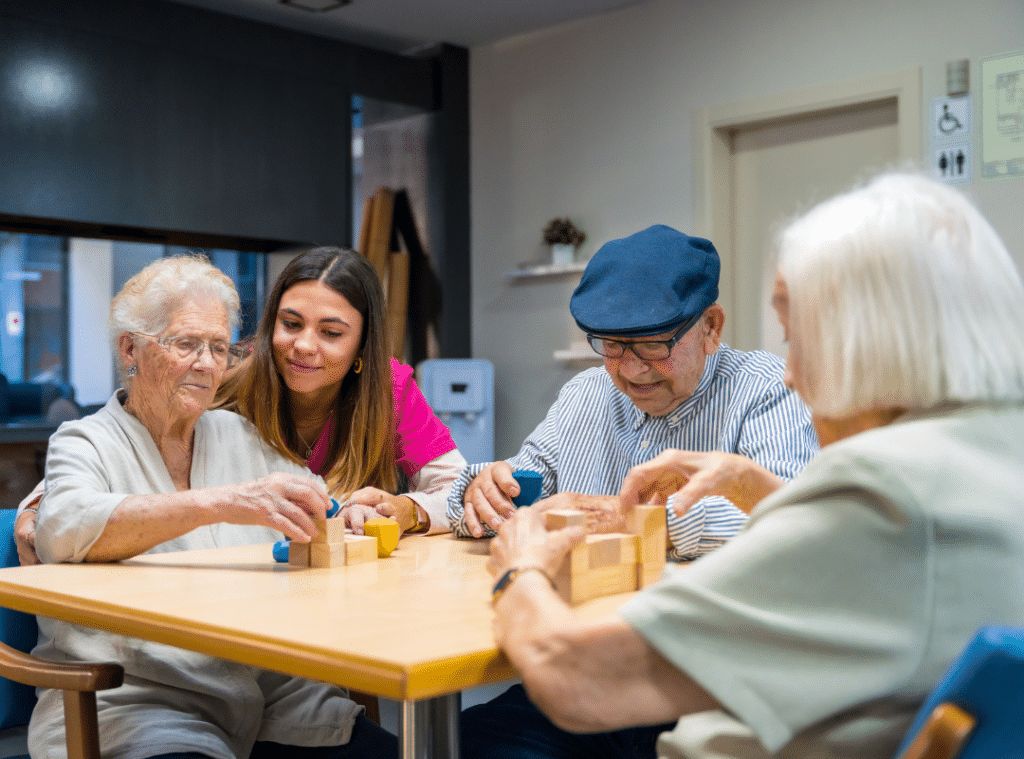
Group activities bring people together while strengthening memory. Try a “memory walk” where participants share stories about familiar places, or start a storytelling circle to boost creativity and recall.
Social engagement is one of the 10 ways to improve memory, as it promotes positivity and fosters learning by connecting with others. Participating in therapeutic activities also supports the development of communication skills and teamwork, while stimulating the brain
Creative Activities for Mental Stimulation
Creativity stimulates multiple parts of the brain and enhances recall. It’s one of the best free memory exercises for the elderly because all you need is a little imagination. Participating in engaging memory-care activities, such as writing or art, can improve focus and emotional health.
Try these ideas:
- Creative Writing – Write short stories, letters, or poems to organize thoughts.
- Art Therapy – Paint or draw to express feelings visually.
- Journaling – Keep a gratitude or reflection journal to preserve meaningful memories.
- Craft Projects – Work on puzzles, knitting, or scrapbooks to strengthen attention to detail.
Each of these 5 brain exercises helps reinforce mental pathways while providing joy and accomplishment.
Social Interaction and Memory Improvement
Socialization is crucial for maintaining memory and emotional well-being. Sharing experiences during group activities stimulates recall and reduces isolation. Social engagement is also one of the 10 ways to improve memory, as it activates parts of the brain tied to emotional connection and learning.
Joining art classes, book clubs, or group exercises can enhance both your mood and cognition. Through regular communication, you’ll find that meaningful relationships can be just as powerful for brain health as memory exercises for the elderly at home.
Nutrition and Its Impact on Cognitive Health
Good nutrition fuels the brain and keeps it functioning optimally. A well-balanced diet supports focus, recall, and concentration, key aspects of memory exercises for the elderly.
Nutrient-Rich Foods
Include foods that promote mental clarity and energy:
- Leafy Greens – Spinach, kale, and collards are known to protect against cognitive decline.
- Berries – Blueberries and strawberries help improve brain signaling.
- Nuts – Walnuts and almonds provide healthy fats and antioxidants.
- Whole Grains – Oats and quinoa supply consistent energy for mental performance.
These are part of the 10 ways to improve memory naturally through nutrition.
Omega-3 Fatty Acids
Omega-3s are vital for brain health. Found in salmon, walnuts, and flaxseed, they help reduce memory loss and improve mental performance. Studies from Harvard Health indicate that these fatty acids may help slow cognitive decline and improve mood, key factors in overall well-being.
Hydration and Brain Function
Dehydration can cause fatigue and forgetfulness. Seniors should aim for at least eight glasses of water daily. Add fruits like cucumber or lemon slices for flavor and an extra boost of nutrients. According to the National Institute on Aging, staying hydrated supports concentration and mental clarity.
Evaluating Personal Care Needs for Better Memory
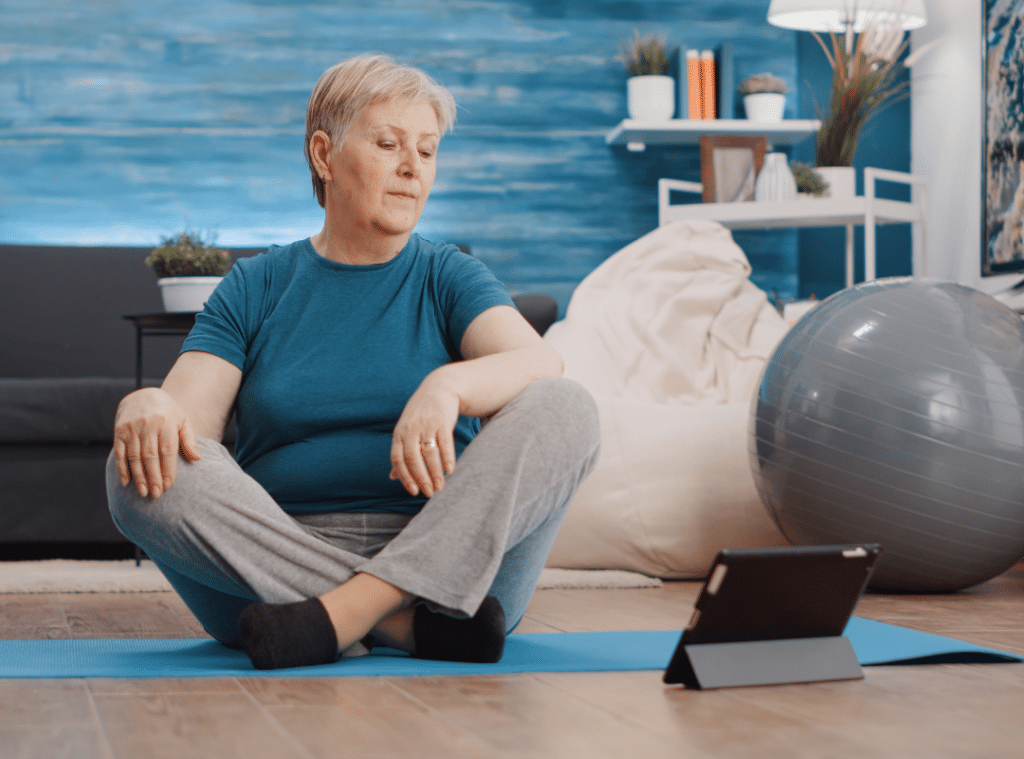
Evaluating your personal health and care routine is essential for supporting long-term memory health. Assess your physical activity, sleep patterns, diet, and social engagement. By combining these habits with consistent memory exercises for the elderly, you create an environment where the mind can thrive.
Discussing these goals with family or caregivers ensures you receive the support needed to maintain a healthy, active lifestyle that strengthens both body and mind.
Exploring Community Living Benefits for Cognitive Enhancement
Community living can be an excellent setting for seniors seeking both engagement and mental stimulation. At Lakeview Senior Living, residents enjoy programs focused on free memory exercises for the elderly, creative classes, and brain-focused workshops.
Some benefits include:
- Cognitive Clubs that focus on 5 brain exercises daily.
- Workshops promoting creativity and continuous learning.
- Regular Social Events that keep minds active and connected.
- Access to Wellness Resources that support physical and cognitive vitality.
Living in a community setting helps residents embrace 10 ways to improve memory while feeling supported, connected, and fulfilled.
Keep Your Mind Active: Schedule a Visit Today
Incorporating memory exercises for the elderly into your daily routine can transform your mental health and enrich your life. From fun games to creative hobbies and social engagement, these simple activities help preserve independence and happiness.
At Lakeview Senior Living, we make it easy to enjoy memory exercises for the elderly at home and in our community. Call us today at 541-994-7400 or schedule a Tour to discover how our programs promote active living, learning, and lasting wellness.
Questions on Enhancing Memory for Seniors
How to improve memory in seniors?
Improving memory in seniors involves engaging the brain through mental exercises, such as puzzles, reading, and learning new skills. Regular physical activity also enhances blood flow to the brain, supporting cognitive health. A balanced diet rich in omega-3 fatty acids, fruits, and vegetables can improve focus and memory retention. Social interaction and adequate sleep further strengthen mental clarity and emotional well-being.
What is the best exercise to improve memory?
Aerobic exercises such as walking, swimming, and dancing are among the best for improving memory. These activities increase oxygen flow to the brain and stimulate the release of chemicals that enhance memory and learning. Mind-body exercises, such as yoga and tai chi, can also improve concentration and alleviate stress. Consistency is key, so seniors should strive for regular physical activity to maintain cognitive health.
How to help an elderly person with memory loss?
To help an elderly person with memory loss, establish a calm and structured daily routine to reduce confusion. Encourage them to engage in mentally stimulating activities, such as puzzles or memory games, to keep their mind active. Providing reminders, using labeled items, and maintaining a supportive environment can make daily tasks easier. Patience and positive reinforcement are essential, along with consulting a doctor for professional advice if memory issues worsen.
Is memory loss a normal part of aging?
Mild memory loss, such as forgetting names or occasionally misplacing items, can be a regular part of aging. However, significant memory problems that interfere with daily life may indicate a more serious condition like dementia or Alzheimer’s disease. Aging affects how quickly the brain processes information, but it doesn’t always lead to severe memory decline. Early detection and a healthy lifestyle can help maintain good cognitive function as one ages.