

Aging brings new challenges, and for many older adults, anxiety becomes one of the most overwhelming. Whether it appears as persistent worry, irritability, panic, or fear of health changes, anxiety can significantly affect a senior’s daily well-being. At Westmont of Chico, understanding these emotional challenges—and knowing how to respond—is essential for creating a calm, supportive environment.
Many families also wonder: Is anxiety a disability, and what protections exist if symptoms worsen? The answer is yes—under certain conditions, anxiety can qualify as a disability when it significantly limits major life activities. Understanding this, along with addressing symptoms early, can help you or your loved one find the right level of support, confidence, and peace of mind. For more information, visit Westmont of Chico.
Understanding Anxiety in Seniors
Anxiety often goes unnoticed in older adults, but recognizing its complexities is essential. Seniors may experience worry about health, declining independence, finances, or the loss of loved ones. These triggers can intensify feelings of fear and uneasiness, especially if anxiety is chronic or combined with other conditions such as depression. Many people also question whether depression is a disability, as the two conditions frequently appear together and may qualify under disability protections.
Encouraging seniors to practice relaxation strategies—such as mindfulness, deep breathing, or grounding exercises—can significantly improve symptoms. Open communication about their emotional state also promotes trust and emotional safety. Understanding these factors helps caregivers respond compassionately and effectively. For additional insights, explore these supportive care strategies to guide anxiety management in older adults.
Recognizing Symptoms of Anxiety in Older Adults
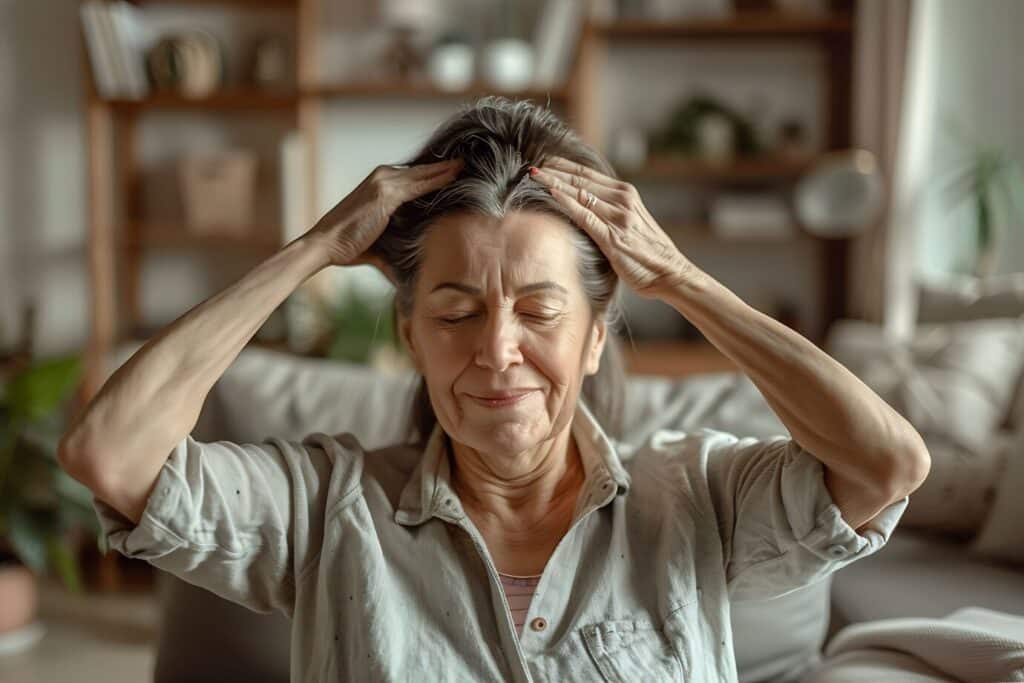
Identifying anxiety symptoms early is key to appropriate care. Seniors may show persistent worry, irritability, or frequent agitation. Others experience physical symptoms such as muscle tension, fatigue, headaches, digestive discomfort, or sleep issues.
Differentiating regular age-related changes from anxiety-driven behavior is essential. Unaddressed symptoms can also lead families to explore whether I can get disability for anxiety and depression, or whether anxiety is a disability under the ADA.
Your awareness and ability to recognize symptoms empower you to promote early intervention. Learn more about how late-onset anxiety may begin during significant life transitions common for seniors.
Seeking Professional Help and Evaluation
Professional support is fundamental when anxiety begins disrupting daily routines. Therapists, counselors, and geriatric mental health specialists can create personalized treatment plans that address a senior’s unique emotional and physical needs.
Options such as cognitive-behavioral therapy, support groups, or mindfulness-based therapy can offer relief. Virtual therapy has also become a convenient option for seniors with mobility limitations. Many also inquire whether I can get disability for anxiety and panic attacks, particularly if symptoms significantly impair functioning.
Recognizing early signs of mental health concerns, including depression or panic disorders, allows loved ones to take meaningful action. Learn more about emotional health challenges through this resource on mental health issues.
Lifestyle Changes That Help Reduce Anxiety
Lifestyle habits have a powerful impact on mental well-being. Encouraging seniors to stay active, eat nutritious meals, and maintain social engagement can significantly reduce chronic stress and anxiety. These simple adjustments often complement professional therapy and medical treatment.
To further understand the relationship between anxiety and healthy habits, consider reviewing reputable mental health organizations like the National Institute of Mental Health or anxiety resources from the ADAA.
Regular Exercise Benefits
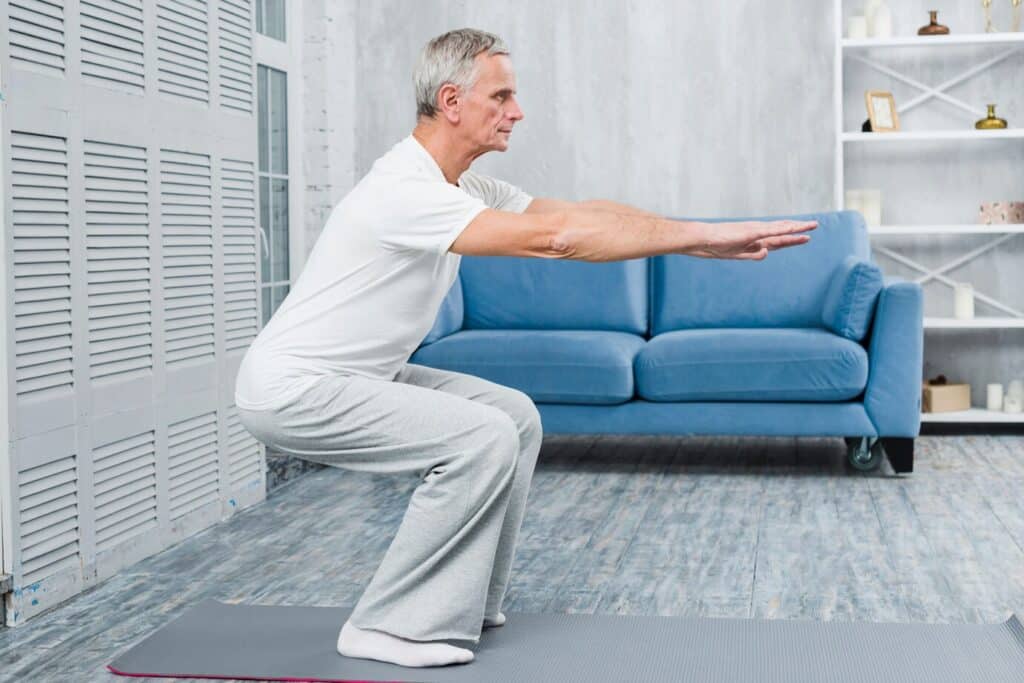
Consistent movement boosts physical health and helps regulate stress hormones, which benefits seniors dealing with anxiety. Activities such as walking, stretching, light strength training, or chair exercises are effective and easily adaptable to individual ability levels.
Group exercise can also enhance emotional well-being by restoring connection and routine. See how regular exercise improves stability and reduces fall risk, further enhancing confidence and independence.
Mindfulness and Meditation Practice
Mindfulness and meditation help seniors stay grounded rather than overwhelmed by racing thoughts. These techniques improve emotional regulation, sleep quality, and overall calmness.
| Mindfulness Practice | Benefits | Tips |
| Deep breathing | Reduces tension | Practice 5 minutes daily |
| Body scanning | Helps identify physical stress | Use guided recordings |
| Guided imagery | Creates mental relaxation | Choose peaceful scenarios |
Mental health professionals widely endorse meditation. Explore introductory practices using reliable sources such as Mayo Clinic.
Healthy Eating Habits for Emotional Well-Being
Nutrient-rich meals can stabilize mood and energy levels. Omega-3s, whole grains, leafy vegetables, and fruits support cognitive and emotional health. Hydration is equally important, as dehydration can heighten anxiety symptoms.
Snacks like nuts, yogurt, and fruit provide sustained energy, while processed or sugary foods may worsen irritability and fatigue.

The Role of Family and Caregivers
Caregivers play an irreplaceable role in emotional support. Family involvement helps seniors feel secure and understood. Checking in frequently, encouraging open discussion, and creating a predictable routine all help ease anxiety.
Empathy and patience are essential, especially when exploring sensitive topics such as whether anxiety is a disability or what financial assistance may be available. Many families also explore how much does a mental health disability pays, helping them plan for long-term support.
Community Support Resources for Anxiety
Community programs offer companionship, education, and a sense of belonging. Many seniors benefit from structured support groups or online communities that provide emotional reinforcement.
Local Support Groups
Support groups allow seniors to share experiences and learn coping skills from others facing similar challenges. Directories of local resources can help you find groups tailored to seniors or caregivers.
Online Emotional Support Options
Online forums, mental health webinars, and virtual counseling platforms offer accessible, judgment-free support.
| Resource Type | Benefits | Examples |
| Forums | Connection and shared experiences | AgingCare |
| Virtual counseling | Personalized support | BetterHelp |
| Webinars | Education | ADAA |
Family Involvement Strategies
Families can increase the effectiveness of their support by learning communication techniques, attending caregiver training, and participating in community events to strengthen emotional bonds.
Legal Rights and Disability Protections for Seniors With Anxiety
Many families wonder: Is anxiety a disability, and what does that mean for seniors? Under the Americans with Disabilities Act (ADA), certain anxiety disorders qualify for disability protections if they substantially limit daily functioning.
This is also why people ask if depression is a disability, can I get disability for anxiety and depression, and how much does a mental health disability pay—all common concerns when symptoms impact quality of life.
Legal protections include:
| Protection | Benefit |
| Anti-discrimination laws | Fair treatment in housing & public spaces |
| Reasonable accommodations | Adjustments that support daily functioning |
| Access to disability benefits | Potential financial support |
| Confidentiality rights | Privacy protections |
Understanding these rights empowers seniors and families to advocate for proper support.
Ready for Help? Your Next Step Starts Here
Navigating anxiety doesn’t have to be overwhelming—especially when you have the proper guidance. At Westmont of Chico, our team is dedicated to helping seniors feel supported, understood, and emotionally secure. Whether you’re seeking clarity about whether anxiety is a disability, exploring treatment options, or simply searching for compassionate support, we’re here to walk with you every step of the way.
Call us today at 530-767-3886 or schedule a tour now.
Let us help you or your loved one rediscover comfort, confidence, and peace.
Frequently Asked Questions
Is anxiety considered to be a disability?
Anxiety can be considered a disability if it significantly limits a person’s ability to perform major life activities. This includes tasks such as concentrating, working, socializing, and managing daily routines. Not all cases of anxiety qualify, as the severity and impact vary from person to person. When symptoms are persistent and interfere with daily function, it may meet the criteria for a recognized disability.
Can you claim disability for anxiety?
You may be able to claim disability for anxiety if your condition is severe enough to limit your ability to work consistently. Disability programs typically require medical documentation, proof of ongoing treatment, and evidence that symptoms affect daily functioning. Mild or well-managed anxiety usually does not qualify. However, severe or chronic anxiety disorders—such as generalized anxiety disorder or panic disorder—may meet the requirements.
What is the hardest mental illness to live with?
The most complex mental illness to live with varies depending on personal experience, symptom severity, and available support. Many people consider conditions like schizophrenia, bipolar disorder, or severe depression particularly challenging due to their impact on thinking, mood, and daily functioning. Chronic anxiety disorders and obsessive-compulsive disorder can also be difficult. Ultimately, the most complex condition is subjective and depends on how deeply it affects a person’s life.
What are 5 signs you have anxiety?
Common signs of anxiety include persistent worry that feels difficult to control and physical symptoms such as a racing heart or shortness of breath. Many individuals experience restlessness, muscle tension, or irritability. Trouble concentrating and difficulty sleeping are also frequent indicators. When these symptoms begin interfering with daily tasks or relationships, they may signal an anxiety disorder.