


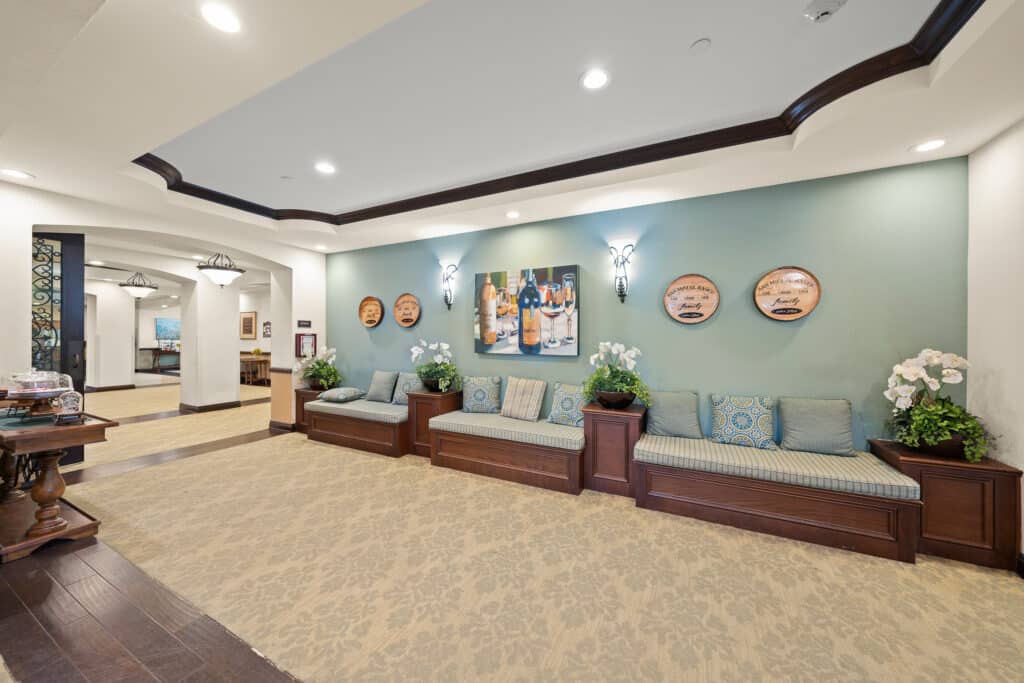
Home care assisted living facilities are designed to help seniors age with dignity, comfort, and confidence, especially when families want both independence and dependable support. At Westmont at San Miguel Ranch, seniors benefit from a welcoming environment and services that encourage meaningful engagement, safety, and personalized care.
As you learn more about senior care options, you’ll find that home care and assisted living facilities offer families a balanced approach: the independence of home-like surroundings paired with assistance tailored to personal needs. This guide walks you through what to expect, how these communities differ from other care types, and how to make a confident choice for your loved one.
Understanding Home Care Assisted Living Facilities
When considering home care assisted living facilities, it’s helpful to imagine a blend of comfort, autonomy, and structured support. Communities like Westmont at San Miguel Ranch are designed to help seniors maintain independence while ensuring that daily needs are met. Residents may receive help with personal care routines, medication reminders, and activities that support emotional and physical well-being.
These settings differ from in-home care because services occur in a community setting that still feels residential and personal. They also provide an added social advantage, built-in opportunities for connection and companionship. For deeper insight, you may also explore how assisted living communities enhance belonging and engagement daily.
As families explore care options, many also compare board and care vs assisted living to determine what aligns best with a loved one’s lifestyle. These comparisons can help clarify differences in home-like care environments, staffing models, and daily support options.
Key Differences Between Assisted Living and Nursing Homes
Although both settings serve seniors, they are intended for different levels of care. Assisted living supports those who can perform many activities independently but need help with specific tasks. Residents often enjoy private spaces, social programs, and routine assistance.
Nursing homes, however, are designed for seniors who require 24-hour skilled medical attention. They offer comprehensive clinical oversight, which is essential for those with significant health needs.
Families evaluating board and care vs assisted living often use this distinction to determine the right environment. Those exploring assisted living requirements in California will also find that state-regulated staffing and care standards ensure a secure, supportive experience. Assisted living facilities, including those within Westmont Living communities, encourage independence while offering structured support for daily needs.
To learn more about differences in senior care settings, you may review reputable health organizations, such as the National Institute on Aging, for guidance.
Services Typically Offered in Assisted Living
Many seniors choose assisted living communities for the comprehensive support they offer. These services are designed to preserve dignity, promote independence, and enhance physical and emotional wellness.
Personal Care Assistance
Seniors may receive help with everyday routines such as bathing, grooming, mobility, or dressing. These are essential components of personalized senior care, allowing each resident to maintain comfort and confidence. Facilities also support proper nutrition and companionship—two vital factors in a senior’s quality of life. Additional information on personalized senior care can be found in this article on individualized care services.
Medication Management Support
Medication support ensures each resident safely follows their prescribed regimen. Staff help with reminders, dosage timing, and oversight to minimize risks. This dependable structure gives families peace of mind and supports residents’ ongoing wellness. Tools like smart medication management systems may also be used in some communities to enhance accuracy and efficiency.
Social and Recreational Activities
Social engagement is fundamental to senior wellness. Group outings, hobby clubs, fitness classes, games, and entertainment events create opportunities for connection and enjoyment. These activities support emotional health, cognitive engagement, and a sense of community.
To better understand the benefits of social programs for seniors, resources from organizations such as the Administration for Community Living provide valuable national guidance.
Assessing the Needs of Your Loved One
Before choosing a care community, begin with an honest assessment of your loved one’s daily needs, independence level, safety risks, and emotional well-being. This step helps you balance independence with support and determine what level of assistance will allow your loved one to thrive.
| Need | Description | Importance |
| Physical Health | Mobility, chronic conditions | Essential for safety |
| Mental Well-being | Cognitive and emotional stability | Critical for peace of mind |
| Social Interaction | Friendships and engagement | Supports happiness |
| Daily Living Skills | Personal care and routines | Determines independence |
| Activities | Hobbies that spark joy | Encourages purpose |
Families researching board and care vs. assisted living, or browsing the list of RCFE facilities in California, often refer to these criteria to align their needs with the appropriate type of environment.
Factors to Consider When Choosing a Facility
Choosing the right community involves comparing several important elements:
- Convenient location
- Reputation and reviews
- Staff experience
- Available care services
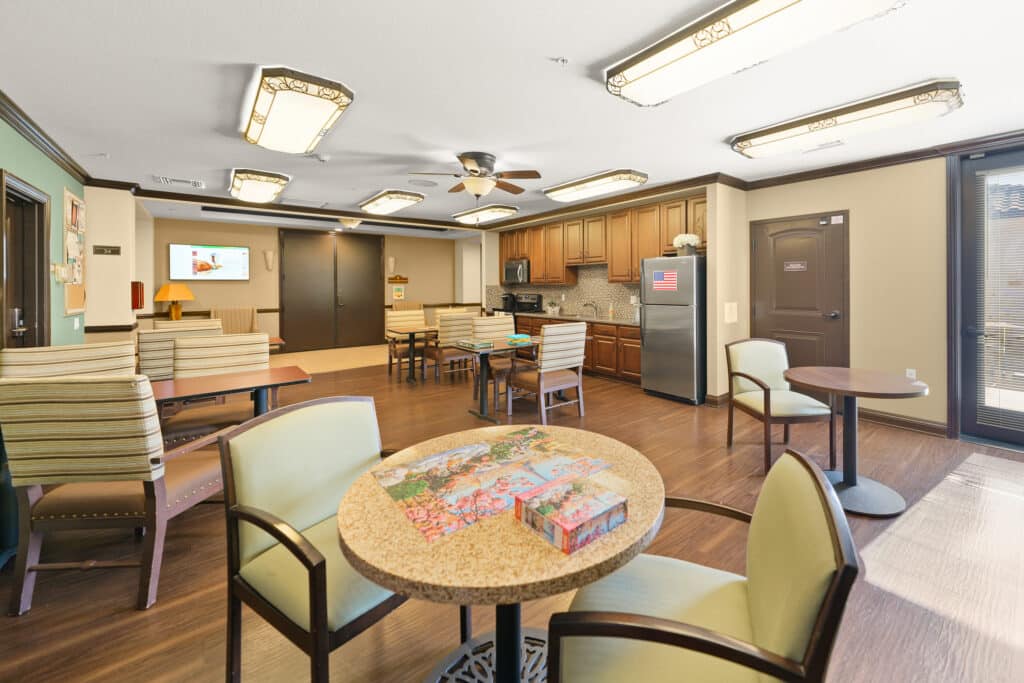
- Community atmosphere
Evaluating these factors will help ensure your loved one receives dependable care in a nurturing setting. Families looking into assisted living requirements in California should also review the state’s guidelines, which establish safety and care standards for Residential Care Facilities for the Elderly (RCFEs).
The Benefits of Home Care Assisted Living
Personalized Care Plans
Personalized care helps seniors navigate changes in health, mobility, and independence. Individualized plans may include daily routines, ongoing assessments, and options for specialized support. These tailored services allow seniors to maintain confidence and dignity while receiving essential assistance.
Enhanced Independence Opportunities
A core benefit of home care assisted living facilities is the ability to maintain independence while having support readily available. Whether it’s help with a routine task or participation in community activities, seniors enjoy a sense of empowerment within a structured, safe environment.
Families exploring a list of RCFE facilities in California often appreciate how these communities help seniors remain active and engaged while receiving personalized care.
Ready to Give Your Loved One the Support They Deserve?
Choosing the right senior living community is one of the most meaningful investments you can make in your loved one’s well-being. At Westmont at San Miguel Ranch, compassionate teams, personalized support, and an uplifting community environment ensure your loved one feels valued, respected, and engaged every day.
Let us help you find the right fit. Call 619-271-4385 or visit our Schedule a Tour page to experience the community firsthand.
Frequently Asked Questions
What are assisted living facilities called in California?
In California, assisted living facilities are commonly referred to as Residential Care Facilities for the Elderly (RCFEs). These communities provide housing, personal care, and supportive services for seniors who need help with daily activities but do not require full-time medical care. The term RCFE is used by the state’s licensing agency, the Department of Social Services. While they may operate under different brand names, all must meet state regulations to ensure resident safety and quality of care.
What is the difference between assisted living and a care home?
Assisted living communities serve seniors who need help with daily activities but want to maintain independence in a more social, apartment-style environment. Care homes, also known as board and care homes, are typically smaller residential settings that provide similar support in a home-like environment. Assisted living often offers more amenities, robust activity programs, and a larger staff compared to care homes. Care homes may appeal to individuals who prefer quiet, personalized care in a smaller setting.
Who qualifies for assisted living in California?
A senior qualifies for assisted living in California if they need help with activities such as bathing, dressing, medication management, or mobility, but do not require 24-hour medical or skilled nursing care. Individuals must be able to live safely in the community with available support. Facilities also conduct assessments to ensure the resident’s needs match the services provided. Those with advanced medical conditions may require a higher level of care, such as a skilled nursing facility.
How does assisted living work in California?
Assisted living in California operates under state regulations that ensure residents receive personal care, supervision, meals, and social activities. Seniors typically live in private or shared apartments while receiving support tailored to their needs. Care plans are created based on assessments conducted during admission and updated as conditions change. Residents pay monthly fees that cover housing, services, and amenities, while additional care may be charged separately depending on the community’s pricing structure.