

Elderly Aerobic or Anaerobic Exercise can support active aging by helping you build endurance, maintain strength, improve balance, and feel more confident in daily routines, especially when your movement choices match your comfort level, current ability, and personal wellness goals.
At Westmont Village Homes in Riverside, CA, active living is supported through community spaces designed for movement, connection, and independence. This guide explains the difference between aerobic and anaerobic exercise, how each supports older adults, and how to choose activities that fit your day.
What Is Elderly Aerobic or Anaerobic Exercise?
Elderly aerobic or anaerobic exercise refers to movement that supports heart health, strength, stamina, balance, and daily function as you age. Aerobic exercise uses steady movement to help your heart and lungs work better, while anaerobic exercise uses short, strength-focused effort to support muscle and bone health.
Aerobic exercise, simply put, includes activities such as walking, swimming, or dancing that keep your body moving for a longer period. Anaerobic exercise includes activities such as light weightlifting, resistance bands, or bodyweight exercises that help build strength in shorter sessions. The National Institute on Aging exercise guidance also highlights exercise and physical activity as part of healthy aging.
Aerobic Exercise Benefits for Older Adults
Aerobic exercise helps support endurance, circulation, mood, and everyday energy. For older adults, activities like brisk walking, swimming, dancing, or chair-based movement can make it easier to stay active without feeling overwhelmed.
The CDC’s physical activity guidance for older adults notes that adults 65 and older need aerobic, muscle-strengthening, and balance activities each week, with at least 150 minutes of weekly physical activity as a common guideline.
Examples of Aerobic Exercise
Examples of aerobic and anaerobic exercise are easier to understand when they connect to daily life. Aerobic options may include walking around the community, using an indoor pool, joining a dance activity, or choosing chair-based movement if standing for long periods feels difficult.
Why Aerobic Activity Helps Daily Life
Aerobic movement can help you feel steadier and more energized during everyday tasks. You may notice that walking to activities, climbing steps, carrying light items, or spending time with friends feels more manageable when endurance improves.
Anaerobic Exercise Benefits for Strength and Stability
Anaerobic exercise supports muscle strength, balance, bone density, and confidence with movement. This type of exercise matters because muscle strength often affects how safely and comfortably you move through daily routines.
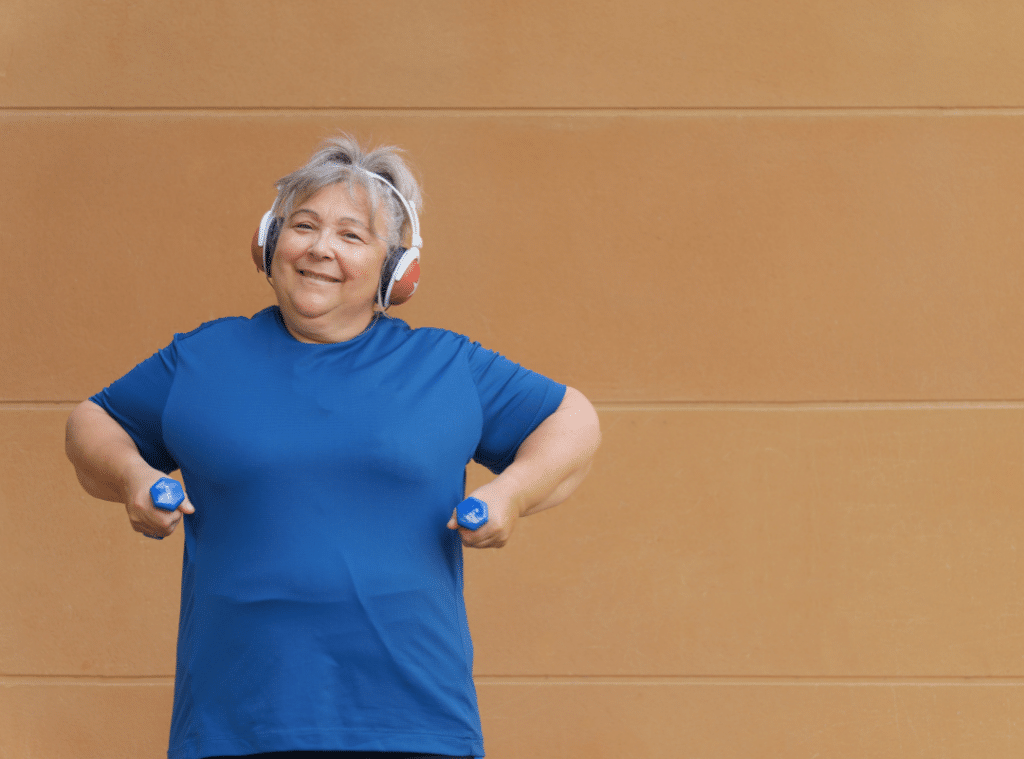
Examples include light weights, resistance bands, bodyweight movements, and short strength-based exercises. These activities should be adapted to your current ability, especially if you are exploring at-home exercise for seniors over 75 or over 80.
Is Anaerobic Exercise Good for Seniors?
Yes, anaerobic exercise can be good for seniors when it is safe, controlled, and matched to personal ability. Light strength training can help support balance, mobility, and daily independence.
Simple Anaerobic Exercise Examples
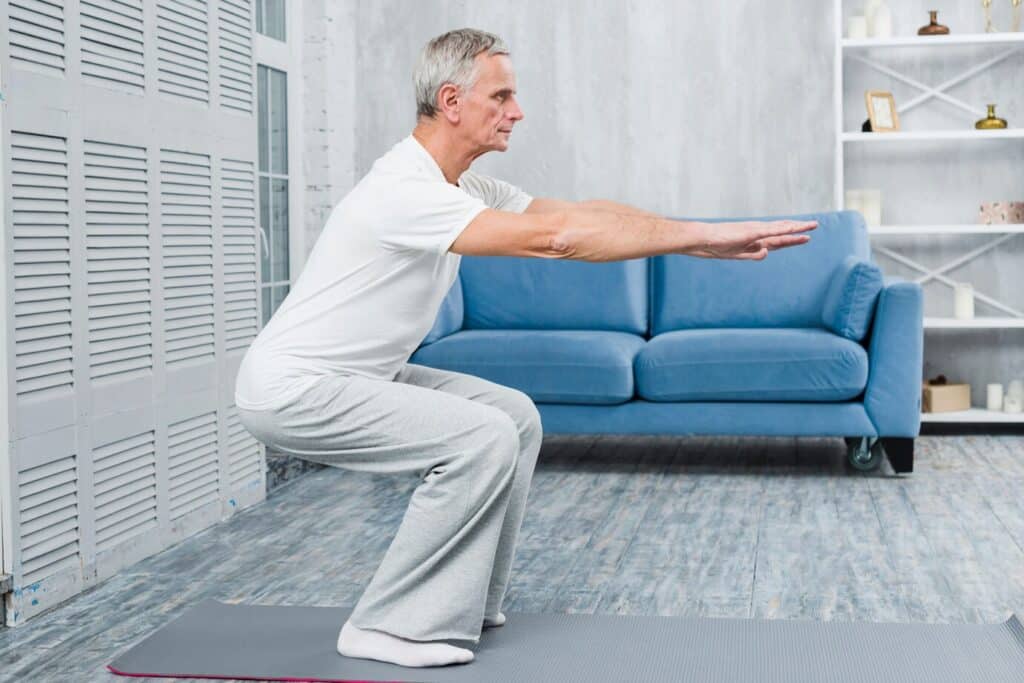
Simple anaerobic exercises may include resistance band rows, chair-supported squats, light dumbbell curls, or wall push-ups. Start with a level that feels manageable, then build slowly as your comfort and strength improve.
Aerobic vs. Anaerobic Exercise: Which Is Better?
Neither aerobic nor anaerobic exercise is always better for every person. Aerobic exercise supports endurance and heart health, while anaerobic exercise supports strength, muscle health, and stability.
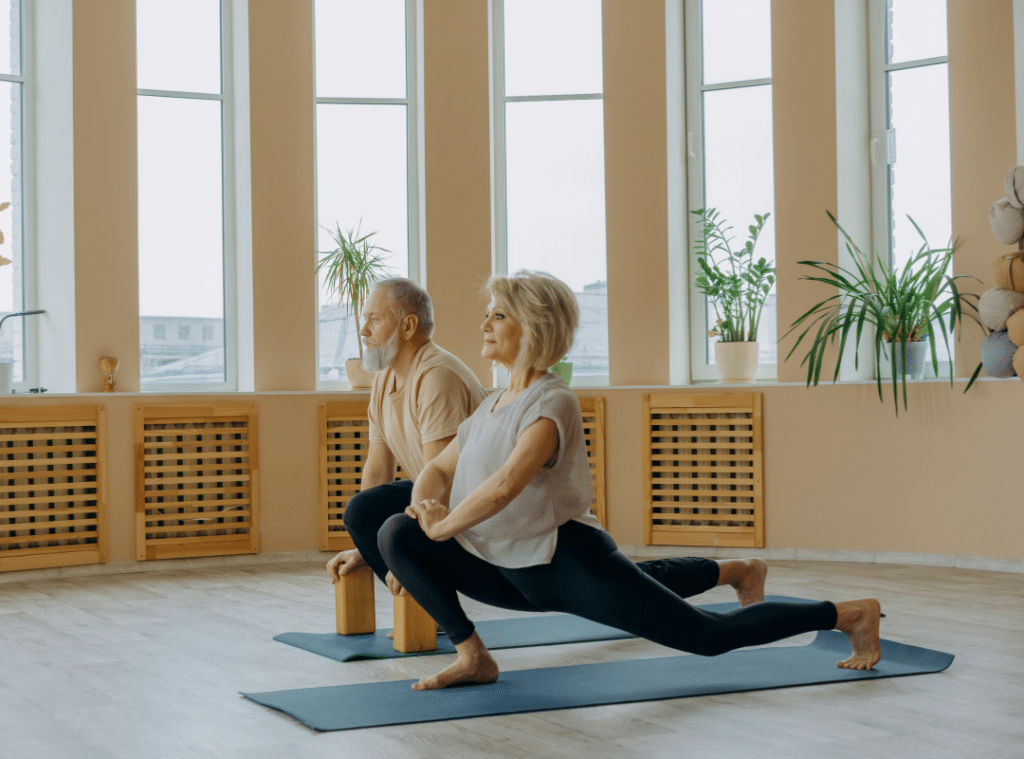
Many older adults benefit from a mix of both. The best choice depends on your goals, comfort level, mobility, and any guidance you receive from a healthcare professional.
| Exercise Type | Best For | Examples | Why It Matters for Active Aging |
| Aerobic Exercise | Endurance, stamina, heart, and lung support | Walking, swimming, dancing | Helps support energy and daily movement |
| Anaerobic Exercise | Strength, balance, muscle support | Light weights, resistance bands, bodyweight exercises | Helps support stability and independence |
| Combined Routine | A more complete active aging plan | Walking plus light strength training | Helps support both endurance and strength |
Exercise Guidelines and Safety Considerations for Older Adults
Physical activity guidelines for adults aged 65 and older often include regular aerobic and strength activities during the week. A routine can feel more realistic when you begin with short sessions, choose activities you enjoy, and adjust your pace as your confidence grows.
Safety should guide every routine. Choose supportive shoes, clear space, good lighting, stable flooring, and equipment that matches your current ability.
Start at a Comfortable Level
Start with movement that feels realistic, not intimidating. A short walk, a light resistance-band routine, or a gentle pool activity can help you build confidence before increasing time or intensity.
Use the Right Space and Equipment
A safe space can make exercise feel easier to maintain. Supportive shoes, resistance bands, a sturdy chair, or a mat can help you move with more control.
Ask Before Changing Your Routine
Speak with a healthcare professional before starting or changing an exercise plan if you have health concerns, pain, balance issues, or changes in mobility. Personal guidance can help you stay active with more confidence.
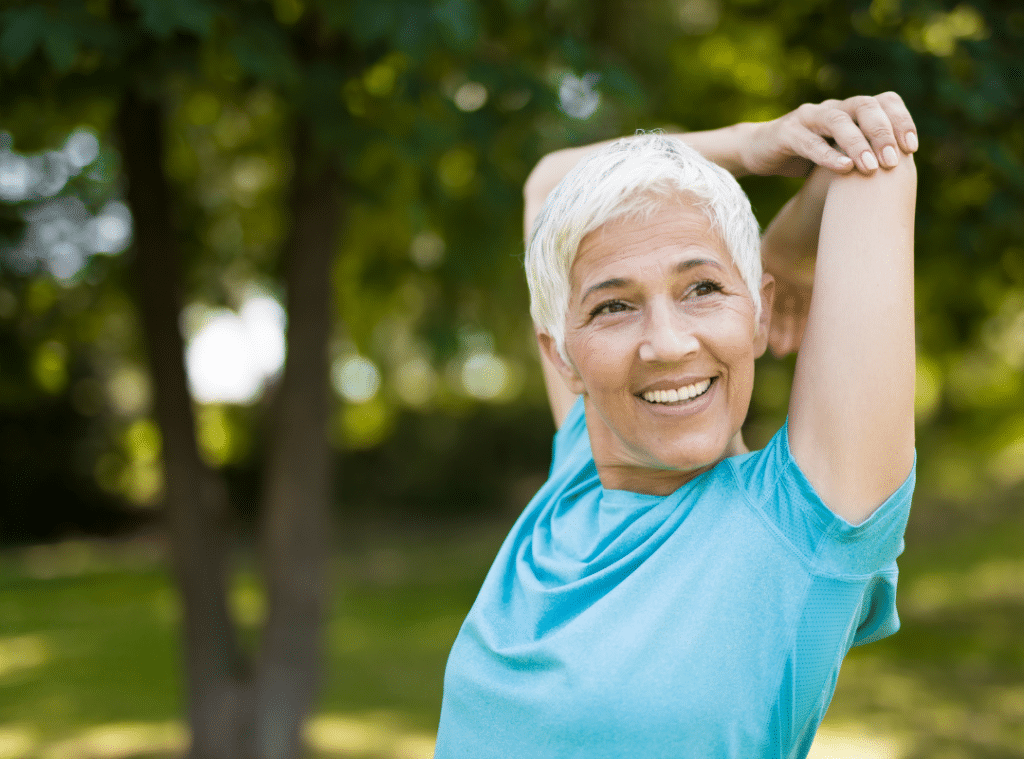
Active Aging at Westmont Village Homes
Active aging feels more natural when movement fits into your surroundings. Westmont Village Homes supports 55+ adults in active living, with amenities that help residents stay engaged, social, and physically active.
Relevant community amenities include the Fitness Center, Certified Silver Sneakers Provider, Walking Path, Indoor Pool and Whirlpool Tub, Pickle Ball Court, Hiking and Mountain Bike Trails, Indoor and Outdoor Fitness Center, Outdoor Courtyard, and Multipurpose Room. For another helpful lifestyle resource, explore healthy independent living activities for seniors.
Real-Life Ways to Add Movement Into Your Week
You may start the morning with a walk on the walking path, enjoy lower-impact movement in the indoor pool, or add light strength work in a fitness setting. Small routines often feel easier to keep when they fit naturally into your day.
A social movement can also help you stay consistent. A pickleball game, activity room gathering, or outdoor stroll can turn exercise into something you look forward to, not something you have to force.
Find the Right Active Living Environment for Your Lifestyle
Aerobic or anaerobic exercise for the elderly can help support strength, stamina, balance, and independence when it fits your lifestyle. The best routine is one you can do safely, enjoy consistently, and adjust as your needs change.
To see how active living can feel in a setting designed for connection and movement, you can schedule a tour, contact us, or call us at 951-697-2060 to speak with the Westmont Village Homes team.
Frequently Asked Questions
Is anaerobic exercise good for seniors?
Yes, anaerobic exercise can be good for seniors when it is adapted to the person’s ability level. Light strength training, resistance bands, and bodyweight exercises can help support muscle strength and stability. These exercises may also support balance and confidence with daily movement. Start slowly and ask a healthcare professional for guidance if you have health concerns.
What type of exercise should elderly do?
Older adults often benefit from a mix of aerobic, strength, balance, and flexibility exercises. Aerobic activities may include walking, swimming, or dancing. Strength activities may include light weights, resistance bands, or chair-supported movement. The best routine is one that feels safe, realistic, and easy to maintain.
What exercises help lower A1c?
Physical activity may support overall wellness and healthy routines, but A1c goals should be discussed with a healthcare professional. The American Diabetes Association guidance on exercise and diabetes explains that activity can help the body use insulin more effectively. Many people are advised to include regular movement such as walking, swimming, or strength-based activity when appropriate. Ask your healthcare provider before using exercise to support a specific health goal.
Should older adults do aerobic exercise?
Yes, many older adults can benefit from aerobic exercise when it matches their ability and comfort level. Walking, swimming, dancing, and chair-based movement can support endurance and daily energy. Aerobic activity can also help you stay more engaged in regular routines. Start with manageable sessions and build gradually.