

Navigating the changes brought by memory loss can be overwhelming, especially when a loved one begins experiencing symptoms of Alzheimer’s or dementia. At Westmont of Santa Cruz, families can find clarity, reassurance, and compassionate guidance throughout this journey. Our community provides a supportive environment that helps residents feel secure, engaged, and cared for — all while giving families peace of mind.
Choosing Westmont of Santa Cruz means partnering with a team dedicated to providing thoughtful support and individualized attention. If you’re exploring memory care in Santa Cruz, understanding your options early can make planning ahead far more manageable for both you and your loved one.
Understanding the Impact of Alzheimer’s in Santa Cruz
Alzheimer’s disease touches many families in the area, and with growing awareness, the need for supportive solutions has become more critical than ever. As more families seek answers, the community continues to respond with increased education and resources. Participating in local support initiatives and informational programs can help families feel more connected and informed during this challenging time.
Living with Alzheimer’s affects not just the individual but everyone around them. By learning more about the condition and staying involved with local support efforts, families can feel empowered to make thoughtful decisions. Community-focused efforts help ensure that no one faces this journey alone. To learn more about family involvement, visit family engagement.
The Role of Memory Care Facilities in Supporting Families
Communities offering memory care for seniors play a vital role in providing support that families often cannot manage alone. A dedicated memory care environment can help reduce stress for family members while offering structure, routine, and reassurance for residents experiencing memory loss. Westmont of Santa Cruz prioritizes safety, comfort, and meaningful connection — essential components when caring for someone with memory challenges.
Tailored attention ensures that each person receives support that aligns with their needs. This is especially important for families evaluating the next steps beyond nursing homes in Santa Cruz, as memory care provides a more specialized approach to cognitive support. To learn about personalized planning, visit Westmont’s guide to individualized care plans.
Caregiver Support Resources
Caregivers often face emotional and physical challenges while supporting a loved one with dementia. Memory care communities offer resources that can ease these pressures, guiding caregivers toward helpful tools and information. Accessing support allows caregivers to maintain balance, especially when managing the complexities of dementia.
Common caregiver resources include:
- Support groups that foster shared understanding
- Online educational materials
- Community discussions about dementia
- Opportunities to connect with other families
- Local organizations offering general guidance
If you’re seeking insights into supportive environments, explore how strong social connections can improve well-being.
Safe Living Environments
Providing a secure and reassuring setting is essential when selecting memory care in Santa Cruz. Families often look for environments that promote familiarity, comfort, and routine — key elements in supporting individuals with memory loss. A safe community helps reduce confusion while encouraging residents to live with dignity and independence.
Westmont of Santa Cruz creates a welcoming atmosphere where residents can feel at home. Safety features and attentive staff help families feel confident in the care their loved one receives. To explore how structured communities can support individuals with memory changes, visit this resource on the benefits of a structured environment.
How to Choose the Right Memory Care Facility
Selecting the best option for your loved one requires thoughtful evaluation. As you search for specialized support — whether comparing options to nursing homes in Santa Cruz or neighboring communities — consider the following:
- Personalized Approach: Ensure the community creates individualized care plans
- Family Partnership: Look for communities that value ongoing family involvement
- Experienced Team: Staff should have training that supports residents with cognitive changes
- Safe, Comfortable Setting: A supportive environment can ease daily challenges
- Meaningful Activities: Engagement can enhance quality of life
Each of these elements helps ensure that your loved one receives thoughtful, respectful care aligned with their needs.
Spotlight on Notable Memory Care Options in Santa Cruz
Santa Cruz offers several communities dedicated to memory support, each with its own approach. Families often compare factors such as resident feedback, care philosophy, and overall environment. While some families may consider nursing homes in Santa Cruz, many choose specialized communities that focus specifically on dementia care and cognitive support.
By exploring reviews, connecting with local families, and touring communities, you can gain a clearer sense of what environment feels right for your loved one. These insights help ensure your decision reflects both emotional and practical needs.
Key Features to Look for in Memory Care
When evaluating memory care for seniors, focus on qualities that foster comfort, consistency, and emotional well-being. Although each community varies, strong programs generally prioritize:
- Supportive team members with memory care training
- A well-organized environment that promotes calmness and reassurance
- Encouragement of daily engagement
- Opportunities for families to participate in care discussions
- Thoughtful routines that promote familiarity
These elements create a foundation that supports residents as they navigate memory loss.
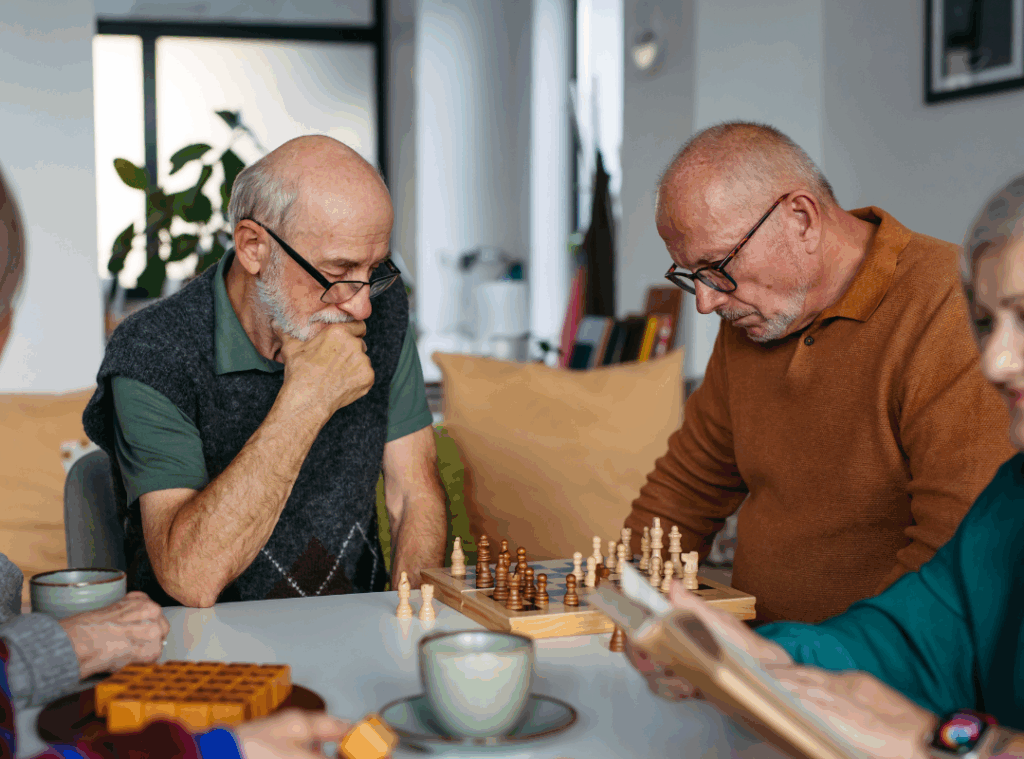
The Importance of Community Engagement in Memory Care
Community engagement helps residents feel connected, valued, and supported. Even simple daily interactions can uplift spirits and create moments of joy. Families and team members play meaningful roles in maintaining a sense of belonging.
Enhancing Social Connections
Social connection is essential to supporting emotional well-being. Encouraging interaction, frequent visits, and participation in community life can help residents feel grounded and understood.
Meaningful Daily Engagement
Purposeful activities — tailored to an individual’s comfort level — help promote cognitive engagement and emotional reassurance. Even small moments of routine and connection can make a significant impact.
Supporting Emotional Well-Being
Emotional support is a vital part of dementia care. Open communication, family involvement, and a calm environment all contribute to a resident’s peace of mind.
Resources for Families Navigating Memory Care Options
Having access to helpful resources makes decision-making easier. Families can turn to:
| Resource Type | Description | Contact Info |
| Support Groups | Local gatherings for shared support | Local community listings |
| Memory Care Guides | Educational materials | Memory Care Association |
| Professional Consults | Specialists offering general guidance | Local agencies |
Families may also explore trusted sources like the National Institute on Aging, Alzheimer’s Association, and local community programs for additional support.
Ready to Support Your Loved One? Let’s Talk.
Finding the right environment for someone experiencing memory loss is one of the most important decisions a family can make. At Westmont of Santa Cruz, you’ll find a compassionate team committed to helping your loved one feel safe, supported, and understood. If you’re considering memory care in Santa Cruz, we’re here to guide you through every step with clarity and respect.
Call us today at 831-855-8168 or visit our page to schedule a personal tour:
👉 Schedule a Tour
Your loved one deserves care that honors their story — and we’re here to provide it.
Frequently Asked Questions
How much is memory care in Santa Cruz, CA?
Memory care in Santa Cruz, CA typically ranges from $5,500 to $8,000 per month, depending on the community, level of care, and amenities offered. Costs may increase for residents who require more personalized support or specialized behavioral care. Factors such as private room options, community size, and additional services also influence pricing. It’s best to contact local communities directly for accurate, up-to-date rates and available financial assistance options.
What’s the difference between memory care and dementia care?
Memory care and dementia care are closely related, but memory care refers to the type of residential community designed to support individuals with memory impairments, including all forms of dementia. Dementia care is a broader term that can include in-home services, adult day programs, or specialized residential care. Memory care communities provide 24/7 supervision, structured routines, and secure environments. Dementia care varies based on needs but may not always involve a full-time residential setting.
How much does memory care cost per month in California?
Memory care in California generally costs between $5,000 and $10,000 per month, depending on the region and level of support required. Urban areas or coastal regions often have higher prices due to demand and operating costs. Communities offering specialized programs, private accommodations, or additional medical oversight may charge more. Families should review each community’s pricing structure to understand what is included and what may result in extra fees.
Who qualifies for memory care?
Individuals qualify for memory care when they have cognitive impairments such as Alzheimer’s disease, dementia, or significant memory loss that impacts daily living. A formal medical diagnosis is often required to determine the level of care needed. Candidates usually benefit from a secure environment, structured routines, and 24/7 supervision. Memory care is especially appropriate when safety concerns, wandering, or behavioral changes become difficult to manage at home or in regular assisted living.