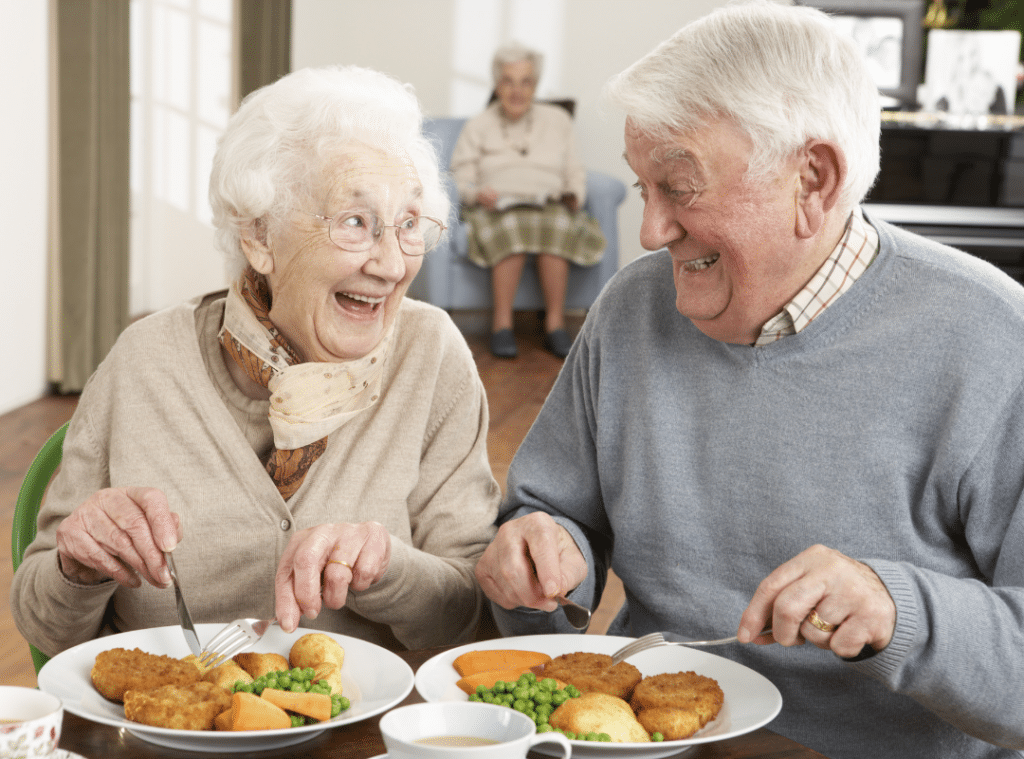



Clear and consistent communications in assisted living are the foundation for a thriving, compassionate senior living environment. At Westmont of Pinole, our team understands how vital it is to create a space where every resident feels heard, respected, and supported.
For families, caregivers, and staff members, knowing what services are included in assisted living, how to build relationships with residents, and how to engage meaningfully requires intentional communication strategies. Whether you’re learning how to work in assisted living, supporting a loved one, or managing a team, this guide offers actionable solutions that bridge the gap between staff and residents, improve the quality of care, and elevate day-to-day life for everyone involved.
Visit Westmont of Pinole to explore how we’re leading the way in senior living communication and connection.
Why Communication is Key in Assisted Living
At the heart of any successful assisted living community lies strong communication. Thoughtful communication ensures that residents feel acknowledged and secure, and that staff can deliver the best care possible. Whether it’s managing medications, understanding meal preferences, or recognizing emotional shifts, the way information is exchanged matters deeply.
Effective communications in assisted living also ease the transition for new residents and foster long-term engagement. From orientation to ongoing care, communication helps tailor services to resident needs, which is especially important when understanding what services are included in assisted living, such as personal care, housekeeping, medication management, and social activities.
👉 Learn how personalizing living spaces can boost resident well-being
Understanding Resident Communication Styles
Every resident in an assisted living community has a lifetime of stories and communication habits that shape how they engage with others. Tailoring your approach to match their preferences is essential.
| Communication Style | Description |
| Verbal | Face-to-face conversations, storytelling |
| Non-Verbal | Smiles, hand gestures, body posture |
| Technology-Based | Video calls, digital reminders |
Cultural backgrounds, cognitive changes, and hearing or vision impairments can also affect how seniors express themselves. Recognizing these nuances ensures your approach is empathetic and effective, especially when using an assisted living communication system that incorporates visual and auditory aids.
👉 Explore essential elder caregiving tips
Building Trust Through Verbal and Non-Verbal Communication
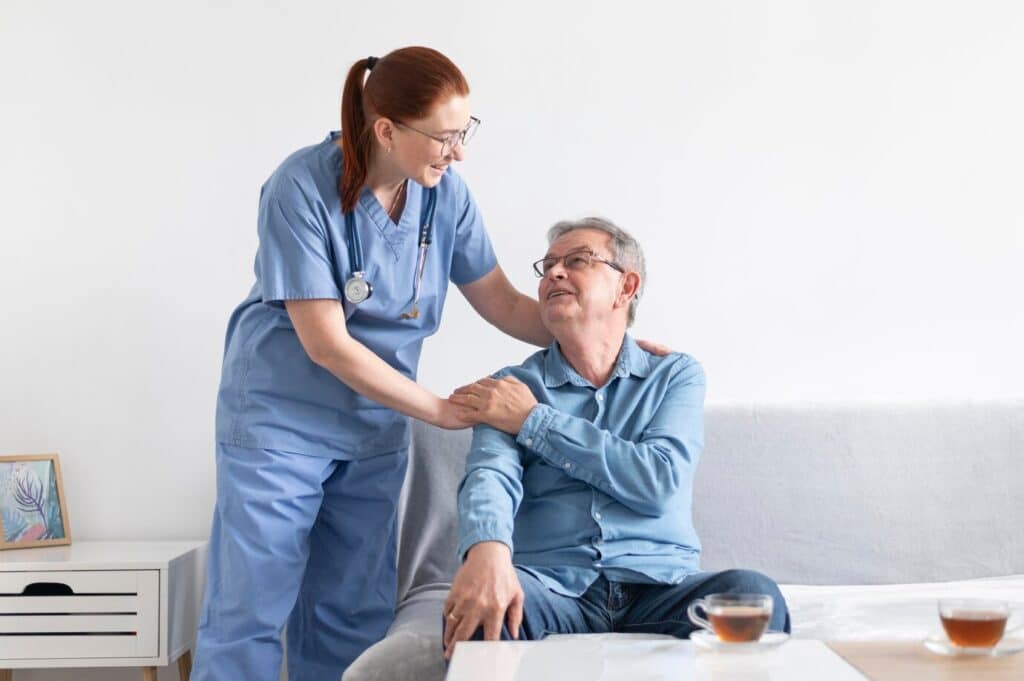
Authentic connection in assisted living comes from understanding the subtle art of both verbal and non-verbal communication. Words matter—but so do gestures, tone, and facial expressions.
- Speak clearly, slowly, and with warmth.
- Maintain eye contact and open body language.
- Smile often and nod to acknowledge feelings.
- Listen actively, especially when residents share concerns or emotions.
Incorporating these elements into your daily routine strengthens relationships and builds a deeper sense of belonging within the community. For those learning how to work in assisted living, mastering these skills is a vital first step.
👉 Effective strategies for senior community engagement
Personalizing Communication for Every Resident
A one-size-fits-all approach doesn’t work in senior care. Tailoring communication strategies ensures that every resident feels respected and supported.
Personalized Plans Matter
Develop a profile for each resident that includes:
- Their preferred communication method
- Languages spoken
- Cultural customs
- Cognitive or physical limitations
Use this information to build routines that align with the resident’s daily life. This is also a great way to reinforce what services are included in assisted living, such as daily wellness check-ins and social programming.
👉 Memory care communication strategies
Using Technology to Your Advantage
An effective assisted living communication system should integrate technology to improve responsiveness. Tools such as:
- Video calling platforms
- Emergency response systems
- Digital activity calendars
- Care coordination apps
These platforms not only make staff communication more efficient but also keep families informed, offering peace of mind.
Learn more about assistive technologies from the National Institute on Aging and how they can benefit older adults and caregivers.
Overcoming Common Communication Barriers
Despite best intentions, miscommunication can happen. Here’s how to minimize it:
- Use plain language and avoid jargon.
- Ask clarifying questions and encourage feedback.
- Provide printed materials in large fonts.
- Offer multilingual support when possible.
Language differences, hearing issues, and memory loss are common in assisted living. Addressing these proactively ensures residents feel heard and included. This approach is critical for new caregivers learning how to work in assisted living, where patience and clarity are key.
Creating a Feedback-Friendly Culture
Feedback is essential in continuously improving communication and services. Open dialogue empowers residents and fosters mutual trust.
Feedback Mechanisms to Consider
- Resident Satisfaction Surveys – Gather data on communication effectiveness.
- Monthly Forums – Create space for concerns and suggestions.
- Family Check-Ins – Partner with families to align care expectations.
- Staff Communication Training – Reinforce empathetic listening skills.
By integrating these into your assisted living communication system, you create an environment of trust, transparency, and continuous growth.
Ongoing Training for Staff
A strong communication culture depends on well-trained staff. Consistent training ensures everyone understands how to connect with residents respectfully and effectively.
Include modules on:
- Dementia-sensitive communication
- Non-verbal cues interpretation
- De-escalation techniques
- Technology used for real-time updates
This kind of training is crucial to delivering high-quality care and supports team members who are new to how to work in new-to-assisted living roles.
What to Say to Someone in Assisted Living
Knowing what to say to someone in assisted living can uplift their spirits and build a connection. Some thoughtful conversation starters include:
- “Tell me about your favorite memory from childhood.”
- “What activities do you enjoy most here?”
- “What would you like to do this weekend?”
Avoid overwhelming topics or asking too many questions at once. Instead, focus on listening and creating space for meaningful dialogue.
👉 Tips on conversations with aging loved ones – AARP
The Power of Adaptability in Communication
Assisted living communities are dynamic environments. As residents’ needs evolve, so should communication strategies. Here’s how to adapt:
- Reevaluate communication plans quarterly.
- Introduce new tech tools gradually.
- Encourage intergenerational dialogue through volunteer programs.
- Be open to changing care plans based on feedback.
Your ability to adapt not only strengthens connections but also reflects a deep respect for resident individuality.
Experience Compassionate Communication at Westmont of Pinole
In assisted living, communication isn’t just about information—it’s about connection, dignity, and trust. At Westmont of Pinole, we believe that excellent communications in assisted living foster happier residents, more confident families, and a more engaged care team.
Are you ready to experience a senior living community where every voice matters? Visit us today to learn more about our approach to communication and care.
📞 Call us at 510-758-1122
📅 Schedule a Tour
🔗 Explore Westmont of Pinole
Frequently Asked Questions
Why is communication important in aged care?
Communication is essential in aged care because it builds trust and ensures residents feel heard, respected, and valued. Clear communication helps caregivers understand residents’ needs, preferences, and health concerns, which supports better care outcomes. It also reduces misunderstandings that may lead to frustration or stress for both residents and staff. Strong communication fosters a supportive, compassionate environment where seniors feel safe and connected.
What is an example of communication in a care home?
An example of communication in a care home is when staff explain daily routines, such as mealtimes or activities, in a calm and respectful manner. This helps residents feel included and aware of what to expect throughout the day. Caregivers may also use visual aids, body language, or gentle reminders to support residents with memory challenges. These practices ensure residents stay engaged, informed, and comfortable in their environment.
What is communication in caregiving?
Communication in caregiving refers to the way caregivers share information, listen, and respond to residents’ needs with empathy and clarity. It involves verbal exchanges, such as conversations, as well as nonverbal cues like facial expressions and gestures. Good communication ensures that caregivers can provide accurate, personalized care while building meaningful relationships with residents. Ultimately, it enhances trust, dignity, and overall quality of life for those receiving care.
How to communicate effectively with residents?
To communicate effectively with residents, caregivers should speak clearly, use simple language, and maintain a calm, reassuring tone. Active listening is equally important, giving residents time to express themselves without interruption. Nonverbal cues such as eye contact, nodding, and gentle touch can reinforce understanding and compassion. By being patient and respectful, caregivers can create a positive environment where residents feel comfortable and supported.