



Caring for individuals with Alzheimer’s or dementia often means facing unpredictable behavioral challenges in memory care. These challenges—ranging from aggression to sudden mood shifts—can be distressing for both residents and caregivers. However, with understanding, patience, and tailored approaches, these behaviors can be managed effectively to improve the quality of life for residents and create a more peaceful environment.
At Westmont of Fresno, caregivers focus on providing compassionate, individualized support that addresses the root causes of these behaviors. Through personalized care plans, structured routines, and emotional connection, we aim to create a calm, safe, and engaging atmosphere. Whether you’re a family member or a professional caregiver, learning how to deal with dementia patients who are aggressive or recognizing the early signs of Alzheimer’s personality changes are key to ensuring residents receive the care and comfort they deserve.
For more information, visit Westmont of Fresno.
Understanding Behavioral Challenges in Memory Care
In memory care, residents may exhibit various behaviors such as confusion, aggression, or withdrawal. Understanding these behavioral challenges in memory care begins with identifying the emotional and environmental triggers behind them. Many of these behaviors are connected to dementia personality changes, the first signs, which can include increased irritability, fear, or resistance to care.
Caregivers who recognize the early signs of Alzheimer’s personality changes can intervene sooner with calming techniques and structured routines. Likewise, vascular dementia personality changes often involve emotional instability or poor judgment, requiring a gentle and patient approach. Observing residents’ responses to daily situations—like changes in schedule or unfamiliar caregivers—can reveal critical insights. Building an environment that fosters comfort and familiarity reduces stress and agitation, allowing residents to feel secure and understood.
Additionally, incorporating tailored sensory experiences like aromatherapy, soothing music, and tactile activities has been shown to ease agitation and improve well-being.
Tailoring Individualized Care Plans
Every resident experiences dementia differently, which is why personalized care plans are at the heart of effective dementia management. Start by assessing each person’s medical background, personality, and triggers. Recognizing dementia personality changes as the first signs helps caregivers adjust strategies early and prevent escalation.
When families share their loved one’s routines, hobbies, or preferences, caregivers can design individualized plans that reduce frustration and improve cooperation. For example, understanding how to deal with aggressive dementia patients often involves recognizing that aggression is a form of communication. Residents might be expressing pain, fear, or confusion, so gentle redirection and reassurance are more effective than confrontation.
Regularly updating these individualized care plans ensures that care evolves as residents’ needs change. Collaborative care with families and healthcare teams strengthens the support system around the resident, ensuring dignity and comfort in every interaction.
Strategies for Creating a Safe and Calming Environment
A secure, structured setting can dramatically reduce behavioral challenges in memory care. Begin by minimizing clutter, maintaining clear pathways, and incorporating familiar furniture or photos. Soft lighting and gentle colors can ease anxiety, while background music or pleasant scents may stimulate positive memories.
Consistency is vital for those showing early signs of Alzheimer’s personality changes, as unpredictable environments can lead to confusion or distress. Similarly, individuals with vascular dementia who experience personality changes benefit from a predictable schedule that reinforces stability and confidence.
Encourage sensory engagement through textures, sounds, and visual cues that evoke a sense of comfort. When possible, involve healthcare professionals in creating these personalized spaces to ensure both safety and emotional well-being.
For evidence-based insights on dementia-friendly environments, explore resources from the Alzheimer’s Association.
Engaging Residents in Meaningful Activities
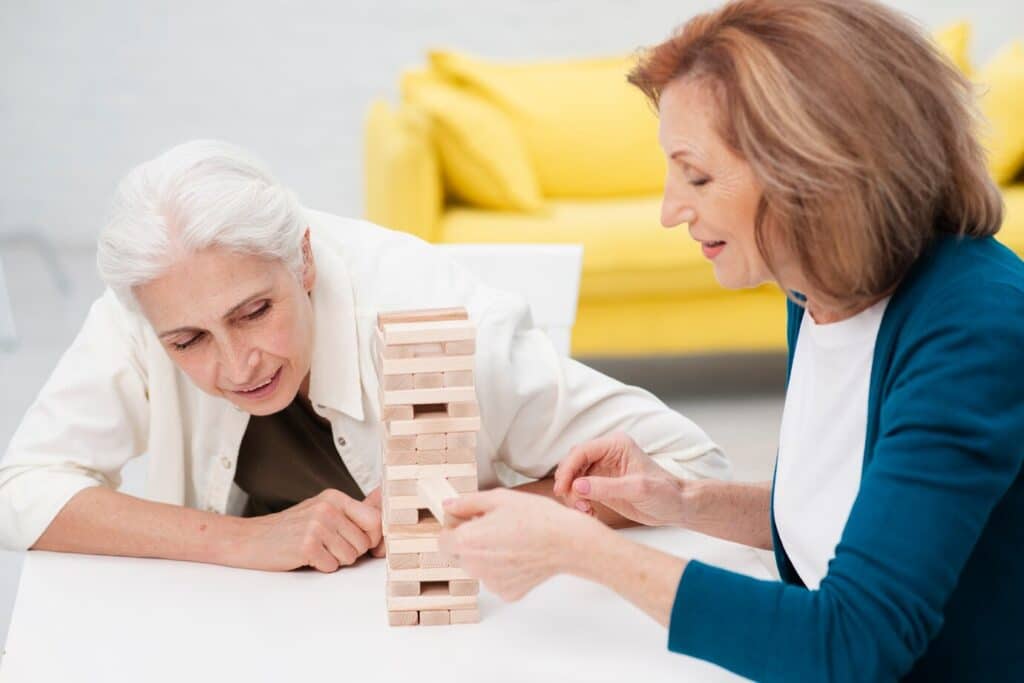
Engaging residents in activities that promote purpose and joy can help reduce aggression and agitation. Music and art therapy are powerful tools for easing behavioral challenges in memory care, stimulating memories, and improving mood. Gardening, light exercise, and cooking activities promote physical activity and foster a sense of accomplishment.
For residents with dementia who exhibit personality changes, the first signs —such as activities that reinforce identity, like reminiscing with old photos—can spark recognition and calm. Those with early signs of Alzheimer’s disease may find comfort in repetitive, structured activities, such as folding towels or organizing familiar objects.
Pet therapy and social events encourage emotional expression, while personalized music sessions stimulate memory recall and connection. These moments of engagement foster well-being and reduce loneliness, enabling residents to feel more like themselves.
Building Trust and Emotional Connections
Trust is at the core of managing behavioral challenges in memory care. Residents with vascular dementia, personality changes, or Alzheimer’s may experience fear or confusion that leads to resistance or aggression. Building trust through consistent, empathetic interactions helps alleviate these responses.
When caregivers take time to listen and validate residents’ emotions, they cultivate reassurance. This is particularly vital when addressing how to deal with aggressive dementia patients, as calm communication often defuses tension. Sharing stories, maintaining eye contact, and offering comfort through gentle touch can strengthen these bonds.
Involving families and encouraging family engagement fosters continuity of care. By maintaining emotional consistency, caregivers provide stability that comforts residents through moments of uncertainty.
Advanced Techniques and Collaborative Care
As dementia progresses, behavioral challenges in memory care may evolve, requiring innovative approaches. Technology can play a supportive role—smart devices, virtual reality, and remote monitoring enhance safety, engagement, and communication with families. These tools also provide cognitive stimulation and track behavioral trends for early intervention.
Technology Integration Benefits
- Cognitive stimulation through interactive games and virtual therapy.
- Virtual tours and relaxation experiences for sensory engagement.
- Real-time safety alerts and monitoring for immediate care response.
- Seamless communication between families, doctors, and caregivers.
Collaborative Healthcare Partnerships
Working closely with healthcare teams ensures that residents with early signs of Alzheimer’s personality changes or vascular dementia personality changes receive holistic care. Regular meetings between families, doctors, and therapists create unified care strategies. Collaboration enhances outcomes, ensures safety, and nurtures dignity throughout the care journey.
You can explore more about dementia treatment strategies at the National Institute on Aging.
Cultivating Compassion: Your Next Step Toward Better Memory Care
Managing behavioral challenges in memory care takes compassion, patience, and understanding—but most importantly, it takes heart. Each resident’s experience is unique, shaped by their history, health, and emotions. By identifying the first signs of dementia personality changes, responding with empathy, and learning how to deal with dementia patients who exhibit aggression, caregivers can transform challenging moments into opportunities for connection.
At Westmont of Fresno, we believe every individual deserves to live with dignity and joy. Our dedicated team is here to help families navigate these complex challenges and provide personalized support that truly makes a difference.
If you’re ready to learn more or see how our approach to memory care can help your loved one thrive, call us at 559-446-1266 or schedule a tour. Let’s work together to build a brighter, more compassionate tomorrow.
Frequently Asked Questions
What kind of behavioral challenges are commonly related to memory disorders?
Behavioral challenges related to memory disorders often include confusion, agitation, and repetitive questioning. Individuals may also experience mood swings, anxiety, or paranoia as their cognitive abilities decline. Wandering and restlessness are common, especially in unfamiliar environments. These behaviors typically stem from frustration or an inability to communicate one’s needs effectively.
What are the challenging behaviors in dementia care?
Challenging behaviors in dementia care may include aggression, resistance to care, and inappropriate social interactions. Caregivers often encounter repetitive actions, sleep disturbances, or wandering, which can be challenging to manage. These behaviors are not intentional but a result of changes in the brain. Understanding the triggers and maintaining a calm, reassuring environment can help reduce these episodes.
What are the behaviors of memory loss?
Common behaviors of memory loss include forgetfulness, disorientation, and difficulty recognizing familiar people or places. Individuals may misplace items, repeat questions, or struggle to follow conversations. Emotional changes, such as frustration or withdrawal, can also occur. These symptoms usually progress gradually and may interfere with daily living activities.
What are the challenges of caring for dementia patients?
Caring for dementia patients can be emotionally and physically demanding due to unpredictable behaviors and communication barriers. Caregivers often face burnout from managing daily tasks and ensuring the safety of those in their care. It can also be challenging to balance empathy with the need for consistent routines. Accessing professional support and respite care can help ease the caregiving burden and improve the patient’s quality of life.