

A healthy gut is crucial for digestion, immunity, and overall wellness—especially as we age. One of the most effective ways to support gut health is through the foods we eat, particularly vegetables for gut health. These fiber-rich powerhouses can boost beneficial bacteria, promote regular digestion, and help you feel your best.
But not all vegetables and foods are gut-friendly. Understanding the worst foods for gut health and how to avoid them is just as important. In this guide, we’ll show you which vegetables to embrace, which to avoid, and how to build a gut-loving lifestyle for you and your family.
To learn more about healthy senior living, visit Westmont of Cypress.
Whole Grains & Gut Health: A Perfect Pair
Whole grains aren’t vegetables, but they complement them beautifully in a gut-healthy diet. These high-fiber staples promote regularity and fuel the growth of good bacteria.
Popular choices like brown rice, quinoa, and whole wheat bread are fantastic additions to a vegetable-forward meal plan. The fiber in these grains helps produce short-chain fatty acids, essential for colon health and immune support.
Want to dive deeper into how food affects longevity? Check out this guide to senior nutrition.
Power Up with Leafy Greens
Leafy greens are among the best vegetables for gut health, thanks to their fiber content and anti-inflammatory properties.
Spinach, Kale & More
Vegetables like spinach, kale, arugula, and Swiss chard contain a variety of gut-loving nutrients:
- Folate, which supports cell function
- Vitamin C, which supports immunity
- Vitamin K, which promotes bone and gut health
- Fiber, which promotes healthy digestion and elimination
Adding leafy greens to salads, soups, or smoothies is a great way to boost your intake and nourish your digestive system.
Leafy greens are also featured in our list of the best foods for elderly health.
Beware: The Worst Vegetables for Gut Health
While many vegetables are beneficial, some can cause bloating, gas, and discomfort—especially for those with sensitive stomachs or IBS.
Cruciferous Vegetables
Broccoli, cauliflower, cabbage, and Brussels sprouts are nutrient-rich but can also be gas-producing. These are often cited among the worst vegetables for gut health if eaten in large quantities or without proper cooking.
Raw Onions and Garlic
Though great in moderation, raw onions and garlic are high in fermentable carbs, which can irritate the gut lining in some individuals.
Learning to avoid or limit the 7 worst foods for gut health—such as fried items, processed sugar, and certain high-FODMAP vegetables—can reduce inflammation and promote balance. For an expert list, visit the Cleveland Clinic’s guide to gut health.
Fuel Your Gut-Brain Connection
The digestive system and brain are deeply interconnected. The foods you eat can impact not just your stomach, but also your mood and memory.
This “second brain” (your gut) contains over 100 million neurons and communicates directly with the brain via the vagus nerve. Feeding it well with vegetables for gut health can improve both emotional and mental well-being.
Adding omega-3 fatty acids, like those found in salmon and walnuts, can further support this connection. Read more about the best brain foods here.
Lean Protein and Balanced Digestion
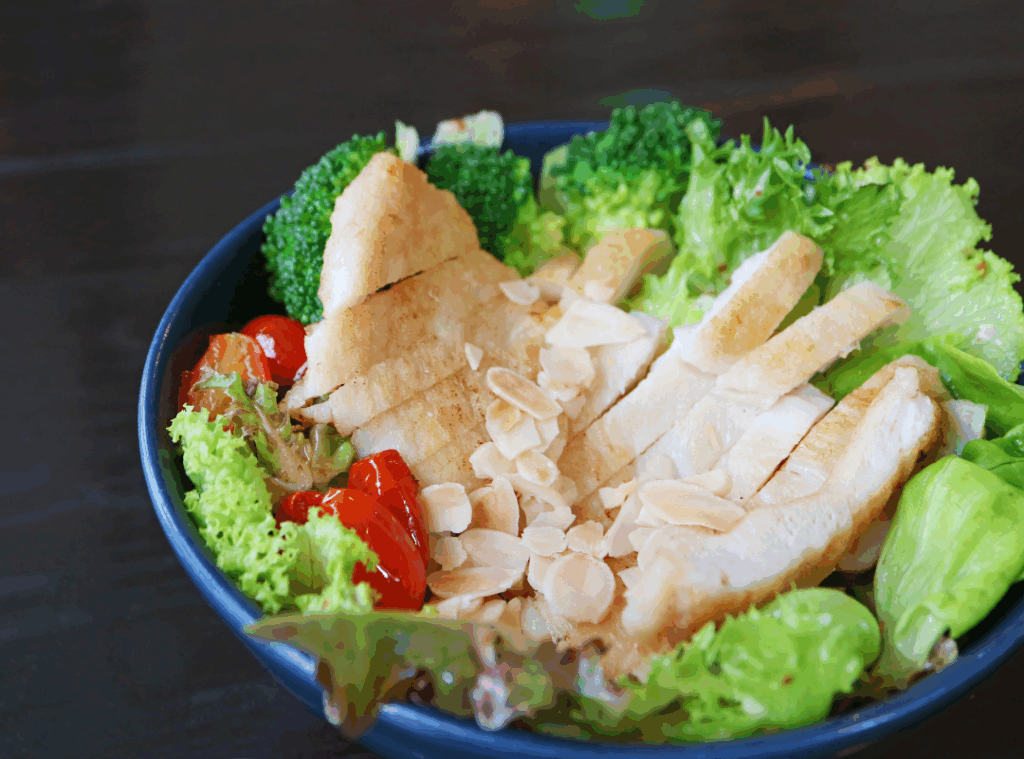
While vegetables form the foundation of a gut-friendly diet, lean protein plays a critical role in muscle repair and digestive balance.
| Protein Source | Digestive Benefit | Best Preparation |
| Chicken | Easy to digest | Grilled or baked |
| Fish | High in Omega-3s | Broiled or steamed |
| Tofu | Plant-based option | Stir-fried or souped |
Avoid fatty cuts of meat and fried items, which are often listed among the 7 worst foods for gut health.
For a full breakdown of dietary programs that promote digestion in seniors, visit this nutrition guide.
Best Fruits for a Healthy Gut
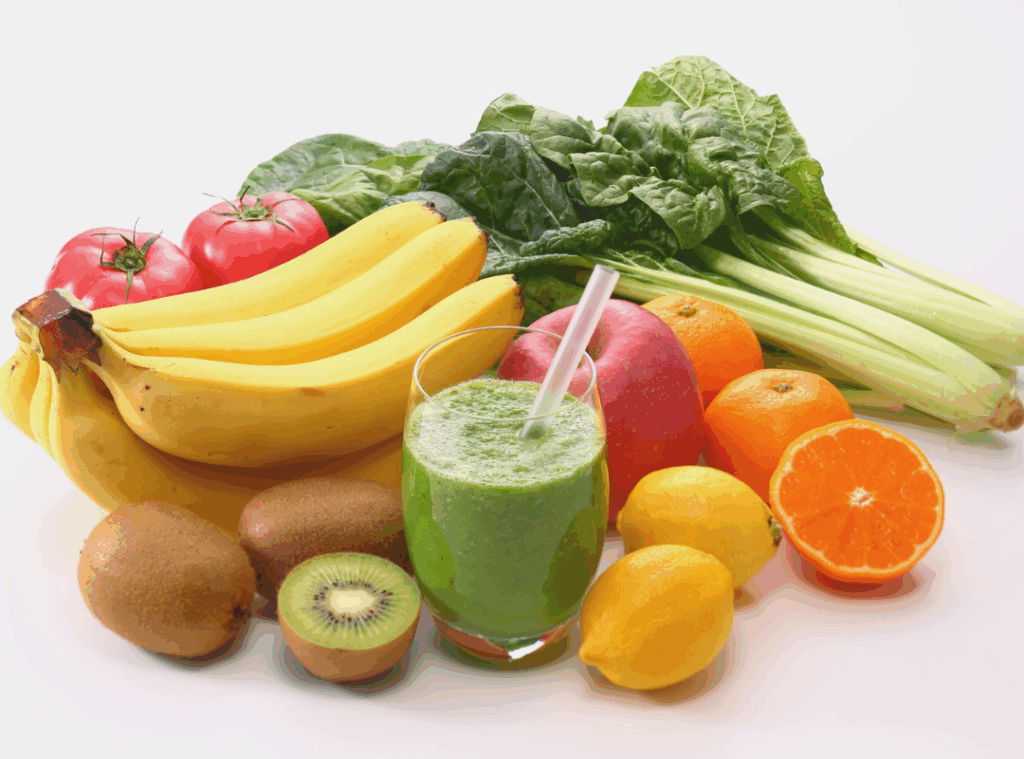
You can support your digestive health by pairing vegetables with low-fructose fruits like:
- Berries (blueberries, raspberries)
- Citrus fruits (oranges, grapefruit)
- Bananas (rich in prebiotics)
These options are easier on the gut than high-fructose fruits like apples and pears, which can contribute to bloating. Pay attention to how your body responds to different fruits and avoid those that cause discomfort.
For more food prep ideas, check out these senior-friendly meal tips.
How to Keep Stomach Healthy and Clean
Incorporating more vegetables for gut health is just the start. Follow these additional practices to build a consistently healthy digestive system:
- Stay hydrated – Drink at least 6–8 glasses of water per day
- Limit processed foods – These are often among the worst foods for gut health
- Add probiotics and prebiotics – Found in yogurt, kefir, sauerkraut, and kimchi
- Chew food thoroughly – Helps break down food and ease digestion
- Manage stress – Chronic stress disrupts gut balance
Following these tips alongside a veggie-rich diet helps you keep your stomach healthy and clean over time.
Resources Worth Exploring
Your Healthy Gut Journey Starts Now 🌱
It’s never too late to take charge of your digestive wellness. By choosing the right vegetables for gut health, avoiding the worst foods for gut health, and practicing daily habits that support a healthy microbiome, you’re investing in your energy, mood, and long-term vitality.
Whether you’re adjusting your diet, planning meals for your loved ones, or simply learning about how to keep your stomach healthy and clean, remember that small, daily decisions make the biggest impact.
At Westmont of Cypress, we help seniors and families live healthier, happier lives—one meal, one moment at a time.
📞 Ready to take the next step? Call us at 714-252-7144 or schedule your tour here.
Frequently Asked Questions
What is the most gut healing food?
The most gut-healing food is bone broth because it contains collagen, amino acids, and minerals that help repair the lining of the digestive tract. It is soothing, easy to digest, and supports a healthy balance of gut bacteria. Many nutritionists also recommend fermented foods like sauerkraut and kimchi for their probiotic benefits. Together, these foods promote healing, reduce inflammation, and improve overall digestive health.
What vegetable has the most probiotics?
The vegetable with the highest probiotic content is fermented cabbage, commonly found in sauerkraut and kimchi. When cabbage is fermented, it becomes rich in beneficial bacteria that support gut flora balance. These probiotics improve digestion, boost immunity, and enhance nutrient absorption. Eating a small serving daily can provide long-lasting gut health benefits.
What are the super six foods for gut health?
The “super six” foods for gut health often include fermented foods, fiber-rich vegetables, fruits, legumes, whole grains, and nuts or seeds. These food groups nourish beneficial bacteria while keeping harmful microbes in check. Fermented foods like yogurt and kefir introduce probiotics, while fiber helps those probiotics thrive. Together, they create a balanced environment that supports digestion and overall wellness.
What fruit cleans your gut?
Apples are one of the best fruits for cleansing the gut due to their high fiber and pectin content. Pectin acts as a natural prebiotic, feeding good bacteria and supporting healthy digestion. Other gut-cleansing fruits include papaya, which aids in breaking down proteins, and berries, rich in antioxidants. Eating these fruits regularly helps flush toxins and keep the digestive system running smoothly.