


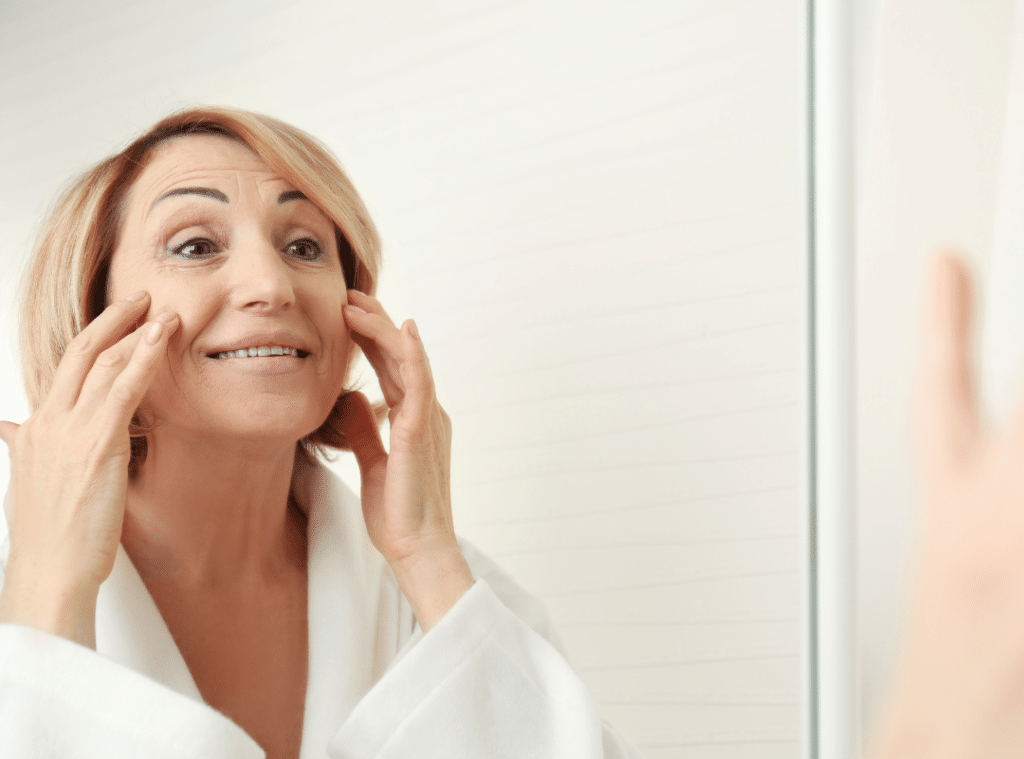
Skin Care for Elderly Ladies should focus on gentle cleansing, rich moisture, and daily sun protection to support thinner, drier, and more delicate mature skin. A simple routine can help improve comfort, softness, and visible radiance over time. At Westmont of Culver City, thoughtful wellness routines can make daily self-care feel easier and more enjoyable.
You may notice that mature skin feels tighter, looks less radiant, or becomes more sensitive than it used to. The right habits can make a meaningful difference. If you also want to support skin from the inside out, explore Best Foods for Elderly Health for another community wellness resource.
What Is Skin Care for Elderly Ladies?
Skin care for elderly ladies is a gentle, hydration-focused routine designed to support mature skin that has become thinner, drier, and more fragile over time. This kind of care usually centers on mild cleansing, daily moisturizing, and steady sun protection. Age-related changes in collagen, elastin, and hormones can make skin feel less supple and more reactive, so a softer approach often works best.
That is why the best skin care for elderly ladies usually starts with comfort and consistency. Simple daily care can help skin feel smoother, calmer, and better protected. This also gives you a stronger foundation if you later add targeted products for texture or tone.
Best Daily Skin Care Routine for Elderly Ladies
A clear routine is often more helpful than a complicated one. Mature skin usually responds best when you keep the basics steady and avoid overloading it with strong products.
Morning Routine
Use a gentle cleanser, apply a rich moisturizer, and finish with sunscreen. Dermatologists recommend broad-spectrum sunscreen with SPF 30 or higher, making daily protection an essential part of a dermatologist-recommended skin care routine for women in their 40s and beyond. The American Academy of Dermatology’s guidance on anti-aging skin care supports using a moisturizer with sunscreen that provides broad-spectrum coverage and SPF 30 or higher.
Evening Routine
Cleanse gently again, then apply a nourishing cream before bed. If your skin tolerates it, a mild hydrating serum can help support softness overnight. This keeps the routine easy to follow while still addressing dryness, which is often the main concern with aging skin.
Natural Skin Care for Elderly Ladies That Supports Hydration
Natural skin care for elderly ladies often comes down to gentle habits that protect the skin barrier. The goal is not to do more. The goal is to avoid the small daily choices that leave skin feeling drier.
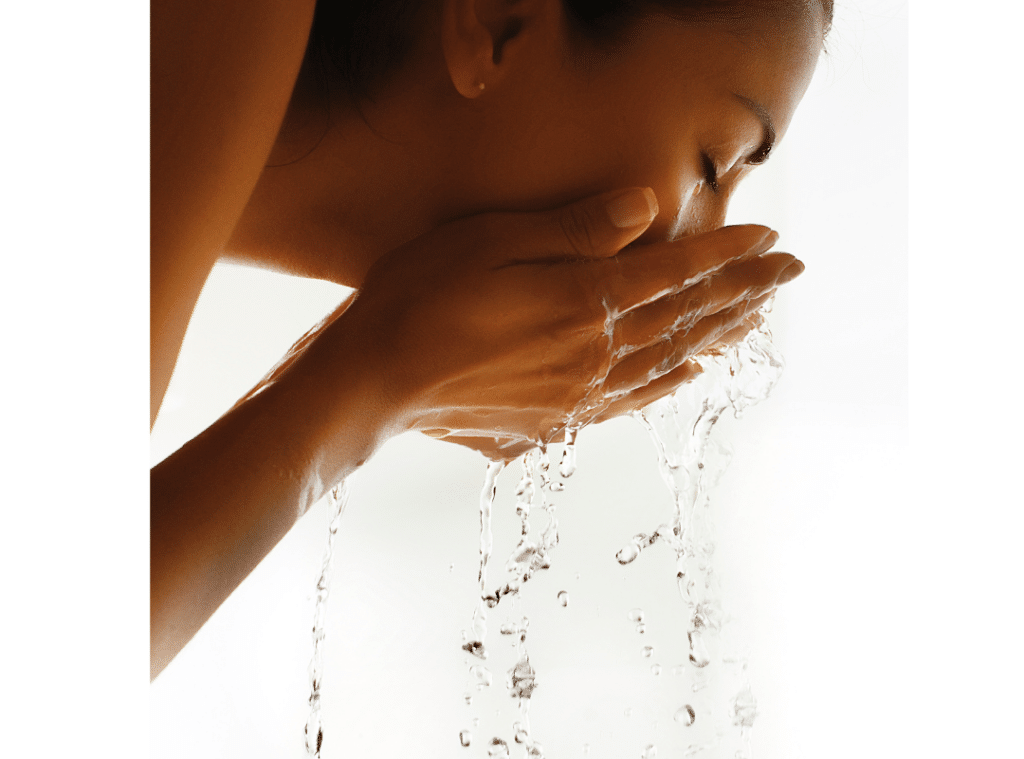
- Use warm water instead of hot water
- Keep showers short
- Pat skin dry with a soft towel
- Apply moisturizer right after bathing
- Use a humidifier if the indoor air feels dry
These simple steps pair well with the National Institute on Aging’s skin care and aging guidance, which explains that older skin often becomes thinner, drier, and more fragile.
Choosing the Best Products for Mature Skin
The best skin care products for a 70-year-old woman, or for a 75-year-old woman, usually prioritize moisture first. Soothing creams and lotions are often a better fit than foaming cleansers, harsh exfoliants, or heavily fragranced formulas.
Ingredients That Support Mature Skin
Look for hydration-supporting ingredients such as hyaluronic acid, ceramides, and peptides. These are often more helpful for comfort and texture than overly aggressive actives.
Product Types to Avoid
Try to avoid strong scrubs, drying alcohol-heavy formulas, and heavily scented products if your skin feels reactive. A softer routine usually gives better long-term results than chasing quick changes.
| Skin Need | Helpful Ingredients | What to Avoid |
| Dryness | Hyaluronic acid, ceramides | Strong fragrance |
| Fine lines | Peptides, gentle retinoids | Harsh scrubs |
| Sensitivity | Soothing creams | Alcohol-heavy formulas |
If you want a wellness routine that fits your daily life, the Lifestyle Assessment can help you think through what support feels right.
When Skin Changes Need Professional Attention
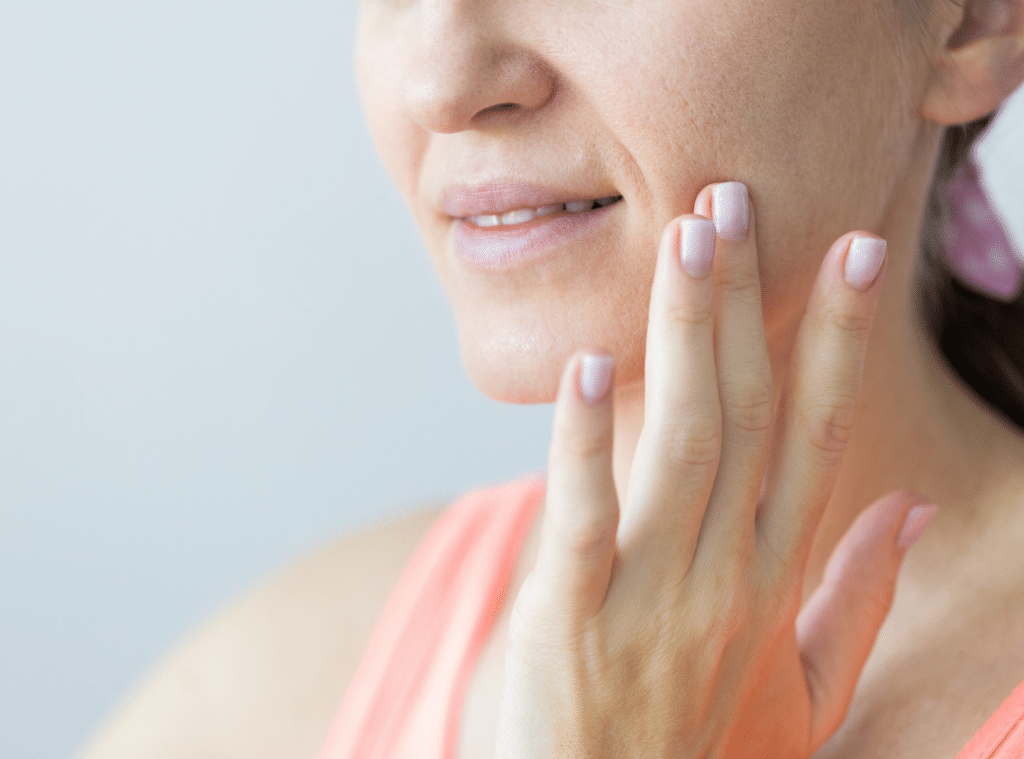
Most dryness and sensitivity can improve with a gentler routine, but some skin changes deserve closer attention. If the skin becomes painful, begins to break down, or changes quickly, it is wise to seek professional guidance.
- Persistent itching that does not improve
- Open sores or skin that cracks repeatedly
- Sudden darkening, discoloration, or new growths
- Painful dryness or recurring irritation
This section matters because pictures of elderly skin conditions can look similar online, even when the causes are very different. A dermatologist can help you understand what normal aging is and what needs treatment.
Wellness Habits That Help Skin Look More Radiant
Healthy-looking skin is often supported by everyday wellness, not just facial products. Regular activity, hydration, and stress management can all contribute to how refreshed you feel and how your skin looks over time. The CDC recommends that older adults get at least 150 minutes of moderate-intensity aerobic activity each week, which can support overall health and independence. CDC physical activity guidance for older adults provides that benchmark.
At Westmont of Culver City, amenities such as the Fitness Center, Hair Salon, and Live Your Way Wellness Program fit naturally into a lifestyle that supports confidence and daily well-being. You can also explore community features on the Amenities page.
Feel Confident in Your Skin and Your Lifestyle
Healthy skin care does not need to feel complicated. Gentle cleansing, steady moisture, and smart daily habits can help your skin feel more comfortable and look more radiant over time.
If you want a community that supports wellness, comfort, and everyday confidence, schedule a tour, contact us, or call us at 310-736-4118 to learn more about life at Westmont of Culver City.
Frequently Asked Questions
What is the best skin routine for elderly skin?
The best skin routine for elderly skin is a gentle cleanse, rich moisturizer, and daily sunscreen. Mature skin often loses moisture more quickly, so hydration should remain at the center of the routine. Fragrance-free products are usually a better choice if skin feels dry or reactive. A simple routine is often more effective than using too many active products. Consistency matters more than complexity.
What is the best skincare for older skin?
The best skincare for older skin focuses on moisture, barrier support, and sun protection. Many people do well with a mild cleanser, a nourishing cream, and sunscreen every morning. Products with ceramides, hyaluronic acid, or peptides can also support comfort and texture. The key is choosing products that feel soothing and easy to use every day. Skin that feels calm and hydrated often looks healthier, too.
What is the best treatment for 80-year-old skin?
The best treatment for 80-year-old skin is usually deep hydration and gentle daily protection. Mature skin at this stage can be more delicate, so harsh products often do more harm than good. Rich creams, soft cleansing, and sunscreen are usually the most helpful basics. If skin becomes painful, develops sores, or changes quickly, a dermatologist should take a closer look. Comfort and skin integrity should come first.
How to make 70-year-old skin look better?
To help 70-year-old skin look better, focus on moisture, daily sun protection, and a skin-friendly routine. Many people see better results when they stop over-cleansing and use richer creams instead. Hydration, regular movement, and healthy daily habits can also support a fresher appearance. A gentle routine can improve softness and help skin look more rested. Visible change usually comes from steady care, not quick fixes.