

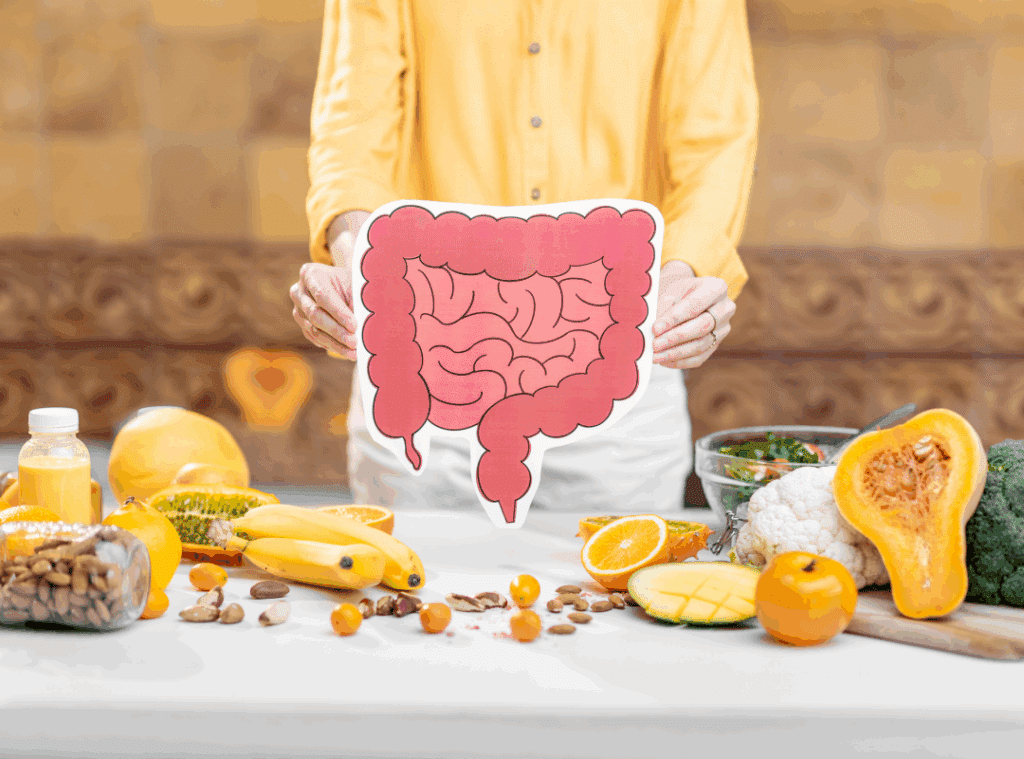
Digestive health becomes increasingly important as we age, and one of the simplest ways to support it is by incorporating the right fruits into your daily meals. Choosing fruits good for digestion not only improves nutrient absorption but also helps ease common digestive issues like bloating, constipation, and irregularity.
In this guide, we’ll explore how seniors can benefit from nature’s sweetest remedies. From fruits good for digestion and bloating to easy dietary tips and hydration habits, you’ll uncover practical strategies to feel lighter, healthier, and more energized each day.
At The Oaks at Paso Robles, your health is our top priority—and that starts with what’s on your plate.
Low-Fructose Fruits That Go Easy on the Stomach
Some fruits can trigger bloating or gas due to their fructose content. Fortunately, low-fructose fruits are excellent foods good for digestion and bloating because they are easier to process.
- Berries: Strawberries, raspberries, and blueberries are low in fructose and packed with fiber.
- Oranges and Grapefruit: Refreshing citrus fruits that are easy on the stomach and full of vitamin C.
- Bananas: Naturally low in fructose and a good source of inulin, a prebiotic fiber that feeds good gut bacteria.
These fruits, which are good for digestion, can be a game-changer for seniors experiencing digestive discomfort. Bananas, in particular, also help with potassium balance, aiding muscle function and overall gut mobility. Learn more about good nutrition and how it supports longevity.
Fiber-Rich Fruits That Strengthen the Gut
Fiber is essential for healthy digestion, especially for older adults. Incorporating fruits good for digestion and bloating ensures smoother bowel movements and a thriving gut microbiome.
Consider adding the following to your diet:
- Raspberries: Just one cup contains 8g of fiber.
- Figs: Natural laxatives rich in fiber and antioxidants.
- Blackberries: Support gut health with both soluble and insoluble fiber.
- Avocados: High in fiber and healthy fats.
- Bananas: Their inulin content makes them doubly powerful.
These foods, which are good for digestion and bloating, are simple to add to breakfast bowls, smoothies, or salads. You’ll also benefit from improved heart health and reduced inflammation. For seniors, easy digestion is more than comfort—it’s essential to quality of life.
Nutrient-Dense Choices for Seniors
Beyond fruits, pairing other nutrient-rich foods enhances your digestive function. These foods are good for digestion and bloating, providing well-rounded support for aging bodies.
| Food Type | Digestive Benefit |
| Whole Grains | High in fiber to support regularity |
| Leafy Greens | Promote bile production and nutrient uptake |
| Lean Proteins | Aid muscle maintenance and digestive enzymes |
| Low-Fructose Fruits | Reduce gas and ease digestion |
Choosing these foods, which are good for digestion and bloating, supports energy, immunity, and well-being. Fiber also helps regulate blood sugar and may reduce the risk of chronic disease. Seniors should also consider fiber-rich meals that are gentle and effective for gut support.
Fruits That Aid in Regular Bowel Movements
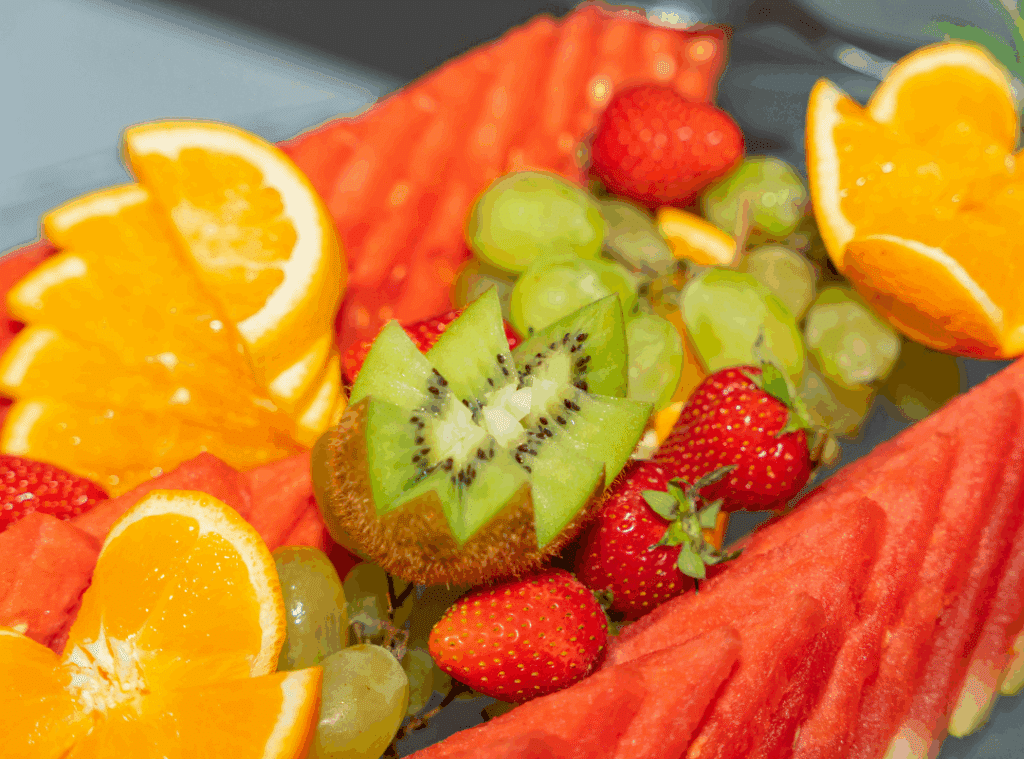
Regular bowel movements are a sign of a healthy digestive tract. The following fruits are good for digestion, promote natural regularity, and prevent constipation:
- Prunes: Rich in fiber and sorbitol, known for their laxative effects.
- Kiwi: Contains actinidin, an enzyme that promotes digestion.
- Oranges: Hydrating and fibrous, they support colon health.
- Berries: Keep your gut running smoothly without causing gas.
- Bananas: Help form soft, regular stools with both fiber and moisture.
Add these fruits, good for digestion and bloating, to your daily meals to stay comfortable and energized. A diet high in fiber, especially from fruit, can also reduce your reliance on over-the-counter laxatives. Learn more about the benefits of a fiber-rich diet for seniors.
What to Drink After a Meal to Help Digestion
Hydration is often overlooked when discussing digestion. Choosing what to drink after a meal to help digestion is just as crucial as what you eat.
Here are senior-friendly options:
- Warm water with lemon: Stimulates bile production and cleanses the stomach.
- Ginger tea: Reduces nausea and promotes peristalsis (gut movement).
- Peppermint tea: Soothes the digestive tract and relieves gas.
- Aloe vera juice: Known for its gut-calming effects.
- Fennel tea: Great for reducing bloating and indigestion.
These beverages are not only hydrating but also gentle and effective in addressing what helps digestion after eating. According to the Cleveland Clinic, herbal teas and warm fluids support faster digestion and nutrient absorption.
Simple Ways to Add Digestive Fruits Daily
Adding fruits good for digestion into your routine doesn’t require a major overhaul. Start small with these easy tips:
- Morning Smoothies: Blend bananas, raspberries, and a touch of ginger.
- Fruit + Yogurt: Combine gut-friendly fruit with probiotic-rich Greek yogurt.
- Add to Salads: Top mixed greens with orange slices or avocado.
- Healthy Snacks: Keep dried apricots, kiwi, and prunes on hand.
- Fruit Desserts: Opt for baked apples or poached pears (low in fructose if cooked).
As with all dietary changes, increase your fruit intake gradually to minimize discomfort. Pairing fruit with protein or healthy fats can also slow digestion and provide lasting energy. Plus, managing your medications carefully also supports gut health—learn more about medication and digestion.
Transform Your Health One Fruit at a Time
Eating well doesn’t have to be complicated. By choosing fruits good for digestion, you’re supporting your body’s natural rhythms and enhancing your energy, comfort, and overall vitality. Whether it’s reducing bloating, improving regularity, or knowing what to drink after a meal to help digestion, these simple steps add up to a big difference.
So, what helps digestion after eating? It’s a mindful mix of fiber, hydration, and consistency—combined with the right lifestyle and supportive care.
At The Oaks at Paso Robles, we believe nutrition is the cornerstone of senior wellness. Our meals are thoughtfully prepared to support both body and spirit. Want to experience how our community fosters health and happiness every day?
📞 Call us at (805) 239-5851 or explore more about our vibrant lifestyle:
👉 Schedule a Tour
Your journey to better digestion and joyful living starts here—one fruit at a time.
Frequently Asked Questions
Which fruit is best for digestion?
Fruits rich in fiber and natural enzymes are best for digestion. Apples, pears, and bananas are great choices as they contain soluble fiber that supports healthy bowel movements. Pineapple and papaya are also excellent because they have digestive enzymes like bromelain and papain, which help break down proteins. Including these fruits regularly can promote smoother digestion and overall gut health.
What fruit cleans your gut?
Citrus fruits like oranges, lemons, and grapefruits are known for cleansing the gut due to their high vitamin C and water content. They help flush out toxins and encourage healthy digestion. Kiwi and papaya also support gut cleansing with fiber and natural enzymes. Eating these fruits can improve nutrient absorption and maintain a healthier digestive system.
What fruits digest the fastest?
Water-rich fruits like watermelon, grapes, and oranges digest the fastest because they are light and low in fiber. These fruits usually break down within 30–40 minutes after eating. They are ideal snacks if you want quick energy without feeling too full. Pairing them with other easily digestible foods can further support efficient digestion.
What helps digest food immediately?
Warm water or herbal teas like ginger or peppermint can help stimulate digestion right after eating. Certain fruits, such as papaya or pineapple, with their natural enzymes, can also speed up the digestive process. Light physical activity, such as a short walk, encourages better food movement through the digestive tract. Practicing mindful eating and avoiding overeating also supports faster digestion.