
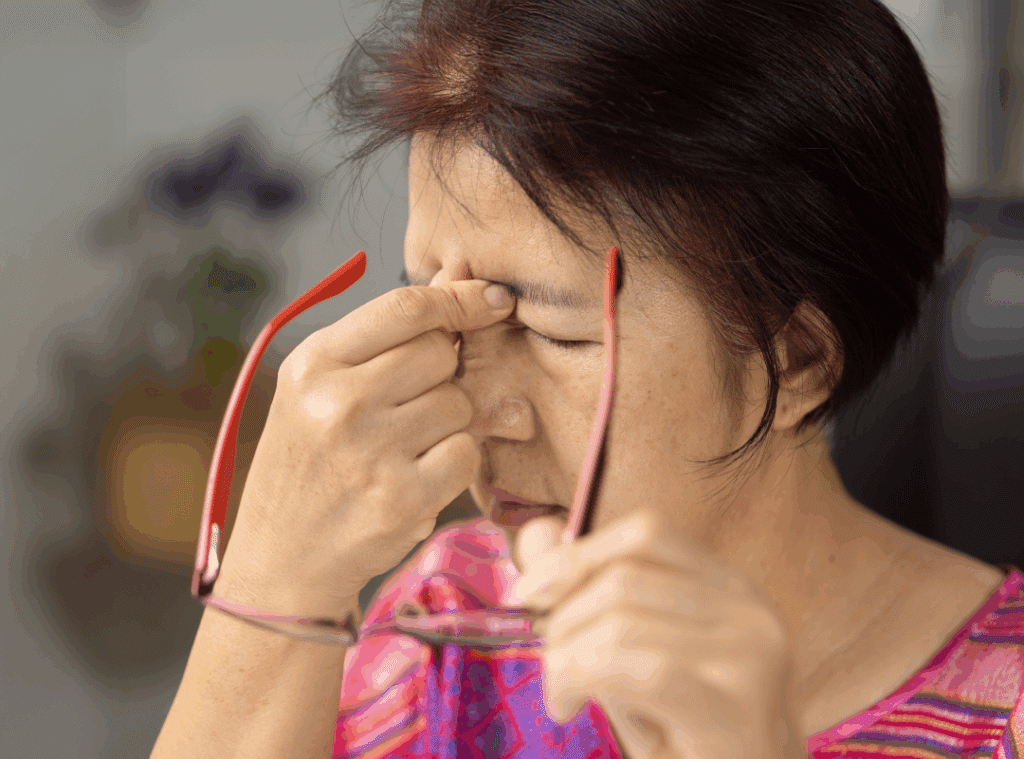
As adults age, common eye conditions in the elderly often become a growing concern, affecting independence, comfort, and quality of life. Issues such as blurred vision, irritation, glare sensitivity, and sudden visual changes can significantly disrupt daily routines. By learning the early indicators and risks, seniors and families can better identify when to seek medical support.
This guide explores symptoms, causes, and management strategies associated with the most common eye disease in older adults, helping you understand which warning signs shouldn’t be ignored. With The Oaks at Nipomo’s commitment to senior wellness, you’ll find valuable insights to help maintain lifelong eye health.
For more information on maintaining your eye health effectively, visit The Oaks at Nipomo.
Overview of Age-Related Eye Conditions
As you age, your eyes become more vulnerable to several issues listed on any eye problems list, including cataracts, diabetic retinopathy, glaucoma, and age-related macular degeneration (AMD). These are among the most common eye diseases in older adults, and each affects vision in different ways.
AMD impacts central vision, which is essential for reading or recognizing faces. Cataracts cause clouded vision that worsens over time, while diabetic retinopathy damages retinal blood vessels due to uncontrolled blood sugar. Glaucoma, often called a “silent thief of sight,” gradually affects peripheral vision. Without early detection, these conditions may severely limit mobility and diminish independence.
Regular eye exams facilitate early detection, giving seniors the best chance of treating issues before they become irreversible, especially when symptoms include signs of aging eyes, such as increased glare sensitivity or difficulty reading.
Symptoms and Causes of Common Eye Problems
Understanding the symptoms behind common eye conditions in the elderly helps you act quickly when changes occur. Watch for:
- Cloudy or blurred vision
- Eye discomfort or dryness
- Sudden vision changes, especially sudden blurred vision, in the elderly
- Flashes, floaters, or peripheral vision loss
Many of these signs align with signs of aging eyes, but others may indicate an emergency. Cataracts develop from the breakdown of natural lens protein. Dry eyes result from reduced tear production. Floaters can form as the vitreous shrinks naturally with age. And sudden flashes may signal retinal detachment.
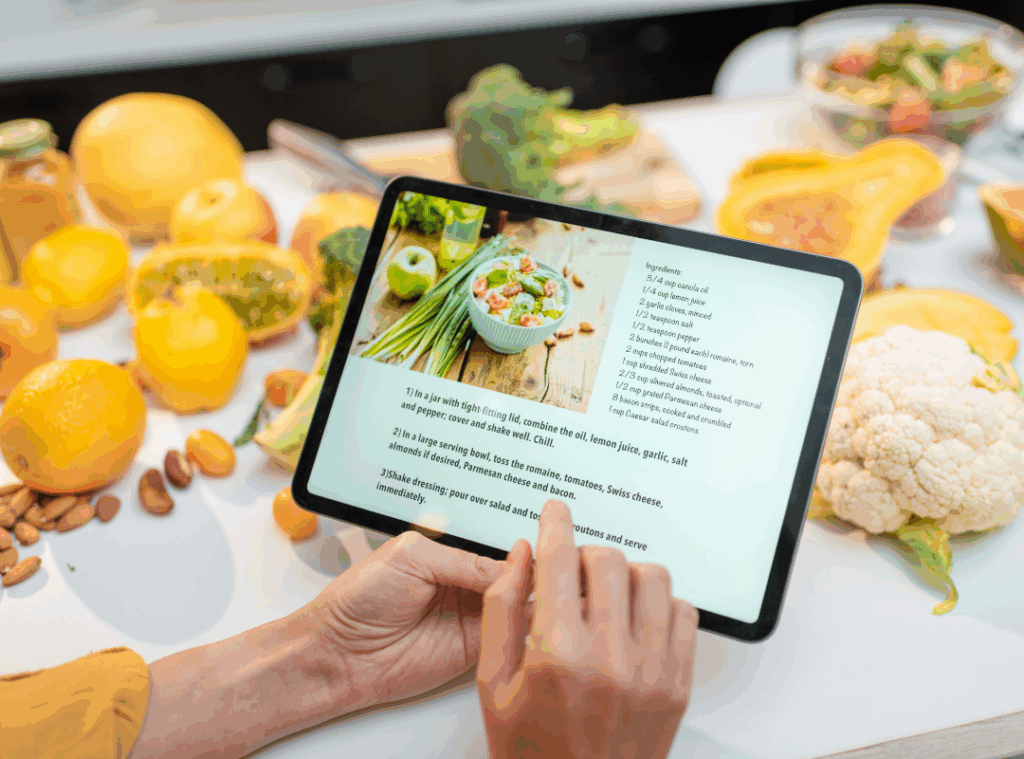
Supporting eye health also involves lifestyle adjustments. Eating a heart-healthy diet and including nutrients such as omega-3 fatty acids can help reduce risks associated with the most common eye disease in older adults.
Diagnosis and Treatment Options
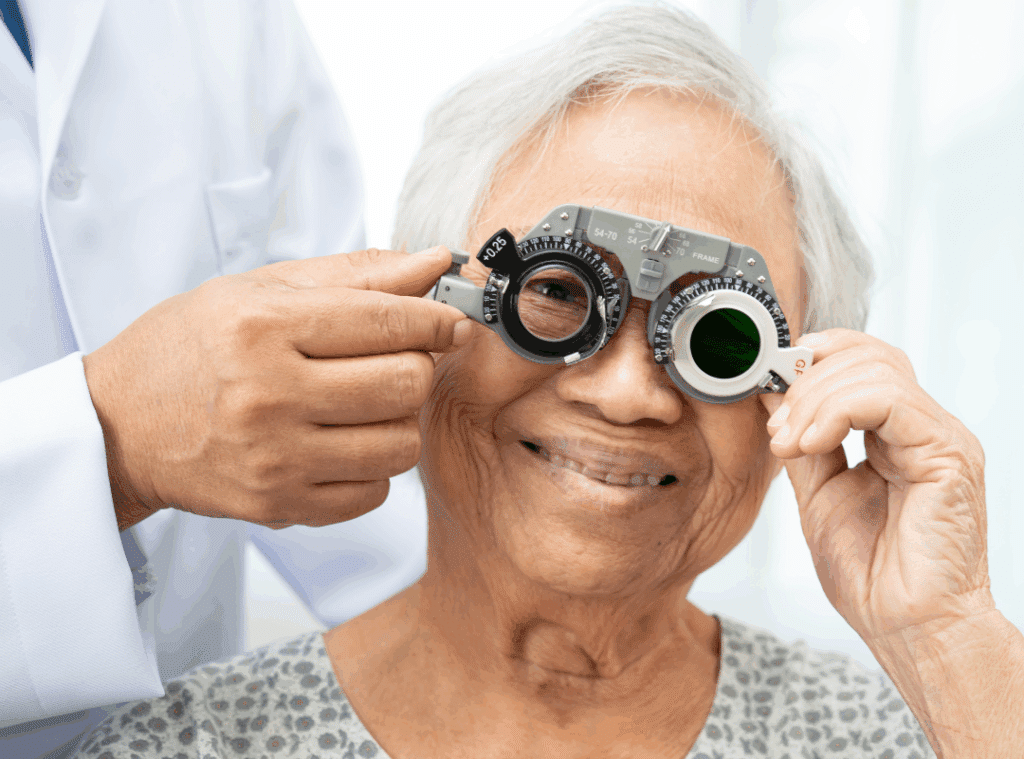
A thorough eye assessment is the best way to identify conditions from the eye problems list. Eye care professionals use dilation, imaging, visual acuity tests, and pressure checks to examine the retina and optic nerve.
Treatment options include:
- Surgery for cataracts
- Medications for glaucoma
- Injections for AMD
- Corrective lenses for refractive errors
- Lifestyle and nutritional support
Prompt diagnosis is essential, especially if you experience sudden blurred vision in the elderly, which may indicate stroke-related issues or retinal complications. Timely care can prevent permanent damage.
A heartfelt tribute to a beloved Lakeview resident reminds us of the importance of prioritizing health—including regular vision checkups—as part of overall well-being and longevity.
Importance of Regular Eye Exams
Routine eye exams are among the most effective tools for preventing complications from common eye conditions in the elderly. These visits help detect subtle changes long before symptoms appear, preserving vision and independence.
Eye exams can:
- Detect diabetes, hypertension, or neurological conditions
- Track the progression of issues on the eye problems list
- Provide early interventions that slow or stop deterioration
Seniors should schedule annual exams or more frequent appointments if they notice signs of aging in their eyes. Managing eye health goes hand in hand with addressing hearing concerns, such as navigating hearing loss, to maintain overall sensory wellness.
Healthy Lifestyle Choices for Vision Care
Lifestyle plays a substantial role in maintaining strong vision throughout aging. Healthy habits help prevent or slow the most common eye disease in older adults, supporting overall vitality.
Balanced Diet Benefits
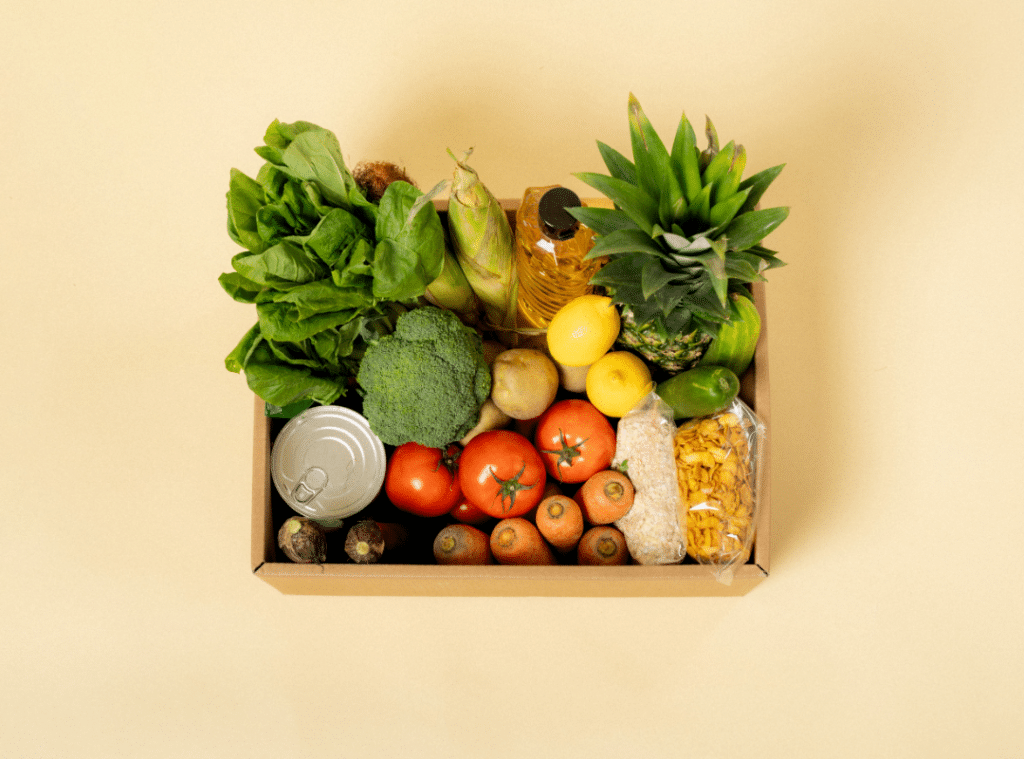
A nutrient-rich diet protects eye tissue and reduces inflammation. Helpful foods include:
- Leafy greens for lutein and zeaxanthin
- Fatty fish for omega-3s
- Vitamin C and E sources, like almonds and citrus fruits
Following proper nutrition enhances resilience against many eye problems and may reduce the risks of sudden blurred vision in the elderly linked to chronic disease.
Nutrient-dense foods support both eye and brain health, helping preserve cognitive function and daily independence.
Importance of Exercise
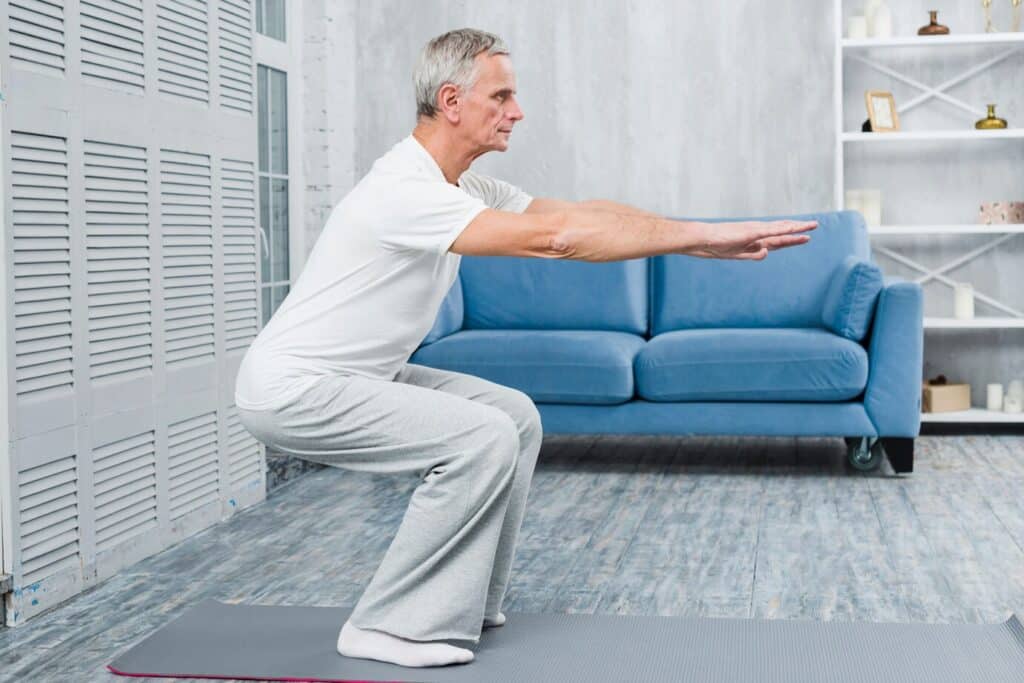
Physical activity stimulates circulation, improving oxygen flow to the eyes. It also supports healthy weight, blood pressure, and blood sugar—all major contributors to the most common eye disease in older adults.
Activities like walking, yoga, and swimming help strengthen the body and reduce the risks of glaucoma, diabetic eye disease, and stroke-related vision problems.
When to Seek Help From Eye Care Specialists
Knowing when to seek assistance is essential for preventing lasting damage. Seniors should consult an eye specialist immediately if they notice:
- Vision distortion
- Sudden floaters or flashes
- Drastic changes in clarity
- Worsening signs of aging eyes
Vision Changes Awareness
If vision alterations affect driving, reading, or mobility, a professional evaluation is critical. Early detection helps manage conditions before they escalate.
Sudden Symptoms Notification
Symptoms like sudden blurred vision in the elderly, dark spots, or abrupt peripheral vision loss require urgent evaluation to prevent lasting impairment.
Regular Eye Exam Importance
Routine exams ensure that concerns from the eye problems list are monitored and managed effectively.
A Compelling Call to Protect Your Vision Today
Your vision shapes how you experience the world—and protecting it becomes even more vital with age. Don’t wait for symptoms to progress or for daily activities to become a struggle. If you or a loved one is navigating common eye conditions in the elderly, The Oaks at Nipomo is here to support your wellness journey with compassion and expertise.
Take the next step toward clearer, safer, more confident living.
📞 Call The Oaks at Nipomo today at (805) 723-5206 or schedule your visit here: The Oaks at Nipomo
Frequently Asked Questions
What are the three common eye conditions associated with aging?
Three common age-related eye conditions include cataracts, glaucoma, and age-related macular degeneration (AMD). Cataracts cause clouding of the eye’s natural lens, leading to blurry or dim vision. Glaucoma damages the optic nerve, often due to increased eye pressure, and can lead to permanent vision loss if untreated. AMD affects central vision, making tasks like reading and recognizing faces difficult. These conditions become more common with age, which is why regular eye exams are essential.
How to treat eye strain headaches?
Treating an eye strain headache usually involves giving your eyes adequate rest. Start by taking frequent breaks from screens, adjusting lighting to reduce glare, and ensuring your monitor is positioned at a comfortable distance. Over-the-counter pain relievers may help ease the discomfort. Using artificial tears can relieve dryness that often accompanies eye strain. If symptoms persist, consult an eye care professional to rule out underlying issues.
What is the 20 20 20 rule for eyes?
The 20-20-20 rule is a simple guideline to reduce digital eye strain. Every 20 minutes, look at something 20 feet away for at least 20 seconds. This helps relax the eye muscles that work hard during close-up tasks, such as computer use. By regularly shifting focus, you reduce fatigue, dryness, and headaches associated with prolonged screen time. It’s an easy habit that can significantly improve visual comfort.
What is the most serious symptom of the eye?
One of the most serious eye symptoms is sudden vision loss, whether partial or complete. This can indicate conditions such as retinal detachment, an eye stroke, or severe glaucoma. Immediate medical attention is crucial, as quick treatment can prevent permanent damage. Other alarming symptoms include severe eye pain, flashes of light, or sudden floaters. If you experience any of these, seek emergency care right away.