Step Into Westmont Living®

Is Senior Psychological Care the Key to Well-Being?

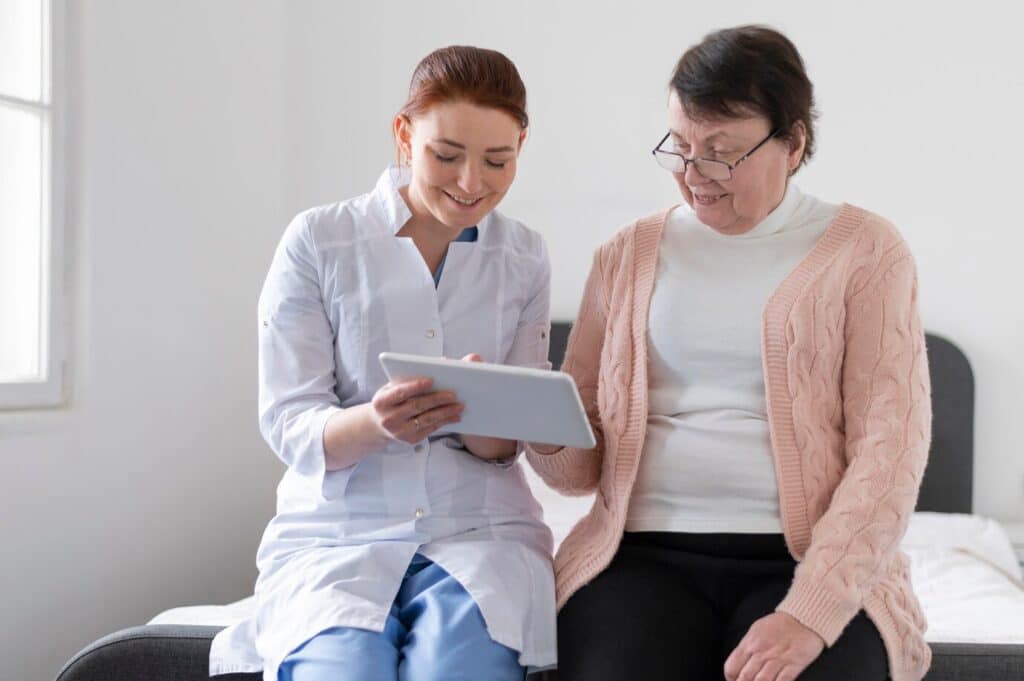
In the journey of aging, the significance of mental health often takes a backseat, overshadowed by physical health concerns. However, at Westmont of Fresno, we understand that senior psychological care is not just an option but a necessity for enhancing the quality of life in our golden years.

The Undeniable Link Between Mental Health and Aging

Mental health is integral to our overall well-being; this doesn’t change as we age. The complexities of psychological health become even more pronounced in our senior years. Challenges like the loss of loved ones, reduced mobility, and the inevitable changes that come with aging can take a toll on one’s mental state. Recognizing and addressing these issues is crucial in ensuring a fulfilling life for our seniors.

Westmont of Fresno: Pioneers in Senior Psychological Care

At Westmont of Fresno, we pride ourselves on being at the forefront of providing comprehensive psychological care for seniors. Our holistic approach addresses our residents’ mental, emotional, and social needs, promoting well-being and contentment.


The Benefits of Focusing on Mental Health in Seniors

  • Enhanced Quality of Life

Mental health directly impacts life satisfaction. Focusing on psychological well-being, we help seniors find joy and meaning in their daily activities.

  • Better Physical Health

The mind and body have a strong connection. Good mental health can improve physical health, reducing the risk of ailments common in later years.

  • Increased Social Engagement

Mental wellness encourages social interaction, a key component in maintaining a vibrant and engaged lifestyle at Westmont of Fresno.

Tailoring Psychological Care to Each Individual

No two individuals are the same, and this principle is at the heart of our approach to senior psychological care. At Westmont of Fresno, personalized care plans are developed for each resident, considering their unique histories, preferences, and needs.

Collaborative Care Approach

We believe in a collaborative approach, where our team of experts works hand in hand with residents and their families to create a nurturing environment that promotes mental well-being.

Continual Assessment and Adaptation

Our psychological care is not static. We continually assess and adapt our approaches to ensure that they meet the evolving needs of our seniors.

Continual Assessment and Adaptation

Continual Assessment and Adaptation

Diverse Therapeutic Activities

From group discussions to individual therapy sessions, our activities are designed to engage, stimulate, and support the mental health of our residents.

Combating Common Psychological Challenges in Seniors

Understanding the common psychological challenges faced by seniors is the first step in combating them. At Westmont of Fresno, we address issues such as depression, anxiety, and isolation, which are prevalent among the elderly.

Depression and Anxiety Management

Through therapy, medication management, and social support, we strive to alleviate the symptoms of depression and anxiety among our residents.

Overcoming Isolation and Loneliness

Our community-focused environment fosters connections and friendships, helping seniors overcome isolation and loneliness.

Cognitive Health Focus

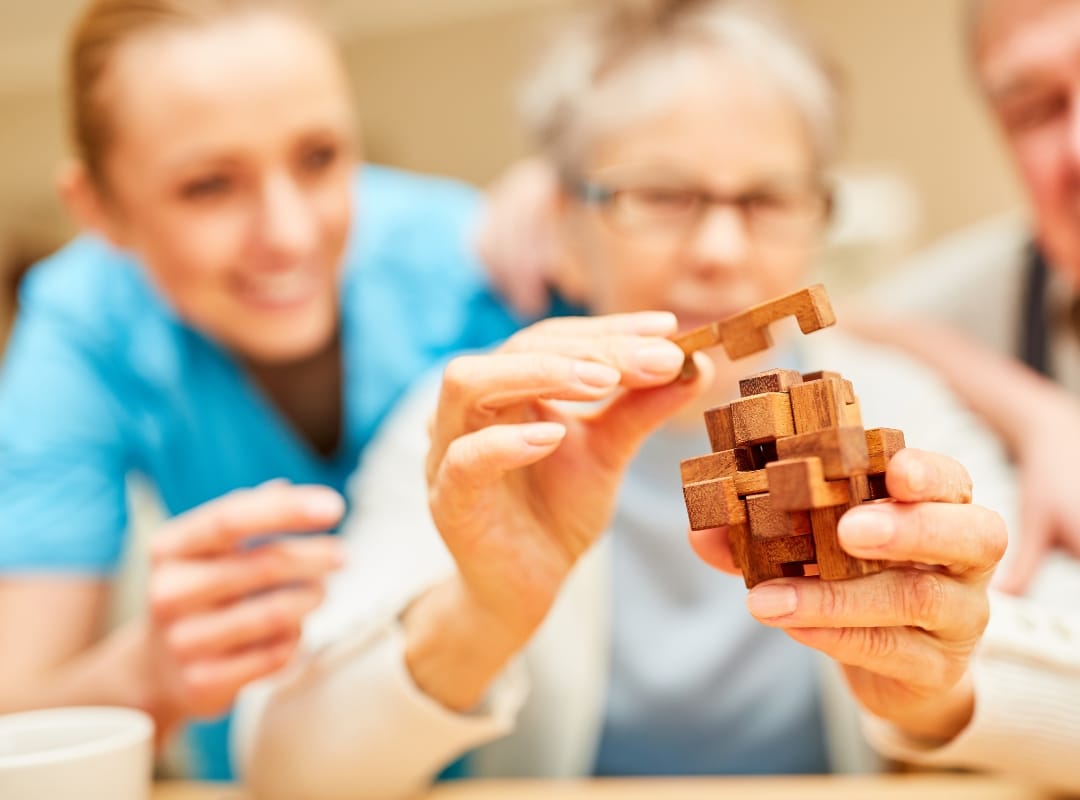
We also pay special attention to cognitive health, offering activities and therapies to keep the mind active and engaged.

Embracing Technology in Enhancing Mental Health

In an era where technology is advancing rapidly, Westmont of Fresno integrates innovative tools to enhance the psychological care of our seniors.

  • Digital Communication Tools

These tools keep residents connected with their loved ones, breaking the barriers of distance and isolation.

  • Therapeutic Software Applications

Specialized software aids in cognitive stimulation and relaxation, contributing to overall mental wellness.

  • Telehealth Services

These services provide convenient access to mental health professionals, ensuring continuous support and care.

The Role of Nutrition and Physical Activity in Mental Health

A holistic approach to senior psychological care involves more than therapy and medication. It also includes a focus on nutrition and physical activity.

  • Nutritional Support

Balanced diets rich in essential nutrients are crucial in maintaining mental health. Our chefs at Westmont of Fresno craft meals that delight the palate and nourish the mind.

  • Physical Exercise

Regular physical activity boosts mood and cognitive function. Our fitness programs are tailored to suit the abilities and preferences of our residents, ensuring they stay active and healthy.

Fostering a Supportive Community Environment

The power of the community in enhancing mental health cannot be overstated. At Westmont of Fresno, we cultivate an environment where every resident feels valued, understood, and part of a more prominent family.

  • Community Activities

Our calendar has events encouraging socialization, participation, and a sense of belonging.

  • Peer Support Groups

These groups offer a platform for residents to share experiences, offer support, and build meaningful relationships.

  • Family Involvement

We actively encourage family members to be involved in the lives of our residents, reinforcing the support system crucial for mental well-being.

Continuous Education and Awareness

Education and awareness are key components of our approach to senior psychological care. Keeping our residents and their families informed empowers them to participate actively in their mental health journey.

  • Workshops and Seminars

Regular educational sessions are conducted on various aspects of mental health, from understanding psychological conditions to learning coping strategies.

  • Resource Availability

We provide access to many resources, including literature and expert talks, to keep our community informed and engaged.

The Westmont of Fresno Difference

At Westmont of Fresno, we go beyond the traditional senior care methods. Our commitment to excellence in senior psychological care sets us apart.

  • Expert Staff

Our team comprises professionals who are skilled, compassionate, and dedicated to the well-being of every resident.

  • State-of-the-Art Facilities

Our facilities provide a comfortable, safe, and stimulating environment conducive to mental and physical well-being.

  • Personalized Care Plans

Understanding that each individual is unique, we tailor our psychological care to meet the specific needs of each resident.

A Holistic Approach to Senior Well-Being

In conclusion, at Westmont of Fresno, we recognize that senior psychological care is fundamental to the well-being of our residents. Our holistic approach, encompassing mental, physical, and social aspects, ensures that every senior in our care lives a life filled with joy, purpose, and dignity.

For more information on how we can support you or your loved one’s mental health journey, please feel free to contact us at 559-446-1266. Our team of experts is always here to help, guide, and provide the care that makes a real difference.
 

What Causes Elderly Psychiatric Disorders? – Insights from Westmont of Fresno

Understanding Elderly Psychiatric Disorders

Elderly psychiatric disorders are complex and multifaceted conditions affecting our senior population. Westmont of Fresno, a leader in aged care, delves into the various factors contributing to these disorders, providing valuable insights for families and caregivers.


The Role of Age-Related Changes in Elderly Psychiatric Disorders

As we age, our bodies and minds undergo significant changes. At Westmont of Fresno, we understand that these changes can sometimes lead to or exacerbate psychiatric disorders in the elderly. Cognitive decline, for example, is not uncommon in seniors, and it can be a contributing factor to conditions like depression and anxiety.

Genetic Factors and Family History

Research has shown that genetics play a crucial role in the development of psychiatric disorders in the elderly. A family history of mental illness can increase the risk of similar conditions in seniors. Our team at Westmont of Fresno emphasizes the importance of understanding family medical history when assessing the mental health of our residents.

Environmental Influences and Life Events

The environment in which an older adult lives, including their social and physical surroundings, significantly impacts their mental health. Isolation, loss of loved ones, and lack of social support are common triggers for psychiatric disorders in seniors. At Westmont of Fresno, we strive to create a nurturing and supportive environment to mitigate these risks.


Physical Health and its Connection to Mental Well-being

The interplay between physical health and mental well-being cannot be overstated, especially in older adults. Chronic illnesses, pain, and medication side effects often contribute to the development of psychiatric disorders in seniors. Our approach at Westmont of Fresno involves a holistic view of health, considering both physical and mental aspects.

The Impact of Chronic Diseases

Chronic diseases such as heart disease, diabetes, and arthritis are not just physical ailments. They can have profound psychological effects on older adults, leading to conditions like depression and anxiety. At Westmont of Fresno, we pay close attention to the mental health implications of chronic diseases in our residents.

Medication Side Effects and Elderly Psychiatric Disorders

Many medications prescribed for various age-related conditions can have side effects that impact mental health. It is essential to monitor these effects closely. Our healthcare professionals at Westmont of Fresno are trained to recognize and address these concerns, ensuring a balanced approach to medication management.


Coping Strategies for Elderly Psychiatric Disorders

Living with a psychiatric disorder in one’s golden years can be challenging, but there are effective coping strategies that can help. At Westmont of Fresno, we advocate for a combination of medical treatment, therapy, and lifestyle changes to manage these conditions effectively.

The Role of Therapy and Counseling

Therapy and counseling can be highly beneficial for seniors dealing with psychiatric disorders. These sessions provide a safe space to express their feelings and challenges. At Westmont of Fresno, we offer access to qualified therapists who specialize in geriatric mental health.

The Role of Therapy and Counseling

The Role of Therapy and Counseling

Lifestyle Changes and Mental Health

Simple lifestyle changes can significantly impact the mental health of older adults. Regular exercise, a healthy diet, and social engagement are key factors we encourage at Westmont of Fresno to improve the overall well-being of our residents.

The Importance of Social Support

A robust social support system is vital for seniors, especially those battling psychiatric disorders. Engaging in community activities, maintaining family connections, and forming new friendships are all essential aspects of mental health care at Westmont of Fresno.

Enhancing Mental Health Through Mindfulness and Relaxation Techniques

Mindfulness and relaxation techniques are becoming increasingly recognized for their benefits in managing psychiatric disorders in the elderly. Meditation, yoga, and deep breathing exercises can significantly reduce stress and improve mental health. Westmont of Fresno incorporates these practices into our care programs, offering seniors tools to maintain their mental well-being.


The Significance of Regular Medical Check-Ups

Regular medical check-ups play a crucial role in monitoring and managing elderly psychiatric disorders. These check-ups help in early detection and treatment of mental health issues. Our team at Westmont of Fresno ensures that our residents receive regular health assessments, keeping a close watch on any changes that could affect their mental health.


Understanding and Managing Memory Loss

Memory loss, a common issue among seniors, can lead to frustration, confusion, and psychiatric disorders. Managing memory loss effectively involves medical treatment, cognitive therapies, and supportive care. At Westmont of Fresno, we provide specialized support to our residents experiencing memory loss, helping them navigate their daily lives with dignity and comfort.

The Role of Diet and Nutrition in Mental Health

Diet and nutrition are significant in maintaining mental health in older adults. Nutrient-rich diets have been linked to lower rates of depression, anxiety, and cognitive decline. At Westmont of Fresno, our dietary plans are designed to support our residents’ physical and mental health, ensuring they receive the nutrition they need for overall well-being.


Addressing the Stigma Surrounding Elderly Psychiatric Disorders

One of the biggest challenges in dealing with elderly psychiatric disorders is the stigma attached to them. It’s vital to understand that these conditions are not a sign of weakness but a part of the complex health spectrum of aging. Westmont of Fresno is committed to addressing this stigma and providing education and support to our residents and their families.

The Importance of Education and Awareness

Educating seniors and their families about psychiatric disorders is crucial in managing these conditions. Awareness helps in early detection, acceptance, and seeking appropriate care. Westmont of Fresno conducts regular workshops and seminars to keep our residents and their families informed and empowered.

Integrating Technology in Mental Health Care

The integration of technology in health care has opened new avenues for treating and managing psychiatric disorders in the elderly. Telemedicine, online therapy sessions, and digital monitoring tools are part of the innovative approaches we use at Westmont of Fresno to enhance our residents’ mental health care.

Building a Community of Support

At Westmont of Fresno, we believe in building a community where seniors feel supported and understood. Our programs and activities foster a sense of belonging and community among our residents, creating a nurturing environment conducive to mental well-being.


The Future of Elderly Psychiatric Care

As we look to the future, the approach to managing elderly psychiatric disorders continues to evolve. Advances in medical research, therapy techniques, and holistic care are shaping a more effective and compassionate approach to mental health care for seniors.

Embracing a Holistic Approach to Senior Care

A holistic approach to senior care, which includes addressing the physical, mental, emotional, and social aspects of health, is essential for effectively managing psychiatric disorders in the elderly. Westmont of Fresno adopts this approach, ensuring that every aspect of our residents’ well-being is treated with expert care and compassion.


Navigating the Journey with Compassion and Expertise

Understanding and managing elderly psychiatric disorders is a journey that requires compassion, expertise, and a comprehensive approach. Westmont of Fresno is dedicated to providing exceptional care and support to seniors facing these challenges. Our experienced team, supportive community, and holistic approach to care make us a trusted partner in this journey.

We are here to help

If you or a loved one are navigating the complexities of elderly psychiatric disorders, Westmont of Fresno is here to help. Contact us at 559-446-1266 for expert advice, compassionate care, and a supportive community. We can ensure our seniors a dignified, healthy, and well-being journey.


Memory Care: Senior Communication Strategies for Families

Understanding Memory Care Senior Communication Strategies

As we age, our cognitive abilities often change, and for some, this can lead to conditions like dementia or Alzheimer’s. At Westmont of Fresno, we specialize in providing compassionate and skilled memory care. In this guide, we’ll share essential senior communication strategies to help families connect more meaningfully with their loved ones facing memory challenges.


What is Memory Care?

Memory care is a specialized care tailored for individuals with memory impairments. It involves creating a safe environment, offering structured activities, and providing support tailored to individual needs. At Westmont of Fresno, we prioritize a holistic approach to memory care, focusing on physical, emotional, and social well-being.

Effective Senior Communication Strategies in Memory Care

Communicating with a loved one with memory impairment requires patience, understanding, and specific techniques. Here are some key strategies to enhance communication:

1. Keep It Simple

Use clear, concise language. Avoid complex sentences or concepts that may confuse your loved one.

2. Establish a Positive Environment

Create a calm atmosphere for conversation. Ensure there’s no background noise or distractions that could be overwhelming.

3. Be Patient and Receptive

Understand that it might take longer for your loved one to process information. Be patient and give them time to respond.

4. Use Non-Verbal Cues

Non-verbal communication, like eye contact, smiling, and a gentle touch, can be more effective than words.

5. Validate Their Feelings

Acknowledging and validating your loved one’s emotions is crucial. It helps them feel heard and understood.

6. Engage in Reminiscing

Talking about past memories can be comforting and can sometimes spark moments of clarity and connection.

7. Avoid Arguing

If your loved one becomes confused or agitated, avoid arguing or trying to correct them. Instead, respond with empathy and redirect the conversation.

Tips for Families Navigating Memory Challenges

Supporting a family member with memory impairment can be challenging. Here are some tips to help families navigate this journey:

1. Educate Yourself

Learn as much as you can about your loved one’s condition. This knowledge can help you understand their behavior and needs better.

2. Join Support Groups

Consider joining a support group for families of individuals with memory impairments. Sharing experiences and advice can be beneficial.

3. Take Care of Yourself

Caring for someone with memory challenges can be emotionally taxing. Ensure you’re also taking time to care for your well-being.

4. Utilize Professional Resources

Don’t hesitate to seek help from professionals. Facilities like Westmont of Fresno offer expert care and can provide valuable guidance.

Navigating Memory Challenges

Navigating Memory Challenges

Navigating Communication Barriers in Memory Care

Effective communication is key in caring for individuals with memory impairments. However, it has its challenges. Understanding and navigating these barriers is crucial.

1. Recognize Non-Verbal Signs

Often, individuals with memory issues may struggle to express themselves verbally. Please recognize non-verbal cues like facial expressions and body language to understand their needs and emotions.

2. Stay Positive and Encouraging

Maintain a positive tone. Encouragement can go a long way in helping your loved one feel more comfortable and understood.

3. Use Familiar Phrases

Using phrases and words familiar to your loved one can help you better understand and connect.

4. Incorporate Technology

Technology can be a helpful tool in communication. Simple-to-use apps and devices designed for seniors can facilitate better interaction.

The Role of Memory Care Facilities in Enhancing Communication

Memory care facilities like Westmont of Fresno facilitate communication between individuals with memory impairments and their families.

1. Tailored  Senior Communication Strategies

We understand that each individual is unique. Our approach to communication is tailored to suit each resident’s specific needs and abilities.

2. Family Involvement

Encouraging family involvement is key. We offer guidance and support to families, helping them learn effective communication techniques.

3. Professional Support

Our team of professionals is trained in the latest senior  communication strategies and is always available to assist and advise.

4. Creating a Supportive Environment

At Westmont of Fresno, we create an environment that is conducive to communication, ensuring that our residents feel safe, understood, and cared for.

Building a Bridge: Communication and Memory Care

Effective communication is not just about conveying messages; it’s about building a bridge of understanding and empathy.

1. Celebrate Small Victories

In memory care, every successful communication is a victory, no matter how small. Celebrate these moments with your loved one.

2. Continuously Adapt

Be prepared to adapt your communication techniques as your loved one’s condition evolves.

3. Foster Emotional Connections

Focus on emotional connections. Sometimes, a shared smile or a held hand can communicate more than words.

4. Create Meaningful Experiences

Engage in activities that are meaningful to your loved one. This can provide a sense of familiarity and comfort.

Embracing the Journey with Compassion

Navigating the path of memory care is a journey that requires compassion, patience, and understanding. By employing effective communication strategies, families can maintain a strong connection with their loved ones, even as they face memory challenges.

We’re Here to Help

At Westmont of Fresno, we provide exceptional memory care and support for families. If you need guidance or assistance, don’t hesitate to contact us. Our expert team is here to help you navigate this journey with compassion and expertise. Call us at 559-446-1266 for more information or to schedule a visit.


Memory Care: Handling Agitation in Seniors and Anxiety

Understanding Agitation in Seniors and Anxiety in Memory Care

At Westmont of Fresno, we understand individuals’ unique challenges with memory-related conditions. Agitation in seniors and anxiety are common in memory care patients, manifesting in various forms and intensities. Our approach is not just about managing these symptoms but understanding their root causes and addressing them with compassion and expertise.


Identifying the Signs of Agitation in Seniors and Anxiety

Recognizing the signs of agitation in seniors and anxiety is the first step in providing adequate care. Symptoms can range from restlessness and irritability to more pronounced behaviors like pacing, sleep disturbances, and verbal or physical aggression. At Westmont of Fresno, our staff is trained to identify these signs early and respond appropriately.


The Impact of the Environment on Memory Care Patients

The environment plays a crucial role in the well-being of memory care residents. We at Westmont of Fresno have designed our facilities to create a calming and familiar atmosphere. Elements like natural lighting, comfortable furnishings, and personalized spaces help reduce agitation in seniors and anxiety in our residents.

Tailoring Care to Individual Needs

The Importance of Personalized Care Plans

Every individual in our care has a unique story and set of needs. Personalized care plans are essential in addressing each resident’s specific triggers and preferences. Our expert team reviews and adjusts these plans to ensure they remain practical and relevant.


Incorporating Activities and Therapies

Engaging residents in activities and therapies that they find enjoyable and fulfilling is key to managing agitation in seniors and anxiety. At Westmont of Fresno, we offer a range of options, from music therapy and art classes to light exercise and sensory stimulation, all tailored to the abilities and interests of our residents.


The Role of Nutrition and Physical Health

Nutrition and physical health are integral to the overall well-being of memory care patients. Our comprehensive care approach includes a balanced diet, regular health check-ups, and appropriate physical activities. We understand that a healthy body can significantly impact mental health and behavior.

Family Involvement and Support

Encouraging Family Engagement

Family involvement is crucial in the care of memory care residents. At Westmont of Fresno, we encourage families to be part of the care process, providing them with resources and support to understand and effectively interact with their loved ones.


Training and Support for Families

We offer training and support for families to help them cope with the challenges of having a loved one in memory care. This includes educational sessions, support groups, and one-on-one counseling to equip them with the skills and knowledge to support and maintain a positive relationship with their loved ones.


Open Communication Channels

Maintaining open and transparent communication with families is a priority. We ensure that families are kept informed about their loved one’s progress, changes in their condition, and any adjustments to their care plan.

Enhancing Quality of Life Through Specialized Care

Utilizing Innovative Memory Care Techniques

At Westmont of Fresno, we are committed to incorporating the latest advancements in memory care. Innovative techniques, such as reminiscence therapy, help our residents reconnect with their past, providing comfort and reducing anxiety. By integrating these methods, we offer care that is both forward-thinking and deeply respectful of each individual’s life experiences.


Importance of Regular Routine

Establishing a routine is vital in memory care. Predictable schedules for meals, activities, and rest can significantly reduce anxiety and agitation in residents. Our team at Westmont of Fresno carefully designs daily routines that provide structure while allowing flexibility to accommodate individual preferences and needs.


Sensory Stimulation and Its Benefits

Sensory stimulation plays a significant role in managing agitation and anxiety. Tailored activities that engage the senses, such as aromatherapy or tactile stimulation, can have a calming effect and enhance the overall well-being of our residents. We carefully select sensory experiences that are soothing and familiar to our residents.

Training and Development of Caregivers

Continuous Staff Training

In order to provide excellent care for residents with memory impairments, it is vital to have caregivers who are compassionate and well-trained. At Westmont of Fresno, we prioritize continuous training and development for our staff. This ensures they are up-to-date with the latest knowledge and skills, enabling them to deliver the highest quality of care possible.


Emphasis on Compassionate Care

Compassionate care is at the core of our values. Our team is trained -> skilled to provide empathetic, patient, and respectful care, addressing our residents’ physical and emotional needs.


Building a Supportive Community

Our caregivers belong to a supportive community that appreciates collaboration and shared learning. This community approach ensures every team member feels supported and empowered to provide the best possible care.

Innovative Approaches to Memory Care

Integrating Technology in Care

Leveraging technology can enhance the quality of care in memory care facilities. At Westmont of Fresno, we utilize technology to monitor health, track progress, and facilitate communication between residents and their families. These tools aid in creating a safe and efficient care environment.

Integrating Technology in Care

Integrating Technology in Care

Exploring Alternative Therapies

We are open to exploring alternative therapies that can benefit our residents. When appropriate, techniques like pet therapy or mindfulness practices are considered and integrated into our care plans. This holistic approach ensures that we cater to all aspects of our residents’ well-being.

Collaborating with Healthcare Professionals

Partnership with Medical Experts

Collaboration with healthcare professionals is key to providing comprehensive care. We work closely with doctors, nurses, and specialists to ensure that the medical needs of our residents are satisfied and that their care plans are medically sound.


Ongoing Health Monitoring

Regular health monitoring is crucial in memory care. Our team at Westmont of Fresno diligently tracks the health of our residents, adjusting care plans as needed to address any medical concerns that arise.

Addressing Mental and Emotional Health

The Importance of Mental Health in Memory Care

Mental and emotional health is a cornerstone of our approach at Westmont of Fresno. We understand that addressing psychological needs is as crucial as physical care. Our team includes mental health professionals who work closely with residents to ensure their emotional well-being.


Individual and Group Therapy Sessions

We provide individual and group therapy sessions to our residents to assist them in managing their condition and expressing their emotions. These sessions offer a secure and supportive environment where they can interact with others dealing with similar challenges, fostering community and mutual support among our residents.


Stress Reduction Techniques

We incorporate various stress reduction techniques into our care regimen. Activities like guided meditation, gentle yoga, and breathing exercises are available to help residents manage anxiety and find inner peace.

Community Engagement and Inclusion

Encouraging Social Interaction

Social interaction is a vital part of life at Westmont of Fresno. We organize group activities and events that encourage residents to interact, engage, and build relationships with each other. This sense of community is essential for their emotional and social well-being.


Involving Residents in Community Life

Involving our residents in the broader community life is essential. We arrange outings, invite guest speakers, and host events that let our residents feel connected to the world outside our facility. These activities provide stimulation and a change of scenery, which can be very beneficial.


Celebrating Individuality and Diversity

At Westmont of Fresno, we celebrate the individuality and diversity of our residents. We recognize and respect their backgrounds, preferences, and beliefs. This inclusive approach ensures that every resident feels valued and understood.

Navigating End-of-Life Care

Providing Compassionate End-of-Life Care

We focus on end-of-life care, comfort, dignity, and support. We work closely with hospice care providers to ensure our residents receive the best care during their final days.


Support for Families During Difficult Times

We extend our support to families during the end-of-life phase. Our team provides guidance, emotional support, and practical help during these challenging times, ensuring that families are not alone in their journey.


Ensuring a Peaceful and Dignified Transition

We aim to ensure that the transition at the end of life is as peaceful and dignified as possible. We pay close attention to pain management, emotional support, and spiritual care according to the wishes of our residents and their families.


The Westmont of Fresno Commitment

At Westmont of Fresno, we are committed to providing the highest standard of memory care. Our approach is comprehensive, compassionate, and tailored to the individual needs of each resident.

Offering Our Expertise and Support

If you or a loved one is facing memory care challenges, we are here to help. Our team of experts is committed to providing support, guidance, and high-quality care.

For more information or to discuss how we can assist you, please do not hesitate to contact us at 559-446-1266. We are here to support you on this journey.



Customizing Room Setups in Memory Care for Comfort

Understanding the Importance of Customizing Room Setups in Memory Care

Memory care facilities, like Westmont of Fresno in California, recognize the profound impact of a well-designed living space on the well-being of residents with memory impairments. Creating a safe, comfortable, and familiar environment is crucial for enhancing their quality of life. This article delves into the essential aspects of customizing room setups in memory care, offering expert guidance and practical tips to families and caregivers.


The Role of Environment in Memory Care

A thoughtfully arranged room in a memory care unit can significantly benefit individuals with memory loss. A familiar and soothing environment can reduce anxiety, agitation, and confusion, which are common in memory disorders. At Westmont of Fresno, we prioritize creating spaces that resonate with the comfort of home while ensuring safety and accessibility.


Personalization: Making Spaces Feel Like Home

Personalization plays a vital role in memory care room setups. Adding personal items like family photos, favorite books, or cherished keepsakes can help residents maintain a connection with their past and provide a sense of security and belonging. Customizing each room to reflect the individual’s tastes and history is about aesthetics and preserving identity and dignity.


Safety and Accessibility: Core Considerations

Safety and accessibility are paramount in memory care room design. Eliminating hazards, ensuring easy navigation, and using adaptive furniture and equipment can prevent accidents and promote independence. Westmont of Fresno incorporates features such as non-slip flooring, ample lighting, and easily accessible storage to foster a safe living environment.

Incorporating Sensory Elements for Cognitive Stimulation

Incorporating sensory elements into room setups can stimulate cognition and evoke positive emotions in memory care residents. Sensory stimulation can range from tactile items, like textured fabrics, to visual elements, like calming colors or nature-inspired artwork. At Westmont of Fresno, we understand the power of sensory experiences in evoking memories and emotions, creating a comforting and stimulating environment for our residents.


The Impact of Color and Lighting

Color and lighting are more than just decorative aspects; they play a crucial role in the well-being of individuals with memory impairments. Soothing color schemes can create a calming atmosphere, while bright and contrasting colors can help in navigation and recognition. Similarly, natural lighting can uplift moods and regulate sleep patterns, while appropriate artificial lighting can reduce confusion and improve visibility.


Incorporating Nature and Outdoor Views

Access to nature and outdoor views can greatly enhance the living experience in memory care. Views of gardens, landscapes, or even pictures of natural settings can provide a sense of tranquility and connection to the outside world. At Westmont of Fresno, we ensure that our room setups either offer direct access to outdoor spaces or incorporate elements of nature indoors.


Utilizing Technology for Comfort and Engagement

Modern technology has a significant role in enhancing the living experience in memory care facilities. Smart home features, such as automated lighting, temperature control, and voice-activated devices, can increase comfort and autonomy for residents. Technology like digital photo frames or simple-to-use music players can also be therapeutic and evoke fond memories.

Utilizing Technology for Comfort and Engagement

Utilizing Technology for Comfort and Engagement

Designing for Flexibility and Adaptability

Memory care needs can evolve over time, and room setups should be flexible to accommodate these changes. At Westmont of Fresno, we design spaces that can be easily adapted to meet the evolving needs of our residents. This includes adjustable furniture, modular storage solutions, and room layouts that can be reconfigured as required.


Creating Multi-Functional Spaces

In memory care, it’s essential to have rooms that can serve multiple purposes. This approach maximizes space and allows residents to engage in various activities in the comfort of their own rooms. For instance, a corner of the room can be set up as a reading nook, while another area can be arranged for relaxation or visiting with family. Westmont of Fresno emphasizes the importance of versatility in room design to cater to our residents’ diverse interests and needs.


Emphasizing Ease of Movement

Ease of movement within the room promotes independence and reduces frustration for residents with memory impairments. This involves ensuring clear pathways, minimizing clutter, and using furniture with rounded edges to prevent injuries. At Westmont of Fresno, we meticulously plan each room’s layout to facilitate easy and safe mobility for all residents.


Integrating Personal Care Areas

Personal care areas in memory care rooms should be designed with the resident’s dignity and independence in mind. Features like walk-in showers, grab bars, and seated vanities can make personal care routines safer and more manageable. At Westmont of Fresno, we ensure that these areas are functional and aesthetically pleasing, creating a comfortable and reassuring environment for our residents.

Engaging Residents through Activity-Centric Design

Activity-centric design focuses on incorporating elements that encourage engagement and participation in daily activities. This can include built-in shelving for easy access to games and crafts, space for indoor gardening, or a small workstation for hobbies. At Westmont of Fresno, we understand the importance of keeping residents active and engaged; our room setups reflect this commitment.


Incorporating Memory Boxes

Memory boxes are a unique way to personalize room entrances in memory care facilities. These small display cases can hold significant items for the residents, helping them identify their room and providing conversation starters for visitors and staff. Westmont of Fresno encourages families to collaborate in creating these memory boxes, adding a personal touch to each resident’s space.


Encouraging Family Involvement

Family involvement in room customization can greatly enhance the comfort and familiarity of the space for the resident. Encouraging families to participate in the setup process, from choosing decor to selecting personal items, helps create a more homelike environment. Westmont of Fresno values this collaboration, understanding its positive impact on the well-being of our residents.

Conclusion

Customizing room setups in memory care is critical to providing compassionate and effective care. At Westmont of Fresno, we are dedicated to creating environments that are safe, comfortable, and tailored to the unique needs and preferences of each resident. Our expertise in this area reflects our commitment to enhancing the quality of life for individuals with memory impairments.

We are here to help.

We invite you to contact us if you or a loved one could benefit from our specialized memory care services. Our team at Westmont of Fresno is here to offer guidance and support, helping you confidently navigate the journey of memory care. For more information or to schedule a visit, please call us at 559-446-1266. We are here to help.

 

Nutritional Supplements and Medication Interactions in Seniors

Understanding the Basics of Medication Interactions

The Importance of Awareness in Senior Health

At Westmont of Fresno, we understand the complexities and concerns surrounding our senior community’s health, especially regarding medication interactions. With many seniors taking multiple medications and supplements, it’s crucial to be aware of potential interactions that can affect their health.

Medications are integral to many seniors’ lives, but they don’t come without risks. Interactions between different drugs, or between drugs and nutritional supplements, can lead to adverse effects, diminishing the efficacy of treatments or even causing harm. Seniors and their caregivers need to have a clear understanding of these interactions.

How Medications and Supplements Interact

The body processes medications and supplements in various ways, often involving the liver and kidneys. When the same pathway metabolizes two or more substances, they can interfere with each other’s effectiveness or create harmful byproducts. This is why understanding these interactions is so important for senior health.

The Role of Nutritional Supplements in Senior Health

Benefits and Risks

Nutritional supplements can play a significant role in maintaining and improving health in seniors. They can compensate for dietary deficiencies, boost energy levels, and support overall well-being. However, they are not without risks. Supplements can interact with prescription medications, sometimes enhancing or reducing their effects or even causing unexpected side effects.

Common Supplements and Potential Interactions

Calcium, vitamin D, omega-3 fatty acids, and herbal supplements like ginkgo biloba are popular among seniors. While beneficial, they can interact with a range of medications, including blood thinners, cholesterol-lowering drugs, and blood pressure medications. For example, omega-3 supplements might increase the risk of bleeding when taken with blood thinners.

Expert Guidance at Westmont of Fresno

Personalized Health Assessments

At Westmont of Fresno, our team of healthcare professionals is dedicated to providing personalized assessments for each resident. We understand that each individual’s health needs are unique, especially regarding medication and supplement interactions. Our experts work closely with residents and their families to ensure safe and effective medication management.

Collaborating with Healthcare Providers

We believe in a collaborative approach to senior health care. This means working closely with each resident’s healthcare provider to understand their medication regimen and dietary supplements. By doing so, we can identify potential interactions and adjust treatments accordingly to ensure optimal health and safety.

Educational Resources and Support

Our commitment to senior health extends beyond just medical care. We provide educational resources and support to our residents and their families, helping them understand the importance of medication management and the role of nutritional supplements in their overall health. Knowledge is power, especially when managing health in later life.

Preventing Negative Interactions

The Importance of a Comprehensive Medication Review

One of the most effective ways to prevent negative interactions between medications and supplements is through a comprehensive medication review. At Westmont of Fresno, our healthcare professionals regularly review each resident’s medication list, including all prescription drugs, over-the-counter medications, and nutritional supplements. This holistic approach helps identify potential risks and modify treatment plans as needed.

Communicating with Healthcare Providers

Open and continuous communication with healthcare providers is key in managing medication interactions. Seniors and their caregivers should always inform their doctors and pharmacists about all the medications and supplements they are taking. This includes occasional over-the-counter medications and herbal remedies, as they can also contribute to interactions.

Staying Informed about New Medications

Whenever a new medication or supplement is introduced, it’s important to understand how it might interact with existing treatments. Our team at Westmont of Fresno ensures that residents and their families are well-informed about any new prescriptions or supplements, including potential side effects and interactions.

Dietary Considerations and Medication Interactions

Impact of Diet on Medication Efficacy

Diet plays a significant role in how medications are processed in the body. Certain foods can either enhance or inhibit the absorption and effectiveness of drugs. For instance, grapefruit juice can interfere with enzymes that metabolize certain medications, leading to higher levels of the drug in the bloodstream and an increased risk of side effects.

Nutritional Counseling for Seniors

To address these concerns, Westmont of Fresno offers nutritional counseling tailored to the needs of our senior residents. Our dietitians work closely with the healthcare team to ensure that dietary choices support the effectiveness of medications, reduce the risk of interactions, and promote overall well-being.

Monitoring and Managing Health Conditions

Regular Health Assessments

Regular health assessments are crucial in monitoring the impact of medications and supplements on a senior’s health. These assessments help detect any adverse effects early and adjust treatment plans promptly. At Westmont of Fresno, our healthcare professionals conduct regular check-ups and closely monitor each resident’s response to their medications and supplements.

Managing Chronic Conditions

Many seniors at Westmont of Fresno live with chronic conditions that require ongoing medication management. Our team is skilled in managing these conditions while minimizing the risk of negative interactions with supplements. We provide individualized care plans that balance the need for medication with the potential risks of interactions.

Creating a Safe Medication Environment

Safe Storage and Administration of Medications

Ensuring the safe storage and administration of medications is a priority at Westmont of Fresno. We have strict protocols in place to manage medication storage, dosage, and timing. This not only helps in preventing interactions but also ensures that residents receive their medications as prescribed.

Educating Residents and Families

Education is a powerful tool in managing health. We regularly hold sessions for residents and their families to educate them about medication safety, adherence to prescribed regimens, and the potential risks of interactions. This empowers our residents to be proactive about their health.

Educating Residents and Families

Educating Residents and Families

Individualized Care in Medication Management

Tailoring Treatments to Individual Needs

At Westmont of Fresno, we understand that each senior has unique health needs and challenges. That’s why we prioritize individualized care in medication management. When planning treatment, our healthcare team considers each resident’s medical history, current health status, and personal preferences. This personalized approach helps reduce the risk of medication interactions and ensures the most effective care.

Regular Review and Adjustment of Medications

Medications and supplements need to be regularly reviewed and adjusted as health conditions change. Our team diligently monitors each resident’s medication response and makes necessary adjustments. This ongoing evaluation helps maintain the delicate balance between effective treatment and the risk of interactions.

The Role of Technology in Health Management

Utilizing Advanced Tools for Better Care

Technology plays a crucial role in enhancing health management for seniors. At Westmont of Fresno, we leverage advanced tools and software to track medication schedules, monitor health indicators, and identify potential interactions. This use of technology ensures accurate and efficient management of medications and supplements, contributing to the safety and well-being of our residents.

Keeping Families Informed

Our technology platforms keep families informed about their loved ones’ health status and any changes in medication or treatment plans. This transparency and communication are crucial in ensuring peace of mind and involvement in the healthcare process.

Building a Community of Wellness

Holistic Approach to Senior Health

At Westmont of Fresno, we believe in a holistic approach to health and wellness. Beyond just managing medications and supplements, we offer a range of activities and programs designed to enhance our residents’ physical, mental, and emotional well-being. From fitness classes to social events, we create an environment that supports a healthy and active lifestyle.

A Supportive and Caring Team

Our dedicated team of healthcare professionals, caregivers, and support staff are committed to providing the highest level of care. We work tirelessly to ensure that each resident feels supported, valued, and cared for in every aspect of their life at Westmont of Fresno.

Conclusion

Navigating the complexities of medication interactions in seniors requires expertise, care, and attention to detail. At Westmont of Fresno, we are committed to providing our residents with the highest level of care and support in managing their medications and supplements. Our individualized approach ensures that each resident receives the most effective treatment while minimizing the risk of interactions.

Join our community

If you or your loved one is seeking a community prioritizing health, safety, and well-being, look no further than Westmont of Fresno. Our team of experts is ready to provide the guidance and support needed to manage medication interactions effectively.

For more information or to discuss how we can assist you, please call us at 559-446-1266. We are here to help you navigate the path to better health and peace of mind.


Effective Strategies for Managing Behavioral Challenges in Memory Care

Understanding Behavioral Challenges in Memory Care

Memory care facilities like Westmont of Fresno, located in the heart of Fresno, CA, specialize in providing specialized care for individuals with memory impairments such as Alzheimer’s and other forms of dementia. These conditions often present unique behavioral challenges in memory care that require expert management and a compassionate approach. At Westmont of Fresno, our expertise lies in understanding and addressing these challenges effectively.

Identifying the Root Causes of Behavioral Issues

The first step in managing behavioral challenges in memory care is identifying their root causes. These can vary widely, from medical issues like pain or discomfort to emotional triggers like confusion, fear, or frustration related to memory loss. At Westmont of Fresno, our staff is trained to recognize these triggers and respond accordingly.

Tailoring Individualized Care Plans

Each resident at Westmont of Fresno receives a personalized care plan. This plan is developed through a thorough assessment of the individual’s medical history, personality, preferences, and specific memory challenges. By customizing our approach, we can address behavioral issues more effectively and provide care that truly resonates with each resident.

Strategies for Managing Behavioral Challenges

Creating a Safe and Familiar Environment

One of the key strategies in managing behavioral challenges in memory care is creating a safe, comfortable, and familiar environment. At Westmont of Fresno, we design our spaces to be soothing and easy to navigate, reducing confusion and anxiety among our residents.

Implementing Routine and Structure

Routine and structure are crucial in a memory care setting. A predictable daily schedule helps residents feel more secure and less anxious. At Westmont of Fresno, our daily routines include consistent meal times, regular activities, and set times for rest and personal care.

Engaging in Meaningful Activities

Engagement in meaningful activities is another core strategy at Westmont of Fresno. We offer various activities tailored to our residents’ interests and abilities. These activities not only provide enjoyment but also help maintain cognitive and motor skills, reduce agitation, and improve overall well-being.

Engaging in Meaningful Activities

Engaging in Meaningful Activities

Communication Techniques

Effective communication is vital when dealing with behavioral challenges in memory care. Our staff at Westmont of Fresno is trained in specialized communication techniques that help in understanding and responding to the needs of residents, even when verbal communication may be limited.

Non-Pharmacological Interventions

While medication can be necessary in some cases, at Westmont of Fresno, we focus primarily on non-pharmacological interventions. These include sensory stimulation, music therapy, pet therapy, and other approaches that have been shown to be effective in calming anxiety and reducing agitation in individuals with dementia.

Training and Support for Staff

Providing ongoing training and support for our staff is crucial. At Westmont of Fresno, we ensure that our team is up-to-date with the latest best practices in memory care and equipped with the skills and knowledge to handle behavioral challenges compassionately and effectively.

Family Involvement and Education

Family involvement is an integral part of our approach at Westmont of Fresno. We provide education and support to families, helping them understand the nature of memory impairments and how they can effectively interact and communicate with their loved ones.

Building Trust and Emotional Connections

Establishing Trust with Residents

Building trust with residents is a cornerstone of managing behavioral challenges in memory care. At Westmont of Fresno, we strive to create strong emotional connections with our residents, fostering a sense of safety and belonging. Our staff takes the time to get to know each individual personally, understanding their life story, preferences, and needs.

Emotional Support for Residents and Families

Providing emotional support is not limited to our residents. At Westmont of Fresno, we extend this support to the families as well. We understand that dealing with a loved one’s memory impairment can be challenging, and we are here to offer guidance, support, and a listening ear.

Advanced Techniques in Memory Care

Integrating Technology in Care

Advancements in technology have opened new avenues in memory care. At Westmont of Fresno, we utilize technology to enhance the quality of life for our residents. This includes sensory stimulation tools, communication aids, and security measures to ensure the safety of all residents.

Continual Monitoring and Adjustment of Care Plans

The needs of residents with memory impairments can change over time. We continually monitor the condition of each resident and adjust their care plans as needed. This proactive approach allows us to address behavioral challenges effectively and ensure that our residents receive the best possible care.

Collaborative Approach in Memory Care

Working with Healthcare Professionals

Collaboration with healthcare professionals is crucial. At Westmont of Fresno, we work closely with doctors, nurses, therapists, and other healthcare providers to ensure a comprehensive approach to care. This teamwork is essential for managing complex behavioral challenges and medical needs.

Community Engagement

Engaging with the broader community is another aspect of our approach. We encourage community involvement in our activities, fostering a sense of inclusivity and normalcy for our residents. This engagement also helps in breaking down the stigma often associated with memory impairments.

Summing Up Westmont of Fresno’s Approach

At Westmont of Fresno, our approach to managing behavioral challenges in memory care combines expertise, compassion, and a commitment to individualized care. We understand the complexities of memory impairments and are dedicated to providing the highest quality of care to our residents.

How Westmont of Fresno Can Help

If you or a loved one is facing the challenges of memory impairment, know that you are not alone. Westmont of Fresno is here to help. Our team of experts is ready to provide the support, care, and understanding you need.

Contact Us

For more information or to discuss how we can assist you, please don’t hesitate to contact us at 559-446-1266. Let us be a part of your journey in navigating the challenges of memory care.


Comprehensive Memory Care Therapies at Westmont of Fresno

Understanding Memory Care Therapies

Memory care therapies is a specialized type designed for individuals with memory impairments, typically caused by conditions like Alzheimer’s and other forms of dementia. Westmont of Fresno, a leading facility in Fresno, CA, is committed to providing top-notch memory care services. Our holistic and personalized approach focuses on enhancing each resident’s quality of life.

The Importance of Memory Care Therapies

Memory impairments can be challenging for both the individual and their loved ones. Specialized memory care is crucial as it caters to the unique needs of these individuals, providing a safe and nurturing environment. At Westmont of Fresno, we understand these challenges and strive to offer compassionate and effective care.

Therapeutic Approaches in Memory Care

Memory care involves various therapeutic approaches designed to slow the progression of memory loss and enhance cognitive abilities. Westmont of Fresno offers a range of therapies, ensuring that each resident receives the care that best suits their needs.

Cognitive Stimulation Therapy

Cognitive Stimulation Therapy (CST) is an evidence-based approach that involves engaging in activities designed to stimulate thinking, concentration, and memory. Our team at Westmont of Fresno employs CST to help residents maintain their cognitive functions for as long as possible.

Music and Art Therapy

Music and art therapy have been shown to impact individuals with memory impairments profoundly. These therapies tap into emotions and memories, providing comfort and self-expression. At Westmont of Fresno, residents have regular opportunities to engage in these therapeutic activities.

Music and Art Therapy

Music and Art Therapy

Physical Exercise

Physical activity is essential in memory care. It not only maintains physical health but also has cognitive benefits. Our facility offers a variety of physical activities tailored to the abilities and preferences of our residents, promoting overall well-being.

Personalized Care Plans

Each resident at Westmont of Fresno receives a personalized care plan. These plans are developed by a team of experienced professionals, taking into consideration the individual’s medical history, preferences, and current cognitive abilities.

Role of Nutrition

Proper nutrition plays a significant role in cognitive health. Our memory care program includes dietary plans that are nutritious and cater to each resident’s nutritional needs and preferences.

Family Involvement and Support

Family involvement is a key component of effective memory care. We encourage families to be part of the care plan and offer support and education to help them understand and cope with their loved one’s condition.

Safe and Supportive Environment

At Westmont of Fresno, we prioritize creating a safe and supportive environment. Our facility is designed to be secure yet inviting, with features that help residents navigate easily and feel at home.

Staff Training and Expertise

Our staff is extensively trained in dementia care and is dedicated to providing compassionate and practical support. They are skilled in managing the unique challenges that come with memory impairments.

Engaging Activities and Socialization

Engaging in social activities is vital for individuals with memory impairments. Our facility offers a range of group activities that promote social interaction and a sense of community among residents.

Innovative Therapies and Technologies

We continuously seek innovative therapies and technologies at Westmont of Fresno to enhance our memory care services. By staying abreast of the latest developments in dementia care, we ensure that our residents benefit from the most effective and up-to-date treatments available.

Sensory Stimulation Therapy

Sensory stimulation therapy is an integral part of our program. This therapy uses everyday objects to stimulate the senses, which can improve mood, cognitive function, and overall well-being. Tailored sensory experiences are designed to evoke positive memories and emotions in our residents.

Reminiscence Therapy

Reminiscence therapy involves discussing past experiences. This therapy is powerful in memory care, as it can help residents reconnect with their memories and identity. Our staff is trained to facilitate these sessions in a comforting and enjoyable way for our residents.

Focusing on Individual Needs and Preferences

At Westmont of Fresno, we recognize that each resident is unique, with their own life story, preferences, and needs. Our care plans are flexible and adapt to the changing needs of each resident, ensuring personalized and effective care at all times.

Behavioral and Emotional Support

Memory impairments can often lead to behavioral and emotional challenges. Our skilled team is equipped to provide the necessary support and interventions, always with empathy and understanding. We focus on creating a positive and nurturing environment that respects the dignity of each individual.

Continuous Monitoring and Assessment

Continuous monitoring and assessment ensure we always provide the best possible care. Our team regularly evaluates each resident’s condition and adjusts their care plan. This proactive approach allows us to address any health or behavior changes promptly.

Community Involvement and Support Networks

We believe in the power of community and the importance of support networks. Westmont of Fresno actively fosters connections with local organizations and resources, enhancing the lives of our residents and providing additional layers of support.

Educational Workshops and Support Groups

We offer educational workshops and support groups for families and caregivers. These resources are invaluable in helping them understand memory impairments and how to provide adequate support to their loved ones.

Partnering with Healthcare Professionals

Collaboration with healthcare professionals is a crucial aspect of our approach. We work closely with doctors, therapists, and other specialists to ensure a coordinated and comprehensive care plan for each resident.

Preparing for the Future

At Westmont of Fresno, we not only focus on the present needs of our residents but also prepare for their future needs. Our goal is to provide a continuum of care that adapts to the evolving needs of our residents as their condition progresses.

Planning for Long-term Care

We understand the importance of long-term care planning. Our team assists families in navigating the complexities of care decisions, ensuring that the needs of their loved ones will be met now and in the future.

End-of-Life Care and Support

End-of-life care is provided with the utmost respect and sensitivity. We offer support and comfort to our residents and their families during this challenging time, ensuring dignity and peace in the final stages of life.

Conclusion

In conclusion, Westmont of Fresno offers a comprehensive range of therapies and services tailored to individuals with memory impairments’ unique needs. We focus on enhancing the quality of life, maintaining dignity, and providing a supportive and nurturing environment. If you or a loved one needs memory care, we invite you to contact us at 559-446-1266 to learn more about how we can assist you. At Westmont of Fresno, we are dedicated to being a guiding light in memory care, and we’re here to help every step of the way.


Understanding Agitation in Memory Care Patients

What is Memory Care?

Memory care is a specialized type of elder care tailored for individuals with memory issues, including those with Alzheimer’s and other dementias. At places like Westmont of Fresno, experts craft environments to foster safety, engagement, and support for residents.

Why is it Crucial?

With Fresno’s growing elderly population, understanding and providing the best care for memory-related issues becomes paramount. Effective memory care benefits the patient and provides relief and assurance to families and loved ones.

The Onset of Agitation in Memory Care Patients

Defining Agitation in Memory Care

Agitation refers to feelings of restlessness, irritability, or aggressiveness that can manifest in various ways. This can be particularly challenging in memory care patients, as the cause might not always be clear.

Common Triggers

Triggers can range from environmental factors, like loud noises or unfamiliar settings, to internal factors, such as pain, hunger, or even certain medications. Recognizing these triggers is the first step in effective intervention.

Delving into the Causes of Agitation

Medical Issues

Undiagnosed or untreated medical problems can lead to agitation. Issues like urinary tract infections, constipation, or even simple dehydration can cause significant discomfort.

Environmental Stressors

An unfamiliar environment can be distressing. At Westmont of Fresno, we recognize the importance of a consistent, calming environment tailored to the needs of memory care patients.

Sensory Overload

Bright lights, loud noises, or even the presence of many people can be overwhelming. It’s crucial to ensure a patient’s environment is neither too stimulating nor too isolating.

Expert Coping Mechanisms and Recommendations

Individualized Care Plans

Every patient is unique. Hence, at Westmont of Fresno, we stress the importance of individualized care plans that consider the specific triggers and preferences of each resident.

Individualized Care Plans

Non-pharmacological Approaches

Before considering medication, there are numerous non-drug approaches to consider. Techniques such as music therapy, pet therapy, or even simple tactile activities like folding laundry can have a calming effect.

Communication Techniques

Simple strategies in communication can make a significant difference. Speaking slowly, using non-verbal cues, and maintaining a calm demeanor can help reduce the chances of agitation.

How Westmont of Fresno Can Help

Expertise in Memory Care

With years of experience in providing care to memory-challenged residents, Westmont of Fresno stands as a beacon of expertise in the Fresno area.

Commitment to Continuous Learning

The field of memory care is ever-evolving. Westmont of Fresno remains dedicated to continuous learning, ensuring the latest techniques and research findings are incorporated into our care plans.

The Importance of Family and Community Support

Engaging with the Patient

It’s crucial for family members to remain engaged with their loved ones. Simple activities like sharing stories, looking at old photographs, or listening to familiar music can provide comfort and reduce agitation.

Engaging with the Patient

Education and Training for Families

Westmont of Fresno believes in empowering families. We offer educational sessions and resources to help family members understand the nuances of memory-related diseases and ways to cope.

Building a Supportive Community

Memory care patients benefit from a supportive community, not just within the facility but also in the broader Fresno area. Encouraging interactions and creating understanding reduces stigma and enhances the overall quality of care.

Prevention is Better than Cure

Early Detection and Intervention

The sooner potential triggers or underlying causes of agitation are identified, the better they can be managed. Regular check-ups, both medical and psychological, are essential.

Emphasis on Routine

Memory care patients often find solace in routine. A structured day, with familiar activities at regular intervals, can provide a sense of security and predictability.

Physical Activity and Diet

Physical activity, tailored to the individual’s capabilities, can help in reducing agitation. Likewise, a balanced diet, rich in essential nutrients, plays a vital role in overall cognitive health.

Physical Activity and Diet

Looking Forward

The Road Ahead for Memory Care

The journey with memory-related conditions is challenging, both for patients and their families. However, with advances in research and a deeper understanding of the disease, there’s hope for better interventions and improved quality of life.

The Role of Westmont of Fresno

Situated in Fresno, CA, Westmont is more than just a facility. It’s a community dedicated to understanding, supporting, and enriching the lives of its memory care patients.

Conclusion

Dealing with agitation in memory care patients requires empathy, understanding, and expertise. Recognizing the causes and having effective coping mechanisms in place can make a significant difference in the quality of life for the patient.

At Westmont of Fresno, we’re here to guide you and your loved ones through this journey. If you have questions or need assistance, don’t hesitate to reach out. Give us a call at 559-446-1266 – because every moment matters.


Understanding Senior Sundowning in Memory Facilities

What is Senior Sundowning?

Sundowning in seniors, often associated with Alzheimer’s disease and other forms of dementia, worsens symptoms during the late afternoon and evening. As the sun sets, patients may become more confused, anxious, and agitated.

Causes of Senior Sundowning

While the exact cause is not entirely understood, it’s believed that disruptions in the internal body clock, changes in lighting, and reduced ability to process visual information during dusk may contribute to sundowning.

Recognizing the Symptoms

The key to managing sundowning lies in early recognition. Symptoms include increased agitation, confusion, anxiety, and mood swings that become more pronounced as evening approaches.

Family Support in Sundowning

The Westmont of Fresno Approach

Tailored Nighttime Care

At Westmont of Fresno, we recognize that nighttime can be a challenging period for those with memory issues. We have designed a tailored nighttime care program that addresses sundowning and sleep disruptions head-on.

Environment Modifications

We optimize the environment to help residents transition smoothly into the evening. This includes specialized lighting, soothing sounds, and a calming atmosphere to reduce stimuli that might trigger symptoms.

Structured Routines

Consistency is key. By maintaining a regular schedule, residents feel a sense of normalcy and predictability, which can mitigate the effects of sundowning.

Sleep Disruptions in Dementia Care

The Importance of Sleep

Quality sleep is crucial for everyone, but even more so for dementia patients. A disrupted sleep pattern can exacerbate cognitive symptoms and reduce overall well-being.

Factors Leading to Sleep Disruptions

Many factors can interfere with sleep in dementia patients. These can range from medication side effects to physical ailments or even the structure of the environment.

Westmont’s Solution to Sleep Challenges

Our approach at Westmont of Fresno is holistic. We assess potential causes and craft individualized solutions, from adjusting medications to creating optimal sleep environments.

Sleep Disruptions

Best Practices for Nighttime Care in Memory Facilities

Continuous Monitoring

Continuous observation helps in identifying triggers and early signs of senior sundowning. This proactive approach allows for timely interventions, ensuring residents’ safety and comfort.

Engagement and Activities

Structured activities in the evening can distract and engage residents, reducing the focus on their symptoms. This can include gentle exercises, music therapy, or even simple crafts.

Personalized Care Plans

Every individual is unique. At Westmont of Fresno, care plans are tailored to each resident’s needs, ensuring they receive the best possible support during challenging times.

Why Westmont of Fresno Stands Out

Expertise in Memory Care

Our team is specially trained in dementia care, ensuring a deep understanding of the unique challenges and needs of our residents. Continuous training ensures we’re always on top of the latest research and best practices.

A Holistic Approach

Beyond just medical care, we focus on the holistic well-being of our residents. This includes physical, emotional, and social care, providing a comprehensive approach to memory care.

Community and Support

We understand the journey of dementia not just for the individual but for the family, too. Our community offers support groups and educational sessions for families, ensuring everyone feels supported.

Community and Support

Importance of Diet and Nutrition

Diet can significantly influence the sleep patterns and overall health of dementia patients. Certain foods and drinks can act as stimulants, while others can have calming effects.

The Role of Medication

It’s crucial to continuously evaluate and, if necessary, adjust medications. Some might interfere with sleep, while others can assist in mitigating the symptoms of senior sundowning.

Comfortable Sleeping Environment

A peaceful sleeping environment can greatly influence sleep quality. Ensuring the room temperature is comfortable, using soft bed linens, and providing favorite pillows or blankets can make a difference.

Training and Staff Expertise at Westmont of Fresno

Staff Training in Dementia Care

Our dedicated team undergoes rigorous training in dementia care. This empowers them with the skills and knowledge required to offer compassionate and effective care, especially during challenging evening hours.

Understanding Individual Histories

Knowing the personal history of each resident aids in crafting personalized care plans. This could include familiar routines from their past, cherished memories, or personal preferences.

The Power of Empathy

Empathy is at the heart of our approach. Our team is trained to see the world from the residents’ perspective, allowing us to better understand their needs and emotions.

The Power of Empathy

Engaging Families in Nighttime Care

Regular Communication

At Westmont of Fresno, we believe in open communication with families. Regular updates allow family members to stay informed and engaged in the care of their loved ones.

Educating Families on Senior Sundowning

Understanding the phenomenon of senior sundowning can greatly assist families in offering support. We provide educational sessions, helping families recognize and cope with symptoms.

Collaborative Care Plans

We always welcome input from families when designing care plans. After all, who knows the resident better than their own family? This collaborative approach ensures the best possible care.

Looking Ahead: Continuous Improvement in Memory Care

Staying Updated with Research

The field of dementia care is constantly evolving. We remain committed to staying updated with the latest research, ensuring our residents benefit from cutting-edge care techniques.

Feedback and Iteration

Feedback from residents and their families is invaluable. It helps us refine our approach and continuously improve the quality of care we provide.

Embracing Innovations

From therapeutic technologies to novel care methods, we’re always on the lookout for innovations that can enhance the well-being of our residents.

We’re Here for You

At Westmont of Fresno, our foremost priority is the well-being and comfort of our residents. We understand the intricacies of nighttime care in memory facilities and are here to ensure every night is as peaceful as possible. 

If you have concerns or questions about senior sundowning, sleep disruptions, or any aspect of dementia care, please reach out to us. Let our expertise guide and support you. Call us today at 559-446-1266. Your peace of mind is just a phone call away.


Floor Plans & Pricing

Make yourself at home where a happy, healthy lifestyle goes hand-in-hand with your personal fulfillment, enrichment, and growth.

Answer a few quick questions to unlock the exciting future senior living can offer!

Resident Login