

Step Into Westmont Living®

Supporting Seniors and Mental Health Every Step of the Way

Mental well-being plays a crucial role in aging gracefully, yet seniors and mental health often remain overlooked or misunderstood. Many older adults thrive emotionally, but a significant number also face mental health challenges that can be addressed through compassion, awareness, and proactive care.

Dispelling outdated myths and offering real solutions can create healthier communities. Whether you’re a family member, caregiver, or senior yourself, understanding how to improve mental health in elderly populations is key to promoting emotional stability and quality of life.

At Westmont of Fresno, we’re passionate about supporting the holistic wellness of our residents. Learn more here: Westmont of Fresno

Understanding Mental Health in Seniors

The emotional and cognitive health of older adults is shaped by a variety of factors, including social changes, medical conditions, and life transitions. While it’s a myth that depression and anxiety are standard parts of aging, many seniors face these conditions without proper support.

To address this, we need to be better informed about psychiatric disorders in elderly individuals. Common issues include depression, anxiety, and cognitive impairments—yet these are not inevitable. Knowing how to improve mental health in elderly adults involves a combination of emotional support, professional care, and engaging daily activities. Programs that encourage movement, connection, and purpose can have transformative effects.

For more on these approaches, see this senior mental health guide by the National Institute of Mental Health.

Debunking Common Myths About Aging and Mental Health

It’s time to challenge the outdated belief that mental decline is unavoidable in older age. Many people still assume that conditions like depression, anxiety, and memory loss are just “part of getting old.” This misconception does more harm than good.

In truth, four common mental illnesses in the elderly—depression, anxiety disorders, dementia-related conditions, and substance abuse—are treatable. Early intervention, therapy, and community support can lead to remarkable improvements. Understanding how to deal with mental illness in the elderly? requires a shift from dismissing concerns to actively listening, validating feelings, and seeking professional help.

Physical activity, healthy eating, and companionship can dramatically reduce mental health symptoms in seniors. Learn more about these holistic strategies: Senior Living Approaches to Mental Health

Identifying Signs of Mental Health Issues in Older Adults

Spotting warning signs is the first step toward getting help. Too often, changes in mood or behavior in seniors go unnoticed or are misattributed to aging. However, signs like persistent sadness, confusion, irritability, or withdrawal from activities may be symptoms of mental illness in the elderly, symptoms that need attention.

Psychiatric disorders in elderly individuals can manifest subtly, so it’s crucial to remain vigilant. Loved ones and caregivers should be trained to detect early signs. Sometimes, even physical symptoms like unexplained aches or disrupted sleep could be linked to emotional struggles.

For more detailed insights, check this resource on managing anxiety in seniors.

The Importance of Early Recognition

Mental illness in the elderly symptoms often overlap with signs of physical illness, making diagnosis more difficult. That’s why timely recognition is so important. Knowing how to deal with mental illness in the elderly? means observing patterns and speaking up when something seems off.

Early intervention leads to better outcomes and lowers the risk of hospitalization or long-term dependency. The more we reduce stigma, the more likely it is that seniors will reach out. Addressing four common mental illnesses in the elderly begins with breaking the silence and offering compassionate, judgment-free support.

Learn more here: Unraveling Anxiety in Older People


Encouraging Open Conversations

Lifestyle Choices That Boost Mental Wellness in Seniors

What seniors eat, how often they move, and who they connect with each day all contribute to emotional health. These aren’t minor habits—they are powerful tools for improving mental resilience.

Nutrition and Emotional Stability

A healthy diet can be a powerful antidote to mood swings and fatigue. Foods high in antioxidants, vitamins, and omega-3 fatty acids support brain function. To help with improving mental health in the elderly, encourage meal plans rich in fruits, vegetables, and lean proteins. Hydration is equally vital.

Exercise and Mental Sharpness

Regular movement doesn’t just benefit the body—it rejuvenates the mind. Exercise increases blood flow to the brain, improves sleep quality, and reduces stress hormone levels. For older adults facing psychiatric disorders in the elderly, daily walks or yoga can provide both structure and peace of mind.

The Role of Social Interaction

Humans thrive in connection, and this remains true regardless of age. Loneliness has been linked to anxiety and depression. That’s why community events, support groups, and intergenerational activities are integral to seniors ‘ mental health.

For ideas on promoting social connections in older adults, this article from HelpGuide is helpful: Social Connection and Mental Health

The Power of Companionship in Aging

Companionship offers more than just conversation—it brings comfort, reduces feelings of isolation, and fosters a sense of belonging. For someone dealing with mental illness in the elderly, a friend’s presence can make all the difference.

Supportive relationships have been shown to improve cognitive function and emotional stability. Even short interactions—like chatting over coffee or participating in shared hobbies—can provide enormous benefits for seniors and their mental health. This is especially true for those navigating four common mental illnesses in the elderly, where community support can supplement clinical care.

Tools and Resources for Supporting Senior Mental Health

Thankfully, there are many resources available to help navigate how to deal with mental illness in the elderly. Whether it’s local support groups, online counseling, or senior centers offering structured programs, no one needs to face these challenges alone.

Resource Type Description Contact Info
Mental Health America Free screening tools & local services mhanational.org
SAMHSA Helpline 24/7 mental health and substance use assistance 1-800-662-HELP (4357)
Local Senior Services Social programs, meals, and wellness checks Your city or county office
Online Therapy Virtual therapy for all ages BetterHelp
Westmont of Fresno Senior living with an emotional wellness focus Schedule a Tour

A New Chapter: Mental Wellness at Any Age

Aging doesn’t mean giving up on emotional well-being. It’s a time to embrace new experiences, create supportive environments, and seek joy. With awareness, resources, and a little encouragement, seniors and mental health can go hand in hand.

Whether you’re addressing mental illness in the elderly symptoms or simply wondering how to improve mental health in elderly loved ones, there’s always a path forward. By recognizing psychiatric disorders in the elderly, building healthy habits, and fostering connection, we can all help rewrite the narrative around aging.

At Westmont of Fresno, we’re here to support you every step of the way. Discover a vibrant community focused on mental and emotional well-being. Call us at 559-446-1266 or explore more online: Westmont of Fresno

Let’s make the golden years truly golden—together.


Find Where You Belong

Dive into the vibrant life our Westmont communities have to offer.


Frequently Asked Questions

How does old age affect your mental health?

Old age can bring about changes in mental health due to physical decline, social isolation, or the loss of loved ones. These changes may lead to feelings of sadness, anxiety, or confusion. Cognitive decline, such as memory loss or slower processing, is also common. However, with support and healthy routines, many seniors maintain good mental well-being.

What are the mental health issues of the elderly?

Common mental health issues among the elderly include depression, anxiety, and dementia-related disorders like Alzheimer’s disease. Many seniors also face grief, loneliness, and a sense of purposelessness after retirement or the death of peers. Some conditions may go undiagnosed due to the misconception that mental decline is a normal part of aging. Early diagnosis and treatment can greatly improve quality of life.

Why is mental health important for senior citizens?

Mental health is essential for maintaining independence, physical health, and social connections in later life. Good mental well-being helps seniors cope with life changes, stay engaged, and enjoy a higher quality of life. It also reduces the risk of physical ailments and cognitive decline. Prioritizing mental health leads to healthier, more fulfilling aging.

What are the factors that affect mental health in older adults?

Several factors influence senior mental health, including physical health, mobility limitations, social isolation, and financial stress. Life transitions like retirement, moving to assisted living, or losing a partner also play a role. Additionally, a lack of access to mental health care can worsen conditions. A supportive environment and regular social interaction can help mitigate these effects.

Leg Workouts for Seniors to Improve Strength & Stability

Maintaining leg strength is vital for seniors seeking to stay independent, mobile, and confident in daily life. At Westmont of Fresno, we understand that a strong lower body forms the foundation for safe movement, fall prevention, and overall well-being. Whether you’re walking around the neighborhood, climbing stairs, or simply getting out of a chair, your leg muscles play a major role.

That’s why we’ve developed this guide to leg workouts for seniors, with a focus on comfort, safety, and effectiveness. Whether you’re starting your fitness journey or modifying routines due to mobility issues, these workouts are designed for seniors of all ability levels and can be done at home, while seated, or even in bed. Read on to discover safe and empowering ways to strengthen your legs and support your active lifestyle.

Why Leg Strength Matters in Senior Health

Leg strength is key to preserving balance, mobility, and independence as we age. Many seniors struggle with leg weakness, which can lead to increased fall risk, joint strain, and even a decline in overall health. Incorporating leg workouts for seniors at home builds the muscle and endurance needed for everyday activities like walking, standing, and bending.

Routine strengthening also enhances circulation, reduces stiffness, and supports better posture. According to studies on aging, muscle loss can begin as early as your 30s—but the good news is it’s never too late to reverse some of those effects. Starting a consistent routine of leg strengthening exercises for seniors while sitting or standing can bring visible benefits within weeks.

To learn more about simple exercises that boost lower body strength, try these top 3 leg strengthening movements.

Easy Leg Strengthening Exercises to Start With

These gentle routines are ideal if you’re just getting started or have mobility limitations. Leg strengthening exercises for seniors in bed offer a low-impact way to activate muscles first thing in the morning or before bedtime:

  • Ankle pumps: Lie on your back and gently flex and point your toes to stimulate circulation and activate the calves.
  • Knee extensions: While lying down, slowly straighten one leg and hold for a few seconds before lowering.
  • Glute bridges: Bend your knees, keep your feet flat, and lift your hips to strengthen the glutes and hamstrings.

Once comfortable, progress to leg strengthening exercises for seniors while sitting. These can be done in a sturdy chair and include:

  • Seated leg lifts: Straighten one leg at a time, hold for 5 seconds, and lower.
  • Toe taps: Tap your toes up and down repeatedly to build ankle and shin strength.
  • Seated marches: Lift your knees as if marching, activating your hip flexors and thighs.

To make your routine even easier to follow, look for leg workouts for seniors with pictures on websites like SilverSneakers or YouTube fitness channels.

Video Resources: Leg Workouts for Seniors on YouTube

Visual learners often benefit from following along with video demonstrations. You’ll find countless leg workouts for seniors on YouTube videos offering guided routines, mobility issues modifications, and helpful voice cues to ensure proper form. Channels such as HASfit, Senior Fitness with Meredith, and Bob & Brad provide routines that match different ability levels—from beginner chair workouts to standing balance drills.

Incorporating leg workouts for seniors YouTube resources into your weekly schedule not only provides structure but also helps with motivation. Set a goal to follow two or three videos weekly, then build from there. You can pair these with family or friends to create a fun, shared wellness activity.


leg workouts for seniors​


Best Standing Leg Exercises to Build Strength and Balance

Adding standing routines will enhance muscle tone and stability. These leg workouts for seniors at home can be done using a wall, kitchen counter, or sturdy chair for support:

  • Chair squats: Stand in front of a chair, slowly sit down, and rise back up to strengthen your thighs and glutes.
  • Side leg raises: While standing, lift one leg out to the side to build hip strength and stability.
  • Calf raises: Rise onto the balls of your feet, then lower slowly. This strengthens calves and improves balance.
  • Heel-to-toe walking: Walk straight, placing your heel directly in front of your toes to improve coordination.

Looking for an effective standing routine? Check out these dynamic balance exercises to further challenge your movement and core stability.

Combining Nutrition and Exercise for Optimal Results

Even the best workout plan needs the right nutrition to support results. Seniors should aim for a diet rich in lean proteins (such as chicken, fish, and legumes) and vitamins that support bone and muscle function. Vitamin D and calcium are essential for bone density, while B-complex vitamins support nerve and muscle function.

Don’t forget to hydrate before and after exercise. For more on supportive eating, read this guide to balanced diets for seniors in assisted living.

Tips to Make Workouts Safe and Sustainable

Staying safe during your workouts ensures long-term success. Follow these practices for every session:

  • Start with a warm-up: light stretches or marching in place.
  • Use a chair or a wall for stability.
  • Wear supportive shoes with non-slip soles.
  • Avoid locking your knees during standing exercise.s
  • Stop immediately if you feel pain or dizziness.

Always listen to your body. If you’re new to exercise or managing a chronic condition, consider speaking with a physical therapist or healthcare provider to create a personalized plan.

Need more ideas? Here’s a step-by-step guide for safe leg exercises for seniors: Westmont’s guide to leg safety.

Staying Consistent With Your Routine

Whether you do your leg workouts for seniors at home three times a week or integrate leg strengthening exercises for seniors in bed into your morning routine, consistency is what makes the difference. You don’t need a gym, expensive equipment, or long sessions—just a willingness to move regularly.

Create a simple weekly calendar that includes a mix of seated, standing, and balance-focused workouts. Pair this with videos from leg workouts for seniors on YouTube to stay engaged and inspired.

If visuals help you follow along more easily, be sure to print out leg workouts for seniors with pictures to guide your sessions.

The Path to Strength Starts with a Single Step

Regaining strength, mobility, and confidence in your legs starts with one simple action—committing to move more. Through regular leg workouts for seniors, you’ll notice increased balance, less fatigue, and a greater ability to enjoy your daily life with independence and purpose. Whether it’s stretching in bed, standing tall in the kitchen, or following along with a YouTube video, your journey to leg strength can begin today.

Want to learn more about how we support wellness at Westmont of Fresno? Call us at 559-446-1266 or explore your options by scheduling a tour today.


Compare The Costs of Senior Living vs Staying at Home

How Do The Costs Of Moving Into A Quality Senior Care Community Compare With The Costs Of Staying At Home?


Frequently Asked Questions

What is the best leg exercise for seniors?

One of the best leg exercises for seniors is the seated leg extension, as it strengthens the quadriceps without requiring balance. It’s safe, simple, and can be done with or without ankle weights. Other top options include chair squats and calf raises, which promote both strength and stability. Always consult a doctor before starting new exercises.

How can I build leg muscle after 70?

Building leg muscle after 70 is possible with consistency and the right approach. Focus on low-impact strength training like leg lifts, resistance band exercises, and walking. Allow time for recovery and incorporate a protein-rich diet to support muscle growth. Regular movement and gradual progression are key.

Can the elderly regain leg strength in elderly?

Yes, older adults can regain significant leg strength with the proper exercise routine. Daily movements like standing from a chair or walking can improve muscle tone over time. Combining physical activity with good nutrition and hydration supports this recovery. Consistency and safety are crucial for sustainable progress.

How to treat weak legs in the elderly?

Treating weak legs in elderly individuals involves a combination of physical therapy, strength training, and addressing underlying medical conditions. Exercises like seated leg curls, heel raises, and balance training can be efficient. Sometimes, vitamin deficiencies or medications may contribute to weakness and should be reviewed by a healthcare provider. Always tailor treatment to individual needs and health status.


Key Signs of Nerve Regeneration Seniors Should Watch for Now

Signs of Nerve Regeneration in Seniors Explained Clearly

Understanding the signs of nerve regeneration is essential for seniors experiencing recovery after injury, surgery, or chronic conditions like neuropathy. At Westmont of Fresno, many residents are navigating this journey and seeking clarity on what symptoms to expect. As nerves begin to heal, your body often signals this through various physical sensations and improved functionality. Recognizing those signs helps you track your recovery and take control of your healing.

This guide will help you identify the most common and subtle changes that signal progress. It also explores whether burning is a sign of nerve healing, what compressed nerve healing signs look like, and whether twitching is a sign of nerve healing. From sensory changes to lifestyle adjustments that can support recovery, this comprehensive guide is designed to help you or your loved one feel more informed and reassured every step of the way.

Understanding the Process of Nerve Healing

Nerves heal in a structured but slow manner, often taking weeks or months depending on the cause and severity of the damage. After injury, the body triggers a process where damaged nerve fibers begin to regrow with the help of specialized cells called Schwann cells. As these fibers reconnect to their original pathways, patients begin to notice gradual improvements in sensation, mobility, and comfort.

This process is not always linear. You might feel a mix of discomfort and progress at the same time. The key is to understand that not all pain or tingling is negative—it can often be a signal that healing is happening. According to research and expert care teams, signs of nerve regeneration often include tingling, twitching, burning, and gradual return of movement or feeling in the affected area.

Recognizing Common Signs of Nerve Regeneration

Healing nerves don’t go unnoticed. Here are the most recognizable signs of nerve regeneration:

  1. Tingling or prickling sensations
  2. Burning or warmth in affected areas
  3. Sudden muscle twitching or spasms
  4. Improved strength and motor coordination
  5. Increased sensitivity to temperature or touch

Let’s take a closer look at some of the most frequently asked questions that arise during this healing process.

Is Burning a Sign of Nerve Healing?

Yes, burning is a sign of nerve healing, especially when accompanied by reduced numbness or pain elsewhere. As the damaged nerve fibers regenerate and reconnect, the brain may interpret the returning signals as burning or tingling. This doesn’t mean your condition is worsening. In fact, it often reflects heightened sensitivity due to nerve fiber regrowth. While it can be uncomfortable, it is often temporary and manageable with guidance from your care team.

Is Twitching a Sign of Nerve Healing?

Muscle twitching is a sign of nerve healing and is generally a positive indicator. It happens when nerve signals are restored to muscles that had been inactive. These involuntary movements suggest that your motor nerves are beginning to work again, reestablishing the connection between your brain and the affected muscle groups. While they can seem odd at first, twitching is rarely a cause for concern and is often considered part of the natural recovery cycle.

Compressed Nerve Healing Signs

Healing from a compressed nerve can take time, but some clear compressed nerve healing signs can give you reassurance that recovery is on track. These include:

  • A gradual return of sensation to previously numb areas.
  • Less frequent or severe episodes of sharp or radiating pain.
  • Improved strength in limbs or extremities.
  • Reduced muscle tightness and inflammation.

These symptoms reflect that pressure on the nerve is easing, and your body is responding well to therapy or medical care.


signs of nerve regeneration


Signs of Nerve Regeneration in Feet

The feet are a common location for nerve damage, particularly in seniors with diabetes or circulation issues. Watching for signs of nerve regeneration in the feet is crucial to tracking progress. Look out for:

  • Warming or tingling sensations in your toes.
  • Better balance and coordination when walking.
  • Less numbness or tingling.
  • The ability to feel textures or temperatures again.

If you’re noticing any of these changes, your nerves may be actively repairing themselves. This is a good time to reinforce healthy habits that support healing. For more on how diet plays a role in nerve repair, explore foods that help neuropathy and improve nerve health.

What Are the Stages of Nerve Healing?

Nerve repair generally occurs in four major stages. Knowing what are the stages of nerve healing can help you better understand your symptoms:

  1. Degeneration – The damaged section of the nerve breaks down and prepares for regrowth.
  2. Regeneration – New nerve fibers begin to grow and extend toward the target tissue.
  3. Remyelination – Protective insulation around nerves is rebuilt to improve signal strength.
  4. Functional Recovery – Muscle control and sensation return gradually.

Each stage comes with its own set of changes, so don’t be surprised if your symptoms evolve over time.

Lifestyle Tips to Support Nerve Recovery

Healing from nerve damage requires more than just time—it also depends on your daily actions. Nutrition, movement, and rest are the pillars of effective nerve healing. Here are some ways to support signs of nerve regeneration naturally:

  • Eat nerve-supportive foods rich in B-vitamins, Omega-3s, and antioxidants
  • Exercise gently to improve circulation and reduce stiffness
  • Get quality sleep, as your body repairs during deep sleep
  • Stay hydrated and avoid smoking, which can restrict blood flow

Check out more on nutritional needs for older adults to optimize your daily choices for recovery.

When to Speak to a Doctor

Even if you’re noticing progress, staying in contact with a healthcare provider is essential. You should reach out if:

  • Symptoms worsen instead of improving.
  • New or sudden numbness appears.
  • Muscle weakness prevents daily tasks.
  • Pain is persistent or extreme.

Early intervention can prevent setbacks and ensure you’re on the most effective recovery plan. Your care team can also recommend physical therapy, medications, or supplements if needed.

Extra Tools That Support Nerve Healing

In addition to lifestyle and medical support, a few extra tools can speed up your recovery:

  • Nerve health supplements like alpha-lipoic acid and B-complex.
  • Acupuncture or massage for pain relief and circulation.
  • Physical therapy programs are customized to your condition.

Regain Hope with Every Sign of Progress

Healing from nerve damage is a marathon, not a sprint—but the signs of nerve regeneration are there if you know how to look for them. Whether you’re feeling the warmth of sensation returning to your feet or wondering if burning is a sign of nerve healing, every small improvement is worth celebrating.

At Westmont of Fresno, we’re committed to walking with you through each phase of recovery. If you have questions or want to experience how our supportive community helps residents thrive, schedule a tour today or call us at 559-446-1266.

Your healing matters. And every twitch, burn, and tingle just might be your body telling you that recovery is already happening.

Frequently Asked Questions

How do you know if your nerves are healing?

As nerves begin to regenerate, you may notice tingling, a “pins and needles” sensation, or slight discomfort in the affected area. Muscle strength and coordination can also gradually return. Healing nerves might also become more sensitive before they fully recover. These are all positive signs, but progress may be slow and vary by person.

How long does it take for nerve damage to heal?

The healing process for nerve damage depends on the type and severity of the injury. Minor nerve injuries may recover in weeks, while more serious damage can take months or even years. On average, peripheral nerves grow about one inch per month. Your doctor can give a better timeline based on your specific case.

What helps repair your nerves?

Proper nutrition, physical therapy, and certain medications can support nerve repair. B vitamins, especially B1, B6, and B12, are known to aid nerve health. Staying active with doctor-approved exercises can also stimulate nerve regeneration. In some cases, therapies like acupuncture or electrical stimulation may be recommended.

How to know if nerve damage is permanent?

If there’s little to no improvement after several months of treatment, the nerve damage may be permanent. Permanent damage often involves consistent numbness, weakness, or lack of sensation. Diagnostic tests like EMG or nerve conduction studies can help confirm the extent of damage. A healthcare professional can provide a clear diagnosis and guidance.


Senior Outdoor Activities for Better Health and Connection

Outdoor Activities for Seniors for Better Health and Connection 

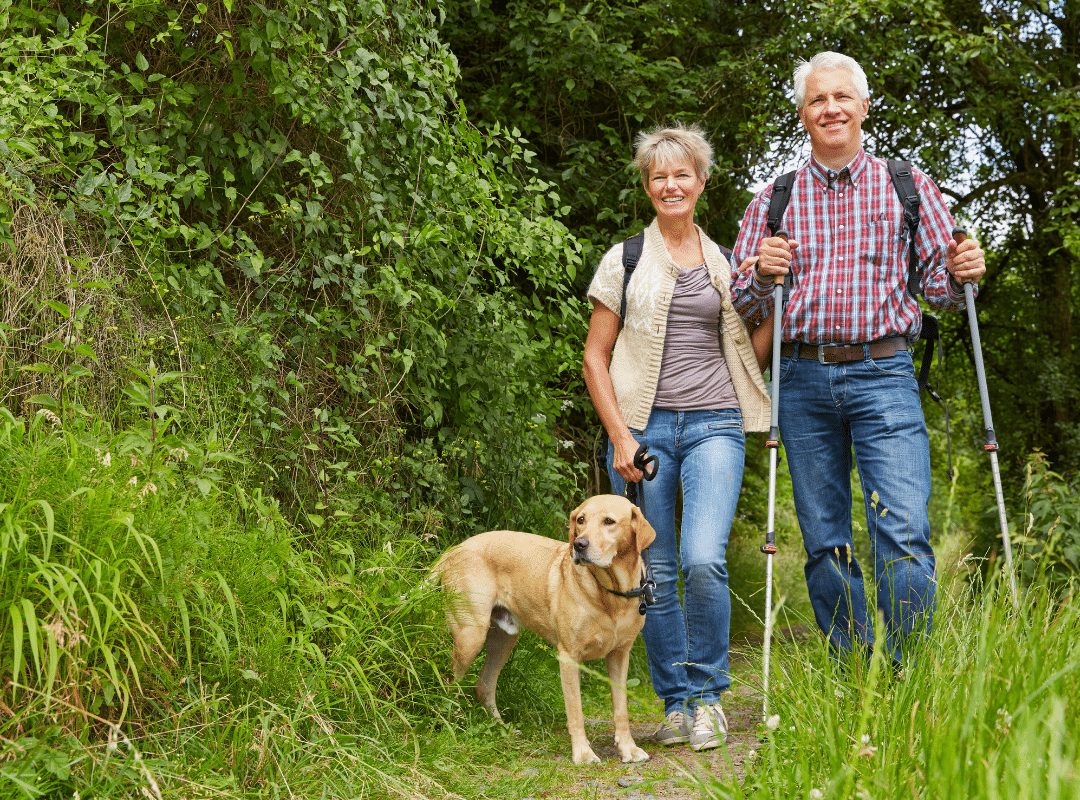
For seniors who crave fresh air and natural beauty, outdoor activities are more than just hobbies—they are pathways to better health, social engagement, and renewed joy. Whether it’s gardening in a community space, joining a birdwatching group, or hiking with friends, spending time outdoors offers physical, mental, and emotional benefits that can transform daily living.

At Westmont of Fresno, we believe in the power of the outdoors to invigorate the body and refresh the mind. Our community supports a wide variety of outdoor fun activities designed to meet the interests and needs of our residents. Whether you’re exploring serene walking paths or participating in group gardening projects, we invite you to reconnect with nature in ways that are accessible and fulfilling.

Visit us at Westmont of Fresno to discover how our vibrant lifestyle encourages outdoor exploration and wellness.

Physical Health Benefits of Outdoor Activities

Participating in outdoor activities can significantly improve your health, especially as you age. Gentle movements, such as walking or gardening, increase cardiovascular endurance, flexibility, and muscle strength. These activities can also support joint health and mobility, making them ideal adventure activities for adults looking to stay active without overexertion.

Sunlight exposure helps boost vitamin D, which is essential for maintaining bone health and supporting immune function. Whether you’re tending to plants or strolling through a park, these low-impact exercises can help maintain a healthy weight and support long-term wellness. One of our most popular gardening programs also provides sensory engagement and emotional satisfaction.

Mental Health Advantages of Nature Engagement

Connecting with nature improves mood and reduces symptoms of anxiety and depression. Seniors who engage in outdoor activities report lower stress levels and a more positive outlook on life. Whether it’s listening to birdsong or admiring blooming flowers, being outdoors encourages present-moment awareness.

Even small acts—like watering a garden or walking a nature trail—foster mindfulness and peace. These activities can also support healthy nutritional habits, as noted in community gardening efforts that promote both physical and mental well-being.

Stress Reduction Techniques

Outdoor fun activities like hiking, birdwatching, or simply relaxing in nature help release endorphins and reduce cortisol levels. They offer natural methods of stress relief and mental reset, especially when practiced regularly.

Joining programs like our outdoor and nature-based initiatives helps individuals experience calmness and social connection simultaneously. These enriching programs promote mental clarity and emotional resilience.

Mindfulness Through Nature

Engaging the senses during outdoor walks or garden visits creates ideal conditions for mindfulness. Whether it’s the feel of cool grass or the sound of rustling leaves, the experience anchors you to the moment, outdoor activities to do with friends, such as group hikes or shared garden time, amplify this benefit by combining connection and awareness.

Participating in nature-based engagement fosters both mindfulness and social interaction among senior residents.

Mental Health Benefits

Cognitive Stimulation Through Outdoor Hobbies

Outdoor hobbies stimulate the brain by encouraging observation, planning, and creativity. Activities like photography, journaling, and birdwatching offer sensory stimulation and promote mental clarity.

Explore more family games and outdoor activities to challenge your memory and keep your mind sharp while staying active.

Boosting Mental Sharpness

Nature offers endless opportunities for mental stimulation. Watching wildlife, identifying plants, or even planning an afternoon outing requires focus and memory—essential skills for healthy aging. These outdoor things to do not only build awareness but also enhance cognitive agility.

Enhancing Creative Expression

Nature’s textures, colors, and sounds offer the perfect muse. Through photography, sketching, or storytelling, you can translate your outdoor experiences into meaningful creative work. Journaling your hikes or sharing nature-inspired art allows for both emotional release and artistic growth.

Fostering Mindfulness Practices

Whether meditating in a quiet corner of a park or slowly exploring a garden with a journal in hand, mindfulness becomes easier when you’re surrounded by natural beauty. These practices allow for inner calm, reflection, and spiritual well-being.

Social Connections Fostered by Group Activities

One of the best parts of outdoor activities is the opportunity for social bonding. From hiking clubs to gardening groups, shared experiences foster community and friendship. These connections not only make the activities more enjoyable but also combat loneliness and isolation.

Activity Benefits Social Connections
Hiking Improves stamina Builds group camaraderie
Gardening Strengthens coordination Encourages teamwork
Birdwatching Enhances focus Sparks shared interests
Photography Fosters creativity Promotes storytelling

Looking for outdoor activities to do with friends? Try a walking club or a photo scavenger hunt. These activities offer fun ways to stay engaged while connecting with others.

Safety Tips for Seniors in Outdoor Settings

Safety always comes first, especially when exploring new environments. Stick to paved paths, carry a mobile phone, and inform someone of your plans. Wear sunscreen, bring water, and avoid extreme weather conditions.

Supportive shoes, hats, and walking aids can enhance comfort and security. Always assess your physical limits and rest when needed. When you follow these safety practices, every outing becomes a positive and secure experience.


Birdwatching

Essential Gear for Comfortable Outdoor Experiences

To enjoy the full range of outdoor activities, ensure your gear supports both comfort and mobility. Breathable clothing, supportive footwear, and sun protection are must-haves. Bring water and snacks for energy, and a small backpack to carry your essentials.

Trekking poles, walking sticks, and light folding chairs can offer stability and relaxation when needed. Being well-prepared ensures you get the most out of your adventure activities for adults without compromising safety.

Finding Accessible Outdoor Spaces for Seniors

Accessibility is key to inclusive and joyful outdoor time. Many parks offer senior-friendly amenities such as benches, restrooms, and flat walking paths. Look for gardens, boardwalk trails, and scenic loops designed for varying mobility levels.

Exploring senior-friendly destinations like national parks or community gardens encourages participation from everyone, regardless of physical ability.

Check local directories or visit Trails for All Americans to find accessible nature spaces near you. These resources provide a helpful outdoor activities list tailored to your fitness level and interests.

Embrace the Outdoors: A Lifestyle Worth Living

At Westmont of Fresno, we believe that outdoor activities enrich life at every level—physically, emotionally, mentally, and socially. Whether you’re enjoying a solo garden stroll, a scenic hike with friends, or an afternoon of birdwatching, each outdoor moment brings connection and vitality.

So why wait? Grab your hat, invite a friend, and dive into the natural world. With so many outdoor things to do, there’s always an adventure waiting just beyond your front door.

Ready to start your journey? Learn more about life at Westmont of Fresno by scheduling a tour or calling us at 559-446-1266. The outdoors is calling—will you answer?


What Level of Care Do You Need?

Discover the level of care you or your family member requires. 


Frequently Asked Questions

What are examples of outdoor activities?

Outdoor activities include hiking, biking, swimming, picnicking, and gardening. They can also involve sports like soccer, basketball, or frisbee. Many people enjoy leisurely options like birdwatching or walking in the park. These activities promote both physical health and mental well-being.

What are some good outdoor activities?

Good outdoor activities are those that match your interests and fitness level. Walking, cycling, and yoga in the park are low-impact and relaxing. For social fun, consider team sports or group hikes. Activities like kayaking or outdoor fitness classes can add variety to your routine.

Which outdoor activity is the best?

The best outdoor activity is the one that brings you joy and fits your lifestyle. For some, it’s a peaceful nature walk; for others, it’s an adrenaline-pumping mountain bike ride. It also depends on your goals—whether you’re looking for exercise, adventure, or relaxation. Consistency and enjoyment are key.

What are outdoor adventurous activities?

Outdoor adventurous activities are high-energy experiences that often involve risk and excitement. These include rock climbing, whitewater rafting, zip-lining, and mountain trekking. They’re ideal for thrill-seekers and often take place in nature-rich or remote areas. Safety gear and proper training are usually essential.

Unlocking the Secrets to Lifelong Oral Health in Your Senior Years

Lifelong Oral Health Strategies for Seniors at Westmont

Maintaining oral health becomes increasingly important as we age, not just for a beautiful smile but for overall wellness and confidence. Seniors face unique challenges such as tooth sensitivity, gum disease, and dry mouth that require a proactive, consistent oral hygiene routine. Taking care of your teeth and gums can significantly reduce the risk of infections, chronic pain, and costly treatments down the road.

At Westmont of Fresno, we believe in empowering seniors with the tools and knowledge to make informed choices about their dental care. From nutrition and daily habits to regular check-ups, every aspect plays a role in preserving your oral health. This guide explores essential practices and awareness to help you take control of your dental wellness and inspire others in your community to do the same. Learn more about our senior living options at Westmont of Fresno.

Understanding the Dynamics of Aging Teeth

As you age, your teeth undergo natural wear and tear, which can increase their vulnerability. One of the most common oral health problems among seniors is tooth sensitivity, often caused by enamel erosion. Another frequent issue is dry mouth, which is linked to reduced saliva production and can contribute to tooth decay and gum disease.

These challenges highlight the importance of oral health and early intervention. Enamel restoration procedures, fluoride treatments, and dietary adjustments can protect your teeth from further deterioration. Understanding the aging process helps in forming a long-term dental care strategy that supports both functionality and aesthetics. For additional insights, explore common oral health issues faced by older adults.

Essential Daily Oral Care Practices

A strong foundation for oral health lies in daily hygiene routines. Brushing twice daily with fluoride toothpaste and flossing can significantly reduce plaque buildup and prevent oral health problems such as cavities and gum inflammation. Many seniors find that electric toothbrushes with ergonomic grips provide better access and comfort.

Flossing may require assistance or alternatives like water flossers for those with limited dexterity. Rinsing with antiseptic mouthwash can eliminate harmful bacteria and freshen breath. Staying hydrated also supports saliva flow, an essential defense against tooth decay. Communities like Westmont offer resources and reminders to ensure that dental care becomes a part of daily life. Learn more about our wellness support for seniors.

The Role of Nutrition in Oral Health

Diet is another critical factor influencing oral health in older adults. Consuming a variety of fruits, vegetables, dairy products, and whole grains ensures that your teeth and gums receive the necessary nutrients to stay strong. Calcium-rich foods like milk, yogurt, and leafy greens help protect enamel and bone structure.

Vitamin C, found in citrus fruits and bell peppers, helps prevent gum disease and supports tissue repair. Avoiding sugary snacks and acidic beverages can significantly lower your risk of developing oral health diseases. Proper nutrition also strengthens the immune system, making it easier for your body to fight off dental infections. Visit this guide on nutrition and longevity to learn how food choices impact aging.

The Importance of Regular Dental Check-ups

Routine dental visits are essential for maintaining oral health, even when no symptoms are present. Dental professionals can spot early warning signs of disease and offer preventative treatments that save time, money, and discomfort in the long run. Seniors are particularly vulnerable to conditions like gum disease, root decay, and even oral cancer.

Check-ups allow for the early detection of oral health diseases, including gingivitis, periodontitis, oral thrush, and tooth abscesses. Your dentist can also provide tailored advice on cleaning techniques, diet, and denture care. At Westmont, our staff can help schedule appointments and provide transportation to ensure consistent dental care. Residents of assisted living facilities can also benefit from oral hygiene support services.

Special Considerations for Seniors in Oral Care

Seniors often face mobility challenges or wear dentures, which require additional attention. Adaptive toothbrushes, floss holders, and water picks make daily routines easier and more effective. Dentures should be cleaned daily using appropriate brushes and solutions, and checked regularly for fit and comfort.

Health conditions such as diabetes or arthritis may affect your ability to maintain oral health, making it crucial to inform your dental provider of any changes. Staying hydrated and using saliva substitutes can alleviate dry mouth symptoms. Here’s a quick reference guide for senior oral care:

Consideration Recommended Action
Denture Care Clean daily and soak overnight
Dry Mouth Use saliva substitutes and hydrate often
Limited Mobility Use electric toothbrushes or adaptive tools
Chronic Conditions Notify your dentist and adjust routines

Also, consider how proper hydration supports not only oral care but skin health and overall well-being.

Daily Oral Care 

Raising Oral Health Awareness in Senior Communities

Promoting oral health awareness can significantly improve the quality of life for aging populations. Educating seniors and caregivers about best practices helps prevent common conditions and fosters independence. Workshops, printed guides, and peer discussions are effective ways to foster an informed community.

Many seniors are unaware of the systemic links between poor oral health and heart disease, diabetes, and cognitive decline. By incorporating oral hygiene into a broader conversation about wellness, communities can foster more comprehensive self-care. For more information, the CDC’s Oral Health page offers resources for senior dental care and prevention strategies.

What Are 5 Oral Health Diseases Seniors Should Know?

Understanding specific conditions can motivate more proactive care. Here are five common oral health diseases:

  1. Gingivitis – Mild gum inflammation that can progress if untreated.
  2. Periodontitis – Severe gum disease causing tooth and bone loss.
  3. Oral Thrush – A yeast infection common among denture wearers.
  4. Root Decay – Tooth root damage due to receding gums.
  5. Oral Cancer – Life-threatening and often diagnosed late in seniors.

Identifying and treating these early through dental exams and daily care routines reduces complications and improves outcomes. Recognizing the signs of oral health problems is the first step to timely intervention.

A Healthy Smile Is a Confident Smile

Embracing oral health in your senior years is more than a maintenance task—it’s a gateway to confidence, comfort, and overall well-being. Whether you’re brushing daily, eating nutrient-rich foods, or scheduling your next check-up, every action you take strengthens your smile and enhances your life.

Don’t let age define your dental future. Make each step count by prioritizing the importance of oral health in your daily habits. For more guidance or to discover how Westmont of Fresno supports dental wellness through senior care, please call us at 559-446-1266 or schedule a tour.

Discover how a supportive environment can enhance your health journey and help maintain the brightness of your smile for years to come.


Compare The Costs of Senior Living vs Staying at Home

How Do The Costs Of Moving Into A Quality Senior Care Community Compare With The Costs Of Staying At Home?


Frequently Asked Questions

What is the meaning of oral health?

Oral health refers to the condition of your teeth, gums, mouth, and overall oral-facial system that allows you to smile, speak, and chew properly. It includes the absence of diseases such as cavities, gum disease, and oral cancer. Good oral health supports your overall well-being and confidence in daily interactions.

Why is oral health important?

Oral health is important because it directly affects your ability to eat, speak, and interact comfortably. Poor oral hygiene can lead to severe conditions like infections, heart disease, and diabetes complications. Maintaining oral health can also prevent pain, tooth loss, and expensive dental procedures.

How can we improve oral health?

Improving oral health starts with brushing twice a day, flossing daily, and visiting the dentist regularly. Avoiding tobacco, reducing sugar intake, and drinking plenty of water also help protect teeth and gums. A balanced diet and professional cleanings support long-term oral health.

What are the types of oral health?

The types of oral health refer to different areas like dental health (teeth), periodontal health (gums), and oral mucosal health (tissues in the mouth). It also includes bite alignment, jaw function, and conditions affecting the tongue and palate. Each aspect plays a crucial role in maintaining your mouth’s health and preventing disease.


Understanding How Much Is Independent Living for Seniors

Discover How Much Is Independent Living for Seniors

Moving to independent living is a significant life decision with exciting possibilities and critical financial considerations. Whether you’re planning for yourself or a loved one, it’s natural to ask: How much is independent living for seniors? At Westmont of Fresno and across the country, costs vary widely based on amenities, location, and services. Understanding your options can help you find an enriching and budget-conscious lifestyle.

In this guide, we’ll explore what influences the average cost of independent living, how it compares to assisted living, and what you can expect from your monthly investment. With the right information, you can make empowered decisions about a vibrant, secure future that suits your needs.

Overview of Independent Living Costs

When asking how much does it cost to live in independent living, a good starting point is the national average. The average cost of independent living is around $3,100 per month. However, the range can vary significantly—from about $1,800 to $6,000—based on region and services.

At Westmont of Fresno, the typical rate sits close to the national average. However, you should evaluate the details closely. The independent living cost includes housing and services like dining, housekeeping, and social programming.

Need help navigating finances? Learn more about financial assistance programs that can ease the financial commitment.

Factors Influencing Pricing

Understanding what drives the independent living cost is crucial. Rates are affected by several core factors:

Geographic Location Impact

Location is one of the strongest influencers of how much independent living is for seniors. Prices tend to be steeper in high-demand areas like California or the Northeast. For example, the average monthly cost for assisted living in states like Maine can exceed $6,000, while independent living may approach similar rates. In contrast, Mississippi offers some of the lowest costs, with monthly prices as low as $1,282.

State policies and the local economy also impact pricing. This guide on assisted living costs by state provides more information.

Community Amenities Offered

The amenities offered by a community greatly influence the cost. Premium independent living costs may include services like gourmet meals, swimming pools, or on-site wellness centers.

At Westmont of Fresno, residents benefit from thoughtful features like:

Unit Size Variation

Another pricing factor is the size and layout of the residence. Whether you choose a cozy studio or a two-bedroom suite, unit size impacts how much does it cost to live in independent living.

You’ll also want to evaluate unit features and services that come standard with each floor plan. While larger units offer more space, they naturally carry a higher price tag.

Independent Living vs Assisted Living Cost

One of the most common comparisons people make is independent living vs assisted living cost. On average, independent living is more affordable because it doesn’t include medical or personal care services.

The average monthly cost for assisted living is roughly $4,500 nationwide. In contrast, independent living—at around $3,100—caters to seniors who are largely self-sufficient. Those needing daily care may consider the higher costs of assisted living as a necessary investment in health and support.

For an in-depth look at affordability, read about cost considerations.

State-by-State Cost Comparison

It’s helpful to compare pricing by region:

  • Maine has some of the highest rates for senior living options, exceeding $6,000/month.
  • Mississippi is among the most affordable, with under $1,500/month independent living costs.
  • The national average cost of independent living hovers near $3,100/month.

Keep in mind that even within a state, urban vs rural locations can yield very different prices.

You can also consult sources like A Place for Mom’s cost guide for up-to-date regional breakdowns.


how much is independent living for seniors


Amenities and Services Included

When evaluating how much is independent living for seniors, don’t overlook the value of included services:

Meals and Dining Options

Communities like Westmont of Fresno offer:

  • Chef-prepared meals tailored to dietary needs
  • Flexible dining schedules
  • Group dining to foster social connection

These services go beyond convenience—they enhance health and happiness.

Maintenance and Housekeeping Services

Residents benefit from:

  • Weekly housekeeping and linen services
  • On-call maintenance for repairs
  • Outdoor upkeep and landscaping

This relieves seniors of routine home responsibilities, adding value to the independent living cost.

Social Activities and Events

Life is richer when it’s shared. Residents enjoy:

  • Outings to restaurants and museums
  • Art and music workshops
  • Wellness and fitness classes

These features help justify how much it costs to live in independent living by enriching daily life.

Additional Fees and Financial Considerations

Some communities charge additional fees beyond base rent. These may include:

  • Entrance or community fees
  • À la carte services (like salon visits or personal laundry)
  • Technology or concierge fees

Understanding potential add-ons helps you better estimate the full independent living cost. Proactive budgeting can also mitigate surprises.

Financing Options for Independent Living

Funding senior living may seem daunting, but there are viable strategies:

  1. Rent or sell your current home to generate capital.
  2. Veterans’ benefits and long-term care insurance can sometimes help.
  3. Reverse mortgages or bridge loans offer financial flexibility.

Sites like SeniorLiving.org offer tools for planning and comparison.

Choosing the Right Community

Selecting the right community means balancing lifestyle and cost. Look for:

  • A culture that feels welcoming
  • Engaged, happy residents
  • Staff transparency and responsiveness

Tours and testimonials can help you decide where you’ll thrive. Use your evaluation to answer both emotional and practical questions about the average cost of independent living and whether it aligns with your goals.

Take the First Step Toward Independent Living Freedom

Independent living opens the door to a life full of possibilities—without the burden of home maintenance or isolation. By exploring how much independent living is for seniors, you can confidently take control of your future.

At Westmont of Fresno, your retirement should be both enriching and attainable. Consider your location, preferred amenities, and services, then build a budget that reflects your needs and priorities. Whether you’re comparing independent living vs assisted living cost or wondering how much does it cost to live in independent living, we’re here to guide you.

For more information or to discuss your needs, call us at 559-446-1266. Ready to see our community? Schedule a tour here and take the next step toward a fulfilling lifestyle.


What Level of Care Do You Need?

Discover the level of care you or your family member requires. 


Frequently Asked Questions

Which is more expensive, assisted living or independent living?

Assisted living is generally more expensive than independent living. This is because assisted living includes additional services such as personal care, medication management, and 24/7 staff support. On the other hand, independent living focuses on housing and lifestyle amenities for seniors who don’t need daily assistance. Costs vary by location and services offered, but assisted living tends to have higher monthly fees.

What is the cheapest way for seniors to live?

The cheapest housing options for seniors often include shared housing, low-income senior apartments, or subsidized government housing. Some may also choose to live with family to reduce expenses. Local senior programs or nonprofits sometimes offer financial assistance, meals, or in-home care at low or no cost. Downsizing to a smaller home or moving to a lower-cost area can also help cut costs.

What is the best age to move to independent living?

Most people move to independent living in their late 60s to early 80s, depending on their health and lifestyle preferences. The best age is when you’re still active enough to enjoy the amenities but want to simplify daily responsibilities. Moving earlier can help ease the transition and allow more time to build community connections. Ultimately, it depends on personal needs and timing.

Can a 90-year-old live alone?

Yes, a 90-year-old can live alone if they are physically and mentally capable of managing daily tasks safely. However, regular check-ins from family or caregivers and home safety modifications are highly recommended. Many older adults at this age choose to live in communities that offer support when needed. Individual health and mobility should guide this decision.

What is the hardest age to move?

The hardest age to move often varies, but many find transitions in their 80s to be the most difficult. This is due to emotional attachments to longtime homes and the physical and cognitive challenges that may come with aging. Change can also feel more overwhelming at this stage in life. Planning ahead and involving loved ones can ease the process.


Fun Activities for Dementia Patients at Home

Meaningful Activities for Dementia Patients at Home

Creating enriching activities for dementia patients at home can foster joy, connection, and emotional well-being. Through art, music, storytelling, and hands-on tasks, caregivers can offer comfort and meaningful moments that enrich the lives of loved ones with dementia.

Whether you’re exploring creative hobbies or sensory games, these thoughtful ideas, rooted in love and familiarity, can make a powerful difference. With a little imagination and patience, daily life becomes an opportunity for connection and healing.

Creative Activities to Foster Expression

Helping your loved one engage in creative projects supports emotional expression and recalls familiar memories. These memory care activities include drawing, coloring, or painting using vibrant materials. These artistic outlets allow individuals with dementia to convey feelings they may no longer be able to articulate verbally.

By adding background music from earlier decades or integrating film, you amplify emotional resonance. You can even pair these moments with emotional connections, turning creativity into healing.

Engaging Arts and Crafts Projects

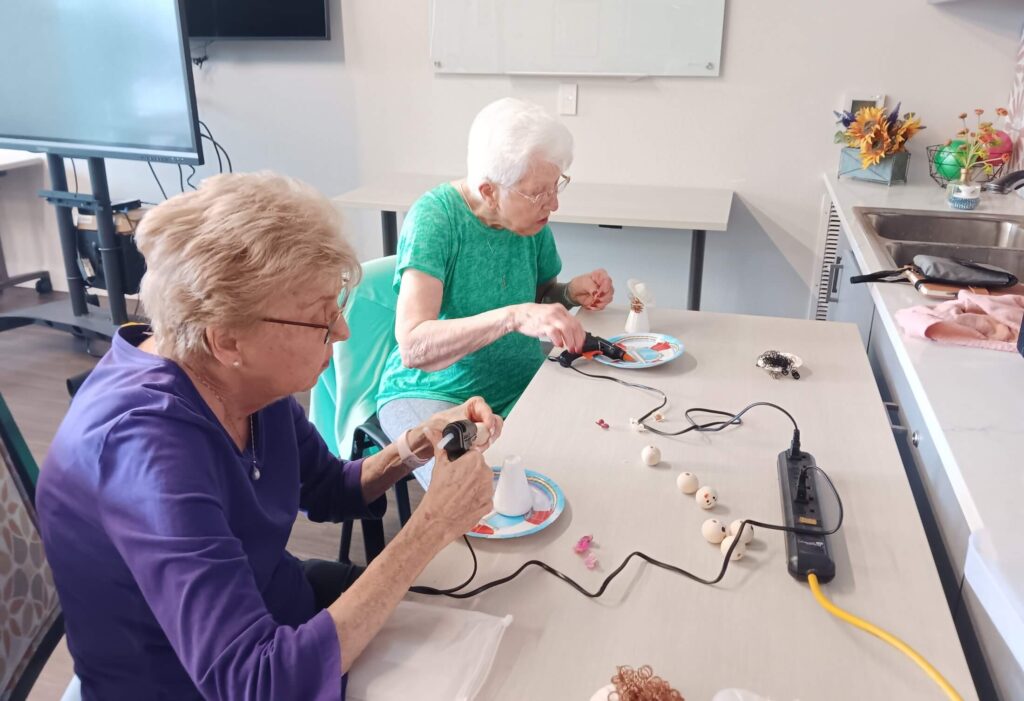
Craft activities for dementia patients offer hands-on stimulation and boost self-confidence. Finger painting, sponge art, or seasonal decor are accessible and joyful. Provide colorful paper, glue, felt, or nature-based items like leaves.

Arts and crafts also encourage tactile exploration and are easy to adapt based on your loved one’s abilities. Group crafting sessions, such as art activities for seniors, foster community and deepen social ties.

Collage Creation and Memory Albums

Creating memory albums is an excellent way to trigger positive memories and promote storytelling. These memory care activities tap into emotional recall. Use images from family collections or magazines, and invite your loved one to arrange them freely.

Engaging Visual Prompts

Visual prompts offer a bridge to the past. Let your loved one create themed collages of family vacations or hobbies. These prompts stimulate recognition and encourage dialogue.

  1. Select familiar imagery
  2. Let them choose the placement
  3. Use hobbies or themes they relate to
  4. Prompt with questions: “What do you remember about this trip?”

Adding structure, like that found in memory care-assisted living, can heighten engagement.

Personal Storytelling Opportunities

Encourage your loved one to speak freely about each image. These moments are prime opportunities for fun questions to ask dementia patients, such as “What games did you play as a kid?” or “What was your favorite holiday?”

These exchanges offer emotional warmth and can even be preserved in interactive memory books, keeping their stories alive for the family.

Nostalgic Memory Sharing

Scrapbooking or making collages together is an act of love. It provides continuity, enhances memory care activities, and boosts emotional stability. Old family photos, favorite places, or familiar faces all make ideal collage content.

Reminiscence Activities for Connection

Reminiscing through activities at home is a powerful way for dementia patients to maintain bonds. Sensory cues, such as sight, touch, smell, or sound, can ignite joy.

Sensory Cues for Memory

  1. Scents. Bake familiar recipes or diffuse favorite essential oils
  2. Textures. Include objects like soft blankets, sandpaper, or buttons
  3. Music. Sing or listen to songs from their youth
  4. Photos. Incorporate visuals with emotional significance

These techniques enhance memory care activities and bring comforting familiarity.

Storytelling Through Photo Albums

Use albums to prompt conversations and fun questions to ask dementia patients, such as: “Who is this in the photo?” or “Do you remember what happened that day?”

These simple tools can spark hours of heartfelt engagement and are especially effective when done patiently and lovingly.

Musical Engagement Through Songs

Music resonates deeply with those experiencing dementia. By incorporating music-related activities for dementia patients at home, you can uplift their mood and reduce their anxiety.

  • Create customized playlists from their era
  • Encourage sing-alongs with family or caregivers
  • Use rhythmic instruments like tambourines or shakers
  • Ask, “What does this song remind you of?”

Songs work as auditory memory triggers and promote joyful bonding.


Activities for dementia patients at home​


Classic Movies and Nostalgic TV Shows

TV and film can offer immense comfort. Choose age-appropriate classics and discuss familiar characters, music, and settings. This can be a gentle way of taking dementia patients out of their environment by transporting them through familiar media.

Suggestions include:

Genre Film or Show
Comedy “I Love Lucy”
Drama “Gone with the Wind”
Musical “Singin’ in the Rain”
Family “The Andy Griffith Show”

These shows can bridge gaps in communication while offering emotional security.

Hands-On Activities for Cognitive Stimulation

Activities like puzzles, gardening, or simple household chores offer structure and accomplishment.

  • Puzzles. Large-piece puzzles engage problem-solving
  • Gardening. Tending to herbs or flowers evokes past experiences
  • Folding laundry. Provides familiar tactile engagement

These activities for dementia patients at home encourage independence and cognitive vitality.

Accessible Resources for At-Home Caregivers

If you’re seeking structured support, many organizations offer free dementia activity packs online. These printable tools include games, conversation starters, and sensory worksheets that make planning easier.

Some recommended resources include:

  • Alzheimer’s Society Activity Ideas
  • Dementia UK Free Activity Resources

Incorporating free dementia activity packs ensures a fresh rotation of interactive projects that promote stimulation and well-being.

Discover the Joy in Daily Moments

Engaging in activities for dementia patients at home doesn’t have to be elaborate. Even simple walks in the garden, folding napkins, or asking lighthearted questions can become rich experiences.

Caregivers can provide a sense of peace by recognizing that small, repeated routines help those with dementia feel secure. With resources like free dementia activity packs and ideas like craft activities for dementia patients, you can continue bringing comfort and dignity into daily living.

Reconnect and Rediscover Together

By incorporating creative, sensory-rich, and emotionally engaging routines, you’re doing more than passing the time—you’re building bridges to your loved one’s heart. These moments can bring renewed energy and laughter, even amid challenge.

Whether you’re using fun questions to ask dementia patients, trying new memory care activities, or simply taking dementia patients out of their environment through music or movies, you are offering joy.

For more information, call us at 559-446-1266 or schedule a tour at Westmont of Fresno.


Compare The Costs of Senior Living vs Staying at Home

How Do The Costs Of Moving Into A Quality Senior Care Community Compare With The Costs Of Staying At Home?


Frequently Asked Questions

What activities are good for dementia patients?

Engaging in simple, familiar, and meaningful activities can benefit dementia patients. These include listening to music, gardening, folding laundry, doing puzzles, and looking through photo albums. Such activities help reduce agitation and support cognitive function. Tailoring activities to the individual’s past interests and current abilities is important.

How to care for a dementia patient at home?

Caring for a dementia patient at home involves creating a safe, structured, and supportive environment. Establishing routines, simplifying tasks, and offering reassurance are key strategies. Providing emotional support, ensuring proper nutrition, and helping with hygiene and medication management are also crucial. Patience and flexibility are essential, as the condition can change daily.

How to improve memory in dementia patients?

While dementia is a progressive condition, specific strategies can help maintain memory for longer. These include cognitive stimulation like memory games, consistent routines, physical exercise, and a healthy diet. Social engagement and music therapy can also support brain function. Consulting with a healthcare provider for personalized approaches is recommended.

What to say when a dementia patient wants to go home?

When a dementia patient wants to go home, responding with empathy rather than correction is best. Reassure them by saying something like, “You’re safe here, and we’ll make sure everything is okay.” Redirecting their attention to a favorite activity or topic can help ease their anxiety. Avoid arguing, as it can increase confusion and distress.


Top Friendly Board Games for Seniors

Engaging Board Games for Seniors That Inspire Joy

Playing board games for seniors is more than a fun pastime—it’s a powerful way to stay mentally sharp, socially connected, and emotionally fulfilled. Whether you prefer nostalgic classics or modern favorites, games offer accessible fun and memorable bonding moments. At communities like Westmont of Fresno, board games are part of a broader commitment to wellness and connection.

From sit-down games for senior citizens to group-friendly formats for parties, board games can meet a range of interests and physical abilities. They offer a delightful form of activities for elderly individuals, sparking conversation, friendly rivalry, and plenty of laughter. Let’s explore the best games and how they help create rich, meaningful moments for older adults.

Classic Games That Stand the Test of Time

Timeless classics like Scrabble, Rummikub, and Dominoes are go-to choices when selecting games for older people. These staples combine simplicity with just the right level of challenge, offering enjoyable play for all skill levels. Whether you’re practicing word recall in Scrabble or managing numbered tiles in Rummikub, these games strengthen cognitive function and foster intergenerational bonding.

Don’t forget the power of themes! Hosting game nights around special occasions or holidays keeps things fresh and exciting. Explore even more fun with family games for creative ideas that bring everyone together.

Strategic Modern Games That Stimulate the Mind

Modern board games bring fresh strategies and engaging designs to the table. Titles like Ticket to Ride and Sushi Go! are designed with intuitive rules and exciting visuals—ideal games for older people who enjoy a mental challenge without a steep learning curve.

Explore the value of cognitive stimulation with board games by reading this article, and discover how strategic gameplay supports memory, decision-making, and focus.

Fun Mechanics That Keep You Hooked

The dynamic mechanics of modern games—like route-building in Ticket to Ride or set collection in Sushi Go!—make every playthrough unique. These activities for elderly adults build excitement with each turn and promote both social interaction and healthy competition.

Simple Rules, Big Enjoyment

Many modern games have a gentle learning curve, ideal for seniors trying out new pastimes. You can watch video tutorials or read simplified guides to ease the learning process. These sit-down games for senior citizens are perfect for low-key afternoons and weekend family visits alike. Shared experiences around the game table strengthen relationships and create fun traditions.

Reducing Stress and Anxiety

Large Print Games for Accessibility

No need to squint or strain—many board games for seniors now come in large print versions. These adaptations make instructions and game pieces easier to read, keeping play smooth and enjoyable. Classics like Rummikub and Scrabble have large print options, and so do modern hits like Ticket to Ride.

Learn more about supporting inclusivity through accessible games for a variety of needs and ages.

Why Large Print Matters

Larger fonts and clearer designs mean less eye fatigue and more confidence during play. Seniors can participate more actively and independently, which helps boost morale and promote a sense of belonging.

Games That Fit All Eyes

From bold tiles to oversized cards, large print board games make it easier for everyone to join in. These accessible options let every player enjoy meaningful time together, without the limitations of poor visibility or reading strain.

Games That Encourage Social Connection

Playing games isn’t just about entertainment—it’s also a vital part of activities for elderly people who crave connection. Every round invites laughter, storytelling, and meaningful interaction. Games are a social glue, bringing together families, caregivers, and peers in an inviting environment.

Read more about the importance of social interaction and how it impacts emotional wellness.


Finding the Right Fit

Perfect Games for Elders in Party Settings

Hosting a party or group event? Choose games for elders in party settings that are easy to learn and great for multiple players. Games like Codenames, Bingo, or Pictionary inspire laughter and light competition. These group-friendly options are also ideal sit-down games for senior citizens, requiring minimal physical movement but plenty of mental engagement.

Strengthening Bonds Through Play

Every roll of the dice or shuffle of the cards becomes an opportunity to build connections. Whether you’re playing competitively or cooperatively, these shared experiences are powerful tools for strengthening relationships and encouraging storytelling.

Working Together, Playing Together

Games like Codenames or cooperative challenges like Pandemic help promote teamwork. These sit-down games for senior citizens involve strategy, communication, and collaboration—essential tools for nurturing trust and emotional closeness.

Laughter as Therapy

Group games often bring about spontaneous laughter, a form of natural therapy that enhances mood and eases stress. A well-timed joke or a surprising turn in a game often becomes a story that lives on long after the game is over.

Establishing a Routine for Game Nights

Creating a weekly game night can add structure and excitement to the week. Whether you play after dinner or on Sunday afternoons, having a consistent game schedule boosts anticipation and gives seniors something to look forward to.

Routine activities for the elderly, like game night,s also contribute to improved sleep, reduced stress, and a stronger sense of purpose.


Top Board Games for Cognitive Benefits

Fun Ways to Involve Family and Friends

Bring family into the mix by incorporating themed nights, rotating hosts, or introducing games from different cultures. These efforts ensure everyone, young and old, finds joy and value in the shared experience.

Some creative tips:

  • Introduce “Retro Night” with classic board games
  • Include storytelling cards to inspire memories
  • Let grandchildren help teach the rules for added intergenerational bonding

Adapting Games to Suit Everyone

Personalization is key to ensuring fun for all. You can adjust game complexity, use larger pieces, or shorten gameplay time. These thoughtful touches make board games for seniors more inclusive, especially for those with cognitive or physical limitations.

Game Nights That Enrich and Inspire

Board games are more than just play—they’re a gateway to connection, memory, and meaning. Whether you’re organizing a weekly gathering, celebrating a birthday, or simply passing the time, choosing the right board games for seniors can transform an ordinary day into an extraordinary one.

By incorporating activities for the elderly that inspire connection, introducing games for elders in party settings, and choosing accessible sit-down games for senior citizens, you foster joy, reduce loneliness, and build community. Don’t underestimate the power of play—start your own game night today!

For more ideas or to experience these moments in a warm, welcoming environment, schedule a visit to Westmont of Fresno or call 559-446-1266. Let the games begin!


What Level of Care Do You Need?

Discover the level of care you or your family member requires. 


Frequently Asked Questions

What is the best board game for seniors?

The best board game for seniors often depends on their interests and cognitive abilities, but classic games like Scrabble, Bingo, and Rummikub are favorites. These games are easy to learn, promote mental engagement, and can be played with friends or family. They also encourage social interaction, which is vital for emotional well-being in older adults.

What games are good for senior citizens?

Games that are simple, fun, and stimulate memory or critical thinking are ideal for senior citizens. Options like dominoes, checkers, card games, and trivia games work well. Puzzle-based games or group games that involve laughter and teamwork can also boost mood and mental agility.

Why are board games good for the elderly?

Board games help stimulate the brain, reduce feelings of isolation, and improve mood in the elderly. They often involve problem-solving, memory recall, and decision-making, which are beneficial for cognitive health. Playing games in group settings can also provide much-needed social interaction.

What activities are good for older adults?

Older adults benefit from a mix of physical, mental, and social activities. These can include walking, gardening, yoga, reading, and participating in games or community events. Activities that are enjoyable and adaptable to different ability levels help promote overall health and happiness.


Providing Quality Healthcare Access for Seniors

Unlocking Quality Healthcare Access for Seniors

In today’s world, quality healthcare access is more critical than ever, especially for older adults. As seniors transition into their golden years, their healthcare needs increase, yet accessing those services often becomes more difficult. That’s why at Westmont of Fresno, particularly at our elderly living community, assisted living Westmont Living in Fresno, we’re committed to removing those barriers. From on-site care to telehealth, we aim to provide seniors easy access to medical attention and ongoing support. Personalized care, wellness programs, and advanced medical partnerships are no longer just a bonus—they’re essential. Our community model helps ensure seniors aren’t navigating these challenges alone. We believe that empowered health decisions create vibrant lifestyles. Let’s explore how we turn that belief into a reality.


Why Quality Healthcare Access Matters in Senior Living

Quality healthcare access becomes the cornerstone of independent and healthy living as seniors retire. At Westmont Living, we’ve seen how easily available care improves outcomes and comfort for our residents. Access plays a transformative role, whether it’s a quick consult via telehealth or an emergency response team ready 24/7. For those in our elderly living community, assisted living Westmont Living, receiving care without long travel or confusing systems brings peace of mind.

It’s about more than just medical appointments. It’s the confidence of knowing support is always nearby, and the dignity of maintaining autonomy while managing health. When access is prioritized, it reduces stress and boosts engagement in personal well-being. With strong community-healthcare partnerships, we can connect seniors to specialists and modern treatments—all within a familiar, supportive environment.

Comprehensive Healthcare Services for Seniors Available On-Site

One of the defining features of our community is the breadth of comprehensive healthcare services for seniors. Our residents benefit from immediate access to an experienced on-site medical team that includes nurses, physicians, and healthcare aides. This integrated model allows us to treat urgent concerns, conduct routine evaluations, and consistently monitor long-term health conditions.

Through personalized health care, we can anticipate issues before they become problems. Whether it’s medication management or rehabilitation services, on-site resources enhance both convenience and outcomes. Most importantly, it helps our seniors maintain their independence while receiving the quality care they need.

Personalized Care Plans That Enhance Quality Healthcare

Providing quality healthcare means more than just offering services—tailoring them to the person. At Westmont Living, we develop custom care plans through in-depth assessments, allowing our team to address each senior’s physical, emotional, and mental health needs. This approach ensures every resident is seen and treated as an individual.

These plans evolve alongside our residents, adjusting to changing conditions or preferences. When families are involved in the process, communication strengthens and trust grows. A collaborative team of doctors, nurses, and caregivers works together to ensure seamless care delivery. Incorporating health and wellness programs further supports seniors in staying active and engaged, reinforcing their sense of purpose.


Collaboration with Local Healthcare Providers

Proactive Wellness: Preventive Care in Senior Communities

Focusing on prevention is a fundamental part of our comprehensive healthcare services for seniors. At Westmont Living, we believe wellness starts long before an illness occurs. We encourage regular check-ups, health screenings, and an active lifestyle.

Through educational sessions, fitness programs, and mental wellness activities, we equip residents with tools to live healthier lives. Our meal planning emphasizes nutrition, and our health monitoring helps detect issues early. These strategies are vital in supporting a long, fulfilling life in our elderly living community, assisted living Westmont Living. Our model integrates medical and lifestyle support, transforming healthcare into a proactive journey instead of a reactive one. Learn more about the regular health screenings we offer.

Connecting Families to Quality Healthcare at Westmont Living

We believe involving families is essential in enhancing quality healthcare access. Health isn’t experienced in isolation—loved ones offer insight, support, and advocacy. Westmont Living invites family members to participate in care discussions and wellness planning, building a care network around every resident.

From consultations to care updates, families are informed and engaged. We also host educational events and open houses to help families understand their loved ones’ evolving needs. This transparency ensures that everyone involved is aligned with goals and expectations. Community-wide efforts and outreach further connect residents and their families with broader support systems. Together, we create a more compassionate and coordinated care environment.

Westmont Living changes the narrative in a world where aging sometimes means isolation or difficulty accessing basic needs. We’re proud to deliver comprehensive healthcare services for seniors that meet every individual where they are. From 24/7 care teams to wellness classes and telehealth, we help eliminate the obstacles that often come with aging.

If you’re seeking an elderly living community, consider assisted living at Westmont Living, where dignity, connection, and quality healthcare are foundational. Let’s talk. Call us today at 559-446-1266 to schedule a visit or learn how we can support your family.


Compare The Costs of Senior Living vs Staying at Home

How Do The Costs Of Moving Into A Quality Senior Care Community Compare With The Costs Of Staying At Home?


Frequently Asked Questions

How can we improve the quality of life for the elderly?

Improving the quality of life for older adults involves supporting their physical, mental, and emotional well-being. Encouraging regular social interaction, promoting physical activity, and ensuring access to nutritious food can all make a big difference. Providing safe, comfortable housing and access to healthcare also helps seniors maintain their independence and dignity.

Is healthcare accessible in California?

California offers a wide range of healthcare services through programs like Medi-Cal, Covered California, and local clinics. While many residents have access to care, barriers still exist, especially for low-income and rural populations. The state continues to invest in expanding coverage, improving affordability, and increasing access to culturally competent care.

What ideas can help improve health outcomes for older adults?

Preventative care, chronic disease management, and early intervention are key strategies to improve health outcomes for seniors. Programs that integrate physical health, mental health, and social services are especially effective. Technology, such as remote monitoring and telehealth, also plays a growing role in helping older adults stay healthy and connected to care.

What are the health needs of the elderly?

Older adults often face chronic conditions like diabetes, arthritis, and heart disease, making regular medical care essential. They also need support with mobility, nutrition, mental health, and medication management. Social engagement and access to long-term care or home assistance are essential for overall well-being.

24 Hour Care for Seniors Explained – Westmont of Fresno

24-Hour Care for Seniors: Expert Support at Westmont

When your loved one’s safety and comfort become top priorities, exploring 24-hour care for seniors at Westmont of Fresno may be your answer. This level of continuous care ensures someone is always available—day or night—to help with daily tasks, medical needs, and emotional well-being. Whether your loved one needs help with mobility, managing medication, or simply companionship, 24-hour care can offer the right balance of safety and dignity. Unlike sporadic visits or part-time supervision, 24-hour care brings consistency, peace of mind, and a deep trust for seniors and their families. The caregivers are trained to assist with everything from complex health conditions to everyday needs, creating a personalized support system. And with Westmont’s commitment to compassionate service, your loved one receives more than care—they receive a better quality of life. Families often ask how to know when it’s time for 24-hour support. Let’s explore what that looks like, how to make it happen, and what to expect.

What to Expect with 24-Hour Care for Seniors

Choosing 24-hour care for seniors means your loved one is never alone. At Westmont of Fresno, caregivers rotate shifts to provide seamless, attentive care around the clock. This constant support helps manage chronic conditions, reduce fall risks, and ensure medication is timely. The caregivers are also there for emotional support, which is equally essential. For many families, the peace of mind knowing someone is always present brings significant relief. The relationship built between the senior and their caregivers can uplift their mental and emotional state, creating a sense of stability in their daily life. Learn more about our personalized care services to see how this experience is customized.

How to Get 24-Hour Care for the Elderly at Home

If you’re wondering how to get 24-hour care for the elderly at home, the process starts with a personalized care assessment. At Westmont of Fresno, our team works with families to identify specific needs—mobility, medical conditions, daily routines—and build a tailored care plan. Once the plan is developed, trained caregivers are scheduled for rotating shifts, ensuring your loved one always has support, even during late-night hours. Unlike live-in arrangements, 24-hour in-home care avoids caregiver fatigue and guarantees consistent attention. Whether through agency-based solutions or private arrangements, the key is choosing caregivers who meet the emotional and physical needs of your loved one. Learn how to start with our expert guidance.

Understanding How Much Does 24/7 In-Home Care Cost Per Month

Budgeting for full-time care means asking the critical question: How much 24/7 in-home care costs per month? The cost can vary depending on the level of care required, the location, and whether medical assistance is included—the average ranges from $15,000 to $25,000 per month for non-medical care. If your loved one needs skilled nursing, the cost may be higher. At Westmont of Fresno, we work with families to create cost-effective care plans that balance quality and budget. Long-term care insurance or VA benefits may also be available to help cover the costs. With professional guidance, families can plan while ensuring their loved one receives excellent care. Learn more about financial options with our team today.

Choosing Private Care for the Elderly at Home

Many families prefer private care for the elderly at home because it offers one-on-one attention in a familiar environment. This choice ensures seniors maintain their routines, comfort, and independence while receiving top-tier assistance. Private care is fully personalized—whether your loved one needs cognitive support, help with meals, or simple companionship. Westmont of Fresno specializes in matching residents with trained caregivers who understand medical needs and emotional and social preferences. Private care helps reduce the risk of hospitalizations, and it gives families a direct role in the care journey. As you evaluate your options, consider whether private care at home fits your loved one’s lifestyle and comfort level.

Where to Find 24 Hour In-Home Care Near Fresno, CA

Searching for 24 hour in-home care near Fresno, CA, can be overwhelming, but starting with trusted providers like Westmont of Fresno simplifies the journey. We understand the importance of finding reliable, compassionate caregivers nearby who are available around the clock. Local 24-hour care services offer a practical solution for families who want their loved ones close and cared for without relocation stress. Westmont caregivers are background-checked, trained in specialized care, and prepared to adapt to evolving health needs. First, contact us or explore our memory care benefits for seniors with cognitive decline. Choosing a local care team builds trust and ensures continuity of care that larger or remote providers often can’t offer.

24 hour care for seniors

Safety, Support, and Peace of Mind

One of the most potent reasons families choose 24-hour care is for the peace of mind it brings. Whether your loved one has been falling, forgetting medication, or showing signs of memory loss, 24-hour support ensures someone is always present to respond. Safety risks are reduced when trained caregivers monitor for wandering, provide fall prevention, and offer around-the-clock supervision. Learn how home safety changes make a difference, too. With 24-hour care, your loved one has the safety net they need—without losing their independence or the comfort of home.

When to Transition to 24-Hour Support

Knowing when to move from part-time to full-time care depends on changes in your loved one’s health and daily behavior. You may notice increased confusion, more falls, skipped meals, or missed medications. These signs often mean it’s time for consistent supervision. Having caregivers on duty at all hours reduces the chance of emergencies and can improve both mental and physical health outcomes. With the right timing, transitioning to 24-hour care is a supportive step, not a loss of independence, but an enhancement of daily life.

By choosing 24-hour care for seniors at Westmont of Fresno, you’re offering more than just physical assistance. You’re providing your loved one with dignity, companionship, and a secure, home-like environment tailored to their needs. From personalized support plans to trained professionals who genuinely care, 24-hour care is a gift of safety and connection.

Call us today at 559-446-1266 to discuss your loved one’s needs or visit us in person. Let’s create a care solution that fits your family’s life—starting now.


Compare The Costs of Senior Living vs Staying at Home

How Do The Costs Of Moving Into A Quality Senior Care Community Compare With The Costs Of Staying At Home?


Frequently Asked Questions

How much does 24-hour home care cost?

The cost of 24-hour home care varies depending on your location, the level of care needed, and the agency you choose. On average, it can range from $400 to $600 per day. Some providers offer live-in care, which may be less expensive than around-the-clock hourly care. It’s essential to get a personalized quote based on your specific needs.

Will Medicare pay for 24-hour home health care?

Medicare typically does not cover 24-hour home care if it’s non-medical or custodial. However, it may cover short-term, part-time skilled care prescribed by a doctor, such as nursing or therapy services. For full-time, non-medical support, you may need to explore other funding sources like Medicaid, long-term care insurance, or private pay. Always check your plan details or speak with a Medicare representative for specifics.

What conditions require 24-hour care?

24-hour care is often needed for individuals with severe or chronic health conditions that affect mobility, cognition, or safety. This includes late-stage dementia or Alzheimer’s, advanced Parkinson’s disease, recovery from major surgery, or individuals with high fall risk. It’s also common for those needing hospice or end-of-life care to require around-the-clock support. Each situation should be evaluated to determine the appropriate level of care.

Do overnight caregivers sleep?

Whether an overnight caregiver sleeps depends on the type of care arrangement. Some overnight shifts are considered “awake”, where the caregiver remains alert and available throughout the night. Others may be “sleep” shifts, where caregivers can rest but must be available to assist if needed. It’s important to clarify expectations with the care provider before starting services.


Floor Plans & Pricing

Make yourself at home where a happy, healthy lifestyle goes hand-in-hand with your personal fulfillment, enrichment, and growth.

Answer a few quick questions to unlock the exciting future senior living can offer!

Resident Login