Step Into Westmont Living®

Simple Crafts for Seniors: Enjoyable Ideas to Try

Simple Crafts for Seniors: Enjoyable Ideas to Try Today

Crafting isn’t just for kids; it can be a fulfilling activity for seniors, too, offering countless benefits for the mind and spirit.

At Westmont of Culver City, we believe that creativity can enhance well-being and foster connections.

Whether you’re looking to spark your creativity or simply enjoy some quality time with loved ones, there are plenty of simple crafts to explore.

You’ll find something that resonates with you, from easy beading projects to colorful suncatchers.

Let’s discover the perfect craft to brighten your day and nurture those connections at Westmont of Culver City.

Enjoy Creativity at Any Age: Simple Crafts for Seniors to Try Today

Crafting isn’t just for the young; it’s a fulfilling activity that can spark joy and creativity at any age. You can explore simple crafts like making suncatchers from mason jar lids or creating scrap-fabric magnets using leftover fabric. These projects engage your hands and connect you with others who share your passion. By crafting, you can reduce stress and improve your motor skills, all while enjoying the process. Plus, your creations make wonderful gifts for family and friends, spreading joy and warmth. Remember, it’s about the experience and the fun, not just the finished product. So gather your supplies, invite a friend, and let your creativity shine! Additionally, participating in arts and crafts workshops can provide a structured environment to enhance your crafting skills while meeting new friends.

Gentle and Engaging: Easy Crafts for Seniors with Dementia

Finding joy in creativity can be especially beneficial for seniors with dementia, as it provides them a gentle outlet for self-expression and connection. Engaging in simple crafts can help stimulate their minds while fostering a sense of accomplishment. Here are some easy craft ideas you can try together:

  • Coloring with large-print books: It’s relaxing and encourages creativity.
  • Making simple collages: Use magazine cutouts to create fun scenes.
  • Creating tactile art: Incorporate materials like fabric or textured paper for sensory experiences.
  • Decorating pots for plants: Let them personalize pots to enhance their environment.

These activities can spark conversations and strengthen bonds, offering both joy and a sense of purpose. These creative engagements can also enhance the quality of life through proactive social wellness and connection.

Fun and Functional: Crafting Ideas for Seniors with Limited Mobility

While crafting may seem challenging for seniors with limited mobility, plenty of fun and functional projects can be easily adapted to suit their needs. Here are some engaging ideas to contemplate:

Craft Idea Description
No-sew Fabric Bookmarks Use felt or fabric scraps to create unique bookmarks.
Easy Beaded Bracelets String large beads on elastic for simple jewelry.
Button Art Glue buttons onto the canvas for a colorful design.

These projects not only spark creativity but also provide a sense of accomplishment. By selecting crafts that require minimal dexterity and can be done seated, you can enjoy a fulfilling crafting experience, fostering connections and joy in the process. Engaging in creative pursuits like crafting can significantly enhance social wellness by encouraging interactions and shared experiences among seniors.

simple crafts for seniors

Bright and Cheerful: Fun Summer Crafts for Seniors

As the warm summer sun shines, it’s the perfect time to embrace vibrant and joyful crafts that can brighten your days. These fun summer projects spark creativity and bring a sense of accomplishment. Whether you’re working alone or with friends, you’ll enjoy every moment.

Here are some cheerful craft ideas to try:

  • Suncatchers: Create beautiful designs using mason jar lids or glass stones.
  • Pressed Flowers: Preserve summer blooms between wax paper for lovely decorations.
  • Birdhouses: Assemble a birdhouse kit or build one from scratch.
  • Scrap-Fabric Magnets: Combine fabric scraps and felt for colorful fridge art.

Engaging in creative activities like these can enhance your overall well-being and promote daily routines, adding joy to your summer days. Dive into these crafts and share the joy with others; your creativity can inspire everyone around you!

Crafting isn’t just a pastime; it’s a gateway to joy and connection at any age. Whether you’re creating colorful suncatchers or beaded bracelets, these simple projects can light up your day and spark creativity. Remember, each piece you make holds a story, weaving threads of memory and friendship. So gather your materials, invite a friend, and embrace the therapeutic magic of crafting. Let your imagination soar—after all, age is just a canvas waiting for your masterpiece!

For more creative activities and support, contact Westmont of Culver City at 310-736-4118.


Find Where You Belong

Dive into the vibrant life our Westmont communities have to offer.


Frequently Asked Questions about Creative & Accessible Crafts for Seniors

What crafts are good for seniors with low vision?

Seniors with low vision can enjoy tactile and high-contrast crafts that rely less on fine details. Some great options include clay modeling, large-print coloring books, textured collages, and knitting or crocheting with thick yarn. Using bright, contrasting colors and bold patterns can enhance visibility. Additionally, adaptive tools like magnifying lamps and large-grip scissors can make crafting easier and more enjoyable.

What is an easy painting craft for seniors?

Simple painting crafts like sponge painting, watercolor washes, and stenciling are great for seniors. These techniques require minimal precision and allow for creative expression without fine motor strain. Acrylic and watercolor paints are easy to use, and larger brushes provide better grip and control. Seniors can also try paint-by-number kits or abstract painting with broad strokes to make the process enjoyable and stress-free.

What are some adult crafts?

Adult crafts can range from practical DIY projects to relaxing creative activities. Popular options include jewelry making, candle making, macramé, wood burning, and resin art. Paper crafts like scrapbooking and card making can also be enjoyable and meaningful. Many adults find relaxation in activities like knitting, crocheting, and pottery, which offer a satisfying sense of accomplishment.

What crafts are good for arthritic hands?

Seniors with arthritis benefit from crafts that use soft, easy-to-handle materials and require minimal hand strain. Large-needle knitting, finger painting, beading with large beads, and air-dry clay modeling are great choices. Using ergonomic tools, such as foam-handled paintbrushes or adaptive scissors, can help reduce discomfort. Additionally, activities like fabric crafts, where fabric is torn rather than cut, can be a fun and accessible alternative.


Simple Crafts for Seniors: Ideas for Relaxation and Joy

Crafts for Seniors: Simple Ideas for Relaxation and Joy

Did you know that engaging in crafts can reduce loneliness by up to 50% among seniors? This statistic highlights the potential of simple projects to foster connection and joy. At Westmont of Culver City, you might find that activities like making suncatchers or pressed flower art spark creativity and enhance emotional well-being. These crafts can be easily adapted for various abilities, making them accessible to everyone. Curious about how these activities can fit into your or a loved one’s routine?

Crafts for seniors

Crafts for seniors offer a wonderful way to engage both the mind and the spirit, especially as you explore creative avenues that resonate with your interests. Engaging in crafting can enhance your focus and concentration, allowing you to immerse yourself in the joy of creating something unique.

Beyond personal satisfaction, crafting fosters community connections, bringing you together with others in shared activities. As you participate in group crafting sessions, you’ll likely find that your social interactions flourish, reducing feelings of isolation.

These sessions encourage emotional expression, providing a safe space to process your thoughts and feelings. You might discover new skills along the way, igniting a passion for lifelong learning.

Crafting isn’t about achieving perfection; it’s about enjoying the journey. Whether painting, sewing, or assembling simple projects, you’ll gain confidence and a sense of accomplishment.

The therapeutic benefits of art can also promote relaxation, helping to alleviate stress and anxiety. So gather your supplies, invite friends, and plunge into the world of crafts, where every creation tells a story and every moment spent crafting enriches your life and those around you.

crafts for seniors

Easy crafts for seniors with dementia

Creating easy crafts for seniors with dementia can be a wonderful way to stimulate their creativity while providing a calming and enjoyable experience. Simple projects like making suncatchers using mason jar lids and colorful tissue paper can engage their senses and create beautiful decorations.

You might also consider crafting pressed flowers between wax paper, which allows for a tactile experience while encouraging discussions about nature.

Using familiar materials, like scrap fabric for magnets, helps evoke pleasant memories. Focus on activities that require minimal instruction, allowing seniors to express themselves freely without pressure. Remember, it’s about the process, not the result.

Painting rocks or creating collages can be opportunities for emotional expression and connection. While crafting, stay present and offer encouragement; your presence can enhance their comfort and enjoyment.

Additionally, consider incorporating themed activities based on the seasons or personal interests. This not only keeps them engaged but also fosters a sense of belonging.

Ultimately, these easy crafts can help reduce feelings of isolation, promote social interaction, and provide moments of joy and accomplishment.

crafts for seniors

Crafts for seniors with limited mobility

Crafting can still be a delightful and fulfilling experience for seniors with limited mobility. You can explore a variety of crafts that accommodate physical restrictions while providing a sense of accomplishment.

Consider activities like painting with large brushes or finger paints, allowing creative expression without requiring fine motor skills.

Another option is simple collage-making. Gather materials like magazines, fabric scraps, and glue, and let your imagination run wild. You can create beautiful art pieces without needing to manipulate intricate details.

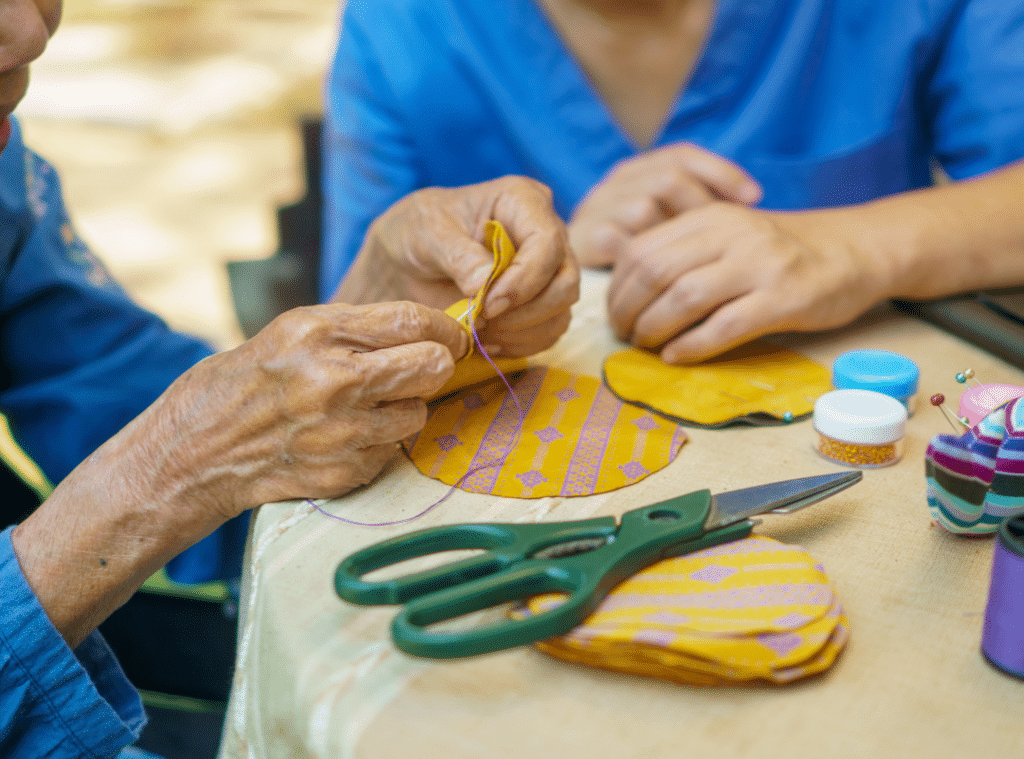
If you enjoy working with textiles, try sewing or knitting with adaptive tools designed for comfort. There are ergonomic scissors and knitting needles available that make these crafts easier.

Also, consider organizing group craft sessions. This fosters social connections and allows everyone to share their unique ideas and creations.

Crafting isn’t just a pastime; it’s a pathway to joy and connection for seniors at Westmont of Culver City. Did you know that engaging in creative activities can reduce loneliness by nearly 30%? Whether you’re making suncatchers or pressed flower art, these simple projects can lift spirits and foster friendships. So gather some supplies, invite a friend, and let your creativity flow. You’ll find not just relaxation and joy, but also a wonderful sense of community in the process. For more information, feel free to reach out to us at 310-736-4118.


Compare The Costs of Senior Living vs Staying at Home

How Do The Costs Of Moving Into A Quality Senior Care Community Compare With The Costs Of Staying At Home?


FAQs on Crafts for Seniors

  1. What are the best crafts for seniors?
    The best crafts for seniors are simple, engaging, and cater to their interests and abilities. Popular options include knitting, painting, scrapbooking, and gardening crafts. These activities promote relaxation, creativity, and social interaction.
  2. What are some adult crafts?
    Adult crafts often focus on more intricate designs and practical projects, such as candle-making, pottery, embroidery, and woodworking. These crafts provide a creative outlet while offering the satisfaction of producing something useful or decorative.
  3. What crafts are good for seniors with low vision?
    Crafts for seniors with low vision should emphasize tactile and large-scale projects like clay modeling, beading with large beads, and finger painting. Bright, high-contrast colors and textured materials help make the experience enjoyable and accessible.
  4. Why are crafts good for dementia patients?
    Crafts help dementia patients by stimulating their minds, encouraging motor skills, and providing a sense of accomplishment. These activities can reduce anxiety, promote social interaction, and spark memories, contributing to overall emotional well-being.


Skin Care for Elderly Ladies to Maintain Radiance & Hydration

Skin Care for Elderly Ladies: Maintain Radiance and Hydration

You might not realize that the skin’s natural moisture levels can drop considerably as you age, leading to dryness and a lack of radiance. At Westmont of Culver City, we understand the importance of combating these changes. It’s crucial to adopt a skincare routine that specifically addresses these needs. By focusing on gentle cleansing and effective hydration, you can help restore vibrancy to your skin. What specific products or practices can make the most difference in your daily routine?

skin care for elderly ladies

Skincare for elderly ladies

Caring for aging skin requires understanding its unique characteristics and adapting your routine. As skin matures, it becomes drier and thinner, often resembling paper. This change can lead to increased irritation, age spots, and wrinkles, making it essential to adjust your skincare approach.

First, focus on hydration. Using a gentle, fragrance-free cleanser will help prevent further dryness. When bathing, opt for warm water instead of hot, and limit your time to 5-10 minutes to preserve natural oils.

After bathing, apply a rich moisturizer within three minutes to lock in moisture; ointments work best for severe dryness.

Consider your environment, too. A humidifier can combat dry indoor air, keeping humidity levels between 45%-60%. When outdoors, seek shade and wear protective clothing, such as long sleeves and wide-brimmed hats, especially during peak sun hours.

Finally, maintain a proactive stance on skin health. Regularly check for changes and protect your skin from harsh chemicals.

Understanding these characteristics will empower you to provide the best care for aging skin, supporting the well-being of those you serve.

skin care for elderly ladies

Best skin care regimen for aging

A well-structured skin care regimen can markedly enhance the appearance and health of aging skin.

Start with a gentle, fragrance-free cleanser to wash your face, avoiding anything that might irritate or dry out your skin. Limit your bathing time to 5-10 minutes, using warm water instead of hot to preserve natural oils.

After bathing, apply a rich moisturizer within three minutes to lock in hydration; consider using ointments for areas of severe dryness.

Incorporate a broad-spectrum sunscreen with SPF 30 or higher daily, even on cloudy days, to protect against harmful UV rays. Additionally, utilize a humidifier in your home to maintain ideal indoor humidity levels, which can help alleviate dryness.

Lastly, check your skin regularly for any changes and consult a dermatologist for persistent issues or concerns.

skin care for elderly ladies

Aging skin

As we age, our skin undergoes significant changes that can impact its appearance and health. You may notice your skin becoming drier and thinner, often taking on a paper-like texture. This can increase susceptibility to irritation, age spots, and wrinkles.

The natural healing processes also slow down, making you more prone to bruising and skin infections.

To counteract these effects, adopting a gentle skincare routine is essential. Use fragrance-free cleansers to avoid further drying out your skin, and limit your bath or shower time to 5-10 minutes with warm water. It’s imperative to apply a moisturizer within three minutes of bathing; consider ointments if you experience severe dryness.

You should also create a protective environment. A humidifier can help maintain indoor humidity levels between 45%-60%, combating dry air. When outdoors, seek shade and wear protective clothing, such as long sleeves and wide-brimmed hats, to shield your skin from harmful UV rays.

Regular skin examinations are also critical; don’t hesitate to consult a dermatologist for persistent issues or changes. These steps can help you maintain healthy, radiant skin as you age.

Incorporating a thoughtful skincare routine can greatly enhance your radiance and hydration. You might think it’s too late to make a difference, but imagine waking up each morning to a plump and revitalized complexion. Regularly using gentle cleansers, rich moisturizers, and broad-spectrum sunscreen will help protect and nourish your skin. Embrace this routine, and you’ll feel more confident and enjoy the vibrant, youthful glow that comes from caring for your skin at any age. For more personalized skincare advice, contact Westmont of Culver City at 310-736-4118.


Find Where You Belong

Dive into the vibrant life our Westmont communities have to offer.


FAQs for Senior Skin Care

  1. What is the best skincare routine for seniors?
    A senior skincare routine should focus on hydration, gentle cleansing, and sun protection. Use a mild, fragrance-free cleanser, apply a rich moisturizer twice daily, and always wear SPF 30 or higher during the day. Incorporating products with antioxidants and retinol (in moderation) can help improve texture and tone.
  2. How do you take care of 80-year-old skin?
    Eighty-year-old skin benefits from extra moisture and protection. Use a hydrating cleanser, apply thick creams or oils to lock in moisture, and avoid harsh exfoliants. Gentle sunscreen and soft fabrics can help prevent further skin damage.
  3. What is the best treatment for 70-year-old skin on the face?
    For 70-year-old skin, treatments focusing on hydration, collagen support, and gentle exfoliation are ideal. To promote elasticity, look for serums with hyaluronic acid, peptides, and retinoids. Regular facials or light chemical peels can also improve skin texture over time.
  4. What should a 65-year-old woman use on her face?
    A 65-year-old woman should use a moisturizing cleanser, a rich anti-aging cream, and sunscreen daily. Adding a vitamin C serum in the morning and a retinol or peptide cream at night can help reduce fine lines and brighten the skin. Always patch-test new products to avoid irritation.


Westmont of Culver City Named 2024 Top Assisted Living

Westmont of Culver City has been recognized as the top assisted living community in Los Angeles by the 2024 Family Choice Awards, presented by Assisted Living Locators Los Angeles. This distinction highlights the community’s exceptional services, commitment to quality care, and resident-focused environment. Catering to Independent Living, Assisted Living, and Memory Care, Westmont has quickly established itself as a leading choice for families seeking a supportive home for their loved ones.


Family Choice Awards Overview

The Family Choice Awards guide families in selecting quality assisted living communities by highlighting facilities that excel in resident well-being, caregiving, and innovation. Communities are evaluated on resident satisfaction, safety measures, and engagement in social activities. Recognition from these awards validates a facility’s commitment to excellence and motivates continued improvement, benefiting residents and staff alike.


Why Westmont Stands Out

Westmont of Culver City earned the top ranking through its outstanding performance in resident satisfaction, quality services, and safety measures. With a history of awards for innovation and memory care programs, Westmont is known for its dedication to creating a supportive environment for all residents. The community’s involvement in local events and partnerships enhances resident experiences and the surrounding Culver City area.


About Westmont of Culver City

Located in an ideal setting for accessibility to amenities and healthcare services, Westmont of Culver City offers modern accommodations and tailored care. Despite being a relatively new establishment, it has rapidly become a premier senior living community. Its mission is to empower residents by fostering a vibrant, inclusive environment that meets their needs and aspirations.


Services Offered

Westmont provides a range of living options:

  1. Independent Living: Residents enjoy an active lifestyle with modern amenities and engaging activities, fostering independence alongside available support services.
  2. Assisted Living: Personalized care plans address daily living needs, including medication management and meal preparation, allowing residents to maintain their dignity and comfort.
  3. Memory Care: Specialized programs focus on cognitive engagement, social interaction, and sensory activities, creating a safe and nurturing environment for residents with cognitive impairments.


Exceptional Features

Westmont’s state-of-the-art facilities prioritize resident satisfaction and well-being. Modern, spacious accommodations ensure privacy and comfort, while comprehensive wellness programs and engaging social activities promote mental and physical health. Residents can participate in fitness classes, recreational outings, and creative initiatives such as painting or music therapy. These opportunities encourage connection and personal fulfillment.

Dining at Westmont is another standout feature. The experienced culinary team prepares fresh, nutritious meals tailored to residents’ dietary preferences. The dining environment fosters community bonding through themed events and opportunities for residents to share their culinary traditions.


Commitment to Safety and Accessibility

Safety and accessibility are top priorities at Westmont of Culver City. Features such as wide hallways, grab bars, and accessible common areas ensure residents can easily navigate the community. Comprehensive safety protocols and emergency preparedness plans provide peace of mind for residents and families.


Health and wellness monitoring is integrated into daily life, with personalized plans and regular check-ins ensuring residents’ needs are promptly addressed. This focus on proactive care empowers residents to thrive in a secure and supportive environment.


Resident and Family Feedback

Positive testimonials from residents and their families emphasize the enriching lifestyle and peace of mind provided by Westmont. Residents appreciate the engaging activities and welcoming atmosphere, while families value the responsive staff and high-quality care. Staff members also express pride in their work, highlighting the collaborative and compassionate environment.


Community Engagement

Westmont actively fosters connections with the Culver City community through partnerships with local organizations, volunteer opportunities, and initiatives supporting local causes. Residents can participate in outreach programs such as neighborhood cleanups or charity events, enhancing their sense of purpose and belonging.


Innovative Programs

Westmont integrates technology into daily activities, offering tools such as online scheduling and telehealth consultations. Creative expression initiatives, including art and music therapy, provide therapeutic outlets and opportunities for residents to explore new hobbies.


Staff Training and Professional Development

Westmont invests in staff training and continuing education, ensuring team members are equipped to deliver top-quality care. This commitment to professional development fosters a compassionate, skilled workforce dedicated to enhancing residents’ well-being.


Future Plans

Westmont of Culver City is committed to continuous improvement. Plans include new wellness programs, expanded community involvement, and advanced technologies to enrich residents’ lives further. The long-term vision emphasizes independence, dignity, and innovation in assisted living.


Westmont of Culver City’s recognition as the 2024 top assisted living community underscores its commitment to excellence. With modern accommodations, comprehensive care, and vibrant community life, Westmont provides residents with a supportive and enriching environment. Families can trust Westmont to deliver high-quality services prioritizing their loved ones’ needs and aspirations.

Discover Exceptional Assisted Living at Westmont of Culver City


Experience award-winning care, vibrant community life, and personalized services tailored to your needs. Whether looking for Independent Living, Assisted Living, or Memory Care, Westmont of Culver City provides comfort, safety, and a fulfilling lifestyle for your loved ones.


📞 Contact us today at 310-736-4118 to schedule a tour or learn how we can support you and your family. Let us help you find the perfect home for this next chapter!


What Are the 5 Worst Foods for Memory Loss?

What Are the 5 Worst Foods for Memory Loss? Learn and Avoid

Your brain is a garden, and certain foods are like weeds that choke out the vibrant blooms of memory. At Westmont of Culver City, we understand the importance of nurturing cognitive health, and that means steering clear of five specific culprits that can sap your mental clarity and contribute to memory loss. Each food degrades your brain function, but identifying them is just the first step. What are these harmful choices, and how can you replace them with healthier options? The answers might surprise you.

what are the 5 worst foods for memory loss

What are the 5 worst foods for memory loss?

When protecting your memory, being aware of what you eat is essential. Certain foods can negatively impact cognitive function, making identifying and limiting them vital.

First, trans fats, often found in margarine and processed snacks, have been linked to inflammation and cognitive decline.

Next, high-fructose corn syrup, prevalent in sugary beverages and desserts, can lead to insulin resistance, which may impair memory.

Artificial sweeteners, commonly present in diet sodas, are associated with brain inflammation and potential cognitive deficits over time.

Additionally, excessive sodium intake from processed foods can raise blood pressure, damaging the blood vessels in your brain and increasing the risk of cognitive decline.

Finally, fried foods, rich in unhealthy fats, contribute to inflammation and may harm your thinking skills.

what are the 5 worst foods for memory loss

What are the 5 best foods for memory?

Eating a brain-boosting diet can greatly enhance your memory and cognitive function. Incorporating nutrient-rich foods is key to supporting brain health.

First, fatty fish like salmon and trout are packed with omega-3 fatty acids, essential for brain function and known to improve memory.

Second, blueberries are rich in antioxidants that help combat oxidative stress and may delay brain aging.

Third, leafy greens, such as spinach and kale, provide crucial nutrients like vitamin K, linked to better cognitive performance.

Fourth, nuts, especially walnuts, are excellent sources of healthy fats and antioxidants that promote brain health.

Finally, whole grains, like oats and quinoa, provide a steady supply of glucose, which is essential for maintaining focus and concentration.

what are the 5 worst foods for memory loss

Foods that cause memory loss

Incorporating healthy foods into your diet can boost memory and cognitive function, but knowing what you should avoid is equally important. Certain foods negatively impact your brain health and can contribute to memory loss.

High-fructose corn syrup (HFCS), often found in sodas and processed snacks, is linked to obesity and insulin resistance, both of which can harm cognitive function.

Artificial sweeteners, commonly present in diet drinks, may cause brain inflammation and cognitive deficits over time.

Trans fats, found in margarine and many packaged goods, lead to inflammation and reduced blood flow to the brain, increasing the risk of dementia.

High-sodium foods, prevalent in processed meats and chips, can raise blood pressure, damage brain blood vessels, and affect memory.

Finally, regular consumption of sugary beverages and fried foods can trigger inflammation and cognitive decline, impairing your ability to think clearly.

Reducing or eliminating these foods from your diet can foster better cognitive health for yourself and those you serve.

Prioritizing a balanced diet is essential for maintaining and enhancing memory function.

To safeguard your memory, avoid those five frightening foods that can sabotage your cognitive health. By avoiding trans fats, high-fructose corn syrup, artificial sweeteners, excessive sodium, and fried foods, you’re taking a proactive step toward preserving your precious mental clarity. Embrace a diet rich in brain-boosting benefits, and you’ll foster a flourishing future for your mind. Remember, your choices today can create a cascade of cognitive care tomorrow! For more information on maintaining cognitive health, contact Westmont of Culver City at 310-736-4118.


Find Where You Belong

Dive into the vibrant life our Westmont communities have to offer.


FAQs on Diet and Memory Loss

  1. What is the number one food that accelerates memory loss?
    Highly processed foods, particularly those high in refined sugars and trans fats, are considered the top contributors to memory loss. These foods can lead to inflammation and oxidative stress in the brain, negatively affecting cognitive function over time.
  2. What is the #1 worst eating habit for memory loss?
    Consistently consuming a diet high in processed and sugary foods is the worst habit for memory health. Over time, this can lead to insulin resistance, impaired brain function, and increased risk of neurodegenerative diseases like Alzheimer’s.
  3. What is the number one food to avoid?
    Sugary beverages, such as soda and energy drinks, are among the top foods to avoid for brain health. They contribute to inflammation, negatively impact brain structure, and lead to memory and learning difficulties.
  4. Is potato bad for memory?
    Potatoes are not inherently bad for memory, but consuming them in highly processed forms (like fries or chips) can be detrimental. Whole, unprocessed potatoes can provide nutrients, but moderation is key to maintaining balanced blood sugar and brain health.


Westmont Living Communities Offer Technology Training

Technology training isn’t just for the young, as many senior living residents have a desire to keep up with the new tech gadgets so that they can communicate with extended family members. Some residents just crave life-long learning. Either way, both groups are benefitting from an ongoing technology program which is a part of Westmont’s Live Your Way® program–Westmont’s holistic approach to whole-body wellness. The weekly dose of technology training uses Epylog, a research-backed, video storytelling program that intentionally uses answer videos to offer optimal learning and cognitive retention for active adults and seniors. At Westmont, it is taught by activity professionals who customize the sessions based upon those who attend the classes. Finally, it’s never too late to be reminded of the importance of technology for all ages by remembering National Technology Day in January!

How to Build an Engaging Activity Calendar for Seniors

How to Build an Engaging Activity Calendar for Seniors Today

You might think that creating an engaging activity calendar for seniors at Westmont of Culver City is a challenging task, but it doesn’t have to be. You can foster a vibrant community atmosphere by focusing on their interests and incorporating various activities. Consider how monthly observances and themed events can enhance participation and connection among residents. The layout matters, too; a user-friendly design can make all the difference in ensuring accessibility. What local resources can you tap into to enrich your offerings at Westmont of Culver City? Exploring these aspects can transform your calendar into a tool that truly enhances the well-being of seniors.

Understanding Resident Interests

Understanding residents’ interests is vital for creating engaging activities that resonate with their preferences and backgrounds. When designing an activity calendar for seniors, it’s important to take into account their diverse interests and life experiences. This knowledge allows you to craft a monthly activity calendar that truly engages them, fostering a sense of community and belonging.

Start by gathering input from residents—ask about their hobbies, favorite pastimes, and any specialized activity calendar ideas they might have. This could include gardening, arts and crafts, or even technology workshops tailored to their needs. By incorporating their suggestions, you empower them and guarantee that activities remain relevant and enjoyable.

Don’t forget the importance of variety. A well-rounded activity calendar should include options that cater to different interests, such as social events, physical activities, and mental stimulation. Additionally, engaging in social interaction can significantly enhance residents’ emotional well-being and overall quality of life.

Consider creating a specialized activity calendar for specific groups, like a men’s calendar featuring discussions or team sports. By understanding residents’ interests, you’ll create meaningful experiences that enhance their quality of life and promote social interaction.

Incorporating Monthly Observances

Incorporating monthly observances into your activity calendar can bring fresh energy and excitement to residents.

By planning themed activities around specific dates, you create opportunities for engagement that resonate with their interests and memories.

These observance-based ideas foster community bonding and promote meaningful interactions among residents. Additionally, incorporating social activities can further enhance seniors’ sense of community and connection.

Monthly Themed Activities

Engaging activities for seniors can be incredibly rewarding when aligned with monthly observances. By incorporating themes like National Pie Day in January or National Craft Month in March, you’ll create a vibrant activity calendar that resonates with residents. This approach not only fosters creativity but also encourages social interaction, which is essential for seniors’ emotional well-being.

Tailor activities for seniors with dementia to their cognitive levels while ensuring they remain enjoyable and meaningful. A printable activity calendar for seniors can serve as a helpful reference for caregivers and residents, keeping everyone informed and engaged. You can also take advantage of free activity calendars for seniors that provide inspiration and ideas for themed events throughout the year.

Consider hosting a themed game night for National Dice Day in December, or a big band listening party for National Disc Jockey Day in January. These events provide entertainment and create opportunities for reminiscing and building connections among residents.

Observance-Based Engagement Ideas

Monthly observances offer a fantastic opportunity to engage seniors in meaningful activities that resonate with their experiences and interests. You can create a calendar that sparks joy and connection by aligning activities with specific observances.

For example, in January, celebrate National Pie Day by hosting a pie-tasting event where residents can share their favorite recipes and memories. In February, you might organize a dance contest for World Radio Day, encouraging residents to reminisce about their favorite tunes.

Highlighting observances like International Volunteer Day in December fosters a sense of purpose, allowing seniors to engage in community service projects. These themed activities not only promote participation but also encourage intergenerational bonding.

Consider inviting family members or local youth to join in on the fun. Regularly updating your calendar with fresh, observance-based ideas keeps excitement alive and guarantees that activities remain relevant to residents’ interests.

Explore online resources to discover various observances and plan activities that reflect your community’s diverse backgrounds. Your thoughtful approach to integrating these observances will create a vibrant atmosphere that uplifts and enriches seniors’ lives.

Designing User-Friendly Calendars

When designing user-friendly calendars for seniors, it’s important to simplify the layout to avoid confusion and enhance clarity. Incorporating monthly themes not only keeps things fresh but also engages residents by tying activities to shared experiences. Regularly updating the calendar helps maintain excitement and encourages participation, making it a crucial tool for fostering community connections. Additionally, community events provide opportunities for residents to interact and strengthen social ties.

Simplify Calendar Design

Simplifying calendar design guarantees that seniors can easily engage with planned activities. A clean, user-friendly layout enhances visibility and comprehension, making participating easier for residents. Here are some key elements to take into account:

Feature Description
Clear Fonts Use large, readable fonts for clarity.
Minimal Graphics Avoid clutter; stick to essential images.
Color-Coding Use distinct colors for different activity types.
Daily Highlights Feature key events prominently for easy reference.

By focusing on simplicity, you can create a calendar that’s not overwhelming. Keep the design consistent, and think about using whiteboards for daily updates, which can complement printed calendars. Regularly updating the calendar guarantees that seniors remain engaged and excited about upcoming activities.

Gather feedback from residents to see which formats they prefer and adapt accordingly. Remember, a thoughtfully designed calendar reflects your commitment to enhancing their quality of life. By prioritizing clarity and ease of use, you empower seniors to engage actively, fostering a vibrant community spirit.

Incorporate Monthly Themes

Incorporating themes into your activity calendars can greatly enhance engagement and excitement among seniors. Monthly themes provide a fresh focus, making activities feel new and relevant. They also create a sense of anticipation, encouraging residents to look forward to what’s next.

By centering your calendar around specific themes, you can cater to varied interests and promote community bonding.

Consider these ideas for monthly themes:

  • Cultural Celebrations: Highlight different cultures, showcasing their traditions through food, music, and activities.
  • Wellness and Health: Focus on fitness classes, healthy cooking demos, and mental well-being workshops.
  • Arts and Crafts: Host themed art projects that allow residents to express their creativity and share their work.
  • Nature and Outdoors: Organize gardening clubs, nature walks, or bird-watching outings.

Engage Residents Regularly

Designing user-friendly calendars is essential to keeping seniors actively engaged. A clear, simple layout helps residents easily understand and navigate their activities. Avoid cluttered designs that can confuse; instead, opt for a clean format that highlights key events. Use large fonts and visuals to make the calendar accessible for everyone.

Regular updates are vital. Aim for a weekly or monthly refresh to keep the excitement alive and accommodate any resident feedback. Incorporate diverse themes and observances to cater to various interests—whether it’s a game night for National Dice Day or a dance contest for World Radio Day. This variety encourages participation and fosters a sense of community.

Consider using whiteboards for daily activities in high-care settings, while printed calendars can be a reference for planning. Engaging staff in the process enriches the calendar and builds a supportive environment for residents.


Compare The Costs of Senior Living vs Staying at Home

How Do The Costs Of Moving Into A Quality Senior Care Community Compare With The Costs Of Staying At Home?


Engaging Activities for Diverse Needs

Engaging activities tailored to diverse needs fosters social interaction and enhances seniors’ overall well-being.

Recognizing that each individual has unique preferences, abilities, and interests is crucial. By offering a variety of activities, you can cater to these differences, ensuring everyone feels included and valued.

Consider incorporating the following:

  • Art therapy sessions that allow for creative expression, regardless of skill level.
  • Gentle exercise classes tailored for mobility limitations, promoting physical health.
  • Technology workshops to help seniors connect with family and friends digitally.
  • Music and memory programs that stimulate cognitive function and evoke cherished memories. Additionally, including artistic mediums can provide seniors with a broad range of options to explore their creativity.

Collaborating With Community Resources

Building connections with community resources can greatly enrich the lives of seniors in care facilities. By collaborating with local organizations, you can diversify activities, enhance social interactions, and bring fresh experiences to residents. Here are some potential community partners and activity ideas:

Community Resource Collaboration Ideas Benefits for Seniors
Local Schools Intergenerational reading programs Fosters connections and boosts literacy
Art Centers Art workshops or classes Encourages creativity and self-expression
Volunteer Organizations Group volunteering opportunities Promotes a sense of purpose and belonging
Health Departments Wellness workshops Informs about health and preventive care
Senior Centers Joint events or outings Expands social networks and engagement

Gathering Feedback and Improving

Gathering feedback from residents and staff is essential to enhancing the activities offered in senior care facilities. By actively listening to their experiences and suggestions, you can create a more engaging and relevant activity calendar. This boosts participation and fosters a sense of community and belonging among residents.

To effectively gather feedback, consider these strategies:

  • Conduct regular surveys to assess residents’ interests and preferences.
  • Hold focus groups with staff and residents to discuss potential activities and improvements.
  • Encourage open communication, making it easy for residents to share their thoughts at any time.
  • Review participation rates and adjust activities based on what garners the most interest.


Creating an engaging activity calendar for seniors at Westmont of Culver City isn’t just about scheduling events but building connections. By blending their interests with community resources, you’ll foster a vibrant environment that thrives on participation. Balancing fun with purpose enriches lives, while feedback fuels continuous improvement. So, embrace the diversity of activities—from gardening to tech workshops—and watch as joy and connection flourish. Together, you can nurture a space where every resident feels valued, engaged, and part of a lively community. For more information, feel free to reach out to us at 310-736-4118.


Westmont Living Cares: Southern California Strong!

Southern Californians know the devastation that firestorms create and the stressful impact this has on families. We have compiled some options and resources to help during this time and when you need to plan ahead. Together, we can navigate these challenges and support one another. Stay safe.


Housing for Seniors:

If you have a senior who needs temporary housing:  Westmont of Culver City, Westmont of Riverside and Westmont of Cypress may have short-term apartment availability. San Diego Communities that have short term, rental furnished apartments are Westmont of Escondido, Westmont of Carmel Valley, Westmont of Encinitas, Westmont of La Mesa and Westmont at San Miguel Ranch  Please contact the Community Relations Director within these communities directly.


Resources During an Emergency

  • Los Angeles Fire Department (LAFD): lafd.org for fire updates and resources.
  • American Red Cross: Find local shelters and assistance: redcross.org.
  • Air Quality Updates: Check airnow.gov for real-time air quality levels in your area.
  • Local Assistance Centers: Contact your local emergency services for temporary housing and support options.


Volunteering and Donation Opportunities

  1. Donate: Contribute to reputable organizations who are also first responders such as California Fire Foundation and The Salvation Army 
  2. Volunteer: Offer your time at local shelters or distribution centers.
  3. Support Local First Responders: Send snacks, water, or thank-you notes to fire stations.
  4. Check on Neighbors: Ensure seniors, those with disabilities, and pets are safe and have transportation in case of evacuation.


Emergency Preparedness: Ahead of an Emergency 

  1. Create an Evacuation Plan:
    • Identify multiple exit routes from your home and community.
    • Have a designated meeting spot for your family.
    • Ensure everyone knows how to safely evacuate, including seniors and pets.
  2. Pack an Emergency Kit:
    • Include essentials like water, non-perishable food, medications, copies of important documents, flashlights, batteries, and a first-aid kit.
    • Don’t forget personal hygiene items and face masks for smoke protection.
  3. Protect Your Home:
    • Clear dry vegetation and debris at least 30 feet from your home.
    • Close windows and doors and set your home’s HVAC system to recirculate air if smoke levels rise.


Most important is to stay informed by signing up for local emergency alerts through Cal Fire or your county’s alert system. And, following local news and social media sites for real-time updates.

Culver City’s newest senior living community hosted official grand opening.

Westmont of Culver City Grand Opening – The Heart of Screenland


The five-story, California-modern community offers stunning city views, luxurious amenities, and Westmont signature programs in an unparalleled urban lifestyle.

Come see what all the buzz is about! Cheers to new beginnings and endless possibilities!

For availability and more information, call 310-775-2160.


This content is also published here.

What Foods Should the Elderly Avoid and Why?

What Foods Should the Elderly Avoid and Why? A Guide to Healthy Aging

Just as a garden needs the right nutrients to flourish, your body requires careful choices to thrive in later years. At Westmont of Culver City, we understand that you might think certain foods are harmless, but some can quietly undermine your health, leading to serious issues. From hidden sodium in processed items to the dangers of sugary drinks, the landscape of your diet can greatly impact your well-being. Understanding which foods to steer clear of is essential for maintaining vigor. So, what should you be cautious about, and why does it matter? The answers could reshape your approach to healthy aging with Westmont of Culver City.


Processed and High-Sodium Foods

Regarding your diet, processed and high-sodium foods are best avoided, especially as you age. These foods, like processed deli meats, canned soups, and pickled items, often contain excessive sodium that can harm your health.

High sodium intake is linked to hypertension and heart disease, conditions that are particularly concerning for seniors. The recommended sodium limit for older adults is less than 1,500 mg daily.

You might wonder what foods the elderly should avoid and why. The answer lies in understanding how excess sodium affects your body. Too much salt can lead to fluid retention and swelling, increasing the risk of cardiovascular issues.

Instead of reaching for processed options, use fresh herbs and spices to enhance flavor. Fresh vegetables are also a great alternative to canned or pickled products. Additionally, a heart-healthy diet can significantly improve overall health and reduce the risks associated with aging.

what foods should elderly avoid and why​

Sugary Foods and Beverages

Processed and high-sodium foods aren’t the only dietary concerns for seniors; sugary foods and beverages also warrant attention. High sugar intake is linked to obesity and diabetes, conditions that can have serious implications for older adults.

Sugary drinks, like sodas and sweetened teas, can lead to rapid spikes in blood sugar levels, increasing the risk of long-term health issues.

Many processed snacks contain hidden sugars, making it easy to unknowingly exceed the recommended daily sugar intake of less than 10% of total calories. Regularly consuming these sugary foods and beverages can contribute to unwanted weight gain, complicating existing health conditions.

Instead of reaching for those tempting sugary options, consider healthier alternatives. Fresh fruits can satisfy sweet cravings while providing essential nutrients.

Unsweetened beverages like herbal teas or flavored water are excellent substitutes for soft drinks.

what foods should elderly avoid and why​

Fried and Fatty Foods

Many older adults unknowingly consume excessive amounts of fried and fatty foods, which can greatly increase the risk of heart disease and cholesterol-related issues. These foods often contain harmful trans fats, which can raise bad cholesterol levels while lowering good cholesterol. This imbalance is detrimental to heart health.

Additionally, fried foods are typically high in calories and low in essential nutrients, making it easy to overconsume and gain weight. Weight gain, combined with the natural aging process, can lead to a host of health problems like diabetes and hypertension. Addressing obesity early is essential for quality of life.

Instead of reaching for fried options, consider healthier cooking methods such as baking, grilling, or steaming. These alternatives help retain nutrients without the added unhealthy fats. For flavor, incorporate fresh herbs and spices to enhance your meals without sacrificing health.

Choosing healthier fats from sources like avocados and nuts can also be beneficial. Minimizing fried and fatty foods in your diet can promote better overall health and support healthy aging.

what foods should elderly avoid and why​

Refined Carbohydrates

Fried and fatty foods aren’t the only culprits that can negatively affect your health; refined carbohydrates pose significant risks, particularly for older adults.

These refined carbohydrates, often found in white bread, pastries, and many snack foods, can lead to rapid blood sugar spikes and crashes. This unpredictability can be especially dangerous for seniors, as it increases the risk of developing type 2 diabetes.

Consider avoiding these refined carbohydrates and opting for healthier alternatives. Here are some points to keep in mind:

  • Rapid blood sugar fluctuations can affect energy levels and mood.
  • Increased risk of diabetes is linked to high intake of refined carbs.
  • Low fiber content makes them less beneficial for digestion.
  • Whole grains provide sustained energy and essential nutrients.

In addition, fiber-rich foods can help regulate blood sugar levels and improve digestive health.

Dairy Products and Soft Cheeses

When it comes to dairy products, many seniors find themselves dealing with lactose intolerance, which can lead to uncomfortable digestive issues.

You should consider choosing low-fat or lactose-free dairy options to avoid these problems while still getting essential nutrients.

Additionally, choosing hard cheeses like cheddar and Swiss can minimize the risk of harmful bacteria often found in soft cheeses.

Lactose Intolerance Considerations

Since lactose intolerance is common among seniors, it’s vital to consider how dairy products and soft cheeses can impact digestive health.

If you or someone you care for experiences bloating, gas, or diarrhea after consuming dairy, it may be time to reevaluate your dietary choices. Understanding what foods the elderly should avoid and why can help prevent discomfort and promote better health.

Here are some considerations:

  • Lactose-free Options: Choose lactose-free milk and yogurt, which provide essential nutrients without digestive distress.
  • Low-Fat Dairy: Full-fat dairy can contribute to cholesterol issues. Opting for low-fat varieties can be beneficial.
  • Soft Cheeses Caution: While soft cheeses may taste delicious, they can harbor harmful bacteria, posing a risk for seniors with weakened immune systems.
  • Calcium Alternatives: Incorporate calcium-rich alternatives like leafy greens, fortified plant-based milk, or almonds to guarantee bone health without dairy.

Safe Cheese Choices

Understanding the importance of safe cheese choices can further enhance your dietary decisions, especially if you manage lactose intolerance or seek healthier options.

When considering what foods elderly people should avoid and why, soft cheeses deserve attention. These cheeses can harbor harmful bacteria, posing serious health risks for seniors with weakened immune systems.

Instead, opt for hard cheeses like cheddar or Swiss, as they’re generally safer and lower in moisture, minimizing bacterial growth. If lactose intolerance is a concern, low-fat or lactose-free varieties can be better tolerated while providing essential nutrients like calcium.

Additionally, watch the sodium content, as some cheeses can be high in salt, contributing to hypertension and other cardiovascular issues. Look for low-sodium options or use cheese sparingly in your meals.

Incorporating these safe cheese choices into your diet can support your health while allowing enjoyable meals.

Always consult with a healthcare provider to tailor your cheese consumption to your specific health needs and guarantee you’re making the best choices for your dietary goals.

what foods should elderly avoid and why​

Raw or Undercooked Foods

Raw or undercooked foods can pose significant health risks for seniors, increasing the likelihood of foodborne illnesses.

As you look to protect the health of elderly loved ones, it’s vital to understand what foods seniors should avoid and why. Undercooked eggs, meat, and poultry are common culprits that can lead to severe infections.

Seniors are particularly vulnerable due to a weakened immune system, making it imperative to guarantee all foods are thoroughly cooked. Additionally, age-related vulnerabilities can further complicate recovery from foodborne illnesses, highlighting the need for careful dietary choices.

Consider these high-risk items to avoid:

  • Raw or undercooked eggs (e.g., in homemade mayonnaise)
  • Undercooked poultry (e.g., chicken or turkey)
  • Raw fish and seafood (e.g., sushi, oysters)
  • Raw sprouts (e.g., alfalfa or bean sprouts)

what foods should elderly avoid and why​

Alcohol and Caffeinated Beverages

What role do alcohol and caffeinated beverages play in the diets of seniors? While moderate consumption may seem harmless, both alcoholic beverages and caffeine can pose significant health risks for older adults.

Excessive alcohol intake can lead to falls, accidents, and dangerous interactions with medications. For seniors taking medications for chronic conditions like diabetes or hypertension, even occasional consumption may exacerbate these issues. It’s recommended that women limit their intake to one drink per day and men to two.

Caffeine, found in coffee, tea, and some sodas, can disrupt sleep patterns and increase anxiety, particularly in those with heart conditions. It can also cause irregular heart rates, making moderation vital. If you or someone you care for experiences heightened anxiety or sleep disturbances, consider reducing caffeine intake.

Ultimately, it is essential to opt for healthier beverage choices. Flavored water and herbal teas can be great substitutes for alcohol and caffeine, keeping you hydrated without the risks associated with them.

Always consult healthcare providers to determine what’s best for individual health needs and circumstances. Prioritizing health means making informed choices about what you drink.


To sum up, avoiding processed foods, sugary snacks, fried items, and refined carbs can greatly benefit your health as you age. Did you know that nearly 80% of older adults have at least one chronic condition linked to diet? By making mindful food choices, you can lower the risk of hypertension, diabetes, and heart disease. Prioritizing whole, nutrient-rich foods enhances your well-being and supports a longer, healthier life. Start today for a brighter tomorrow! For more information, contact Westmont of Culver City at 310-736-4118.


Compare The Costs of Senior Living vs Staying at Home

How Do The Costs Of Moving Into A Quality Senior Care Community Compare With The Costs Of Staying At Home?


Frequently Asked Questions on Nutrition for Seniors

  1. What foods should elderly people avoid and why?
    Elderly individuals should avoid foods high in sugar, salt, and unhealthy fats, such as processed snacks, sugary drinks, and fried items. These foods can increase the risk of chronic diseases like heart disease, diabetes, and high blood pressure, while also providing little nutritional value.
  2. What type of food should the elderly avoid most, and why?
    The elderly should avoid highly processed foods the most, as these are often loaded with added sugars, unhealthy fats, and sodium. Such foods contribute to inflammation, poor heart health, and difficulties in managing weight or chronic conditions.
  3. What fruits should seniors not eat?
    Seniors should be cautious with fruits that are overly acidic, like grapefruit, if they are on certain medications, as these can interfere with drug metabolism. Additionally, fruits with high sugar content, like dried fruits or sweetened canned fruits, should be consumed in moderation to prevent blood sugar spikes.
  4. What are five foods that seniors should eat?
    Seniors should include leafy greens (like spinach), fatty fish (such as salmon), whole grains (like oatmeal), nuts and seeds, and berries in their diet. These foods provide essential vitamins, minerals, and antioxidants that support overall health, brain function, and heart health.
  5. What is the one fruit all seniors should eat?
    Blueberries are a great choice for seniors due to their high levels of antioxidants, which support brain health, reduce inflammation, and may lower the risk of cognitive decline. They are also easy to eat and versatile in meals or snacks.


Floor Plans & Pricing

Make yourself at home where a happy, healthy lifestyle goes hand-in-hand with your personal fulfillment, enrichment, and growth.

Answer a few quick questions to unlock the exciting future senior living can offer!

Resident Login