

Step Into Westmont Living®

Creative and Engaging Outings for Seniors to Enjoy

Engaging Outings for Seniors to Enrich Daily Life

Meaningful outings for seniors are more than just trips outside the home—they are opportunities to build connections, explore new interests, and maintain a vibrant lifestyle. At Westmont of Culver City, residents can enjoy thoughtfully planned outings that support physical activity, mental stimulation, and social engagement, all tailored to individual preferences and abilities.

From exploring lush parks to savoring cooking classes, outings for seniors offer an avenue for fun and purpose. These experiences help reduce isolation and promote emotional well-being, encouraging residents to discover joy in everyday adventures. Whether you’re seeking free outings for seniors, looking for outings for seniors near you, or wanting outdoor outings for seniors, something is enriching for every personality and interest.

Exploring Nature: Outdoor Outings for Seniors

Few things rival the peace and renewal that come from spending time outdoors. Outdoor outings for seniors at Westmont of Culver City often include visits to nearby parks and gardens, offering a refreshing connection with nature.

Imagine a day spent surrounded by blooming flowers, watching birds flutter about, or capturing scenic views with your camera. These outdoor outings for seniors are more than scenic—they promote physical movement, reduce stress, and inspire social conversation.

Many communities, like the newest senior living community in Carmel Valley, offer structured outdoor adventures tailored to senior mobility and preferences, making nature more accessible and enjoyable than ever.

Cultural and Historical Day Trips

Engaging with local culture is a fulfilling way to stimulate the mind and enrich the spirit. Residents can participate in unique activities for seniors by visiting museums, historical landmarks, and cultural centers. These outings offer more profound insight into art, history, and traditions.

From guided tours to live reenactments, these experiences support lifelong learning. At places like Westmont of Brentwood, outings are chosen not only for their educational value but also for how they foster conversation and shared discovery among residents.

For those searching for outings for seniors near you, local museums and heritage sites provide ideal locations that are both accessible and intellectually stimulating.

Free Outings for Seniors That Inspire Joy

Budget shouldn’t limit experiences. Free outings for seniors are a valuable way to enjoy life without the burden of cost. Popular options include community concerts, farmers markets, library events, and outdoor festivals—all often accessible without a fee.

Local organizations frequently host free outings for seniors, from wellness workshops to nature hikes. At Westmont of Culver City, the team prioritizes uncovering no-cost opportunities that still offer high value and fun.

Explore national and community resources like National Parks, free entry days, and free museum days, which allow seniors to explore art and nature at no charge. These free outings for seniors build confidence, encourage exploration, and maintain a sense of independence.

Fun Activities for the Elderly in Nursing Homes

Fun doesn’t stop within community walls. Fun activities for the elderly in nursing homes can transform the everyday into something extraordinary. These include themed celebrations, interactive performances, gardening clubs, and visiting pet programs—all designed to bring joy, laughter, and stimulation.

At Westmont, weekly activity calendars ensure residents are never bored. Whether it’s a cupcake decorating challenge or a lively dance party, these fun activities for the elderly in nursing homes help keep spirits high and minds sharp.

Research shows that enjoyable, structured events can greatly reduce depression and enhance cognitive function, especially when they involve music, movement, or social interaction.

Unique Activities for Seniors to Explore Creativity

Creativity blossoms at every age. Unique activities for seniors, like pottery, calligraphy, or even virtual reality storytelling, open doors to new hobbies and talents. These hands-on experiences allow seniors to express themselves, often resulting in meaningful keepsakes.

Art classes, journaling clubs, and photo storytelling blend reflection and interaction. Westmont communities encourage artistic outlets that stimulate memory and allow for meaningful personal expression.

Not only are these unique activities for seniors enjoyable, but they also contribute to emotional resilience and help strengthen the sense of self that’s vital in later years.

Group Fitness and Movement Outings

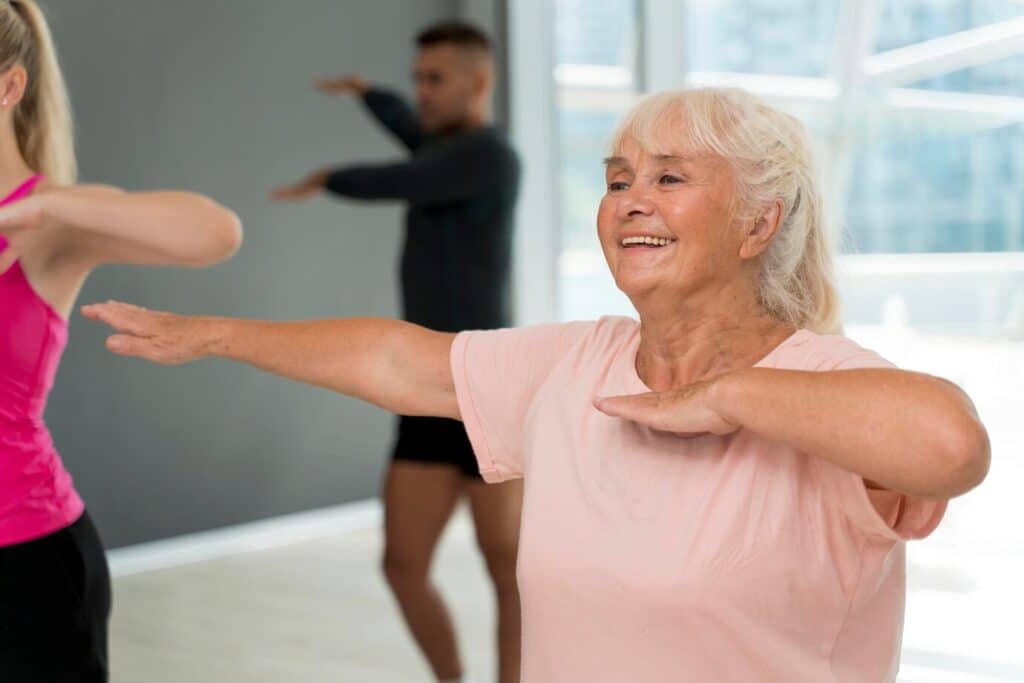
Staying active is a core element of healthy aging. Many outings for seniors incorporate movement, such as group walks, aquatic therapy, or tai chi in the park. These activities offer gentle exercise while allowing residents to socialize in a refreshing environment.

Take advantage of group exercise classes that combine physical health with community bonding. These programs are crafted to support flexibility, balance, and strength—all while maintaining a relaxed and inclusive vibe.

Even light movement brings energy and vitality to a senior’s routine when paired with laughter and friendship.


outings for seniors


Culinary Adventures: Cooking Classes and Tasting Tours

Taste is a powerful trigger for memories. Culinary outings allow seniors to bond over food, whether learning a new recipe or sharing a nostalgic favorite. At Westmont, cooking classes, recipe exchanges, and food truck visits offer both fun and flavor.

Food tours and themed dining events help celebrate cultural diversity and shared experiences. These outings for seniors near you could include trips to local eateries, farmers markets, or even a chocolate-making workshop.

By connecting people through food, seniors enjoy not just a sensory experience but also the comfort of camaraderie.

Music, Theater, and Entertainment Outings

There’s magic in live entertainment. Westmont regularly coordinates visits to music concerts, local theater performances, and dance shows. For residents who love the arts, these are often favorite outdoor outings for seniors, especially during seasonal festivals.

Music therapy sessions and sing-alongs are entertaining and have been proven to boost mood and memory. For seniors with dementia, these outings can be especially therapeutic, rekindling old memories through familiar melodies.

These events, often held in nearby venues, are key to maintaining vibrant, emotionally rich lives for seniors.

Spa Days and Wellness Retreats

Self-care should never be overlooked. Scheduled spa days, guided meditation outings, and group wellness retreats allow seniors to prioritize rest and rejuvenation.

Westmont offers day trips to local spas and wellness centers, promoting peace and mindfulness. Outings like these help reduce stress and offer deeper emotional support than more active events.

Combining relaxation with social engagement, these trips round out a comprehensive lifestyle that honors mind, body, and spirit.

A Life of Exploration Awaits

Incorporating outings for seniors into daily life is more than just a leisure activity—it’s a foundation for thriving. From free outings for seniors that inspire exploration to fun activities for the elderly in nursing homes that foster joy and community, these experiences play a critical role in well-being.

Residents at Westmont of Culver City enjoy carefully curated outings that span a variety of interests, energy levels, and accessibility needs. Whether you’re looking for outings for seniors near you or dreaming of unique activities for seniors, there’s always a new opportunity to explore, laugh, and connect.

To learn more or to schedule a visit, please call us at 310-736-4118 or visit our Schedule a Tour page. Let us help you or your loved one live fully and joyfully—one meaningful outing at a time.


Compare The Costs of Senior Living vs Staying at Home

How Do The Costs Of Moving Into A Quality Senior Care Community Compare With The Costs Of Staying At Home?


Frequently Asked Questions

What activities are good for senior citizens?

Senior citizens often enjoy activities that combine physical movement, social interaction, and mental stimulation. Walking, gardening, swimming, and yoga are excellent for staying active. Many also enjoy hobbies like painting, puzzles, reading, or group games. Volunteer work or joining local senior clubs can also provide meaningful engagement.

Where do seniors like to hang out?

Seniors often gather at community centers, senior clubs, or local libraries for social and recreational activities. Parks, coffee shops, and walking trails are also common places where they enjoy spending time. Faith-based groups and wellness classes can offer additional opportunities to connect with others. Many also enjoy attending local events or family gatherings.

How do I keep my 70-year-old busy?

To keep a 70-year-old engaged, offer a mix of physical, creative, and social activities. Encourage regular exercise like walking or light aerobics, and provide access to crafts, puzzles, or music. Social activities such as game nights, book clubs, or family outings can also be enriching. Tailor the activities to their interests and energy levels for the best results.

What activities does an individual who is 65+ enjoy?

People aged 65 and older often enjoy relaxing, fun activities that promote well-being. These may include traveling, gardening, taking classes, or learning new skills like using technology. Socializing through clubs or volunteering adds purpose and connection. Many also appreciate spending quality time with family or engaging in gentle fitness routines.


Understanding Weak Legs in Elderly and Sarcopenia

Understanding Sarcopenia and Weak Legs in the Elderly 

As people age, it’s common to experience muscle weakness, especially in the legs. If you’re noticing weak legs in elderly loved ones, it may signal an underlying health condition like sarcopenia—a progressive loss of muscle mass. This weakness can make everyday tasks difficult and lead to a higher risk of falls or injuries. Thankfully, much of this decline is preventable or manageable with the right approach.

At Westmont of Culver City, we recognize the importance of early detection, nutrition, exercise, and support in addressing this challenge. Whether you’re researching for a parent or planning your own health journey, this guide explores causes, symptoms, and practical strategies—including treatment for weak legs in the elderly, supplements, and exercises—to maintain strength and independence.

What Is Sarcopenia and Why Does It Matter

Sarcopenia refers to the gradual loss of muscle mass and strength. It often begins as early as your 30s and accelerates after age 65. For many seniors, this loss is most evident in the legs, making walking or standing more difficult.

The condition affects up to 50% of adults over 60. This weakening contributes to balance issues, a decrease in daily activity, and a greater risk of falls. Identifying and addressing sudden weak legs in elderly can make a dramatic difference in long-term mobility and health. Addressing nutritional deficiencies is one proactive way to minimize these effects.

Common Symptoms and Risk Factors

Signs of Weak Legs in Seniors

One of the most noticeable early signs of sarcopenia is weak legs in the elderly, often detected through:

  • Trouble getting up from chairs
  • Difficulty walking or climbing stairs
  • Reduced muscle size in the thighs and calves
  • Fatigue or unsteadiness while standing
  • Frequent stumbles or near-falls

Such symptoms shouldn’t be brushed aside as “normal aging.” Instead, they may be the body’s signal that intervention is needed. Integrating strength-building exercises into a senior’s weekly routine can help delay the progression of sarcopenia.

Contributing Lifestyle and Medical Factors

Several underlying issues can lead to weak legs in elderly individuals. These include:

  • Inactivity: A sedentary lifestyle speeds up muscle atrophy.
  • Poor Diet: Inadequate protein intake or vitamin D deficiency impacts muscle health.
  • Chronic Illness: Diabetes, arthritis, or cardiovascular disease can reduce mobility and leg strength.
  • Obesity: Extra weight can place stress on joints, worsening leg weakness.
  • Inflammation: Low-grade chronic inflammation can interfere with muscle regeneration.

Understanding these risk factors is crucial to implementing changes that lead to better outcomes. Following senior-friendly fitness routines can help reduce risks while improving strength and endurance.

Diagnosis of Leg Weakness and Muscle Loss

To address sudden weak legs in the elderly, a medical evaluation is essential. Healthcare providers may perform:

  • Physical Exams – Assessing gait, balance, and strength.
  • SARC-F Screening – A short questionnaire measuring strength and difficulty with mobility.
  • Imaging Tests – DEXA scans or BIA can measure muscle mass.
  • Mobility Assessments – Timed walking or chair stand tests.

A comprehensive diagnosis ensures that any treatment for weak legs in the elderly is targeted and effective. Many communities also incorporate personalized health plans into their care.

Psychological Impact

Proven Treatments and Nutritional Support

Medical and Lifestyle Treatments

Once diagnosed, managing sarcopenia involves a well-rounded strategy. Key steps in treatment for weak legs in the elderly include:

  • Strength Training – Resistance exercises are the gold standard for reversing muscle loss.
  • Protein-Rich Diet – Seniors should consume 20–35 grams of protein per meal to support muscle repair.
  • Vitamin D and Omega-3s – These supplements for weak legs in the elderly help with muscle health and inflammation.
  • Routine Movement – Walking, stretching, and yoga can all maintain mobility and balance.

These steps work best when introduced early. Consistency is critical—building muscle takes time, especially for older adults.

Supplements That Support Leg Strength

For many seniors, food alone isn’t enough to meet nutritional needs. Common supplements for weak legs in the elderly include:

  • Vitamin D – Deficiency can impair muscle strength.
  • Creatine – Supports muscle energy and regeneration.
  • Protein Powders – A convenient way to boost daily intake.
  • Omega-3 Fatty Acids – Help reduce inflammation and improve muscle synthesis.

When used under medical guidance, these supplements can accelerate recovery and improve leg strength. You can also learn more from resources like the NIH’s guide on sarcopenia and the Cleveland Clinic’s guide.

Diagnosis and Tests

The Role of Diet in Leg Strength

What to Eat for Stronger Legs

Nutrition is often the most overlooked yet critical component. So, what should an elderly person eat to strengthen their weak legs?

  • Lean Proteins – Chicken, fish, eggs, beans, and tofu are essential.
  • Calcium-Rich Foods – Milk, yogurt, and leafy greens support bone health.
  • Anti-Inflammatory Choices – Berries, turmeric, and olive oil can ease joint strain.
  • Hydration – Even mild dehydration can reduce muscle function and energy.

Consistent, well-balanced meals support muscle repair, energy, and recovery, key in battling sarcopenia.

Best Exercises for Strengthening Weak Legs

One of the most effective interventions is exercise. Ideal exercises for weak legs in the elderly include:

  • Chair Squats – Strengthens thighs and hips.
  • Leg Raises – Improves flexibility and control.
  • Heel-to-Toe Walks – Boosts balance and coordination.
  • Resistance Band Workouts – Build lower limb strength with low impact.

These exercises for weak legs in elderly can be done at home or under supervision. The important part is consistency and gradual progression.

Management and Treatment

Support Resources and Community Help

Community Support Networks

Support groups help normalize the experience of aging with grace. Community-based programs offer:

  • Peer Connections – Reduce feelings of isolation.
  • Educational Workshops – Teach strategies to prevent further muscle loss.
  • Activity Groups – Include walking clubs and movement classes.

Nutritional Planning and Guidance

If you’re unsure where to start, speak with a registered dietitian. Many senior communities offer dietary planning services. These services address what to eat for weak legs in the elderly, ensure optimal protein levels, and help manage chronic illnesses through food.

Fitness Programs and Personal Coaching

Look for:

  • Senior-friendly gyms
  • Online classes for balance and strength
  • Trainers experienced in exercises for weak legs in the elderly

These resources help make fitness feel more achievable at any age.

Prevention

Regain Your Strength: You’re Not Alone

Don’t let weak legs in elderly signal the end of independence. With awareness, proper nutrition, regular exercises for weak legs in elderly, and the right supplements for weak legs in elderly, your loved ones can regain strength and confidence in their mobility.

At Westmont of Culver City, we’re here to support every step of that journey. If you or a loved one is experiencing leg weakness or other age-related challenges, contact us at 310-736-4118. Schedule a personal tour today at this link to learn more about how our community supports wellness and independence.


What Level of Care Do You Need?

Discover the level of care you or your family member requires. 


Frequently Asked Questions

What to do for weak legs?

If you’re experiencing weak legs, starting with a medical evaluation is essential to determine the underlying cause. Once identified, treatment may include physical therapy, exercises, and lifestyle changes like improved nutrition. Gentle activities such as walking, swimming, or tai chi can help rebuild strength over time. Supplements or medications may also be recommended based on your condition.

Can the elderly regain leg strength in elderly?

Yes, many elderly individuals can regain leg strength with the right approach. Combining strength training exercises, balance work, and physical therapy can lead to noticeable improvements. Progress may be gradual, but mobility and stability often improve with consistency. Tailoring the program to the individual’s abilities and health status is essential.

How do you treat leg weakness in the elderly?

Treating leg weakness in the elderly often begins with diagnosing the cause, such as muscle loss, nerve damage, or circulation issues. Treatment typically includes targeted exercises, physical therapy, and possibly vitamin or mineral supplements. A doctor may also adjust medications or recommend assistive devices to aid mobility. Lifestyle changes like a nutrient-rich diet and proper hydration also support recovery.

Why do I have no strength in my legs to climb stairs?

Lack of leg strength when climbing stairs can be due to muscle weakness, joint problems, or poor balance. Common causes include aging-related muscle loss (sarcopenia), arthritis, or neurological conditions. If stairs become difficult, it’s important to consult a healthcare provider for assessment. A guided strength training program and medical support can often help restore function.


Monitoring Technology: Enhancing Senior Safety

Enhance Senior Safety with Smart Monitoring Technology Today

Monitoring technology has revolutionized independent living, allowing seniors to enjoy freedom while staying safe and healthy. At Westmont of Culver City, this shift has led to improved well-being and confidence for residents and their families. Through innovations in health tracking, emergency response, and smart home integration, seniors are supported by tools that respect their privacy and empower their independence.

From discreet devices that alert caregivers to changes in vital signs, to smart cameras and two-way monitors, the future of senior living is already here. These technologies offer immediate assistance during emergencies and foster peace of mind for loved ones. Whether you’re just beginning to explore senior living options or actively planning a move, understanding today’s monitoring technology is key to making informed choices.

The Power of Monitoring Technology in Senior Living

Advances in monitoring technology have changed the way seniors experience independence. Whether you’re at home or part of a community like Westmont of Culver City, these tools allow residents to feel secure while maintaining autonomy. With features like real-time alerts, fall detection, and health data tracking, you can be proactive rather than reactive when it comes to safety.

Tools like the video monitoring system for the elderly in the home can stream footage directly to loved ones or caregivers, ensuring 24/7 visibility without intruding on privacy. Coupled with two-way monitors for the elderly, families can check in, talk, and provide reassurance from anywhere. These innovations mean residents are never truly alone, even when living independently.

Explore how these systems support care at The Oaks at Nipomo, where technology is thoughtfully integrated into daily life.

Tools That Make a Difference

Best Home Monitoring System for the Elderly

When selecting the best home monitoring system for the elderly, several features matter: fall detection, real-time alerts, user-friendly controls, and compatibility with wearable tech. Westmont communities integrate top-rated systems that prioritize comfort and ease of use while offering essential safety features.

These systems are especially effective when paired with the best camera for elderly monitoring, offering clear visuals, motion detection, and night vision. Cameras are often positioned discreetly to ensure comfort while enhancing safety.

Popular providers like Bay Alarm Medical and Medical Guardian offer excellent examples of this technology, trusted by thousands of families nationwide.

Wearable Monitoring Devices for the Elderly

Wearable monitoring devices for the elderly are transforming health tracking. These gadgets go beyond counting steps. They monitor heart rate, detect irregular movements, and even track hydration levels. This allows caregivers to respond to potential issues before they escalate.

Devices such as smartwatches with emergency call features or health trackers that sync with caregiver dashboards are becoming essential parts of senior care. They promote a proactive approach, enabling seniors to engage with their health and feel confident in their daily routines.

Westmont integrates these tools seamlessly into daily life, as outlined in their Chico community’s guide to modern health solutions.

Two-Way Monitors for Reassurance

Two-way monitors for elderly not only offer visual updates, but also real-time communication. Whether it’s for a morning greeting or a check-in during the night, this kind of interaction reduces anxiety and boosts a sense of connection. For those with memory conditions or health concerns, these devices offer timely, comforting communication between residents and family.

Privacy and Ethics in Monitoring

While technology is valuable, privacy must remain a priority. Westmont ensures that all tools respect the dignity of residents. Cameras are never placed in private areas, and data from monitoring technology is encrypted and protected. Every tool undergoes vetting to meet strict privacy standards, so residents feel secure and respected.

This approach is further explained in Westmont’s healthcare guide, which outlines how resident rights are upheld even as technology advances.


Balancing Technology with Privacy

Always Improving with Resident Feedback

Ongoing Tech Assessments

At Westmont, technology evolves alongside resident needs. Staff regularly review system performance, upgrade outdated tools, and trial new devices based on user feedback. Residents are encouraged to participate in this process, ensuring that every device enhances—rather than complicates—daily life.

For example, input from seniors has helped refine the use of video monitoring systems for the elderly in the home, leading to better placement and improved usability. These insights ensure that tools are truly helpful and not overwhelming.

Resident-Centered Development

No two residents are the same, so technology should never be one-size-fits-all. Westmont embraces a resident-centric model that allows seniors to choose how and when to use tools like wearable monitoring devices for the elderly. Options can be adjusted to suit mobility, cognitive abilities, and personal preferences.

Residents can even test and customize their solutions in workshops or one-on-one sessions. This approach supports independence while ensuring comfort and familiarity with the tech in use.

Explore more resident-driven innovations in Gadgets for Seniors.

Supporting Education and Engagement

Hands-On Learning

Westmont offers workshops that introduce residents to monitoring technology in a stress-free, hands-on environment. These sessions teach seniors how to use devices, read health data, and interact with emergency systems. They’re also a great way to socialize and share experiences.

Topics covered include:

  • Setting up a two-way monitor for the elderly
  • Using apps that connect to wearable monitoring devices for the elderly
  • Adjusting the best camera for elderly monitoring to ensure privacy and clarity
  • Understanding alert settings in a video monitoring system for the elderly in the home

Personalized Support

Tech support doesn’t end after setup. Staff are always available to troubleshoot, explain updates, and ensure every resident is confident using their devices. Whether you’re learning how to answer a two-way call or interpret your smartwatch data, support is just a request away.

Empowerment Through Involvement

Westmont believes that educated residents are empowered residents. With ongoing access to user guides, group discussions, and tech mentors, every person can learn and grow with the tools meant to help them.

What’s Next for Monitoring Technology?

Looking ahead, monitoring technology will continue to innovate. AI-powered assistants, predictive analytics for fall risks, and even voice-activated home automation will become commonplace. Imagine living in a home that knows your routine, alerts caregivers if something’s off, and lets you video chat with family using just your voice.

As these advances become standard, staying informed and involved is crucial. At Westmont, your feedback helps shape what technology looks like tomorrow.

Discover the Tech-Enhanced Living at Westmont

Ready to see these tools in action? Westmont of Culver City offers a future-forward lifestyle that blends innovation with warmth and community. From the best home monitoring system for the elderly to customized tech support, everything is designed with your well-being in mind.

Come explore:

  • Personalized care plans
  • Smart home integration
  • Social programs built around connection and tech use
  • Staff trained in both care and modern tech

Visit our community page or call 310-736-4118 to learn how monitoring technology can support your lifestyle.

A Future Secured with Smart Monitoring

The tools we choose today shape the way we live tomorrow. With monitoring technology like the video monitoring system for the elderly, wearable monitoring devices for the elderly, and the best home monitoring system for the elderly, you’re investing in both safety and freedom. At Westmont of Culver City, you’re not just adopting technology—you’re embracing independence with confidence. Make your next move a secure and informed one. Reach out today and discover the future of senior living.


Compare The Costs of Senior Living vs Staying at Home

How Do The Costs Of Moving Into A Quality Senior Care Community Compare With The Costs Of Staying At Home?


Frequently Asked Questions

How can I monitor my elderly parent remotely?

You can monitor your elderly parent remotely using smart devices, such as medical alert systems, video doorbells, motion sensors, and health monitoring apps. These tools allow you to track their movements, check in through video, and receive alerts for emergencies or irregular activity. Many systems are designed to be non-intrusive and easy for seniors to use. Choosing technology that aligns with their comfort level and needs is best.

What is the best monitor for the elderly?

The best monitor for the elderly depends on what you’re trying to track. For health, wearable devices like the Apple Watch or Fitbit can monitor heart rate and activity levels. For safety and general well-being, systems like the GrandPad or medical alert devices with fall detection are popular choices. Look for monitors that offer real-time alerts, simple interfaces, and strong customer support.

How do you monitor seniors living alone?

You can install smart home devices such as security cameras, door sensors, and fall detection systems to monitor seniors living alone. Pairing these with mobile apps keeps caregivers informed of any changes or emergencies. Daily wellness check-in services and remote health monitoring also help ensure safety and independence. Privacy and consent should always be considered when choosing monitoring solutions.

What technology helps elderly people?

Several technologies can improve elderly individuals’ lives, including voice-activated assistants like Alexa, fall detection devices, medication reminders, and health tracking wearables. These tools support independence while offering caregivers peace of mind. Additionally, telehealth platforms allow seniors to consult with doctors from home. The best solutions are user-friendly and tailored to specific needs.


Music Trivia for Seniors: Relive the Golden Oldies Fun

Music Trivia for Seniors: Golden Melodies That Never Fade

Reliving the soundtrack of your youth is one of the most rewarding experiences, and what better way to do that than through music trivia for seniors? These quizzes are more than fun; they unlock memories, sharpen your mind, and spark joy through laughter and friendly competition.

Whether it’s guessing who sang a 1960s hit, identifying a legendary duet, or recalling a song from a classic movie, trivia can transform an ordinary afternoon into an engaging stroll down memory lane. At Westmont of Culver City, we champion these experiences as they create meaningful moments and improve overall well-being.

The Timeless Voices of the ’40s and ’50s

When it comes to golden oldies, the singers of the ’40s and ’50s are unmatched. Think Bing Crosby, who defined the holiday season with “White Christmas,” and Louis Armstrong, whose voice breathed life into “What a Wonderful World.” These voices bring a nostalgic charm that can’t be replicated.

Frank Sinatra, affectionately called “Old Blue Eyes,” captivated millions with songs like “Fly Me to the Moon,” while Bill Haley and the Comets ignited the youth with “Rock Around the Clock.” Their music continues to inspire and entertain, especially for those participating in music trivia for seniors. Read more about how music can uplift seniors.

Legendary Nicknames in Music

Nicknames make music legends instantly recognizable. Elvis Presley is known as “The King of Rock and Roll,” and his hit “Can’t Help Falling in Love” is a trivia favorite. Johnny Cash’s moniker “The Man in Black” reflects his deep, soulful music. Benny Goodman, “The King of Swing,” helped shape big band jazz.

Even within music trivia for seniors with answers, knowing these nicknames often gives players an edge. They serve as shortcuts to memory, enhancing the fun while paying homage to iconic careers. Explore the social perks of senior living, where sharing music stories becomes part of everyday connection.

Unforgettable Collaborations

Few things in music history are as impactful as the collaborations that defined decades. Think of The Everly Brothers blending voices in “All I Have to Do Is Dream,” or The Beatles transforming pop music with complex harmonies and innovative sound.

Harmonies That Made History

Duos and quartets dominated charts and hearts. Peter, Paul, and Mary gave us the folk classic “Puff the Magic Dragon,” and Simon & Garfunkel mesmerized with “Bridge Over Troubled Water.” These songs frequently appear in funny music trivia for seniors, often triggering laughter and storytelling among players.

Collaborative Legacy

Each collaboration reminds us of music’s connective power. They created classics that still appear in quizzes like 60s music trivia for seniors with answers. Here’s how to pick ideal music for senior settings.

Celebrating the Magic of One-Hit Wonders

One-hit wonders of the 1960s hold a special place in music trivia. Their catchy tunes remain etched in memory, offering a perfect mix of challenge and nostalgia.

Spotlight on 1960s Gems

Songs like “The Lion Sleeps Tonight” by The Tokens and “Monster Mash” by Bobby Boris Pickett bring back vivid memories. These songs are trivia staples, especially in music trivia for seniors, with answer PDF sheets often distributed at events. Despite their brief fame, these tracks pack a lasting emotional punch.

Cultural Significance

These fleeting hits made waves in music history. From silly lyrics to unforgettable beats, they reflect the culture and creativity of their time. They’re great conversation starters and tools for cognitive engagement.

Reliving the Moments

One-hit wonders offer more than melodies—they offer memory anchors. These songs are frequently featured in music trivia for seniors, serving as fun mental workouts that promote social interaction.

Classic Movie Music Moments

Cinema and music share a deep relationship. Songs from classic films elevate storytelling and leave audiences humming long after the credits roll.

  • Gene Kelly dancing to “Singin’ in the Rain”
  • Doris Day performing “Que Sera Sera”
  • The dramatic flair of “West Side Story”

These timeless scenes often appear in funny music trivia for seniors, providing both challenge and delight.


music trivia for seniors


The Cognitive Benefits of Music Quizzes

Engaging in music quizzes is about more than entertainment. Research shows they offer benefits like improved memory, reduced stress, and enhanced mood. Whether you’re filling out a music trivia for seniors with answers PDF or shouting answers at a group event, your brain gets a solid workout.

Plus, quizzes promote bonding. Recalling shared musical memories brings seniors together in laughter, debate, and mutual appreciation for timeless tunes.

Try Our Music Quiz Today

Want to challenge your knowledge? Our music quiz is crafted to engage, delight, and inform. Covering everything from 60s music trivia for seniors with answers to quirky facts about musical nicknames, this is the perfect group activity.

  • Guess who sang what
  • Recall movie soundtracks
  • Laugh over funny music trivia for seniors

Grab a pencil or just join in conversation—there’s no wrong way to enjoy it!

Why Music Trivia Matters at Westmont of Culver City

At Westmont of Culver City, we believe that music can transform lives. We use music trivia for seniors as a bridge to connection, wellness, and joyful aging. Through regular events and social activities, we foster an environment where melodies meet memories.

From daily trivia sessions to live music nights, seniors are invited to engage, express, and enjoy. Curious to learn more or experience it yourself? Contact us here or call 310-736-4118.

Let the Music Spark Your Memory

Music isn’t just a background soundtrack—it’s a path to connection, clarity, and community. As Betty, a Westmont resident, recalls, “Every time I hear ‘Jailhouse Rock,’ I’m back at my prom, spinning in my poodle skirt.” That’s the magic we harness through trivia.

So gather your friends, grab a quiz, and enjoy the laughter, memories, and discoveries. Let music trivia for seniors become a cherished part of your routine and a joyful spark in your golden years.


Find Where You Belong

Dive into the vibrant life our Westmont communities have to offer.


Frequently Asked Questions

What are some good music trivia questions?

Good music trivia questions for seniors include those that tap into the golden era of music, like “Which Beatles song starts with ‘Yesterday, all my troubles seemed so far away’?” or “Who sang ‘Unchained Melody’?” These questions bring back memories and spark conversation. Including questions about popular artists from the 50s to the 80s can make the experience more engaging. Tailor the difficulty based on the group’s familiarity with music history.

What is an easy random trivia for seniors?

Easy random trivia questions for seniors should focus on well-known topics like classic TV shows, old movies, or everyday facts. For example, “What color are school buses?” or “What fruit keeps the doctor away if eaten once a day?” These types of questions are accessible and encourage participation. Keeping it simple helps boost confidence and engagement.

What music do 70-year-olds listen to?

Many 70-year-olds enjoy music from the 1950s through the 1970s, including rock ‘n’ roll, Motown, country, and classic pop. Artists like Elvis Presley, The Beatles, Aretha Franklin, and Johnny Cash are popular among this age group. Some also enjoy smooth jazz or soft rock from the 80s. Their musical preferences often reflect what was popular during their youth and early adulthood.

How to make trivia fun for seniors?

To make trivia fun for seniors, keep the atmosphere light and social. Include a mix of topics they can relate to, like classic music, TV shows, and local history. Use props, music clips, or images for a more interactive experience. Offering small prizes or team play can also boost engagement and enjoyment.


Memory Care Culver City: Quality Care for Seniors

Memory Care Culver City That Feels Like Home

Finding compassionate, professional memory care in Culver City can feel overwhelming. But when you walk through the doors of Westmont of Culver City, you’re stepping into more than just a memory care community—you’re stepping into a place that feels like home. Every detail, from personalized care plans to enriching daily activities, is designed to help residents thrive emotionally and cognitively. Families are welcomed as essential partners in the care journey, and the community’s holistic approach ensures support for both residents and their loved ones.

Located in the heart of Culver City at 11141 Washington Blvd Culver City, Westmont offers a unique blend of warmth, safety, and specialized care. Choosing the right place matters, and when your loved one needs memory support, the right environment can truly make a difference. That’s where Westmont of Culver City stands apart.

What Makes Memory Care in Culver City Special

Memory care in Culver City means more than a location—it signifies a commitment to specialized support for those with cognitive impairments. Westmont understands the nuances of memory conditions like Alzheimer’s and dementia, and creates a secure yet uplifting environment where residents can engage, grow, and feel safe. Everything from meal plans to daily schedules is thoughtfully customized. The staff uses consistent routines and a warm approach that reduces confusion and fosters familiarity. Care is adaptive, meaning it evolves as a resident’s needs change over time, allowing your loved one to receive the right support at every stage of their journey.

You can explore more about the benefits of memory care and how these services cater to emotional and physical needs.

A Trusted Address: 11141 Washington Blvd, Culver City

When families search for memory care, location plays a vital role in their decision. Westmont is conveniently located at 11141 Washington Blvd, Culver City, placing it within easy reach of family and medical services. But it’s not just about convenience—the community’s inviting design and tranquil surroundings help residents feel calm and connected to their environment. Being nearby allows families to stay engaged, visit often, and remain part of their loved one’s life. The community also collaborates with local healthcare providers to ensure well-rounded support, reinforcing its role as a trusted resource in Culver City.

Caring Beyond Expectations: Westmont of Culver City Reviews

Nothing speaks louder than the words of those who have experienced care firsthand. Westmont of Culver City reviews consistently reflect the high standards the community upholds. Families praise the compassionate staff, meaningful activities, and responsive communication. It’s not just about managing a condition—it’s about helping residents live fulfilling lives. The feedback points to a vibrant environment grounded in dignity and care, from holiday celebrations to music therapy and art sessions. These testimonials offer peace of mind, knowing that the people behind the service genuinely care.

You can also read firsthand reviews on Seniorly, where families share their experiences at Westmont.

How Engagement Enhances Memory Care

An essential aspect of memory care Culver City services is engagement. Whether gardening, painting, or simply sharing stories, purposeful activities stimulate memory and reinforce identity. These activities are therapeutic and joyful, helping residents rediscover passions and forming new friendships. The environment at Westmont is designed for interaction, with calming common spaces and outdoor areas that promote movement and mindfulness. This focus on active living makes every day meaningful, turning small moments into powerful connections. Residents feel seen and valued, making all the difference in memory care.

You can read more about activities in memory care and how they support emotional well-being.


memory care culver city


Choosing Between Memory Care and a Nursing Home Culver City Option

Some families wonder whether a traditional nursing home in Culver City is the right choice. While both provide support, memory care communities like Westmont offer something more—specialized programs tailored to cognitive health. Unlike nursing homes, which typically focus on physical recovery or chronic illness, memory care addresses emotional and mental wellness with equal importance. The structure, staff training, and daily programming are all geared toward those with memory loss. If your loved one is showing signs of dementia or Alzheimer’s, memory care may provide a more enriching and appropriate environment than general nursing care.

The Ivy Living Difference in Memory Support

What sets Ivy Living apart is its warm, resident-first philosophy. In our dedicated memory care neighborhood, we blend structure with spontaneity to give residents a comforting yet stimulating daily rhythm. Personalized care plans align with each resident’s preferences: early morning walks, afternoon music, or quiet reading in a sunlit room. Our approach focuses on preserving identity, celebrating accomplishments, and ensuring every resident feels respected. By partnering with families and emphasizing emotional connection, we ensure that care at Ivy Living is profoundly human and constantly evolving.

A Connected Community with Family at Its Heart

Supporting a loved one with memory loss can be emotionally taxing, but you’re not alone. Westmont encourages family involvement through open communication, events, and shared decision-making. This collaborative approach helps families stay engaged and informed. Educational workshops, caregiver support groups, and open-door policies create an atmosphere of transparency and trust. Westmont knows that strong family bonds strengthen residents’ well-being. When you become part of the Westmont community, you gain more than care—a network of support and understanding.

You can also explore family engagement strategies that make a real difference in memory care settings.

Ready to see what compassionate memory care looks like?

Schedule a tour today or call 310-736-4118 to explore how Westmont of Culver City can provide the care, dignity, and support your loved one deserves.


Find Where You Belong

Dive into the vibrant life our Westmont communities have to offer.


Frequently Asked Questions

What is the average monthly cost of a memory care facility?

The average monthly cost of a memory care facility in the U.S. typically ranges from $4,000 to $7,000. However, prices can vary depending on location, the level of care required, and the amenities offered. Urban areas and communities with more specialized services may charge higher rates. Getting a personalized quote from each facility is important to understand exact costs.

What is the difference between memory care and dementia care?

Memory care is a type of specialized care designed for individuals with Alzheimer’s and other forms of dementia. Dementia care is a broader term that includes any care or support given to someone experiencing cognitive decline, whether at home, in assisted living, or in a memory care community. Memory care facilities are specifically structured and staffed to meet the unique needs of individuals with memory loss. They provide secure environments, routine-based programs, and staff trained in cognitive impairment.

Are memory care facilities covered by Medicare?

Medicare does not typically cover the cost of room and board at memory care facilities. However, it may cover certain medical services provided within the facility, such as doctor visits or therapies. Long-term care services are generally paid out-of-pocket or through long-term care insurance, Medicaid (if eligible), or veteran’s benefits. Reviewing your specific insurance plan or speaking with a financial advisor to understand your options is important.


The Importance of Family Involvement in Senior Living Choices

Family Involvement In Senior Living at Westmont Communities

At Westmont of Culver City, family involvement in senior living is vital in creating a supportive environment for older adults. When families actively participate in their loved one’s transition to senior care, they build emotional trust, streamline decision-making, and support consistent healthcare. Whether helping with budgeting or offering emotional encouragement during the shift, your engagement leads to better outcomes. Westmont communities are committed to partnering with families to ensure each resident feels understood, cared for, and at home.

What Is Family Involvement in Elderly Care?

Family involvement in elderly care means taking an active role in decisions and daily support for your loved one in senior living. This can range from joining care discussions to participating in community life. At Westmont, we encourage frequent communication and collaboration between our care teams and families, ensuring every resident feels supported holistically.

Emotional Support & Connection During Transition

Moving into senior living can stir emotions like anxiety or sadness. Your presence brings stability and comfort. You help your loved one adjust emotionally through honest conversations and regular visits. Westmont encourages family engagement to create strong, lasting emotional ties. According to our experience, these connections lead to better long-term satisfaction for both residents and their loved ones. Read more about how family engagement enhances memory care.

6 Types of Family Involvement in Senior Living

6 types of family involvement in senior living can boost well-being:

  1. Emotional Support – Listening and showing empathy.
  2. Decision-Making – Participating in care planning.
  3. Financial Help – Contributing to care costs.
  4. Healthcare Advocacy – Attending appointments.
  5. Daily Interaction – Calling, visiting, or joining activities.
  6. Lifestyle Engagement – Helping plan community events.

Westmont welcomes all of these roles and offers resources to guide families.

How Do Families Pay for Assisted Living?

Families often wonder, how do families pay for assisted living? It depends on financial planning, savings, and available assistance. Together, families can explore:

  • Veterans benefits
  • Long-term care insurance
  • Medicaid or state programs
  • Shared income strategies

For a deeper understanding, visit our breakdown of assisted living costs.

The Role of Activities and Social Engagement

Budgeting & Planning Together

Collaborating with your family on financial planning makes senior living more manageable. By reviewing savings, potential aid, and monthly fees, you can develop a realistic plan that supports your loved one’s care. Don’t forget to explore options for support with Activities of Daily Living that may influence pricing.

Healthcare Advocacy & Routine Checks at Westmont

One of the most potent ways to support a loved one is family involvement in elderly care, especially in health matters. At Westmont, we provide regular healthcare checks, wellness monitoring, and on-site coordination with professionals.

Families are encouraged to:

  • Join medical visits
  • Help track medication
  • Share updates with care teams

This teamwork ensures our residents receive personalized care aligned with their medical needs.

Can Families Live in 55+ Communities?

Can families live in 55+ communities? While residents must generally be 55 or older, family involvement remains very present. At Westmont, we support family presence through visits, co-planning events, or even temporary stays, depending on the community’s policies. Your participation remains a valued part of our culture.

Open Communication Builds Trust

Strong communication helps families and seniors navigate transitions. Open conversations reduce stress and increase satisfaction when discussing healthcare, preferences, or adjusting to new routines. At Westmont, our team works closely with families to ensure everyone’s voice is heard.

Creating Meaningful Visits

Family visits can be more than just check-ins—they’re moments of connection. Whether it’s sharing a meal, joining a group activity, or taking a stroll through our gardens, visits strengthen emotional bonds. Planning ahead helps tailor these moments to your loved one’s interests, creating comfort and joy.

Making Informed Senior Living Decisions

Involving family from the start leads to better outcomes. When evaluating senior living, it helps to:

  • Explore community features together
  • Ask questions about healthcare and lifestyle services
  • Consider what long-term care needs may arise
  • Make sure finances and health support are aligned

This shared process promotes clarity and confidence.

At Westmont of Culver City, we believe in the power of family involvement in senior living. From healthcare to emotional support, your role is essential. Let us help you build a strong foundation for your loved one’s next chapter. Call us at 310-736-4118 or schedule a tour today to discover how your family can be part of our vibrant, caring community.


Compare The Costs of Senior Living vs Staying at Home

How Do The Costs Of Moving Into A Quality Senior Care Community Compare With The Costs Of Staying At Home?


Frequently Asked Questions

What is the role of family in elderly care?

Family plays a crucial role in elderly care by providing emotional support, helping with decision-making, and maintaining a sense of connection for the older adult. Family involvement can enhance their quality of life even when a loved one is in assisted living. Families often help advocate for the resident’s needs and preferences, strengthening communication with care staff. Their presence allows seniors feel valued and less isolated.

How often should you visit your parents in assisted living?

There’s no one-size-fits-all answer, but regular visits—such as once or twice a week—can positively impact your parents’ emotional well-being. The right frequency depends on your schedule, your parents’ health, and their preferences. Consistency is often more important than frequency, as it fosters a sense of stability. Quality time during visits can also strengthen your bond and help you monitor their care.

What does it mean with family involvement?

Family involvement means staying engaged in the care and well-being of a loved one, whether through visits, calls, or participating in care planning. It includes advocating for seniors’ needs, attending community events, and maintaining open communication with staff. Active family participation can lead to more personalized care and a better experience for the resident. It also reassures the senior that they’re supported and not alone.

How to get a family member into assisted living?

Start by having an open, respectful conversation about their needs and preferences. Research local communities, visit a few, and consult with healthcare providers for recommendations. Once you’ve chosen a community, help with the application process and coordinate the move-in logistics. Involving your loved one in each step ensures the transition feels collaborative and comfortable.


Elderly Sleep Problems: How to Effectively Solve Them?

Elderly Sleep Problems and How to Solve Them Effectively

Our sleep patterns often change significantly as we age, leading to challenges that can impact both physical and mental well-being. At Westmont of Culver City, we understand how these changes affect daily life and are dedicated to offering real solutions to elderly sleep problems. In this expanded guide, we’ll discuss causes, remedies, and prevention strategies tailored to help seniors and their families better manage sleep-related issues.

Whether you’re a caregiver or an older adult, recognizing the early signs and applying the right strategies can dramatically improve quality of life. This includes understanding subtopics like “Do elderly sleep a lot before death”, “Consequences of lack of sleep in elderly”, and “How to increase deep sleep in elderly”, which will be explored throughout the article.


Understanding the Root Causes of Sleep Issues in the Elderly

The Impact of Aging on Sleep

Aging naturally changes the body’s internal clock, disrupting circadian rhythms and making it harder to fall or stay asleep. These changes are among the primary contributors to elderly sleep problems, which are often misunderstood or overlooked.

Common disorders like insomnia, sleep apnea, and restless leg syndrome increase with age, and without early intervention, these can lead to more severe consequences. For example, the consequences of a lack of sleep in elderly individuals may include memory issues, weakened immunity, and increased fall risk.

Common Sleep Disorders Among Seniors

In addition to insomnia, seniors often face unique challenges such as:

Addressing these requires a comprehensive approach. Sometimes, when elderly not sleeping for days becomes a pattern, it may signal a need for professional evaluation.

Learn more about creating restful sleep environments for better outcomes.

Practical Solutions for Improving Sleep

Establishing a Healthy Sleep Routine

Consistent bedtime and waking time are foundational. Creating a soothing nighttime routine—including dimming lights, listening to calming music, and avoiding screens—can help seniors wind down more easily. Engaging in meditation or light reading is also an effective method.

The Role of Diet and Exercise

Balanced meals and moderate physical activity contribute significantly to quality sleep. It is critical to avoid caffeine and heavy meals before bedtime. Low-impact exercises like yoga or walking also help regulate sleep cycles.

For persistent issues, check out treatment options for sleep anxiety, which often coexist with insomnia.

Advanced Interventions for Persistent Sleep Problems

When to Seek Professional Help

If poor sleep persists for weeks or worsens, it’s time to consult a sleep specialist. At Westmont of Culver City, we offer referrals and guidance for these situations, ensuring seniors get the necessary evaluations.

Sleep Studies and Personalized Treatment Plans

A sleep study may be conducted to evaluate conditions like sleep apnea or periodic limb movement disorder. These assessments provide accurate data to create customized plans. Personalized interventions include changes in medication or behavioral therapy.

Explore insomnia treatments tailored to seniors for a comprehensive approach.


Establishing a Healthy Sleep Routine


Utilizing Technology for Sleep Enhancement

Innovative Sleep Aids and Gadgets

The market offers tools to enhance comfort and promote restful sleep, from sound machines to smart mattresses. Even weighted blankets and cooling pillows can improve sleep quality for seniors with anxiety or restlessness.

Sleep Monitoring Apps

Sleep tracking devices such as Fitbit or Apple Watch can track REM cycles and disturbances, helping users and caregivers identify patterns that need correction. These tools are especially useful for recognizing remedies for insomnia in elderly people through data-informed decisions.

Additionally, a heart-healthy diet supports long-term sleep and health benefits.

Addressing Mental and Emotional Health

Managing Stress and Anxiety

Stress is a major culprit of sleep disruption. Deep breathing, progressive muscle relaxation, and guided imagery can reduce bedtime anxiety.

The Connection Between Sleep and Mental Health

Mental health conditions like depression and dementia can exacerbate sleep issues. Professional support and regular mental wellness check-ins can improve both sleep and quality of life.

How can deep sleep be increased in elderly individuals? Mindfulness and cognitive behavioral therapy (CBT) are among the best ways.

Medications and Natural Remedies

Prescription Medications

In some cases, medications are necessary but should be used with caution. Always consult a geriatric care provider before introducing sleep aids.

Natural Alternatives

Remedy for insomnia for the elderly often involves non-pharmaceutical approaches:

  • Herbal teas (e.g., chamomile)
  • Melatonin supplements
  • Aromatherapy (lavender essential oils)

These remedies carry fewer risks and can be just as effective for mild sleep disturbances.

Community Support and Education

Social Interaction and Sleep Quality

Isolation can worsen sleep issues. Group activities, games, and communal dining can foster emotional well-being. A connected lifestyle promotes restful nights.

Educational Programs

Westmont of Culver City hosts workshops that address elderly sleep problems, offering educational resources and practical tips. These events help seniors and caregivers stay informed and engaged.

Understanding End-of-Life Sleep Patterns

Do the Elderly Sleep a Lot Before Death?

Yes, it is common. Many seniors sleep more after the end of life due to decreased energy and changing metabolism. It’s a natural process, but it’s important to distinguish it from illness-related fatigue. Open communication with healthcare providers is key.

If you notice unusual patterns like the elderly not sleeping for days, contact a professional immediately.

How Westmont of Culver City Can Help

At Westmont of Culver City, we provide compassionate, tailored solutions for managing sleep concerns. Our team of senior care professionals is well-versed in the unique needs of the aging population.

If you or a loved one is struggling with sleep, don’t wait—contact us today at 310-736-4118 or schedule a tour to learn how we can help.

Reclaiming Restful Nights

Elderly sleep problems don’t have to control your life. Restful sleep is achievable with knowledge, community support, and the right care strategies. Address issues like “consequences of lack of sleep in elderly”, find a reliable “remedy for insomnia for elderly”, and learn “how to increase deep sleep in elderly” with personalized solutions.

Explore our additional resources and visit our blog to discover more senior wellness tips.

Frequently Asked Questions

Why do the elderly have trouble sleeping at night?

Changes in sleep patterns are common as people age. Seniors may experience lighter sleep, shorter sleep duration, and frequent awakenings during the night. Factors like decreased melatonin production, pain, or increased nighttime urination can contribute. Additionally, stress, loneliness, or side effects from medications may disrupt sleep.

How to improve sleep in the elderly?

Improving sleep in seniors often starts with creating a consistent bedtime routine and a sleep-friendly environment. Encourage daily physical activity, exposure to natural light, and limiting naps during the day. Reducing caffeine, alcohol, and screen time in the evening can also help. If sleep problems persist, it’s best to consult a healthcare provider to rule out underlying issues.

What medical conditions cause insomnia?

Several medical conditions can lead to insomnia, especially in older adults. These include chronic pain conditions like arthritis, breathing disorders such as sleep apnea, and neurological issues like Parkinson’s or Alzheimer’s disease. Mental health conditions, including depression and anxiety, are also major contributors. Addressing the root medical cause is key to managing sleep issues effectively.

What is the best treatment for insomnia in the elderly?

The best treatment often involves behavioral and lifestyle changes rather than medication. Cognitive Behavioral Therapy for Insomnia (CBT-I) is highly effective and safe for seniors. Improving sleep hygiene, managing underlying medical conditions, and using relaxation techniques can also support better sleep. If medication is necessary, it should be used under close medical supervision to avoid side effects.

Independent Living Culver City: Comfort & Freedom

Independent Living Culver City Apartments for Seniors

A new chapter of comfort and possibility begins with independent living Culver City options offering freedom and connection. At Westmont of Culver City, residents embrace a lifestyle crafted for independence, joy, and well-being. With vibrant surroundings, engaging social opportunities, and personalized services, this community encourages residents to thrive in their rhythm. Nestled near the bustling yet serene 11141 Washington Blvd, Culver City, Westmont offers more than a place to live—it’s a place to grow, explore, and belong. Whether it’s a morning walk to a local café, creative studio time, or simply relaxing in your private residence, this is personal independent living. Moving into independent living Culver City apartments is about honoring your lifestyle while surrounding yourself with meaningful support. Let’s explore the lifestyle, cost, and community that make Westmont a standout for senior living.

Why Choose Independent Living Culver City Apartments

Opting for independent living Culver City apartments means living in a supportive environment while enjoying complete autonomy. Spacious layouts, modern finishes, and thoughtful touches like emergency call systems and walk-in showers are all designed to support both comfort and safety. This isn’t assisted living—it’s freedom without compromise. As highlighted in our article on what independent senior living offers, this model empowers residents to lead active lives while knowing that help is nearby. Every resident can participate in art classes, wellness programs, and social gatherings that turn neighbors into lifelong friends.

Living in the Heart of Culver City

Culver City offers the perfect backdrop for those seeking cultural richness and community engagement. This neighborhood invites you to discover its charm daily, from its historic downtown to popular attractions like the Culver City Arts District. Living at Westmont places you in a prime location close to art galleries, shopping, and local eateries. Whether strolling to the Culver City Farmer’s Market or catching a show at the Kirk Douglas Theatre, every experience adds to your purpose and pleasure. With a walkable environment and reliable transportation options, residents remain active and involved in the city’s pulse.

Services That Enrich Your Lifestyle

Every day at Westmont brings opportunities to grow, connect, and thrive. From engaging activities to thoughtfully curated services, the goal is to enhance well-being in every aspect. Residents enjoy wellness programs that include fitness classes, educational workshops, and social events tailored to their interests. These programs support that mental and physical activity is key to a long and happy life.

For a deeper look at how amenities influence well-being, our blog on senior living lifestyle enhancement explores how the right environment empowers seniors to flourish. Whether you’re painting, dancing, or relaxing with friends, Westmont ensures your life stays vibrant and fulfilling.

Understanding the Independent Living Culver City Cost

It’s common to wonder about the independent living Culver City cost, and Westmont helps make it transparent and approachable. While price varies depending on apartment size and personal care preferences, most residents find the inclusive pricing model innovative and efficient. Services like meals, housekeeping, transportation, and events are bundled into one monthly fee, simplifying financial planning. This lifestyle offers significant value and peace of mind compared to the costs of maintaining a home independently. For a breakdown of what’s typically included, visit our guide to affordable senior living options.


independent living culver city


Finding Independent Living Culver City for Rent

If you’re looking for independent living in Culver City for rent, Westmont offers flexible lease options and a variety of spacious floor plans to match your preferences. Each residence provides elegant finishes, natural light, and all the comforts of home, with no hassle. Prospective residents can view apartment layouts, amenities, and availability directly on the Westmont of Culver City website, where scheduling a visit is just a click away.

Connected to Westmont Senior Living Locations

Westmont of Culver City is just one of the many Westmont senior living locations, each designed to reflect the community around it while maintaining the same commitment to quality and care. Whether you’re exploring options in Southern California or beyond, Westmont’s family of communities provides consistency, compassion, and creativity in every experience. This network ensures that no matter where you are, you’re supported by a team that puts your lifestyle first.

A Lifestyle Full of Passion and Possibility

At Westmont, independent living is about more than amenities—discovering purpose. Residents are encouraged to dive into long-held passions or try something entirely new. With robust programming, from book clubs to volunteer outings, everyone has the space to grow. The environment promotes a sense of pride in daily accomplishments and relationships built along the way. Learn more about how community fosters connection in our article on the benefits of independent living.

Your Place, Your Terms, Your Time

At the core of independent living in Culver City is the belief that aging should come with empowerment. Residents here maintain control of their schedule, their environment, and their goals. Whether it’s spending the afternoon at a gallery, meeting friends for dinner, or simply enjoying a quiet morning in your apartment, every day is shaped by your choices. And with a team ready to support you behind the scenes, you can enjoy it all without stress or interruption.

Your next chapter of freedom, connection, and joy is ready. Schedule a tour today or call 310-736-4118 to experience Westmont of Culver City’s difference.


Find Where You Belong

Dive into the vibrant life our Westmont communities have to offer.


Frequently Asked Questions

How much does it cost to live in an independent living facility?

Depending on location, amenities, and apartment size, living in an independent living facility typically ranges from $1,500 to $4,000 per month. Luxury communities or those offering additional services may charge more. These fees usually cover rent, utilities, housekeeping, and some meals. It’s best to contact individual communities for specific pricing and available packages.

How do you qualify for independent living?

 To qualify for independent living, individuals generally need to be 55 years or older and able to live independently without regular medical assistance. These communities are designed for active older adults who want a maintenance-free lifestyle. There are usually no strict health requirements, but residents should be capable of managing daily tasks independently. Some communities may have income—or age-based eligibility criteria.

How much does Medicare pay for independent living?

 Medicare does not cover the cost of independent living, as it is not considered a medical expense. Independent living is focused on housing and lifestyle, not medical care, which falls outside of Medicare’s scope. However, if medical services are needed and provided separately, those may be covered under traditional Medicare benefits. It’s essential to plan for independent living costs out-of-pocket or through other financial resources.

How much does independent living cost in California?

 Independent living in California costs between $2,500 and $5,000 per month. Prices vary depending on the city, level of luxury, included services, and housing options. Coastal and metropolitan areas like Los Angeles or San Francisco tend to have higher rates than inland cities. Many communities offer different pricing tiers and customizable service packages to meet varying needs.


Gardening Tips for Seniors to Boost Health and Joy

Gardening Tips for Seniors to Stay Active and Joyful

Gardening isn’t just a hobby—it’s a path to wellness for older adults. At Westmont of Culver City, we know that with the proper techniques, tools, and mindset, this pastime can become a source of joy, connection, and gentle physical activity.

Let’s explore essential gardening tips for seniors that make staying active while nurturing the life around you more manageable and enjoyable.

Gardening Made Easy for Seniors at Any Age

At any stage of life, connecting with nature offers profound rewards. Gardening made easy for seniors begins with minor adjustments like selecting ergonomic tools, working during more extraordinary times of day, and focusing on manageable garden areas. These thoughtful changes help keep the activity enjoyable while promoting daily movement and stress relief. Whether you’re planting herbs or flowers, this hobby provides a valuable routine that supports emotional and physical well-being. It’s a gentle way to stay strong and present. Read more on how gardening supports proactive social wellness and fosters meaningful connections.

Smart Choices in Elderly Gardening Tools

To make gardening safer and more comfortable, using elderly gardening tools is essential. Look for tools with soft grips and long handles to reduce strain on your back, wrists, and knees. These tools help you stay independent while working with ease. Raised beds also pair well with these tools, allowing you to enjoy your garden without kneeling or bending. Incorporating these aids transforms gardening into a genuinely accessible hobby that enhances mobility and confidence. As highlighted in our fall prevention tips, maintaining balance while being active is key to your long-term health.

Gardening Tools for Seniors With Arthritis

For those managing joint discomfort, gardening tools for seniors with arthritis are game changers. These include lightweight tools with cushioned grips, loop-handled pruners, and ergonomic trowels designed to reduce pressure on the hands. The right equipment helps you stay engaged without pain or fatigue. Combine this with raised beds and seating options, and you’ll find gardening easier to enjoy despite arthritis. Adding nutritious meals from your garden also supports joint health and overall wellness, giving your hobby even more purpose.

Outdoor Gardening Tips for Seniors With Limited Space

Even with limited yard space, plenty of outdoor gardening tips for seniors can help you create a vibrant garden. Use container gardens or vertical planters to grow herbs and flowers on patios or balconies. Choose low-maintenance plants that flourish with minimal care, such as lavender, sedum, or ornamental grasses. These plants are visually stunning and require less hands-on effort. A thoughtful layout with safe walkways and shade access ensures that outdoor gardening remains safe, enjoyable, and rejuvenating. Spending time outdoors also provides the physical and mental benefits of nature exposure.

Indoor Gardening Tips for Seniors to Stay Engaged

Not all gardens require a backyard. Indoor gardening tips for seniors can help you stay connected with nature, even inside your home. Windowsill herb gardens, potted succulents, and tabletop planters are easy to maintain and offer therapeutic benefits. Bright, sunny rooms can host vibrant blooms that bring joy daily. Watering routines and small tasks like pruning or rotating pots keep your mind active while giving you a gentle daily purpose. These simple additions can liven up any indoor space and uplift your mood throughout the seasons.

Vegetable Gardening Tips for Seniors Growing at Home

Homegrown produce is as rewarding as it is nutritious. With some guidance, vegetable gardening tips for seniors can make planting and harvesting easier than ever. Start with easy crops like tomatoes, green beans, or lettuce, which thrive in containers and don’t require excessive care. Place planters at waist height or use elevated garden boxes to make harvesting comfortable. The process of growing your food not only supports healthy eating habits but also promotes physical activity and mental focus. Sharing your harvest with neighbors or friends adds even more joy to the experience.

Community Support Makes Gardening More Meaningful

Participating in gardening within your community brings more than plants to life—it grows relationships. Whether you’re part of a local garden club or sharing herbs with neighbors, these interactions provide meaningful support and purpose. Gardening together fosters a sense of belonging and mutual encouragement. Social gardens or volunteer planting projects can be deeply fulfilling. For those seeking social connections, community engagement like this reinforces emotional well-being while nurturing shared spaces.

Choosing Safe Tools and Designs for Longevity

Creating a garden setup that works for your body is key. Prioritize easy access with wide walkways, stable seating, and table-height containers. Use gardening tools for seniors with arthritis or other mobility considerations to reduce physical strain. These design adjustments ensure that gardening remains an activity you can enjoy for years. Remember, it’s not about the size of your garden—it’s about how comfortably and safely you can maintain it.

Mindful Gardening Encourages Positive Aging

Approach gardening with a gentle mindset. Focus on small victories, like a new sprout or a freshly pruned plant. Practicing patience, gratitude, and presence while you work with your hands creates meditative moments that boost mental clarity. Set simple goals each week and allow yourself to rest often. This approach reduces stress and improves mood, helping you savor each moment outdoors or at your windowsill garden.

gardening tips for seniors

Build Lasting Joy With Gardening Tips for Seniors

When you combine comfort, creativity, and community, gardening becomes more than just a hobby—a source of resilience and happiness. With the right gardening tips for seniors, plus using tools like elderly gardening tools or raised beds, you can enjoy your garden easily. Whether exploring vegetable gardening tips for seniors or experimenting with indoor gardening tips for seniors; each small effort helps you thrive. You deserve to continue growing, one bloom at a time. For more information or support, contact us at 310-736-4118.


Compare The Costs of Senior Living vs Staying at Home

How Do The Costs Of Moving Into A Quality Senior Care Community Compare With The Costs Of Staying At Home?


Frequently Asked Questions

What is the gardening 3-year rule?

The 3-year gardening rule suggests a garden takes about three years to thrive. In the first year, plants “sleep” as they establish roots; in the second year, they “creep” as they begin to grow; and by the third year, they “leap” with whole, healthy growth. This rule encourages patience and realistic expectations for new gardeners.

What type of garden is easiest for elderly people to use?

Raised bed gardens are often the easiest for elderly people to use because they reduce the need for bending and kneeling. Container gardens and vertical planters are also helpful, as they allow for gardening at a comfortable height. These options improve accessibility and make maintaining plants safely and comfortably easier.

How to help old people garden?

To help older adults garden, offer tools with ergonomic handles, raised beds, and lightweight equipment. Ensure the garden area has seating, shade, and easy access to water. Providing assistance with heavy tasks and encouraging safe pacing can make gardening enjoyable and manageable for seniors.

What is the most popular home gardening method?

Container gardening is one of the most popular home gardening methods, especially for small spaces or patios. It allows gardeners to grow flowers, herbs, and vegetables in pots or planters, making it flexible and easy to maintain. Raised bed gardening is also widely used for its convenience and soil control.


Communicating with Senior Living Communities

Communicating With Seniors In Living Communities in California

Just as a well-tuned orchestra depends on clear communication for harmony, senior living communities in California thrive on effective interactions. When you engage with residents and their families, you share information and build trust and understanding. This process is essential for creating a supportive environment that prioritizes their well-being.

So, how can you enhance these connections and guarantee everyone feels valued and heard? Let’s explore some key strategies together.

The Importance of Clear Communication in Retirement Communities

Clear communication is essential in retirement communities because it directly impacts residents’ well-being and sense of security. When you engage with seniors, your ability to convey information fosters emotional support and strengthens trust-building. Understanding their unique needs—especially when facing challenges like hearing loss or cognitive impairments—allows you to tailor your approach. Using respectful and empathetic language makes residents feel valued and heard, which enhances their overall experience. By prioritizing clear communication, you’re not just sharing information but creating a supportive environment where seniors can express their concerns and feel safe. This connection is crucial for their emotional health, ultimately contributing to a thriving community where everyone feels respected and secure. Communication is essential for exceptional resident care, ensuring that the needs of seniors are met effectively.

Techniques for Effective Interaction in Senior Living Communities for Rent

When interacting with seniors, using clear language is essential for understanding. You should also practice active listening, which shows respect and helps build trust. Focusing on these techniques can create more meaningful and effective connections with the residents. Additionally, embracing community events fosters a sense of belonging and enhances social engagement in senior living communities.

Clear Language Usage in Independent Senior Living Communities in California

Effective communication with seniors hinges on using language that is straightforward and accessible, as many may struggle with complex terminology or rapid speech. To foster understanding, employ simple phrasing and maintain a respectful tone. Here are some techniques to enhance your interactions:

Technique Example Phrase Purpose
Use Simple Phrasing “Let’s take a walk.” Clear and direct action
Speak Slowly “How are you today?” Guarantee comprehension
Be Respectful “I’d like your thoughts.” Validate their input
Offer Choices “Would you prefer tea or coffee?” Empower decision-making

In addition, it’s important to remember that many seniors benefit from personalized care services that address their unique needs and preferences.

Active Listening Skills in Retirement Communities

Active listening is essential for fostering meaningful connections with seniors, as it shows that you value their thoughts and enhances understanding. To practice active engagement, focus on the speaker, maintain eye contact, and nod to encourage them to share more. Use reflective listening by paraphrasing their words or summarizing their feelings, which reassures them that you’re truly hearing what they say. Avoid interrupting, and allow pauses for them to collect their thoughts. This approach not only improves communication but also builds trust and rapport. Incorporating these techniques creates a supportive atmosphere where seniors feel respected and understood, ultimately enriching their experience in retirement communities. Additionally, effective communication is crucial for managing stress and creating a comfortable caregiving environment.


Building a Community Through Communication

Leveraging Technology for Enhanced Communication in Senior Living Communities

Although technology sometimes feels intimidating, it offers powerful tools that enhance communication in senior living communities. Embracing these tools can foster connections and guarantee everyone stays informed and engaged. Here are a few ways to leverage technology:

  • Virtual assistance can help residents navigate daily tasks and stay connected with family.
  • Remote engagement allows for personalized interactions, ensuring seniors feel involved and valued.
  • Digital platforms enable real-time updates, informing families about their loved ones’ well-being.
  • Training sessions on using tech tools empower residents and families, enhancing their confidence in communication.

Overcoming Communication Barriers in Independent Senior Living Communities in California

While managing communication with seniors, you may encounter various barriers that complicate interactions. Hearing loss, cognitive impairments, and emotional challenges often hinder effective dialogue. You can enhance your emotional intelligence to overcome these obstacles—recognizing and responding to seniors’ feelings is essential. Pay close attention to non-verbal cues, like facial expressions and body language, which can provide insight into their comfort level and understanding. Use simple language, speak slowly, and create an inviting environment that encourages open responses. When misunderstandings arise, clarify and confirm to guarantee both parties are on the same page. By approaching each interaction with patience and empathy, you’ll foster stronger connections and improve communication in independent senior living communities in California.

Fostering Community Through Open Dialogue

How can open dialogue truly transform the sense of community in senior living communities in California? You can significantly enhance community engagement by fostering an environment where residents feel heard and valued. Here are some effective dialogue strategies to implement:

  • Create regular forums for residents to share their thoughts and experiences.
  • Encourage staff to engage in one-on-one conversations, building trust and rapport.
  • Offer workshops where residents can express their ideas for activities and improvements.
  • Utilize feedback tools to gather insights and make meaningful changes.

These initiatives promote open communication and strengthen the bonds among residents, staff, and families. By prioritizing dialogue, you cultivate a supportive community where everyone thrives.

Encouraging Family Involvement in Communication

Family engagement is essential in ensuring effective communication within senior living communities. By utilizing technology for regular updates and check-ins, you can stay connected and informed about your loved one’s well-being. This involvement strengthens relationships and enhances everyone’s overall community experience.

Effective communication in senior living communities in California like Westmont Living is more than just exchanging information; it’s about building meaningful connections. While clear dialogue fosters trust, technology bridges the gap between isolation and engagement. You create a supportive network that enhances residents’ emotional well-being by encouraging family involvement. Remember, a nurturing atmosphere thrives on open dialogue—where every voice matters and every story is valued. Embrace these principles, and you’ll contribute to a vibrant, caring community prioritizing comfort and security. For more information, feel free to contact us at 858-456-1233.


What Level of Care Do You Need?

Discover the level of care you or your family member requires.


Frequently Asked Questions

What are the disadvantages of a 55+ community?

While 55+ communities offer numerous benefits, there can be downsides. Residents may face strict regulations, such as limits on visits from grandchildren or restrictions on home modifications. Additionally, these communities often charge monthly fees, which can become costly over time. Some residents may also find the age-specific environment less diverse and miss interactions with younger generations or broader community activities.

What is the cheapest way for a senior to live? 

The most affordable living option for seniors often includes downsizing to smaller housing or sharing living arrangements with family or friends. Subsidized senior housing provided by government or nonprofit organizations can significantly reduce expenses. Living in affordable areas with lower costs of living, utilizing senior discounts, and budgeting wisely can further decrease living expenses. Additionally, considering independent living apartments or co-housing communities can be cost-effective alternatives.

What is the 80/20 rule in a retirement community?

The 80/20 rule refers to federal guidelines for age-restricted retirement communities, stating that at least 80% of occupied homes must have at least one resident aged 55 or older. The remaining 20% of residents can be under this age limit, allowing some flexibility in occupancy. This rule helps communities maintain their age-restricted status under the Housing for Older Persons Act (HOPA). Communities usually set their own policies within this rule to determine exactly how the 20% exception is managed.

How do you pay for assisted living when you have no money?

Seniors without financial resources can explore several options to pay for assisted living. Medicaid programs in many states can cover assisted living costs for eligible low-income seniors. Veterans may qualify for benefits through the Aid and Attendance program, which assists in covering care-related expenses. Additionally, financial assistance from nonprofit organizations, state or local government programs, or family support may also be available to help cover costs.


Floor Plans & Pricing

Make yourself at home where a happy, healthy lifestyle goes hand-in-hand with your personal fulfillment, enrichment, and growth.

Answer a few quick questions to unlock the exciting future senior living can offer!

Resident Login