

Step Into Westmont Living®

Managing Weak Legs in the Elderly: Tips for Family Support

Weak legs in elderly individuals can profoundly impact their quality of life, challenging everyday activities. Understanding what causes sudden leg weakness in elderly individuals, including muscle atrophy, nutritional deficiencies, and medical conditions, is essential to addressing the issue effectively.

At Westmont Living, we emphasize proactive approaches such as regular physical activities and dietary adjustments tailored to seniors’ unique needs. Ensuring a well-balanced diet rich in essential nutrients helps enhance muscle strength and overall mobility, significantly benefiting elderly loved ones.

Understanding the Causes of Weak Legs in Seniors

Identifying the root causes of weak legs in elderly individuals allows for targeted interventions to maintain their independence. Muscle atrophy, which accelerates with age, significantly contributes to leg weakness. Additionally, nutritional calcium, magnesium, and vitamin D deficiencies further exacerbate muscle deterioration. Cardiovascular issues and certain medications leading to low potassium levels also impact muscle health.

Addressing these issues through a comprehensive approach that includes balanced nutrition and regular exercise can greatly alleviate symptoms. Emphasizing dietary protein, calcium, potassium, and magnesium intake, supplemented by proper hydration, strengthens muscles and bones, enhancing senior mobility. More details on nutritional impacts can be found in this helpful guide.

Recognizing Sudden Leg Weakness and When to Seek Help

When an elderly individual experiences sudden weak legs, immediate evaluation is crucial as it may indicate serious health conditions such as stroke, neurological disorders, or nerve compression. Promptly seeking medical care can significantly improve outcomes.

Symptoms such as sharp pains, tingling sensations, or loss of motor control require urgent attention. Families should familiarize themselves with emergency protocols and educate elderly loved ones about reporting sudden changes in their health promptly. Additional insights can be found in care options for elderly individuals.

Encouraging Regular Exercise for Strengthening Legs

Regular, low-impact exercise routines significantly improve leg strength and mobility in elderly individuals, reducing the risk of falls and enhancing daily functionality.

Safe Exercise Routines

Elderly-friendly exercises such as chair yoga, ankle circles, and seated leg raises provide safe and effective methods to build muscle strength. Integrating resistance bands into exercise routines enhances muscle development while minimizing joint stress. Exercises should gradually increase in intensity to match individual abilities, and families should encourage consistency to maximize effectiveness. For additional exercises, refer to this dynamic balance exercise guide.

Importance of Consistency

Consistency in exercising significantly contributes to muscle strength, endurance, balance, and overall health. Establishing a routine ensures long-term adherence, making fitness an integral part of daily life for elderly individuals.

  • Builds muscle strength effectively.
  • Enhances balance to prevent falls.
  • Increases endurance, making daily tasks easier.
  • Creates habits, promoting ongoing mobility.

Overcoming barriers like fatigue or motivation through family support helps sustain these benefits over time. Further tips on maintaining consistency can be accessed in physical therapy guidance.


weak legs in elderly


Nutritional Strategies to Support Muscle Health

Diet significantly influences leg strength and overall muscle health. Ensuring elderly individuals receive vital nutrients through their diet helps combat weak legs in the elderly.

Essential Nutrients Overview

Proper intake of essential nutrients such as proteins, calcium, vitamin D, and potassium is crucial for maintaining muscle and bone strength.

  • Protein helps muscle repair and growth.
  • Calcium strengthens bones, supporting muscle structure.
  • Vitamin D facilitates calcium absorption.
  • Potassium supports nerve and muscle function.

Regularly incorporating these nutrients combats muscle weakness effectively.

Meal Ideas and Tips

When exploring what to eat for weak legs in the elderly, consider nutritious meals including lean proteins (fish, chicken), legumes, nuts, dairy, fruits, and vegetables. Snacks like yogurt, nuts, and vegetable dips provide sustained daily nutrition, enhancing muscle health.

Incorporating Key Foods for Optimal Nutrition

Including key foods helps ensure elderly individuals achieve optimal nutrition to support leg strength and overall health effectively:

  • Fatty fish (salmon, tuna) provide omega-3s and proteins.
  • Legumes and lentils offer plant-based proteins.
  • Nuts and seeds contain healthy fats and essential minerals.
  • Fruits and vegetables deliver crucial vitamins, calcium, and potassium.

Integrating these foods into daily diets promotes muscle health and vitality, significantly improving mobility.

Home Care Tips for Monitoring Mobility

Regular mobility monitoring helps families quickly identify and address declines in leg strength. Activities like balance training, observing gait patterns, and creating a safe home environment can substantially reduce fall risks.

Routine assessments and active monitoring assist in recognizing and promptly addressing sudden weak legs in the elderly.

Collaborating With Healthcare Providers for Personalized Plans

Collaboration with healthcare professionals is vital in devising effective treatment for weak legs in the elderly. Personalized plans developed through regular check-ups and health assessments address specific nutritional, exercise, and medical needs, ensuring comprehensive care and optimized outcomes.

  • Schedule routine assessments.
  • Adjust diets for better muscle health.
  • Implement tailored exercise regimens.
  • Engage physical therapists for specialized guidance.

Regain Independence: Empower Seniors Against Leg Weakness

Addressing weak legs effectively enhances independence, reduces fall risks, and improves seniors’ quality of life. Approximately 30% of seniors experience falls annually, often due to untreated leg weakness. By combining nutrition, consistent exercise, proactive monitoring, and personalized healthcare interventions, families can empower their elderly loved ones to live actively and independently.

For personalized guidance and care, contact Westmont Living at 858-456-1233 or visit us at Westmont Living Communities.


Compare The Costs of Senior Living vs Staying at Home

How Do The Costs Of Moving Into A Quality Senior Care Community Compare With The Costs Of Staying At Home?


Frequently Asked Questions About Weak Legs in the Elderly

Why are my legs so weak that I can barely walk?

Weak legs can be caused by a combination of aging, reduced physical activity, poor circulation, or underlying health conditions like arthritis, neuropathy, or stroke. In elderly individuals, muscle loss (sarcopenia) is a common contributor. If leg weakness is sudden or severe, it’s important to consult a healthcare provider for a proper diagnosis. Addressing the root cause early can help improve mobility and prevent further decline.

How do you treat weak legs in the elderly?

Treatment for weak legs typically involves a combination of physical therapy, strength training, and nutritional support. Low-impact exercises, like walking, swimming, or resistance band workouts, can help rebuild muscle safely. A doctor may also review medications or medical conditions that contribute to muscle weakness. In some cases, mobility aids and home modifications may also be recommended for safety.

What medication is good for leg weakness?

There isn’t a one-size-fits-all medication for leg weakness; the right treatment depends on the underlying cause. For example, B12 supplements may be prescribed for nerve-related weakness, or anti-inflammatory drugs might help if arthritis is involved. Muscle relaxants or nerve pain medications can be used when appropriate, but always under a doctor’s supervision. A full medical evaluation is essential before starting any treatment.

Can elderly regain leg strength?

Yes, many elderly individuals can regain leg strength with the right care and persistence. Physical therapy and regular, gentle exercise can lead to noticeable improvements in strength and balance over time. Nutritional support and proper hydration also play an important role. While progress may be gradual, consistent effort can significantly enhance mobility and independence.


What Families Should Know About Senior Dental Care

Comprehensive Guide to Senior Dental Care and Hygiene Tips

Proper senior dental care is crucial for overall health and quality of life in older adults. At Westmont Living, seniors face specific dental health challenges, such as tooth sensitivity, gum recession, and dry mouth. These conditions increase the risk of dental decay and gum disease. Accessing free dental care for senior citizens can help ease the financial burden many families experience. Regular oral care routines and consistent dental check-ups are necessary for optimal oral health.

Understanding the Unique Oral Health Risks for Seniors

As you age, awareness of the unique risks associated with oral health becomes vital. Seniors often experience increased tooth sensitivity caused by thinning enamel or gum recession, exposing tooth roots. Such sensitivity can significantly impact daily comfort and nutrition. Gum recession also raises the risk of root decay, potentially leading to severe dental complications. Awareness and proactive management through regular dental visits are essential to maintaining overall oral health. Moreover, early detection and treatment of periodontal disease can prevent serious health issues linked to gum infections.

Essential Oral Hygiene Tips for Maintaining Dental Health

Consistent and proper oral hygiene routines can drastically improve dental health for seniors. Here’s a practical guide:

Action Frequency Recommended Tools
Brush Teeth Twice daily Soft-bristled toothbrush, fluoride toothpaste
Floss Daily Dental floss or interdental cleaners
Rinse Mouth Once or twice daily Antiseptic mouthwash
Dental Check-ups Every 6 months Professional dental tools
Balanced Diet Daily Nutrient-rich foods

By incorporating these habits and maintaining regular health check-ups, seniors can significantly reduce the risk of oral diseases.

What to Expect During Dental Exams for Seniors

Regular dental exams are essential for older adults, as they help maintain good oral hygiene and address problems early. During appointments, the dentist typically reviews the patient’s dental history and checks for signs of tooth sensitivity, decay, or gum disease. A thorough examination also includes evaluating the jaw, neck, and soft tissues for abnormalities. Preparing a list of symptoms or concerns beforehand can ease anxiety and facilitate clear communication during the exam. Dental offices providing senior dental care near you often specialize in managing dental anxiety, ensuring a comfortable experience tailored to seniors’ unique needs.


senior dental care​


Common Oral Health Conditions and Their Impact

Seniors’ Oral health conditions can significantly impact their daily lives and overall health. Some prevalent issues include:

  1. Tooth sensitivity can severely affect eating and drinking habits.
  2. Root decay: Increases due to exposed tooth roots from gum recession, leading to more severe dental issues.
  3. Gum disease: Often progresses unnoticed, potentially causing tooth loss and systemic health problems.
  4. Dry mouth: Frequently linked to medication use, leading to increased decay risk.

A well-balanced diet, detailed in dietary guidelines, plays a vital role in preventing oral health issues among seniors.

Exploring Financial Aid and Affordable Dental Care Options

Financial constraints shouldn’t hinder seniors from receiving essential dental care. Various avenues exist to secure affordable dental treatments:

  • Community Programs: Local dental societies frequently offer discounted dental care.
  • Dental Schools: Dental schools provide supervised care at reduced costs.
  • Public Health Clinics: Often offer free or reduced-fee dental services.
  • Medicare Advantage Plans: Many plans include basic dental care coverage, making dental care for seniors on Medicare accessible.

For families seeking affordable dental options, finding services providing free dental care for seniors near you is a critical first step. Utilizing online directories or local community resource listings can streamline this process. Additionally, discussing payment plans with dental offices can further mitigate financial stress. Learn more about these financial resources through reputable sites like Medicare.gov and the American Dental Association.

Empower Seniors with Optimal Dental Care

Understanding the specific challenges and opportunities related to senior dental care equips families and caregivers to support their loved ones better. Prioritizing oral hygiene, routine dental exams, and exploring financial support options ensures seniors maintain healthy smiles throughout their later years. After all, quality oral health contributes profoundly to overall well-being and quality of life.

Contact Westmont Living at 858-456-1233 or learn more about our community offerings at Westmont Living.


Find Where You Belong

Dive into the vibrant life our Westmont communities have to offer.


Frequently Asked Questions About Music for Seniors

What music do 80-year-olds like?

Many 80-year-olds enjoy music from the 1940s through the 1960s, including big band, swing, jazz, and early rock ‘n’ roll. Artists like Frank Sinatra, Elvis Presley, Nat King Cole, and The Beatles are often favorites. Familiar tunes from their youth can spark joy and memories. Personal preferences vary, so asking or observing what specific genres or artists they respond to is helpful.

What music calms the elderly?

Calming music for the elderly often includes classical pieces, soft jazz, instrumental arrangements, and slow-tempo songs. Nature sounds or gentle background music can also be soothing. The goal is to reduce stress and promote relaxation, especially during rest periods or care routines. Personalized playlists can enhance the calming effect if tailored to the individual’s tastes.

What songs to play at a nursing home?

In nursing homes, uplifting, familiar, and easy-to-sing-along songs are ideal. Selections often include classics like “You Are My Sunshine,” “Que Sera, Sera,” and hits from the ’50s and ’60s. Music therapy sessions may include patriotic songs or gospel music depending on the group’s preferences. Engaging songs help boost mood, encourage interaction, and spark memories.

What music do dementia patients like?

Dementia patients often respond well to music from their young adult years, typically ages 18 to 25. Familiar tunes from that era can trigger emotional responses and long-term memories. Simple melodies, minimal lyrics, and slow tempos are usually best for relaxation. Personalized playlists based on past preferences tend to be the most effective for engagement.

The Transformative Power of the Arts: Enriching Lives Through Theater and Creative Expression

The Transformative Power of the Arts: Enriching Lives Through Theater and Creative Expression

At Westmont Living, we believe that creative expression is more than just a pastime—it’s a pathway to wellness, connection, and joy. As part of our Live Your Way® lifestyle philosophy, we embrace a whole-body approach to wellness, grounded in the Six Dimensions of Wellness as defined by the National Wellness Institute. One of the most impactful of these dimensions is Creative Expression & Art, which encourages self-awareness, emotional well-being, and an optimistic outlook on life.

Through painting, music, theater, and dance, our Residents are rediscovering old passions, developing new talents, and connecting with each other in meaningful ways. Who knows—you just might discover a hidden artistic gift or a renewed sense of joy.

Arts and Aging: A Powerful Connection

The growing body of research continues to affirm what we see every day in our communities: the arts are profoundly beneficial for aging well. A 2023 systematic review published in Frontiers in Psychology analyzed 10 studies involving nearly 7,900 older adults. The findings were clear that active and receptive arts engagement, such as attending theater, painting, or playing music, was associated with slower cognitive decline, enhanced emotional well-being, and a higher quality of life in healthy older adults.

Most recently, 2025 longitudinal research published on ScienceDirect suggests that consistent participation in creative arts may offer protective cognitive benefits over time. While the science is still emerging, these studies point to the long-term value of maintaining artistic activities for mental acuity and emotional resilience.

Theater in Action: Spotlight on Communities

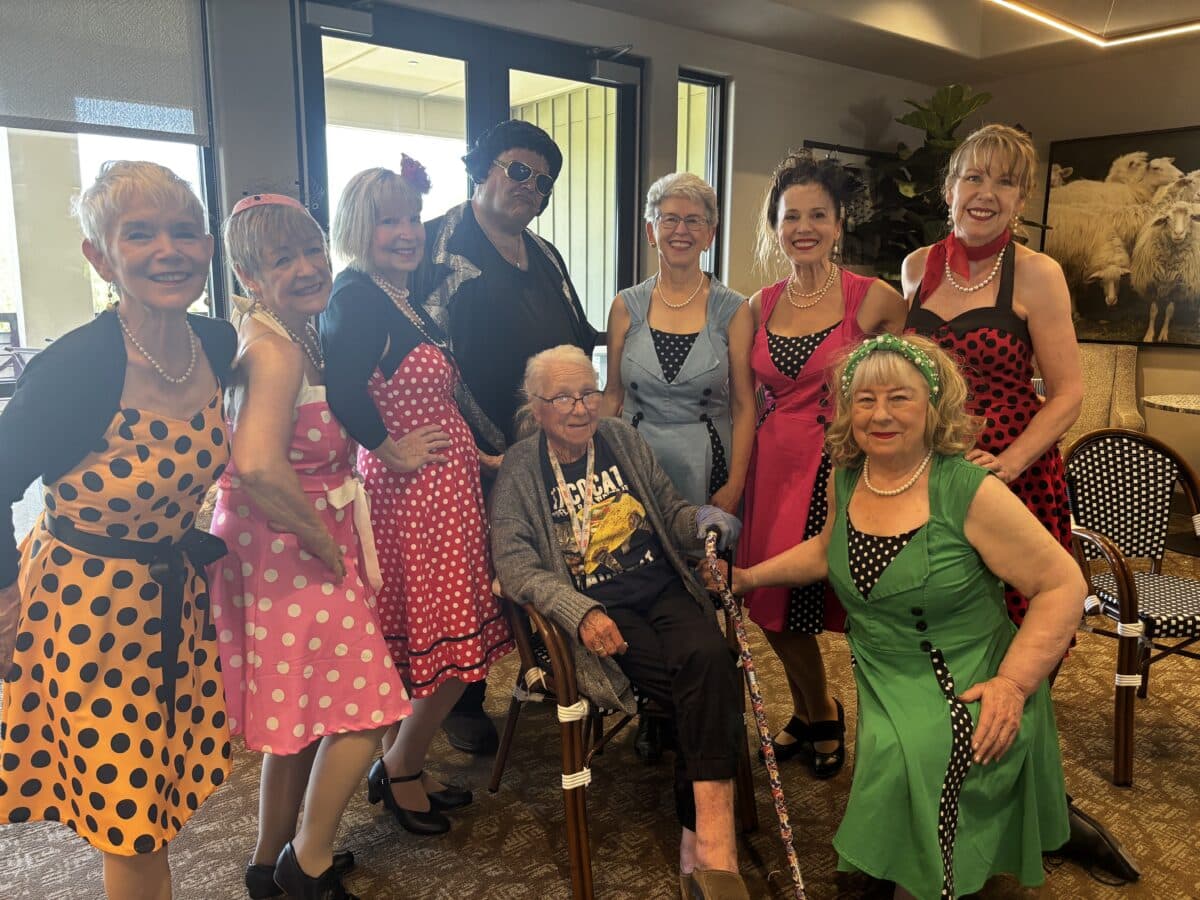
We’ve seen the benefits of arts engagement firsthand in our communities. Residents at The Oaks at Nipomo and The Oaks at Paso Robles have been delighted by visits from The Central Coast Follies, a dynamic group of performers who dance, sing, and entertain, all while raising funds for causes like Parkinson’s Disease research and local charities including the SLO Food Bank and Central Coast Autism Spectrum Center.

These performances don’t just entertain, but they inspire. They open up opportunities for our Residents to connect with the community, enjoy shared laughter, and relive cherished memories through song and dance.

“I have been a part of theater and doing musicals for a good chunk of my life,” shared Roger S., “so getting to go watch shows allows me to feel like I’m on stage again. We (his wife and him) always try to stay supportive of the arts and local theater and do our best to still attend shows when we can.”

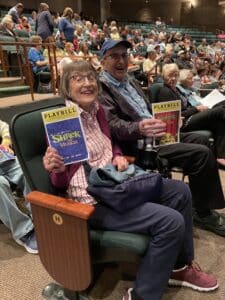
At The Oaks at Nipomo, Lifestyle Director Joel Wadlow has gone above and beyond to bring theater directly to his Residents. From arranging community showings to organizing outings, like the recent trip to Shrek the Musical at Forbes Hall with the Central Coast Theater Company. Joel ensures the stage lights are always shining.

“It’s not just about watching a performance,” Joel shared. “It’s about sparking joy, conversation, and a sense of wonder. Theater brings us together—it’s emotional, it’s personal, and it stays with you.”

Living Your Way Through the Arts

At Westmont Living, Live Your Way® means embracing life on your terms—with your style, your choices, and your passions. Whether that’s painting, singing, storytelling, or attending a live show, the arts help our Residents stay engaged, connected, and fulfilled.

Creative expression is ageless and it’s never too late to pick up a paintbrush, take in a show, or dance to a familiar tune. In our communities, the arts are more than entertainment, they’re essential to living fully, vibrantly, and meaningfully.

Interested in learning more about how Westmont Living supports creativity and connection through the arts? Contact your local community or schedule a visit to see the inspiration in action.

Taking Dementia Patients Out of Their Environment

Taking dementia patients out of their environment can be both rewarding and challenging. Many caregivers struggle to balance stimulation and safety, wanting their loved one to experience joy without creating confusion or distress. The good news? With careful planning, outings and travel can nurture emotional connection, encourage memory recall, and support overall well-being.

Understanding the effects of moving a person with dementia and learning how to manage potential stressors, like how to stop dementia patients from wandering at night or dealing with moments of agitation, can make all the difference. Whether you’re taking dementia patients on vacation or simply visiting a nearby park, structure, familiarity, and patience ensure the best outcomes for both you and your loved one.

For more resources and personalized senior-living options, visit Westmont Living.


Understanding the Challenges of Outings for Dementia Patients

Taking dementia patients out of their environment requires empathy, structure, and thoughtful preparation. Even simple outings can trigger anxiety or confusion if the surroundings feel unfamiliar. To avoid distress, plan visits to calm and familiar places. Short, predictable activities can help patients feel secure, and the presence of a caregiver provides much-needed reassurance.

Always consider the effects of moving a person with dementia, even temporary trips can feel overwhelming if their daily structure is disrupted. A structured environment with routine cues minimizes confusion and builds confidence. When you introduce outings slowly and focus on comfort, your loved one can enjoy new experiences without unnecessary stress.

Learn about dementia-friendly environments from the Alzheimer’s Association.

Assessing the Impact of Relocation on Cognitive Health

Relocation can deeply affect cognitive health. The effects of moving a person with dementia include heightened anxiety, disorientation, and even cognitive decline when familiar cues are lost. Patients thrive on routine, so abrupt changes can feel distressing or frightening.

If moving is unavoidable, transition gradually by bringing familiar items, maintaining routines, and providing consistent caregiver support. Understanding different memory care models also helps families choose environments that support emotional stability and mental health. By recognizing these challenges, caregivers can reduce stress and protect the patient’s sense of identity.

Evaluating Safe Living Environments for Dementia Patients

When creating or assessing a living space for someone with dementia, safety is the foundation of well-being. A familiar and structured environment supports orientation, reduces anxiety, and prevents confusion. Whether at home or in a care facility, spaces should promote independence while minimizing risks.

Safety Considerations

Installing grab bars, removing tripping hazards, and ensuring proper lighting are simple yet powerful changes. Since many caregivers worry about how to stop dementia patients from wandering at night, consider door alarms or motion sensors for added safety. A safe and peaceful setting provides comfort and reassurance for everyone involved.

You can learn more about nighttime safety and behavior management through resources from the National Institute on Aging.

Structured Environment Importance

Predictability reduces confusion and gives dementia patients a sense of control. Here’s a look at how structure shapes safety and comfort:

Element Importance
Routine Builds comfort and reduces anxiety
Familiar cues Support orientation and recognition
Supervision Prevents wandering and promotes calm

A consistent, structured environment allows caregivers to provide quality memory care while fostering dignity and confidence.

The Positive Impact of Outings and Day Trips

Taking dementia patients on vacation or for short day trips can bring joy and emotional healing. Familiar places, like a favorite park or family restaurant, help trigger positive memories and strengthen emotional bonds. The goal isn’t elaborate travel but connection, stimulation, and laughter.

Enhanced Social Engagement

Day trips help patients stay socially active and mentally engaged. Interacting with others fosters belonging and can lift moods. Whether it’s a community walk, a family lunch, or a scenic drive, taking dementia patients on vacation offers positive experiences that break the routine without overwhelming them.

Stimulated Memory Recall

Familiar sights, sounds, and scents can awaken long-buried memories. For example, hearing old songs or visiting a childhood neighborhood can evoke smiles and conversation. Outings are not just excursions, they’re gentle invitations to reconnect with meaningful parts of life.

Memory Trigger Effect
Favorite meal Encourages appetite and joy
Family photos Boosts connection
Nature sounds Creates calmness

taking dementia patients out of their environment

Planning Successful Outings: Key Considerations

To ensure positive results when taking dementia patients out of their environment, follow these tips:

  • Choose destinations that are quiet, predictable, and easy to navigate.
  • Keep the duration short—familiarity prevents fatigue or disorientation.
  • Bring comforting items (like a blanket or photo).
  • Always have a caregiver present for reassurance.
  • Discuss the plan simply to minimize anxiety.

If you’re taking dementia patients on vacation, structure is vital. Plan breaks, keep travel documents handy, and avoid rushed schedules. Knowing how to handle the effects of moving a person with dementia, especially during travel, ensures a calm experience.

For more in-depth guidance, see Traveling Safely with Dementia by the Alzheimer’s Society.

The Role of Familiarity in New Experiences

Even while exploring new settings, familiarity is key. Bringing along familiar items or routines, such as morning tea or a favorite song, can reduce confusion. Encourage small, positive changes rather than drastic ones. This helps balance enrichment with comfort.

If your loved one is uncomfortable, avoid forcing them to participate. Sometimes, simply observing an event or environment can provide joy without sensory overload. Remember, not every patient adjusts easily; respecting comfort levels prevents frustration and anxiety.

Also, consider the emotional effects of not visiting someone with dementia. Regular visits help maintain emotional connections, reduce loneliness, and make patients feel secure in their relationships. Absence, on the other hand, can intensify confusion and sadness.

Strategies for Traveling and Overnight Care

Traveling or extended outings can be rewarding when structured. Always plan around your loved one’s routine, include rest breaks, limit sensory stimulation, and maintain familiar sleep habits. For caregivers trying to prevent dementia patients from wandering at night, ensure a safe place with locks or alarms.

Keep communication calm and reassuring. If you’re taking dementia patients on vacation, choose destinations that resemble their familiar environment to minimize disorientation. Avoid long travel days and consider medical alerts or ID bracelets for safety.

Creating Joyful Experiences While Protecting Comfort

Thoughtful planning transforms anxiety into joy. Whether you’re taking dementia patients on vacation or simply introducing small outings, prioritize familiarity, safety, and structure. Recognize the effects of moving a person with dementia, address challenges like how to stop dementia patients from wandering at night, and avoid the emotional distance caused by not visiting someone with dementia. Every small act of understanding fosters comfort, dignity, and happiness.

At Westmont Living, we specialize in providing safe, supportive environments for individuals with memory loss. Contact us at 858-456-1233 or visit our website to discover how we can help your loved one thrive with compassionate care and enriching experiences.


What Level of Care Do You Need?

Discover the level of care you or your family member requires. 


Frequently Asked Questions


Is a change of environment good for dementia patients?

A change in environment can be both beneficial and challenging for individuals with dementia. While a new setting may offer improved safety or better care, it can also cause confusion and anxiety. To ease the transition, it’s essential to make the new space feel familiar by incorporating personal items, such as photos or favorite belongings. Gradual introductions and consistent routines help the patient adjust more comfortably. The key is to ensure the new environment feels safe, calm, and supportive.

What are three things to never do with your loved one with dementia?

You should never argue, correct harshly, or ignore your loved one with dementia. Arguing can increase agitation, while constant correction may lead to frustration or embarrassment. Instead, focus on reassurance and redirection to maintain calm communication. Avoid leaving them alone for long periods, as this can cause fear or confusion. Patience, empathy, and understanding go a long way in creating a positive caregiving environment.

What are the coping strategies for dementia patients?

Coping strategies for dementia patients include maintaining a structured routine, engaging in simple and familiar activities, and using memory aids. Encouraging physical exercise and social interaction can help reduce stress and support brain health. Creating a calm environment with minimal distractions makes daily life more manageable. Emotional support from family, caregivers, and support groups also helps individuals feel more secure and understood.

Should you take people with dementia out?

Yes, taking people with dementia out can be beneficial if planned carefully. Short, familiar outings, such as walks in the park or visits to favorite places, can improve one’s mood and reduce restlessness. It’s important to ensure the environment is calm and not overwhelming. Always have a companion present and bring identification in case the person becomes disoriented. Regular, safe outings can enhance quality of life and provide a sense of normalcy.


Music for Elderly People: Songs That Spark Memories

Music for Elderly People That Sparks Joy and Memories

Music has the unique power to stir emotions, awaken memories, and create connections—especially for older adults. For many seniors, music isn’t just background noise; it’s a bridge to meaningful moments and treasured experiences. A single melody can rekindle childhood memories, bring loved ones to mind, or provide comfort on a quiet day. At Westmont Living, we harness the power of music to promote emotional well-being and social connection among older adults at every stage of senior living. Whether it’s a group sing-along or a personalized playlist, music holds the key to unlocking joy, especially for those navigating memory loss. In this article, we’ll explore the importance of incorporating music into daily life, including which songs work best and how they support memory and mood.

How Music for Elderly People Boosts Wellness

There’s something remarkable about watching someone’s face light up as a familiar tune plays. Music for elderly people offers far more than entertainment—it serves as emotional therapy. From reducing anxiety to increasing verbal expression, music has proven benefits for cognitive and emotional health. For seniors in memory care, a curated selection of songs can reignite recognition and encourage engagement. At Westmont Living, we see firsthand how music breaks barriers and fosters connection. The therapeutic benefits of music also enhance daily life for those living with Alzheimer’s and other forms of dementia. Thoughtful implementation of music programs can improve quality of life, one song at a time.

Sing-Along Songs for Seniors List That Truly Resonates

When choosing sing-along songs for seniors, it’s essential to prioritize songs that are familiar and evoke emotional connections. Songs like “You Are My Sunshine,” “Moon River,” and “Que Sera, Sera” often evoke a deep sense of comfort. These beloved classics are easy to follow and rich in nostalgic value, making them ideal for group activities. Creating a tailored list of sing-along songs for seniors encourages not only participation but also spontaneous storytelling and laughter. For residents who may struggle with speech, music offers a chance to communicate in other ways—through rhythm, melody, and movement. Repeating familiar choruses can promote memory retention and boost mood, reminding seniors of happier times while strengthening their connections in the present.

Music for Seniors in Nursing Homes Enhances Connection

In nursing home settings, the mood of a room can change instantly with the right song. Music for seniors in nursing homes is most impactful when it’s tailored to the individual. For those living with cognitive decline, personalized playlists featuring songs from their youth can activate long-term memory and create moments of clarity. These playlists also serve as tools for caregivers, helping to ease transitions and support emotional regulation. At Westmont Living, our communities integrate music into everyday routines, from meal times to afternoon programs. Personalized music therapy has helped countless residents re-engage with the world around them, proving that music truly speaks to the soul.

music for elderly people​

Rock Music for Elderly People Can Spark Joy Too

You might not expect it, but rock music for elderly people is making a comeback. Songs from artists like Elvis Presley, The Beatles, and The Rolling Stones are often favorites among Baby Boomers. These tunes were part of their formative years and can spark excitement and energy, especially in social settings. Playing rock music for elderly people during events or physical activity sessions can boost motivation and encourage movement. It’s about meeting seniors where they are and honoring the soundtrack of their youth. At Westmont Living, we embrace all genres because each person’s musical journey is uniquely their own. Celebrating that legacy helps build deeper community bonds.

Popular Songs for Seniors Bring Comfort and Community

Creating a warm and inclusive environment often starts with the right playlist. Popular songs for seniors typically include tracks from the 1940s through the 1970s, when many of today’s elderly population were in their teens or twenties. These songs bring people together by evoking shared cultural memories. From Frank Sinatra to Aretha Franklin, popular songs for seniors offer a familiar rhythm that sparks conversation and emotional engagement. These classics are not only fun to listen to, but they also serve as memory markers, tying significant life events to sound. Integrating these songs into daily routines or community events helps residents feel more at home, more understood, and more connected.

Every Melody Matters in Memory Care

When it comes to memory care, every detail matters—especially the music. Personalized soundtracks designed with a resident’s history in mind can unlock memories and emotions that may otherwise seem unreachable. That’s the beauty of music for elderly people: it becomes a thread linking past and present. One resident may brighten up at the sound of Nat King Cole, while another finds peace in a simple piano instrumental. Music can reduce agitation, enhance focus, and even improve appetite in some cases. Combined with social interaction, music amplifies connection. Staff and families often find that a few minutes of meaningful music can make an entire day better.

Let Music Create Meaningful Moments at Westmont Living

At Westmont Living, we believe music should be part of everyday life, not just a special event. Whether it’s group sing-along songs for seniors in the lounge or personalized playlists in memory care, we tailor our programs to meet the emotional and cognitive needs of our residents. We understand that music can uplift spirits, calm anxieties, and create lasting memories for seniors in nursing homes and independent living facilities alike. We welcome you to discover how our communities celebrate life through music and connection.

Schedule a tour today to see how music is integrated into the lives of our residents.


Compare The Costs of Senior Living vs Staying at Home

How Do The Costs Of Moving Into A Quality Senior Care Community Compare With The Costs Of Staying At Home?


Frequently Asked Questions

What music do 80-year-olds like?

Many 80-year-olds enjoy music from the 1940s to the 1970s, including classic crooners such as Frank Sinatra, Nat King Cole, and Ella Fitzgerald. Big band, swing, early rock and roll, and Motown are also popular choices. Familiar tunes from their younger years often bring back fond memories and spark joy. Preferences can vary, so it’s helpful to ask or observe what resonates with the individual.

What music calms the elderly?

Calming music for the elderly typically includes soft classical pieces, instrumental melodies, or slow-tempo jazz. Nature sounds and gentle piano music can also be soothing. Music that is familiar and emotionally comforting tends to reduce stress and promote relaxation. Each person may respond differently, so it’s best to tailor the selection to their taste.

What songs to play at a nursing home?

Uplifting, nostalgic songs from the 1950s to 1970s are often well-received in nursing homes. Favorites include Elvis Presley, The Beatles, Patsy Cline, and upbeat show tunes. Group sing-alongs with classics like “You Are My Sunshine” or “What’ll Be, Will Be” (also known as “Que Sera, Sera”) encourage participation and smiles. Music sessions should be inclusive and paced to meet residents’ needs.

What music do dementia patients like?

Dementia patients often respond well to music they remember from their youth, typically from when they were between 10 and 30 years old. Familiar songs can trigger memories and positive emotions, even when other forms of communication become difficult. Simple, melodic tunes with clear lyrics work best. Personalized playlists based on the person’s past favorites are especially effective.


Why Do You Like Caring for Seniors? Love in Every Step

Why Do You Like Caring for Seniors?

Caring for seniors brings joy, purpose, and a deep sense of connection. It’s not just about meeting daily needs; it’s about sharing stories, building trust, and offering emotional support. At Westmont Living, caregivers are welcomed into a space where wisdom and warmth fill each day. From celebrating milestones to simply sharing moments, the things you do together become truly meaningful. Why do you like caring for seniors is more than a question—it’s a reflection of the heart that goes into this role. Each experience is an opportunity to learn and grow, both personally and professionally. The connections made are as lasting as they are rewarding. For many, this journey becomes a cherished part of life.

Why You Love Working With Seniors

It starts with connection. When asked why you love working with seniors, the answer often comes from the emotional bonds formed over time. Seniors offer a rare kind of honesty and appreciation that makes caregiving incredibly fulfilling. At Westmont Living, these interactions turn into friendships. Every conversation is a lesson in patience, gratitude, and resilience. Whether helping with daily tasks or sharing laughter over coffee, your role matters. These connections make every moment rewarding, reinforcing your passion for caregiving.

Why Do You Like Caring for Seniors Interview Question

If you’re asked the why do you like caring for seniors interview question, share how meaningful the work feels. Highlight the personal satisfaction gained from helping others live comfortably and joyfully. Talk about how each day brings an opportunity to support someone’s well-being while learning from their wisdom. Mention how you value the mutual respect, the conversations, and the chance to make a real difference. This question isn’t just about experience—it’s about heart. At Westmont Living, that heart shines through every day.

What Do You Find Most Challenging Working With the Elderly

Like any profession, caregiving has challenges. What do you find most challenging when working with elderly individuals often comes down to navigating health-related changes or cognitive decline. It takes emotional strength and resilience to support someone through tough days. Communication can also be a hurdle, especially with memory loss or hearing difficulties. However, these challenges deepen your empathy and skill set. You learn to adapt, listen, and care with more extraordinary patience. At Oceanview Senior Living, training and support help caregivers grow into these challenges with grace and confidence.

What Do You Like the Least About Working With the Elderly

If you’ve wondered what do you like the least about working with the elderly, you’re not alone. Many caregivers mention the emotional toll when a resident’s health declines or when bonds are suddenly broken. Saying goodbye can be hard. It’s not easy to see someone you care about struggle. But even in these moments, there’s beauty in the care provided. You find meaning in being there when it matters most. Compassion becomes your strength. This emotional closeness makes the role intense, but also deeply human.

Growing Personally and Professionally in Senior Care

Caregiving goes beyond routines—it fosters growth and development. You become more patient, more understanding, and more confident. Over time, caregiving shapes your outlook on life. Your relationships deepen, and your communication improves. With experience comes not only skill but wisdom. You learn to meet people where they are, honoring their pasts and supporting their present. Whether you’re working in assisted living or memory care, your role supports both individual dignity and community strength. See how communities like The Oaks at Nipomo promote this holistic approach.

The Power of Shared Stories and Smiles

There’s a special kind of magic in the shared stories between caregivers and seniors. These moments create powerful memories and foster a genuine sense of belonging. One story can spark laughter; another might bring tears. But they all lead to a connection. These shared experiences make caregiving more than a job—they make it a calling. Each story reminds you why you love working with seniors and how every day offers something meaningful. It’s this joy that keeps caregivers coming back with open hearts.

why do you like caring for seniors

Flexibility and Fulfillment in Caregiving

One unique benefit of senior care is flexibility. You can often find shifts that match your lifestyle, whether you’re in school or raising a family. This balance allows you to give your best at work and at home. Flexible hours and supportive teams make caregiving at Westmont Living not only manageable but fulfilling. It creates room for both personal wellness and professional achievement. And with every shift, you bring comfort, companionship, and care to those who need it most.

Purpose in Every Interaction

Caregiving is built on intention. With each interaction, you uplift, support, and inspire. You make someone’s day a little brighter and their journey a bit easier. Even small gestures—a smile, a kind word, a helping hand—carry profound meaning. Your consistent presence creates stability and peace. This purpose-driven work builds character and fills your life with a sense of gratitude. It’s why so many find joy in caring for others, and why they proudly say, “Why do you like caring for seniors? Because it’s the most fulfilling job I’ve ever had.”

Ready to be part of something meaningful? Schedule a tour today and experience the heart of caregiving at Westmont Living.


Find Where You Belong

Dive into the vibrant life our Westmont communities have to offer.


Frequently Asked Questions


Why do you like caring for the elderly? 

Caring for the elderly brings a deep sense of fulfillment and purpose. It allows me to make a meaningful difference in someone’s life by offering companionship, support, and dignity. I value the wisdom and life experiences seniors bring, and I enjoy creating a safe, respectful environment for them.

Why do I love working with the elderly? 

I love working with the elderly because it gives me a chance to build genuine relationships and offer compassionate care. Every day is an opportunity to help someone feel heard, valued, and supported. Their stories, resilience, and gratitude remind me of the importance of kindness and patience.

What excites you about caring for our seniors? 

What excites me most is the opportunity to bring joy and comfort to someone’s day, no matter how small the gesture. I enjoy the challenge of adapting care to meet individual needs and watching how even little improvements can have a big impact. It’s rewarding to be a consistent, positive presence in their lives.

Why do you like caring for seniors interview questions? 

Interview questions about caring for seniors give me a chance to share my passion and personal reasons for choosing this career. They help highlight my commitment to empathy, patience, and respect in caring for the elderly. It’s also an opportunity to reflect on how much I’ve learned and grown from working with this special population.


Why Westmont Senior Living Locations Are Highly Preferred

Why Westmont Senior Living Locations Stand Out

Westmont Living stands out for several compelling reasons when considering a senior living community. You’ll find exceptional care tailored to individual needs, a vibrant community fostering connections, and thoughtfully designed spaces enhancing comfort.

With diverse dining options and a strong focus on safety, Westmont Retirement Village and other locations provide an environment where residents can thrive. But what truly sets them apart? Let’s explore further.

Exceptional Care and Support Services

At Westmont Living, residents receive exceptional care and personalized support services. Our compassionate caregivers ensure everyone feels valued and respected, prioritizing holistic health by addressing physical, emotional, and social well-being. This integrated approach fosters a nurturing environment where residents can thrive.

For those needing specialized care, Westmont Memory Care offers tailored support for individuals with cognitive challenges, enhancing their quality of life. Whether you or a loved one requires assistance with daily activities or specialized health services, our commitment to excellence shines in every interaction.

Vibrant Community Engagement

At the heart of Westmont Living is a lively and engaging Senior Living community. Active social events encourage meaningful connections, while diverse activities keep residents engaged. Additionally, resident-led initiatives empower individuals to shape their living experience, making Westmont a dynamic and inclusive community.

Active Social Events

Social events at Westmont Senior Living in San Diego and other locations unite residents, fostering a sense of belonging. From themed gatherings to cultural outings, there are always opportunities to connect and enjoy new experiences. These events enhance emotional and social well-being and promote a fulfilling lifestyle.

Diverse Activity Offerings

At Westmont Retirement Village, residents can enjoy various activities, including intergenerational programs, creative workshops, and fitness classes. These offerings ensure that residents remain engaged and inspired, promoting mental and physical wellness.

Resident-Led Initiatives

Residents at Westmont Living and its Senior Living are encouraged to take an active role in shaping their community. Whether starting a new club, leading a workshop, or organizing an event, residents contribute to a vibrant and empowering atmosphere where everyone thrives.

Thoughtfully Designed Living Spaces

At Westmont Living, living spaces are designed with comfort and functionality in mind. From thoughtfully arranged floor plans to inviting common areas, every aspect enhances residents’ quality of life.

Functional Floor Plans

Floor plans at Westmont Living and its Senior Living in San Diego maximize accessibility and convenience, ensuring ease of movement and personalized comfort. These spaces are tailored to support a comfortable and independent lifestyle.

Inviting Common Areas

Common areas at Westmont Living Retirement Village foster connection and relaxation. Cozy seating, activity spaces, and well-lit gathering areas create an inviting atmosphere where residents can socialize and unwind.

Personalized Decor Options

Residents can personalize their living spaces at Westmont Living, making their Senior Living homes their own. Every resident can create a warm and welcoming environment with decor options that reflect individual tastes.

Personalized Wellness Programs

Wellness is a priority at Westmont Living, with customized programs to support individual health goals. Wellness coordinators work closely with residents to ensure a holistic approach to physical, mental, and nutritional well-being.

Diverse Dining Options

Dining at Westmont Living is more than just a meal—it’s an experience. Residents enjoy gourmet, chef-prepared meals with a focus on nutrition and variety. Seasonal menus, international cuisine, and dietary accommodations ensure that every meal is delicious and fulfilling.


Commitment to Safety and Security


Commitment to Safety and Security

Safety and security are top priorities at Westmont Living. With 24/7 security, emergency response systems, and highly trained staff, residents can feel safe and supported in their community.

Who Owns Westmont Senior Living?

Westmont Living is a trusted and well-established senior living provider. With a strong leadership team and a commitment to excellence, the organization continues to enhance the lives of seniors through high-quality care and community-focused initiatives.

Contact Westmont Senior Living Corporate Office

Contact the Westmont Senior Living Corporate Office for inquiries about Westmont Senior Living jobs, services, or community locations. Call 858-456-1233 for more details about available opportunities and senior living options.

Choosing Westmont Living means selecting a community prioritizing care, connection, and comfort. With vibrant activities, exceptional support, and thoughtfully designed spaces, residents experience a fulfilling lifestyle tailored to their needs. To learn more or schedule a visit, contact us today!


What Level of Care Do You Need?

Discover the level of care you or your family member requires.


Frequently Asked Questions

Where is the best place for a senior to live?

The best place for a senior to live depends on individual needs, lifestyle preferences, and the level of care required. Communities offering independent living are ideal for active seniors seeking social engagement and low-maintenance living. Assisted living communities cater to seniors who need support with daily activities, while memory care communities are designed specifically for individuals experiencing memory loss. At Westmont Living, communities offer personalized care plans, engaging activities, and a comfortable environment to meet each senior’s needs and preferences.

How much does Westmont of Culver City cost?

The cost of living at Westmont of Culver City varies based on the type of residence, level of care needed, and selected amenities or services. Pricing typically includes accommodation, meals, housekeeping, and access to community activities and amenities. Personalized care services, like medication management or assistance with daily living, may involve additional fees based on individual assessments. For detailed pricing information tailored to your specific situation, speak directly with a community representative at Westmont of Culver City.

Where are the Westmont Living locations?

Westmont Living operates senior living communities throughout California and Oregon, offering independent living, assisted living, and memory care services. In California, locations include communities in cities such as Culver City, San Diego, Escondido, Chico, and others across the state. Oregon features communities in Lake Oswego and other areas, each designed to provide seniors with comfortable and enriching living experiences. Each location prioritizes resident well-being, engagement, and personalized care, creating supportive and vibrant environments.


Why Luxury Living for Seniors Is Worth the Investment

Why Luxury Living for Seniors Is Worth the Investment

Investing in luxury living for seniors near San Diego, CA, at Westmont Living isn’t just about comfort; it’s about enhancing your overall quality of life. With high-end amenities and a strong emphasis on safety, these communities provide a vibrant, engaging lifestyle designed to promote well-being. 

The best luxury living for seniors ensures a supportive network of like-minded individuals, fostering meaningful connections while delivering top-tier care. As you explore this opportunity, consider how Westmont Living can meet your evolving needs and desires. What transformative benefits could this lifestyle bring to your golden years?

The Value of High-End Amenities and Services

Choosing luxury living for seniors in the USA means more than just finding a place to reside; it’s an investment in a lifestyle curated to provide comfort, convenience, and fulfillment. These communities offer state-of-the-art fitness centers, gourmet dining experiences, and enriching social activities to elevate daily living. Whether you seek on-site spas, concierge services, or beautifully landscaped surroundings, these features redefine senior living.

In addition to fostering well-being, they encourage long-term happiness and engagement. Immersing yourself in such an environment creates opportunities for personal growth and deeper social connections. Access to nutrient-rich foods further supports overall health and vitality, ensuring a well-rounded lifestyle.

Ensuring Quality Care and Safety Standards

When selecting the most luxurious assisted living facilities, prioritizing care and safety is essential. High-end senior communities maintain rigorous health compliance standards, ensuring staff members possess the necessary expertise to provide exceptional support. Evaluating staff qualifications, ongoing training programs, and health inspection records can give you confidence in the quality of care. Investing in luxury living means choosing a secure environment where personalized care plans adapt to your evolving needs. Regular evaluations ensure long-term well-being, allowing you to enjoy your retirement with peace of mind. These safety measures create a foundation for trust and security, making the transition into senior living seamless and reassuring. Learn how levels of care evolve to meet changing resident needs.

A Community of Like-Minded Individuals

One of the most significant benefits of luxury living for seniors in California is the sense of belonging that comes with being surrounded by like-minded peers. Engaging with individuals who share your interests fosters deep social connections and enhances overall well-being. Whether participating in art classes, fitness programs, or group outings, these activities cultivate a lively, fulfilling atmosphere.

Forming meaningful relationships in a luxury setting adds immense value to daily life, offering companionship and emotional support. The importance of social engagement cannot be overstated, as it significantly contributes to happiness and longevity. Fostering supportive relationships in an active senior community is key to living well.

luxury living for seniors

Understanding the Cost of Luxury Senior Living

Luxury living costs for seniors vary based on location, amenities, and level of care. While some communities require substantial entrance fees, others provide flexible financial options for different budgets. Understanding the full scope of expenses—including monthly payments, healthcare costs, and additional services—is crucial in making an informed decision. While luxury senior living may require a higher investment, the long-term benefits outweigh the costs.

Enhanced well-being, access to premium services, and a higher quality of life make it a worthwhile financial decision. Exploring cheap luxury living options for seniors can help you find the perfect balance between affordability and high-end amenities. Additionally, considering financial aid options can further support your budgeting plans.

Lifestyle Flexibility and Future Security

Embracing luxury living for seniors in the USA means choosing a lifestyle that adapts to your evolving needs. Many communities offer a range of care options, from independent living to assisted care, ensuring long-term security. This flexibility allows you to enjoy life fully while knowing that support is available. Access to personalized care plans, wellness programs, and engaging social opportunities ensures a fulfilling and secure retirement. Investing in a luxury community safeguards your future while allowing you to focus on what truly matters—living a vibrant, enriched life.

Choosing luxury living for seniors near San Diego, CA, at Westmont Living is about more than just upscale accommodations—it’s about embracing a lifestyle that prioritizes comfort, engagement, and security. With high-end amenities, a strong sense of community, and exceptional care standards, this investment enhances overall well-being and ensures a fulfilling retirement. Whether considering a move for yourself or a loved one, luxury senior living offers an unparalleled experience for both present enjoyment and future peace of mind. For more information, feel free to call us at 858-456-1233.


Compare The Costs of Senior Living vs Staying at Home

How Do The Costs Of Moving Into A Quality Senior Care Community Compare With The Costs Of Staying At Home?


Frequently Asked Questions About Senior Living

What is the average monthly cost of a senior living facility?

The average monthly cost of a senior living facility varies based on location, amenities, and care needs, typically ranging from $3,500 to over $7,000 per month. Assisted living averages around $4,500 monthly, while independent living can be slightly less costly. Memory care and specialized facilities are more expensive due to enhanced staffing and services. Costs differ significantly across regions, with urban areas and premium facilities commanding higher rates.

What is a luxury retirement?

A luxury retirement refers to senior living communities that offer upscale amenities, exceptional services, and high-quality accommodations designed for comfort and prestige. These communities often include resort-style features such as gourmet dining, concierge services, wellness spas, and extensive recreational activities. Luxury retirement communities emphasize personalized care, privacy, and an active, social lifestyle for their residents. They cater to seniors seeking sophisticated living arrangements and top-tier healthcare and wellness support.

What is the most luxurious senior living in the world?

One of the most luxurious senior living communities globally is the Vi at La Jolla Village in California, known for its elegant design, world-class amenities, and exceptional service standards. Other renowned luxury communities include the Forum at Rancho San Antonio, offering stunning views and premium services, and Belmont Village communities in various metropolitan areas. These communities typically provide opulent residences, fine dining prepared by chefs, and comprehensive wellness programs. Residents enjoy exclusive access to cultural events, private transportation, and personalized concierge services.

What is the cheapest way for a senior to live?

The most affordable options for senior living usually involve subsidized housing or senior-specific low-income apartments provided by government assistance programs. Co-living arrangements, such as shared housing with other seniors, also significantly reduce individual expenses. Choosing communities in lower-cost geographic regions or downsizing to smaller apartments or condos can further decrease living costs. Additionally, leveraging community-based programs offering discounted meals, transportation, and healthcare services can substantially lower monthly expenses.


Celebrating National Senior Health and Fitness Day – Movement, Vitality, and Joy!

Celebrating National Senior Health and Fitness Day – Movement, Vitality, and Joy!
May 28th, 2025, marks National Senior Health and Fitness Day, a time to celebrate the power of movement and the importance of maintaining an active, balanced lifestyle at every stage of life. At Westmont Living, we believe wellness is more than just exercise — it’s a commitment to optimal physical health through fitness, proper nutrition, rest, and relaxation.

This year, we’re honoring the Health & Fitness dimension of our wellness philosophy by showcasing our vibrant community in action. From cardio drumming and water aerobics to gentle mind-body practices and energizing group workouts, our seniors continue to inspire us with their strength, enthusiasm, and dedication to well-being. Join us in celebrating the movement, momentum, and meaningful moments that shape a healthier tomorrow.

Memory Care Facilities in San Diego: An Essential Guide

Memory Care Facilities in San Diego: Your Essential Guide

Did you know that nearly 60% of individuals with Alzheimer’s disease will require specialized memory care at some point?

Steering through the options available in San Diego can feel overwhelming, especially when trying to find the right fit for your loved one.

Understanding the unique needs of dementia and Alzheimer’s patients is essential, and this guide will help you discover how to choose the best facility for their care and well-being.

Westmont Living is committed to providing exceptional memory care tailored to each individual’s needs.

Memory Care in San Diego: Specialized Facilities for Dementia & Alzheimer’s

When it comes to caring for loved ones with dementia or Alzheimer’s, finding the right memory care facility in San Diego can feel overwhelming. You want a place that offers specialized support tailored to your unique needs. Look for facilities that provide effective dementia therapies designed to enhance cognitive function and improve emotional well-being. These therapies can include art, music, and reminiscence activities, fostering meaningful connections. In addition, proper Alzheimer’s support guarantees that your loved one receives compassionate care from trained professionals who understand the complexities of these conditions. By choosing a facility focused on emotional and physical health, you can rest assured that your loved one is in a nurturing environment, allowing them to thrive despite their challenges. Additionally, ensure the facility offers personalized care plans to enhance the effectiveness of activities tailored to individual interests and abilities.

San Diego Memory Care Facilities That Accept Medi-Cal: Affordable Options for Families

Finding a memory care facility that fits your budget can be challenging, especially when seeking specialized care for a loved one with dementia or Alzheimer’s. Fortunately, several San Diego memory care facilities accept Medi-Cal, making affordable care more accessible. To qualify, your loved one must meet Medi-Cal eligibility requirements, which often include financial and medical necessity evaluations. These facilities typically offer personalized care plans tailored to each resident’s unique needs, ensuring they receive support for their well-being. By exploring these options, you’re not just considering financial aspects; you’re also investing in the quality of life for your loved one. Research and visit facilities that align with your family’s values, ensuring compassionate care without breaking the bank. Additionally, many facilities provide engaging activities that promote cognitive stimulation and social interaction, further enhancing the resident’s overall experience.

Understanding the Cost of Memory Care in San Diego: Factors & Estimates

Understanding the cost of memory care in San Diego is vital, especially as families navigate the complexities of specialized care for loved ones with dementia or Alzheimer’s. Memory care expenses vary significantly, influenced by facility amenities, staff-to-resident ratios, and location. Conducting a cost comparison among different facilities is essential to identify the best fit for your budget and needs. Many families overlook potential financial assistance options, such as veterans’ benefits or long-term care insurance, which can help alleviate some of the financial burden. Engaging with facility representatives to explore available programs that ease your financial concerns while ensuring your loved one receives the care they deserve is essential. Additionally, government assistance programs may support memory care services financially.

Choosing a Memory Care Facility in Chula Vista: What to Look For

As you explore the options for memory care facilities in Chula Vista, it’s essential to focus on the specific needs of your loved one while considering the unique qualities of each facility. Here are key aspects to evaluate:

  1. Facility Amenities: Use engaging spaces that promote comfort and safety, including gardens or activity rooms.
  2. Staff Training: Verify staff are well-trained in memory care techniques, providing compassionate support tailored to individual needs.
  3. Activities Offered: Check if there are structured programs that encourage social interaction and cognitive stimulation.
  4. Family Involvement: Find facilities that support family engagement, fostering a sense of community and connection. Additionally, facilities prioritizing nutrition for individuals with dementia should be considered, as a balanced diet can significantly enhance cognitive function and overall well-being.

Choosing the right facility can significantly impact your loved one’s quality of life.

memory care facilities in san diego

Assisted Living Prices in San Diego: A Cost Breakdown

When considering assisted living in San Diego, it is vital to grasp the various costs involved to make an informed decision. Monthly fees for assisted living typically range from $3,000 to $7,000, depending on the facility’s amenities and location. Consider the base rate and additional specialized care or service charges when comparing assisted living. Many families find financial assistance options, such as state programs or veterans’ benefits, can help ease the financial burden. Researching these resources early on is essential, as they can significantly impact your loved one’s care experience. By understanding the cost breakdown, you can better navigate the assisted living landscape and guarantee your loved one receives the quality care they deserve.

Choosing the right memory care facility is vital for your loved one’s well-being. You can find a place that feels like home by exploring specialized options, understanding costs, and considering facilities that accept Medi-Cal. Westmont Living offers compassionate care, engaging activities, and a supportive environment that aligns with your family’s values. With careful research and thoughtful consideration, you can guarantee your loved one receives the quality of life they deserve in San Diego’s memory care landscape. For more information, please call Westmont Living at 858-456-1233.


Compare The Costs of Senior Living vs Staying at Home

How Do The Costs Of Moving Into A Quality Senior Care Community Compare With The Costs Of Staying At Home?


Frequently Asked Questions

What is the average cost of memory care in San Diego?

The average cost of memory care in San Diego varies depending on the facility, level of care, and amenities. Generally, memory care costs range from $5,000 to $8,000 per month, with some high-end communities exceeding this amount. These costs typically include housing, meals, assistance with daily activities, and specialized dementia care services. Prices may also be influenced by location, staff-to-resident ratio, and the overall quality of care provided.

Does Medicare pay for memory care facilities?

Medicare does not typically cover living costs in a memory care facility. However, it may cover certain medical services within a memory care community, such as doctor visits, hospital stays, prescription medications, and skilled nursing care. Conversely, Medicaid may provide financial assistance for those who qualify based on income and medical needs. Families should also explore long-term care insurance, VA benefits, and state assistance programs for additional financial support.

How much does it cost to put someone in a memory care facility?

The cost of moving someone into a memory care facility depends on factors like location, level of care needed, and facility amenities. On average, memory care costs range between $4,000 and $8,000 per month, with some facilities charging more based on private accommodations and personalized care plans. Some communities require an initial deposit or entrance fee, so asking about all costs is essential. Financial assistance options such as Medicaid, veterans’ benefits, or long-term care insurance may help offset expenses.

What is the difference between memory care and dementia care?

Memory care is a specialized form of assisted living designed for individuals with Alzheimer’s and other forms of dementia. It provides structured routines, secured environments, and staff trained to support cognitive decline. Dementia care, however, is a broader term encompassing various support levels, from in-home care to skilled nursing care, depending on the individual’s needs. While all memory care communities provide dementia care, not all dementia care services are located in dedicated memory care facilities.


Floor Plans & Pricing

Make yourself at home where a happy, healthy lifestyle goes hand-in-hand with your personal fulfillment, enrichment, and growth.

Answer a few quick questions to unlock the exciting future senior living can offer!

Resident Login