

Step Into Westmont Living®

Celebrating National Senior Health and Fitness Day – Movement, Vitality, and Joy!

Celebrating National Senior Health and Fitness Day – Movement, Vitality, and Joy!
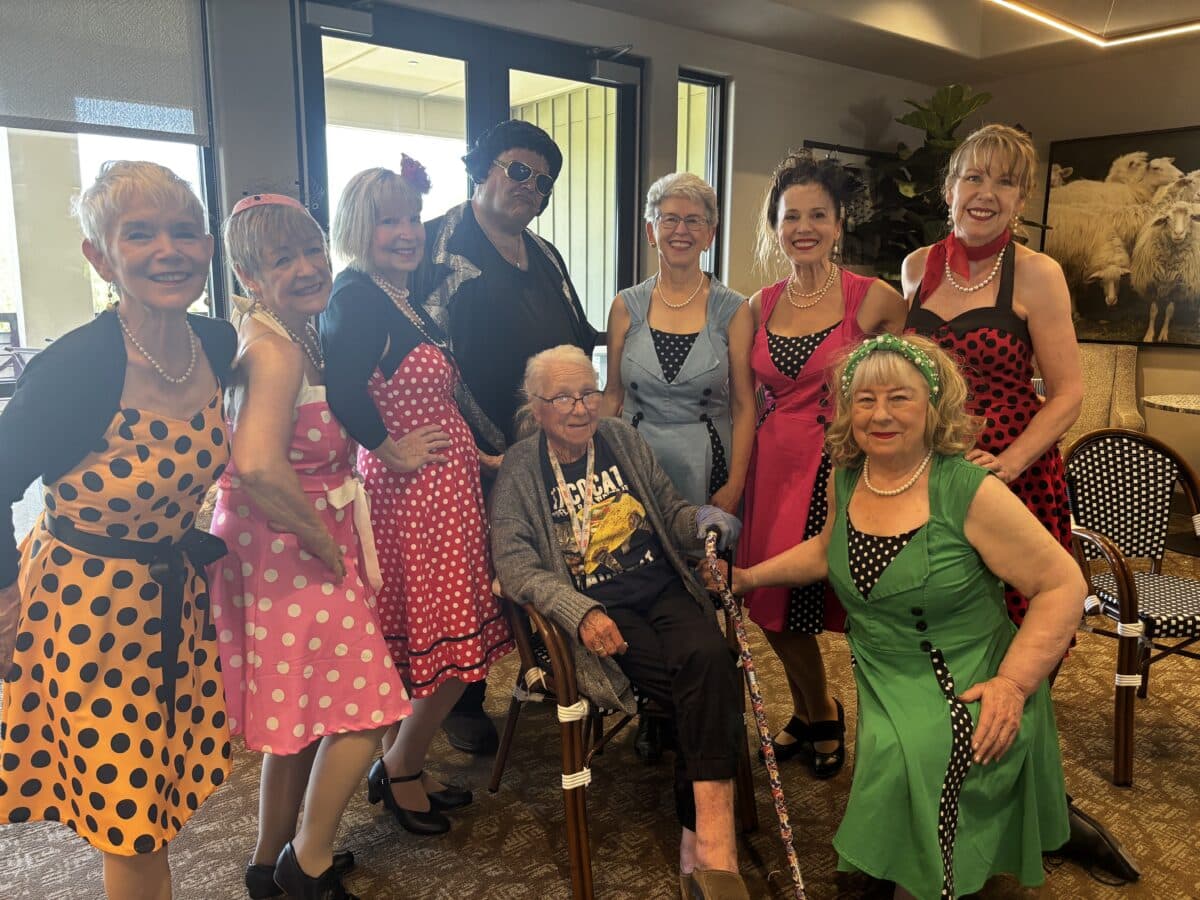
May 28th, 2025, marks National Senior Health and Fitness Day, a time to celebrate the power of movement and the importance of maintaining an active, balanced lifestyle at every stage of life. At Westmont Living, we believe wellness is more than just exercise — it’s a commitment to optimal physical health through fitness, proper nutrition, rest, and relaxation.

This year, we’re honoring the Health & Fitness dimension of our wellness philosophy by showcasing our vibrant community in action. From cardio drumming and water aerobics to gentle mind-body practices and energizing group workouts, our seniors continue to inspire us with their strength, enthusiasm, and dedication to well-being. Join us in celebrating the movement, momentum, and meaningful moments that shape a healthier tomorrow.

Easy Craft Ideas for Elderly: Fun & Engaging Activities

Easy Craft Ideas for Elderly: Fun & Engaging Projects

Did you know creative activities can boost seniors’ cognitive function and emotional well-being?

At The Oaks at Nipomo, crafting provides a fun outlet and fosters a sense of accomplishment and community.

Plenty of options can spark joy, whether you’re looking for simple projects or something tailored to specific needs.

Let’s explore some easy craft ideas that can enrich the lives of elderly individuals and inspire their creativity.

Easy Craft Ideas for Elderly: Fun and Simple Projects for Seniors

Crafting can bring joy and creativity to seniors, offering an excellent way to express themselves while engaging their minds. Simple projects like bookmark creation or greeting card making allow for personal expression, letting you choose designs or messages that resonate with you. These activities highlight the benefits of crafting, fostering community connections and reducing feelings of isolation. You can use inexpensive materials, making crafting accessible and enjoyable.

Working on these fun projects also encourages creative expression, enhancing focus and concentration. Whether you’re making festive cards or beautiful paper flowers, each craft provides a sense of accomplishment and purpose. Embrace these opportunities to connect with others and explore your artistic side! Additionally, participating in craft activities can serve as a way to build a sense of community among residents, enhancing their emotional well-being.

Memory-Friendly Easy Crafts for Seniors with Dementia

For seniors with dementia, engaging in memory-friendly crafts can be a delightful way to spark creativity and boost cognitive engagement. Activities like making simple greeting cards or colorful paper flowers provide opportunities for memory preservation and sensory engagement. You can use pre-cut shapes and bright materials to make crafting more manageable and enjoyable.

Incorporating familiar themes, such as favorite holidays or personal memories, can help evoke positive emotions and connections. Crafting in groups encourages social interaction, allowing participants to share stories and experiences. Remember, the focus is on the process, not perfection—every creation is a step towards creativity and joy, making it a meaningful experience for everyone involved. Additionally, these activities can enhance cognitive function and promote emotional well-being among seniors.

Seated and Simple Crafts for Seniors with Limited Mobility

While seniors with limited mobility may face challenges, plenty of seated and straightforward craft activities can bring joy and creativity into their lives. Adaptive crafting allows you to tailor projects to fit individual needs, making every session enjoyable and accessible. Consider activities like coloring books or creating paper flowers, which promote sensory engagement without requiring extensive movement. These crafts can stimulate creativity while boosting fine motor skills.

You can also involve family members to enhance social interaction and make crafting a shared experience. Embrace these opportunities for connection and expression, ensuring everyone can participate in the joy of creating, regardless of mobility limitations. Participating in crafts can also improve cognitive engagement and provide a rewarding outlet for self-expression.

Arthritis-Friendly Crafts: Simple and Easy Projects for Seniors

Finding joy in creative activities can be significant for seniors managing arthritis, as joint pain can make traditional crafting challenging. You can engage in enjoyable projects without discomfort using arthritis-friendly techniques and adaptive crafting supplies. Here are three simple crafts to evaluate:

  1. Decorative Paper Flowers: Use pre-cut shapes and glue to create beautiful blooms without excessive cutting.
  2. Easy Coloring Projects: Grab adaptive coloring books and thick crayons for a relaxing and creative outlet.
  3. Simple Bracelets: String large beads on the elastic thread for a fun tactile experience that enhances fine motor skills.

These crafts foster creativity and provide a sense of accomplishment, making them perfect for anyone looking to explore their artistic side while accommodating arthritis. These activities can also promote social wellness by encouraging shared experiences with others.

easy craft ideas for elderly

Group-Friendly and Easy Crafts for Seniors in Nursing Homes

Crafting in a group setting can be an excellent way to foster connection and creativity among seniors in nursing homes. Engaging in craft collaboration enhances social bonds and encourages artistic expression. You can choose projects based on seasonal themes, like creating festive greeting cards or winter-themed snowflakes. These simple activities require minimal supplies, making them accessible to everyone. Consider incorporating pre-cut shapes or easy-to-use materials for those with limited dexterity. As residents work together, they’ll share stories and laughter, enriching their experience. Ultimately, these group crafts can brighten the atmosphere, providing a sense of accomplishment and joy while promoting community spirit among seniors.

Crafting is an excellent way to spark joy and creativity in seniors at The Oaks at Nipomo, making it feel like a burst of sunshine on a cloudy day. Whether making greeting cards or decorative bookmarks, these projects can foster connection and reduce feelings of isolation. Engaging in simple, fun crafts provides a sense of accomplishment and a shared experience that can brighten everyone’s day. So gather those supplies and let the creativity flow! For more information, call us at (805) 723-5206.


What Level of Care Do You Need?

Discover the level of care you or your family member requires. 


Frequently Asked Questions


What are good crafts for the elderly?

Crafts for the elderly should be engaging, easy to handle, and enjoyable. Some great options include painting, knitting, scrapbooking, and making greeting cards. Simple DIY projects like decorating flower pots or creating photo collages can also be rewarding. These activities help improve motor skills, encourage creativity, and provide a sense of accomplishment. Choosing crafts based on personal interests makes them even more enjoyable.

What are some adult crafts?

Adults can enjoy various crafts, from painting and pottery to candle-making and embroidery. DIY home decor projects, such as making wreaths or customizing picture frames, are also popular. Other fun crafts include jewelry-making, resin art, and upcycling old items into something new. These activities provide relaxation and can become a small business or a hobby. Exploring different crafts helps you find the best ones that suit your interests and skills.

What can I make at home with easy crafts?

You can make plenty of easy crafts at home with minimal supplies. Simple projects like paper flowers, handmade cards, or fabric bookmarks require basic materials and are quick to complete. You can also create personalized gifts like painted mugs or custom keychains. Upcycling old clothes or household items into something useful is another excellent option. These crafts allow you to express creativity while making unique, handmade items.

What’s the easiest craft to learn?

The easiest craft to learn depends on your interests, but some beginner-friendly options include paper crafts, painting, and basic sewing. Doodling, origami, and rock painting require minimal supplies and are easy to start. Simple knitting or crochet projects, like scarves, are also great for beginners. The key is to choose a craft that doesn’t require expensive tools or complex techniques. Starting with simple projects builds confidence and helps develop skills for more advanced crafts.


Understanding Continuing Care Senior Communities

Explore Continuing Care Senior Communities Near You

Exploring continuing care senior communities opens the door to a lifestyle built around security, wellness, and lifelong support. These communities offer tiered levels of care, from independent living to skilled nursing, ensuring that residents can age in place with peace of mind. One standout option is The Oaks at Nipomo, a beautiful and personalized community in California designed to support evolving care needs over time.

The decision to join a continuing care community is more than a practical choice—it’s a pathway to a fulfilling and connected lifestyle. Whether you’re just starting your journey or seeking the highest-rated continuing care retirement communities, understanding your options helps ensure you’re selecting the right fit for you or your loved ones.

Levels of Care Tailored to Individual Needs

In continuing care senior communities, levels of care are crafted to evolve with your changing needs. The Oaks at Nipomo, a continuing care retirement community near Nipomo, CA, offers a continuum of support that includes:

  • Independent living for active seniors.
  • Assisted living for those who need help with daily tasks.
  • Memory care for individuals with Alzheimer’s or dementia.
  • Skilled nursing care for residents requiring round-the-clock medical assistance.

Each level is backed by a collaborative care approach integrating professionals across medical, emotional, and social domains. This ensures residents get the personalized support they need. Learn more about this integrated model in our healthcare navigation guide.

Amenities and Services that Make a Difference

Their exceptional amenities truly distinguish the Highest Rated Continuing Care Retirement Communities. At The Oaks at Nipomo, you’ll find:

  • Personalized care services such as medication management and assistance with daily living.
  • A range of activities, from fitness classes and wellness programs to social clubs and art workshops.
  • Beautiful outdoor areas and common spaces for community gatherings.
  • A holistic wellness model combining physical, mental, and emotional health. Explore the benefits of such a lifestyle.

Continuing care communities’ Amenities are more than perks—essential to a vibrant life.

Understanding Costs and Financial Flexibility

Navigating the cost structure of continuing care senior communities is key to making informed choices. Begin by assessing:

  • Entrance fees and monthly costs.
  • What services are included at each level of care?
  • Financial aid options, such as Medicaid or veteran benefits.

Resources such as our comprehensive guide can simplify the process. Planning ahead helps ensure you or your loved ones transition into the community with confidence and financial clarity.


Continuing Care Senior Communities


How to Select the Right Community

Choosing a community involves more than comparing price points—it’s about quality of life. When exploring continuing care retirement communities in the United States, prioritize:

  • Alignment with personal values and lifestyle preferences.
  • Community culture and staff-resident relationships.
  • Social opportunities and wellness offerings.
  • Honest resident feedback and family involvement in care decisions.

Take time to tour facilities like The Oaks at Nipomo. Before making a decision, read our senior care guide for more insights.

Comprehensive Resources for Health and Wellness

Health and wellness are pillars of every leading continuing care senior community. From educational programs to preventative care, these communities provide robust support:

  • Nutritional counseling.
  • Tailored fitness programs.
  • Wellness workshops.
  • Access to medical care and specialists.

Explore how The Oaks at Nipomo addresses nutritional challenges in seniors by reading about malnutrition prevention.

Contact and Location Information

To learn more about one of the highest-rated continuing care retirement communities, contact The Oaks at Nipomo:

Personalized Care Plans for Individual Support

Tailored care plans are central to the mission of any continuing care senior community. They offer:

  • Customized wellness and nutrition strategies.
  • Adaptive support as residents’ conditions change.
  • Family and resident involvement in care decisions.

Whether you’re evaluating a continuing care retirement community vs assisted living, know that continuing care options often provide broader, more adaptive care pathways.

Building a Fulfilling Life Through Social Engagement

Social wellness enhances every aspect of life in senior communities. Here’s how communities like The Oaks promote social engagement:

The Value of Social Connections

  • Reduces loneliness and isolation
  • Builds support systems
  • Encourages regular participation in community activities
  • Increases emotional resilience

Fun and Purposeful Activities

Residents thrive through:

  • Fitness challenges
  • Cultural events
  • Craft workshops
  • Group games and movie nights

These shared experiences foster lasting relationships and a strong sense of belonging.

Meaningful Community Involvement

Community service, leadership roles in resident councils, and volunteer opportunities all contribute to purpose and satisfaction.

Why Continuing Care Offers More Than Assisted Living

When comparing a continuing care retirement community vs assisted living, the primary distinction is continuity and breadth of care. Assisted living supports only moderate needs, whereas continuing care addresses long-term medical and lifestyle changes.

  • Start living independently and ageing in place without changing communities.
  • Secure support for future needs, including memory care and skilled nursing.
  • Gain peace of mind with one community that grows with you.

Learn more through national sources such as LeadingAge and Retirement Living.

Your Path to a Brighter, Healthier Future

Choosing among continuing care retirement communities in the United States means prioritizing well-being, security, and opportunity. These communities are a wise long-term choice with various care levels, comprehensive amenities, and supportive social environments. Whether you’re near the coast of California or exploring other options, the path toward comfort and peace of mind begins with research, tours, and trusted guidance.

The Oaks at Nipomo is a prime example of excellence, offering flexible services and warm community living for seniors in California. To take the next step toward your future, contact us today or call (805) 723-5206 to schedule a personalized visit.


Compare The Costs of Senior Living vs Staying at Home

How Do The Costs Of Moving Into A Quality Senior Care Community Compare With The Costs Of Staying At Home?


Frequently Asked Questions

What is the downside of CCRC?

One downside of a Continuing Care Retirement Community (CCRC) is the high upfront entrance fee, which can be a significant financial commitment. Some residents may also feel limited by the community’s structure or rules. Additionally, depending on the contract type, not all CCRCs guarantee access to every level of care. It’s important to carefully review contract terms and financial requirements before committing.

How much do Continuing Care Retirement Communities cost?

CCRC costs vary widely depending on location, amenities, and contract type. Entrance fees can range from $100,000 to over $1 million, while monthly fees typically fall between $2,000 and $5,000. These fees generally cover housing, meals, services, and health care. Costs can increase over time, especially if higher levels of care are needed.

What is the best age to go to a CCRC?

Most residents move to a CCRC in their early to mid-70s, while they are still active and independent. This timing allows individuals to enjoy the community’s lifestyle benefits before needing advanced care. Joining earlier also helps with social integration and long-term planning. However, the “best” age can vary depending on personal health, finances, and preferences.

Does Medicare cover Continuing Care Retirement Communities?

Medicare does not cover the entrance or monthly fees of living in a CCRC. However, it may help pay for some medical services provided within the community, such as doctor visits or short-term rehabilitation. Long-term care services in assisted living or skilled nursing within a CCRC are generally not fully covered. It’s essential to plan for these expenses separately.


Cinco de Mayo

Celebrating Cinco de Mayo at Westmont Living: Culture, Community & Connection 🎉🌮💃

Cinco de Mayo is more than just a festive day filled with tacos and mariachi music—it’s a meaningful celebration of culture, community, and resilience. At Westmont Living, we’re proud to honor this holiday across our communities with joy, inclusivity, and of course, a lot of great food!

A Little History 🌎
Cinco de Mayo commemorates the Battle of Puebla in 1862, when a small Mexican army triumphed over a much larger French force. While it’s not Mexico’s Independence Day (that’s September 16), the victory has become a symbol of perseverance and pride—especially celebrated in the United States as a way to honor Mexican culture and heritage.

Community Comes Alive 🇲🇽
From vibrant decorations and traditional music to flavorful dishes like tacos, guacamole, and sweet treats, our residents and staff came together to celebrate in true Westmont style. Some communities enjoyed live performances, others hosted themed buffets and socials—but all shared in the spirit of togetherness.

Celebrating with Heart ❤️
At Westmont Living, we believe in creating spaces where everyone feels seen, valued, and celebrated. Cinco de Mayo gives us a chance to learn from one another, share stories, and connect through cultural traditions in meaningful (and fun!) ways.

A heartfelt thank you to all the residents, team members, and local performers who made this year’s Cinco de Mayo celebrations so memorable. Here’s to many more moments of unity, joy, and cultural appreciation! ¡Feliz Cinco de Mayo! 🎊

Exploring Memory Care Nipomo CA: An Essential Guide

Exploring Memory Care Nipomo CA: Essential Guide

If you’re looking for the right memory care option in Nipomo, CA, you know how challenging this journey can be.

Finding a supportive environment where your loved one can thrive is essential. The Oaks at Nipomo offers specialized services that cater to individual needs, ensuring a nurturing atmosphere.

As you explore these options, it’s essential to understand what makes each community unique and how The Oaks at Nipomo can enhance the quality of life for your family members.

Expert Memory Care in Nipomo, CA – A Nurturing Community for Your Family

When finding the right place for your loved one with memory challenges, you want a nurturing community that truly understands their needs. In Nipomo, you’ll discover expert memory care that emphasizes personalized care tailored to each individual’s unique journey. Skilled caregivers focus on fostering community engagement, ensuring your loved one feels connected and valued.

This supportive environment enhances their quality of life and eases the burden on their family. Activities and social interactions are thoughtfully designed to stimulate their minds and promote well-being. You can trust that your loved one will receive compassionate support, allowing you to enjoy peace of mind knowing they’re thriving in a warm, understanding community. Additionally, the community offers a structured environment that helps reduce anxiety and confusion, further promoting security and comfort for residents.

Westmont Living: A Leader in Senior Living & Memory Care

Choosing the right senior living and memory care community is essential for ensuring your loved one receives the support they need. Westmont Living stands out as a leader in this field, offering a nurturing environment tailored to enhance seniors’ quality of life.

With a strong emphasis on personalized care, Westmont Living integrates senior resources that promote active engagement and social interaction. Their dedicated staff understands families’ unique challenges and is committed to providing compassionate support. The beautiful surroundings in Nipomo further enrich the living experience, ensuring your loved one feels comfortable and at home. When considering memory care, Westmont Living could be the compassionate choice your family deserves. Additionally, their commitment to emotional well-being ensures that residents receive the holistic care necessary for a fulfilling life.

What Is Memory Care? Understanding the Benefits

Memory care is a specialized form of assisted living designed to support individuals with Alzheimer’s disease and other forms of dementia. It focuses on creating a secure, nurturing environment where residents receive tailored cognitive support.

In memory care, trained caregivers understand the unique challenges faced by those with memory impairments. They provide personalized assistance that fosters independence while ensuring safety. The benefits extend beyond physical care; residents engage in social activities that promote mental stimulation and emotional well-being. You’ll find compassionate staff dedicated to enhancing the quality of life for each individual, offering peace of mind for families.

By choosing memory care, you invest in a supportive community that values dignity, respect, and meaningful connections. These communities also offer personalized care plans that evolve with residents’ changing needs, ensuring that each person receives the most appropriate support.

Why Choose Memory Care in Nipomo, CA?

Finding the right memory care option can feel overwhelming, especially considering your loved one’s unique needs. Choosing memory care in Nipomo, CA, means selecting a community that prioritizes personalized support tailored to individual needs. Here, trained professionals understand the complexities of memory-related conditions and provide compassionate care that fosters dignity and respect.

Moreover, this community emphasizes community engagement, encouraging residents to participate in activities that enhance their social connections and well-being. The beautiful surroundings of Nipomo, along with its focus on an active lifestyle, create an inviting atmosphere. By choosing memory care in Nipomo, you’re ensuring safety and nurturing your loved one’s emotional and social needs in a supportive environment. Personalized music therapy can play a significant role in preserving and stimulating memory through musical connections.

memory care nipomo ca

Benefits of a Specialized Memory Care Facility

While maneuvering the complexities of memory care, you’ll discover that a specialized facility offers tailored support designed to meet the unique needs of individuals with dementia and Alzheimer’s. These environments focus on personalized care, ensuring that each resident receives attention that aligns with their specific challenges and preferences. You’ll find that specialized memory care facilities often promote social engagement, allowing residents to connect with others through activities and shared experiences.

This connection helps combat feelings of isolation, fostering community and belonging. Additionally, trained staff members can effectively manage behavioral challenges, enhancing safety and comfort. Ultimately, these benefits contribute to a higher quality of life for your loved ones, giving you peace of mind.

Finding the right memory care option in Nipomo, CA, can feel overwhelming, but remember, “It takes a village.” By choosing a specialized facility like The Oaks at Nipomo, you’re not just securing a safe environment for your loved one; you’re providing them with a nurturing community that fosters growth and engagement. With dedicated professionals focused on individual needs, your family members can thrive and maintain their quality of life. Trust in the journey, and know you’re making a meaningful choice for their future. You can reach The Oaks at Nipomo at (805) 723-5206 for more information.


Compare The Costs of Senior Living vs Staying at Home

How Do The Costs Of Moving Into A Quality Senior Care Community Compare With The Costs Of Staying At Home?


Frequently Asked Questions

What is the average cost of a memory care unit?

The average cost of a memory care unit varies depending on location, services provided, and facility amenities. In the United States, the monthly cost typically ranges between $4,000 and $8,000, with some areas exceeding this range. Memory care is often more expensive than traditional assisted living due to specialized staff training, increased security, and structured daily activities tailored for individuals with cognitive decline. Some costs may be offset by long-term care insurance, Medicaid, or veteran benefits, depending on eligibility. It’s best to check with specific facilities for detailed pricing and available financial assistance options.

Who qualifies for a memory care facility?

Individuals with Alzheimer’s disease, dementia, or other cognitive impairments that impact their daily living may qualify for memory care. Most facilities assess residents based on their need for assistance with medication management, personal care, and safety monitoring. Those experiencing frequent confusion, wandering, or behavioral challenges may also benefit from the structured support of a memory care environment. Some facilities may have specific admission criteria based on the progression of cognitive decline. Families should consult with healthcare providers and memory care communities to determine the best fit for their loved one’s needs.

What is the difference between memory care and dementia care?

Memory care is a specialized type of senior living designed specifically for individuals with dementia, including Alzheimer’s disease and related conditions. It provides structured routines, enhanced security, and staff trained to support cognitive impairments. Dementia care, however, is a broader term encompassing various care options, including home care, assisted living, and skilled nursing, depending on the severity of symptoms. While memory care facilities are dedicated to individuals with dementia, other senior living communities may offer dementia care services within a more general setting. The key difference lies in specialized support and security tailored to cognitive decline.

What is the average length of stay in a memory care facility?

The average length of stay in a memory care facility varies depending on the individual’s condition and level of care required. Typically, residents stay between two to three years, but this can be shorter or longer based on disease progression and personal circumstances. Some individuals transition into memory care at earlier stages of dementia and may remain for several years, while others may require skilled nursing or hospice care as their condition advances. Factors such as overall health, mobility, and family involvement also influence the length of stay. Families should plan for flexibility, as dementia-related needs often change over time.


Key Benefits of Nursing Home Care for Aging Loved Ones

The Key Benefits of Nursing Home Care for Aging Loved Ones

Imagine your aging parent struggling with daily tasks and feeling isolated at home. The Oaks at Nipomo offers nursing home care that provides a supportive environment where they receive 24/7 medical attention and personalized assistance tailored to their needs.

This not only enhances their physical health but also fosters social connections that combat loneliness. Understanding these benefits can help you make informed decisions for your loved one’s care.

What key factors should you consider when exploring nursing home options at The Oaks at Nipomo?

The Key Benefits of Nursing Home Care for Senior

When considering the options for senior care, nursing homes offer a range of key benefits that can greatly enhance your loved one’s quality of life. These facilities provide 24/7 medical support, ensuring that any health concerns are addressed promptly and effectively. With trained staff available at all times, your loved one receives personalized care tailored to their unique needs.

Additionally, nursing homes foster social engagement through structured activities and communal living, reducing feelings of isolation. Residents can form meaningful connections with peers, contributing to their emotional well-being. The balanced meals and nutritional support provided further promote overall health. By choosing a nursing home, you’re not just securing care, but also a vibrant community that nurtures both physical and emotional wellness for your aging loved one. Furthermore, nursing homes often implement healthy meal prep strategies to ensure residents receive balanced nutrition tailored to their dietary needs.

Nursing Home Advantages and Disadvantages: Weighing the Pros and Cons

While nursing homes provide essential care for many seniors, it’s crucial to weigh their advantages and disadvantages before deciding. Additionally, nursing homes offer 24/7 medical support, social interactions, and structured activities that promote well-being. These environments often enhance safety, reducing the risks of falls or medical emergencies. Additionally, personalized care in nursing homes ensures that residents receive the support they need tailored to their unique preferences and requirements.

However, there are downsides to evaluate. The cost of nursing home care can be significant, potentially straining your finances. Additionally, some seniors may feel a loss of independence or experience emotional distress from leaving their familiar surroundings. Balancing these factors and discussing them with your loved one can lead to a more informed choice that best meets their needs and preferences.

What Do Nursing Homes Provide? Essential Services and Support Explained

Nursing homes offer a range of essential services designed to meet the diverse needs of residents. You’ll find 24/7 medical care from trained professionals ready to assist with daily health needs. Personal care services, including help with bathing, dressing, and grooming, guarantee your loved one maintains their dignity and comfort. They also provide nutritious meals tailored to dietary requirements, promoting overall well-being. Social activities and rehabilitation programs keep residents engaged, fostering a sense of community and purpose. Additionally, nursing homes often offer mental health support, addressing emotional and psychological needs. By choosing a nursing home, you’re guaranteeing your loved one receives all-encompassing care, allowing them to thrive in a safe and supportive environment. Moreover, many facilities emphasize personalized care services, ensuring that each resident’s unique needs and preferences are addressed comprehensively.

Long-Term Care Facility vs. Nursing Home: Key Differences to Know

Understanding the differences between long-term care facilities and nursing homes is essential for making informed decisions about care options for your loved ones. Long-term care facilities generally offer a broader range of services, including assisted living, memory care, and rehabilitation. They cater to individuals who may need assistance with daily activities but don’t require constant medical supervision. In contrast, nursing homes focus on providing extensive medical care and support to residents with severe health issues or disabilities. They typically have a higher staff-to-resident ratio to address complex health needs. Knowing these distinctions helps you choose the right environment that aligns with your loved one’s needs, ensuring they receive appropriate care and support tailored to their situation. Additionally, understanding the cost of memory care can play a significant role in choosing long-term care.

benefits of nursing home care

Top Reasons Why the Elderly Choose Nursing Homes for Care

As families navigate the complexities of elder care, many find that choosing a nursing home can be a viable solution for their loved ones. The elderly often appreciate the benefits these facilities offer, including:

  1. 24/7 Medical Support: Access to healthcare professionals guarantees immediate assistance when needed.
  2. Social Interaction: Living among peers helps combat loneliness and promotes a sense of community.
  3. Structured Activities: Engaging programs keep residents mentally and physically active, enhancing their quality of life.
  4. Personalized Care: Tailored care plans address individual needs, guaranteeing each resident receives the attention they deserve.

Understanding the 4 Levels of Care in Nursing Homes: A Complete Breakdown

Choosing a nursing home involves finding a place that feels right and understanding the levels of care available to meet your loved one’s needs. There are four primary levels of care:

  1. Independent Living offers minimal assistance, which is ideal for mostly self-sufficient seniors.
  2. Assisted Living provides help with daily activities like bathing and medication management.
  3. Skilled Nursing Care is for those requiring 24/7 medical attention, typically for chronic conditions.
  4. Memory Care focuses on individuals with Alzheimer’s or dementia, offering specialized support.

Choosing nursing home care for your aging loved one can feel like finding a safe harbor in a stormy sea. With round-the-clock support, personalized attention, and a vibrant community, The Oaks at Nipomo offers a nurturing environment where seniors can thrive. By weighing the benefits and understanding the services provided, you can make an informed decision that prioritizes their well-being. Remember, it’s about ensuring they receive the dignity, care, and companionship they deserve in their golden years. For more information, please call us at (805) 723-5206.


Compare The Costs of Senior Living vs Staying at Home

How Do The Costs Of Moving Into A Quality Senior Care Community Compare With The Costs Of Staying At Home?


Frequently Asked Questions About Nursing Homes

What are the benefits of a nursing home?

Nursing homes provide round-the-clock medical care and assistance with daily activities, ensuring that residents receive the support they need. They offer a structured environment with professional staff trained to handle medical conditions, mobility issues, and cognitive impairments like dementia. Social engagement is another key benefit, as residents can participate in group activities and build relationships with peers. Additionally, nursing homes provide safety and supervision, reducing risks associated with falls, medication mismanagement, and isolation.

What are the advantages and disadvantages of living in a nursing home?

One major advantage of nursing homes is access to skilled medical care and assistance with daily tasks, making them ideal for individuals with complex health needs. They also offer structured social activities, ensuring residents stay engaged and active. However, a disadvantage is the high cost, which may not be fully covered by insurance or government programs. Some residents may also experience feelings of loneliness or a loss of independence due to the structured nature of the facility. Additionally, adjusting to a communal living environment can be challenging for those used to living independently.

What is the most common reason the elderly are placed in nursing homes?

The most common reason elderly individuals are placed in nursing homes is the need for continuous medical care and assistance with daily living activities. Conditions such as dementia, mobility issues, and chronic illnesses often make it difficult for seniors to live safely on their own. Family caregivers may also struggle to provide the level of care required, leading to the decision to transition to a nursing facility. Additionally, some seniors enter nursing homes after hospitalization when they require rehabilitation or long-term care. Safety concerns, such as fall risks or medication mismanagement, also play a significant role in this decision.

Why is home care better than nursing homes?

Home care allows seniors to remain in a familiar and comfortable environment, promoting emotional well-being and independence. It provides personalized care tailored to the individual’s specific needs while allowing them to maintain their daily routines. Family involvement is also more accessible in a home setting, ensuring that loved ones can remain closely connected. Additionally, home care can often be a more cost-effective solution than a nursing home, especially for those who require part-time assistance rather than full-time care. However, the level of care available at home depends on the caregiver’s capabilities and the support systems in place.


Why Opt for Luxury Senior Living for Your Loved Ones?

Why Choose Luxury Senior Living for Your Loved Ones?

Choosing luxury senior living at The Oaks at Nipomo for your loved ones can greatly impact their quality of life.

Our community offers tailored support and a vibrant social atmosphere, ensuring residents feel safe and engaged.

With compassionate care available around the clock, your family members can maintain their independence while receiving the assistance they need.

Considering this option, it’s important to explore what luxury senior living at The Oaks at Nipomo truly entails and how it can benefit your loved ones in the long run.

Discover Premier Luxury Senior Living Communities

When exploring premier luxury senior living communities, you’ll discover a lifestyle that combines comfort, care, and engagement in an environment designed just for you. These communities prioritize your loved one’s safety and well-being, ensuring secure surroundings and trained staff dedicated to personalized support. Residents enjoy around-the-clock care from compassionate professionals who understand their unique needs. Moreover, the vibrant community fosters socialization, offering numerous activities that encourage friendships and emotional well-being. With a focus on dignity and independence, you’ll find that these luxurious settings create a fulfilling life for seniors. Choosing a premier luxury community means investing in an enriching experience that significantly enhances your loved one’s quality of life while giving you peace of mind. Additionally, the availability of 24/7 trained staff ensures immediate assistance during emergencies, further promoting safety and security for all residents.

Understanding the Cost of Luxury Senior Living: What to Expect

As you explore luxury senior living options for yourself or a loved one, understanding the costs involved is essential for making an informed decision. Here are four key factors to take into account:

  1. Monthly Fees: These typically cover accommodations, meals, and amenities, varying by community.
  2. Upfront Costs: Some facilities may require a one-time entrance fee, reflecting the level of care and services offered.
  3. Additional Services: Specialized care or activities often come with extra charges; be sure to inquire.
  4. Insurance Coverage: Medicare and Medicaid may cover some costs, but it’s vital to check specifics for luxury options. Additionally, understanding monthly base fees can help you align services with individual needs.

Is Luxury Senior Living Worth the Cost? A Comprehensive Guide

Is luxury senior living truly worth the investment? Absolutely. When you choose this option, you secure your loved one’s safety, comfort, and well-being. These communities offer around-the-clock care, guaranteeing dedicated professionals are always available to assist with daily needs and health management. You can rest easy knowing your family member is in a nurturing environment that promotes socialization and engagement, enriching their quality of life. Personalized care tailored to individual needs guarantees dignity and independence, while vibrant community activities foster meaningful connections. Investing in luxury senior living isn’t just about amenities; it’s about providing a supportive, enriching experience that prioritizes your loved one’s happiness and health. Additionally, facilities often provide personalized care services that cater to each resident’s unique needs, ensuring a more customized living experience. Your choice can profoundly impact their overall well-being.

Find the Best Luxury Senior Living in Houston for Comfort & Care

Finding the right luxury senior living option in Houston means prioritizing comfort and care for your loved one. You want a place where they feel secure and valued, and that’s attainable by considering these key factors:

  1. Safety Features: Look for secure entrances and staff trained in emergency protocols.
  2. Personalized Care: Verify there’s 24/7 access to healthcare professionals who understand your loved one’s needs.
  3. Engaging Activities: Choose a community offering recreational programs to promote social interaction and well-being.
  4. Specialized Services: Check for access to rehabilitation and memory care programs to address unique health concerns. Additionally, consider communities that emphasize a community-centric approach to ensure that your loved one benefits from meaningful relationships and emotional support.

Luxury senior living

Luxury Senior Living in Denver: Explore High-End Retirement Options

Have you ever wondered what makes luxury senior living in Denver so appealing? In this vibrant city, high-end retirement options blend comfort, care, and community. These communities offer personalized support tailored to your loved one’s needs, ensuring they receive round-the-clock assistance and specialized services. Residents can form meaningful connections with engaging activities and social events, fostering a sense of belonging. Safety and security are top priorities, giving families peace of mind. The beautiful surroundings enhance their quality of life, with access to stunning views and local attractions. Choosing luxury senior living in Denver means giving your loved one a fulfilling, supportive environment where they can thrive during their golden years.

In choosing luxury senior living at The Oaks at Nipomo for your loved ones, you invest in comfort, care, and community. You ensure they enjoy a safe environment filled with enriching activities, compassionate professionals, and meaningful connections. You’re providing them with the dignity they deserve while fostering their independence. By selecting a premier community like The Oaks at Nipomo, you’re not just enhancing their quality of life; you’re allowing them to thrive in a nurturing space. Make the choice that prioritizes their happiness and well-being today. For more information, call us at (805) 723-5206.


What Level of Care Do You Need?

Discover the level of care you or your family member requires. 


Frequently Asked Questions (FAQs)

How much does luxury assisted living cost?

Luxury assisted living costs vary significantly based on location, amenities, and level of care. On average, high-end communities range from $5,000 to $12,000 monthly, though some can exceed $15,000 in prime locations. These communities offer premium services such as gourmet dining, concierge services, spa treatments, and exclusive social events. Additional costs may apply for personalized care, medical assistance, or specialized memory care programs. Researching and comparing options is essential to find the best fit for individual needs and budgets.

What is the most luxurious retirement community in the world?

The most luxurious retirement communities offer resort-style living with unparalleled amenities. Notable examples include The Villages in Florida, Auriens in London, and The Watermark at Brooklyn Heights in New York. These communities provide five-star dining, private wellness spas, concierge services, and high-end residences with customized interiors. Some even feature private golf courses, yacht clubs, and cultural enrichment programs tailored to affluent retirees. The best option depends on lifestyle preferences, location, and level of care desired.

What is the 80/20 rule in a retirement community?

The 80/20 rule in retirement communities typically refers to the balance between independent living and care services. Many communities maintain at least 80% of their residents as independent, while 20% may require some form of assisted living or skilled nursing care. This ensures a vibrant, active environment while still providing necessary support when needed. The rule helps maintain community engagement and prevents facilities from becoming overly medicalized. It also aligns with regulations that differentiate independent living from assisted living or skilled nursing facilities.

What is the downside of a CCRC (Continuing Care Retirement Community)?

While CCRCs offer a full continuum of care, they can be costly, often requiring a substantial entrance fee ranging from $100,000 to over $1 million. Monthly fees may also increase over time, making affordability a concern for some residents. Additionally, contract terms can be complex, and some CCRCs may have limited refund policies if a resident moves out or passes away. Availability of care levels is another factor—residents may need to transition to different areas within the community, which can be emotionally challenging. Prospective residents should carefully review contracts and financial obligations before committing to a CCRC.


Understanding the Anxiety in Elderly Treatment and Solutions

Understanding Anxiety in Elderly Treatment and Solutions

Anxiety in the elderly can feel overwhelming, especially with the changes that come with aging.

You might notice that health issues or feelings of loss can intensify these emotions.

At The Oaks at Nipomo, it’s important to explore effective treatment options that cater to the unique needs of older adults.

Understanding what works best for you or a loved one can pave the way to a calmer life.

Let’s uncover some supportive strategies that can make a real difference.

Effective Anxiety Treatment for the Elderly: Options for a Calmer Life

When anxiety becomes a constant presence in your life, it can feel overwhelming, especially as you age. You’re not alone in this struggle; many older adults face similar challenges. Seeking effective treatment options can lead to a calmer life. Contact healthcare professionals who can provide tailored approaches, including therapy and medications. Cognitive-behavioral therapy (CBT) has proven effective for many, helping you develop coping strategies and challenge anxious thoughts.

Additionally, medications like SSRIs can offer relief, but it’s crucial to discuss potential side effects with your doctor. Engaging in regular physical activity, practicing mindfulness, and fostering social connections can also support your mental well-being. Incorporating mindfulness techniques can further enhance your overall sense of calm and reduce anxiety levels. Remember, taking these steps is a sign of strength, not weakness.

Why Anxiety in the Elderly Gets Worse at Night & How to Manage It

Understanding this cycle can help you offer support. Encourage open conversations, create calming evening routines, and remind your loved ones they’re not alone in these struggles. Additionally, addressing the impact of anxiety can help mitigate its effects on memory and overall well-being.

Common Thoughts Feelings Coping Strategies
“What if I can’t sleep?” Overwhelmed Practice deep breathing
“Will I be alone again?” Isolated Reach out to a friend
“What if I forget tomorrow?” Frightened Write down worries
“Am I a burden?” Inadequate Reflect on past successes

Natural Remedies for Anxiety in Seniors: Safe & Effective Solutions

Finding natural remedies for anxiety can provide seniors with safe and practical solutions to manage their symptoms. Consider incorporating herbal teas like chamomile or lavender into your daily routine; they’re known for their calming effects. Gentle exercises like yoga or tai chi can also greatly reduce anxiety while improving physical well-being. Mindfulness and meditation practices help ground you in the present moment, easing worries. Maintaining a healthy diet rich in omega-3 fatty acids and antioxidants can also support mental health. Engaging in social activities and spending time with loved ones fosters connection and reduces feelings of isolation. By exploring these natural options, you can empower seniors to find relief and enhance their overall quality of life. Furthermore, a supportive community is crucial for mental well-being, as it encourages social interaction and engagement.

Choosing the Best Anti-Anxiety Medication for the Elderly: A Guide

Natural remedies can be a great starting point for managing anxiety in seniors, but sometimes, medication is necessary for more effective relief. When considering anti-anxiety medication, you’ll want to prioritize options that are both safe and effective for older adults. SSRIs like escitalopram and sertraline are often recommended due to their favorable side effects profile. SNRIs, such as venlafaxine, can also be beneficial, but watch for blood pressure changes. Avoid benzodiazepines, as they carry risks of falls and cognitive impairment. It is crucial to collaborate with a healthcare provider to tailor the treatment to the individual’s needs, taking into account any existing health conditions. Access to counseling services can also be an essential component of a comprehensive treatment plan, supporting the well-being and quality of life for the elderly throughout their treatment journey.

Understanding the Causes of Anxiety in Older Adults & How to Address Them

Understanding the causes of anxiety in older adults is vital for providing practical support and care. Many factors contribute to anxiety in this age group, including health changes, loss of loved ones, and the fear of losing independence. You might notice that these experiences can amplify feelings of vulnerability. Additionally, a history of anxiety or trauma can further complicate their emotional landscape. It’s essential to address these underlying issues sensitively. Encourage open conversations about their feelings, validate their experiences, and suggest coping strategies like mindfulness or gentle exercise. Collaborating with healthcare professionals guarantees they receive thorough care, tailored to their unique needs. Your understanding and support can significantly improve their emotional well-being and quality of life.

anxiety in elderly treatment

The Link Between Depression and Anxiety in the Elderly: What You Need to Know

As you explore the emotional landscape of older adults, it’s essential to recognize how closely depression and anxiety are intertwined. Many elderly individuals suffer from both conditions simultaneously, creating a cycle that can be challenging to break. You might notice that anxiety often exacerbates feelings of sadness, while depression can heighten anxiety symptoms. Understanding this link is essential for providing adequate support. Encourage open communication, as discussing feelings can alleviate some burdens. Be mindful that treatment strategies should address both issues simultaneously, whether through therapy, medication, or lifestyle changes. By fostering a supportive environment, you can help older adults navigate their emotional challenges and improve their overall well-being. Your empathy and understanding can make a significant difference in their lives.

So, if you thought anxiety was just a youthful drama, think again! The elderly face a unique set of challenges that can turn everyday life into a suspense thriller. But fear not—by embracing effective treatments, open conversations, and even a sprinkle of humor, you can help your loved ones navigate these turbulent waters. Remember, it’s not just about calming the storm; it’s about dancing in the rain together. After all, who says getting older means giving up on joy?

At The Oaks at Nipomo, we understand these challenges and are here to support you. For more information, feel free to reach out to us at (805) 723-5206.


Compare The Costs of Senior Living vs Staying at Home

How Do The Costs Of Moving Into A Quality Senior Care Community Compare With The Costs Of Staying At Home?


Frequently Asked Questions About Anxiety in the Elderly

What is the best treatment for anxiety in the elderly?

The best treatment for anxiety in the elderly typically involves a combination of therapy, lifestyle changes, and, in some cases, medication. Cognitive Behavioral Therapy (CBT) is highly effective in helping older adults manage anxious thoughts and behaviors. Encouraging regular physical activity, social engagement, and relaxation techniques such as meditation or deep breathing can also help reduce anxiety symptoms. If needed, a healthcare provider may recommend medication, but non-drug approaches are often preferred to minimize side effects. A personalized approach based on an individual’s health history and needs is the most effective way to manage anxiety.

What causes sudden anxiety in the elderly?

Sudden anxiety in the elderly can be triggered by various factors, including medical conditions, medication side effects, or major life changes. Health issues such as heart disease, thyroid imbalances, or dementia can contribute to increased anxiety. Emotional stressors like grief, isolation, or financial concerns may also lead to sudden anxious episodes. Additionally, certain medications, such as steroids or stimulants, can cause anxiety as a side effect. Identifying the underlying cause with the help of a healthcare professional is crucial to finding the right treatment.

What is the most effective medication for anxiety?

The most effective medication for anxiety varies depending on an individual’s overall health, medical history, and the severity of symptoms. Selective serotonin reuptake inhibitors (SSRIs), such as sertraline or escitalopram, are commonly prescribed due to their effectiveness and relatively mild side effect profile. Benzodiazepines, like lorazepam or alprazolam, can provide quick relief but are generally used cautiously in older adults due to the risk of dependency and falls. Other options, such as buspirone or certain antidepressants, may also be considered. Medication should always be prescribed and monitored by a healthcare provider to ensure safety and effectiveness.

How do I help my elderly mother with anxiety?

Helping an elderly parent with anxiety involves offering emotional support, encouraging healthy lifestyle habits, and seeking professional guidance when necessary. Spending quality time together, engaging in calming activities, and reassuring her that she is not alone can help reduce stress. Encouraging regular exercise, social interaction, and relaxation techniques can also be beneficial. If her anxiety is significantly affecting her daily life, consulting a doctor or therapist for appropriate treatment options is essential. Being patient and understanding can make a big difference in helping her feel safe and supported.


Assisted Living Levels of Care: Guide for Families and Seniors

Assisted Living Levels of Care: A Guide for Families and Seniors

Imagine your mother, who once thrived on her independence, now needs help remembering to take her medications. Understanding the different levels of care in assisted living, such as those offered at The Oaks at Nipomo, can significantly impact her quality of life and your family’s peace of mind. As you explore options, it’s essential to grasp how these services are tailored to individual needs and how family involvement can shape care plans. Knowing what to look for can make all the difference in ensuring she receives the proper support, but where do you begin?

Assisted living levels of care

When exploring assisted living levels of care, it’s essential to understand that these levels are designed to meet the diverse needs of residents. Each community typically offers three to six levels of care, focusing on assistance with activities of daily living (ADLs) like bathing, dressing, and mobility.

Level one provides essential support, including morning wake-up visits and reminders, encouraging independence with minimal direct assistance. As needs increase, level two comes into play, offering help with at least one ADL. This level combines supervision with hands-on assistance tailored to individual requirements.

The assessment process is significant; it evaluates both physical and mental well-being, influencing the overall cost of care. Higher care needs typically result in higher fees, emphasizing the importance of understanding each resident’s situation. Additionally, personalized care plans ensure that residents receive the necessary support to maintain their health and well-being.

Regular reassessment guarantees that care plans evolve as needs change, allowing families to remain engaged in their loved one’s well-being.

Assisted living facility services

Assisted living facilities offer a range of essential services designed to enhance the quality of life for residents while addressing their individual needs. You’ll find that most facilities assist with daily living activities, such as bathing, dressing, and medication management. This support allows residents to maintain their independence while receiving help when necessary.

Additionally, many communities offer social activities, recreational programs, and wellness services to promote physical and mental well-being. You can expect beautifully designed common areas that foster social interaction, helping to combat feelings of loneliness and isolation.

Meal services are typically included, featuring nutritious options tailored to dietary restrictions. Staff members are trained to respond to emergencies, ensuring safety and peace of mind for both residents and their families. Furthermore, many facilities provide transportation assistance for residents to attend appointments or engage in community activities.

assisted living levels of care

Level of care assessment for an Assisted living facility

Understanding your loved one’s care needs is essential for ensuring they receive the proper support in an assisted living facility. A thorough assessment will help identify how much assistance they require with daily activities, such as bathing, dressing, and mobility.

Typically, facilities offer multiple care levels, from minimal support to promote independence to more extensive assistance.

The assessment process usually involves evaluating both physical and mental well-being. This can be conducted in various settings, and it’s beneficial for family members to be involved. Additionally, consulting resources and seeking professional advice can provide valuable insights into the appropriate care options.

Regular reevaluation is key, as needs can change over time. Facilities often conduct these assessments quarterly, biannually, or annually, ensuring that care plans remain tailored to your loved one’s current situation.

In steering through the levels of care in assisted living at The Oaks at Nipomo, remember that “a stitch in time saves nine.” By staying proactive and involved, you can guarantee that your loved ones receive the support they need while maintaining their independence and dignity. Regular assessments and open communication with facility staff are key to adapting care plans as needs change. You can create a nurturing environment that enhances well-being and fosters a strong sense of community and belonging. For more information or assistance, please contact us at (805) 723-5206.


Compare The Costs of Senior Living vs Staying at Home

How Do The Costs Of Moving Into A Quality Senior Care Community Compare With The Costs Of Staying At Home?


Frequently Asked Questions

What are the four levels of assisted living?

Assisted living generally includes four levels of care: minimal, moderate, high, and memory care. Each level reflects the amount of support needed with daily activities, such as bathing, dressing, or medication management. Memory care is a specialized service for individuals with cognitive impairments like Alzheimer’s or dementia.

What does level 3 mean in assisted living?

Level 3 in assisted living usually indicates a higher level of care. Residents at this level often require significant assistance with multiple daily activities, such as mobility, personal hygiene, and medical needs. It may also include more frequent staff check-ins and specialized care services.

How do you determine the level of care?

The level of care is determined through a thorough assessment of the resident’s physical, cognitive, and emotional needs. This evaluation typically involves input from medical professionals, family members, and the assisted living staff. The goal is to match the individual’s needs with the appropriate level of support and services.

What are the five levels of medical care?

The five levels of medical care generally include primary care, secondary care, tertiary care, quaternary care, and preventive care. Primary care focuses on general health and wellness, while secondary care involves specialist consultations. Tertiary and quaternary care address advanced and highly specialized treatments, and preventive care aims to maintain health and prevent illnesses.


Guide to One-Bedroom Assisted Living Apartments for Families

A Guide to One-Bedroom Assisted Living Apartments for Families

When searching for a one-bedroom assisted living apartment for a loved one at The Oaks at Nipomo, it’s essential to consider various factors that can impact their comfort and independence. You’ll want to consider safety features, community culture, and the balance between support and autonomy. Additionally, exploring options like affordability and available amenities can significantly impact your choice. But before you make any decisions, a few key insights can help guide you through this process more effectively. What aspects should you prioritize to guarantee the best fit for your family?

One-bedroom assisted living apartments

What makes one-bedroom assisted living apartments an appealing choice for many seniors? These spaces offer a perfect balance of independence and support, allowing residents to maintain their privacy while accessing necessary care.

You’ll find that one-bedroom apartments are designed with safety features, such as grab bars and emergency call systems, ensuring peace of mind for both residents and their families.

For single seniors, like widows or widowers, these apartments provide a manageable living space that minimizes maintenance responsibilities. This convenience eases daily tasks and fosters a sense of community and connection with neighbors.

Financially, one-bedroom assisted living options are often more affordable than larger accommodations, enabling residents to enjoy the benefits of assisted living without overspending.

Additionally, these apartments typically include access to various amenities, such as fitness centers and social activities, enriching the residents’ quality of life. Furthermore, residents benefit from personalized care services tailored to their needs, enhancing their overall well-being.

Homes for rent for seniors

Are you considering a more manageable living situation as you enter your golden years? Renting a home designed for seniors can provide the comfort and support you need. These homes often feature age-friendly amenities, making daily life easier and more enjoyable.

Here’s a quick overview of the types of homes available for rent:

Type of Home Features
Studio Apartments Compact, efficient living spaces
One-Bedroom Apartments Separate bedroom, ideal for privacy
Two-Bedroom Apartments Room for guests or caregivers
Accessible Units Designed for mobility challenges
Senior Communities Inclusive settings with activities

Consider location, safety features, and community activities when looking for rental options. Many senior rentals foster social connections, providing opportunities to engage with others. Additionally, exploring assisted living options can help you find a space that feels like home.

With the right resources and support, you can discover an inviting rental option that enhances your quality of life while keeping you close to loved ones.

one bedroom assisted living apartments

One-bedroom assisted living apartments in California

Exploring one-bedroom assisted living apartments in California can be a rewarding step towards a more comfortable and supportive lifestyle. These communities offer a blend of independence and assistance, catering to the unique needs of older adults.

When considering one-bedroom options, keep these key factors in mind:

  1. Affordability: Rental prices vary considerably, typically from $2,000 to $6,000 per month, influenced by location and amenities.
  2. Amenities: Many communities provide social activities, fitness programs, and dining services, ensuring a vibrant lifestyle while promoting well-being.
  3. Safety Features: Look for apartments with safety enhancements, such as emergency call systems, grab bars, and wheelchair accessibility, fostering peace of mind.

California’s diverse landscape means you’ll find assisted living options in urban centers and serene coastal towns. Additionally, communities like Westmont prioritize a supportive environment, enhancing residents’ overall quality of life.

As you explore available apartments, consider the community’s culture, staff qualifications, and proximity to family and friends. By prioritizing these elements, you can help your loved one shift smoothly into a supportive environment that enhances their quality of life.

In choosing a one-bedroom assisted living apartment at The Oaks at Nipomo, remember that 70% of seniors will need long-term care as they age. By thoughtfully considering factors like affordability, safety features, and community culture, you can find a space that meets your loved one’s needs and enhances their quality of life. Engaging in community tours and utilizing online resources will empower you to make an informed decision, ensuring your family member feels supported and independent. For more information, contact us at (805) 723-5206.


Find Where You Belong

Dive into the vibrant life our Westmont communities have to offer.


Frequently asked questions

How much money do you need to live in assisted living?

The cost of assisted living varies depending on location, amenities, and care services. On average, residents can expect to pay between $3,000 and $5,000 per month. It’s essential to research local options and consider financial assistance programs or long-term care insurance to help manage costs.

Do 1 bedroom apartments have a living room?

Yes, most 1-bedroom apartments include a separate living room in addition to the bedroom. This layout provides a distinct space for relaxation, entertaining, and daily activities, offering more privacy and functionality than a studio apartment.

What is the cheapest way for a senior to live?

The most affordable living option for seniors often includes subsidized housing, shared living arrangements, or independent living communities with lower costs. Seniors can also explore government assistance programs or senior-specific financial aid to reduce housing expenses.

How many adults can live in a 1 bedroom apartment?

The number of adults allowed to live in a 1-bedroom apartment depends on local housing laws and lease agreements. Generally, two adults are the maximum in a 1-bedroom unit, but exceptions may exist for family members or specific housing situations. Always confirm with the landlord or property management.


Floor Plans & Pricing

Make yourself at home where a happy, healthy lifestyle goes hand-in-hand with your personal fulfillment, enrichment, and growth.

Answer a few quick questions to unlock the exciting future senior living can offer!

Resident Login