


How to Improve Digestion in Old Age: 7 Simple Habits
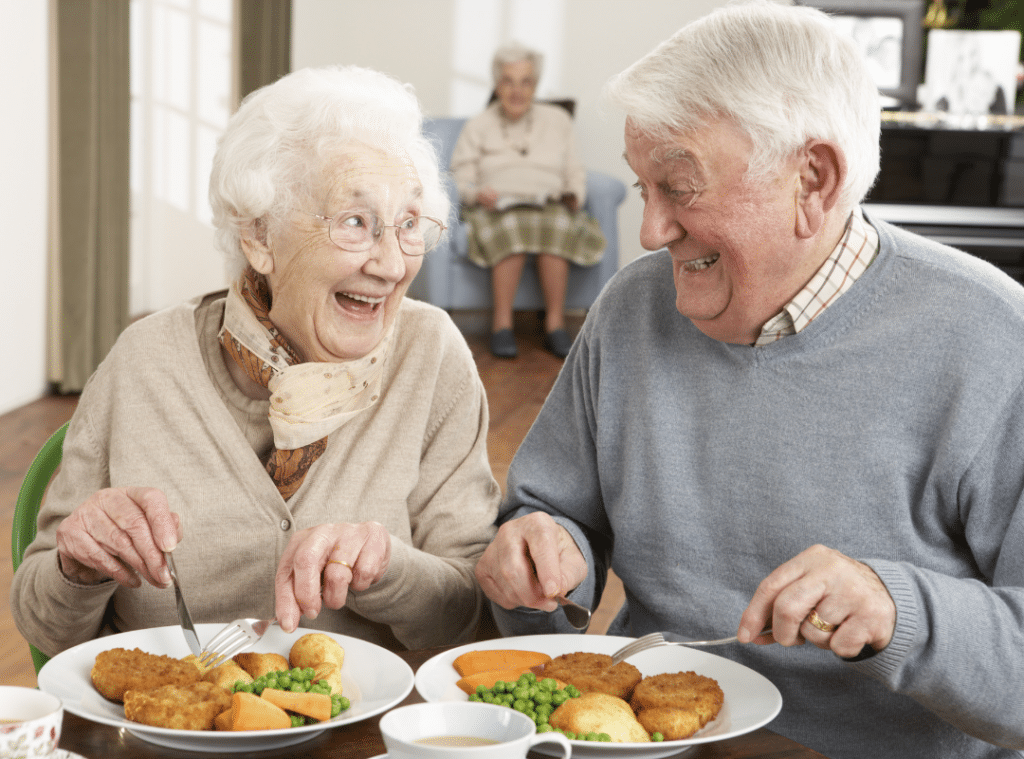
As we grow older, our bodies naturally undergo changes that can impact digestion. Slower metabolism, reduced enzyme production, and dietary shifts often make it more difficult to process food efficiently. If you’re wondering how to improve digestion in old age, you’re not alone.
Fortunately, there are simple, actionable strategies you can implement to enhance your digestive wellness. Whether you’re facing occasional discomfort or daily digestive challenges, the tips below will help you feel better and eat smarter, naturally at home.
Discover even more expert-backed insights at Oceanview Senior Living.
Stay Hydrated to Keep Digestion on Track
One of the easiest and most overlooked habits to adopt is staying hydrated. Water is essential in helping the digestive system break down food and absorb nutrients.
Older adults are particularly susceptible to dehydration, which can lead to symptoms of poor digestion, such as constipation, bloating, and sluggishness. To counter this:
- Drink at least 6–8 cups of water daily
- Include hydrating foods like cucumber, melons, and celery
- Choose herbal teas or broth-based soups as fluid alternatives
For those wondering what to drink after a meal to help digestion, consider options like peppermint tea, ginger tea, or warm water with lemon. These beverages are gentle on the stomach and support healthy digestion.
Learn more about how hydration supports overall health in seniors through Harvard Health.
Increase Dietary Fiber—Slowly and Strategically
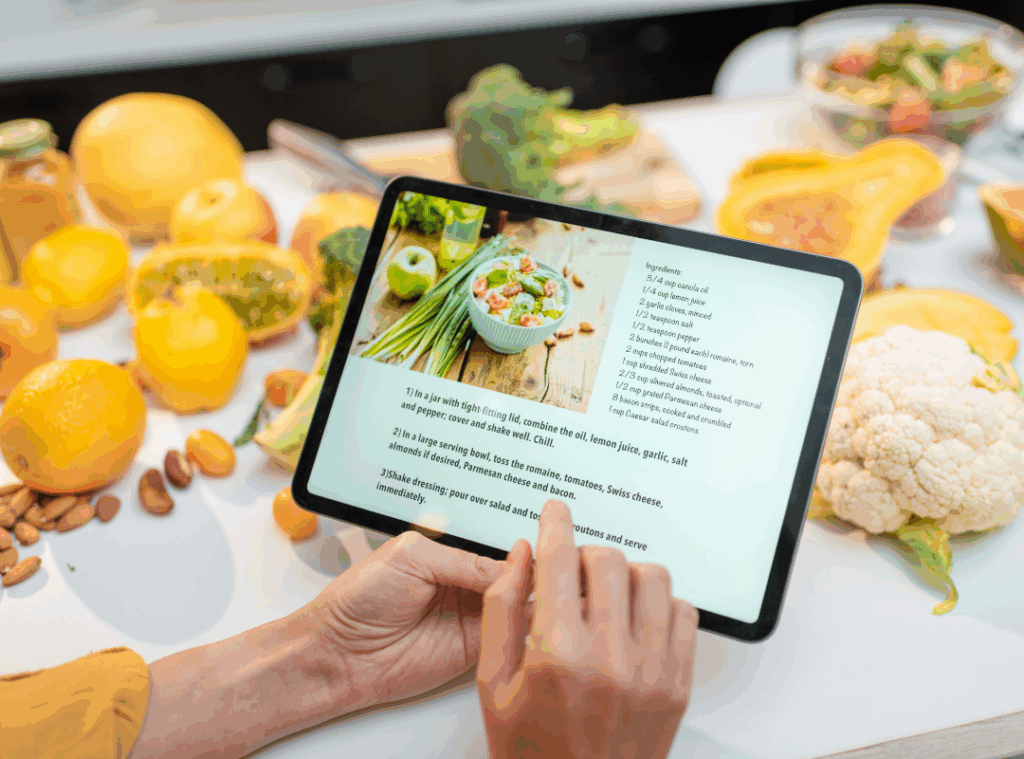
As we age, fiber becomes an even more important ally. It supports bowel regularity, balances gut bacteria, and helps control weight. However, increasing fiber too quickly can lead to gas and discomfort.
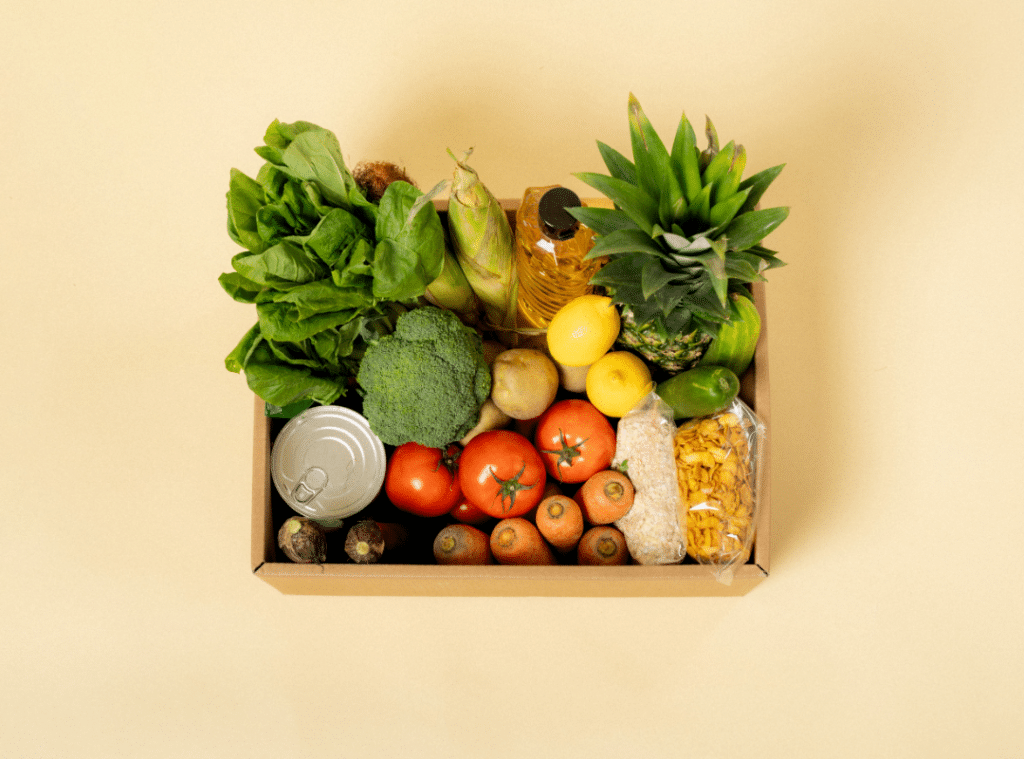
To incorporate fiber naturally at home:
- Start with half servings of beans, lentils, or leafy greens
- Swap white rice for brown rice or quinoa
- Add chia or flaxseeds to yogurt or oatmeal
Hydration is key when boosting fiber. Fiber needs water to move smoothly through the digestive system. When increasing fiber, always drink more water to avoid bloating and discomfort.
Supporting your diet with fiber-rich foods also reduces symptoms of poor digestion, helping you feel lighter and more energized.
Choose Smaller, More Frequent Meals
As we age, large meals can overwhelm the digestive tract. Instead of three big meals, aim for five to six smaller ones spaced throughout the day.
Digestive Benefits
Eating small, balanced meals:
- Eases your body’s enzyme load
- Improves how to improve digestion and bloating
- Helps maintain steady energy and mood
- Supports how to improve digestion in old age
This approach can also assist in blood sugar regulation, reducing the risk of energy crashes and sugar cravings.
What to Eat
Each small meal should include:
- Lean protein (like eggs, fish, or tofu)
- A healthy fat (like avocado or olive oil)
- A fiber-rich carb (like oats, brown rice, or fruit)
Curious about appetite challenges in seniors? Check out our tips on boosting senior appetite.
Get Moving: Physical Activity Supports Digestion
You don’t need to train for a marathon—just 30 minutes of walking a day can significantly improve digestion.
How Movement Helps
- Stimulates intestinal muscles
- Reduces the risk of constipation
- Improves blood flow to digestive organs
- Helps reduce symptoms of poor digestion
Simple Exercises
- Gentle yoga
- Walking after meals
- Chair stretches for mobility
Adding movement to your day is a natural way to enhance digestion. In fact, regular physical activity is one of the most effective answers to how to improve digestion in old age.
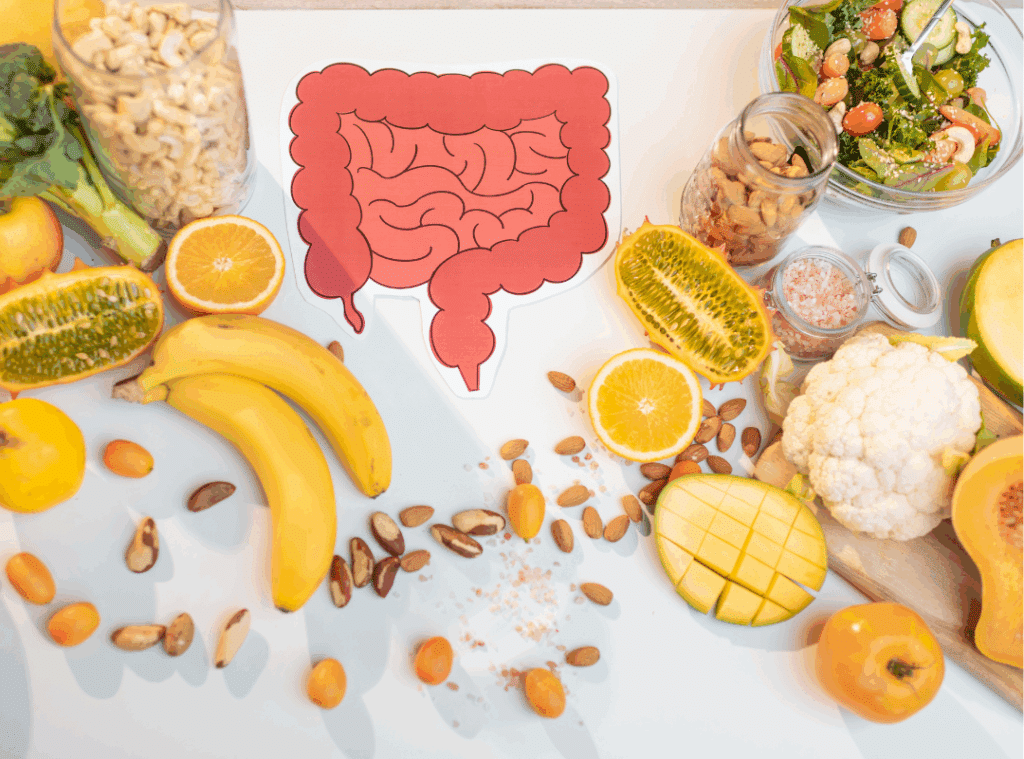
Limit Foods That Trigger Discomfort
Certain foods become more problematic as we age. It’s important to recognize and reduce these triggers:
- Spicy foods: Can irritate the stomach lining
- Carbonated drinks: Cause gas and bloating
- Caffeinated beverages: Lead to acid reflux and dehydration
- Greasy or fried foods: Slow digestion
Try replacing these items with gentler alternatives like herbal teas, grilled lean meats, and steamed vegetables. If you’re unsure what to drink after a meal to help digestion, herbal teas like fennel or chamomile are excellent options.
Mind Your Meal Timing and Body Positioning
When you eat—and what you do afterward—can greatly impact your digestion.
Eat at Consistent Times
- Avoid skipping meals
- Maintain a regular eating schedule
- Avoid heavy meals late in the evening
After Eating
- Wait at least 2–3 hours before lying down
- Sit upright after meals to prevent acid reflux
- Go for a light walk to aid digestion
These simple habits help with improving digestion and bloating and are easy to apply naturally at home.
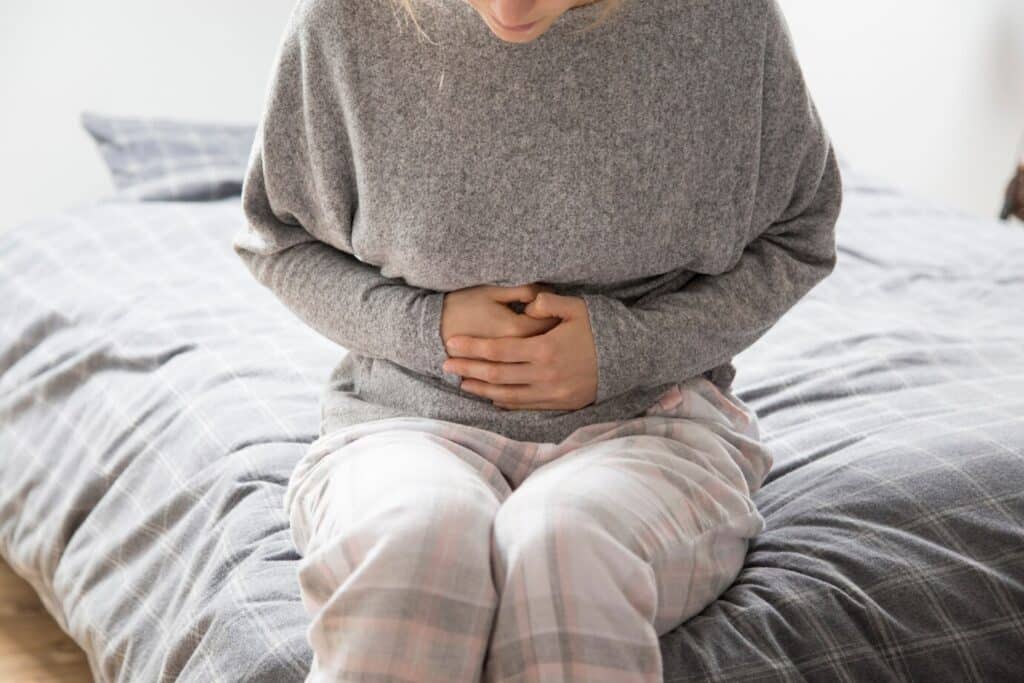
Watch for Symptoms of Poor Digestion
Understanding the symptoms of poor digestion is essential for early intervention. Look for:
- Frequent bloating
- Constipation or diarrhea
- Heartburn or acid reflux
- Feeling full quickly
- Stomach cramps
If these symptoms are ongoing, they may be signs of underlying issues like IBS, GERD, or food intolerances. Keeping a food journal can help identify what triggers your discomfort.
You can also read this helpful Mayo Clinic guide on managing digestive health for seniors.
Consult a Healthcare Professional
If dietary and lifestyle changes don’t ease your digestive problems, it’s time to seek expert guidance.
A healthcare provider can help you:
- Pinpoint the underlying causes of digestive issues
- Recommend medications or probiotics
- Suggest testing for food sensitivities
- Customize a senior-specific nutrition plan
Always check in with a doctor if you notice any changes in digestion that persist longer than a few weeks. Personalized care can significantly improve outcomes, especially if you’re serious about learning how to improve digestion in old age.
A Healthy Gut Starts with Simple Habits
Digestive health doesn’t have to decline with age. With a few consistent habits—like drinking more water, moving daily, and adjusting your meal timing—you can take charge of your gut health.
Here’s a recap of what you can do:
- Stay hydrated and avoid dehydration
- Increase fiber gradually and mindfully
- Eat smaller, nutrient-rich meals more often
- Get daily physical activity
- Limit trigger foods like caffeine and fried items
- Time your meals and stay upright after eating
- Recognize symptoms of poor digestion early
Looking to enhance your golden years with better health and comfort? Oceanview Senior Living can help. For more support and expert care, schedule a tour or call us at 541-574-0550 to learn more about our senior-focused programs.
Frequently Asked Questions
What are the digestive problems of the elderly?
As people age, the digestive system tends to slow down, which can lead to several common issues. Seniors often experience constipation, acid reflux, indigestion, and difficulty swallowing. These problems can be caused by a decrease in physical activity, changes in diet, and side effects from medications. Additionally, age-related weakening of the digestive muscles and reduced production of digestive enzymes contribute to these concerns.
What to eat when you have poor digestion?
When dealing with poor digestion, it’s best to eat foods that are gentle on the stomach and easy to digest. Cooked vegetables, ripe bananas, oatmeal, yogurt with probiotics, and lean proteins like chicken or fish are ideal choices. Drinking plenty of water and avoiding fatty, spicy, and highly processed foods can also help. Eating smaller, more frequent meals throughout the day supports better digestion as well.
How to strengthen your digestive system?
To strengthen your digestive system, adopt a fiber-rich diet with fruits, vegetables, and whole grains. Regular physical activity helps stimulate intestinal movement and promotes digestive health. Drinking adequate water and chewing food thoroughly also aids the digestive process. Additionally, managing stress and avoiding late-night meals can improve overall gut function.
What causes poor digestion?
Poor digestion can be caused by a variety of factors, including a low-fiber diet, dehydration, lack of exercise, and high stress levels. In older adults, slowed metabolism and decreased digestive enzyme production are also common contributors. Medications, underlying medical conditions, and poor eating habits can further aggravate digestion. Identifying and addressing these root causes is essential for improving digestive health.