


Understanding how to know if the heart is healthy is essential for seniors and caregivers alike. The heart is the engine of the body—yet its warning signs are often subtle or mistaken for other issues. This article explores the physical indicators that point to heart health concerns and offers proactive ways to assess cardiovascular well-being.
Whether you’re caring for a loved one or managing your own health, recognizing early symptoms can make a life-saving difference. With practical insights and actionable advice, you’ll learn how to know if your heart is healthy at home, the signs of a healthy heart during exercise, and how to evaluate your risk with an “Is my heart healthy quiz” mindset.
For comprehensive support in heart-healthy senior living, visit Westmont at San Miguel Ranch.
Watch for the Warning Signs
Knowing how to know if the heart is healthy begins with listening to your body. While some symptoms like chest discomfort are well known, others—such as fatigue, nausea, or jaw pain—can be misinterpreted or overlooked, especially among older adults.
Being mindful of any change in how your body responds to physical activity is a simple but powerful way to monitor cardiovascular health. If you’re looking for how to know if your heart is healthy at home, tracking these signs can offer important clues before seeing a doctor.
Chest Discomfort: A Primary Indicator
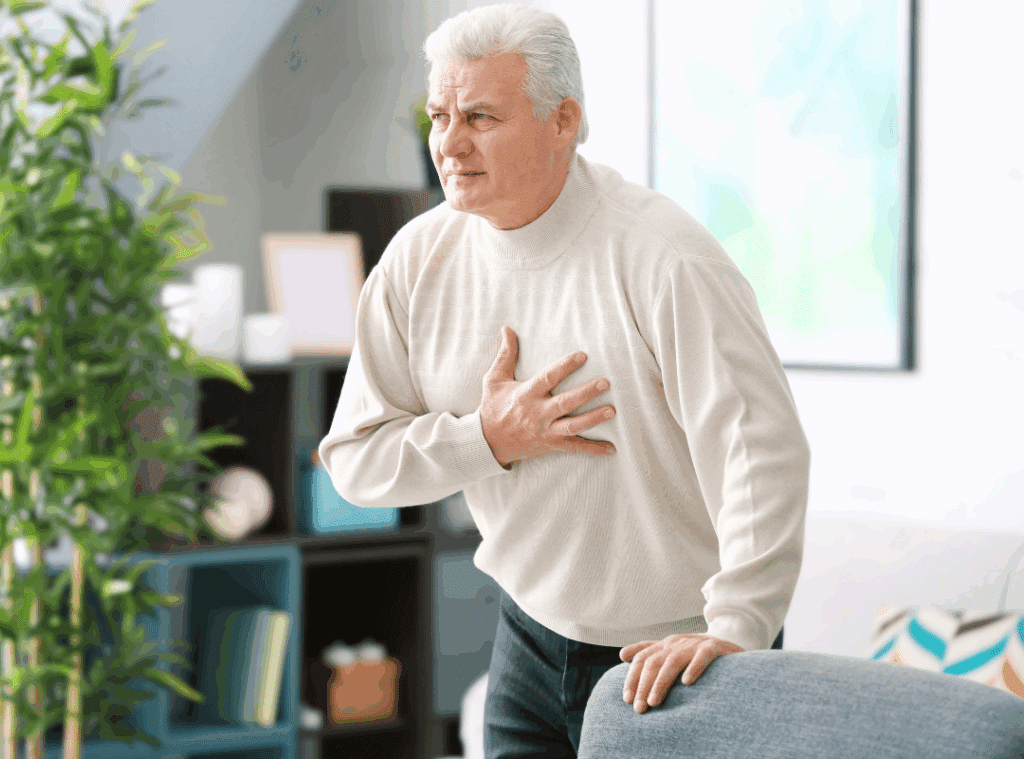
Chest discomfort is one of the most urgent symptoms linked to heart problems. A feeling of pressure, tightness, or heaviness may indicate a blocked artery or even an oncoming heart attack. The pain might also radiate to the arms or jaw.
Always take persistent chest discomfort seriously—especially when it’s accompanied by sweating, dizziness, or shortness of breath. For seniors, heart risk increases with conditions like obesity or diabetes, making regular monitoring for chronic diseases vital.
Nausea and Digestive Upset
Although often dismissed as a stomach issue, nausea—particularly in women—can signal heart concerns. If indigestion or queasiness occurs alongside fatigue, chest tightness, or sweating, it’s time to seek help.
Women’s Heart Symptoms Often Look Different
Women may not experience crushing chest pain during a heart event. Instead, nausea, stomach discomfort, or indigestion are more common. These subtler symptoms make it harder to recognize how to know if the heart is healthy, especially without medical testing.
Explore more on symptoms like breathlessness, which often accompany gastrointestinal-style distress in heart conditions.
Table: Nausea Causes and Heart Risk
| Symptom | Possible Cause |
| Nausea with indigestion | Likely digestive |
| Nausea with chest pressure | Possible cardiac issue |
| Nausea with sweating or fatigue | Likely heart-related symptom |
Don’t ignore these clues—they might be your body’s early alert system. Proactive health checks, especially for women, are essential.
Radiating Arm Pain: Not Just a Muscle Issue
Pain that radiates down the arm—particularly the left one—is a well-known heart attack sign. Watch for accompanying sensations like numbness, tingling, or weakness. These can be early signs that something’s wrong with your cardiovascular system.
| Arm Pain Characteristics | What It May Signal |
| Radiating from the chest | Cardiac involvement likely |
| Tingling or numbness | Nerve or circulation issue |
| Weakness or heaviness | Seek medical evaluation |
Dizziness and Lightheadedness
Sudden lightheadedness may feel harmless, but it’s one of the often-overlooked symptoms of heart trouble. While causes range from dehydration to low blood sugar, dizziness paired with chest discomfort or shortness of breath can indicate reduced blood flow to the brain due to heart inefficiency.
When to Get Checked
If symptoms persist or worsen, seek immediate care. Consistent dizziness is one sign in the healthy heart vs unhealthy heart debate that shouldn’t be ignored. Combine it with other indicators to assess whether you’re on the path to heart wellness—or in need of help.
Jaw or Throat Pain: A Lesser-Known Symptom
Though it may seem unrelated, pain in the jaw or throat—especially when paired with other symptoms like chest pressure—can be cardiac in nature.
- Pain radiating from the chest to the jaw or throat
- Sensation of tightness without dental issues
- Discomfort during exertion
These symptoms can confuse both patients and caregivers. If you’re wondering how to know if your heart is healthy, understanding these subtleties can guide you to seek care sooner.
Fatigue and Breathlessness: Signs to Monitor
Feeling tired after simple tasks that were once easy? Shortness of breath during mild exertion? These are red flags. Decreased oxygen supply from the heart can cause muscles and organs to tire more quickly.
Learn more about the connection between chronic coughing and heart strain—it’s all interconnected.
Regular physical activity, healthy eating, and stress management all contribute to more energy and a stronger heart. Try a walking workout routine approved by your doctor.
Simple Ways to Monitor Heart Health at Home
One of the most common questions is: How to know if your heart is healthy at home? Here are some easy ways to check:
- Measure resting heart rate (60–100 bpm is typical)
- Monitor blood pressure (ideal range is around 120/80 mmHg)
- Notice recovery time after mild activity
- Track any symptoms like swelling, chest pain, or fatigue
- Use a fitness tracker or heart rate monitor
If you’re unsure, take a free “Is my heart healthy quiz” from the CDC to assess risk factors and symptoms. Combine self-monitoring with regular doctor visits for a more complete picture.
Know the Difference: Healthy Heart vs Unhealthy Heart
Here’s a breakdown of common signs during activity that indicate how well your heart is functioning.
| Indicator | Healthy Heart | Unhealthy Heart |
| Breathe during exercise | Steady, improves with fitness | Labored, gets worse over time |
| Heart rate after exertion | Returns quickly to normal | Stays elevated too long |
| Chest or arm sensations | No pain | Tightness, pain, or pressure |
| General fatigue | Mild, resolves with rest | Persistent and worsens |
Monitoring the signs of a healthy heart during exercise is a practical way to gauge performance. Listen to your body—it always communicates what it needs.
A Community That Cares About Heart Health
Living in a community that prioritizes wellness helps support ongoing heart health. At Westmont at San Miguel Ranch, heart-healthy living isn’t just encouraged—it’s built into everyday life. From nutritious meals to engaging activities and fitness classes, everything is designed to help you or your loved one thrive.
You can also schedule a tour and see firsthand how our community supports physical, emotional, and cardiovascular wellness.
Protect Your Heart—Act Now for a Healthier Tomorrow
Knowing how to know if the heart is healthy could save your life or the life of someone you love. Subtle symptoms—from fatigue to nausea—should never be ignored. When in doubt, consult your doctor and stay proactive with checkups and self-monitoring tools.
Want a place that supports your health every day? Call Westmont at San Miguel Ranch at 619-271-4385 or schedule a personal tour now to learn how we help residents live vibrant, heart-healthy lives.
Frequently Asked Questions
What are the signs of a healthy heart?
A healthy heart often shows through consistent energy levels, good exercise tolerance, and the ability to recover quickly after physical activity. Normal blood pressure and cholesterol levels also indicate strong cardiovascular health. Resting heart rate within a healthy range (typically 60–100 beats per minute) is another sign. If you can perform daily tasks without fatigue or shortness of breath, it’s likely your heart is functioning well.
What are the signs of an unhealthy heart?
An unhealthy heart may show symptoms like frequent shortness of breath, chest pain, or unusual fatigue. Swelling in the legs, ankles, or feet can also signal poor circulation caused by heart issues. Irregular or rapid heartbeat and dizziness are additional warning signs. If you notice these symptoms consistently, it’s important to consult a healthcare provider.
How do I know I have a good heart?
You may have a good heart if you can stay active without experiencing chest discomfort, lightheadedness, or exhaustion. Having normal blood pressure, blood sugar, and cholesterol levels also indicates strong heart health. Regular checkups and screenings can confirm that your cardiovascular system is functioning properly. If your lifestyle includes exercise, balanced nutrition, and no smoking, these are positive indicators of a good heart.
How can I check if my heart is weak?
To check if your heart is weak, pay attention to symptoms such as persistent fatigue, shortness of breath during rest or mild activity, or swelling in your lower limbs. Doctors often use tests like echocardiograms, stress tests, or EKGs to assess heart function. Monitoring your blood pressure and resting heart rate also provides clues about cardiovascular strength. It’s best to consult a medical professional for accurate evaluation and guidance.