Southern Californians know the devastation that firestorms create and the stressful impact this has on families. We have compiled some options and resources to help during this time and when you need to plan ahead. Together, we can navigate these challenges and support one another. Stay safe.
Volunteer: Offer your time at local shelters or distribution centers.
Support Local First Responders: Send snacks, water, or thank-you notes to fire stations.
Check on Neighbors: Ensure seniors, those with disabilities, and pets are safe and have transportation in case of evacuation.
Emergency Preparedness: Ahead of an Emergency
Create an Evacuation Plan:
Identify multiple exit routes from your home and community.
Have a designated meeting spot for your family.
Ensure everyone knows how to safely evacuate, including seniors and pets.
Pack an Emergency Kit:
Include essentials like water, non-perishable food, medications, copies of important documents, flashlights, batteries, and a first-aid kit.
Don’t forget personal hygiene items and face masks for smoke protection.
Protect Your Home:
Clear dry vegetation and debris at least 30 feet from your home.
Close windows and doors and set your home’s HVAC system to recirculate air if smoke levels rise.
Most important is to stay informed by signing up for local emergency alerts through Cal Fire or your county’s alert system. And, following local news and social media sites for real-time updates.
Imagine waking up to the gentle melody of birds chirping outside your window, knowing your day ahead is filled with possibilities and comfort. Westmont of Escondido offers you a chance to simplify your retirement lifestyle in ways that may surprise you. The possibilities are endless, from specialized care to enriching activities, providing a secure and supportive environment that caters to your unique needs. Find out how this lifestyle choice can truly enhance your golden years and bring peace of mind to you and your loved ones.
What is All-Inclusive Senior Living?
All-inclusive senior living offers a seamless and stress-free retirement experience by bundling essential services, amenities, and care into one comprehensive package. It is an attractive option for retirees seeking convenience, comfort, and peace of mind.
For those searching for “all-inclusive senior living near me,” this option typically includes services such as housekeeping, dining, transportation, and access to recreational activities. By choosing an all-inclusive senior living community, you avoid the hassle of managing multiple service providers, allowing you to focus on enjoying your retirement years.
Benefits of All-Inclusive Senior Living
The benefits of all-inclusive senior living can’t be overstated when considering senior living options. Choosing this option allows you to maintain your independence while being part of a supportive and inclusive community. In an all-inclusive senior living setting, you can enjoy the convenience of having various amenities and services readily available to cater to your needs.
Independent living is a key feature of all-inclusive senior living. You’ll be free to live on your terms, with the added benefit of having assistance available whenever necessary. This setup allows you to maintain your autonomy while also having access to support when required.
Customized Living Options for Seniors
For seniors seeking personalized living arrangements tailored to their specific needs and preferences, customized living options offer a flexible and individualized approach to senior living. Whether you value personalized care or desire to maintain a sense of independence, these living options cater to your unique requirements. Customized living options allow you to receive the support you need while still enjoying the freedom of independent living.
Amenities and Services Offered
Exploring senior living options can be overwhelming, but understanding the amenities and services offered can provide clarity and peace of mind as you contemplate your next steps. Regarding amenities in senior living communities, dining options are important in enhancing your overall experience.
Financial Considerations and Pricing
Considering the financial aspect of senior living is an essential step in planning for your retirement. Exploring affordability options, retirement planning, budgeting tips, and financial assistance is crucial to ensure a smooth shift into this new phase of life. When looking at the pricing of senior living options, it’s beneficial to understand the different factors that can impact costs. Below is a table outlining some key considerations:
Financial Considerations
Description
Affordability Options
Explore various payment plans, discounts, or subsidies available.
Retirement Planning
Include senior living costs in your overall retirement financial strategy.
Budgeting Tips
Establish a realistic budget, track expenses, and prioritize your needs.
Financial Assistance
Investigate programs or benefits that can help offset senior living expenses.
As you plan for your retirement lifestyle, it’s important to also focus on the social and recreational activities that will enrich your days in senior living. Group outings and craft workshops can add vibrancy and connection to your daily routine. Here are three ways these activities can enhance your senior living experience:
Group Outings: Joining group outings allows you to explore new places, bond with fellow residents, and create lasting memories. Whether it’s a trip to a local museum, a nature walk, or a visit to a nearby town, these outings promote social interaction and a sense of community. Group outings also allow one to enjoy diverse culinary experiences, fostering a sense of community through shared meals and conversations.
Craft Workshops: Participating in craft workshops provides a creative outlet and an opportunity to learn new skills. From painting and pottery to knitting and woodworking, these workshops stimulate your mind, foster self-expression, and offer a chance to showcase your talents.
Social Connections: Engaging in these activities fosters meaningful relationships and combats feelings of isolation. Sharing experiences and hobbies with others builds a support system and creates a sense of belonging within your senior living community.
Health and Wellness Programs
Are you looking to prioritize your health and well-being during retirement? Take advantage of the fitness classes offered, designed to keep you active and strong. Enjoy nutritious meal plans tailored to your dietary needs, find support for your mental health, and benefit from personalized dietary programs to guarantee a holistic approach to your overall wellness.
Fitness Classes Offered
Staying active is essential for maintaining health and wellness in retirement. Engaging in senior fitness programs and wellness classes can greatly contribute to one’s overall well-being.
Nutritious Meal Plans
Explore the convenience and benefits of our nourishing meal plans tailored to enhance your health and wellness journey in retirement. Our healthy dining options are designed to provide you with delicious and balanced meals, taking the stress out of meal planning. With a focus on wellness, our nutrition plans are carefully crafted to meet your dietary needs and goals, ensuring you receive the sustenance you need to thrive.
Mental Health Support
Benefit from our extensive mental health support programs tailored to nurture your emotional well-being during retirement. We recognize the importance of maintaining good mental health as you move into this new phase of life. At our senior living community, we offer a range of services to support your mental well-being:
Choosing the Right Community
When selecting the right community for your retirement lifestyle, consider the amenities available, such as fitness centers and walking trails, to support your well-being. Social activities like book clubs or group outings nurture connections with others and improve overall mental and emotional well-being.
Community Amenities Selection
Selecting the right community for your retirement lifestyle involves careful consideration of the amenities offered and how they align with your preferences and needs. When exploring senior living options, here are some key factors to keep in mind:
Social Activities Offered
Enhancing your retirement experience involves immersing yourself in a community with various social activities. The right community should allow you to engage in group outings and volunteer activities, fostering connections and a sense of purpose in your golden years. Group outings allow you to explore new places and create lasting memories with like-minded individuals.
Location and Accessibility
To simplify your retirement lifestyle, one key aspect to ponder is the location and accessibility of your chosen senior living community. When selecting a senior living community, keep in mind the following:
Independent Living Options for Seniors
For seniors who value independence, all-inclusive senior living communities offer tailored options. These settings provide the perfect balance of freedom and support, ensuring you have access to care when needed.
Independent living options for seniors often include private apartments, access to communal spaces, and optional services such as meal delivery or light housekeeping. This flexibility ensures you can design a lifestyle that aligns with your preferences while remaining part of a vibrant community.
To wrap up, Westmont of Escondido offers a stress-free retirement lifestyle tailored to meet your unique needs. With many benefits and amenities, you can relax and enjoy your golden years surrounded by a supportive community. So why not leap and simplify your retirement with us? After all, life is a journey, and at Westmont of Escondido, we’re here to ensure yours is a first-class cruise.
For more information, please contact us at 760-737-5110.
What Level of Care Do You Need?
Discover the level of care you or your family member requires.
All-inclusive in assisted living means that various services, such as meals, housekeeping, transportation, and personal care, are bundled into a single monthly fee. This simplifies budgeting and ensures residents receive consistent, high-quality care without worrying about additional costs. It’s an excellent option for seniors seeking convenience and a stress-free lifestyle.
What is the cheapest way for a senior to live?
The most affordable option for seniors is often aging in place with community-based support, such as in-home care services or programs like Meals on Wheels. For those open to downsizing, moving to a smaller home or shared housing arrangement can also significantly reduce living expenses. Researching local and state programs offering financial assistance for seniors can further offset costs.
What are the disadvantages of living in a 55-plus community?
While 55-plus communities offer vibrant social opportunities and amenities, they may also have downsides, such as higher fees for amenities you might not use and restrictions on visitors or home modifications. Some seniors may find the age-restricted environment limiting or prefer more diverse interactions across generations. It’s important to consider the rules and financial commitments carefully before moving into such a community.
Discover Senior Living Amenities That Enhance Your Golden Years
As you explore senior living amenities that can enhance your golden years at Westmont of Escondido, you might be surprised by the options available to cater to your well-being and comfort. There are numerous ways to elevate your lifestyle, from specialized wellness programs promoting mindfulness and physical health to gourmet dining experiences tantalizing your taste buds. But what about the lesser-known amenities that could transform your senior living experience at Westmont of Escondido? Stay tuned to uncover the hidden gems that could make all the difference in your quality of life as you embrace this new chapter.
Wellness Programs
Engaging in wellness programs at our senior living community can greatly enhance your overall quality of life. Meditation and yoga classes can help you find inner peace and improve flexibility and balance. These practices promote relaxation and mindfulness, contributing to a sense of well-being. Additionally, breath awareness techniques can be beneficial for reducing stress and anxiety, further enhancing your wellness journey. Our holistic therapies offer a natural approach to health, focusing on the connection between mind, body, and spirit.
Gourmet Dining Options
Culinary delights await you at every meal regarding gourmet dining options in senior living communities. Assisted living facilities offer a menu variety that caters to your tastes and preferences, ensuring specialized meal plans for various dietary needs. Enjoy savoring delicious dishes crafted with care and attention to detail.
Culinary Delights Offered
Indulge in a culinary experience with our gourmet dining options at our senior living community. We offer more than just meals; we provide a journey of flavors and enjoyment to enhance your golden years. Our chefs craft exquisite dishes using the freshest ingredients, ensuring each bite is a delight for your taste buds. In addition to our delectable menu, we host cooking workshops where you can learn new techniques, discover recipes, and engage with fellow food enthusiasts. These workshops aren’t just about cooking; they’re about fostering a sense of community, enhancing community bonds, and sharing the joy of creating delicious meals together.
Menu Variety Available
Amidst our senior living community’s wide array of dining options, you’ll discover a diverse and inviting menu that caters to various tastes and preferences. We grasp the importance of providing gourmet dining options that not only tantalize the taste buds but also cater to individual dietary restrictions and ensure nutritional equilibrium. Our culinary team takes great care in crafting a menu that offers a variety of dishes to suit different preferences, from comfort foods to international cuisines. Whether you enjoy hearty home-cooked meals or have a more refined palate, our menu has something for everyone.
Transportation Services
Explore the ease and convenience of our senior living community’s transportation services. When you reside with us, you can enjoy personalized transportation options and convenient scheduling to make your golden years truly shine. Here are some key benefits of our transportation services:
Door-to-Door Service: Our personalized transportation ensures you’re picked up and dropped off right at your doorstep, eliminating any hassle or inconvenience.
Scheduled Outings: From shopping trips to local attractions, our convenient scheduling allows you to partake in various activities without worrying about transportation arrangements.
Medical Appointments: We grasp the importance of timely healthcare visits, which is why our transportation services cater to your medical needs punctually and carefully.
Friendly Drivers: Our skilled and compassionate team of drivers will provide you with a pleasant and safe journey every time.
Community Connections: Our transportation services allow you to nurture friendships and engage with the community, enhancing your overall quality of life. Our senior living community also offers additional social activities to enrich your experience.
Social Activities and Events
Our senior living community offers various social activities and events designed to enhance your social well-being and foster meaningful connections. Engaging in community activities not only provides joy but also creates lasting friendships. Something exciting always happens within our community, from group outings to themed parties. Building trust with neighbors creates a supportive environment that enhances the sense of belonging among residents.
On-Site Fitness Centers
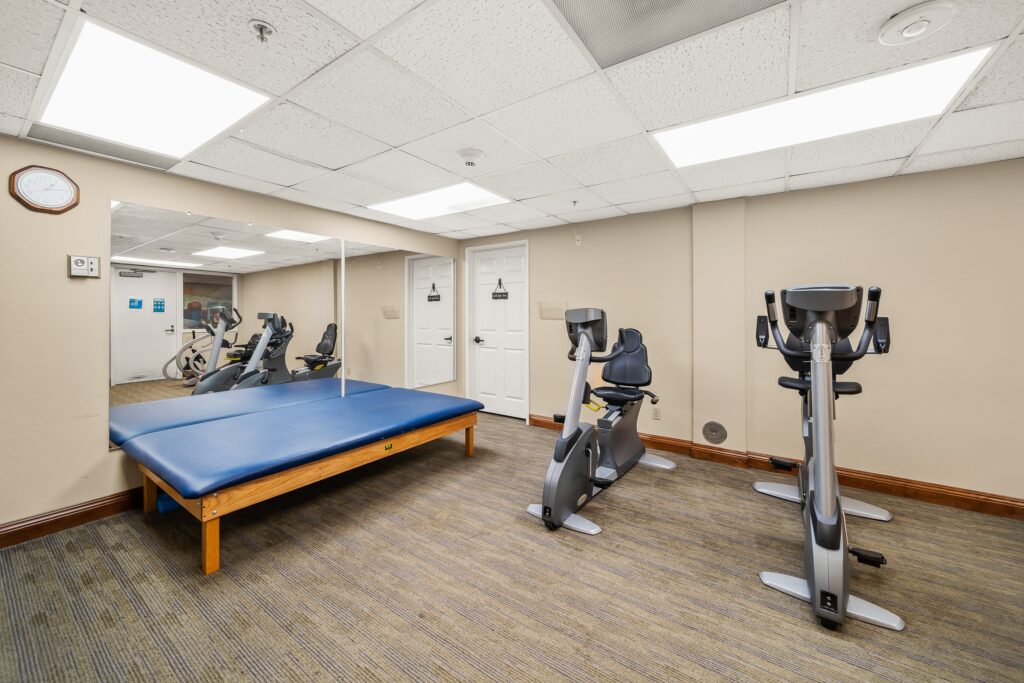
Looking to stay active and healthy in your senior living community? On-site fitness centers offer a range of exercise equipment options, catering to your specific needs and preferences. Group fitness classes provide a fun and social way to stay fit while connecting with fellow residents. For individuals with memory impairments, specialized fitness programs are available to promote overall well-being and cognitive health.
Exercise Equipment Options
When it comes to maintaining a healthy lifestyle in a senior living community, having access to well-equipped fitness centers can make a significant difference in your overall well-being. In addition, seniors can benefit from incorporating adaptive equipment like stability balls and resistance bands into their workout routines for enhanced mobility.
Group Fitness Classes
How can you make your fitness routine more engaging and enjoyable while staying at a senior living community? Group fitness classes could be the answer you’re looking for. These classes offer a fun and social way to stay active, meet new friends, and reach your fitness goals. Many senior living communities provide various group fitness options led by experienced personal trainers who can tailor exercises to suit different fitness levels and abilities.
Joining group fitness classes helps you stay physically fit and provides a sense of camaraderie and support from fellow residents. Additionally, participating in group fitness classes can help improve your balance and coordination, enhancing your overall physical well-being.
Maintenance-Free Living
Imagine a lifestyle where you can bid farewell to the worries and hassles of household upkeep. In your independent living journey, embracing maintenance-free living can truly elevate your golden years. Here are some benefits to ponder:
Freedom to Enjoy: No more spending weekends fixing leaky faucets or lawn mowing.
Peace of Mind: Relax knowing that all maintenance tasks are taken care of promptly.
Focus on Personal Care: With maintenance-free living, you can prioritize your well-being and personal care.
Time for Hobbies: Spend your time pursuing hobbies and activities you love rather than worrying about home repairs.
Community Engagement: Connect with others without the burden of household chores.
Embracing maintenance-free living in your senior years can provide a sense of freedom, peace, and the opportunity to focus on what truly matters—your well-being and connections with others. Additionally, prioritizing safety devices such as smart doorbells can further enhance your sense of security and independence.
Relaxing Outdoor Spaces
As you enter the world of senior living, the allure of relaxing outdoor spaces beckons, offering a sanctuary for tranquility and connection amidst nature’s embrace. Scenic gardens await your exploration, inviting you to stroll along winding paths bordered by colorful blooms and lush greenery. These peaceful retreats provide a perfect setting for quiet reflection, enjoying the fresh air, and immersing yourself in the beauty of the outdoors.
Luxury Senior Living Amenities That Redefine Retirement
Luxury senior living amenities exceed the basics to provide a truly elevated experience. Imagine starting your day with a rejuvenating swim in a beautifully maintained pool and ending it with a fine dining experience at an on-site restaurant.
Wellness Centers: Offering yoga, meditation, and personalized fitness training.
Gourmet Dining: Customized menus and farm-to-table options that cater to dietary preferences.
Technology-Integrated Spaces: Smart home features for added convenience and safety.
These luxury features ensure every day feels like a vacation.
Senior Living Amenities Ideas for Your Best Life
Senior living offers a variety of amenities tailored to create an enriched, fulfilling lifestyle. From relaxing outdoor spaces to high-end fitness centers, each amenity is designed to ensure comfort, convenience, and an active social life.
Outdoor Amenities: Lush gardens, walking trails, and peaceful patios for moments of reflection.
Luxury Pools: Some communities offer swimming pools, perfect for low-impact exercise or simply lounging in style.
Dining Options: Enjoy gourmet meals prepared by professional chefs.
Engaging Activities: Frequent social gatherings and events keep the community vibrant.
These thoughtful features redefine retirement living, combining practicality with leisure.
Independent Living Amenities for an Active Lifestyle
Maintenance-Free Homes: Say goodbye to household chores and repairs.
Transportation Services: Convenient shuttles for errands, outings, and appointments.
Community Engagement: Events and clubs that foster friendships and hobbies.
These amenities make independent living a seamless blend of convenience and enjoyment.
As you embrace the vibrant lifestyle of senior living amenities at Westmont of Escondido, you’ll find yourself meditating in peaceful gardens and indulging in gourmet meals, all while staying active in social events and fitness classes. With convenient transportation services and smart home technologies ensuring your safety and comfort, your golden years will be filled with fulfillment and well-being. Say goodbye to stress and hello to a life of relaxation and connection in a community designed to enhance your overall quality of life. Contact us at 760-737-5110 to learn more.
What Level of Care Do You Need?
Discover the level of care you or your family member requires.
What services do most assisted living facilities provide? Most assisted living facilities provide support with daily activities like bathing, dressing, and medication management. They often include meal preparation, housekeeping, and laundry services as well. Social activities, fitness programs, and transportation services are common to ensure residents maintain an active and fulfilling lifestyle. Many facilities also have healthcare partnerships for added convenience and peace of mind.
Why do people choose senior living? People choose senior living to enjoy a maintenance-free lifestyle, social opportunities, and access to tailored amenities. These communities offer safety, healthcare access, and activities that promote physical and emotional well-being. Whether seeking independence or additional support, senior living provides a balanced environment to thrive in retirement.
What is senior housing in the US? Senior housing in the US encompasses a variety of living options designed for older adults, including independent living, assisted living, and skilled nursing care. These communities cater to diverse needs, from active retirees to individuals requiring daily assistance. Amenities often include social events, transportation, and healthcare services, ensuring a holistic approach to senior care.
Understanding the Costs of Retirement Community Living
When considering retirement community living at Westmont of Escondido, you may find that the costs extend beyond just the monthly fees.
The financial aspects can be intricate, from essential expenses like housing and healthcare to the often-overlooked costs of amenities, entry fees, and other miscellaneous items.
Understanding these components is vital in making informed decisions about your future. As you navigate the complexities of retirement community costs at Westmont of Escondido, one key factor could significantly affect your planning and budgeting.
Key Takeaways
Evaluate entry fees and monthly maintenance costs.
Consider amenities and services included.
Factor in healthcare expenses and meal plans.
Explore transportation and social activity expenses.
Understand miscellaneous and financial assistance options.
Housing Expenses
When examining the costs of retirement community living, one significant aspect to assess is housing expenses. Housing enhancements and room layouts are pivotal in determining a retirement community’s overall cost of living.
Housing enhancements can vary from community to community. Some offer standard accommodation, while others provide premium options such as upgraded kitchens, bathrooms, or flooring. These enhancements often come at an additional expense, so it’s important to consider your preferences and budget when selecting a housing option.
Room layouts also impact the cost of living in a retirement community. Larger living spaces or additional rooms for guests or hobbies may increase the monthly fees.
Conversely, downsizing to a smaller unit can lead to cost savings. Understanding the available room configurations and how they align with your needs and budget is crucial to making an informed decision about housing expenses in a retirement community.
Healthcare Costs
Healthcare costs are a vital aspect to examine when considering retirement community living.
You should assess the community’s medical services coverage and potential out-of-pocket expenses for prescription medications.
Additionally, it’s important to explore the long-term care options available within the retirement community to guarantee extensive healthcare coverage in later life.
Medical Services Coverage
Medical services coverage is an essential aspect of retirement community living, as it directly impacts healthcare costs for residents. When considering a retirement community, it is crucial to comprehend the coverage limits and provider networks associated with medical services. Here is a breakdown to help you grasp this essential aspect:
Coverage Limits
Provider Networks
Understanding the maximum amount your insurance will pay for medical services is important. It is vital to know what services are covered and to what extent. This can help you plan and budget effectively for any potential out-of-pocket expenses.
Provider networks refer to the list of doctors, hospitals, and other healthcare providers that are covered by your insurance plan. It is important to ensure that your preferred healthcare providers are included in the network to avoid unexpected costs or having to switch providers.
Understanding your medical services coverage, including coverage limits and provider networks, can help you make informed decisions and manage healthcare costs effectively during your retirement community life.
Prescription Medication Expenses
To fully understand the healthcare costs associated with retirement community living, it’s necessary to explore the realm of prescription medication expenses. When it comes to managing prescription medication expenses in a retirement community setting, there are several key factors to contemplate:
Insurance Coverage: Many retirement communities offer residents access to group insurance plans that may cover a portion of their prescription medication costs. Understanding the extent of insurance coverage, such as early Alzheimer’s vision problems in seniors, can help you budget more effectively for your medication expenses.
Prescription Coverage: It’s essential to review the prescription coverage options provided by the retirement community. Some communities may partner with pharmacies or healthcare providers that offer discounts on medications, while others might’ve formularies that limit the types of medications covered.
Out-of-Pocket Expenses: Despite insurance and prescription coverage, residents may still have out-of-pocket expenses for copayments or medications not covered by their plan. Knowing these potential costs can help individuals plan ahead and avoid unexpected financial burdens.
Long-Term Care Options
Exploring the world of healthcare costs within a retirement community naturally leads to thoughts about long-term care options. Long-term care options encompass a range of services designed to meet individual needs as people age. Care coordination plays a crucial role in ensuring that seniors receive the appropriate level of care. This involves managing various healthcare providers, treatments, and support services to promote overall well-being.
Support services within long-term care options can include assistance with activities of daily living, such as bathing, dressing, and meal preparation. Additionally, support services often extend to providing emotional support, companionship, and transportation to medical appointments. These services aim to enhance the quality of life for seniors and help them maintain independence for as long as possible.
When considering long-term care options in a retirement community, evaluating the level of care needed, financial implications, and the availability of support services is crucial. By understanding these aspects, individuals can make informed decisions that best suit their healthcare needs in retirement.
Amenities and Services
When considering retirement community living, one essential aspect to evaluate is the array of amenities and services offered by different facilities. These features can greatly impact your quality of life in your golden years. Here are some key considerations to keep in mind:
Recreational Activities: Look for communities that offer a variety of recreational activities such as fitness classes, arts and crafts, group outings, and social events. Engaging in these activities can help you stay active, build new friendships, and foster a sense of belonging and purpose in a vibrant community like Westmont.
Wellness Programs: Prioritize communities that provide wellness programs like health screenings, nutrition counseling, and access to healthcare professionals. These programs can support your overall well-being, help you maintain a healthy lifestyle, and guarantee that your unique care needs are recognized and met.
Entry Fees
When considering retirement community living, it’s essential to understand the concept of entry fees. These fees typically involve an initial lump sum payment that’s required for membership purchases.
It should be noted that entry fees are usually non-refundable upfront costs that are separate from monthly service fees.
Additionally, some retirement communities may offer financial assistance options for entry fees through government assistance programs or charitable organizations.
Initial Lump Sum
Entry fees are a common financial aspect to consider when planning for retirement community living. These initial lump sums can vary widely based on the type of community you choose. Here are three key points to keep in mind:
Financial Planning: Before committing to a retirement community, make sure that the entry fee aligns with your long-term financial plan. Consider how this lump sum fits your overall budget and retirement savings strategy. Additionally, it’s important to weigh the value of amenities against the initial cost comparison according to the Top 4 Assisted Living Facilities in Riverside.
Budgeting: Factor in the entry fee as a one-time cost in your budgeting process. Ensure you have a clear understanding of what this fee covers and if there are any additional expenses associated with it.
Investment Options: Some retirement communities offer refundable entry fees or equity options, providing potential financial benefits. Evaluate these investment options carefully to determine what aligns best with your financial goals and preferences.
Understanding the implications of the initial lump sum entry fee is essential for making informed decisions about living in a retirement community.
Membership Purchase Required
Consider the financial commitment required for membership purchases in retirement communities before making your decision. Entry fees are a vital aspect to evaluate when looking into retirement living options. These fees can vary widely based on the community you’re considering. To understand how the entry fee can be structured and paid over time, it’s imperative to inquire about financing options and contract terms.
Additionally, consider the resale potential of the membership. Some communities offer a market value-based resale model that may impact the return on your investment in the future. Understanding the terms of the membership purchase is crucial in ensuring that you make a financially sound decision for your retirement years.
Non-Refundable Upfront Cost
Before committing to a retirement community, it’s important to understand the significance of the non-repayable upfront cost, also known as the entry fee.
Key Considerations for Non-Repayable Upfront Costs:
Budgeting strategies: Explore different budgeting techniques to guarantee you can comfortably afford the upfront cost. Consider creating a separate savings fund for this purpose.
Payment options: Inquire about the various payment options available for the non-repayable upfront cost. Some communities offer installment plans or financing options to help spread out the financial burden.
Affordability considerations: Evaluate your overall financial situation and assess whether the entry fee aligns with your affordability range. Engage in detailed financial planning to determine if this cost fits within your retirement budget.
Understanding the implications of the non-repayable upfront cost is crucial for making an informed decision when choosing a retirement community. Implementing budgeting strategies, exploring payment options, and considering affordability factors can help you navigate this significant financial aspect better.
Monthly Maintenance Fees
The monthly maintenance fees of a retirement community play a vital role in determining the overall cost of living in such a facility. When contemplating retirement community living, it’s imperative to examine the fee structure carefully to comprehend what’s covered and if there are any undisclosed costs.
These fees typically include landscaping, upkeep of common areas, security, and utilities. To manage these costs effectively, consider budgeting tips such as allocating a portion of your income specifically for these fees. Additionally, explore the retirement community’s affordability options for those on fixed incomes.
It’s crucial to inquire about any potential hidden costs that may not be immediately apparent, such as additional charges for certain amenities or services. By clearly understanding the monthly maintenance fees and factoring them into your financial planning, you can guarantee a smoother adjustment into retirement community living.
Meal Plans
When contemplating retirement community living, meal plans significantly affect your overall expenses. You’ll have a range of meal plan options to choose from, varying with included meals and dining flexibility.
Additionally, dining facility amenities and any potential additional dining costs can impact your overall living expenses within a retirement community.
Meal Plan Options
Considering the variety of meal plan options available in retirement communities, residents can choose a dining arrangement that best suits their preferences and lifestyles.
Dietary Restrictions: Many retirement communities offer customizable meal plans to accommodate dietary restrictions, such as gluten-free, diabetic-friendly, or low-sodium options.
Meal Preparation: Residents can opt for meal plans that include fully prepared meals delivered to their doorstep daily, weekly, or on a custom schedule for convenience.
Culinary Classes and Themed Dinners: Some retirement communities provide culinary classes for residents interested in cooking or themed dinners to add variety and excitement to their dining experience.
Meal plan options allow residents to enjoy delicious and nutritious meals tailored to their specific needs and preferences without the hassle of cooking and meal preparation.
Whether you have dietary restrictions, enjoy cooking, or prefer themed dining experiences, there’s a meal plan option that will cater to your desires and make dining at the retirement community a delightful experience.
Dining Facility Amenities
Retirement communities offer a range of dining facility amenities through their meal plans, which enhance the dining experience for residents. These meal plans cater to various dietary restrictions, ensuring that every resident’s nutritional needs are met. Culinary offerings are diverse and often include gourmet options, comfort foods, and healthy choices to suit different preferences.
Residents can look forward to special events hosted in the dining facilities, adding a touch of excitement to their dining experience. From themed dinners to holiday celebrations, these events create a sense of community and provide residents with socialization opportunities.
The dining facility amenities focus on the quality of food and the overall dining experience. Retirement communities aim to create a welcoming and comfortable ambiance in their dining areas, making meal times enjoyable and relaxing for residents.
Additional Dining Costs
Meal plans at retirement communities come with additional dining costs that residents need to factor into their overall living expenses. When considering these costs, keep in mind the following:
Dietary Restrictions: Retirement communities often cater to residents with various dietary restrictions, such as gluten-free, vegetarian, or low-sodium options. Specialized meal plans for these restrictions may incur additional costs but guarantee residents’ nutritional needs are met.
Culinary Events: Retirement communities frequently host culinary events like themed dinners, cooking classes, or wine tastings. While these events provide an opportunity for socialization and enjoyment, they might come at an extra expense beyond the regular meal plan.
Flexible Meal Options: Some retirement communities offer flexible meal options. Residents can choose to dine in the community dining room or order meals for delivery to their residence. Depending on the frequency and type of meals selected, these flexible choices may have varying costs associated with them.
Understanding these additional dining costs can help residents make informed decisions about their meal plans and budget accordingly in their retirement community living.
Transportation Expenses
When evaluating the costs of retirement community living, it’s vital to factor in transportation expenses. Public transportation can be a convenient and cost-effective option for residents who prefer not to drive. Many retirement communities offer shuttle services for grocery shopping, medical appointments, and other essential outings, which can help reduce the need for personal vehicles. This can save on gasoline costs and maintenance expenses associated with owning a car.
For those who still prefer to drive, gasoline costs should be considered when budgeting for retirement community living. Prices at the pump fluctuate, impacting monthly expenses. Additionally, maintenance and insurance costs for personal vehicles should be factored in.
Understanding the transportation expenses associated with retirement community living is pivotal for financial planning. By utilizing public transportation options and considering gasoline costs for personal vehicles, residents can make informed decisions to manage their transportation expenses effectively. This knowledge empowers residents to make choices that align with their budget and lifestyle preferences.
Social Activities
Considering the costs of retirement community living extends beyond basic needs like transportation. Social activities play a pivotal role in the overall well-being of residents. Engaging in community events fosters a sense of belonging and connection, enhancing the quality of life in retirement communities.
Recreational activities offer physical exercise and mental stimulation opportunities, contributing to a healthy lifestyle. Group outings provide a chance for social engagement, allowing residents to build friendships and create lasting memories together.
The costs associated with social activities in retirement communities cover a range of events and outings designed to cater to various interests and preferences. Residents can enjoy a diverse calendar of activities that promote interaction and enrich their retirement experience. By participating in these social engagements, residents can cultivate relationships, stay active, and create a vibrant community within the retirement setting.
Miscellaneous Costs
Amidst the financial aspects of retirement community living, incidental expenses play a significant role in residents’ budgeting. Utility expenses, comprising electricity, water, and heating, are vital to take into account when planning your finances in a retirement community. These costs can fluctuate depending on the size of your living area and your consumption habits. Integrating these utility expenses into your monthly budget is imperative to prevent any surprises.
Moreover, leisure expenditures are another crucial element of incidental costs in retirement communities. Whether it’s participating in social gatherings, dining out with acquaintances, or engaging in leisure activities, these expenses can accumulate over time.
While these activities are enriching and pleasurable, it’s crucial to allocate funds for them to make sure you can comfortably afford them without straining your finances.
Financial Assistance Options
As you explore the various costs associated with retirement community living, examining available financial aid options can provide valuable support in managing your budget effectively. Here are some key points to keep in mind:
Eligibility Requirements: To determine if you meet the criteria for financial aid, review the specific eligibility conditions established by each aid program. Income level, assets, and medical needs may affect your eligibility.
Application Process: Familiarize yourself with the application procedures for each financial aid option. Make sure to gather all required documentation and submit your application promptly to prevent delays in receiving aid.
Budgeting Strategies: Incorporate financial planning into your overall budgeting approaches. Consider collaborating with a financial consultant to help you develop a sustainable financial plan that considers potential aid and safeguards your long-term financial security in retirement.
To wrap up, understanding the costs of retirement community living at Westmont of Escondido is essential for effective financial planning. From housing expenses to healthcare costs, amenities, and additional fees, it is important to take into account all factors to guarantee affordability and alignment with your budget and lifestyle preferences. Exploring financial aid options can offer valuable support in managing these expenses and making informed decisions about your future living arrangements. You can plan for a comfortable and secure retirement living experience by thoroughly assessing all possible costs. For more information, please get in touch with Westmont of Escondido at 760-737-5110.
What Level of Care Do You Need?
Discover the level of care you or your family member requires.
Can Family Members or Friends Stay Overnight in the Retirement Community?
Yes, family members and friends can typically stay overnight in retirement communities. Visitor policies vary, so it’s advisable to check with the community for specific guidelines. Many communities offer accommodations for visitors to guarantee a comfortable stay.
Are There Restrictions on Bringing Pets Into the Community?
Pets are welcome in our community, but we have specific pet policies in place to guarantee safety and cleanliness. Visitors are allowed, but there are rules to follow. We aim to create a harmonious environment for all residents.
Is There a Minimum Age Requirement to Live in the Retirement Community?
Yes, there is a minimum age requirement to live in the retirement community. Living restrictions may apply based on the community’s policies. Inquiring about these guidelines before considering moving into the retirement community is crucial.
Are There Any Additional Fees for Housekeeping or Laundry Services?
Yes, additional fees for housekeeping or laundry services may apply in some retirement communities. In addition, consider looking into meal plans and transportation services. These extra costs can contribute to a convenient and comfortable living experience.
What Types of Security Measures Are in Place Within the Community?
In your retirement community, various security protocols guarantee your safety. Trained staff, surveillance systems, and emergency response procedures are in place. Residents can feel secure knowing that measures are taken to prioritize their well-being at all times.
As you explore the world of assisted care facilities and the services they provide, you may find yourself intrigued by the depth of care and support available to residents at Westmont of Escondido.
From personal care assistance that promotes independence to medication management support ensuring proper health maintenance, these facilities offer a wide array of services to enhance individuals’ well-being.
But what other unique offerings and specialized care options might be at your disposal within the walls of these facilities? Stay tuned to discover the full range of services that could potentially transform the lives of those in need.
Key Takeaways
Personal Care Assistance tailored to individual needs.
Meal Preparation Services with culinary classes.
Medication Management Support for correct dosages.
Housekeeping and Laundry Assistance for cleanliness.
Recreational Activities and Socialization for well-being.
Personal Care Assistance
When seeking assistance for personal care within an assisted living facility, you can expect dedicated support tailored to your individual needs. Caregiver training guarantees that the staff is equipped with the knowledge and skills to assist you with various aspects of personal hygiene, including empathetic handling of dementia care.
From helping you with bathing and grooming to verifying your clothing is clean and fresh, caregivers are there to support you every step of the way. They understand the importance of maintaining your dignity and respect while assisting with tasks that may be challenging for you.
Additionally, caregiver training also focuses on fostering a compassionate and understanding environment, where your preferences and comfort are prioritized. Whether it’s assistance with brushing your teeth, getting dressed, or managing incontinence, caregivers are trained to handle these tasks with sensitivity and professionalism.
This level of personalized care guarantees that you feel comfortable and well-cared for in your daily routines.
Meal Preparation Services
Optimizing your experience in an assisted care facility extends to the thoughtful provision of Meal Preparation Services. At our facility, recognizing the importance of not only providing nutritious meals but also creating an enjoyable dining experience for you is paramount. Our team of culinary experts goes beyond just cooking; they offer cooking classes and culinary workshops to enhance your culinary skills and knowledge.
Cooking classes are a fantastic way for you to learn new recipes, cooking techniques, and meal planning strategies. Whether you’re a beginner or a seasoned chef, these classes cater to all levels of expertise.
Our culinary workshops focus on specific themes such as healthy eating, international cuisines, and dietary restrictions. These workshops are designed to broaden your culinary horizons and inspire creativity in the kitchen.
Medication Management Support
As you settle into life at our assisted care facility, grasping your well-being encompasses not only the enjoyment of nutritious meals but also the proper management of your medications. We comprehend the importance of medication management support in maintaining your health and quality of life. Here’s how we verify you receive the best care:
Nurse Oversight: Our experienced nurses provide oversight to confirm your medications are administered correctly and on time.
Compliance Monitoring: We closely monitor your medication adherence to ensure you’re taking the prescribed doses as directed by your healthcare provider.
Personalized Medication Plans: We craft personalized medication plans tailored to your specific needs and health conditions.
Medication Education: Our staff offers medication education to help you comprehend the purpose and potential side effects of your medications, empowering you to take an active role in your healthcare.
At our facility, you can trust that your medication management is in good hands, allowing you to focus on enjoying a fulfilling and comfortable living environment.
Housekeeping and Laundry Assistance
Maintaining that your living space remains clean and organized is an essential aspect of upholding a comfortable and welcoming environment at our assisted care facility. Our dedicated staff takes care of all cleaning routines to guarantee that you can enjoy a tidy living space without any worries.
Cleaning routines at our facility include regular dusting, vacuuming, and sanitizing of common areas. We pay attention to every detail to create a hygienic and pleasant environment for you to relax in. Our team is trained to handle various cleaning tasks efficiently and with a focus on your comfort and well-being.
In addition to cleaning services, we also provide laundry services to assist you with keeping your clothes and linens fresh and clean. Our staff will take care of washing, drying, and folding your laundry, allowing you to enjoy the convenience of freshly laundered items without the hassle.
Recreational Activities and Socialization
Let’s talk about how assisted care facilities provide a range of engaging recreational activities to keep residents active and involved. These programs cater to various interests, from arts and crafts to physical fitness classes, ensuring there’s something for everyone.
Additionally, assisted living communities often organize outings and events that encourage socialization and foster a sense of belonging within the larger community. Outdoor games for seniors, such as bocce ball and cornhole, promote physical health benefits and stimulate mental well-being, creating a holistic approach to residents’ overall wellness.
Tailored Exercise Routines
Activity Programs
To create a vibrant and engaging environment for residents in assisted care facilities, activity programs play an essential role in promoting recreational activities and fostering socialization. Engaging in group exercise classes and arts and crafts workshops can greatly benefit residents in various ways:
Physical Well-being: Group exercise classes offer a fun way to stay active and improve physical health, enhancing mobility and strength among residents. Additionally, incorporating therapeutic art activities like Mindful Mandalas can provide a holistic approach to wellness.
Mental Stimulation: Participating in arts and crafts workshops stimulates creativity and cognitive abilities, providing a sense of accomplishment and boosting mental well-being.
Social Connection: These activities create opportunities for residents to interact, form friendships, and build a sense of community within the facility.
Emotional Support: Engaging in recreational activities can uplift spirits, reduce feelings of loneliness, and increase overall happiness and well-being.
Community Engagement
Creating a vibrant sense of community within assisted care facilities hinges on the active participation of residents in recreational activities and socialization opportunities. Engaging in a variety of activities not only fosters a sense of belonging but also promotes overall well-being. Volunteer opportunities within the facility provide residents with a chance to contribute to the community, enhancing their sense of purpose and fulfillment. These opportunities can range from assisting with crafts to organizing events, allowing residents to stay active and engaged.
In addition to these activities, participating in local events outside the facility can further enrich residents’ lives. Attending concerts, visiting museums, or simply exploring the neighborhood can provide new experiences and connections, helping residents stay connected to the world outside the facility and fostering a greater sense of belonging to the broader community.
Let’s talk about how assisted care facilities provide essential transportation and errand services for you and your loved ones. They offer a convenient shuttle service for residents to get to appointments, outings, and other activities outside the facility.
Additionally, these facilities often assist with grocery runs and errands, ensuring that all necessary supplies are easily accessible for residents.
Shuttle for Residents
Residents at our assisted care facility benefit from a convenient and reliable shuttle service that caters to their transportation needs. The shuttle service provides a safe and comfortable way for residents to travel to various destinations, ensuring they can maintain their independence and participate in activities outside the facility.
Here are some key features of our shuttle service:
Dedicated Drivers: Our trained and friendly drivers are ready to assist residents with their transportation needs, ensuring a smooth and pleasant journey.
Scheduled Outings: Residents can enjoy planned outings to local attractions, parks, shopping centers, and more, creating opportunities for socialization and exploration.
Door-to-Door Service: The shuttle offers door-to-door pick-up and drop-off services, making it convenient for residents to travel without any hassle.
Accessible Vehicles: Our shuttle fleet is equipped to accommodate residents with mobility challenges, ensuring everyone can benefit from this transportation option.
With our shuttle service, residents can look forward to engaging in various activities and outings while feeling safe and supported during their travels.
Grocery Runs Assistance
Regularly, our assisted care facility extends a helping hand with grocery runs, making sure that residents have access to essential supplies and groceries. We recognize the importance of having access to fresh produce, pantry staples, and personal care items. Our shopping assistance service is designed to cater to individual needs, whether it’s accompanying residents to the store, helping with the selection of items, or managing the checkout process.
For those who prefer the convenience of staying at the facility, we also offer grocery delivery services. Our staff can assist in creating shopping lists, placing orders online, and coordinating deliveries right to your doorstep. This way, you can enjoy a hassle-free shopping experience without having to leave the comfort of your home.
At our facility, our goal is to make daily tasks easier for our residents, and grocery runs assistance is just one of the many ways we aim to provide support and enhance the overall quality of life.
Your well-being is our top priority, and we’re here to make sure that your grocery needs are met with care and efficiency.
To sum up, Westmont of Escondido assisted care facilities offer a wide array of services to support residents in maintaining their independence and quality of life. From personal care assistance to recreational activities and transportation services, every aspect of residents’ needs is carefully considered and provided for. These services not only guarantee comfort and convenience but also foster socialization, well-being, and overall happiness. Westmont of Escondido assisted care facilities truly work towards creating a nurturing and supportive environment for all residents. Contact Westmont of Escondido at 760-737-5110 for more information.
Find Where You Belong
Dive into the vibrant life our Westmont communities have to offer.
Yes, pets can be allowed in the assisted care facility for pet therapy and emotional support. Many facilities recognize the benefits of furry companions for residents’ well-being. Guidelines guarantee safety and compatibility between pets and residents.
How Often Are Medical Check-Ups Conducted for Residents?
You receive regular medical check-ups at the facility to guarantee your well-being. These assessments include mental health evaluations and dietary check-ups. We prioritize your health and offer all-encompassing care to meet your needs effectively.
Can Family Members Stay Overnight With Residents?
At our facility, family involvement is highly encouraged. We have flexible visitor policies that allow family members to stay overnight with residents. Your presence brings comfort and support to your loved one.
Is There a Designated Area for Outdoor Activities?
There’s a wonderful designated area for outdoor amenities at our facility. Residents enjoy various recreational activities like gardening, nature walks, and picnics. It’s a tranquil space where everyone can unwind and connect with nature.
What Emergency Protocols Are in Place for Residents?
In case of emergencies, a thorough set of safety measures is implemented to guarantee residents’ well-being. Emergency response protocols are detailed, including regular drills and staff trained in first aid to swiftly address any urgent situations.
At Westmont of Escondido, you’ll find various services tailored to your needs. From personalized senior care plans and specialized therapies to memory care programs and skilled nursing support, our dedicated Westmont Living staff guarantees your well-being and comfort.
To enhance your independence and overall health, engage in physical activities, enjoy nutritious meals, and participate in rehabilitation services. Join wellness and fitness programs, socialize during outings, and express your creativity in arts workshops.
Explore a range of exercise classes and benefit from personal training sessions designed to empower you to achieve your fitness goals.
Key Takeaways
Personalized care plans and specialized therapies for residents.
Memory care programs for cognitive challenges and dementia support.
Skilled nursing care with 24/7 medical assistance and rehabilitation services.
Wellness and fitness programs, including health classes and personal training.
Social and recreational activities like group outings and creative arts workshops.
What Level of Care Do You Need?
Discover the level of care you or your family member requires.
At Westmont of Escondido, our Senior Living Services aim to provide personalized care and support for residents who require assistance with daily activities. We recognize the importance of tailoring care to meet individual needs and create customized care plans for each resident. Our compassionate staff ensures that each resident receives the specialized therapies they need to enhance their quality of life. Engage in regular physical activity like walking, swimming, or tai chi to improve mobility and strength. Maintain a balanced diet of fruits, vegetables, lean proteins, and whole grains for overall health.
In our supportive community, residents benefit from various services designed to promote independence and well-being. Whether it’s medication management, mobility support, or help with daily tasks, our team is here to provide the care and attention needed. We aim to create a warm and welcoming environment where residents can thrive at home.
At Westmont of Escondido, our Senior Living Services go beyond primary care to offer a holistic approach that considers each resident’s physical, emotional, and social well-being. With our compassionate staff and personalized care plans, residents can enjoy a fulfilling and comfortable lifestyle in our community.
Memory Care Programs
Specialized Memory Care Programs at Westmont of Escondido cater to individuals experiencing cognitive challenges, providing tailored support and assistance to enhance their quality of life. These programs focus on mental stimulation and dementia support to help residents maintain their cognitive abilities and emotional well-being. Engaging in artistic hobbies like painting and drawing can be particularly beneficial for individuals in memory care, as it fosters mental stimulation and creativity The Best Hobbies For Seniors To Improve Cognitive Health.
The Memory Care Programs at Westmont of Escondido are designed to create a safe and supportive environment for individuals with memory-related conditions. Through personalized care plans, compassionate staff members offer assistance with daily activities, medication management, and specialized therapies to promote cognitive function.
In addition to providing primary care needs, the Memory Care Programs at Westmont of Escondido incorporate engaging activities and programs specifically designed to stimulate cognitive abilities. These activities may include:
Memory games
Music therapy
Art classes
Sensory stimulation
These activities help residents stay active and connected.
With a focus on dignity and respect, the Memory Care Programs at Westmont of Escondido aim to enhance the quality of life for individuals experiencing cognitive challenges, offering a supportive and compassionate environment where residents can thrive.
Skilled Nursing Care
Moving forward from the Memory Care Programs, the Skilled Nursing Care at Westmont of Escondido offers thorough medical support and specialized attention for residents with complex healthcare needs. Our team of skilled nursing professionals provides around-the-clock medical assistance, including managing chronic conditions, administering medications, and providing wound care.
Whether it’s addressing the challenges of chronic illnesses or offering rehabilitation therapy services, our staff is dedicated to meeting the individualized needs of each resident with compassion and expertise.
Our Skilled Nursing Care includes medical assistance and rehabilitation therapy services. Our rehabilitation programs are designed to help residents regain strength, mobility, and independence after an illness, injury, or surgery.
With a focus on personalized care plans and state-of-the-art therapy techniques, our goal is to support residents in achieving their highest functioning and quality of life.
At Westmont of Escondido, our Skilled Nursing Care combines medical expertise with a compassionate approach to guarantee that residents receive the highest quality of care in a warm and supportive environment.
Rehabilitation Services
Our Rehabilitation Services at Westmont of Escondido are tailored to promote physical well-being and independence, enhancing our residents’ recovery journey. Our team of dedicated professionals works with individuals to create personalized plans that focus on restoring function and improving quality of life.
Physical Therapy Programs: Our physical therapy programs are designed to help residents regain strength, flexibility, and balance through targeted exercises and techniques.
Occupational Therapy Services: We offer services that enhance daily living skills, such as dressing, bathing, and cooking, to promote independence and confidence.
Individualized Treatment Plans: Each resident receives a customized treatment plan that addresses their unique needs and goals, ensuring they receive the specialized care required for their journey toward recovery.
Westmont of Escondido is committed to providing all-encompassing rehabilitation services that empower our residents to reach their full potential and live life to the fullest.
Wellness and Fitness Programs
At Westmont of Escondido, you can access various health and exercise classes to keep you active and healthy.
Personal training sessions can help you meet your fitness goals with individualized support and guidance.
These wellness and fitness programs are tailored to promote physical well-being and overall quality of life for all residents.
Health & Exercise Classes
To maintain overall health and well-being, Westmont of Escondido offers various Health and exercise Classes as part of our extensive Wellness and Fitness Programs. Staying active and exercising regularly is vital for seniors to enhance their quality of life and maintain independence. Our Health and exercise Classes cater to a range of fitness levels and interests, ensuring that there’s something for everyone to enjoy.
Yoga Workshops: Join our calming and rejuvenating yoga workshops designed to improve flexibility, balance, and mindfulness. These sessions are led by experienced instructors who understand seniors’ unique needs.
Senior Fitness Classes: Stay fit and healthy with our specialized senior fitness classes that focus on strength training, cardiovascular exercises, and mobility enhancement.
Chair Exercises: For those who need a more gentle approach to fitness, our chair exercise classes provide a safe and effective way to stay active while seated.
At Westmont of Escondido, we’re committed to promoting the well-being of our residents through engaging Health & Exercise Classes that support physical and mental wellness.
Personal Training Sessions
As you continue your journey towards peak health and well-being at Westmont of Escondido, our Wellness and Fitness Programs offer personalized Personal Training Sessions to support your individual fitness goals further.
These sessions provide the guidance, support, and motivation to enhance your fitness levels. Our experienced trainers will work closely with you to create tailored exercise routines that align with your needs and abilities.
Personal Training Sessions at Westmont of Escondido aren’t just about physical exercise; they empower you to reach your full potential and achieve your fitness aspirations.
Whether you’re looking to increase strength, improve flexibility, or simply stay active, our trainers are here to help you every step of the way. They’ll inspire and motivate you to stay committed to your fitness journey, ensuring that you see progress and results.
Join us for Personal Training Sessions, and let’s support you in your pursuit of peak health and wellness.
Social and Recreational Activities
At Westmont of Escondido, you can look forward to engaging in group outings that foster connections with fellow residents.
Creative arts workshops provide a space for self-expression and artistic exploration.
Don’t forget to join in on the exercise classes offered to promote physical well-being and essentiality.
Engaging Group Outings
Experience a vibrant social atmosphere at Westmont of Escondido through our engaging group outings. These outings foster community integration and provide opportunities for outdoor excursions, ensuring a well-rounded and enriching experience for all residents.
Scenic Nature Walks: Join fellow residents on peaceful strolls through nearby parks and nature reserves. Enjoy the fresh air, beautiful scenery, and the chance to connect with nature and each other.
Cultural Day Trips: Explore local museums and art galleries or attend musical performances in the community. Immerse yourself in cultural experiences that inspire and stimulate the mind.
Group Dining Adventures: Delight in culinary delights with group dining outings to various restaurants, cafes, and eateries. Share good food and conversations while creating lasting memories with your friends at Westmont of Escondido.
These engaging group outings offer enjoyable activities and create opportunities for socializing, staying active, and discovering new interests. Join us for these exciting adventures and make the most of your time at Westmont of Escondido.
Creative Arts Workshops
Engage your creative side and explore new artistic horizons at Westmont of Escondido‘s Creative Arts Workshops. These workshops offer more than just a chance to create; they provide therapeutic benefits that can enhance your overall well-being. Residents can tap into their emotions and thoughts through painting, drawing, and other artistic expression, promoting relaxation and stress relief.
The Creative Arts Workshops also offer self-expression opportunities, allowing individuals to communicate their feelings and experiences uniquely and personally. Whether you’re a seasoned artist or trying a new hobby, these workshops create a supportive environment to showcase your creativity and share your stories with others.
Participating in these workshops can boost self-esteem, improve cognitive function, and foster community among residents. So, step into the world of art at Westmont of Escondido and access the therapeutic and self-expressive benefits of the Creative Arts Workshops.
Exercise Classes Offered
Explore the stimulating world of fitness and well-being through the vast array of exercise classes offered at Westmont of Escondido. Staying active is essential to a healthy lifestyle, and our community provides opportunities for residents to participate in various exercise classes tailored to their needs and preferences.
Chair Yoga is perfect for individuals looking to improve flexibility, balance, and strength in a gentle and supported manner.
Zumba Gold: Get ready to move and groove with this fun and energizing dance workout designed specifically for seniors.
Strength Training: Our strength training classes, led by experienced instructors, build muscle, increase bone density, and enhance overall physical function.
At Westmont of Escondido, we believe in promoting physical wellness while creating a supportive and engaging environment for our residents. Whether you’re a seasoned fitness enthusiast or just starting your exercise journey, our exercise classes cater to all levels of ability and offer a fantastic opportunity to stay active and healthy.
Nutritious Dining Options
Access to nutritious dining options is a priority for individuals residing at Westmont of Escondido. Our dedicated team understands the importance of providing delicious and wholesome meals that cater to your specific dietary needs. Through personalized meal planning, we prioritize that every resident receives balanced and flavorful dishes that promote overall health and well-being.
At Westmont of Escondido, we believe in creating enriching culinary experiences for our residents. Our experienced chefs craft diverse menus that offer various nutritious options to suit different tastes and preferences. Whether you have special dietary requirements or enjoy exploring new flavors, our dining program is designed to delight your palate while nourishing your body.
We take pride in sourcing fresh, high-quality ingredients to prepare meals that satisfy your hunger and support your nutritional goals. By emphasizing nutritious dining options, we aim to enhance your dining experience and contribute to your overall happiness and well-being at Westmont of Escondido.
Find Where You Belong
Dive into the vibrant life our Westmont communities have to offer.
Ultimately, Westmont of Escondido offers a wide range of services to meet the individual needs of each resident. From assisted living and memory care programs to skilled nursing care and rehabilitation services, we are committed to providing excellent care and support. With an emphasis on wellness and fitness, social activities, and nutritious dining options, residents can experience a fulfilling and enriching lifestyle. Choose Westmont of Escondido for exceptional care and a vibrant community atmosphere.
For more information, please contact us at 760-737-5110.
When choosing the best assisted living in Escondido, consider amenities offered at Westmont of Escondido, such as varied dining options, transportation for outings, wellness programs, and housekeeping assistance for peace of mind.
Look for diverse payment plans and available financial assistance to balance affordability with quality care. Ensure the staff at Westmont of Escondido are qualified, with thorough training and ongoing professional development.
Pay attention to positive resident reviews highlighting compassionate interactions and high standards of care, fostering vibrant community atmospheres. Explore specialized care options, recreational activities, and virtual tours at Westmont of Escondido for a well-rounded view.
Prioritizing these aspects will guide you toward the right assisted living choice in Escondido.
Key Takeaways
Varied dining options for culinary enjoyment.
Transportation services for outings and appointments.
Wellness programs promote health and happiness.
Housekeeping assistance maintains a tidy living space.
Affordable pricing and quality care options.
Location Overview
The location overview is pivotal in your decision-making when considering assisted living options in Escondido. Nestled in the heart of San Diego County, Escondido boasts a vibrant community with many nearby attractions and community resources.
From the scenic views of Dixon Lake to the cultural experiences at the California Center for the Arts, there’s no shortage of enriching activities to enjoy.
Escondido’s transportation options are diverse, offering convenient access to medical appointments, shopping centers, and local events. The city’s public transportation system is reliable and easily accessible, allowing residents to explore everything the city has to offer.
Additionally, the community resources available cater to various interests, ranging from art classes to fitness programs, ensuring that there’s something for everyone to enjoy.
In this welcoming city, you’ll find a place that meets your assisted living needs and offers a fulfilling and engaging lifestyle.
Amenities and Services
As you explore assisted living options in Escondido, the amenities and services provided by different communities will significantly enhance your quality of life.
When considering your needs, look for facilities that offer various dining options to cater to your preferences and dietary requirements.
Transportation services are essential for maintaining your independence and ensuring access to outings and medical appointments.
Wellness programs can contribute to your overall health and happiness, so inquire about the availability of fitness classes and health monitoring services.
Housekeeping assistance can lighten your load and provide a tidy living space without the hassle of chores.
By choosing a community that offers these amenities and services, you can focus on enjoying your daily life with peace of mind and comfort.
When touring different assisted living options, consider these details to find the best fit for your lifestyle and needs.
Pricing and Affordability
Exploring assisted living options in Escondido inevitably leads to reflecting on the essential aspects of pricing and affordability. Understanding the financial aspect of assisted living is vital to finding a community that fits your budget and needs.
Many facilities offer various payment plans to help ease the financial burden. Whether you’re looking for budget-friendly accommodations or financial assistance, options are available to support you in this significant change.
When considering the cost breakdowns of assisted living in Escondido, it’s essential to factor in the services and amenities included in the overall pricing. Some facilities may have all-inclusive pricing, while others have a more a la carte approach.
By carefully reviewing the cost breakdowns and understanding the various financial assistance options, you can make an informed decision that aligns with your financial situation. If you require financial assistance, don’t hesitate to inquire about available resources or payment options.
Many assisted living communities have dedicated staff who can help you find the right financial support for your needs. Remember, finding the right balance between affordability and quality care is key when choosing an assisted living option in Escondido.
Compare The Costs of Senior Living vs Staying at Home
How Do The Costs Of Moving Into A Quality Senior Care Community Compare With The Costs Of Staying At Home?
When considering assisted living options in Escondido, you’ll want to know the staff qualifications that can make a difference in your loved one’s care. Look for facilities with thorough staff training programs that guarantee quality care and attention.
Experience and certifications are key indicators of staff members’ expertise and ability to meet residents’ needs effectively. Additionally, facilities that offer ongoing professional development opportunities for their staff support continuous enhancement and a higher standard of care for residents.
Staff Training Programs
Staff members at assisted living facilities in Escondido must undergo thorough training programs to provide top-quality care for residents. Continuing education is important in keeping staff updated on the latest practices and techniques in senior care. Offering ongoing training opportunities can enhance staff’s skills and knowledge, ultimately benefiting the residents they serve.
Hands-on training is equally significant as it allows staff to practice their skills in a controlled environment before working directly with residents. This practical experience helps staff members feel more confident and capable, improving care outcomes.
Facilities prioritizing staff training programs demonstrate a commitment to excellence and resident satisfaction. It’s reassuring for residents and their families to know that staff members receive continuous education and hands-on training to guarantee the highest level of care.
Experience and Certifications
Ensuring that staff members at assisted living facilities in Escondido possess the necessary experience and certifications is fundamental to ensuring the quality of care provided to residents. Caregiver qualifications are essential in meeting industry standards and delivering exceptional service.
When evaluating assisted living options, inquire about the staff’s experience and professional development. Experienced caregivers bring valuable insights and skills to their roles, enhancing the overall care experience for residents. Certifications in areas like dementia care or medication management demonstrate a dedication to ongoing learning and excellence in caregiving.
By prioritizing staff qualifications, facilities can uphold high standards of care and create a supportive environment for residents. Residents benefit from interacting with knowledgeable and skilled caregivers who’ve undergone proper training and continuously seek to improve their practice.
When choosing an assisted living facility, consider the staff’s experience and certifications as key indicators of the quality of care.
Resident Reviews and Testimonials
Discover what residents say about their experiences living in assisted living facilities in Escondido. Hearing directly from individuals who’ve firsthand knowledge of the facilities can provide valuable insights into the quality of care, community atmosphere, family satisfaction, and staff interactions.
Here are some key points highlighted in resident reviews and testimonials:
Family Satisfaction: Residents often mention how the facility creates a welcoming environment for them and their families, fostering a sense of togetherness and support.
Staff Interactions: Many residents appreciate the compassionate and attentive staff members who go above and beyond to secure their well-being and comfort.
Quality of Care: Reviews frequently mention the high standard of care provided, emphasizing the professionalism and expertise of the staff in meeting residents’ individual needs.
Community Atmosphere: Residents often speak highly of the vibrant and engaging community atmosphere, where they can socialize, participate in activities, and build meaningful relationships with fellow residents.
What Level of Care Do You Need?
Discover the level of care you or your family member requires.
As you explore assisted living options in Escondido, considering specialized care options becomes paramount for guaranteeing personalized and tailored assistance to meet individual needs. For those requiring specialized care, memory care and dementia care options are essential considerations. These programs are designed to provide a safe and supportive environment for individuals with memory-related conditions, offering specialized services and trained staff to cater to their unique needs.
Access to skilled nursing care, medication management, and regular health monitoring are essential to guarantee residents’ well-being and quality of life, as outlined in the 10 Benefits Of Dementia Respite Care You Need To Know. Having healthcare professionals readily available within the assisted living community can provide peace of mind to residents and their families, knowing that any medical needs will be promptly addressed.
When choosing an assisted living facility in Escondido, inquire about the specialized care options available to ensure your loved one receives the personalized and all-encompassing care they deserve.
Recreational Activities
When considering assisted living options in Escondido, it’s crucial to explore the recreational activities available to residents. Activity programs cater to various interests and abilities, ensuring there’s something for everyone to enjoy.
From outdoor excursions that connect you with nature to well-planned social events, these activities promote engagement and a sense of community among residents.
Activity Programs Offered
At our assisted living facility in Escondido, residents can access diverse activity programs designed to promote engagement and well-being. Engaging in various activities is crucial for a fulfilling lifestyle, and we acknowledge the significance of providing a stimulating environment for our residents.
Here are some of the activity programs offered:
Volunteer Opportunities: Residents can give back to the community through volunteer programs, nurturing a sense of purpose and connection.
Exercise Classes: Stay active and healthy with our customized exercise classes suitable for all fitness levels, promoting physical well-being and strength.
Arts and Crafts Workshops: Explore your creativity and try different art forms in our arts and crafts workshops, which encourage self-expression and relaxation.
Educational Seminars: Our educational seminars, which cover a wide range of topics and promote mental acuity and personal growth, stimulate your mind and encourage lifelong learning.
We aim to provide a well-rounded schedule of activities to accommodate our residents’ diverse interests and needs.
Outdoor Excursions Available
Residents at our assisted living facility in Escondido can also enjoy invigorating outdoor excursions as part of our recreational activities program. Embrace the beauty of nature with our guided nature hikes and picturesque picnic outings. These outdoor experiences provide not only physical exercise but also mental rejuvenation in the tranquil surroundings of Escondido.
Outdoor Excursions
Description
Nature Hikes
Explore scenic trails and immerse yourself in Escondido’s natural wonders. Our experienced guides will lead you to the best spots for wildlife sightings and breathtaking views.
Picnic Outings
Enjoy a delightful day outdoors with our picnic outings. Savor delicious meals surrounded by the beauty of nature in carefully selected locations that offer serenity and relaxation.
These outdoor excursions are designed to enhance your well-being and provide a revitalizing change of scenery. Take advantage of these opportunities to connect meaningfully with nature and fellow residents.
Social Events Schedule
Amidst the vibrant community life at our assisted living facility in Escondido, engaging social events are meticulously planned to enrich your days with camaraderie and enjoyment. Resident engagement and community involvement are at the heart of our social events schedule, designed to provide all residents with entertainment options and socialization opportunities. Here is a glimpse of what you can expect:
Weekly movie nights in our cozy common area
Themed parties and celebrations to mark special occasions
Group outings to local attractions and events
Fitness classes and wellness workshops to promote holistic well-being
At our facility, we recognize the importance of fostering a sense of belonging and connection. Our diverse range of social events aims to cater to different interests and preferences, ensuring that there’s something for everyone to enjoy.
Join us in creating memorable moments and building lasting relationships within our vibrant community.
Virtual Tour Availability
Discovering the perfect assisted living option in Escondido can be made easier with the availability of virtual tours. These virtual tours offer an interactive experience, allowing you to view the facilities remotely from the comfort of your home. By utilizing virtual reality and online tours, you can get a realistic sense of the community and its amenities before scheduling an in-person visit.
Virtual tours provide a convenient way to explore different assisted living options in Escondido. You can virtually walk through the living spaces, dining areas, recreational facilities, and outdoor spaces to see if the community aligns with your preferences and needs. This remote viewing experience can help you narrow your choices and make more informed decisions about which communities to visit in person.
Take advantage of virtual tour availability to streamline your search for the best-assisted living option in Escondido. This tool can save time and energy by providing valuable insights into each community without physically visiting multiple locations.
Find Where You Belong
Dive into the vibrant life our Westmont communities have to offer.
To sum up, the finest assisted living choices in Escondido, such as Westmont of Escondido, provide a variety of amenities, services, and specialized care options to suit the needs of every resident. With trained staff members, glowing resident reviews, and a range of recreational activities on hand, these communities create a cozy and encouraging setting for seniors. Consider embarking on a virtual tour to experience the inviting atmosphere and exceptional facilities these assisted living choices, like Westmont of Escondido, have to provide. For more information, please contact Westmont of Escondido at 760-737-5110.
Your bones naturally lose density as you age, making them more prone to fractures. But did you know that osteoporosis, a silent bone disease, progresses in four stages, each with its own set of characteristics? According to theNational Health Service (NHS), osteoporosis is when the bones become weak and fragile, making them more susceptible to fractures. In this article by Westmont of Escondido, we’ll research the different stages of osteoporosis, from the early signs to the more severe symptoms, and explore how doctors diagnose and treat each stage. By understanding the progression of osteoporosis, you’ll be better equipped to take control of your bone health and reduce your risk of fractures.
Stage 1: Normal Bone Density
The first stage of osteoporosis is characterized by average bone density, where your body’s bone loss and formation are in balance. At this stage, you are not likely to experience any symptoms, and your bones are still strong and healthy.
Defining Normal Bone Density
To understand average bone density, it is essential to know that your body constantly breaks down old bone and replaces it with new bone tissue. In a healthy individual, this process occurs at a rate that maintains a stable bone density. According to the National Institute on Aging, at stage 1 of osteoporosis, bone loss and formation develop at the same rate, indicating average bone density.
Risk Factors for Osteoporosis
There are numerous risk factors for osteoporosis, and understanding them can help you take preventive measures. Thou should be aware of the following risk factors:
Family history of osteoporosis
Low calcium intake
Lack of physical activity
Smoking
Excessive alcohol consumption
Certain medical conditions, such as rheumatoid arthritis or lupus
Long-term use of certain medications, such as corticosteroids
With a clear understanding of these risk factors, you can take steps to reduce your risk of developing osteoporosis. For instance, ensuring adequate calcium intake, engaging in regular exercise, and quitting smoking can help maintain healthy bones. Additionally, if you have a family history of osteoporosis, consulting with your doctor about early screening and preventive measures can be beneficial.
Risk Factors for Osteoporosis
Stage 2: Osteopenia
Now that we’ve covered the first stage of osteoporosis, let’s move on to the second stage, osteopenia.
What is Osteopenia?
What happens when your bone loss starts to outpace your bone formation? You enter the stage of osteopenia, where your bone mass or density is lower than usual for your age.
Symptoms and Diagnosis
Diagnosis of osteopenia typically involves a bone density scan, which measures the mass and strength of your bones. You may not experience any symptoms at this stage, and your bones are less likely to fracture.
Another important aspect of diagnosis is the T-score, which compares your bone mass to a typical young adult. A T-score between -1.0 and -2.5 indicates osteopenia, and your doctor may use a Fracture Risk Assessment Tool (FRAX) score to determine if you need treatment.
What Level of Care Do You Need?
Discover the level of care you or your family member requires.
Reducing your risk of developing osteoporosis is a crucial step in managing osteopenia. This may involve lifestyle changes, such as increasing calcium and vitamin D intake, exercising regularly, and quitting smoking.
A crucial aspect of treatment is early intervention. Addressing osteopenia early on can slow down bone loss and reduce your risk of fractures. Your doctor may also recommend medication to help strengthen your bones.
If you’re concerned about osteopenia or osteoporosis, it’s crucial to consult with a healthcare professional. At Westmont of Escondido, our team of experts can provide you with personalized guidance and treatment options. Contact us today at 760-737-5110 to learn more.
For more information on osteoporosis and its stages, check out our related articles:
Is there a cure for osteoporosis?
Are prunes beneficial for osteoporosis?
What to know about glucocorticoid-induced osteoporosis
Can strontium help to treat osteoporosis?
Recall understanding the stages of osteoporosis is crucial for effective management and prevention. Stay informed, and take control of your bone health today!
Stage 3: Mild Osteoporosis
Once again, at this stage, your bone loss is exceeding your bone growth, putting you at a higher risk of bone fractures. Although you may still not have any symptoms, a doctor is likely to diagnose you with osteoporosis.
Defining Mild Osteoporosis
Mildly weakened bones characterize mild osteoporosis. Your bone density has decreased at this stage, but you may not have experienced any fractures yet. A T-score of -2.5 or below indicates mild osteoporosis, and you may need treatment to prevent further bone loss and reduce your risk of fractures.
Fracture Risk Assessment
A Fracture Risk Assessment Tool (FRAX) score is used to determine the risk of fractures for individuals with mild osteoporosis. This tool considers various factors, including bone density, age, and medical history.
For instance, if you have a high FRAX score, your doctor may recommend treatment to reduce your risk of fractures. The FRAX score is an essential tool in determining the best course of treatment for individuals with mild osteoporosis.
Lifestyle Changes for Managing Mild Osteoporosis
Osteoporosis management involves making lifestyle changes to slow bone loss and reduce the risk of fractures. At this stage, it’s important to focus on exercises that improve balance and strength, such as weight-bearing exercises like walking or jogging.
Another crucial aspect of managing mild osteoporosis is ensuring you get enough calcium and vitamin D through your diet or supplements. A healthy diet rich in these nutrients can help support bone health and reduce your risk of fractures.
Stage 4: Established Osteoporosis
Many people with osteoporosis reach stage 4, also known as established osteoporosis, without realizing they have the condition until they experience a bone fracture. At this stage, the risk of bone fracture is higher, and due to severe bone loss, you may start to notice symptoms such as back pain, stooped posture, or height loss.
Characteristics of Established Osteoporosis
On average, people with established osteoporosis have a T-score of -2.5 or lower, indicating significant bone loss. They may also have experienced one or more fragility fractures, which can significantly impact their quality of life.
Managing Chronic Pain and Disability
Established osteoporosis can lead to chronic pain and disability, making it necessary to work with your healthcare provider to develop a comprehensive management plan. This may include physical therapy, pain management strategies, and assistive devices to help you maintain your independence.
For instance, your healthcare provider may recommend exercises to improve your balance and strength, reducing your risk of falls and fractures. They may also suggest using a cane or walker to help with mobility and relieve pain.
Managing Chronic Pain and Disability
Medication Options for Established Osteoporosis
Established osteoporosis often requires medication to slow down bone loss and reduce the risk of further fractures. Your healthcare provider may prescribe bisphosphonates, such as alendronate or zoledronic acid, which can help strengthen your bones and reduce the risk of vertebral fractures.
Osteoporosis medications can have significant benefits, but they may also have side effects. To ensure you get the most out of your treatment plan, discuss the risks and benefits with your healthcare provider and carefully follow their instructions.
Diagnosis
Remember that diagnosing osteoporosis typically involves a combination of physical examination, medical history, and diagnostic tests. Your doctor may recommend the following tests to determine if you have osteoporosis and assess the condition’s severity.
Bone Density Tests (DXA and QCT)
With a bone density test, your doctor can measure the density of your bones and compare it to the average bone density of a healthy young adult. Dual-energy X-ray absorptiometry (DXA) and quantitative computed tomography (QCT) are two standard bone density tests used to diagnose osteoporosis.
Blood Tests for Osteoporosis Markers
The density of specific proteins in your blood can indicate bone turnover, which can help your doctor diagnose osteoporosis. Blood tests may measure levels of osteocalcin, bone-specific alkaline phosphatase, or collagen crosslinks to assess bone formation and resorption.
It’s crucial to note that blood tests are not as accurate as bone density tests in diagnosing osteoporosis, but they can help monitor the effectiveness of treatment. Your doctor may use blood and bone density tests to understand your bone health better.
Imaging Tests for Fracture Detection
Imaging tests such as X-rays, computed tomography (CT) scans, or magnetic resonance imaging (MRI) can help identify fractures or bone deformities when diagnosing osteoporosis. These tests are beneficial in detecting vertebral compression fractures, which can be a sign of osteoporosis.
The results of these imaging tests can help your doctor determine the severity of osteoporosis and develop an appropriate treatment plan. Additionally, imaging tests can help monitor the disease’s progression and treatment effectiveness over time.
Treatment and Management
Despite the severity of osteoporosis, various treatment and management options are available to help slow down bone loss, reduce the risk of fractures, and improve overall bone health.
Treatment and Management
Lifestyle Modifications for Osteoporosis Prevention
Lifestyle modifications are imperative to reduce the risk of developing osteoporosis. These include maintaining a healthy diet rich in calcium and vitamin D, engaging in regular exercise such as weight-bearing and resistance training, quitting smoking, and limiting alcohol consumption. These changes can help promote bone growth and reduce bone loss.
Medications for Osteoporosis Treatment
Modifications to your medication regimen can also be crucial in managing osteoporosis. Your doctor may prescribe bisphosphonates, hormone replacement therapy, or osteoporosis-specific medications like denosumab or romosozumab to help slow down bone loss and reduce the risk of fractures.
Management of osteoporosis through medication requires careful consideration of your individual needs and health status. Your doctor will work with you to develop a personalized treatment plan that considers your medical history, lifestyle, and other factors. By adhering to your medication regimen and making lifestyle modifications, you can effectively manage your osteoporosis and reduce the risk of fractures.
Alternative Therapies for Osteoporosis Management
Treatment of osteoporosis is not limited to conventional medications. Alternative therapies such as acupuncture, massage, and yoga can help improve bone density and reduce the risk of fractures. These therapies can also help manage osteoporosis-related pain and improve overall quality of life.
For instance, yoga has been shown to improve balance, flexibility, and strength, reducing the risk of falls and fractures. Acupuncture, on the other hand, can help stimulate bone growth and reduce inflammation. While these alternative therapies may not be suitable for everyone, they can be a valuable addition to your osteoporosis management plan when used in conjunction with conventional treatments.
At Westmont of Escondido, we understand the importance of comprehensive osteoporosis management. Our team of healthcare professionals is dedicated to providing personalized care and support to help you manage your osteoporosis and improve your overall health. Contact us today at 760-737-5110 to learn more about our services and how we can help you navigate the different stages of osteoporosis.
Find Where You Belong
Dive into the vibrant life our Westmont communities have to offer.
Drawing together the understanding of the different stages of osteoporosis, it’s clear that this silent bone disease can progress silently until it’s too late. However, by recognizing the four stages – from bone loss and formation balance to severe bone loss and fractures – you can take proactive steps to prevent or manage osteoporosis. Remember, a bone density scan is the best way to diagnose osteoporosis, and treatment options are available to slow bone loss and reduce fracture risk. For more information on osteoporosis, visitOsteoporosis – Symptoms and causes. If you’re concerned about your bone health, don’t hesitate to contact Westmont of Escondido at 760-737-5110, located in Escondido, CA, for expert guidance and support.
As you age, your eyes undergo natural changes that can affect your vision and increase the risk of certain eye conditions. Fortunately, incorporating necessary vitamins and nutrients into your diet can help maintain good eye health and reduce the risk of age-related eye diseases. At Westmont of Escondido, we understand the importance of eye health and vitamins for seniors. In this article, we’ll explore the top 4 necessary eye health vitamins you need to know about, including vitamins A, E, C, and B. Learning more about these vital nutrients can protect your eyes and preserve your vision for years.
Vitamin A and beta carotene
The importance of vitamin A and beta-carotene for eye health cannot be overstated. As a senior, you may wonder how these crucial nutrients can benefit your eyes. Let’s explore vitamin A’s role in eye health, food sources, and recommended daily intake.
The role of vitamin A in eye health
Vitamin A is a crucial nutrient for maintaining good eye health. It can support the cornea’s function and facilitate low-light vision. According to the American Academy of Ophthalmology, a deficiency in vitamin A can lead to night blindness. Getting enough vitamin A can help protect your eyes as you age.
Food sources of vitamin A and beta-carotene
Vitamin A is abundant in many colorful fruits and vegetables, which contain beta carotene, a precursor to vitamin A. Beta carotene-rich foods include sweet potatoes, carrots, red peppers, pumpkins, and squash. When you consume these foods, your body converts the beta-carotene into vitamin A.
Beta carotene is a precursor to vitamin A and has antioxidant properties that help protect the eyes from damage. Foods rich in beta carotene can help reduce the risk of age-related macular degeneration and cataracts.
Vitamin A
Recommended daily intake for seniors
Seniors need around 700-900 micrograms of vitamin A daily. You can achieve this through a balanced diet of fruits, vegetables, and whole grains. If you’re concerned about your vitamin A intake or have questions about supplementation, consult your healthcare provider or a registered dietitian.
Health experts recommend seniors prioritize vitamin A-rich foods to support eye health and reduce the risk of age-related eye diseases. By incorporating foods rich in beta-carotene and vitamin A into their diets, they can proactively protect their eyes as they age.
Be mindful that a healthy diet is just one aspect of maintaining good eye health. Regular eye exams and consultations with your healthcare provider are crucial for detecting and managing eye conditions. At Westmont of Escondido, we’re committed to providing seniors with the resources and support they need to prioritize their eye health. Call us today at 760-737-5110 to learn more about our services and how we can help you maintain healthy vision.
What Level of Care Do You Need?
Discover the level of care you or your family member requires.
Little do people know that vitamin E is crucial in maintaining good eye health. As an antioxidant, vitamin E helps protect the eyes from damage caused by free radicals.
Antioxidant Properties of Vitamin E
Antioxidant-rich vitamin E helps combat free radicals that can damage proteins within the eye, leading to cataracts. By neutralizing these free radicals, vitamin E reduces the risk of cataract formation.
How Vitamin E Protects the Eyes
With its powerful antioxidant properties, vitamin E shields the eyes from oxidative stress and inflammation, reducing the risk of age-related macular degeneration and cataracts.
Vitamin E’s properties also help protect the eyes by reducing the accumulation of lipofuscin, a waste product that can damage the retina and contribute to age-related macular degeneration.
Food Sources of Vitamin E
Eyes benefit from a diet rich in vitamin E, which is found in foods such as almonds, sunflower seeds, peanuts, safflower oil, soybeans, corn, wheat germ oil, and asparagus.
Consuming a variety of vitamin E-rich foods to ensure adequate intake is crucial, as deficiencies can increase the risk of eye problems. At Westmont of Escondido, we emphasize the importance of a balanced diet in maintaining good eye health and overall well-being.
Vitamin E
Vitamin C
Now, let’s probe the importance of vitamin C for maintaining good eye health.
The importance of vitamin C for collagen production
Vitamin C is crucial for producing collagen, a protein that gives structure to your skin, bones, and connective tissue. In the eyes, collagen helps maintain the shape of the cornea and sclera, the white part of the eye. As you age, collagen production slows down, leading to wrinkles, dry eyes, and other eye problems. Vitamin C helps to boost collagen production, keeping your eyes healthy and youthful.
Vitamin C’s role in reducing oxidative stress
The role of vitamin C in reducing oxidative stress cannot be overstated. Oxidative stress occurs when there is an imbalance between the production of free radicals and the body’s ability to neutralize them. Free radicals can damage cells and tissues, including those in the eyes, leading to age-related macular degeneration and cataracts. Vitamin C is a powerful antioxidant that helps to neutralize free radicals, reducing oxidative stress and protecting your eyes from damage.
Understanding the mechanisms of oxidative stress is crucial in appreciating the importance of vitamin C in eye health. When free radicals accumulate in the eyes, they can damage the lens, retina, and optic nerve, leading to vision problems. Vitamin C helps to mop up these free radicals, preventing them from causing harm and promoting healthy vision.
Food sources of vitamin C
Consuming foods rich in vitamin C can reduce oxidative stress. Foods high in vitamin C include oranges, broccoli, Brussels sprouts, blackberries, and grapefruit juice. These delicious foods are packed with antioxidants that can help protect your eyes from damage.
Plus, incorporating these foods into your diet can significantly impact your overall eye health. Vitamin C-rich foods can help reduce the risk of cataracts, age-related macular degeneration, and other eye problems, ensuring that your eyes remain healthy and strong for years to come.
By incorporating vitamin C-rich foods into your diet and considering supplementation if necessary, you can help protect your eyes from damage and promote healthy vision as you age. At Westmont of Escondido, we understand the importance of eye health and vitamins in maintaining good vision.
Vitamin C
B Vitamins
Not all B vitamins are created equal in eye health, but they are crucial in maintaining healthy vision.
The Role of B Vitamins in Eye Health
As people age, they are at greater risk of developing eye conditions such as cataracts, glaucoma, and age-related macular degeneration. Specific B vitamins may help protect against or slow the development of these conditions.
Thiamine (B1) and Riboflavin (B2) for Eye Health
Thiamine and riboflavin are two B vitamins that have been found to impact eye health positively. A small 2020 study found that supplementation of vitamin B1 and mecobalamin may reduce symptoms of dry eye disease. The connection between thiamine and riboflavin and eye health is still being researched. However, these vitamins play a role in maintaining healthy vision. Thiamine, in particular, is essential for the health of the optic nerve. At the same time, riboflavin helps to protect the eyes against oxidative stress.
Niacin (B3) and Pantothenic Acid (B5) for Eye Health
The role of niacin and pantothenic acid in eye health is also being studied. A 2018 nationwide study in South Korea found a link between a reduced intake of vitamin B3 (niacin) and glaucoma. Niacin is essential for maintaining healthy blood vessels, including those in the eyes. It’s also critical to the production of ATP, which is necessary for the proper functioning of the retina. On the other hand, pantothenic acid plays a role in the metabolism of fatty acids, which are essential for the retina’s health. As a senior, incorporating B-rich foods into your diet can help support your eye health. Foods rich in B vitamins include lean meats, fish, whole grains, and legumes. If you’re concerned about your eye health, speak with your doctor or a registered dietitian about the best ways to incorporate these vitamins into your diet. Note that a healthy, balanced diet is essential for maintaining good eye health. Incorporating various nutrient-dense foods into your diet can help protect your vision and reduce the risk of developing age-related eye conditions.
B Vitamins
Other nutrients for eye health
Many nutrients play a crucial role in maintaining good eye health; some may even help prevent certain eye diseases from developing or progressing.
Omega-3 fatty acids and eye health
Healthful omega-3 fatty acids are vital for maintaining the health of your retina, and research suggests that they help protect against age-related macular degeneration. While the evidence is promising, more human studies are needed to fully understand the link between omega-3 fatty acids and eye health.
Lutein and zeaxanthin for macular health
Lutein and zeaxanthin, carotenoids found in green leafy vegetables, are needed to protect the macula, the part of the eye responsible for central vision. These carotenoids can help reduce oxidative damage in the retina and lower the risk of developing age-related macular degeneration.
Macular health is crucial for maintaining good vision, and lutein and zeaxanthin are vital in protecting this sensitive area. Incorporating foods rich in these nutrients into your diet can help safeguard your eye health.
Zinc and eye health
An essential mineral for eye health, zinc helps maintain the health of the retina, cell membranes, and protein structure. Zinc also allows vitamin A to travel from the liver to the retina, producing melanin, a pigment that protects the eyes from UV light.
Lutein, another essential nutrient for eye health, works with zinc to protect your eyes. By ensuring you get enough zinc through your diet or supplements, you can help support the health of your eyes and reduce your risk of age-related macular degeneration.
By incorporating these nutrients into your diet and consulting with your healthcare professional, you can take proactive steps to protect your eye health and reduce your risk of developing certain eye diseases. Westmont of Escondido is committed to helping seniors maintain their eye health and overall well-being. Contact us today at 760-737-5110 to learn more about our services and how we can support you.
Vitamins and the Diet
After understanding the importance of vitamins for eye health, it is crucial to know how to incorporate them into your diet. A balanced diet can provide adequate nutrients, promote good eye health, and protect your vision.
Importance of a balanced diet for eye health
Harmonious diets rich in whole foods can supply your body with the necessary vitamins and minerals for optimal eye health. A well-balanced diet should include a variety of colorful fruits and vegetables, whole grains, and lean proteins. This approach ensures you get the crucial nutrients your eyes need to function correctly.
Importance of a balanced diet for eye health
Meal planning tips for seniors
Practical meal planning can help you maintain a balanced diet and get the necessary vitamins and minerals for eye health. Here are some tips:
Plan your meals to avoid relying on processed or fast foods.
Incorporate a variety of colorful fruits and vegetables into your meals.
Choose whole grains over refined or processed options.
Include lean protein sources like poultry, fish, and legumes.
This approach will help you create a well-rounded diet supporting your overall and eye health.
Staying hydrated is also crucial. Drink plenty of water throughout the day, aiming for at least eight glasses daily to keep your eyes and body functioning properly.
Keep a water bottle with you throughout the day to remind you to drink regularly.
Avoid sugary drinks and caffeine, which can dehydrate you.
This simple habit can make a significant difference in your overall health and eye health.
Supplements vs. whole foods
Some individuals may need supplements to ensure they get adequate amounts of crucial vitamins and minerals. However, whole foods should always be the primary source of nutrition.
Whole foods provide a complex mix of vitamins, minerals, and antioxidants that work together to promote optimal health. On the other hand, supplements often contain isolated nutrients that the body may not absorb or utilize as effectively.
Before considering supplements, consult your healthcare provider or a registered dietitian to determine the best approach for your needs. If necessary, they can help you create a personalized plan incorporating whole foods and supplements.
At Westmont of Escondido, we understand the importance of eye health and vitamins in maintaining a healthy lifestyle. Our team is dedicated to providing seniors with the resources and support they need to thrive.
Find Where You Belong
Dive into the vibrant life our Westmont communities have to offer.
Following this comprehensive guide, you now understand the top 4 necessary eye health and vitamins for seniors. Incorporating vitamins A, C, E, and B into your diet can significantly reduce the risk of age-related eye conditions such as cataracts, glaucoma, and age-related macular degeneration. Additionally, nutrients like lutein, zeaxanthin, zinc, and omega-3 fatty acids can further protect your eyes. Keep in mind that a healthy, balanced diet rich in whole foods, fruits, and vegetables can provide the necessary nutrients for good eye health. If you’re concerned about your eye health, don’t hesitate to contact Westmont of Escondido at 760-737-5110 to schedule a consultation. You can safeguard your vision and maintain healthy eyes for years by taking proactive steps.
Care for individuals with dementia requires a comprehensive approach that extends beyond the traditional caregiving scope. Dementia respite care offers invaluable support and relief for individuals with dementia and their caregivers. In this top 10 list byWestmont of Escondido, we research the key advantages that dementia respite care can provide, shedding light on the vital aspects that make it an indispensable resource for families navigating the challenges of dementia care. From enhancing quality of life to fostering social connections, these benefits underscore the significance of incorporating dementia respite care into a comprehensive care plan.
Key Takeaways:
Dementia Respite Care provides a safe and supportive environment for individuals with dementia, allowing their caregivers to take a break and recharge.
Professional Caregivers at respite care facilities are trained to handle the unique needs and behaviors of individuals with dementia, ensuring their well-being and comfort.
Respite Care can help prevent caregiver burnout, reduce stress, and improve the overall quality of life for individuals with dementia and their primary caregivers.
Improved Personal Well-being
A key benefit of dementia respite care is the significant improvement in the personal well-being of the individual with dementia and their primary caregiver. By providing temporary relief to the caregiver, respite care allows them to rest, recharge, and attend to their physical and emotional needs.
For the individual with dementia, respite care offers a change of scenery and routine, which can help reduce feelings of isolation and boredom. Engaging activities and social interactions at a respite care facility can stimulate cognitive function and positively impact their emotional state.
Studies have shown that regular respite care improves the overall quality of life for both the individual with dementia and the caregiver. It also reduces stress levels, enhances mood, and promotes a sense of independence and empowerment.
Caregiver Stress Reduction
Before venturing into the benefits of dementia respite care, it’s crucial to address the issue of caregiver stress. Caring for a loved one with dementia can be emotionally and physically draining, leading to burnout and impaired well-being for the caregiver.
One key benefit of dementia respite care is reducing caregiver stress. By allowing caregivers to take a break and focus on self-care, respite care can help prevent caregiver burnout and ultimately improve the quality of care provided to the loved one with dementia.
Caregiver Stress Reduction
Social Stimulation Enhancement
One key benefit of dementia respite care is the enhancement of social stimulation for individuals affected by this condition. Social interaction is crucial in maintaining cognitive function and emotional well-being in dementia patients.
By participating in organized social activities within a respite care setting, individuals with dementia can engage in conversations, participate in group activities, and form new friendships. These interactions not only provide mental stimulation but also help combat feelings of isolation and loneliness commonly experienced by individuals with dementia.
Furthermore, the structured and supervised environment of a respite care program ensures that social interactions are tailored to the individual’s cognitive abilities, promoting a sense of accomplishment and self-worth.
Professional Care Assurance
Even with the best intentions, providing round-the-clock care for a loved one with dementia can be physically and emotionally draining. This is where dementia respite care can be invaluable, offering professional care assurance that ensures your loved one receives the highest support and assistance.
Having trained caregivers who specialize in dementia care can provide a sense of reassurance and peace of mind for families of individuals with dementia. These professionals have the knowledge, skills, and experience to handle the unique challenges associated with the condition, allowing families to rest easy knowing their loved ones are in good hands.
Nutrition and Medication Management
It is crucial to ensure that individuals receiving respite care have proper nutrition and medication management. Proper nutrition is key to overall health and well-being for individuals with dementia. Balanced and nutritious meals that support brain function and physical health must be provided.
Medication management is also a critical aspect of dementia care. Many individuals with dementia may have complex medication regimens that require strict adherence. Caregivers must carefully monitor and administer medications to ensure they are taken at the correct times and dosages. Proper medication management is necessary for managing symptoms and slowing the progression of dementia.
Nutrition and Medication Management
Flexible Care Schedules
Assuming the role of caregiver for a loved one with dementia can be both rewarding and challenging. One key benefit of dementia respite care is the ability to provide flexible care schedules tailored to the needs of both the individual with dementia and their caregiver.
A flexible care schedule means that caregivers can arrange respite care services on specific days and times that work best for them. This could be during weekdays, weekends, or even a few hours daily. Caregivers can have peace of mind knowing that their loved one is receiving expert care while they take some time to rest and recharge.
Additionally, flexible care schedules allow individuals with dementia to receive consistent care and support while maintaining a sense of routine. This can help reduce feelings of anxiety and confusion that often accompany changes in caregiving routines.
Renewed Caregiver Energy
All caregivers experience burnout at some point in their journey of caring for a loved one with dementia. The emotional, physical, and mental toll can be overwhelming. However, by utilizing dementia respite care services, caregivers can find renewed energy and rejuvenation.
Respite care allows caregivers to take a step back, recharge, and focus on self-care. This time away allows caregivers to rest and prioritize their own needs, resulting in increased energy levels and a renewed sense of purpose.
By taking breaks and seeking support through respite care, caregivers can prevent feelings of exhaustion and the risk of resentment or neglect toward their loved ones. Renewed energy allows caregivers to continue providing quality care for their loved ones with dementia without compromising their well-being.
Increased Patient Safety
Despite the challenges that come with caring for a loved one with dementia, ensuring their safety is paramount. One of the key benefits of dementia respite care is the increased level of patient safety provided by specialized facilities and trained professionals.
Respite care centers have secure environments to prevent patients from wandering off or getting lost. This is particularly crucial for individuals with dementia who may experience confusion or disorientation. By entrusting your loved one to a respite care facility, you can know they are in a safe and secure environment.
Moreover, respite care staff are trained to handle dementia-related behaviors such as agitation, aggression, or wandering, minimizing the risk of accidents or injuries. Their expertise in managing challenging behaviors ensures that your loved one receives appropriate care and attention while maintaining a safe and supportive environment.
Overall, the increased focus on patient safety in dementia respite care facilities is a significant advantage for families seeking temporary relief from caregiving responsibilities. By choosing Westmont of Escondido, you prioritize your loved one’s well-being and ensure they receive the specialized care and attention they need to stay safe and secure.
Patient Safety
Access to Therapy Services
Many individuals with dementia require access to therapy services as part of their comprehensive care plan. Therapies such as occupational therapy, speech therapy, and physical therapy can play a crucial role in improving the quality of life for individuals with dementia.
Occupational therapy helps individuals maintain independence by focusing on daily activities such as bathing, dressing, and eating. Speech therapy can aid in communication difficulties often associated with dementia, while physical therapy helps maintain mobility and strength.
Access to these therapy services can enhance the cognitive and physical well-being of individuals with dementia, allowing them to engage more fully in daily activities and maintain a higher level of functioning.
Conclusion
Ultimately, dementia respite care offers numerous benefits for individuals with dementia and their caregivers. From providing a safe and stimulating environment to offering much-needed emotional support, respite care can help improve quality of life for everyone involved. By taking advantage of respite care services, families can ensure that their loved ones receive the specialized care and attention they need while allowing caregivers to recharge and prevent burnout. It is important to consider all the advantages of respite care when making decisions about dementia care for your loved one. For more information, please contact us Westmont of Escondido at 760-737-5110.
FAQ
Q: What is Respite care?
A: Respite care is a type of care service that provides temporary relief to caregivers of individuals living with dementia. It allows caregivers to take a break while ensuring their loved one receives the necessary care and support.
Q: What are the benefits of respite care?
A: Respite care offers numerous benefits, including giving caregivers a chance to rest and recharge, reducing stress and burnout, providing social interaction for individuals with dementia, maintaining a routine and consistency in care, and offering specialized support from trained professionals.
Q: How can respite care improve the quality of life for caregivers and individuals with dementia?
A: Respite care can improve the quality of life for caregivers by reducing feelings of burden and overwhelm, improving mental and emotional well-being, and allowing them to better focus on their needs. For individuals with dementia, respite care can offer engaging activities, socialization, and personalized care that enhances their overall well-being and quality of life.
Your next chapter begins here
Pick a Westmont community to explore and schedule your personal walkthrough!