

For Residents who are deaf, hard of hearing, or have speech disabilities – dial 711 to connect to a free Telecommunications Relay Service (TRS) operator who helps facilitate phone conversations with our Community and staff. This nationwide service provides an accessible way to communicate using text telephone (TTY), voice, or video relay assistance.

Step Into Westmont Living®

Understanding Palliative Care for Seniors

Understanding Palliative Care

When facing serious illness, maneuvering the intricacies of palliative care at Westmont of Chico can be overwhelming. However, by gaining a deeper understanding of this specialized form of support, you can better comprehend the holistic approach taken to address not just physical symptoms but also emotional, social, and spiritual needs.

The principles and services offered in palliative care at Westmont of Chico are designed to provide comfort and guidance, offering a unique perspective on enhancing quality of life during challenging times. Through a compassionate and all-encompassing approach, palliative care at Westmont of Chico plays a crucial role in supporting individuals and families in profound ways.

Key Takeaways

  • Palliative care focuses on enhancing comfort and quality of life for individuals facing serious illnesses.
  • Provides holistic support addressing physical, emotional, social, and spiritual needs.
  • Includes a multidisciplinary team offering symptom management, counseling, and caregiver support.
  • Encourages open communication, shared decision-making, and ethical considerations.
  • Offers compassionate guidance and emotional support for patients and families navigating challenging times.


Importance of Palliative Care

Why is palliative care so crucial for individuals facing serious illnesses? Palliative care focuses on enhancing patient comfort and providing support during challenging times, especially towards the end of life. This specialized care ensures that individuals receive comprehensive support that addresses their physical, emotional, and spiritual needs.

When facing a serious illness, the journey can be overwhelming and daunting for both the patient and their loved ones. Palliative care steps in to offer guidance, compassion, and relief from symptoms, improving the quality of life during this critical period.

The expertise and deep understanding of elderly needs at Oceanview Senior Living Understanding End-of-Life Care in Assisted Living further highlight the importance of tailored and compassionate care for individuals in their final stages of life.

Principles of Palliative Care

Understanding the principles of palliative care is fundamental for providing holistic support to individuals facing serious illnesses. Effective communication strategies, such as active listening techniques, are at the core of palliative care, enabling healthcare providers to listen actively, respond empathetically, and guarantee that patients’ needs and wishes are understood and respected. By fostering open and honest dialogue, healthcare professionals can help patients and their families navigate difficult decisions and find comfort in shared decision-making.

Ethical considerations play a vital role in palliative care, guiding healthcare providers in upholding values such as autonomy, beneficence, and non-maleficence. Respecting patients’ autonomy means honoring their right to make decisions about their care, while beneficence involves acting in their best interests. Non-maleficence ensures that healthcare providers do no harm and prioritize the well-being of patients above all else.

Services Offered in Palliative Care

When exploring the realm of palliative care, individuals encounter a wide range of services customized to address their unique needs and enhance their quality of life. Palliative care teams, composed of doctors, nurses, social workers, and other healthcare professionals, collaborate to offer holistic support. These teams focus on not only managing physical symptoms but also addressing emotional, social, and spiritual needs.

One of the key services provided in palliative care is effective pain management. Palliative care teams prioritize easing pain and discomfort to ensure that patients are as comfortable as possible. They tailor pain management plans to each individual’s specific situation, taking into account factors like the type and severity of pain, personal preferences, and medical history.

By providing thorough pain management, palliative care teams aim to improve the overall quality of life for patients facing serious illnesses.

In addition to pain management, palliative care services may include counseling, symptom management, caregiver support, and assistance with making challenging decisions. The goal is to offer compassionate care that enhances the well-being of both patients and their families.


What Level of Care Do You Need?

Discover the level of care you or your family member requires.


Benefits for Patients and Families

Patients and families receiving palliative care experience a multitude of benefits that extend beyond just physical comfort. Palliative care focuses on enhancing the quality of life for both the patient and their loved ones, offering a holistic approach to care. Here are some key benefits you can expect:

  • Emotional Support: Palliative care teams provide emotional support to patients and families, helping them navigate through the challenges and uncertainties that come with serious illnesses. Additionally, they draw from the residents’ uniqueness, life story, preferences, and needs to provide tailored emotional support Memory Care Living Overview.
  • Improved Quality of Life: By addressing not just physical symptoms but also emotional, spiritual, and social needs, palliative care aims to improve the overall quality of life for patients and their families.
  • Family-Centered Care: Palliative care involves the whole family in decision-making and care planning, ensuring that everyone’s needs are considered and supported.
  • Enhanced Communication: With a focus on open and honest communication, palliative care teams help facilitate important conversations between patients, families, and healthcare providers, fostering understanding and support.

Making a Difference With Palliative Care

In the field of healthcare, palliative care stands as a beacon of compassion and support for individuals facing serious illnesses. When it comes to making a difference with palliative care, the focus is on enhancing patient comfort and providing essential emotional support. By prioritizing patient comfort, palliative care professionals aim to alleviate symptoms and improve the overall quality of life for those battling chronic or life-limiting conditions. This includes managing pain, nausea, and other distressing symptoms to guarantee that patients can find some relief amidst their health challenges.

Moreover, emotional support plays a pivotal role in palliative care, acknowledging the complex emotional journey that individuals and their families go through during difficult times. Palliative care teams are adept at offering a listening ear, compassionate guidance, and a supportive presence to help patients and their loved ones navigate the emotional rollercoaster that often accompanies serious illnesses.

To sum up, understanding palliative care is essential for providing compassionate support to individuals facing serious illnesses. By concentrating on enhancing comfort, managing symptoms, and addressing emotional needs, palliative care offers a comprehensive approach to improving quality of life during critical periods. With a dedicated team of healthcare professionals, this specialized care not only benefits patients but also provides much-needed support and relief for their families. Embracing palliative care can truly make a difference in the lives of those in need.

For more information on palliative care services, please get in touch with Westmont of Chico at 530-767-3886.

Find Where You Belong

Dive into the vibrant life our Westmont communities have to offer.

Frequently Asked Questions

Can Palliative Care Be Provided Alongside Curative Treatment?

Yes, palliative care can be integrated alongside curative treatments. It focuses on improving your quality of life by addressing pain and symptoms, while curative treatments aim at curing the illness. Together, they provide holistic care and support.

How Does Palliative Care Address the Spiritual Needs of Patients?

Palliative care offers emotional support by addressing your spiritual needs, helping you find comfort in faith or beliefs. It acknowledges existential concerns, guiding you through reflection and peace during challenging times, ensuring holistic care for you.

Are There Age Restrictions for Receiving Palliative Care?

There are no age restrictions for receiving palliative care. Both pediatric palliative care and support for elderly patients are available. It focuses on improving quality of life and providing comfort for individuals facing serious illnesses.

What Role Do Volunteers Play in Palliative Care Services?

Volunteers in palliative care services are essential. They undergo comprehensive training to provide compassionate support. They may assist with daily tasks, offer companionship, or lead support groups, enhancing the quality of life for patients and families.

How Can Families Cope With Grief After a Loved One’s Death in Palliative Care?

You can cope with grief after a loved one’s death in palliative care by seeking counseling support and grief therapy. Talking about your feelings, memories, and receiving professional guidance can help you navigate this difficult time.


The Unique Features of Memory Care Assisted Living

Uncover how Westmont of Chico’s features create a nurturing and safe space for residents with dementia in our memory care assisted living.

Key Takeaways

  • Specialized staff trained in dementia care and crisis intervention skills.
  • Safe and secure environment with 24/7 supervision and wander prevention measures.
  • Tailored activities like cognitive stimulation and sensory therapy.
  • Personalized care plans with medication management and health monitoring.
  • Support for families, including education on dementia and respite care services.

Secure Environment

Creating a safe environment is paramount in memory care assisted living facilities. Safety measures are meticulously implemented to guarantee the well-being of residents with memory impairments. Controlled access is fundamental to maintaining these facilities’ safe and structured environment.

Entrances and exits are secured to enhance safety, preventing residents from wandering off and ensuring they’re always within a safe environment. Additionally, security cameras may be strategically placed to monitor activity and provide an added layer of protection.

Controlled access safeguards residents and promotes a sense of security and familiarity. By limiting access to certain areas, residents are protected from potential hazards while still being able to move freely within designated spaces. This approach enhances safety and instills a sense of routine and predictability for individuals with memory challenges.

In memory care assisted living facilities, prioritizing safety measures and controlled access creates a comforting and secure environment where residents can thrive.


Memory-Enhancing Activities

Ensuring residents engage in memory-enhancing activities in memory care assisted living facilities is key to promoting cognitive stimulation and overall well-being. Here are four essential activities that can benefit residents in memory care:

  1. Cognitive Games: Encouraging residents to participate in puzzles, word games, and memory exercises can help maintain cognitive function and memory retention.
  2. Reminiscence Therapy: Engaging residents in discussions about their past experiences through storytelling or looking at photo albums can stimulate memory recall and foster a sense of identity.
  3. Music Therapy: Listening to familiar songs or playing musical instruments can evoke memories, improve mood, and provide a platform for social interaction.
  4. Art Therapy: Encouraging residents to engage in painting, drawing, or other creative activities can stimulate cognitive function, promote self-expression, and encourage socialization.


Specialized Staff Training

To guarantee the highest quality of care for residents in memory care assisted living facilities, specialized staff training tailored to the unique needs of individuals with memory impairments is essential. Dementia education is a pivotal component of this training, equipping staff with a deep understanding of various types of dementia, their progression, and effective management strategies. Through specialized training, staff members learn to recognize and respond to the specific challenges residents with memory impairments may face, fostering a safe and supportive environment.

Additionally, communication strategies play a crucial role in staff training for memory care facilities. Techniques such as using simple language, maintaining eye contact, and practicing patience help staff effectively engage with residents, enhancing their quality of life and overall well-being.


What Level of Care Do You Need?

Discover the level of care you or your family member requires.


Personalized Care Plans

Understanding each resident’s specific needs and preferences is crucial in providing exceptional care within memory care assisted living facilities. Personalized care plans are meticulously crafted to offer individualized attention and tailored assistance to ensure the well-being and comfort of residents. Here are key elements to contemplate:

  1. Comprehensive Assessments: Thorough evaluations are conducted to identify each resident’s unique requirements, including medical needs, cognitive abilities, and personal preferences.
  2. Customized Care Strategies: Based on the assessments, personalized care plans are developed to address specific challenges and promote overall quality of life.
  3. Regular Updates and Adjustments: Care plans are continuously reviewed and modified to accommodate any changes in the resident’s condition or preferences.
  4. Family Involvement: Families are actively engaged in the care planning process, providing insights and feedback to enhance the effectiveness of the personalized care approach.


Innovative Technology Integration

By integrating cutting-edge technology, memory care assisted living facilities are revolutionizing how residents receive care and support. Technology benefits in these facilities include advanced monitoring systems that guarantee residents’ safety while respecting their independence.

For instance, wearable devices can track essential signs and movement patterns, promptly alerting staff to potential issues. Additionally, interactive touchscreens and virtual reality programs offer engaging activities that stimulate cognitive function and memory retention, enhancing overall well-being.

In addition to monitoring and engagement, innovative technology enables therapeutic interventions that cater to individual needs. For example, personalized medication management systems help ensure residents receive the correct medications at the right times, reducing errors and promoting health outcomes.

Moreover, sensory stimulation tools like aromatherapy diffusers and personalized music playlists can evoke positive memories and emotions, fostering a sense of comfort and familiarity. By integrating technology in these ways, memory care assisted living facilities create a supportive environment that prioritizes residents’ well-being and quality of life.


Supportive Community Atmosphere

When seeking memory care assisted living, evaluating the supportive community atmosphere for your loved one is vital. Engaging in a community setting can offer numerous benefits, promoting social interaction and a sense of belonging.

A personalized care approach within a supportive environment can significantly improve the quality of life for individuals with memory challenges.


Community Engagement Benefits

To fully appreciate the benefits of community engagement in a memory care assisted living setting, one must recognize the profound impact a supportive community atmosphere can have on residents’ overall well-being. In such environments, fostering social interaction and cognitive stimulation is essential for enhancing the quality of life for individuals living with memory impairments. Here are four key ways a supportive community atmosphere can benefit residents:

  1. Emotional Support: Encouraging residents to feel a sense of belonging and understanding can decrease loneliness and increase emotional well-being.
  2. Enhanced Communication: Regular interactions with peers and staff can improve communication skills and help residents feel heard and valued.
  3. Sense of Purpose: Engaging in community activities and group discussions can give residents a sense of purpose and accomplishment.
  4. Reduced Isolation: Being part of a supportive community can help combat feelings of isolation and promote a sense of connection and belonging.


Personalized Care Approach

Understanding the importance of a personalized care approach within a supportive community atmosphere is paramount in ensuring residents’ well-being and quality of life in memory care assisted living. Providing individualized attention tailored to each resident’s unique needs is a cornerstone of memory care. By offering customized programming that caters to their preferences, interests, and abilities, residents can feel valued and supported in their daily lives.

In memory care assisted living settings, a personalized care approach goes beyond just meeting basic needs; it involves creating meaningful interactions and activities that resonate with each individual.

Caregivers who embrace this approach develop deep connections with residents, fostering a sense of trust and security within the community.


Find Where You Belong

Dive into the vibrant life our Westmont communities have to offer.


Final Thoughts

In memory care assisted living at Westmont of Chico, residents benefit from a secure environment, engaging activities, specialized staff training, personalized care plans, innovative technology, and a supportive community atmosphere. These unique features work together to provide a holistic and compassionate approach to caring for individuals with memory impairments. By focusing on individual needs and creating a sense of community, memory care assisted living facilities offer a safe and enriching environment for residents to thrive daily. Contact us at 530-767-3886 for more information.


How Can I Pay for Assisted Living with No Money?


Are you or a loved one considering assisted living but worried about the financial burden? You’re not alone. Assisted living costs can be overwhelming, especially if you live on a fixed income. But don’t worry; there are creative ways to pay for assisted living, even with limited financial resources. From government assistance programs to personal resources and community support, we’ll explore options to help you navigate this challenging situation. In this article by Westmont of Chico, we’ll provide practical guidance and solutions on how can i pay for assisted living with no money and to help you afford the care you need so you can focus on what matters most – your health, happiness, and well-being.


Key Takeaways:

  • Government Assistance Programs: Explore Medicaid, Supplemental Security Income (SSI), and Veterans Aid and Attendance Benefits to help cover assisted living expenses.
  • Creative Financial Strategies: Consider long-term care insurance, reverse mortgages, and renting out property to generate income for assisted living.
  • Personal Resources: Utilize selling assets, tapping into retirement funds, and receiving contributions from family members to alleviate the financial burden of assisted living.


Discover creative ways to pay for assisted living! From government assistance programs to personal resources and community support.


What Level of Care Do You Need?

Discover the level of care you or your family member requires.


Understanding Assisted Living Expenses

While considering assisted living for yourself or a loved one, understanding the associated expenses is vital. Assisted living costs can vary depending on location, required care level, and amenities provided. For more insights, check out Ways to Get a Low-income Senior into Assisted Living without Breaking the Bank.


Breaking Down the Costs

Any assisted living facility has a unique pricing structure, making it difficult to estimate costs. However, you can better understand what to expect by breaking down the costs into smaller categories.


Factors Affecting Pricing

Considering the various factors that affect pricing is crucial in determining the overall cost of assisted living. Understanding these factors is vital to make an informed decision about your care.

  • Location: Facilities in urban areas tend to be more expensive than those in rural areas.
  • Level of care: The level of care required will significantly impact the cost of assisted living.
  • Amenities: The type and quality of amenities provided will also affect pricing.
  • You should assume that you will need to factor in additional costs for services such as transportation, medication management, and personal care.


Considering the factors that affect pricing, the cost of assisted living can vary significantly. Researching and comparing prices is crucial to finding the best option for your budget. By understanding these factors, you can make a more informed decision about your care and create a financial plan that works for you.


Compare The Costs of Senior Living vs Staying at Home

How Do The Costs Of Moving Into A Quality Senior Care Community Compare With The Costs Of Staying At Home?


Government Assistance Programs

Government assistance programs can provide a lifeline if you struggle to cover assisted living costs. These programs are designed to help individuals with limited financial resources access the necessary care.

Medicaid and Medicare Options

One of the most significant government assistance programs for assisted living is Medicaid. Medicaid is a joint federal and state program that provides health coverage to individuals with low income, including coverage for long-term care services such as assisted living. To qualify for Medicaid coverage for assisted living, individuals must meet certain income and asset limits set by their state.


Veterans’ Benefits and Other Programs

Medicaid and other government assistance programs offer options to help cover assisted living costs. Veterans and their surviving spouses may be eligible for Veterans Aid and Attendance Benefits, a program offered by the Department of Veterans Affairs (VA). Researching and understanding each program’s eligibility criteria and coverage options is imperative to determine the best fit for your specific circumstances.


Hence, it’s crucial to explore these government assistance programs and understand how they can help alleviate the financial burden of assisted living. By doing so, you can make informed decisions about managing the expenses associated with assisted living.


Creative Financial Strategies

Despite the financial challenges associated with assisted living, there are creative strategies that can help alleviate some of the burden. By exploring alternative ways to pay for assisted living, you can find a solution that suits your unique circumstances and eases the financial strain.

Creative Financial Strategies

Creative Financial Strategies

Selling Your Home or Assets

Against financial uncertainty, selling your home or assets can be a viable option to generate funds for assisted living. Before deciding, it’s necessary to consider the emotional and economic implications of selling your home or assets. By liquidating these assets, you can access a lump sum towards the cost of assisted living.


Using Life Insurance Policies

Life insurance policies can be another creative way to pay for assisted living. By tapping into the cash value of your life insurance policy, you can access funds to cover the costs of assisted living.


Life insurance policies can provide a financial safety net, allowing you to access the care you need without depleting your savings. However, it’s important to note that life insurance policies vary in coverage, eligibility, and cost. Before using your life insurance policy to fund assisted living, it’s advisable to research different options and consult with a financial advisor to determine the best fit for your needs.


 Utilizing Personal Resources

Unlike relying solely on government assistance or long-term care insurance, utilizing personal resources can provide control and flexibility when paying for assisted living expenses. Are there any ways to get help with paying for assisted living or nursing home facilities if you cannot pay out of pocket? You may be surprised at the options available.


Tapping into Retirement Accounts

Tapping into retirement accounts is a viable option to cover assisted living expenses. You can use your retirement savings to pay for your needed care by accessing your retirement savings. However, it’s crucial to consider the long-term implications of withdrawing from your retirement accounts and consult a financial advisor to determine the best approach for your situation.


Crowdfunding and Community Support

Crowdfunding and community support can be powerful resources for alleviating the financial burden of assisted living. By reaching out to friends, family, and community members, you can raise funds to cover assisted living expenses and receive emotional support during a challenging time.


Tapping into the generosity of others can provide a sense of relief and comfort. You can use platforms like GoFundMe or Kickstarter to create and share a campaign with your network. Additionally, you can contact local community organizations, churches, or non-profits that may offer financial assistance or resources to help with assisted living expenses.


Exploring Community Resources

Only some have the financial means to pay for assisted living, but you still have options. If you’re struggling to afford assisted living, it’s worth exploring community resources that can help. According to experts, community resources can play a vital role in helping seniors access affordable assisted living options. This section will explore some community resources available to help you pay for assisted living with no money.

Exploring Community Resources

Exploring Community Resources

Local Non-Profit Organizations

An imperative step in exploring community resources is to research local non-profit organizations that provide financial assistance for assisted living. These organizations often offer grants, scholarships, or other financial aid forms to help seniors access affordable assisted living options. It is imperative to research and reach out to these organizations to see if you qualify for their programs.


Faith-Based Initiatives and Charities

Faith-based initiatives and charities are at the heart of many communities that provide financial assistance to seniors in need. These organizations offer various services, including financial aid, counseling, and support groups. By reaching out to these organizations, you may be able to access funding or resources that can help you pay for assisted living.


Exploring faith-based initiatives and charities can be a great way to tap into community resources to help you pay for assisted living. These organizations often have a deep understanding of the local community. They may be able to provide valuable guidance and support. You can access funding or resources to help you pay for assisted living by contacting these organizations.


 Considering Alternative Options

Now that we’ve explored government assistance programs and creative financial strategies, we must consider alternative options to help you pay for assisted living with no money. These options may be unique but can effectively cover assisted living costs.

 Considering Alternative Options

Considering Alternative Options

Shared Living Arrangements

You should explore shared living arrangements, a cost-effective way to access assisted living services. Shared living arrangements involve sharing a living space with others, which can reduce the overall cost of care.


Adult Foster Care and Other Solutions

Adult foster care and other solutions may be viable options for individuals who require a higher level of care. Adult foster care provides a home-like environment with caregivers who can assist with daily living tasks. Researching and evaluating these alternatives’ quality of care and services is essential.


Adult foster care and other solutions can offer a more personalized and intimate setting, benefiting individuals requiring specialized care. Additionally, these alternatives can provide a sense of community and social interaction, essential for seniors’ overall well-being.


Find Where You Belong

Dive into the vibrant life our Westmont communities have to offer.


Summing up

You’ve explored various options to pay for assisted living with no money. From government assistance programs like Medicaid, SSI, and Veterans Aid and Attendance Benefits to creative financial strategies like long-term care insurance, reverse mortgages, and renting out property, you now have a comprehensive understanding of the resources available to help you navigate the financial challenges of assisted living. By combining these options with personal resources, such as selling assets, tapping into retirement funds, or receiving contributions from family members, you can create a tailored financial plan that suits your unique circumstances and eases the economic burden of transitioning to assisted living.


Restless Sleep? Effective Solutions for Elderly Sleep Problems

Are you or a loved one struggling with restless sleep, waking up tired, and feeling unrefreshed? You’re not alone. Our sleep patterns change as we age, and sleep disorders become more common. About 50 percent of people over 55 have difficulty falling asleep and maintaining a good night’s rest. But the good news is that there are practical solutions to help you overcome restless sleep and improve your overall health and well-being. This article will explore the common causes of sleep problems in older adults, diagnosis, and treatment options, including cognitive behavioral therapy and medication. At Westmont of Chico, we’re committed to providing supportive care and resources to help you or your loved one sleep better and live better. Call us today at 530-767-3886 to learn more.


What causes sleep disorders in older adults?

To understand how to address restless sleep in older adults, it’s vital to identify the underlying causes of sleep disorders. As you age, your body undergoes natural changes that can affect your sleep patterns. Additionally, certain medical conditions and medications can contribute to sleep problems.


Age-related changes affecting sleep

Sleep disorders in older adults are caused by natural age-related changes that affect the body’s internal clock and sleep-wake cycle. Your sleep patterns change as you age, and you may experience difficulty falling asleep, sleeping fewer hours, waking up frequently, or getting less quality sleep.


Medical conditions contributing to sleep problems

Older adults with underlying medical conditions are more likely to experience sleep problems. These conditions can disrupt sleep patterns, challenging falling or staying asleep throughout the night.


Sleep problems can be a common symptom of various medical conditions, including Parkinson’s disease, Alzheimer’s disease, chronic pain, cardiovascular disease, neurological conditions, gastrointestinal conditions, lung or respiratory conditions, and poor bladder control. For instance, up to 40% of people with Parkinson’s disease have obstructive sleep apnea. In contrast, Alzheimer’s disease can cause daytime drowsiness and difficulty staying asleep at night. By addressing these underlying medical conditions, you can improve your sleep quality.


What Level of Care Do You Need?

Discover the level of care you or your family member requires.


Common Sleep Problems in the Elderly

There’s a significant difference between regular age-related sleep changes and sleep disorders. While sleep patterns change as people age, disturbed sleep and waking up tired are not part of normal aging. According to the National Institute on Aging, “A Good Night’s Sleep” (A Good Night’s Sleep | National Institute on Aging) is crucial for overall health and well-being.


Insomnia and Difficulty Falling Asleep

On average, about 50 percent of people over 55 have difficulty falling asleep and maintaining a good night’s rest. Insomnia is one of the most common medical complaints, especially in older adults. It often coexists with medical, psychiatric, sleep, or neurological disorders.


Sleep Apnea and Breathing Difficulties

Difficulties with breathing during sleep can lead to sleep apnea, a common sleep disorder in older adults. Insomnia may also be associated with sleep apnea, which can increase the risk of cardiovascular disease, diabetes, and obesity. Sleep apnea is a severe sleep disorder that occurs when a person’s breathing is interrupted during sleep. This can happen multiple times throughout the night, disrupting standard sleep patterns. According to the Parkinson’s Foundation, up to 40 percent of people with Parkinson’s disease have obstructive sleep apnea.


Restless Leg Syndrome and Movement Disorders

Difficulty moving your legs during sleep can indicate restless leg syndrome (RLS), a common sleep disorder in older adults. RLS may start at any age, but it more severely affects middle-aged and older adults, who may experience it more frequently and for longer periods. The exact cause of RLS is unknown, but it may be associated with iron deficiency, kidney problems, or certain medications. The symptoms of RLS can be uncomfortable and disrupt standard sleep patterns.


Daytime Fatigue and Sleepiness

It would help to have a good night’s sleep and feel rested and alert during the day. Daytime fatigue and sleepiness can indicate an underlying sleep disorder, such as sleep apnea or insomnia. Apnea can lead to daytime fatigue and sleepiness due to insufficient oxygen during sleep. This can affect your daily activities, mood, and overall quality of life. Talking with your doctor if you’re experiencing excessive daytime sleepiness is crucial. Remember, sleep disorders are not a normal part of aging, and practical solutions are available to help you sleep better. By understanding the common sleep problems in the elderly, you can take the first step toward improving your sleep quality and overall health.

Daytime Fatigue and Sleepiness

Daytime Fatigue and Sleepiness

How are sleep disorders diagnosed?

Despite the prevalence of sleep disorders in older adults, diagnosis can be a complex process. If you’re experiencing restless sleep, it’s imperative to consult with a healthcare professional to determine the underlying cause of your sleep problems.


According to Sleep and Aging: Sleep Tips for Older Adults, a comprehensive diagnosis typically involves a combination of physical examination, medical history, sleep diaries, and sleep studies.


Physical exam and medical history

Any underlying medical conditions, such as chronic pain, cardiovascular disease, or neurological disorders, can contribute to sleep problems. Your doctor will perform a physical examination and review your medical history to identify potential underlying causes of your sleep disorder.


Sleep diaries and sleep quality assessments

Physical symptoms, such as fatigue, daytime sleepiness, and difficulty concentrating, can indicate sleep disorders. Your doctor may ask you to keep a sleep diary for 1-2 weeks to track your sleep patterns, including when you go to bed, wake up, and sleep quality.

A sleep diary can help identify patterns and habits contributing to sleep problems. Additionally, your doctor may use standardized sleep quality assessments, such as the Pittsburgh Sleep Quality Index (PSQI), to evaluate the quality of your sleep.

Sleep diaries

Sleep diaries

Polysomnography and sleep studies

Polysomnography (PSG) is a sleep study conducted in a sleep lab or at home using portable equipment. Sensors are placed on the body to monitor brain activity, heart rate, breathing, and body movement during sleep.


It’s imperative to note that PSG is typically recommended for suspected primary sleep disorders, such as obstructive sleep apnea, restless leg syndrome, or REM sleep behavior disorder. The data collected during the sleep study helps your doctor diagnose and treat underlying sleep disorders.


By combining these diagnostic tools, your healthcare professional can identify the underlying cause of your restless sleep and develop an effective treatment plan to help you achieve better sleep quality.


Treatments for Sleep Problems

All individuals experiencing restless sleep can benefit from exploring various treatment options. If you’re struggling with sleep problems, consult a healthcare professional to determine the best treatment for your specific needs. As discussed in 5 Top Causes of Sleep Problems in Aging & Proven Ways to Overcome Them, addressing underlying causes and adopting healthy sleep habits can significantly improve sleep quality.


Lifestyle Changes and Sleep Hygiene Practices

Sleep problems often stem from poor sleep habits and unhealthy lifestyle choices. By making simple adjustments to your daily routine, you can improve the quality of your sleep. Establish a consistent sleep schedule, create a relaxing bedtime routine, and optimize your sleep environment to promote better sleep.


Medications and Supplements for Sleep Aid

Practices such as cognitive behavioral therapy for insomnia (CBT-I) are often recommended as a first line of treatment for sleep disorders. However, in some cases, medications or supplements may be necessary to help regulate sleep. Hygiene practices, like maintaining a consistent sleep schedule and creating a sleep-conducive environment, should still be prioritized. Medications and supplements can be effective in addressing underlying sleep disorders. However, it’s crucial to consult with a healthcare professional to determine the best course of treatment. They can help you weigh the benefits and risks of various options, including melatonin supplements, benzodiazepines, and nonbenzodiazepines.

Medications and Supplements for Sleep Aid

Medications and Supplements for Sleep Aid

Cognitive Behavioral Therapy for Insomnia

Lifestyle changes like healthy sleep habits can effectively address sleep problems. Cognitive behavioral therapy for insomnia (CBT-I) is a non-pharmacological approach that targets the underlying thoughts and behaviors contributing to insomnia. Treatments typically involve

  • a series of sessions with a trained therapist,
  • focusing on strategies like sleep education,
  • stimulus control, and
  • time in bed restrictions.

CBT-I is highly effective in improving sleep quality and reducing symptoms of insomnia. By addressing the root causes of sleep problems, you can develop healthier sleep habits and improve the overall quality of your life.


Alternative Therapies for Sleep Improvement

Lifestyle changes and traditional treatments may not be enough to address sleep problems in some cases. Alternative therapies, such as acupuncture, yoga, and mindfulness meditation, can promote relaxation, reduce stress, and improve sleep quality. Therapies like these can be used with traditional treatments to create a comprehensive approach to addressing sleep problems. By exploring alternative therapies, you may find additional relief from sleep disorders and improve your overall well-being. Recall that if you’re struggling with restless sleep, it’s necessary to consult with a healthcare professional to determine the best course of treatment for your specific needs. By exploring various treatment options and making healthy lifestyle choices, you can improve the quality of your sleep and enhance your overall health and well-being.


Find Where You Belong

Dive into the vibrant life our Westmont communities have to offer.


Final Words

Summing up, restless sleep is a common issue affecting many elderly individuals, leading to serious health problems if left unaddressed. By understanding the causes, diagnosis, and treatment options, you can take the first step towards improving your sleep quality. Note that cognitive behavioral therapy and lifestyle changes are often preferred over medications, which can have unwanted side effects. If you or a loved one is struggling with sleep problems, consult a doctor to determine the best action. With the right approach, you can regain control over your sleep and wake up refreshed and revitalized. Contact Westmont of Chico at 530-767-3886 to learn more about managing restless sleep and improving overall well-being.


The Terraces Upgrading Living

Aging in Place with Grace at The Terraces

Aging isn’t easy. Though some of us may experience it more gracefully and gradually than others, there’s no doubt that aging comes with a fair share of changes and challenges for us allAs  someone who watched a close family member age almost effortlessly, only to be surprised by sudden-onset dementia, I can say with certainty that aging is also unpredictableSuch uncertainty can only be met appropriately with a long-term strategy, which is precisely  what you’ll find at The Terraces, Chico’s  only age-in-place community. Located in California Park, The Terraces has allowed senior residents to live independently and transition into more involved levels of care as necessary since 1996This  approach guarantees that residents maintain their independence as long as possible and ensures their dignity with care from familiar faces throughout their journey. As most would agree, it is how  the final leg of our lives should be lived with Upgrading the Living of your seniors


Compare The Costs of Senior Living vs Staying at Home

How Do The Costs Of Moving Into A Quality Senior Care Community Compare With The Costs Of Staying At Home?


The Terrace’s senior executive director, Cliff Keene, is at the helm of this progressive approach to senior living.  Originally from Paradise, Cliff joined in his family’s footsteps, entering the senior care field after graduating from Chico State—first in a small assisted living community in Chico and later his own  community in Paradise, called Mountain Meadow Lodge. Though his property burned in the Camp Fire, every resident  was safely evacuated, and he carried the lessons from that day and his years of experience to The Terraces in Chico. 

The Terraces

The Terraces

“I moved to The Terraces and Westmont Living because I realized they were the next generation of what senior living could and should be.” Cliff said, “We have all the amenities you could imagine to help residents have an incredible life as they age. The Terraces prides itself on ensuring quality of life at every level, which drew me to join their team.” 


The Terraces and Westmont Living provide a three-tier system of care for residents. The first tier is Westmont of Chico formerly The Lodge, an independent living community comprised of 120 apartments. “I call it a cruise ship on land.” Cliff explains, “The Lodge provides meals, tons of social activities, housekeeping, and more for people who want to enjoy a great senior lifestyle while getting away from the complexities of managing your own house and property.” 


What Level of Care Do You Need?

Discover the level of care you or your family member requires. 


The second tier is Westmont of Chico formerly the Westmont of Chico, Chico’s newest assisted living facility. Opened six years ago, it offers 80 apartments, ranging from studios to two-bedroom apartments. Like the apartments at Westmont of Chico, all the units include everything one would need to live as independently as possible, including a full kitchen, washer and dryer, and more. In addition to the amenities available to residents at Westmont of Chico, Westmont of Chico provides grooming, dressing, medication management, mobility assistance, and many other services for those with more needs than others.  

Westmont of Chico

Westmont of Chico

The final tier is the memory care assisted living, with 28 apartments and a team dedicated to Alzheimer’s, memory, and dementia care. The Compass Rose programming allows residents to live with memory loss, not just suffer from it. 


Regardless of which tier a resident first joins, they can effortlessly transition from one stage to the next in the community with the help of The Terrace’s staff. All residents are surrounded by the  community’s amenities, including a robust activity schedule, mind-building educational programs, a massive swimming pool that offers aqua aerobics, managed transportation and excursions, and an on-staff nurse. “Our dining program is incredible, too!” Cliff beamed,  “It’s called Dine Your Way, and it’s a restaurant-style program where residents choose their meals rather than having meals chosen for themIt’s another level of independence that we find important.” 


With every amenity you could imagine, a dedicated team of caregivers, and a convenient and beautiful location on the lake at California Park that provides the at-home, sophisticated feel we all want as we age, few places can compete with what is offered at The Terraces. Visit them online at www.WestmontLiving.com or call (530) 894-5429 to schedule a tour.

Bits and Bytes e-newsletter from Osher Lifelong Learning Institute at Chico State

WELCOME NEW PROGRAM DIRECTOR ANDREW LAVIN

We have some exciting news to share with you! Last July, Ann Nikolai became the program director for Professional & Continuing Education (PCE), using 75% of her time overseeing all of PCE’s other programs, and dedicating 25% of her time directly to OLLI. Now, it is time for change again. Starting this July, Ann will dedicate all of her work time to PCE.


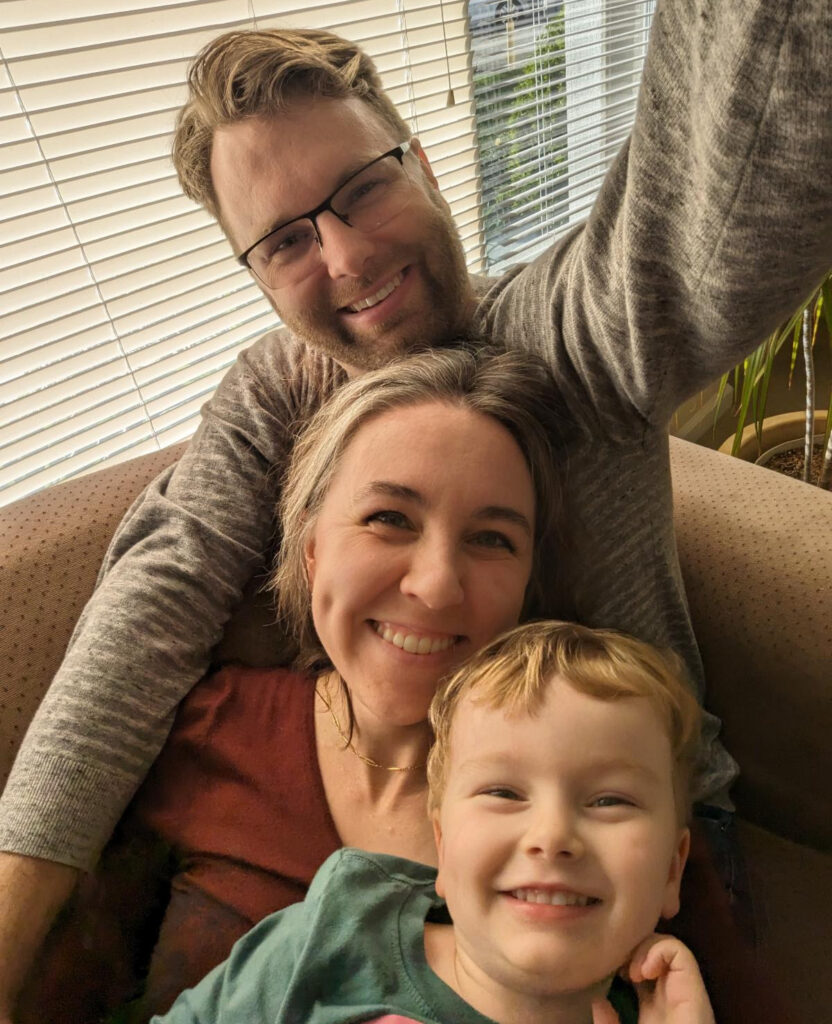
With this shift in Ann’s responsibilities, we are pleased to introduce you to OLLI’s new program director Andrew Lavin, pictured with his wife Kellie Marie and their son Wesley. OLLI reports to PCE, so Andrew and Ann will continue to collaborate. “Andrew’s breadth of experience is a perfect fit for OLLI,” Ann said, “and I can’t wait to introduce him to our special community of learners.”

new program director
As the program director, Andrew will head up OLLI’s strategic direction, program development, fundraising, and marketing. He will oversee our volunteers and get to know members. “I am excited about OLLI because I’ve always been a bit of a dabbler, wanting to explore widely rather than specialize in one thing,” Andrew said. “I also truly believe that life should be about making ourselves well-rounded and well-connected people and OLLI fulfills both of those functions. I look forward to using my gifts of creativity, media production and design, and nurturing people’s diverse strengths in this role as we build the next phase of OLLI.”

Andrew was most recently a grant manager at CalRecycle. Before that, he taught at Butte College, Feather River College, and Chico State. He has a BA from Chico State, an MA from San José State University, and a PhD from UCLA. He wrote Thinking Well: A Logic and Critical Thinking Textbook released under a Creative Commons Attribution 4.0 International license, and hosted and produced Reductio, a podcast about philosophy, ideas, and understanding.

Be sure to say hi when you see Andrew around and give him a warm welcome to OLLI!

Save the Date

Join us for a Goodbye Ann and Welcome Andrew Drop-In Reception on June 26, 3-4:30pm, in Bradley 2 at The Social Chico.


DISCOVER THE BEST OF HITCHCOCK THIS SPRING

More than 80 people have enrolled in Jay Sherwin’s class Danger, Suspense, and Deception: The Best of Alfred Hitchcock. Jay, pictured, has taught this and another Hitchcock class to 24 OLLI programs nationwide, with more scheduled in the fall. “I have been watching, studying and enjoying Hitchcock films for fifty years, since I was a child, and I remain fascinated by his life and his work,” Jay said. “When I moved to San Francisco in 2007, I created a walking tour of Alfred Hitchcock’s San Francisco.”

HITCHCOCK THIS SPRING

Jay led the tour for nine years, meeting thousands of Hitchcock fans from around the world. “When I left California, I was very sad to give up the tour, but then I realized that I didn’t have to!” He converted it to a virtual tour and begin offering it online to OLLI programs all over the country, including OLLI at Chico State.

“It was hard to choose just of few of Hitchcock’s best films,” Jay said of his spring class, “but I did, and I had a wonderful time developing the class content.” Jay chose four classic Hitchcock themes – themes he explored throughout his career – and he’ll be discussing two films each week that share a common theme.

“What I love most is sharing my Hitchcock obsession with others, including casual fans and serious students,” Jay said. “It’s great to introduce the films to people who haven’t seen them, and it’s great fun to discuss them with other longtime fans who appreciate them as much as I do.”

Register now for Danger, Suspense, and Deception: The Best of Alfred Hitchcock and experience Jay’s appreciation for yourself.

Jay’s class is just one of our OLLI USA classes starting this month. Some of the other classes will give you a chance to learn about paper, take a tai chi class, or catch up on AI news.


OVERHEARD AT OLLI

Brian Mullins, pictured, attended the OLLI Art Gallery opening reception on April 28 after a 15-year absence from OLLI. “As I got more active in cycling, I had less time for OLLI,” Brian explained. Brian and his wife Deborah spend six month a year in Chico, and lately he’s been missing the social connections and learning opportunities OLLI offers. At the gallery event, he ran into people he’d known when he was last an OLLI member, including Maureen Fredrickson, with whom he was a teacher at Chico Junior High School.

OVERHEARD AT OLLI

“It’s all coming back to me,” Brian said. “What I loved most about OLLI 15 years ago was the easy ways in which to connect with people.”

More than 50 people attended the gallery opening in Bradley 2 at The Social Chico. The artwork, 60 pieces by OLLI members, will be on display through the end of the term.


MEMBER BENEFIT: HAVE LUNCH AT THE SOCIAL UNTIL MAY 24

OLLI members get a special discounted lunch price at The Social Chico’s main cafeteria when you buy a 10-meal card from the cashier for $81.19. Single meals for everyone, including OLLI members, are $13.52.

The OLLI lunch hour, 11:30am-12:30pm, Monday-Friday is a great opportunity to spend time with other members and get something to eat between classes without having to go anywhere. And these prices still beat most downtown eateries!

MEMBER BENEFIT

The Social Chico’s cafeteria will be open through May 24. They will then be closed during the summer. Café 1400 in the Bradley 2 lobby will be open all summer serving Starbucks drinks and grab-and-go food items.

Debit/credit cards only. The Social Chico cannot accept cash.


LAKESIDE LEARNING AT OLLI SPONSOR THE TERRACES

With more than 130 members enrolled in his fall and winter classes on memory and aging, Westmont Living, Inc. (The Terraces of Chico) Senior Executive Director Cliff Keene has touched on a subject many of us can relate to. In his “Where Are My Keys?” class, Cliff discussed signs of normal brain aging, with examples like harder to recall names and slower to find words. He also shared symptoms of abnormal brain aging, like getting lost in familiar places, frequently repeating questions, and odd or inappropriate behavior. In addition to fielding questions, Cliff also talked about contributing factors, as well as resources for support.

Cliff’s long career in and commitment to older adult care makes OLLI’s partnership with The Terraces of Chico, pictured, a natural fit. For more than a decade, The Terraces has hosted OLLI classes, from opera, dance, and film classes to foreign languages and tai chi. These classes are also open to residents at The Terraces, creating a win-win arrangement for OLLI and for the facility. OLLI Program Director Ann Nikolai and Cliff both served together on the Chico State Interdisciplinary Center on Aging (ICOA) where Ann first met Cliff and discovered his deep commitment to older adults. “Cliff always made himself available as a resource to campus and the wider community to address issues affecting older adults, like health care, physical aging, financial security, and loneliness,” Ann said.

LAKESIDE LEARNING AT OLLI SPONSOR THE TERRACES

Now in his third year as The Terraces Executive Director, Cliff has had an opportunity to experience the OLLI presence at the facility. Becoming an OLLI sponsor last year seemed like a natural next step. As Cliff explained it, “It is great to have OLLI classes at the Terraces. There is such good energy when ongoing learning with seniors is happening here. It inspires our own residents to get involved with a topic that interests them as well.” OLLI members also love the classroom setting on the shores of California Park Lake.


Longtime OLLI instructor and volunteer leader Sydney Wilde has been a Terraces resident since 2022. “When my husband died two years ago, I already knew The Terraces was where I needed to be,” Sydney said. “The space is bright and airy, the apartments are comfortable, food is good, and there are more activities than any one person could possibly attend.” Shortly after Sydney moved in, she assumed the role of president of The Terraces Residents’ Council, a position formerly held by another OLLI member, Louise Cummins, who relocated to Washington State a year ago. In addition to her leadership role at The Terraces, Sydney has also continued teaching for OLLI online and, as of the new winter term, in person. “The in-person class is comprised 50/50 OLLI members and Terraces residents,” Sydney said.


OLLI partnerships on campus and in the community enrich programming by expanding knowledge networks and resources. For OLLI, this sponsorship also provides a financial boost that is contributing to OLLI’s post-pandemic recovery. But Cliff will tell you the partnership with OLLI is an excellent way to facilitate learning through classroom opportunities at The Social Chico and at The Terraces. “It is a pleasure to work with the OLLI program,” Cliff said. “I am happy to support the philosophy that learning should never end. I am also pleased to offer some topics that empower people as they age. There is not a better adage than ‘knowledge is power’ to adopt during the senior years of life.”

The Terraces popular Concert By The Lake series is May 18 and June 15 on the lawn at The Lodge. Music starts at 5:30. Bring chair or picnic blanket. Food, wine, and water provided.

SPRING COMMUNITY SPEAKER SERIES

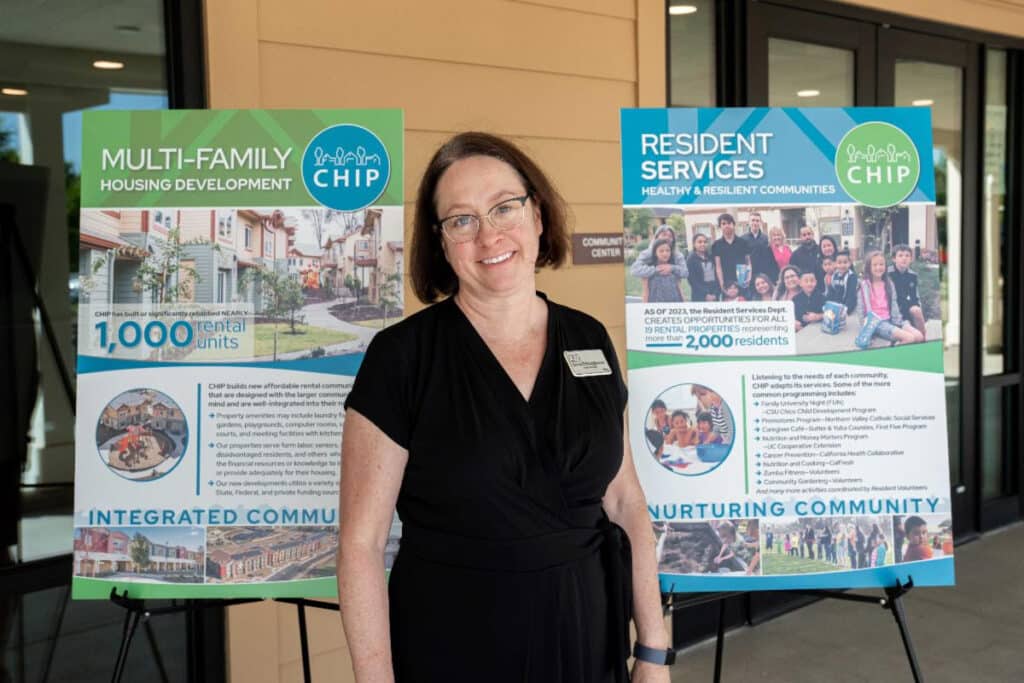
Save the date for our Spring Community Speaker Series on Wednesday, May 22, 3-4pm. Community Housing Improvement Program (CHIP) President and CEO Seana O’Shaughnessy, pictured, will join us to talk about CHIP’s work.

SPRING COMMUNITY SPEAKER SERIES

Founded in 1973 as a partnership between Chico State and the City of Chico, CHIP serves Butte, Glenn, Tehama, Shasta, Sutter, Yuba, and Colusa Counties by assisting low-income and rural disadvantaged residents, seniors, and others who lack the financial resources or knowledge to improve or provide adequately for their housing. Seana embarked on her journey with CHIP three months after the Camp Fire. “I grew up in Paradise, so it means a lot to me to come full circle and be a part of this crucial recovery work,” she said.


Learn more about CHIP’s recovery efforts and the communities and people served at this event.

Free and open to the public!

A hybrid event – join us in Bradley 2 at The Social Chico or on Zoom. Check the OLLI website the day of the event for the Zoom link.


MEET A MEMBER: JOAN O’BRIEN


Joan O’Brien has been an OLLI member since she retired in 2017. She and her husband Shawn relocated to Chico in 2005 from San Diego, where she taught severely disabled preschoolers. Shawn took a job with Butte County Public Works and Joan worked in Yuba City for Sutter County Superintendent of Schools. “I jumped right into OLLI classes after I retired,” Joan said. “The vast array of classes now available both in person and online are amazing.”

JOAN O'BRIEN

Joan enjoys outdoor hikes and bird watching, as well as historic tours. She says she also gets a lot out of the financial classes for women. She particularly appreciates having access to classes from other OLLI programs such Rochester Institute of Technology and University of Arizona. The OLLI staff got to know Joan better when she started volunteering in the office. “I volunteer for all sorts of reasons,” she said. “I really like to help others who need it, to give me something meaningful to do, and to meet other people who share a common interest.”

Pictured: Joan’s daughters Katie and Siobhan, Joan, and Shawn, plus dog Fergus, at the 2023 Run for Food event.


TRAVEL AND LEARN WITH OLLI

Tropical Costa Rica, Winter ’25

Experience the paradise of lush forests and stunning waterfalls, rumbling volcanoes and endless coastlines in Costa Rica. Take in tranquil views of Arenal Volcano, visit the Cano Negro nature preserve, experience the Monteverde Cloud Forest’s lush canopy, and relax on sandy beaches. Your 9 days and 13 meals will be guided by seasoned tour guides from Collette.

Tropical Costa Rica
 

Exploring Greece and Its Islands, Spring ’25

Discover the magnificent ruins of ancient Greece and bask in the brilliance of the Mediterranean. This comprehensive journey explores Greece’s most important ancient monuments with ample time to explore on your own. Your 16 days and 25 meals will be guided by seasoned tour guides from Collette.

View the Exploring Greece and Its Islands full itinerary (pdf) and book now for discounted rates.

Exploring Greece and Its Islands

Memorials of World War II, Fall ’24

Retrace the D-Day preparation efforts and path this October. Join the OLLI members who have already signed up for this exciting tour! Book your trip and view the Memorials of WWII full itinerary (pdf).


CHICO FRIENDS OF THE LIBRARY ANNUAL MEETING


OLLI instructor and local humorist Eric Miller will be the featured presenter at the Chico Friends of the Library Annual Meeting. Free and open to the public!

May 21, 6:30pm

Chico Library Conference Room, 1108 Sherman Avenue, Chico (map)

CHICO FRIENDS


MAY IS ASIAN AMERICAN, NATIVE HAWAIIAN, AND PACIFIC ISLANDER HERITAGE MONTH


Asian American, Native Hawaiian, and Pacific Islander Heritage Month began as Asian/Pacific American Heritage Week in 1979 and has been an official heritage month since 1990. The month includes the heritage of Americans from a wide variety of national backgrounds.

A variety of US federal government agencies and organizations offer ways to learn about the heritage and contributions of Asian Americans, Native Hawaiians, and Pacific Islanders. This May, spend some time learning and exploring their heritage.

HERITAGE MONTH


OLLI CALENDAR

May 22

May 27

June 19

June 26

June 28

Spring Community Speaker Series

Memorial Day (No Classes, OLLI Closed)

Juneteenth (No Classes, OLLI Closed)

Goodbye Ann, Welcome Andrew Reception

Last Day of Spring Classes


7 Surprising Truths About Anxiety in Older Adults


As we journey through the golden years, the challenges we face may not always be apparent to those around us. At Westmont of Chico in Chico, CA, we understand the importance of shedding light on the often-overlooked topic of anxiety in older adults. Contrary to common misconceptions, anxiety is not solely a concern for the young. Seniors experience anxiety in unique and sometimes unexpected ways. Join us as we explore seven surprising truths about anxiety in older adults, providing insights and support for our cherished residents and seniors everywhere.


1. The Prevalence of Late-Onset Anxiety:

Contrary to popular belief, anxiety can develop or resurface later in life, even if one has never experienced it before. Late-onset anxiety is more common than you might think, with various factors such as health issues, life transitions, or cognitive decline triggering its onset. At Westmont of Chico, we recognize the significance of late-onset anxiety and provide tailored support to help our residents navigate this challenging experience with compassion and understanding.


2. Underreported Symptoms:

Anxiety symptoms in older adults often go underreported or misattributed to other age-related conditions such as dementia or physical ailments. Recognizing these symptoms is crucial for early intervention and improved quality of life. Restlessness, irritability, sleep disturbances, and cognitive difficulties are some common manifestations of anxiety in seniors. By addressing these symptoms proactively, we empower our residents to lead fulfilling lives free from the grips of fear.


3. Unique Triggers and Stressors:

While life transitions and health concerns can trigger anxiety in older adults, unique stressors may also contribute to their distress. Loss of independence, financial worries, social isolation, and existential concerns are just a few examples of triggers that may exacerbate anxiety in seniors. Creating a supportive environment that acknowledges and addresses these triggers fosters a sense of security and well-being for our residents at Westmont of Chico.

Triggers and Stressors

Triggers and Stressors

4. Overlooked Cultural and Generational Factors:

Cultural and generational factors can significantly influence how anxiety is perceived and expressed among older adults. The stigma surrounding mental health issues, stoicism, and the “pull yourself up by your bootstraps” mentality may prevent seniors from seeking help or expressing their emotions openly. At Westmont of Chico, we strive to create a culture of acceptance and understanding where residents feel empowered to share their concerns and seek assistance without judgment.


5. Impact on Physical Health:

The detrimental effects of anxiety on physical health are often underestimated in older adults. Chronic stress and anxiety can weaken the immune system, exacerbate existing health conditions, and increase the risk of cardiovascular events. By addressing anxiety holistically through personalized care plans, we aim to promote not only mental well-being but also physical health and longevity for our residents.


6. Importance of Social Connection:

Social connection plays a pivotal role in mitigating anxiety and promoting overall well-being in older adults. However, seniors may face barriers such as mobility issues, bereavement, or lack of opportunities for social engagement. At Westmont of Chico, we prioritize community building and offer a wide range of activities and events to foster meaningful connections among residents. Whether it’s through shared hobbies, group outings, or simply enjoying a meal together, we believe in the healing power of human connection.


7. Strategies for Coping and Support:

Empowering seniors to cope with anxiety involves a multifaceted approach that encompasses therapeutic interventions, lifestyle modifications, and social support. Cognitive-behavioral therapy, relaxation techniques, regular exercise, and mindfulness practices are some effective strategies for managing anxiety in older adults. Additionally, our dedicated team at Westmont of Chico provides personalized support and encouragement every step of the way, ensuring that our residents feel empowered and supported in their journey towards greater emotional well-being.


What Level of Care Do You Need?

Discover the level of care you or your family member requires. 


FAQs:

  1. Can anxiety develop in older adults, even if they’ve never experienced it before?

Absolutely. Late-onset anxiety is a common occurrence among seniors. It can be triggered by various factors such as health issues, life transitions, or cognitive decline.


  1. How can I differentiate between everyday aging concerns and anxiety in older adults?

While some degree of worry or stress is average in older adults, persistent or excessive anxiety that interferes with daily functioning may indicate a more severe problem requiring intervention.


  1. Is it possible to treat anxiety in older adults effectively?

Yes, anxiety in older adults can be effectively treated through a combination of therapeutic interventions, lifestyle modifications, and social support. Seeking professional help and developing personalized care plans are critical steps in managing anxiety in seniors.


Takeaways:

  • Anxiety in older adults is a prevalent but often overlooked issue that requires attention and support.
  • Late-onset anxiety can occur in seniors and may be triggered by various factors, including health concerns and life transitions.
  • Recognizing and addressing anxiety symptoms early can lead to improved quality of life and overall well-being for older adults.
  • Social connection, holistic interventions, and personalized support are essential in managing anxiety in seniors.


If you or a loved one is struggling with anxiety in later life, know that you’re not alone. The caring team at Westmont of Chico is here to provide support and guidance tailored to your unique needs. Contact us today at 530-535-7337 to learn more about how we can help.


Navigating Legal Matters in Independent Living

Empowering Residents with Legal Knowledge

At Westmont of Chico in Chico, CA, we understand the importance of being well-informed about legal matters as you enjoy your golden years in independent living. Our commitment is to empower our residents with the knowledge and resources they need to navigate the legal landscape confidently.


Understanding Legal Documents in Independent Living

One of the first steps in managing your legal affairs is understanding the various documents that play a critical role in independent living. From wills and trusts to healthcare directives and power of attorney agreements, having these documents in order can ensure your wishes are respected and your interests protected.


The Importance of Wills and Trusts

Wills and trusts are foundational elements of estate planning. They dictate the distribution of your assets and ensure that your legacy is passed on according to your wishes. At Westmont of Chico, we recommend consulting with a legal expert to create or review your estate plan, ensuring it aligns with your current needs and future goals.


Making Healthcare Decisions with Advanced Directives

Advanced healthcare directives, including living wills and durable powers of attorney for healthcare, are crucial for maintaining control over your medical care. These documents allow you to outline your preferences for treatment and appoint someone to make decisions on your behalf if you cannot.


Navigating Financial Legal Matters with Confidence

Financial security is a significant concern for many seniors. Understanding how to protect your assets and navigate economic and legal matters is essential for a stress-free independent living experience.


Protecting Your Assets through Smart Planning

Asset protection strategies, such as properly structuring ownership and using trusts, can safeguard your wealth from unforeseen circumstances. At Westmont of Chico, we encourage residents to seek professional advice to ensure their financial planning is robust and effective.


Legal Considerations for Long-Term Care Planning

Long-term care planning is an aspect of financial planning that often requires legal insight. Understanding the implications of long-term care insurance or navigating Medicaid eligibility, having a clear strategy can provide peace of mind and financial security.

Legal Considerations for Long-Term Care Planning

Legal Considerations for Long-Term Care Planning

Safeguarding Your Rights in Independent Living Communities

As a resident of an independent living community like Westmont of Chico you must be aware of your rights and the legal standards that communities must adhere to. Being informed can help you ensure you’re receiving the quality of life and care you deserve.


Understanding Resident Agreements

Resident agreements are the cornerstone of your relationship with an independent living community. These documents outline everything from services provided to payment terms and conditions for living in the community. We recommend that all our residents review these agreements carefully, ideally with legal counsel, to understand their rights and obligations fully.


The Role of Advocacy in Independent Living

Advocacy plays a vital role in ensuring that the rights of seniors are protected. Whether through individual action or collective efforts, advocating for high standards in care, transparency in communication, and respect for residents’ autonomy is essential. At Westmont of Chico we support and encourage our residents to voice their needs and concerns.


Estate Planning: A Gift of Peace for Your Family

Estate planning might seem daunting, but it’s one of the most compassionate things you can do for your loved ones. By clearly outlining how your assets should be managed and distributed, you can prevent disputes and ensure that your legacy is honored exactly as you envision.


The Benefits of Regular Estate Plan Reviews

Life’s constant changes mean that your estate plan should evolve as well. Regular reviews with a legal professional can ensure that your estate plan reflects your current situation, wishes, and the ever-changing legal landscape. This proactive approach can save your loved ones from unnecessary stress and complications in the future.


What Level of Care Do You Need?

Discover the level of care you or your family member requires. 


Charitable Giving and Legacy Planning

For many, leaving a legacy that extends beyond their family is important. Charitable giving through your estate plan can support causes close to your heart and provide significant tax benefits. At Westmont of Chico, we can guide you through including charitable donations in your estate planning aligning your legacy with your values.


Legal Resources and Support at Westmont of Chico

At Westmont of Chico, we believe in providing our residents with a place to live and a supportive community that extends into legal guidance. We offer resources and host seminars on legal matters pertinent to seniors, ensuring you have access to the information and support you need.


Partnering with Legal Experts for Your Peace of Mind

We collaborate with esteemed legal professionals specializing in elder law to offer workshops and one-on-one consultations. These experts can clarify complex legal issues, from estate planning to rights within independent living communities, ensuring you’re well-informed to make the best decisions for your life.


Empowering Residents with Legal Education

Knowledge is power, especially when it comes to legal matters. Our educational programs are designed to demystify the legal aspects of independent living, estate planning, healthcare directives, and more, empowering you to take control of your legal affairs confidently.


Tailored Legal Solutions for Independent Living

Every resident’s situation is unique, and so are their legal needs. At Westmont of Chico, we understand the importance of personalized legal guidance. Whether you’re updating your will, setting up a trust, or navigating healthcare directives, we ensure you have access to tailored legal solutions that meet your specific needs.


Your Legal Well-Being is Our Priority

At Westmont of Chico, your peace of mind is our top priority. We go beyond providing a comfortable living environment by ensuring you have the legal support and resources to enjoy your independence without worry.

Navigating Legal Matters with Confidence

Navigating legal matters in independent living can be manageable. With the right resources, support, and expert guidance, you can secure your legacy, protect your rights, and enjoy your golden years with peace of mind. At Westmont of Chico, we’re committed to providing you with the knowledge and support to navigate these matters confidently.


How We Can Help

If you have any questions or need assistance with legal matters related to independent living, our team at Westmont of Chico is here to help. Don’t hesitate to contact us at 530-894-5429 for guidance and support.


Balancing Independence in Senior Citizen Care – How?

Senior Citizen Care at Westmont of Chico

In the golden years of life, maintaining a sense of independence is not just a desire; it’s a necessity for emotional and physical well-being. At Westmont of Chico, nestled in the serene environment of Chico, CA, we understand the delicate balance required in senior citizen care. This article aims to share expert insights and actionable tips to uphold autonomy while ensuring safety and comprehensive care for our seniors.

Understanding the Need for Independence in Senior Care

Independence in senior care isn’t just about allowing elders to do everything by themselves; it’s about enabling them to make choices, engage in activities they love, and feel a sense of control over their daily lives. The psychological benefits, including enhanced self-esteem and decreased feelings of helplessness, are profound.

The Role of Personalized Care Plans

At Westmont of Chico, every resident’s care plan is as unique as their own. Personalized care plans promote independence and cater to individual needs, preferences, and abilities. This bespoke approach ensures that while support is always at hand, it never overshadows the resident’s autonomy.

The Role of Personalized Care Plans

The Role of Personalized Care Plans

Strategies for Promoting Independence

Regular physical activity, tailored to each resident’s capability, is a cornerstone of maintaining independence. Whether it’s gentle yoga, walks in our landscaped gardens, or balance exercises, staying active bolsters physical health and cognitive function.

Fostering Social Connections

Social engagement is vital for emotional health. Our community is designed to encourage interactions, whether through shared meals, group activities, or simply enjoying a conversation in our communal areas. Such connections can significantly enhance a senior’s quality of life.

Empowering Through Technology

When used appropriately, technology can be a powerful tool in supporting senior independence. From safety-enhancing gadgets like fall detectors to cognitive aids like reminder apps, tech can provide peace of mind and a sense of control.

Nutrition and Wellness in Senior Independence

Nutrition plays a critical role in maintaining health and independence. Our culinary team at Westmont of Chico focuses on nutritious, balanced meals that cater to individual dietary needs, ensuring our residents have the energy and nutrition they need to thrive.


What Level of Care Do You Need?

Discover the level of care you or your family member requires. 


Mental Wellness and Cognitive Health

Mental wellness is as crucial as physical health in promoting independence. Activities that stimulate the mind, such as puzzles, reading clubs, or art classes, are integral to our community, supporting cognitive health and providing a sense of achievement and purpose.

Safety Measures That Support Independence

Safe, senior-friendly living spaces are essential in supporting independence while minimizing risks. Our accommodations are designed with safety in mind, from bathroom grab bars to emergency call systems, ensuring help is always within reach without compromising personal space.

Regular Health Assessments

Regular health assessments ensure that any changes in a resident’s health are identified and addressed promptly. This proactive approach supports sustained independence by adapting care plans to meet evolving health requirements.

Integrating Family Support with Professional Care

In the journey of maintaining independence in senior care, the role of family cannot be overstated. Regular visits, participation in care planning, and emotional support reinforce the senior’s sense of belonging and importance. At Westmont of Chico, we foster an open and welcoming environment for families, creating a partnership in care that respects the senior’s autonomy while ensuring their well-being.

Balancing Independence and Assistance

While family involvement is crucial, it’s important to strike a balance, allowing seniors to manage their day-to-day lives as much as possible. Even in small daily choices, encouraging decision-making promotes a sense of control and self-worth.

The Role of Continuous Learning and Engagement

Intellectual engagement through continuous learning profoundly impacts a senior’s sense of independence and self-identity. Our programs at Westmont of Chico include a variety of educational workshops, guest lectures, and skill-building classes, encouraging residents to explore new interests and reignite old passions.

Creative Expression and Hobbies

Creative outlets and hobbies offer more than just entertainment; they provide a sense of purpose and independence. From painting and gardening to music and crafting, we support our residents in pursuing activities that bring joy and fulfillment, fostering a vibrant community spirit.

Navigating Health Challenges with Dignity

For many seniors, managing chronic health conditions is a reality that can impact their independence. Our approach combines medical management with holistic wellness practices, ensuring that each resident receives comprehensive care that respects their autonomy and lifestyle preferences.

Support for Mental Health

Mental health is a critical component of senior care, with conditions like depression and anxiety affecting many. Our compassionate care team is trained to recognize and address mental health challenges, providing support and resources to maintain residents’ independence and quality of life.

The Future of Senior Citizen Care at Westmont of Chico

As we look to the future, Westmont of Chico is committed to embracing innovative solutions that enhance senior independence. From advancements in medical technology to new approaches to care, we are dedicated to providing a forward-thinking environment that supports the evolving needs of our residents.

Building a Community of Care

At the heart of our mission is creating a community where seniors feel valued, respected, and empowered. Our holistic approach to care is designed to nurture not just the physical but also our residents’ emotional and spiritual well-being, ensuring a fulfilling and independent lifestyle.

Senior Care at Westmont of Chico

In conclusion, balancing independence in senior citizen care requires a multifaceted approach, integrating physical, emotional, and social support. At Westmont of Chico in Chico, CA, we are dedicated to providing a nurturing environment where seniors can thrive with dignity and autonomy. Our expert team is always here to discuss how we can support you or your loved one in maintaining independence. Feel free to reach out to us at 530-535-7337 for a personal consultation.

Thank you for considering Westmont of Chico as your partner in senior care. Together, we can create a fulfilling and independent lifestyle for the seniors in our community.


How Can Elderly Centers Improve Memory Care?

The Essential Role of Elderly Centers in Memory Care

In the heart of Chico, CA, Westmont of Chico stands as a beacon of hope and expertise for families navigating the challenges of memory care for their elderly loved ones. As we delve into the intricacies of memory enhancement and preservation, we must understand the pivotal role elderly centers like ours play in fostering an environment conducive to mental agility and memory retention.


Understanding Memory Loss in the Elderly

Memory loss, a common concern among the elderly, can stem from various causes, including Alzheimer’s disease, dementia, and natural aging. However, with the right approach, elderly centers can turn the tide, offering solace and solutions to those affected and their families.


Westmont of Chico: Pioneering Memory Care Excellence

At Westmont of Chico, we pride ourselves on our commitment to advancing memory care. Our innovative strategies and compassionate approach position us as leaders in the field, offering a ray of hope to those affected by memory-related challenges.


Innovative Strategies for Enhancing Memory Care

At the core of our philosophy is the belief that personalized care yields the most significant results. By tailoring our programs to our residents’ individual needs and histories, we unlock the door to more effective and compassionate care.


The Power of a Stimulating Environment

Creating an environment that stimulates the mind is crucial for memory care. We engage our residents’ cognitive functions through carefully designed spaces and activities, fostering a sense of purpose and joy in their daily lives.

The Power of a Stimulating Environment

The Power of a Stimulating Environment

Cutting-Edge Therapies and Techniques

Embracing the latest memory care research, Westmont of Chico integrates cutting-edge therapies and techniques into our programs. From music therapy to art and cognitive exercises, we employ diverse methods to enhance cognitive health.


The Role of Nutrition in Memory Care

Nutrition plays a vital role in cognitive health. Our dedicated dietary team crafts meals that delight the taste buds and provide the nutrients essential for brain health, supporting memory, and overall well-being.


Family Involvement and Support

We believe in the power of family involvement in the memory care journey. By fostering open communication and providing support resources, we create a supportive community that extends beyond our walls, offering comfort and guidance to families.


Embracing Technology for Memory Improvement

In an age where technology shapes every aspect of our lives, Westmont of Chico harnesses digital tools to enhance memory care. From cognitive apps to virtual reality experiences, we leverage technology to offer innovative and engaging ways to support cognitive functions.


Personalized Tech-Assisted Memory Exercises

Understanding each resident’s unique needs, we incorporate tech-assisted memory exercises catering to individual preferences and abilities. This personalized approach ensures that technology serves as a bridge to improved memory and quality of life.


Training and Education for Staff Excellence

At Westmont of Chico, we recognize that the backbone of exceptional care lies in our dedicated staff. Therefore, we invest heavily in continuous training and education, ensuring our team is well-versed in the latest memory care techniques and compassionate caregiving practices.


What Level of Care Do You Need?

Discover the level of care you or your family member requires. 


Expert Staff Specializing in Memory Care

Our team comprises experts specialized in memory care, equipped with the knowledge and skills to address the unique challenges faced by our residents. This specialized expertise ensures that every aspect of care is delivered with understanding and empathy.


Engaging Activities Tailored to Individual Needs

Engagement is key to enhancing memory and overall well-being. Our daily activities are designed to be enjoyable, meaningful, and tailored to our residents’ individual interests and abilities, fostering a sense of accomplishment and happiness.


Incorporating Physical Wellness into Memory Care

Physical wellness is intrinsically linked to cognitive health. Our comprehensive approach includes regular physical activities that are accessible and enjoyable for our residents, promoting both physical and cognitive well-being.

 

The Importance of a Supportive Community

Creating a supportive and inclusive community is at the heart of what we do. At Westmont of Chico, residents find more than just care; they find a family and a sense of belonging that nurtures their spirit and mind.


Building Connections Through Social Interactions

We prioritize social interactions and community-building activities, understanding that strong social connections are vital for mental health and memory preservation. Our community is where friendships flourish, and support is always within reach.


Continuous Evaluation and Personalization of Care

Recognizing that the needs of our residents may evolve, we continuously evaluate and adapt our care plans. This dynamic approach ensures that each resident receives the optimal support and care tailored to their changing needs.

Partnering with Families for Holistic Care

We view the families of our residents as essential partners in the memory care journey. By working closely with families, we ensure a holistic approach that considers our residents’ emotional, physical, and mental well-being.


A Commitment to Memory Care Excellence

At Westmont of Chico, our commitment to memory care excellence is unwavering. Through personalized care, innovative strategies, and a compassionate community, we strive to enhance our residents’ quality of life and offer their families peace of mind.


Your Partners in Memory Care

If you or a loved one are navigating the challenges of memory loss, Westmont of Chico is here to help. Our expert team, dedicated to enhancing memory care through compassion and innovation, is just a call away. Contact us at 530-894-5429 to discover how we can support you and your family on this journey in elderly centers.


Floor Plans & Pricing

Make yourself at home where a happy, healthy lifestyle goes hand-in-hand with your personal fulfillment, enrichment, and growth.

Answer a few quick questions to unlock the exciting future senior living can offer!

Resident Login