

Step Into Westmont Living®

An Affair to Remember

Residents and Guests Join in Celebration of Westmont of Carmel Valley’s First Anniversary

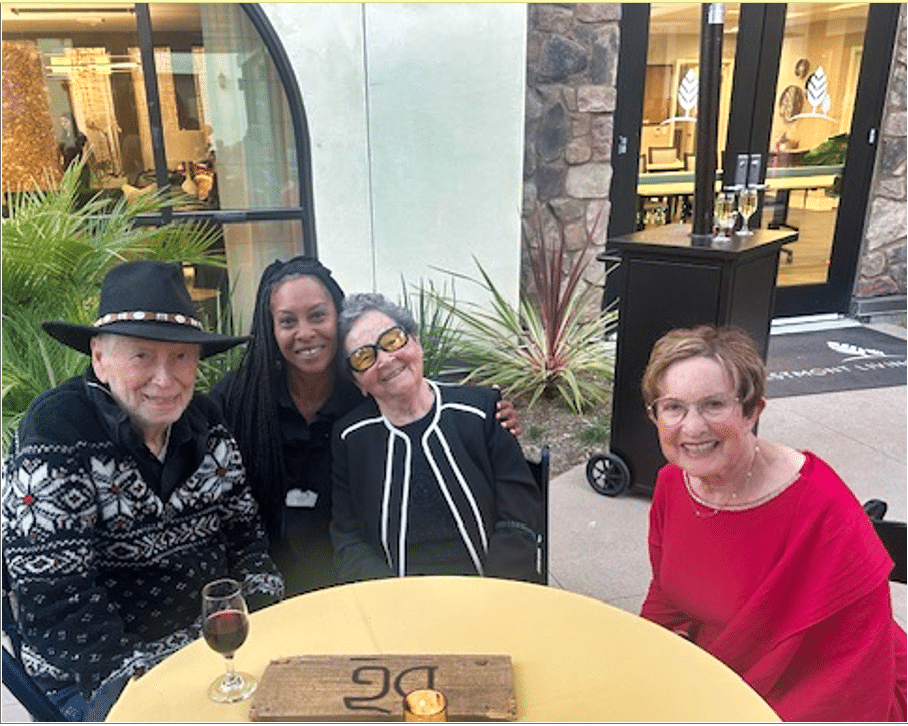
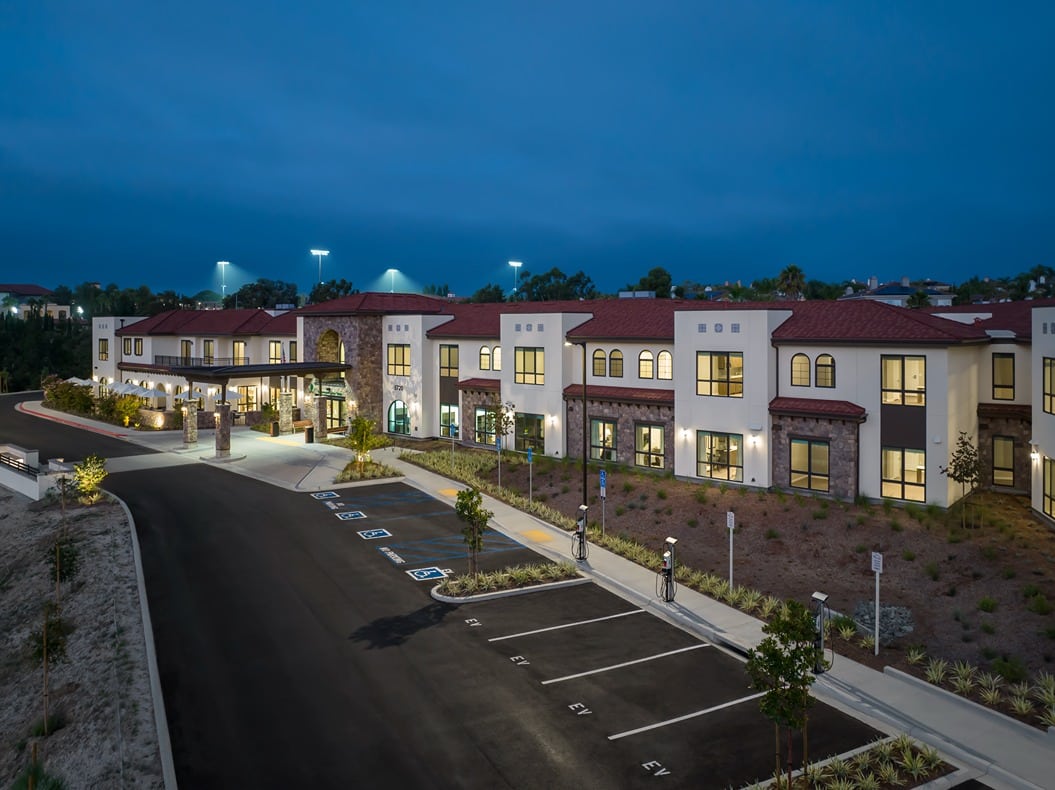
Just ahead of the holidays, residents, families, friends and staff celebrated a festive affair to officially commemorate the first anniversary of Carmel Valley’s newest senior living community.  Pictured (left to right) Residents David Goodell, Dining Room Server Jackie Lubitz, Denise Sevean and Gail Malkus.  It was an evening filled with laughter and fun, dining and dancing and…a surprise visit from Santa Clause, who took time away from his holiday preparations to celebrate the community’s milestone. Westmont of Carmel Valley is nestled on the hillside and centrally located along Old Carmel Valley Road. For more info., please call 858/947-0460 or visit www.westmontofcarmelvalley.com

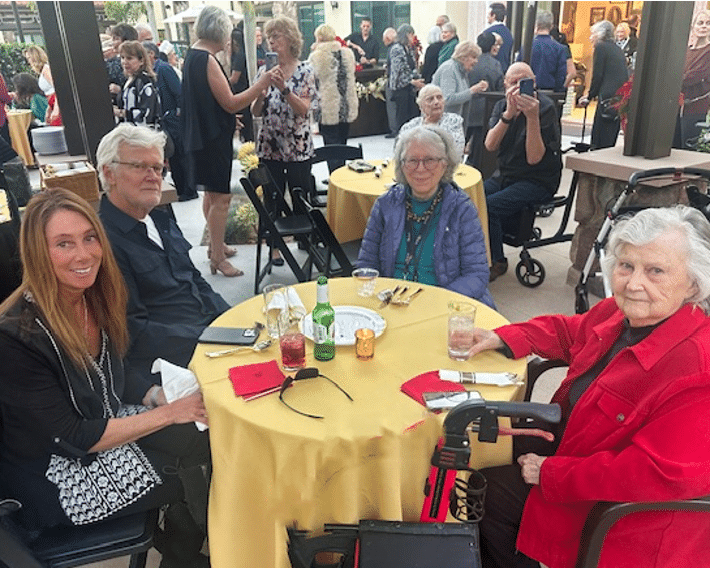
Pictured (l-r) Taking a moment to relax at the Westmont of Carmel Valley 1st Anniversary party are Holly and Dan Anderson, Ginny Lawrence and Elaine Jensvold.


senior living community


Understanding the Cost of Independent Living: What to Expect

When you’re considering independent living at Westmont of Carmel Valley, understanding the costs involved is vital for making an informed decision. Monthly fees can average around $3,065, but this figure varies greatly depending on where you live and what services you choose. While many costs cover essential amenities like housing and meals, there might be extra fees for personal services that could catch you off guard. It’s important to explore all aspects, including location and hidden charges, to get a clearer picture of your spending. What other factors should you consider before leaping?


Cost of independent living

The cost of independent living can vary greatly, influenced by factors like location, amenities, and community type. On average, you can expect to pay around $3,065 per month in the U.S., but this amount can rise considerably.

For instance, Maine boasts the highest costs at approximately $6,162 monthly, while Mississippi offers more budget-friendly options at about $1,282. These disparities stem from local real estate prices and the demographics of the senior population.

When considering independent living, evaluating your priorities and financial situation is crucial. Factors like floor plans including amenities, and community services can all impact your monthly expenses.

Some communities provide all-inclusive pricing, covering meals, maintenance, and social activities, while others may charge additional fees for services you may need.

Be proactive about understanding the long-term financial implications of your choices. Annual price increases, projected to be around 5.4%, can affect your budget over time.

Researching various communities and their offerings helps you align your financial resources with your lifestyle preferences, ensuring you choose a sustainable option for your future.

cost of independent living

Retirement home cost

When evaluating retirement home costs, it’s essential to take into account various factors that greatly influence pricing.

First, consider the location; costs can vary markedly based on regional real estate markets. For instance, you might find higher prices in states like Maine, where monthly fees average around $6,162, compared to lower costs in Mississippi, which can be as low as $1,282.

Next, consider the amenities offered. Some communities offer all-inclusive pricing that covers meals, housekeeping, and activities, while others may charge separately for these services. This can greatly impact your monthly budget.

It’s also important to look at the type of community. Continuing Care Retirement Communities (CCRCs) often require larger upfront investments but can offer a range of care options as needs change.

Additionally, be aware of any potential hidden fees, such as association fees or one-time admission charges.

Lastly, engaging a Senior Living Advisor can help you navigate these complexities, ensuring you find a community that fits both your budget and lifestyle needs. Furthermore, consider the availability of assisted living options that cater to individual preferences and care requirements in your area.

Understanding these elements will empower you to make informed decisions for yourself or your loved ones.

cost of independent living

Assisted living prices

Individuals exploring senior living options often find themselves comparing assisted living prices to other types of communities. It’s important to recognize that assisted living generally comes at a higher price point due to the increased level of care and support provided. On average, monthly costs for assisted living can range from $3,500 to over $6,000, depending on location, amenities, and care needs.

When evaluating assisted living prices, reflect on what’s included in the fee. Many communities offer all-inclusive pricing, covering meals, housekeeping, and access to social activities. However, additional costs may arise for personal care services, transportation, or specialized therapies.

It’s vital to assess your loved one’s specific needs and budget. Some communities might provide tiered pricing, where costs increase based on the level of assistance required. Furthermore, understanding the personalized care services offered can help determine the best fit for your loved one’s needs.

Additionally, researching financial assistance options, such as veterans’ benefits or long-term care insurance, can help manage these expenses.

Ultimately, understanding assisted living prices involves looking beyond the monthly rate to reflect on the overall value and quality of care provided, ensuring your loved one receives the support they need.

Average monthly cost for senior living

Understanding the average monthly cost of senior living is vital for families making important decisions about care options. The median monthly cost for independent living in the U.S. is around $3,100, but this can fluctuate considerably based on various factors. Costs can range from about $1,800 to $6,000, depending on your location, the amenities provided, and the specific community’s offerings.

For instance, states like Maine report higher costs, averaging $6,162, while Mississippi offers more affordable options, around $1,282. These differences often stem from local real estate markets and the area’s demographic makeup.

It’s important to consider not just the rent but also the services included in the monthly fee, such as meals, utilities, housekeeping, and social activities.

As you evaluate potential communities, take the time to compare prices and amenities. Understanding the pricing structure helps you budget effectively and guarantees your loved one receives the right balance of independence and support.

Cost of independent living per month

The cost of independent living per month can greatly impact your budget, and it’s essential to grasp the range of expenses involved. Typically, monthly fees for independent living communities average around $3,100, but costs can vary considerably based on location, unit size, and amenities. For instance, you might pay as low as $1,282 in Mississippi or up to $6,162 in Maine.

When budgeting, consider what the monthly fee covers. Many communities include housing, meals, basic utilities, and housekeeping, while additional services like personal care or transportation might incur extra charges. It’s wise to ask about one-time admission or association fees, which can also affect overall costs.

As you evaluate options, think about your personal needs and preferences. Researching communities and comparing their offerings can help you find the best fit within your budget.

Average monthly cost for senior living

When considering your options for senior living, it’s important to look at the average monthly costs associated with various types of communities. Currently, the median monthly cost for independent living in the U.S. is around $3,100, but this can vary considerably based on factors like location, amenities, and the type of community you choose.

For instance, living in Maine can cost about $6,162 monthly, while in Mississippi, you might pay as little as $1,282.

Remember that these costs often include housing, meals, basic utilities, and maintenance. Some communities offer all-inclusive pricing, while others may have additional fees for services like transportation or personal assistance.

It’s a good idea to inquire about what’s covered under the monthly fee to avoid unexpected expenses.

As you evaluate communities, consider the price and the value of services and amenities provided. Understanding the financial landscape of senior living can help you make informed decisions that align with your budget and lifestyle needs.

Don’t hesitate to ask questions and seek advice to find a community that effectively serves you and your financial goals.

Cost of independent living for seniors

Independent living for seniors costs an average of $3,100 per month, but the cost can vary greatly based on factors like location and community amenities.

For instance, living in Maine could set you back around $6,162 monthly due to high demand and limited affordable housing. In contrast, Mississippi offers a more budget-friendly option at about $1,282 monthly, thanks to lower living expenses.

It’s crucial to consider what’s included in these costs. Usually, your monthly fee covers housekeeping, maintenance, meals, and access to social activities.

However, some communities charge extra for personal services or amenities like transportation and laundry. Understanding these variations helps you make informed decisions that align with your budget and lifestyle.

As you evaluate your options, think about your personal needs and preferences. Researching community amenities and comparing costs across different locations can reveal significant savings. Moreover, exploring financial assistance options can provide additional resources to help manage costs effectively.

Engaging with Senior Living Advisors can also provide tailored recommendations to guarantee that you choose a community that fits your financial plan and enhances your quality of life.

Your goal is to find a supportive environment that meets your needs while staying within budget.

cost of independent living

Senior living cost calculator

Finding the right independent living community can be complex, especially with varying costs across different regions. A senior living cost calculator can be an invaluable tool in this process. By entering specific details like your location, desired amenities, and unit size, you can generate a clearer estimate of monthly expenses.

These calculators typically consider housing costs, meals, utilities, and additional services, providing you with a thorough overview of what to expect. This insight can help you make informed decisions, ensuring you remain within your budget while still meeting your needs.

Additionally, many calculators allow you to compare costs across multiple communities, highlighting significant differences that may go unnoticed. As you evaluate options, remember to account for potential future expenses, including any increases in care needs.

Using a cost calculator empowers you to explore various scenarios, ensuring you choose a community that aligns with your financial capacity and lifestyle preferences.

It’s a strategic approach to navigating the complexities of senior living, ultimately helping you better serve your loved ones.

cost of independent living

Affordable independent living for seniors

Exploring affordable independent living options is essential for seniors looking to maintain their independence without breaking the bank. Many communities cater specifically to seniors aged 55 and older, offering a range of prices and amenities.

Costs can vary greatly based on location, floor plans, and additional services. For instance, some areas may offer lower-priced options due to less demand or more affordable real estate.

To maximize your budget, consider communities that offer all-inclusive rates. These rates could potentially cover meals, utilities, and housekeeping, eliminating unexpected expenses.

Additionally, look for subsidized senior housing programs that provide below-market rates and are supported by government initiatives like HUD.

When evaluating communities, don’t forget to inquire about any extra fees for personal services or amenities. Smaller units or those in less desirable locations may also offer lower costs.

Finally, shared accommodations should be considered, as co-housing can greatly reduce living expenses. Furthermore, understanding the types of senior care centers available can help you make informed decisions about your living situation.

Cost of independent living by state

When evaluating affordable independent living options, it’s important to understand how costs can differ greatly from state to state.

For example, Maine has a monthly median cost of around $6,162, largely due to its aging population and limited affordable housing. Conversely, Mississippi offers a much lower rate, averaging about $1,282 monthly, thanks to its lower living expenses and a smaller senior demographic.

As you explore options, consider how regional factors like real estate prices, local amenities, and community services influence these costs.

States with larger senior populations often have higher demand, which can drive up prices. You’ll also want to assess each community’s specific features, as amenities and services can vary greatly.

In a world where you think retirement means escaping financial worries, the reality of independent living costs can be quite the wake-up call. While the average monthly fee at Westmont of Carmel Valley might sound manageable, hidden expenses can quickly add up, turning your dream into a budgetary nightmare. You can navigate this maze effectively by understanding these costs and exploring financial assistance options. After all, planning for a carefree retirement shouldn’t feel like a financial tightrope walk, should it? For more information, contact us at Westmont of Carmel Valley at 858-465-7356.


Find Where You Belong

Dive into the vibrant life our Westmont communities have to offer.


FAQs on Senior Independent Living Costs

What is the average cost of senior independent living?

The average cost of senior independent living typically ranges from $1,500 to $4,000 monthly, depending on the location, amenities, and services provided. Luxury communities or those in high-cost areas may charge more, while more budget-friendly options are available in smaller cities or rural locations.

What is the cost of independent living for the elderly?

Elderly independent living costs vary widely but generally fall between $1,500 and $4,000 monthly. Factors influencing costs include the size of the apartment, available amenities, and whether additional services such as housekeeping or meals are included.


How to Handle a Parent With Dementia: Tips for Daily Care Challenges

Caring for a parent with dementia requires understanding, patience, and adaptability. At Westmont of Carmel Valley, you’ll face unique daily challenges, from managing communication barriers to creating a safe environment. Finding effective strategies to enhance your parent’s quality of life can be overwhelming, yet vital. It’s also important to remember your well-being amid the caregiving demands. But what techniques can help ease the daily stress and foster a supportive atmosphere for both of you?


How to handle a parent with dementia

Handling a parent with dementia can feel overwhelming, but it’s vital to approach the situation with empathy and understanding.

Start by recognizing that dementia affects memory, emotions, and behavior. This means your parent may experience confusion, frustration, or sadness, which are all valid feelings.

To support them effectively, maintain open lines of communication. Use simple, clear language, and always speak calmly, ensuring you make eye contact to strengthen your connection.

Establishing a consistent daily routine can give your parent a sense of security and familiarity. Incorporate reminders for daily tasks and celebrate small achievements to boost their confidence.

Patience is important; when they struggle with tasks, offer gentle assistance rather than correction. Remember, their emotions often matter more than the accuracy of their words.

Creating a safe environment by removing tripping hazards and simplifying spaces is also important.

Consider their preferences, allowing them to make choices in their daily activities. By fostering independence and showing understanding, you enhance their quality of life and strengthen their bond during this challenging time. Additionally, engaging them in meaningful activities can significantly improve their cognitive health and emotional well-being.

how to handle a parent with dementia

Dealing with dementia

Dealing with dementia can be an emotionally taxing journey, both for the person affected and their caregivers. You might feel overwhelmed as you navigate the complexities of memory loss and cognitive decline.

It’s important to embrace patience and compassion during this time. Understanding that behavior changes often stem from frustration or confusion can help you respond with empathy rather than irritation.

Establishing a daily routine adds structure and familiarity, making it easier for your loved one to navigate their day. Use simple language and maintain eye contact to enhance communication.

Sometimes, non-verbal cues like gestures can bridge gaps when words fail. Be prepared for emotional outbursts; validating feelings can diffuse tension and help you connect. Additionally, involving family members in the care plan can provide essential support and coordination in managing daily challenges.

Caring for a parent with dementia

Caring for a parent with dementia presents unique challenges that can feel overwhelming at times. You might find yourself managing emotional ups and downs as your parent’s cognitive abilities decline.

Establishing a consistent daily routine is crucial, as familiarity can provide comfort and reduce confusion. Use simple language when communicating; this helps maintain connection and understanding. Pay attention to your parents’ emotional cues, validating their feelings rather than correcting them—this approach fosters a supportive environment.

Flexibility is key; behavior changes can occur unexpectedly, so be patient and ready to adapt. Remove potential hazards and simplify surroundings to create a safe living space, which encourages independence.

Remember, caregiving isn’t just about physical tasks; it involves emotional support, too. Prioritize your well-being by practicing self-care strategies, such as mindfulness or joining support groups, where shared experiences can lighten your load. Additionally, consider implementing special diets, as they can play a crucial role in managing dementia symptoms and improving your parents’ overall health.

Above all, approach each day with compassion. Celebrate small victories and remember that your effort truly makes a difference in your parent’s quality of life.

You’re not alone in this journey; seek out resources and support to help you along the way.

Caring for parents with dementia at home

Caring for parents with dementia at home

Steering through the complexities of dementia at home can evoke a blend of emotions, from love and compassion to frustration and uncertainty.

You’ll want to create a supportive environment that fosters familiarity and comfort. A consistent daily routine can help your parent feel secure and less anxious. Simple tasks like bathing, dressing, and mealtime become easier when scheduled simultaneously each day.

Communication is key. Use clear, simple language and maintain eye contact to connect meaningfully. When your parent struggles with words, focus on their emotions rather than correcting them. This approach builds rapport and reduces agitation.

Adapting your home for safety is crucial; remove tripping hazards and install handrails to prevent falls. Encourage independence by allowing your parents to make choices in daily activities, like choosing their outfits. Additionally, utilizing dementia respite care can provide temporary relief for caregivers and ensure your parents receive necessary care and social interaction.

Lastly, don’t forget to care for yourself. Caregiving can be overwhelming, so take breaks and seek support when needed. Connecting with local resources or support groups can provide valuable insight and encouragement, helping you navigate this challenging journey with compassion and grace.

Legal steps to take when a parent has dementia

Maneuvering the legal landscape when a parent has dementia can feel intimidating, but taking proactive steps can help secure their future and your peace of mind.

Start by ensuring your parent has a durable power of attorney in place. This document allows you to make financial and legal decisions on their behalf when they can no longer do so.

Next, consider health care proxies or advance directives. These legal documents specify your parents’ healthcare preferences, guiding medical decisions when they cannot communicate their wishes.

It’s also essential to review their financial situation, including wills and trusts, to understand their estate planning and beneficiaries.

You should consult an elder law attorney who specializes in dementia-related issues. They can provide tailored advice and help you navigate complex laws.

Additionally, stay informed about public benefits and resources available for dementia care, like Medicaid or veterans’ benefits.

Lastly, all legal documents should be kept organized and accessible, as this will streamline future processes.

how to handle a parent with dementia

Grieving a parent with dementia

Watching a parent slowly fade away due to dementia can feel like standing on the edge of a vast, dark ocean. Each day, you witness their memories and personality slipping away, which can evoke profound feelings of grief. This grief isn’t just about losing the person they once were; it’s also about the relationship you’re losing. You may feel anger, sadness, and confusion, all intertwined with caregiving responsibilities.

It’s important to acknowledge that grieving a parent with dementia is a complex, ongoing process. Unlike traditional grief, this experience may stretch over the years, making it essential to find healthy ways to cope. Allow yourself to feel and express your emotions—whether it’s through journaling, talking to friends, or joining a support group.

Remember to focus on the moments you still share. Even as they change, there are opportunities for connection. Engage in activities they enjoy, fostering joy amidst the sadness.

Practicing self-care is equally important; you can’t pour from an empty cup. Recognizing your grief and seeking support can help you navigate this challenging journey with compassion for both yourself and your parent.

My mum has dementia, and I can’t cope

Caring for a parent with dementia can feel overwhelming, especially when you’re grappling with the emotional and physical demands of the role.

You might sometimes feel exhausted, frustrated, or even helpless. It’s important to acknowledge these feelings; they’re a natural response to such a challenging situation.

Start by establishing a routine for you and your mum. This will bring structure to your day and can help ease anxiety.

Consider using visual aids and reminders to support her independence and daily tasks. Communicate clearly, using simple language and maintaining eye contact, which can foster connection and understanding.

Don’t hesitate to seek help. Reach out to local support groups or organizations dedicated to dementia care. They can provide valuable resources and emotional support, reminding you you’re not alone in this journey.

Remember to prioritize self-care. Taking care of your own needs allows you to be more present and effective in your caregiving role.

Explore calming techniques like deep breathing or meditation to manage stress, ensuring you’re equipped to provide the best care for your mum.


Caring for a parent with dementia can feel like traversing a labyrinth with no exit, but remember, you’re not alone in this journey. At Westmont of Carmel Valley, we understand the challenges you face. By establishing routines, simplifying their environment, and prioritizing your self-care, you can create a nurturing atmosphere for both of you. Embrace the small victories and seek support when needed. Together, you can face each challenge with patience and love, making every moment count in this often difficult but profoundly meaningful experience. For more assistance, feel free to reach out to us at 858-465-7356.


Compare The Costs of Senior Living vs Staying at Home

How Do The Costs Of Moving Into A Quality Senior Care Community Compare With The Costs Of Staying At Home?


FAQs on Supporting a Loved One with Dementia

1. How to deal with your parents’ dementia?

Dealing with a parent’s dementia requires patience, empathy, and understanding. Learn about the condition to better understand their needs, focus on creating a safe and structured environment, and prioritize open communication with other family members and caregivers to ensure consistent support.

2. What are three things to never do with your loved one with dementia?

Never argue or correct them, as it may increase frustration or confusion. Avoid overwhelming them with too much information or too many choices. Lastly, don’t take challenging behaviors personally, as they are often symptoms of the disease rather than intentional actions.

3. How to redirect someone with dementia?

Redirection involves gently shifting their focus to a new activity or topic. Use a calm and reassuring tone, offer simple options to engage their interest, and remove triggers that may be causing distress. This approach can help ease agitation or repetitive behaviors.

4. What are the three golden rules of dementia?

The three golden rules of dementia care are: (1) prioritize their safety and comfort, (2) communicate with empathy and simplicity, and (3) adapt to their reality rather than forcing them to adapt to yours. These principles help build trust and reduce stress for both you and your loved one.

5. How to deal with dementia patients who are aggressive?

Stay calm and avoid arguing or raising your voice. Identify possible triggers, such as pain, discomfort, or overstimulation, and address them if possible. If aggression persists, consult a healthcare provider for guidance on managing behavioral changes effectively.

6. How to deal with an angry dementia parent?

When your parent becomes angry, listen without interrupting and validate their feelings to help them feel understood. Speak in a calm, soothing voice and try to distract or redirect their attention to something they enjoy or find comforting.

7. How to deal with a family member with dementia?

Caring for a family member with dementia involves understanding their needs, being patient with their limitations, and enlisting help when needed. Utilize resources like support groups, professional caregivers, or community services to help manage their care while balancing your well-being.

8. How to talk to a parent with dementia?

Speak slowly and using short, simple sentences. Maintain eye contact and a warm tone to reassure them, and avoid asking questions that may require them to rely on memory. Focus on the present moment and adjust your communication to their current abilities.


Bronchitis in Old People: Key Symptoms, Causes, and Treatments

Caring for a loved one with bronchitis in old people can feel overwhelming, especially when symptoms appear suddenly or linger longer than expected. Older adults often experience bronchitis differently from younger people, and even mild symptoms can quickly become serious without proper attention. Understanding what to watch for and how to respond can make a huge difference in recovery and peace of mind.

This guide explains symptoms, recovery timelines, and treatment options for bronchitis, while helping families recognize when it’s time to seek medical help. With the right knowledge and support, seniors can breathe easier and stay healthier longer.


Key Symptoms of Bronchitis in Old People

Bronchitis in old people often begins with a persistent cough that doesn’t seem to go away. This cough may be dry or productive, meaning it brings up mucus. In many seniors, mucus can appear yellow or green, which may indicate a bacterial rather than a viral infection.

Other common symptoms include shortness of breath, wheezing, chest tightness, and increased fatigue. Older adults may also feel weaker than usual or struggle with everyday tasks. In some cases, seniors may experience confusion or disorientation instead of classic respiratory symptoms, making careful observation extremely important. Monitoring these early signs helps prevent complications like pneumonia and supports faster recovery.

bronchitis in old people

Common Bronchitis Causes in Seniors

Understanding the cause of bronchitis is essential when caring for older adults. The most frequent cause of acute bronchitis is a viral infection, often following a cold or flu. However, bacterial infections can also be a cause of bronchitis, especially when symptoms persist or worsen.

Other contributors include long-term exposure to cigarette smoke, air pollution, dust, or chemical fumes. Seniors with weakened immune systems or chronic conditions like heart disease, asthma, or COPD face higher risks. Identifying the correct cause of bronchitis allows healthcare providers to tailor care plans and choose the most effective bronchitis treatment.

bronchitis in old people

Is Bronchitis Contagious for Older Adults?

A prevalent question families ask is: Is bronchitis contagious? The answer depends on the type. Acute viral bronchitis is infectious, especially during the first few days of illness. Seniors can catch it from close contact with others who are sick.

On the other hand, chronic bronchitis is not infectious and develops over time due to lung irritation. Knowing whether bronchitis is contagious helps caregivers protect both the patient and others. Frequent handwashing, avoiding close contact during illness, and disinfecting shared surfaces can reduce the risk of spreading infections. For more details, the Centers for Disease Control and Prevention provides clear guidance on preventing respiratory illness.

Understanding Recovery Time and Lung Health

Recovery from acute bronchitis in seniors usually takes about 10 to 14 days, though coughing and fatigue may linger longer. In older people with bronchitis, healing can be slower due to age-related changes in lung function and immunity.

Chronic bronchitis often requires ongoing management rather than a quick recovery. Without proper treatment for chronic bronchitis, long-term lung damage and reduced breathing capacity can occur. Pulmonary rehabilitation, breathing exercises, and regular medical monitoring are essential for protecting lung health. Early recognition of symptoms and prompt care can significantly improve outcomes for elderly individuals.

Effective Bronchitis Treatment Options

Choosing the right bronchitis treatment depends on symptoms, severity, and overall health. Many cases improve with supportive care such as rest, hydration, and humidified air. Drinking warm fluids helps thin mucus and ease coughing.

Medical bronchitis treatment options may include expectorants to loosen mucus, bronchodilators to open airways, and anti-inflammatory medications. Natural remedies like honey or ginger tea can soothe irritated throats, but seniors should always consult healthcare providers before trying new remedies. According to the Mayo Clinic, most viral cases resolve without antibiotics, but monitoring is crucial in older adults.

bronchitis in old people

Chronic Bronchitis Treatment and Long-Term Care

For seniors with recurring symptoms, chronic bronchitis treatment focuses on long-term management. This may include daily inhalers, pulmonary therapy, and lifestyle changes to reduce exposure to lung irritants. In advanced cases, oxygen therapy may be recommended.

Consistent treatment for chronic bronchitis helps reduce flare-ups, improve breathing, and enhance quality of life. Vaccinations for flu and pneumonia are often part of preventive care, especially for seniors with existing lung conditions. Resources from the American Lung Association offer valuable information for families managing chronic lung disease.

When Are Antibiotics Necessary?

Many families wonder when antibiotics are appropriate. Most cases of bronchitis are viral, so antibiotics won’t help and may even cause harm by fostering antibiotic resistance. However, if a senior has a persistent cough with colored mucus, fever, or worsening symptoms, a bacterial infection may be present.

In these cases, antibiotics such as amoxicillin or doxycycline may be prescribed. A healthcare provider should continually evaluate the situation before starting antibiotics, especially for older adults who may have medication interactions. Supporting overall health with good nutrition also helps the immune system recover more effectively. Learn more about nutrition and aging from the National Institute on Aging.

Recognizing When to Seek Medical Help

Knowing when to seek help is critical in bronchitis in old people. Contact a healthcare provider if a cough lasts more than 2 weeks, breathing becomes difficult, or symptoms worsen rather than improve. Emergency care is needed if there is chest pain, high fever, blood in mucus, bluish lips, or sudden confusion.

Caregiver support is essential for spotting these warning signs early. Timely medical intervention can prevent serious complications and improve recovery outcomes.

Supportive Living and Respiratory Care

Communities like Westmont of Carmel Valley provide an added layer of support for seniors managing respiratory conditions. Trained staff can monitor symptoms, assist with medications, and coordinate care with healthcare providers. This proactive approach helps families feel confident that their loved ones are safe and supported.

Ready to Help Your Loved One Breathe Easier? Call Us Today

Managing bronchitis in old people doesn’t have to be stressful or confusing. With the right care, education, and support, seniors can recover more comfortably and avoid complications.

At Westmont of Carmel Valley, we are committed to supporting the health and well-being of our residents every day. Call us at 858-465-7356 to talk with our caring team or learn more about how we can help. You’re also welcome to schedule a tour and see our community for yourself.


What Level of Care Do You Need?

Discover the level of care you or your family member requires. 


FAQs About Bronchitis in the Elderly

  1. Is bronchitis serious in the elderly?

    Bronchitis can be more serious in elderly adults because aging weakens the immune system and lung function. Older adults are also more likely to have chronic conditions like heart disease, COPD, or diabetes that can worsen symptoms. What may start as mild bronchitis can progress to pneumonia if left untreated. Early medical attention helps reduce complications and supports a smoother recovery.

    How do you treat bronchitis in adults?

    Treatment for bronchitis in adults depends on whether it is viral or bacterial. Most cases are viral and managed with rest, fluids, cough suppressants, and anti-inflammatory medications. Doctors may prescribe antibiotics only if a bacterial infection is suspected. For older adults, treatment often includes close monitoring to prevent breathing difficulties or secondary infections.

    How long does bronchitis last in the elderly?

    Acute bronchitis in elderly adults typically lasts one to three weeks, though the cough may linger longer. Recovery can take longer than in younger adults due to a slower immune response. Chronic bronchitis may cause ongoing symptoms that persist for months or recur frequently. Proper treatment and follow-up care help shorten recovery time and prevent flare-ups.

    How severe is bronchitis?

    The severity of bronchitis ranges from mild discomfort to severe respiratory distress. In healthy individuals, symptoms are usually manageable, but severity increases with age and existing lung or heart conditions. Severe cases may include shortness of breath, chest pain, or low oxygen levels. Prompt medical evaluation helps determine severity and ensures appropriate care.


Physical Therapy for Seniors: Key to Active Living

Physical Therapy for Seniors: Key to Pain-Free, Active Living

Did you know that nearly 50% of adults over 65 experience chronic pain? Imagine a life free from the limitations of pain, where you can engage in daily activities with ease and comfort. Physical therapy for seniors at Westmont of Carmel Valley offers a solution that goes beyond just managing pain; it empowers you to take control of your mobility and overall well-being. Through a tailored approach that addresses your unique needs, physical therapy at Westmont of Carmel Valley can be the key to accessing a more vibrant, active lifestyle.

Importance of Physical Therapy for Seniors

Physical therapy for seniors plays an essential role in maintaining and improving their overall health and quality of life. By engaging in physical therapy, seniors can experience long-term benefits that contribute to an active lifestyle. Regular sessions can help seniors regain strength, flexibility, and balance, enabling them to perform daily activities with greater ease and confidence. Additionally, physical therapy can prevent falls by improving strength and balance, reducing the risk of injuries.


Benefits of Pain Management

To effectively manage pain in seniors, physical therapy offers a range of valuable benefits. Physical therapists utilize various techniques to help seniors find relief from pain and improve their overall quality of life. Through alternative therapies and a focus on the mind-body connection, physical therapy can be a powerful tool in pain management for older adults. Additionally, physical therapy emphasizes the importance of proper body mechanics to prevent joint pain issues.

Below is a table highlighting some key benefits of physical therapy for pain relief and management:

Benefits of Physical Therapy for Pain Management
1. Alternative Therapies
Incorporates methods like acupuncture and
massage to alleviate pain.
2. Mind-Body Connection
Helps seniors understand how thoughts and emotions
can impact their perception of pain.
3. Pain Relief
Targets specific areas of pain through exercises
and manual therapy techniques.

Enhancing Strength and Flexibility

Enhancing strength and flexibility is necessary for seniors to maintain independence and mobility as they age. Engaging in strength training helps build muscle mass, which is essential for supporting joints and reducing the risk of falls. Regular flexibility exercises, such as stretching routines, can improve range of motion, making everyday tasks easier and enhancing overall quality of life. Additionally, strength training not only increases muscle strength but also improves bone density, which is critical in preventing osteoporosis. It can also boost metabolism and aid in weight management, promoting better cardiovascular health. Flexibility exercises help maintain joint health, reduce stiffness, and enhance posture, leading to better balance and coordination, ultimately contributing to improved mental well-being.


Improving Balance and Mobility

Improving balance and mobility plays an essential role in maintaining your independence and preventing falls as you age. Engaging in physical therapy focused on enhancing these aspects can greatly impact your quality of life. By working on your balance and mobility, you are actively investing in fall prevention and promoting active aging. Strengthening your core muscles through targeted exercises can also reduce the risk of falls and improve your overall stability and confidence in movement.

Benefits of Improving Balance and Mobility
1. Reduced risk of falls
2. Enhanced independence
3. Increased confidence in movement
4. Better overall quality of life

Physical therapists can design personalized exercises that target your specific needs, improving your stability and coordination. Through targeted interventions, you can regain strength and flexibility, allowing you to move with more ease and confidence. Embrace the journey of enhancing your balance and mobility as a step towards a more active and fulfilling lifestyle.

Preventing Falls and Injuries

When focusing on preventing falls and injuries as you age, it’s essential to address factors that may contribute to these risks. Fall prevention is vital in maintaining your independence and quality of life. Your physical therapist can assess your home environment for potential hazards and provide strategies to make it safer. They can also work with you on improving your balance, strength, and coordination through targeted exercises. Additionally, resident involvement in decision-making processes has been shown to enhance the overall well-being and satisfaction of seniors in assisted living communities.

Customized Exercise Programs

A tailored exercise program designed by your physical therapist can play an important role in improving your strength, flexibility, and overall physical function. These customized exercise programs are crafted to address your specific needs and goals, focusing on functional movements that are vital for your daily activities. By tailoring these programs to your individualized goals, your physical therapist can help you regain mobility, reduce pain, and enhance your quality of life.

Through personalized exercises, you can work on building strength in key muscle groups, improving balance and coordination, and increasing flexibility to support your body’s movements. Your physical therapist will carefully assess your current abilities and limitations to create a program that challenges you appropriately while ensuring safety and effectiveness.


What Level of Care Do You Need?

Discover the level of care you or your family member requires. 


Integrating Physical Therapy Into Daily Life

To fully benefit from physical therapy, you can integrate exercises into your daily routine, ensuring consistency and progress.

Using mobility aids when needed can support your movements and prevent falls, enhancing your overall safety and independence.

Making simple modifications to your home environment, like adding grab bars or removing tripping hazards, can create a more conducive space for your physical therapy exercises.

Daily Exercise Routines

Implementing physical therapy into your daily life through targeted exercise routines can greatly enhance your overall well-being. Chair yoga is a gentle yet effective way to improve flexibility, balance, and strength. This form of exercise can be done at home or in a group setting, making it accessible for seniors of all fitness levels.

Water aerobics is another fantastic option for low-impact cardiovascular exercise. Exercising in water helps reduce strain on your joints while still providing a challenging workout.

To incorporate these exercises into your routine, consider setting aside specific times each day for physical activity. Start slowly and gradually increase the intensity as you build strength and confidence. Remember to listen to your body and modify exercises as needed to prevent injury.

Consistency is key, so aim to make exercise a daily habit. By incorporating chair yoga and water aerobics into your routine, you can promote better physical health and overall well-being.

Mobility Aids Usage

When considering integrating physical therapy into your daily life, utilizing mobility aids can be a valuable resource to help you maintain independence and improve your overall quality of life. Assistive devices such as walking aids play an essential role in injury prevention and fall prevention for seniors. These tools are designed to support your mobility, balance, and stability, allowing you to move around safely and confidently.

By incorporating walking aids into your daily routine, you can greatly reduce the risk of falls and injuries. These devices provide added support and help distribute your weight more evenly, easing the strain on your joints and muscles.

Whether it’s a cane, walker, or rollator, choosing the right walking aid can make a positive impact on your daily activities and overall well-being.

Home Environment Modifications

Making adjustments to your home environment can greatly enhance the effectiveness of integrating physical therapy into your daily life. Safety modifications and accessibility solutions play a vital role in guaranteeing a conducive space for your rehabilitation journey.

Start by decluttering walkways to prevent tripping hazards. Install grab bars in key areas like the bathroom and near stairs to provide support and prevent falls. Consider adding non-slip mats in the shower or bathtub to improve stability.

Furthermore, make sure that your home is well-lit to aid visibility and prevent accidents. If needed, rearrange furniture to create wider pathways for easier navigation with mobility aids. Additionally, consider investing in a shower chair or raised toilet seat to make daily tasks more manageable.


To wrap up, physical therapy for seniors at Westmont of Carmel Valley is the key to pain-free, active living. By highlighting strength, flexibility, balance, and mobility, seniors can prevent falls and injuries while enhancing their quality of life. Through personalized exercise programs and a focus on incorporating therapy into daily routines, seniors can experience a higher level of wellness. So, don’t wait any longer – immerse yourself in physical therapy at Westmont of Carmel Valley today for a brighter, bolder, and better tomorrow! Contact us at 858-465-7356.


Types of Services at Assisted Living San Diego Facilities

Services Offered at Assisted Living San Diego Facilities

When considering Westmont of Carmel Valley, an assisted living San Diego facility, the array of services available might surprise you. From personalized care plans that prioritize your autonomy to engaging in social activities that promote well-being, these facilities aim to provide a holistic approach to resident care.

But, what about the more intricate details of daily life? How do these facilities address the specific needs and preferences of each individual? Let’s explore further to uncover the depth of services offered at Westmont of Carmel Valley and other assisted living communities.

Key Takeaways

  • Care coordination for seamless needs fulfillment.
  • Personalized care plans for dignity and autonomy.
  • Community activities for social connection.
  • Holistic dining program for nourishment and socializing.
  • Health and wellness programs for mental and physical well-being.


Personal Care Services

When considering assisted living in San Diego facilities, one key aspect to explore is the array of personal care services available to residents. Care coordination plays a significant role in guaranteeing that all your needs are met seamlessly. From medication management to coordinating appointments with healthcare providers, you can trust that your care is in good hands.

Daily living assistance is another crucial service provided at assisted living facilities. Whether you need help with bathing, dressing, or mobility, trained staff members are there to assist you with compassion and respect. They understand the importance of maintaining your independence while offering the support you require to navigate daily tasks comfortably.

In addition to these important services, personalized care plans are developed in collaboration with you and your family to make sure that your unique needs are met. This individualized approach ensures that you receive the specific assistance you need while preserving your dignity and autonomy. Your well-being and comfort are always the top priorities at our assisted living San Diego facilities.

Social and Recreational Activities

Exploring the range of services at assisted living San Diego facilities reveals not only the essential personal care offerings but also the vibrant world of social and recreational activities awaiting residents. Engaging in community activities is a cornerstone of assisted living facilities, fostering a sense of belonging and connection among residents. These activities range from group outings to local attractions, movie nights, arts and crafts sessions, to fitness classes tailored to individual needs. Social interaction in these settings not only improves cognitive function but also reduces risks of Alzheimer’s and dementia according to recent studies.

Beyond community engagement, residents are also provided with various leisure opportunities to cater to their interests and preferences. Whether it’s enjoying a book club, gardening, or participating in live music events, there’s something for everyone to enjoy.

Participating in social and recreational activities not only adds fun and excitement to each day but also contributes to overall well-being by promoting mental stimulation and emotional fulfillment. Residents at assisted living San Diego facilities can look forward to a vibrant calendar of events that cater to diverse interests, ensuring a fulfilling and enriching living experience.

Dining and Nutritional Support

At assisted living San Diego facilities, residents benefit from a holistic dining program that not only focuses on providing nourishing meals but also emphasizes the importance of personalized nutritional support. Menu planning is tailored to meet the diverse preferences and dietary needs of each resident. The dining experience is designed to be enjoyable and social, encouraging residents to connect over delicious meals. Additionally, residents can participate in interactive culinary classes to further enhance their dining experience and discover new culinary skills and techniques.

Staff members work closely with residents to ensure that any dietary restrictions are taken into consideration when planning menus. Whether it’s accommodating allergies, intolerances, or specific health conditions, the culinary team aims to provide options that are both healthy and flavorful. Residents can feel confident that their nutritional needs are being addressed while still enjoying a variety of tasty dishes.

Health and Wellness Programs

Regularly participating in health and wellness programs is a pivotal aspect of life at assisted living San Diego facilities. These programs are designed to promote not only physical health but also mental well-being. Nutrition plays a vital role in brain health and cognitive function, making it essential to incorporate balanced meals into residents’ diets.

Fitness classes cater to various abilities, ensuring that residents can stay active and enhance their strength and flexibility. From gentle chair exercises to more dynamic workout sessions, there’s something for everyone to enjoy and benefit from.

In addition to physical fitness, meditation sessions offer residents a calming and centering practice to support their mental health. Guided meditation can help reduce stress, improve focus, and promote relaxation. These sessions provide a peaceful retreat for individuals to unwind and connect with their inner selves.

Transportation and Mobility Assistance

For residents at assisted living San Diego facilities, having access to reliable transportation and mobility assistance is a crucial part of maintaining independence and engagement within the community. The ability to participate in outings and activities can greatly boost quality of life. Assisted living facilities in San Diego offer a range of transportation services and mobility aids to cater to the diverse needs of residents.

Here is a breakdown of the transportation and mobility assistance services available:

Services Description Benefits
Accessible Outings Regularly scheduled trips to local attractions, shopping centers, and parks. Promotes socialization and allows residents to explore the community.
Mobility Aids Wheelchairs, walkers, and scooters are provided based on individual requirements. Enhances mobility and independence for residents with physical limitations.

These services are designed to make sure that residents can move around comfortably and participate in various activities both within the facility and in the wider San Diego community.

To sum up, Westmont of Carmel Valley, an Assisted Living San Diego facility, offers a wide range of services to support the individual needs of residents. From personal care assistance and engaging activities to nutritious dining options and health programs, these facilities prioritize the well-being and quality of life of each resident. With transportation and mobility support also available, residents can enjoy a comfortable and fulfilling lifestyle in a caring and supportive environment. For more information, please contact Westmont of Carmel Valley at 858-465-7356.


What Level of Care Do You Need?

Discover the level of care you or your family member requires. 


Frequently Asked Questions

Are Pets Allowed in Assisted Living San Diego Facilities?

Yes, pets are often allowed in assisted living San Diego facilities as part of pet therapy programs or in pet-friendly accommodations. Having pets can provide comfort and companionship, enhancing the overall well-being of residents.

How Often Are Medical Check-Ups Conducted for Residents?

You’ll receive regular check-ups at our facility. Our dedicated staff undergoes continuous training to guarantee your well-being. Rest assured, we prioritize your health and safety by conducting thorough medical assessments to provide you with excellent care.

Can Family Members Stay Overnight With Residents?

Yes, family members can stay overnight with residents. We recognize the significance of family involvement and provide overnight accommodations to support your connection. Feel free to spend quality time with your loved one in our welcoming environment.

Is There a Designated Area for Religious Services?

There is a designated area for religious services at the facility. Residents can access religious accommodations and spiritual support services to nurture their faith. The community values providing opportunities for residents to practice their beliefs.

Do Residents Have Access to 24/7 Emergency Assistance?

Yes, residents have access to 24/7 emergency assistance at our facility. Our staff is always available to provide prompt emergency response whenever needed, ensuring the safety and well-being of all residents at all times.


The Evolution of Assisted Living: A Look into the Past, Present, and Future

The Development of Assisted Living: A Look into the Past, Present, and Future

Assisted living has undergone significant transformation over the years, evolving to meet the changing needs of seniors. Westmont of Carmel Valley, located in the heart of San Diego, CA, has witnessed and contributed to these changes. This article delves into the evolution of assisted living and its history, current state, and prospects of assisted living, offering insights and guidance for those considering this option.

The Origins of Assisted Living

Early Beginnings

The concept of assisted living began in the early 20th century, primarily as a response to the need for housing and care for the elderly who could not live independently yet did not require the full services of a nursing home. These early facilities were often rudimentary, focusing more on basic care and accommodation.

The Growth of Assisted Living Facilities

By the mid-20th century, the demand for more specialized and comfortable living arrangements for seniors grew. This led to the development of more sophisticated facilities, offering a range of services such as meal preparation, housekeeping, and medical assistance.


Assisted Living Today

A Focus on Quality of Life

Today, assisted living facilities like Westmont of Carmel Valley emphasize not just health care but also quality of life. This includes offering various amenities, activities, and personalized care plans to ensure that residents live a fulfilling and comfortable life.

Technology Integration

Modern assisted living facilities are integrating technology to enhance care and safety. From medical alert systems to digital health records, technology plays a crucial role in providing efficient and effective care.

The Future of Assisted Living

Innovations on the Horizon

The future of assisted living is exciting, with advancements like smart home technology and AI-driven health monitoring systems expected to further revolutionize care. These innovations will make it easier to cater to the individual needs of residents, improving their quality of life.

Sustainable and Inclusive Development

Sustainability and inclusivity are becoming key considerations in the design and operation of assisted living facilities. This includes creating environmentally friendly spaces and ensuring that the needs of all residents, regardless of their backgrounds or abilities, are met.

Choosing the Right Facility

Assessing Needs and Preferences

When looking for an assisted living facility, it’s crucial to assess your or your loved one’s needs and preferences. This includes considering the level of care required, the types of amenities desired, and the overall atmosphere of the facility.

The Role of Location

Location is an essential factor in choosing an assisted living facility. Westmont of Carmel Valley’s location in San Diego, CA, offers a perfect blend of serene residential living and easy access to city amenities, making it an ideal choice for many.

Westmont of Carmel Valley: A Leader in Assisted Living

Expertise and Experience

With years of experience in providing high-quality assisted living services, Westmont of Carmel Valley stands out as a leader in the field. Our expertise ensures that every resident receives personalized care tailored to their individual needs.

A Commitment to Excellence

At Westmont of Carmel Valley, our commitment to excellence is evident in every aspect of our operations. From our highly trained staff to our state-of-the-art facilities, we strive to provide the best possible living experience for our residents.

Enhancing the Assisted Living Experience

A Community of Care

In an assisted living setting, the sense of community is paramount. Westmont of Carmel Valley cultivates a nurturing environment where residents can form meaningful connections with peers and staff, enriching their daily experiences.

Personalized Attention

Each resident’s individuality is honored through personalized care plans that cater to specific health needs, preferences, and interests. This approach ensures that everyone feels seen and valued.

Personalized Attention

Personalized Attention

Holistic Approach to Senior Living

Physical Well-being

Physical health is a top priority, with facilities like Westmont of Carmel Valley offering fitness programs, nutritious meal plans, and regular health screenings to promote a healthy lifestyle among residents.

Mental and Emotional Support

Mental and emotional health is just as critical. Assisted living facilities now provide access to mental health professionals, therapeutic activities, and social events to support the overall well-being of residents.

The Integration of Family

Keeping Connections Strong

The role of family in the assisted living experience cannot be understated. Facilities encourage regular visits, family-oriented events, and open communication to keep these vital connections strong.

Support for Families

Westmont of Carmel Valley also provides resources and support for families, helping them navigate the emotional and logistical aspects of having a loved one in assisted living.

Regulatory Standards and Compliance

Upholding High Standards

Assisted living facilities operate under strict regulatory standards to ensure the safety and well-being of residents. Westmont of Carmel Valley is committed to exceeding these standards and providing a safe and compliant environment.

Continuous Improvement

The pursuit of excellence in care involves constant evaluation and improvement of practices to stay ahead of industry standards and provide the best care possible.

The Impact of COVID-19 on Assisted Living

Adapting to New Challenges

The COVID-19 pandemic brought unprecedented challenges to assisted living facilities. Westmont of Carmel Valley swiftly adapted to these challenges, implementing robust safety protocols to protect residents and staff.

Lessons Learned

The pandemic has also taught valuable lessons in crisis management, infection control, and emergency preparedness, shaping a more resilient approach to senior care.

Preparing for the Future

Staying Informed and Agile

To prepare for future challenges, assisted living facilities must stay informed about trends and advancements in senior care and remain agile to adapt to changing circumstances.

Investing in the Future

Investment in staff training, facility upgrades, and technology integration will be crucial for the evolution of assisted living, ensuring that facilities like Westmont of Carmel Valley continue to provide top-tier care.

Embracing the Future with Confidence

Anticipating Future Trends

As we look ahead, the assisted living industry is poised to embrace new trends, including more personalized care, advanced medical technologies, and innovative wellness programs. These advancements promise to further enhance the quality of life for residents.

Building on a Foundation of Excellence

Westmont of Carmel Valley, with its rich history and commitment to excellence, is well-equipped to incorporate these future trends, continually evolving to meet and exceed the expectations of its community.

The Role of Community in Assisted Living

Fostering a Supportive Environment

A key aspect of assisted living is the creation of a supportive and engaging community. Westmont of Carmel Valley excels in building a warm, inclusive environment where every resident feels part of a larger family.

Activities and Engagement

Through a diverse range of activities and programs, residents have ample opportunities to engage in hobbies, social events, and educational pursuits, fostering a vibrant community life.

Navigating the Decision-Making Process

Making an Informed Choice

Choosing the right assisted living facility is a significant decision. It’s essential to consider factors such as the level of care, community atmosphere, and the range of services offered.

Guidance and Support

At Westmont of Carmel Valley, our team provides comprehensive guidance to help families and potential residents make informed decisions about their assisted living options.

Conclusion

Assisted living has come a long way, evolving into a dynamic and compassionate industry. Facilities like Westmont of Carmel Valley are at the forefront of this evolution, offering a blend of top-notch care, innovative technology, and a deep sense of community.

How can we help you?

If you or your loved one is considering assisted living, we invite you to explore what Westmont of Carmel Valley has to offer. Our team is here to answer your questions, provide tours, and help you understand how our community can meet your needs. Feel free to reach out to us at 858-465-7356 for a friendly, no-obligation conversation about your assisted living options.

Indoor Activities for Elderly People to Boost Health

Engaging Indoor Activities for Elderly People to Boost Health

At Westmont of Carmel Valley, you can engage in chair exercises to maintain strength and flexibility or join dance classes to improve balance and emotional well-being. These activities not only benefit physical health but also enhance cognitive function and social interaction. Imagine the positive impact such activities could have on the overall well-being of elderly individuals. The key lies in finding the right mix of engaging indoor activities that cater to their physical, mental, and social needs.

balance exercises for seniors

Chair Exercises

Chair exercises are a fantastic way to keep your body moving and maintain your strength and flexibility, especially when mobility is limited. Engaging in activities like chair yoga and seated aerobics can have a significant impact on your overall well-being. These exercises are gentle yet effective in improving circulation, reducing stiffness, and enhancing your range of motion.

With chair yoga, you can experience the benefits of traditional yoga poses modified to be done while seated. This practice helps to increase your balance, promote relaxation, and enhance mindfulness.

On the other hand, seated aerobics offer a fun way to get your heart pumping and boost your energy levels without the need for standing or vigorous movements.

It’s important to remember that consistency is key when it comes to chair exercises. By incorporating these activities into your daily routine, you aren’t only taking care of your physical health but also nurturing your mental well-being.

Memory Games

Let’s talk about memory games, an engaging way to boost cognitive function and memory retention in elderly individuals. These games not only stimulate the brain but also provide opportunities for social interaction, fostering connections and camaraderie among participants. Memory games can enhance cognitive function and mental clarity, strengthening neural connections and improving problem-solving skills for overall well-being.

Cognitive Benefits

Engaging in memory games not only provides entertainment but also offers a multitude of cognitive benefits for elderly individuals. Brain training through memory games is like a workout for your mind, keeping it sharp and agile. These games provide mental stimulation by challenging your memory, attention, and problem-solving skills in a fun and engaging way.

Memory games can help improve short-term memory by requiring you to remember and recall information quickly. This can be particularly beneficial for elderly individuals who may experience mild memory lapses.

Additionally, these games can enhance cognitive function by promoting focus and concentration, which are essential for everyday tasks.


Social Interaction

Looking to boost your social connections while exercising your memory skills? Engaging in memory games within a social setting can be a fantastic way to achieve both goals. Here are some ideas to get you started:

  1. Group Discussions: Participate in group discussions where you can share memories, stories, and experiences with others. This not only exercises your memory but also fosters a sense of belonging and camaraderie.
  2. Friendship Circles: Join or create friendship circles where you can engage in meaningful conversations, play memory games, and support each other.
  3. Book Clubs: Join a book club where you can read and discuss books together. This activity stimulates your mind, encourages memory retention, and provides a platform for social interaction.
  4. Movie Nights: Organize movie nights where you can watch films, discuss the plots, characters, and scenes, and reminisce about favorite movies from the past.

Arts and Crafts

Ready to spark your creativity? Engaging in arts and crafts not only allows you to express yourself through various mediums but also offers therapeutic benefits.

From painting to pottery, these activities can provide a sense of accomplishment and relaxation, making them a wonderful addition to your indoor routine.

Creative Expression

Stimulating the mind and fostering creativity are crucial aspects of maintaining overall well-being, especially for elderly individuals. Engaging in creative expression through arts and crafts can bring immense joy and therapeutic benefits to seniors. Here are some activities that can help spark creativity and uplift spirits:

  1. Painting classes: Join a painting class to explore different techniques and express yourself through vibrant colors.
  2. Poetry readings: Attend poetry readings or even try your hand at writing poems to share your thoughts and emotions.
  3. Music therapy: Participate in music therapy sessions to relax, improve mood, and connect with others through melodies.
  4. Writing workshops: Engage in writing workshops to pen down your memories, stories, or even create fictional worlds that ignite the imagination.

Through these creative outlets, you can find solace, inspiration, and a sense of accomplishment while enhancing your overall well-being. Let your creativity flow and experience the joy of self-expression!


Find Where You Belong

Dive into the vibrant life our Westmont communities have to offer.


Therapeutic Benefits

Engaging in arts and crafts activities can offer numerous therapeutic benefits for elderly individuals. Participating in these creative endeavors can provide stress relief and enhance mood, contributing to overall well-being. The act of creating something with your hands can be incredibly calming and meditative, allowing you to focus on the present moment and let go of worries. Moreover, expressing yourself artistically through crafts can uplift your spirits and bring joy to your day.

Therapeutic Benefits of Arts and Crafts
Stress Relief Mood Enhancement
Engaging in arts and crafts can serve as a form of stress relief, helping you unwind and relax. Creating something beautiful can enhance your mood, boost your confidence, and bring a sense of accomplishment.

Incorporating arts and crafts into your routine can be a wonderful way to promote mental and emotional well-being. Take some time each day to engage in these activities and experience the therapeutic benefits they have to offer.

Dance Classes

Curious about a fun and engaging way to stay active and socialize? Dance classes offer more than just a chance to move to the music; they can provide numerous health benefits for elderly individuals. Here’s why you should consider joining one:

  1. Physical Benefits: Dance classes help improve balance, flexibility, and strength, reducing the risk of falls and enhancing overall physical health.
  2. Mental Stimulation: Engaging in dance therapy promotes cognitive function, memory retention, and emotional well-being through the joy of movement and music. Research shows that engaging in brain-stimulating activities improves memory, attention, and recognition memory.
  3. Social Interaction: Joining a dance class fosters new friendships and a sense of community, combating feelings of loneliness and isolation.
  4. Emotional Expression: Through musical therapy, dance classes offer a creative outlet for self-expression, stress relief, and boosting mood levels.

Embrace the rhythm, connect with others, and reap the holistic benefits of dance classes tailored to uplift both your body and spirit.

Yoga Sessions

Looking to enhance your well-being serenely and mindfully? Yoga sessions could be the perfect fit for you. Engaging in yoga offers a range of wellness benefits, from meditation practices to gentle stretching and relaxation techniques. It can help improve flexibility, balance, and mental clarity while promoting relaxation and reducing stress levels.

Incorporating Yoga Sessions into your routine can be a rejuvenating experience, both physically and mentally. Check out the table below for a glimpse of what Yoga Sessions can offer:

Benefits Description
Meditation practice Calm your mind and enhance mindfulness
Wellness benefits Improve overall well-being and mental clarity
Gentle stretching Enhance flexibility and mobility
Relaxation techniques Reduce stress levels and promote relaxation

Cooking Workshops

Excited to explore new culinary horizons? Cooking workshops can be a fantastic way for the elderly to engage in fun and educational activities while enhancing their overall well-being. Here are some reasons why you should consider joining a cooking workshop:

  1. Culinary Creations: Unleash your creativity and learn how to prepare delicious and nutritious dishes under the guidance of experienced chefs.
  2. Kitchen Skills: Enhance your culinary skills by mastering new cooking techniques, knife skills, and meal-planning strategies.
  3. Social Interaction: Connect with like-minded individuals who share a passion for food, creating a warm and supportive community.
  4. Brain Stimulation: Engaging in cooking workshops can help stimulate cognitive functions, improve memory, and boost overall brain health.
  5. Healthy Aging: Participating in cooking workshops not only offers a chance to socialize but also promotes good nutrition, which is essential for healthy aging.

To sum up, participating in indoor activities such as chair exercises, memory games, and dance classes can work wonders for your health and well-being at Westmont of Carmel Valley. These activities are like a revitalizing breeze for your body and mind, helping you stay active, alert, and engaged with others. So why not give them a try and see how they can invigorate your day and uplift your spirits? Keep in mind, a bit of movement and imagination can greatly improve your overall quality of life. For more information, contact Westmont of Carmel Valley at 858-465-7356.


5 Reasons to Love Westmont Carmel Valley

Immerse yourself in the allure of Westmont of Carmel Valley, where luxurious amenities like a rejuvenating spa retreat and a cutting-edge fitness center cater to your well-being.

Bask in the breathtaking natural beauty surrounding you, from redwood forest trails to serene zen gardens.

Engage with a vibrant community spirit, fostering connections through local events and artisan markets.

Treat your taste buds to exquisite culinary creations crafted by talented chefs.

Experience the perfect blend of sophistication and relaxation with tranquil spa retreats and gourmet wine tastings.

You will want to experience the exquisite paradise that awaits you at Westmont Living.


Key Takeaways

  • Spa retreat for ultimate rejuvenation and self-care.
  • Breathtaking redwood forest hiking trails.
  • Vibrant community events and lasting friendships.
  • Exquisite dining experiences for every craving.
  • Sophisticated relaxation with a tranquil ambiance.


What Level of Care Do You Need?

Discover the level of care you or your family member requires.


Luxurious Amenities and Facilities

Step into a world of indulgence at Westmont Carmel Valley, where luxurious amenities and facilities await to elevate your living experience. Immerse yourself in a spa retreat to rejuvenate your mind, body, and spirit. Let the expert therapists pamper you with various treatments that will refresh and rejuvenate you.

Regarding staying active and fit, the state-of-the-art fitness center at Westmont Carmel Valley has everything you need. Whether you prefer cardio workouts, weight training, or group classes, this facility has the equipment and programs to cater to your fitness goals.

The fitness center offers a welcoming atmosphere where you can push yourself to new limits while being supported by a community of like-minded individuals.

At Westmont Carmel Valley, we recognize the importance of caring for yourself. That’s why our luxurious spa retreat and high-quality fitness center are here to ensure you can prioritize your well-being and enjoy a lifestyle of health and wellness.


Scenic Views and Natural Beauty

Immerse yourself in the breathtaking vistas and natural splendor surrounding Westmont Carmel Valley. This place’s scenic views and natural beauty offer a perfect setting for outdoor adventures and peaceful retreats. Whether you seek an adrenaline rush from hiking through lush forests or a tranquil moment by a serene lake, Westmont Carmel Valley has it all.

Outdoor Adventures Peaceful Retreats Description
Hiking trails through the redwoods Zen garden for meditation Explore the wonders of nature on picturesque hiking trails surrounded by towering redwood trees.
Kayaking in the nearby river Yoga classes in a peaceful studio Glide through calm waters while kayaking and take in the beauty of the surrounding landscapes.
Mountain biking excursions Spa treatments for relaxation Feel the thrill of biking through rugged terrains or unwind with rejuvenating spa treatments amidst the tranquility of nature.

Vibrant Community Spirit

Captivated by the warm embrace of a close-knit community, Westmont Carmel Valley beckons you to experience the vibrant spirit that thrives within its midst.

The local events hosted here aren’t just gatherings; they’re moments that bind neighbors together, creating solid relationships that form the backbone of this community.

From farmers’ markets brimming with fresh produce to art festivals showcasing local talent, there’s always something to participate in and contribute to.

Everyone is seen and heard in this spirited community, making it a place where individuals can truly belong.

The connections you forge here go beyond casual acquaintances; they blossom into friendships that last a lifetime.

Whether volunteering at a charity event or simply chatting with neighbors at a block party, the sense of togetherness is palpable.

At Westmont Carmel Valley, the community spirit isn’t just a concept; it’s a way of life that enriches the soul and fosters a sense of belonging.


Top-Notch Dining Options

Indulge your palate with the exquisite dining options waiting to be discovered at Westmont Carmel Valley. Culinary delights and gourmet experiences await you at every turn, making dining a true pleasure at this exceptional location.

Prepare to tantalize your taste buds with various culinary offerings that cater to every craving. From farm-to-table cuisine bursting with fresh flavors to fine dining experiences that elevate your meal to an art form, Westmont Carmel Valley ensures that every dining experience is a memorable one.

Savor the carefully crafted dishes served with precision and care by talented chefs who provide excellent service. Whether you prefer a cozy meal in an intimate setting or a lively gathering with friends, the dining options at Westmont Carmel Valley cater to every occasion.

Immerse yourself in a world of culinary excellence where every bite is a delight and every meal a celebration. At Westmont Carmel Valley, the fusion of flavors and the dedication to gourmet experiences make dining an unforgettable part of the vibrant community spirit that defines this remarkable place.


Sophistication and Relaxation Blend

With a seamless blend of sophistication and relaxation, Westmont Carmel Valley invites you to experience a harmonious fusion of luxury and tranquility. Indulge in rejuvenating spa retreats that are designed to pamper your senses and restore your mind, body, and spirit.

The spa’s tranquil ambiance will envelop you in peace and serenity, allowing you to unwind and recharge in style.

For those who appreciate the finer things in life, Westmont Carmel Valley also offers exquisite wine tastings that showcase the region’s renowned vintages. Savor the rich flavors and aromas of local wines as you immerse yourself in the beauty of the surrounding vineyards.

Whether you seek a sophisticated escape or a relaxing retreat, Westmont Carmel Valley provides the perfect setting to indulge in luxury while embracing a sense of calm. Let the blend of sophistication and relaxation at Westmont Carmel Valley transport you to a world of indulgence and tranquility.


Find Where You Belong

Dive into the vibrant life our Westmont communities have to offer.


Final Thoughts

So why wait? Experience the beauty and luxury for yourself. This community has everything from stunning views to excellent amenities. Whether looking for a vibrant community spirit or a place to relax and unwind, Westmont of Carmel Valley has something for everyone. Take advantage of the chance to live in this sophisticated and welcoming neighborhood. Visit today and see why it’s the perfect place to call home. For more information, call 858-465-7356.


10 Essential Senior Fitness Workouts Tips for a Healthy Lifestyle


It’s natural to slow down as you age, but that doesn’t mean you have to lose your vitality and independence. Exercising regularly can add years to your life and life to your years. At Westmont of Carmel Valley, we believe that senior fitness workouts are vital for a healthy lifestyle, and we’re here to guide you every step of the way. Whether you’re 60, 70, or 80, there is always time to start exercising and reap the numerous physical and mental health benefits. This article shares ten vital senior fitness workout tips to help you get started safely, stay motivated, and enjoy the journey to a healthier, happier you. Call us today at 858-465-7356 to learn more about our senior fitness programs and services.


What are the benefits of exercise for older adults?

As you age, an active lifestyle becomes more important to your health. A recent Swedish study found that physical activity was the number one contributor to longevity, adding extra years to your life if you don’t exercise until your senior year. But getting active is not just about adding years to your life. It’s about adding life to your years.


Improving physical function and mobility

Improving your physical function and mobility is crucial as you age. Regular exercise helps increase your strength, flexibility, and posture, which can help with your balance and coordination and reduce your risk of falls. You’ll be able to maintain your independence, perform daily tasks efficiently, and enjoy activities that bring you joy.

Improving physical function and mobility

Improving physical function and mobility

Enhancing mental health and cognitive function

In addition to its physical benefits, exercise has a profound impact on mental health and cognitive function. It is a huge stress reliever, and the endorphins produced can actually help reduce feelings of sadness, depression, and anxiety.


Functioning at your best mentally is essential as you age. Exercise has been shown to aid brain functions such as multitasking and creativity and help prevent memory loss, cognitive decline, and dementia. Getting active may even help slow the progression of brain disorders such as Alzheimer’s disease.


Reducing the risk of chronic diseases

Adults who exercise regularly tend to have improved immune and digestive functioning, better blood pressure and bone density, and a lower risk of Alzheimer’s disease, diabetes, obesity, heart disease, osteoporosis, and certain cancers.


Chronic diseases can significantly impact your quality of life as you age. By incorporating senior fitness workouts into your routine, you can reduce your risk of developing these diseases and maintain a healthy, active lifestyle. At Westmont of Carmel Valley, we understand the importance of exercise for older adults and offer a range of senior fitness workouts tailored to your needs. Contact us at 858-465-7356 to learn more.


What Level of Care Do You Need?

Discover the level of care you or your family member requires.


Overcoming Obstacles to Getting Active as You Age

It’s time to address the common barriers holding you back from starting or maintaining a regular exercise routine. As you grow older, it’s natural to face physical changes, health concerns, and mental doubts that can make it challenging to get active. But with the right mindset and strategies, you can overcome these obstacles and enjoy the numerous benefits of senior fitness workouts.


Addressing Common Barriers to Exercise

With age, you may encounter physical limitations, health issues, or mental doubts that discourage exercising. However, it’s essential to recognize that these barriers are manageable. By understanding the root causes of your inactivity and seeking support from healthcare professionals, family, and friends, you can develop a personalized plan to overcome these obstacles and get moving.


Finding Exercises That Work for You

Barriers to exercise often stem from a need to understand what exercises suit your age, fitness level, and health conditions. Finding exercises that work for you involves exploring different activities that cater to your needs and preferences, such as walking, swimming, yoga, or tai chi. Doing so can create an enjoyable and sustainable exercise routine that motivates you to continue.


Common exercises ideal for seniors include low-impact aerobics, strength training, flexibility exercises, and balance exercises. These exercises can help improve overall health, increase energy levels, and enhance mental well-being. At Westmont of Carmel Valley, our senior fitness workouts are designed to accommodate various fitness levels and health conditions, ensuring that you can exercise safely and effectively.

Finding Exercises That Work for You

Finding Exercises That Work for You

Getting Support from Family and Friends

Active encouragement from loved ones can significantly motivate you to start exercising. Share your fitness goals with family and friends and ask for their support and encouragement. Having a workout buddy or joining a senior fitness group can help you stay accountable and motivated.

Another way to get support is consulting with a healthcare professional or a certified fitness trainer specializing in senior fitness workouts. They can help you create a personalized exercise plan, provide guidance on proper techniques, and offer ongoing support to ensure your safety and success. At Westmont of Carmel Valley, our team of experts is dedicated to helping you achieve your fitness goals and enjoy a healthier, more active lifestyle. Call us today at 858-465-7356 to learn more about our senior fitness programs and services.


What if you hate to exercise?

All too often, people associate exercise with grueling workouts and tedious routines. But the truth is, you don’t have to become a gym enthusiast to reap the benefits of physical activity. The key is to find activities you enjoy and incorporate them into your daily routine.


Finding activities you enjoy

On the contrary, exercising can be a fun experience. Think about activities that bring you joy and how you can turn them into a workout. For instance, if you love music, try dancing or walking while listening to your favorite tunes. If you’re an avid reader, listen to audiobooks while lifting weights or doing yoga.

Finding activities you enjoy

Finding activities you enjoy

Incorporating physical activity into daily routines

What if you could turn daily tasks into opportunities for exercise? Incorporating physical activity into your daily routine can be as simple as taking the stairs instead of the elevator, walking to the grocery store, or jumping jacks during commercial breaks while watching TV.

With creativity, you can turn mundane tasks into chances to get moving. For example, do squats while brushing your teeth or do a few laps around the office during your lunch break. These small changes can significantly affect your overall health and fitness.


Exploring alternative forms of exercise

Finding alternative forms of exercise can be a great way to stay active while avoiding traditional gym workouts. Try activities like swimming, cycling, or tai chi, which can be low-impact and easy on the joints.


Exploring different forms of exercise can help you find what works best for your body and mind. At Westmont of Carmel Valley, we understand the importance of senior fitness workouts and offer a range of activities designed to promote healthy aging. Contact us at 858-465-7356 to learn more about our senior fitness programs.


Building a Balanced Exercise Plan

Many seniors struggle to create a well-rounded exercise plan that meets their unique needs and goals. A balanced exercise plan should include a mix of different types of physical activity to keep your workouts exciting and improve your overall health.


Incorporating Aerobic Exercise

Exercising regularly can help you maintain a healthy weight, reduce the risk of chronic diseases, and improve your overall mood. Aerobic exercises, such as brisk walking, cycling, or swimming, are crucial to a balanced exercise plan. Aim for at least 150 minutes of moderate-intensity aerobic exercise per week.

Incorporating Aerobic Exercise

Incorporating Aerobic Exercise

Adding Strength Training and Flexibility Exercises

Flexibility exercises, such as stretching or yoga, can help improve your range of motion and reduce stiffness. Strength training exercises, such as weightlifting or resistance band exercises, can help build muscle and bone density. Incorporating both types of exercises into your routine can help improve your overall functional ability and reduce the risk of falls.


It’s crucial to incorporate strength training exercises that target all major muscle groups, including your legs, hips, back, chest, shoulders, and arms. Aim for 2-3 strength training sessions per week, including exercises that work multiple muscle groups simultaneously.


Incorporating High-Intensity Interval Training (HIIT)

Any exercise routine can benefit from incorporating high-intensity interval training (HIIT). HIIT involves short bursts of high-intensity exercise followed by brief periods of rest. This exercise has been shown to improve cardiovascular health, increase muscle strength, and boost metabolism.


For instance, you can incorporate HIIT into your walking routine by alternating between brisk and regular walking. You can also incorporate HIIT into your strength training routine by doing sets of 10-15 reps followed by 30-60 seconds of rest.


Always consult your healthcare provider before starting any new exercise program, especially if you have any underlying health conditions. Incorporating a mix of aerobic exercise, strength training, flexibility exercises, and HIIT into your routine allows you to create a balanced exercise plan that meets your unique needs and goals. At Westmont of Carmel Valley, we offer senior fitness workouts to help you achieve a healthy and active lifestyle. Contact us at 858-465-7356 to learn more about our senior fitness programs.


Getting Started Safely

Starting a new exercise routine can be intimidating for seniors, especially if you have health concerns or haven’t been active in a while. However, with some planning and caution, you can ensure a safe and successful start to your senior fitness journey.


Consulting with a Healthcare Professional

Before starting any new exercise program, it is important to get guidance from a healthcare professional. They can help you identify potential health risks and create a personalized plan that suits your needs and abilities. Be sure to discuss your medical history, any medications you’re taking, and any physical limitations you may have.

Consulting with a Healthcare Professional

Consulting with a Healthcare Professional

Starting Slowly and Progressing Gradually

For many seniors, the key to success is starting slowly and progressing gradually. This approach helps your body adapt to new movements and reduces the risk of injury or burnout. Begin with short, manageable sessions and gradually increase the duration and intensity as you become more comfortable. Professional trainers and fitness experts recommend starting with low-impact exercises, such as brisk walking, swimming, or cycling, and gradually introducing more intense activities like strength training or high-impact aerobics. This approach allows your body to adjust to the demands of exercise and reduces the risk of injury or exhaustion.


Warm-up and Cool-down Exercises

Consulting with a fitness expert or healthcare professional can also help you develop a warm-up and cool-down routine tailored to your needs. These exercises are essential for preparing your muscles for physical activity and reducing the risk of injury or soreness. A good warm-up routine may include light cardio, stretching, or mobility exercises. In contrast, a cool-down routine may involve static stretches or relaxation techniques. Healthcare professionals and fitness experts agree that a well-structured warm-up and cool-down routine can significantly reduce the risk of injury and improve overall exercise performance. By incorporating these exercises into your routine, you can ensure a safe and effective workout that energizes and empowers you. At Westmont of Carmel Valley, we understand the importance of senior fitness workouts and offer a range of programs and resources to help you get started safely and successfully. Contact us today at 858-465-7356 to learn more about our senior fitness programs and how we can support your journey to a healthier, happier you.


Find Where You Belong

Dive into the vibrant life our Westmont communities have to offer.


Tips for Staying Motivated

To maintain a consistent senior fitness workout routine, it’s crucial to stay motivated. Here are some tips to help you do just that:

  • Setting Realistic Goals and Tracking Progress
  • Staying focused on achievable goals can help you stay motivated. Set specific, measurable, and attainable goals, and track your progress regularly. Celebrate your successes, no matter how small, to keep yourself motivated and encouraged.
  • Finding an Exercise Buddy or Accountability Partner
  • With a workout buddy, you can provide moral support, encouragement, and accountability to each other. This can help you stay motivated and committed to your senior fitness workout routine.
  • Exercise with a friend, family member, or neighbor with similar fitness goals. You can also join a fitness class or group at Westmont of Carmel Valley, a senior living community in San Diego, CA, that offers various senior fitness workouts. Having someone to hold you accountable and share the experience with can make exercising more enjoyable and help you stay motivated.
  • Rewarding Yourself for Milestones Achieved
  • Are you motivated to reach new heights? Reward yourself for achieving your senior fitness workout milestones. Treat yourself to something you enjoy, like a massage, a new workout outfit, or a favorite meal. This will help you stay motivated and encouraged to continue your fitness journey.
  • Buddy, reward yourself with a fun activity or outing together, like hiking or trying a new restaurant. This will help you stay motivated and excited about your fitness progress.
  • Staying Flexible and Adapting to Changes
  • Are you motivated to stay active? Stay flexible and adapt to changes in your senior fitness workout routine. Life can be unpredictable, and unexpected events may occur. Don’t let setbacks discourage you. Instead, find alternative exercises or modify your routine to accommodate any changes.
  • Setting realistic goals and tracking progress can help you stay flexible and adapt to changes. Be kind to yourself, and remember that it’s okay to adjust your routine as needed. This will help you stay motivated and committed to your senior fitness workout routine.


This concludes the chapter on tips for staying motivated. Consistency is critical, and staying motivated is crucial to achieving your senior fitness workout goals. By incorporating these tips into your routine, you’ll be well on your way to a healthier, happier you.

Staying Motivated

Staying Motivated

Summing up

You’ve learned the importance of incorporating senior fitness workouts into your daily routine. As a senior, it’s crucial to prioritize your health and wellness, and exercise plays a significant role in achieving that. By following the ten necessary senior fitness workout tips outlined in this article, you’ll be well on your way to a healthier, happier you. Remember, it’s never too late to start; every small step counts. We’re committed to supporting your fitness journey at Westmont of Carmel Valley in San Diego, CA. Call us at 858-465-7356 to learn more about our senior fitness programs and take the first step towards a more active, fulfilling life.


Floor Plans & Pricing

Make yourself at home where a happy, healthy lifestyle goes hand-in-hand with your personal fulfillment, enrichment, and growth.

Answer a few quick questions to unlock the exciting future senior living can offer!

Resident Login