

Step Into Westmont Living®

Compassionate Dementia Care Plans for Seniors

Compassionate Dementia Care Plans for Seniors in Memory Care

When developing dementia care plans, the focus should always be on personalization and compassion. Crafted for each resident at Westmont at San Miguel Ranch, these plans center on your loved one’s interests, daily rhythms, and emotional well-being to foster comfort and preserve their dignity.

Creating a well-designed dementia care plans ensures routines are supportive, engaging, and sustainable. These plans help seniors maintain autonomy while offering reassurance and supportive structure during memory-loss challenges. A robust dementia care plan example is more than a document—it’s a roadmap to quality of life and peace of mind.


Understanding the Unique Needs of Seniors with Dementia

Every senior’s experience with dementia is distinctive, shaped by their history, cognitive abilities, and emotional landscape. When designing a care plan for a dementia patient at home or in a memory care setting, it’s vital to acknowledge the individual’s challenges—whether memory decline, difficulty following conversations, mood changes, or agitation. Recognizing emotional triggers helps tailor strategies to manage behavioral responses, reducing frustration and enhancing comfort.

Observing reactions during daily routines allows the creation of empathy-based approaches. Through meaningful conversation, sensory activities, or quiet reflection, thoughtful adjustments cultivate an environment where residents feel heard and respected. A practical dementia care plan example includes details such as favorite music, mealtime preferences, and emotional support techniques tailored to each resident.

To build a stronger care plan, you can review this memory care personalized care planning process as a reference.

The Importance of Personalized Care Plans

Personalized dementia care plans are essential because they match the complex needs of individuals with dementia, rather than using generic interventions. At Westmont, team members collaborate with families and professionals to co-create a care blueprint that prioritizes dignity and comfort.

Research shows that when families engage in care team discussions, outcomes improve, and emotional resilience strengthens. By involving loved ones in designing dementia care plans, the NHS ensures medical, social, and emotional needs are all addressed. Close collaboration enhances responsiveness to changes in health or behavior.

Also, see how enhancing memory care through family engagement can positively impact resident well-being.

Tailored Support Strategies

A well-structured dementia care plans reflects personal history, preferences, and evolving needs. Each plan contains:

  • A life history overview for meaningful engagement
  • Daily routines tuned to the resident’s normal rhythms
  • Engaging therapies like music, pet visits, or art
  • Regular review cycles to adapt to shifting abilities
  • A focus on promoting independence and self-esteem

These strategies are at the heart of every effective dementia nursing care plan, ensuring residents participate in decisions about their day and feel empowered.

Also, setting up supportive environments enhances comfort and quality of life at memory care neighborhoods like Westmont.

Collaborative Family Involvement

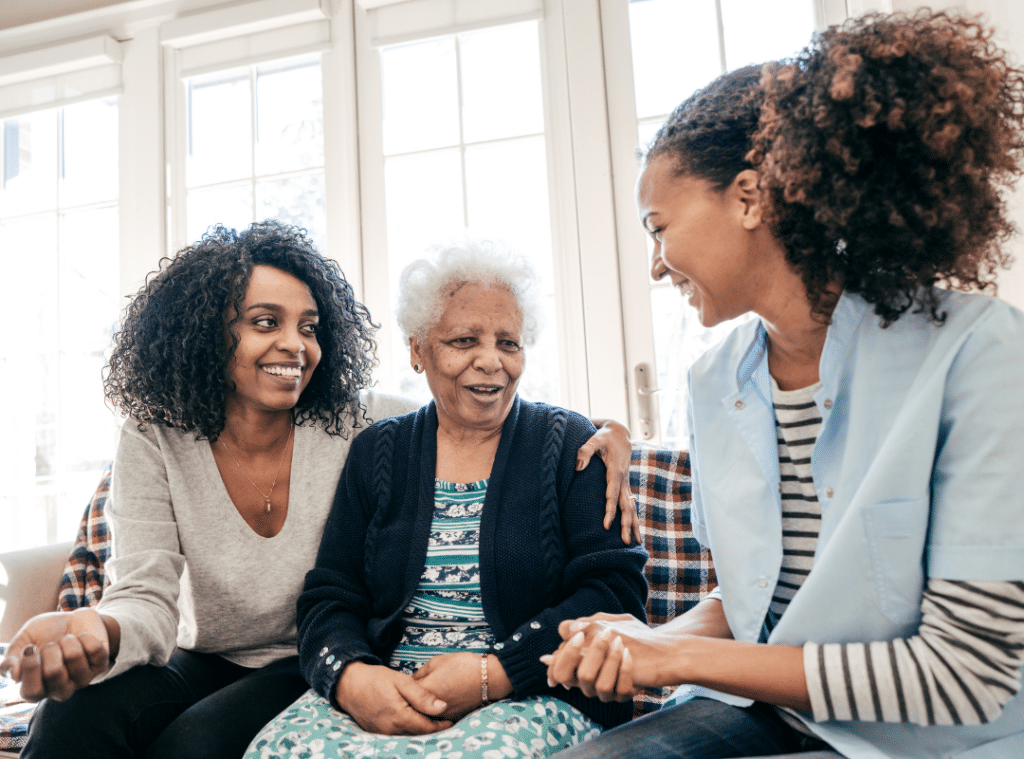
When families take part in care planning, the entire team gains clarity and a shared purpose. Regular updates, joint decision-making, and emotional check-ins become critical. A care plan for a dementia patient at home benefits from family input on daily preferences and evolving needs.

Family Role Benefit
Regular meetings Align the caregiver and family understanding
Shared decision-making Reflects current preferences and needs
Emotional support Reduces caregiver stress and isolation

Also, involving families aligns with best practices like those used in a Dementia Care Plan NHS, emphasizing joint planning and emotional support.

See this helpful resource on how families can stay involved in the care process.

Empowering Independence and Preserving Dignity

One of the main goals of dementia care plans is to help residents preserve their independence and sense of dignity. Incorporating adaptive communication—such as simple questions, one-step directions, and patience—enables residents to contribute meaningfully to daily life.

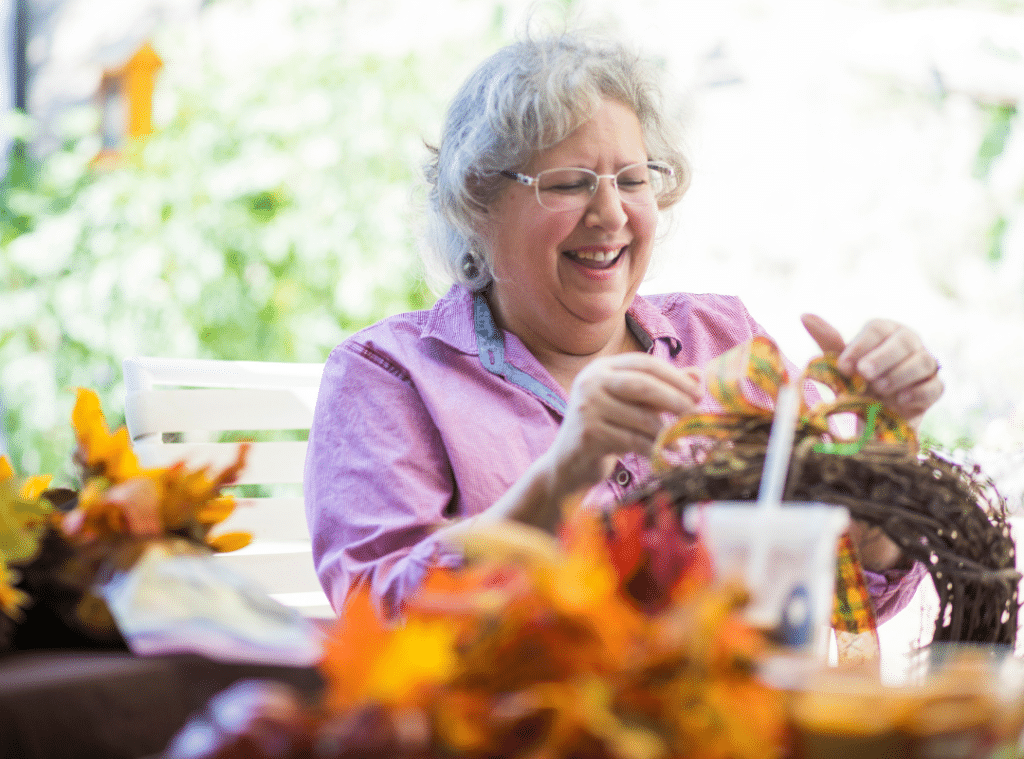
A well-constructed dementia nursing care plan identifies areas for safe autonomy, like choosing outfits, setting the table, planting in the garden, or folding laundry. These opportunities validate their worth and capabilities.

Celebrating small accomplishments—like completing a puzzle or recalling a cherished memory—boosts confidence and reminds them of their identity. Carer approach and attitude, embedded in the dementia care plan example, shape experiences of empowerment and connectedness.

Read more about how memory care centers encourage resident independence.


Promoting Independence and Dignity:

A Holistic Approach to Enhancing Quality of Life

A holistic dementia care plans incorporates methods such as:

  • Music therapy using known songs to stir meaningful memories
  • Art therapy for emotional expression and motor engagement
  • Gardening stimulates touch, smell, and nurturing
  • Sensory activities with multi-textured objects and sounds
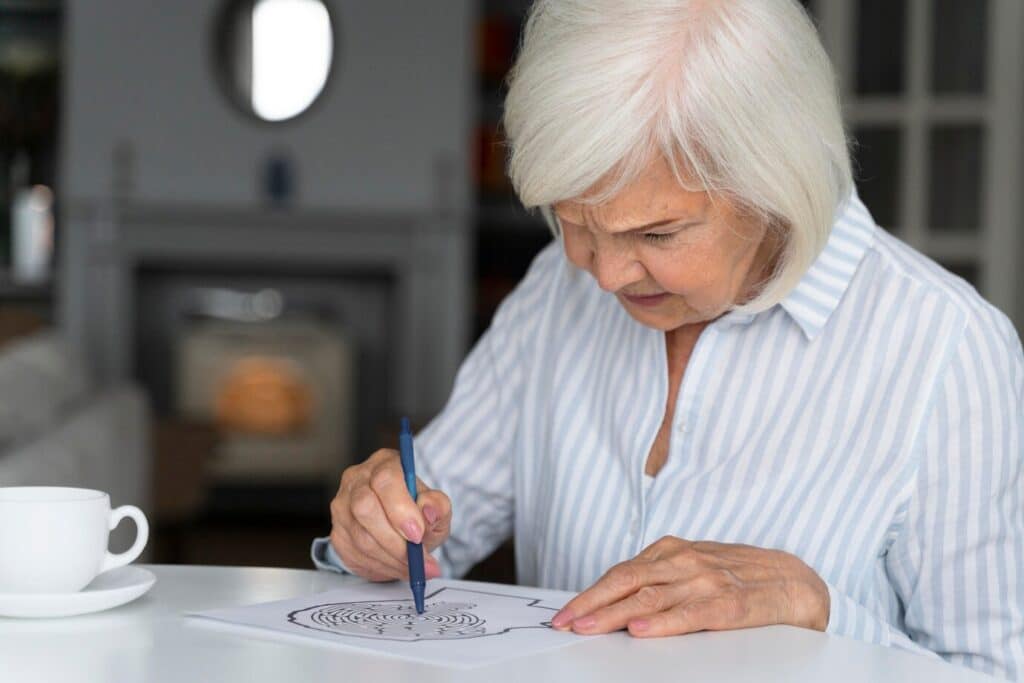
  • Cognitive games, like puzzles or trivia, can help spark memory

Learn about five foods to avoid for better brain health and how nutrition supports memory care.

NANDA Nursing Diagnosis for Dementia

A clinical foundation using NANDA nursing diagnosis for dementia ensures care is medically sound and goal-driven. Examples include:

  • Diagnosis: Chronic confusion related to progressive cognitive decline
  • Goals: The resident demonstrates increased engagement and reduces wandering behavior
  • Interventions:
    • Display large clocks and calendars
    • Use photos to label rooms and belongings
    • Offer one-on-one activities
    • Use familiar routines
  • Evaluation: Daily charting and care team review of progress and emotional response

Including NANDA nursing diagnosis for dementia in your plan ensures consistent care and measurable outcomes.

Supporting Families and Caregivers

Caregiver support is an essential part of any comprehensive dementia care plans. To support caregivers:

  • Offer access to respite care services
  • Provide training workshops and literature
  • Promote peer support groups
  • Encourage wellness strategies like sleep, breaks, and mindfulness

Families are the core of compassionate care. When caregivers are emotionally supported, they are empowered to deliver better outcomes for their loved ones.

Empower Lives Through Thoughtful Dementia Care Planning

Investing in personalized dementia care plans can elevate your loved one’s memory care journey. You create care routines and moments of meaning through collaboration, structure, and compassion. With input from family and clinical standards such as NANDA nursing diagnosis for dementia, each plan becomes a living, responsive guide to a better life.

To learn how we support dementia care at Westmont at San Miguel Ranch, schedule a tour or call us today at 619-271-4385. Let’s build a care journey rooted in love, dignity, and personalized support.


What Level of Care Do You Need?

Discover the level of care you or your family member requires. 


Frequently Asked Questions

What is included in a dementia care plan?

A dementia care plan typically includes details about the individual’s medical history, cognitive abilities, daily routines, preferences, and behavioral patterns. It also outlines specific care goals, communication strategies, medication management, and safety precautions. The plan helps caregivers provide consistent and personalized support while adapting to the condition’s progression.

How do you write a care plan for dementia patients?

Writing a care plan for dementia patients involves assessing their current health status, identifying their physical, emotional, and cognitive needs, and setting achievable goals. The plan should include detailed interventions for daily care, communication techniques, safety measures, and ways to manage behavioral symptoms. It should be reviewed regularly and updated based on changes in patient condition.

What is the best care for dementia patients?

The best care for dementia patients combines medical treatment, structured routines, emotional support, and a safe environment. Personalized care that focuses on maintaining independence, dignity, and quality of life is essential. Support from trained caregivers, involvement in stimulating activities, and access to memory care services can also enhance overall well-being.

What are the 6 C’s of dementia care?

The 6 C’s of dementia care are Compassion, Competence, Communication, Courage, Commitment, and Care. These principles guide caregivers in delivering respectful and effective support for individuals with dementia. They emphasize empathy, professional skill, clear interaction, and a strong sense of responsibility in caregiving.


5 Worst Foods for Memory to Avoid for Better Brain Health

What Are the 5 Worst Foods for Memory?

Boosting brain health hinges on knowing what are the 5 worst foods for memory, so let’s dive in. In this guide, we’ll highlight the top offenders that impair cognitive function, backed by science. You’ll also discover better choices to support mental clarity and longevity.

We’ll also explore what are the worst foods for memory are, including tips on whether eggs fight memory loss, and reveal what is the #1 worst eating habit for memory loss? Plus, we’ll tackle foods that cause brain fog and share what are the 5 best foods for memory—so you can swap unhealthy foods for brain-boosting staples.

Worst Foods for Memory

From sugar-laden drinks to fried delights, it’s vital to know what are the worst foods are for memory so you can protect your cognitive health. This two-paragraph intro sets the stage, linking diet to sharper focus and better cognition.

Diet holds immense power in influencing our memory. By understanding what are the 5 worst foods for memory, you can center your meals on brain-friendly options, reduce mental fog, and support long-term brain health. This article not only identifies the memory-wrecking foods but also offers swaps and strategies to enhance mental vitality.

Internal links included below were pulled directly from the original blog post to maintain connectivity and context.

what are the 5 worst foods for memory

1. Trans Fats

Why They Hurt Your Brain

Trans fats, commonly found in margarine, packaged snacks, and fried goods, severely impact cognition. They reduce blood flow to the brain and foster inflammation, which is highly damaging. Studies show trans fat consumption can elevate the risk of neurodegenerative disease.

Better Alternatives

  • Swap margarine for real butter or avocado oil
  • Choose whole foods with healthy fats (e.g., nuts, seeds, olive oil)

Internal link reminder: You can explore more about nutritional strategies in the tailored nutritional strategies for dementia.

2. Sugary Beverages

The Damage Sugar Causes

Sugary drinks are sugar-packed with high-fructose corn syrup. They spike insulin levels, contributing to insulin resistance and obesity, both connected to memory decline and brain shrinkage.

Swap These Drinks

  • Trade soda for flavored sparkling water
  • Drink herbal or unsweetened teas

Internal link included: Discover more about balanced eating in good nutrition.

3. Excessive Alcohol

Why It’s On the List

Overdrinking alters brain circuits, impairs learning, and shrinks brain volume. Long-term heavy use exacerbates nutrient deficiencies and worsens memory issues.

Stick to Safe Limits

The CDC suggests up to one drink daily for women and two for men. Consider swapping alcohol with sparkling water or kombucha for a brain-friendly alternative.

4. Refined Carbohydrates

Refined Carbs and Memory

Refined carbs like white bread, sugar-laden pastries, and breakfast cereals spike blood sugar and raise Alzheimer’s risk while causing mental fatigue and foods that cause brain fog .

Refined Carbs Smarter Swaps
White bread Whole grain bread
Pastries Oatmeal
Sugary cereals Quinoa
White rice Brown rice
Snack cakes Fresh fruit

5. Fried Foods

How Frying Affects the Brain

High in bad fats and often combined with sodium and sugar, fried foods damage blood vessels, impairing cognition and boosting memory loss risk .

Smarter Substitutes

  • Choose baked or air-fried veggies
  • Try baked sweet potato fries instead of their deep-fried counterparts

Also, check tailored nutritional strategies for cognitive support.

what are the 5 worst foods for memory

Bonus Section: Habits and Foods That Cause Brain Fog

Beyond foods, what is the #1 worst eating habit for memory loss? Overeating sugary or refined meals can lead to chronic inflammation, an enemy of memory and clear thinking. Regularly skipping balanced meals or overloading on processed carbs also worsens foods that cause brain fog.

Another hot topic: do eggs fight memory loss? Eggs are rich in choline, which aids memory and cognitive function. Including them alongside leafy greens and fatty fish can support healthy brain activity—highlighting what are the 5 best foods for memory.

What Are the 5 Best Foods for Memory?

  1. Eggs – Packed with choline for neurotransmitter support
  2. Fatty fish (e.g., salmon, sardines) – High in omega-3s to reduce inflammation
  3. Blueberries – Antioxidant-rich for protecting brain cells
  4. Leafy greens – Vitamins and minerals for cognitive health
  5. Nuts and seeds – Healthy fats and minerals to boost memory

Featuring these choices helps counterbalance what are the worst foods for memory and can crowd out harmful options.

Incorporate Brain-Healthy Habits

  • Use olive oil or avocado oil instead of trans fats
  • Drink plenty of water instead of sugary drinks
  • Limit alcohol to moderate levels
  • Pick whole grains, fruits, and vegetables over refined carbs
  • Bake or air-fry foods rather than deep-frying

Revised Conclusion Title

Take Charge: Protect Your Brain with Smart Eating

Putting away the five worst foods for memory—trans fats, sugary beverages, too much alcohol, refined carbs, and fried foods—is like safeguarding your brain’s future. Include what are the five best foods for memory are to enhance sharpness and clarity further. Replace bad habits with brain-friendly practices such as choosing eggs, leafy greens, nuts, berries, and fatty fish. These simple swaps go a long way toward boosting recall, focus, and overall brain health.

Add external insights from these trusted sources:

Check out Westmont at San Miguel Ranch’s programs for more brain-boosting strategies. Want a deeper dive? Schedule a tour today!


Compare The Costs of Senior Living vs Staying at Home

How Do The Costs Of Moving Into A Quality Senior Care Community Compare With The Costs Of Staying At Home?


Frequently Asked Questions

What is the number one food that fights dementia?

Leafy green vegetables, such as spinach and kale, are considered the number one food that helps fight dementia. They are rich in folate, vitamin E, and other brain-boosting nutrients that protect against cognitive decline. Regular consumption of greens has been linked to slower mental aging and improved memory. Adding them to daily meals can make a noticeable difference in brain health over time.

Which food is best for increasing memory?

Fatty fish like salmon and sardines are among the best foods for increasing memory. They are high in omega-3 fatty acids, which are essential for brain function and memory retention. Studies show that people who consume more omega-3s tend to have better cognitive performance. Including fish in your diet at least twice a week is highly recommended.

What drinks improve memory?

Green tea, beet juice, and coffee are popular drinks that improve memory. Green tea contains antioxidants that support brain health and mental alertness. Beet juice improves blood flow to the brain, enhancing cognitive function, while coffee boosts focus and short-term memory. Drinking these in moderation can support mental sharpness and long-term memory.

What is the number one food that causes memory loss?

Highly processed foods, especially those high in trans fats like fried foods and baked goods, are known to contribute to memory loss. These foods can cause inflammation and damage to brain cells over time. Regular consumption is linked to reduced brain volume and cognitive decline. Avoiding these and opting for whole, nutrient-rich foods can help protect memory.


How Assisted Living with Memory Care Supports Families

Why Choose Assisted Living With Memory Care Today

Caring for someone experiencing cognitive decline can feel like navigating a world full of uncertainty. For families, every decision becomes emotionally and physically exhausting. That’s why assisted living with memory care provides such a vital solution. Communities like Westmont at San Miguel Ranch are designed to relieve families from the demands of caregiving while supporting their loved ones with compassion and expertise. With structured activities, trained staff, and a secure environment, memory care ensures not just safety, but dignity and purpose. Making this move isn’t easy, but understanding the support available can ease the transition. And when families recognize that professional care can improve quality of life for everyone involved, the path becomes clearer. Learn how specialized memory care helps your loved one thrive—and restores peace of mind for you.

What Is Memory Care vs Assisted Living

Many families ask, What is memory care vs assisted living, and why does the distinction matter? While assisted living offers support with daily tasks like bathing and meals, memory care adds another layer, specifically designed for residents with Alzheimer’s or dementia. It includes cognitive therapies, staff trained in behavioral support, and secured environments to reduce wandering. Choosing assisted living with memory care means your loved one gets personalized care while you gain the relief of knowing they’re in the right place. The difference lies in the level of supervision, activities, and emotional support tailored to those with memory loss.

Explore personalized care approaches that help memory care residents feel safe and engaged.

When to Move from Assisted Living to Memory Care

Recognizing when to move from assisted living to memory care is one of the most complex yet most critical decisions. If your loved one begins to forget familiar names, wander frequently, or requires constant reminders, it might be time. Memory care environments offer 24/7 support and safety measures that are not typically available in standard assisted living. Don’t wait for a crisis. Addressing these changes early helps prevent danger and confusion. Families often notice an improvement in emotional well-being once the right level of care is in place. Memory care also relieves caregivers from burnout, making room for healthier family relationships.

This guide to memory care transitions helps identify the right time to seek specialized support.

Why Choose Assisted Living With Memory Care

At communities like Westmont, assisted living with memory care means your loved one lives in a structured environment where familiarity, routine, and trained professionals create a true sense of home. Every day is filled with purpose through activities that promote cognitive stimulation, social interaction, and a sense of joy. Residents are supported by caregivers who understand how to communicate calmly and compassionately with those experiencing memory loss. It’s not just about medical care—it’s about preserving the dignity and independence of each resident, while giving families back the opportunity to enjoy time with their loved ones simply.

Discover engagement strategies that enrich the lives of memory care residents.

Cost of Memory Care vs Assisted Living

One of the most common concerns is the cost of memory care vs assisted living. Memory care tends to be more expensive due to the higher staff-to-resident ratio and additional safety measures. On average, what is the average monthly cost for memory care? Nationwide, it ranges from $5,000 to over $8,000, depending on services and location. By contrast, traditional assisted living typically costs less but may lack the level of supervision and expertise needed for cognitive care. Although the price may seem steep, families often find the value in peace of mind, professional care, and reduced personal strain.

To better understand how memory care plans are priced, visit this financial resource.

Assisted Living With Memory Care That Accepts Medicaid

Another key consideration is affordability—specifically, finding assisted living with memory care that accepts Medicaid. Not all memory care facilities accept Medicaid, and eligibility requirements vary by state. At Westmont, our team helps guide you through financial planning and the availability of public assistance programs. If your loved one qualifies, Medicaid can help cover significant portions of memory care costs after assets are spent down. Being proactive about applications and state requirements is crucial. Families who plan ahead often find more options for high-quality care within budget.

You can learn more about Medicaid eligibility and application tips on the official government site.


assisted living with memory care


Emotional Support Through the Transition

Even when families know it’s time, moving to memory care can stir emotions like guilt or grief. These feelings are natural, but it helps to focus on the support residents receive. Communities like Westmont offer emotional enrichment through music therapy, meaningful socialization, and family-inclusive care. The environment is carefully curated to feel welcoming, not clinical. As loved ones settle into routines and caregivers become part of their circle, families often notice a sense of relief. The transition isn’t just about changing locations; it’s about stepping into a space designed for compassion.

Schedule a Tour and See the Difference

Westmont at San Miguel Ranch invites you to experience firsthand how assisted living with memory care can make a difference in your loved one’s life. From personalized care plans to 24/7 support, we’re committed to creating a safe, engaging, and dignified environment. To speak with our team or take a closer look at our community, schedule a tour today.

Let us help you support your family through compassionate care. Call 619-271-4385 or connect with us to learn more.


Compare The Costs of Senior Living vs Staying at Home

How Do The Costs Of Moving Into A Quality Senior Care Community Compare With The Costs Of Staying At Home?


Frequently Asked Questions

What is the difference between assisted living and memory care?

Assisted living provides help with daily tasks like bathing, dressing, and medication management while allowing residents to maintain as much independence as possible. Memory care offers all the services of assisted living but with added support for those with Alzheimer’s or other forms of dementia. These communities are designed to provide a secure environment with staff trained in cognitive care. Structured routines and specialized activities are often included to support memory and reduce confusion.

What is the average cost of memory care assisted living?

The average cost of memory care assisted living in the United States typically ranges between $5,000 and $7,000 per month. This is higher than traditional assisted living due to the added level of care and security provided. Costs can vary depending on location, services, and the level of personalized care required. Some communities may also charge additional fees for specialized services or amenities.

Can someone with dementia go to assisted living?

Yes, individuals in the early stages of dementia can often live in assisted living communities. These settings provide a supportive environment with help for daily activities, which can be beneficial for someone experiencing mild cognitive decline. However, as dementia progresses, their care needs may exceed what assisted living can provide. In such cases, transitioning to a memory care community may be a better option.

When should someone move from assisted living to memory care?

A move to memory care is often recommended when a person with dementia becomes unsafe or too confused in a less structured assisted living environment. Signs include frequent wandering, increased agitation, or difficulty with daily routines despite existing support. Memory care offers a secure environment with specialized staff and programs designed to support cognitive health. It ensures that individuals receive the attention and structure they need as their condition progresses.


Insomnia in Seniors: Causes and Solutions

Insomnia in Seniors: Causes, Effects, and Solutions

If you’re a senior struggling with insomnia in elderly women, you’re not alone. Many factors, including medical conditions and mental health issues, can disrupt sleep, leading to geriatric insomnia guidelines that emphasize proper sleep hygiene and treatment options. Understanding these causes is essential for finding practical solutions. At Westmont at San Miguel Ranch, we are committed to helping seniors reclaim restful nights and improve their overall well-being. So, what strategies can help you achieve better sleep? Let’s explore the landscape of sleep health for seniors together.

Overview of Insomnia in Seniors

Insomnia can feel like a relentless shadow for many seniors, casting doubt on their ability to enjoy restful nights. This condition manifests as persistent difficulty falling or staying asleep, often accompanied by excessive daytime sleepiness and cognitive impairments. The elderly, not sleeping for days, can experience severe consequences, including memory loss and a weakened immune system. As a caregiver, understanding natural remedies for insomnia in the elderly is essential. You can support better rest by promoting a comfortable sleep environment and encouraging healthy routines. Cognitive behavioral therapy can also effectively address negative thoughts and behaviors surrounding sleep. Recognizing insomnia’s impact allows for meaningful interventions that enhance well-being and daily functioning. Additionally, addressing underlying triggers of insomnia can further facilitate better sleep outcomes.

Factors Contributing to Insomnia

Various medical conditions can significantly impact your sleep quality as you age, making insomnia more prevalent. Additionally, changes in your circadian rhythm can disrupt your natural sleep-wake cycle, leading to further difficulties. Understanding these factors is essential for addressing the insomnia you might be experiencing. Furthermore, sleep patterns change with age, which can exacerbate the challenges faced by seniors in achieving restful sleep.

Medical Conditions Impacting Sleep

Many medical conditions can significantly disrupt sleep quality, particularly in seniors. Chronic pain from arthritis or other ailments often leads to restless nights, as discomfort makes it hard to find a restful position. Additionally, drugs that cause insomnia in the elderly can worsen sleep disturbances, making it difficult to achieve quality rest. Mental health conditions like depression or anxiety also contribute to insomnia, creating a cycle where poor sleep worsens mental health and vice versa. Sleep disorders such as sleep apnea further complicate these issues. Evaluating these medical factors with a healthcare professional can significantly improve sleep and overall well-being. Understanding the link between depression and memory loss can help in managing sleep problems, as cognitive issues may further complicate insomnia.

Circadian Rhythm Changes

When you reach your sixties and beyond, changes in your circadian rhythm can significantly impact your sleep patterns. As your internal clock shifts, you may experience why the elderly have trouble sleeping at night, leading to difficulty falling or staying asleep. This misalignment often results from reduced light exposure during the day, which is vital for regulating your sleep-wake cycle. Without sufficient natural light, your body may not produce the melatonin needed for restful sleep. Addressing these factors through strategies like timed light exposure and maintaining a consistent sleep schedule can help realign your circadian rhythm, ultimately improving overall sleep quality. Regular sleep patterns also contribute to better sleep quality and can mitigate the effects of insomnia in older adults.

Types of Insomnia and Other Sleep Disorders

Understanding different types of insomnia and other sleep disorders is crucial for seniors struggling with sleep issues. Geriatric insomnia guidelines classify insomnia into two types: primary, which occurs independently, and secondary, which results from coexisting disorders like depression or chronic pain. Many seniors also experience sleep disorders like restless legs syndrome and sleep apnea, which further complicate their sleep experiences. Recognizing these patterns helps in seeking appropriate treatment and improving sleep health.

 insomnia in seniors

Treatment and Management Strategies

When managing insomnia, non-pharmacological approaches often serve as the first line of defense. Strategies like sleep hygiene education and cognitive behavioral therapy can significantly improve sleep quality without the side effects of medications. However, if these methods don’t bring relief, discussing safe sleeping pills for the elderly with a healthcare provider can help tailor the best treatment plan.

Non-Pharmacological Approaches

While medications may seem like a quick fix, natural remedies for insomnia in the elderly can provide practical solutions without unwanted side effects; cognitive behavioral therapy (CBT) is a particularly beneficial strategy, helping individuals identify and change negative thought patterns about sleep. Good sleep hygiene practices, such as creating a dark, quiet, and calm bedroom environment and avoiding stimulants like caffeine before bed, can also improve sleep quality. These methods focus on fostering long-term healthy sleep habits.

Medication Considerations

For some seniors, medications may be necessary to manage insomnia. However, it’s crucial to prioritize safety when considering safe sleeping pills for the elderly. Always consult a healthcare provider to determine the best medication and dosage, as older adults may experience different side effects. Monitoring for adverse reactions and combining medication with non-drug strategies enhances effectiveness while minimizing risks.

Lifestyle Considerations for Better Sleep

Adopting lifestyle habits that promote a restful environment is essential to improving sleep quality. Establishing a consistent bedtime routine, practicing relaxation techniques, and engaging in regular physical activity can all enhance sleep. Limiting caffeine and screen time in the evening further supports healthy sleep patterns. Making small changes can significantly improve overall sleep health.

The Impact of Alcohol on Sleep

Creating a calming sleep environment is only one part of achieving better rest; dietary choices also play a role. At the same time, alcohol may seem like a sleep aid, but its sedative effects wear off quickly, leading to the elderly not sleeping for days in some cases. Alcohol can reduce REM sleep, increase wakefulness, and leave individuals feeling groggy the next day. Understanding these effects helps in making informed choices for better sleep.

Community Support and Resources for Sleep Health

Finding the proper support can make a significant difference when struggling with sleep issues. Community initiatives, support groups, and workshops focused on sleep health provide valuable resources. These connections offer practical strategies and emotional support, making it easier to manage insomnia.

Sleep is a crucial pit stop on life’s journey, especially for seniors. Without proper rest, daily activities and cognitive function suffer. Research shows that addressing insomnia improves overall well-being. At Westmont at San Miguel Ranch, we offer solutions like cognitive behavioral therapy and community support to help seniors achieve better sleep. Remember, it’s never too late to reclaim restful nights. For more information, call us at 619-271-4385.


Compare The Costs of Senior Living vs Staying at Home

How Do The Costs Of Moving Into A Quality Senior Care Community Compare With The Costs Of Staying At Home?


Frequently Asked Questions About Sleep and the Elderly

What can help an elderly person sleep?

Elderly individuals can improve sleep by establishing a regular bedtime routine, keeping the sleep environment calm, quiet, and dark, and limiting daytime naps. Physical activity during the day can promote better sleep at night. Reducing caffeine, especially in the afternoon and evening, and managing medications with a healthcare provider can also help. Relaxation techniques like deep breathing or gentle stretching enhance sleep quality.

Why do elderly people have trouble sleeping?

Sleep difficulties in the elderly often result from natural changes in sleep patterns and circadian rhythms as people age. Older adults frequently experience lighter sleep and wake more efficiently, contributing to fragmented rest. Medical conditions like arthritis, chronic pain, respiratory issues, or medications can also disrupt sleep. Stress, anxiety, or decreased physical activity can significantly impact sleep quality.

How do you treat insomnia in the elderly?

Insomnia treatment in older adults often involves lifestyle adjustments, such as setting consistent sleep and wake times, maintaining a restful sleeping environment, and reducing caffeine and alcohol intake. Cognitive-behavioral therapy for insomnia (CBT-I), a structured program that addresses behaviors and thoughts affecting sleep, is highly effective. Sometimes, healthcare providers might prescribe sleep medication, though these are used cautiously due to potential side effects. It’s also beneficial to manage underlying medical conditions and promote relaxation before bedtime.

What are the symptoms of sleep deprivation in the elderly?

Common symptoms of sleep deprivation in older adults include persistent daytime sleepiness, fatigue, and difficulty concentrating. Mood changes such as irritability, anxiety, or depression can also indicate inadequate sleep. Older adults experiencing sleep deprivation might have memory difficulties and reduced cognitive function. Chronic sleep loss can also result in increased risk of falls, decreased immune function, and reduced overall quality of life.


The Benefits Of Independent Living Communities For Senior

Discover the Benefits of Independent Living for Seniors

As individuals age, the desire for independence often remains strong, even when they need support. That’s where independent living comes into play, offering seniors a lifestyle that combines autonomy with a sense of community. More than just a place to live, these communities create an environment where older adults can thrive emotionally, physically, and socially.

At Westmont at San Miguel Ranch, the experience is elevated through thoughtful amenities, engaging activities, and a supportive atmosphere. From structured wellness programs to vibrant community events, residents enjoy a balanced and enriching lifestyle tailored to their needs. Whether you’re exploring options for yourself or a loved one, discovering the benefits of independent living can be a life-changing step forward.

Enhancing Social Connection and Community Engagement

When you choose to move into an independent living community, like Westmont at San Miguel Ranch, you’re not just finding a new home; you’re stepping into a vibrant social environment that enhances your connection with others. Here, you’ll discover a wealth of social activities and community events designed to foster friendships and shared experiences. Participating in these events can help reduce feelings of loneliness, allowing you to build meaningful relationships with peers who understand your journey.

The supportive atmosphere fosters companionship and mutual respect, leading to a fulfilling lifestyle. By engaging with others, you enrich your life and contribute to a thriving community. This sense of belonging is essential for overall well-being and happiness. Additionally, the emphasis on social connection promotes holistic wellness, making it an integral aspect of life in independent living communities.


Preserving Independence and Autonomy

As you move to an independent living community, the focus remains on preserving your independence and autonomy. You’ll find that your personal growth is encouraged as you navigate daily life while making your own decisions. With various services available, you can maintain your daily routines without sacrificing self-sufficiency.

You’re empowered to engage in community decision-making, ensuring your voice is heard and valued. This supportive environment fosters not just independence but a sense of belonging, allowing you to thrive. Emphasizing your autonomy, the community provides opportunities for you to connect with others while pursuing your interests. Additionally, the community is designed for comfort and convenience, enabling you to enjoy a fulfilling lifestyle that respects your independence while offering the support you need.


Building Meaningful Relationships

Accessing Convenient Amenities and Services

Maintaining your independence in an independent living community goes hand in hand with accessing convenient amenities and services that enhance your daily life. Here, you’ll find streamlined services designed to make everyday tasks easier, from housekeeping to transportation. Imagine enjoying gourmet dining options just steps away, allowing you to savor meals with friends without the hassle of cooking.

Fitness centers and leisure activities are conveniently located within the community, promoting a healthy and active lifestyle. These amenities foster not only convenience but also a sense of belonging. By having everything you need close at hand, you can focus on what truly matters—building relationships and enjoying life. Embrace the convenience that enhances your independence and enriches your daily experiences. The holistic approach to wellness integrates medical, social, and emotional support, ensuring that residents thrive in all aspects of their lives.

Promoting Health and Wellness Benefits

Understanding the importance of health and wellness can transform your experience in an independent living community. By prioritizing your well-being, you’ll enjoy a more fulfilling lifestyle. Here are a few ways this community promotes health and wellness:

  1. Nutritional Dining. You’ll have access to balanced meals that cater to your dietary needs, ensuring you stay energized and healthy.
  2. Wellness Programs. Engaging in fitness classes and activities will keep you active, improving both your physical and mental health.
  3. On-Site Medical Support. Quick access to medical assistance provides peace of mind, allowing you to focus on enjoying life.

Additionally, good nutrition plays a vital role in reducing the risk of chronic diseases and improving mental acuity. These benefits of independent living for seniors are more than just amenities—they are foundational to long-term wellness.


Encouraging Self-Sufficiency

Opportunities for Adults with Disabilities

Independent living isn’t exclusive to seniors. The Independent Living program for adults with disabilities ensures that individuals with varying abilities can also benefit from a supportive and autonomy-driven lifestyle. Communities often offer specialized services to accommodate specific mobility, cognitive, or social needs while still preserving residents’ freedom of choice and daily routine. Programs, such as those offered by the Administration for Community Living, advocate for independent living for people of all ages and abilities, helping to create a more inclusive environment for everyone.

Meeting Facility and Regulatory Requirements

Each independent living community must meet specific independent living facility requirements to ensure safety, accessibility, and comfort. These requirements typically include ADA-compliant infrastructure, emergency call systems, licensed service providers, and trained staff to assist in the event of an emergency. Transparency in meeting these standards is a crucial part of building trust with potential residents and their families.

Facilities like Westmont at San Miguel Ranch continually assess and enhance their offerings to remain compliant and exceed expectations. For a deeper understanding of regulatory considerations, the National Center for Assisted Living outlines best practices and standards applied nationwide.


Enhancing Quality of Life

Support from Regional Centers and Service Providers

For individuals with developmental disabilities, Independent Living Services regional centers serve as vital resources. These centers work collaboratively with independent living communities to provide tailored support plans and coordinate access to state-funded services. They act as advocates, ensuring individuals receive the assistance necessary for a fulfilling, independent life.

Families considering this path can find helpful information and support through California’s Department of Developmental Services, which oversees regional centers and their independent living programs.

Exploring Next Steps and Opportunities

What are your next steps in finding the right independent living community? Exploring options like Westmont can be an exciting journey toward a fulfilling lifestyle. You can start by scheduling personalized tours, where you’ll see firsthand the vibrant environment and amenities available. During these tours, you’ll get a feel for the community and its residents, helping you envision your new home.

Don’t forget to ask about upcoming community events, as these gatherings are perfect for meeting potential neighbors and forming connections. Each step you take brings you closer to a supportive, enriching lifestyle. Additionally, being aware of financial planning can help you make informed decisions about your living arrangements. Reach out anytime for further inquiries; you’re not alone in this change, and we’re here to help you every step of the way.

Ready to Embrace the Benefits of Independent Living?

In the garden of life, independent living communities like Westmont at San Miguel Ranch act as a sunbeam, nurturing the vibrant blooms of friendship and well-being. Here, you can maintain your independence while enjoying the benefits of convenient amenities and engaging activities.

Whether you’re searching for an Independent Living program for adults with disabilities, reviewing independent living facility requirements, or seeking help through an Independent Living Services regional center, there are tailored solutions ready for you. Embrace the full benefits of independent living and step confidently into a future filled with choice, connection, and comfort.

To learn more about how Westmont at San Miguel Ranch can enhance your lifestyle, call us at 619-271-4385 or schedule a tour today!


Compare The Costs of Senior Living vs Staying at Home

How Do The Costs Of Moving Into A Quality Senior Care Community Compare With The Costs Of Staying At Home?


Frequently Asked Questions

What are the benefits of independent living?

Independent living communities offer seniors a safe, maintenance-free lifestyle with convenient services like housekeeping, dining, and social activities. These communities are designed to promote independence while reducing the burdens of daily chores. Residents also enjoy opportunities to build friendships, stay active, and take advantage of on-site amenities.

What is the best age to move to independent living?

Most people consider moving into independent living in their late 60s to mid-70s, though the right age depends on personal needs and lifestyle preferences. It’s ideal for active adults who want to downsize and enjoy a more carefree lifestyle. The earlier someone moves in while the community is still active, the more they can take full advantage of the community’s offerings.

Why move into independent living?

Many choose independent living to simplify their lives—no more home maintenance, yard work, or worrying about safety at home. These communities provide built-in opportunities for socialization, wellness, and convenient services that support an active lifestyle. It’s an excellent option for those who value independence but want added peace of mind.

Is independent living worth the cost?

Independent living can be worth the cost for those seeking convenience, comfort, and community. It bundles many living expenses, such as utilities, maintenance, meals, and activities, into one predictable monthly fee. For many, the lifestyle benefits and reduced stress are well worth the investment.


7 Health Care Hacks For Elders You Never Knew

Health Care Hacks for Seniors That Can Change Your Life

Aging brings its own set of challenges, but smart strategies can make a meaningful difference in your quality of life. At Westmont at San Miguel Ranch, we’ve discovered some of the most effective health care hacks for seniors that can help you stay active, independent, and connected.

Whether you’re seeking health tips for seniors, ideas for mental wellness, or insight into senior health policy, this guide is for you. Below are strategies incorporating modern technology, promoting strong social ties, and enhancing daily routines to make life easier and healthier.


Prioritize Social Connections

Maintaining strong social bonds is one of seniors’ most essential health care hacks. Friends and family are crucial to emotional and physical well-being. Engaging in clubs or volunteering builds a sense of purpose, reducing stress and boosting cognitive health.

Whether it’s regular phone calls, group activities, or peer mentorship programs, keeping social connections alive supports mental resilience and longevity. These simple senior life hacks can reduce the risk of depression and even enhance immune system function.

Embrace Technology

Adapting to modern tech is one of the best hacks for seniors who want to maintain independence. From video chatting with family to using fitness apps, technology brings both convenience and joy to daily life. Understanding technology in senior living ensures you’re equipped with tools to enhance well-being.

Video Call Benefits

Video calls are not just for tech-savvy grandkids. They are a lifeline for connection. From virtual birthday parties to daily chats, they ease feelings of isolation and keep you emotionally connected. Learn how video calls strengthen family ties.

Fitness App Advantages

Fitness apps help seniors track steps, monitor heart rates, and join virtual classes. These tools foster regular exercise, which is a cornerstone of senior health tips. Stay motivated and consistent with Westmont’s physical activity programs.

Stay Active

Physical movement is key to longevity. From walking and gardening to chair yoga and resistance training, staying active reduces your risk of chronic illnesses. Participating in senior-focused fitness programs ensures you’re exercising safely and effectively.

These health care hacks for seniors promote both physical and emotional health. Aim for at least 150 minutes of moderate weekly activity to keep your body strong and agile.

Focus on Nutrition

One of the simplest senior life hacks is prioritizing nutrition. A balanced diet rich in fiber, lean protein, fruits, and veggies supports bone health, brain function, and energy levels. Planning meals and consulting a dietitian ensures you get the nutrients needed as your metabolism changes.

Meal planning also aligns with health policy for senior citizens, as many public programs support dietary assistance for aging adults. Consider looking into Meals on Wheels as an external support system to aid your nutrition journey.

Prioritize Preventive Care

Routine screenings and regular checkups are invaluable health care hacks for seniors. Preventive care includes:

  • Annual wellness visits
  • Flu and pneumonia vaccinations
  • Cholesterol and blood pressure screenings

These practices are part of a broader health policy for senior citizens to reduce hospitalizations and extend independence.

Cultivate Mental Well-being

Mental health is just as crucial as physical health. Use health tips for seniors like mindfulness, journaling, and brain-stimulating activities to keep your mind sharp. Intellectual engagement prevents cognitive decline, whether it’s puzzles, reading, or new hobbies.

Don’t hesitate to seek professional support if needed. Incorporating mindfulness and therapy into your routine is a modern hack for seniors navigating emotional shifts in later years.

Seek Community Support

Support networks are essential. Join senior centers, volunteer, or explore local social services for aging adults. These resources foster meaningful interactions and address practical needs.

Community-based initiatives often reflect broader health policy for senior citizens, providing transportation, meals, and access to medical care. Leveraging these resources can significantly improve daily life.

Optimize Your Environment

An often-overlooked area in how to improve healthcare for the elderly is the living environment. Smart home devices, grab bars, better lighting, and fall-proof furniture arrangements make homes safer and life easier. These modifications serve as essential senior life hacks for those aging in place.

Use Medication Management Tools

Managing medications can be tricky. Use pill organizers, alarms, or digital apps to track prescriptions. It’s one of the most helpful hacks for seniors, especially for those with multiple medications. Consult your pharmacist or physician regularly to avoid interactions and manage side effects.

Tap into Health Advocacy

One key area of how to improve healthcare for the elderly is becoming your own advocate. Know your medical history, ask questions, and ensure your care plan reflects your preferences. Staying informed about evolving health policy for senior citizens allows you to make empowered decisions.

Platforms like Medicare.gov can help you explore coverage options, rights, and care standards. Advocacy empowers seniors to seek the care they deserve.


Stay Active

Stay Curious and Keep Learning

Staying mentally engaged through education, hobbies, and learning platforms keeps the mind sharp and increases overall life satisfaction. Lifelong learning is a proven health care hack for seniors and one that pays off in joy and resilience. Classes through community centers or even free online courses can broaden your knowledge and social circle.

Embrace Simplicity

Finally, some of the best health tips for seniors involve simplifying life. Label pantry items, color-code medication, and keep a daily checklist. These small senior life hacks reduce stress and promote routine, which enhances overall well-being.

Thrive at Westmont at San Miguel Ranch

These evidence-based health care hacks for seniors aren’t just helpful—they’re transformative. By embracing social ties, technology, nutrition, and preventive care, you’re investing in a future filled with vitality and joy.

Whether you’re seeking hacks for seniors, researching how to improve healthcare for the elderly, or navigating health policy for senior citizens, know that you’re not alone. Call 619-271-4385 or schedule a tour and discover how Westmont at San Miguel Ranch supports you every step of the way.


Find Where You Belong

Dive into the vibrant life our Westmont communities have to offer.


Frequently Asked Questions

How to stay healthy at 70?

Staying healthy at 70 involves regular physical activity, a balanced diet, and staying socially connected. It’s important to keep up with routine health screenings and follow your doctor’s guidance on managing chronic conditions. Staying mentally active—through hobbies, puzzles, or learning new things—also contributes to overall wellness. Prioritizing sleep and reducing stress helps maintain both physical and emotional health.

How can we improve healthcare for the elderly?

Improving elderly healthcare starts with greater access to affordable services, including preventive care and mental health support. Training more healthcare workers in geriatric care can lead to better, more personalized treatment. Technology like telehealth and wearable monitors can enhance care access and tracking. Involving older adults in decision-making also ensures their care aligns with their needs and values.

What’s the secret to healthy aging?

Healthy aging comes from a mix of good habits: eating nutritious food, exercising regularly, and maintaining a positive mindset. Staying engaged with others and having a sense of purpose can reduce loneliness and improve quality of life. Managing chronic conditions early and proactively is key to staying independent longer. Ultimately, balance—between physical health, mental stimulation, and emotional support—is the true secret.

What are the health promotion ideas for the elderly?

Health promotion for older adults includes offering community fitness classes, regular health screenings, and nutrition workshops. Encouraging social interaction through clubs or volunteering helps combat isolation. Education on managing medications and chronic illnesses empowers seniors to take control of their health. Creating age-friendly environments also supports safer, more active lifestyles.


Celebrating National Senior Health and Fitness Day – Movement, Vitality, and Joy!

Celebrating National Senior Health and Fitness Day – Movement, Vitality, and Joy!
May 28th, 2025, marks National Senior Health and Fitness Day, a time to celebrate the power of movement and the importance of maintaining an active, balanced lifestyle at every stage of life. At Westmont Living, we believe wellness is more than just exercise — it’s a commitment to optimal physical health through fitness, proper nutrition, rest, and relaxation.

This year, we’re honoring the Health & Fitness dimension of our wellness philosophy by showcasing our vibrant community in action. From cardio drumming and water aerobics to gentle mind-body practices and energizing group workouts, our seniors continue to inspire us with their strength, enthusiasm, and dedication to well-being. Join us in celebrating the movement, momentum, and meaningful moments that shape a healthier tomorrow.

Senior Fitness Workouts: Easy Exercises for All Levels

Senior Fitness Workouts: Easy-to-Follow Exercises for All Levels

You might think staying fit as a senior is impossible, but that couldn’t be further from the truth. At Westmont at San Miguel Ranch, we offer senior fitness workouts at home that enhance mobility, strength, and overall well-being. Whether you’re a seasoned fitness enthusiast or just starting, there’s something for everyone. Are you curious about creating a balanced routine that keeps you motivated? Let’s explore the best ways to stay active and healthy at any age.

Health Benefits of Regular Exercise for Seniors

While aging can bring challenges, embracing exercise for seniors over 75 can significantly enhance your well-being. Physical activity isn’t just about maintaining strength; it’s crucial to chronic disease prevention. Incorporating the best senior fitness workouts into your routine reduces the risk of heart disease and diabetes. Additionally, you’ll find that your mental well-being improves significantly. Exercise releases endorphins, lifting your mood and fostering a positive outlook on life.

This sense of accomplishment can inspire you to serve others, creating a ripple effect of positivity in your community. Moreover, participating in group walking clubs can provide social and physical benefits, enriching your fitness journey.

Types of Exercises Suitable for Seniors

Embracing regular physical activity opens the door to various workouts catering to seniors of all fitness levels. Senior fitness workouts with weights help maintain muscle strength, while chair exercises provide an excellent alternative for those with mobility limitations. Strength-building routines such as wall push-ups or toe taps ensure continued independence and agility.

Additionally, gentle stretching promotes relaxation and flexibility, while balance exercises, such as standing on one leg, significantly improve stability. Regular movement can reduce fall risk, making daily activities safer and more manageable. Whether incorporating exercise for seniors over 70 or focusing on mobility, the right workouts can transform your overall health.

Creating a Balanced Weekly Workout Plan

A well-rounded fitness plan includes aerobic, strength, flexibility, and balance exercises tailored to individual needs. For example, setting aside three days for aerobic activities such as walking or swimming, two days for senior fitness workouts with weights, and two days for flexibility and balance ensures variety and effectiveness.

Listening to your body and adjusting the intensity as needed is crucial. A structured plan keeps workouts engaging while promoting steady progress. Focusing on holistic wellness ensures all aspects of your health are addressed. Consistency is key when exercising for seniors over 60 or tailoring movements to personal abilities.


Find Where You Belong

Dive into the vibrant life our Westmont communities have to offer.


Importance of Balance and Mobility Exercises

Incorporating balance and mobility exercises into your routine is key to maintaining independence and confidence as you age. These movements are vital in fall prevention while ensuring agility and flexibility. Engaging in exercise for seniors over 80 helps strengthen core muscles, improve stability, and reduce the risk of injuries.

Simple yet effective activities such as standing on one leg or gentle stretches enhance mobility. Additionally, strengthening exercises ensure continued movement and daily function. Whether starting with free senior fitness workouts or exploring different methods, balance training empowers seniors to lead an active and fulfilling lifestyle.

senior fitness workouts

Tips for Staying Motivated and Engaged in Fitness

While staying active might sometimes feel challenging, finding motivation is essential for long-term success. Setting realistic fitness goals—such as improving flexibility or increasing endurance—keeps workouts engaging. Joining a local group or finding a workout partner enhances accountability and makes senior fitness workouts at home more enjoyable.

Additionally, celebrating small victories fosters enthusiasm, encouraging continued progress. Incorporating new activities, such as dancing or water aerobics, keeps routines exciting. Whether engaging in exercise for seniors over 70 or building strength over time, prioritizing movement contributes to a healthier, more vibrant life.

Regular exercise can be like planting seeds in a garden; with care and consistency, you’ll watch your strength and mobility blossom. At Westmont at San Miguel Ranch, we embrace a variety of easy workouts tailored for you, from gentle stretches to balance drills. Remember, each step is toward a healthier, more vibrant life. So, let the spirit of movement guide you—your journey to wellness is just beginning, and every session brings you closer to flourishing! For more information, feel free to call us at 619-271-4385.


Frequently Asked Questions about Exercise for Seniors

What is the best exercise routine for seniors?

A balanced exercise routine for seniors includes aerobic activities, strength training, flexibility exercises, and balance exercises. Walking, swimming, or cycling can provide aerobic benefits, while gentle strength training with resistance bands or light weights helps maintain muscle mass. Incorporating stretching exercises such as yoga or tai chi enhances flexibility and reduces stiffness. Finally, balance-focused activities, like standing on one foot or guided balance classes, reduce fall risk and promote independence.

What is the number one exercise to increase balance in seniors?

The single best exercise for improving balance in seniors is the one-leg stand, also called the single-leg balance. To perform this, stand next to a sturdy chair or countertop for safety, lift one foot off the ground, and hold the position for 10–30 seconds before switching legs. Practicing this daily significantly improves leg strength, coordination, and overall stability. Regularly incorporating this simple exercise reduces the risk of falls and enhances independence in daily activities.

How many days a week should a 70-year-old exercise?

A 70-year-old should aim to exercise moderately for at least 150 minutes per week, ideally spread over five days (about 30 minutes per session). Including activities such as walking, swimming, or gentle cycling can meet these recommendations. Additionally, it’s beneficial to include muscle-strengthening exercises twice weekly to maintain muscle mass and strength. Daily light activities and consistent movement are also encouraged to support overall health and mobility.

What is the best free workout app for seniors?

One of the best free workout apps designed specifically for seniors is “SilverSneakers GO.” This app offers easy-to-follow, senior-friendly exercises focused on strength, balance, flexibility, and aerobic fitness. Each workout is adjustable to different fitness levels, allowing seniors to exercise safely and comfortably from home. Additionally, it provides progress tracking, motivation, and health tips, making it an accessible resource for seniors looking to stay active.


Cultural and Recreational Activities in Assisted Living: Boosting Senior Mental Health

How Cultural Activities Improve Senior Mental Health

Cultural and recreational activities offer more than entertainment—they are powerful tools to enhance senior mental health. Westmont at San Miguel Ranch focuses on creating an environment where seniors thrive emotionally and cognitively. Programs designed with purpose and compassion help build social connections, reduce isolation, and foster overall emotional well-being.

Participating in cultural and recreational activities is also one of the most effective strategies for improving mental health in the elderly. With guided support and enriching experiences, these activities empower seniors to live with joy, meaning, and vitality.

The Role of Daily Activities in Enhancing Mental Health

Daily structured activities are foundational to promoting senior mental health. As seniors age, consistent engagement in cognitive and social activities helps combat isolation and enhances emotional stability. Whether through group games, fitness classes, or artistic endeavors, these daily routines offer the cognitive stimulation and social contact essential for mental well-being.

This is especially critical in addressing common mental disorders in elderly populations, such as depression and anxiety. Studies show loneliness can accelerate cognitive decline, whereas social engagement can delay or prevent such deterioration. Simple practices like creative arts and crafts promote brain health and self-expression.

Westmont’s Holistic Approach to Engaging Residents

Westmont at San Miguel Ranch believes in more than just filling calendars with events. Their approach to senior mental health is holistic, ensuring every resident finds a place to belong and activities that resonate personally.

  • Custom programs tailored to each resident’s interests
  • Social events are designed to reduce feelings of isolation
  • Expressive art and music sessions to promote emotional release
  • Cultural celebrations that foster inclusion
  • Regular feedback from residents keeps activities meaningful

This well-rounded focus helps residents learn how to deal with mental illness in the elderly. loved ones by creating an uplifting and supportive community. Emphasis on mental agility strengthens cognitive functions and fosters resilience.


Activities and Mental Health

Therapeutic Benefits of Diverse Activities

Therapeutic engagement is one of the best ways to support Senior Mental Health. Art and music therapy offer emotional relief, spark joy, and foster memory recall. These experiences are not only enriching but also deeply restorative.

For example, music can awaken positive memories and improve mood, especially in individuals dealing with four common mental illnesses in the elderly, such as dementia, anxiety, and depression. Meanwhile, art therapy enhances self-esteem and enables emotional processing.

Even those asking how to improve mental health in the elderly at home can replicate these strategies. Shared creative activities at home or in care settings promote trust, open dialogue, and emotional healing.

Studies also support the role of music and film in strengthening emotional well-being, particularly in memory care environments.

Scientific Evidence Supporting Activity Participation

Scientific research overwhelmingly supports the link between recreational activities and senior mental health. Numerous studies highlight how daily engagement in structured activities can:

  • Delay cognitive decline and improve memory
  • Reduce anxiety, depression, and social withdrawal
  • Increase overall life satisfaction and joy

Data further shows that when older adults regularly participate in social and cultural activities, they report better health outcomes and emotional resilience. Group activities also make it easier for caregivers to recognize the four common mental illnesses in the elderly, such as depression, anxiety, Alzheimer’s disease, and bipolar disorder.

Participating in group events builds community and belonging, key protective factors against common mental disorders in elderly populations.

The Future of Cultural and Recreational Engagement

Cultural and recreational programming is evolving rapidly in senior living. With growing awareness about senior mental health, communities are implementing more tailored experiences that reflect residents’ identities, interests, and values. Future trends are likely to include:

  • Virtual reality travel and immersive cultural experiences
  • Intergenerational art projects and community partnerships
  • Culturally inclusive music, dance, and storytelling sessions
  • Greater use of technology to connect residents with the outside world

These initiatives align perfectly with efforts to educate people on how to improve mental health in the elderly, not just within communities but also in home care settings. Promoting autonomy and honoring personal history are powerful strategies in this regard.

Westmont already embraces cultural celebrations that reflect diverse backgrounds, ensuring every resident feels represented and valued.

Physical Activities to boost mental health


Commitment to Excellence in Assisted Living Activities

True excellence in assisted living means going beyond standard activities. It involves crafting meaningful, therapeutic, and uplifting experiences—a cornerstone of any program focused on senior mental health.

At Westmont, that commitment is reflected in:

  • Personalized engagement based on resident preferences
  • Evidence-based programming focused on emotional well-being
  • Adaptive activities for those with physical or cognitive challenges
  • Staff trained in recognizing and supporting mental health needs

These proactive measures support not only how to deal with mental illness in the elderly? Communities encourage family members to feel confident in their loved one’s care.

Enriching the Golden Years with Purposeful Living

In conclusion, cultural and recreational activities are more than just a way to pass the time—they’re a pathway to vibrant, connected living. As seniors embrace these experiences, they cultivate mental strength, emotional balance, and lasting relationships.

With increasing awareness about the four common mental illnesses in the elderly, we now know that early, consistent engagement in group or individualized activities can dramatically influence well-being. From exploring music to participating in community celebrations, seniors find healing, joy, and meaning.

At Westmont at San Miguel Ranch, you’ll discover an environment dedicated to uplifting every resident’s mental, emotional, and social health. Are you curious about how to deal with mental illness in the elderly? Or seeking real-life solutions for common mental disorders in elderly loved ones, our approach offers a compassionate and evidence-based path forward.

For more expert information and support, explore resources from the National Institute of Mental Health, Mental Health America, or Verywell Health’s mental health guide.

If you want to learn more about our community, please call us at 619-271-4385 or schedule a tour to explore all we offer!


Compare The Costs of Senior Living vs Staying at Home

How Do The Costs Of Moving Into A Quality Senior Care Community Compare With The Costs Of Staying At Home?


Frequently Asked Questions

What is the most common mental illness in the elderly?

The most common mental illness in the elderly is depression. It often goes undiagnosed because symptoms can be mistaken for signs of aging, such as fatigue or memory issues. Depression in older adults can stem from isolation, chronic illness, or loss of independence. With proper support and treatment, including therapy and sometimes medication, most seniors see significant improvement in their mental well-being.

How to deal with mental illness in the elderly?

Dealing with mental illness in the elderly involves a combination of compassion, early intervention, and consistent support. It’s essential to monitor for changes in mood, behavior, and daily functioning, and to consult a healthcare professional for an accurate diagnosis. Treatment may include therapy, medication, social engagement, and lifestyle changes like exercise or improved nutrition. Family involvement and routine check-ins also play a key role in long-term mental health management.

What is the most common mood disorder in the elderly?

Major depressive disorder is the most common mood disorder affecting elderly individuals. It can present differently in seniors, often appearing as physical complaints, irritability, or withdrawal rather than sadness. The risk increases with factors like chronic illness, grief, or lack of social interaction. Early recognition and treatment are essential to improving quality of life and preventing further health decline.

What is the #1 most diagnosed mental disorder?

Anxiety disorders are currently the most diagnosed mental disorders across all age groups. These include generalized anxiety disorder, panic disorder, and phobias, and can significantly interfere with daily life. In older adults, anxiety is often underreported due to stigma or lack of awareness. Proper diagnosis followed by therapy, medication, or relaxation techniques can help manage symptoms effectively.


Cinco de Mayo

Celebrating Cinco de Mayo at Westmont Living: Culture, Community & Connection 🎉🌮💃

Cinco de Mayo is more than just a festive day filled with tacos and mariachi music—it’s a meaningful celebration of culture, community, and resilience. At Westmont Living, we’re proud to honor this holiday across our communities with joy, inclusivity, and of course, a lot of great food!

A Little History 🌎
Cinco de Mayo commemorates the Battle of Puebla in 1862, when a small Mexican army triumphed over a much larger French force. While it’s not Mexico’s Independence Day (that’s September 16), the victory has become a symbol of perseverance and pride—especially celebrated in the United States as a way to honor Mexican culture and heritage.

Community Comes Alive 🇲🇽
From vibrant decorations and traditional music to flavorful dishes like tacos, guacamole, and sweet treats, our residents and staff came together to celebrate in true Westmont style. Some communities enjoyed live performances, others hosted themed buffets and socials—but all shared in the spirit of togetherness.

Celebrating with Heart ❤️
At Westmont Living, we believe in creating spaces where everyone feels seen, valued, and celebrated. Cinco de Mayo gives us a chance to learn from one another, share stories, and connect through cultural traditions in meaningful (and fun!) ways.

A heartfelt thank you to all the residents, team members, and local performers who made this year’s Cinco de Mayo celebrations so memorable. Here’s to many more moments of unity, joy, and cultural appreciation! ¡Feliz Cinco de Mayo! 🎊

Floor Plans & Pricing

Make yourself at home where a happy, healthy lifestyle goes hand-in-hand with your personal fulfillment, enrichment, and growth.

Answer a few quick questions to unlock the exciting future senior living can offer!

Resident Login