

Step Into Westmont Living®

Exploring Retirement Home Floor Plans: Designing Your Golden Years

As the canvas of your retirement years begins to take shape, the floor plan you choose at The Oaks at Paso Robles is the foundation for your new lifestyle. You want a space that reflects your needs, promotes connection, and enhances independence. There’s much to contemplate, from cozy single-story layouts to modern designs. What if the right blueprint could transform your golden years into a seamless blend of comfort and joy? Exploring these possibilities at The Oaks at Paso Robles might lead you to your ideal sanctuary, where every corner feels like home.


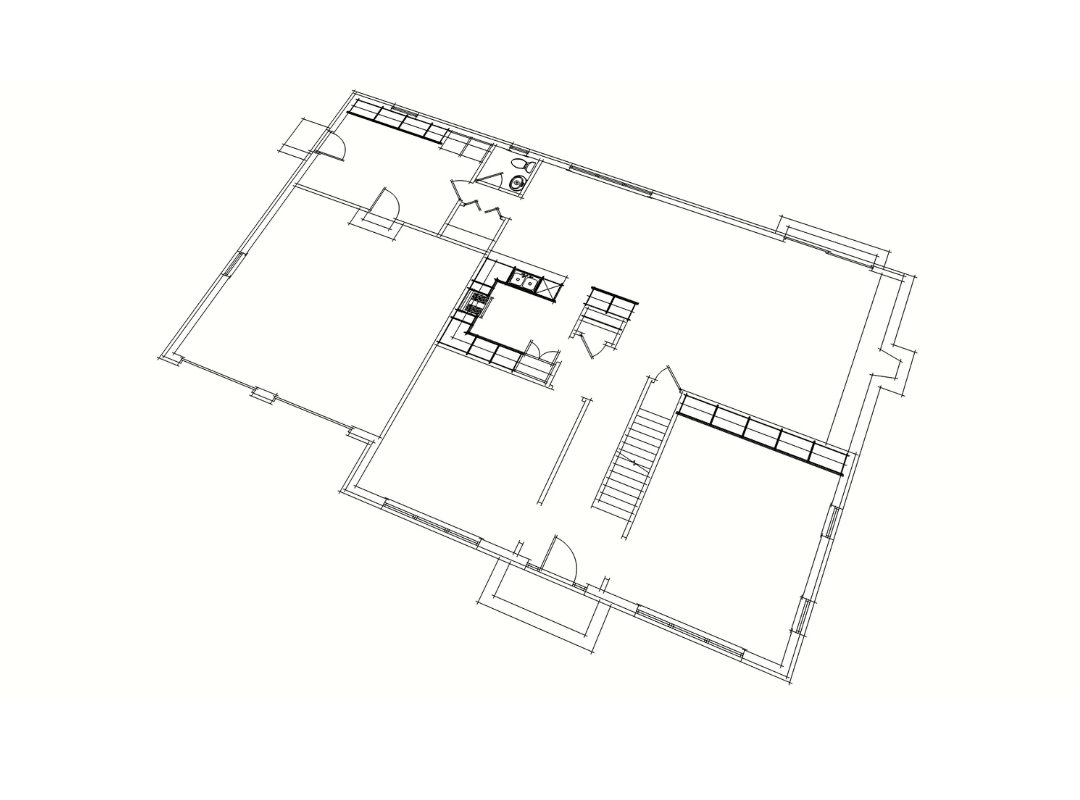
Retirement home floor plans

Regarding retirement home floor plans, you’ll want to zero in on designs prioritizing ease of living and comfort. These plans typically feature single-story layouts, eliminating the need to navigate stairs, which can be a significant advantage as mobility changes over time.

You’ll find options that embrace open floor concepts, fostering a spacious feel and making moving around with family or caregivers easier.

Consider square footage that suits your lifestyle; smaller homes often mean lower maintenance, allowing you to focus on enjoying your retirement years. Look for features like master suites, which provide privacy and convenience, and additional rooms that can serve as guest accommodations or hobby spaces tailored to your interests.

It’s essential to think about accessibility, too. Many retirement home plans can be customized to meet ADA standards, ensuring comfort for everyone. Additionally, personalized care plans can be integrated into the living space, making it easy for residents to receive support tailored to their unique needs.

Consider your needs and how they’ll evolve, and choose a floor plan that encourages a simplified, fulfilling life. Ultimately, the right space will support your desire to connect, engage, and serve others in this exciting new chapter of your life.

Best floor plan for a retirement home

Choosing the best floor plan for a retirement home revolves around your unique lifestyle and future needs. You’ll want to reflect on how much space you truly need. Opt for an open floor plan that maximizes accessibility and flow. This fosters ease of movement and encourages social interactions, which can enrich your retirement experience.

Look for one-story designs to avoid stairs, ensuring a safe and comfortable living environment. Features like a master suite separate from guest rooms can provide privacy while accommodating visitors.

Consider incorporating hobby spaces or areas that cater to your interests, enhancing your enjoyment of daily life. Customization options are essential. Contemplate plans that allow modifications to meet your specific requirements, such as adding accessibility features. This attention to detail can greatly impact your comfort and independence.

Ultimately, the best floor plan will support a simplified, enjoyable lifestyle. Focusing on your personal preferences and future needs sets the stage for a fulfilling retirement. Furthermore, consider how the design can facilitate social connection among residents, fostering a vibrant community atmosphere.

Don’t hesitate to seek expert assistance to find a plan that truly aligns with your vision for your golden years.

Retirement home floor plans with pictures.

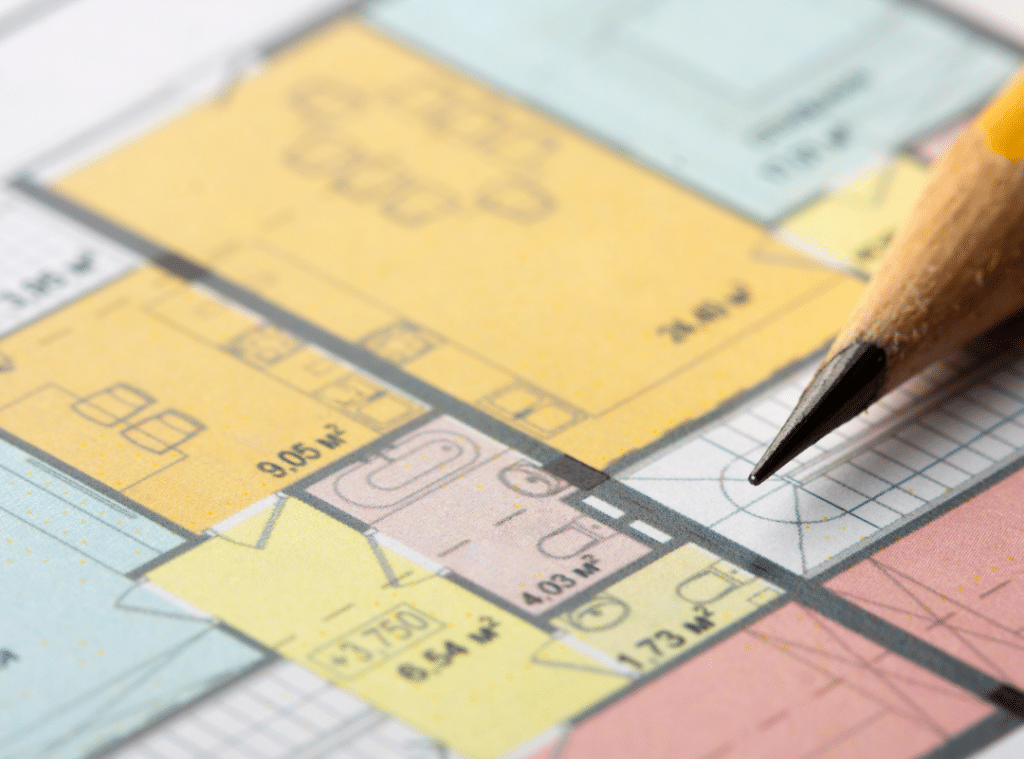
Exploring retirement home floor plans with pictures can greatly enhance your understanding of options and help you envision your future living space. Visual representations of these plans make it easier to grasp how layouts can cater to your lifestyle needs.

You’ll notice that many designs prioritize accessibility, featuring open spaces and minimal stairs, allowing for comfortable movement throughout the home.

When looking at floor plans, pay attention to key features such as the size of the kitchen, the location of bedrooms, and the availability of guest rooms or hobby spaces. Pictures provide a clearer picture of how these elements come together, making it simpler to imagine daily life in your new home.

Additionally, many retirement home designs emphasize natural light and outdoor access, which can enhance your well-being. By reviewing various floor plans alongside images, you can identify what resonates with you, ensuring your future space reflects your preferences and meets your needs.

Ultimately, these visuals are invaluable tools that assist you in making informed decisions as you shift into this exciting new chapter of your life.
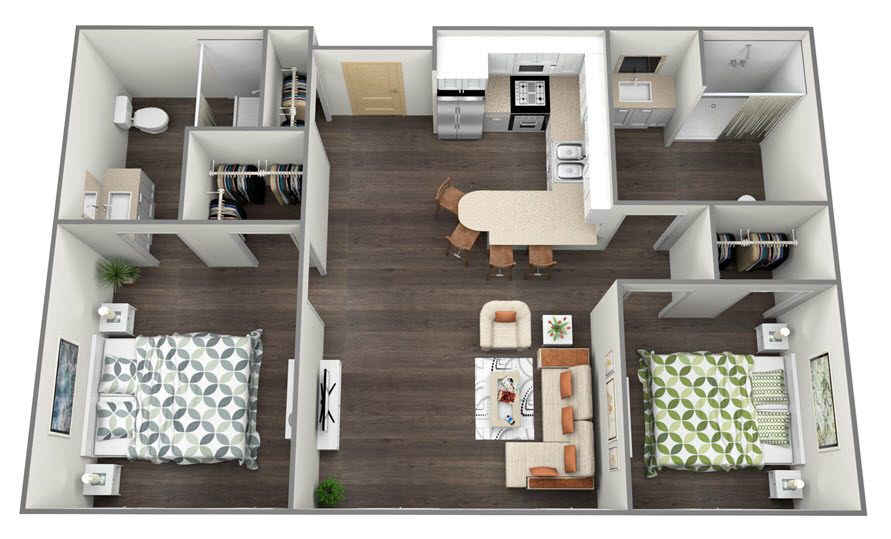
retirement home floor plans

2 Bedroom retirement house plans

How can you guarantee your bedroom retirement house plans meet your comfort and accessibility needs? Start by prioritizing a layout that promotes ease of movement.

Look for master suites located on the main floor to eliminate the need for stairs, ensuring you have a peaceful retreat that’s easily accessible.

Consider the size of the bedroom; it should comfortably fit a bed, nightstands, and any necessary mobility aids.

Opt for wider doorways and hallways to enhance accessibility. Incorporate features like adjustable lighting and easy-to-reach switches so you can create a cozy atmosphere at any time of day.

Don’t forget about storage! Adequate closet space and built-in shelving can help you keep your bedroom organized.

If you love hosting guests, think about including a guest bedroom with a nearby bathroom for convenience.

Lastly, personal touches matter. Choose colors and decor that resonate with you, making your bedroom a soothing sanctuary. Additionally, consider incorporating personalized care services to ensure your care needs are met in a comfortable environment.
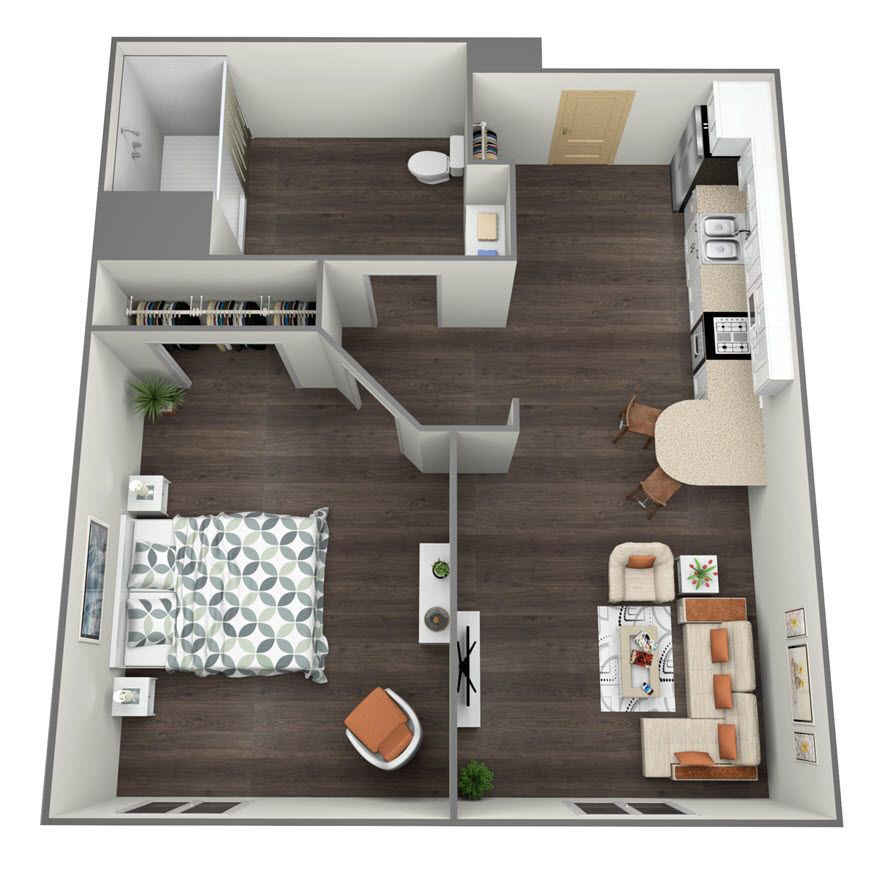
retirement home floor plans

Small retirement home floor plans

Small retirement home floor plans offer a practical solution for downsizing without sacrificing comfort and functionality. These compact designs focus on efficiently using space, ensuring you have everything you need within easy reach. With fewer square feet, you’ll find reduced maintenance requirements, allowing you to enjoy life more and pursue hobbies.

Often featuring open layouts, small retirement homes create a sense of spaciousness while remaining cozy. You can opt for a master suite with a guest room for visitors or even a dedicated area for your favorite pastimes. Many plans also consider accessibility, making it easier for you to navigate your home comfortably.

Choosing a small floor plan means embracing a simplified lifestyle that prioritizes your needs and preferences. You’ll enjoy lower living expenses and a sense of community, as these homes are often situated in neighborhoods designed for social interaction. Additionally, these communities offer modern and luxurious amenities that enhance your quality of life.

Furthermore, the high demand for smaller homes can lead to a strong return on investment should you decide to move again. Ultimately, small retirement home floor plans can help you live your golden years to the fullest.

Simple retirement home floor plans

For those seeking a straightforward living experience, simple retirement home floor plans offer an ideal solution. These layouts prioritize ease of access, functionality, and comfort, allowing you to focus on enjoying your golden years. With fewer rooms and open spaces, you can navigate your home without the hassle of unnecessary complexity.

Here’s a glimpse of some popular simple floor plans:

Plan Name Bedrooms Square Footage
The Willow 2 1,200 sq. ft.
The Maple 3 1,500 sq. ft.
The Cedar 2 1,100 sq. ft.

These plans typically feature a master suite, a spacious living area, and a kitchen that fosters social interaction. The reduced square footage means lower maintenance, allowing you to spend more time on hobbies or with loved ones. Simple retirement home floor plans cater to your needs and promote a lifestyle that values connection and relaxation. As you consider your options, consider how these designs can enhance your daily life, making your retirement more enjoyable and fulfilling.
retirement home floor plans

Small one-story retirement house plans

Discovering the right small one-story retirement house plans can greatly enhance your living experience during your golden years.

These homes offer the perfect blend of comfort, accessibility, and efficiency, allowing you to enjoy your retirement without the burden of excessive maintenance.

You’ll find that a thoughtfully designed one-story plan can cater to your specific needs and lifestyle.

Here are four key benefits of small one-story retirement house plans:

  1. Accessibility: No stairs to navigate means safer and easier movement throughout your home.
  2. Low Maintenance: Smaller spaces require less upkeep, giving you more time for leisure activities or volunteering.
  3. Open Layouts: Open floor plans create a spacious feel, promoting social interaction and seamless living.
  4. Energy Efficiency: Smaller homes typically consume less energy, which can lead to lower utility bills.

Modern retirement house plans

Modern retirement house plans reflect a thoughtful approach to designing living spaces that cater to the evolving needs of retirees. These plans prioritize comfort, accessibility, and ease of maintenance, ensuring you can enjoy your golden years without unnecessary stress.

You’ll find open layouts that promote fluid movement throughout the home, making it easier to navigate spaces with mobility aids if needed. Typically, these houses feature one-story designs, minimizing the need for stairs and enhancing safety.

Many plans include master suites with en-suite bathrooms, providing a private retreat. You can also customize additional rooms for guests or hobbies, allowing you to pursue interests while accommodating visitors.

The emphasis on energy efficiency and sustainable materials means lower utility bills and a reduced environmental footprint. With various sizes and architectural styles available, you can select a home that reflects your personality and lifestyle.

Ultimately, modern retirement house plans offer flexibility and functionality, making it easier to adapt to changing circumstances. By choosing a design that resonates with your needs, you invest in a fulfilling and enjoyable retirement experience.

Modern retirement home floor plans

Modern floor plans are thoughtfully designed to enhance your lifestyle and comfort when considering a retirement home.

These plans prioritize accessibility, functionality, and a sense of community, guaranteeing your golden years are enjoyable and fulfilling. You’ll appreciate features that cater to your needs while promoting social interaction and independence.

Here are four key aspects of modern retirement home floor plans:

  1. Open Layouts: Many designs feature open floor plans, maximizing space and allowing for easy movement and interaction.
  2. Single-Level Living: Most plans are single-story, reducing the need for stairs and enhancing accessibility for all residents.
  3. Multi-Functional Spaces: You’ll find rooms that serve multiple purposes, such as guest accommodations that double as hobby areas.
  4. Natural Light: Large windows and thoughtful placement of rooms guarantee plenty of natural light, creating a warm, inviting atmosphere.

These considerations make daily living easier and foster a welcoming environment where you can thrive and engage with your community.

Embrace the opportunity to create a home that reflects your lifestyle and values in this new chapter.

Award-winning empty nester house plans

Exploring award-winning empty nester house plans reveals innovative designs that cater to your unique lifestyle and needs. These thoughtfully crafted homes focus on comfort, functionality, and simplicity, perfect for those ready to embrace their golden years.

You’ll find that these plans typically feature smaller square footage and open layouts, maximizing space and accessibility. With fewer bedrooms, you’re invited to create a cozy master suite, while options for guest or hobby rooms allow flexibility for visiting family or pursuing passions.

The benefits are plentiful—reduced maintenance and lower living expenses mean more time for leisure activities and personal pursuits. Plus, these homes are often in high demand, presenting a great return on investment if you decide to sell.

With over 1,700 designs available, you can choose from various architectural styles and sizes, ensuring you find the perfect fit.

Whether you prefer a compact single-story design or a charming two-story option, there’s something for everyone. Embrace the opportunity to simplify your life while enjoying quality time with loved ones in an award-winning empty-nester home that truly reflects your values and aspirations.

As you explore retirement home floor plans at The Oaks at Paso Robles, envision spaces that promote comfort and connection. Picture single-story designs that prioritize accessibility, open areas that invite social interaction, and customizable layouts that adapt to your needs. Imagine bright, airy rooms that foster relaxation and low-maintenance living that frees up your time. By thoughtfully considering these elements, you can create a harmonious home that enhances your golden years, allowing you to embrace independence and enjoy the fulfilling lifestyle you deserve. For more information, please call us at (805) 239-5851.


Find Where You Belong

Dive into the vibrant life our Westmont communities have to offer.


Questions on Home Planning and Design for Seniors and Empty Nesters

What is a good size house for retirement?
A good-sized retirement house typically ranges between 1,500 to 2,000 square feet, depending on your needs and lifestyle. Consider factors like ease of maintenance, accessibility, and whether you’ll need space for hobbies, visiting family, or aging-in-place features.

How to design for a senior home?
Designing a senior home should prioritize safety, comfort, and accessibility. Features like single-story layouts, wide doorways, bathroom grab bars, and non-slip flooring can make daily living easier and safer for seniors. Natural lighting and comfortable, open spaces also enhance the home’s livability.

How do I find floor plans for an old house?
You can find floor plans for old houses by contacting local archives, historical societies, or the original builder if records are available. Online resources and historical property databases may also provide blueprints or designs that match the era of your home.

What is an empty nester house plan?
An empty nester house plan is designed for couples whose children have moved out, focusing on efficiency and ease of living. These plans often feature open layouts, fewer bedrooms, and amenities like home offices, guest rooms, or hobby spaces tailored to personal interests.




Improve Balance with Chair Exercises for Seniors

Improve Balance With Chair Exercises: Easy Workouts for Seniors

Imagine a tree that stands tall and sturdy, its roots deep in the ground, unyielding against the wind. Like that tree, you can strengthen your balance through simple chair exercises designed specifically for seniors at The Oaks at Paso Robles. These workouts enhance your stability and promote confidence in your movements. You might be surprised how easily you can incorporate seated leg lifts and arm raises into your daily routine. What if these small, manageable changes could greatly impact your independence and well-being?


Improve balance with chair exercises.

Improving your balance with chair exercises is a practical and safe way to enhance your stability, especially if you have limited mobility or concerns about falling. These exercises allow you to work on strength and coordination while seated, reducing the risk of injury.

Start with seated leg lifts to strengthen your lower body. While sitting, lift one leg at a time, holding for a few seconds. Next, try arm raises with light weights to engage your upper body. You can also perform seated marches, lifting your knees alternately as if you’re walking in place.

Incorporate torso twists to improve your spinal flexibility; just sit up straight and twist gently from side to side. Ankle pumps are fantastic for circulation—simply extend your legs and flex your feet.

These chair exercises can be done daily and are perfect for building confidence and independence. Remember, consistency is key to seeing improvements in your balance!

As you practice these movements, you’ll likely notice improved balance and overall stability, making everyday tasks easier and safer. So grab a sturdy chair and start your journey toward better balance today!

improve balance with chair exercises

Balance exercises for the elderly

Incorporating balance exercises into your routine enhances stability as you age. These exercises can markedly reduce your risk of falls, helping you maintain independence and confidence in your daily activities.

Plus, they’re simple to integrate into your day, whether you’re at home or in a community setting.

Here are some effective balance exercises you can try:

  • Single Limb Stance: Stand on one foot, using a chair for support if needed. Hold this position for as long as you are comfortable.
  • Heel-to-Toe Walk: Walk in a straight line, placing the heel of one foot directly in front of the toes of the other. This improves coordination and stability.
  • Rock the Boat: Stand with feet shoulder-width apart and gently lift one leg while balancing on the other. This engages your core and enhances lateral balance.

Remember to perform these exercises regularly for the best results. Additionally, mindfulness techniques can enhance your focus and balance during these exercises.

Always prioritize safety by ensuring your environment is free of hazards, and consider wearing supportive footwear.

Embrace these balance exercises, and you’ll feel more secure and stable as you navigate life.

improve balance with chair exercises

Sitting exercises for seniors

Sitting exercises offer a fantastic way for seniors to stay active while enjoying the comfort of their chairs. These exercises can enhance strength, flexibility, and overall well-being without standing or extensive movement. Here are some effective sitting exercises you can incorporate into your routine:

Exercise Benefits
Seated Leg Lifts Strengthens lower body muscles
Arm Raises Improves upper body strength
Seated Marches Enhances coordination and stamina

To perform these exercises, sit straight in your chair, ensuring your feet are flat on the floor. For seated leg lifts, extend one leg straight out, hold for a moment, and lower it back down. For arm raises, lift your arms overhead and lower them gently. Seated marches involve lifting your knees alternately, mimicking a marching motion.

Incorporating these exercises into your daily routine can help maintain your independence and support your mobility. Remember, consistency is key, and always listen to your body. With just a few minutes each day, you can significantly impact your health and well-being. Maintaining good posture during these exercises can also alleviate discomfort and enhance effectiveness.

Balance training for seniors

Chair exercises are a great way to kick off your fitness journey, but adding balance training can take your routine to the next level.

Balance training is essential for seniors, as it helps reduce the risk of falls and boosts confidence in daily activities. You don’t need to be a fitness expert; simple movements can significantly affect your stability and overall well-being. Regular exercise helps prevent falls and offers other benefits that contribute to a senior’s quality of life.

Here are a few effective balance training exercises to evaluate:

  • Single Limb Stance: Stand on one foot, holding onto a chair for needed support.
  • Heel-to-Toe Walk: Walk forward in a straight line, placing the heel of one foot directly in front of the toes of the other.
  • Chair Squats: Stand in front of a chair, lower yourself as if you’re about to sit, then rise back up, using the chair for support.

Incorporating these exercises into your routine will enhance your balance and strengthen your muscles.

Dynamic balance exercises for the  elderly

Dynamic balance exercises can greatly enhance your stability and coordination, essential for maintaining independence as you age. These exercises challenge your body to adapt to movement while improving your overall strength and flexibility.

Start with simple activities like the Single Limb Stance, where you balance on one foot while holding onto a chair for support. Gradually increase the difficulty by trying to hold the position longer.

The Walking heel-to-toe exercise also helps; just walk in a straight line, placing the heel of one foot directly in front of the toes of the other.

Incorporate the Clock Reach by imagining a clock on the floor and reaching your arms to touch each “hour” while balancing on one leg. This not only improves stability but also engages your core.

Remember to include Toe Lifts and Side Leg Raises to strengthen your lower body. These exercises can be done at your own pace, making them accessible and effective.

Incorporating chair exercises into your routine enhances your balance and overall well-being. Did you know that nearly one in four seniors experience a fall each year? Committing to simple seated workouts can strengthen your muscles and improve coordination, reducing that risk. Remember, there is always time to start! With just a few minutes each day, you can boost your confidence and maintain your independence while enjoying a higher quality of life.

For more information on how to get started with chair exercises, contact The Oaks at Paso Robles at (805) 239-5851.


Compare The Costs of Senior Living vs Staying at Home

How Do The Costs Of Moving Into A Quality Senior Care Community Compare With The Costs Of Staying At Home?


FAQs on Improving Balance for Seniors

  1. What is the number one exercise to increase balance in seniors?
    There isn’t a single “number one” exercise, but standing on one leg is highly effective for improving balance in seniors. This simple exercise strengthens and stabilizes muscles and enhances coordination. Always perform it near a sturdy surface for safety.
  2. How to improve seated balance?
    To improve seated balance, practice seated leg lifts, where you lift one leg at a time while sitting upright. Engaging your core muscles and maintaining good posture during these exercises helps strengthen the body.
  3. Do chair exercises work?
    Yes, chair exercises are highly effective for seniors, especially those with limited mobility. They help improve flexibility, strength, and coordination, all contributing to better balance and overall physical health.
  4. How can a woman 70 years old help strengthen her balance?
    A woman in her 70s can strengthen her balance by combining gentle exercises like yoga tai chi and balance-specific movements like heel-to-toe walking. Resistance training to strengthen the legs and core also helps with practicing daily activities that challenge balance, such as standing up without using her hands.


What Is Independent Living for Seniors? A Guide to Graceful Aging

What Is Independent Living for Seniors? A Comprehensive Guide to Aging Gracefully

Did you know nearly 90% of seniors prefer to age in place rather than move into a nursing home? Independent living at The Oaks at Paso Robles offers a compelling option for those who want to maintain independence while enjoying a vibrant community. It combines autonomy with essential amenities, creating an environment where you can thrive. But what does this look like in practice, and how can it enhance your quality of life as you age? Understanding the nuances of independent living at The Oaks at Paso Robles might be the key to gracefully aging.


What is independent living for seniors?

Understanding independent living for seniors means recognizing it as a vibrant option for those aged 55 and over who want to maintain their autonomy while enjoying a supportive community. This lifestyle focuses on offering you the freedom to live independently in a community that caters to your needs.

You’ll find various housing types, such as apartments or cottages, designed to make daily living easier and more enjoyable.

In independent living, you’re part of a community that promotes social connections and engagement. You’ll have access to activities, amenities, and resources, all tailored to enrich your life.

While medical care isn’t typically provided, you can arrange for in-home assistance if needed, allowing you to retain control over your daily routines. Additionally, the importance of social connection in these communities enhances overall well-being and reduces feelings of loneliness.

Understanding your preferences and lifestyle is essential when considering independent living. It’s not just about a place to stay; it’s about creating a fulfilling life where you can thrive.

Independent living facilities for seniors

When exploring independent living facilities for seniors, you’ll discover various options designed to enhance your quality of life while allowing you to maintain your independence.

These facilities focus on providing a safe and engaging environment where you can easily enjoy your golden years. Here are some key features to reflect upon:

  • Social Activities: Many facilities offer a range of activities, from fitness classes to arts and crafts, fostering connections with fellow residents.
  • Maintenance-Free Living: You won’t have to worry about home repairs or yard work, allowing you to focus on what truly matters—your well-being.
  • Personalized Services: Options for housekeeping, dining, and transportation can be tailored to fit your needs, ensuring you get the support you desire without sacrificing your independence.

Choosing an independent living facility means embracing a vibrant lifestyle while still having access to assistance when necessary. Focusing on personalized care plans also ensures your unique needs are met, enhancing your overall experience.

By prioritizing your personal preferences, you can find a community that feels like home and offers the companionship and support you deserve.

Take time to explore your options, and remember that the right facility can enhance your quality of life.

Independent living communities for seniors

Exploring independent living communities for seniors can open up opportunities that cater to your desire for autonomy while providing essential support. These communities are designed with your needs in mind, offering a blend of privacy and social interaction that enhances your quality of life.

Benefits Features
Social Engagement Activities and events
Maintenance-Free Living Housekeeping and repairs
Safety and Security Gated access and emergency services

In these communities, you’ll find a variety of amenities that encourage an active lifestyle, from fitness classes to art workshops. You can easily connect with like-minded peers, fostering friendships that enrich your days. Engaging in physical activities helps maintain mobility and independence, vital for a vibrant senior lifestyle.

Transitioning to an independent living community can feel overwhelming, but remember, it’s an opportunity for new experiences. Embrace this chance to design a fulfilling life that aligns with your interests and values.

Consider location, community size, and available services as you explore options. Each community is unique, so take the time to find the one that resonates with you. Your independence and happiness matter and the right community can help nurture both.

Independent senior living

Independent senior living offers a vibrant lifestyle that balances autonomy with the support you may occasionally need. This type of living is designed for individuals who wish to maintain their independence while accessing various services and amenities that enhance their quality of life.

You’ll find a community that encourages social interactions, personal growth, and a sense of belonging.

Here are a few key features you can expect in independent senior living:

  • Access to amenities: Enjoy dining options, fitness classes, and recreational activities that keep you engaged and active.
  • Supportive environment: While you maintain independence, assistance is available for tasks like housekeeping and transportation.
  • Safety and security: Many communities prioritize your safety, offering secure entrances and emergency response systems.

In independent senior living, you can thrive in a nurturing setting that values your independence and well-being. Regular exercise is often encouraged as part of a healthy lifestyle, contributing to overall physical health and vitality.

It’s about creating a fulfilling lifestyle where you can engage with others, pursue hobbies, and enjoy peace of mind, knowing that help is available whenever needed.

Independent senior living apartments with openings

Finding independent senior living apartments with openings can feel overwhelming, but numerous options cater to your needs and lifestyle.

Start by determining what’s essential for you—proximity to family, access to community activities, or specific amenities. Many communities offer a variety of floor plans, so you can find one that feels like home.

Don’t forget to research local facilities that fit your budget and preferences. Some may offer waiting lists, so it’s wise to inquire about openings regularly.

Visiting potential apartments can help you gauge the community atmosphere and meet staff. Engaging with current residents can also provide valuable insights into daily life there.

Senior living with facility meals included

When considering senior living options, including meals can greatly improve your experience and daily routine. Imagine enjoying delicious, nutritious meals without the hassle of shopping or cooking. This arrangement saves time and fosters a sense of community among residents.

Here are a few benefits of senior living with facility meals included:

  • Social Interaction: Shared dining experiences provide opportunities to connect with neighbors and make new friends.
  • Balanced Nutrition: Professional chefs and nutritionists guarantee healthy meals catering to specific dietary needs.
  • Convenience: Enjoying meals prepared for you means less stress and more time to engage in activities you love.

Having meals in your living arrangement lets you focus on what truly matters—building relationships and enjoying your independence.

It creates a warm, nurturing environment where you can thrive. Plus, you can rest easy knowing you’re fueling your body with the right nutrients.

Choosing a community that offers this feature can greatly improve your quality of life, allowing you to age gracefully while enjoying the comforts of home.

Retirement living in California

Retirement living in California often offers a vibrant, engaging lifestyle that many seniors find appealing. You’ll discover a range of communities designed to meet your needs while promoting independence and social interaction.

From sunny coastal towns to serene inland retreats, California provides diverse options that cater to various preferences.

In these communities, you can enjoy amenities like fitness centers, swimming pools, and organized activities that foster connections with neighbors.

You’ll also find dining options that make meals enjoyable and nutritious, allowing you to focus on your well-being.

California’s mild climate encourages outdoor activities, and you can explore local parks, beaches, and recreational opportunities year-round.

It’s a great chance to embrace a new phase of life filled with friendships and experiences.

As you consider retirement living, consider what aspects are most important to you—whether it’s proximity to family, access to healthcare, or a vibrant community life.

Remember, this change is about enhancing your lifestyle while maintaining your independence.

Engaging with local resources can also help you make informed decisions tailored to your unique needs and desires.

Embracing independent living at The Oaks at Paso Robles is like stepping into a vibrant tapestry woven with threads of autonomy, connection, and joy. You’ll find a place to call home and a community that nurtures your spirit and celebrates your journey. As you explore options, remember that this chapter of life is about savoring new experiences while maintaining independence. So, take that leap—your next adventure awaits, filled with laughter, companionship, and the freedom to thrive. For more information, contact us at (805) 239-5851.


What Level of Care Do You Need?

Discover the level of care you or your family member requires. 


Frequently asked questions

  1. How does independent living differ from assisted living?
    Independent living is designed for older adults who can live independently but want a low-maintenance lifestyle in a community setting. On the other hand, assisted living provides additional support with daily activities such as bathing, dressing, and medication management while still fostering independence.
  2. What is defined as independent living?
    Independent living is a housing option for seniors who do not require daily medical or personal care assistance. These communities typically offer private apartments or homes and amenities like dining options, housekeeping, and social activities, promoting an active and worry-free lifestyle.
  3. What is the average cost of independent living in California?
    The average cost of independent living in California ranges from $2,500 to $4,500 per month, depending on the location and amenities offered. Factors such as the size of the apartment, including services and community features, can also impact pricing.


Can Nearsightedness Improve with Age? – The Oaks at Paso Robles

Does Nearsightedness Improve With Age? Understanding Vision Changes

As you navigate through the changes in your vision over time, have you ever wondered if nearsightedness could improve as you age? Understanding the nuances of how your eyesight evolves can shed light on what to expect in the future. The intricate interplay of various factors influencing nearsightedness might just surprise you. Stay tuned to uncover the mysteries behind the progression of nearsightedness and how it intertwines with the aging process with The Oaks at Paso Robles.

Definition of Nearsightedness

What exactly is nearsightedness? Nearsightedness, also known as myopia, is a common refractive error where distant objects appear blurry while close objects can be seen clearly. This condition occurs when the eyeball is too long or the cornea is too curved, causing light rays to focus in front of the retina instead of directly on it. Genetics plays a significant role in the development of nearsightedness, with children of nearsighted parents being at a higher risk of developing the condition. Regular eye exams are crucial to monitor any changes in vision, ensuring appropriate treatment options are provided.


Causes of Nearsightedness

Nearsightedness, or myopia, is primarily caused by the elongation of the eyeball or the excessive curvature of the cornea, leading to the misalignment of light rays onto the retina. Genetic factors play a significant role in myopia development, with children of nearsighted parents having a higher risk. Environmental triggers, such as excessive work or lack of outdoor time, can also contribute to the progression of nearsightedness. Lifestyle choices like prolonged screen time and inadequate eye care can exacerbate myopia. However, advancements in technology have introduced options like orthokeratology and special contact lenses to slow down myopia progression. One crucial factor in managing nearsightedness is regular eye examinations to monitor vision changes and address any concerns promptly.

Causes Description
Genetic Factors Inherited tendency from nearsighted parents
Environmental Triggers Excessive near work, lack of outdoor time
Lifestyle Choices Prolonged screen time, inadequate eye care
Technological Advancements Orthokeratology, special contact lenses

How Nearsightedness Progresses

As you age, the progression of nearsightedness often leads to a gradual deterioration in your vision over time. The eye’s ability to focus on distant objects diminishes as the eyeball elongates and the refractive error worsens. This deterioration can result in the need for stronger prescription glasses or contact lenses to correct your vision as nearsightedness progresses. Understanding the impact of vision changes on nearsightedness can help you manage your eye health effectively.


Find Where You Belong

Dive into the vibrant life our Westmont communities have to offer.


Nearsightedness and Aging

A common concern among individuals with nearsightedness is how this condition progresses with age. As you age, your eyes undergo various changes that can impact your nearsightedness. Here’s what you need to know:

  • Aging Eyes: With age, the eye’s lens becomes less flexible, making it harder to focus up close, a condition known as presbyopia.
  • Presbyopia Development: Presbyopia usually becomes noticeable around the age of 40 and continues to progress. This age-related change affects your ability to see objects up close.

Understanding how nearsightedness interacts with the aging process is essential for managing your vision effectively. If you already have nearsightedness, keep in mind that aging can exacerbate this condition, especially when combined with presbyopia development.

Regular eye exams and consultations with an eye care professional can help you stay on top of any changes and adjust your vision correction accordingly.

Vision Deterioration Over Time

Over time, the progression of nearsightedness involves a gradual worsening of your ability to see distant objects clearly. Age-related changes play a significant role in this vision decline. As you age, the eyeball’s shape can elongate, causing light to focus in front of the retina instead of directly on it. This results in blurred vision when looking at objects far away.

The lens inside your eye can also become less flexible with age, making it harder to focus on distant objects. Additionally, the muscles that control the shape of the lens may weaken, impacting your ability to adjust focus. These age-related changes can contribute to the deterioration of your nearsightedness over time, requiring adjustments in your prescription to maintain clear vision.

Regular eye exams are essential to monitor these changes and guarantee you have the correct prescription to help manage the progression of nearsightedness as you age.

Factors Influencing Nearsightedness

Factors influencing nearsightedness can be attributed to a combination of genetic predisposition and environmental elements. Genetic predisposition plays a significant role in determining the likelihood of developing nearsightedness, while lifestyle habits can also impact its progression. Additionally, nutritional deficiencies can exacerbate nearsightedness by affecting the overall eye health.

Managing Nearsightedness With Age

Managing nearsightedness with age requires a proactive approach to address the natural changes that occur in the eyes over time. Lifestyle adjustments can play a significant role in managing nearsightedness as you age. Maintaining a healthy diet rich in nutrients like vitamins A, C, and E, along with omega-3 fatty acids, can support eye health. Regular exercise can improve blood flow to the eyes, while proper lighting and computer screen ergonomics can reduce eye strain. Additionally, wearing sunglasses with UV protection outdoors can shield your eyes from harmful sun exposure.

When it comes to treatment options, consulting with an eye care professional is essential. They may recommend prescription glasses or contact lenses to help correct your vision. Another option could be orthokeratology, a technique using specially designed contact lenses to reshape the cornea temporarily.

In some cases, refractive surgery like LASIK may be considered. Regular eye exams are vital to monitor changes in your vision and make sure timely adjustments to your treatment plan. By incorporating lifestyle adjustments and exploring suitable treatment options, you can effectively manage nearsightedness as you age.

Future Outlook for Nearsightedness

Looking ahead, the future outlook for nearsightedness involves advancements in technology and treatment options that aim to provide more personalized and effective solutions for individuals experiencing this common refractive error. New developments in the field of optometry offer hope for improved management of nearsightedness. Here are some key aspects to contemplate:

  • Treatment Options: Innovative treatments such as orthokeratology and phakic intraocular lenses are emerging as viable alternatives to traditional glasses and contact lenses.
  • Lifestyle Changes: Implementing healthy habits like taking frequent breaks from screen time, maintaining a balanced diet rich in antioxidants, and getting regular eye check-ups can help manage nearsightedness progression.
  • Genetic Research: Ongoing studies are exploring the genetic factors influencing nearsightedness, potentially leading to gene therapies for more targeted treatment. Additionally, understanding the genetic predisposition to nearsightedness can aid in developing personalized treatment approaches.
  • Customized Solutions: Advancements in personalized medicine are paving the way for tailored treatments based on individual eye characteristics, offering more precise and effective outcomes for nearsighted individuals.

To sum up, nearsightedness may not improve with age and can potentially worsen due to various factors like genetics and aging-related changes in the eye. Regular eye exams and proper management strategies are essential in addressing vision changes effectively. For instance, a 45-year-old individual with worsening nearsightedness may benefit from a combination of corrective lenses and atropine drops to slow down the progression and maintain peak eye health. Stay proactive in managing your vision for a clearer future.

For more information and to schedule an eye exam, contact The Oaks at Paso Robles at (805) 239-5851.


Vitamins for Strong Bones and Joints of the Elderly

Maintaining strong bones and flexible joints is vital to living an active and independent life as you age. As time passes, the body’s ability to absorb key nutrients decreases, making it even more important to focus on vitamins for strong bones and joints. These essential nutrients help maintain bone density, joint mobility, and muscle strength, reducing the risk of fractures and stiffness.

If you’ve ever wondered how to keep your bones resilient and joints pain-free, the answer lies in the right combination of vitamins, minerals, and healthy foods. By incorporating vitamins for bones and joints, choosing the best multivitamin for bones and joints, and eating foods that support strong bones and joints, you can build a stronger foundation for long-term health.

Discover expert-recommended ways to support your body’s structure and mobility with The Oaks at Paso Robles. Visit us at The Oaks at Paso Robles to learn more about our senior wellness programs.

Vitamins for strong bones and joints

The Role of Vitamin D in Bone Health

Vitamin D is a cornerstone nutrient for maintaining healthy bones. It enhances calcium and phosphorus absorption, two key minerals responsible for bone density and structure. Adequate Vitamin D levels help reduce the risk of osteoporosis, a condition that makes bones fragile and prone to fractures, especially in older adults.

Exposure to sunlight for 15–20 minutes daily is an excellent way to naturally boost your Vitamin D levels. However, foods like fatty fish, egg yolks, and fortified milk are also good sources. For seniors, taking vitamins that support bones, joints, and muscles, including those rich in Vitamin D, can help improve nutrient absorption and muscle coordination.

Pair Vitamin D with calcium-rich foods to enhance bone strength and prevent age-related bone loss. You can also learn more about Vitamin D’s health effects through trusted sources like Harvard Health and the National Institutes of Health (NIH).

Vitamins for strong bones and joints

Importance of Vitamin K for Bone Density

Vitamin K supports bone formation and helps transport calcium to the right places, your bones and teeth, rather than soft tissues or arteries. It also plays a vital role in maintaining joint flexibility and reducing inflammation, which can help alleviate discomfort and stiffness.

Including Vitamin K in your daily diet, whether through green leafy vegetables, fermented foods, or supplements, can help enhance your Vitamin K intake for strong bones and joints. Combined with vitamins for bones and joints, it contributes to better skeletal health and mobility in adults.

Role in Calcium Absorption

Vitamin K activates proteins that bind calcium, ensuring that this essential mineral is properly absorbed into your bones. Without sufficient Vitamin K, calcium may remain unused or build up in arteries, leading to health issues. By incorporating foods rich in nutrients for strong bones and joints, such as kale, spinach, and broccoli, you can help maintain bone density and joint comfort naturally.

Supporting Joint Health

Vitamin K also helps reduce joint inflammation, thereby protecting cartilage from deterioration over time. For those experiencing stiffness or mild arthritis, consuming vitamins for bones, joints, and muscles, including Vitamin K, can help improve flexibility and reduce pain. Maintaining strong joints through a balanced diet and regular physical activity helps keep you mobile and independent for an extended period.

Explore more about joint-supportive nutrients in this Healthline guide.


What Level of Care Do You Need?

Discover the level of care you or your family member requires. 


How Vitamin A Supports Bone Growth

Vitamin A contributes to bone remodeling and helps maintain tissue health. It promotes the production of osteoblasts, cells that build new bone, making it essential for bone regeneration and repair. Foods rich in Vitamin A, like carrots, liver, and sweet potatoes, also support immune function and eye health, which are vital for maintaining balance and coordination as you age.

Pairing Vitamin A with vitamins for bones, joints, and muscles creates a nutrient synergy that supports the body’s structure and flexibility. Additionally, essential nutrients like calcium, magnesium, and Vitamin D complement Vitamin A’s effects, strengthening the skeletal system.

Sources of Vitamin A

To increase your Vitamin A intake, add brightly colored vegetables, such as carrots, squash, and spinach, to your daily meals. These are not only rich in beta-carotene but also serve as a food source for strong bones and joints, helping to reduce inflammation and promote long-term mobility.


Essential Vitamins for Joint Health

Healthy joints rely on vitamins that reduce inflammation and enhance mobility. Vitamins B6 and B12 are beneficial in maintaining joint health, supporting nerve function, and reducing stiffness. They improve oxygen transport, which keeps muscles active and joints lubricated.

Incorporating vitamins for bones and joints, such as B-complex supplements, for adults helps ensure better coordination and movement. When paired with the best multivitamin for bones and joints, you can experience stronger bones, healthier muscles, and reduced fatigue.

Vitamins for strong bones and joints

The Impact of Vitamin B12 on Mobility

Vitamin B12 is essential for maintaining nerve health and supporting the production of red blood cells. This vitamin enhances communication between your nerves and muscles, preventing weakness and ensuring smooth movement. Seniors with a Vitamin B12 deficiency often experience balance issues or fatigue, which can lead to reduced mobility.

Incorporating B12-rich foods, like eggs, dairy, and lean meats, alongside vitamins for strong bones and joints, helps sustain energy levels and muscle performance. Low B12 levels can increase the risk of falls, so maintaining healthy levels supports your independence.

External studies from the National Library of Medicine highlight the role of Vitamin B12 in supporting neurological and muscular function, which in turn directly impacts mobility.

Vitamins for strong bones and joints

The Significance of a Balanced Diet for Seniors

No vitamin supplement can replace a well-balanced diet. For optimal results, combine foods that support strong bones and joints with nutrient-rich sources of protein, fiber, and healthy fats. Whole grains, fruits, and vegetables should form the core of your meals, while calcium- and vitamin-rich foods strengthen your skeletal system.

Avoid processed foods high in sodium and sugar, as they can weaken bones and contribute to inflammation. By focusing on natural sources of nutrients, you can make your vitamins for bones and joints more effective for adults, improving both your physical and mental health.

Vitamins for strong bones and joints

Lifestyle Changes to Promote Healthy Aging

Nutrition works best when paired with an active lifestyle. Gentle exercises, such as walking, yoga, and stretching, help strengthen muscles and joints while promoting balance and flexibility. Regular movement allows your vitamins for bones, joints, and muscles to work efficiently, keeping your body strong and functional.

Prioritize sleep, hydration, and social interaction to maintain holistic wellness. Mindfulness practices like meditation can also reduce stress, which plays a role in inflammation and muscle tension. By combining a nutrient-rich diet, the best multivitamin for bones and joints, and consistent exercise, you can achieve a stronger and more active lifestyle.

Build a Stronger You: Start Today!

Investing in your health today means more freedom and mobility tomorrow. Incorporate vitamins for strong bones and joints, including Vitamin D, K, A, and B12, into your daily routine, pairing them with a balanced diet and an active lifestyle. These simple steps can prevent bone loss, improve joint flexibility, and support overall vitality.

At The Oaks at Paso Robles, we’re here to help you live life to the fullest with expert wellness support, nutritious dining, and engaging fitness programs. For personalized guidance or to learn how our community can support your bone and joint health, please call us at (805) 239-5851 or schedule a tour.


Frequently Asked Questions

Is Centrum good for your bones?

Centrum can be beneficial for your bones as it contains essential vitamins and minerals like Vitamin D, calcium, and magnesium that support bone health. These nutrients work together to maintain bone density and strength, especially as you age. However, Centrum alone may not provide enough calcium for everyone, so a balanced diet rich in dairy products, leafy greens, or fortified foods remains important. Always check with your healthcare provider before adding new supplements to your routine.

What drink is good for bone repair?

Milk is one of the best drinks for bone repair because it is rich in calcium and often fortified with Vitamin D, both of which are vital for bone regeneration. Other great options include fortified plant-based milks, such as almond or soy milk, as well as green smoothies made with leafy vegetables. Additionally, orange juice fortified with calcium and Vitamin D can also promote bone healing. Staying hydrated with water is equally important, as it supports nutrient absorption and overall bone health.

What’s the best supplement for joint and bone strength?

Supplements containing calcium, Vitamin D, and magnesium are among the best for maintaining strong bones. For joint support, supplements such as glucosamine, chondroitin, and collagen can help improve flexibility and reduce discomfort. Omega-3 fatty acids also support joint mobility by reducing inflammation. A combination of these nutrients, along with regular exercise, helps maintain both bone and joint health and resilience.

How to strengthen bones and joints?

To strengthen bones and joints, focus on a balanced diet that includes calcium-rich foods, Vitamin D, and protein. Weight-bearing exercises, such as walking, dancing, or resistance training, help improve bone density and joint flexibility. Maintaining a healthy weight also reduces pressure on the joints, preventing stiffness or pain. Regular stretching and staying hydrated can further support long-term joint and bone health.


Understanding What is Long-Term Care in The Oaks at Paso Robles

Understanding What Is Long-Term Care

Understanding long-term care is vital for preparing for the future and ensuring the well-being of your loved ones. As you navigate through the complexities of long-term care, you will uncover various aspects that require thoughtful consideration and planning.

Each piece plays a significant role in the decision-making process, from the types of services available to the financial implications involved. By gaining a deeper understanding of long-term care, you can equip yourself with the knowledge needed to make informed choices that will impact the quality of care and support provided.

For more information and guidance on long-term care options, contact The Oaks at Paso Robles at (805) 239-5851.

Key Takeaways

  • Long-term care offers ongoing assistance for chronic illness, disability, or aging.
  • Planning for care is crucial for individuals and loved ones.
  • Care options include assisted living, in-home care, and nursing homes.
  • Costs can vary, necessitating financial planning and insurance exploration.
  • Legal and emotional considerations are essential for comprehensive long term care planning.


Definition of Long-Term Care

Long-term care refers to the ongoing assistance and support provided to individuals who are unable to fully care for themselves due to chronic illness, disability, or aging. It’s important to understand the significance of planning for long-term care needs, as they can significantly impact both the individual requiring care and their loved ones.

When considering long-term care, exploring insurance options is essential. Long-term care insurance helps cover the costs of care that health insurance may not fully cover, allowing individuals to receive the necessary support without worrying about financial burdens.

Caregiver support is another crucial aspect of long-term care. Caregivers play a vital role in providing physical, emotional, and sometimes medical support to those in need. It’s important to recognize the challenges caregivers face and ensure they have access to the resources and assistance they need to provide the best possible care.

Types of Long-Term Care Services

As you consider the spectrum of long-term care, understanding the various types of services available can provide clarity and guidance in making informed decisions for yourself or your loved ones. When exploring care options, it is crucial to be aware of the different service providers that offer assistance tailored to specific needs. Below is a table outlining common types of long-term care services and the providers who typically offer them:

Care Options Service Providers
Assisted Living Residential Care Facilities
In-Home Care Home Health Agencies
Nursing Homes Skilled Nursing Facilities

Assisted living facilities cater to individuals who need help with daily activities but wish to maintain some independence. In-home care allows individuals to receive assistance in the comfort of their homes. Nursing homes provide round-the-clock medical care for those with complex health needs. Understanding these care options and the service providers can help you navigate the long-term care landscape with confidence and compassion.

Who Needs Long-Term Care

Periodically, individuals may find themselves in a situation where they need long-term care due to various health or age-related factors. It’s important to recognize the signs that indicate this need.

For some, declining health or mobility issues may require assistance with daily activities such as bathing, dressing, or meal preparation. Others might require ongoing medical attention for chronic conditions that can’t be managed independently. Caregiver support becomes essential in these situations, as family members or professional caregivers play a crucial role in ensuring the well-being of those in need of long-term care.

Understanding healthcare needs is necessary to determine the level of care required, whether it’s assistance with medication management, physical therapy, or specialized medical treatments. By recognizing the signs and seeking appropriate support, individuals can guarantee they receive the necessary care to maintain their quality of life and overall well-being. Additionally, it’s important to consult resources and seek professional advice to prioritize the parent’s well-being with suitable care options.

Costs Associated With Long-Term Care

Understanding the financial implications of long-term care is vital for individuals and families facing the need for ongoing support. The costs associated with long-term care can be substantial, and planning ahead is pivotal. It’s important to consider various factors, such as the level of care needed, the duration of care required, and the location where care will be provided.

Financial implications can vary depending on whether care is provided at home, in an assisted living facility, or in a nursing home. Insurance coverage can play a significant role in managing these costs. Long-term care insurance is specifically designed to cover expenses related to ongoing care needs, but exploring alternative financial assistance options can also help alleviate some of the financial burdens.

However, it’s crucial to understand the terms and conditions of the policy to ensure adequate coverage. It’s advisable to explore different insurance options, understand the limitations of each, and consider consulting with a financial advisor to make informed decisions. By being proactive and informed about the financial aspects of long-term care, you can better prepare for the future and alleviate some of the financial burdens associated with ongoing care needs.

Planning for Long-Term Care

Tackling the complexities of long-term care planning can seem overwhelming, especially when contemplating the financial aspects involved. When planning for long term care, it’s vital to take into account the following:

  1. Financial considerations: Understanding the costs associated with long-term care is crucial. It’s crucial to assess your financial situation and explore options like long-term care insurance or Medicaid planning. Additionally, it’s important to weigh the value for money, such as the premium amenities offered at Luxury Living Senior Residence with all-inclusive packages.
  2. Care options: Research the different types of long-term care available, such as in-home care, assisted living facilities, or nursing homes. Each option has its own benefits and factors to consider, so it’s vital to find the best fit for your needs.
  3. Emotional preparation: Planning for long term care can evoke many emotions. It’s acceptable to feel overwhelmed or anxious. Seek support from loved ones or a counselor to help navigate these emotions.
  4. Legal considerations: Make sure your legal documents, like a living will and power of attorney, are in place. These documents can help guarantee your wishes are followed and that someone you trust can decide on your behalf if necessary.

To sum up, understanding what long-term care involves is essential for making informed decisions about the future. By knowing the types of services available, who may require care, associated costs, and the importance of planning ahead, you can guarantee the best care and quality of life for yourself or your loved ones. Take the time to explore your options and prepare for any potential long-term care needs that may arise. Your well-being and peace of mind are worth the effort.

For more information, contact The Oaks at Paso Robles at (805) 239-5851.

Find Where You Belong

Dive into the vibrant life our Westmont communities have to offer.


Frequently Asked Questions

Does Medicare cover Long-Term Care?

Medicare does not typically cover long-term care. However, Medicaid coverage may assist based on your financial situation. If needed, explore private pay options to guarantee thorough care. Understanding these options can help you plan for the future.

Can Long-Term Care Insurance Premiums Increase?

Yes, long-term care insurance premiums can increase due to various factors like age, health changes, or overall industry trends. It is crucial to review your policy regularly to understand premium fluctuations and coverage limitations and to plan effectively.

How Do I Choose a Quality Long-Term Care Facility?

When choosing a long-term care facility, consider the environment, staff qualifications, resident well-being, and quality assurance measures. Look for facilities that prioritize compassionate care, safety, and individualized attention to guarantee your loved one’s needs are met.

Are There Alternatives to Traditional Long-Term Care Services?

You have options beyond traditional long term care, like home care or assisted living. These services provide personalized support in familiar surroundings or a community setting, ensuring comfort and assistance tailored to your needs.

What Are the Tax Implications of Long-Term Care Expenses?

When it comes to long term care expenses, it’s important to think about the tax implications. Tax deductions can help ease the financial burden. Effective financial planning can guarantee you make the most of available benefits and support.


Hip Exercises for Seniors to Prevent Pain & Improve Health

To maintain strength, mobility, and independence, seniors should prioritize joint health, especially that of the hips. At The Oaks at Paso Robles, part of a vibrant community offering comfort and care similar to assisted living in Fresno, CA, seniors are encouraged to practice hip-friendly routines that prevent stiffness and improve function.

Many older adults experience discomfort due to arthritis or limited mobility; however, the right hip exercises can significantly improve their quality of life. Whether you’re exploring standing hip exercises for seniors or searching for hip exercises for seniors on YouTube, these targeted activities can help reduce pain, increase flexibility, and enhance your ability to perform daily tasks.

Let’s explore how strengthening your hips can support long-term independence and a better quality of life, both at home and in supportive communities, such as assisted living facilities in Fresno, CA.


The Importance of Hip Health for Seniors

Maintaining strong and flexible hips is vital for preserving mobility, balance, and independence as you age. The hip joint supports everyday movement, from walking and sitting to standing and climbing stairs. When stiffness or weakness occurs, it can quickly limit your freedom.

At The Oaks at Paso Robles, we encourage residents and families seeking assisted living in Fresno, CA, to prioritize hip health as part of their wellness plan. Engaging in hip exercises for seniors with arthritis can help alleviate joint pain, enhance circulation, and reduce the risk of injury. Regular flexibility and strength training routines support posture, reduce fall risks, and allow seniors to enjoy daily activities with ease.

Additionally, incorporating squat exercises into your fitness routine enhances stability, which is crucial for maintaining balance and preventing falls.

hip exercises for seniors

Effective Warm-Up and Easy Stretching Techniques

Before starting any workout, it’s important to warm up your joints. Gentle movements increase blood flow, making muscles more pliable and less prone to injury.

Simple activities, such as leg swings, side bends, and standing hip exercises, can effectively prepare your body for more advanced stretches. Pairing these movements with balance exercises further improves coordination and stability.

Dynamic Warm-Up Movements

Dynamic warm-ups help loosen your hips and prevent stiffness. Incorporate hip exercises for seniors, accompanied by pictures for easier reference, such as gentle leg circles, knee lifts, and side leg raises. Aim to complete each movement for about 5–10 minutes before your main workout.

Warm-ups like these promote better blood circulation, helping to prepare your muscles and joints for movement. These are especially beneficial for residents in assisted living in Fresno, CA, where maintaining flexibility supports independence and safety.

You can also explore hip exercises for seniors on YouTube for guided routines with visual demonstrations, ensuring you’re using the correct form and intensity.

Gentle Stretching Techniques

Stretching after a warm-up helps maintain hip flexibility and reduces stiffness. Try seated hip marches or gentle yoga poses designed for older adults. Seated hip openers, where one ankle crosses over the opposite knee, can help relieve tension and improve mobility.

Focus on deep breathing during these stretches to enhance relaxation and effectiveness. Adding essential hamstring stretches also supports your hips by loosening connected muscles.

Strengthening Exercises for Hip Stability

Strong hips mean better balance and fewer falls. Incorporating strength-focused movements, such as resistance band exercises, can target the muscles surrounding your hips.

Perform standing hip exercises for seniors, like side leg raises or hip extensions, to build endurance. For those with joint pain, hip exercises for seniors with arthritis, like seated leg lifts or bridges, offer a gentle yet effective way to maintain strength without strain.

Consistency is key. Whether you’re following a printed guide or watching hip exercises for seniors on YouTube, proper technique helps prevent injury and maximizes results.

To further enhance progress, physical therapy can improve mobility and provide customized exercise plans suited to your comfort level.

Balance Workouts to Enhance Mobility

After strengthening, focus on improving balance to prevent falls and increase coordination. Simple movements, such as one-leg stands, heel-to-toe walking, and balance board drills, help reinforce lower-body control.

Hip exercises for seniors, accompanied by pictures, can make it easier to follow along, ensuring safe form and progression. In communities like assisted living facilities in Fresno, CA, structured balance classes provide a supportive and supervised environment that helps residents stay active and confident.

Regularly including balance workouts enhances posture, stability, and overall confidence during everyday activities.

Low-Impact Cardio for Active Living

Low-impact exercises are great for maintaining heart health and mobility while protecting joints. Activities such as walking groups, water aerobics, or chair aerobics encourage social interaction and overall wellness.

Chair Aerobic Benefits

Chair aerobics combines comfort and activity, providing a safe way for seniors to stay active and fit. These exercises improve circulation, stamina, and flexibility, ideal for individuals in assisted living in Fresno, CA, who prefer seated workouts.

Ensure you’re using a sturdy chair for stability, and follow hip exercises for seniors with pictures to perfect your form.

Walking Group Advantages

Participating in a walking group provides both physical and emotional benefits. Walking is a simple yet effective way to improve cardiovascular health and strengthen the hips.

It’s also a great social activity; joining a community walking club in your local area or at a nearby senior community can motivate you to stay consistent.

Water Aerobics

Water-based workouts are an excellent choice for seniors managing arthritis or joint discomfort. These hip exercises for seniors with arthritis allow movement with minimal impact, promoting strength, endurance, and flexibility.

Benefit Activity Type Health Impact
Joint Protection Water Aerobics Reduces pressure on joints
Cardiovascular Health Aquatic Fitness Improves stamina
Flexibility Dynamic Movements Increases range of motion
Muscle Strength Resistance Movements Builds tone safely

For more tips on senior fitness, visit trusted resources such as the National Institute on Aging or SilverSneakers. 

hip exercises for seniors

Cool Down and Recovery

A proper cool down helps your muscles recover and stay flexible. Use a foam roller to release tension in the hip flexors and glutes, then move into static stretches, holding each for 15–30 seconds.

Gentle standing hip exercises for seniors, such as side steps or slow knee lifts, can help maintain blood flow as you transition out of your workout. Remember to hydrate and refuel with nutrient-rich meals to support recovery.

Healthy Aging Beyond Exercise

Physical health is closely tied to overall wellness. Evaluate your daily habits to ensure they support long-term vitality:

  1. Stay Active – Engage in hip exercises for seniors with arthritis or participate in group fitness programs.
  2. Eat Well – Prioritize lean protein, fruits, and calcium-rich foods to protect bone density.
  3. Stay Connected – Social engagement fosters emotional wellness.
  4. Keep Learning – Watch hip exercises for seniors on YouTube or attend workshops to stay motivated.

hip exercises for seniors

Keep Moving, Keep Living Fully

Your journey toward healthy hips starts today. By regularly practicing hip exercises for seniors with pictures, you’ll build strength, flexibility, and balance, core ingredients for maintaining independence.

Whether at home or in a nurturing community like assisted living in Fresno, CA, these exercises empower you to move comfortably and confidently every day.

For personalized support, visit The Oaks at Paso Robles or call (805) 239-5851. Schedule your tour here and discover a place where wellness and independence thrive together.

hip exercises for seniors

Frequently Asked Questions

How to strengthen hips for seniors?

Seniors can strengthen their hips through low-impact exercises that focus on stability and flexibility. Activities such as leg raises, bridges, and seated marches can improve hip strength safely. It’s important to start slowly and maintain proper form to prevent injury. Consistency and gentle stretching can also enhance mobility and reduce stiffness in the hip area.

What is the best exercise for hip pain?

The best exercise for hip pain often depends on the underlying cause, but gentle movements such as hip bridges, side leg lifts, and water aerobics can be effective. These exercises strengthen the muscles supporting the hip joint without placing excessive pressure on it. Stretching the hip flexors and hamstrings can also relieve tension. Always consult a healthcare provider before starting a new exercise routine to ensure it’s safe for your condition.

What is the number one exercise for the hips?

One of the top exercises for strong hips is the glute bridge. This exercise targets the gluteal and hip muscles, helping improve stability and balance. It also supports better posture and reduces lower back strain. Regularly performing glute bridges can significantly enhance hip strength and flexibility over time.

Does walking help strengthen the hips?

Yes, walking is an excellent way to strengthen the hips, especially for seniors. It engages the hip flexors, glutes, and thigh muscles, promoting endurance and joint flexibility. Regular walking also improves circulation and helps maintain bone density. For best results, try to walk on even surfaces and wear supportive shoes to reduce strain on the hips.


The Balance of Privacy and Community in Assisted Living

Understanding the Importance of Privacy in Assisted Living

When considering assisted living, one of the critical aspects to consider is the balance between privacy and community. At The Oaks at Paso Robles, located in the heart of Paso Robles, CA, we understand that maintaining a resident’s sense of privacy is paramount. Privacy in assisted living is not just about physical space; it encompasses respect for personal preferences, routines, and the autonomy of each individual.

The Personal Space: A Sanctuary for Residents

Our living spaces at The Oaks are designed with privacy in mind. Each resident’s room is their sanctuary, a place where they can relax, reflect, and enjoy solitude if they choose. We encourage personalization of these spaces, allowing residents to bring in personal items, furniture, and decor to make it truly feel like home.


Respect for Individuality and Personal Choices

Beyond the physical space, privacy also involves respecting each resident’s personal choices and lifestyle. At The Oaks, we prioritize understanding each resident’s unique preferences, whether it’s their dining choices, daily routines, or how they wish to spend their time. This personalized approach ensures that every resident feels respected and valued.

Respect for Individuality and Personal Choices

Respect for Individuality and Personal Choices

Fostering a Sense of Community While Respecting Privacy

While privacy is crucial, the role of the community in assisted living cannot be overstated. The Oaks at Paso Robles provides a warm and welcoming environment where residents can engage with peers, participate in activities, and be part of a supportive community.

Engaging in Activities That Respect Personal Boundaries

Our calendar is filled with a variety of activities designed to cater to different interests and abilities. From group exercise classes to arts and crafts sessions, residents have the opportunity to engage in social activities while respecting their personal boundaries and comfort levels.

Building Relationships within a Respectful Framework

At The Oaks, we encourage the building of friendships and relationships among residents. Our communal spaces are designed to be inviting and comfortable, providing the perfect setting for residents to interact, share stories, and enjoy each other’s company, all within a framework that respects individual privacy.

The Role of Staff in Balancing Privacy and Community

Our staff at The Oaks are trained to strike the perfect balance between being available for assistance and respecting the privacy of our residents. They are attuned to the needs and preferences of each individual, ensuring that support is provided in a manner that upholds the dignity and independence of our residents.

Personalized Care with a Focus on Privacy

The care plan for each resident is tailored to their specific needs and wishes. Our staff are discreet and professional, ensuring that assistance is provided with the utmost respect for the resident’s privacy and independence.

Open Communication and Trust Building

We believe in open communication between staff, residents, and their families. This transparency helps build trust and ensures that the care provided aligns with the resident’s expectations and comfort levels.

Technology and Privacy in Modern-Assisted Living

At The Oaks at Paso Robles, we embrace technology to enhance the living experience while safeguarding privacy. From advanced security systems to digital health monitoring tools, we use technology responsibly to ensure the safety and privacy of all our residents.

Innovative Tools for Safety and Comfort

Our facility is equipped with state-of-the-art security and monitoring systems that provide safety without being intrusive. Residents can feel secure in their environment, knowing that their privacy is not compromised.

Digital Health Monitoring: A Balance of Care and Privacy

We utilize digital health monitoring tools to keep track of residents’ health and well-being. These tools allow us to provide timely and efficient care while maintaining the confidentiality and privacy of health information.

Personalized Living Experience at The Oaks

The Oaks at Paso Robles is not just about providing care; it’s about offering a personalized living experience. We understand that each resident is unique, with their own stories, preferences, and needs. Our approach is to tailor the living experience to fit the individual, ensuring that both their need for privacy and desire for community are met.

Tailoring Activities to Individual Preferences

Our activity program is dynamic and responsive to the interests of our residents. We offer a variety of activities, ensuring that there’s something for everyone. Whether a resident prefers quiet reading, group games, or outdoor excursions, we provide options that cater to these diverse interests while respecting each person’s choice to participate or not.

Dining: A Blend of Community and Individual Choice

Meal times at The Oaks are about more than just nutrition; they’re a time for community and individual choice. Our dining options provide a communal atmosphere where residents can enjoy meals together while also offering the flexibility for residents to dine privately if they wish.

The Role of Family and Friends in Assisted Living

At The Oaks, we recognize the vital role that family and friends play in the lives of our residents. We encourage regular visits and interactions while also respecting the privacy and independence of our residents. Our policies and facilities are designed to facilitate family involvement in a way that supports the resident’s preferences.

Encouraging Regular Visits and Interaction

We warmly welcome family and friends to visit their loved ones at The Oaks. Our communal areas provide comfortable spaces for families to spend quality time together, and our event calendar includes activities that families can participate in together.

Respecting Resident Autonomy in Family Interactions

While we encourage family involvement, we also respect the autonomy of our residents. Decisions about visitation, participation in activities, and daily routines remain in the hands of our residents, ensuring their sense of independence and control over their lives.

Health Care and Privacy in Assisted Living

Healthcare is a crucial aspect of assisted living, and at The Oaks, it is handled with the utmost respect for privacy and dignity. Our healthcare services are delivered in a way that balances the need for professional care with the desire for personal privacy.

Professional Healthcare with a Personal Touch

Our healthcare staff are not only skilled professionals but also compassionate individuals who understand the importance of personal interaction and respect for privacy. They provide personalized care that respects the individuality and preferences of each resident.

Ensuring Confidentiality in Healthcare

We take confidentiality seriously, especially when it comes to healthcare. All health-related information is handled discreetly, and discussions about health are conducted in private, ensuring the resident’s confidentiality and dignity are maintained.

The Oaks at Paso Robles: A Leader in Balancing Privacy and Community

As a leader in assisted living, The Oaks at Paso Robles stands out for its commitment to balancing privacy and community. Our approach is centered on respecting the individuality of each resident while fostering a warm, inclusive community.

Continuous Improvement and Feedback

We are committed to continuous improvement and actively seek feedback from our residents and their families. This feedback is integral to refining our services and ensuring that we remain at the forefront of providing excellent care in assisted living.

Joining the Community at The Oaks

If you or a loved one are considering assisted living, we invite you to explore The Oaks at Paso Robles. Our team is dedicated to providing a living experience that respects your need for privacy while offering a vibrant community.

Embracing the Best of Both Worlds at The Oaks

In conclusion, The Oaks at Paso Robles represents the ideal blend of privacy and community in assisted living. Our approach is tailored to meet the unique needs of each resident, ensuring that they feel comfortable, respected, and at home. With our commitment to individuality and community spirit, we provide a living experience that truly embodies the best of both worlds.

Why Choose The Oaks at Paso Robles

  • Personalized Care: Each resident’s experience is personalized to their preferences and needs, ensuring a comfortable and respectful living environment.
  • Balanced Living: We expertly balance privacy with opportunities for social engagement, providing a fulfilling and enriching lifestyle.
  • Professional and Compassionate Staff: Our staff are not only skilled but also deeply compassionate, understanding the importance of privacy and personal dignity in care.
  • Innovative Facilities: Our facilities are designed to provide comfort and security, with state-of-the-art technology that enhances the living experience without compromising privacy.
  • Community Engagement: We foster a strong sense of community, offering diverse activities and events that cater to a wide range of interests and preferences.

Discover the Difference at The Oaks

Are you or a loved one considering assisted living? Discover the difference at The Oaks at Paso Robles, where we prioritize your privacy while offering a vibrant and supportive community. Experience the perfect balance of independence and care in a setting that respects your individuality. For more information or to schedule a visit, please call us at (805) 239-5851. We are here to assist you in finding the best care and lifestyle for yourself or your loved one in the beautiful Paso Robles, CA.


How to Navigate Senior Care Costs & Financing

When maneuvering senior care costs and financing, you may be overwhelmed by the various options and decisions. Understanding the intricacies of Medicare coverage, long-term care insurance, and financial assistance programs can be complex. However, key strategies and resources are available to help you navigate this terrain with confidence and guarantee the best care for your loved ones.

By strategically exploring these avenues and planning, you can alleviate financial stress and secure a stable future for your senior’s care needs.

Contact The Oaks at Paso Robles at (805) 239-5851 for personalized assistance and guidance.


Key Takeaways

  • Evaluate income, savings, & assets for care costs.
  • Explore financial assistance programs like Medicaid.
  • Consider long-term care insurance to cover expenses.
  • Create a detailed budget & seek cost-saving strategies.
  • Plan for future care needs with dedicated savings.


Compare The Costs of Senior Living vs Staying at Home

How Do The Costs Of Moving Into A Quality Senior Care Community Compare With The Costs Of Staying At Home?


Understanding Senior Care Options

When considering senior care alternatives, it’s vital to clearly understand the various choices available to meet your loved one’s needs. Senior care alternatives encompass a range of services tailored to support older adults in their daily living activities. These include independent living communities, assisted living facilities, memory care units for those with dementia, nursing homes providing round-the-clock medical care, and in-home care services.

Each type of senior care alternative varies regarding services, amenities, and cost structures. Care cost considerations play a significant role in determining the most suitable alternative for your loved one. Factors influencing the cost of senior care include the level of care needed, the location of the facility, and any specialized medical requirements.

It’s important to carefully evaluate these aspects to ensure that the chosen senior care alternative aligns with your loved one’s needs and financial capabilities.

Navigating senior care alternatives can be overwhelming, but with the right information and guidance, you can make informed decisions that prioritize the well-being of your elderly family member.


Evaluating Medicare Coverage

When evaluating Medicare coverage, it’s crucial to comprehend the basics, such as what services are covered and who’s eligible. Knowing the limits and exclusions can help you plan for potential out-of-pocket expenses. Familiarizing yourself with Medicare’s eligibility requirements can guarantee you make informed decisions about your senior care financing options.


Medicare Coverage Overview

Considering Medicare coverage can be a pivotal aspect of planning for senior care costs. Understanding Medicare benefits and coverage limitations is vital for making informed decisions.

Medicare is divided into different parts:

  • Part A covers hospital stays, skilled nursing care, hospice, and home health care.
  • Part B includes services like doctor visits, outpatient care, medical supplies, and preventive services.
  • Part C, also known as Medicare Advantage, offers additional coverage through private insurance companies approved by Medicare.
  • Part D covers prescription drugs.

While Medicare provides essential assistance, it does have limitations. It doesn’t cover long-term care, dental care, eye exams, dentures, cosmetic surgery, or other services. Supplemental insurance or out-of-pocket payment may be necessary for these expenses.

Understanding what Medicare covers can help you plan for potential gaps in coverage and explore additional options to effectively meet your senior care needs.


Eligibility Requirements for Medicare

Understanding the eligibility requirements for Medicare is essential when evaluating coverage options for senior care. To be eligible for Medicare, individuals must be 65 years or older or have a qualifying disability.

Medicare has different parts, each covering specific services. Part A covers hospital stays, skilled nursing care, hospice, and home health care. Part B includes services like doctor visits, outpatient care, and medical supplies. Part C, or Medicare Advantage, offers additional benefits through private insurance companies. Part D provides prescription drug coverage.

It’s worth mentioning that while Medicare covers a wide range of services, there are coverage limitations. For instance, it may not cover long-term care, dental care, or cosmetic procedures. Understanding these limitations can help you plan and budget for additional care needs.

If you meet the Medicare eligibility criteria, exploring the different parts and understanding their coverage limitations is crucial for making informed decisions about senior care financing.


Limits and Exclusions

Handling the complexities of Medicare coverage involves understanding the limits and exclusions that may impact your senior care financing decisions. When evaluating Medicare coverage, it’s crucial to be aware of the following:

  1. Coverage Limitations: Medicare may not cover all long-term care services, such as custodial care at home or in assisted living facilities.
  2. Payment Options: Some services may require copayments, coinsurance, or deductibles, which can accumulate and impact your overall expenses.
  3. Exclusions: Certain treatments or procedures may not be covered by Medicare, leaving you responsible for the full cost.
  4. Alternative Financing: Consider exploring other payment options like long-term care insurance or Medicaid to fill the gaps left by Medicare limitations.

Navigating these limits and exclusions requires careful planning and consideration of alternative financing solutions to guarantee thorough coverage for your senior care needs. By being informed and proactive, you can effectively make more educated decisions to support your loved ones.


Exploring Long-Term Care Insurance

Exploring long-term care insurance can be a wise financial decision when planning for your future and the potential need for long-term care. Long-term care insurance helps cover the costs of services that assist you with daily activities if you have a chronic illness or disability. Premium rates for long-term care insurance can vary based on factors like age, health status, and the coverage you choose.

It’s crucial to carefully review policy benefits to understand what services are covered, such as nursing home care, in-home assistance, or adult daycare. Some policies may also offer benefits for care coordination services, which can help you navigate the complex senior care system more effectively.

Before purchasing a policy, compare different options, understand the waiting periods, and assess the insurance company’s financial strength. Long-term care insurance can provide valuable financial protection and peace of mind for you and your loved ones as you plan for the future.


Financial Assistance Programs Available

As you navigate the landscape of senior care costs and financing, it’s vital to be aware of the various financial assistance programs that can provide valuable support. When exploring options for financial aid, consider the following:

  1. Medicaid: This government program assists those with limited income and assets, covering a range of long-term care services. To maximize its benefits, it’s important to understand the eligibility criteria and application process for Medicaid.
  2. Veterans Aid and Attendance: Veterans and their surviving spouses may be eligible for this program, which provides financial aid for personal care services.
  3. Social Security Benefits: While not specific to senior care, Social Security benefits can help offset some costs associated with care for older adults.
  4. State Programs: Many states offer financial aid programs for senior care, so research what resources are available in your area.

Understanding and utilizing these government programs and financial aid options can greatly alleviate the financial burden of senior care expenses. By exploring these resources, you can better plan and prepare for the costs associated with caring for your loved ones.


Budgeting for Senior Care Expenses

Regularly evaluating and planning for senior care expenses is essential in ensuring financial stability and peace of mind for you and your loved ones. When budgeting for senior care expenses, consider cost-saving strategies like exploring different payment options and funding sources.

To manage expenses effectively, create a detailed budget that includes all potential costs associated with senior care services. Look into community resources, government programs, and long-term care insurance as possible funding sources to alleviate financial burdens. Additionally, seek advice from financial advisors or eldercare specialists for guidance on budgeting tips tailored to your situation.

Remember to review and adjust your budget regularly to accommodate any changes in care needs or financial circumstances. By proactively planning and implementing budgeting strategies, you can navigate senior care expenses confidently.


Planning for Future Care Needs

As you plan for future care needs, consider the various aspects of senior care costs, including in-home assistance, assisted living facilities, or skilled nursing care. To financially prepare, explore options like setting up a dedicated savings account or investing in long-term care insurance. These steps can help mitigate the financial burden of senior care and guarantee that you or your loved ones receive the necessary support in the future.


Care Cost Considerations

Planning for future care needs involves considering various factors that can impact both the quality of care and the financial aspects. When thinking about care costs, here are some key points to keep in mind:

  1. Assess Your Current Financial Situation: Take stock of your income, savings, and assets to understand how much you can allocate toward senior care expenses. Trained dementia care staff are also essential for personalized care services in assisted living facilities.
  2. Explore Cost-Saving Strategies: Look into community resources, government programs, or non-profit organizations that may offer financial assistance or discounted services for senior care.

Consider insurance options, such as long-term care insurance, to help cover some of the costs associated with senior care.

  1. Examine Insurance Options: Explore different insurance plans such as long-term care insurance or supplemental health insurance that can help cover some of the costs associated with senior care.
  2. Develop a Realistic Budget: Create a detailed budget that outlines all potential care expenses, including medical treatments, home modifications, and caregiver services, to make sure you’re financially prepared for future care needs.


Financial Preparation Tips

To better prepare for the financial aspects of future care needs, consider implementing proactive strategies that can help alleviate potential stressors.

One key aspect of financial preparation is focusing on savings strategies. Setting aside a portion of your income regularly can help build a financial cushion for future care needs. Creating a dedicated savings account specifically for healthcare costs can provide peace of mind, knowing that funds are available when needed.

Another important consideration is exploring investment options. Investing wisely can grow your savings over time, providing additional funds for senior care expenses. Consider speaking with a financial advisor to discuss investment opportunities that align with your risk tolerance and financial goals.


Long-Term Care Insurance

Considering the uncertainties that come with aging, planning for potential long-term care needs is essential. Long-term care insurance can provide security and alleviate financial burdens when facing health challenges in later years. Here are some key points to keep in mind when exploring long-term care insurance:

  1. Policy Comparison: Research and contrast different policies to find one that suits your needs and budget. Consider the luxurious amenities and gourmet dining offered.
  2. Premium Costs: Understand the premium costs of long-term care insurance and how they fit into your overall financial plan.
  3. Coverage Details: Pay close attention to the policy’s coverage of services and facilities to ensure it aligns with your expected care needs.
  4. Provider Reputation: Choose a reputable insurance provider with a track record of dependable service and prompt claims processing.


Tips for Managing Care Costs

When managing care costs for seniors, it is essential to approach the task with both pragmatism and empathy. Cost-saving strategies can greatly ease the financial burden. Consider care coordination, where different services work harmoniously to optimize costs and guarantee quality care for your loved one.

Family contributions can also make a big difference; pooling resources and sharing responsibilities can help alleviate individual financial strains. Explore payment plans with care providers to spread out costs over time, making them more manageable.

It’s crucial to have open and honest conversations with all involved parties to determine the best financial approach. Remember, managing care costs isn’t just about the numbers; it’s about ensuring your senior receives the best care possible while maintaining financial stability.

By being proactive and seeking help, you can navigate senior care costs with confidence and compassion.

Discover the Top 5 Types of Senior Care Centers


Frequently Asked Questions

What Are the Tax Implications of Senior Care Expenses?

Understanding the tax implications of senior care expenses is crucial. By exploring tax deductions and incorporating them into your financial planning, you can alleviate some of the financial burden associated with senior care costs.

Can I use a Health Savings Account (Hsa) to pay for senior care costs?

You can use an HSA to pay eligible senior care costs. It’s a valuable savings option to help cover expenses like medical bills, prescriptions, and long-term care. Make sure to check HSA eligibility guidelines for specifics.

Are There Any Grants Available for Senior Care Funding?

Yes, government grants and financial aid are available for senior care funding. These resources can provide valuable assistance in covering the costs associated with senior care services, helping to alleviate financial burdens and guarantee access to necessary care.

How Can I Protect My Assets When Planning for Senior Care?

When planning for senior care, protect your assets through thorough estate planning. Consider Medicaid planning options to maintain eligibility while safeguarding your resources. Seek advice from financial advisors or elder law attorneys for personalized guidance.

What Legal Documents Do I Need to Prepare for Future Care Needs?

You should prepare essential legal documents, such as advance directives, to outline your care preferences and appoint a healthcare proxy. You should also consider Medicaid planning to protect assets. Seek legal advice to confirm that these documents align with your wishes.


Find Where You Belong

Dive into the vibrant life our Westmont communities have to offer.


Final Thoughts

To sum up, managing senior care expenses and financing may seem daunting, but with careful planning and research, you can guarantee your loved ones financial stability and peace of mind. Remember to explore all accessible choices, create a detailed budget, and regularly evaluate your financial plan to tackle future care needs. By taking proactive measures now, you can lessen the financial strain and guarantee your loved ones receive the essential support they merit. For more information, contact The Oaks at Paso Robles at (805) 239-5851.


Understanding What Adult Care Services and Their Benefits Are

Starting on the journey of adult care services with The Oaks at Paso Robles opens doors to invaluable support and improved well-being for both you, as a caregiver, and the individual requiring care.

Discover structured day programs that offer social interactions and respite, day health care with monitoring and therapy, and residential facilities providing round-the-clock supervision. These services relieve caregiver overwhelm, enhance quality of life, and promote social engagement and emotional well-being.

As you explore further, you’ll uncover personalized in-home care benefits, community-based support fostering a sense of belonging, respite care advantages, and various financial assistance options available to alleviate burdens and uncertainties.

Key Takeaways

  • Adult care services offer relief and support for overwhelmed caregivers.
  • These services enhance the quality of life for both individuals and caregivers.
  • Respite care provides temporary relief for caregivers.
  • Adult care services promote increased social engagement and emotional well-being.
  • Caregiver support programs reduce stress and improve care quality.


What Level of Care Do You Need?

Discover the level of care you or your family member requires.


Types of Adult Care Services

When exploring adult care services, it’s essential to understand the various types available to meet different needs. Day programs are one of the care options that offer structured activities and social interaction for adults who need supervision during the day. These programs can provide respite for family caregivers while guaranteeing the individual receives the necessary care and attention in a safe environment. Additionally, day programs can offer a range of activities that promote physical health benefits, emotional well-being, and social engagement Physical Health Benefits.

Another care option is adult day health care, which goes beyond social activities to include health monitoring, medication management, and therapy services. This option is suitable for individuals with medical needs requiring ongoing attention but not requiring full-time residential care.

Residential care facilities are another type of adult care service. They provide 24-hour supervision and support for individuals who require assistance with daily activities. These facilities offer a range of services, including meals, medication management, and recreational activities, to secure the well-being of residents.

Understanding the different types of adult care services available can help you make informed decisions based on your loved one’s specific needs.


Importance of Adult Care Services

When caring for a loved one becomes overwhelming, adult care services offer an essential relief option for caregivers. Utilizing these services guarantees your loved one receives the specialized care they need while taking the necessary time for self-care.

Ultimately, adult care services can greatly enhance the quality of life for the individual receiving care and their caregivers.


Caregiver Relief Options

Considering the demanding nature of caregiving responsibilities, caregivers must have access to caregiver relief options provided by adult care services. Respite care offers temporary relief to caregivers, allowing them to take a much-needed break, recharge, and attend to their well-being. Caregiver support programs within adult care services provide valuable assistance and guidance to family members in managing the challenges of caring for their loved ones. These services benefit the caregiver by reducing stress, preventing burnout, and positively impacting the quality of care provided to needy individuals.

Through respite care, caregivers can guarantee their own physical and mental health are maintained, enabling them to continue providing high-quality care in the long term. Family assistance programs offered by adult care services extend a helping hand to caregivers, acknowledging the essential role they play in the well-being of their loved ones.


Enhanced Quality of Life

To truly understand the importance of adult care services in enhancing quality of life, one must recognize the invaluable support and resources these services offer to individuals needing assistance. Adult care services are pivotal in promoting social engagement and providing emotional support, ultimately leading to a more fulfilling and enriched life for those who utilize these services.

When individuals engage in adult care services, they benefit from:

  1. Increased Social Engagement: By participating in group activities and events, individuals can connect with others, build relationships, and combat feelings of isolation.
  2. Emotional Support: Trained professionals and caregivers provide a nurturing environment where individuals feel understood, valued, and supported in their emotional well-being.
  3. Sense of Belonging: Through shared experiences and a sense of community, individuals in adult care services develop a feeling of belonging and acceptance, fostering a positive outlook on life.

These aspects enhance individuals’ quality of life and contribute to their overall well-being and happiness.


Benefits of In-Home Care

When considering in-home care for yourself or a loved one, personalized care plans are a key benefit. This type of care allows for tailored assistance that meets individual needs and preferences.

Additionally, the comfort of being in familiar surroundings can greatly contribute to the overall well-being and happiness of those receiving care.


Personalized Care Plans

As families navigate the complexities of providing care for their aging loved ones, the option of in-home care with personalized care plans emerges as a valuable solution. When considering customized care plans for your elderly family member, here are three key benefits to keep in mind:

  1. Tailored Assistance: In-home care services offer individualized aid specifically designed to meet your loved one’s unique needs. This personalized support guarantees that your loved one receives the care and attention required to enhance their quality of life.
  2. Flexible Care Options: Personalized care plans allow for adaptability in the type and timing of care provided. Whether your loved one requires aid with daily activities, medication management, or companionship, in-home care services can be customized to accommodate their changing needs.
  3. Enhanced Comfort and Independence: By receiving care in familiar surroundings, your loved one can maintain a sense of independence and comfort. Personalized care plans promote a supportive environment that encourages autonomy and overall well-being.


Comfort of Home

Amidst the challenges of caring for an aging family member, the option of in-home care provides a comforting and familiar environment that can greatly benefit their overall well-being. Being in familiar surroundings can bring peace and security, promote emotional well-being, and reduce stress.

The home environment allows for personalized care plans tailored to the individual’s specific needs and preferences, ensuring higher comfort and care.

In-home care enables your loved one to maintain independence while receiving the required assistance. From daily activities to medical support, the familiarity of home can enhance their quality of life and sense of belonging.

Professional caregivers can provide companionship and support, creating a safe and nurturing space where your family member can thrive. By choosing in-home care, you are prioritizing your family member’s physical health as well as their emotional and mental wellness.

Embrace the comfort of your home and provide your loved one with the personalized care they deserve.


Community-Based Adult Services

Community-Based Adult Services offer an essential lifeline for individuals who require assistance and support in maintaining their independence and quality of life. These services provide practical help and foster a sense of community and belonging. Here’s why they’re invaluable:

  1. Caregiver Support: Community-Based Adult Services offer relief to caregivers, giving them the much-needed time to rest and attend to their well-being. This support is essential for ensuring the caregiver’s and the care recipient’s overall health and resilience. Additionally, these services can provide caregivers with resources and guidance on handling the challenges of caregiving. What to Expect on Your First Day in an Assisted Living Facility.
  2. Social Engagement: These services facilitate social interactions, reducing feelings of isolation and loneliness. Engaging in peer activities can improve mental health and emotional well-being, creating a supportive environment for individuals to thrive.


Respite Care Benefits

When caring for a loved one becomes overwhelming, respite care can offer an essential source of support. Caregiver support is vital, and respite care gives caregivers the much-needed break they deserve. This service allows you to take time, recharge, and attend to your needs without constantly worrying about your loved one’s well-being.

The stress relief that respite care offers is priceless. It gives you peace of mind, knowing that your loved one is in capable hands while you take a moment to rest and rejuvenate. Additionally, respite care benefits both the caregiver and the care recipient by reducing burnout, decreasing feelings of isolation, and maintaining overall well-being, as highlighted in the Benefits of Dementia Respite Care.

On the other hand, the care recipient may also benefit from interacting with different caregivers, providing them with new experiences and social stimulation. By utilizing respite care services, you aren’t only prioritizing your health and ensuring that you can continue providing the best care possible to your loved one.


Adult Day Programs Advantages

During the day, as you navigate the responsibilities of caregiving, adult day programs serve as a valuable resource, offering numerous advantages. These programs provide a supportive environment for caregivers and care recipients, promoting overall well-being and enhancing quality of life. Here are some key benefits adult day programs offer:

  1. Social Engagement: Participants can interact with peers, fostering a sense of community and reducing feelings of isolation. Socialization is vital for mental and emotional health.
  2. Therapeutic Activities: From arts and crafts to music therapy, adult day programs offer a variety of activities tailored to individual needs. These activities can improve cognitive function, physical health, and emotional stability.
  3. Respite for Caregivers: Adult day programs allow caregivers to have time for themselves, reducing stress and preventing burnout. Knowing their loved ones are in a safe and engaging environment gives caregivers peace of mind.

Consider exploring adult day programs to provide a beneficial and enriching experience for you and your loved one.


Long-Term Care Benefits

Long-Term Care Benefits:

Long-term care benefits are essential for both individuals needing care and their caregivers. By understanding the significance of caregiver support and engaging in long-term planning, you can guarantee a smoother journey ahead.

Caregiver support is a crucial component of long-term care benefits, providing assistance and resources for those caring for loved ones. These services can offer guidance, respite care, and emotional support to caregivers, helping them navigate the challenges of long-term care.

Long-term planning is necessary to secure the best care options for yourself or a loved one. Planning allows for informed decision-making, ensuring that preferences and needs are met when the time comes. It also helps alleviate stress and uncertainty for the individual receiving care and their caregivers.


Financial Assistance Options

Understanding the available financial assistance options becomes an important aspect of your planning as you navigate the complexities of ensuring quality care for yourself or a loved one. Here are some key points to keep in mind:

  1. Eligibility Requirements: Before exploring funding options, it’s essential to understand the eligibility criteria for financial assistance programs. These requirements can vary based on income level, age, and specific health conditions.
  2. Funding Options: Various funding options are available, including government programs like Medicaid, Veterans Affairs benefits, and long-term care insurance. Exploring these options can help alleviate the financial burden of adult care services.
  3. Cost Considerations and Payment Plans: When contemplating adult care services, it’s important to factor in the overall costs and evaluate payment plans offered by care providers. Some facilities may offer flexible payment options or assistance programs to help manage expenses.


Find Where You Belong

Dive into the vibrant life our Westmont communities have to offer.


To wrap up, adult care services offer invaluable support for individuals needing assistance and their families with The Oaks at Paso Robles. Whether it’s in-home care, community-based services, respite care, adult day programs, or long-term care, there are numerous advantages to remember. These services provide practical support and offer peace of mind and reassurance. Knowing that your loved ones are receiving the care they need can significantly impact their quality of life and overall well-being. For more information, please contact us, schedule a tour, or call us at (805) 239-5851.


Floor Plans & Pricing

Make yourself at home where a happy, healthy lifestyle goes hand-in-hand with your personal fulfillment, enrichment, and growth.

Answer a few quick questions to unlock the exciting future senior living can offer!

Resident Login