Step Into Westmont Living®

The Transformative Power of the Arts: Enriching Lives Through Theater and Creative Expression

The Transformative Power of the Arts: Enriching Lives Through Theater and Creative Expression

At Westmont Living, we believe that creative expression is more than just a pastime—it’s a pathway to wellness, connection, and joy. As part of our Live Your Way® lifestyle philosophy, we embrace a whole-body approach to wellness, grounded in the Six Dimensions of Wellness as defined by the National Wellness Institute. One of the most impactful of these dimensions is Creative Expression & Art, which encourages self-awareness, emotional well-being, and an optimistic outlook on life.

Through painting, music, theater, and dance, our Residents are rediscovering old passions, developing new talents, and connecting with each other in meaningful ways. Who knows—you just might discover a hidden artistic gift or a renewed sense of joy.

Arts and Aging: A Powerful Connection

The growing body of research continues to affirm what we see every day in our communities: the arts are profoundly beneficial for aging well. A 2023 systematic review published in Frontiers in Psychology analyzed 10 studies involving nearly 7,900 older adults. The findings were clear that active and receptive arts engagement, such as attending theater, painting, or playing music, was associated with slower cognitive decline, enhanced emotional well-being, and a higher quality of life in healthy older adults.

Most recently, 2025 longitudinal research published on ScienceDirect suggests that consistent participation in creative arts may offer protective cognitive benefits over time. While the science is still emerging, these studies point to the long-term value of maintaining artistic activities for mental acuity and emotional resilience.

Theater in Action: Spotlight on Communities

We’ve seen the benefits of arts engagement firsthand in our communities. Residents at The Oaks at Nipomo and The Oaks at Paso Robles have been delighted by visits from The Central Coast Follies, a dynamic group of performers who dance, sing, and entertain, all while raising funds for causes like Parkinson’s Disease research and local charities including the SLO Food Bank and Central Coast Autism Spectrum Center.

These performances don’t just entertain, but they inspire. They open up opportunities for our Residents to connect with the community, enjoy shared laughter, and relive cherished memories through song and dance.

“I have been a part of theater and doing musicals for a good chunk of my life,” shared Roger S., “so getting to go watch shows allows me to feel like I’m on stage again. We (his wife and him) always try to stay supportive of the arts and local theater and do our best to still attend shows when we can.”

At The Oaks at Nipomo, Lifestyle Director Joel Wadlow has gone above and beyond to bring theater directly to his Residents. From arranging community showings to organizing outings, like the recent trip to Shrek the Musical at Forbes Hall with the Central Coast Theater Company. Joel ensures the stage lights are always shining.

“It’s not just about watching a performance,” Joel shared. “It’s about sparking joy, conversation, and a sense of wonder. Theater brings us together—it’s emotional, it’s personal, and it stays with you.”

Living Your Way Through the Arts

At Westmont Living, Live Your Way® means embracing life on your terms—with your style, your choices, and your passions. Whether that’s painting, singing, storytelling, or attending a live show, the arts help our Residents stay engaged, connected, and fulfilled.

Creative expression is ageless and it’s never too late to pick up a paintbrush, take in a show, or dance to a familiar tune. In our communities, the arts are more than entertainment, they’re essential to living fully, vibrantly, and meaningfully.

Interested in learning more about how Westmont Living supports creativity and connection through the arts? Contact your local community or schedule a visit to see the inspiration in action.

Is Freezing A Symptom of Alzheimer’s? What You Need to Know

Is Freezing a Symptom of Alzheimer’s? What You Should Know

Caring for someone with Alzheimer’s means learning to recognize not just the common symptoms, but also lesser-known behaviors like freezing. Is freezing a symptom of Alzheimer’s? Yes, and understanding this symptom can be crucial in managing daily routines and improving quality of life. Freezing refers to the sudden, temporary inability to move, often leaving the person feeling stuck or immobilized.

While freezing may appear physical, it’s actually rooted in neurological decline. The question often arises: Does Alzheimer’s make you feel cold, or is being cold a symptom of Alzheimer’s? These sensations may indeed occur and overlap with freezing behavior, adding another layer of complexity. Let’s explore the causes, triggers, and caregiving solutions associated with this challenging symptom.

To learn more about compassionate memory care, visit The Oaks at Nipomo.

What Is Freezing in Alzheimer’s?

Freezing in Alzheimer’s is more than a motor issue—it’s a cognitive one. As Alzheimer’s advances, it disrupts brain areas responsible for planning and initiating movement. This leads to brief episodes where the person cannot move or respond, sometimes mid-step. It’s distressing for both patients and caregivers.

Interestingly, freezing may overlap with another concern: Is being cold a symptom of Alzheimer’s? Many caregivers report that their loved ones frequently feel chilly. While this could be due to aging in general, does Alzheimer’s make you feel cold? Possibly. Alzheimer’s can impair body temperature regulation and even affect circulation.

You can read more on how environmental factors trigger freezing and how caregivers can respond effectively.

Underlying Causes and Triggers

Understanding what contributes to freezing episodes is essential in managing them. Several interconnected factors play a role:

  • Cognitive Decline: As memory and attention fade, simple tasks like walking can become difficult.
  • Sensory Overload: Loud noises, bright lights, or crowded areas may prompt a freeze response.
  • Emotional Triggers: Anxiety, frustration, or confusion can paralyze movement.
  • Motor Function Loss: Late-stage Alzheimer’s often brings motor difficulties, worsening freezing.

This leads us to consider broader systemic effects. Does Alzheimer’s affect your immune system? While the immune system itself isn’t the primary cause of freezing, Alzheimer s-related inflammation may disrupt both cognitive and physical responses. For more on mental health links to cognitive performance, read how anxiety impacts memory.

How to Recognize Freezing in Alzheimer’s Patients

Freezing can be easily confused with other mobility challenges. Here are some telltale signs:

Trigger Signs to Observe
Overstimulating spaces Sudden stop in walking
Emotional stress Glazed expression, silence
Change in environment Anxiety or confusion

Understanding these cues can help you answer questions like, What are the symptoms of the last stage of Alzheimer’s?” Freezing is one of them, often accompanied by severe motor impairments, loss of speech, and total dependency on caregivers.

To help you recognize cognitive changes better, see our article on cognitive decline and its impact.

Practical Ways to Manage Freezing

Effective management of freezing episodes often involves establishing structured routines, maintaining clear communication, and creating sensory-friendly environments.

Verbal Cueing Techniques

Speech guidance is a powerful tool. Try using:

  • Short Phrases: “Take a step,” “Turn left.”
  • Repetitive Prompts: Repeating simple words can jog action
  • Positive Language: Encouragement builds trust and reduces anxiety

Positive engagement through verbal cues not only helps with freezing but may also soothe symptoms linked to Alzheimer’s, such as making you feel cold, and reducing stress responses.

For more supportive care methods, explore memory care strategies.

Environmental Adjustments

  • Uncluttered Hallways: Clear paths reduce hesitation
  • Signage and Color Contrast: Visual clarity enhances orientation
  • Consistent Layout: Predictability calms nerves and minimizes confusion

Providing structure is vital as freezing is often linked to the disorientation common in the last stage of Alzheimer’s symptoms.

Physical Support and Aids

  • Mobility Devices: Walkers and canes provide stability
  • Physical Therapy: Builds muscle strength and confidence
  • Hand Guidance: Gentle touch can “unfreeze” patients

Remember, is freezing a symptom of Alzheimer’s? Yes—but with physical support and guidance, it becomes manageable. Consider using reputable Alzheimer’s support resources for further guidance.


Senior Care


How Caregivers Can Help

The role of caregivers in managing freezing cannot be overstated. Here’s how you can assist:

Spotting the Signs

  • Hesitation at doorways
  • Pauses during walking
  • Staring into space when asked to move

Logging these instances can help uncover patterns and potential triggers.

Communication Best Practices

Strategy How It Helps
Clear language Reduces cognitive overload
Routine establishment Builds predictability
Calm demeanor Reduces patient anxiety
Physical reassurance Provides emotional and sensory cues

Hands-On Assistance

  • Practice safe transfers
  • Guide patients during transitions
  • Use routine to reduce the chance of a freeze

Caregiver support is especially critical in addressing combined symptoms like does Alzheimer’s affect your immune system, which may lower resilience against illness and increase freezing vulnerability.

Exploring Supportive Living Options

Caring for someone with Alzheimer’s often requires help from trained professionals. Consider these care options:

Living Option Benefits
Memory Care Communities Trained staff, structured environments
Adult Day Care Programs Respite for caregivers, patient activity
Respite Care Services Short-term relief during caregiver burnout
Long-Term Residential Care 24/7 safety and clinical oversight

A Powerful Step Toward Dignified Care

Understanding is freezing a symptom of Alzheimer’s goes beyond identifying immobility—it’s about recognizing the deeper cognitive and emotional decline your loved one may be experiencing. From asking Does Alzheimer’s make you feel cold to understanding what the symptoms of the last stage of Alzheimer’s are, it’s clear that freezing is not an isolated issue. It’s part of a larger puzzle of how Alzheimer’s affects the brain, body, and daily function.

At The Oaks at Nipomo, we’re here to guide you through that journey with care, respect, and expertise. If your loved one is showing signs of advanced Alzheimer’s, we invite you to reach out. Call us at (805) 723-5206 or schedule a visit to see how we can support your family with compassionate memory care.


Engaging Games for the Elderly to Stay Active and Connected

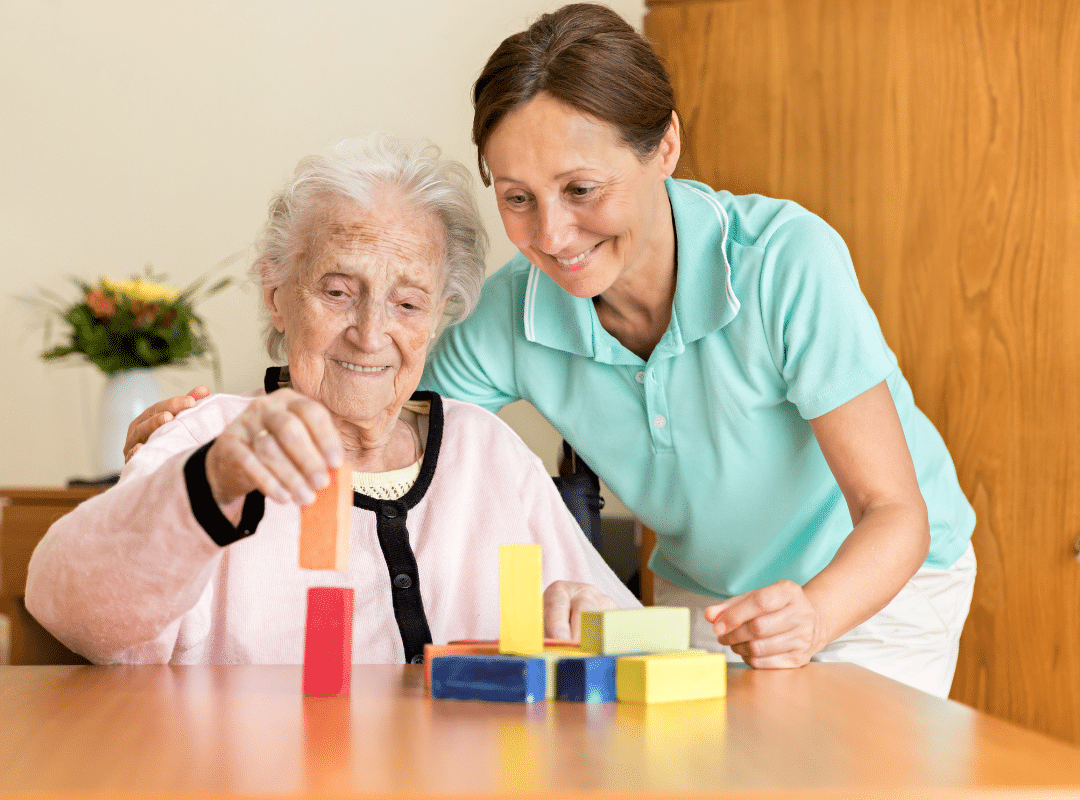
Engaging in games for the elderly can do more than just pass the time—they inspire joy, spark friendships, and boost mental and physical health. At The Oaks at Nipomo, a variety of games are part of daily life, helping seniors stay mentally sharp, physically active, and socially connected.

Whether you’re looking for relaxing puzzles or lively group games for seniors, the right activities can transform a typical day into something meaningful. From classic card games to sit-down games for senior citizens, and from strategic board games to fun party games for senior citizens, there’s truly something for everyone.


The Power of Games in Senior Living

Introducing regular games for the elderly into daily routines can significantly improve quality of life. Not only do they offer a chance to have fun, but they also provide a wealth of cognitive, emotional, and social benefits. At The Oaks at Nipomo, games are an essential part of wellness and engagement programs.

Incorporating games for the elderly in nursing homes encourages interaction and helps seniors stay mentally and emotionally balanced. Many games, such as Bingo and Scrabble, also foster connection with family and friends, making them perfect tools for enhancing community living.

Classic Card Games that Connect

Card games are simple yet highly effective for promoting social interaction and mental stimulation. Popular games like Uno and Gin Rummy are not only entertaining but also help improve focus and memory.

Why Card Games Work

Games with easy rules, such as Uno, allow seniors to learn and participate quickly. These are excellent sit-down games for senior citizens, offering the perfect mix of competition and conversation. The ability to share stories and memories while playing enhances social bonds and creates lasting moments.

Social and Mental Health Boost

Card games create a warm environment for bonding and are excellent for promoting group games for seniors. Each game invites laughter, strategic thinking, and friendly banter, reinforcing a sense of belonging. They also serve as an ideal activity for games for the elderly in nursing homes, where community engagement is vital.

Game Night Favorites

Some go-to favorites include:

  • Uno – great for laughter and quick play.
  • Gin Rummy – perfect for deeper concentration and strategy.
  • Go Fish – simple and nostalgic, sparking memories.

These games not only entertain but also offer benefits backed by research on senior socialization that suggest improved emotional resilience and cognitive function.

good games for the elderly

Puzzle Games for Brain Health

Keeping the brain sharp is just as important as staying physically active. Puzzle games offer a challenging and fun way to enhance memory and reasoning skills.

Stimulating the Mind

Games like Sudoku and crosswords are excellent for maintaining mental flexibility. These puzzles challenge short-term memory and logic, which helps combat cognitive decline in older adults. They are invaluable when played as group games for seniors, as they encourage shared problem-solving.

Connecting Through Challenges

Puzzles can be a solo or social activity. Working together on a jigsaw puzzle or a crossword provides moments of teamwork and conversation. These interactions are crucial in fostering strong peer relationships within a senior living setting.

Game Ideas for All Skill Levels

  • Sudoku – enhances number recognition and logic.
  • Word Search – improves pattern recognition and vocabulary.
  • Crosswords – encourage memory recall and language skills.

These brain-boosting activities also contribute to emotional well-being and offer alternatives for seniors who prefer sit-down games for senior citizens.

Fun and Strategic Board Games

Board games offer the perfect blend of fun and mental challenge. Whether it’s planning moves in Checkers or building words in Scrabble, these games keep seniors sharp and entertained.

Great Picks for Strategy Lovers

  • Checkers – perfect for learning patterns and anticipating moves.
  • Scrabble – promotes language skills and strategic thinking.
  • Ticket to Ride – ideal for planning routes and managing resources.

These are ideal party games for senior citizens, sparking conversations and cooperation among players. They’re also perfect for mixed-ability groups, since many can be adapted based on skill or energy level.

good games for the elderly

Encouraging Activity with Physical Games

Staying physically active doesn’t require intense workouts. Simple physical games for seniors can improve coordination, balance, and flexibility—all while having fun.

Easy-to-Play Physical Games

  • Chair Volleyball – a seated game promoting arm strength and reaction time.
  • Balloon Toss – improves hand-eye coordination with minimal exertion.
  • Ring Toss – great for aim and focus in a relaxed setting.

These physical games for seniors can be enjoyed indoors or out, making them adaptable to many care environments. They’re also excellent games for the elderly in nursing homes, where safety and inclusivity are priorities.

For more structured programs, many communities offer activities like chair yoga or adapted tai chi. You can also explore programs through trusted organizations like SilverSneakers or Go4Life, both designed for senior-friendly physical wellness.

Social Benefits of Group Play

Shared experiences are powerful. That’s why group games for seniors are so effective—they foster belonging, encourage laughter, and build meaningful relationships.

Games that Bond Communities

  • Group Bingo – ideal for laughter and group participation.
  • Story Cubes – spark imagination and memory sharing.
  • Trivia Games – encourage teamwork and mental recall.

These are wonderful party games for senior citizens, perfect for themed gatherings, holiday celebrations, or just a rainy afternoon.

Sit-Down Games for Relaxed Fun

Some seniors may prefer relaxing activities, and there’s no shortage of engaging sit-down games for senior citizens.

Best Relaxed Game Options

  • Dominoes – promotes number recognition and strategy.
  • Yahtzee – combines luck and light math skills.
  • Memory Match – enhances recall in a calm setting.

These games are ideal for smaller groups or quiet evenings. They also work well for those with mobility limitations, but who still crave social interaction.

Building a Routine with Games

Regular play enhances structure and purpose in senior living communities. At The Oaks at Nipomo, games are scheduled routinely to give residents something to look forward to. Whether it’s casual games for the elderly or energetic physical games for seniors, routine engagement supports mental and emotional well-being.

Games aren’t just a fun pastime—they’re a vital part of healthy aging.

Discover the Joy of Play at The Oaks

Games are more than amusement—they’re essential for a vibrant, connected life. From exciting party games for senior citizens to calming sit-down games for senior citizens, the joy of play brings energy, laughter, and a sense of belonging to each day.

At The Oaks at Nipomo, we embrace the power of games for the elderly to create moments that matter. Whether you’re looking for ways to connect, think creatively, or stay physically engaged, you’ll find the right fit here.

Ready to see our community in action? Visit us at The Oaks at Nipomo or schedule your tour today at Schedule a Tour. You can also call us at (805) 723-5206 for more information—we’d love to help you find the perfect game to get started!


Compare The Costs of Senior Living vs Staying at Home

How Do The Costs Of Moving Into A Quality Senior Care Community Compare With The Costs Of Staying At Home?


Frequently Asked Questions

What games are good for senior citizens?

Games that are ideal for senior citizens include card games like Bridge or Rummy, puzzles, Bingo, and board games like Scrabble. These activities help stimulate the mind and encourage social interaction. Digital games and brain-training apps can also be great for mental engagement. The key is to choose games that are easy to understand and match the mobility and cognitive levels of the players.

What are good activities for the elderly?

Good activities for the elderly include walking, gardening, arts and crafts, music therapy, and chair exercises. These activities promote physical health, mental well-being, and emotional connection. Group outings or social events can also help prevent isolation. Tailoring the activity to each person’s interests and abilities is important for engagement.

What is the 20 Questions game for seniors?

The 20 Questions game for seniors is a simple guessing game where one person thinks of an item, and others ask yes-or-no questions to figure out what it is. It’s especially helpful for memory care, as it encourages recall and verbal communication. The game can be themed around familiar topics like food, animals, or daily items. It’s a fun, low-pressure way to stimulate conversation and cognitive activity.

What are easy party games for elderly people?

Easy party games for elderly people include charades with simple prompts, balloon volleyball, trivia, and memory card matching. These games require minimal setup and can be adapted for all mobility levels. They offer light physical activity, laughter, and a sense of community. Choose games that emphasize fun over competition to keep everyone engaged.


The Path to High-Quality Senior Health & Happiness

The Path to High-Quality Senior Health & Happiness

As you navigate the complexities of aging, you may seek ways to enhance your well-being while maintaining independence. Educational topics for senior citizens emphasize the importance of adopting innovative technologies, fostering social connections, and staying informed about health-related advancements. Integrating these elements at The Oaks at Nipomo can significantly improve physical and emotional health, ensuring a fulfilling and vibrant lifestyle.

Innovative Technologies Enhancing Senior Care

As you explore health topics for senior citizens, you’ll discover that modern technology is transforming how we approach senior care. Predictive analytics plays an essential role, utilizing machine learning to detect potential health issues before they become severe. By analyzing data from wearable devices, caregivers can identify early warning signs of heart conditions, strokes, or falls, allowing for timely intervention. Meanwhile, robotics advancements assist with daily living, supporting tasks like dressing and mobility. These technologies enhance safety and promote independence, empowering seniors to maintain their dignity and autonomy. Additionally, incorporating health and wellness programs fosters a holistic approach to senior care, addressing both physical and emotional needs.

The Role of Telemedicine in Accessible Healthcare

While innovations like predictive analytics and robotics are reshaping senior care, how to maintain good health in old age extends beyond physical well-being. Telemedicine has revolutionized healthcare accessibility by allowing seniors to consult doctors from their homes. This eliminates the need for lengthy travel and reduces illness exposure, ensuring that seniors receive timely medical attention. Telemedicine is especially beneficial for managing chronic conditions, providing mental health support, and facilitating routine check-ups. By leveraging this technology, seniors can take a proactive approach to their healthcare, fostering stronger relationships with medical professionals while maintaining their independence. Additionally, in-home care services use telemedicine to monitor and support seniors remotely, enhancing the overall standard of care.


high-quality senior health


Empowering Independence With Smart Home Solutions

Aging gracefully is about more than just physical health; it’s about maintaining independence. Smart home solutions empower seniors by integrating technology that enhances their ability to live autonomously. Features such as bright lighting, voice-activated assistants, and automated security systems provide a greater sense of control and convenience. For those wondering how to maintain good health in old age, these tools ensure safety and reduce risks. Smart home devices also support caregivers in monitoring well-being, offering peace of mind to seniors and their families. Incorporating smart devices into daily routines significantly improves the quality of life by fostering self-sufficiency while ensuring a secure living environment.

Addressing Old Age Health Problems and Solutions

Aging has unique health challenges, but understanding old age health problems and solutions can lead to better outcomes. Common concerns include mobility limitations, cognitive decline, and chronic illnesses. Fortunately, wearable devices provide innovative solutions to these challenges. Fitness trackers and medical alert systems help seniors monitor their heart rate, detect falls, and track activity levels, enabling them to stay proactive about their health. These devices ensure that caregivers receive real-time health updates, facilitating timely interventions. Personalized care solutions, including customized wellness programs, address individual health needs and promote longevity and overall well-being.

Building Connections: The Importance of Social Engagement

A key aspect of educational topics for senior citizens involves the importance of social interaction. Maintaining strong social connections reduces loneliness and significantly improves emotional and cognitive health. Engaging in community activities, attending group events, and participating in lifelong learning programs can enhance seniors’ quality of life. Social engagement fosters mental stimulation, encourages physical activity, and creates a sense of belonging. Whether through volunteer opportunities, recreational clubs, or family gatherings, prioritizing social connections is essential for long-term well-being.

The journey to senior health and happiness requires a holistic approach integrating technology, healthcare accessibility, and strong social connections. At The Oaks at Nipomo, we are committed to providing the tools and resources necessary for a fulfilling and independent lifestyle. By embracing health topics for senior citizens, focusing on maintaining good health in old age, and addressing old age health problems and solutions, seniors can lead vibrant, healthy lives. For more information, contact us at (805) 723-5206.


What Level of Care Do You Need?

Discover the level of care you or your family member requires. 


Frequently Asked Questions

What is the best healthcare for seniors?

The best healthcare for seniors emphasizes personalized care, preventive services, and comprehensive treatment that addresses both physical and emotional well-being. It typically involves coordination among various healthcare providers to ensure continuity and quality of care. High-quality senior healthcare also includes routine screenings, management of chronic conditions, and support for maintaining independence.

What is considered high-quality healthcare?

High-quality healthcare is safe, effective, patient-centered, timely, efficient, and equitable. It involves accurate diagnoses, appropriate treatments, clear communication between providers and patients, and respect for patient preferences. Additionally, high-quality healthcare aims to prevent illness, manage chronic conditions effectively, and continuously improve outcomes based on evidence-based practices.

What is the number one health tip for aging well?

The health tips for aging are to stay physically active and maintain a balanced lifestyle. Regular exercise helps strengthen muscles and bones, improves cardiovascular health, boosts mental health, and reduces the risk of chronic diseases. Combining physical activity with a healthy diet, social engagement, and regular medical checkups supports overall longevity and quality of life.


Retirement Ideas for a Healthy and Active Life

Retirement Ideas for a Healthy, Happy, and Active Life

Did you know that engaging in new hobbies can significantly boost your mental health during retirement? Activities like painting or learning a musical instrument stimulate your mind and provide a sense of fulfillment. If you’re looking for unique retirement ideas, consider a fresh approach to this exciting phase of life. At The Oaks at Nipomo, we emphasize maintaining physical activity, social connections, and a sense of purpose. Whether you’re exploring new passions or planning retirement party ideas, ensuring a well-rounded lifestyle is key.

Embrace Lifelong Learning and Hobbies

Transitioning into retirement offers an excellent opportunity to expand your knowledge and skills. Engaging in creative pursuits like painting, writing, or playing an instrument enhances cognitive function while providing personal satisfaction. Retirement ideas for men and women often include exploring new hobbies that challenge the mind and provide joy. Participating in art therapy activities can further promote emotional well-being through creative expression.

Joining community classes or workshops is another way to stay socially connected. Sharing your newly acquired skills through volunteering also provides a rewarding sense of contribution. Dedicating time to lifelong learning will enhance your life and inspire those around you.

Engage in Regular Physical Activity

Staying physically active is essential for maintaining health and energy throughout retirement. Activities such as walking, hiking, or gardening offer both fitness benefits and social interaction. Many retirement ideas for men involve outdoor activities, while retirement ideas for women often include group fitness classes. Participating in structured exercise programs designed for seniors can ensure safety and effectiveness. Check out tailored fitness and wellness programs that help meet your goals.

Incorporating movement into your daily routine will boost your mood, improve balance and flexibility, and reduce stress. So, lace up your shoes and make staying active a joyous part of your retirement!

Foster Social Connections and Community Involvement

Strong social connections are key to a fulfilling retirement. Engaging with your community through events, classes, or volunteering helps create a sense of belonging. When considering unique retirement ideas, consider joining social groups or participating in community projects. These activities help build relationships and keep life exciting. Volunteering at a local charity or mentoring younger generations can bring meaning to your daily routine.

Spending time with others enhances overall well-being and provides crucial emotional support. Research suggests that strong relationships contribute to longevity and happiness. Learn more about the importance of social wellness in active adult communities and discover ways to enrich your retirement with meaningful connections.


retirement ideas


Explore Shared Housing Options for Companionship

Shared housing may be a great option if you’re looking for retirement ideas for men or women that foster connection. A roommate can provide companionship, reduce living costs, and create a supportive environment.

  • Affordable Living: Shared expenses lighten financial burdens.
  • Daily Support: Enjoys helping with household tasks and daily activities.
  • Built-In Community: Create lasting friendships while maintaining independence.

For those who need personalized care, many shared housing options also provide assisted living services to cater to individual needs. Exploring different housing arrangements can lead to a more fulfilling and socially enriched retirement experience.

Prioritize Mental and Emotional Well-Being

Beyond physical health, emotional and mental well-being are crucial for a fulfilling retirement. Meditation, journaling, or yoga can help maintain mental clarity and reduce stress. Retirement party ideas could even include mindfulness workshops or relaxation retreats for a refreshing celebration of this new chapter.

Surround yourself with supportive friends and engage in joyful and purposeful activities. If needed, consider seeking professional support through counseling or community groups. Taking care of your mental and emotional health ensures you remain resilient and engaged in life’s opportunities.

Your retirement should be an exciting and enriching experience with unique ideas tailored to your interests. Whether pursuing lifelong learning, embracing physical activity, strengthening social bonds, or exploring new living arrangements, the key is staying active and engaged.

At The Oaks at Nipomo, we support a vibrant retirement lifestyle that promotes well-being and fulfillment. Ready to take the next step? Explore our community today or call us at (805) 723-5206 to learn more about enhancing your golden years!


Compare The Costs of Senior Living vs Staying at Home

How Do The Costs Of Moving Into A Quality Senior Care Community Compare With The Costs Of Staying At Home?


Frequently Asked Questions

What are the three rules for retirement?

The “3 rule” for retirement, often called the “3% rule,” suggests withdrawing no more than 3% of your retirement savings annually to help ensure your funds last throughout your retirement. This conservative approach aims to protect your savings from market volatility and inflation. While commonly recommended, it’s essential to regularly assess and adjust your withdrawal rate based on your financial situation.

What is the $ 1,000-a-month rule for retirement?

The “$1,000 a month rule” estimates that for every $1,000 of monthly retirement income desired, you’ll need approximately $240,000 to $300,000 in savings. This calculation assumes a monthly withdrawal rate of around 4% to 5%. It’s a simple guideline to help you estimate savings targets, but individual needs may vary significantly.

What does the average retiree do all day?

The average retiree engages in leisure activities, social interactions, and routine tasks. Typical activities include pursuing hobbies, volunteering, spending time with family and friends, traveling, or attending community events. Many retirees also dedicate time to personal wellness, such as exercise, gardening, or reading.

What can I do in retirement with no hobbies?

Retirement is an excellent opportunity to explore new interests and activities, even without established hobbies. Consider volunteering, joining community groups, enrolling in educational classes, or attending social events to discover new passions. Staying socially active, physically engaged, and intellectually curious can significantly enrich your retirement experience.


Timing the Move to Assisted Living: A Transition Guide

When to Move to Assisted Living: A Helpful Transition Guide

Deciding when to move to assisted living is never easy. It often brings emotional challenges for both seniors and their families. However, understanding the key signs and preparing thoughtfully can make this transition smoother and more empowering. Whether it’s changes in health, social isolation, or daily living challenges, taking proactive steps can ensure the right care at the right time.

This guide will walk you through the most important aspects of preparing for a move. We’ll cover the move to assisted living requirements, the assisted living packing checklist, and how to interpret the 11 signs it might be time for assisted living. You’ll also learn how to navigate the shift from independence to added support, including insights on the packing list for assisted living. For additional support, visit The Oaks at Nipomo.

Recognizing When It’s Time

One of the most difficult parts of this process is recognizing when to initiate the move to assisted living. Families often wait until a crisis happens, but being proactive ensures better outcomes.

11 Signs It Might Be Time for Assisted Living

There are several red flags that may indicate it’s time for assisted care. These include frequent falls, medication mismanagement, noticeable weight loss, and poor hygiene. Cognitive signs such as memory lapses, confusion, and emotional withdrawal are also important to note. The 11 signs it might be time for assisted living serve as a checklist for families who are unsure. For a detailed discussion, explore this helpful article on transitions to assisted living.

Emotional and Family Support During the Transition

The emotional toll of leaving a longtime home can be significant. Seniors may feel like they are losing their independence, while families may wrestle with guilt or concern.

When to Move from Independent to Assisted Living

Understanding when to move from independent to assisted living is a vital part of this journey. If you notice a decline in self-care or increased reliance on others for daily tasks, this is a clear signal. It’s essential to prioritize safety and quality of life over emotional hesitation. Open family discussions and trial stays can ease anxiety about the change. Learn more about family involvement during care transitions.

Understanding the Requirements

Before moving into a new community, certain assessments and documents are often necessary to ensure the proper level of care is provided.

Move to Assisted Living Requirements

Common moves to assisted living requirements include a physician’s assessment, a completed care plan, and financial paperwork. Some communities may request vaccination records or medication lists. These requirements are in place to customize services and ensure safety. Planning ahead will make the move less stressful. You can learn more about the general process from reliable sources, such as AARP’s Senior Care Planning Guide.

Preparing Logistically: What to Pack

A smooth transition depends not only on emotional readiness but also on practical planning.

Assisted Living Packing Checklist

Creating an assisted living packing checklist helps reduce the stress of the move. Essentials include clothing, toiletries, medical documents, favorite books, framed family photos, and a list of current medications. Having familiar items can provide comfort and a sense of continuity in the new environment. Personal touches, like blankets or framed photos, can help the space feel like home.

Packing List for Assisted Living

The packing list for assisted living is similar but may be more detailed depending on the level of care required. Include adaptive clothing, assistive devices like grabbers or walkers, slippers with grips, and favorite leisure items. Check with the facility ahead of time to ensure you’re not bringing anything unnecessary or restricted. Here’s a great external resource to help build your list.

The Role of Family Support

Budgeting and Financial Considerations

Financing assisted living can be complex, but planning ahead brings peace of mind.

Understanding Costs and Coverage

Start with a clear picture of the monthly costs and what they cover. Include services such as meals, activities, transportation, and medical support. Look into programs like Medicaid, long-term care insurance, and veterans’ benefits. For detailed budgeting help, visit this Westmont cost guide.

Customizing Care Plans

One of the most valuable aspects of assisted living is the ability to create a personalized plan that evolves with your loved one’s needs.

Continuous Care and Personalization

Communities tailor services such as medication reminders, bathing assistance, and cognitive stimulation to each resident’s specific health needs. Ongoing check-ins ensure care plans remain up to date. Learn more about care personalization.

Community Engagement and Social Well-Being

Staying Active and Social

A major benefit of assisted living is the rich social life. Residents often participate in various clubs, fitness classes, music therapy sessions, and other activities. These activities help improve one’s mood and reduce feelings of isolation. Research indicates that community engagement significantly improves emotional and mental well-being. To understand more about the value of socialization, check this external source on social activity benefits.

The Value of Trial Stays

A trial stay offers a great opportunity to experience life in an assisted living community without making a full commitment. During this time, your loved one can interact with staff and neighbors, explore meal options, and participate in various activities. It’s a chance to identify whether this community truly feels like home.

Final Checklist and Moving Tips

As the move date nears, revisit your assisted living packing checklist and confirm all documentation is in place. Schedule the move for earlier in the day to reduce stress and fatigue. Involve the resident in choosing how their room is arranged and decorated. Bring comfort items that evoke a sense of familiarity. Staying positive and enthusiastic will help set the tone for a successful transition.

A Confident Step Toward Better Living

Choosing to move to assisted living is a courageous and loving decision that supports long-term well-being and safety. By understanding the move to assisted living requirements, following a thorough packing list for assisted living, and recognizing the 11 signs it might be time for assisted living, you’re already on the right path. Knowing when to move from independent to assisted living ensures you’re taking action before needs become critical.

At The Oaks at Nipomo, our team is ready to guide you through every stage of this transition. Contact us at (805) 723-5206 or schedule a visit to see how we support vibrant and fulfilling senior lifestyles.

Frequently Asked Questions

How long does it take for the elderly to adjust to assisted living?

Adjustment time can vary, but most seniors begin feeling more comfortable within 30 to 90 days. This period allows them to get used to the new environment, staff, routines, and neighbors. Consistent family visits and encouragement can ease the transition. Patience and understanding are key during this time.

What do you say to someone moving into assisted living?

Offer reassurance and support by highlighting the benefits, like safety, social opportunities, and on-site help. Let them know you’ll stay in touch and visit often. Use positive language to help reduce fear or guilt. Encourage them to see it as a new chapter rather than a loss of independence.

How to move someone with dementia into assisted living?

Start by visiting the community together to build familiarity and reduce fear. Use simple explanations and focus on safety, comfort, and support. Work with staff to create a smooth transition plan and maintain consistent routines. Gentle reassurance and personal items from home can help ease the change.

How to deal with putting a parent in assisted living?

Acknowledge the emotional difficulty and remind yourself it’s a decision based on care and safety. Talk openly with your parent about the benefits, and involve them in decisions when possible. Stay involved after the move through regular visits and communication. Support groups or counseling may help with feelings of guilt or anxiety.


Specialized Care for Diabetes, Heart Conditions, and More

Specialized Care for Diabetes and Related Health Conditions

For older adults managing chronic conditions, having access to specialized care for diabetes is crucial for maintaining independence and quality of life. Communities like The Oaks at Nipomo go beyond traditional support to offer tailored solutions for individuals living with diabetes, heart conditions, and more.

Through comprehensive diabetes care, medication support, personalized nutrition, and wellness monitoring, seniors receive not just medical attention but compassionate support that empowers them to thrive. From diabetes management to emotional wellness programs, these services represent a holistic approach designed for long-term health and well-being.

Personalized Diabetes Care for Better Health Outcomes

Managing chronic illnesses like diabetes can feel overwhelming, but specialized care for diabetes makes it manageable and even empowering. Skilled nurses provide routine blood sugar monitoring, administer insulin as needed, and educate residents on lifestyle habits to promote overall health. The inclusion of diabetes maintenance medicine ensures glucose levels stay stable while reducing the risk of complications.

Residents also benefit from customized nutritional plans that address specific needs, such as carbohydrate control and heart-healthy options. This integrated approach to diabetes care significantly improves daily life and long-term outcomes. As part of personalized wellness programs, residents receive coaching on exercise, mental wellness, and the proper use of diabetes maintenance medications, ensuring well-rounded care.

Learn more about managing diabetes from the Mayo Clinic’s diabetes care guide.

Taking Precautions for Type 2 Diabetes

Living with type 2 diabetes requires awareness, action, and ongoing care. Assisted living communities implement strict precautions for individuals with type 2 diabetes, helping residents avoid emergencies and manage daily challenges. These include blood glucose checks, regulated diets, regular activity programs, and proactive medication management.

Care staff monitor residents closely, watching for signs of hypo- or hyperglycemia and adjusting care plans accordingly. By following precautions for type 2 diabetes, seniors reduce the likelihood of serious complications like nerve damage or kidney disease. Additionally, trained caregivers educate residents on meal timing, hydration, and the proper use of diabetes maintenance medications.

For more on diabetic precautions, check the Cleveland Clinic’s advice on managing type 2 diabetes.

Holistic Cardiac Care and Chronic Disease Support

Aside from diabetes, many residents require specialized cardiac care. Regular blood pressure checks, medication adherence, and personalized low-sodium diets all support heart health. At The Oaks at Nipomo, diabetes care is often provided alongside cardiac support, offering a seamless healthcare experience.

Cardiac rehab exercises improve circulation and stamina, while staff offer emotional encouragement every step of the way. By combining cardiovascular and specialized care for diabetes, communities address multiple chronic conditions in harmony. With ongoing support and health education, residents become active participants in their own recovery.

Access to comprehensive healthcare services ensures optimal outcomes.

Family Involvement and Resident Safety

The road to wellness is not walked alone. Families are key partners in any care plan, and The Oaks at Nipomo encourages them to participate in regular meetings and updates. This collaborative approach promotes consistency and reinforces safety protocols.

Whether you’re assisting with diabetes care, reviewing changes in medication, or helping implement precautions for diabetes type 2, your input helps the care team align with the resident’s lifestyle and preferences. Through secure communication portals and scheduled check-ins, families remain informed and empowered.

A commitment to respect and transparency enhances trust between residents, staff, and loved ones.


Other Health Conditions

Nutrition Tailored to Diabetic and Cardiac Needs

Meal planning is a cornerstone of effective diabetes care, and assisted living facilities prioritize customized, nourishing meals. Meals are crafted in consultation with dietitians and regularly adjusted based on blood sugar readings and overall health goals.

Here are four vital strategies used in managing nutrition for residents with specialized care for diabetes:

  1. Diabetic-Friendly Menus – Balanced with protein, fiber, and complex carbs.
  2. Medication Integration – Aligned with mealtimes for effective diabetes maintenance and medicine absorption.
  3. Monitoring Tools – Tracking intake and blood sugar responses.
  4. Dietary Education – Teaching residents how to make healthy food choices independently.

Nutrition not only impacts physical health but can boost mental clarity and mood. Good eating habits are a pillar of senior well-being, supported by research on aging and nutrition.

Recovery Services and Therapeutic Rehabilitation

Recovery from illness or surgery is smoother with personalized rehabilitation programs. These services often overlap with specialized care for diabetes, especially if complications like neuropathy or delayed healing are involved.

Customized Recovery Programs

Recovery plans include:

  • Targeted exercise to build strength
  • Pain management protocols
  • Emotional support groups
  • Nutrition tailored to diabetes maintenance medicine schedules

Each plan is revised regularly to reflect changes in mobility, mood, and health status, ensuring the resident remains on track toward full recovery.

Advanced Equipment and Therapeutic Tools

Modern technology supports recovery and diabetes care. From smart blood glucose meters to digital rehabilitation platforms, these tools offer more precise outcomes.

Emotional and Holistic Care

Support doesn’t end with the body. Emotional resilience plays a critical role in healing. Residents are encouraged to participate in mindfulness activities, group therapy, and engaging hobbies that improve quality of life.

Engaging Lifestyle Activities

Assisted living is about living fully and joyfully. Creative and physical programs keep residents engaged, active, and socially connected.

Activity Benefit Frequency
Music Therapy Uplifts mood, aids cognition Weekly
Walking Groups Supports blood sugar control Daily
Gardening Encourages physical activity Weekly
Chair Yoga Improves circulation Several times a week
Cooking Class Promotes healthy food awareness Monthly

These activities complement medical support by improving mood, building community, and enhancing both mental and physical health—all vital components of specialized care for diabetes.

Choose Specialized Care That Puts You First

Choosing the right assisted living facility can transform the experience of managing diabetes and other health challenges. At The Oaks at Nipomo, specialized care for diabetes is more than routine—it’s personalized, compassionate, and empowering.

With structured support including diabetes maintenance medicine, monitored nutrition, and guidance on precautions for diabetes type 2, residents live with more confidence and less stress. The integrated care model ensures that all aspects of wellness—from physical health to social connection—are nurtured daily.

To explore how The Oaks at Nipomo can support your journey or that of a loved one, schedule a visit today at Schedule a Tour or call us at (805) 723-5206. Experience a lifestyle where care and community go hand in hand.


Compare The Costs of Senior Living vs Staying at Home

How Do The Costs Of Moving Into A Quality Senior Care Community Compare With The Costs Of Staying At Home?


Frequently Asked Questions

Which Speciality is for diabetes?

The medical specialty that focuses on diabetes is endocrinology. Endocrinologists specialize in the endocrine system, which includes glands that produce hormones such as insulin. Since diabetes is related to insulin regulation, endocrinologists are best equipped to manage the condition. Primary care doctors can also help with early-stage or well-managed diabetes.

What specialist studies diabetes?

An endocrinologist is a specialist who studies and treats diabetes. They receive advanced training in managing disorders related to hormones and metabolism, including Type 1 and Type 2 diabetes. Endocrinologists use lab tests, medical history, and lifestyle assessments to create customized treatment plans. Their expertise helps patients manage blood sugar levels and prevent complications.

What specialists help with diabetes?

In addition to endocrinologists, primary care physicians, dietitians, diabetes educators, and podiatrists often help with diabetes management. Each plays a unique role, from prescribing medications to offering nutritional advice and foot care. A coordinated team approach is often the most effective way to manage diabetes. This helps reduce risks and improve long-term outcomes.

What are the best practices for diabetes?

Best practices for managing diabetes include monitoring blood sugar levels regularly, eating a balanced diet, exercising consistently, and taking prescribed medications. Regular checkups with your healthcare team are crucial to catch any changes early. Stress management and adequate sleep also contribute to better blood sugar control. Personalized care plans are essential for successful diabetes management.


Senior Exercise Class: Fun Workouts for Healthy Aging

Senior Exercise Class: Stay Active and Healthy at Any Age

Staying active is crucial for maintaining overall health, and senior exercise classes near you provide engaging ways to enhance fitness while fostering social connections. At The Oaks at Nipomo, our senior exercise class options cater to different abilities, ensuring a welcoming environment for everyone. Whether you’re interested in senior exercise classes near you for beginners or looking for more advanced activities, our programs offer something for all fitness levels. Explore the benefits of staying active and how these classes can boost physical and mental well-being.

The Benefits of Senior Exercise Classes

Regularly participating in a senior exercise class promotes flexibility, balance, and overall well-being. Engaging in these workouts helps improve mobility and reduces the risk of falls. For those searching for free exercise classes for seniors, various online and in-person options ensure accessibility to safe and effective fitness programs. Whether it’s chair yoga, water aerobics, or strength training, staying active enhances independence and quality of life. Fitness programs tailored for seniors offer structured routines that accommodate different needs and abilities.

Types of Senior Exercise Classes

There are various ways to stay active, and finding the right senior exercise classes near you can make all the difference. Options like chair yoga help improve flexibility, while water aerobics provide a low-impact way to build strength and endurance. Free online senior exercise classes make it convenient for seniors to stay active from the comfort of their homes. Dancing, tai chi, and guided stretching sessions also contribute to maintaining balance and mobility. Participating in walking routines can further enhance cardiovascular health.

Building Strength and Flexibility for Longevity

Regular participation in over 55 exercise classes near you helps maintain muscle strength, reducing the risk of injuries and improving day-to-day functionality. Incorporating balance and flexibility exercises supports joint health and promotes confidence in movement. Activities like resistance training and pilates benefit bone density and coordination. Mobility exercises enhance the range of motion and prevent stiffness, ensuring a more active and fulfilling lifestyle.

Social Benefits of Group Exercise Classes

Finding senior women’s exercise classes near you offers fitness benefits and social engagement. Group exercise fosters friendships and a sense of belonging, which enhances motivation and accountability. Participating in these classes helps build connections that contribute to emotional well-being. Whether you’re trying a new fitness routine or joining a long-standing class, the camaraderie within these sessions creates an uplifting and supportive environment. Engaging in community-based activities promotes long-term participation and a positive mindset.

Personalized Fitness Plans for Every Ability

Not all seniors have the same fitness level, so adapting workouts is essential. Senior exercise classes near you for beginners provide gentle options, while more advanced programs cater to those with experience. Tailored routines ensure everyone can participate safely and effectively. Personal training or small group sessions help create structured exercise plans that meet individual needs. Focusing on progression and adaptability ensures lasting results and continued motivation to stay active.

senior exercise class

Enhancing Mental Wellness Through Exercise

In addition to physical health, senior exercise class participation positively impacts mental wellness. Exercise reduces stress, improves cognitive function, and helps combat feelings of isolation. Mindfulness practices such as breathing exercises and yoga enhance focus and relaxation. Creating a routine that integrates both physical and mental well-being allows seniors to experience the full benefits of movement.

Stay Motivated and Committed to Fitness

Maintaining a regular workout routine is easier when classes are enjoyable and engaging. Setting goals and tracking progress encourages consistency. Free exercise classes for seniors provide accessible options that eliminate financial barriers to staying active. Whether attending group sessions or following online classes, finding enjoyable workouts ensures a long-term commitment to a healthy lifestyle.

Explore Senior Exercise Classes at The Oaks at Nipomo

Discover the joy of staying active with senior exercise classes near you at The Oaks at Nipomo. Whether you’re looking for senior exercise classes near you for beginners or advanced training, our diverse programs cater to all levels. Start your journey toward improved strength, flexibility, and overall wellness today. For more details, call (805) 723-5206 and find the perfect senior exercise class.


Compare The Costs of Senior Living vs Staying at Home

How Do The Costs Of Moving Into A Quality Senior Care Community Compare With The Costs Of Staying At Home?


Frequently Asked Questions

What is the best exercise class for seniors?

The best exercise class for seniors depends on their fitness level, mobility, and personal preferences. Low-impact options like chair yoga, water aerobics, and tai chi are excellent for improving flexibility, balance, and strength while reducing the risk of injury. Strength training classes with light weights or resistance bands can help maintain muscle mass and bone health. Many seniors also enjoy dance-based classes like Zumba Gold, which provide cardiovascular benefits in a fun and engaging way. Consulting with a doctor or fitness instructor can help determine the best class for individual needs.

What is the best exercise routine for seniors?

A well-rounded exercise routine for seniors should include a mix of cardiovascular, strength, flexibility, and balance exercises. Walking, swimming, or cycling are great for heart health and endurance. Strength training with light weights or bodyweight exercises helps maintain muscle mass and bone strength. Stretching and flexibility exercises, such as yoga or tai chi, improve mobility and reduce stiffness. Balance exercises, like standing on one leg or heel-to-toe walking, help prevent falls and maintain stability.

Does Medicare pay for exercise equipment for seniors?

Medicare generally does not cover exercise equipment, such as treadmills, weights, or resistance bands. However, some Medicare Advantage (Part C) plans may offer wellness benefits, including gym memberships or fitness programs like SilverSneakers. In some instances, if exercise equipment is deemed medically necessary, Medicare Part B might cover durable medical equipment (DME), such as canes or walkers. Seniors should check with their specific Medicare plan to see available benefits. Some supplemental insurance plans or local senior centers may also provide fitness-related resources.

What exercise burns the most belly fat for seniors?

No single exercise specifically targets belly fat, but a combination of cardiovascular activity and strength training helps reduce overall body fat, including in the abdominal area. Walking, swimming, and cycling are practical low-impact cardio exercises that boost metabolism and burn calories. Strength training, particularly core-focused exercises like seated leg lifts or standing knee raises, helps tone abdominal muscles. Combining these exercises with a healthy diet and staying active throughout the day can lead to the best results. Consistency and a balanced approach to fitness are key to reducing belly fat over time.


High-End Senior Care: Retirement Living Redefined

High-End Senior Care: Redefining Retirement Living

As you explore the concept of high-end senior care prices at The Oaks at Nipomo, you’ll find it’s more than just a place to live; it’s about creating an enriching environment that prioritizes your well-being and independence. With luxurious amenities and personalized experiences, this new retirement living approach fosters comfort and meaningful connections. Are you curious about the features that set The Oaks at Nipomo apart? Let’s uncover what makes luxury senior living a truly transformative choice.

Understanding Luxury Senior Living

When considering luxury senior living, it’s essential to recognize the distinct level of care and comfort provided. These communities prioritize personalized services, ensuring residents feel valued and supported in every aspect of daily life. Designed with upscale amenities and elegant accommodations, the most luxurious assisted living facilities focus on enhancing the overall experience. From spacious apartments with modern conveniences to dedicated wellness programs, residents enjoy a refined environment that fosters independence while providing necessary support. High-end communities ensure dignity and well-being by offering exceptional care and exclusive services tailored to individual needs.

Luxury Amenities That Elevate Senior Care

High-end senior care extends beyond essential services, incorporating premium amenities that redefine comfort and engagement. Residents enjoy chef-prepared gourmet meals, state-of-the-art fitness centers, and wellness programs that promote holistic health. Landscaped gardens, concierge services, and vibrant social activities foster a fulfilling lifestyle. Including personalized care services ensures that every individual’s unique needs are met, creating an environment that balances independence with support. Additionally, these communities often feature comprehensive wellness programs encouraging an active and fulfilling lifestyle.

high-end senior care

Best Luxury Retirement Communities in the United States

Finding the best luxury retirement communities in the United States means identifying those that offer world-class services and an unparalleled living experience. These communities provide high-quality medical care, social engagement, and luxurious accommodations to enhance residents’ golden years. Some of the most sought-after locations include:

Community Monthly Cost
Vivante Newport Mesa Approximately $10,000
The Clare Minimum $7,328
Belmont Village Senior Living Westwood Approximately $9,600

These exceptional communities focus on providing upscale environments with premium dining, wellness programs, and cultural activities, ensuring an engaging and sophisticated lifestyle.

High-End Senior Care Cost Considerations

Understanding high-end senior care cost factors is essential when planning for long-term care. Prices vary depending on location, level of service, and available amenities. On average, monthly expenses range from $3,800 to $10,000, influenced by the extent of personalized care and exclusive features offered. While luxury assisted living costs may seem substantial, financial planning and exploring coverage options can help manage expenses effectively. Some communities provide financial aid resources, and learning about cost management options can assist in making informed decisions.

Engaging Community and Social Well-Being

Community engagement is crucial in luxury assisted living near you, offering residents opportunities to form meaningful connections and stay socially active. A well-rounded community fosters friendships and emotional support through engaging activities such as:

Social Activities Family Involvement
Group fitness classes Family game nights
Art and craft workshops Holiday celebrations
Book clubs Community dinners
Movie nights Volunteer opportunities
Gardening clubs Family outings

Active participation in these events helps residents maintain mental and emotional well-being, making the transition to luxury senior living a positive experience.

Specialized Care and Wellness Programs

A key feature of the most luxurious assisted living facilities is their commitment to specialized care services. Memory care programs are designed to enhance cognitive health, providing tailored support for individuals experiencing memory-related challenges. These programs incorporate therapeutic activities and professional care to ensure a comfortable and stimulating environment.

Individualized Senior Care Plans

A personalized approach is fundamental in high-end senior care communities. Each resident receives customized care plans based on their unique health conditions, lifestyle preferences, and evolving needs. Key elements of individualized care include:

  1. Comprehensive Assessments. Regular health evaluations help adjust services as needed.
  2. Tailored Wellness Programs. Personalized exercise routines and dietary plans promote overall health.
  3. Dedicated Care Teams. Experienced professionals provide consistent and compassionate support.

Cognitive Health and Memory Support

Luxury assisted living near you often includes specialized memory care programs to maintain cognitive function and enhance daily living. These facilities implement innovative approaches such as:

  • Cognitive therapies that support mental stimulation.
  • Structured activities that encourage engagement.
  • A nurturing environment that prioritizes emotional well-being.

Advanced Technology in Luxury Assisted Living

Integrating technology into high-end senior care enhances safety, connectivity, and healthcare monitoring. Innovations such as digital health tracking, smart home features, and emergency response systems provide residents and their families peace of mind. Benefits include:

  • Real-Time Health Monitoring. Continuous tracking ensures proactive care.
  • Enhanced Safety Features. Fall detection systems and emergency alerts improve security.
  • Personalized Digital Assistance. AI-driven support enhances convenience and accessibility.

Choosing high-end senior care means embracing a lifestyle prioritizing comfort, independence, and well-being. Whether exploring the best luxury retirement communities in the United States or considering luxury assisted living costs, finding the right fit is key to ensuring a fulfilling retirement. With nearly 70% of seniors valuing an active and socially engaging community, luxury senior living offers an environment where residents thrive. Experience a refined retirement at The Oaks at Nipomo, where exceptional care meets unparalleled comfort. For more information, call us at (805) 723-5206.


Find Where You Belong

Dive into the vibrant life our Westmont communities have to offer.


Frequently Asked Questions

What type of senior care is the most expensive?

The most expensive type of senior care is typically nursing home care, especially for private rooms. Nursing homes provide 24/7 medical supervision, assistance with daily activities, and skilled nursing care, making them more costly than other options. Memory care, which specializes in caring for individuals with Alzheimer’s or dementia, can also be quite expensive due to the specialized staff and security measures. Costs vary by location, but nursing home care often exceeds $8,000 per month in many areas.

How do you pay for assisted living when you have no money?

There are several ways to cover assisted living costs if you have limited financial resources. Medicaid may help pay for care in certain states through Home and Community-Based Services (HCBS) waivers. Veterans’ benefits, such as Aid and Attendance, can provide financial assistance for qualifying individuals. Some families use long-term care insurance, life insurance conversions, or sell assets to fund assisted living. Additionally, nonprofit organizations and state-specific assistance programs may offer financial support.

What is the highest level of care in assisted living?

The highest level of care in assisted living typically includes extensive support with daily activities, medication management, and mobility assistance. Some assisted living communities offer specialized memory care units for individuals with dementia, providing a more secure environment and tailored care. While assisted living facilities do not provide skilled nursing care like a nursing home, some have higher acuity services for residents with more complex needs. Each state regulates the level of care assisted living communities can provide so that the available services may vary. Residents requiring 24-hour medical supervision may need to transition to a nursing home or skilled nursing facility.

How much is senior care per month?

The cost of senior care varies widely based on the type of care and location. On average, assisted living costs around $4,500 monthly, while nursing home care can range from $7,000 to $10,000 monthly for a private room. In-home care services typically cost between $4,000 and $6,000 monthly, depending on the hours needed. Memory care, which provides specialized support for individuals with dementia, often costs 20-30% more than standard assisted living. Costs can be influenced by factors such as the level of care required, amenities, and geographic location.


Is Your Pet Welcome in Assisted Living and Independent Living Communities?

Is Your Pet Welcome in Assisted Living and Independent Living Communities?

You might believe that all assisted living and independent living communities, such as The Oaks at Nipomo, welcome pets, but that’s not always the case. Many places have specific policies that dictate which animals are allowed, if any. Understanding these rules is essential since your pet’s well-being can greatly influence your happiness. Does assisted living allow pets? The answer varies by community. But what happens if your beloved companion isn’t welcome? Exploring the nuances of pets in senior living communities could be the key to finding the right community for you both.

Understanding Pet Policies in Assisted Living Communities

When considering assisted living with pets, it’s vital to understand the pet policies, as they can significantly impact your decision. Many communities recognize the significance of pet ownership for emotional well-being and social engagement. However, policies vary widely. Some communities may allow pets with specific size or breed restrictions, while others may have a no-pet policy.

It’s important to ask about pet care options and associated fees, as these can affect your budget and overall satisfaction. Consider how the presence of pets can enhance community engagement and foster connections among residents. By thoroughly reviewing these policies, you can guarantee that your beloved pet will be welcome, allowing you both to thrive in your new environment. Additionally, fostering community engagement through pet ownership can significantly improve the overall well-being of residents.

The Benefits of Pets in Senior Living Environments

While many seniors may feel isolated or lonely in assisted living environments, the presence of pets can significantly enhance their quality of life. Pets in senior living communities offer companionship benefits that foster emotional well-being and reduce feelings of loneliness. Engaging in pet therapy can also lower stress and encourage physical activity, which is essential for overall health. Additionally, pets can enhance the quality of life by promoting social wellness and more profound connections among residents.

Incorporating pets into senior living uplifts spirits and creates a nurturing environment.

Factors to Consider When Choosing a Pet-Friendly Community

Choosing a pet-friendly independent living community involves several important factors that can significantly impact your and your pet’s happiness. Considering their unique needs, you’ll want to evaluate how well the environment suits your furry companion.

Pet Policies and Community Standards

Understanding community standards is crucial when determining whether pets can be kept in assisted living. Many communities implement size and breed restrictions, while others may have pet fees or special care requirements. It’s essential to check if there are designated areas for pet exercise and whether pet services like grooming and vet care are easily accessible.

Additionally, consider how the community promotes social connection, which can enhance your and your pet’s experience.

Common Restrictions on Pets in Assisted Living

Although many assisted living with pets communities welcome animals, they often implement common restrictions that can affect your decision. Understanding these limitations is essential for your pet’s well-being and peace of mind.

These restrictions help maintain a safe environment for all residents. Additionally, it is essential to ensure that your pet’s presence does not increase fall risk for senior residents with mobility challenges. Before deciding, consider how these limitations align with your pet care commitments and your emotional connection with your furry friend. Your pet’s happiness is just as important as yours.

Independent Living and Pets

Tips for Preparing Your Pet for a Move

As you prepare for your move, it’s crucial to prioritize your pet’s health by scheduling a check-up with the vet. This guarantees they’re fit for the relocation and can help ease any anxiety. Additionally, familiarizing your pet with the new environment can make a difference and help them adjust smoothly.

Health Check for Pets

Before you commence the journey to assisted living with pets, ensuring your pet is in peak health is crucial. A wellness check with your veterinarian will confirm your furry companion is ready for the shift and can thrive in a new environment. This proactive approach helps you address potential health issues and reduces stress for both of you.

Familiarize yourself With a New Environment.

Moving to a pet-friendly independent living community can be a significant change for both you and your pet, so it’s vital to help them acclimate to their new environment. Start by creating familiar surroundings. Bring their favorite toys, beds, and blankets to make the new space feel like home. Establishing a routine that mimics what they’re used to is also essential.

Patiently adapting routines and maintaining familiar elements will help your pet thrive in this new chapter of life.

The Role of Emotional Support Animals in Senior Living

Emotional support animals (ESAs) play an essential role in enhancing the well-being of seniors in assisted living with pets environments. These loyal companions offer more than just companionship; they provide significant emotional support and contribute to pet therapy initiatives that can transform lives.

Incorporating ESAs into pet-friendly independent living enriches residents’ lives and promotes a compassionate, supportive atmosphere that nurtures overall well-being.

Finding the Right Community for You and Your Pet

Finding the right assisted living with pets community for you and your furry companion involves understanding specific pet policies and the benefits of companionship. You’ll want to explore how different communities accommodate pets and the emotional support they provide. A thoughtful choice can enhance your quality of life and ensure your pet thrives alongside you.

Pet Policies Explained

Have you ever wondered how assisted living communities allow pets and what their policies entail? Each community may have different rules, so asking the right questions is essential. Consider whether they have size restrictions, designated pet areas, and potential additional fees related to pet ownership.

Benefits of Pet Companionship

Companionship can significantly enhance your quality of life in pet-friendly independent living, especially when having a pet by your side. Pets offer unique companionship benefits, providing emotional support and reducing feelings of loneliness. Pet therapy can also help improve your mental health, lowering stress levels and increasing feelings of joy.

As you begin this new chapter at The Oaks at Nipomo, remember that your furry friend deserves a place in your heart and home, much like a loyal companion in a classic tale. Finding a pet-friendly independent living community can enhance your quality of life and strengthen your bond. By considering the policies and preparing for the change, you’re not just ensuring a smooth move; you’re weaving a tapestry of joy and companionship that enriches both your lives. For more information, contact us at (805) 723-5206.


Compare The Costs of Senior Living vs Staying at Home

How Do The Costs Of Moving Into A Quality Senior Care Community Compare With The Costs Of Staying At Home?


Frequently Asked Questions

Can I bring my pet to an assisted living community?

Many assisted living communities, including Westmont Living, welcome pets as part of their residents’ lives. Pet policies vary by community, but standard requirements include size limits, breed restrictions, and a pet deposit. Having a pet can provide companionship and emotional benefits, so it’s always best to check with the community about their specific pet policy.

What types of pets are allowed in assisted living?

Most assisted living communities allow small dogs and cats, but some may also permit birds, fish, or other small pets. Restrictions often apply based on size, breed, and temperament to ensure a safe and comfortable environment for all residents. It is recommended that you discuss specific pet requirements with the community before moving in.

Are there any pet-related responsibilities for residents in assisted living?

Residents are typically responsible for their pet’s care, including feeding, grooming, and exercising. Some communities may offer assistance with pet care or have designated areas for walking pets. It’s vital to ensure that residents can meet these responsibilities or arrange for help.

How do pets benefit residents in assisted living?

Pets provide companionship, reduce stress, and can improve overall well-being for seniors in assisted living. Studies show that having a pet can lower blood pressure and increase social interaction. Many communities recognize these benefits and strive to accommodate residents who wish to bring their furry companions.


Floor Plans & Pricing

Make yourself at home where a happy, healthy lifestyle goes hand-in-hand with your personal fulfillment, enrichment, and growth.

Answer a few quick questions to unlock the exciting future senior living can offer!

Resident Login