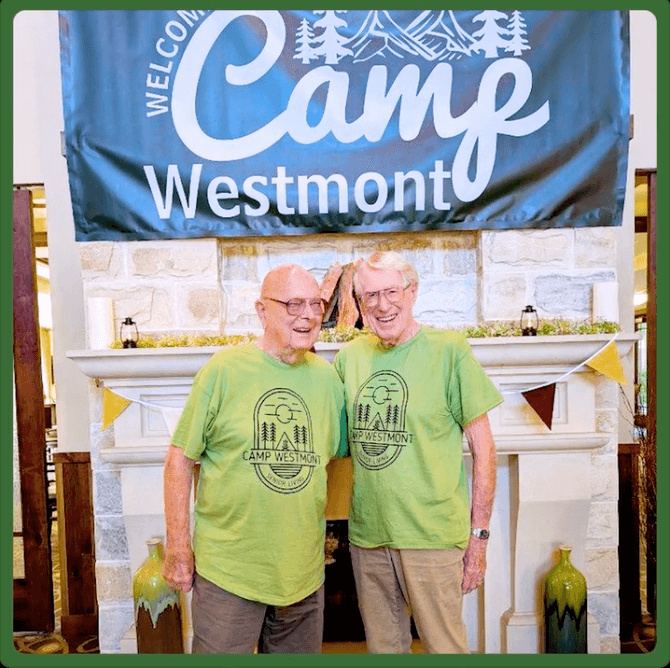


On September 22nd, we celebrate the first day of fall along with joining people around the world in celebrating Centenarians Day. It’s a special occasion dedicated to honoring those who have reached the incredible milestone of 100 years or more. This day is not only about celebrating longevity, but it’s about cherishing the wisdom, history, and enduring presence of centenarians in our lives.
Across all of our Communities, we are honored to have 24 extraordinary residents who are 100 years young and beyond, including 13 who have surpassed the century mark. Each one of them is a living connection to history, carrying with them stories that span a century of experiences, triumphs, and memories. Their journeys remind us of the resilience of the human spirit and the beauty of a life well-lived.
What Centenarians Day Means
Celebrating Longevity: Reaching 100 years is a remarkable achievement, a testament to strength, perseverance, and vitality.
Honoring Wisdom and History: Our centenarians are storytellers of times past, offering invaluable lessons, insights, and a bridge between generations.
Gratitude for Contributions: We celebrate not just their years, but their lifelong contributions, impacting families, communities, and the world in meaningful ways.
On this day, we encourage our centenarians, along with all our Residents, to continue to Live Your Way®. At Westmont Living, Live Your Way® means embracing life on your terms—with your style, your choices, and your passions. The legacies of our centenarians inspire us to live with gratitude, purpose, and joy each day.
To our 24 centenarian residents, thank you for your wisdom, your stories, and your shining example of resilience. Today and every day, we celebrate you.
When it comes to building a wardrobe that blends elegance, comfort, and practicality, tops for senior women are essential pieces that can make a world of difference. Whether you’re seeking casual wear for a relaxed afternoon or an elegant outfit for a special gathering, the right top can elevate your look while keeping you comfortable all day.
At Westmont at San Miguel Ranch, we know that every woman’s style journey is unique. That’s why we offer a wide selection of styles, from dressy tops for older ladies to versatile everyday wear. You’ll find flattering fits, vibrant colors, and long tops for senior women that not only look great but also feel amazing. And with options like blouse tops for senior women, staying stylish while embracing the ease of movement has never been simpler.
The Importance of Comfort in Fashion for Senior Women
For many women, especially in later years, comfort is more than a preference – it’s a necessity. Well-chosen tops for senior women can offer the perfect blend of style and ease, helping you look your best while feeling completely at ease. Soft fabrics, breathable materials, and relaxed fits make it possible to enjoy both style and comfort.
Incorporating pieces like the best tops for older ladies into your wardrobe means you can confidently move through your day, whether it’s meeting friends for lunch or enjoying a community event. Supportive environments likesenior living communities can further boost your confidence and provide inspiration for new fashion choices.
Adaptive Clothing: A Game Changer for Easy Dressing
Adaptive clothing offers a revolutionary approach to dressing, especially for those who value comfort without compromising style. By choosing pieces like long tops for senior women with easy closures or stretch fabrics, you can simplify your routine while keeping your look polished.
Simplified Dressing Solutions
From magnetic buttons to open-back designs, adaptive blouse tops for senior women make dressing less of a chore and more of a pleasure. These garments offer flexibility, wrinkle resistance, and flattering silhouettes for a variety of body shapes. The joy of slipping into a cardigan or tunic that looks chic and feels great is unmatched. Programs likewellness initiatives can inspire new styling ideas that make daily dressing effortless.
Comfort Meets Style
Innovative designs and fabric technology ensure that dressy tops for older ladies can be just as comfortable as casual wear. Soft, stretchable fabrics and versatile cuts let you enjoy every occasion while feeling at ease. Evenpersonalized care plans can factor in your clothing preferences to make life more convenient.
Feature
Description
Fabric Technology
Soft, breathable, wrinkle-resistant
Adaptive Design
Open back or front closures
Versatile Options
Works for casual & formal occasions
Size Variety
Ranges from S to 3X
Fashion Trends
Prints, patterns, and timeless colors
Versatile Tops for Every Occasion
A well-curated wardrobe includes the best tops for older ladies that can transition seamlessly from day to night. A soft tunic might pair with jeans for errands, then dress up with accessories for dinner. Long tops for senior women offer coverage, while still flattering your shape.
For laid-back afternoons, a cardigan layered over a tee feels cozy and polished. For formal moments, dressy tops for older ladies in silk or chiffon can make you feel elegant without discomfort. Try combining your outfits with accessories and evenbrain-boosting activities for a stylish and stimulating day.
Understanding Size and Fit: Finding Your Perfect Match
Size Range Availability
From S to 3X, tops for senior women at Westmont cater to every body shape. This size inclusivity means you can find blouse tops for senior women that fit well and flatter your frame without sacrificing comfort.
Understanding Fit Styles
Knowing your preferred fit style—relaxed, tailored, or oversized—can help you select the best tops for older ladies for your lifestyle. Relaxed fits offer casual comfort, while tailored designs elevate your look for special events.
Measuring for Accuracy
A perfect fit starts with accurate measurements. Use a soft measuring tape for bust, waist, and hips, and check brand size charts before purchasing. For layering, consider sizing up, especially for long tops, for senior women who work well over other garments.
Exploring Color and Design Options
When shopping for tops for senior women, embrace colors and designs that reflect your personality:
Color Combinations – Navy with coral or cream with lavender for timeless elegance.
Design Trends – Asymmetrical hems, floral prints, and minimalist patterns for variety.
Versatile Styles – Adaptive designs that work as both dressy tops for older ladies and casual wear.
Keep your blouse tops for senior women fresh and vibrant by following these tips:
Wash in cold water to preserve color.
Treat stains quickly with a gentle detergent.
Air-dry to maintain shape and avoid shrinking.
Store neatly to prevent creasing.
Layering Ideas for Seasonal Versatility
Layering is key to making your tops for senior women work all year:
Tee + Cardigan – Simple and cozy.
Blouse + Fleece – Warm yet stylish.
Tunic + Scarf – Adds flair and extra warmth.
Dress Well, Feel Confident, Live Vibrantly
Choosing the right tops for senior women is about more than clothing – it’s about expressing your personality and embracing comfort every day. With the best tops for older ladies, dressy tops for older ladies, long tops for senior women, and blouse tops for senior women in your wardrobe, you can face each day with confidence and style.
At Westmont at San Miguel Ranch, we’re here to help you look and feel your best. Call us at 619-271-4385 orschedule a tour to explore how our vibrant community can enhance your lifestyle.
Compare The Costs of Senior Living vs Staying at Home
How Do The Costs Of Moving Into A Quality Senior Care Community Compare With The Costs Of Staying At Home?
The most flattering tops are those that complement your body shape, highlight your best features, and provide a comfortable fit. For many women, tops with a defined waistline, V-necks, or wrap styles create a slimming effect. Flowy fabrics can soften the silhouette, while structured tops add definition. Choosing the right color and pattern can also enhance your overall look, making you feel confident and stylish.
What are the best women’s tops brands?
Some of the best women’s tops brands are known for their quality fabrics, flattering cuts, and timeless designs. Brands like Ann Taylor, J.Crew, and Banana Republic offer a mix of casual and dressy options. For affordable yet stylish choices, consider Uniqlo, H&M, and Zara. If you’re looking for luxury or unique pieces, Eileen Fisher and Anthropologie are excellent options.
What’s a blouse for a woman?
A blouse for a woman is a versatile top, often made from soft, lightweight fabrics like silk, chiffon, or cotton blends. It can feature various styles such as button-down fronts, ruffles, or decorative collars. Blouses are typically more formal or dressy compared to T-shirts and are suitable for both professional and casual settings. They can be paired with skirts, trousers, or jeans, making them a wardrobe essential.
Caring for older adults involves a deep understanding of conditions like age related physical debility, a common yet often misunderstood challenge in aging populations. This condition significantly impacts the ability of seniors to remain independent, increasing their vulnerability to falls, fatigue, and long-term health complications. At Westmont at San Miguel Ranch, we prioritize awareness and proactive care strategies to support residents through these changes.
Recognizing the signs of age-related physical debility early can transform the care experience. It allows families and caregivers to implement the right interventions, from physical therapy and nutrition to personalized activity plans. This comprehensive approach enhances mobility, mental well-being, and overall quality of life. Understanding its symptoms, coding implications, and caregiving resources ensures a safer, more fulfilling aging process.
What Is Age-Related Physical Debility?
Age related physical debility meaning refers to the progressive physical decline experienced by older adults due to aging. It includes decreased strength, endurance, and motor performance, often accompanied by an increased risk of chronic diseases and falls. While some decline is normal, age-related physical debility symptoms may indicate the need for clinical attention and tailored care.
This condition is documented in medical records using the age-related physical debility ICD-10 code R54. It’s important for healthcare professionals to differentiate this general code from more specific conditions such as sarcopenia (M62.84) or cognitive decline (F03.-), ensuring accuracy in diagnosis and treatment plans.
Caregivers can better support seniors by focusing on holistic wellness, incorporating activities that address physical, emotional, and mental needs. A coordinated care plan that includesqualified health care teams can dramatically enhance outcomes for those with age-related limitations.
Key Age-Related Physical Debility Symptoms to Monitor
Identifying age-related physical debility symptoms is vital for timely intervention. Here are some common indicators:
Muscle weakness and limited mobility: A leading sign, often making routine tasks like standing or walking difficult.
Chronic fatigue: Persistent tiredness that doesn’t improve with rest.
Slowed motor performance: Difficulty with coordination and reaction times, increasing fall risk.
Unintentional weight loss: Often linked to reduced appetite or activity.
Mental fog or slowed cognition: While not always present, this may accompany physical decline.
Each of these symptoms may point to R54, but could also indicate other conditions. Therefore, an accurate diagnosis using the ICD-10 code for debility weakness ensures effective treatment and reimbursement for care services. Incorporatingstep-by-step leg exercises can also support improved mobility.
Understanding the ICD-10 Coding: What Is R54?
In healthcare documentation, the Age-related physical debility ICD-10 code R54 represents generalized debility. Though commonly used, it should be applied with caution to avoid errors. Below is a helpful reference:
Aspect
Details
Importance
Code
R54
Labels general debility
Related Conditions
Sarcopenia (M62.84), Cognitive Decline (F03.-)
Excluded under R54
Use Caution With
Acute gastroenteritis ICD-10 and chronic conditions
Avoid misclassification
Clinical Note
Must document context and specific symptoms
Justifies insurance claims
Updates
Check CMS or WHO updates regularly
Maintains compliance
Providers and administrators must also understand the ICD-10 code for debility weakness, often used interchangeably with R54, but meant for specific clinical scenarios. For accurate charting, differentiate general debility from treatable conditions like acute gastroenteritis, ICD-10, which demands immediate care and a different treatment path.
Implications for Senior Living Communities
The presence of age-related physical debility in seniors presents both challenges and opportunities for care communities. At Westmont at San Miguel Ranch, we emphasize:
Early identification of symptoms
Specialized caregiver training
Personalized exercise programs
Access to occupational therapy
These efforts not only improve physical health but also encourage emotional resilience. Equipping caregivers with the knowledge of age-related physical debility symptoms ensures a compassionate, proactive approach. For example, our team utilizesoccupational therapy to help seniors regain or maintain independence in everyday activities.
Tools and Support for Providers
Support systems play a critical role in managing age-related physical debility. Resources for caregivers and providers include:
Training programs that focus on senior-specific care
Wellness workshops on chronic condition management
Community collaborations that provide support services
Connecting with organizations such asAgingCare or the National Institute on Aging provides invaluable educational content, caregiver checklists, and forums. These resources help families and professionals navigate the journey of caring for seniors with declining physical function.
We also encourage using a boosted care plan approach. This includes nutrition, physical therapy, and social engagement to slow progression and improve well-being. Explore our internalultimate guide to caring for elderly parents for more on balancing emotional and physical support.
Key Differences Between Debility and Other Diagnoses
While age-related physical debility is a general classification, it’s important to distinguish it from similar ICD-10 conditions:
R54 (Debility, unspecified): Broad and non-specific
M62.84 (Sarcopenia): Muscle loss with aging
R11 (Nausea/Vomiting): Can mimic weakness in acute gastroenteritis, ICD-10 situations
F03 (Unspecified dementia): May overlap with functional decline
Accurate coding impacts care decisions and insurance claims. Always verify the underlying cause of symptoms before selecting the ICD-10 code.
When to Seek Medical Evaluation
Families should seek medical evaluation if their loved one begins to show consistent age-related physical debility symptoms. This includes:
Increased fall frequency
Inability to complete ADLs (activities of daily living)
Severe fatigue, even after rest
Sudden weight loss or loss of interest in food
Routine assessments can help track changes and initiate intervention earlier. Remember, catching and addressing signs early may help slow progression and improve the senior’s daily life.
Compassionate Care Makes a Difference
At Westmont at San Miguel Ranch, we understand the emotional and physical demands that come with aging. Our team is trained to identify and manage the effects of age related physical debility, providing the tools and environment necessary for every senior to feel supported and valued.
Discover a Better Way to Support Aging Loved Ones
Understanding age related physical debility empowers families and professionals to deliver better care. From recognizing age-related physical debility symptoms to decoding the age-related physical debility ICD-10 classification, knowledge leads to action. Whether distinguishing between R54 and acute gastroenteritis icd-10 or learning the true age related physical debility meaning, staying informed is essential.
Westmont at San Miguel Ranch is here to help. Schedule a tour today and discover how our compassionate care can enhance your loved one’s journey. Call us at 619-271-4385 or explore our services atthis link.
What Level of Care Do You Need?
Discover the level of care you or your family member requires.
Age-related debility refers to the gradual decline in physical and sometimes cognitive functions that commonly occurs as people grow older. This condition may include symptoms such as reduced strength, fatigue, and difficulty with mobility. It can impact a senior’s ability to perform everyday tasks independently. Early detection and supportive care can help manage its progression.
What is frailty, age-related physical debility?
Frailty in the context of age-related physical debility is a medical syndrome characterized by a decrease in strength, endurance, and physiological function. It makes older adults more vulnerable to adverse health outcomes like falls, hospitalizations, or infections. Frailty is often a more severe form of physical debility and may signal a need for extra care. Preventative measures like nutrition, exercise, and social support can help slow its development.
What is the meaning of physical debility?
Physical debility means a state of weakness or loss of strength that affects a person’s physical ability to function. It can be temporary or chronic and may result from illness, injury, or aging. In older adults, it often appears as muscle weakness, limited mobility, or fatigue. Addressing physical debility involves rehabilitation, physical therapy, and maintaining a healthy lifestyle.
What are the age-related physical impairments?
Age-related physical impairments include reduced muscle mass, joint stiffness, poor balance, and slower reflexes. These impairments often lead to challenges in mobility, increased fall risk, and decreased independence. Vision and hearing loss may also accompany these changes, further affecting quality of life. Early intervention and supportive care can help seniors adapt and maintain functionality.
Effective communication strategies with Memory Care are essential for ensuring meaningful connections, enhancing trust, and improving quality of life for individuals living with dementia. Whether you are a family member or caregiver, knowing how to communicate compassionately and clearly can transform your daily interactions.
At Westmont at San Miguel Ranch, we understand the emotional and cognitive challenges that come with dementia. That’s why our approach emphasizes patience, empathy, and tailored communication that meets individuals where they are—especially when dementia communication difficulties arise. From creating supportive environments to using non-verbal communication with dementia patients, we offer solutions that promote both dignity and understanding.
Personalized communication allows caregivers and loved ones to meet memory care patients in their reality. When you understand how early-stage dementia communication patterns emerge—such as word-finding issues or shorter attention spans—you can begin to tailor your approach to what works best for each individual.
One patient might respond to music and gentle touch, while another prefers eye contact and direct, simple phrases. This customization shows empathy and builds rapport, reducing confusion and enhancing connection. Supporting memory care patients withsenior communication strategies tailored to their needs helps ease anxiety and encourages more consistent interaction.
Essential Communication Techniques to Use
When engaging with individuals in memory care, especially those with dementia, certain techniques are particularly helpful. These include:
Maintain eye contact to signal attentiveness.
Use short, simple sentences to avoid confusion.
Speak slowly and clearly, and wait patiently for a response.
Validate feelings even if the facts are inaccurate.
Avoid correcting or arguing when memory lapses occur.
These practices are core to successful dementia communication techniques. Additionally, integrating non-verbal communication with dementia patients—such as smiling, gentle touches, or using gestures—can often be more effective than words.
A person with dementia may not remember your name, but they’ll remember how you made them feel. Recognizing and responding to their emotional state—rather than the accuracy of their words—is vital. It helps build trust, which is critical for communication.
If a resident believes they need to pick up a child from school or go to work, engage with them gently. Say something like, “Tell me about your child,” instead of correcting them. By acknowledging their feelings, even when their sense of time or place is skewed, you reduce distress and support their well-being.
This approach aligns with current understanding of dementia communication difficulties and emphasizes compassion over correction. Also, be mindful that emotional health can influence memory—depression may contribute to memory loss.
How Environment Enhances Communication
The physical environment plays a significant role in facilitating effective communication in memory care settings. A noisy, chaotic space can make even the clearest conversation confusing. Instead, opt for calm, quiet areas with soft lighting and minimal distractions.
Comfortable, familiar settings also help reduce anxiety, making it easier for residents to engage. Arrange seating in a way that supports eye contact and reduces the feeling of confrontation. These small adjustments support communication strategies with Memory Care by removing external stressors.
Creative and structured activities can open the door to communication. When residents are engaged in something they enjoy, they’re more likely to express themselves. Activities like:
Art projects: Paintings and crafts allow for emotional expression.
Music therapy: Familiar tunes can trigger positive memories.
Storytelling or scrapbooking: These can guide conversations anchored in long-term memory.
These moments of shared experience can bridge dementia communication difficulties and create emotional connections. For example, someone who struggles with short-term recall may light up when hearing a song from their youth or discussing their wedding day.
As verbal communication becomes more challenging, non-verbal communication with dementia patients becomes essential. Body language, facial expressions, and gestures convey more than words ever could. Here’s how you can enhance your approach:
Smile warmly and nod to show agreement.
Touch their hand or shoulder gently when appropriate.
Use visual aids like photos or cue cards.
Mimic their expressions to build a sense of understanding.
These gestures reassure residents and help maintain connection even when words fail. For those in early-stage dementia, communication patterns that combine words with gestures reinforce understanding and foster comfort.
In the early stages of dementia, changes in speech or behavior may be subtle but significant. Caregivers often notice:
Hesitations when speaking
Difficulty finding the right words
Repeating the same stories
Struggling with multi-step conversations
These early-stage dementia communication patterns are your cue to adjust how you communicate. Offer encouragement, be patient with pauses, and avoid overwhelming the person with too many questions or choices.
Tailoring your interaction in these early moments sets a supportive foundation for future engagement. As the condition progresses, your strategies can evolve to maintain connection, even when verbal communication fades.
Book a Tour and See Compassion in Action
Effective communication strategies with Memory Care are not just about talking—they’re about listening, observing, and responding with empathy. Whether you’re learning how to adapt to dementia communication difficulties or exploring new ways to connect through non-verbal communication with dementia patients, your efforts truly matter.
At Westmont at San Miguel Ranch, we implement proven techniques and compassionate care tailored to each resident’s journey. By understanding their reality, responding to emotional cues, and fostering an ideal environment, we build bridges where others see barriers.
Improving how we communicate with memory care residents doesn’t just benefit them—it transforms the caregiving experience. With empathy, patience, and the right tools, you can nurture lasting relationships even through the fog of memory loss.
Let Westmont at San Miguel Ranch guide you on this journey. Visit ourMemory Care Resources to learn more or call us to start the conversation today.
Frequently Asked Questions
What are the communication strategies for dementia patients?
Communication strategies for dementia patients focus on keeping conversations clear, calm, and supportive. Caregivers can use short, simple sentences and avoid complicated instructions that may cause confusion. Maintaining eye contact and using a gentle tone helps the person feel respected and reassured. Non-verbal cues such as smiling, nodding, or a light touch can also help convey warmth and understanding.
What are communication strategies in aged care?
In aged care, communication strategies emphasize patience, clarity, and empathy to support older adults. Caregivers are encouraged to speak slowly, use plain language, and check for understanding. Active listening and giving residents enough time to respond help build trust. Non-verbal methods like gestures, facial expressions, and visual aids also enhance communication, especially for those with cognitive or hearing difficulties.
What are the four types of communication strategies?
The four main types of communication strategies are verbal, non-verbal, written, and visual. Verbal communication involves spoken words, tone, and pacing, while non-verbal communication relies on body language, gestures, and eye contact. Written communication includes letters, notes, or digital messages. Visual communication uses pictures, symbols, or charts to reinforce understanding, especially helpful in healthcare or dementia care.
What are five verbal communication strategies that may assist when supporting a person with dementia?
Five effective verbal communication strategies for supporting someone with dementia include speaking slowly, using short and simple sentences, and repeating information when needed. It also helps to ask one question at a time to reduce confusion. Avoiding jargon or abstract ideas makes conversations easier to follow. Finally, using a calm and reassuring tone can comfort the person and encourage better interaction.
Looking for a fun, mindful way to stay engaged and connected? Craft kits for seniors offer more than just a way to pass the time—they provide therapeutic benefits, stimulate creativity, and spark joy in everyday life. Whether you’re an older adult seeking a new hobby or a caregiver looking for meaningful activities, these kits offer simple, enriching solutions.
From free craft kits for seniors to options tailored for those with arthritis or memory challenges, there’s a kit for every interest and ability. Dive into the world of DIY and discover how crafting can support emotional well-being, cognitive health, and social connection—all while having fun.
The Transformative Benefits of Crafting for Seniors
Crafting goes beyond being a simple hobby—it can greatly improve the quality of life for older adults. Studies have shown that creative tasks can enhance memory, reduce anxiety, and even delay cognitive decline. When seniors work with their hands, they stimulate brain function and improve fine motor skills.
Additionally, completing craft projects builds self-confidence and a sense of accomplishment. Whether it’s through painting, sculpting, or assembling, craft kits for seniors help create meaningful experiences and promote mental well-being.
In fact, creative activities for aging adults are widely recognized as effective tools for maintaining emotional and physical health.
Chronic joint pain doesn’t have to limit creativity. Several craft kits for seniors are designed explicitly with arthritis in mind, using adaptive tools, lightweight materials, and easy-grip handles. These kits reduce strain while keeping the experience enjoyable and fulfilling.
Top picks include:
Holiday Resin Coasters Kit – Uses simple pouring techniques that are easy on the hands.
Layered Soap Making Kit – No sharp tools needed; perfect for sensitive fingers.
Winter Shadow Light Kit – Lightweight materials make this project accessible to everyone.
Silicone Mold Candle-Making Kit – The flexible mold is gentle to use and produces beautiful results.
These options are considered among the best craft kits for seniors who want to enjoy hands-on creativity without discomfort. Plus, creative engagement can foster strongersocial connections, an important pillar of wellness.
Easy and Accessible Craft Kits for Every Skill Level
Looking for projects that are fun and foolproof? These craft kits for seniors are perfect for those seeking straightforward, stress-free ways to be creative. Whether you’re crafting solo or alongside loved ones, these kits come with everything you need—just open and start!
Try these easy favorites:
DIY Picture Frame Kit – Customize your most cherished memories.
Paint-by-Numbers Set – Calming and satisfying, no artistic background required.
Beaded Jewelry Kit – Create wearable art for yourself or as gifts.
Simple Knitting Project – Learn a relaxing new hobby step by step.
These kits also make great free craft kits for seniors if provided through community centers or wellness programs. Explore how these projects can help boost creativity and mindfulness.
Unique and Unusual Craft Kits for Adults
Looking for something outside the box? Tap into your wild side with unusual craft kits for adults that offer a refreshing break from typical activities. These projects often incorporate surprising materials or techniques to stimulate curiosity and exploration.
Some exciting ideas include:
Alcohol Ink Coaster Kits – Vibrant and unpredictable designs every time.
Needle Felting Kits – Sculpt with wool and create adorable animals or characters.
DIY Terrarium Kits – Bring a little nature indoors with miniature landscapes.
Many of these kits are now available as craft kits for seniors with dementia as well, since they involve repetitive, soothing actions and provide sensory engagement without overwhelming instructions. These creative tools are ideal for supporting calm, focus, and joy.
For even more inspiration, check out this curated list of unique adult crafts that can also be adapted for seniors.
Stimulating Craft Kits for Seniors With Dementia
Creativity doesn’t have to stop with memory loss. In fact, tailored craft kits for seniors with dementia can stimulate memory, provide sensory comfort, and create a sense of routine. These kits prioritize safety, simplicity, and enjoyment.
Helpful kit types include:
Tactile Fabric Art – Uses textured fabrics to engage the senses.
Color Matching Games – A simple and fun way to stimulate cognitive function.
Large-Piece Puzzles – Great for dexterity and memory cues.
These kits are not only enjoyable but can also be therapeutic. Many family members and caregivers find these activities essential for supporting loved ones with memory issues.
If you’re on a budget or managing community programs, finding free craft kits for seniors can make all the difference. Local libraries, community centers, and nonprofits often provide them, especially during holidays or wellness weeks.
A few resources to explore:
Local senior centers – Often host free workshops with materials included.
Public libraries – Some offer “take & make” kits for seniors to enjoy at home.
Nonprofits like Elder Helpers – May coordinate volunteers who bring kits directly to seniors.
Don’t overlook virtual options as well—many free online resources provide printable templates and DIY instructions using everyday household items.
Building Connection Through Shared Creativity
Group crafting experiences can create deep connections among seniors. Whether in a family setting, community event, or small group activity, crafting together builds community and emotional resilience.
Group projects encourage:
Friendly collaboration and teamwork
Meaningful conversations and storytelling
A shared sense of purpose and achievement
Laughter, celebration, and memory-making
These shared experiences promote joy, reduce feelings of isolation, and support better mental health. Find out how crafting enhances thequality of senior living environments through increased social interaction.
Ready to Start Crafting? Visit Us and Explore More!
Crafting is not just an activity—it’s a lifestyle of creativity, connection, and fulfillment. At Westmont at San Miguel Ranch, we encourage seniors to explore the joy of crafting with personalized support and engaging options for all interests and abilities.
Whether you’re curious about the best craft kits for seniors, looking for free craft kits for seniors, or exploring craft kits for seniors with dementia, we’re here to help spark that joy.
The best crafts for seniors are those that are simple, relaxing, and enjoyable while also supporting fine motor skills. Activities like knitting, crocheting, painting, scrapbooking, and jewelry making are popular choices. These crafts not only keep the hands active but also stimulate the mind and creativity. Many seniors also enjoy gardening, crafts, or DIY home décor projects that allow them to see and use the results of their work.
What are the most popular adult crafts?
Adult crafts often focus on creativity, relaxation, and practicality. Popular options include painting, pottery, woodworking, knitting, and paper crafts like card making. DIY home décor projects, such as wreaths, wall art, or personalized gifts, are also highly enjoyed. Many adults turn to crafts as a way to relieve stress, explore creativity, and even create functional items for their homes.
What is the hottest craft right now for adults?
The hottest craft trend for adults currently leans toward DIY home décor and personalized items. Resin art, candle making, and macramé wall hangings have gained significant popularity. Digital crafts, like creating designs with cutting machines (Cricut or Silhouette), are also trending. These projects combine creativity with practicality, making them especially appealing to adults looking for unique and modern craft options.
What crafts sell the best for adults?
Crafts that sell best for adults are typically functional, decorative, or personalized. Handmade jewelry, candles, resin coasters, and home décor pieces are top sellers. Seasonal crafts, such as holiday ornaments or themed décor, also attract buyers. Items that can be customized, like monogrammed gifts or personalized art, tend to perform especially well in craft fairs and online marketplaces.
Elderly Leg Exercises to Strengthen Mobility at Home
Maintaining mobility and independence is a top priority for older adults, and elderly leg exercises are one of the most effective ways to achieve it. These targeted workouts can dramatically improve balance, stability, and strength, all while reducing the risk of falls. Whether you’re just starting or looking to enhance your current routine, incorporating the right leg exercises can make a lasting impact on your physical health.
At Westmont at San Miguel Ranch, we believe in empowering seniors to live vibrant, active lives. From gentle movements to more structured routines, our wellness programs emphasize elderly leg exercises at home and in community settings. Whether you’re sitting, lying in bed, or standing, there’s an exercise suited for your ability level. Let’s explore the most effective ways to maintain strong legs and safe mobility as you age.
Why Leg Strengthening Is Essential for Seniors
Leg strength plays a pivotal role in everyday activities such as walking, standing, getting out of bed, or climbing stairs. As we grow older, muscle loss (sarcopenia) becomes more prevalent, which can increase the risk of injuries and reduce independence. That’s why focusing on leg strengthening exercises for seniors while sitting or even lying down is crucial for maintaining autonomy.
These workouts don’t just improve mobility—they also help prevent dangerous falls, one of the most common causes of injury among the elderly. Incorporatingsquats with chair support or elderly leg exercises no equipment required can provide long-term health benefits with minimal setup.
Core Elderly Leg Exercises You Can Start Today
You don’t need expensive gym equipment or personal trainers to start building strength. These simple, low-impact movements offer a great starting point for seniors at various fitness levels:
1. Sit to Stand
An essential part of elderly leg exercises for seniors, this movement mimics one of the most frequent daily motions. Practice standing up from a sturdy chair and sitting back down with control. It helps with thigh and hip strength.
2. Calf Raises
Stand behind a chair for balance, and lift your heels to stand on your toes. This improves ankle stability and enhances walking performance. You can also perform these as leg strengthening exercises for seniors while sitting by lifting toes or heels alternately.
3. Knee Extensions
While sitting, slowly extend one leg until it’s straight. Hold briefly, then lower. This simple exercise is effective for strengthening the quadriceps and is ideal for elderly leg exercises at home.
4. Hip Abductions
Stand with a chair nearby for support. Lift one leg sideways and return. This movement promotes hip strength and balance, key components of any leg strengthening exercises for seniors in bed or upright.
As you gain strength, gradually increase the intensity of your leg workouts. Start with 5-10 repetitions and progress by adding light resistance, more repetitions, or standing versions of seated exercises.
For those starting in bed, leg strengthening exercises for seniors in bed like ankle pumps or lying leg lifts are excellent. As endurance builds, transition into elderly leg exercises for seniors done while standing or sitting with added resistance, such as resistance bands or light ankle weights.
If an exercise feels too difficult, revert to a more comfortable version. Safety and comfort should always guide your routine. Enhance your progress by exploringphysical therapy benefits for seniors.
Benefits of Elderly Leg Exercises
The health benefits of regular elderly leg exercises are profound and wide-reaching:
Improved Balance: Leg workouts strengthen stabilizing muscles and improve reflexes, which reduces fall risk.
Enhanced Mobility: Stronger legs mean better walking, stair-climbing, and transitioning from sitting to standing.
Better Joint Support: Movements like knee extensions promote healthy joints and can reduce pain from arthritis.
Boosted Confidence: Seniors who feel strong in their legs are more likely to stay active and engaged socially.
Consistent routines using elderly leg exercises, no equipment, can create meaningful improvements. You can also tryessential senior fitness routines to keep your plan varied and engaging.
Safe Practices While Exercising
Safety is just as important as the exercises themselves. Here are a few ways to ensure you’re staying safe:
Warm Up First: Always begin with light movements like ankle rolls or leg swings to warm the muscles.
Use Support When Needed: Whether it’s a chair, wall, or railing, supports can prevent slips or missteps.
Wear Proper Shoes: Supportive, non-slip footwear is a must for balance and protection.
Monitor Your Body: If you feel pain, dizziness, or discomfort, stop the activity immediately and consult a healthcare provider.
Eliminating environmental hazards and addressing anyinstability in older adults can greatly enhance your safety and success during workouts.
Resources for Home Leg Workouts
For those seeking inspiration beyond our community, here are a few reputable resources that offer free programs and visual guides:
These resources support your journey with elderly leg exercises at home that match your level of mobility and fitness goals.
Keep Moving Toward Independence
Incorporating consistent elderly leg exercises into your weekly routine is a proven way to boost physical and emotional health. Whether you prefer leg strengthening exercises for seniors in bed, sitting routines, or standing movements with no equipment, staying active is within your reach.
At Westmont at San Miguel Ranch, we’re here to support every step of that journey. Our wellness programming is designed to promote balance, independence, and mobility through personalized attention and fitness support.
To learn more about how we can help, please call us at 619-271-4385 orschedule a visit to experience our community firsthand.
Compare The Costs of Senior Living vs Staying at Home
How Do The Costs Of Moving Into A Quality Senior Care Community Compare With The Costs Of Staying At Home?
What is the best exercise for seniors to strengthen their legs?
The best exercise for seniors to strengthen their legs is seated leg raises or chair squats. These exercises help build muscle without putting too much strain on the joints. Resistance band leg presses and standing calf raises are also effective and easy to perform at home. Always begin with low intensity and gradually increase as strength improves.
What causes weakness in the legs in the elderly?
Leg weakness in the elderly is often caused by age-related muscle loss (sarcopenia), poor circulation, or inactivity. Other factors like arthritis, neurological conditions, and vitamin deficiencies can also contribute. In some cases, medications or chronic diseases such as diabetes play a role. A proper diagnosis from a healthcare provider is essential for targeted treatment.
Does walking help weak legs?
Yes, walking is a great low-impact exercise that can improve leg strength and endurance over time. It increases blood flow, boosts mobility, and helps maintain balance. For seniors with very weak legs, it’s best to start with short walks and use support if needed. Consistent walking combined with stretching and strength training yields the best results.
What is the best exercise for weak leg muscles?
For weak leg muscles, seated leg extensions, heel slides, and resistance band workouts are excellent options. These exercises focus on rebuilding strength without overexertion. Water aerobics is another gentle yet effective way to exercise weak legs. It’s important to consult a physical therapist to create a plan tailored to individual needs.
Choosing the right assisted care facility is a crucial step toward ensuring a loved one receives not only the care they need but also the dignity and comfort they deserve. At Westmont at San Miguel Ranch, a welcoming environment, compassionate staff, and robust support systems are just the beginning of what sets this community apart. Every service is thoughtfully designed to enhance quality of life and foster a sense of belonging.
From personalized care plans to engaging social activities and specialized health monitoring, Westmont offers a full spectrum of services tailored to each resident. Whether you’re researching options for yourself or a loved one, understanding what a top-tier assisted care facility offers is key to making an informed decision.
Personalized Care and Support
The hallmark of any high-quality assisted care facility is its commitment to personalized care. At Westmont, each resident undergoes an individual assessment, which informs a custom care plan. These plans evolve over time, ensuring that as health conditions or personal preferences change, care remains aligned.
Frequent check-ins and updates from the care team keep family members in the loop, reinforcing trust and collaboration. Real-time health alerts and technology-driven support ensure that care is both proactive and responsive. For more about adaptive care strategies, exploreregular assessments.
This approach reflects a deeper understanding of who qualifies for assisted living—typically older adults who may need help with daily activities but don’t require full-time nursing care. Residents benefit from assistance without compromising their autonomy.
Daily Living Assistance
Daily living tasks can become increasingly difficult with age. That’s why Westmont provides thoughtful daily living assistance, ensuring residents maintain independence while receiving the support they need. Trained staff help with bathing, grooming, mobility, and dressing, all delivered with respect and empathy.
Mobility support enables safe navigation through the community, and assistance with hygiene ensures residents feel confident and dignified. The added benefit of emotional companionship through daily interactions is invaluable.
Westmont also provides 24/7 onsite healthcare services, detailed further in thishealthcare benefits article, to address any urgent or long-term health concerns.
Nutrition and Meal Services
Nutrition plays a vital role in aging well, and Westmont delivers this with finesse. Meals are curated by chefs and nutritionists, offering healthy, flavorful options that cater to various dietary needs. From diabetic-friendly to vegetarian or gluten-free menus, everyone’s preferences are accommodated.
Residents enjoy meals in social dining rooms that encourage connection and routine. Culinary workshops and personalized dietary counseling are also available to help residents stay engaged with their health goals.
These services exceed many standard residential care facility requirements, reinforcing Westmont’s commitment to comprehensive care. For more, read about howdiet impacts senior vitality.
Social Engagement and Recreational Activities
At Westmont, vibrant living isn’t just a promise—it’s a reality. Residents participate in engaging social and recreational activities such as painting, gardening, games, music therapy, and excursions to local parks and cultural sites.
These opportunities serve more than just entertainment. They provide vital mental and emotional stimulation, enhancing overall well-being. A robust social calendar enables residents to pursue their hobbies, meet new friends, and remain actively engaged in the community.
Participation in group activities supports emotional health, which is often a key component when evaluating who qualifies for assisted living. Learn more aboutsocial engagement for seniors.
Housekeeping and Transportation Services
Maintaining a tidy space is essential for comfort and mental clarity. Westmont’s housekeeping staff handles laundry, sanitization, and general room upkeep, all aligned with strict infection control protocols. For additional safety,cleaning services are carried out routinely.
Transportation is another cornerstone of the services offered. Westmont provides residents with safe, reliable transportation to doctors’ appointments, off-site activities, and errands, helping them maintain independence.
Service Type
Description
Benefits
Housekeeping
Cleaning, laundry, and sanitization
Comfort and health
Transportation
Medical and recreational rides
Independence and convenience
Personal Assistance
Help with organizing or managing belongings
Encourages autonomy
Safety Measures
Secure handling and travel support
Promotes peace of mind
Health Monitoring and Support
Ongoing health monitoring ensures residents’ safety at all times. Staff track vital signs and administer wellness checks to catch any concerns early. This includes blood pressure, oxygen levels, heart rate, and temperature—all of which are monitored through smart systems.
Routine Vital Signs Tracking
Routine tracking gives staff a clear picture of each resident’s health baseline and alerts them to subtle changes. This kind of proactive care is foundational to all five tiers of the five levels of care in assisted living, from basic custodial help to more specialized nursing-level supervision.
When a resident begins to require more complex care, they may transition into a new level of service without needing to change communities. This scalable system makes Westmont a smart choice for those seeking continuity in care.
Real-Time Health Alerts
Westmont’s real-time alert systems use sensors and AI-driven software to detect changes in vital signs and send notifications to care teams. Immediate intervention can often prevent more serious issues.
This technology-driven approach exemplifies modern residential care facility requirements, offering families peace of mind and residents a safer, more comfortable experience. This also helps bridge the often-confusing topic of what is assisted living vs nursing home—while both provide care, assisted living is more focused on independence with support, whereas nursing homes cater to those with serious medical needs.
Levels of Care and Transition Support
Understanding the five levels of care in assisted living helps residents and families choose the right support:
Level 1 – Basic Support: Occasional help with meals and meds.
Level 2 – Minimal Assistance: More regular help with hygiene and dressing.
Level 3 – Moderate Assistance: Increased support with most ADLs.
Level 4 – High Assistance: Near-total help with mobility, hygiene, and meals.
Level 5 – Full Support: Includes medical monitoring, often a step before nursing home care.
These tiers help families determine when transitions are necessary, especially when considering what assisted living vs nursing homes. At Westmont, transitions are handled with dignity, ensuring residents feel comfortable as their needs evolve.
Regulations and Admission Criteria
To meet residential care facility requirements, Westmont follows strict local and federal guidelines, including safety protocols, staff qualifications, and space regulations. These standards ensure consistent, quality care and operational integrity.
If you’re wondering how to know who qualifies for assisted living, the criteria often include:
Needing help with at least two daily activities
Mobility challenges
Mild to moderate cognitive decline
No need for 24/7 skilled nursing
Westmont’s intake process includes a professional assessment and a detailed conversation with the family to ensure compatibility between the resident’s needs and the services offered.
Ready for a Vibrant Lifestyle?
Choosing Westmont at San Miguel Ranch means choosing peace of mind, compassionate care, and a vibrant lifestyle. This assisted care facility stands out for its holistic approach, where physical support, mental enrichment, and emotional well-being are equally prioritized.
The community’s dedication to following all residential care facility requirements, offering all five levels of care in assisted living, and clearly helping families navigate what assisted living is versus nursing homes makes it a trustworthy option for aging with dignity. Whether you’re just beginning your search or are ready to make a move, Westmont is ready to help you thrive.
An assisted facility refers to a residential community that provides support with daily living activities such as bathing, dressing, meals, and medication management. These facilities are designed for seniors or individuals who require some assistance but do not need full-time medical care. Residents maintain a level of independence while having access to 24/7 support services. Assisted facilities often include social programs and amenities to enhance quality of life.
What is the meaning of assisted care?
Assisted care refers to providing help to individuals who require support with everyday tasks due to age, illness, or disability. This care can take place in an assisted living community or in a person’s home. Services typically include help with grooming, mobility, medication reminders, and meal preparation. The goal of assisted care is to promote safety, comfort, and independence.
What is another term for an assisted living facility?
Another term for an assisted living facility is a residential care facility or personal care home. Some also refer to it as senior living or supportive living, depending on the region. These terms all describe a place where residents receive assistance with daily activities while still enjoying a home-like environment. The terminology may vary, but the services offered are generally similar.
Are assisted living facilities the same as nursing homes?
No, assisted living facilities and nursing homes are not the same. Assisted living facilities offer support with daily living activities but do not provide the intensive medical care found in nursing homes. Nursing homes are designed for individuals with severe medical conditions that require 24/7 skilled nursing care. Assisted living is better suited for those who are mostly independent but need some assistance.
Choosing the Right Home Care Assisted Living Facilities
As seniors and their families navigate the many care options available, understanding the role of home care and assisted living facilities becomes essential. These services blend the comfort of in-home support with the safety and structure of community living, providing a balanced approach to aging.
In this guide, we’ll explore the distinctions between in-home care vs assisted living costs, the pros and cons of home care vs assisted living, and how to identify the right fit based on needs and budget. Making an informed decision ensures that your loved one can age with dignity, comfort, and support.
Understanding the Spectrum of Senior Care
What is Assisted Living vs Nursing Home?
Before diving into costs and benefits, it’s vital to answer: what is assisted living vs nursing home care? Assisted living communities, likeWestmont at San Miguel Ranch, support seniors who need help with daily tasks like dressing, bathing, or medication but don’t require around-the-clock medical care. In contrast, nursing homes are best suited for individuals with complex medical conditions who require 24-hour skilled nursing care.
Assisted living focuses on enhancing lifestyle through amenities and social engagement, while nursing homes emphasize healthcare management. Knowing this difference is key to aligning your expectations and resources with your loved one’s actual needs.
The Role of Home Care in Assisted Living
Benefits of Personalized Support
Home care assisted living facilities offer residents the opportunity to receive in-home assisted living near you style support while benefiting from a vibrant community. This means that seniors can access:
Custom care plans tailored to their health and lifestyle.
Flexibility to adjust care levels as needed.
Comfort and privacy, reducing the need to move rooms or relocate.
Facilities like Westmont provide personalized attention andhealthcare integration to ensure residents thrive while aging in place.
Cost Comparison: Home vs Facility
In-Home Care vs Assisted Living Costs
Cost is a central factor in the care decision. When evaluating in-home care vs assisted living costs, it’s crucial to consider both visible and hidden expenses.
Care Option
Average Monthly Cost
Extra Fees
In-Home Care
$4,800+
Caregiver transportation, hourly billing
Assisted Living
$3,500–$6,000
Medication management, private rooms
While in-home assisted living costs may seem flexible, expenses can quickly add up with hourly care and overnight assistance. On the other hand, assisted living includes housing, meals, and basic care, offering a more bundled and often more economical solution.
Explore tools like the AARP Long-Term Care Cost Calculator to evaluate local pricing scenarios.
Pros and Cons of Home Care vs Assisted Living
Weighing the Options
When choosing between home care, assisted living facilities, and staying fully at home, consider these pros and cons of home care vs assisted living:
Home Care Pros:
Familiar environment
Flexible schedules
Personalized one-on-one attention
Home Care Cons:
Higher cost for 24-hour care
Risk of isolation
Limited access to emergency care or social activities
Assisted Living Pros:
Social community
Built-in safety features
Scheduled events and meals
Assisted Living Cons:
Less personalized than private care
May require relocation
Less control over daily routine
This balanced view helps families choose a care path based on priorities, health conditions, and financial flexibility.
Social Life & Wellness
Community Engagement Opportunities
One of the major benefits of assisted living is structured social engagement. Regular activities such as art therapy, games, exercise, and outings combat loneliness and foster friendships. This emotional support is often hard to replicate with in-home care alone.
Studies show that seniors involved in community life have better cognitive health and fewer depressive symptoms. Facilities like Westmont are known for prioritizing vibrant social calendars to boost overall well-being. Check out theseCDC insights on aging and social isolation for more information.
Customized Health Services
Personalized care is key in both home care and assisted living. Services such as physical therapy, medication management, and health monitoring can all be tailored. Communities with adaptable care levels help residents age gracefully without disruption.
Refer to thisResident Council Handbook for an idea of how services evolve within top-rated assisted living environments.
Planning Ahead: Evaluating Your Needs
Questions to Consider
Are you managing chronic conditions?
Is your home accessible and safe for aging in place?
Do you prefer independence or a structured social life?
Do you need round-the-clock care?
Assessing these questions can guide you toward either in-home assisted living near you services or full community living.
Flexibility for Changing Needs
What works today may not work tomorrow. Look for options that allow transitions between care levels—such as memory care or nursing services—within the same facility. This ensures peace of mind without the emotional toll of relocating again.
Real-Life Benefits of Blended Models
Some communities allow a hybrid approach—residents live in assisted living but bring in extra in-home care as needed. This maximizes comfort, autonomy, and safety while providing cost efficiency.
For example, Westmont at San Miguel Ranch allows residents to layer on services like physical therapy or personal aides without leaving the property. Explore moreservices offered at Lakeview Assisted Living.
Empowering Families to Make the Right Choice
Your Partner in Senior Living Excellence
Choosing between home care, assisted living facilities, private home care, or nursing homes is deeply personal, but you’re not alone. By understanding what assisted living vs nursing home is, analyzing the in-home care vs assisted living costs, and weighing the pros and cons of home care vs assisted living, you’ll be equipped to make a confident and compassionate decision.
Westmont at San Miguel Ranch offers the best of both worlds: independence and safety, connection and care. If you’re searching for in-home assisted living near you, this supportive community may be the perfect place to start.
What is the difference between home care and assisted living?
Home care provides non-medical or medical support in a person’s own home, allowing seniors to maintain independence while receiving personalized care. Assisted living, on the other hand, is a residential community that offers housing, meals, daily assistance, and social activities for seniors who need help with daily tasks. Home care is ideal for those who prefer to age in place, while assisted living suits individuals needing more structured, round-the-clock support. The best choice depends on the individual’s health, mobility, and social needs.
What is the average cost of assisted living in CT?
The average cost of assisted living in Connecticut is around $5,000 to $6,500 per month, depending on location, services, and amenities. Luxury facilities or those offering memory care tend to be at the higher end of the spectrum. These costs typically include rent, meals, housekeeping, and assistance with activities of daily living. It’s important to compare communities and review what services are included in the pricing.
Does Medicare cover in-home assisted living?
Medicare does not cover the cost of assisted living, whether at home or in a facility, because it is considered a custodial service rather than medical care. However, Medicare may cover certain in-home health care services like skilled nursing, physical therapy, or medical equipment if prescribed by a doctor. Individuals may need to explore Medicaid, long-term care insurance, or private pay options for long-term support at home. Always check current Medicare guidelines for the most accurate information.
How much does it cost to have a caregiver come to your home?
Hiring a caregiver to come to your home typically costs between $25 to $35 per hour, depending on the caregiver’s qualifications and your location. If round-the-clock care is needed, the monthly cost can range from $5,000 to $10,000 or more. The total expense also depends on the level of care—basic companionship costs less than skilled nursing care. It’s wise to get estimates from multiple home care agencies to find a suitable match within your budget.
Outdoor programs and senior living activities at Westmont at San Miguel Ranch offer far more than fresh air—they create meaningful experiences that nourish the body, mind, and soul.
From gardening and walking clubs to art in the park and festive seasonal events, these unique activities for seniors bring communities together while supporting physical health and emotional well-being. Seniors in independent and assisted living settings alike benefit from staying active and connected through enriching outdoor options. Discover how these offerings enhance life, foster friendships, and promote engagement throughout the year.
Benefits of Outdoor Activities for Seniors
Stepping into nature does more than bring sunshine to your day—it offers a wide range of health benefits. Exposure to natural sunlight helps regulate your sleep-wake cycle and boosts mood by increasing vitamin D levels. Participating in senior living activities like picnics, walking, and gardening reduces feelings of isolation and supports emotional well-being. Outdoor social settings strengthen interpersonal relationships, which is especially important for older adults who may face increased risks of loneliness.
From reducing blood pressure to improving cognition, these activities encourage seniors to stay active both mentally and physically. They’re also easily adaptable, making them ideal independent living activities for seniors who want to maintain a vibrant lifestyle. Studies have even linked nature-based activities to reduced depression and anxiety in older adults, supporting overall mental clarity and a sense of purpose. Read more about the impact ofoutdoor engagement for seniors.
Engaging Gardening Projects
Unique activities for seniors often start right in the garden. Gardening is one of the most fulfilling and accessible ways for older adults to engage with nature. Whether it’s planting herbs in raised beds or caring for a community vegetable patch, the activity fosters physical movement and mental stimulation.
Community gardens at senior living communities promote collaboration and create lasting bonds. These spaces are central to many assisted living activities calendars, where residents can enjoy planting, watering, harvesting, and even using homegrown ingredients in cooking classes. This hands-on engagement with nature provides not only fresh produce but also a sense of accomplishment.
Gardening also supports cognitive health by encouraging planning, memory recall, and fine motor skills. The social aspect adds another layer of benefit—residents come together to share stories, learn about plant varieties, and celebrate their hard work. For more insights, explore how gardening enhancessenior nutrition and well-being.
Walking Clubs and Nature Walks
Among the most popular senior living activities, walking clubs offer an ideal combination of fitness and social interaction. Seniors can enjoy a low-impact workout while forming friendships and exploring the beauty of their community. These clubs often include nature walks, where participants stroll scenic trails, admire blooming flowers, and observe birds and wildlife.
These walks are commonly featured in independent living activities for seniors as well as assisted living settings, because they are inclusive and adaptable. Walks are scheduled according to ability levels and often include safety instructions and hydration breaks. They also give participants a sense of routine, which is important for both mental and physical health.
Residents of Westmont at San Miguel Ranch have access to well-maintained walking paths, ideal for casual exercise or social outings. Walking regularly not only improves cardiovascular function but also boosts mental focus. Discover the advantages ofactive outdoor senior living.
Seasonal Outdoor Events and Gatherings
An exciting way to bring people together is through senior activities calendars that include vibrant seasonal events. From spring garden parties to fall harvest festivals, these gatherings offer joy, social engagement, and community connection. Residents look forward to events like:
Fourth of July BBQs with music and games
Fall pumpkin decorating contests
Holiday light walks and winter celebrations
Easter egg hunts with visiting grandchildren
Summer lemonade socials and talent shows
These assisted living activities calendars keep life engaging and full of anticipation. They provide platforms for residents to showcase talents, celebrate milestones, and enjoy the changing seasons. Importantly, these gatherings also foster intergenerational bonds when families and volunteers are invited to join.
By including seasonal highlights in your senior activities calendar, you foster a culture of connection that enhances mood and overall satisfaction. Seniors who regularly participate in such events often report higher levels of happiness and reduced feelings of isolation. Communities like Westmont also offercommunity engagement opportunities that extend beyond events to include volunteerism and outreach programs.
Creative Arts in Nature Settings
Nature has long been a source of artistic inspiration, and seniors can experience its healing power through creative expression. Outdoor art sessions—such as painting, drawing, or crafting—are fantastic games for the elderly in care homes that encourage imagination and self-expression.
Creating art outside, with natural light and serene surroundings, helps residents tap into their creativity while enjoying fresh air. Nature-themed crafts like leaf rubbings, pinecone decorations, or pebble mosaics provide tactile experiences that support dexterity and memory retention. These activities are often featured in both assisted living activities calendars and independent programs.
Not only do these sessions nurture individual creativity, but they also encourage collaborative projects like murals or group exhibits that can be displayed in community areas. Nature-based art therapy is a powerful way for seniors to cope with stress, celebrate personal stories, and enjoy the therapeutic benefits of visual expression. Residents have even participated inhands-on nature programs like quail egg painting, bringing local farming culture into the creative space.
Games and Group Activities Outdoors
When it comes to games for the elderly in care homes, outdoor adaptations can bring a playful spirit to any day. Popular games such as bean bag toss, ring toss, lawn bowling, or cornhole encourage physical movement, coordination, and light competition. These are often incorporated into the senior activities calendar as weekly or monthly challenges.
Such games are not only fun—they help improve balance, boost reflexes, and engage muscles, which is crucial for fall prevention. Even simple games like nature scavenger hunts or trivia on the patio promote cognitive function and social interaction. Many residents find that these group games become cherished traditions, fostering laughter and team spirit.
Adding variety to the calendar ensures all interests are met. Puzzle tables in the garden, storytelling circles under the trees, and even chair yoga outdoors are also popular additions for both assisted and independent living activities for seniors. For more ideas, check out fun outdoor games for seniors.
Embrace the Outdoors with Purpose and Joy
The best senior living activities combine nature, connection, and personal fulfillment. At Westmont at San Miguel Ranch, outdoor engagement is more than a pastime—it’s part of a lifestyle that celebrates every individual’s strengths, interests, and goals. By participating in gardening projects, group walks, creative sessions, or festive events, residents stay active, mentally stimulated, and emotionally connected.
Whether you’re looking for unique activities for seniors, social opportunities, or enriching programming in our assisted living activities calendar, Westmont is designed to help you thrive. Our thoughtful offerings cater to diverse needs, including those seeking inclusive games for the elderly in care homes or engaging independent living activities for seniors who want to maintain their autonomy while staying connected.
To explore these opportunities firsthand or to get a copy of our senior activities calendar, contact us today at 619-271-4385 orschedule a tour at Westmont at San Miguel Ranch. Your next adventure in nature awaits!
Compare The Costs of Senior Living vs Staying at Home
How Do The Costs Of Moving Into A Quality Senior Care Community Compare With The Costs Of Staying At Home?
Seniors can enjoy a wide variety of activities that support physical, mental, and emotional well-being. These include walking, gardening, yoga, puzzles, book clubs, and crafts. Volunteering, attending community events, and learning new skills like technology or art are also popular. Staying active helps improve overall health and combats feelings of isolation.
What are social activities for senior citizens?
Social activities for seniors often include game nights, group outings, dance classes, and coffee meetups. Many senior centers offer organized events like movie afternoons, music therapy sessions, and group exercise. These activities encourage interaction and help build lasting friendships. Regular social engagement has been linked to better mental and emotional health in older adults.
What are the most common types of senior living options?
The most common senior living options include independent living, assisted living, memory care, and skilled nursing facilities. Independent living is ideal for active seniors who require minimal assistance, while assisted living offers support with daily tasks. Memory care is specialized for individuals with dementia, and skilled nursing offers 24-hour medical support. Choosing the right option depends on a senior’s health, lifestyle, and level of independence.
What are the activities of daily living among older adults?
Activities of daily living (ADLs) include essential tasks such as bathing, dressing, eating, toileting, mobility, and personal hygiene. These activities are used to assess an older adult’s ability to live independently. When seniors struggle with one or more ADLs, it may be time to consider support or assisted living. Monitoring ADLs helps ensure seniors maintain safety and quality of life.
Understanding Nursing Home Level of Care for Loved Ones
Choosing the right nursing home level of care is a significant decision for families navigating long-term care. When a loved one can no longer live independently and requires consistent medical attention or help with daily activities, this level of care ensures their safety and quality of life.
It’s not just about where your loved one will stay—it’s about the services they’ll receive. From understanding the four levels of care in nursing home settings to the state-specific rules in California, Michigan, and Minnesota, being informed helps you advocate effectively. Let’s explore how to determine if NHLOC is appropriate and how to evaluate the available care options.
What Is Nursing Home Level of Care (NHLOC)?
Nursing home level of care refers to a comprehensive support system for individuals who require medical oversight and help with basic functions such as bathing, eating, or mobility. Facilities like Westmont at San Miguel Ranch provide this high level of support tailored to residents with varying health conditions.
This type of care is ideal when seniors experience severe health issues, memory loss, or physical disabilities that make living alone unsafe. Care includes daily living assistance, medication management, and coordination with healthcare providers. Families seeking assurance in their decision can explore more through resources like thissenior care options guide.
Key Signs That Indicate It’s Time for NHLOC
Wondering when it’s time to consider a nursing home level of care assessment? Here are some indicators:
Difficulty performing activities of daily living (ADLs)
Chronic conditions needing frequent medical supervision
Increased falls or safety concerns at home
Signs of caregiver burnout or inability to provide adequate care
A proper nursing home level of care assessment involves thoroughly evaluating physical and cognitive needs. Tools and benchmarks differ from state to state, which means families in California, Michigan, or Minnesota may experience varying criteria.
The four levels of care in nursing home settings help define the intensity and type of support each resident receives. These typically include:
Custodial Care – Basic non-medical care, such as personal hygiene assistance.
Intermediate Care – Occasional nursing care and supervision.
Skilled Nursing Care – Daily medical care from licensed professionals.
Specialized Care – Tailored programs for conditions like dementia or stroke.
Understanding these levels helps families match the services to their loved one’s unique needs. A resident might transition through levels as conditions evolve, especially in facilities like Westmont at San Miguel Ranch, which offer tiered care options.
Differences in NHLOC by State
The definition and criteria for nursing home level of care vary by location. For example:
Nursing home Level of Care California focuses heavily on medical necessity.
Nursing facility level of care in MN includes assessments of ADLs and behavioral health.
Nursing home Level of Care Michigan takes a holistic view, integrating physical, emotional, and cognitive evaluations.
The evaluation process in each state relies on tools like the CARES tool in Florida, MDS in Texas, and the Medical Needs Assessment in California.
Explore more about eligibility issues in this article aboutsenior care denials.
How Assessments Work
A nursing home level of care assessment is typically conducted by a medical team that may include nurses, physicians, and social workers. This assessment checks:
Mobility and the ability to complete daily tasks
Medication needs and chronic illness management
Cognitive impairments, such as memory issues
The family’s capacity to provide ongoing care
The risk of injury if living alone
In California, an in-depth Medical Needs Assessment is often required. In Michigan, this involves interviews and documented proof of medical needs. In Minnesota, the state’s case managers perform a nursing facility level of care MN assessment to determine Medicaid coverage.
These evaluations are vital when applying for financial aid, such as Medicaid, as described in this blog onhealthcare options for seniors.
Medicaid Eligibility and Financial Support
The cost of nursing home level of care can be daunting. Fortunately, Medicaid provides financial assistance if eligibility requirements are met. To qualify:
Applicants must meet income and asset thresholds
They must complete a nursing home level of care assessment
Medical necessity must be documented and verified
States like California, Michigan, and Minnesota have unique Medicaid waiver programs. Families should consult local advisors or visit tools likeBenefits.gov or theNational Council on Aging to understand their options.
Alternatives to Traditional Nursing Homes
While nursing home level of care is essential for some, others might benefit from alternative solutions:
Assisted Living: Offers a balance of support and independence
In-home care: Care professionals visit daily or weekly
Memory Care: Tailored support for dementia patients
Respite Care: Temporary relief for family caregivers
These alternatives offer flexibility while still delivering essential services. Consider the cost factors discussed in this guide onaverage assisted living costs.
Empowering Your Search With Resources
Making informed decisions about nursing home level of care starts with the right resources. Consider connecting with:
Local Area Agencies on Aging
Geriatric care managers
Online platforms like AARP or Eldercare Locator
These organizations can walk you through eligibility, assessment tools, and levels of care based on state-specific guidelines. Whether you’re navigating nursing home level of care California regulations or trying to meet nursing home Level of Care Michigan requirements, these partners offer clarity and support.
Making the Right Decision for Your Loved One
Choosing the right care means understanding the full spectrum of what’s available. Whether your family member qualifies under the nursing facility level of care MN, or you’re exploring options in California or Michigan, having a comprehensive view is crucial. The 4 levels of care in nursing home settings help guide this process by matching care with needs.
Take time to research, involve healthcare professionals, and assess all options with empathy and clarity.
Your Loved One Deserves the Best: Let’s Guide the Way
Deciding on a nursing home level of care isn’t just a clinical choice—it’s a compassionate one. From assessments to Medicaid and from state-specific criteria to everyday comfort, every factor matters. Westmont at San Miguel Ranch is here to help you navigate this journey with dignity and professionalism.
Nursing homes provide 24/7 skilled nursing care for individuals needing medical supervision and daily assistance. This includes help with bathing, dressing, medication management, and mobility support. Many facilities also offer physical, occupational, and speech therapy rehabilitation services. Nursing homes are ideal for those with chronic conditions or recovering from surgery or illness.
What is the level of care in nursing?
Levels of care in nursing are categorized based on the complexity and intensity of services required. They range from basic custodial care to skilled nursing and rehabilitative care. These levels help determine what kind of facility or professional support a person needs. Higher levels of care involve more medical oversight and specialized nursing interventions.
What does Level 2 mean in a nursing home?
Level 2 in a nursing home typically refers to intermediate care that includes daily nursing services but not the intensity of hospital-level care. Residents may need assistance with most activities of daily living and routine medical support. This level is appropriate for individuals with stable health conditions that still require regular monitoring. The goal is to maintain comfort and safety while supporting basic health needs.
What is the difference between LTC and SNF?
LTC (Long-Term Care) is designed for people who need ongoing assistance with daily activities over an extended period, often due to age-related decline or chronic illness. SNF (Skilled Nursing Facility) provides short-term, medically necessary services such as rehabilitation after surgery or a hospital stay. While both offer similar amenities, SNFs focus more on medical recovery, and LTCs emphasize custodial care and support.
Your next chapter begins here
Pick a Westmont community to explore and schedule your personal walkthrough!