

Step Into Westmont Living®

Elevate Life: High-End Wellness for Aging Individuals

Elevate Life: High-End Wellness for Aging Seniors

Considering the unique needs of aging seniors, luxury wellness retreats like The Oaks at Paso Robles offer a revitalizing approach to health and well-being.

These retreats blend personalized fitness, nutritious meals, and holistic therapies in serene environments.

Tailored programs enhance physical, emotional, and spiritual health, ensuring a thorough wellness experience.

Are you curious about how these retreats can specifically support active aging?

Let’s explore the essentials that make them stand out.

Essentials of Luxury Wellness Retreats for Seniors

When considering a luxury wellness retreat for seniors, it’s essential to focus on age-specific needs and preferences that truly enhance your experience. Look for retreats that offer luxury amenities tailored for comfort and ease, such as accessible accommodations and transportation. Prioritize services that promote active aging, including customized exercise plans and nutritious meal options, ensuring they cater to varying fitness levels and dietary needs. Additionally, retreats should facilitate accessibility, allowing seniors to enjoy all activities without barriers. Healthy meal prep options can also be integrated into the retreat experience, ensuring that every moment spent is enriching and meaningful. By choosing a retreat that thoughtfully integrates these elements, you provide a rejuvenating experience and foster a supportive environment that nurtures well-being, ensuring that every moment spent is enriching and meaningful.

Active Aging, Physical Fitness, and Nutritional Wellness

Active aging is all about embracing life with energy, and incorporating physical fitness and nutritional wellness plays an essential role in this journey. You can explore various fitness trends that suit your preferences and lifestyle, ensuring you stay active and engaged. Consider these key aspects:

  • Customized exercise options like yoga and Pilates.
  • Nutrition strategies tailored to your health goals.
  • Strenuous activities, such as swimming or hiking.

Proper nutrition is essential for senior health and well-being, as it strengthens the immune system and helps manage chronic diseases.

Mind-Body Wellness and Mental Health Therapy for Seniors

As you navigate the journey of aging, prioritizing mind-body wellness and mental health therapy can profoundly enhance your quality of life. Incorporating mindfulness techniques into your daily routine can help you stay present, reduce stress, and improve emotional resilience. Guided meditation sessions and breathing exercises can create a calming space for reflection and self-discovery. Engaging in brain-training workshops not only sharpens cognitive function but also fosters a sense of accomplishment and purpose. Activities focused on emotional and spiritual fulfillment can deepen connections with yourself and others, enriching your overall experience. By embracing these practices, you’ll cultivate a resilient mindset, enabling you to face life’s challenges with confidence and grace, ultimately leading to a more vibrant and fulfilling life. Additionally, incorporating relaxation techniques such as progressive muscle relaxation can significantly reduce overall muscle tension and promote a sense of calm.

Preventive Medical Services and Holistic Wellness

While many people think of wellness as simply a matter of physical fitness, preventive medical services, and holistic wellness play a crucial role in enhancing your overall health as you age. You can foster a more balanced and enriched life by prioritizing these aspects. Consider these key elements:

  • Preventive screenings to catch potential health issues early.
  • Holistic therapies that nurture both body and spirit.
  • Nutritional assessments to tailor your diet for peak health.

Integrating preventive screenings with holistic therapies creates a thorough approach to wellness, ensuring you live longer and thrive. Regular health screenings significantly contribute to the early detection of health issues, empowering you to take charge of your health. Embrace these practices to empower yourself and those around you, promoting an enduring quality of life that resonates with compassion and intention.

A Selection of Luxury Wellness Retreats for Seniors

When you’re seeking a rejuvenating getaway, luxury wellness retreats designed specifically for seniors can offer unique experiences tailored to your needs. From Canyon Ranch’s customizable fitness programs to the tranquil environment of Rancho La Puerta, these retreats blend relaxation, nutrition, and active aging. Let’s explore some top recommendations that promise both pampering and personal growth.

Top Retreat Recommendations

Discovering the perfect luxury wellness retreat can transform your approach to aging, offering relaxation and a holistic path to well-being. With luxury amenities and exclusive services designed for seniors, these retreats cater to your unique needs, ensuring an enriching experience.

  • Personalized fitness programs to keep you active
  • Nutritional guidance for ideal health
  • Spa treatments that promote relaxation and rejuvenation

Consider retreats like Canyon Ranch, where you can indulge in tailored wellness programs, or Miraval Resort & Spa, focusing on holistic health. Rancho La Puerta combines fitness and relaxation, nestled in nature. Each retreat promises not just a getaway, but a nurturing environment where you can thrive and embrace the joys of aging gracefully.

Unique Wellness Experiences

Finding the right luxury wellness retreat can lead to unique experiences that cater specifically to your needs as a senior. You’ll discover immersive experiences designed to rejuvenate both body and mind. For instance, retreats like Canyon Ranch offer tailored therapies focusing on active aging, ensuring you engage in fitness programs that suit your level. Meanwhile, Golden Door provides personalized health programs amidst a serene environment, allowing you to unwind fully. Each retreat emphasizes holistic wellness, integrating nutrition, mindfulness, and physical therapy to enhance your overall well-being. By choosing a retreat that resonates with you, you’ll invest in your health and create lasting memories that enrich your life.
high-end wellness for aging

General Benefits of Luxury Wellness Retreats for Seniors

While you seek rejuvenation and a deeper connection to your well-being, luxury wellness retreats for seniors offer a unique blend of relaxation and holistic health benefits. These retreats prioritize your needs, ensuring you leave feeling revitalized and inspired to serve others.

  • Experience personalized mindfulness practices that enhance emotional balance.
  • Engage in tailored fitness programs that promote an active lifestyle.
  • Indulge in gourmet meals designed for ideal nutrition.

With expert guidance in stress management, you’ll cultivate resilience and clarity. The serene environments foster self-care, allowing you to connect with like-minded individuals who share your commitment to well-being. Ultimately, these retreats empower you to embrace aging gracefully, fostering a renewed sense of purpose and energy.

In the aging journey, The Oaks at Paso Robles acts as your compass, guiding you toward a vibrant and fulfilling future. By embracing the luxurious wellness retreats designed specifically for seniors, you’ll enhance your physical and mental well-being and discover a community that supports your growth. Take this opportunity to invest in yourself; it’s never too late to bloom into the best version of you. Experience the joy of active aging and let your spirit soar. For more information, call us at (805) 239-5851.


Find Where You Belong

Dive into the vibrant life our Westmont communities have to offer.


Frequently Asked Questions

Is wellness the new luxury?

Yes, wellness is increasingly considered the new luxury as people prioritize health, self-care, and holistic well-being over material possessions. Modern luxury is shifting from extravagant goods to experiences that enhance mental, physical, and emotional health. High-end resorts, brands, and even workplaces are investing in wellness-focused offerings, from organic dining to mindfulness programs. This trend reflects a growing desire for longevity, balance, and overall life satisfaction rather than just wealth and status.

What is a wellness retreat?

A wellness retreat is a getaway designed to promote health, relaxation, and self-care through activities like yoga, meditation, healthy eating, and nature immersion. These retreats often take place in serene environments, such as mountains, beaches, or remote resorts, to encourage rejuvenation. Participants engage in personalized programs focusing on mental clarity, physical fitness, and emotional healing. Wellness retreats cater to different needs, from stress relief and detoxification to spiritual growth and mindfulness practices.




Best Therapeutic Memory Care Activity Ideas for Loved Ones

Engaging your loved one in meaningful memory care activity ideas can transform their daily life and emotional well-being. At The Oaks at Paso Robles, creating opportunities for connection, comfort, and joy through thoughtful activities helps residents thrive. Whether it’s a simple song that brings a smile or a calming moment with nature, every experience can spark beautiful memories.

If you’re looking for ways to help your loved one stay active, social, and mentally engaged, this guide offers effective solutions tailored to their unique needs. From fun activities for memory care residents to calming activities for dementia patients, these ideas bring comfort, purpose, and happiness to everyday.

For more information, visit our website at The Oaks at Paso Robles.

Engaging Musical Activities

Music has an extraordinary ability to reach the heart and mind, making it one of the most potent memory care activity ideas. Singing familiar songs or listening to cherished tunes can evoke deep emotions and awaken long-forgotten memories. Try organizing sing-along sessions featuring your loved one’s favorite songs or classic hits from their youth.

These fun activities for memory care residents promote joy and engagement while helping reduce stress and anxiety. Playing gentle background music during daily routines can also create a soothing environment. For more structured engagement, consider music therapy, which enhances cognitive function and emotional health through rhythm and melody.

Learn more about the benefits of music therapy for seniors from the National Institute on Aging.

Additionally, music-based programs can improve communication skills and promote relaxation, key elements of emotional wellness and memory care.

Reminiscence Through Photo Albums

Looking through photo albums is one of the simplest yet most meaningful group activities for memory care patients. As you turn the pages together, old photos can spark conversations, laughter, and stories from the past. Encourage your loved one to describe familiar faces or share the emotions behind certain moments; the goal is connection, not perfection.

These sessions also serve as calming activities for individuals with dementia, helping them feel grounded and valued. Combine this with background music or soothing scents for a full sensory experience. This comforting routine promotes social interaction, strengthens memory recall, and nurtures emotional bonds.

You can also enrich reminiscence therapy with therapeutic activities like music and art to deepen engagement and joy.

Meaningful Gardening Experiences

Gardening is both peaceful and purposeful, making it one of the most versatile activities for memory care. It provides sensory stimulation, gentle physical movement, and a strong sense of accomplishment. Invite your loved one to plant herbs, water flowers, or arrange garden pots. The textures, colors, and scents can evoke fond memories while connecting them with nature.

Try simple activities such as arranging flowers or exploring the Quail egg activity for a hands-on sensory experience. Gardening promotes mindfulness, focus, and satisfaction, all valuable benefits for individuals with memory challenges.

For additional ideas, explore the Alzheimer’s Association’s recommendations on gardening for dementia patients.

memory care activity ideas

Creative Art Therapy Options

Art therapy is an excellent way to help individuals express emotions beyond words. As one of the most fulfilling and enjoyable activities for memory care residents, painting, collage-making, and clay modeling offer both creativity and relaxation.

These group activities for memory care patients also encourage collaboration, boosting confidence and social connection. Creative outlets like painting as a therapeutic hobby promote cognitive stimulation, reduce agitation, and spark moments of happiness.

Painting for Self-Expression

Painting allows residents to explore color, emotion, and imagination freely. Abstract art, in particular, encourages creativity without the pressure of realism. Offer a range of brushes, paints, and canvases to encourage creative exploration.

This calming form of art is also one of the most effective calming activities for dementia patients, as it fosters relaxation and focus. Encourage them to mix colors, experiment with brush strokes, and discuss their artwork. Supporting this process boosts confidence and nurtures emotional healing.

Art therapy has also been shown to improve emotional and cognitive well-being, making it a key part of any memory care activity ideas plan.

Collage Creation Activity

Creating collages is another excellent way to inspire creativity and communication. Gather materials like magazines, fabrics, or nature photos, and let your loved one design a personal masterpiece.

This engaging craft can double as free printable activities for dementia patients, allowing you to use pre-made templates that make participation easier. Discuss their choices and memories as they craft, making each project an opportunity for connection.

The process enhances fine motor skills and encourages positive emotions, a rewarding and therapeutic bonding experience.

Simple Clay Modeling

Clay modeling combines tactile stimulation with creative fun. Offer simple shapes or themed projects such as flowers, animals, or ornaments. This hands-on approach is ideal for group activities with memory care patients, as it fosters teamwork and encourages gentle conversation.

Display their creations afterward to celebrate success and boost self-esteem. These activities support sensory engagement and help residents express themselves freely through touch and form.

Calming Sensory Activities

Sometimes, the most effective calming activities for dementia patients are simple sensory experiences that promote relaxation and peace. Try using familiar scents like lavender or citrus to awaken pleasant memories. Create texture baskets with soft fabrics, stones, or sponges to engage the senses.

Gentle hand massages, aromatherapy, and soft background sounds can further reduce anxiety and improve focus. These activities bring calm and comfort, turning ordinary moments into meaningful ones.

For more sensory-based ideas, you can refer to AARP’s tips for dementia-friendly home activities.

Group Interaction and Games

Social engagement is crucial for maintaining emotional well-being. Organizing group activities for memory care patients encourages laughter, collaboration, and a sense of belonging. Try these enjoyable ideas:

  1. Memory Matching – Use picture cards with familiar images to spark recognition and conversation.
  2. Cooperative Storytelling – Let each person add a sentence to build a fun and imaginative story
  3. Group Trivia – Ask questions related to music, movies, or local history.
  4. Chair Yoga Games – Light movement paired with smiles enhances physical well-being.

These fun activities for memory care residents not only entertain but also nurture relationships and strengthen mental agility.

Create Joyful Memories Together

Every small gesture, a song, a story, or a shared laugh, can become a beautiful memory. By incorporating these memory care activity ideas, you’re not just filling time; you’re enriching lives with love, meaning, and connection.

At The Oaks at Paso Robles, our compassionate team designs personalized activity programs that bring happiness and fulfillment to every resident. Whether it’s free printable activities for dementia patients, art therapy, or music sessions, we ensure each day feels purposeful and joyful.

To learn more about our memory care services or schedule a tour, call (805) 239-5851 or visit: Schedule a Tour.

Discover how meaningful activities can create comfort, connection, and joy for your loved one today.


What Level of Care Do You Need?

Discover the level of care you or your family member requires. 


FAQs About Activities for Dementia Patients

What are examples of memory care?

Memory care includes specialized programs and services designed to support individuals with Alzheimer’s disease or other forms of dementia. Examples include 24-hour supervision, structured daily routines, medication management, and personalized care plans. These communities often provide secure environments to prevent wandering and ensure the safety of their residents. Additionally, memory care offers cognitive therapies, sensory activities, and family support programs to promote well-being and maintain a sense of familiarity.

What activities can help improve people’s memory?

Activities that help improve memory include puzzles, word games, reading, and storytelling. Physical exercise, such as walking or yoga, also boosts brain function by improving blood flow to the brain. Engaging in creative tasks like painting, music, or gardening stimulates different areas of the brain. It helps maintain focus, regular social interaction, and a healthy diet, which further support cognitive health and memory retention.

What is the 20 Questions game for dementia patients?

The 20 Questions game is a simple yet effective activity where one person thinks of an object, and the other asks up to 20 yes-or-no questions to guess what it is. This game encourages logical thinking, communication, and memory recall. It helps dementia patients exercise their cognitive abilities while keeping the activity light and engaging. The game also promotes social interaction and can be adapted to suit varying levels of mental function.

What are the four main types of activities for dementia?

The four primary types of activities for individuals with dementia are cognitive, physical, sensory, and social activities. Cognitive activities, such as puzzles or memory games, help maintain mental sharpness. Engaging in physical activities, such as light exercise or dancing, can improve overall health and mood. Sensory activities involve stimulation through touch, smell, or sound, while social activities encourage interaction and emotional connection, helping to reduce isolation and anxiety.


Group Home for Elderly: A Compassionate Care Option Explained

Group Home for Elderly: A Compassionate Care Option Explained

You might not realize that group homes for the elderly, such as The Oaks at Paso Robles, can provide a more personalized alternative to traditional nursing facilities.

These homes focus on small resident groups, allowing tailored care to meet individual needs. This approach enhances emotional well-being and encourages a sense of community among residents and staff.

Considering the various options available, you may wonder how these environments truly differ in terms of cost, care, and overall quality of life for seniors.

Group Home for the Elderly

Group homes for the elderly provide a supportive alternative to more extensive assisted living facilities, accommodating typically 5 to 10 residents in a warm, homelike environment. These settings foster close relationships among residents and staff, enhancing emotional well-being. You’ll find that each resident often has a private room while sharing common spaces, which encourages social interaction. The personalized care services offered, such as assistance with daily activities and medication management, cater to individual needs, promoting independence. Additionally, regular meals and a nurturing atmosphere help create a sense of belonging. When considering options for elderly care, group homes stand out for their intimate settings and community-oriented approach, ensuring that seniors feel valued and supported daily. A holistic approach to wellness is often emphasized, incorporating various activities and programs tailored to enhance residents’ physical health and overall well-being.

Group homes for Low-Income Seniors

Group homes can provide a compassionate and practical solution for low-income seniors seeking affordable housing options. These settings foster a sense of community, allowing residents to live in a homelike environment while receiving the support they need. With smaller resident populations, group homes create opportunities for personalized care and meaningful connections. You’ll find that many group homes offer essential services, such as meal preparation, assistance with daily activities, and companionship, all tailored to individual needs. Importantly, these homes often accept various payment options like Medicaid, making them accessible for those with limited financial resources. By choosing a group home, you’re not just finding a place to live but embracing a supportive community that values dignity and respect. Additionally, group homes often provide social benefits that enhance the quality of life for their residents.

group home for elderly

Senior Group Home Cost

Understanding the costs associated with senior group homes is essential for making informed decisions about care options. These homes offer personalized care, but it’s crucial to grasp the financial implications. Here are three key factors to evaluate:

  1. Monthly Costs: The average cost ranges between $2,500 and $6,000, making it more affordable than many assisted living facilities.
  2. Included Services: Fees often cover essential services like meals, laundry, and basic care, but additional costs may arise based on individual needs.
  3. Payment Options: Various financing methods exist, including Medicaid and long-term care insurance, to help alleviate financial stress. Additionally, exploring creative financial strategies can provide further options for managing costs effectively.

Group Homes for Seniors with Dementia

Group homes for dementia care offer a nurturing, familiar environment where residents receive personalized attention. With fewer residents, typically 5 to 10, these homes foster meaningful connections among staff and seniors, enhancing emotional support. Staff trained in dementia care can assist with daily activities, ensuring safety and comfort. Amenities like tailored meal plans and engaging activities can help stimulate cognitive function. Notably, group homes offer a balance of independence and care, allowing residents to thrive while receiving the support they need. By choosing a group home, you’re prioritizing compassionate care tailored to the specific challenges of dementia. Additionally, these homes often provide a structured environment, which can significantly improve residents’ overall quality of life.

Choosing a group home for the elderly, like The Oaks at Paso Robles, can be life-changing. Did you know that 90% of residents in these homes report feeling happier and more connected than in traditional nursing facilities? This statistic highlights the profound impact of community and personalized care on seniors’ well-being. By opting for a group home, you’re not just securing essential support for your loved one; you’re fostering meaningful relationships that enhance their quality of life and preserve their dignity. You can reach The Oaks at Paso Robles at (805) 239-5851 for more information.


Compare The Costs of Senior Living vs Staying at Home

How Do The Costs Of Moving Into A Quality Senior Care Community Compare With The Costs Of Staying At Home?


FAQs About Group Homes for the Elderly

What is a group home for the elderly?

A group home for the elderly is a residential care facility that provides seniors with a more intimate and home-like living environment. Typically, these homes accommodate a small number of residents, often between 5 to 10 individuals, offering personalized care and support. Group homes assist with daily activities such as bathing, dressing, medication management, and meal preparation while fostering a sense of community. They are an alternative to more extensive senior living facilities and are often ideal for individuals who need help with basic care but don’t require intensive medical services.

What are the disadvantages of a group home?

While group homes offer a cozy, personalized environment, some potential drawbacks exist. One disadvantage is that they may lack the extensive medical staff and specialized care in larger facilities like nursing homes. The small setting may also not offer the same range of activities or social opportunities as larger senior communities. Group homes can also vary widely in quality, so families must carefully research and visit options to ensure they meet the desired standards. Finally, the close-knit nature of a group home may not suit individuals who prefer more privacy or independence.

How much does a group home cost per month?

The cost of a group home for the elderly typically ranges between $2,000 and $6,000 per month, depending on location, services offered, and the level of care required. Homes in urban areas or regions with a higher cost of living may charge more, while those in rural areas may be more affordable. The fee usually covers room and board, meals, and assistance with daily activities, though additional costs may apply for specialized care or services. It’s important to ask for a detailed breakdown of costs to understand what is included and what may incur extra charges.

What’s the difference between a nursing home and a group home?

The primary difference between a nursing home and a group home lies in the level of care and environment they provide. Nursing homes are designed for individuals who require 24/7 medical supervision and skilled nursing care, often accommodating more significant numbers of residents. Group homes, on the other hand, focus on providing a home-like setting with assistance for daily living activities but typically do not offer intensive medical care. Nursing homes tend to have a more institutional feel. In contrast, group homes are smaller and more personal, making them a good fit for seniors who want a quieter, more community-oriented environment.


Comparing Long Term Care vs Assisted Living for Seniors

Comparing Long Term Care Vs Assisted Living for Seniors

How do you decide between two seemingly similar paths when the stakes are so high?

Considering long-term care and assisted living for seniors at The Oaks at Paso Robles, it’s essential to recognize that these options serve different needs and preferences.

While long-term care offers extensive medical support, assisted living emphasizes independence and community.

Understanding which environment best aligns with your or your loved one’s unique situation can significantly impact quality of life.

But how do you weigh the benefits and drawbacks of each choice?

Long-Term Care vs Assisted Living

When considering options for senior care, it is essential to understand the distinction between long-term care and assisted living. Long-term care encompasses various services tailored for individuals with chronic health conditions, often requiring skilled nursing and 24/7 supervision. This includes nursing homes, where residents receive intensive medical attention. On the other hand, assisted living promotes independence for seniors who need help with daily activities but don’t require constant medical care. These communities offer support like meal preparation and housekeeping while fostering social engagement. Understanding these differences helps you make informed decisions that best meet the needs of your loved ones and enhance their quality of life. Assisted living facilities prioritize personalized health care plans, ensuring that each resident receives the appropriate level of support tailored to their individual needs.

long term care vs assisted living

When to move from Assisted Living to a Nursing Home

Deciding to move from assisted living to a nursing home can feel overwhelming, but understanding the signs that indicate a change is necessary can ease the shift. If you notice increased medical needs, such as frequent doctor visits or the need for daily nursing care, it’s time to reflect on a nursing home. Additionally, this alteration might be essential if safety becomes a concern—like difficulty with mobility or managing medications. Another sign is when daily activities require more assistance than your current facility can provide. Remember, the goal is to guarantee your loved one receives the appropriate level of care to maintain their health and well-being. Trusting your instincts and seeking advice from healthcare professionals can guide you through this decision. In some cases, a structured environment may be necessary to enhance their quality of life and provide the support they need.

Long-term Care Facility vs Nursing home

Understanding the differences between a long-term care facility and a nursing home is essential for making informed decisions about senior care. Long-term care facilities offer services tailored to seniors who may need assistance with daily activities but don’t require constant medical supervision. In contrast, nursing homes focus on providing 24/7 medical care for individuals with significant health issues. These environments emphasize skilled nursing and rehabilitation services, catering to those with serious health challenges. When considering options for your loved ones, evaluate their specific needs—whether they require more independence or thorough medical support. This clarity helps you select the best setting to enhance their quality of life and well-being. Additionally, understanding the levels of care available in assisted living can further guide your decision-making process.

What is Assisted Living vs Nursing home

While both assisted living and nursing homes serve the needs of seniors, they cater to different levels of care and independence. Assisted living is ideal for seniors who need help with daily activities, such as medication management and meal preparation, while still maintaining a degree of autonomy. On the other hand, nursing homes provide extensive medical care for individuals with significant health challenges, requiring 24/7 supervision and skilled nursing support. The environment in assisted living is more community-focused, promoting social interaction. At the same time, nursing homes prioritize medical needs and safety. Understanding these differences helps you choose the best option for your loved one’s needs and guarantees they receive appropriate care and support. Additionally, assisted living facilities often offer social engagement opportunities to enhance residents’ overall well-being significantly.

Choosing between long-term care and assisted living is like steering through a winding road; each path offers different support tailored to your needs. At The Oaks at Paso Robles, we understand the importance of carefully assessing your health status and personal preferences. While assisted living promotes independence and community engagement, long-term care provides thorough medical support for chronic conditions. By understanding these options, you can make an informed decision that best suits your lifestyle and guarantees you receive the care you truly deserve. For more information, please call us at (805) 239-5851.


Find Where You Belong

Dive into the vibrant life our Westmont communities have to offer.


FAQs About Long-Term Care and Assisted Care

What is the difference between assisted care and long-term care?

Assisted care typically provides support with daily activities such as bathing, dressing, and medication management while allowing residents to maintain as much independence as possible. Long-term care, however, is designed for individuals with more complex medical needs who require ongoing medical attention and skilled nursing care. Assisted care communities focus on a social, home-like environment, whereas long-term care facilities often resemble clinical settings due to their focus on healthcare. Both options provide valuable services, but the level of care and support varies significantly based on individual needs.

What is another name for a long-term care facility?

A long-term care facility is often referred to as a nursing home. Other standard terms include skilled nursing facility or extended care facility, depending on the level of care provided. These facilities are designed to support individuals with chronic illnesses, disabilities, or conditions that require 24-hour care and assistance. Regardless of the terminology, the primary goal of a long-term care facility is to ensure residents receive continuous support for their health and well-being.

What is the difference between long-term care and residential care?

Long-term care focuses on providing comprehensive medical and personal care for individuals with significant health or mobility challenges who may require round-the-clock supervision. Residential care, however, emphasizes a more home-like environment, offering assistance with daily activities such as meals, housekeeping, and personal care, but without extensive medical support. Residential care is ideal for individuals who do not require complex medical attention but benefit from assistance in their daily lives. Long-term care is more suited for individuals with chronic conditions or advanced medical needs.

Does Medicare pay for long-term care?

Medicare typically does not cover the cost of long-term care if it involves only custodial care, such as assistance with daily activities like bathing or eating. However, it may cover short-term stays in skilled nursing facilities or home health care if certain medical conditions are met, such as after hospitalization. Individuals usually rely on Medicaid, private pay, or long-term care insurance for ongoing long-term care needs. It’s important to explore all available options and understand eligibility requirements when planning for long-term care expenses.


Small Assisted Living Floor Plans to Maximize Comfort & Space

Small Assisted Living Floor Plans​: Maximizing Comfort and Space

When considering small assisted living floor plans at The Oaks at Paso Robles, consider balancing comfort with functionality. These designs can markedly enhance the quality of life for residents by prioritizing accessibility and creating inviting spaces for social interaction. Every square foot can serve a purpose by integrating thoughtful storage and essential amenities. However, there’s more to these layouts than just aesthetics; understanding the guidelines that inform these designs is vital. So, what key elements should you consider to create the perfect living environment?

Small Assisted Living Floor Plans

When it comes to small assisted living floor plans, you’ll find that every square foot is thoughtfully designed for comfort and accessibility. These layouts prioritize mobility, guaranteeing that residents can navigate their spaces easily, whether using a walker or simply enjoying a stroll.

Every corner of these apartments is optimized, featuring open living areas that invite connection and engagement.

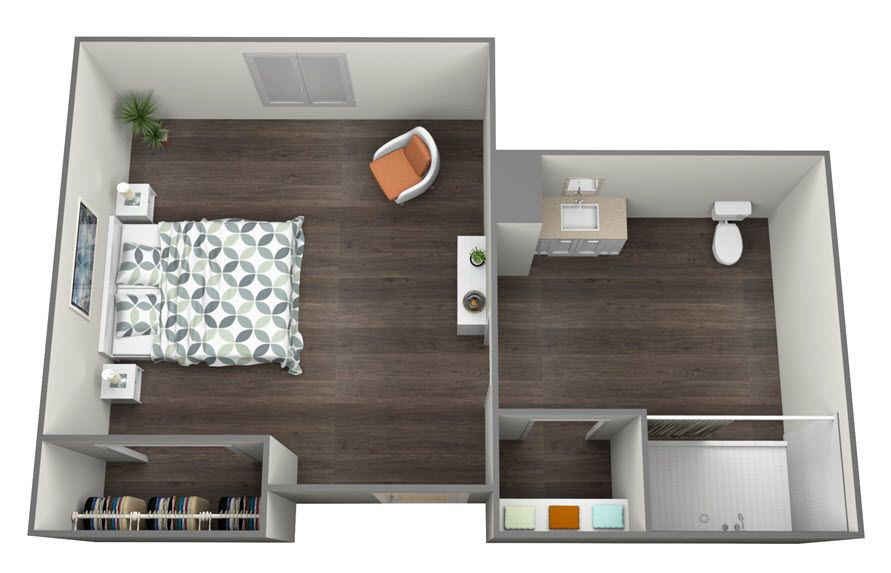
The Ridgeview one-bedroom model, for example, provides around 500 square feet of well-planned space, incorporating essential amenities like a kitchenette and a cozy living area. You’ll discover how the design fosters a sense of home while maintaining functionality.

With careful attention to detail, even the most minor units include ample storage solutions to organize personal items.

In a two-bedroom option, like South Pointe, you’ll appreciate the clever use of space, allowing for companionship while providing individual privacy.

The focus on comfort and community guarantees that residents feel secure and supported. Additionally, these floor plans often include features that facilitate personalized care services, ensuring each resident receives tailored support to meet their unique needs. These small assisted-living floor plans create an inviting atmosphere for both residents and their families, making it easier for everyone to thrive in a nurturing environment.

Assisted living design guidelines

Small assisted-living floor plans create an intimate and supportive environment, but the design guidelines truly enhance the experience for residents. When designing these spaces, focus on creating a layout that promotes ease of movement and accessibility.

Wide doorways and hallways allow for wheelchairs and walkers, ensuring everyone can navigate their home comfortably. Incorporating natural light is essential, so prioritize large windows that brighten living areas and foster a warm atmosphere.

Use non-slip flooring to enhance safety, especially in common areas and bathrooms. Ergonomic furniture is key; select pieces that support residents’ comfort while being easy to use.

Consider the inclusion of personal touches, like customizable options for color schemes and décor. This empowers residents to express their individuality and feel at home.

Finally, communal spaces, like cozy lounges or activity rooms, should be created that encourage social interaction. These areas foster community connections and enhance residents’ quality of life. Additionally, ensuring that the design incorporates nutritious dining options can significantly contribute to the overall well-being of residents.

4 things that are normally indicated on a long-term care facility floor plan

A well-designed long-term care facility floor plan typically includes several essential elements that enhance both functionality and comfort for residents.

You’ll want to guarantee that the layout promotes ease of movement while providing a warm, inviting atmosphere. Here are some key features often indicated on these floor plans:

  • Common Areas: Spaces for socializing, dining, and activities, encouraging community interaction.
  • Private Living Spaces: Individual rooms or apartments designed for comfort and personalization, allowing residents to feel at home.
  • Accessible Bathrooms: Features like grab bars and roll-in showers guarantee safety and independence for all residents.

These elements fulfill practical needs and foster a sense of belonging and community. Additionally, including access to amenities and services can significantly enhance residents’ overall experience and quality of life.

The thoughtful arrangement of these spaces can impact residents’ quality of life. As you explore these floor plans, consider how each area flows together, creating a harmonious environment that meets both physical and emotional needs.

Your goal is to curate a space that prioritizes care, comfort, and connection, guaranteeing that every resident feels valued and at ease in their new home.

In the heart of a cozy living space at The Oaks at Paso Robles, you find a gentle hum of laughter and freshly brewed coffee wafting from the kitchenette. Here, wide doorways invite easy movement and thoughtfully designed storage keeps everything close at hand. Glancing around, you sense a perfect balance of comfort and functionality, where every corner feels like home. Embracing independence while fostering connection, these small assisted living floor plans truly create a warm, welcoming haven. For more information, please call us at (805) 239-5851.


How to Increase Appetite in Seniors: Better Nutrition Tips

How to Increase Appetite in Seniors: Tips for Better Nutrition

You might find that your loved ones at The Oaks at Paso Robles are struggling with their appetite, which can impact their overall health. Creating a pleasant mealtime environment and serving visually appealing, nutrient-dense meals can make a significant difference. It’s also helpful to encourage social interactions during meals and to establish consistent routines to stimulate hunger signals. But what other strategies can you implement to guarantee they get the nutrition they need? Exploring various supplements and dietary adjustments could be key to enhancing their appetite and well-being.

How to Increase Appetite in Seniors

How can you help increase appetite in seniors? Understanding the factors affecting their eating habits is essential. Many seniors experience a decline in appetite due to reduced energy levels, changes in taste and smell, and potential medical issues.

Start by ensuring there are no underlying health concerns that could be influencing their appetite.

Creating a pleasant mealtime atmosphere can make a significant difference. Present visually appealing meals, and consider serving small, nutrient-dense portions to avoid overwhelming them.

Encourage social interactions during meals; sharing food with family or friends can enhance the dining experience and make eating more enjoyable.

Establishing a consistent meal routine helps trigger hunger signals, making meals feel more familiar. You might also offer easy-to-eat finger foods that require less effort to enjoy.

Additionally, consider introducing enjoyable mealtime events or themes to spark interest in food. Implementing tailored dietary plans can also help ensure that the meals served meet individual nutritional needs.

Lastly, remember that hydration is essential. Encourage seniors to drink water throughout the day to enhance their appetite.

Supplements to Increase Appetite in Elderly

Many seniors struggle with appetite loss, but certain supplements can help stimulate their interest in food.

Before introducing any supplement, it’s vital to consult with a healthcare professional to guarantee safety and appropriateness. Here are some supplements that may help:

  • Omega-3 Fatty Acids: These are found in fish oil and can enhance appetite and improve overall health.
  • Zinc: This mineral is essential in taste and smell, and a deficiency can lead to reduced appetite.
  • Vitamin D: Adequate levels may improve mood and well-being, potentially stimulating appetite.
  • Probiotics promote gut health and can help alleviate gastrointestinal discomfort, making eating more enjoyable.
  • Protein Supplements: Nutrient-dense shakes can provide necessary calories and encourage regular intake.

Incorporating these supplements into a senior’s diet can be beneficial, but remember to pair them with nutrient-rich foods. Good nutrition is essential for health and longevity, especially for seniors.

Supporting their nutritional needs, you help foster a healthier lifestyle, making mealtimes more enjoyable and less intimidating.

Always prioritize their comfort and preferences in the process.

how to increase appetite in seniors

Appetite Stimulant for Elderly with Dementia

For seniors with dementia, stimulating appetite can be particularly challenging due to cognitive decline and changes in behavior. One practical approach is using appetite stimulants, which can range from medications prescribed by a healthcare professional to natural options like herbal supplements. It’s crucial to consult with a doctor before starting any stimulant to guarantee safety and appropriateness.

Here’s a quick reference table to help you consider various appetite stimulants and their uses:

Appetite Stimulant Notes
Megestrol Acetate Prescription medication to boost appetite.
Dronabinol Cannabinoids that may enhance appetite.
Mirtazapine Antidepressants that can increase hunger.
Ginger or Peppermint Herbal options to stimulate digestion.
Nutrient-dense snacks Provide easy-to-eat food choices.

Using these appetite stimulants, along with strategies like creating a pleasant mealtime atmosphere and offering visually appealing foods, can make a significant difference. Additionally, ensuring that meals are packed with essential nutrients is crucial for their health and well-being. Remember, the goal is to guarantee your loved one enjoys mealtime, which is crucial for their overall health and well-being.

In the garden of life, nurturing your appetite can bloom into vibrant health. At The Oaks at Paso Robles, we believe that by creating a welcoming mealtime atmosphere, embracing nutrient-rich foods, and fostering social connections, you can help seniors thrive. Seniors benefit from tailored dietary plans, hydration, and thoughtful supplements like a flower that needs sunlight and water. Remember, every small step you take toward enhancing your nutrition can lead to a flourishing, more enjoyable mealtime experience. For more information or assistance, please contact us at (805) 239-5851. Let’s cultivate this journey together for a brighter, healthier tomorrow.


What Level of Care Do You Need?

Discover the level of care you or your family member requires. 


FAQs: Appetite and Nutrition in the Elderly

What causes an old person to lose their appetite?

Loss of appetite in older adults can result from various factors, including medical conditions such as chronic illnesses, medication side effects, depression, or changes in taste and smell. Additionally, reduced physical activity and slower digestion as part of aging can contribute to this issue.

What are appetite stimulants for elderly people?

Appetite stimulants for the elderly may include certain medications like megestrol acetate or mirtazapine, prescribed by a doctor. Non-medical approaches, such as serving small, nutrient-dense meals, incorporating favorite foods, or using herbs and spices to enhance flavor, can also help stimulate appetite.

What happens when an elderly person eats very little?

When an elderly person eats very little, they risk malnutrition, weight loss, and a weakened immune system. Over time, this can lead to decreased muscle strength, slower wound healing, and an increased likelihood of infections or other health complications.

What foods are good for the elderly with no appetite?

Nutrient-dense foods like soups, smoothies, yogurt, eggs, and soft fruits are good choices for elderly individuals with reduced appetite. Foods rich in calories and protein, such as nut butters, avocados, and milkshakes, can provide essential nutrients in smaller portions.


How Levels of Assisted Living Care Match Elder’s Needs

Imagine your mother, who once thrived on independence, now struggles with daily tasks like bathing and preparing meals. You might find yourself questioning the level of assistance she needs and how to support her best while respecting her autonomy. Understanding the various levels of assisted living care offered at The Oaks at Paso Robles can help you navigate this challenging situation, but figuring out where to start may feel overwhelming. What if the right choice at The Oaks could greatly enhance her quality of life?

Levels of Assisted Living Care

Understanding the levels of assisted living care is essential for making informed decisions about your or your loved one’s needs. These levels can vary significantly among communities, but generally, they focus on assistance with activities of daily living (ADLs), like bathing, dressing, and mobility.

Level one typically addresses basic needs, offering morning wake-up visits and reminders while emphasizing independence. If your loved one requires more help, level two might be appropriate, as it assists with at least one ADL, combining supervision with hands-on support tailored to their individual needs.

It’s essential to remember that evaluating physical and mental well-being is critical in determining care levels and associated costs. Higher care needs usually mean higher expenses, so understanding these distinctions is key. Additionally, personalized care plans ensure that each resident receives support.

Ultimately, knowing the different levels of care helps you advocate effectively for your loved one, ensuring they receive the support they truly need.

Regular evaluations can help adjust care plans as circumstances change, providing peace of mind that your loved one is in the right environment for their unique situation.

Assisted Living Facility Services

When choosing an assisted living facility, the range of services offered can significantly impact your loved one’s quality of life. These services typically include assisting with daily activities like bathing, dressing, and preparing meals.

Finding a facility that supports your loved one’s specific needs is essential, ensuring they can maintain their independence while receiving necessary care.

Look for facilities that offer personalized care plans, which can adjust as your loved one’s needs evolve. Many communities also provide social activities, transportation services, and wellness programs, encouraging engagement and connection. This holistic approach promotes physical health and nurtures mental and emotional well-being. Additionally, consider how facilities offer emergency response readiness, as timely assistance can be vital in maintaining safety.

Remember, you’re not just looking for a place to live; you’re seeking a supportive environment that fosters dignity and respect.

Assisted Living Level of Care Assessment Tool

Evaluating the level of care needed for a loved one in assisted living is important in guaranteeing their well-being and comfort. The Assisted Living Level of Care Assessment Tool is designed to guide you through this process. This tool assesses your loved one’s physical and mental health, focusing on their ability to perform activities of daily living (ADLs) like bathing, dressing, and mobility.

Typically, the assessment involves a thorough evaluation by trained staff, who may observe your loved one in various scenarios. You’ll find that assessments often use a scoring system, helping identify specific needs and any changes over time. Financial planning is also essential to ensure that the chosen care level fits within budgetary constraints.

Regular reassessments are vital, as your loved one’s needs may evolve, prompting any necessary adjustments in their care plan.

As you navigate this journey, remember that family involvement can be invaluable. Your observations can help trigger a reevaluation if you notice changes in their condition.

Finding the right level of assisted living care for your loved one is like tuning a musical instrument; each string needs the proper tension to create harmony. At The Oaks at Paso Robles, we understand that you can strike that perfect balance of support and independence by evaluating your daily living abilities. As their needs change, stay attentive and adjust the care plan accordingly. This thoughtful approach promotes their well-being and guarantees they live with dignity, surrounded by the respect they deserve. For more information, please call us at (805) 239-5851.


Compare The Costs of Senior Living vs Staying at Home

How Do The Costs Of Moving Into A Quality Senior Care Community Compare With The Costs Of Staying At Home?


FAQs About Levels of Care in Assisted Living and Nursing

What are the different levels of assisted living?

Assisted living typically includes several levels of care to accommodate residents’ varying needs. These levels range from basic support with daily activities, such as bathing and dressing, to more advanced care for individuals requiring help with mobility or managing chronic medical conditions. Care levels are determined through assessments to ensure residents receive personalized support.

What does level 3 mean in assisted living?

Level 3 care in assisted living often refers to advanced care needs, such as managing complex health conditions or providing extensive assistance with daily activities. It may include support with medication management, mobility aids, and closer health monitoring compared to lower levels of care.

What are the 4 levels of care in nursing?

The four levels of care in nursing generally include skilled nursing care, rehabilitative care, long-term care, and palliative or hospice care. Each level addresses specific needs, from short-term recovery and therapy to ongoing medical supervision and comfort-focused end-of-life care.

What is level 5 care in assisted living?

Level 5 care in assisted living is typically the highest level of care offered, designed for residents with significant medical or personal care needs. It may involve comprehensive health monitoring, full assistance with daily living activities, and coordination with healthcare providers to manage complex conditions.


Is Assisted Living a Nursing Home? Know the Difference

Is Assisted Living a Nursing Home? Know What Sets Them Apart

Just as a tailored suit fits better than a generic one, understanding the differences between assisted living and nursing homes can significantly impact your or a loved one’s quality of life at The Oaks at Paso Robles. While both offer care and support, they cater to different needs and lifestyles. You might wonder which option aligns best with your specific situation. Considering the nuances between these two types of facilities, exploring what truly sets them apart and how each environment serves its residents at The Oaks at Paso Robles is essential.

Is Assisted Living a Nursing Home

When considering long-term care options, you might wonder, “Is assisted living the same as a nursing home?” The answer is no; while both provide support for daily living, they cater to different needs.

Assisted living is designed for individuals who need help with daily activities but don’t require the extensive medical care that nursing homes offer. In assisted living facilities, residents typically enjoy their private apartments or rooms and have access to shared common areas.

Services include meals, personal care assistance, medication management, and various social activities. These environments foster independence while offering the necessary support to guarantee residents’ well-being. Additionally, personalized care services ensure that each resident’s unique needs are met with empathy and attentiveness.

On the other hand, nursing homes focus on providing skilled nursing care, 24-hour supervision, and rehabilitation services. They can handle more complex health issues and provide more medical attention.

Understanding these differences is essential when helping a loved one find the proper care setting. By recognizing the unique offerings of assisted living, you can better serve those in need and guarantee they receive the appropriate level of care and support for their lifestyle and health requirements.

Difference Between Assisted Living and Nursing Home

Assisted living and nursing homes differ markedly in the level of care they provide and the environment they create for residents.

You’ll find a more independent lifestyle in assisted living, focusing on personal care assistance with daily activities like bathing, dressing, and medication management. Residents often enjoy private apartments, fostering a sense of home and community.

In contrast, nursing homes offer a higher level of medical care. They provide 24-hour supervision and skilled nursing services, making them ideal for individuals with significant health needs. Residents here typically require more extensive support, including rehabilitation services like physical and occupational therapy.

The atmosphere also varies. Assisted living facilities are often designed to promote social engagement with communal spaces and planned activities. Nursing homes, however, focus more on medical needs and may feel more clinical.

Ultimately, the choice between assisted living and nursing homes depends on your needs and preferences. Understanding these differences can guide you in making the best decision for yourself or your loved ones, ensuring that they receive the appropriate care in a supportive environment. A qualified healthcare team ensures high standards of care in assisted living, prioritizing residents’ overall well-being.

is assisted living a nursing home

Nursing Home vs Assisted Living Cost

How do the costs of nursing homes and assisted living compare? When considering care options, understanding the financial implications is vital.

Generally, assisted living is less expensive than nursing homes. Assisted living facilities typically charge a monthly fee ranging from $2,500 to $5,000, depending on the services and amenities offered. This option includes personal care assistance, meals, and social activities, making it a cost-effective choice for those who need help but don’t require extensive medical care.

In contrast, nursing homes can be considerably more costly, often exceeding $7,000 monthly. This higher price reflects the round-the-clock medical care, supervision, and rehabilitation services.

While Medicare may cover some short-term stays in nursing homes, it generally doesn’t support long-term care. Medicaid can help eligible individuals, but managing these options can be complex. Additionally, the level of care required will significantly influence the decision between assisted living and nursing homes.

Ultimately, understanding these costs is essential for making informed decisions that best serve the needs of your loved ones. It’s wise to evaluate both options carefully, considering the financial aspects and the level of care required.

In summary, assisted living and nursing homes provide essential care, but they cater to different needs. Assisted living at The Oaks at Paso Robles fosters independence with a community feel, while nursing homes offer round-the-clock medical supervision. Understanding these differences can be like traversing a labyrinth, but it’s vital for finding the right fit for you or your loved one. By knowing what each option entails, you can make an informed choice that guarantees comfort and well-being in the right environment. For personalized guidance, contact The Oaks at Paso Robles at (805) 239-5851.


Find Where You Belong

Dive into the vibrant life our Westmont communities have to offer.


Frequently asked questions

1. How does assisted living differ from a nursing home?

Assisted living provides support with daily activities like bathing, dressing, and medication management while promoting independence in a home-like setting. Nursing homes offer higher levels of medical care and supervision, often for individuals with significant health issues or disabilities requiring 24/7 medical attention.

2. How is most assisted living care usually paid for?

Depending on eligibility and the state’s program, assisted living care is often paid for through private funds, long-term care insurance, or Medicaid. Medicare generally does not cover assisted living costs, but veterans may qualify for additional benefits.

3. What is the disadvantage of an assisted living facility?

One disadvantage is the cost, which can be significant and may not be covered by insurance or government programs. Additionally, some individuals may struggle with the transition, losing independence or disconnection from their previous community.

4. What is the politically correct term for a nursing home?

The preferred term for a nursing home is often “skilled nursing facility” or “long-term care facility.” These terms reflect professional care and support while avoiding outdated or potentially negative connotations.


Westmont Living Communities Offer Technology Training

Technology training isn’t just for the young, as many senior living residents have a desire to keep up with the new tech gadgets so that they can communicate with extended family members. Some residents just crave life-long learning. Either way, both groups are benefitting from an ongoing technology program which is a part of Westmont’s Live Your Way® program–Westmont’s holistic approach to whole-body wellness. The weekly dose of technology training uses Epylog, a research-backed, video storytelling program that intentionally uses answer videos to offer optimal learning and cognitive retention for active adults and seniors. At Westmont, it is taught by activity professionals who customize the sessions based upon those who attend the classes. Finally, it’s never too late to be reminded of the importance of technology for all ages by remembering National Technology Day in January!

Westmont Living Cares: Southern California Strong!

Southern Californians know the devastation that firestorms create and the stressful impact this has on families. We have compiled some options and resources to help during this time and when you need to plan ahead. Together, we can navigate these challenges and support one another. Stay safe.


Housing for Seniors:

If you have a senior who needs temporary housing:  Westmont of Culver City, Westmont of Riverside and Westmont of Cypress may have short-term apartment availability. San Diego Communities that have short term, rental furnished apartments are Westmont of Escondido, Westmont of Carmel Valley, Westmont of Encinitas, Westmont of La Mesa and Westmont at San Miguel Ranch  Please contact the Community Relations Director within these communities directly.


Resources During an Emergency

  • Los Angeles Fire Department (LAFD): lafd.org for fire updates and resources.
  • American Red Cross: Find local shelters and assistance: redcross.org.
  • Air Quality Updates: Check airnow.gov for real-time air quality levels in your area.
  • Local Assistance Centers: Contact your local emergency services for temporary housing and support options.


Volunteering and Donation Opportunities

  1. Donate: Contribute to reputable organizations who are also first responders such as California Fire Foundation and The Salvation Army 
  2. Volunteer: Offer your time at local shelters or distribution centers.
  3. Support Local First Responders: Send snacks, water, or thank-you notes to fire stations.
  4. Check on Neighbors: Ensure seniors, those with disabilities, and pets are safe and have transportation in case of evacuation.


Emergency Preparedness: Ahead of an Emergency 

  1. Create an Evacuation Plan:
    • Identify multiple exit routes from your home and community.
    • Have a designated meeting spot for your family.
    • Ensure everyone knows how to safely evacuate, including seniors and pets.
  2. Pack an Emergency Kit:
    • Include essentials like water, non-perishable food, medications, copies of important documents, flashlights, batteries, and a first-aid kit.
    • Don’t forget personal hygiene items and face masks for smoke protection.
  3. Protect Your Home:
    • Clear dry vegetation and debris at least 30 feet from your home.
    • Close windows and doors and set your home’s HVAC system to recirculate air if smoke levels rise.


Most important is to stay informed by signing up for local emergency alerts through Cal Fire or your county’s alert system. And, following local news and social media sites for real-time updates.

Floor Plans & Pricing

Make yourself at home where a happy, healthy lifestyle goes hand-in-hand with your personal fulfillment, enrichment, and growth.

Answer a few quick questions to unlock the exciting future senior living can offer!

Resident Login