

Step Into Westmont Living®

Change in Food and Drink Preference at Different Age Groups

How Food and Drink Preferences Change in Different Age Groups

It’s fascinating how your taste buds can transform as you age, shifting from the sweet cravings of childhood to the more complex flavors sought in adulthood. At The Oaks at Nipomo, you might find yourself questioning why certain foods no longer appeal to you or why you suddenly crave healthier options. These changes aren’t random; they reflect your evolving nutritional needs and experiences. So, what drives these changes in preferences, and how do they align with your body’s requirements at different life stages?

Food and Drink preferences at different age groups

Food and drink preferences vary considerably across different age groups, influenced by both biological and social factors.

Children often gravitate towards sweeter flavors, with studies showing a marked preference for sugary treats like candy and fruit. This attraction can be attributed to their heightened sensitivity to sweet tastes, which may affect their energy needs and growth.

As individuals shift into adolescence, their flavor preferences can expand, but sweet and salty tastes dominate.

In contrast, adults typically exhibit more complex flavor profiles, often favoring bitter and umami tastes. This change may stem from alterations in taste bud sensitivity and exposure to diverse foods over time.

Social influences, such as cultural norms and peer preferences, also shape these choices, leading to a wider acceptance of varied flavors in adulthood. Additionally, understanding the importance of proper nutrition in different age groups can help promote healthier eating habits tailored to each demographic’s needs.

Understanding these differences is significant, especially in public health and nutrition fields. By recognizing age-related flavor preferences, you can better tailor food options and interventions that resonate with different demographics, ultimately promoting healthier eating habits and food choices across the lifespan.

food and drink preferences at different age groups

Nutritional needs at different stages of life

As individuals progress through different life stages, their nutritional needs evolve considerably, reflecting growth, metabolism, and activity level changes. Understanding these needs is vital for promoting health and well-being across the lifespan. Additionally, good nutrition is essential for reducing chronic disease risk and enhancing longevity in older adults.

Life Stage Key Nutritional Needs Examples of Food Sources
Infancy High calorie and protein intake Breast milk, formula, pureed fruits
Childhood Essential vitamins and minerals Fruits, vegetables, whole grains
Adolescence Increased calcium and iron Dairy products, lean meats, nuts
Adulthood Balanced intake of macronutrients Lean proteins, whole grains, legumes
Older Adults Fiber and lower sodium intake Whole grains, fruits, vegetables

For infants, you focus on caloric density to support rapid growth. Children need a variety of nutrients to fuel their active lifestyles. Adolescents should prioritize calcium and iron for bone health and growth. In adulthood, a balanced diet supports overall health, while older adults benefit from fiber to aid digestion and maintain heart health. Tailoring food choices to these needs can enhance the quality of life at every age.

What are nutrients adults need

Maintaining a balanced diet throughout adulthood is essential for overall health and well-being. Your nutrient needs change as you age, but certain essentials remain constant.

Adults require adequate muscle maintenance and repair protein, with sources including lean meats, beans, and nuts. Aim for a minimum of 46 grams for women and 56 grams for men each day.

Calcium and vitamin D are critical for bone health, especially as you age. To meet these needs, incorporate dairy products, leafy greens, and fortified foods.

Adults should also focus on fiber, which aids digestion and can help manage weight; aim for 25-30 grams daily from whole grains, fruits, and vegetables.

Healthy fats are important, too. Opt for sources like avocados, olive oil, and nuts to support heart health. Additionally, incorporating fiber-rich foods can enhance digestive health and prevent chronic diseases.

Finally, don’t forget about hydration; water should be your primary beverage.

As you journey through life, your food and drink preferences will inevitably shift, reflecting your evolving taste buds and your body’s changing nutritional needs. Each age group presents unique challenges and opportunities, compelling you to explore new flavors and healthy options. What will your palate crave next? Understanding these changes can empower you to make informed choices, ensuring your diet supports your health and well-being at every stage. The best is yet to come! For guidance on healthy dining options tailored to your age group, reach out to The Oaks at Nipomo at (805) 723-5206.


What Level of Care Do You Need?

Discover the level of care you or your family member requires. 


FAQs on Food Preferences and Nutrition Across Age Groups

How do food preferences change with age?

Food preferences often change as people age due to shifts in taste sensitivity, health concerns, and lifestyle changes. Older adults may develop a preference for milder flavors, while children often favor sweeter or saltier tastes. Cultural or environmental factors can also influence these changes over time.

How do food habits vary among different age groups?

Food habits differ significantly among age groups, influenced by lifestyle, activity levels, and social factors. For example, young children may have simpler eating patterns focused on snacks and smaller meals, while adults often prioritize balanced meals. Teenagers may gravitate towards convenience foods, while older adults may focus more on nutrient-dense options.

How are the nutritional needs different for each age group?

Nutritional needs vary across life stages due to growth, development, and aging processes. Children require more nutrients like calcium and protein for growth, while teenagers need additional iron and vitamins for development. Adults benefit from a balanced diet to maintain health, whereas older adults may require increased vitamin D, calcium, and fiber to support bone health and digestion.

How does age influence our food and drink choices?

Age impacts food and drink choices through changing health priorities, taste preferences, and physical needs. Younger individuals might prefer high-energy or convenience foods, while older adults often seek nutrient-rich options to manage chronic conditions. Social and cultural factors also play a role, as people adapt their diets to fit their life stage and circumstances.




Westmont Living Communities Offer Technology Training

Technology training isn’t just for the young, as many senior living residents have a desire to keep up with the new tech gadgets so that they can communicate with extended family members. Some residents just crave life-long learning. Either way, both groups are benefitting from an ongoing technology program which is a part of Westmont’s Live Your Way® program–Westmont’s holistic approach to whole-body wellness. The weekly dose of technology training uses Epylog, a research-backed, video storytelling program that intentionally uses answer videos to offer optimal learning and cognitive retention for active adults and seniors. At Westmont, it is taught by activity professionals who customize the sessions based upon those who attend the classes. Finally, it’s never too late to be reminded of the importance of technology for all ages by remembering National Technology Day in January!

Top Ways to Manage Lack of Appetite in Elderly People

When managing the lack of appetite in elderly seniors, understanding the causes, exploring effective strategies, and implementing practical solutions are essential. At The Oaks at Nipomo, we recognize that small, nutrient-rich meals can make a difference while creating a welcoming atmosphere enhances mealtime enjoyment. Additionally, involving seniors in meal prep might reignite their interest in food. However, there’s more to reflect on, especially regarding the underlying health issues that could be at play. What strategies can you adopt to guarantee your loved ones maintain their nutritional health?

Lack of appetite in elderly

Lack of appetite in elderly individuals is a common concern that can greatly affect their overall health and well-being. When seniors experience decreased hunger, it often leads to inadequate nutrition, which can increase the risk of illness and even mortality.

It’s essential to recognize that this issue isn’t simply a part of aging; it can stem from various factors like chronic illnesses, medications, or changes in taste perception.

Being attentive to these changes can make a significant difference as a caregiver or loved one. Watch for signs such as rapid weight loss or difficulty swallowing, as these may indicate a need for intervention.

Encouraging smaller, more frequent meals can help stimulate appetite, making it easier for older adults to consume the necessary nutrients. Additionally, implementing tailored dietary plans can provide personalized meal options that cater to individual health needs.

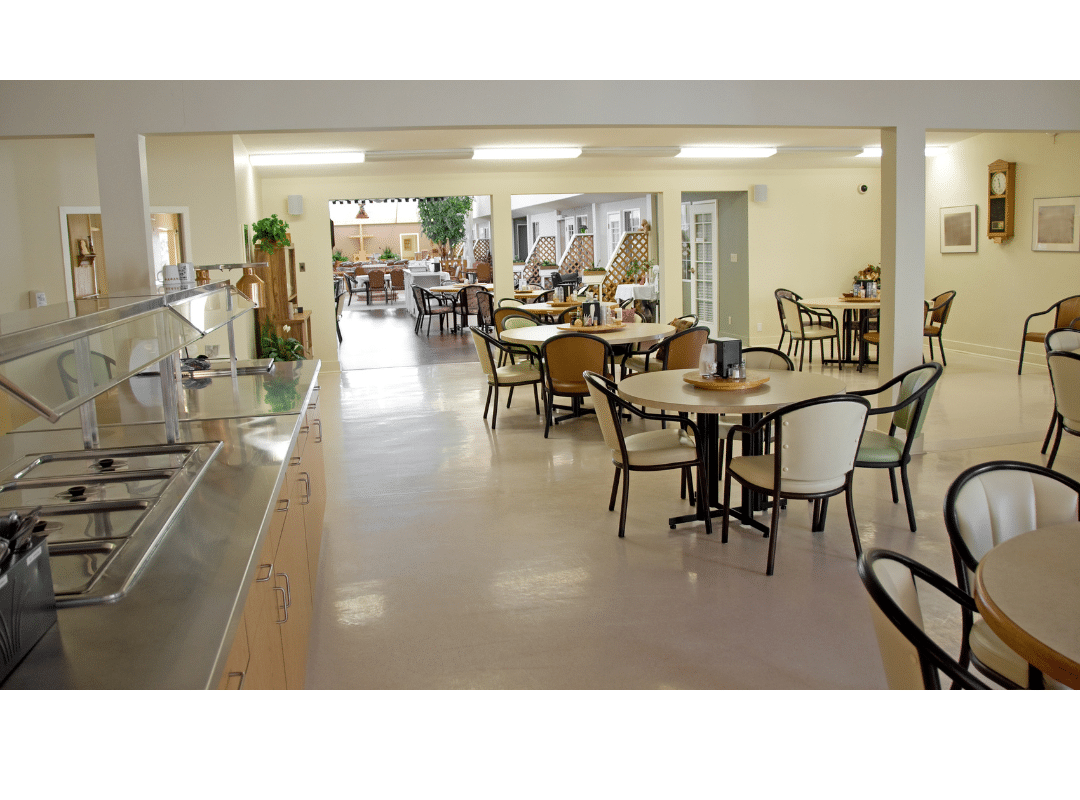
Creating a pleasant mealtime experience is equally important. Engaging in social dining or offering favorite foods can rekindle interest in eating.

Also, addressing hydration needs is important, as dehydration can suppress appetite. Understanding and addressing a lack of appetite can help your elderly loved ones maintain their health and quality of life.

lack of appetite in elderly

What causes sudden loss of appetite in elderly

When an elderly person suddenly loses their appetite, it can be a sign of underlying health issues that shouldn’t be overlooked. This sudden change might stem from various factors, including medical conditions like infections, thyroid disorders, or even cancer. These conditions can greatly impact their desire to eat and overall well-being.

Medications they’re taking can also play a role. Certain drugs may cause nausea, dry mouth, or changes in taste, making meals less appealing.

Additionally, psychological factors like depression and loneliness can lead to a decreased interest in food, especially in seniors living alone.

Physiological changes due to aging, such as altered sensory perception and gastrointestinal issues, can further diminish appetite. A decline in taste and smell often occurs, making food less enjoyable.

It’s important to monitor these changes closely, as sudden appetite loss can lead to rapid weight loss and increased health risks. Good nutrition is essential for health and longevity, particularly in seniors, and addressing appetite issues is crucial for maintaining their overall well-being.

Consulting a healthcare professional is vital if you notice a sudden drop in your loved one’s appetite. Identifying the root cause can help guide appropriate interventions and support their overall health and quality of life.

Treatment for loss of appetite in elderly

Effective treatment for loss of appetite in elderly individuals often involves a multi-faceted approach tailored to their unique needs. It’s important to recognize the underlying causes, such as medical conditions or medications, that may be contributing to this issue.

Here are three effective strategies you can implement:

  1. Create Enjoyable Meals: Focus on making mealtime a pleasant experience. Consider incorporating favorite foods, engaging colors, and inviting aromas to stimulate appetite.
  2. Frequent, Smaller Meals: Instead of three large meals, offer smaller, more frequent meals throughout the day. This can make eating less overwhelming and can help guarantee they get the necessary nutrients.
  3. Hydration is Key: Encourage regular fluid intake, as dehydration can greatly impact appetite. Offer a variety of beverages, such as herbal teas or flavored water, to make hydration more appealing. Additionally, prioritize senior nutrition to support their overall health and well-being.


In managing a lack of appetite in elderly seniors, remember that every little bit helps. You can make a significant difference by incorporating smaller, nutrient-dense meals, creating a warm dining atmosphere, and encouraging social interactions. Don’t hesitate to involve healthcare professionals for personalized guidance and address any health issues. For further assistance, you can contact The Oaks at Nipomo at (805) 723-5206. With a little patience and creativity, you can help your loved ones nourish their bodies and spirits, ensuring they thrive during their golden years.


Compare The Costs of Senior Living vs Staying at Home

How Do The Costs Of Moving Into A Quality Senior Care Community Compare With The Costs Of Staying At Home?


Questions About Appetite in the Elderly

What causes a lack of appetite in the elderly?

A lack of appetite in the elderly can result from various factors such as changes in metabolism, hormonal shifts, or side effects from medications. Psychological factors like depression, anxiety, or loneliness, as well as medical conditions such as chronic illnesses, digestive problems, or dementia, can also play a role.

Why do elderly individuals stop eating?

Elderly individuals may stop eating due to physical discomfort, difficulty chewing or swallowing, or changes in taste and smell that reduce food enjoyment. Medical conditions, emotional distress, or side effects from medication can also contribute to reduced interest in food.

How can you increase appetite in the elderly?

To increase appetite in the elderly, consider serving smaller, nutrient-dense meals throughout the day, incorporating foods they enjoy. Addressing underlying medical or dental issues, encouraging social meals, and adding natural flavor enhancers like herbs and spices can also help.

How do you treat appetite loss in the elderly?

Treatment involves identifying and addressing the underlying cause, such as medical conditions or medication side effects. A healthcare provider might recommend appetite stimulants, dietary changes, or supportive interventions like therapy for emotional distress.

Is it normal to lose your appetite when you’re older?

While some appetite changes are normal with aging due to slower metabolism and reduced energy needs, a significant or persistent loss of appetite is not typical. Investigating and addressing the underlying causes is essential to ensure proper nutrition.

What does it mean when an elderly person doesn’t want to eat?

When an elderly person doesn’t want to eat, it could indicate an underlying issue such as physical pain, depression, or an undiagnosed medical condition. It’s important to consult a healthcare provider to determine the cause and find appropriate solutions.

What is loss of appetite a symptom of?

Loss of appetite can be a symptom of a range of issues, including chronic illnesses like diabetes or heart disease, digestive problems, depression, or infections. It can also be an early warning sign of more serious conditions, such as cancer or cognitive decline, and warrants medical evaluation.


Westmont Living Cares: Southern California Strong!

Southern Californians know the devastation that firestorms create and the stressful impact this has on families. We have compiled some options and resources to help during this time and when you need to plan ahead. Together, we can navigate these challenges and support one another. Stay safe.


Housing for Seniors:

If you have a senior who needs temporary housing:  Westmont of Culver City, Westmont of Riverside and Westmont of Cypress may have short-term apartment availability. San Diego Communities that have short term, rental furnished apartments are Westmont of Escondido, Westmont of Carmel Valley, Westmont of Encinitas, Westmont of La Mesa and Westmont at San Miguel Ranch  Please contact the Community Relations Director within these communities directly.


Resources During an Emergency

  • Los Angeles Fire Department (LAFD): lafd.org for fire updates and resources.
  • American Red Cross: Find local shelters and assistance: redcross.org.
  • Air Quality Updates: Check airnow.gov for real-time air quality levels in your area.
  • Local Assistance Centers: Contact your local emergency services for temporary housing and support options.


Volunteering and Donation Opportunities

  1. Donate: Contribute to reputable organizations who are also first responders such as California Fire Foundation and The Salvation Army 
  2. Volunteer: Offer your time at local shelters or distribution centers.
  3. Support Local First Responders: Send snacks, water, or thank-you notes to fire stations.
  4. Check on Neighbors: Ensure seniors, those with disabilities, and pets are safe and have transportation in case of evacuation.


Emergency Preparedness: Ahead of an Emergency 

  1. Create an Evacuation Plan:
    • Identify multiple exit routes from your home and community.
    • Have a designated meeting spot for your family.
    • Ensure everyone knows how to safely evacuate, including seniors and pets.
  2. Pack an Emergency Kit:
    • Include essentials like water, non-perishable food, medications, copies of important documents, flashlights, batteries, and a first-aid kit.
    • Don’t forget personal hygiene items and face masks for smoke protection.
  3. Protect Your Home:
    • Clear dry vegetation and debris at least 30 feet from your home.
    • Close windows and doors and set your home’s HVAC system to recirculate air if smoke levels rise.


Most important is to stay informed by signing up for local emergency alerts through Cal Fire or your county’s alert system. And, following local news and social media sites for real-time updates.

Wound Care for Elderly Thin Skin: Prevention and Treatment Tips

Is it true that aging skin requires special attention to prevent wounds? If you’ve noticed that the skin of elderly individuals seems more fragile and prone to injury, you’re not alone in your concerns. At The Oaks at Nipomo, we understand that the nuances of wound care can make a significant difference in their comfort and healing. By exploring effective prevention strategies and treatment options, you can help safeguard against the risks of thin skin. But what specific steps can you take to guarantee their skin remains as healthy as possible?


Wound care for elderly with thin skin

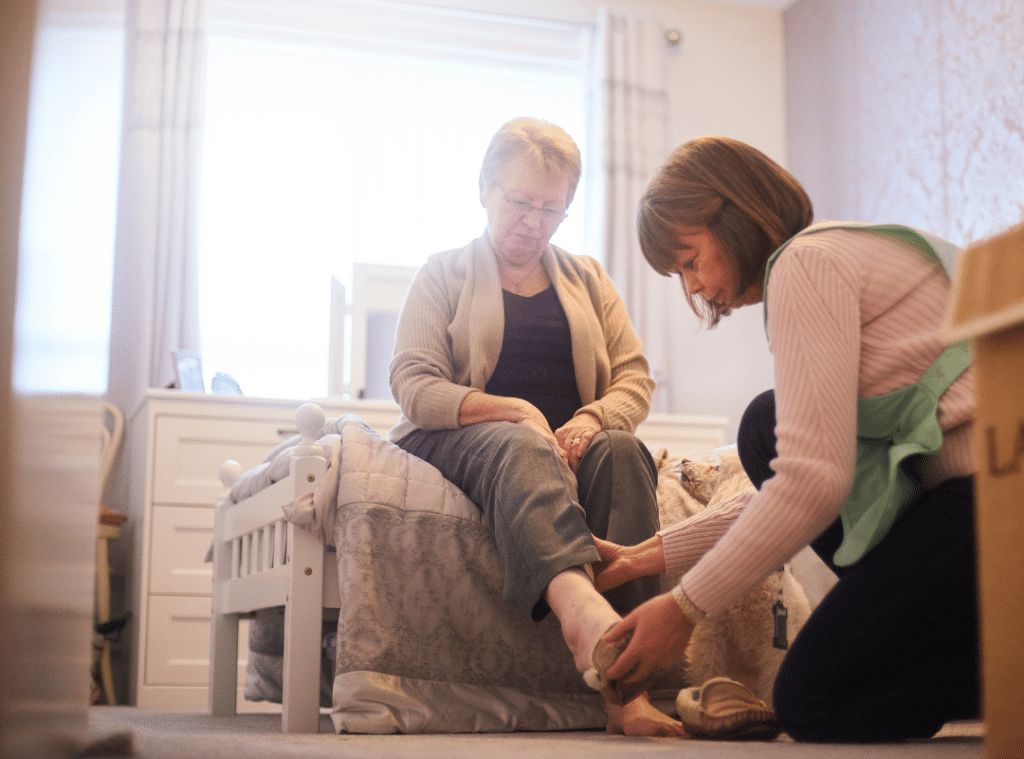
Wound care for the elderly with thin skin requires a thoughtful approach due to the skin’s increased fragility and susceptibility to injury. As caregivers, you need to be aware that aging leads to considerable structural changes in the skin, including a loss of collagen and elastin, making it thinner and more delicate. This increased fragility heightens the risk of skin tears, so your vigilance is essential.

Start by regularly evaluating the individual’s skin for any signs of damage or changes. When cleaning wounds, use mild soap and lukewarm water, avoiding harsh antiseptics that can further irritate fragile skin. If a skin tear occurs, gently reapproximate the flap and secure it with a non-adherent dressing to minimize trauma during changes.

Keeping the skin moisturized and hydrated is vital, as this supports elasticity and resilience. Encourage a well-balanced diet rich in nutrients that promote skin health, including nutrition and diet that play a crucial role in overall well-being.

Finally, consider environmental factors—removing sharp edges and ensuring proper lighting can greatly reduce the risk of accidental injuries. With attentive care and proactive measures, you can help maintain the integrity of elderly skin and enhance their quality of life.

Type 2 skin tear treatment

When managing a Type 2 skin tear, it’s important to act quickly and gently to promote healing.

Start by cleansing the area with sterile water or saline solution, avoiding harsh soaps that could irritate delicate skin. If there’s any bleeding, apply gentle pressure with a clean cloth or sterile gauze until it stops.

Next, carefully reposition the skin flap back into place, ensuring the edges align for best healing. Your tender touch matters here, as you want to minimize further trauma.

Once the flap is in position, choose a suitable dressing—soft silicone dressings are often preferred because they’re gentle on fragile skin and promote a moist healing environment.

Monitoring the wound regularly for signs of infection, such as increased redness, swelling, or discharge, is critical. If you notice any concerning changes, contact a healthcare professional promptly. Additionally, caregivers should be aware of the importance of personalized care services in supporting residents’ overall well-being during recovery.

Educating caregivers about these steps is fundamental, as their support can greatly impact the healing process.

wound care for elderly thin skin

Best dressing for skin tears in elderly

Choosing the best dressing for a skin tear in the elderly can greatly impact healing outcomes. You’ll want to consider dressings that protect delicate skin while promoting a moist wound environment for effective management.

Soft silicone dressings are often ideal; they minimize trauma during changes and adhere gently to fragile skin.

For low to moderate exudate, transparent film dressings work well, allowing for wound visualization while providing a barrier to contaminants. Hydrocolloid dressings are another excellent choice for moderate exudate; they help maintain moisture and support healing.

If the skin tear is more significant, foam dressings offer absorbency and cushioning, protecting the area from further injury. Non-adherent dressings are also beneficial as they reduce pain during dressing changes, which is essential for elderly patients who may be sensitive.

Whichever dressing you choose, monitoring the wound regularly for signs of infection or complications is important. Additionally, understanding the impact of age-related memory loss can help caregivers provide better support during healing.

Always consult with healthcare professionals for personalized recommendations tailored to the individual’s needs, ensuring the best possible outcomes in skin tear management. Your attentive care can make a real difference in their healing journey.

Taking care of wounds in elderly individuals with thin skin can feel overwhelming, but with the right approach, you can greatly improve their healing process. Have you considered how a simple change in dressing or a gentle cleaning routine could make a difference in their comfort? By staying proactive and attentive, you can protect their fragile skin and foster resilience, ensuring they enjoy a better quality of life despite the challenges age may bring. For more information and assistance, contact The Oaks at Nipomo at (805) 723-5206.


What Level of Care Do You Need?

Discover the level of care you or your family member requires. 


Questions on Wound Care and Skin Protection for Elderly with Fragile Skin

How do you treat thin skin wounds?

Treat thin skin wounds by gently cleaning the area with mild soap and water or a saline solution to remove debris. Apply a non-adherent or hydrogel dressing to keep the wound moist and promote healing. Always secure the dressing with gentle adhesives to avoid further skin damage.

What is the best wound care for a skin tear in the elderly?

The best care involves cleaning the wound with saline or a wound cleanser and gently repositioning any skin flap, if present. Use a silicone-based or non-adherent dressing to protect the area and encourage healing, ensuring the dressing is changed as per the healthcare provider’s instructions.

What is the best wound dressing for fragile skin?

Silicone dressings or hydrogel sheets are ideal for fragile skin as they are gentle and minimize trauma during removal. Foam dressings with soft borders also provide cushioning and protection while maintaining a moist environment for wound healing.

What helps thin skin in the elderly?

Proper hydration and nutrition can improve skin health, particularly by consuming foods rich in vitamins C, E, and collagen. Using moisturizers with ceramides or hyaluronic acid can strengthen the skin barrier, while gentle handling and avoiding harsh products help reduce further thinning.

How to prevent skin tears in the elderly?

Prevent skin tears by creating a safe environment free of sharp edges or clutter and encouraging the use of protective clothing or sleeves. Regularly moisturize the skin to keep it supple and avoid using adhesives directly on fragile skin. Additionally, educate caregivers on gentle handling techniques to minimize trauma.


Residential Care vs Assisted Living for Seniors: A Comparison

Comparing Residential Care Vs Assisted Living for Seniors

Choosing between residential care and assisted living for seniors can feel like maneuvering through a maze, with each path leading to different levels of support and community. At The Oaks at Nipomo, you might find that one option offers a cozy, intimate environment while the other promotes a vibrant social scene. Understanding these differences is essential, as they can greatly impact your loved one’s quality of life. What factors should you consider to guarantee the best fit? Exploring these aspects at The Oaks at Nipomo can uncover insights that might surprise you.


Residential Care vs Assisted Living

When deciding between residential care and assisted living for seniors, it’s crucial to understand the fundamental differences that can impact quality of life.

Assisted living facilities cater to seniors who need help with daily activities but still seek a degree of independence. They typically offer personal care services, such as bathing, medication management, and meal preparation, in a communal setting. These facilities range from 40 to 300 beds and provide 24/7 staff support, ensuring safety and assistance at all times.

On the other hand, residential care homes are smaller, often accommodating 10 to 15 residents. This environment fosters a more intimate atmosphere, allowing for personalized attention and deeper connections with caregivers. Many of these homes are converted residences, offering a homelike experience that can be comforting for seniors.

While both options provide crucial services, the choice between them often comes down to the level of care needed and the preference for social interaction. Additionally, social connection in these environments plays a significant role in enhancing residents’ overall well-being.

Understanding these differences can help you make an informed decision that prioritizes the well-being and happiness of your loved one.

residential care vs assisted living

Difference between Assisted Living and Nursing Home

Many families find themselves wondering about the differences between assisted living and nursing homes as they seek the best care options for their loved ones.

Here are three key distinctions to take into account:

  1. Level of Care: Assisted living facilities provide support with daily activities like bathing and medication management, while nursing homes offer more thorough medical care for individuals with serious health issues.
  2. Environment: Assisted living often resembles a community with apartments and social activities, whereas nursing homes tend to have a more clinical, institutional feel.
  3. Staffing: In assisted living, staff-to-resident ratios are typically lower, allowing for more personalized care. Nursing homes usually have more medical professionals available around the clock to handle complex needs.

Understanding these differences can help you make informed decisions. Additionally, comprehensive elderly services are often available in both settings to cater to residents’ needs.

If your loved one values independence and requires minimal assistance, assisted living may be a better fit. Conversely, if they need substantial medical supervision and care, a nursing home could be the right choice.

Each option has its merits, and assessing your loved one’s specific needs will guide you toward the best solution.

5 levels of care in assisted living

Levels of care in assisted living are crucial for guaranteeing that seniors receive the appropriate support tailored to their individual needs. Understanding these levels helps you make informed decisions about the services that best fit the seniors in your life.

Here’s a breakdown of typical levels of care in assisted living:

Care Level Description Services Included
Independent Living Minimal assistance needed Meal preparation, housekeeping
Assisted Living Help with daily activities needed Bathing, medication management
Memory Care Specialized care for dementia and Alzheimer’s 24/7 supervision, cognitive therapies
Skilled Nursing extensive medical care Nursing services, rehabilitation
Respite Care Short-term relief for caregivers Temporary housing, personal care

Each level provides specific services to meet varying needs, whether that’s assistance with daily tasks or more intensive medical support. By recognizing these levels, you can guarantee that seniors receive the right amount of care, allowing them to maintain their independence while receiving the help they need. Your thoughtful consideration plays a crucial role in enhancing their quality of life. Additionally, the needs-based assessment ensures that care plans are tailored to the specific needs of residents, promoting their overall well-being.

In choosing between residential care and assisted living, it’s crucial to evaluate your unique needs and preferences. Notably, nearly 70% of seniors will require some form of long-term care in their lifetime, highlighting the importance of making an informed decision. Residential care offers a close-knit environment with personalized attention, while assisted living fosters independence and social interaction. At The Oaks at Nipomo, we are dedicated to helping you navigate these options. Ultimately, the right choice can greatly enhance your quality of life, ensuring you receive the support you deserve. For more information, please call us at (805) 723-5206.


Compare The Costs of Senior Living vs Staying at Home

How Do The Costs Of Moving Into A Quality Senior Care Community Compare With The Costs Of Staying At Home?


Questions About Residential Care and Assisted Living

Q: What is an example of residential care?
A: Residential care includes settings like group homes or facilities where individuals receive personal support, such as help with daily activities (e.g., bathing, dressing, and meals). These environments provide a home-like atmosphere with 24/7 supervision for those who need assistance but not intensive medical care.

Q: What is the difference between a personal care home and assisted living?
A: Personal care homes generally focus on providing basic assistance with daily activities, often in a smaller, more intimate setting. Assisted living facilities typically offer a broader range of services, including social activities, medication management, and more extensive support for residents who are still relatively independent.

Q: What is another name for a residential care facility?
A: Residential care facilities are also known as group homes, adult care homes, or board and care homes. These terms vary by region but describe similar services for individuals needing assistance in a residential setting.

Q: What is the difference between a residential care home and a care home?
A: A “residential care home” typically refers to smaller facilities that provide personal care in a home-like environment. In contrast, “care homes” is a broader term that can include residential and nursing homes that offer medical services.

Q: When should someone move from assisted living to a nursing home?
A: A move from assisted living to a nursing home is often needed when an individual requires round-the-clock medical care or rehabilitation services that assisted living cannot provide. This transition is common for those with significant mobility issues, advanced dementia, or chronic medical conditions requiring skilled nursing care.

Q: What is a residential care facility?
A: A residential care facility is a housing option for individuals who need assistance with daily activities but do not require intensive medical care. These facilities provide personal care, meals, social activities, and 24-hour supervision in a community setting.

Q: What is the difference between assisted living and a nursing home?
A: Assisted living focuses on helping residents maintain independence by providing support with daily tasks in a community setting, often with private apartments. On the other hand, nursing homes offer comprehensive medical care and supervision for individuals with more complex health needs.

Q: Who qualifies for assisted living?
A: Individuals who qualify for assisted living are typically older adults or people with disabilities who need help with daily activities such as bathing, dressing, or managing medications but do not require extensive medical care. Assisted living is a great option for those who value independence but benefit from support and social engagement.


What Technology is Used in Assisted Living Facilities

What Technology Is Used in Assisted Living Facilities for Care

In assisted living facilities like The Oaks at Nipomo, technology serves as a silent yet powerful ally in providing exceptional care for residents. Smart home devices, health monitoring systems, virtual reality therapy, medication management apps, and emergency response systems are just a few examples of how technology is revolutionizing the way care is delivered. The integration of these cutting-edge tools not only streamlines operations but also enhances the overall well-being of residents in ways that were previously unimaginable. These advancements are shaping the future of assisted living care at The Oaks at Nipomo, ensuring a more personalized and efficient approach to meeting residents’ needs.

Smart Home Devices

With the rise of technology in assisted living facilities, smart home devices have revolutionized the way residents interact with their living spaces. Through remote monitoring, caregivers can keep a watchful eye on residents without intruding on their privacy. This technology provides peace of mind to both residents and their families, knowing that assistance is readily available if needed. Personalization options allow residents to tailor their living environment to their specific needs and preferences. From adjusting lighting to setting the thermostat, smart home devices empower residents to create a space that truly feels like home. These options not only enhance comfort but also promote independence and autonomy. Imagine being able to control your surroundings with a simple voice command or the touch of a button. Smart home devices make this a reality, fostering a sense of empowerment and convenience for residents. By embracing this innovative technology, assisted living facilities are providing a higher level of care and support to those they serve. In addition, prioritizing safety devices such as smart doorbells ensures a secure living environment for residents.


Health Monitoring Systems

As residents in assisted living facilities embrace the convenience and empowerment of smart home devices, the focus now shifts towards enhancing their health monitoring systems. Remote monitoring has revolutionized the way caregivers keep track of residents’ health in real-time. Through wearable devices or sensors placed around living spaces, essential signs like heart rate, blood pressure, and activity levels can be continuously monitored. These systems provide caregivers with instant alerts in case of any irregularities, allowing for prompt intervention.

Data analysis plays a vital role in health monitoring systems by identifying patterns and trends in residents’ health data. By analyzing this information, caregivers can predict potential health issues before they escalate, leading to proactive care that improves overall well-being.

Furthermore, data-driven insights can help in creating personalized care plans tailored to each resident’s specific needs. The integration of remote monitoring and data analysis not only enhances the quality of care but also provides residents with a sense of security and comfort knowing that their health is closely monitored.

Virtual Reality Therapy

Immerse yourself in a new realm of therapeutic possibilities with Virtual Reality Therapy, a cutting-edge approach that’s revolutionizing care in assisted living facilities. Through immersive experiences, residents can engage in virtual journeys that transport them to tranquil landscapes, vibrant cities, or even nostalgic places from their past. This technology not only offers a form of entertainment but also provides cognitive stimulation, triggering memories, enhancing mood, and improving mental acuity. Virtual Reality Therapy allows individuals to participate in activities that may have been challenging due to physical limitations, fostering a sense of independence and achievement. Additionally, motion sensors and automated lighting can prevent accidents at home.

Medication Management Apps

Venture into a new frontier of personalized care with Medication Management Apps, a groundbreaking tool that streamlines the administration and tracking of medications for residents in assisted living facilities. These apps offer a range of benefits, including:

  • Personalized Reminders: Medication Management Apps provide timely reminders for residents, ensuring they never miss a dose and promoting medication adherence.
  • Remote Consultations: Through these apps, healthcare providers can conduct remote consultations to monitor medication effectiveness and adjust treatment plans as needed.
  • Centralized Medication Tracking: Residents, caregivers, and healthcare professionals can access a centralized platform to track medication schedules, dosages, and any related notes, fostering better communication and coordination.
  • These apps seamlessly integrate with the existing Medication Management systems in assisted living facilities, ensuring a comprehensive approach to medication administration.


What Level of Care Do You Need?

Discover the level of care you or your family member requires. 

Emergency Response Systems

Ready to enhance the safety and well-being of residents in assisted living facilities? Emergency Response Systems play a vital role in ensuring quick assistance during unforeseen situations. These systems often incorporate remote monitoring and fall detection technologies to provide round-the-clock support to residents. Remote monitoring allows caregivers to keep a close eye on residents without intruding on their privacy. By using sensors and cameras, staff can remotely observe activity levels and respond promptly in case of emergencies. Additionally, telemedicine and monitoring systems are integrated into these emergency response systems to enhance the overall quality of care provided to residents.

As you marvel at the technology enhancing the care at The Oaks at Nipomo, don’t forget the simple joy of a human touch. After all, nothing beats a warm smile, a comforting hug, or a listening ear. So, while technology may be the future of care, remember that sometimes the most powerful tool is good old-fashioned human connection.

For more information, please contact The Oaks at Nipomo at (805) 723-5206.


Retirement for Dummies: Easy Guide to Planning for the Future

Retirement for Dummies: Your Easy Guide to Planning Your Future

You might think that planning for retirement is too complicated and overwhelming. However, this quick retirement for dummies breaks down the process into simple, actionable steps that anyone can follow. From understanding the basics to creating a solid retirement savings plan, we got you covered. Whether you’re just starting your career or nearing retirement age, you can gain practical advice and expert insights to help you navigate the journey toward a secure financial future with The Oaks at Nipomo. So, are you ready to take the first step towards a worry-free retirement?

Understanding Retirement Basics

When it comes to retirement planning, understanding the basics is vital to setting yourself up for a secure future. Retirement options and saving strategies play a pivotal role in ensuring financial stability during your golden years. Retirement options encompass various vehicles such as 401(k) plans, Individual Retirement Accounts (IRAs), pensions, and Social Security benefits. Each option has its unique features and benefits, so it’s important to explore and understand them to make informed decisions.

Saving strategies are fundamental in building a robust retirement fund. Consistent contributions to retirement accounts, taking advantage of employer matching programs, and diversifying your investments are key components of effective saving strategies. Understanding the power of compound interest and starting to save early can greatly impact the growth of your retirement nest egg over time.


Setting Financial Goals

To ensure your retirement planning journey stays on track, it’s crucial to establish clear financial goals that align with your aspirations and lifestyle expectations. Budgeting strategies play a pivotal role in achieving these goals. Start by evaluating your current expenses and income to determine how much you can save for retirement each month. Consider creating a detailed budget that includes categories for essentials, savings, and discretionary spending. This will help you prioritize your retirement savings and guarantee you’re living within your means.

Long-term planning is vital when setting financial goals for retirement. Take into account factors such as inflation, healthcare costs, and potential changes in income. Set specific targets for your retirement savings based on your desired lifestyle during retirement. Regularly review and adjust your goals as needed to stay on track.


Find Where You Belong

Dive into the vibrant life our Westmont communities have to offer.


Exploring Investment Options

Explore various investment options as a necessary step in your retirement planning journey. Diversifying your portfolio is vital to mitigate risks and maximize returns. To make informed decisions, conduct a thorough risk assessment to align your investments with your financial goals and risk tolerance. Additionally, consider the long-term growth potential of stocks when crafting your investment strategy.

Creating a Retirement Savings Plan

As you embark on the journey of creating a retirement savings plan, it’s crucial to lay a strong financial foundation that will support you in your later years. Start by assessing your current financial situation and setting a budget that includes regular contributions to a savings account specifically designated for retirement. Consider using budgeting strategies such as tracking your expenses and identifying areas where you can cut back to allocate more towards savings.

Moreover, take advantage of retirement calculators available online to estimate how much you’ll need to save based on your desired retirement age and lifestyle. These tools can help you set realistic savings goals and adjust your budget accordingly.

Furthermore, if your employer offers a retirement savings plan, make sure to maximize any contributions they match. Employer contributions are essentially free money that can significantly boost your retirement savings over time.

Securing Your Retirement Income

Now, moving forward in your retirement planning journey, it’s time to focus on securing your retirement income. Ensuring a stable income during retirement is important for a worry-free future. Here are some key steps to help you secure your retirement income:

  1. Maximize Social Security benefits: Understand how Social Security works and explore strategies to optimize your benefits. Consider factors like when to start claiming benefits and how your work history affects your payments.
  2. Explore Pension Plans: If you have access to a pension plan through your employer, make sure to understand the details of the plan. Learn about the vesting schedule, contribution limits, and potential payout options.
  3. Consider Additional Income Streams: Look into other sources of retirement income, such as part-time work, rental properties, or investment dividends. Diversifying your income sources can provide added security.
  4. Consult with a Financial Advisor: Seeking advice from a financial professional can help you create a thorough retirement income plan tailored to your specific needs and goals. They can assist in optimizing your investments and maximizing your income potential.
  5. Addressing depression as part of memory loss management is essential for overall well-being and cognitive function.

As you commence on your retirement planning journey with The Oaks at Nipomo, remember that every step you take towards securing your financial future is like planting a seed for a bountiful harvest. Just as a gardener tends to their garden with care and patience, so too must you nurture your retirement savings with diligence and foresight. By following the guidance in “Retirement for Dummies,” you will sow the seeds of a prosperous and fulfilling retirement.

For more information, please contact The Oaks at Nipomo at (805) 723-5206.


Bronchitis in Elderly: Signs and When to Seek Help

Bronchitis in the Elderly: Signs, Risks, and When to Seek Help

Imagine bronchitis in the elderly as a subtle intruder, gradually tightening its grip on the unsuspecting. You may notice your loved one’s persistent cough lingering longer than usual, a hint of wheezing, or a weariness that doesn’t fade with rest. These signs could be the initial whispers of a more significant concern. But how do you decipher when bronchitis transforms into a more serious threat? Understanding the nuances of this respiratory condition in the elderly is vital for timely intervention and improved outcomes at The Oaks at Nipomo.

Overview of Bronchitis in Elderly

If you’re an elderly individual experiencing persistent coughing and shortness of breath, you may be dealing with bronchitis. Diagnosis challenges often arise in elderly patients due to overlapping symptoms with other conditions like pneumonia or chronic obstructive pulmonary disease. Healthcare providers need to conduct thorough evaluations, including physical exams, chest X-rays, and sputum tests, to accurately diagnose bronchitis in the elderly. Understanding the impact of bronchitis on lung function in seniors can guide appropriate care and treatment strategies for optimal recovery.


Common Signs and Symptoms

Elderly individuals with bronchitis often exhibit a range of common signs and symptoms that can indicate the presence of this respiratory condition. Some of these include persistent coughing, often producing green or yellow mucus, wheezing, shortness of breath, chest discomfort, fatigue, and mild fever. Diagnostic tests such as chest X-rays, sputum tests, and pulmonary function tests can help confirm the diagnosis of bronchitis in the elderly. Addressing these symptoms promptly is crucial for preventing falls in elderly individuals with bronchitis.

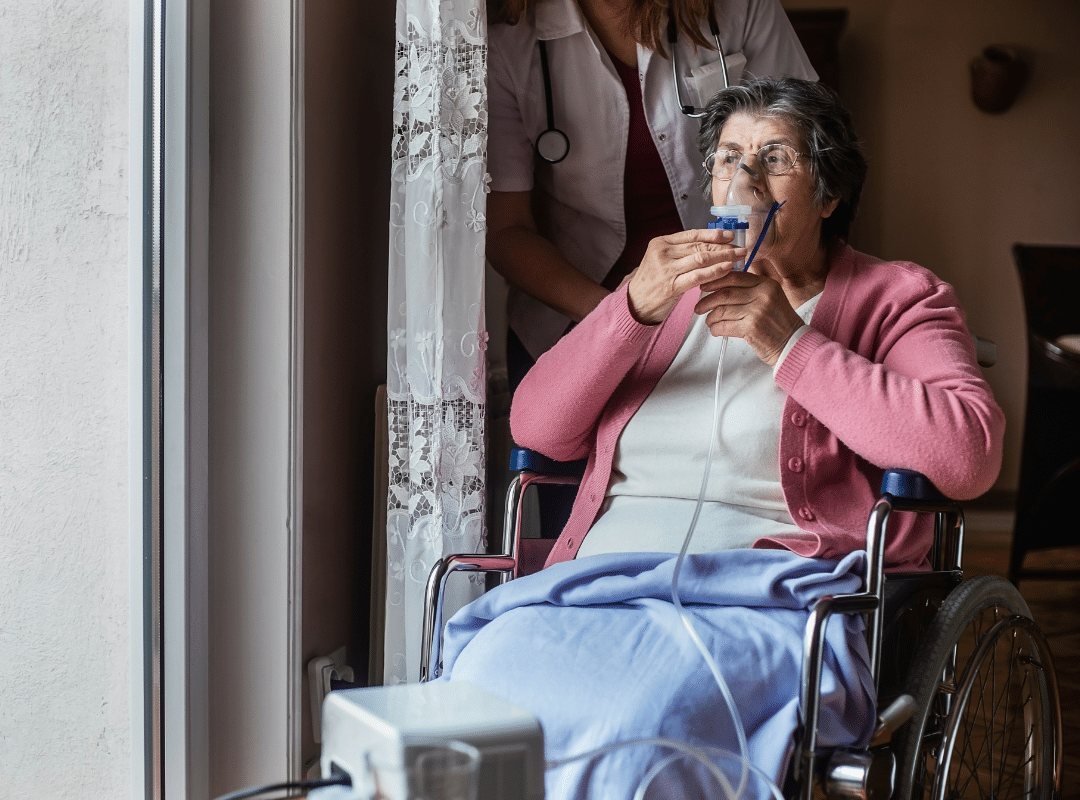
When it comes to treatment options, healthcare providers may recommend rest, plenty of fluids, and over-the-counter medications to help manage symptoms like pain and fever. In cases where bronchitis is caused by a bacterial infection, antibiotics may be prescribed. Additionally, inhalers or nebulizers can be used to help open the airways and ease breathing difficulties.

Elderly individuals with bronchitis need to follow their healthcare provider’s recommendations closely to guarantee proper management and recovery from this respiratory condition.

Complications and Risks

When it comes to bronchitis in the elderly, it’s vital to be aware of potential complications that can arise from the condition.

Older individuals are at a higher risk due to weakened immune systems and underlying health issues.

If you experience severe symptoms or have trouble breathing, seeking prompt medical attention is essential to prevent any further complications.

Potential Complications Overview

Bronchitis in the elderly can lead to a range of potential complications and risks that shouldn’t be ignored. When managing bronchitis in older individuals, it’s important to explore the treatment options available to alleviate symptoms and prevent further complications. Antibiotics may be necessary for bacterial infections, while inhalers can help with breathing difficulties. It’s crucial to adhere to the prescribed treatment plan diligently to ensure the best possible outcome.

Moreover, bronchitis can have lasting effects on the elderly, especially if left untreated or if the individual has underlying health conditions. Chronic bronchitis, a form of COPD, can develop over time, leading to persistent cough, shortness of breath, and reduced lung function. This underscores the significance of seeking medical attention promptly and following through with the recommended treatment to minimize the risk of long-term complications.

Risks for Elderly

With bronchitis in older individuals, the potential complications and risks can be significant. Preventive measures play an essential role in mitigating these risks. Elderly individuals with bronchitis are at a higher risk of developing serious health implications, such as pneumonia, especially if they’ve underlying conditions like COPD or heart disease. The weakened immune system in the elderly makes them more susceptible to complications from bronchitis.

Health implications of bronchitis in the elderly can include exacerbation of existing respiratory conditions, difficulty breathing, and increased vulnerability to respiratory infections. Preventive measures like annual flu vaccinations and practicing good hand hygiene can help reduce the risk of bronchitis and its complications in older individuals.

It’s important for caregivers and healthcare providers to closely monitor elderly patients with bronchitis to promptly address any deterioration in their condition. Being proactive in managing bronchitis in the elderly can help prevent further health complications and improve overall well-being.

Seeking Medical Attention

Experiencing persistent coughing, wheezing, or shortness of breath could indicate potential complications from bronchitis in the elderly. Early intervention is important in managing these symptoms to prevent the condition from worsening.

If you notice that your loved one is struggling to breathe, seems confused, or has bluish lips or fingernails, seek medical attention immediately. Timely treatment can help prevent severe complications such as pneumonia, respiratory failure, or exacerbation of underlying conditions like COPD or heart disease.

When seeking medical help, provide the healthcare provider with a detailed account of the symptoms, including when they started and how they’ve progressed. Be prepared to discuss any pre-existing conditions or medications the elderly individual is taking.

Follow the doctor’s recommendations diligently and make sure that any prescribed medications are taken as directed. Remember, prompt medical attention is vital in managing bronchitis in the elderly and reducing the risk of serious complications.


What Level of Care Do You Need?

Discover the level of care you or your family member requires. 


Differences From Bronchitis in Younger Adults

As you age, the symptoms of bronchitis may vary compared to when you were younger, often presenting with more pronounced coughing and breathing difficulties. Additionally, the risk of complications such as pneumonia increases in elderly individuals with bronchitis, requiring careful management and monitoring. Understanding these age-related differences is essential in providing effective treatment and support for older adults with bronchitis. Moreover, lifestyle factors like smoking history can also impact the severity and duration of bronchitis symptoms in the elderly.

Age-Related Symptoms Variations

Elderly individuals with bronchitis often present with a distinct set of symptoms that differ from those seen in younger adults. In the elderly, symptom progression tends to be slower, and the initial signs might be subtle, such as fatigue, mild cough, or slight shortness of breath. As bronchitis develops, older adults may experience more severe coughing fits, increased mucus production, and a higher risk of developing complications like pneumonia.

Age-related treatment for bronchitis in the elderly focuses on managing symptoms and preventing further complications. Healthcare providers often recommend rest, hydration, and over-the-counter medications to alleviate cough and fever.

However, due to the aging immune system and potential comorbidities, antibiotics are more frequently prescribed in this age group to combat bacterial infections that can exacerbate bronchitis. Additionally, seniors may benefit from pulmonary rehabilitation programs to improve lung function and reduce the risk of recurrent bronchitis episodes.

Seeking prompt medical attention is essential for elderly individuals with bronchitis to receive appropriate care and prevent complications.

Complications and Management

Symptoms of bronchitis in older adults can lead to various complications that differ from those observed in younger individuals. Older adults with bronchitis are more prone to developing long-term effects such as chronic bronchitis, recurrent respiratory infections, and even pneumonia. Due to age-related changes in the immune system and lung function, these complications can be more severe and have a higher risk of leading to hospitalization.

When it comes to managing bronchitis in the elderly, treatment options focus on alleviating symptoms, preventing complications, and improving overall respiratory health. This may include rest, staying hydrated, using humidifiers to ease breathing, and in some cases, prescribed medications like bronchodilators or steroids to reduce inflammation in the airways.

Seniors with bronchitis need to follow their healthcare provider’s recommendations closely to avoid exacerbating the condition or developing further complications. Regular follow-up visits and monitoring are essential to guarantee proper management and recovery from bronchitis in older adults.

Treatment Options for Seniors

When considering treatment options for seniors with bronchitis, it’s vital to focus on alleviating symptoms and promoting recovery efficiently. For medication options, doctors may prescribe bronchodilators to help open airways, antibiotics if a bacterial infection is present, or cough suppressants to manage persistent coughing. These medications aim to reduce inflammation, fight infection, and ease discomfort. It’s important to follow the prescribed dosage and complete the full course of medication.

In addition to medications, home remedies can also play a significant role in managing bronchitis in seniors. Encourage plenty of rest to allow the body to heal, maintain hydration by drinking fluids like water or warm herbal teas, and use a humidifier to keep the air moist and soothe irritated airways. Warm compresses on the chest can help relieve discomfort, and breathing exercises may improve lung function. These home remedies can complement medical treatment and support the senior’s recovery process effectively. Outdoor games for seniors offer physical health benefits such as improved mobility and cardiovascular health.

When to Consult a Healthcare Provider

If you or a loved one are experiencing persistent or worsening bronchitis symptoms, it’s important to seek guidance from a healthcare provider promptly. While home remedies and natural remedies may offer some relief, consulting a healthcare professional is essential for the proper evaluation and management of bronchitis in the elderly. Home remedies like staying well-hydrated, using a humidifier, and getting plenty of rest can help alleviate symptoms, but they may not address the underlying cause or prevent potential complications. Natural remedies such as herbal teas, steam inhalation, and essential oils may also provide some relief from bronchitis symptoms, but they should complement medical advice rather than replace it.

A healthcare provider can assess the severity of the bronchitis, determine if any medications are necessary, and monitor for any complications that may arise. They can also provide guidance on when to contemplate more aggressive treatments or hospitalization if needed. Seeking professional medical advice guarantees that elderly individuals receive appropriate care tailored to their specific needs and helps prevent the progression of bronchitis into a more serious condition. Age-related physiological changes, such as immunosenescence, weaken the immune response, making the elderly more vulnerable to severe outcomes from bronchitis.


Prevention Strategies for the Elderly

To effectively prevent bronchitis in the elderly, it’s necessary to focus on implementing various strategies that can help reduce the risk of developing this respiratory condition. Lifestyle modifications play a pivotal role in preventing bronchitis.

Encourage regular exercise to enhance lung function and strengthen the immune system. Avoiding exposure to tobacco smoke and other pollutants is also crucial. Proper hand hygiene, especially during cold and flu seasons, can help prevent the spread of respiratory infections.

Additionally, vaccination plays a noteworthy role in bronchitis prevention for the elderly. Getting an annual flu vaccine is essential, as the flu can lead to bronchitis in vulnerable populations. Pneumococcal vaccines are also recommended to protect against pneumonia, a common complication of bronchitis.

Lastly, maintaining a healthy diet rich in fruits, vegetables, and whole grains can help support overall immune function. Adequate hydration is vital to keep the respiratory tract moist and prevent infections. By incorporating these lifestyle modifications and emphasizing the importance of vaccinations, the risk of bronchitis in the elderly can be greatly reduced.


As an older adult, you may experience bronchitis differently than younger individuals. Remember, seeking medical attention promptly can make all the difference in your recovery. So, if you notice symptoms worsening or breathing becoming difficult, don’t hesitate to reach out to a healthcare provider at The Oaks at Nipomo by calling (805) 723-5206. Stay informed, stay proactive, and stay healthy – your well-being is worth it.


Involving Residents in Decision-Making: The Power of Assisted Living Councils

The Essence of Assisted Living Councils in Assisted Living

Nipomo, California, known for its serene landscapes and community-centric living, is home to The Oaks at Nipomo, a premier assisted living facility. Here, the concept of Assisted Living Councils plays a pivotal role in shaping a resident-centric environment. These councils are more than just a feature; they are a cornerstone in empowering our residents ensuring their voices are heard and valued.

The Role of Assisted Living Councils

Assisted Living Councils serve as a bridge between residents and management at facilities like The Oaks at Nipomo. They provide a structured platform for residents to express their needs, preferences, and concerns. This democratic approach not only enhances the quality of life for the residents but also leads to more personalized and efficient facility management.


Benefits of Resident Involvement in Decision Making

Involving residents in decision-making processes has profound benefits. It promotes a sense of ownership and community, improves the relevance and effectiveness of the services provided, and fosters an environment of respect and dignity. This approach aligns perfectly with the ethos of The Oaks at Nipomo, where resident satisfaction is paramount.

The Impact of Resident Councils on Community Life

Fostering a Sense of Community and Belonging

At The Oaks at Nipomo, the Assisted Living Councils foster a strong sense of community. By involving residents in decisions that affect their daily lives, these councils help create a more inclusive and welcoming environment where every individual feels valued and heard.

Enhancing Communication and Transparency

The councils are crucial in enhancing communication between residents and the management. Regular meetings and open forums ensure transparency and keep residents informed about changes and developments within the community. This openness is vital in building trust and a sense of shared purpose.

Enhancing Communication and Transparency

Enhancing Communication and Transparency

Empowering Residents Through Active Participation

Active participation in council activities empowers residents, giving them a platform to share their experiences, ideas, and feedback. This empowerment is crucial in an assisted living setting, as it helps maintain the residents’ sense of autonomy and self-worth.

The Structure and Functioning of Assisted Living Councils

Composition and Leadership of the Councils

Assisted Living Councils at The Oaks at Nipomo are composed of residents who are elected by their peers. This democratic structure ensures that the council truly represents the resident population. Leadership roles within the council are also held by residents, further emphasizing the resident-driven nature of these bodies.

Regular Meetings and Agenda-Setting

Council meetings are held regularly, providing a structured opportunity for discussion and decision-making. The agenda for these meetings is set collaboratively, ensuring that the topics discussed are relevant and of interest to the residents.

Collaboration with Facility Management

One of the key strengths of the Assisted Living Councils at The Oaks at Nipomo is their collaborative approach to facility management. This partnership ensures that resident feedback is not only heard but also acted upon, leading to continuous improvement in services and facilities.

Enhancing Quality of Life through Resident Councils

Impact on Daily Living and Activities

The influence of Assisted Living Councils at The Oaks at Nipomo extends to various aspects of daily living. From dining menu selections to activity planning, the councils have a significant say, ensuring that the offerings align with resident preferences and needs. This level of involvement ensures that the lifestyle at the facility is both vibrant and resident-centered.

Advocating for Individual Needs and Preferences

One of the primary roles of the councils is to advocate for the individual needs and preferences of residents. Whether it involves accommodation adjustments, special dietary requirements, or personalized care plans, the councils ensure that each resident’s voice is heard and considered in the decision-making process.

Creating a Responsive and Adaptive Environment

The dynamic nature of the resident councils allows The Oaks at Nipomo to be a responsive and adaptive environment. As resident needs and preferences evolve, the councils play a crucial role in identifying these changes and advocating for necessary adjustments in services and facilities.

Building a Collaborative Community Culture

Encouraging Resident Engagement and Participation

Encouraging active engagement and participation in council activities is a key focus at The Oaks at Nipomo. Regular meetings, open forums, and feedback sessions are designed to be accessible and inviting, ensuring that all residents feel comfortable contributing their thoughts and ideas.

Nurturing Leadership and Personal Growth

Participation in the Assisted Living Councils is not only about influencing community decisions; it’s also an opportunity for personal growth and leadership development. Residents who take on council roles develop valuable skills, gain confidence, and enjoy a renewed sense of purpose.

Strengthening Relationships and Mutual Understanding

Through their collaborative efforts, the councils help strengthen relationships among residents and between residents and staff. This mutual understanding and respect are fundamental to creating a harmonious and supportive community.

Addressing Challenges and Enhancing Services

Responding to Resident Feedback and Concerns

One of the key responsibilities of the councils is to address feedback and concerns raised by residents. This proactive approach ensures that issues are resolved promptly and effectively, enhancing the overall living experience at The Oaks at Nipomo.

Driving Continuous Improvement

The insights and suggestions provided by the councils are invaluable in driving continuous improvement in services and facilities. This feedback loop allows the management to make informed decisions that directly benefit the residents.

Adapting to Changing Needs and Trends

In a rapidly evolving senior care landscape, the councils play a critical role in ensuring that The Oaks at Nipomo stays ahead of trends and adapts to changing resident needs. This forward-thinking approach guarantees that the facility continues to provide top-tier care and services.

Embracing the Future with The Oaks at Nipomo

At The Oaks at Nipomo, we are committed to empowering our residents through active participation in decision-making. Our Assisted Living Councils are a testament to our dedication to creating a vibrant, responsive, and resident-centered community. We invite you to experience the difference that a truly collaborative and empowering environment can make in senior living.

Join Us in Shaping a Better Future

If you or your loved ones are considering assisted living options, we encourage you to explore the unique community we have built at The Oaks at Nipomo. Our team is ready to provide you with more information and support. Feel free to reach out to us at (805) 723-5206 to discover how we can help you make informed decisions for a fulfilling and empowered life in our community.

Floor Plans & Pricing

Make yourself at home where a happy, healthy lifestyle goes hand-in-hand with your personal fulfillment, enrichment, and growth.

Answer a few quick questions to unlock the exciting future senior living can offer!

Resident Login